Shelf Bookcases
If you're looking to add a touch of sophistication and organization to your living space, look no further than these shelf bookcases. These versatile pieces not only provide ample storage for your books, collectibles, and decor but also serve as stylish focal points in any room. Whether you prefer a sleek and modern design or a more traditional look, we have a wide range of options to suit your personal style and home decor.
Sort
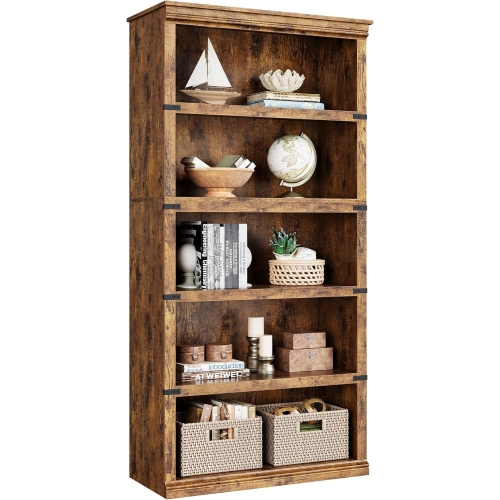
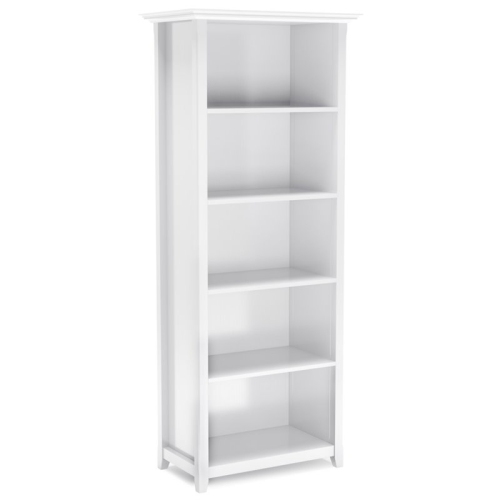
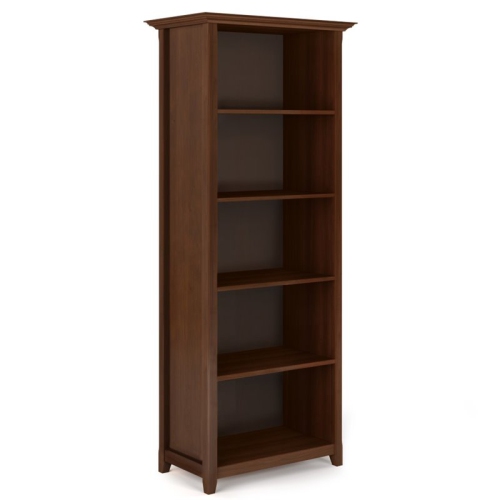
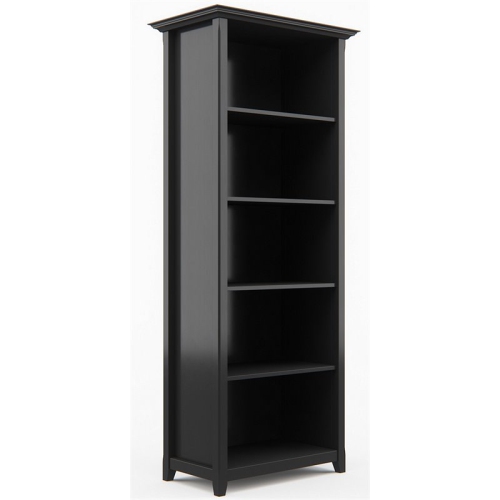
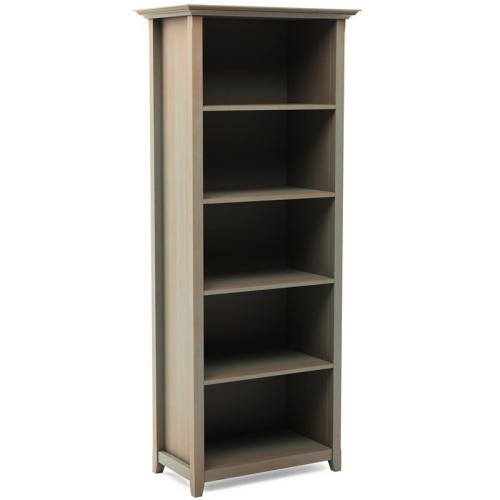
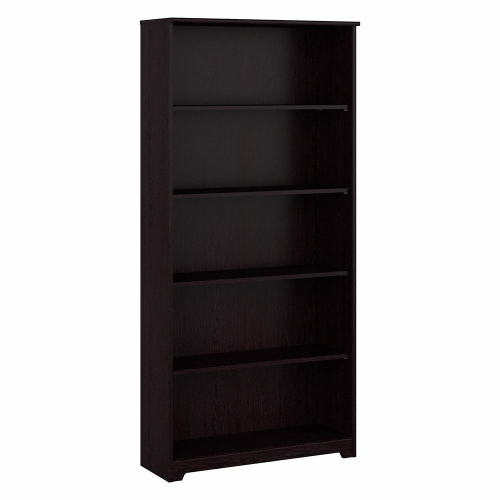
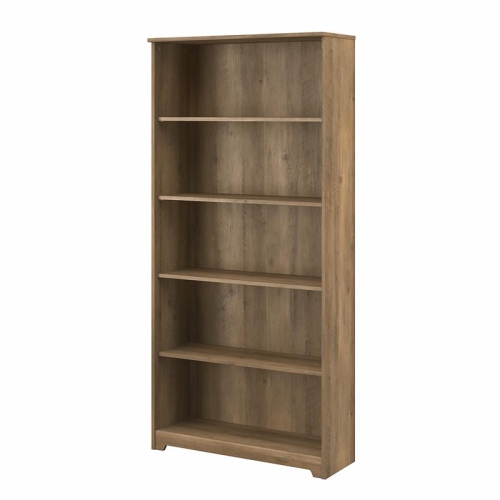
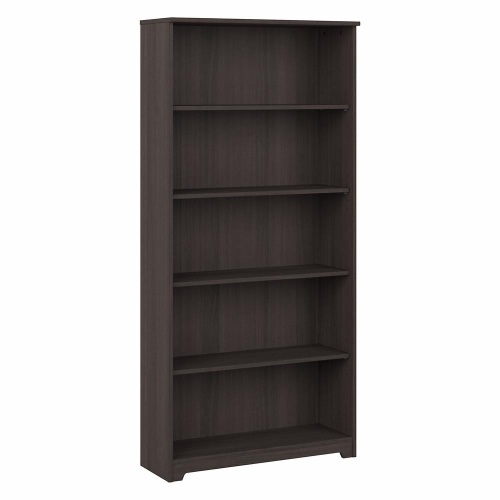
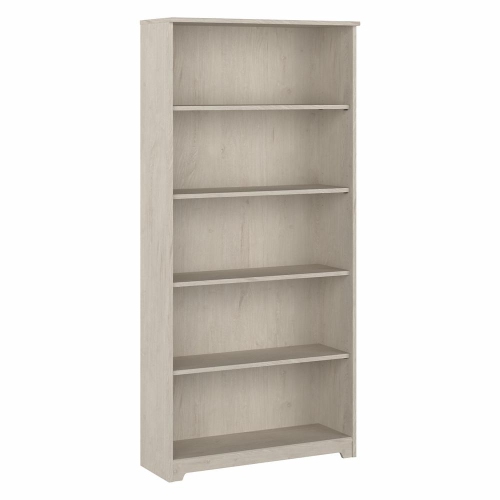
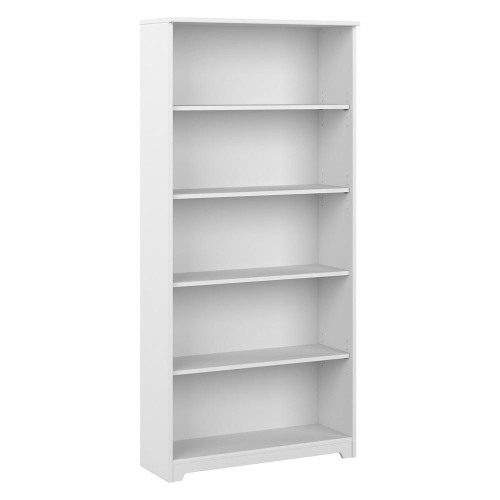
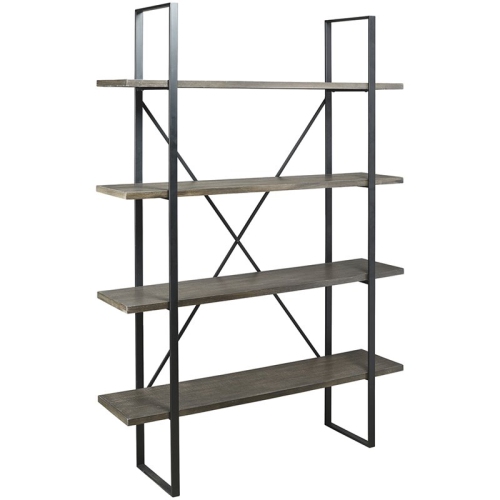
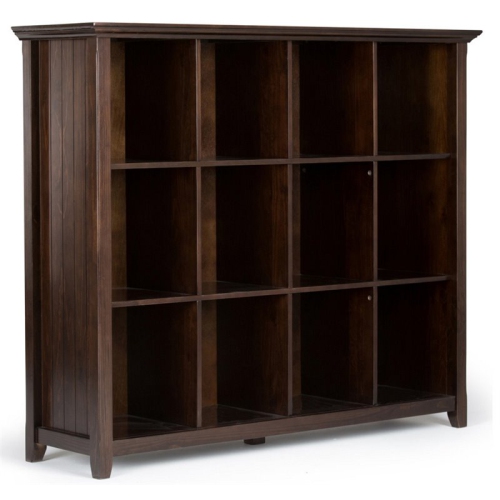

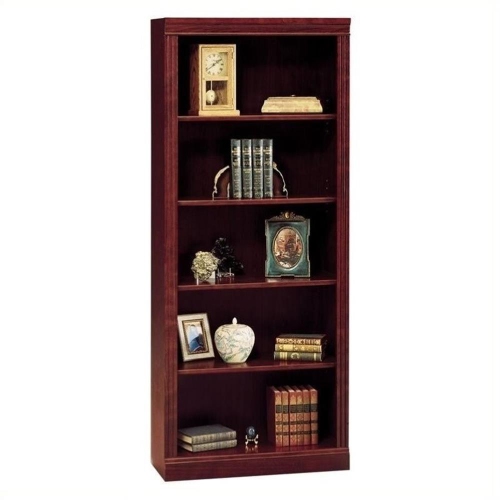
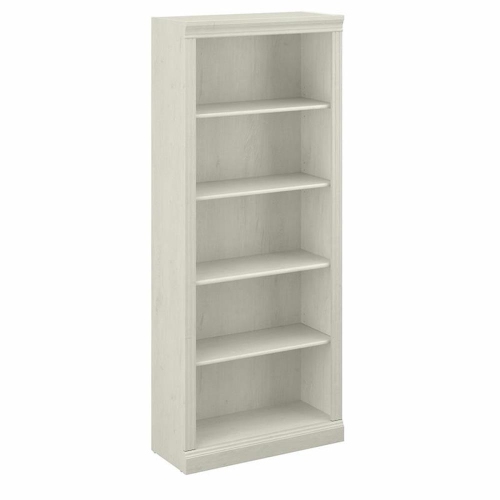
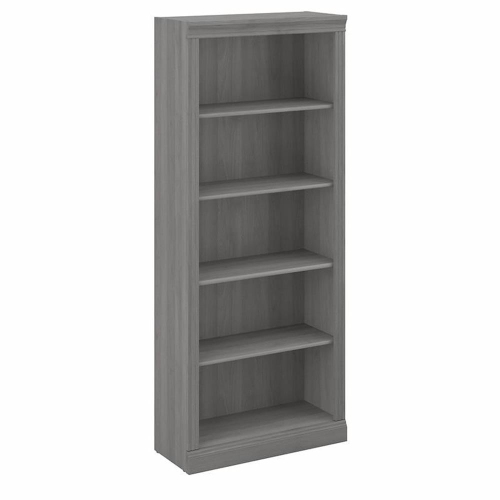
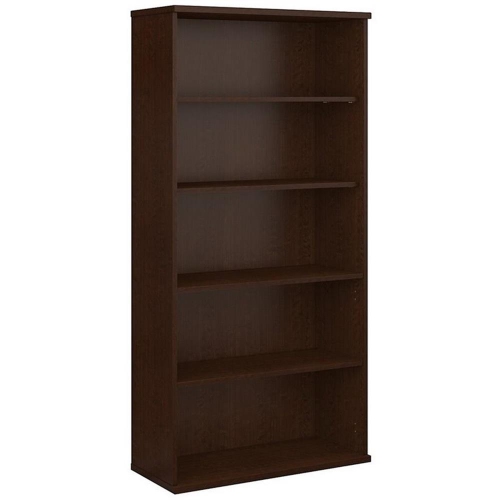
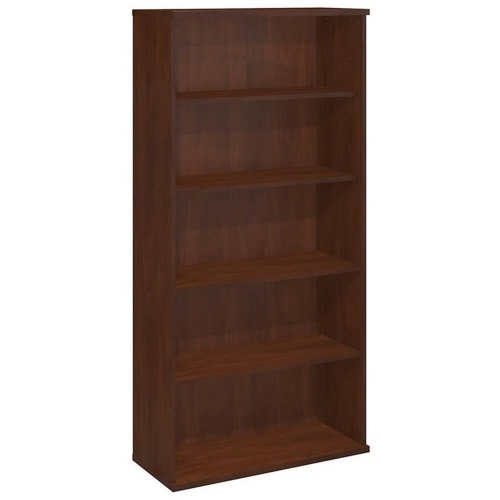
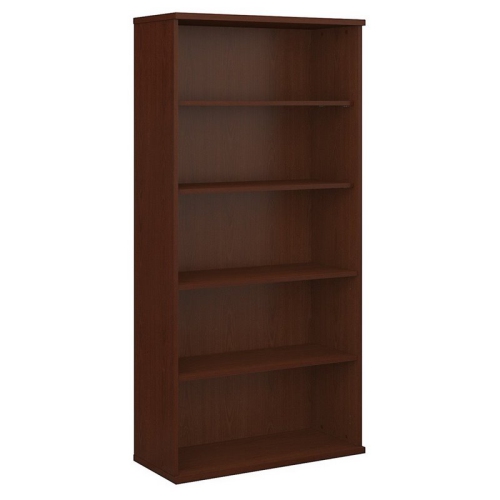
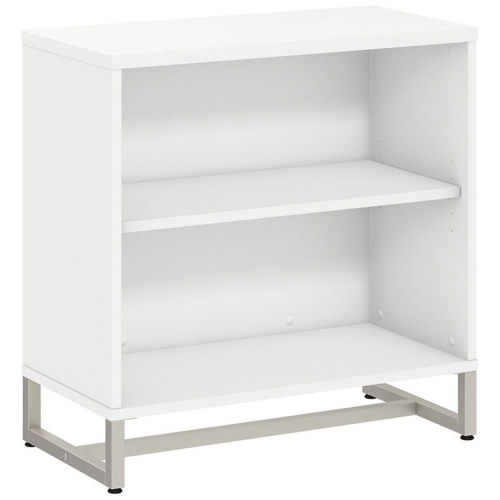

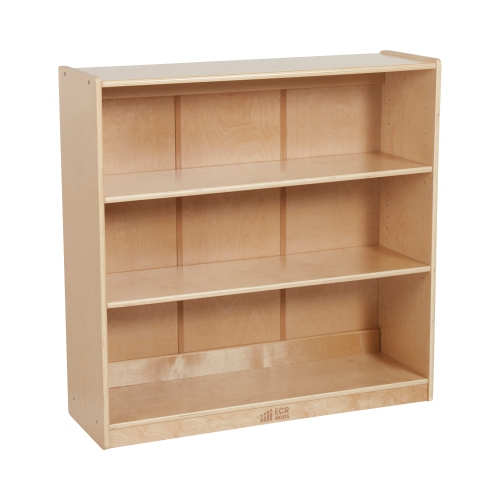
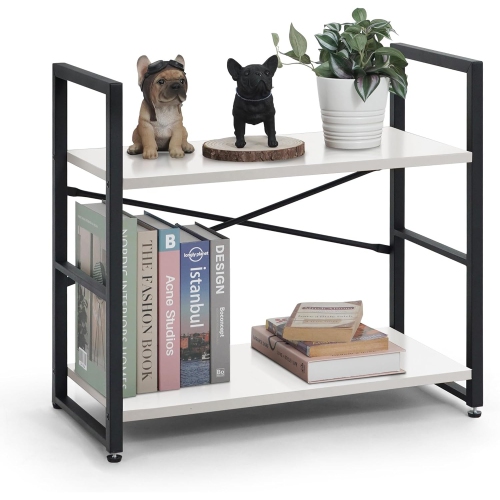

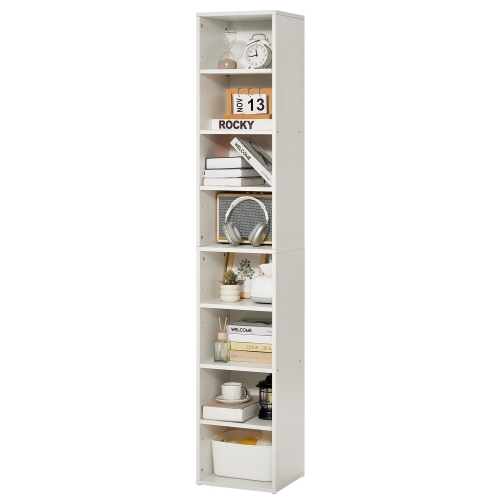
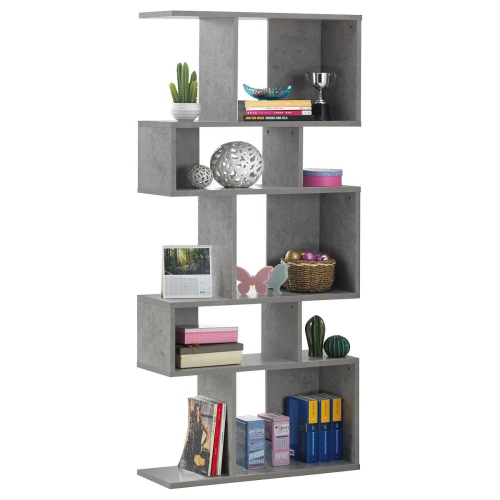
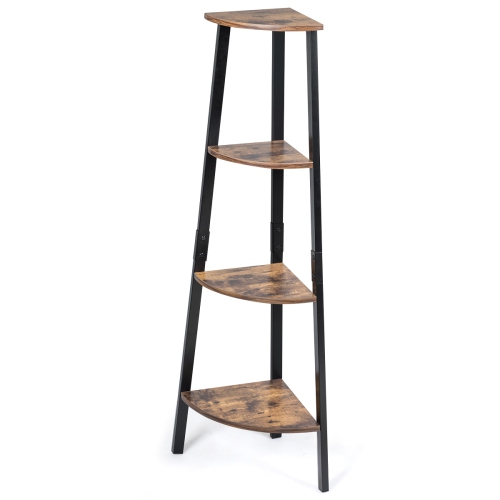
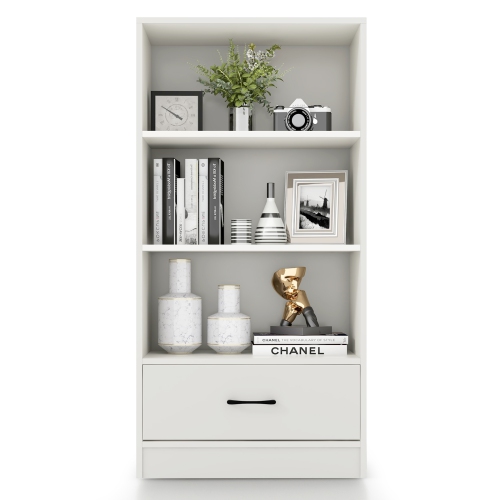
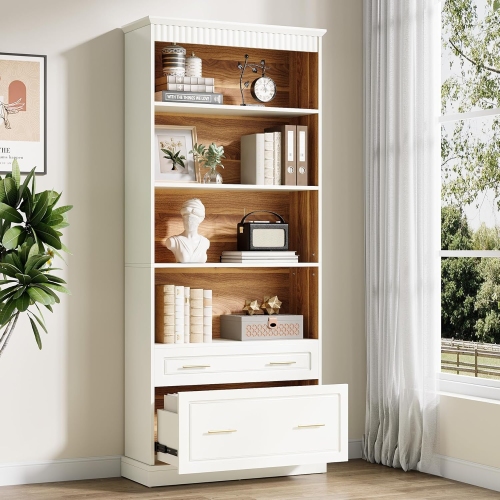
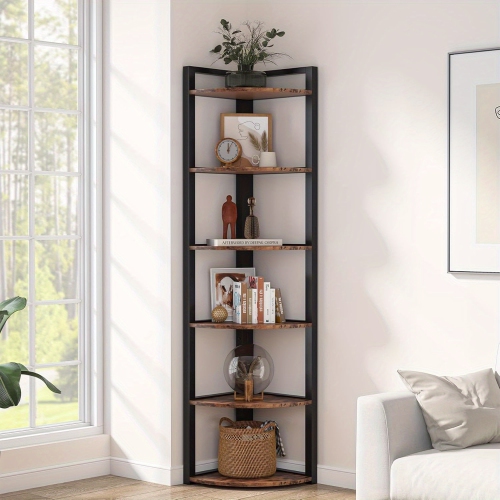
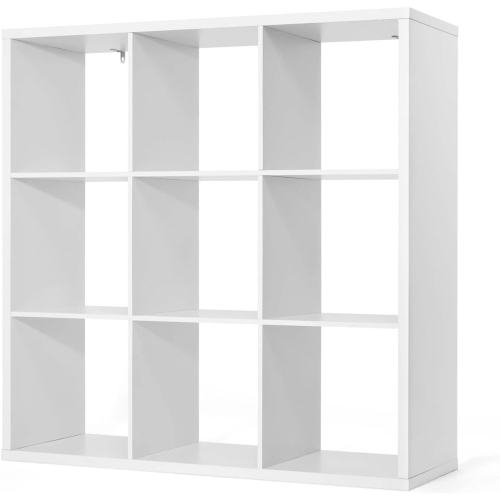
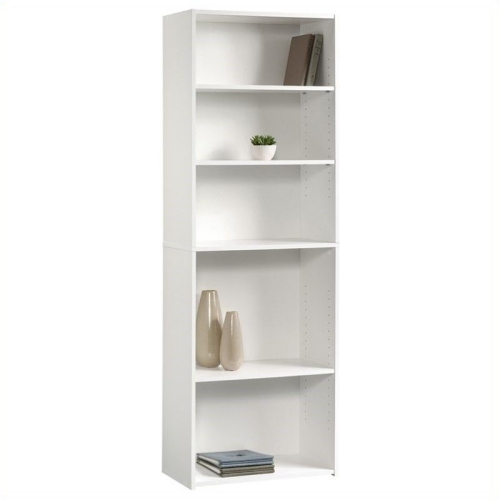
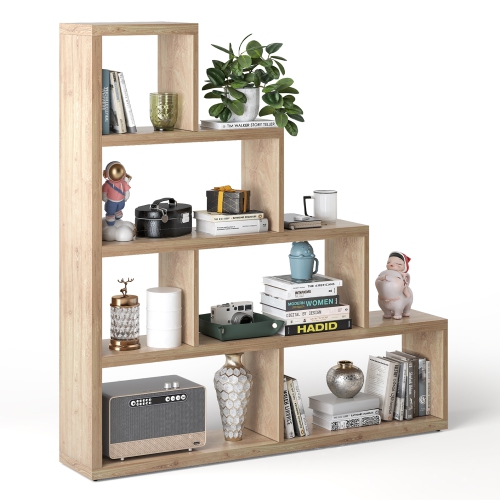
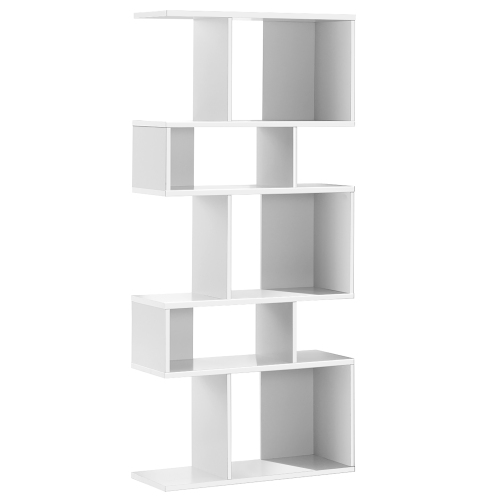
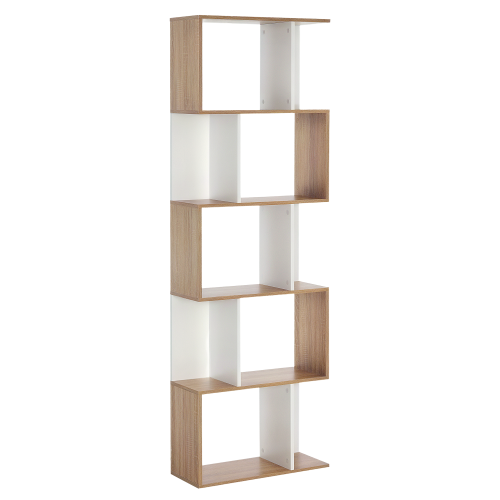
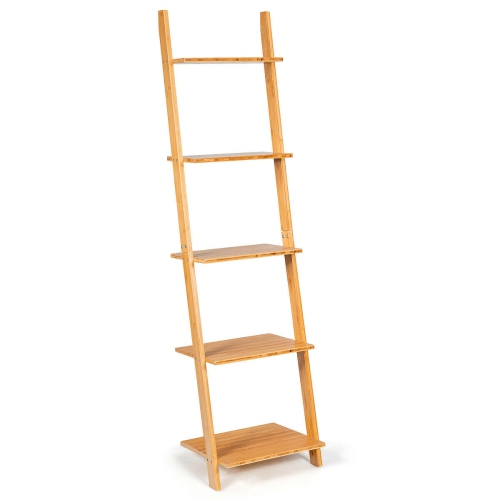
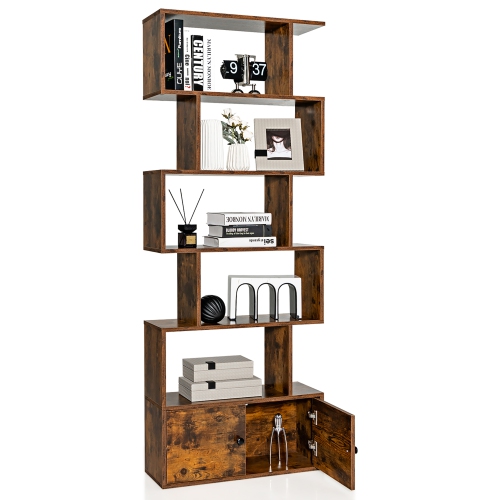
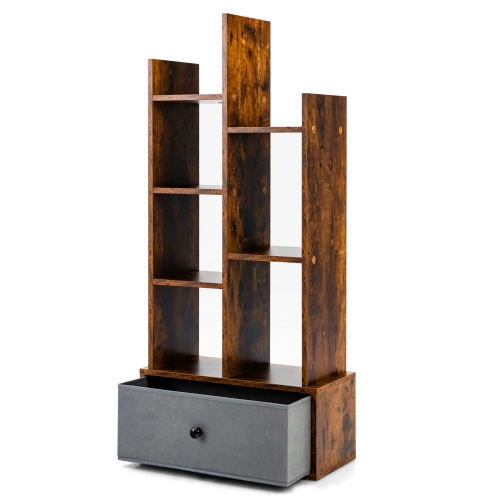
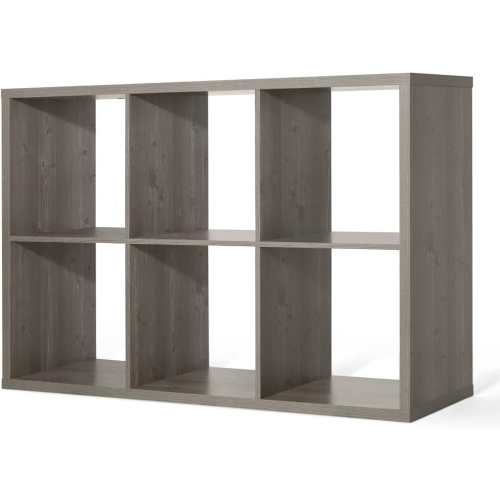
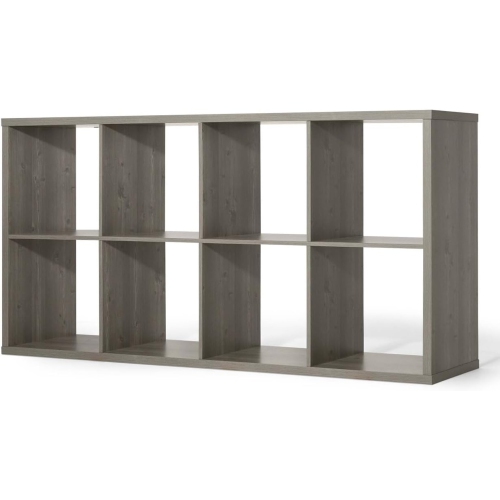
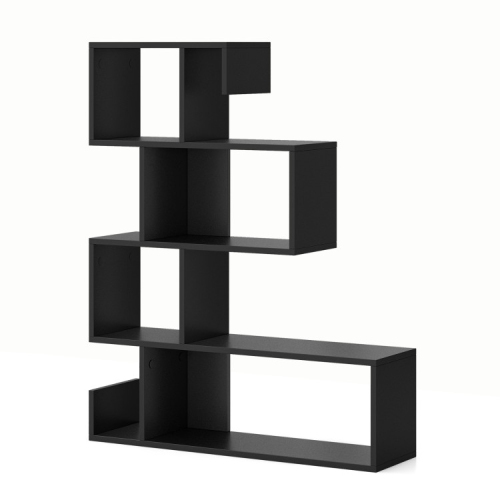

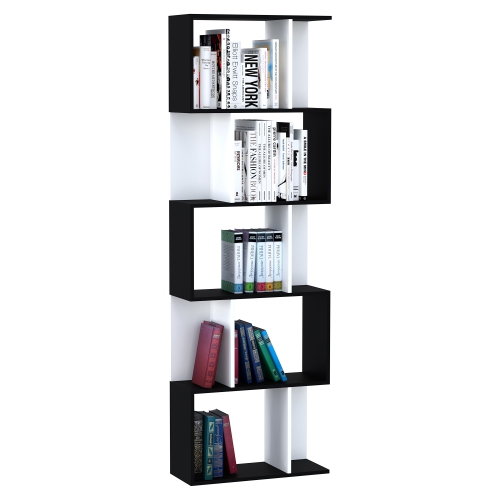
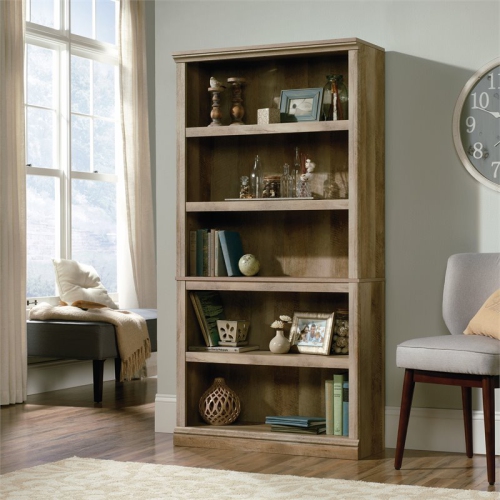
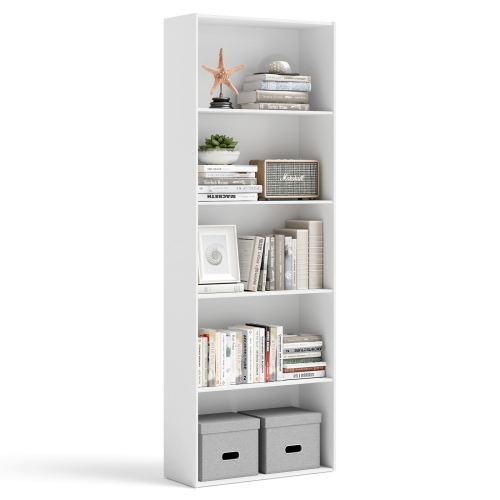
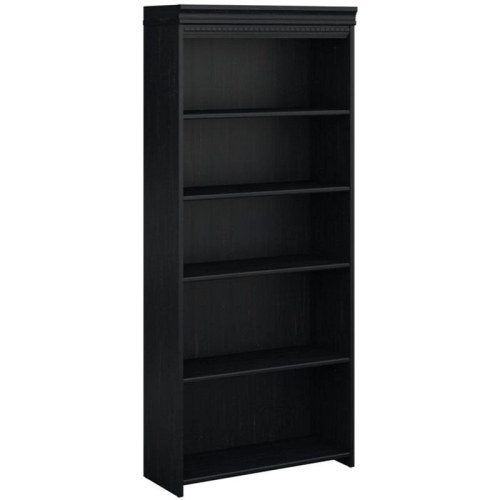

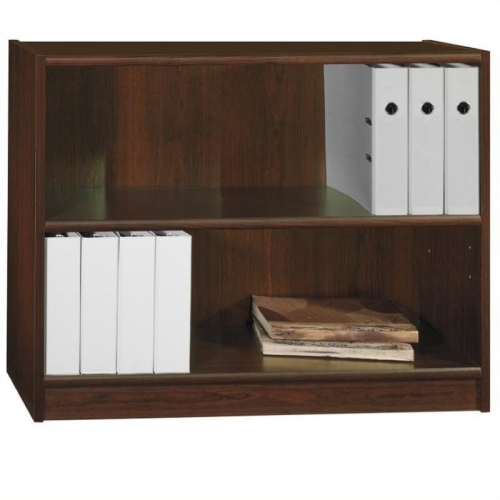

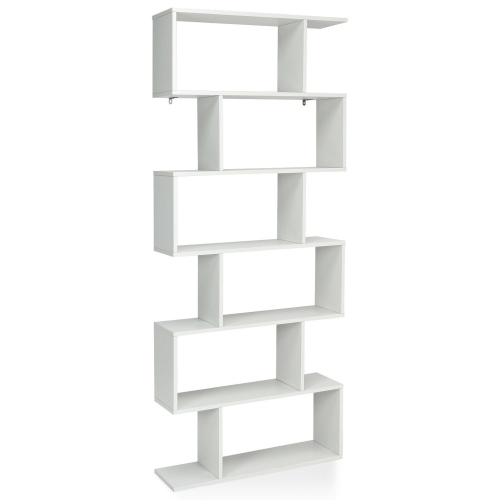
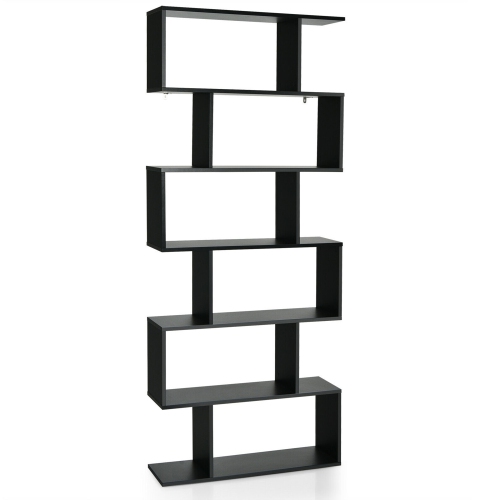
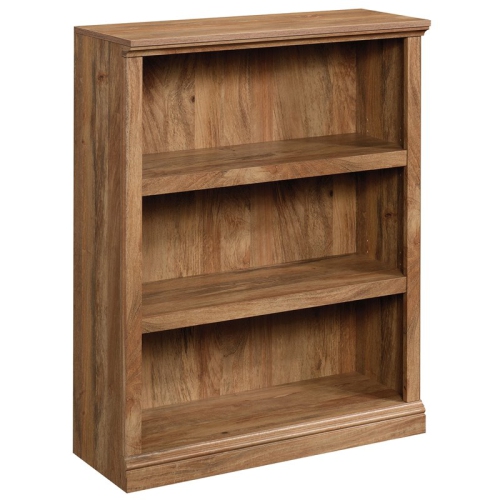
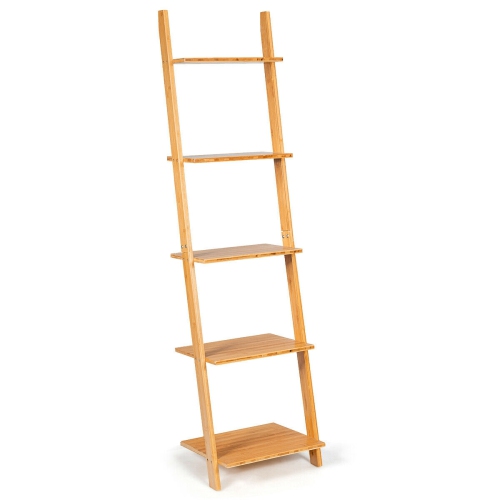
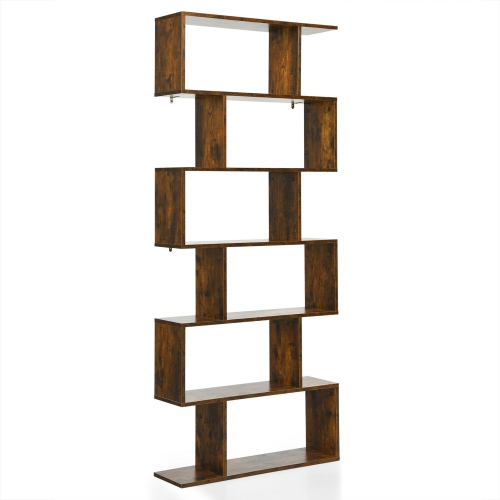
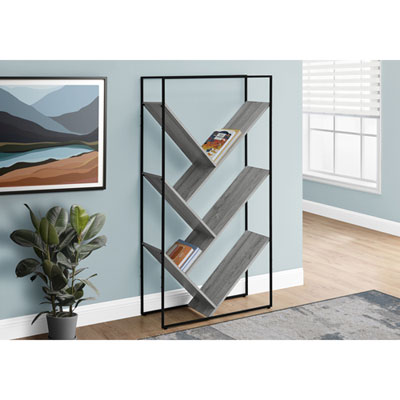
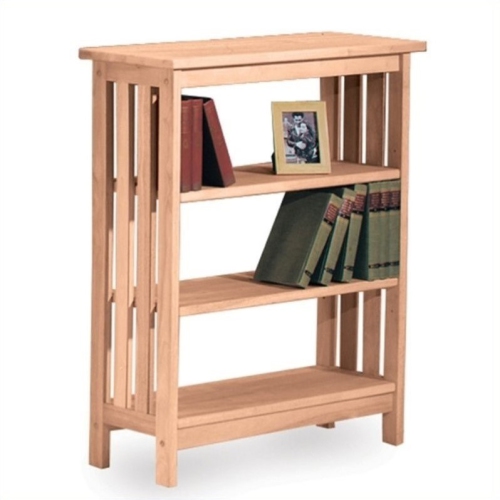
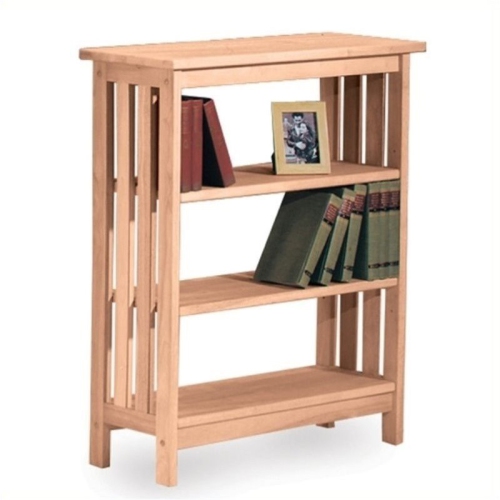
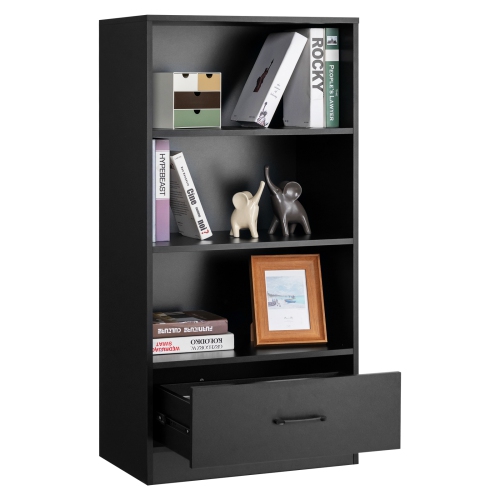
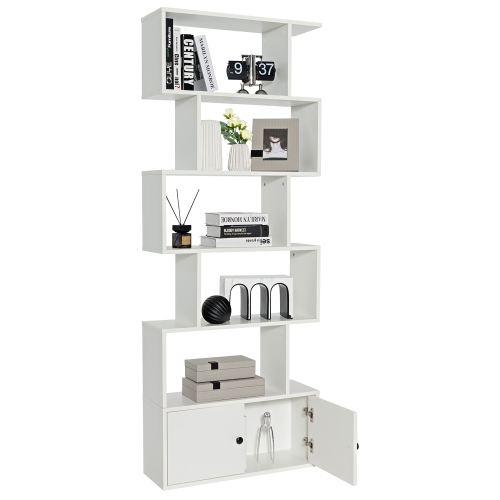
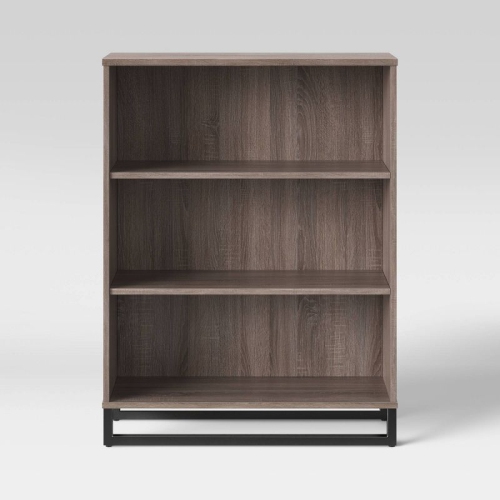
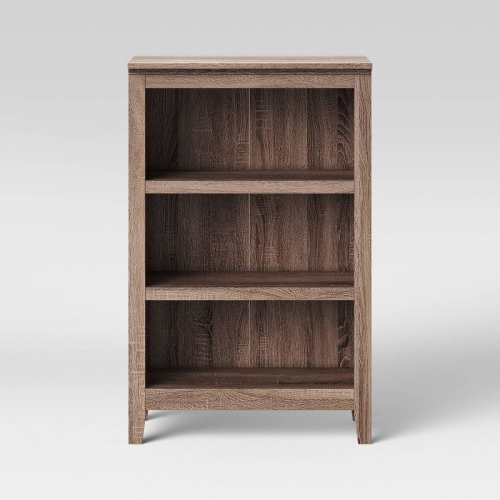
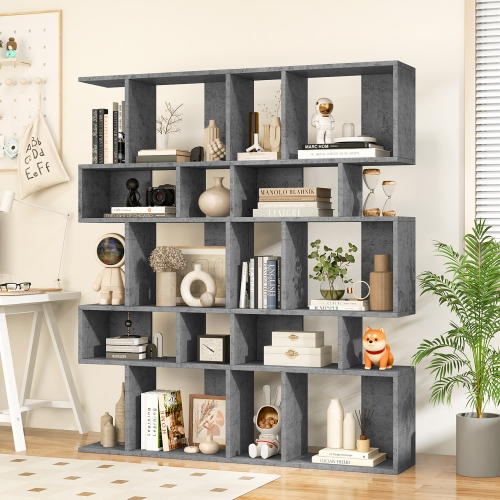
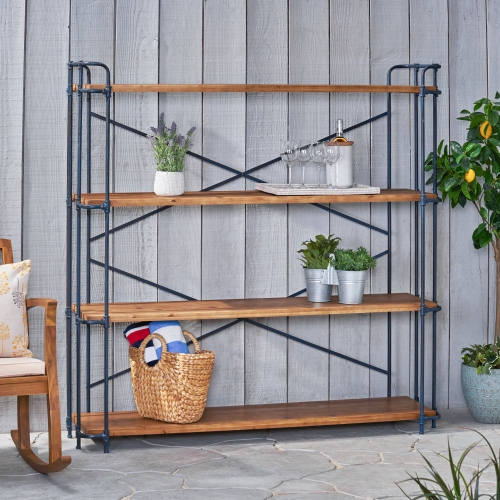
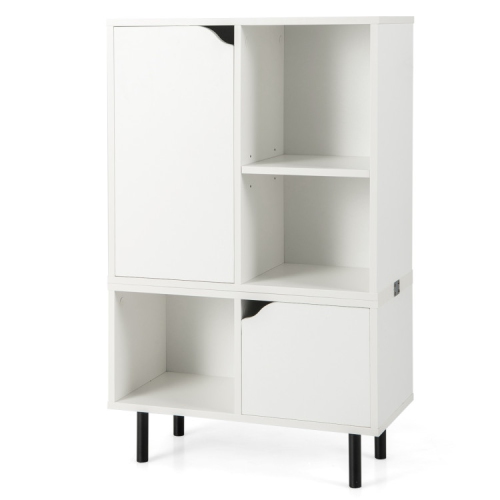
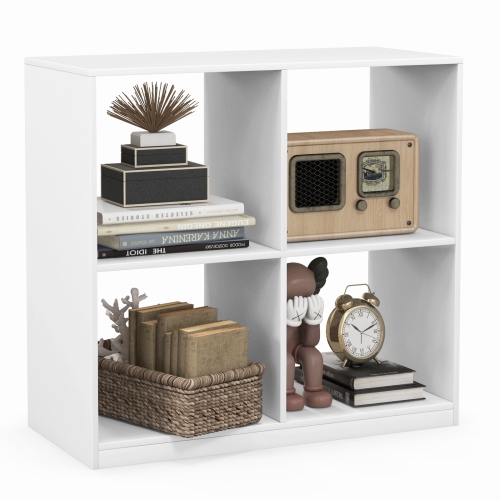
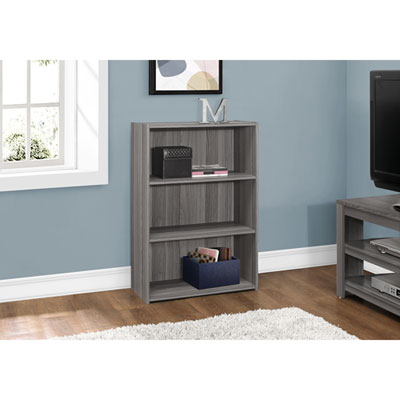
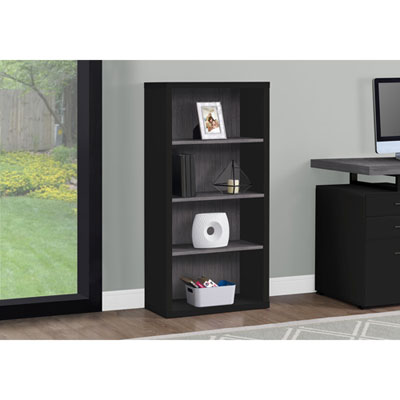
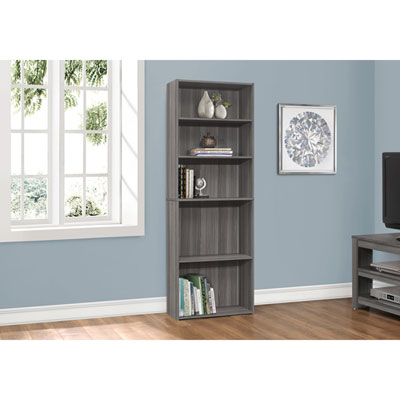
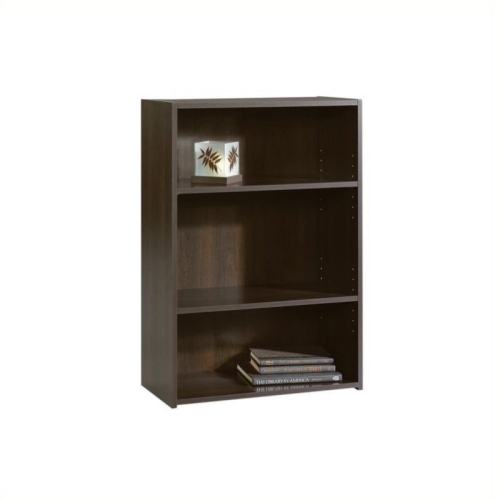
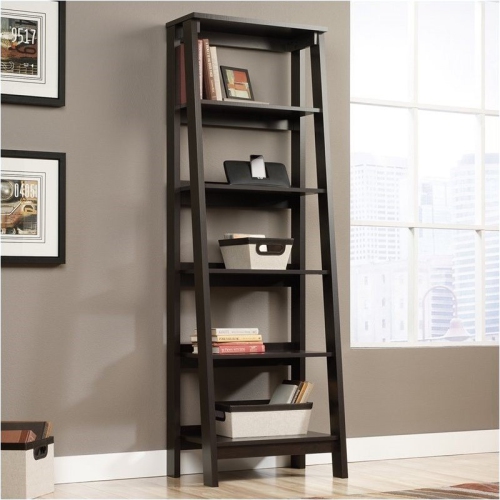
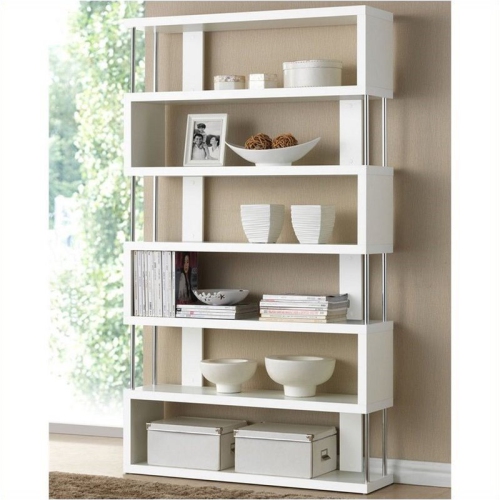
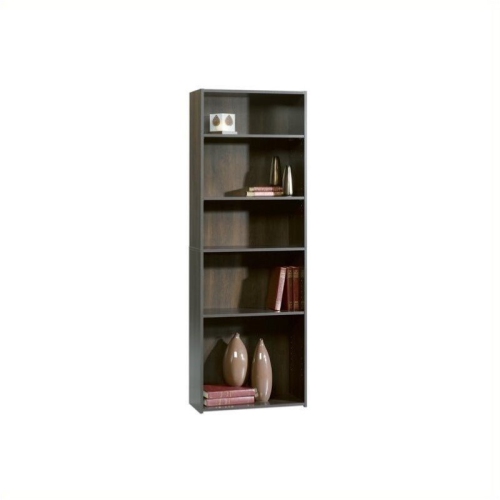
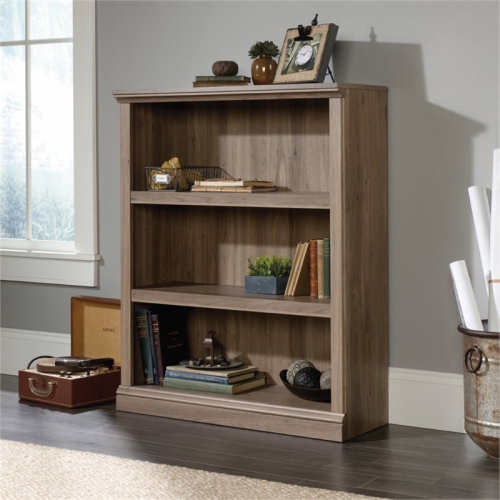
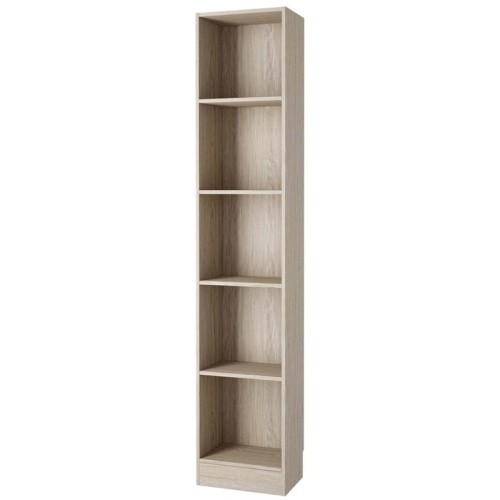
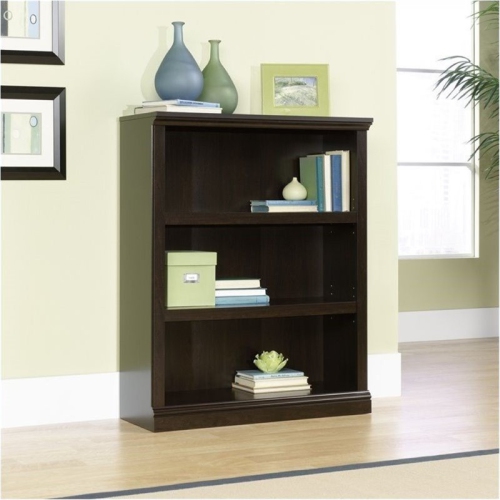
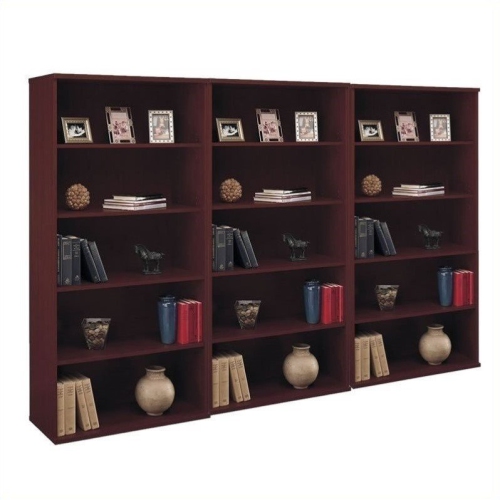
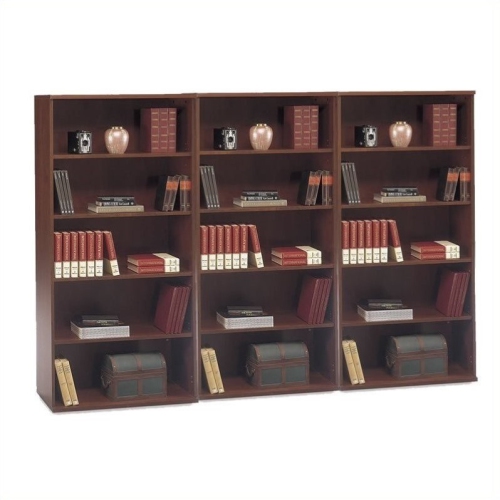
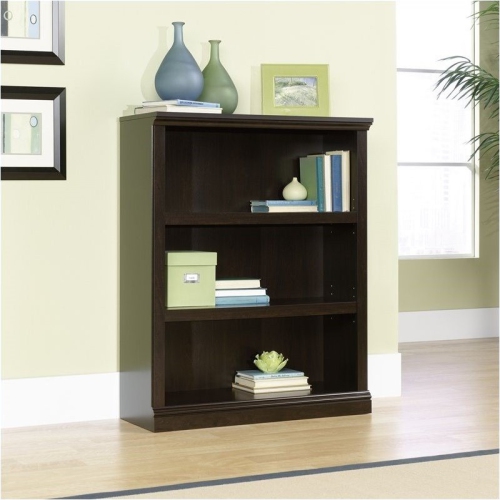
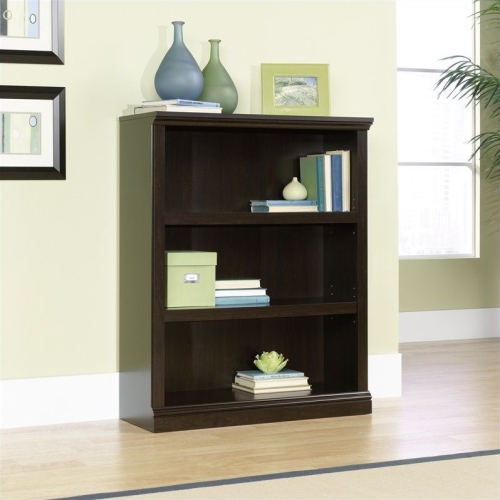

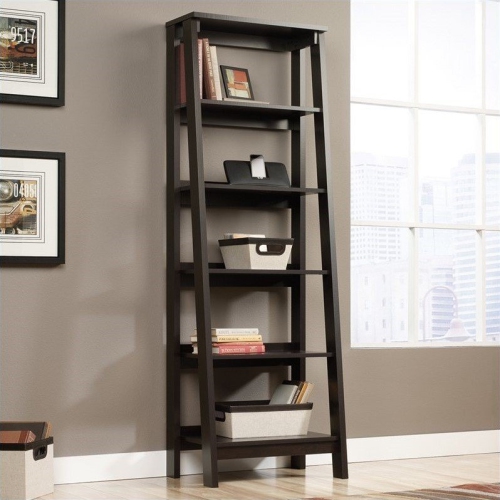
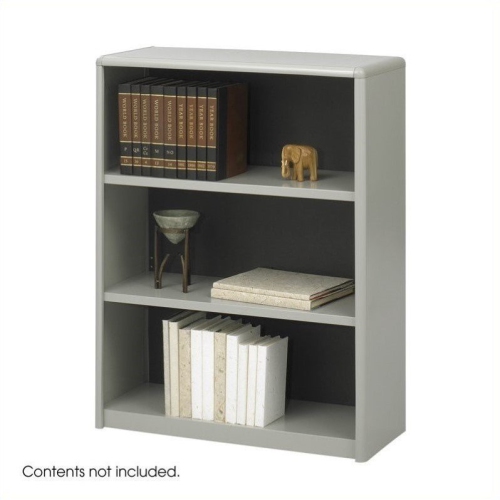
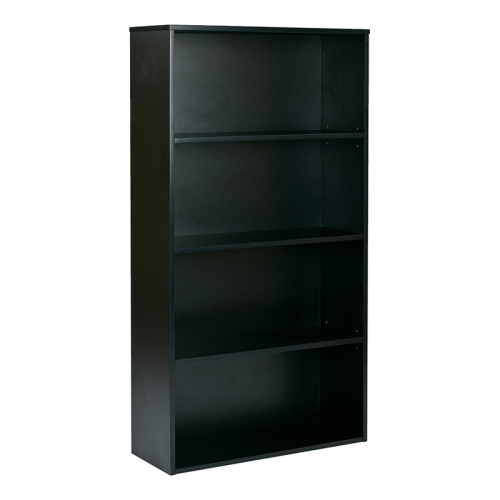
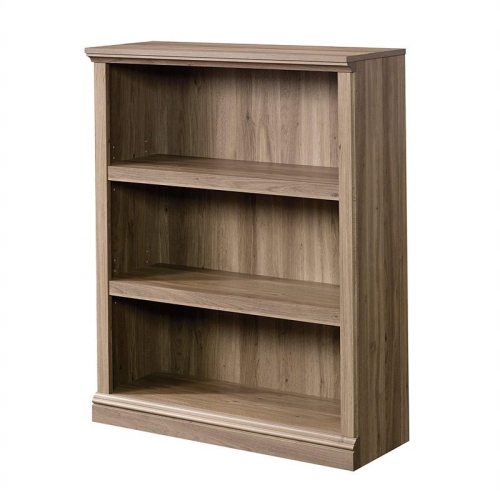
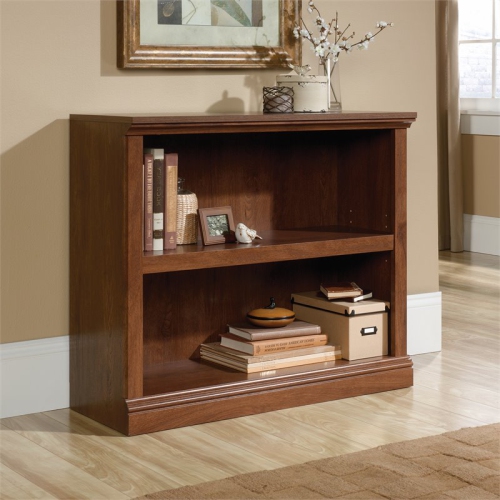
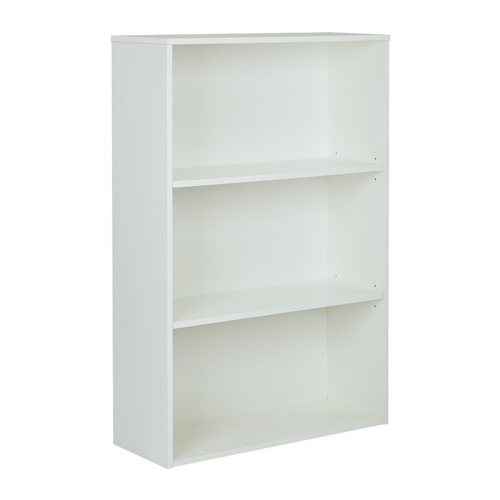
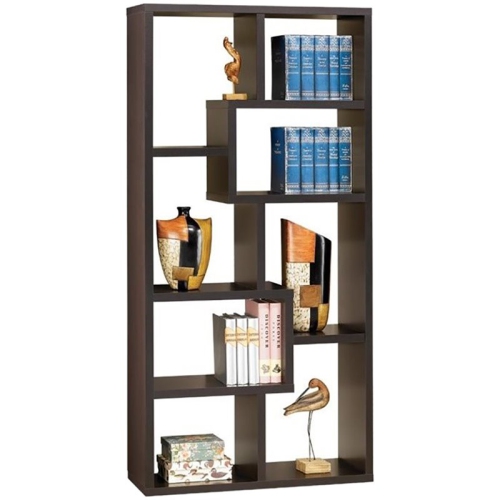
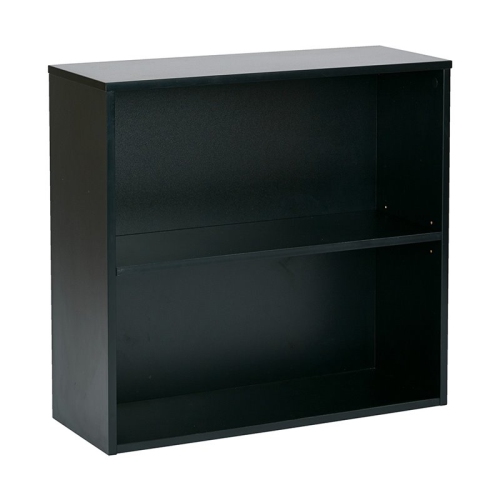
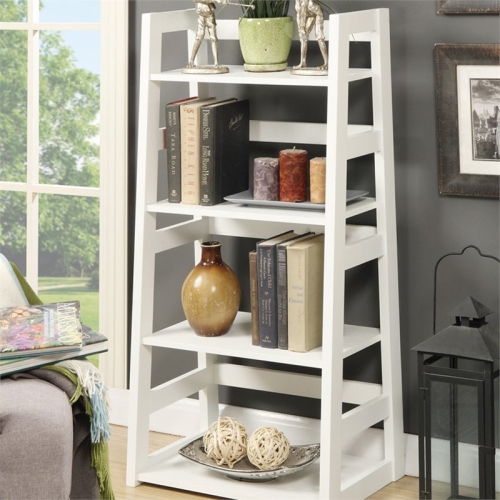
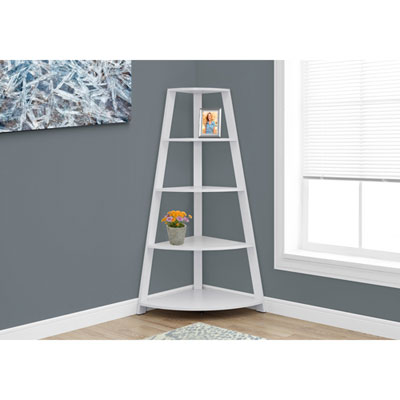
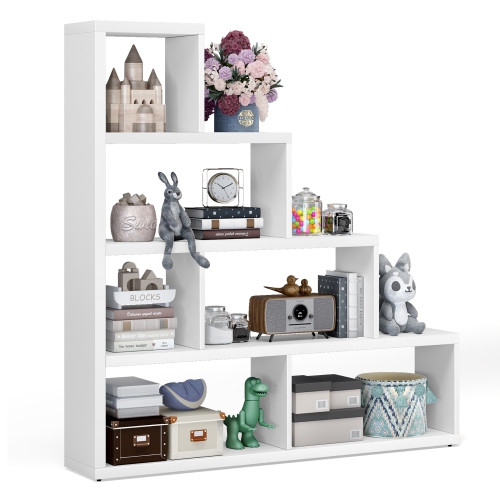


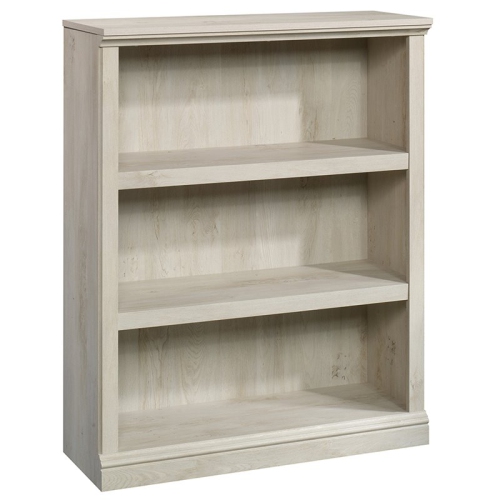
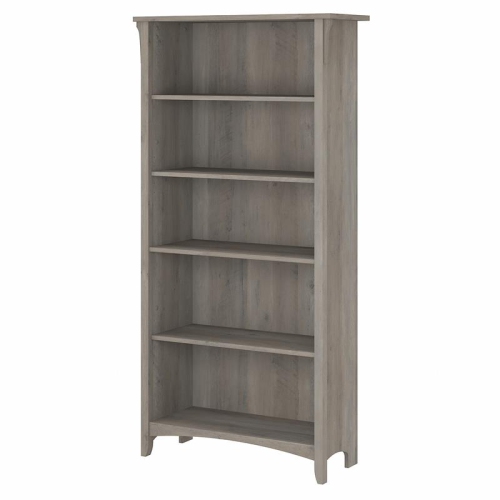
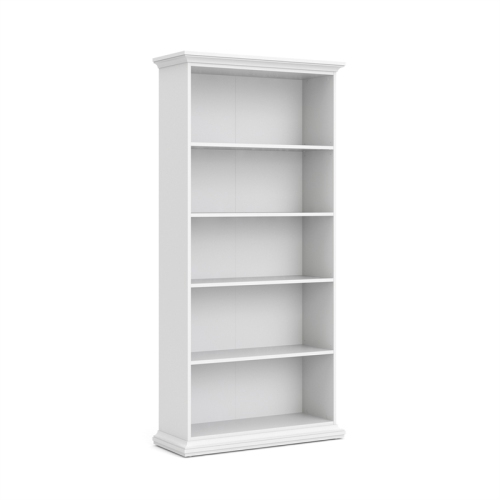
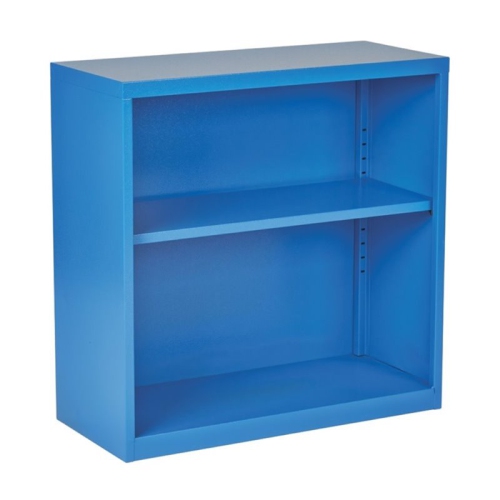
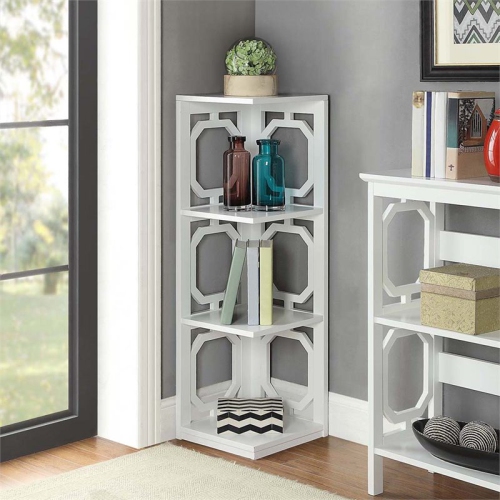
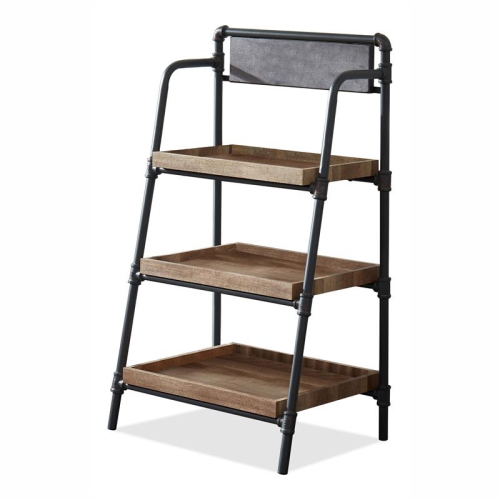
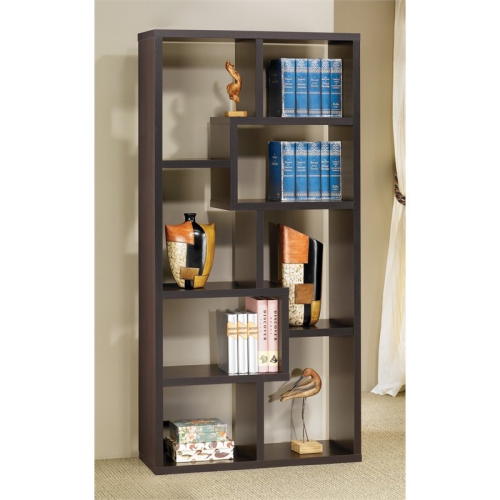
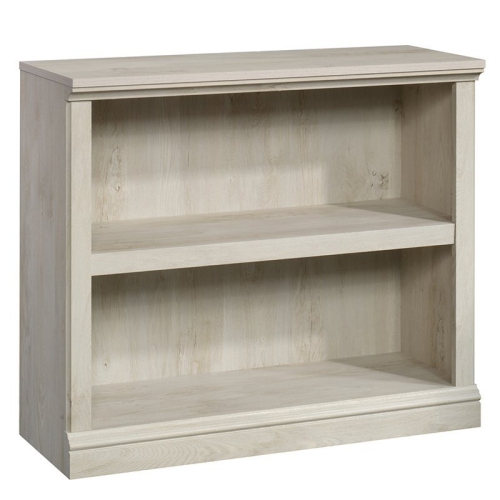
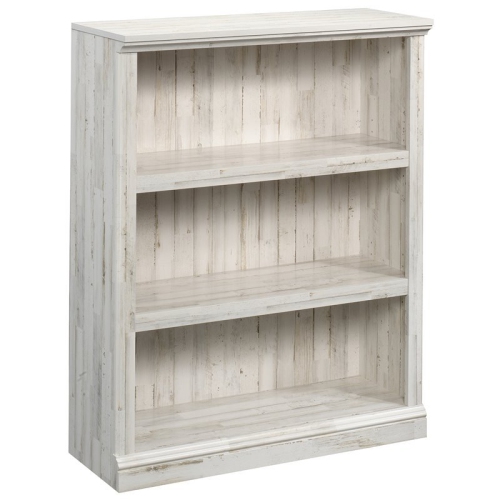
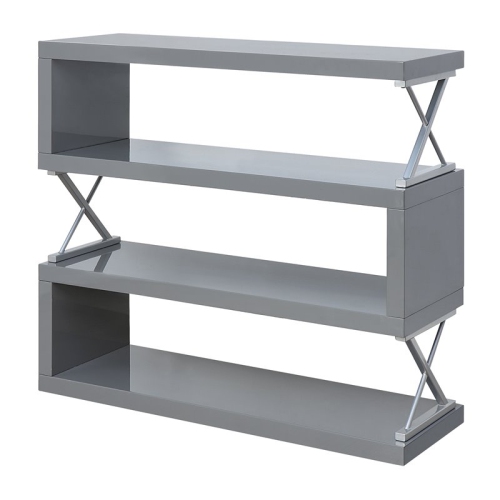
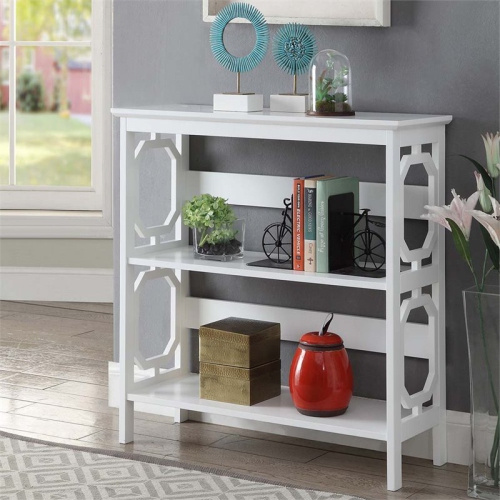
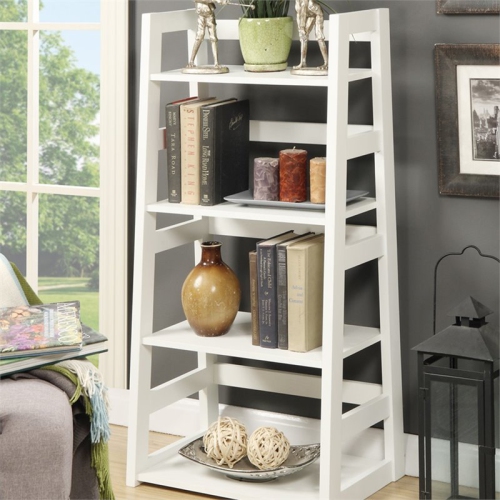
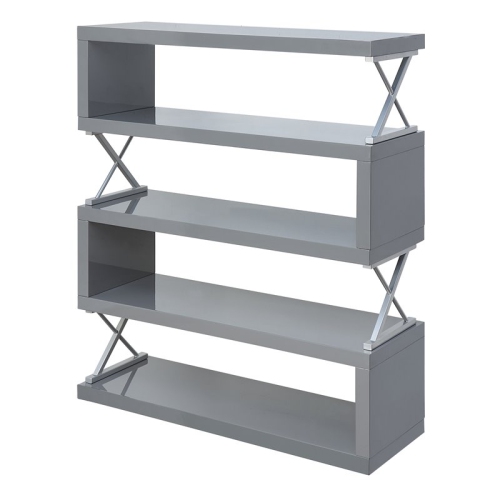
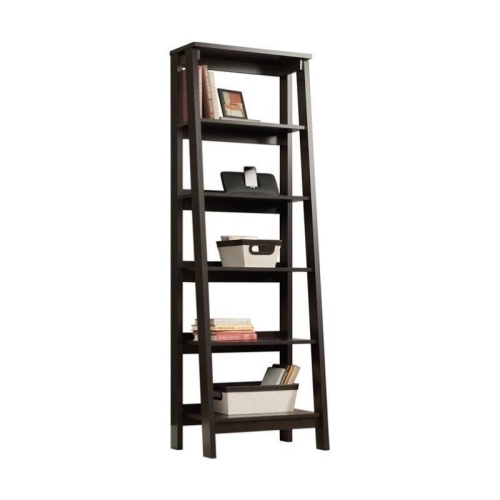
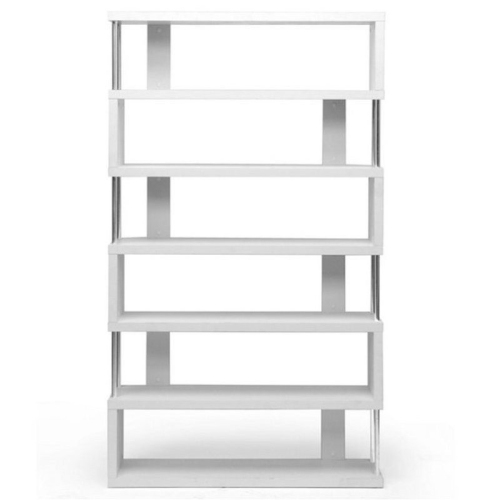
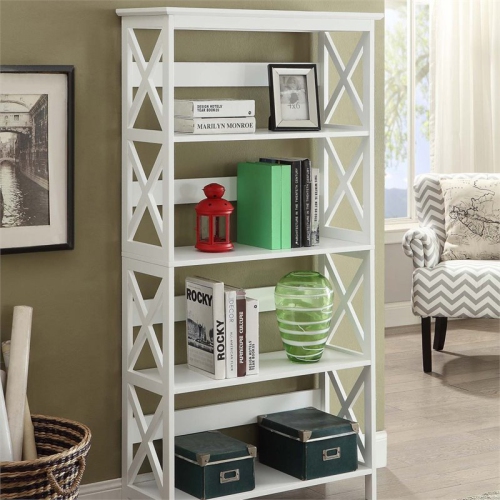
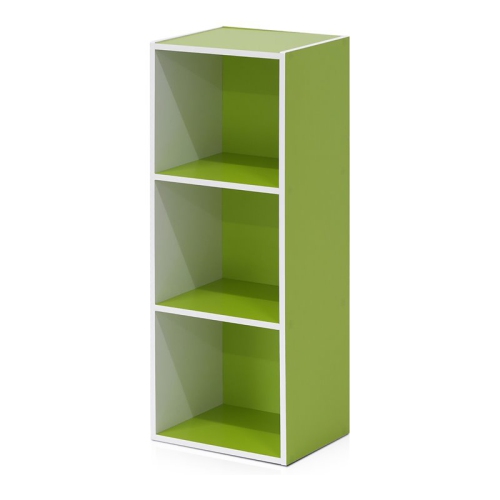

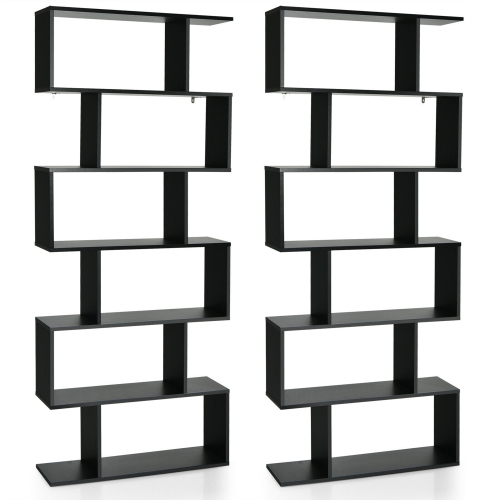
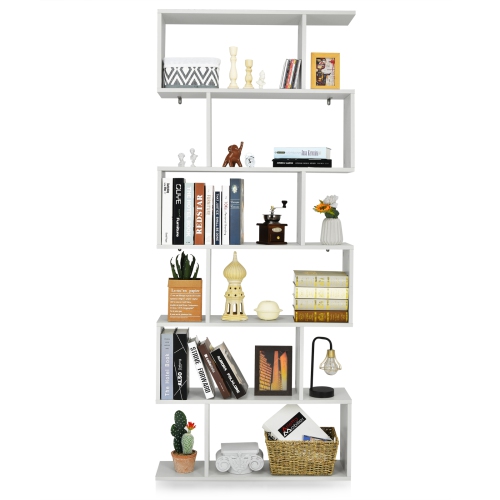
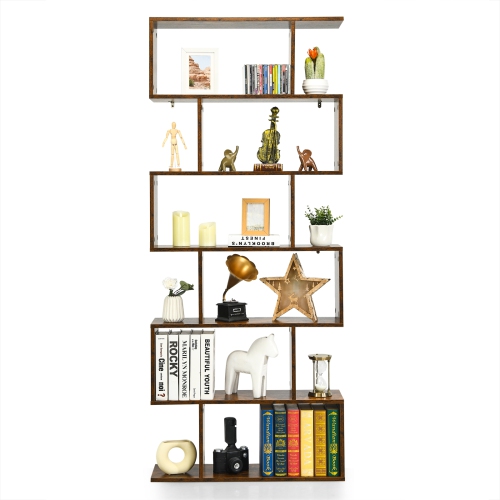
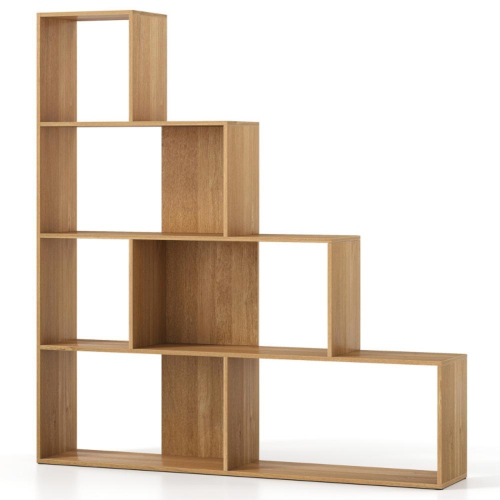
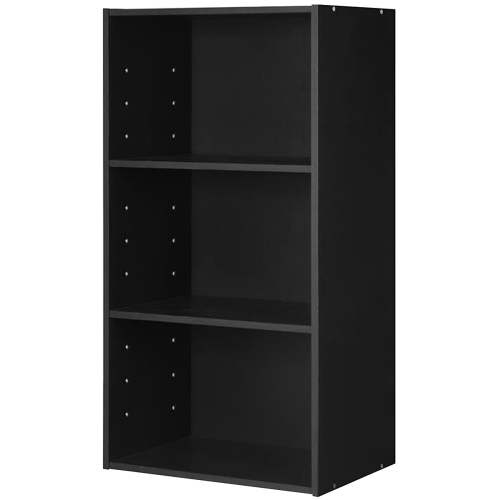
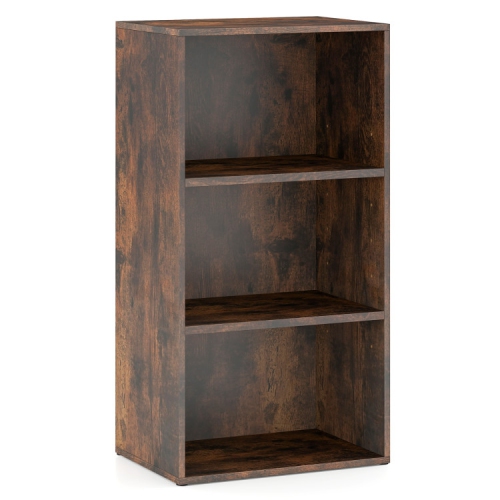
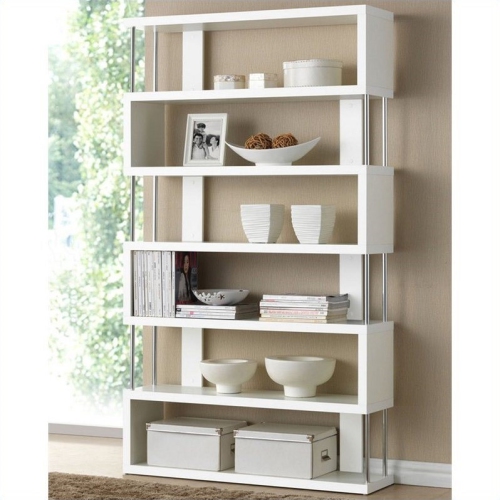
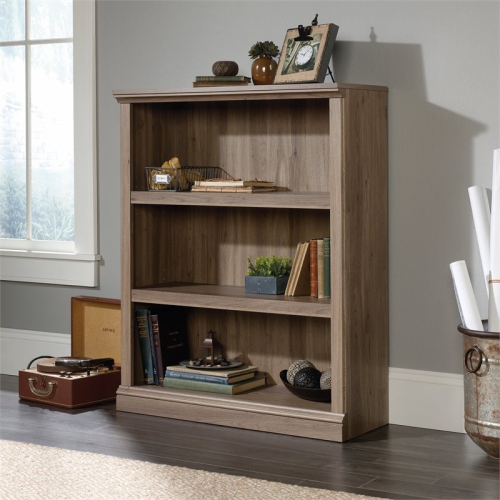
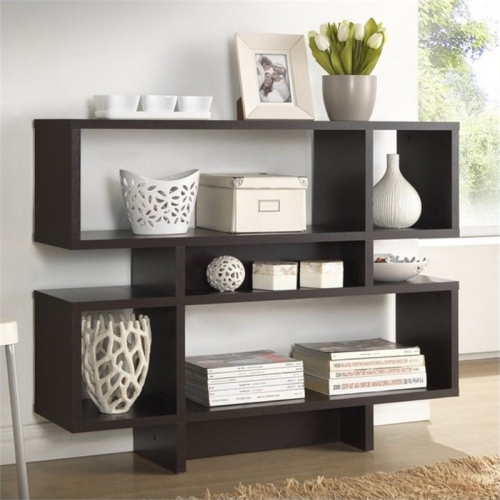
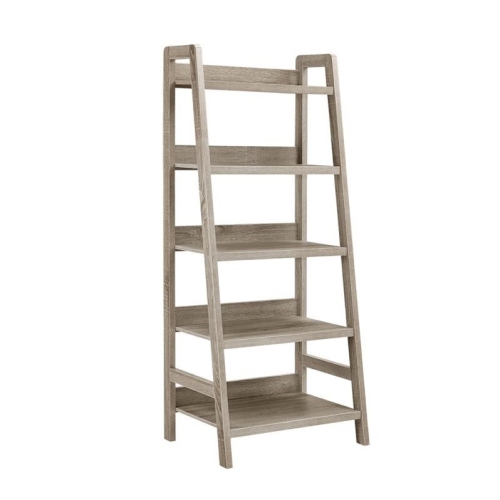
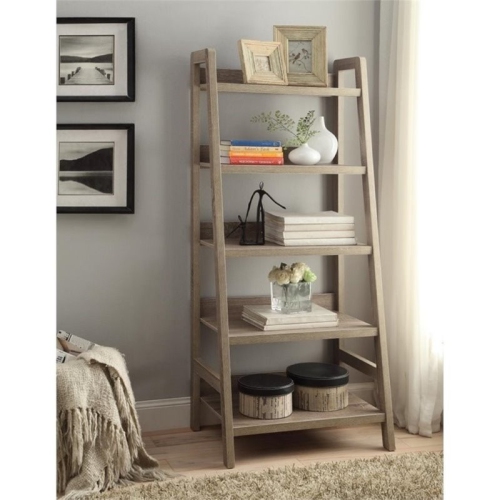
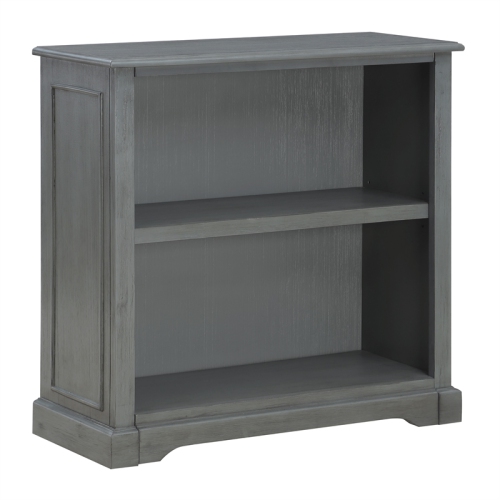
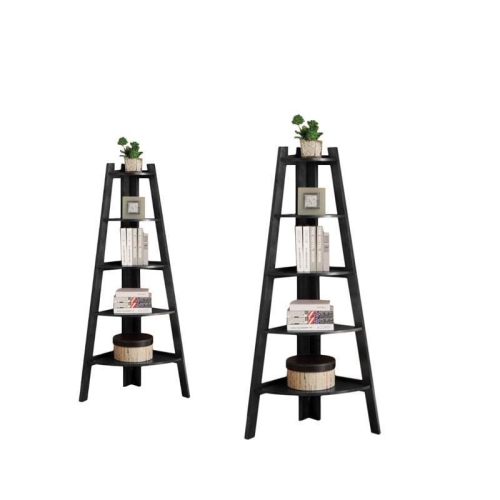
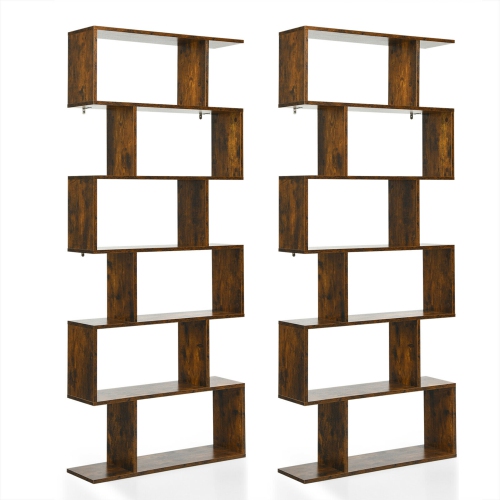
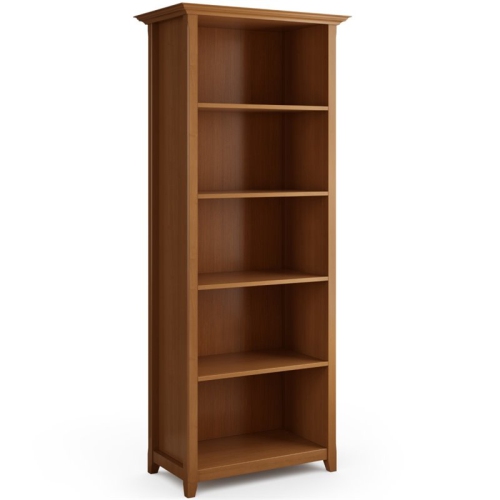

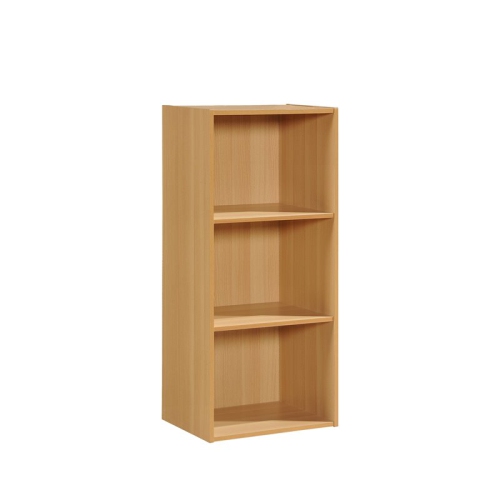
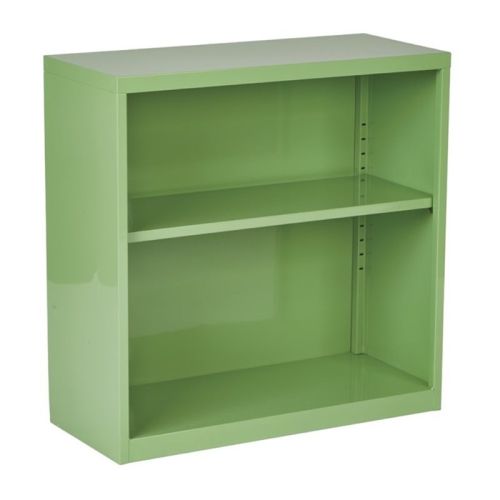
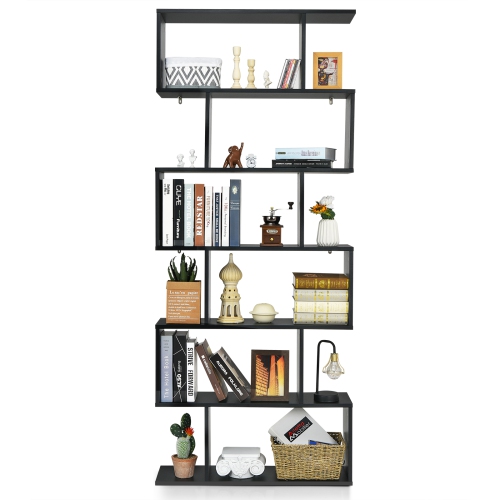
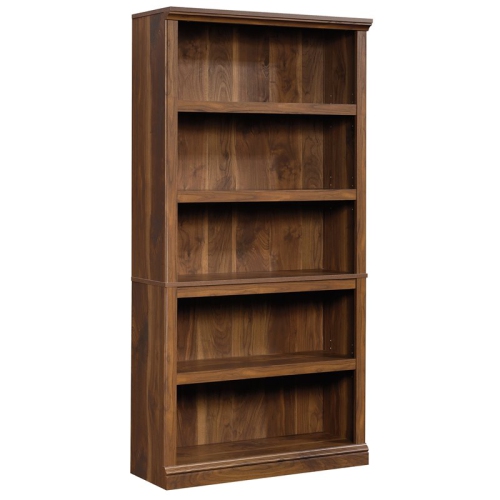

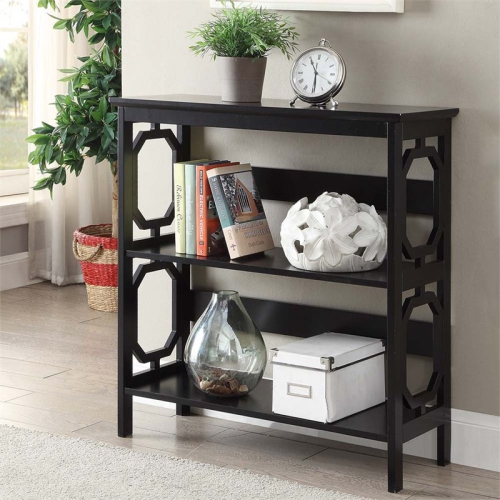
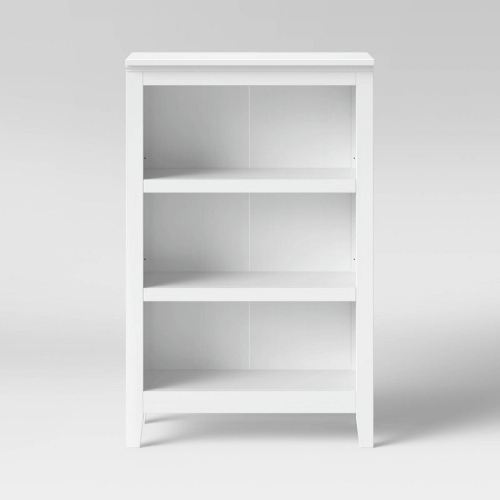
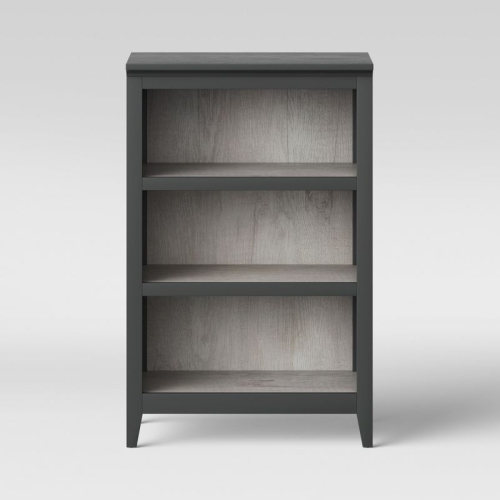
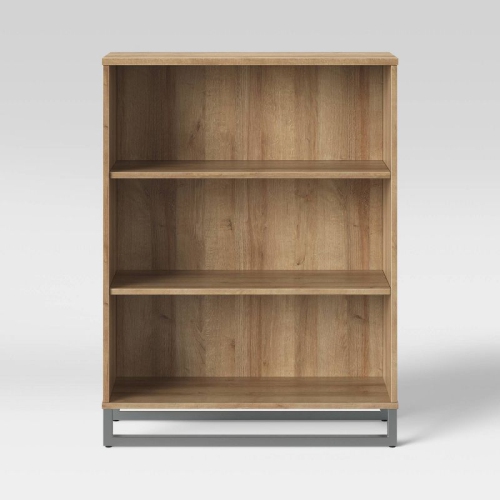
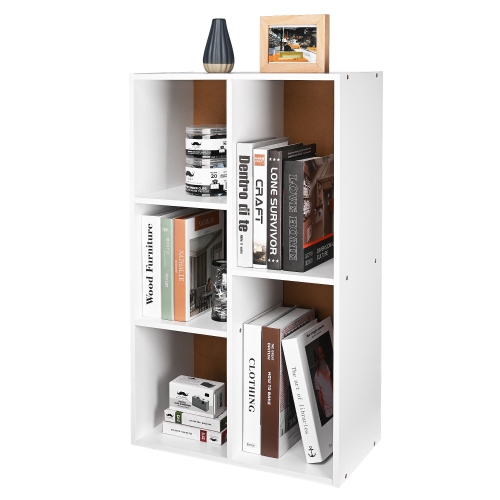

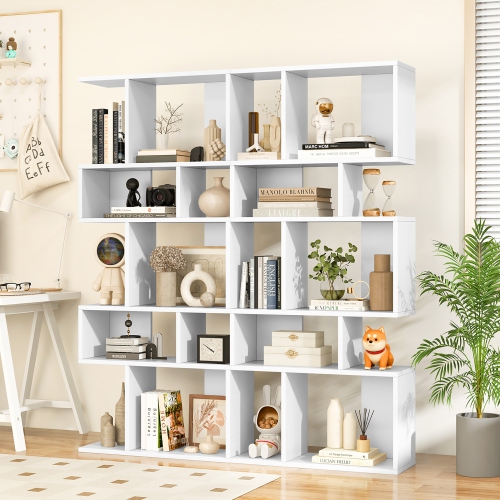

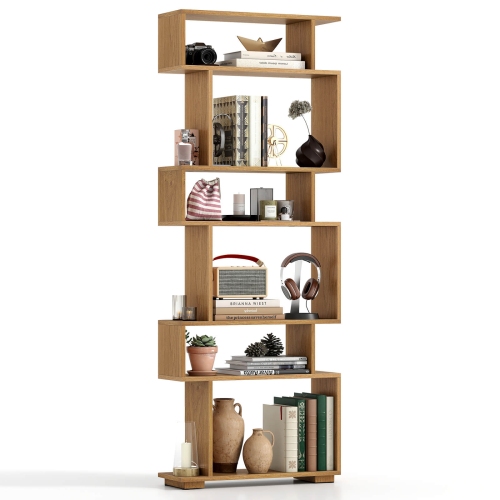
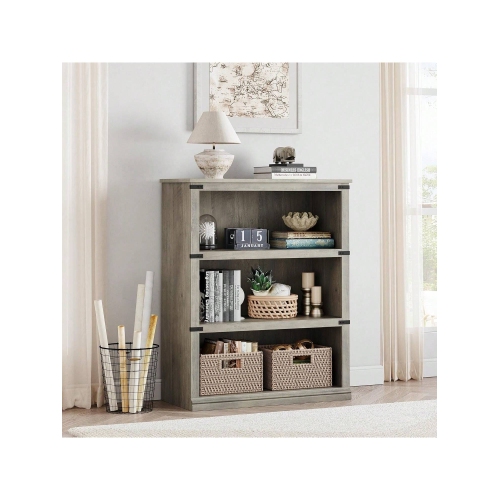
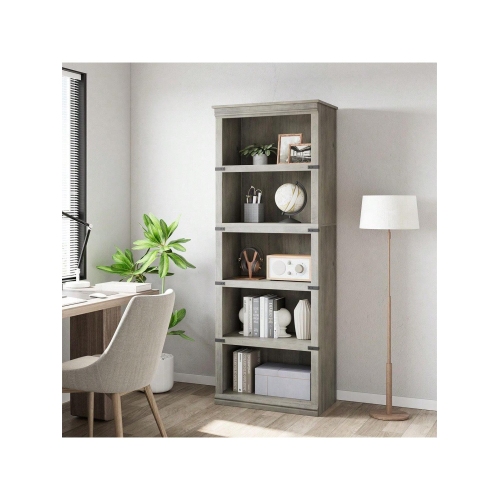
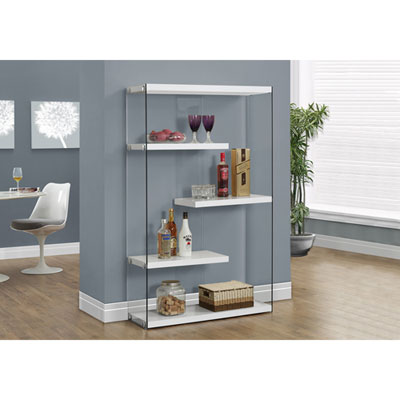
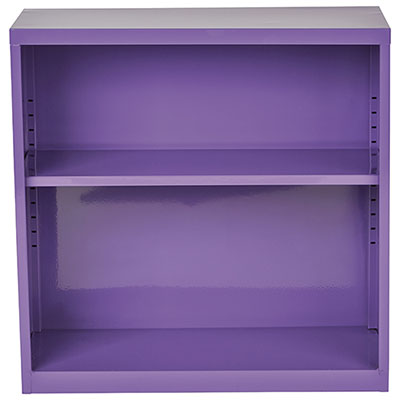
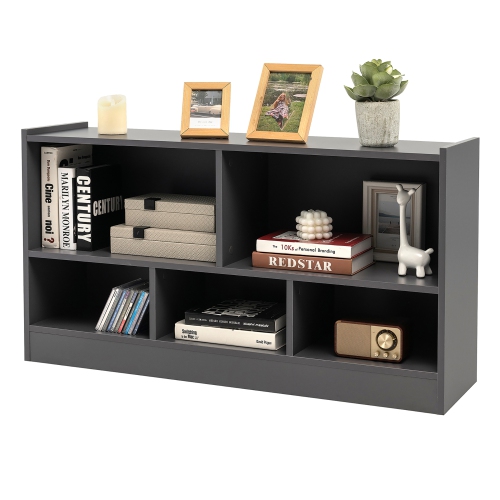
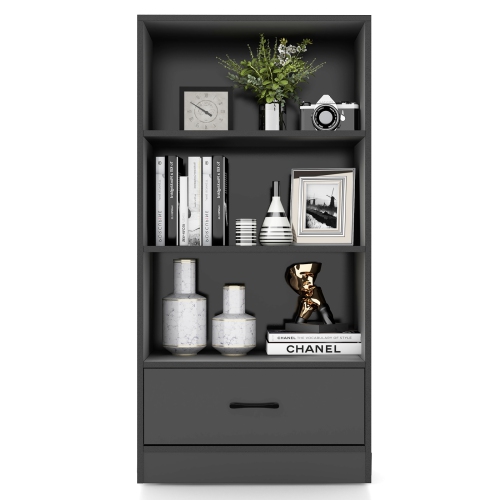
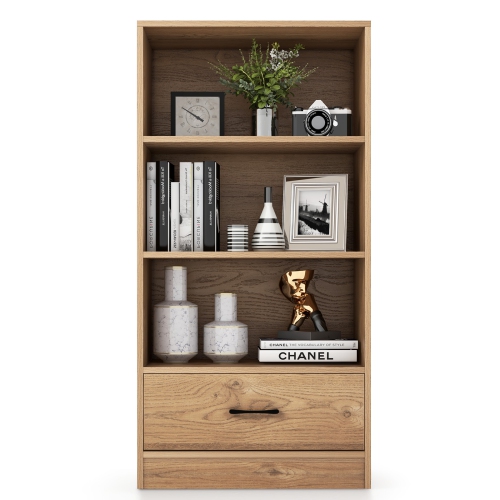
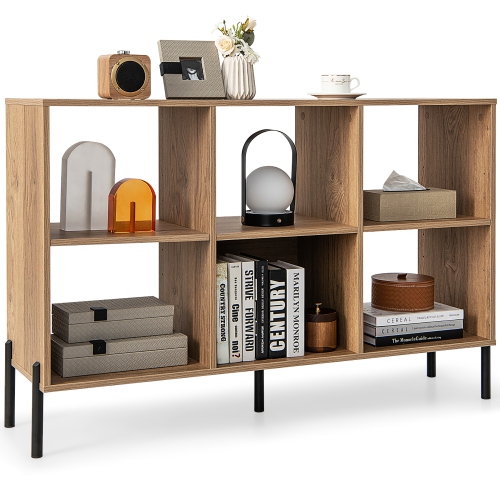
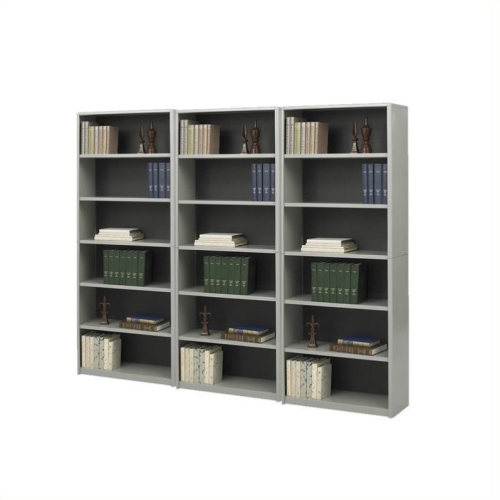
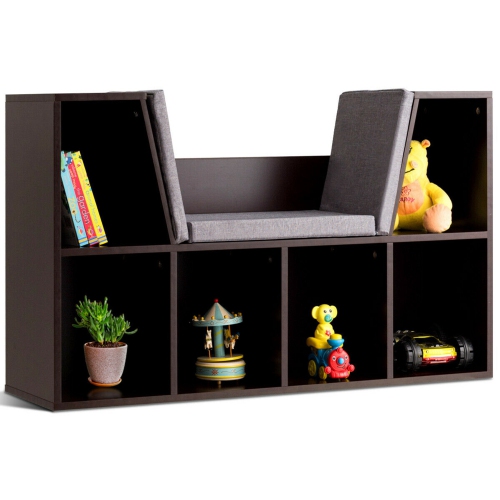
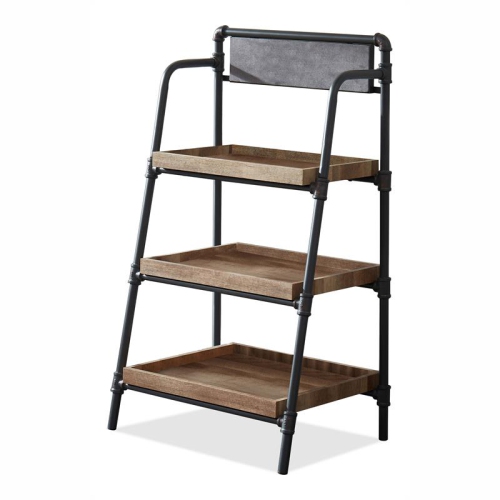
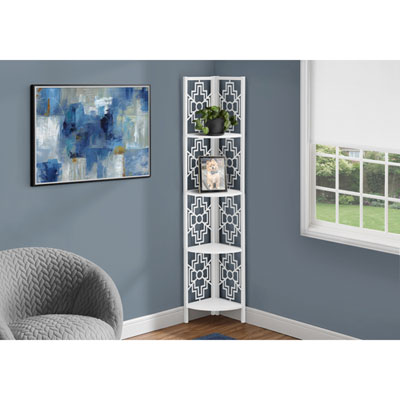
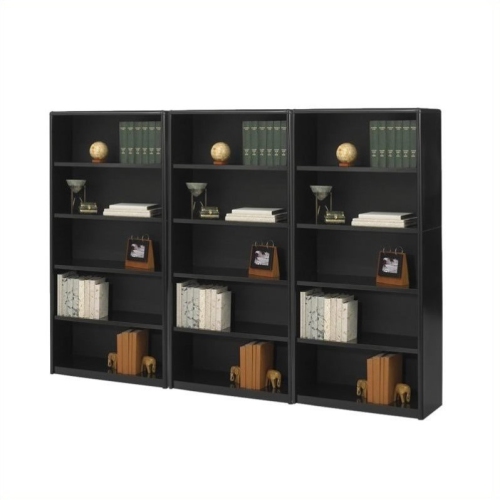

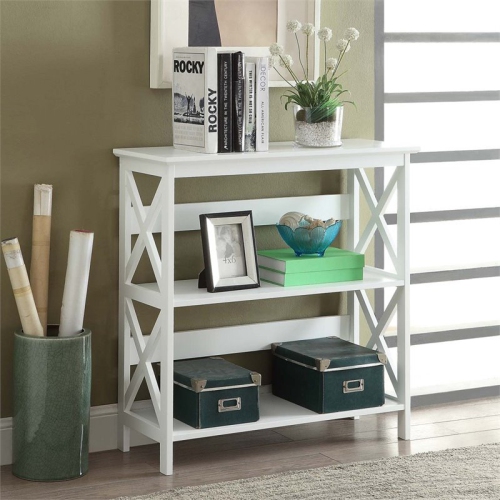
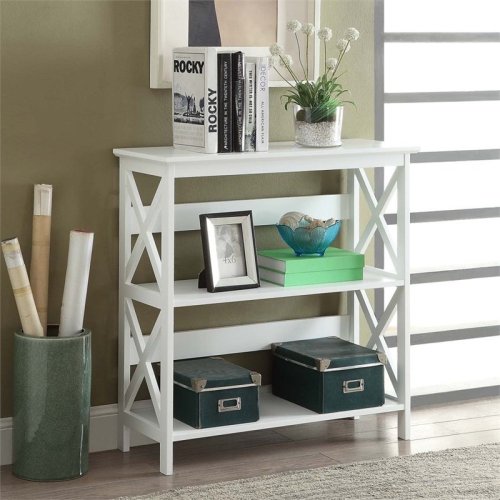
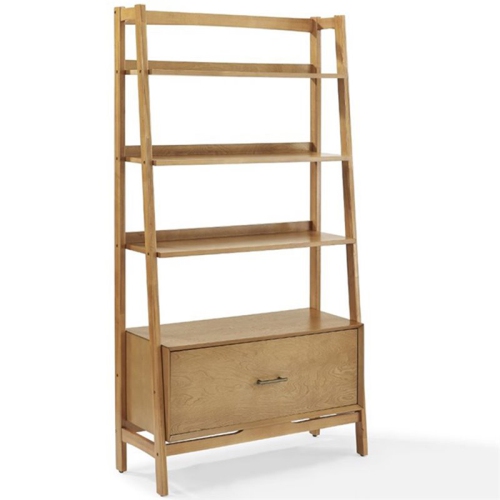
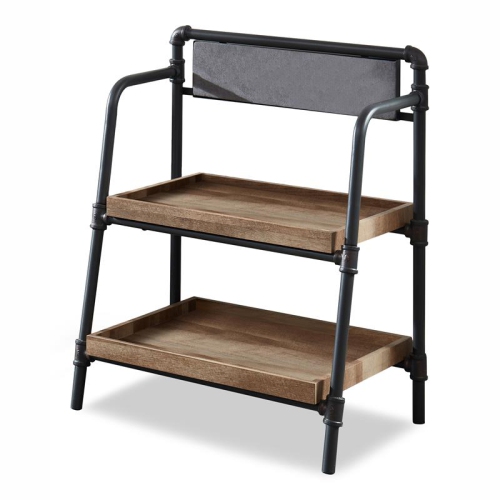
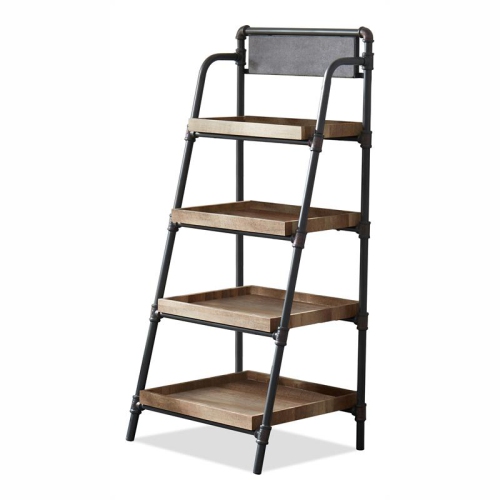
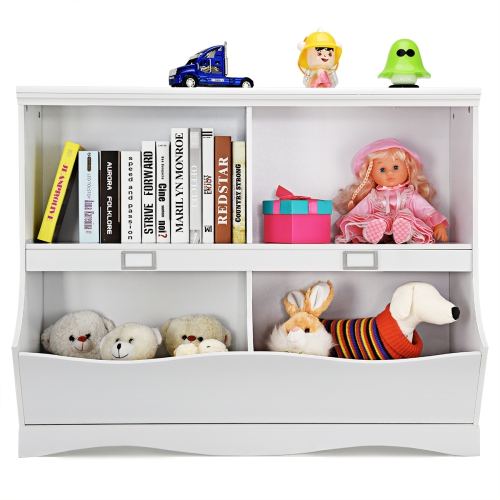
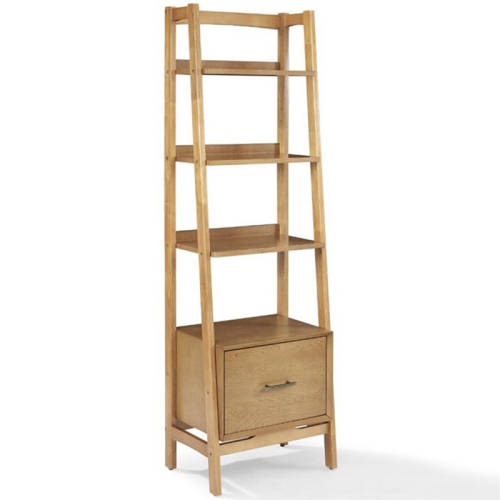
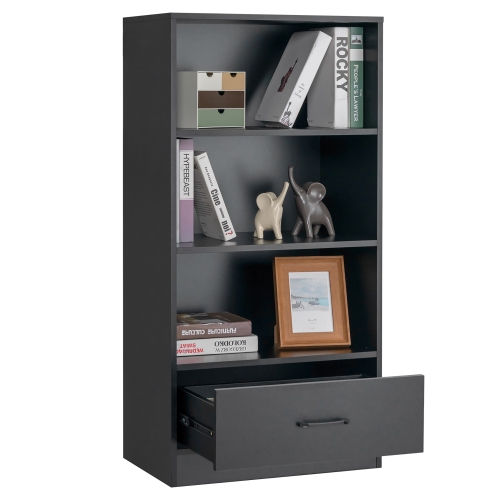
Open shelving that puts books and keepsakes within reach
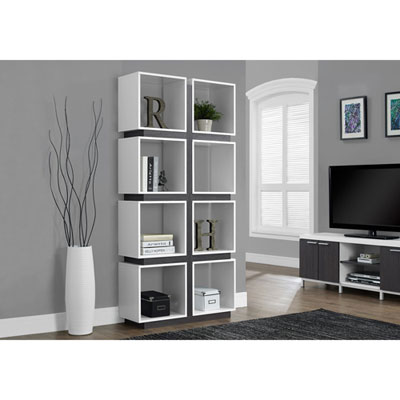
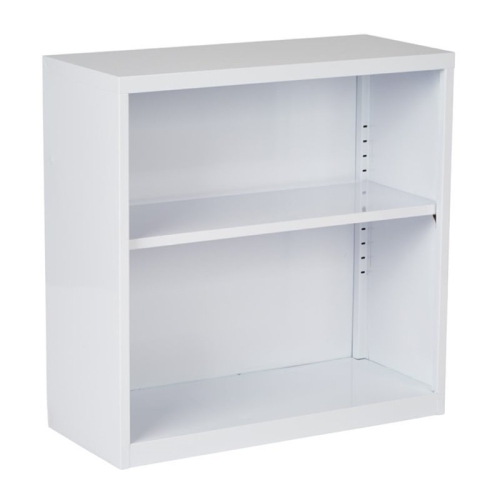
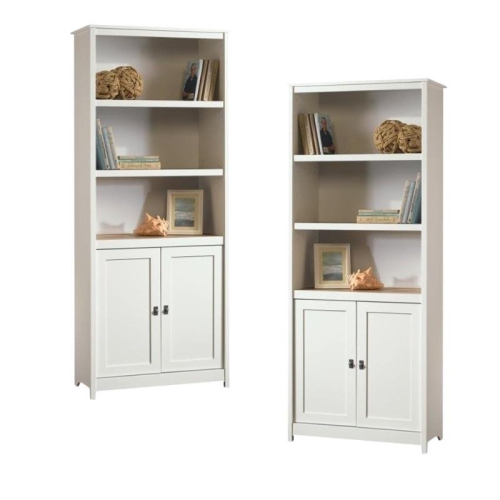
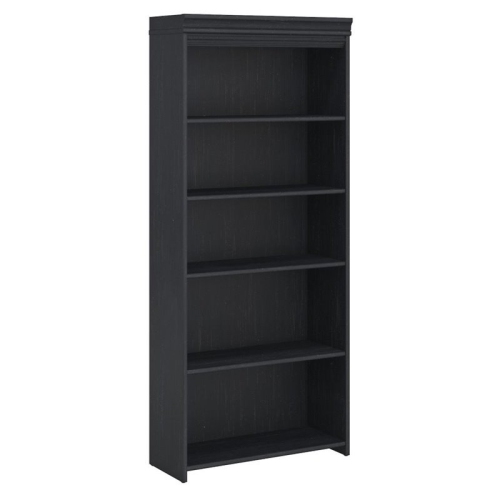
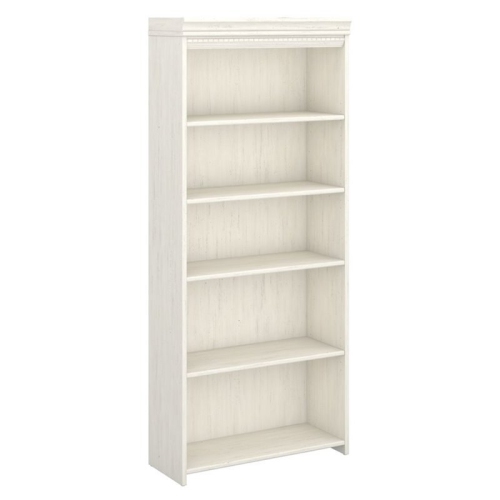
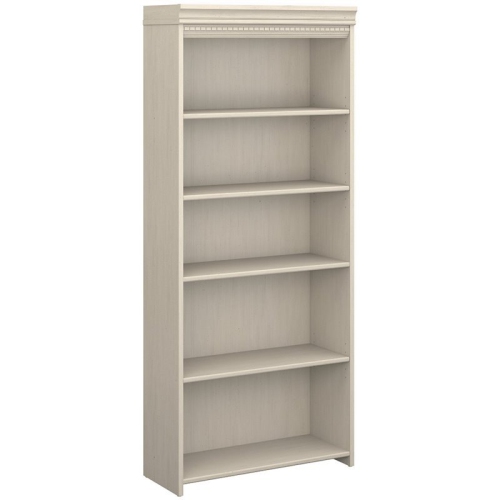
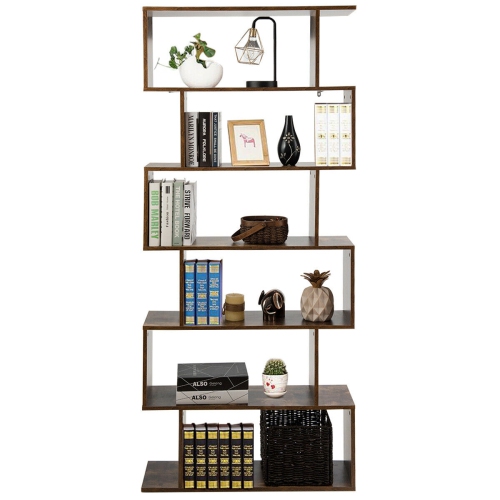
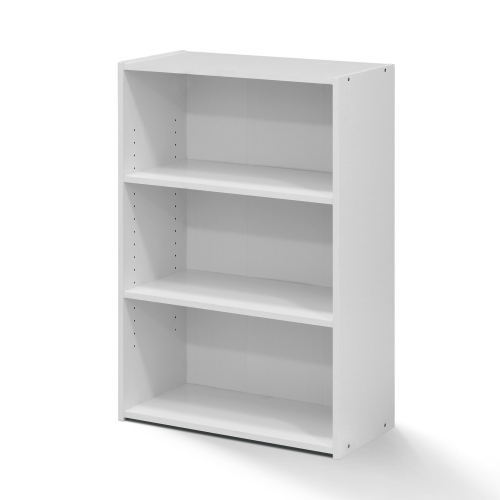
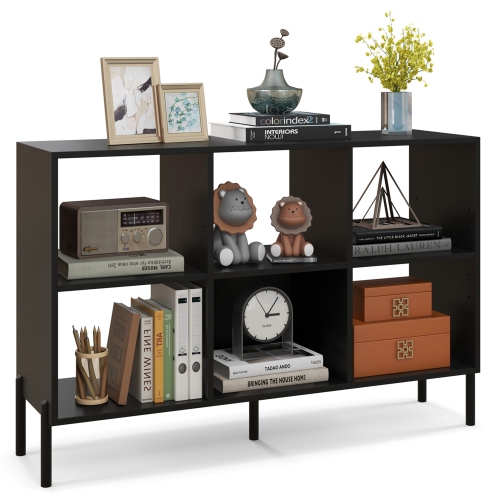
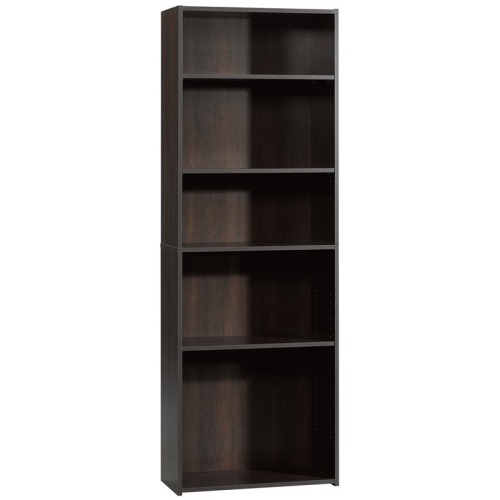
Shelf bookcases bring order to rooms where books, keepsakes, and everyday essentials share the same space. Their open shelving keeps favourite reads visible, gives framed photographs a place beside a stack of novels, and makes a collection feel like part of the room rather than something tucked away. In a living room, a bookcase can balance the height of a sofa or fill a narrow stretch of wall without requiring a full storage system. In a home office, it can keep reference books and folders close to a desk, while a low unit in a bedroom offers room for bedtime reading and a few personal touches. The right proportions depend as much on what the shelves will hold as on the size of the room. Paperbacks fit comfortably on relatively shallow shelves, while art books, binders, and larger albums need more depth and taller openings. Adjustable shelves make it easier to accommodate a collection that changes over time; fixed shelves create a consistent arrangement and may contribute to the structure of the unit, depending on its construction. Tall, narrow bookcases make use of vertical space where floor area is limited, while wider, lower designs spread storage across a wall and leave space above for artwork. Open-backed styles allow the wall colour to show through and can give a room a lighter appearance, whereas closed backs provide a more defined backdrop for books and objects. Cubby-style layouts divide belongings into smaller groups, making it easy to separate reading material from baskets of accessories. For students, avid readers, families, and anyone setting up a dedicated workspace, these differences shape how useful a bookcase will be in daily life. A shelf that comfortably holds a row of textbooks serves a different purpose from one arranged around ceramics and photographs, even when both occupy the same footprint. Leaving some space between groups of objects also makes everyday access easier, particularly when books are taken down and returned frequently.
Materials and construction influence both the appearance of shelf bookcases and how they handle regular use. Solid wood brings visible grain and natural variation, with care needs that depend on the finish. Wood veneer offers a real wood surface over a supporting core, while engineered wood with a laminate or melamine finish can provide a consistent colour and a surface that is generally straightforward to wipe clean according to the manufacturer’s directions. Metal frames introduce slimmer lines and can suit rooms with a mix of wood, glass, and upholstered furniture. Glass shelving creates a more transparent look, though it tends to show fingerprints and requires particular attention to its stated weight limits. No material alone determines strength: shelf thickness, the distance between supports, connection points, and the overall design all matter. A long shelf filled edge to edge with hardcovers carries a substantial load, so the listed capacity for each shelf is more useful than judging sturdiness by appearance. Evenly distributed weight helps avoid concentrating pressure in one spot, and heavier books generally belong on lower shelves for a more stable arrangement. Finish is another practical consideration. Pale wood tones can sit quietly against light walls, dark finishes give book spines a stronger visual frame, and painted surfaces can either blend with nearby cabinetry or add contrast. In a shared room, coordinating one detail, such as the frame colour or wood tone, often creates a more cohesive result than trying to match every piece exactly. Shelf edges and corners deserve attention in busy spaces, as do the feet or base, which should sit securely on the intended flooring. Measurements need to account for skirting boards, nearby outlets, light switches, and doors that swing into the area. For related shelving options, Bookshelf Shelves offers another place to explore formats that suit different storage needs. Whether the goal is a compact reading corner or a wall devoted to a growing library, the most useful layout provides enough depth, clearance, and support for the belongings it will actually hold.
Everyday convenience also comes from details that are easy to overlook until a bookcase is in use. A shelf opening may be tall enough for a storage basket but still need extra clearance for a hand to grip its handles. Deep shelves can accommodate larger objects, yet placing books in two rows may hide titles and make browsing awkward. In a home office, leaving room above frequently used binders makes them easier to pull out without scraping the shelf above. For a child’s reading space, low, accessible shelves can help keep books within reach, but accessibility does not replace proper installation. Bookcases should be assembled and secured according to the manufacturer’s instructions, using suitable wall anchoring hardware for the wall construction where required. Shelves are not climbing surfaces, and furniture with a narrow footprint or considerable height needs particular care during placement and installation. Assembly requirements vary, so the number of components, the recommended number of people, and the tools required are worth checking before bringing a unit into the room. Once installed, routine care is usually simple: dust with a soft cloth, address spills promptly, and use cleaning methods approved for the specific finish. Excess moisture can damage some wood-based materials, while abrasive pads and harsh cleaners may scratch or dull finished surfaces. Direct sunlight may alter the colour of wood and book covers over time, making placement away from prolonged exposure helpful for preserving their appearance. Protective pads beneath decorative objects can reduce surface marks, provided they are compatible with the finish. Periodically checking fasteners, shelf supports, and wall restraints helps keep the unit ready for continued use, especially after a move or rearrangement. A well-proportioned bookcase can follow someone from a first apartment to a home office or become a thoughtful housewarming gift when the recipient’s space and style are known. Its lasting usefulness comes from a straightforward balance: dependable storage, comfortable access, and a shape that belongs naturally in the room.
Materials and construction influence both the appearance of shelf bookcases and how they handle regular use. Solid wood brings visible grain and natural variation, with care needs that depend on the finish. Wood veneer offers a real wood surface over a supporting core, while engineered wood with a laminate or melamine finish can provide a consistent colour and a surface that is generally straightforward to wipe clean according to the manufacturer’s directions. Metal frames introduce slimmer lines and can suit rooms with a mix of wood, glass, and upholstered furniture. Glass shelving creates a more transparent look, though it tends to show fingerprints and requires particular attention to its stated weight limits. No material alone determines strength: shelf thickness, the distance between supports, connection points, and the overall design all matter. A long shelf filled edge to edge with hardcovers carries a substantial load, so the listed capacity for each shelf is more useful than judging sturdiness by appearance. Evenly distributed weight helps avoid concentrating pressure in one spot, and heavier books generally belong on lower shelves for a more stable arrangement. Finish is another practical consideration. Pale wood tones can sit quietly against light walls, dark finishes give book spines a stronger visual frame, and painted surfaces can either blend with nearby cabinetry or add contrast. In a shared room, coordinating one detail, such as the frame colour or wood tone, often creates a more cohesive result than trying to match every piece exactly. Shelf edges and corners deserve attention in busy spaces, as do the feet or base, which should sit securely on the intended flooring. Measurements need to account for skirting boards, nearby outlets, light switches, and doors that swing into the area. For related shelving options, Bookshelf Shelves offers another place to explore formats that suit different storage needs. Whether the goal is a compact reading corner or a wall devoted to a growing library, the most useful layout provides enough depth, clearance, and support for the belongings it will actually hold.
Everyday convenience also comes from details that are easy to overlook until a bookcase is in use. A shelf opening may be tall enough for a storage basket but still need extra clearance for a hand to grip its handles. Deep shelves can accommodate larger objects, yet placing books in two rows may hide titles and make browsing awkward. In a home office, leaving room above frequently used binders makes them easier to pull out without scraping the shelf above. For a child’s reading space, low, accessible shelves can help keep books within reach, but accessibility does not replace proper installation. Bookcases should be assembled and secured according to the manufacturer’s instructions, using suitable wall anchoring hardware for the wall construction where required. Shelves are not climbing surfaces, and furniture with a narrow footprint or considerable height needs particular care during placement and installation. Assembly requirements vary, so the number of components, the recommended number of people, and the tools required are worth checking before bringing a unit into the room. Once installed, routine care is usually simple: dust with a soft cloth, address spills promptly, and use cleaning methods approved for the specific finish. Excess moisture can damage some wood-based materials, while abrasive pads and harsh cleaners may scratch or dull finished surfaces. Direct sunlight may alter the colour of wood and book covers over time, making placement away from prolonged exposure helpful for preserving their appearance. Protective pads beneath decorative objects can reduce surface marks, provided they are compatible with the finish. Periodically checking fasteners, shelf supports, and wall restraints helps keep the unit ready for continued use, especially after a move or rearrangement. A well-proportioned bookcase can follow someone from a first apartment to a home office or become a thoughtful housewarming gift when the recipient’s space and style are known. Its lasting usefulness comes from a straightforward balance: dependable storage, comfortable access, and a shape that belongs naturally in the room.
Top selling and popular products
-
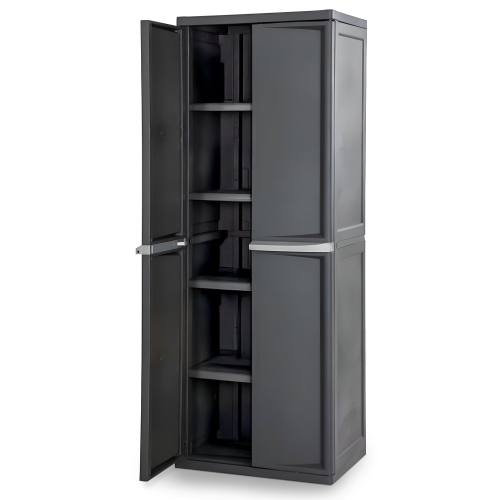 Your price for this item is $772.99
 -
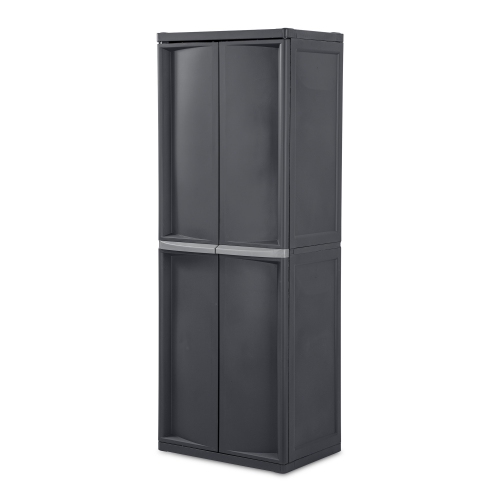 Your price for this item is $1522.99
 -
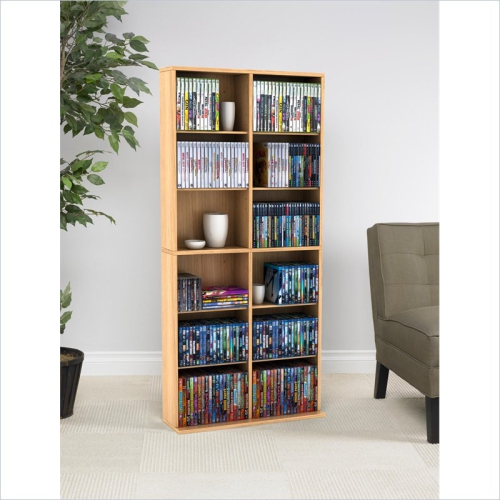 Your price for this item is $234.68
 -
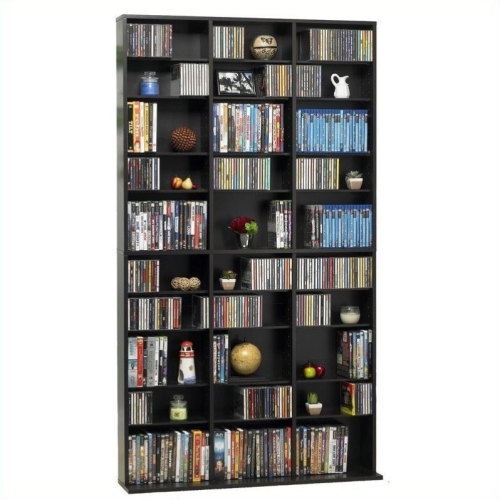 Your price for this item is $365.38
 -
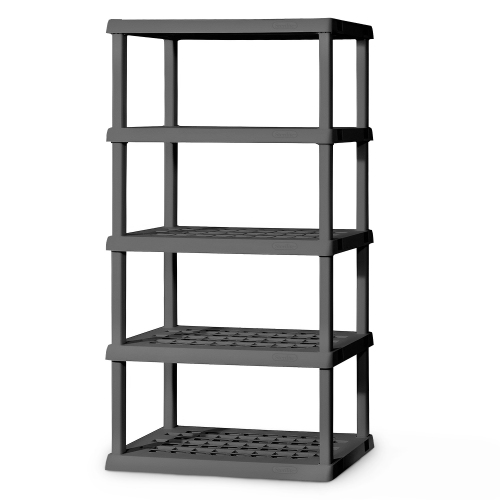 Your price for this item is $468.99
 -
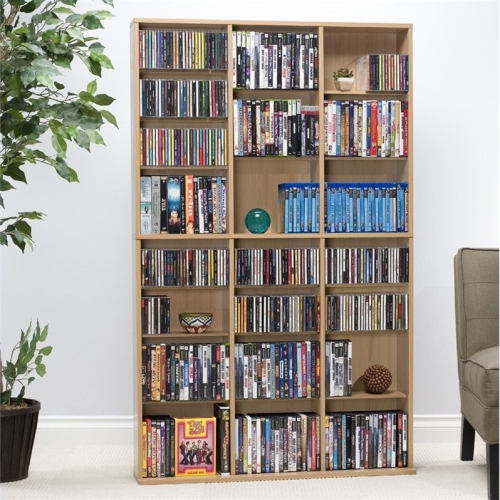 Your price for this item is $295.84
 -
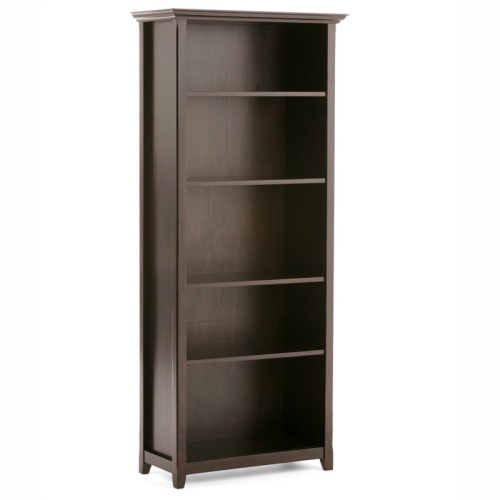 Your price for this item is $999.77
 -
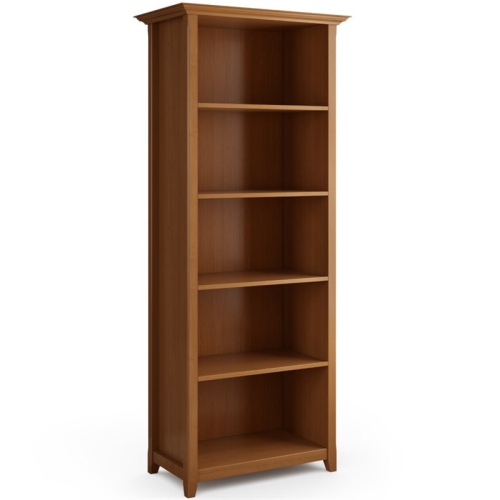 Your price for this item is $998.43
Discover more categories related to Shelf Bookcases
Top Collections:
Pokemon Centers, Kindle Devices, Best Budget Office Chairs, Apple iPhones 16, Best Laptops for Writers, iPhone 15 Apple, Canon G7X Cameras, Refurbished Apple Laptops, Alarm Clock, Motorola Razr Phones
Some products may be subject to Environmental Handling Fees
(EHF) depending on your province.
Learn more about EHFs.