Shell Stacking Chairs
The Shell Stacking Chair offers versatility and convenience with its easy stackability and lightweight design, making it a great choice for a variety of settings. Its ergonomic shape provides comfortable seating for extended periods of time. Here are some of the best shell stacking chairs that we offer.
Sort
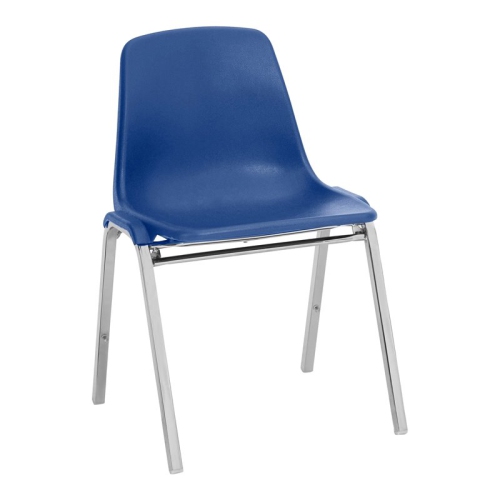
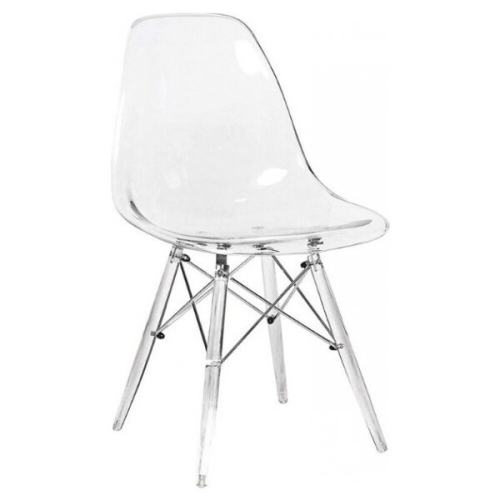

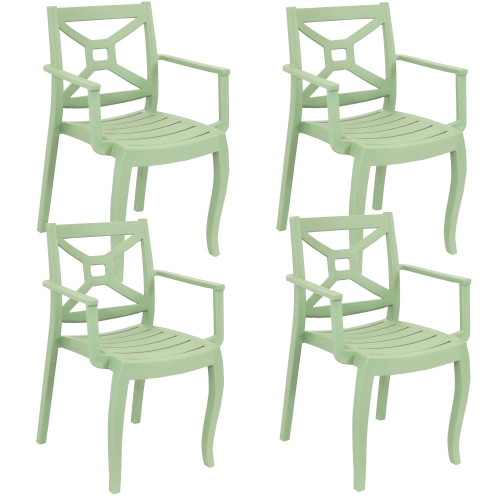
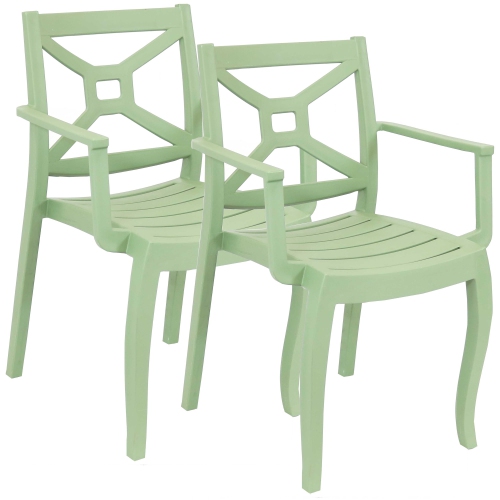
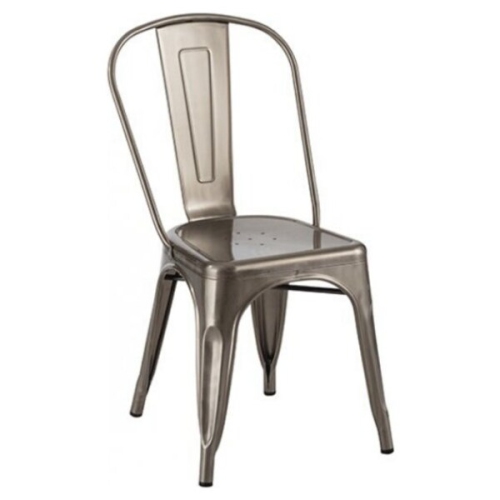
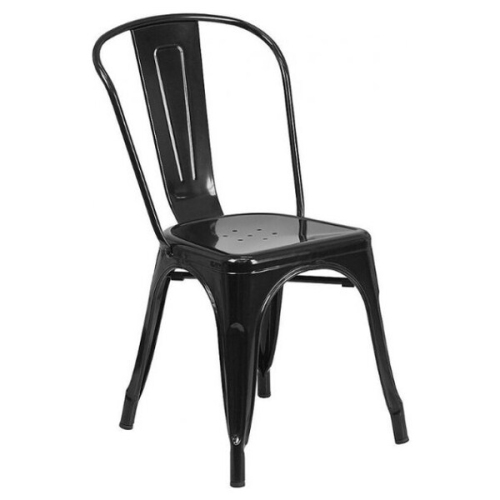
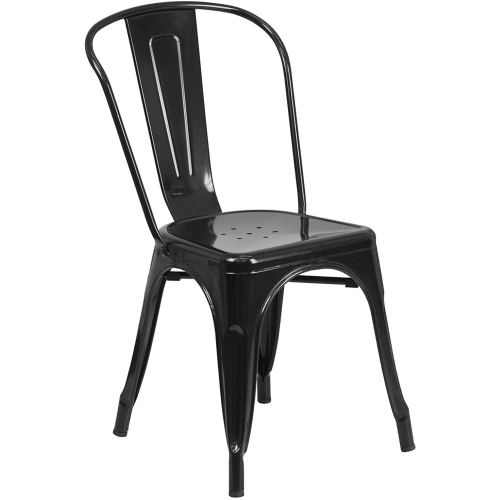
Space-saving seating for rooms with changing roles
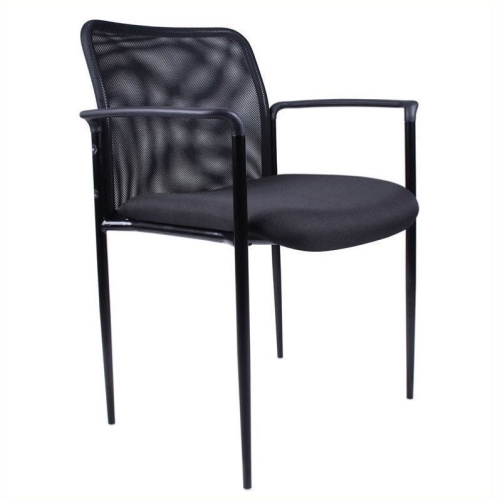
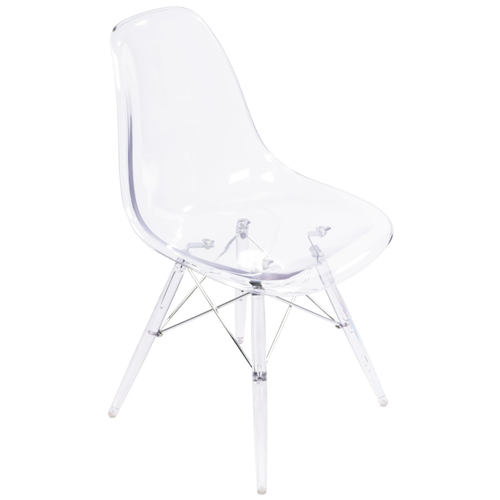
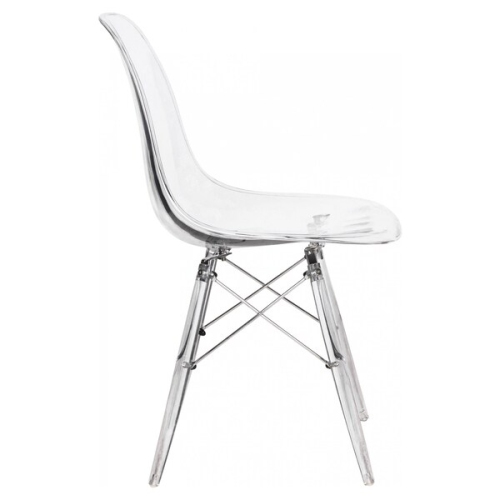
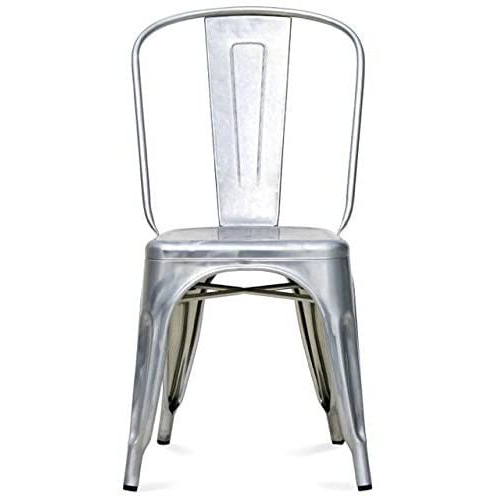
Shell stacking chairs are space-saving seats with a shaped shell supported by a frame that allows matching chairs to nest together for storage. The shell commonly forms the seat and back as a continuous piece, giving the chair a clean profile with fewer joints and crevices than many upholstered designs. This construction suits spaces where seating needs change throughout the day: a classroom arranged for group work, an office lunchroom that doubles as a meeting area, or a community hall cleared after a gathering. At home, stackable shell chairs can provide everyday dining seats while making it easier to put extra chairs away between visits. Their appeal is practical as well as visual. A slim frame leaves more of the floor visible, while a moulded seat adds shape without the bulk of a heavily padded chair. Polypropylene and other moulded plastics are common shell materials, often paired with tubular steel legs. Depending on the construction, the shell may have some flexibility, a textured surface, or reinforcement where it connects to the frame. A curved back can offer support, and a rounded or waterfall front edge may reduce pressure behind the knees, although comfort still depends on the chair’s dimensions and the person using it. Some designs include a handhold in the back to help with lifting; others keep an uninterrupted outline that works well around a dining table. Colour also affects how these chairs fit a room. Neutral shades can blend into shared work areas, while brighter seats can distinguish activity zones or add contrast to a simple table. For related seating with moulded surfaces, Resin Stack Chairs offer another category to consider, though the material name alone does not establish comfort, stacking capacity, or suitability for a particular setting. Shell design, frame construction, and intended use together determine how well a chair will serve its space.
Fit matters just as much as the ability to stack. Seat height should work with the table or desk, leaving enough room for the user’s thighs beneath the surface and allowing their feet to rest comfortably on the floor or an appropriate support. A chair that feels suitable at a dining table may sit too low for a taller work surface, and adult-sized seating is not automatically a good fit for children. Seat width, usable depth, and backrest shape affect comfort during everything from a short lunch to a longer training session. A deeper seat can suit some users but leave others sitting forward without back support. Likewise, pronounced curves may feel supportive to one person and restrictive to another. Armless shell chairs often slide neatly beneath tables and allow close spacing, while versions with arms need additional clearance and may occupy more room in a stack. Overall width deserves attention alongside seat width, since splayed legs can extend beyond the shell. Around a busy lunchroom table, that extra footprint affects both seating capacity and the walking space behind occupied chairs. For a room used by many different people, accessible circulation and a choice of suitable seating can be more useful than a completely uniform arrangement. Longer seated tasks may call for cushioning or more adjustability than a basic shell chair provides; stackable seating is not necessarily a substitute for an adjustable office chair at a workstation. Durability should also match the workload. Occasional household use differs from repeated setup, movement, and cleaning in a classroom or shared facility. Weight capacity, stated usage rating, shell thickness, connection points, and frame stability are useful details to assess together rather than relying on appearance alone. Steel frames may have painted, powder-coated, or plated finishes, each with its own care requirements. Secure fasteners, intact welds, and firmly fitted floor glides help the chair remain steady and protect the surfaces it touches. For schools and other institutional spaces, any required testing or performance standards should be confirmed in the chair’s documentation.
Stacking performance is a feature of the complete chair, not simply a result of having a plastic seat. The frame geometry, shell shape, and contact points determine how matching chairs fit together and how stable they remain when nested. There is no single safe stack height for all shell stacking chairs: the manufacturer’s limit should govern storage, and a stack intended to remain stationary may have a different limit from one moved on a compatible trolley. Chairs that look similar are not necessarily designed to stack together. A useful storage plan accounts for the stack’s height, depth, and weight, as well as the doorway and route between the room and the storage area. In a multipurpose space, several manageable stacks may be easier to handle than one tall column. Lighter chairs can simplify frequent rearrangement, but balance and a secure grip matter too, especially when lifting chairs away from a table. Stacking buffers or designated contact points, where fitted, can help keep frames from rubbing against shells. Placing each chair gently into position rather than forcing it onto the stack helps preserve both the finish and the alignment. Day-to-day care is usually straightforward for an unupholstered shell: a soft cloth and a mild cleaner approved for the material can remove ordinary marks and spills. Abrasive pads, harsh solvents, and cleaning products unsuitable for the frame finish may dull or damage surfaces. In shared settings that require disinfection, both the cleaning method and the disinfectant’s compatibility should be checked against the furniture manufacturer’s guidance. Textured areas, the underside of the seat, and shell-to-frame connections deserve attention because residue can collect beyond the most visible surfaces. Periodic checks of glides, fasteners, and shells can catch loose parts or cracks before a chair returns to use. Replacement components should match the chair’s specifications rather than merely looking close enough. With dimensions suited to the users, construction suited to the workload, and storage that respects the stacking limits, shell stacking chairs provide flexible seating without asking a room to remain in one fixed arrangement.
Fit matters just as much as the ability to stack. Seat height should work with the table or desk, leaving enough room for the user’s thighs beneath the surface and allowing their feet to rest comfortably on the floor or an appropriate support. A chair that feels suitable at a dining table may sit too low for a taller work surface, and adult-sized seating is not automatically a good fit for children. Seat width, usable depth, and backrest shape affect comfort during everything from a short lunch to a longer training session. A deeper seat can suit some users but leave others sitting forward without back support. Likewise, pronounced curves may feel supportive to one person and restrictive to another. Armless shell chairs often slide neatly beneath tables and allow close spacing, while versions with arms need additional clearance and may occupy more room in a stack. Overall width deserves attention alongside seat width, since splayed legs can extend beyond the shell. Around a busy lunchroom table, that extra footprint affects both seating capacity and the walking space behind occupied chairs. For a room used by many different people, accessible circulation and a choice of suitable seating can be more useful than a completely uniform arrangement. Longer seated tasks may call for cushioning or more adjustability than a basic shell chair provides; stackable seating is not necessarily a substitute for an adjustable office chair at a workstation. Durability should also match the workload. Occasional household use differs from repeated setup, movement, and cleaning in a classroom or shared facility. Weight capacity, stated usage rating, shell thickness, connection points, and frame stability are useful details to assess together rather than relying on appearance alone. Steel frames may have painted, powder-coated, or plated finishes, each with its own care requirements. Secure fasteners, intact welds, and firmly fitted floor glides help the chair remain steady and protect the surfaces it touches. For schools and other institutional spaces, any required testing or performance standards should be confirmed in the chair’s documentation.
Stacking performance is a feature of the complete chair, not simply a result of having a plastic seat. The frame geometry, shell shape, and contact points determine how matching chairs fit together and how stable they remain when nested. There is no single safe stack height for all shell stacking chairs: the manufacturer’s limit should govern storage, and a stack intended to remain stationary may have a different limit from one moved on a compatible trolley. Chairs that look similar are not necessarily designed to stack together. A useful storage plan accounts for the stack’s height, depth, and weight, as well as the doorway and route between the room and the storage area. In a multipurpose space, several manageable stacks may be easier to handle than one tall column. Lighter chairs can simplify frequent rearrangement, but balance and a secure grip matter too, especially when lifting chairs away from a table. Stacking buffers or designated contact points, where fitted, can help keep frames from rubbing against shells. Placing each chair gently into position rather than forcing it onto the stack helps preserve both the finish and the alignment. Day-to-day care is usually straightforward for an unupholstered shell: a soft cloth and a mild cleaner approved for the material can remove ordinary marks and spills. Abrasive pads, harsh solvents, and cleaning products unsuitable for the frame finish may dull or damage surfaces. In shared settings that require disinfection, both the cleaning method and the disinfectant’s compatibility should be checked against the furniture manufacturer’s guidance. Textured areas, the underside of the seat, and shell-to-frame connections deserve attention because residue can collect beyond the most visible surfaces. Periodic checks of glides, fasteners, and shells can catch loose parts or cracks before a chair returns to use. Replacement components should match the chair’s specifications rather than merely looking close enough. With dimensions suited to the users, construction suited to the workload, and storage that respects the stacking limits, shell stacking chairs provide flexible seating without asking a room to remain in one fixed arrangement.
Top selling and popular products
-
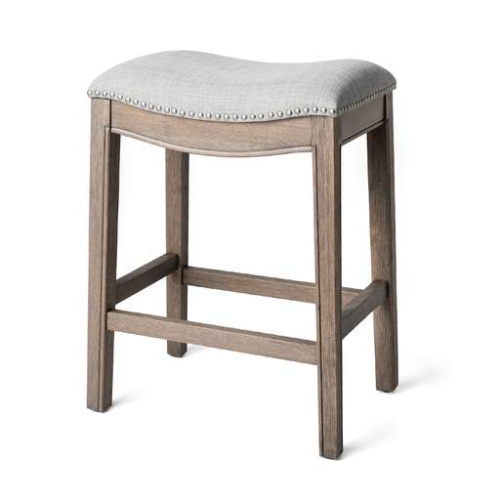 Your price for this item is $210.99
 -
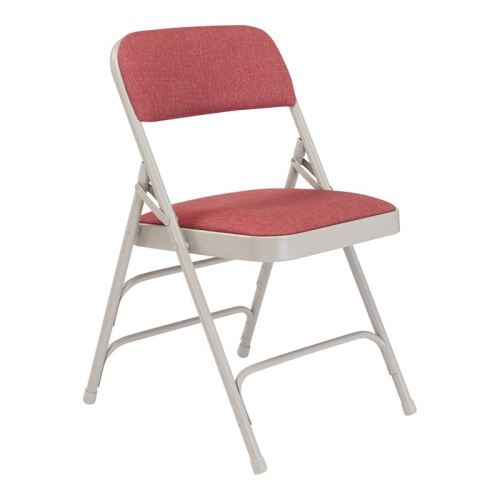 Your price for this item is $399.16
 -
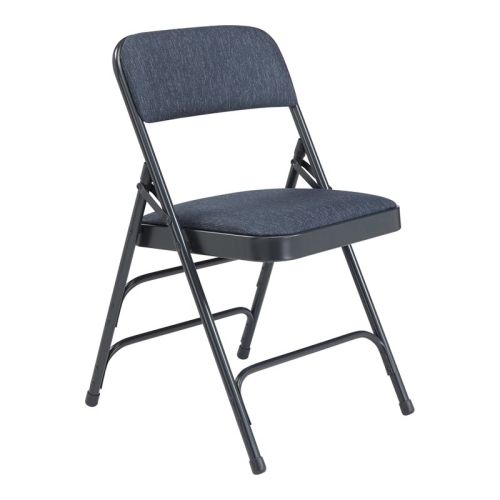 Your price for this item is $413.92
 -
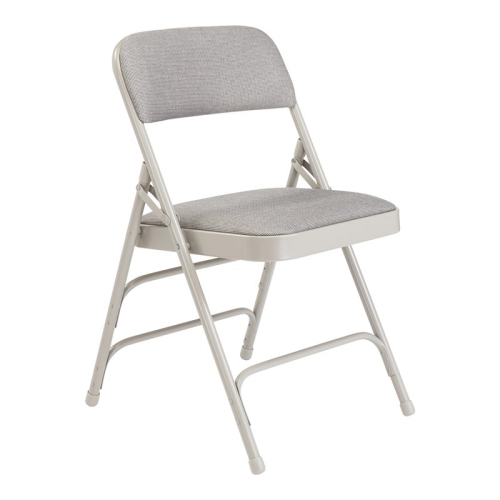 Your price for this item is $395.27
 -
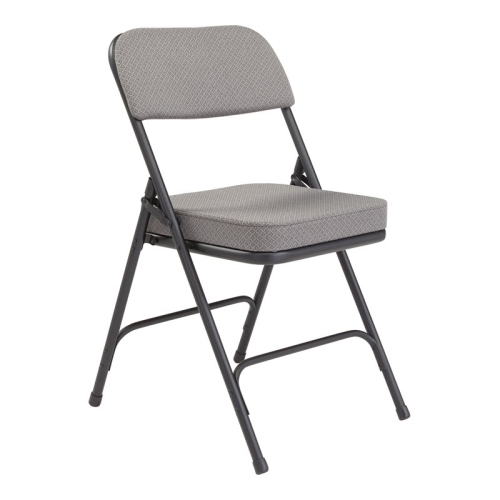 Your price for this item is $282.44
 -
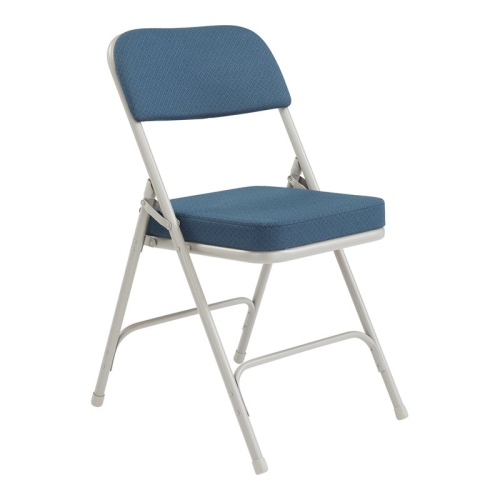 Your price for this item is $279.98
 -
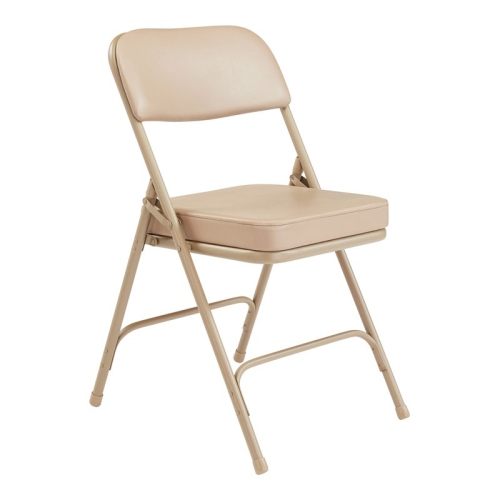 Your price for this item is $278.44
 -
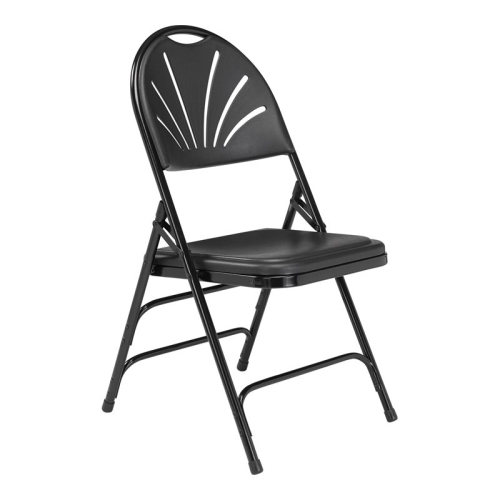 Your price for this item is $409.5
Discover more categories related to Shell Stacking Chairs

Top Collections:
Pokemon Centers, Kindle Devices, Best Budget Office Chairs, Apple iPhones 16, Best Laptops for Writers, iPhone 15 Apple, Canon G7X Cameras, Refurbished Apple Laptops, Alarm Clock, Motorola Razr Phones
Some products may be subject to Environmental Handling Fees
(EHF) depending on your province.
Learn more about EHFs.