Sliding Door Sheds
Looking for a convenient and stylish storage solution for your outdoor space? Look no further than our collection of sliding door sheds. These versatile structures are designed to provide ample storage space while adding a touch of modern elegance to your backyard or garden. With their sleek sliding doors, these sheds offer easy access to all your gardening tools, patio furniture, and other essentials. Whether you need a small shed for storing your lawn mower or a larger one for housing your entire outdoor equipment collection, our sliding door sheds are sure to meet your needs. Explore our range today and find the perfect shed to keep your outdoor space organized and clutter-free.
Sort
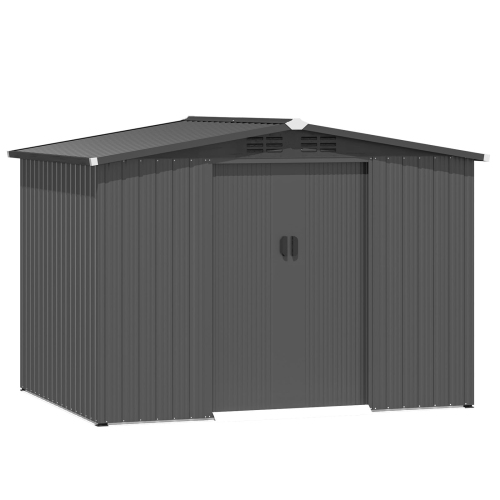
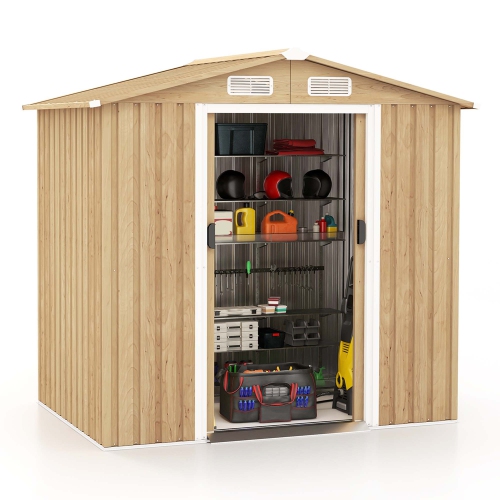
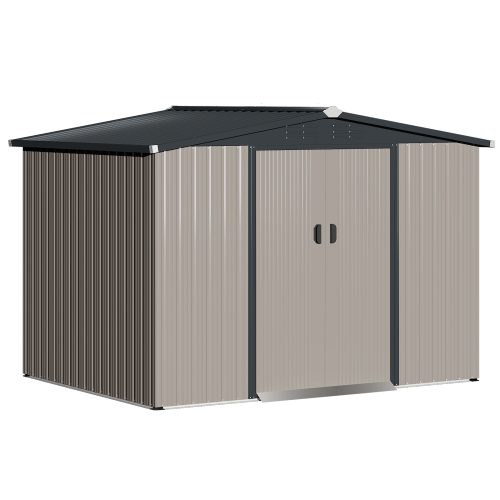
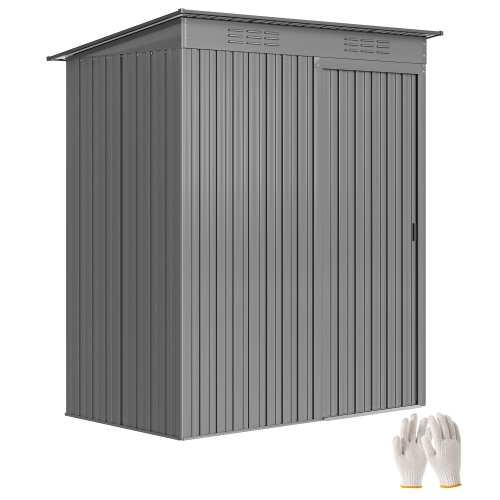
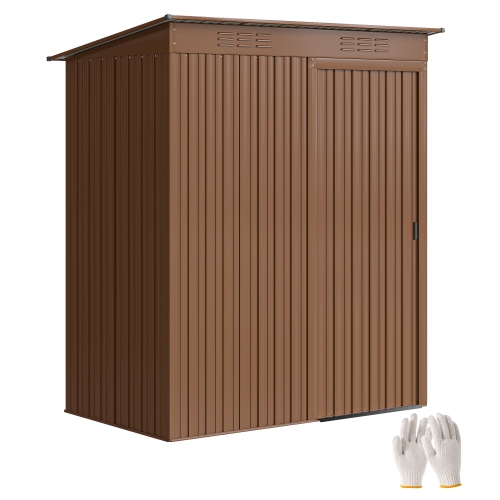
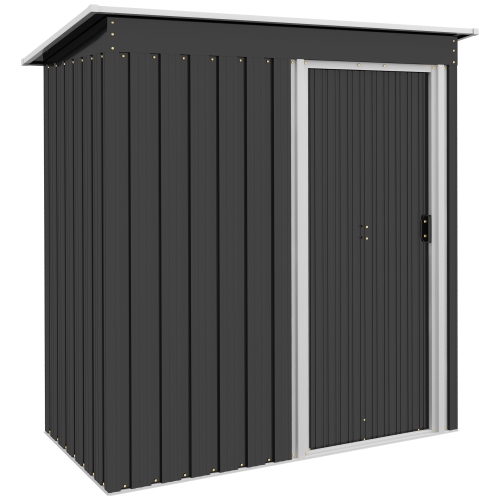
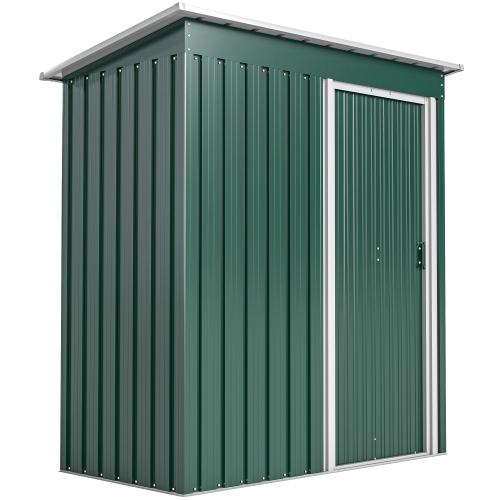
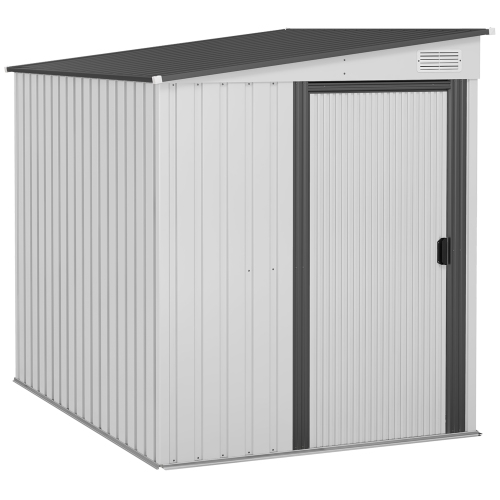
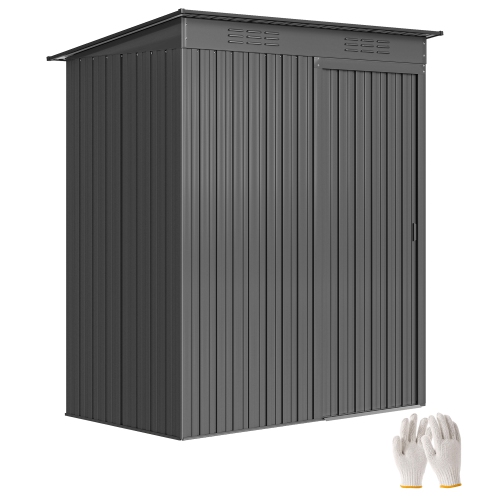
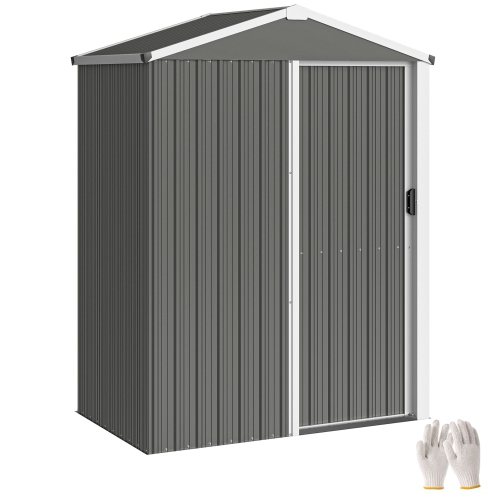
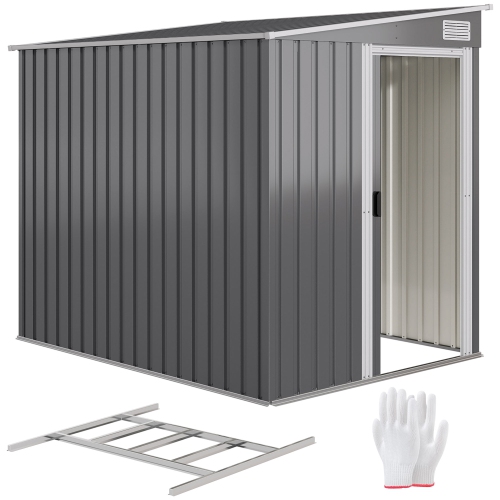
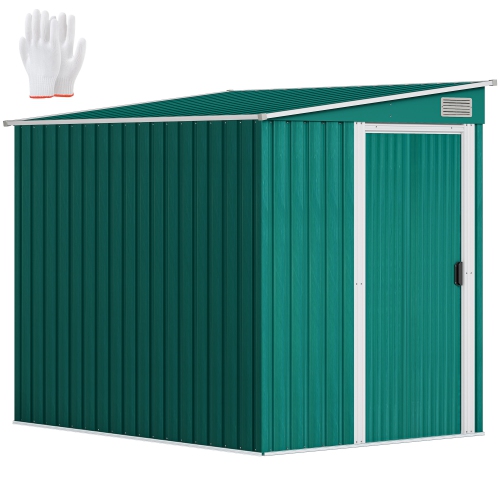
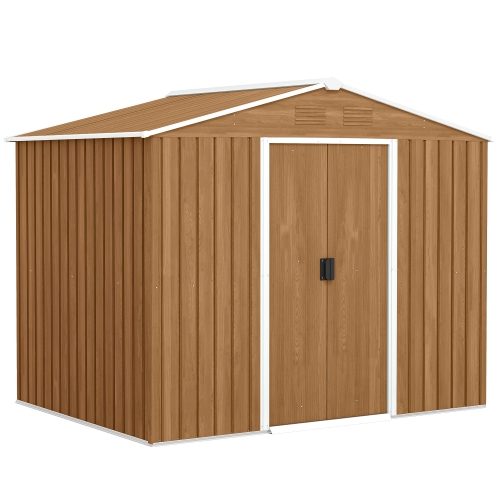
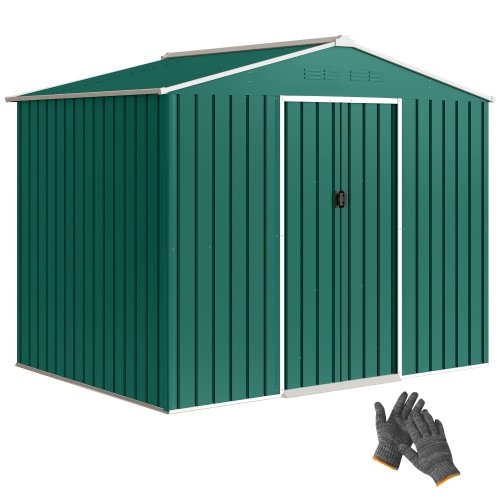
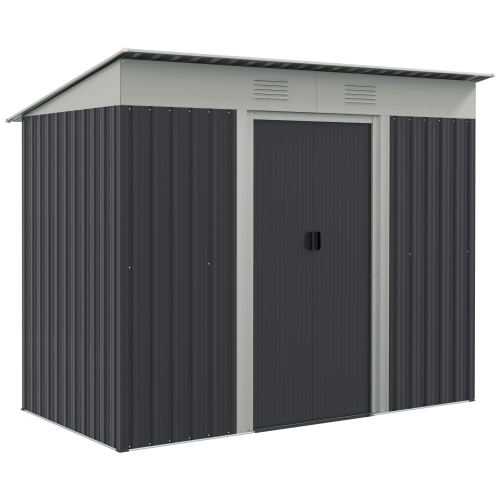
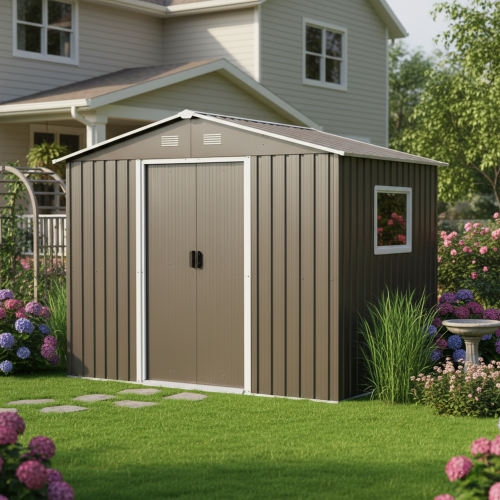
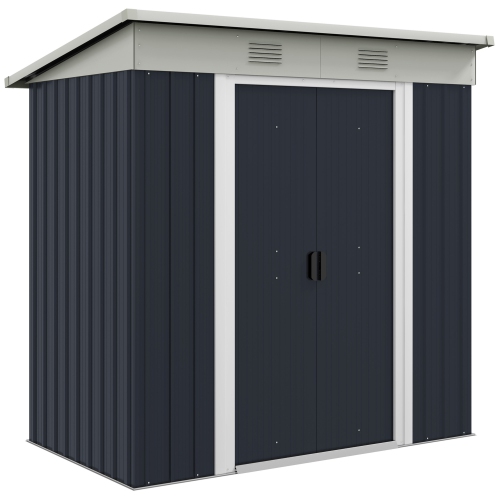
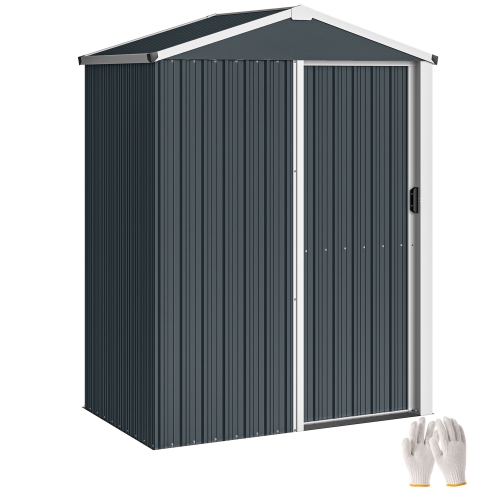
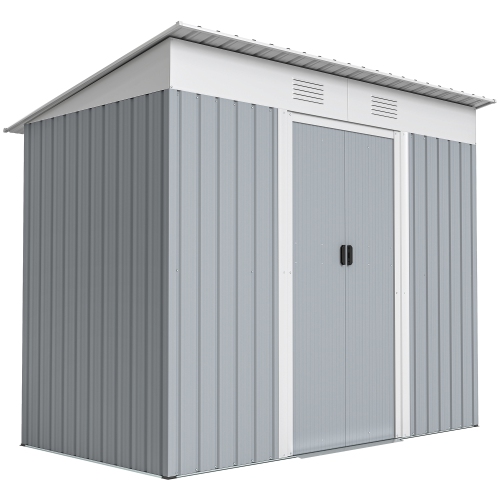
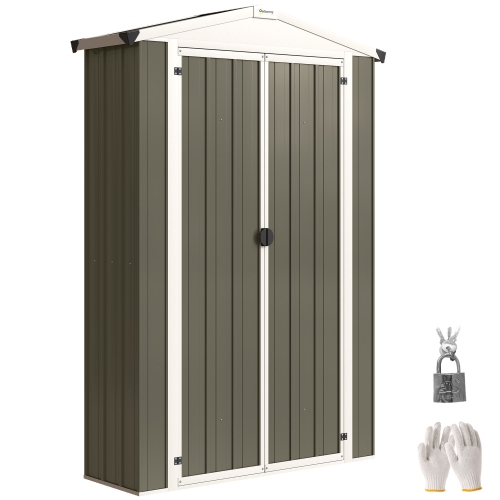
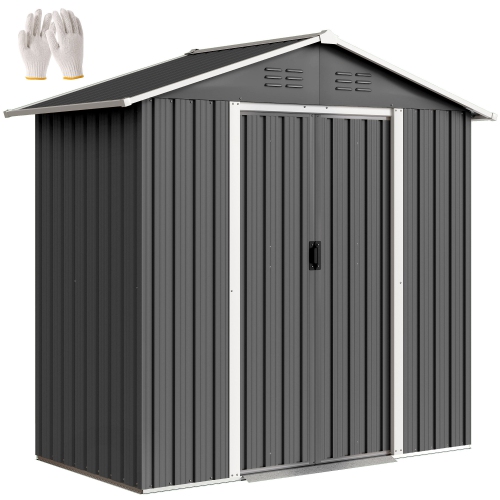
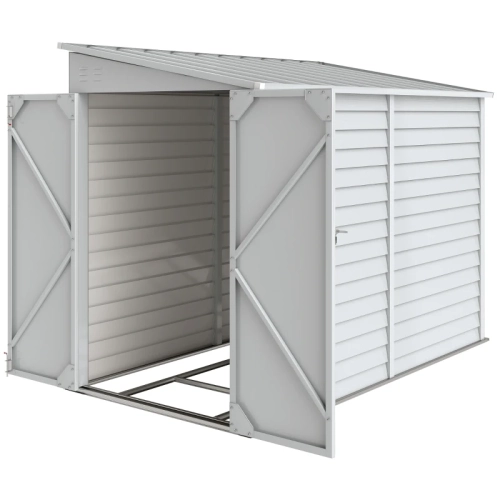
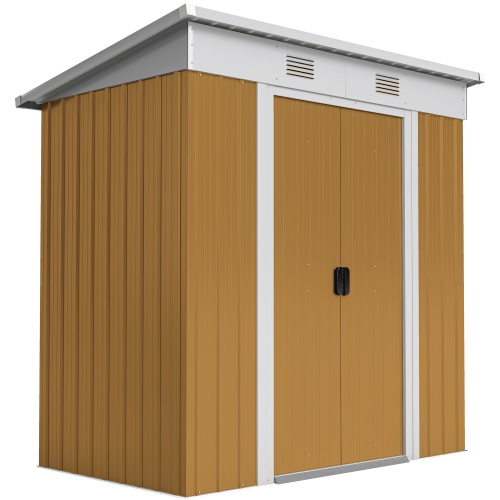
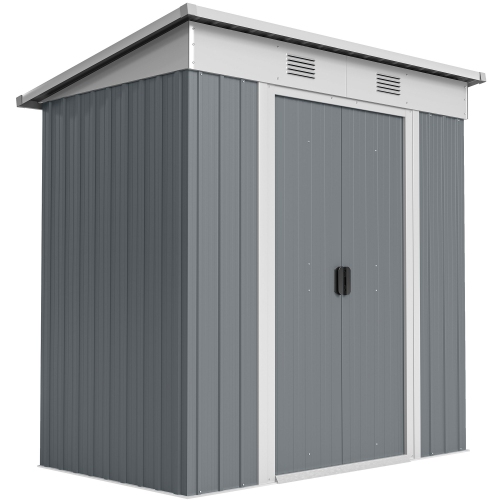
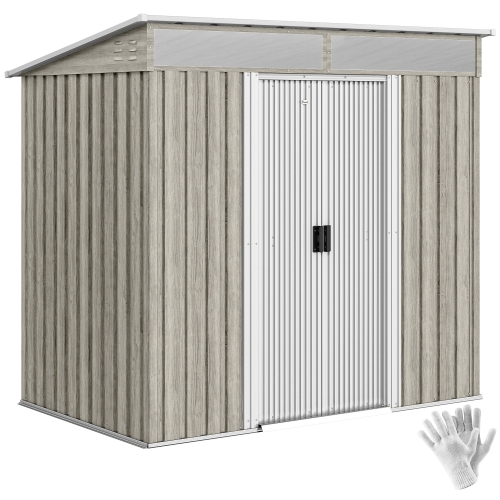
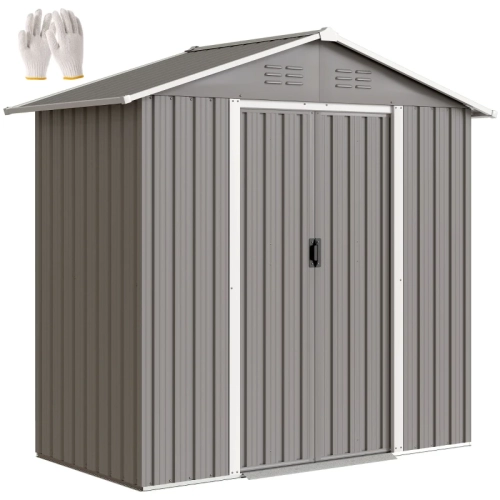
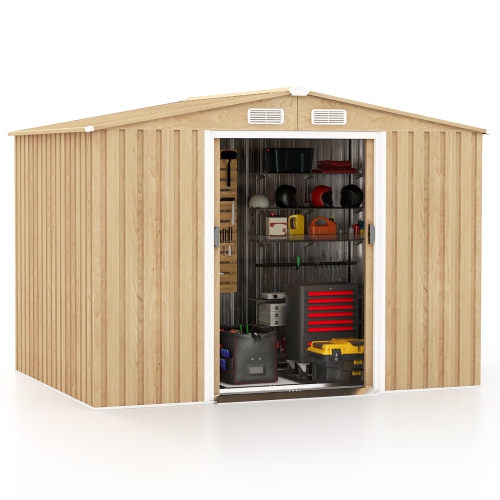
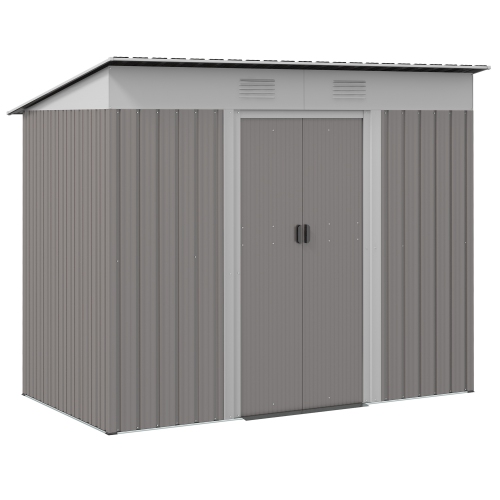
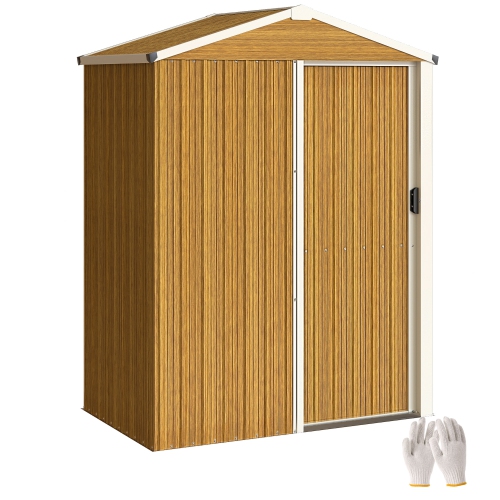
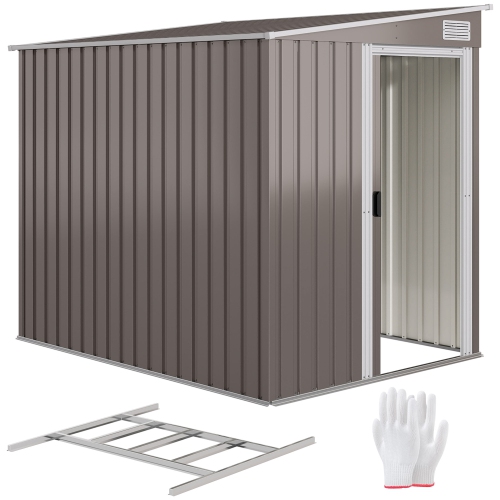
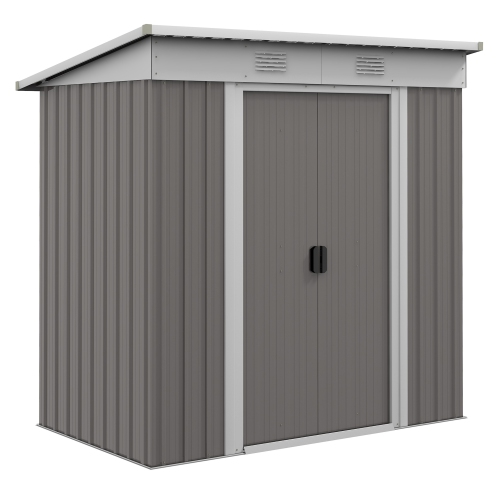
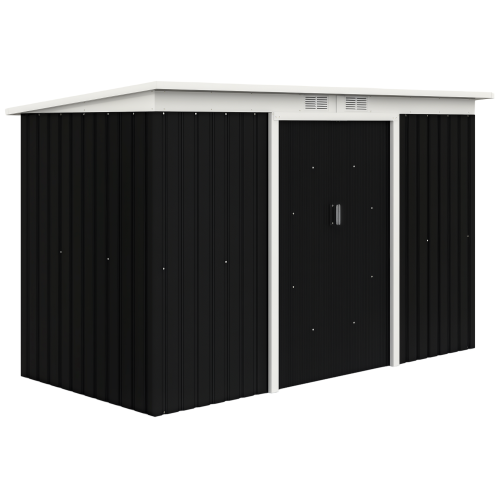
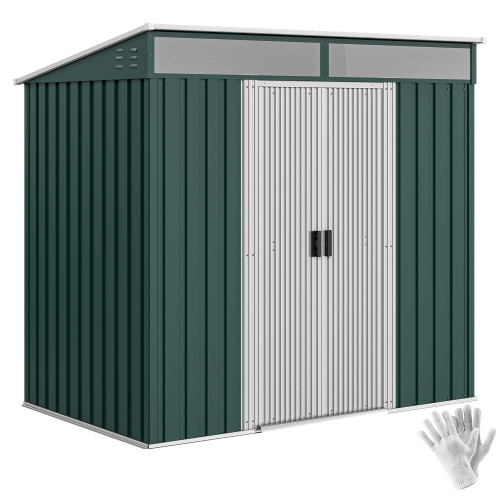
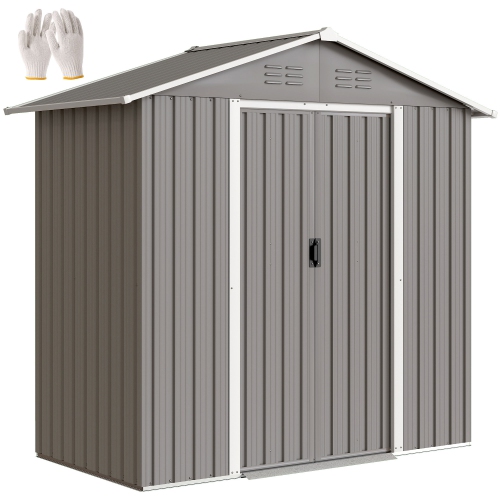
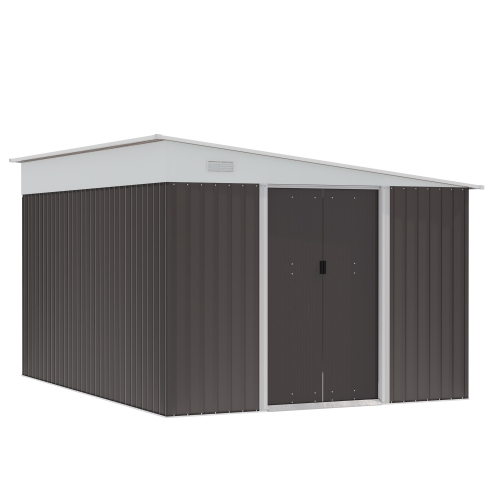
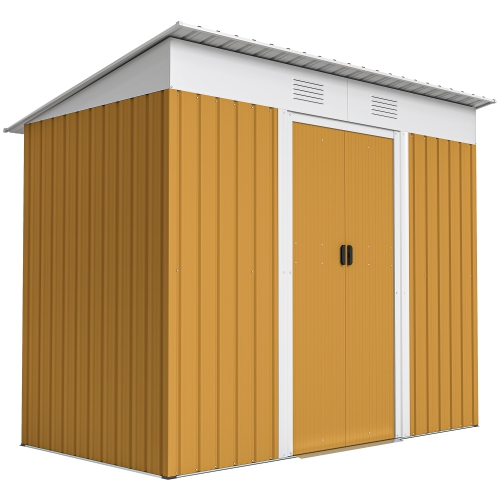
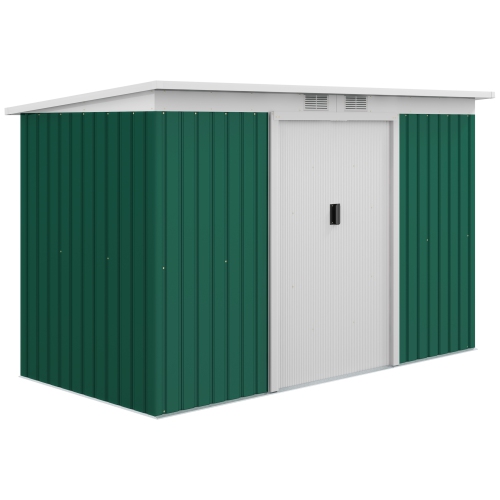
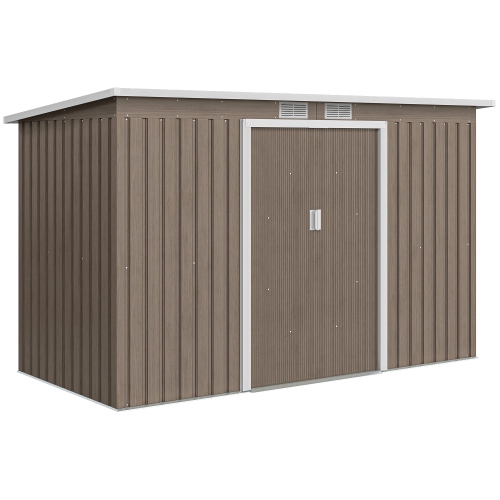
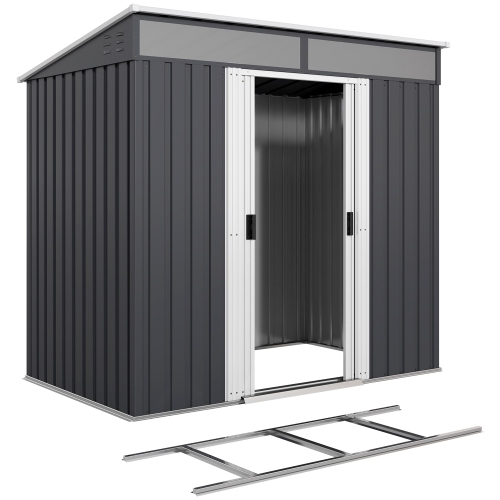
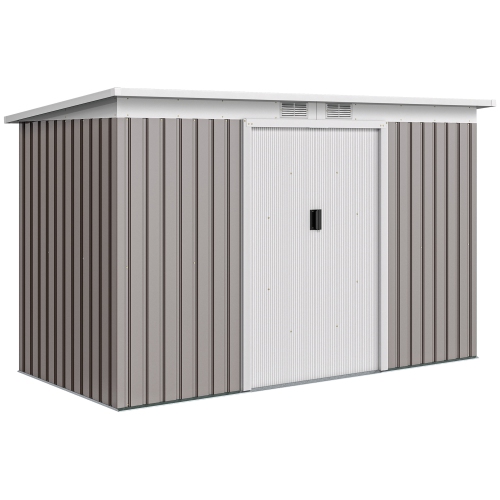
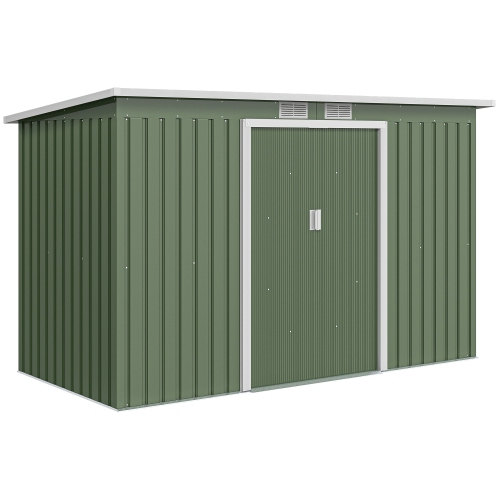
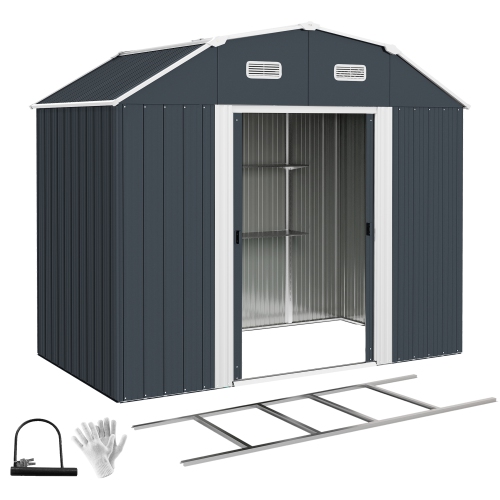
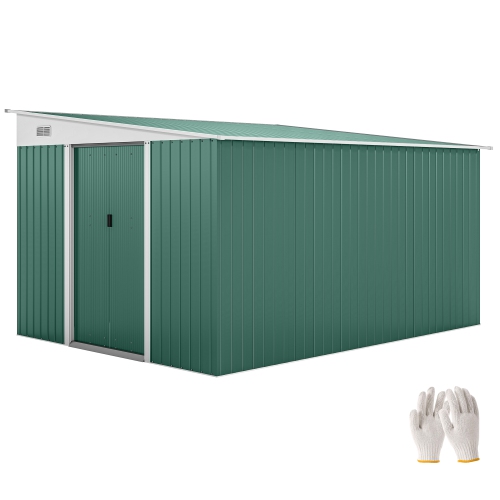
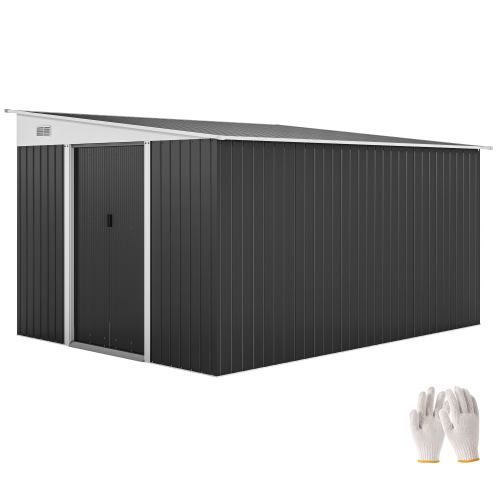
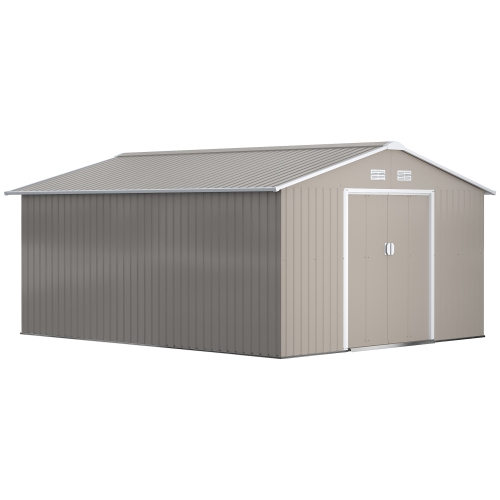
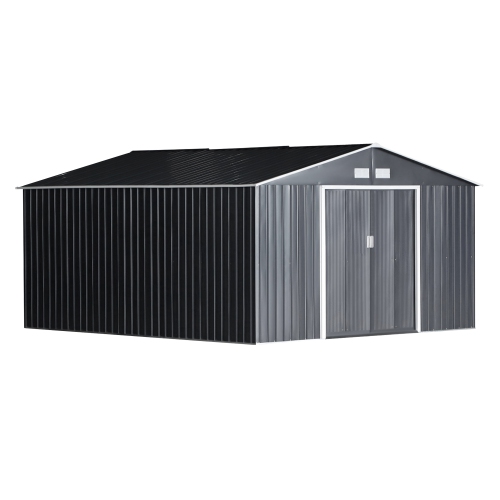
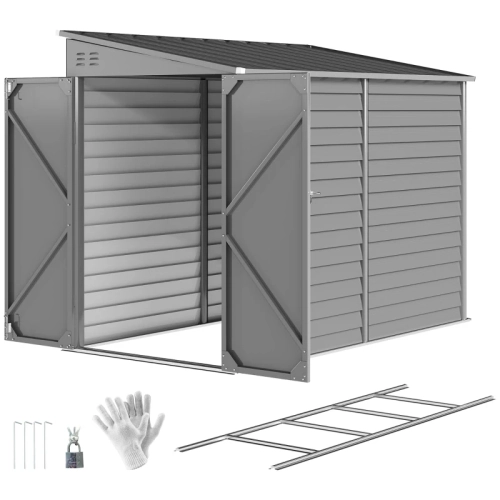
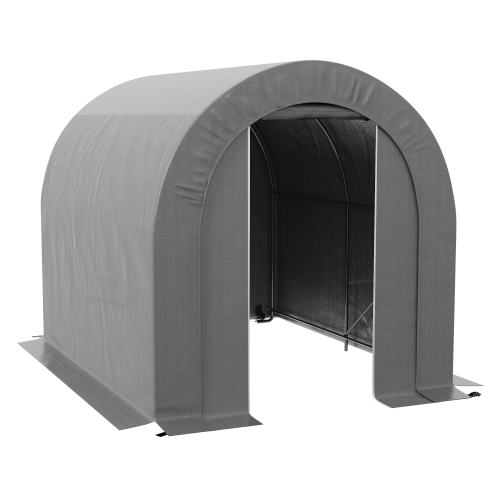
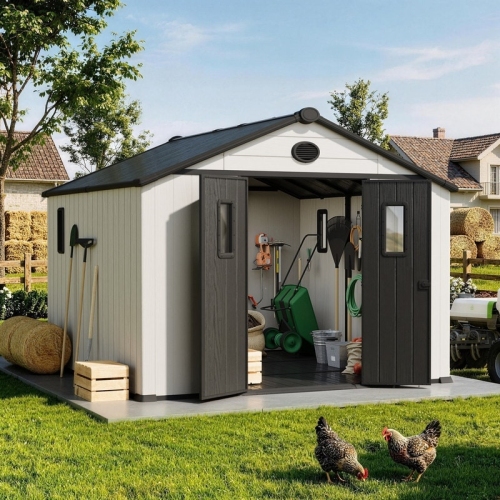
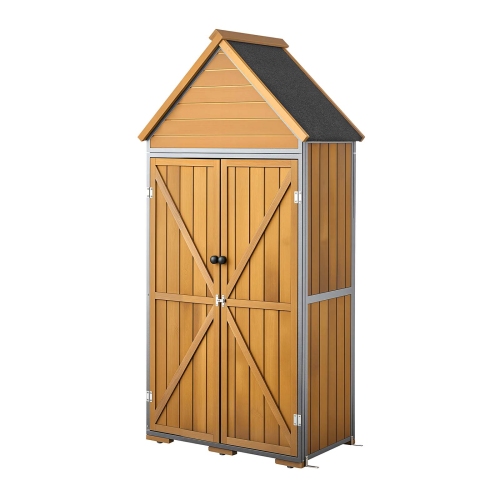
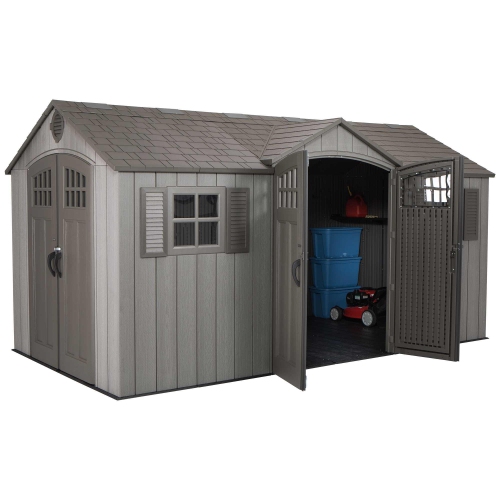
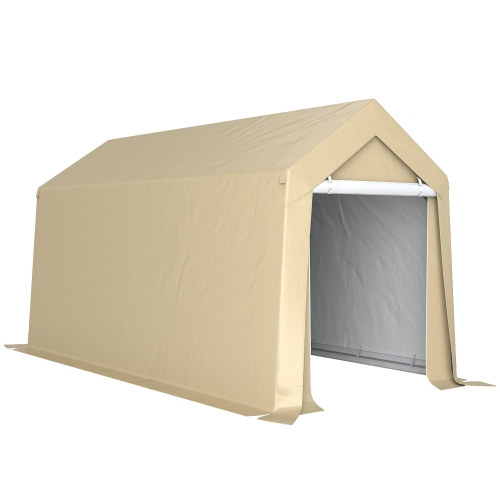
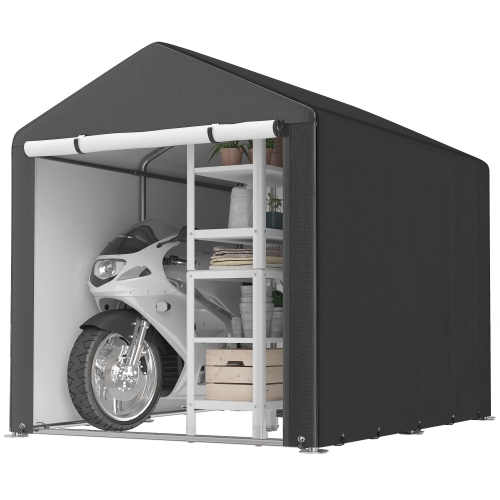
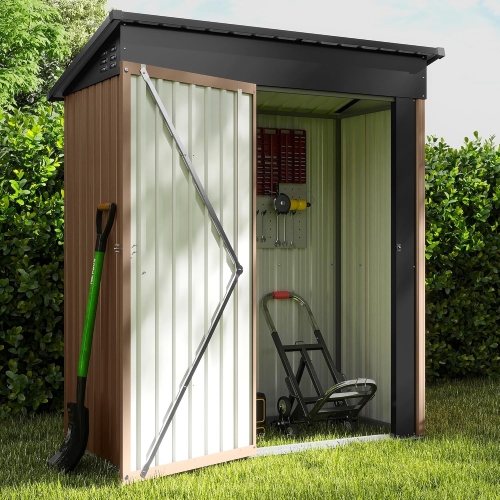
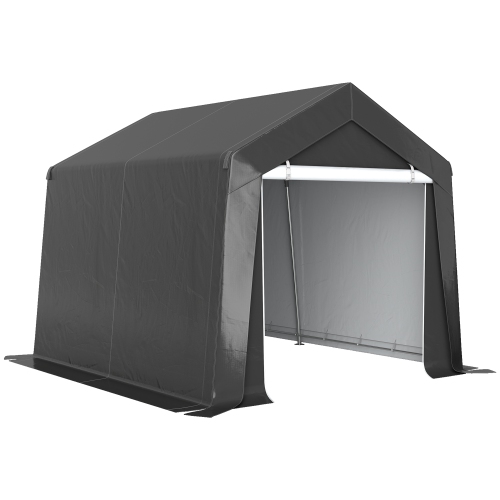
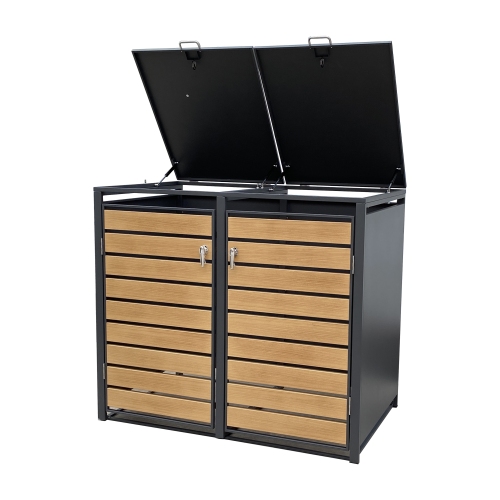
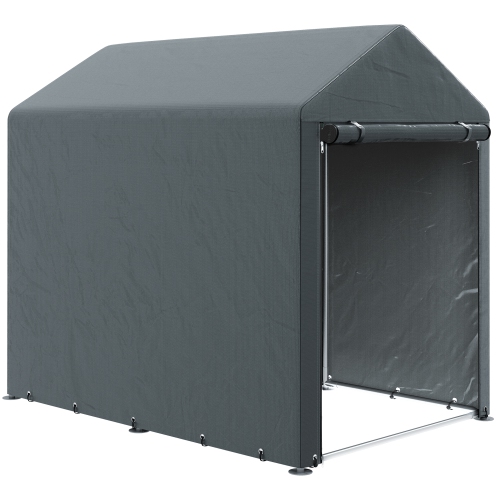
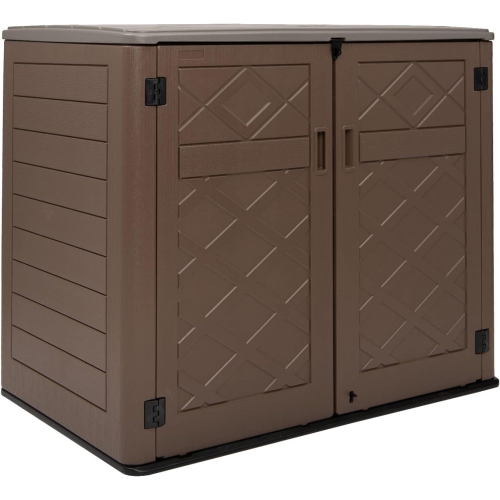
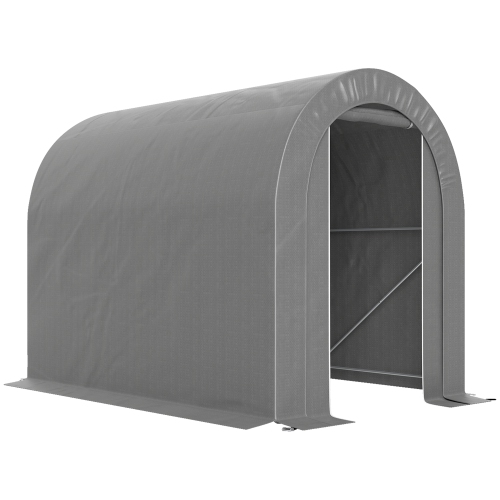
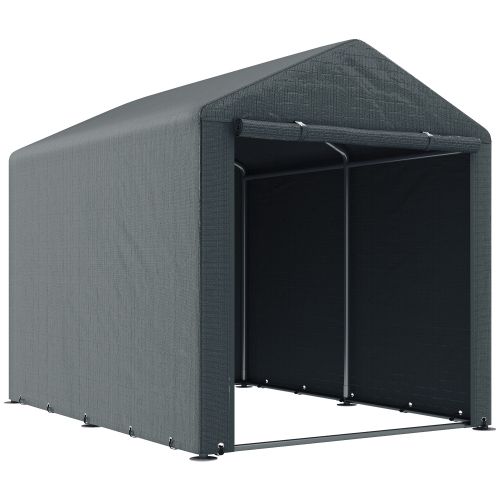
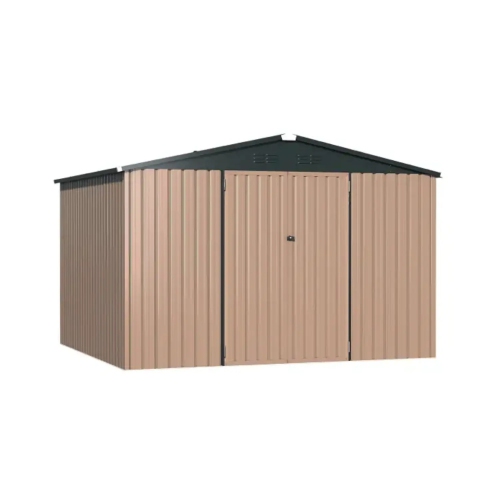
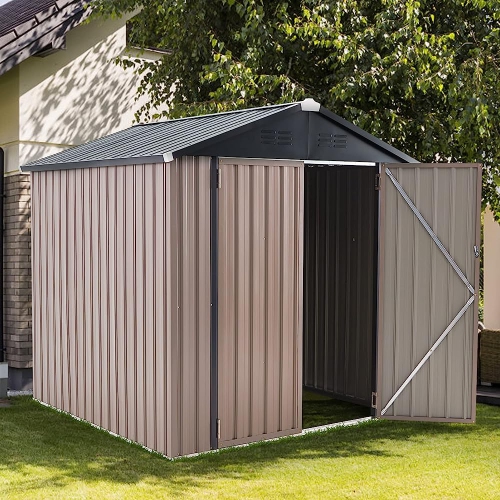
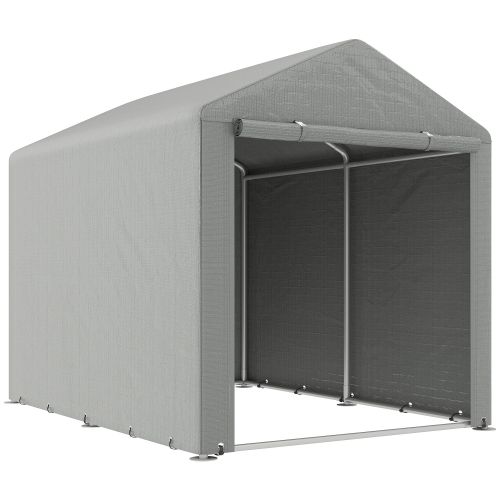
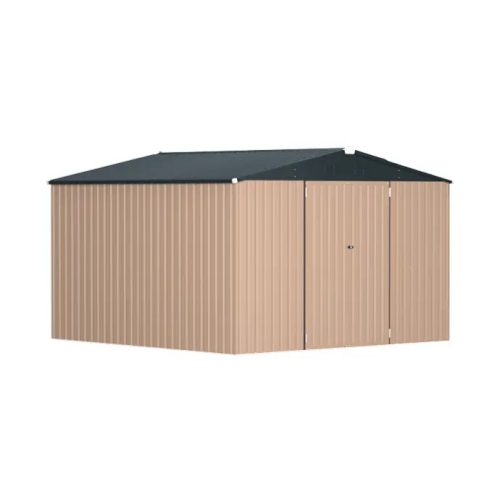
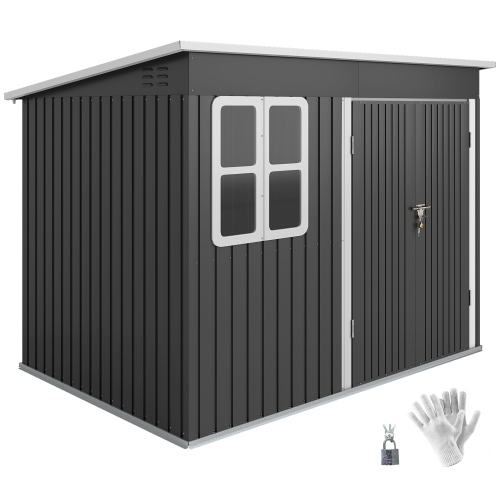
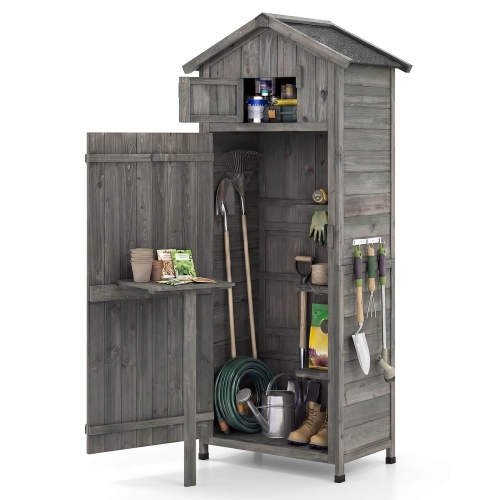
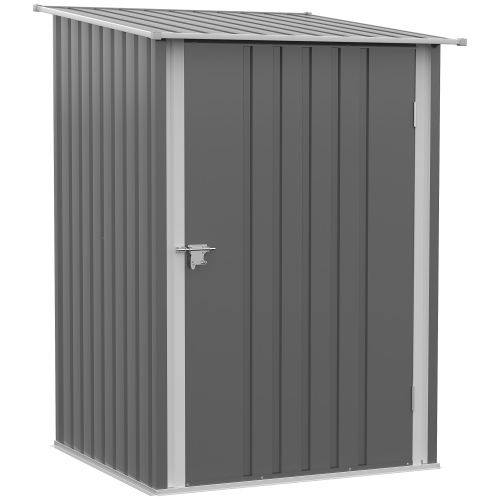
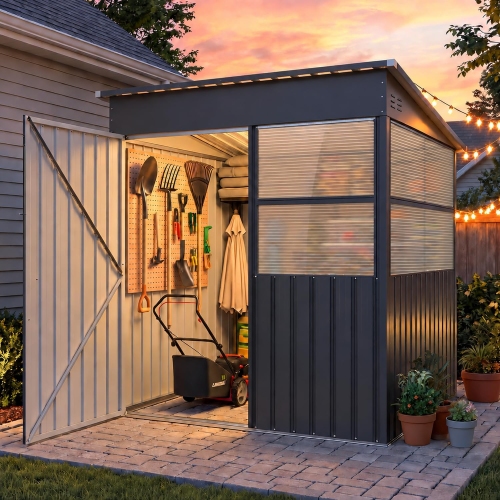
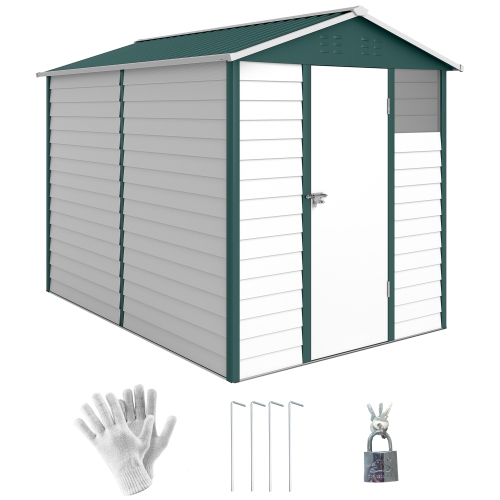
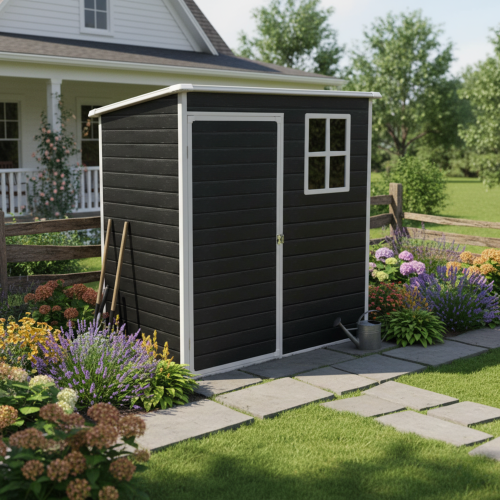
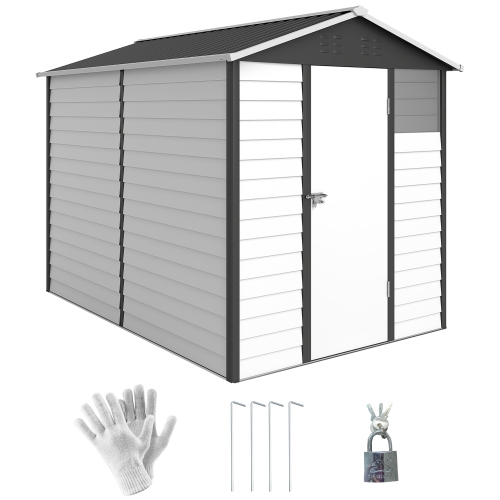
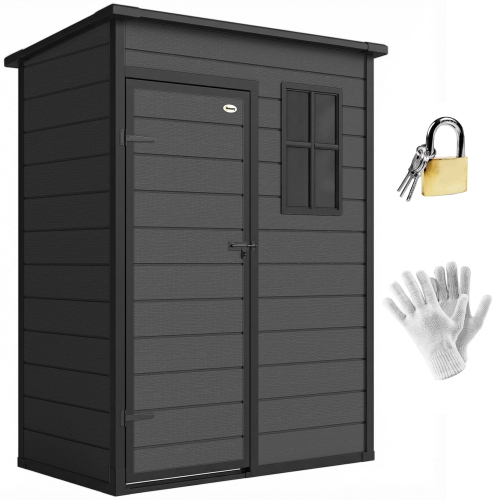
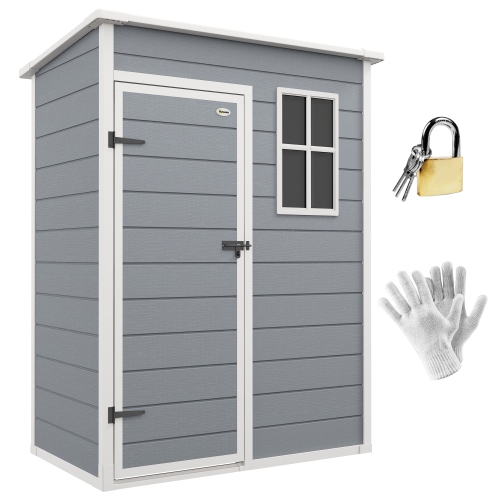
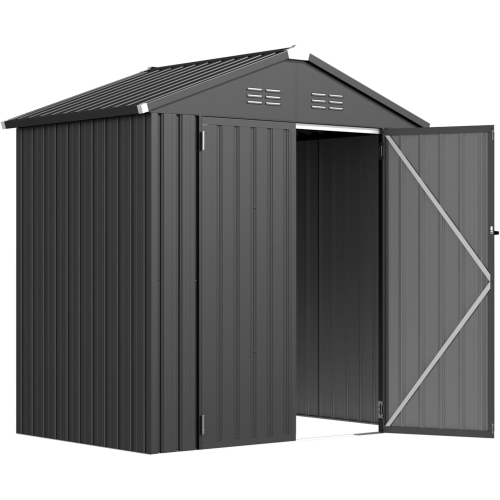
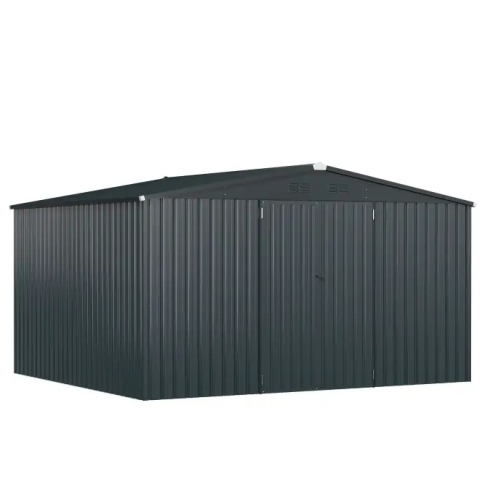
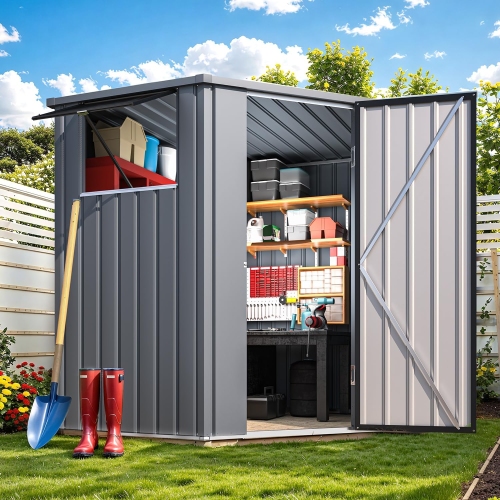
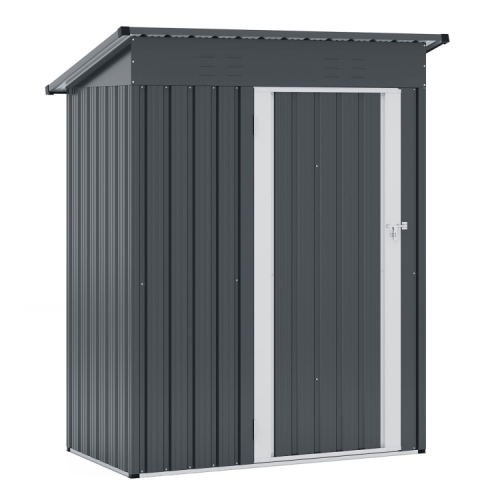
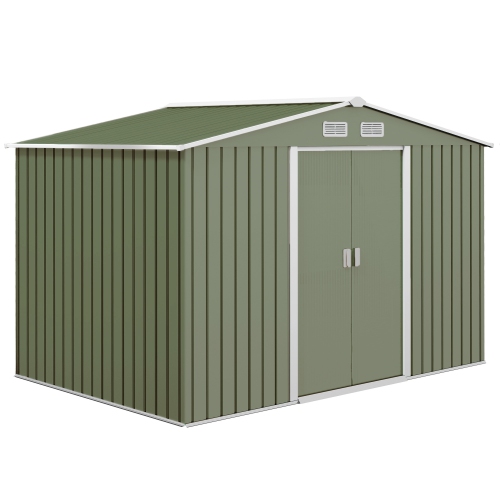
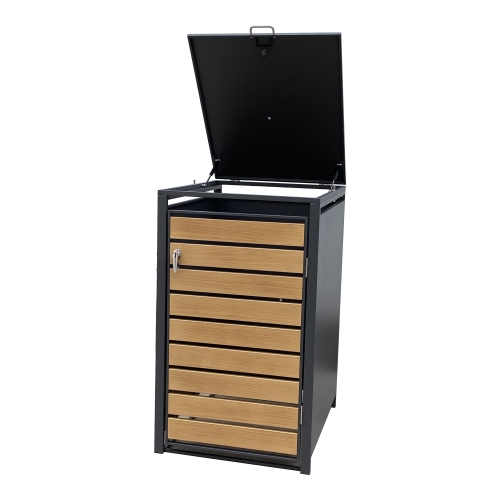
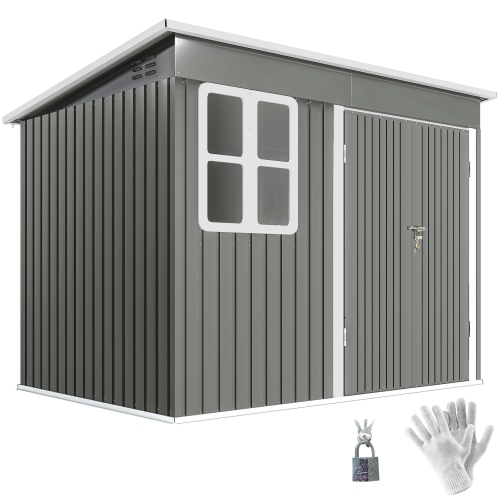
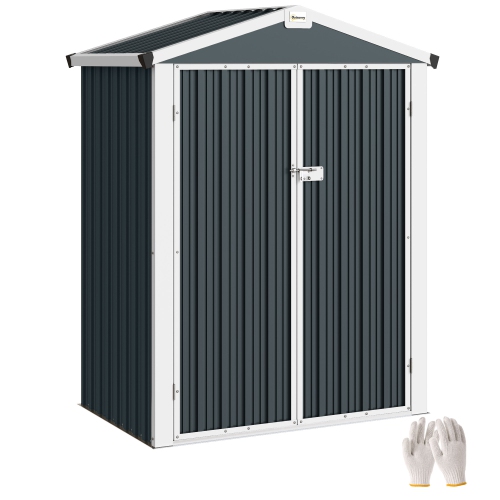
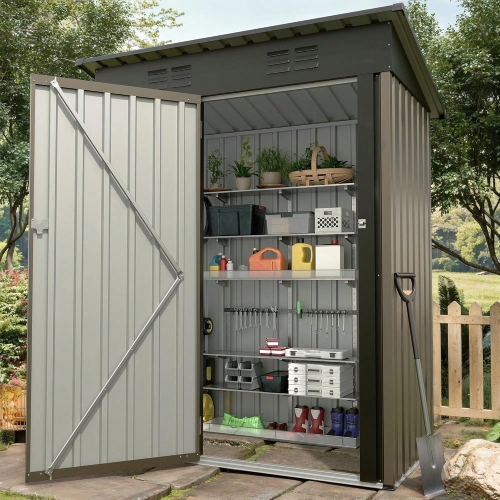
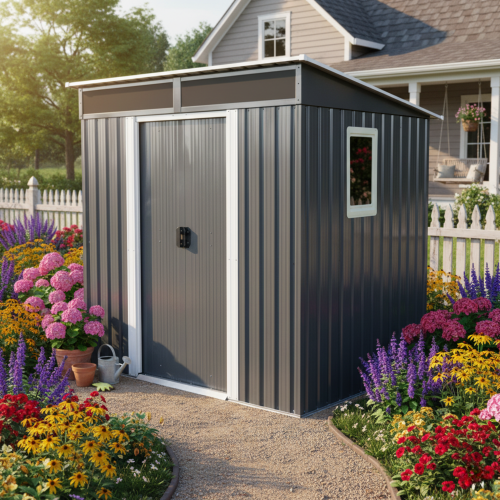
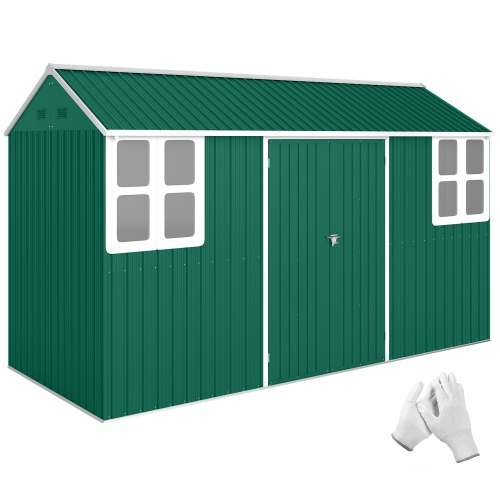
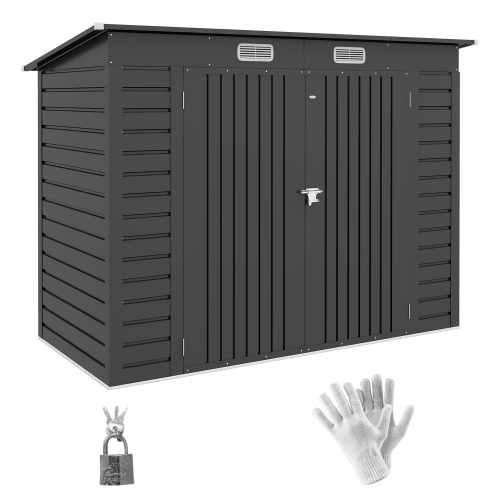
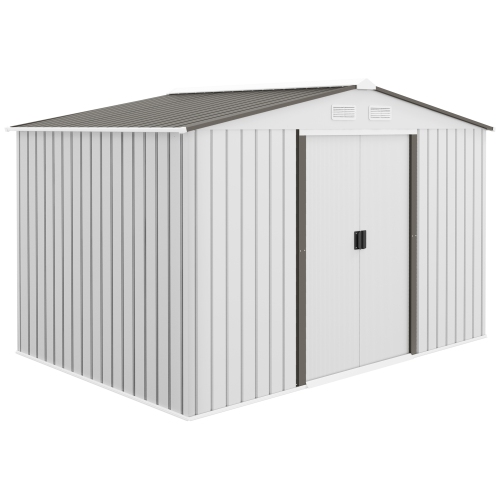
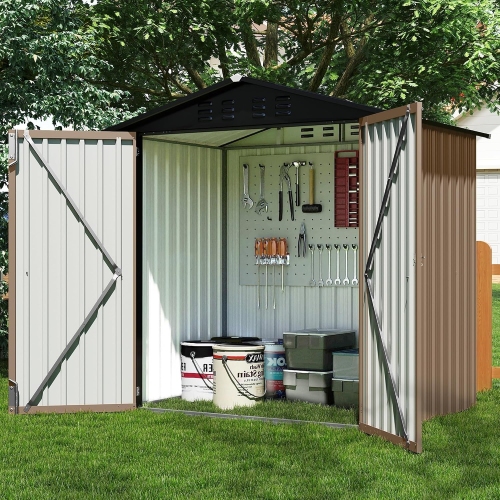
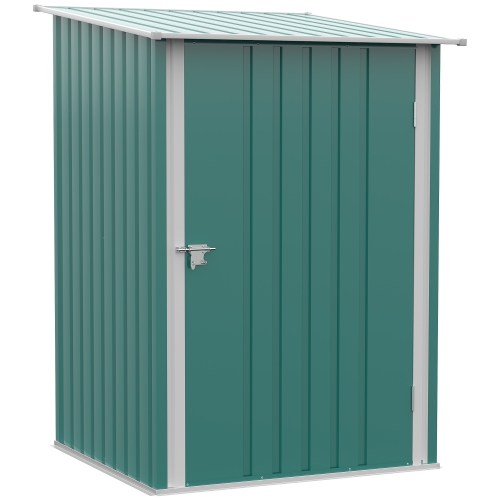
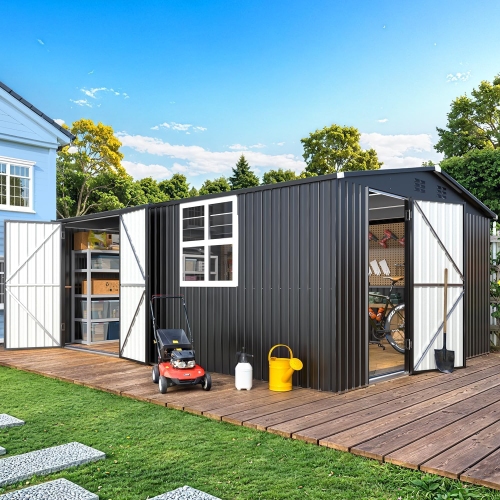
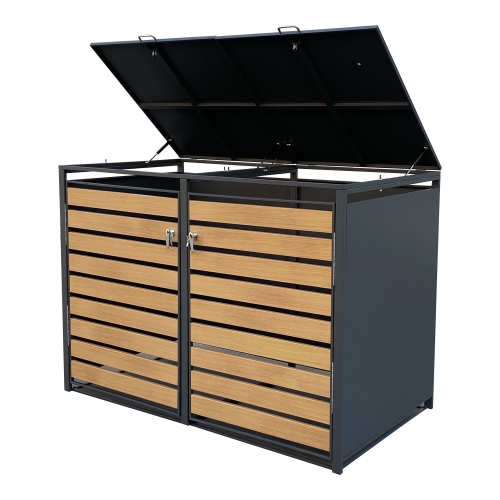
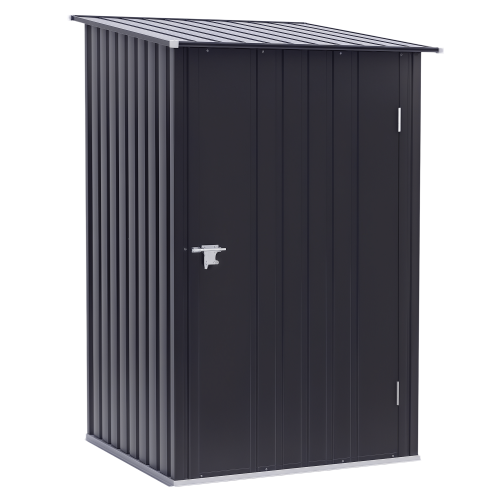
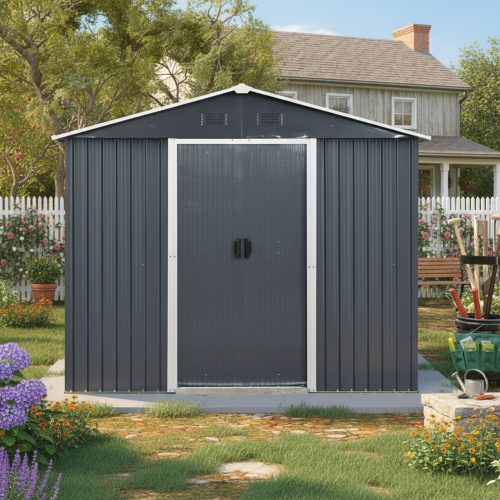
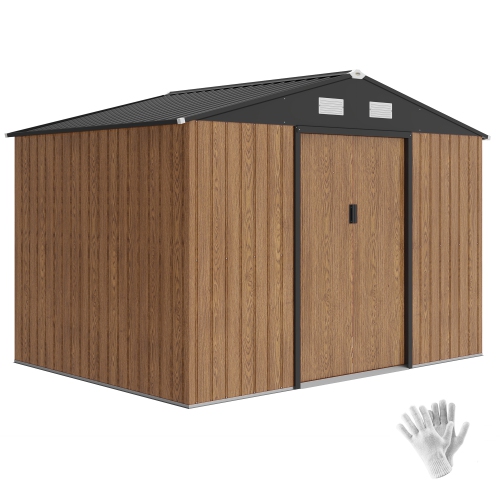
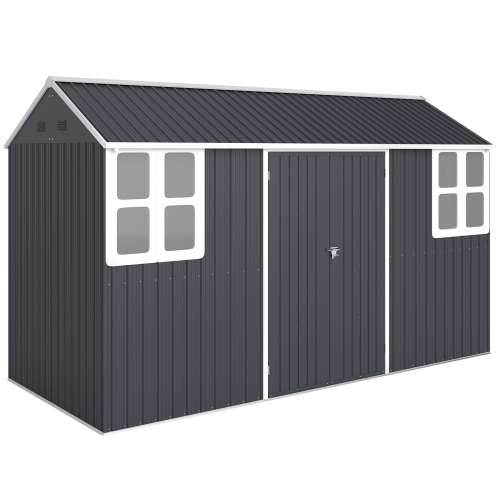
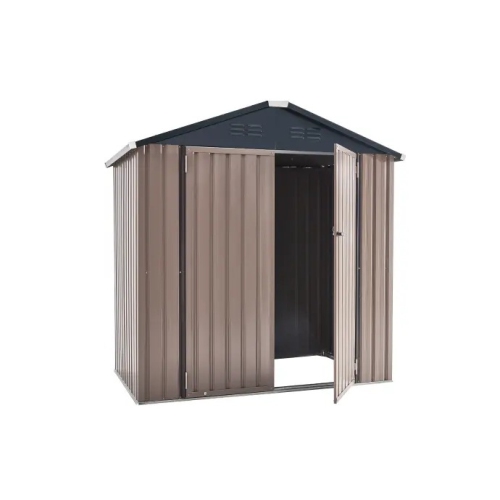
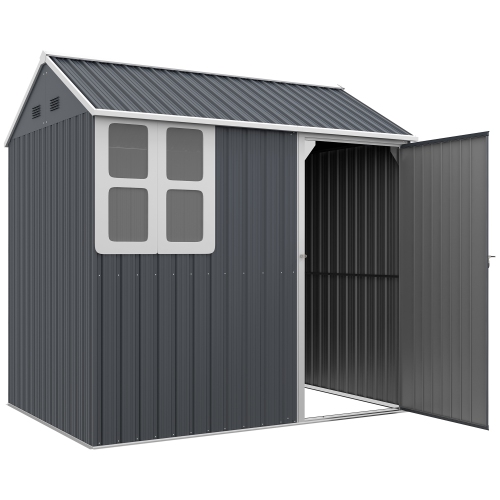
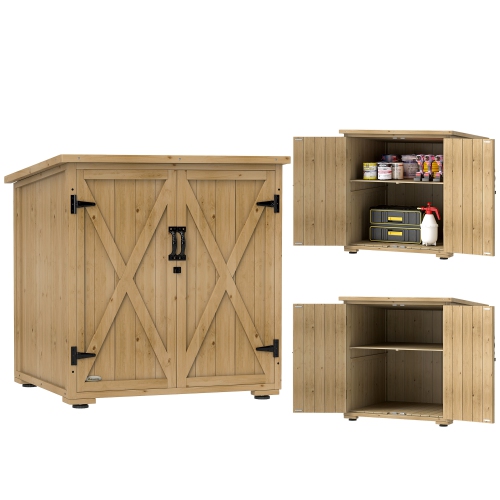
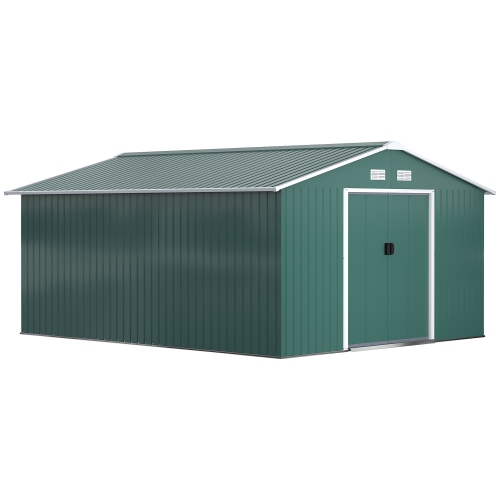
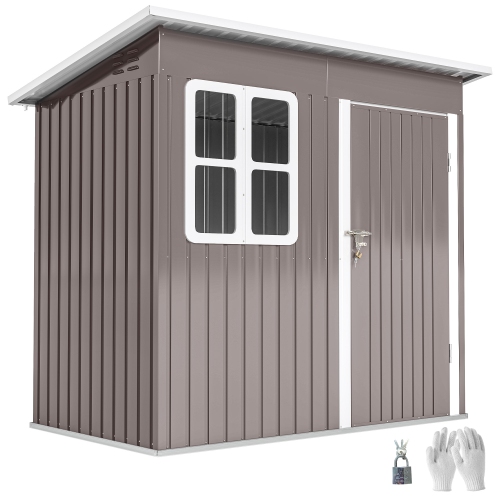
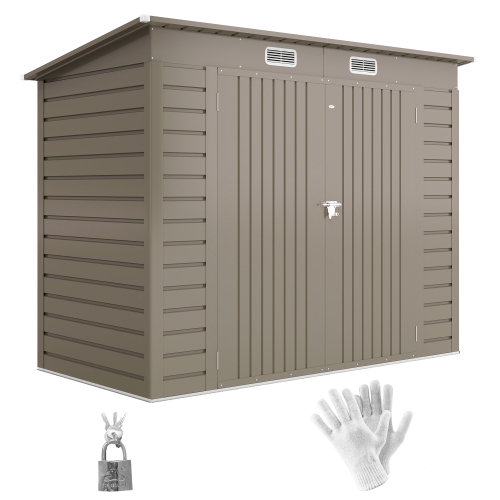
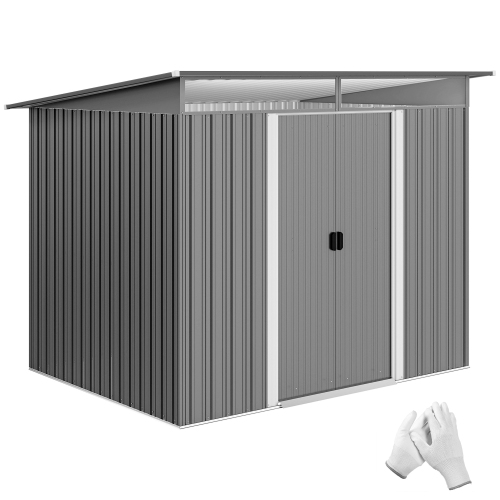
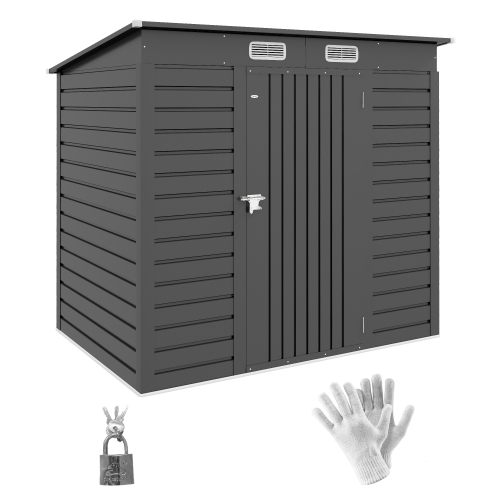
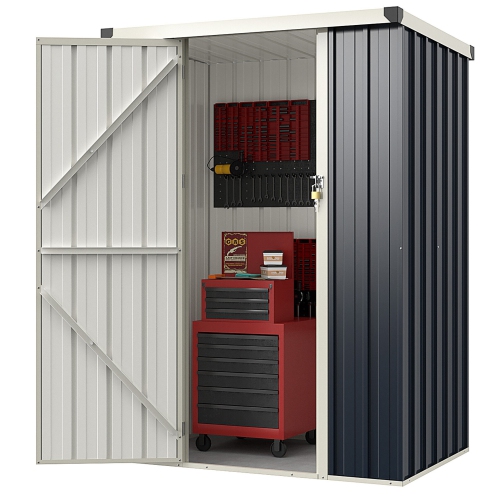
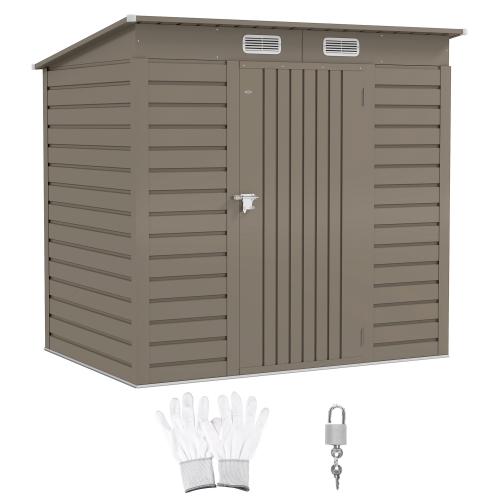
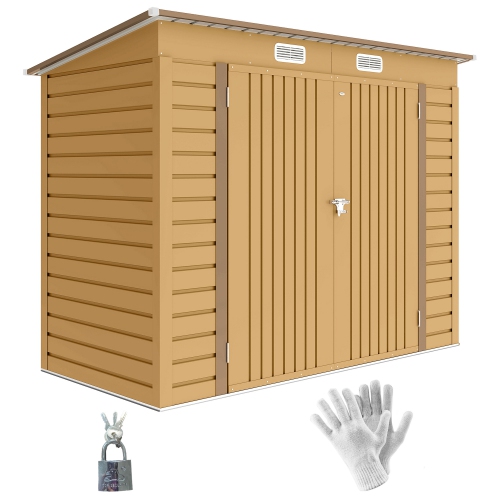
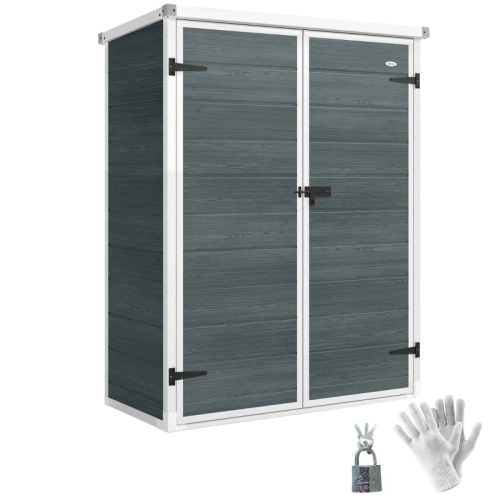
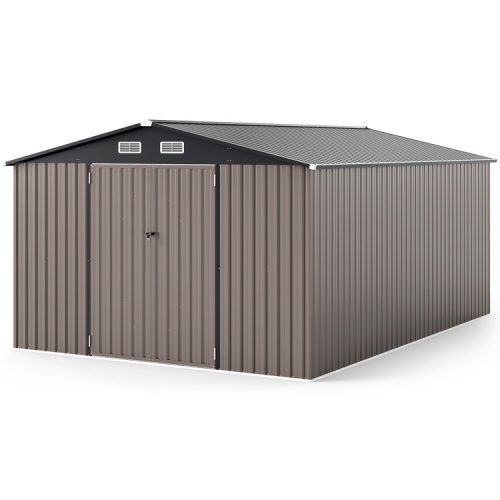
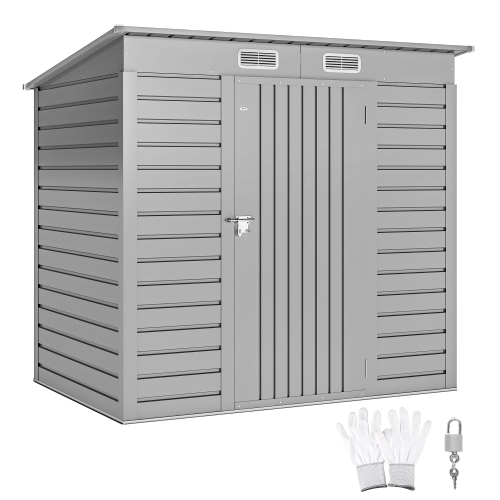
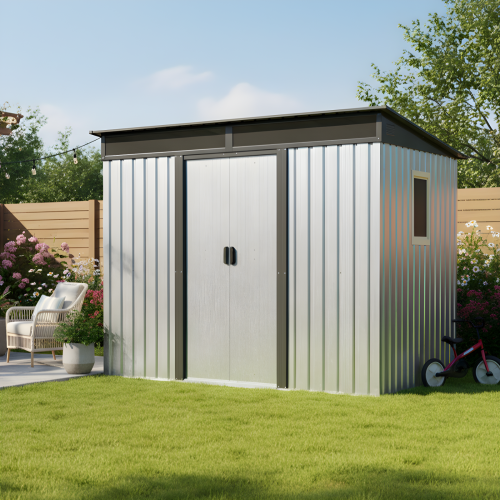
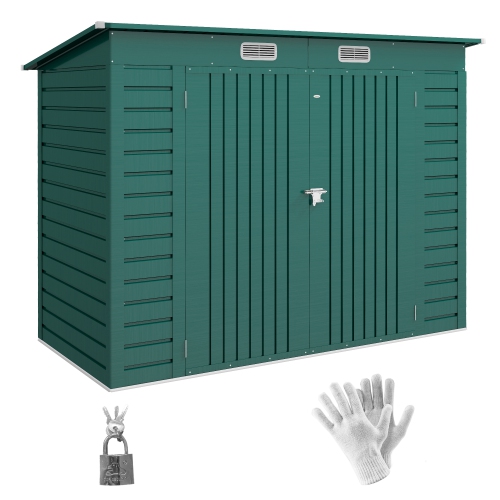
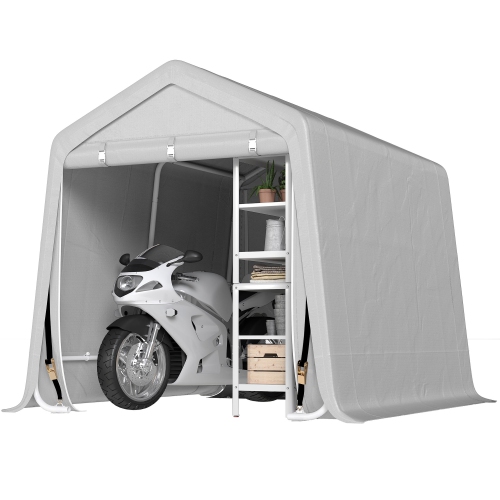
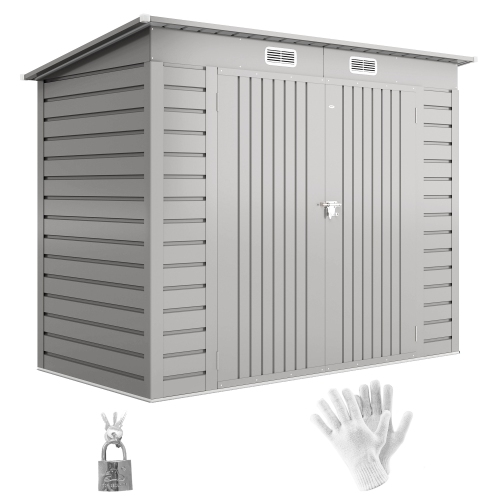
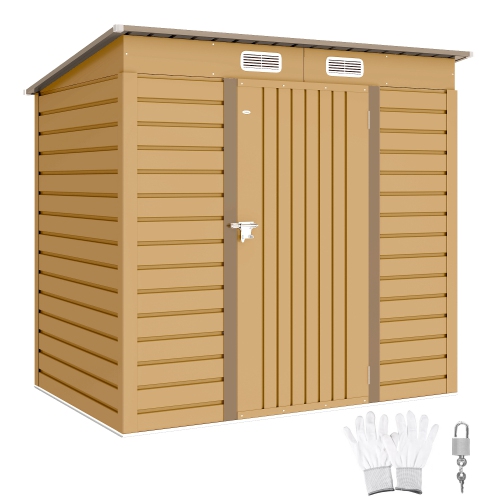
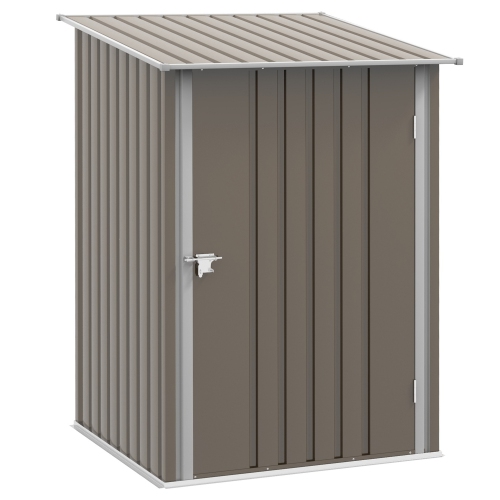
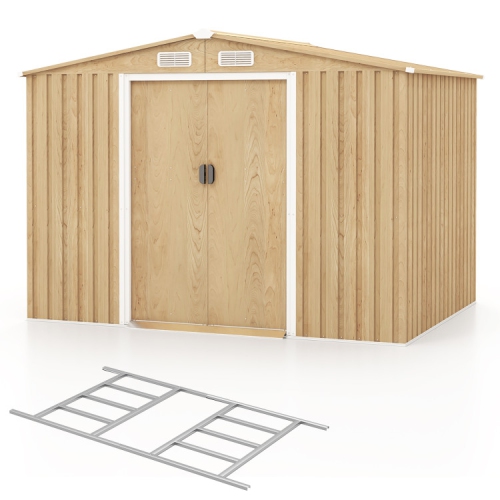
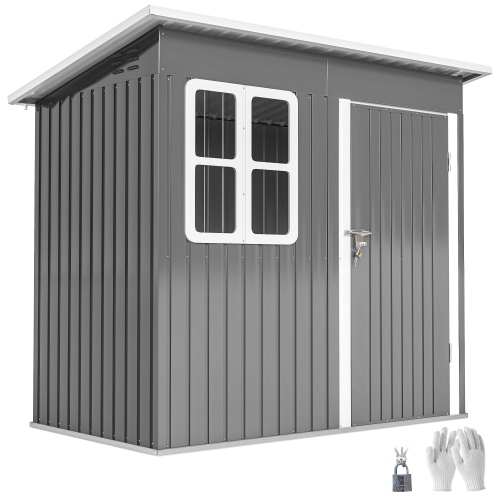
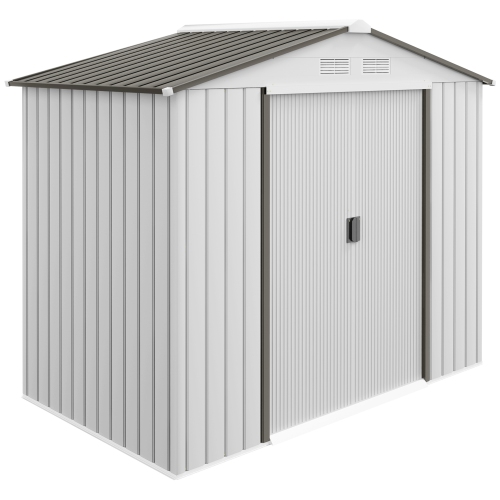
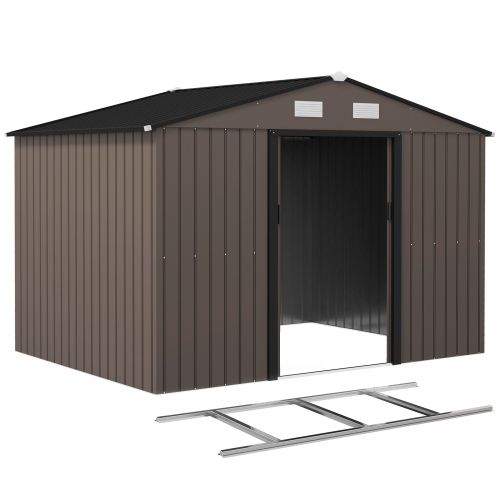
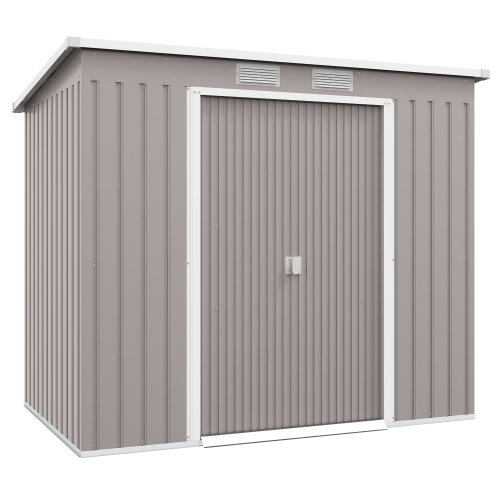
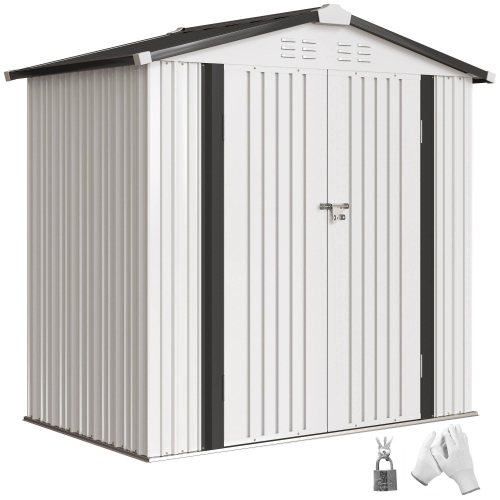
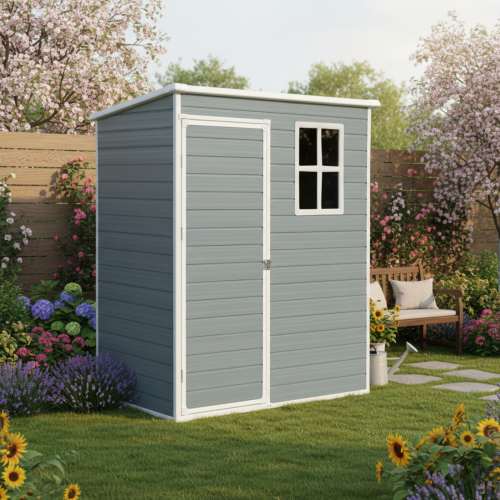
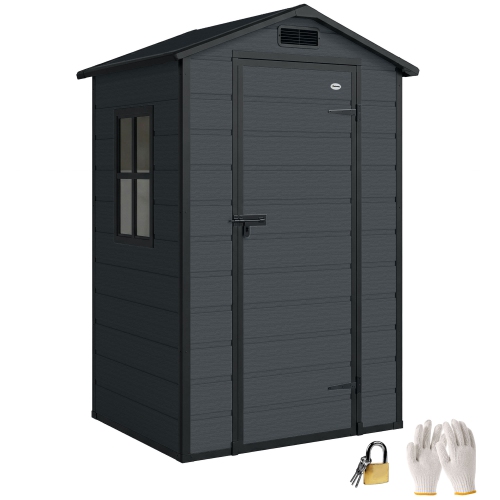
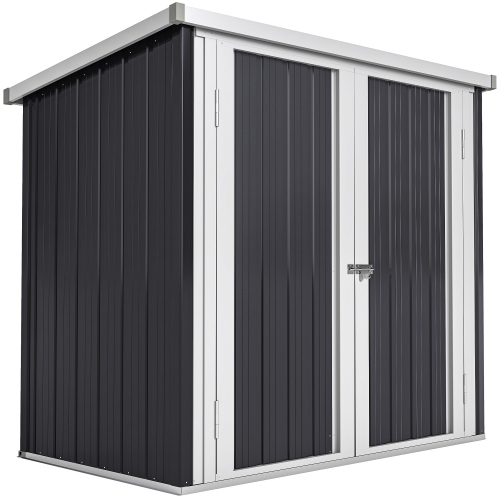
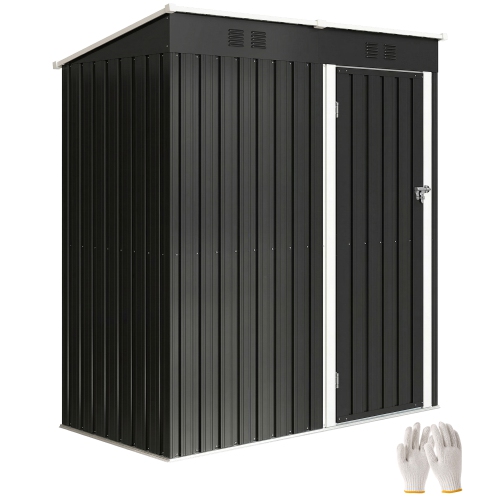
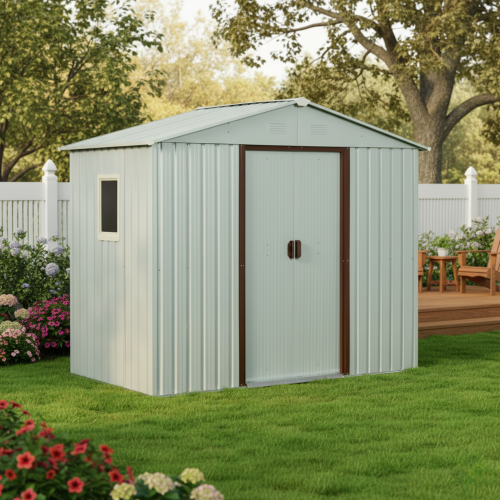
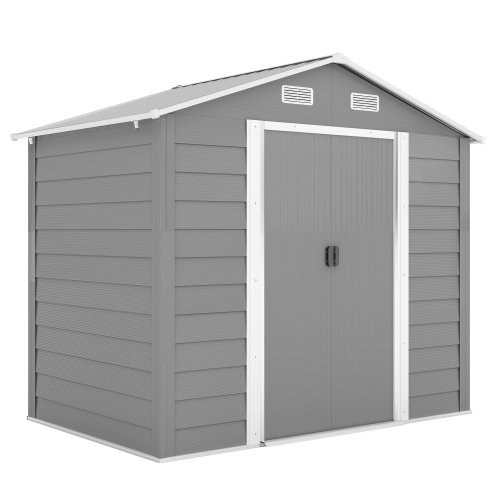
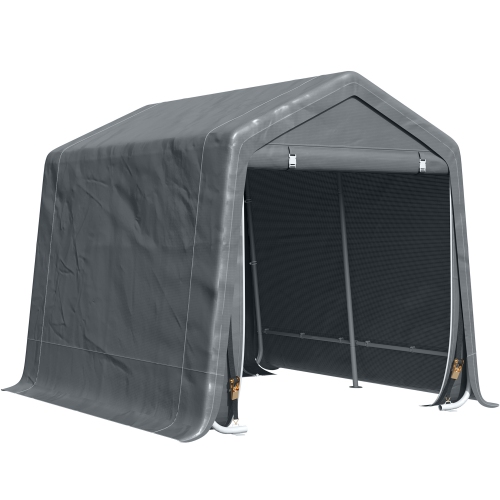
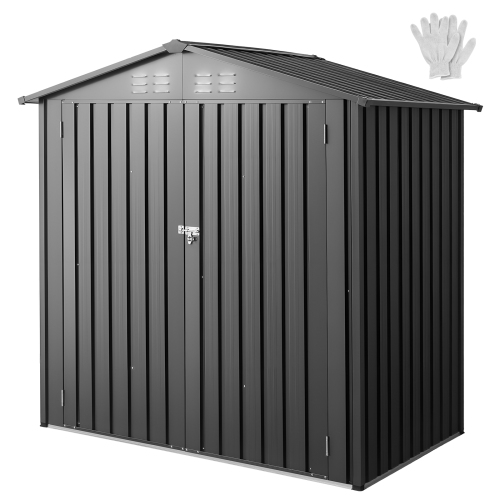
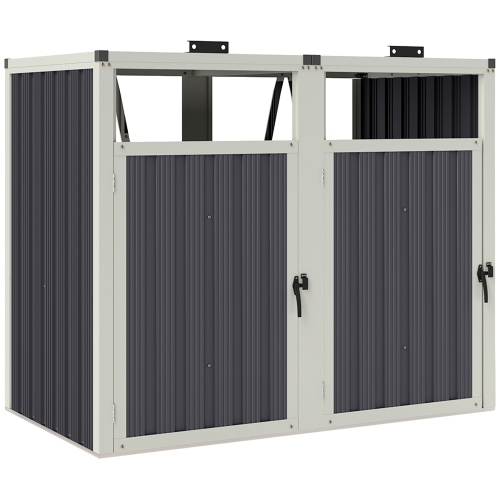
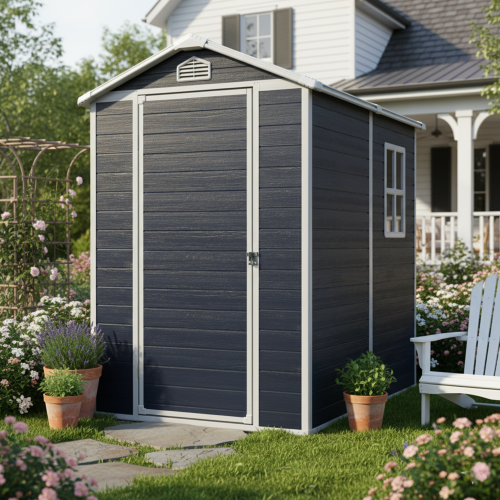
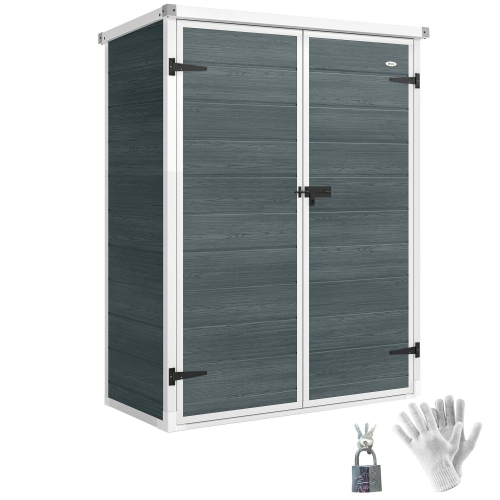
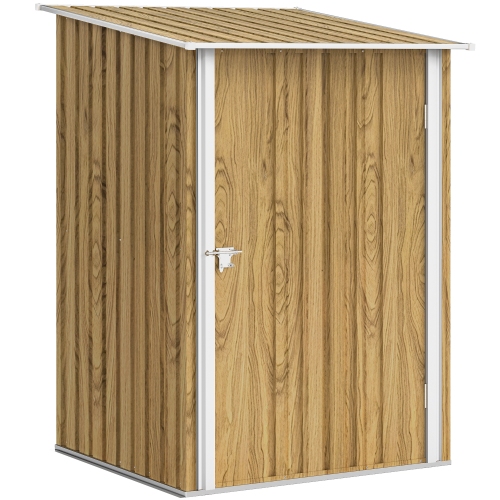
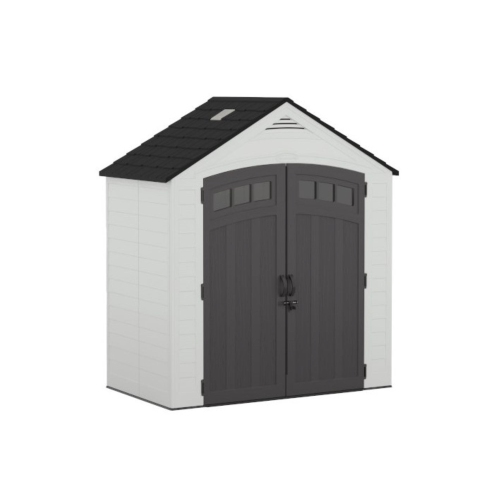
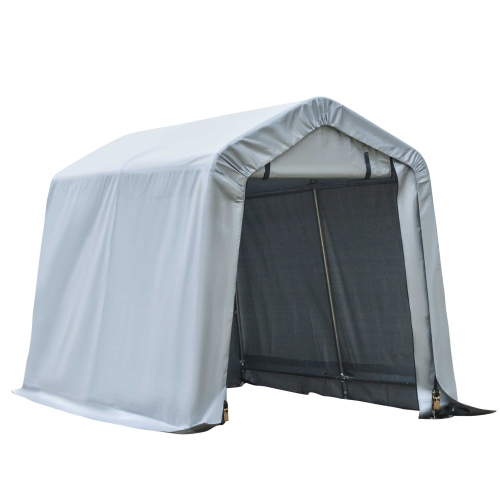
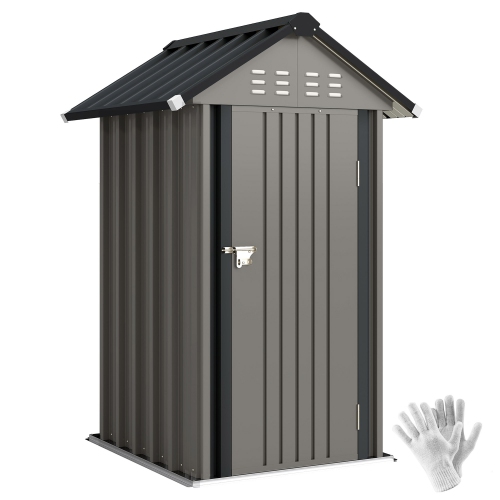
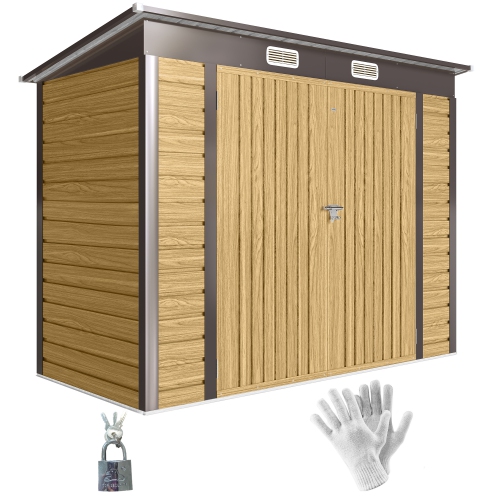
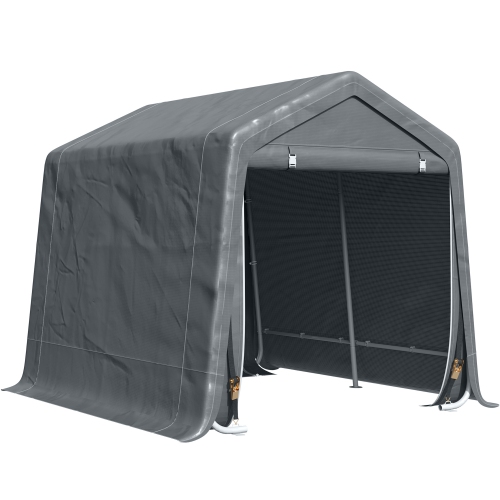
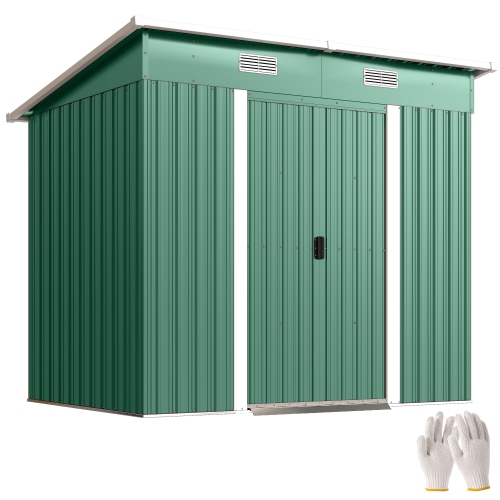
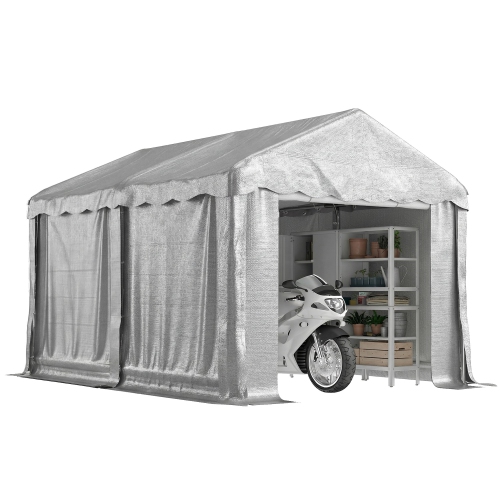
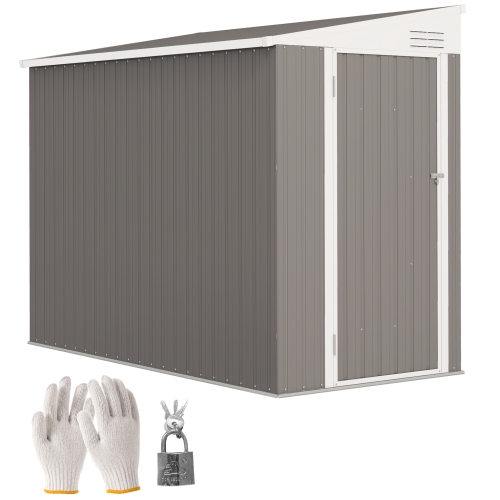
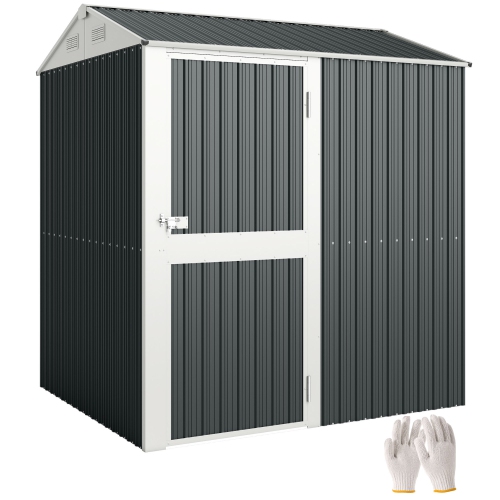
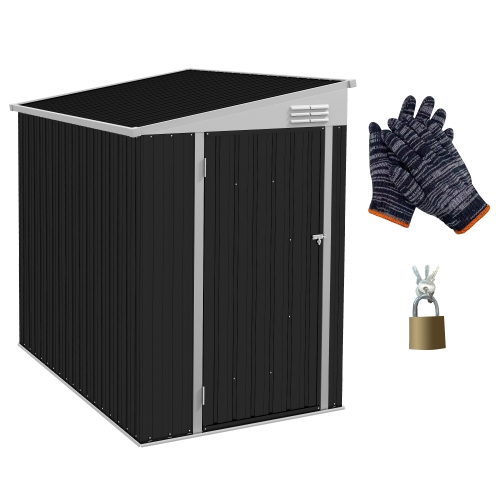
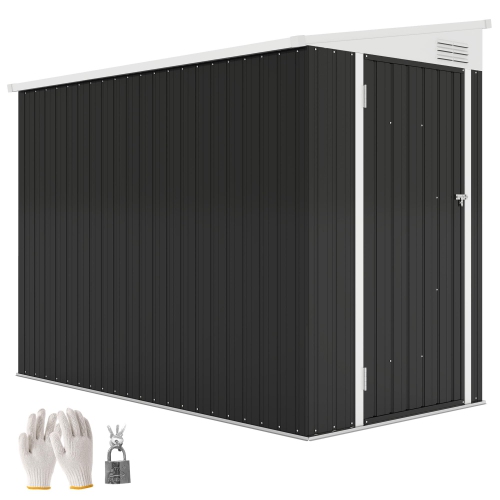
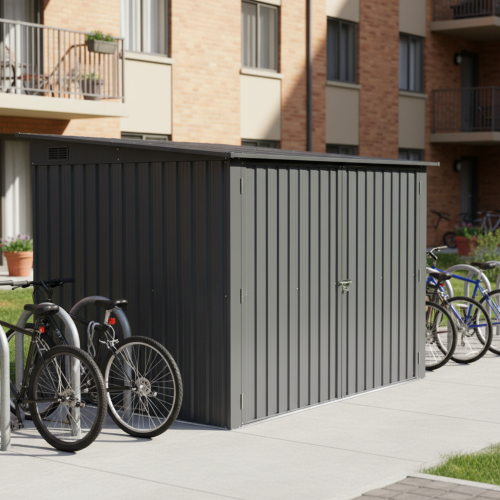
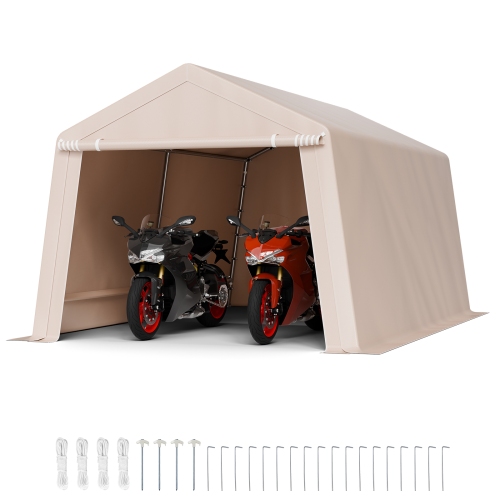
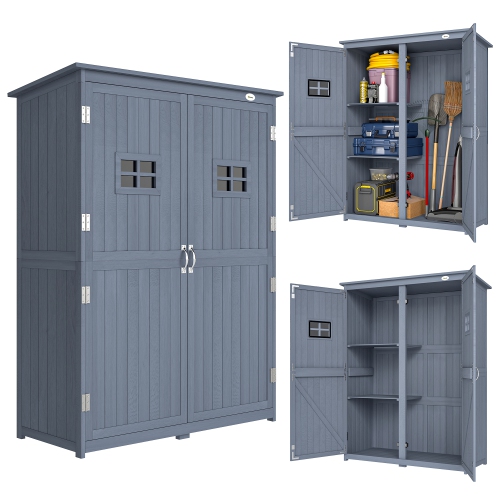
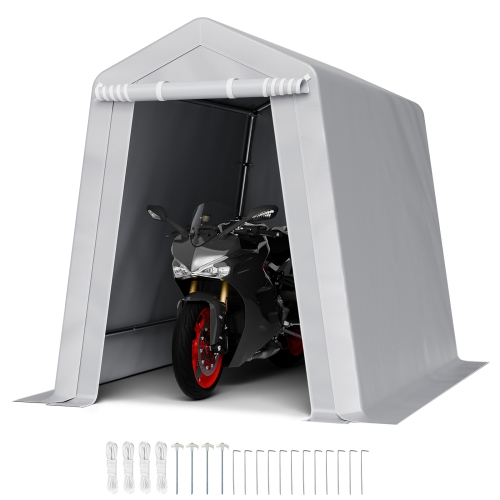
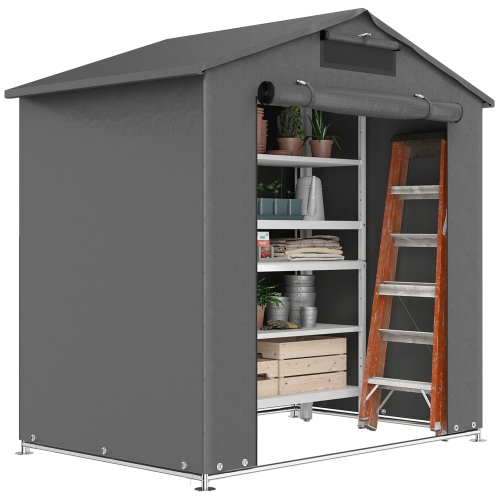
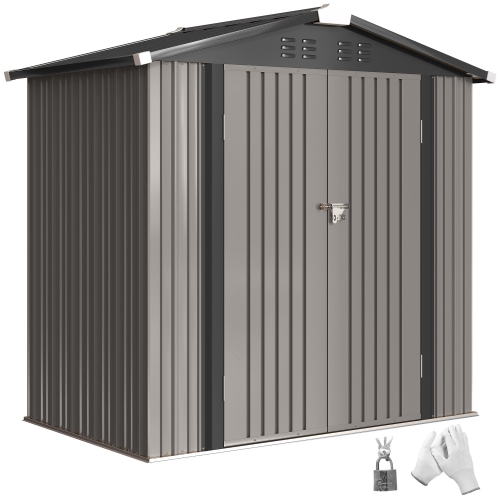
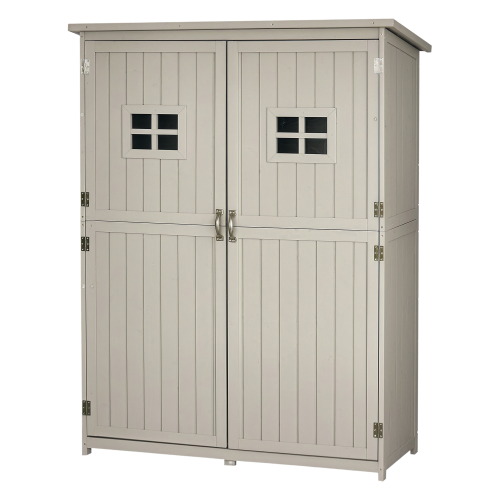
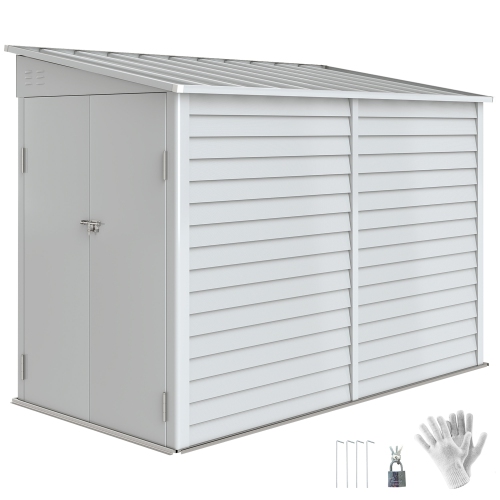
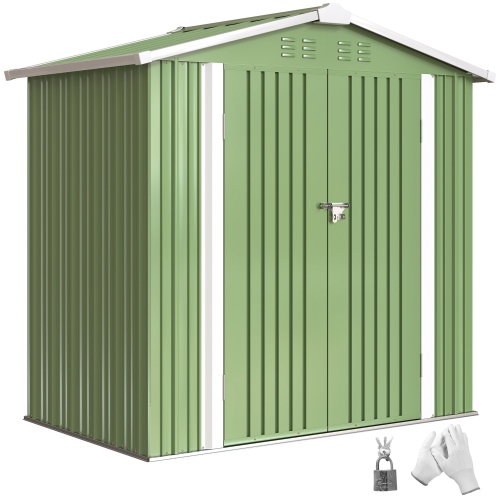
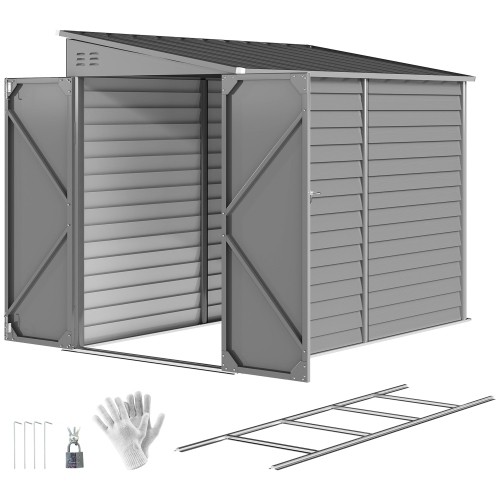
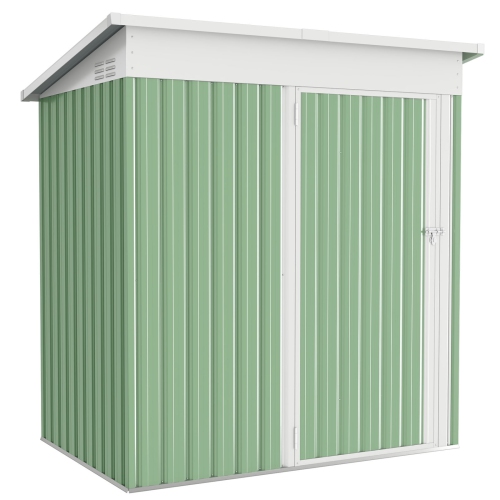
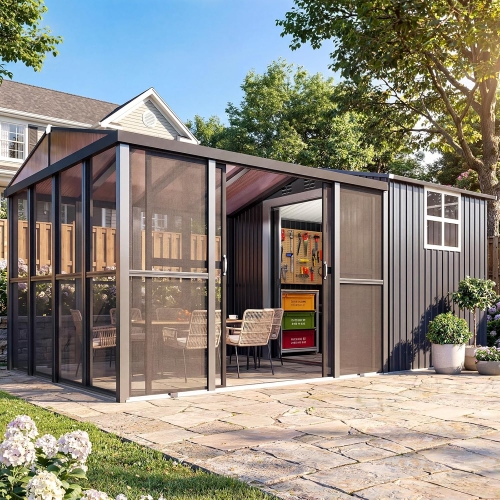
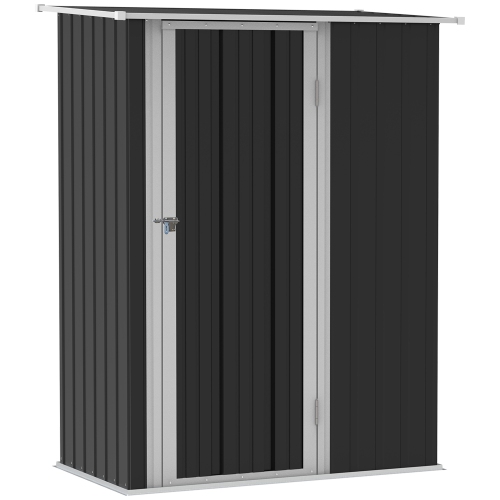
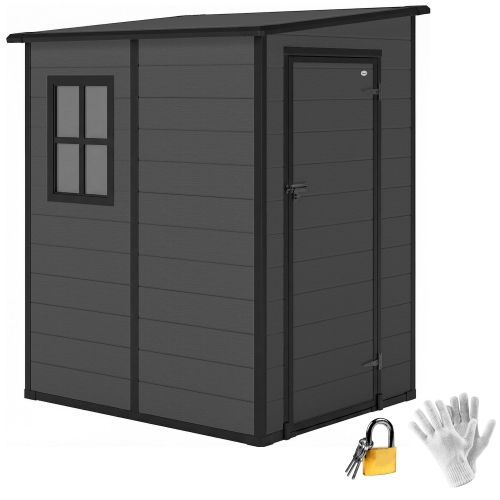
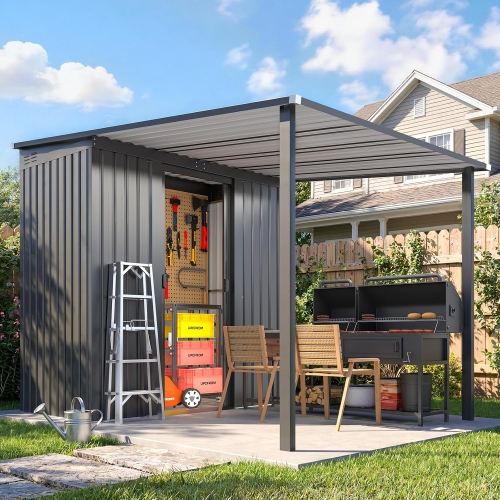
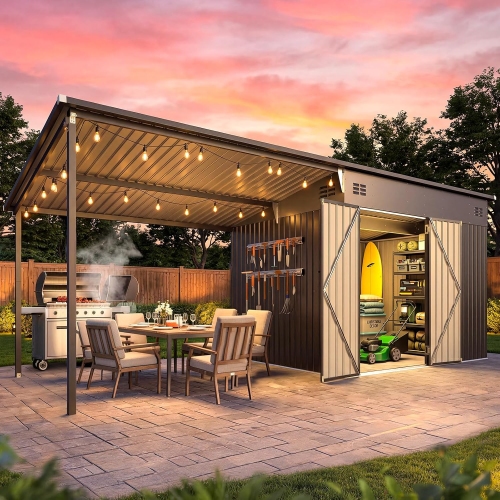
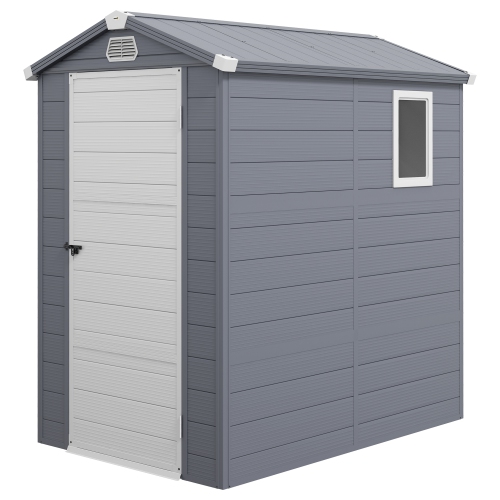
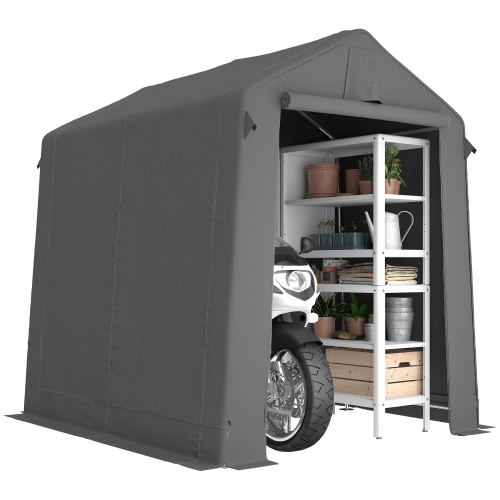
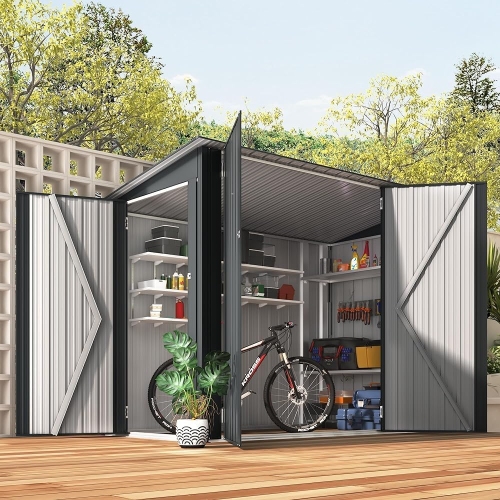
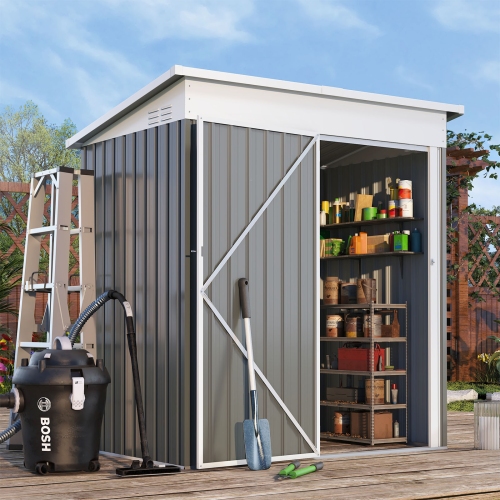
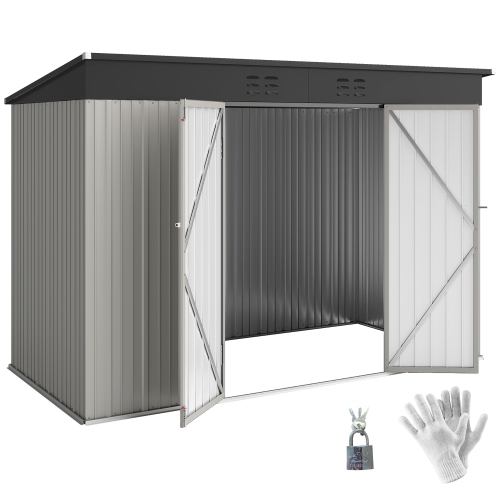
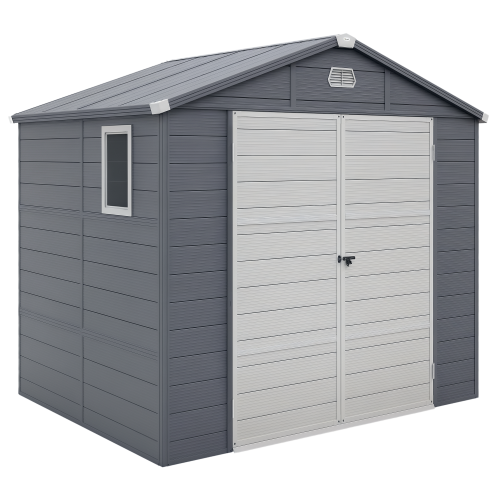
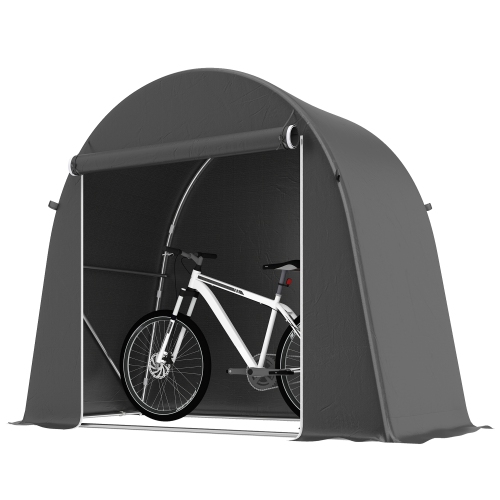
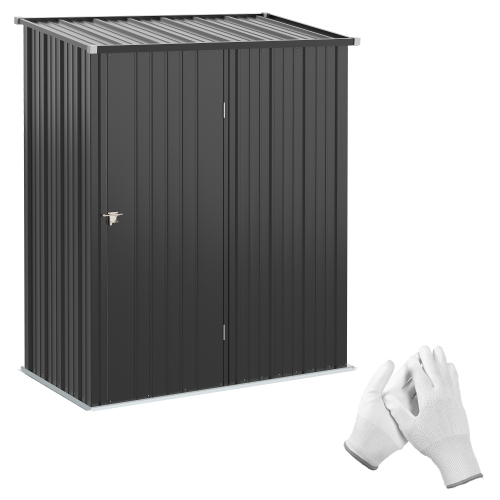
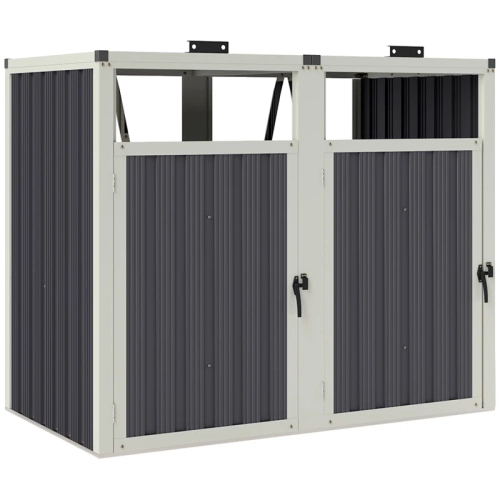
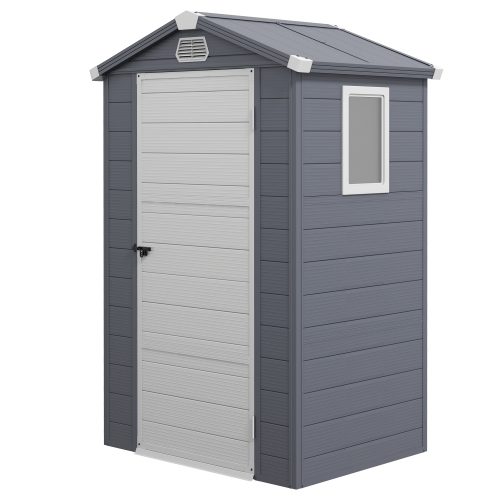
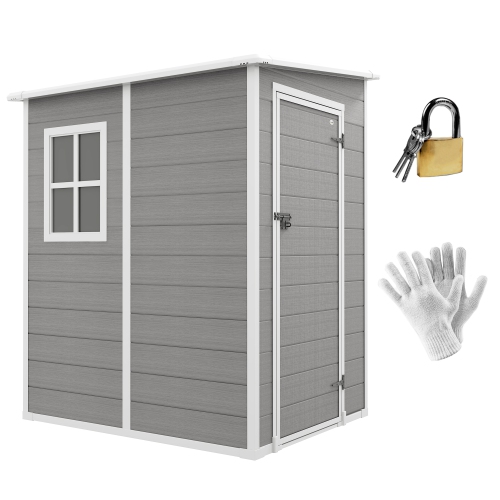
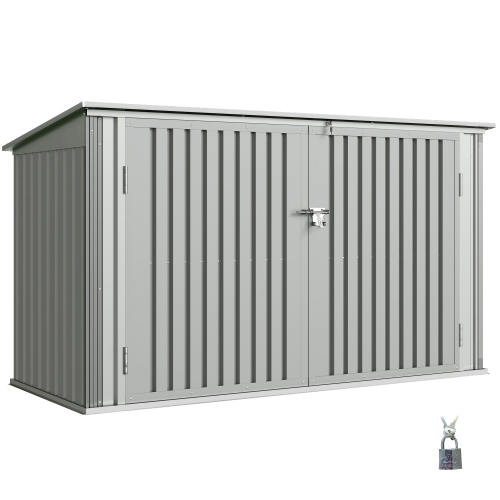
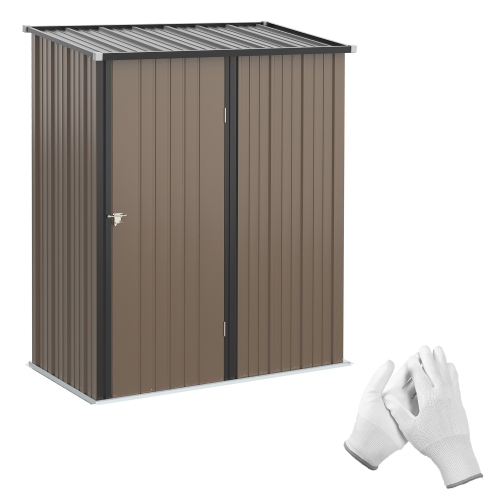
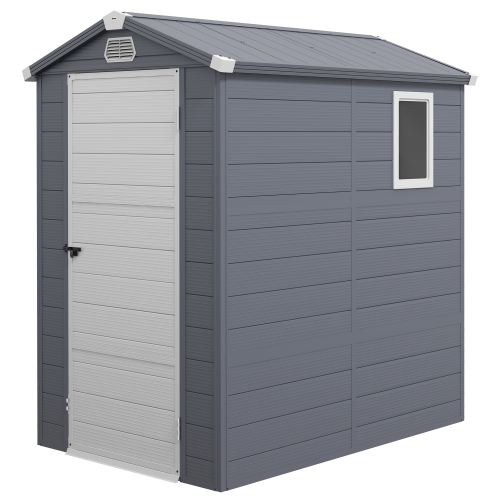
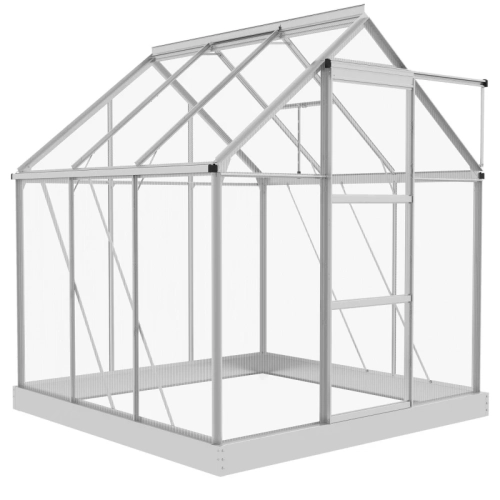
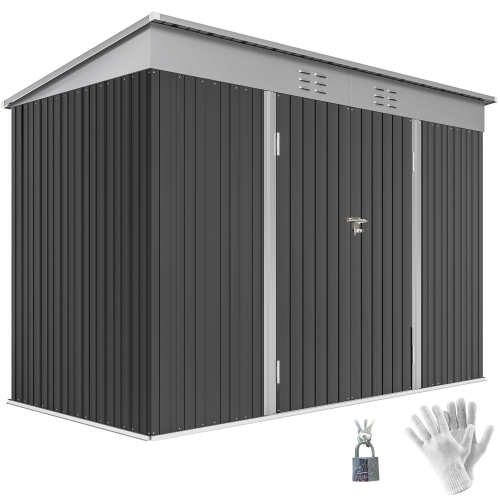
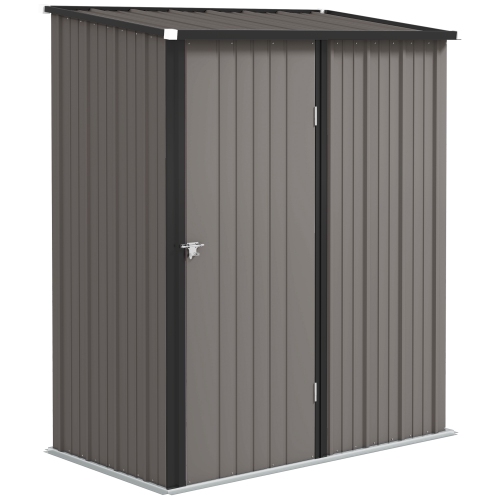
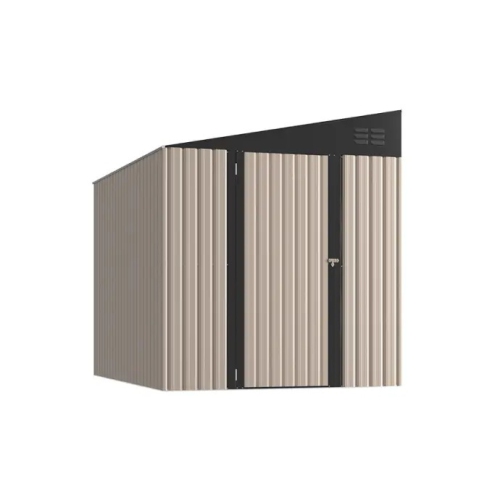
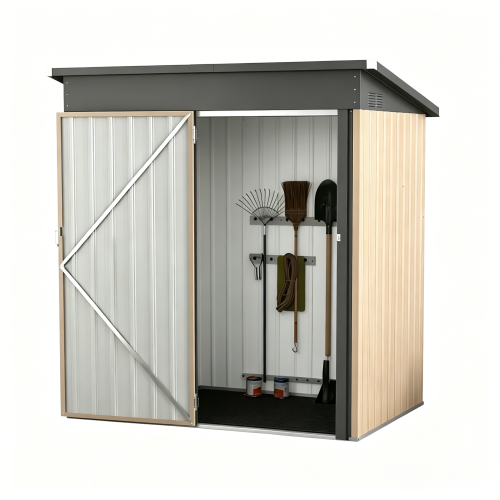
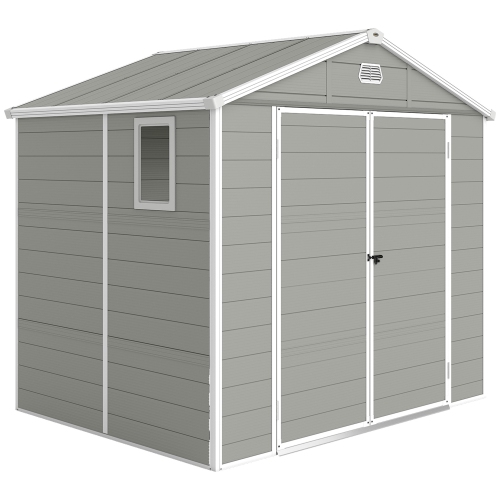
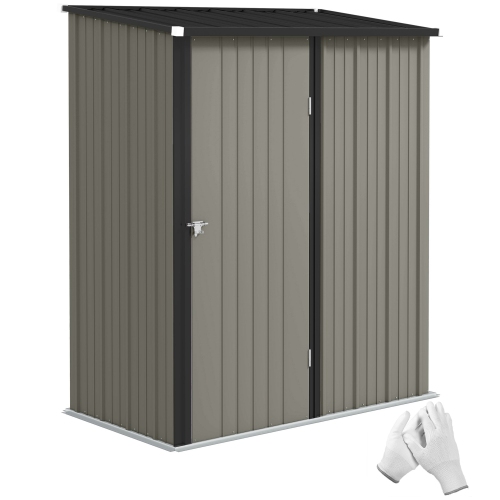
Outdoor storage without doors swinging into your walkway
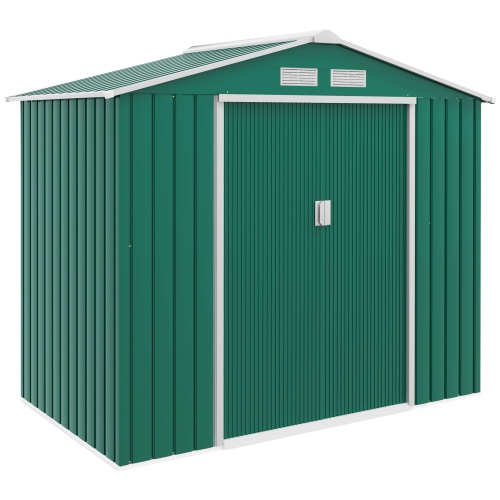
Sliding door sheds provide enclosed outdoor storage with doors that move sideways rather than swing into the space in front of the entrance. That makes them a practical fit for narrow yards, side passages, and compact patios where an open hinged door could block a walkway or interfere with nearby furniture. The benefit is clearance, not a smaller footprint: the shed still needs enough room for its walls, roof overhang, and installation requirements, along with a clear approach to the doorway. For households keeping bicycles, gardening tools, lawn equipment, and outdoor accessories together, this layout can make everyday storage less awkward. A bicycle can roll towards the entrance without someone holding a door out of the way, while long-handled tools can remain within reach near the front. The door configuration matters as much as the overall shed size. Some designs use two sliding panels that meet in the centre, while others move a single panel along the front wall. Depending on how the panels overlap and where they stop, the usable opening may be considerably narrower than the full width of the shed. Clear opening width and height are therefore more useful measures of access than the exterior dimensions alone. A lawnmower needs room for its handle and wheels, and a bicycle’s handlebars may require extra turning space even when the frame fits comfortably inside. Interior floor area also works best when it leaves a path between stored belongings, rather than using every corner for tightly packed equipment. Shallow sheds can suit frequently used hand tools and smaller garden supplies, while deeper layouts offer more flexibility for larger equipment and separate storage zones. For a broader look at furniture and storage formats using the same door style, Sliding Door Storage brings together a related approach to keeping belongings accessible without outward-opening doors. For outdoor sheds, the most useful layout balances a compact entrance area with enough working room to move belongings in and out comfortably.
Materials influence a sliding door shed’s appearance, upkeep, and suitability for different storage needs. Metal construction, including galvanized steel, is common in outdoor storage sheds and can provide a straightforward enclosure without the surface finishing associated with wood. Galvanizing helps protect steel against corrosion, though cut edges, damaged coatings, and hardware still deserve attention during assembly and routine care. Panel thickness, framing, and the quality of connections affect how solid the structure feels; material alone does not establish durability. Wooden construction offers a familiar garden-building appearance and can allow for shelving or hooks where the framing and manufacturer’s instructions permit them. It also calls for attention to the specified finish and ongoing surface care. Resin or plastic construction can offer washable surfaces and does not rust, but its strength depends on the panel design, reinforcement, and assembled structure. Across these materials, the door mechanism deserves particular attention because it is handled each time the shed is opened. Sliding systems may use upper tracks, lower guides, rollers, or a combination of components, and smooth movement depends on correct alignment and a level base. Doors should travel without needing to be lifted, forced, or pushed at an angle. Accessible tracks are easier to clear of grit, leaves, and other debris that can interrupt movement. A lower track or raised threshold may also affect how easily wheeled equipment crosses the entrance. Handles that are comfortable to grip and a latch that lines up properly make a noticeable difference when carrying a tool bag or guiding a bicycle with one hand. Where a lockable design is specified, the locking point should be assessed alongside the doors, frame, and anchoring; a padlock provision alone does not make a shed suitable for storing high-value belongings. Ventilation is another useful feature, helping air circulate around stored equipment, although an outdoor shed should not be assumed to provide the same conditions as indoor storage. Electronics, documents, textiles, and other sensitive belongings may need a different storage location.
Fit begins with the entire installation area, not just the rectangle shown in a shed’s stated dimensions. Exterior measurements can include roof projections, while interior measurements describe the space left after walls and framing are accounted for. Door travel, access for assembly, required clearance from nearby structures, and local rules can all affect whether a shed suits a particular location. Lean-to layouts may work alongside a wall, but suitability for placement against a building or attachment to it depends on the design. A stable, level foundation supports the frame and helps sliding doors remain aligned, so the specified base requirements are an important part of the overall setup. A floor, floor frame, and foundation are not interchangeable terms: some sheds include a finished floor, others include only a supporting frame, and others require a separately prepared base. Anchoring requirements also vary and should match both the shed and the surface beneath it. Inside, useful organization comes from matching storage positions to everyday habits. Frequently used tools belong near the entrance, heavier equipment is easier to manage at floor level, and shelving can keep smaller supplies from disappearing behind larger belongings. Shelves and wall-mounted accessories must be supported by suitable framing and used within their stated load limits rather than fastened indiscriminately to thin panels. A parent storing family bicycles may value a broad opening and an uncluttered centre aisle, while an avid gardener may prefer shallow shelves, upright tool storage, and space for a watering can beside the door. Regular care is generally easier when the entrance and tracks remain accessible: removing debris, checking fasteners, inspecting protective finishes, and following the specified maintenance method help preserve everyday function. Lubricants should only be used where recommended for the particular mechanism. A well-matched sliding door shed gives outdoor belongings a defined place without adding a door swing to an already busy area, making its dimensions, construction, and access layout more important than storage capacity alone.
Materials influence a sliding door shed’s appearance, upkeep, and suitability for different storage needs. Metal construction, including galvanized steel, is common in outdoor storage sheds and can provide a straightforward enclosure without the surface finishing associated with wood. Galvanizing helps protect steel against corrosion, though cut edges, damaged coatings, and hardware still deserve attention during assembly and routine care. Panel thickness, framing, and the quality of connections affect how solid the structure feels; material alone does not establish durability. Wooden construction offers a familiar garden-building appearance and can allow for shelving or hooks where the framing and manufacturer’s instructions permit them. It also calls for attention to the specified finish and ongoing surface care. Resin or plastic construction can offer washable surfaces and does not rust, but its strength depends on the panel design, reinforcement, and assembled structure. Across these materials, the door mechanism deserves particular attention because it is handled each time the shed is opened. Sliding systems may use upper tracks, lower guides, rollers, or a combination of components, and smooth movement depends on correct alignment and a level base. Doors should travel without needing to be lifted, forced, or pushed at an angle. Accessible tracks are easier to clear of grit, leaves, and other debris that can interrupt movement. A lower track or raised threshold may also affect how easily wheeled equipment crosses the entrance. Handles that are comfortable to grip and a latch that lines up properly make a noticeable difference when carrying a tool bag or guiding a bicycle with one hand. Where a lockable design is specified, the locking point should be assessed alongside the doors, frame, and anchoring; a padlock provision alone does not make a shed suitable for storing high-value belongings. Ventilation is another useful feature, helping air circulate around stored equipment, although an outdoor shed should not be assumed to provide the same conditions as indoor storage. Electronics, documents, textiles, and other sensitive belongings may need a different storage location.
Fit begins with the entire installation area, not just the rectangle shown in a shed’s stated dimensions. Exterior measurements can include roof projections, while interior measurements describe the space left after walls and framing are accounted for. Door travel, access for assembly, required clearance from nearby structures, and local rules can all affect whether a shed suits a particular location. Lean-to layouts may work alongside a wall, but suitability for placement against a building or attachment to it depends on the design. A stable, level foundation supports the frame and helps sliding doors remain aligned, so the specified base requirements are an important part of the overall setup. A floor, floor frame, and foundation are not interchangeable terms: some sheds include a finished floor, others include only a supporting frame, and others require a separately prepared base. Anchoring requirements also vary and should match both the shed and the surface beneath it. Inside, useful organization comes from matching storage positions to everyday habits. Frequently used tools belong near the entrance, heavier equipment is easier to manage at floor level, and shelving can keep smaller supplies from disappearing behind larger belongings. Shelves and wall-mounted accessories must be supported by suitable framing and used within their stated load limits rather than fastened indiscriminately to thin panels. A parent storing family bicycles may value a broad opening and an uncluttered centre aisle, while an avid gardener may prefer shallow shelves, upright tool storage, and space for a watering can beside the door. Regular care is generally easier when the entrance and tracks remain accessible: removing debris, checking fasteners, inspecting protective finishes, and following the specified maintenance method help preserve everyday function. Lubricants should only be used where recommended for the particular mechanism. A well-matched sliding door shed gives outdoor belongings a defined place without adding a door swing to an already busy area, making its dimensions, construction, and access layout more important than storage capacity alone.
Top selling and popular products
-
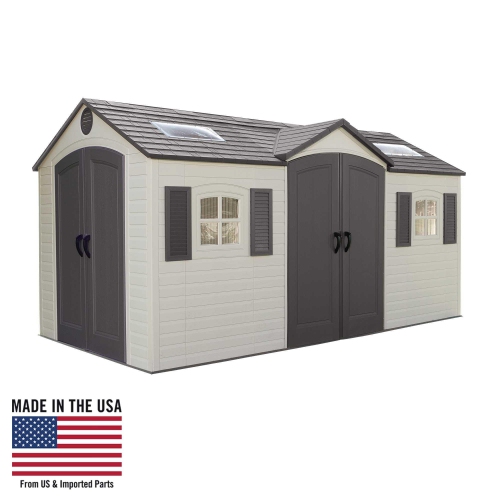 Your price for this item is $3999
 -
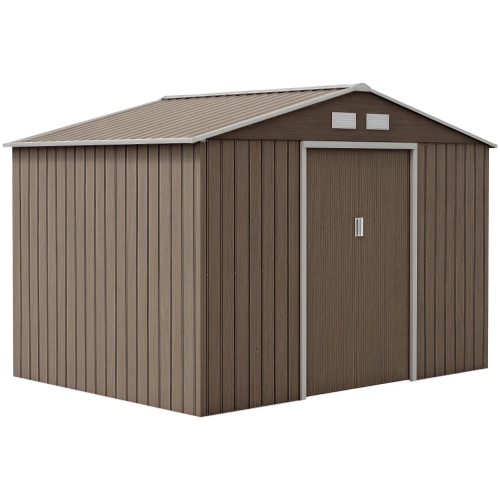 Your price for this item is $554.99
 -
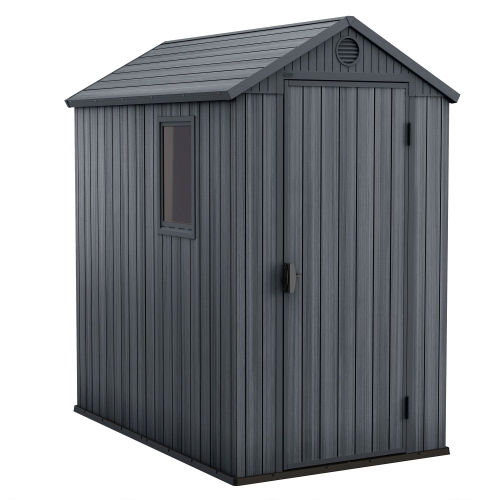 Your price for this item is $1136.99
 -
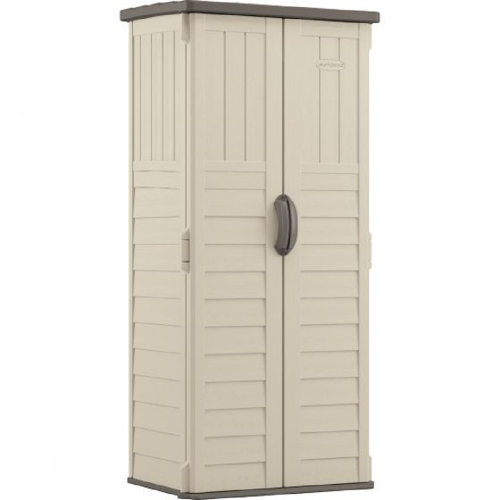 Your price for this item is $385.99
 -
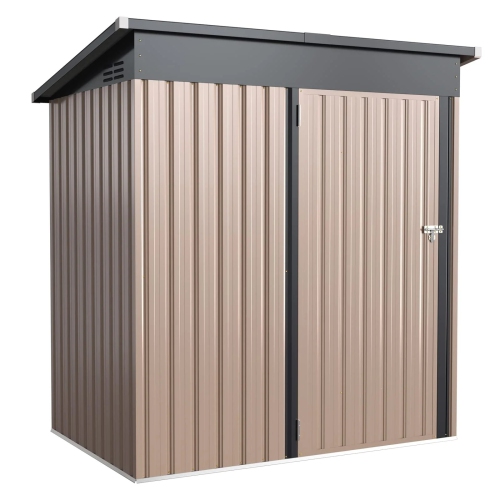 Your price for this item is $189.99
 -
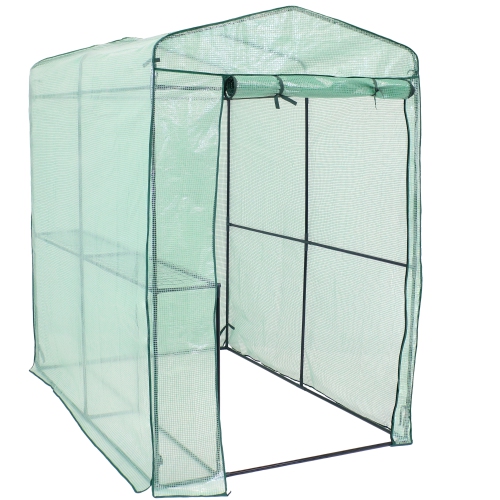 Your price for this item is $113.35
 -
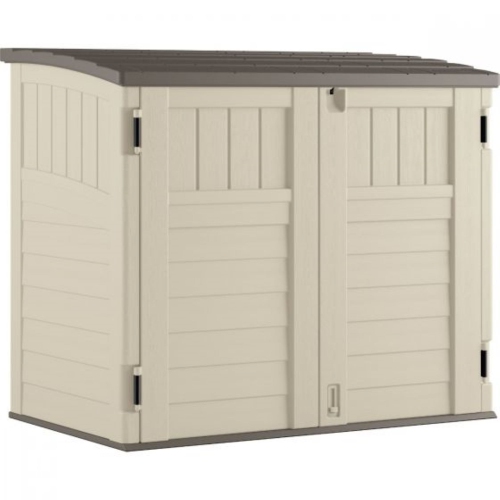 Your price for this item is $459.99
 -
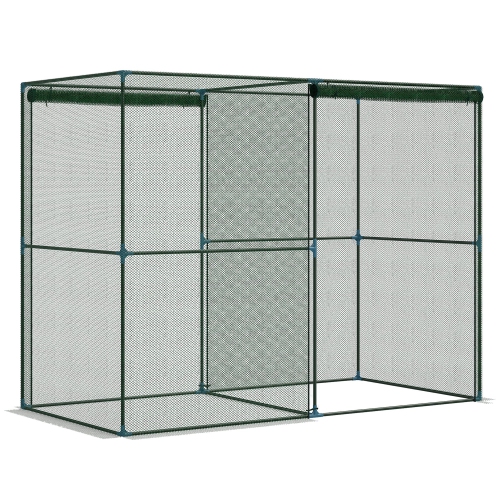 Your price for this item is $79.99
Discover more categories related to Sliding Door Sheds

Top Collections:
Pokemon Centers, Kindle Devices, Apple iPhones 16, Samsung Galaxy Phones, Canon G7X Cameras, iPhone 15 Apple, Flip Phones, Apple Wired Earphones, Best Budget Office Chairs, Refurbished Apple Laptops
Some products may be subject to Environmental Handling Fees
(EHF) depending on your province.
Learn more about EHFs.