Small Apartment Kitchen Ideas
Transform your small apartment kitchen into a functional and stylish space with our curated collection of innovative ideas. Maximize every inch of your kitchen with clever storage solutions, space-saving appliances, and chic decor options that will elevate the heart of your home. Whether you're looking to optimize counter space, create a cozy dining nook, or add a touch of personality to your kitchen, we have the inspiration you need to make the most out of your compact culinary oasis.
Sort
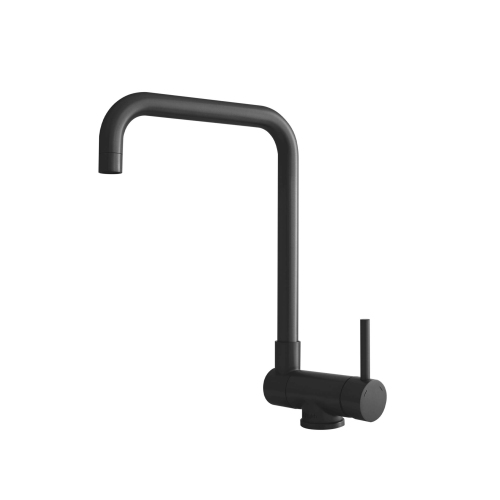
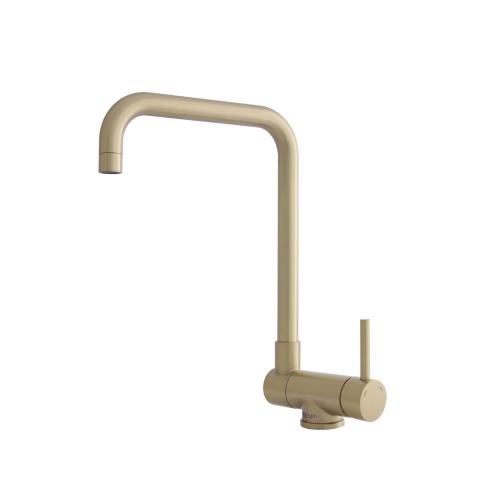
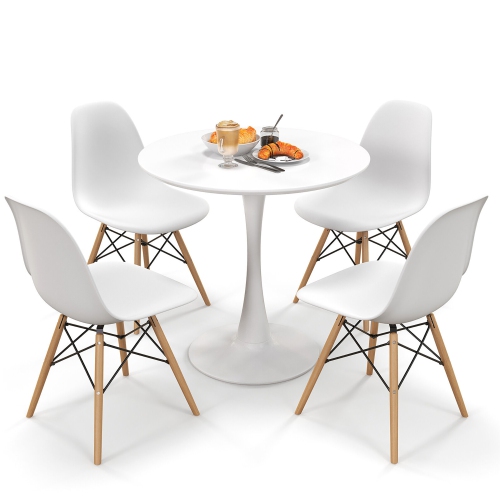
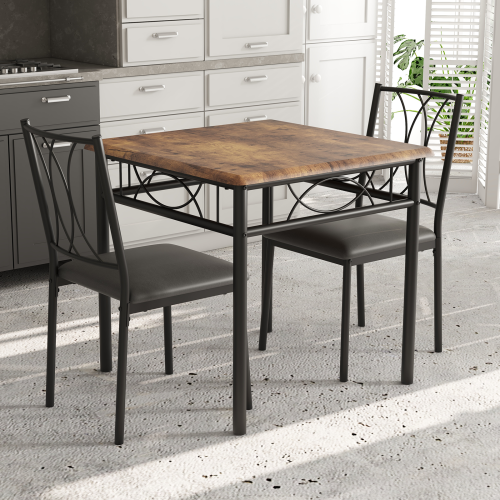
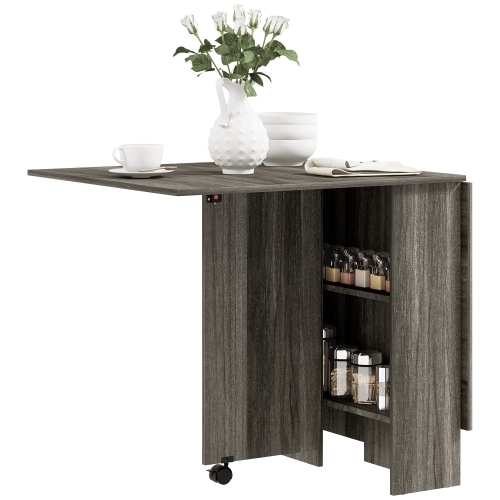
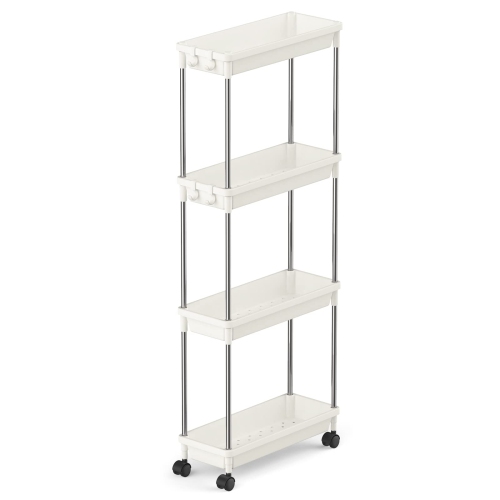
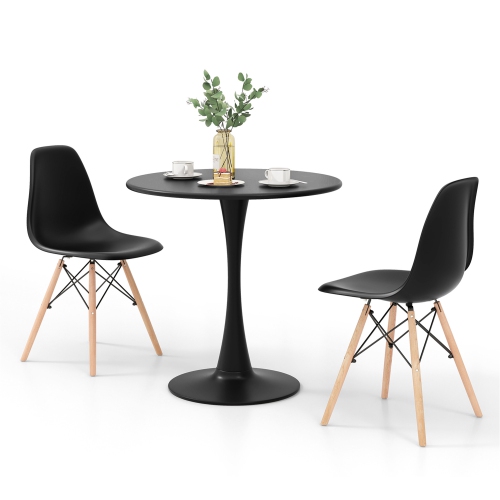
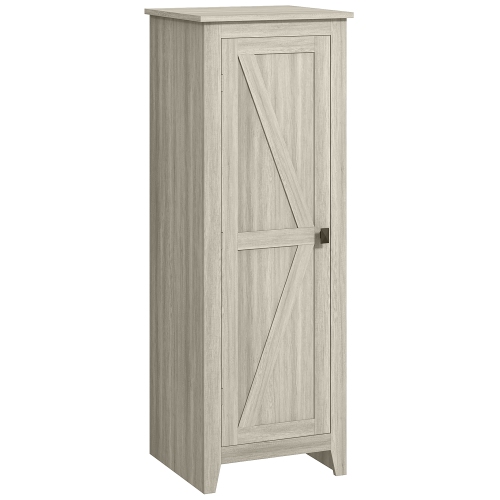
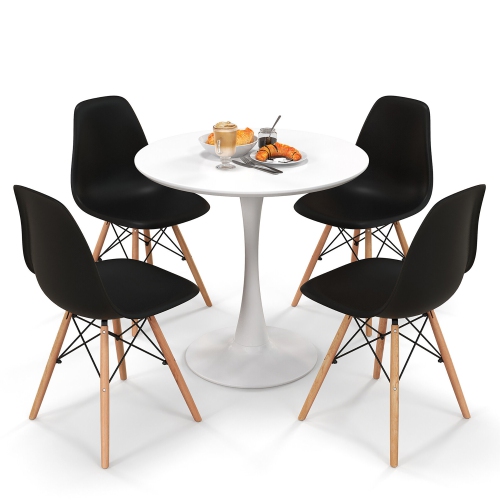
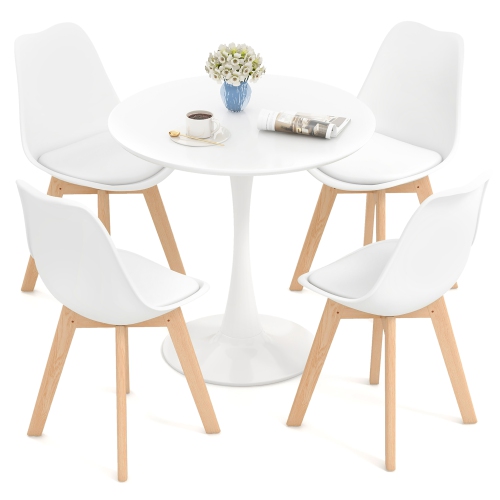
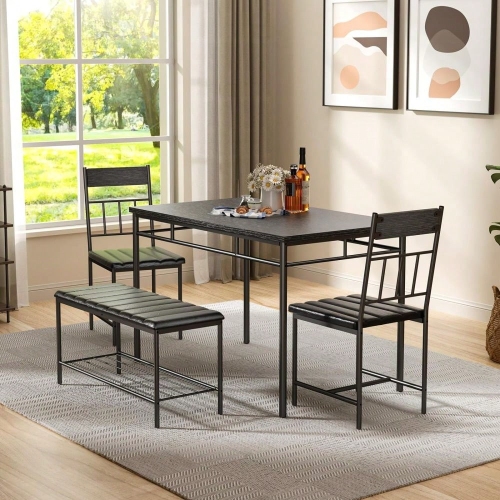
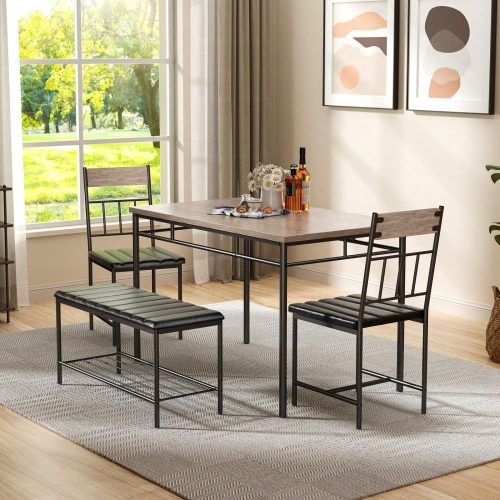
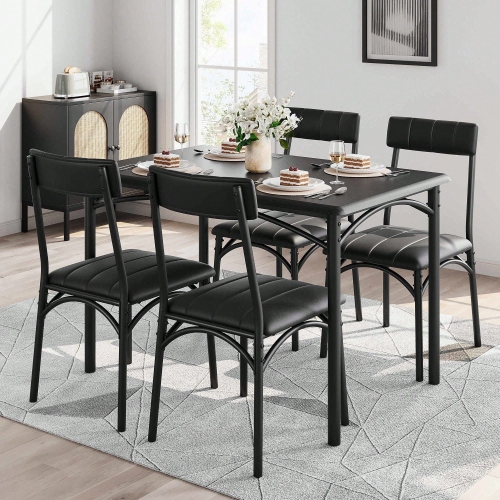
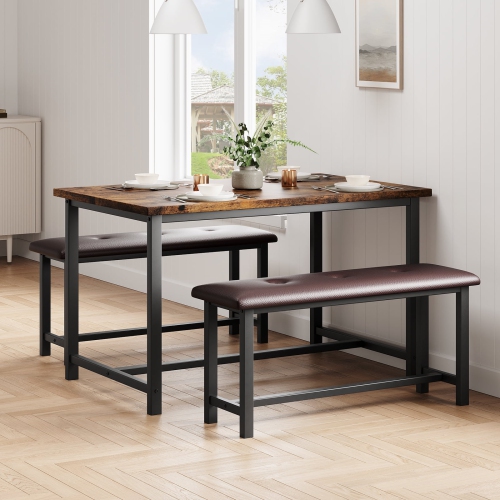
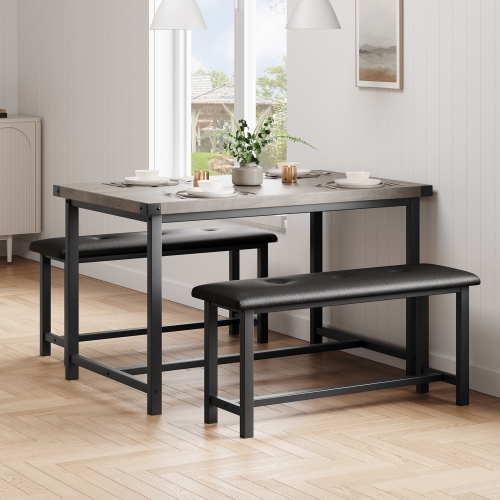
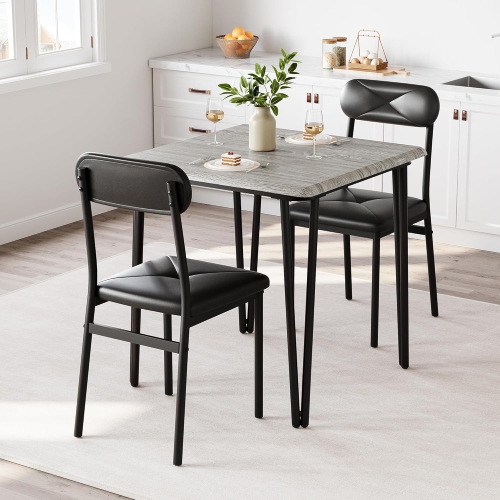
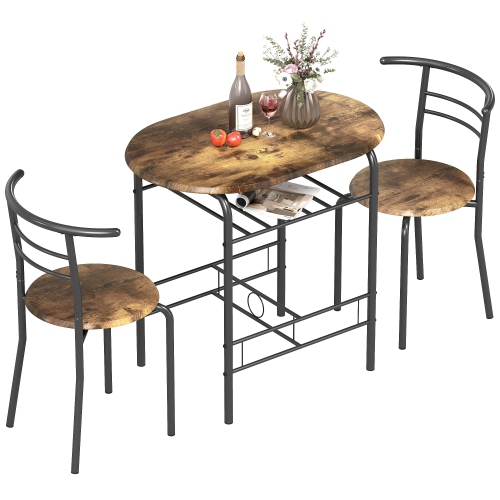
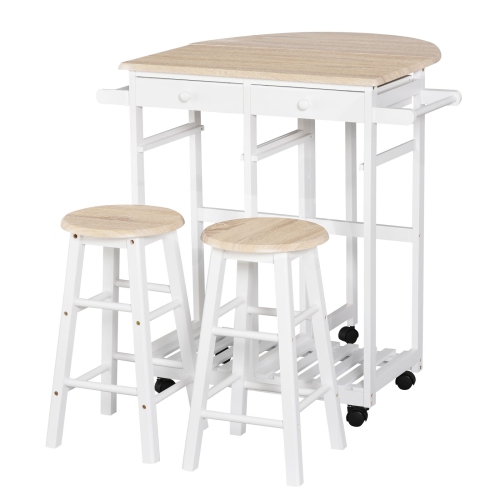
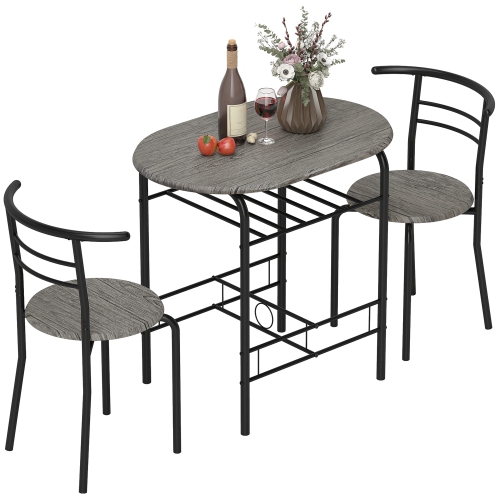
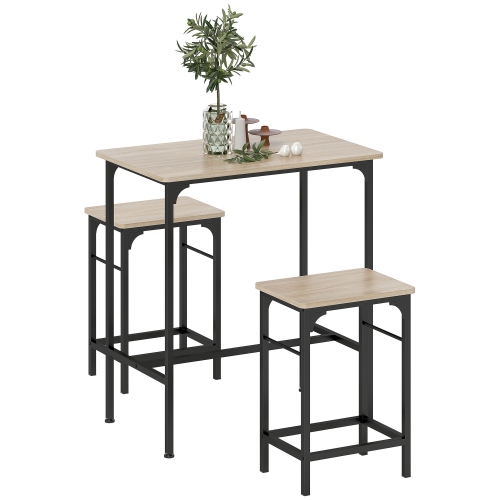
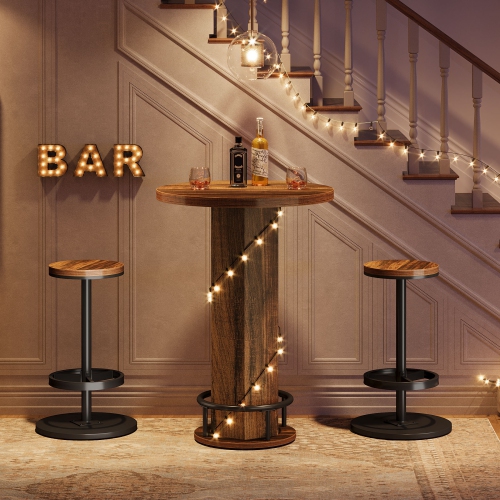
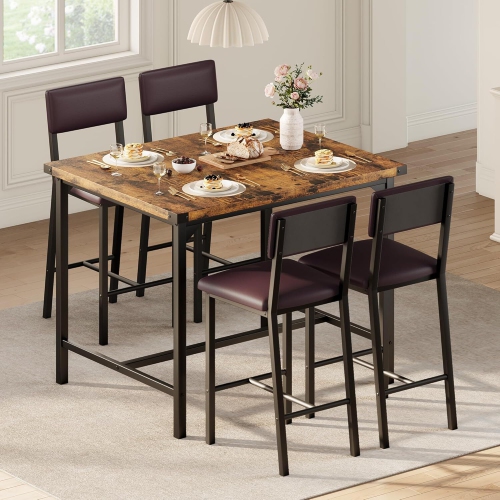
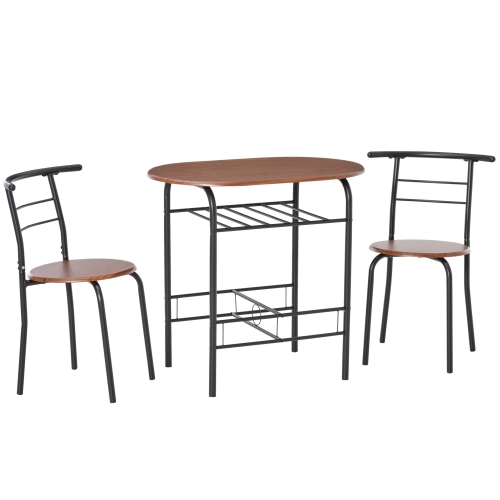
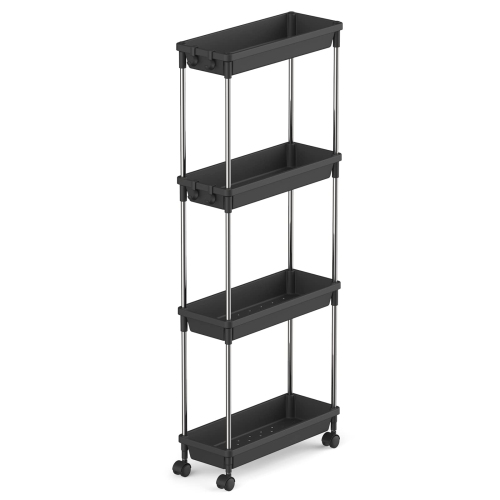
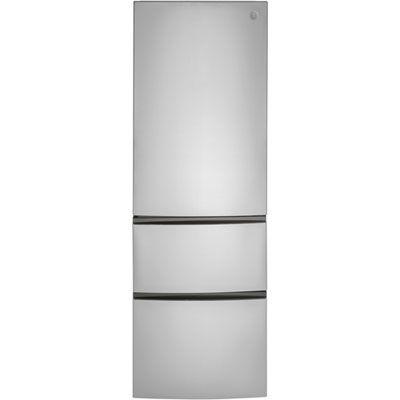
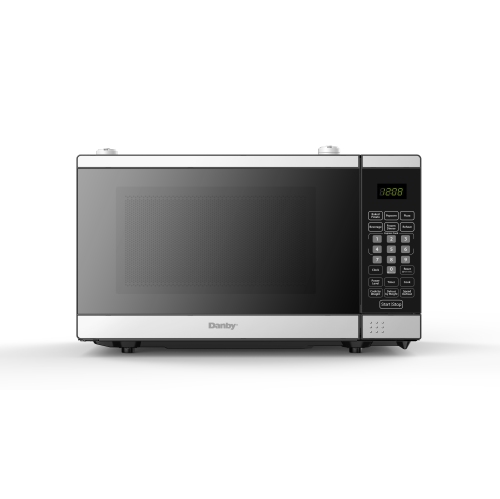
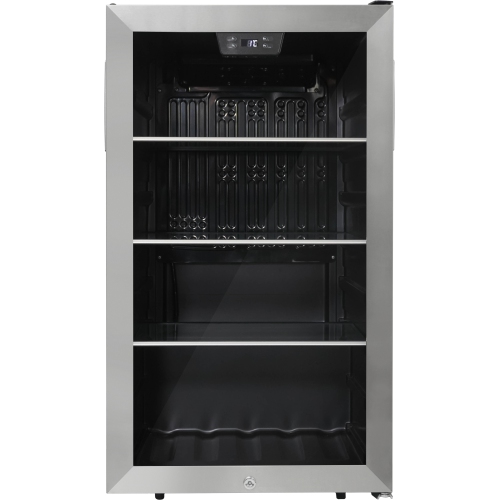
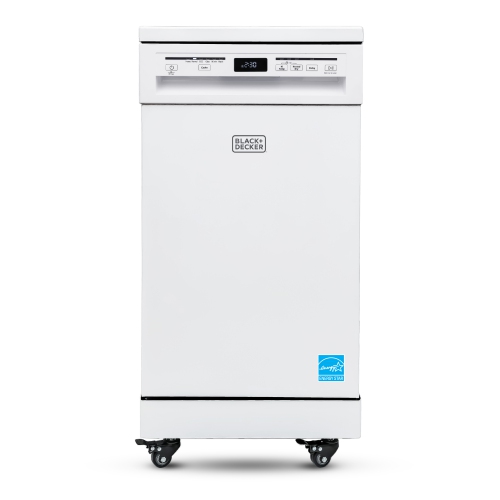
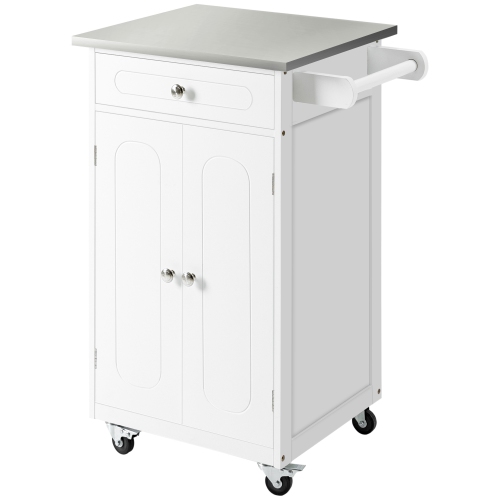
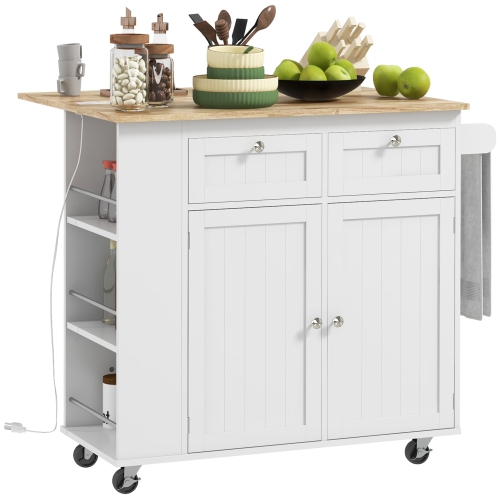
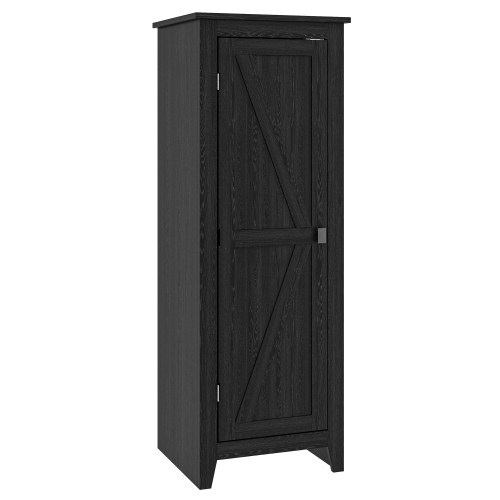
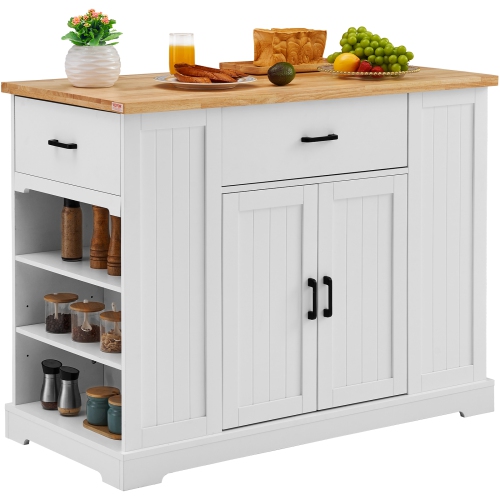
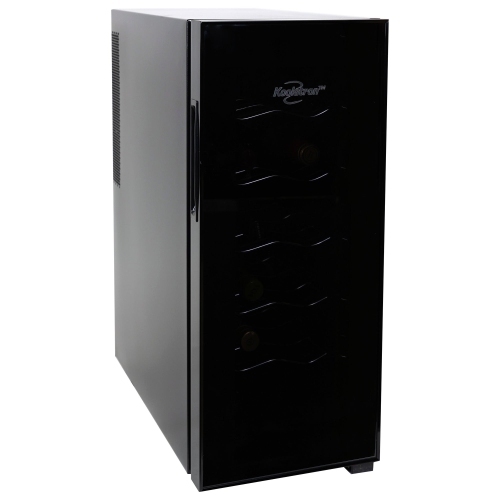
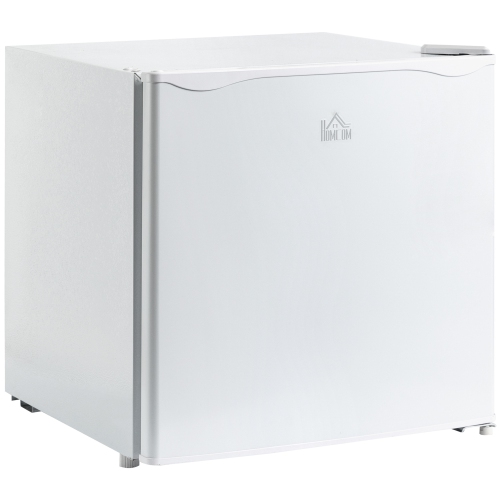
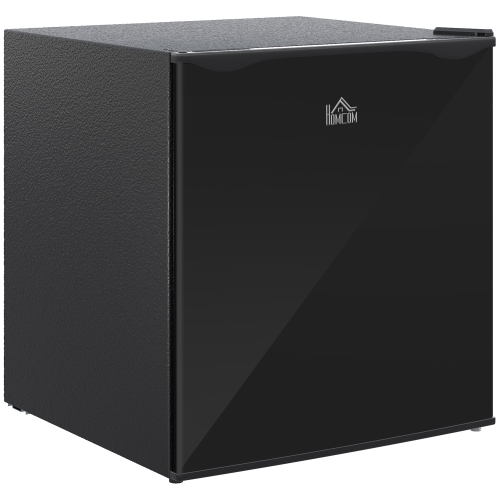
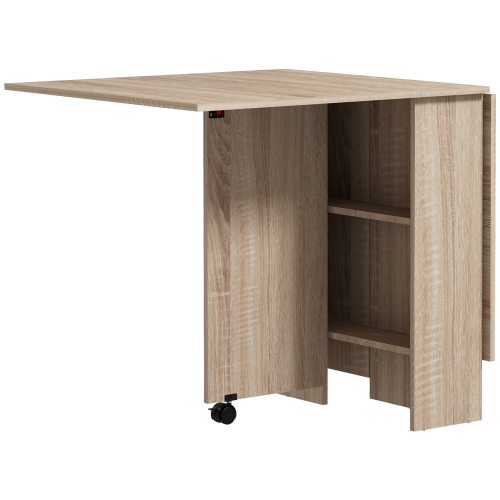
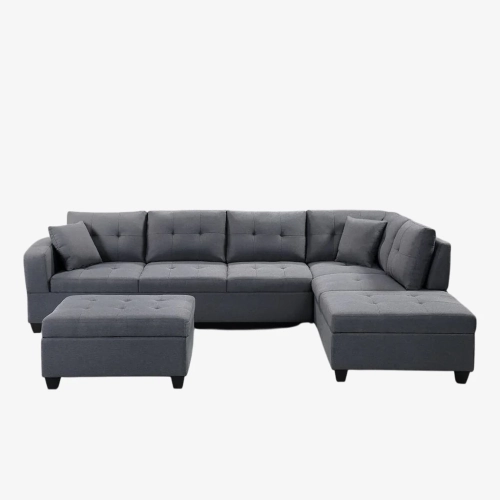


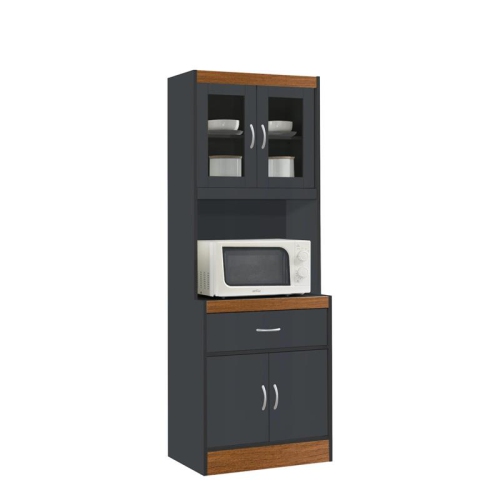
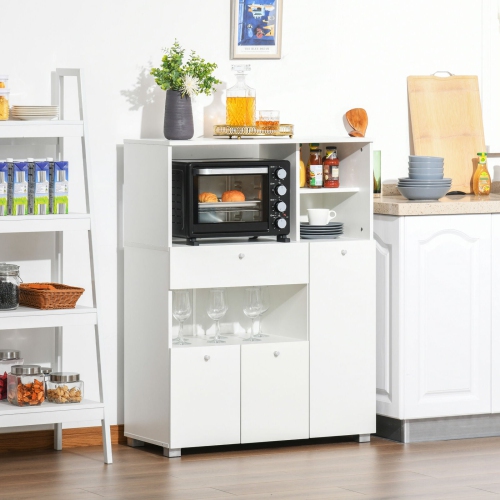
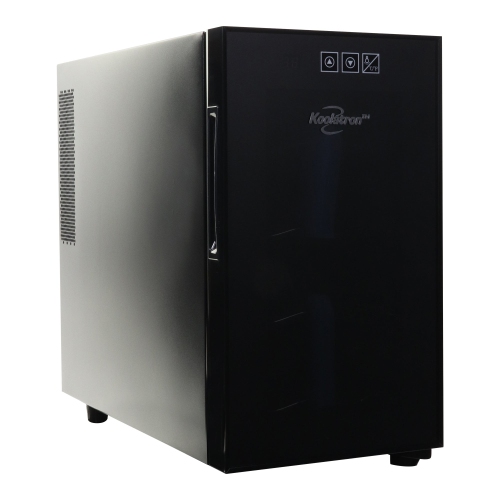
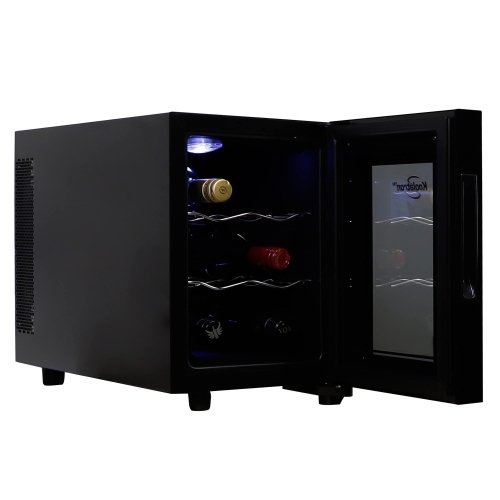
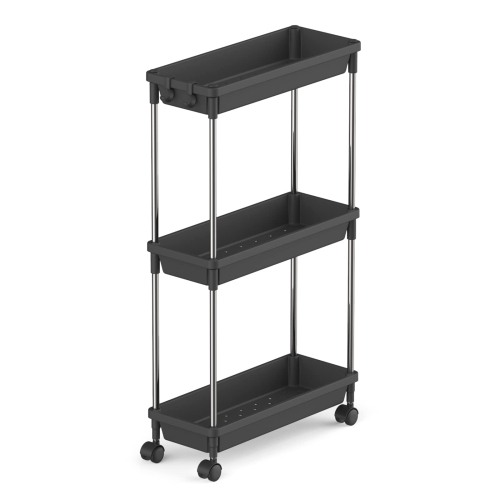
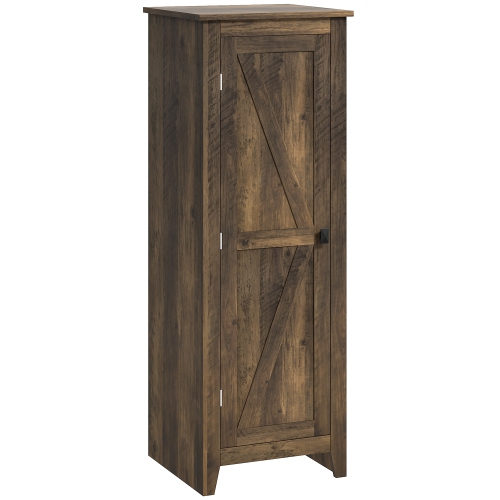
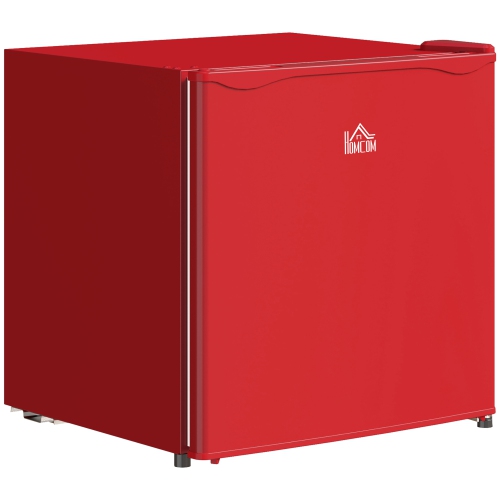
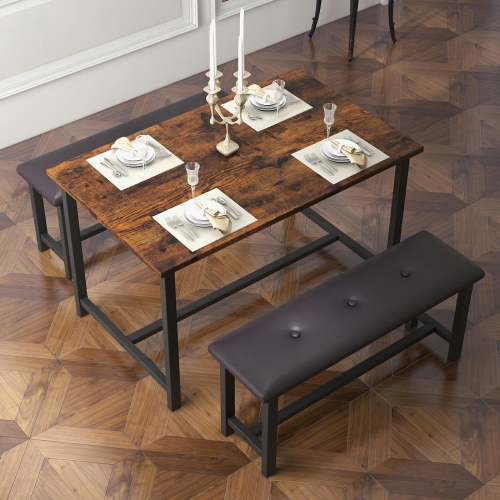
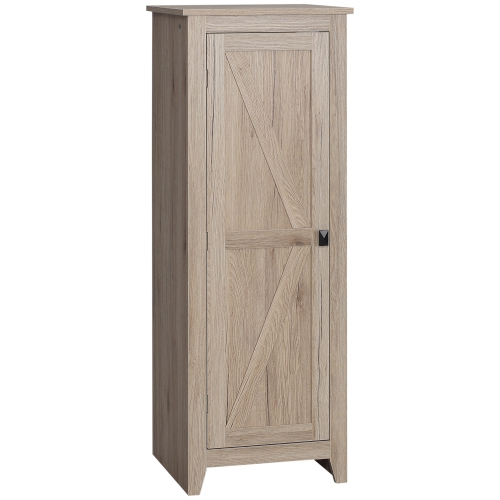
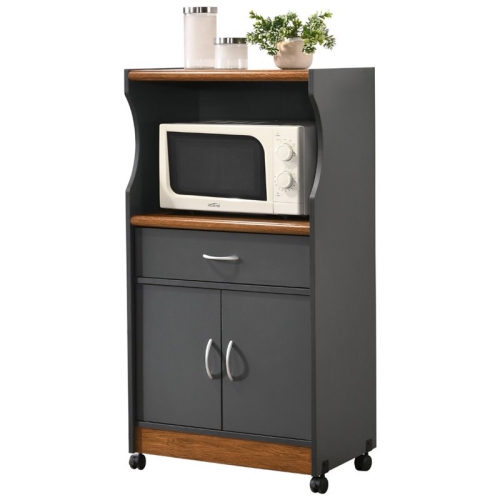
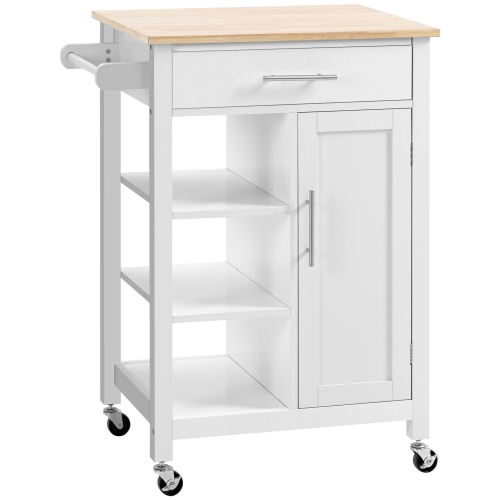

Vertical storage and flexible furniture ease everyday cooking
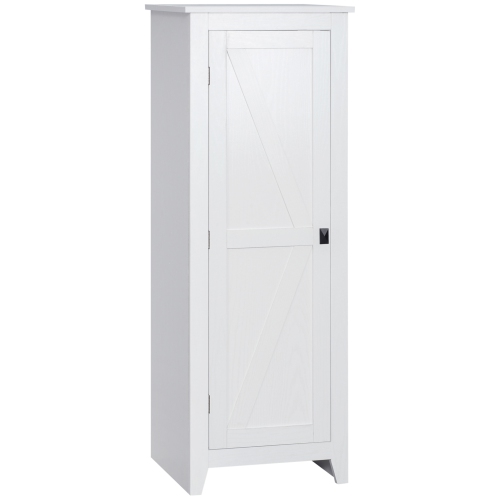
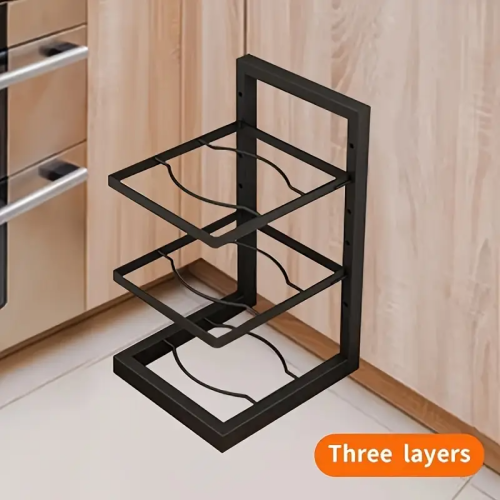
Small apartment kitchens can be comfortable, efficient, and inviting when every item has a clear purpose and a practical place to live. The most useful kitchen ideas for apartments focus on making the room work harder without making it feel crowded. Start by looking up: tall shelving, cabinets that extend towards the ceiling, and wall-mounted storage can make use of valuable vertical space while leaving more room to move below. Open shelves are well suited to everyday essentials, such as dishes, mugs, canisters, and serving pieces, and they can make a compact kitchen feel lighter when they are arranged with care. Closed cabinets or baskets can balance the display space by keeping less attractive or less frequently used items out of sight. Under-cabinet hooks provide a convenient home for mugs, measuring spoons, or small utensils, while a wall-mounted rail or narrow spice rack can keep cooking essentials within reach without taking over the counter. For renters and anyone who prefers an easy-to-change look, removable storage solutions and non-permanent decorative updates can add personality without requiring a major renovation. Light colours, reflective surfaces, and thoughtful lighting can also help the kitchen feel more open. Under-cabinet lighting brightens work areas that may otherwise be shadowed, while a well-positioned mirror can reflect light and give the impression of added depth. Even simple changes, such as replacing cabinet hardware or adding a washable curtain to lower storage, can create a more personal look in a smaller space.
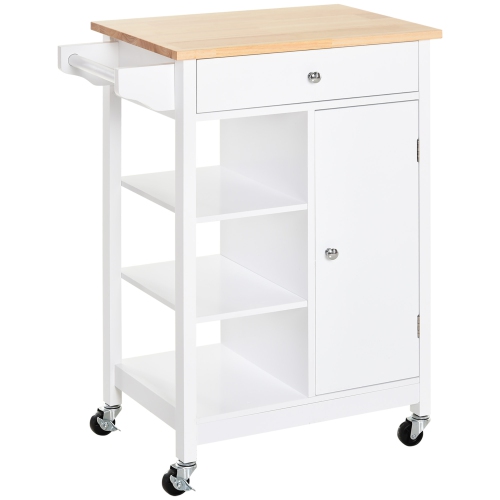
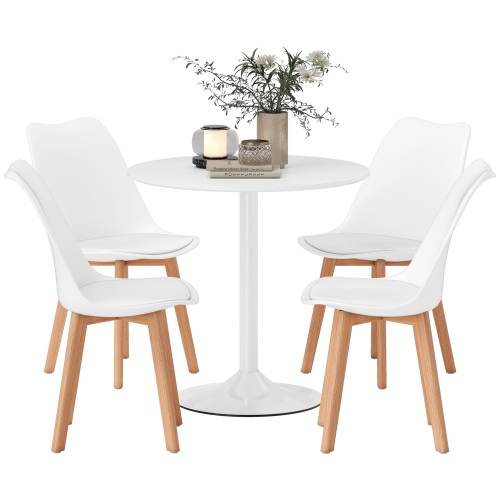
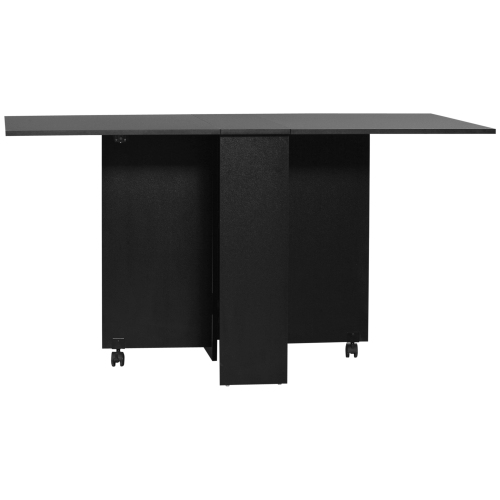
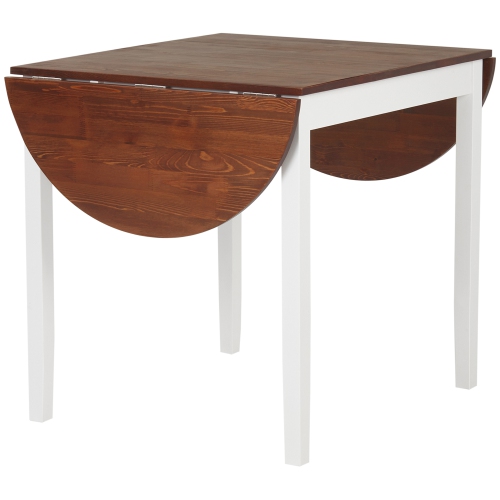
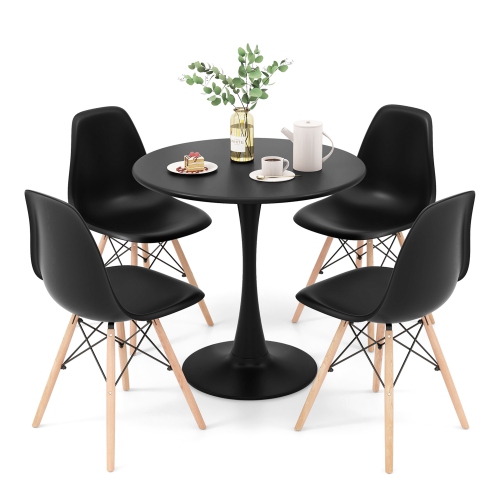
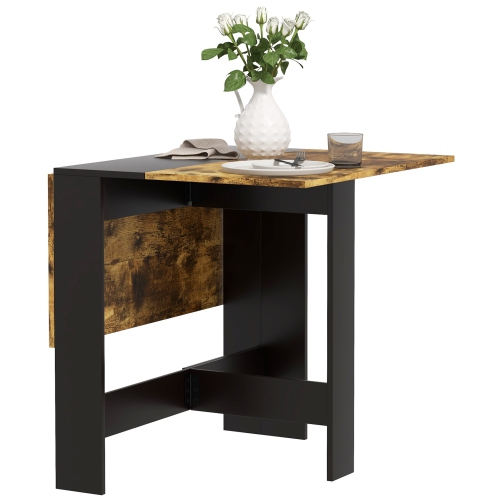
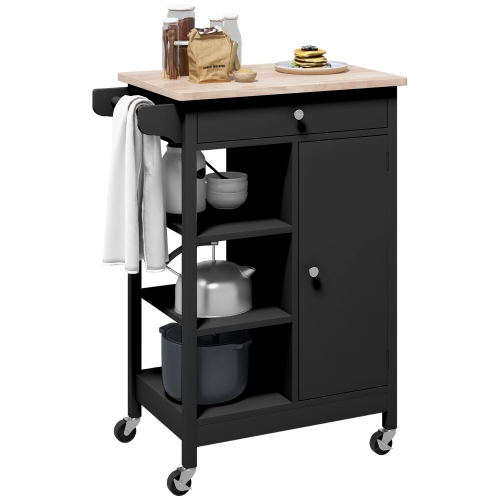
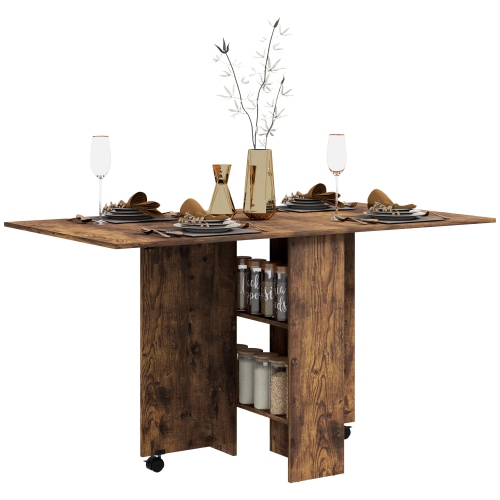
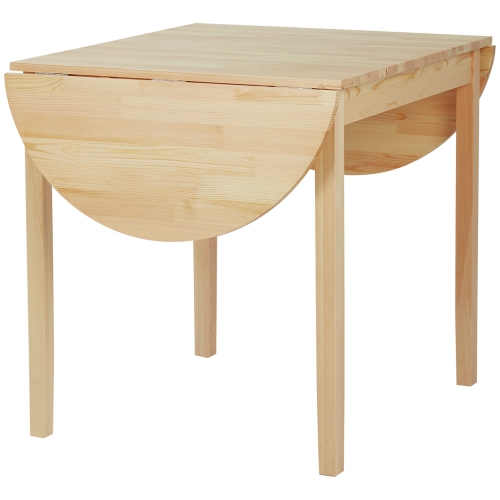
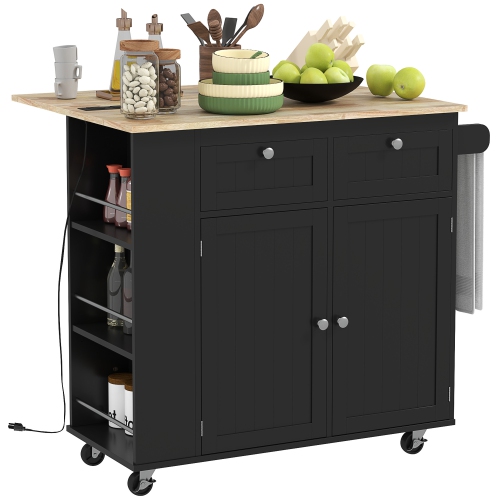
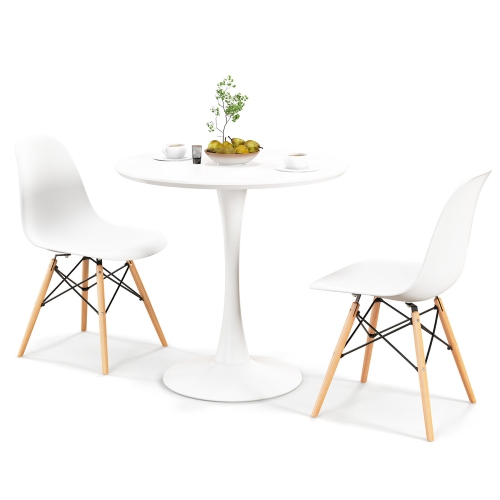
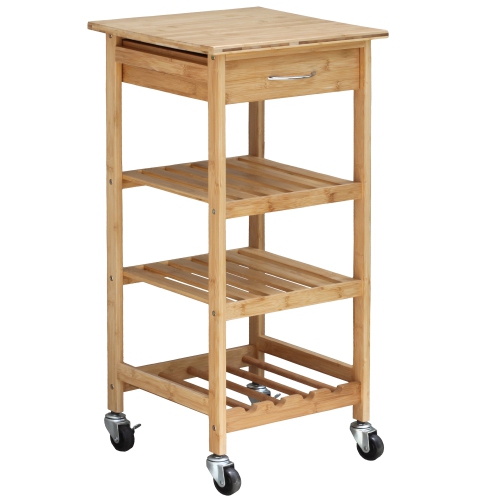
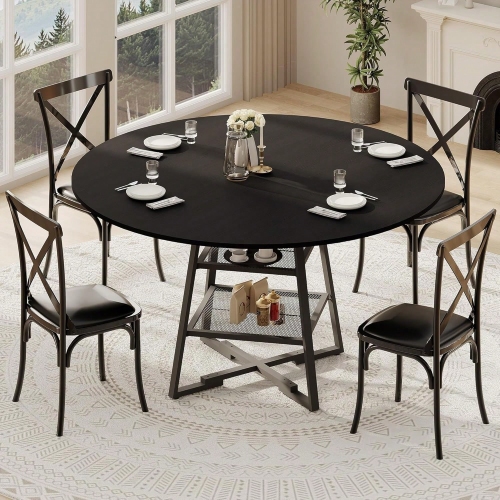
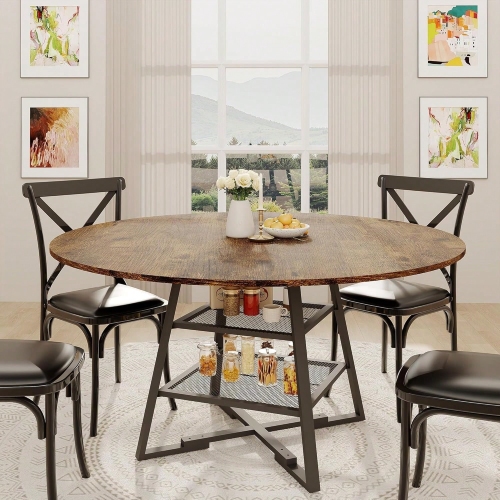
Flexible furniture is especially valuable when the kitchen serves as a cooking area, dining room, homework station, and gathering place. A slim rolling cart can provide extra preparation space when needed and move beside a wall or into a nearby room when the floor needs to be clear. Look for a cart with a stable work surface, locking casters, and shelves or drawers that can hold cookware, pantry items, or serving pieces. A narrow island may offer similar benefits where there is enough clearance to open doors and walk comfortably around it. For very compact layouts, a folding or wall-mounted table can create a dining or preparation surface and then disappear neatly when the meal is finished. Stools and benches that slide completely underneath a counter are useful for preserving walking space, particularly in galley kitchens or rooms shared with a living area. Before purchasing furniture, measure the available width, depth, and height, including the space needed to open cupboards, drawers, appliances, and doors. A few centimetres can make a meaningful difference in a tight layout, so confirm measurements rather than relying on appearance alone. Storage inside cabinets deserves the same attention: pull-out drawers, stackable containers, shelf risers, lid organizers, and drawer dividers can turn awkward corners into usable space. Over-the-sink cutting boards or fitted work surfaces can temporarily extend preparation space, but they should be sized securely for the sink and stored safely when the basin is in use. These practical additions are suitable for students, first-time renters, condo residents, roommates, and anyone setting up a compact kitchen in a basement suite or secondary living space. They can also make thoughtful housewarming or shower gifts when chosen around the recipient’s layout, cooking habits, and available storage rather than appearance alone.
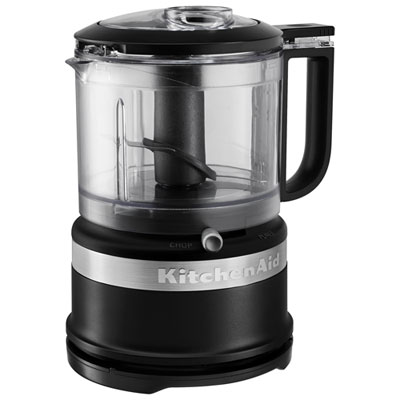
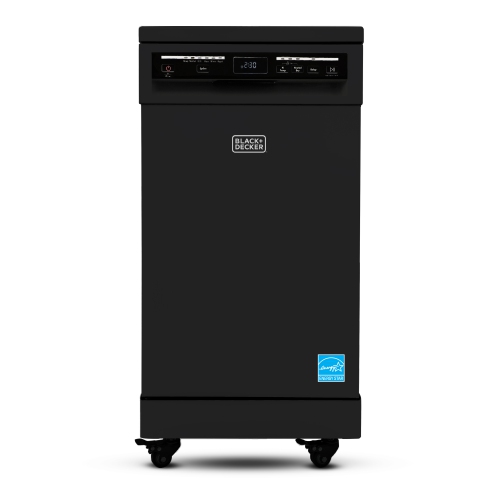
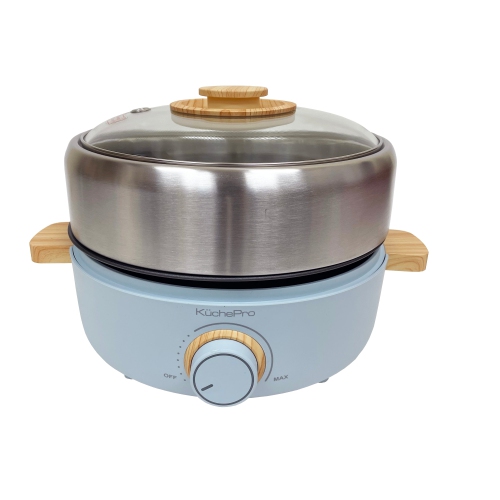
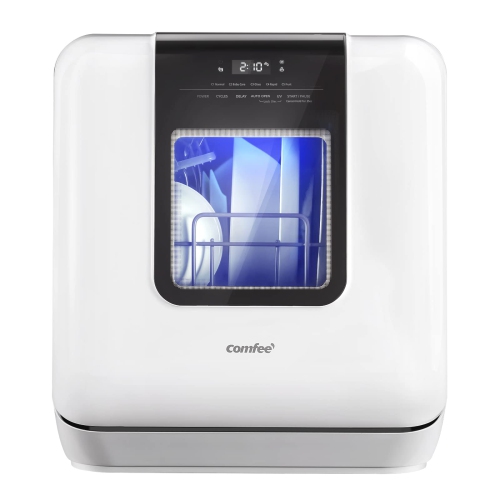
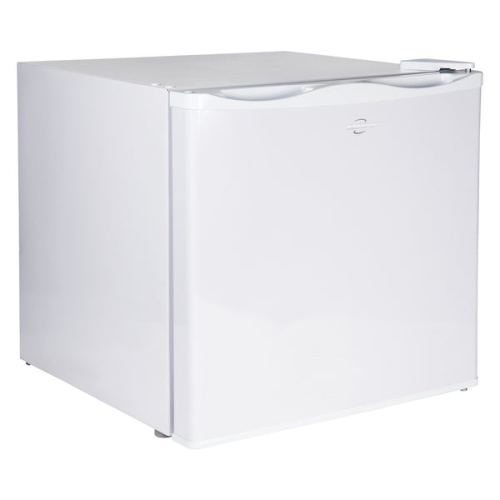
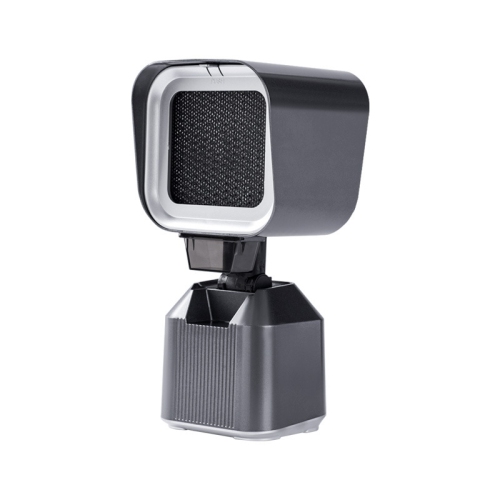
Appliances for a small apartment kitchen should be selected with the same focus on capacity, clearance, and versatility. Compact designs can support everyday cooking without overwhelming a limited counter, while multi-functional appliances may reduce the number of separate devices that need to be stored. Consider how often the appliance will be used, whether it can be kept on the counter, and whether its dimensions allow for proper ventilation and easy access to controls. A device that performs several useful tasks can be a practical choice for someone who prepares quick breakfasts, reheats leftovers, makes packed lunches, or cooks simple meals during cooler months, while a smaller appliance may be better for occasional use in a kitchen with limited outlets and cupboard space. Keep cords, heat-producing appliances, and water sources safely separated, and check that the available electrical supply suits the intended setup. For more ideas suited to compact layouts, explore Small Kitchen Appliances for Apartments. Countertops stay easier to manage when only the most frequently used tools remain visible; the rest can be stored in a cart, cabinet, drawer, or nearby pantry area. A small collection of functional display pieces, such as coordinated canisters or a neatly arranged cutting board, can add warmth without creating visual clutter. As the weather moves through the cooler months, an organized kitchen makes it easier to prepare warm breakfasts, weeknight meals, and shared snacks even when space is limited. Prioritize sturdy construction, easy-to-clean surfaces, intuitive storage, and dimensions that suit the room, then build around the way the kitchen is genuinely used. The result is a compact cooking space that feels calmer, works efficiently, and adapts to everyday routines.
Flexible furniture is especially valuable when the kitchen serves as a cooking area, dining room, homework station, and gathering place. A slim rolling cart can provide extra preparation space when needed and move beside a wall or into a nearby room when the floor needs to be clear. Look for a cart with a stable work surface, locking casters, and shelves or drawers that can hold cookware, pantry items, or serving pieces. A narrow island may offer similar benefits where there is enough clearance to open doors and walk comfortably around it. For very compact layouts, a folding or wall-mounted table can create a dining or preparation surface and then disappear neatly when the meal is finished. Stools and benches that slide completely underneath a counter are useful for preserving walking space, particularly in galley kitchens or rooms shared with a living area. Before purchasing furniture, measure the available width, depth, and height, including the space needed to open cupboards, drawers, appliances, and doors. A few centimetres can make a meaningful difference in a tight layout, so confirm measurements rather than relying on appearance alone. Storage inside cabinets deserves the same attention: pull-out drawers, stackable containers, shelf risers, lid organizers, and drawer dividers can turn awkward corners into usable space. Over-the-sink cutting boards or fitted work surfaces can temporarily extend preparation space, but they should be sized securely for the sink and stored safely when the basin is in use. These practical additions are suitable for students, first-time renters, condo residents, roommates, and anyone setting up a compact kitchen in a basement suite or secondary living space. They can also make thoughtful housewarming or shower gifts when chosen around the recipient’s layout, cooking habits, and available storage rather than appearance alone.
Appliances for a small apartment kitchen should be selected with the same focus on capacity, clearance, and versatility. Compact designs can support everyday cooking without overwhelming a limited counter, while multi-functional appliances may reduce the number of separate devices that need to be stored. Consider how often the appliance will be used, whether it can be kept on the counter, and whether its dimensions allow for proper ventilation and easy access to controls. A device that performs several useful tasks can be a practical choice for someone who prepares quick breakfasts, reheats leftovers, makes packed lunches, or cooks simple meals during cooler months, while a smaller appliance may be better for occasional use in a kitchen with limited outlets and cupboard space. Keep cords, heat-producing appliances, and water sources safely separated, and check that the available electrical supply suits the intended setup. For more ideas suited to compact layouts, explore Small Kitchen Appliances for Apartments. Countertops stay easier to manage when only the most frequently used tools remain visible; the rest can be stored in a cart, cabinet, drawer, or nearby pantry area. A small collection of functional display pieces, such as coordinated canisters or a neatly arranged cutting board, can add warmth without creating visual clutter. As the weather moves through the cooler months, an organized kitchen makes it easier to prepare warm breakfasts, weeknight meals, and shared snacks even when space is limited. Prioritize sturdy construction, easy-to-clean surfaces, intuitive storage, and dimensions that suit the room, then build around the way the kitchen is genuinely used. The result is a compact cooking space that feels calmer, works efficiently, and adapts to everyday routines.
Top selling and popular products
-
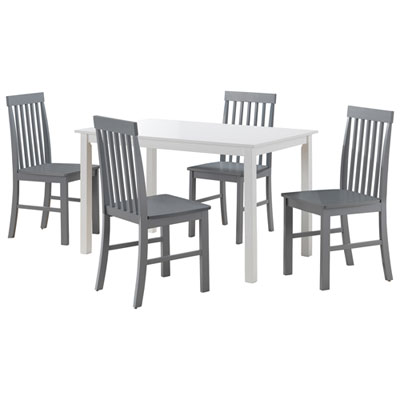 Your price for this item is $872.99
 -
 Your price for this item is $197.99
 -
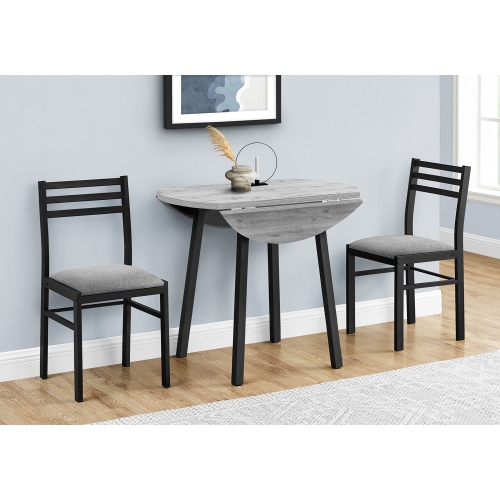 Your price for this item is $219.97
 -
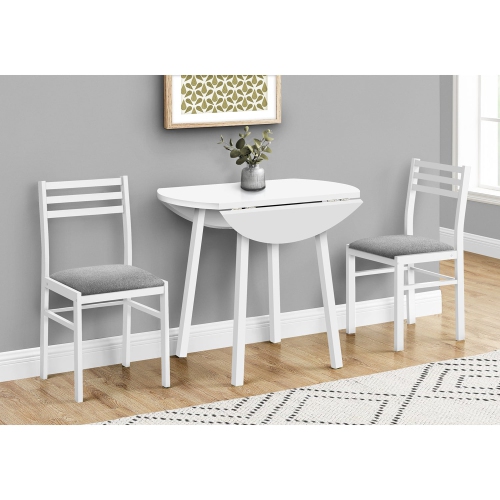 Your price for this item is $219.97
 -
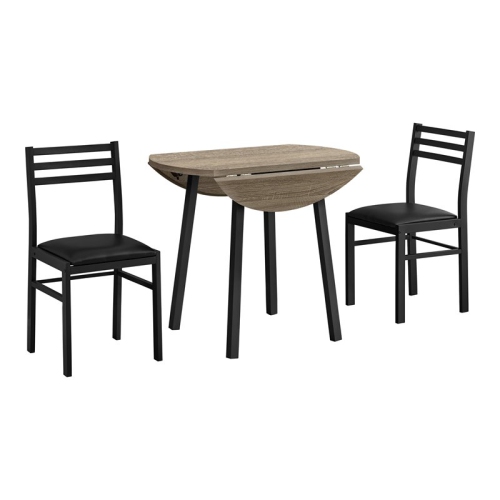 Your price for this item is $219.97
 -
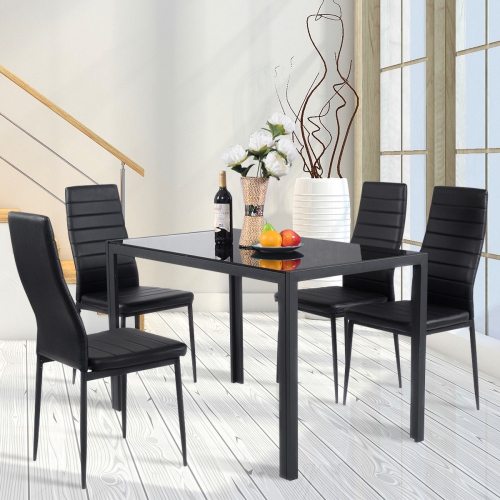 Your price for this item is $325.99
 -
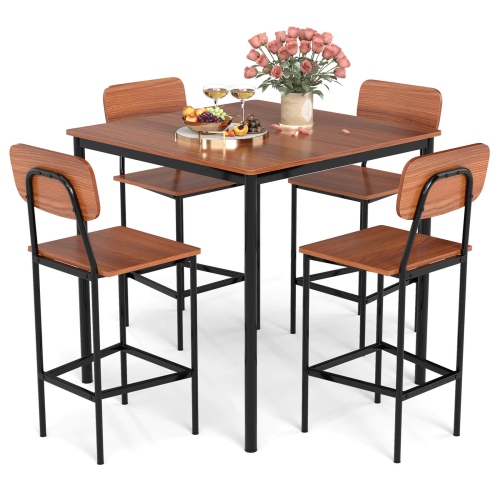 Your price for this item is $265.99
 -
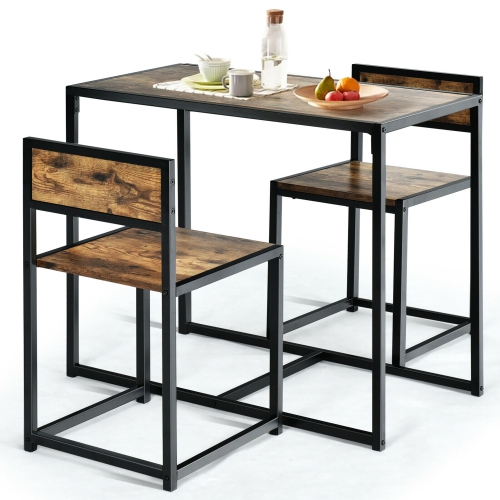 Your price for this item is $149.99
Discover more categories related to Small Apartment Kitchen Ideas
Top Collections:
Pokemon Centers, Kindle Devices, Best Budget Office Chairs, Apple iPhones 16, Best Laptops for Writers, iPhone 15 Apple, Canon G7X Cameras, Refurbished Apple Laptops, Alarm Clock, Motorola Razr Phones
Some products may be subject to Environmental Handling Fees
(EHF) depending on your province.
Learn more about EHFs.