Small Drop Leaf Tables
Looking to maximize your space without sacrificing style? Small drop-leaf tables are the perfect solution for you. These versatile pieces of furniture are designed with functionality in mind, offering a compact size when not in use and the ability to expand when needed. Whether you have a cozy apartment, a small dining area, or simply want to add a multi-purpose piece to your home, small drop-leaf tables are a great choice. Here are some great options available.
Sort
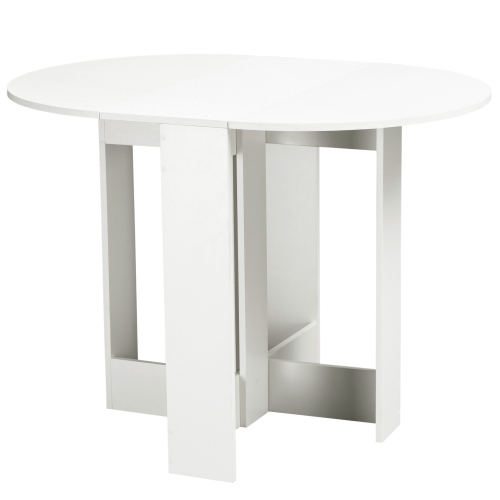
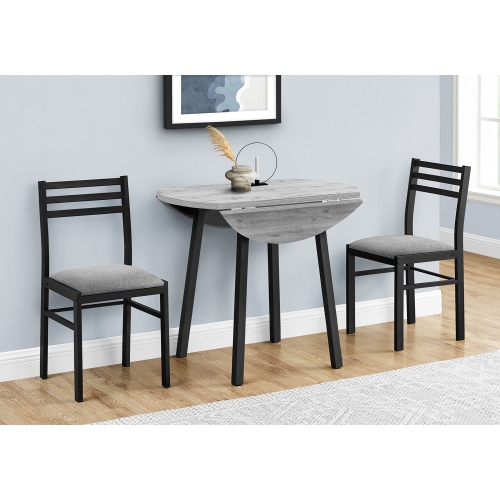
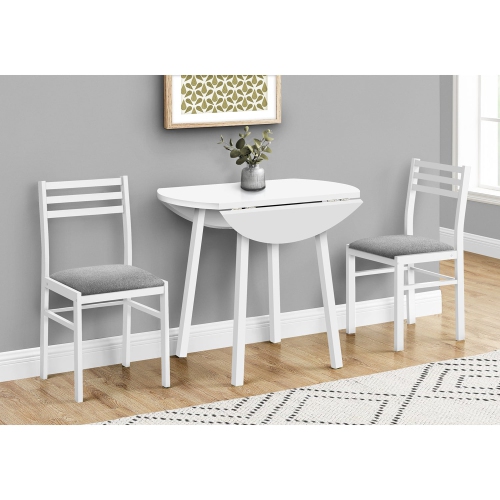
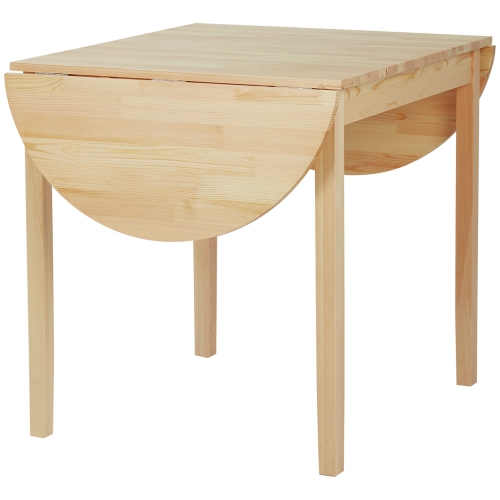

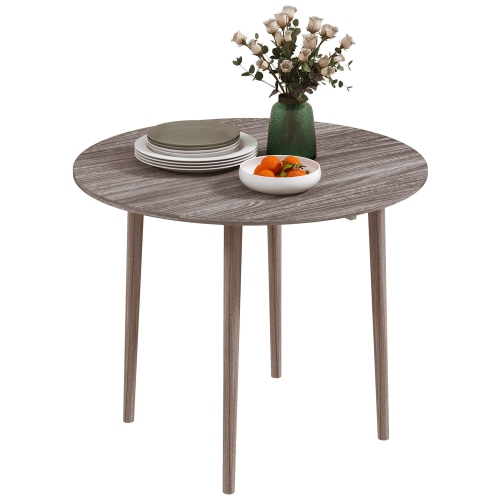
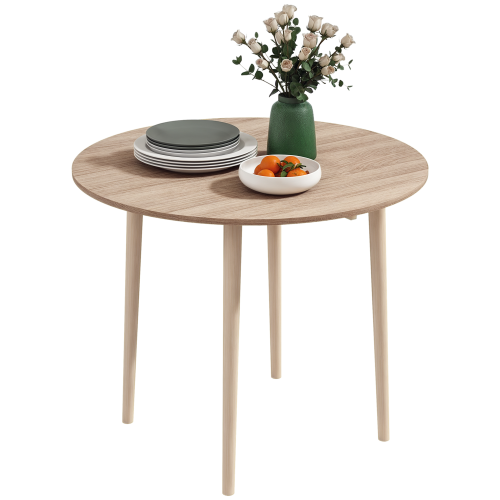
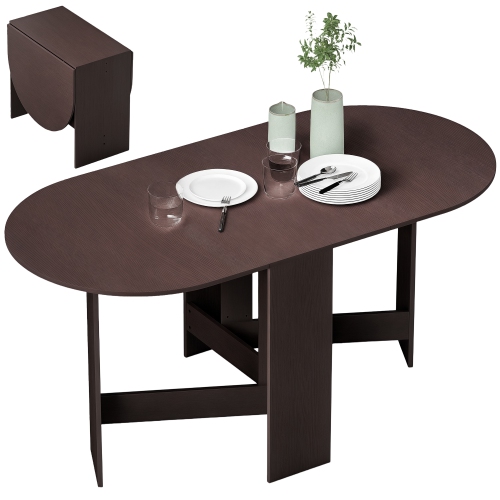

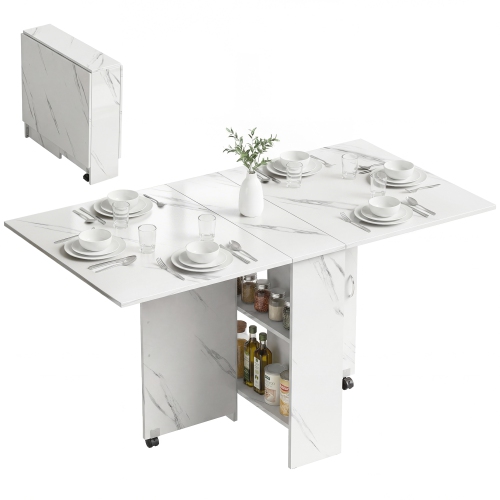
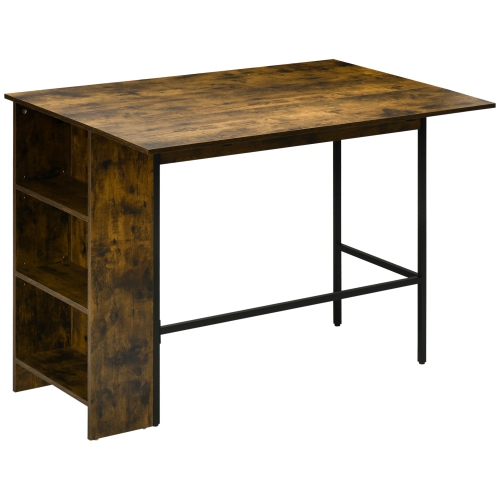
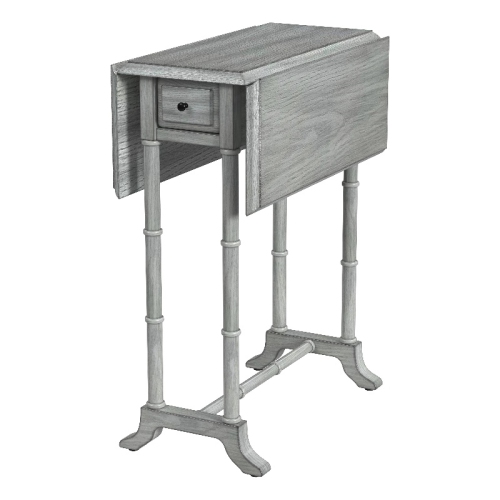
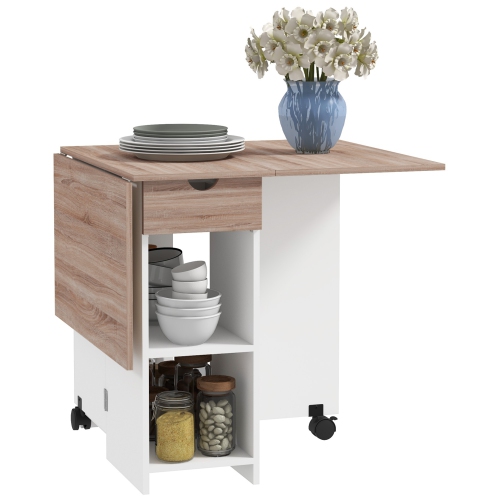
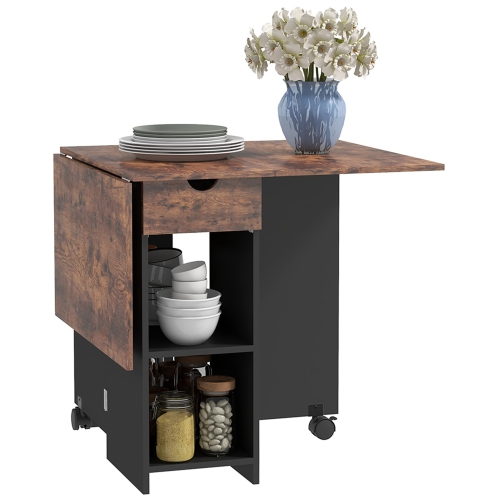
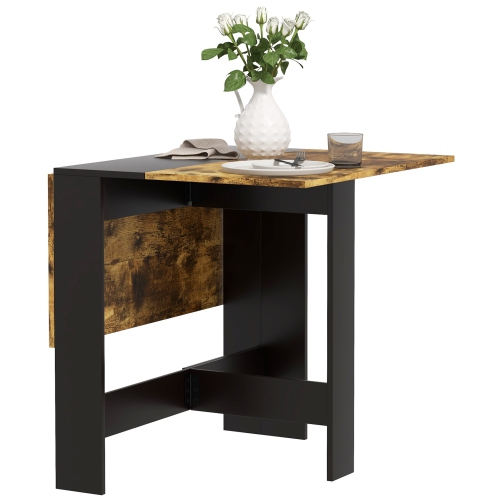
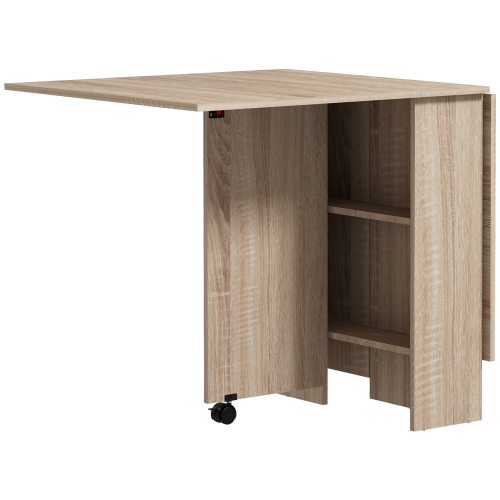
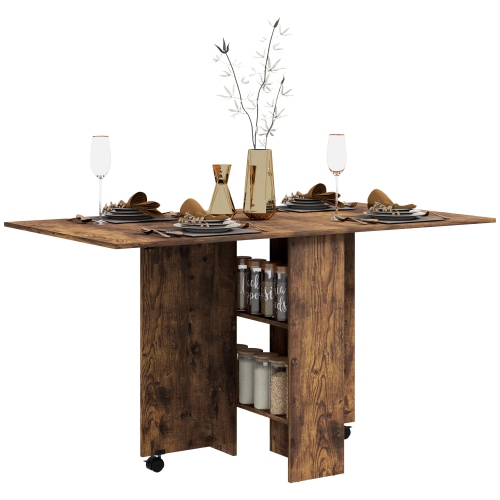
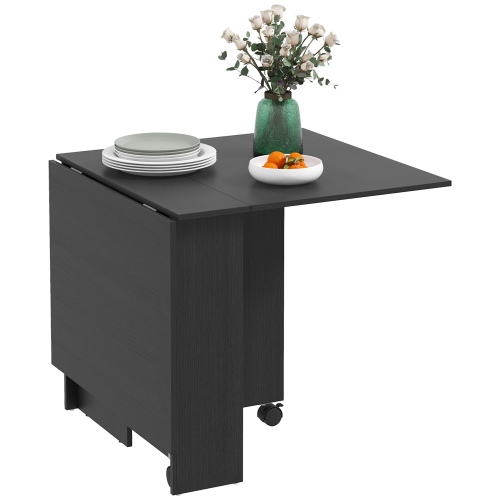
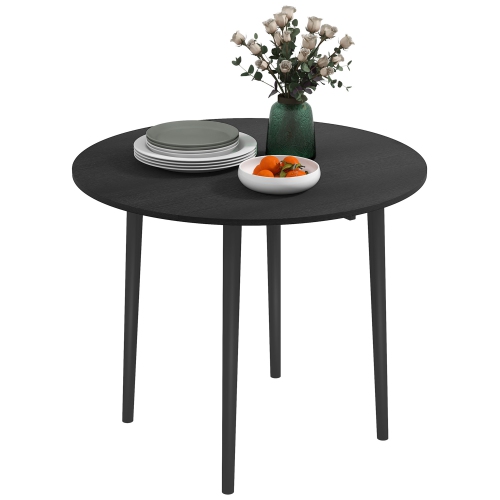
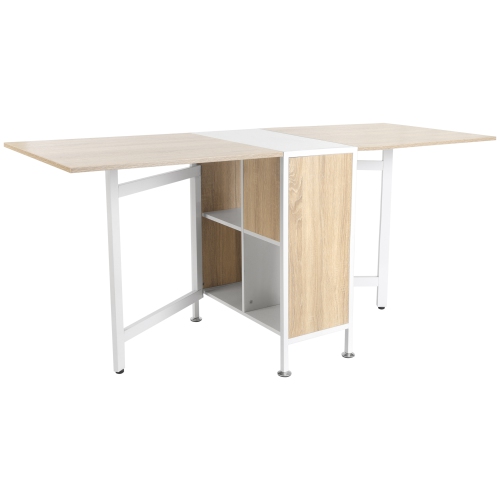
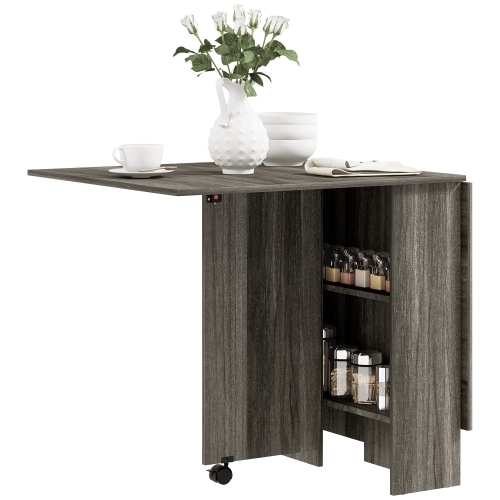
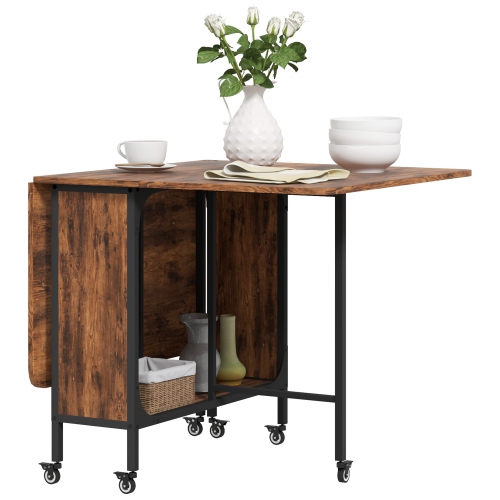
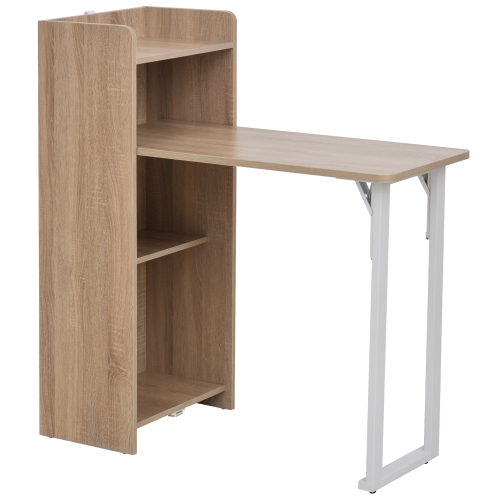
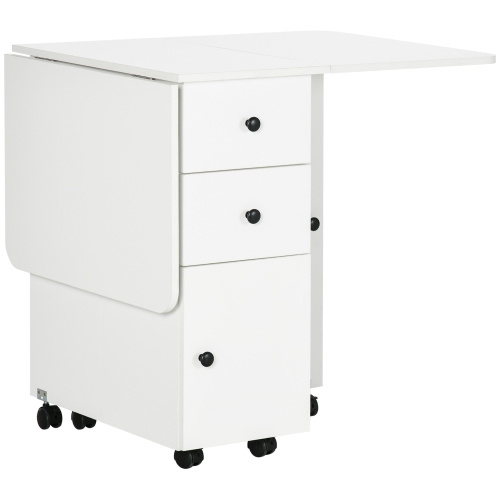

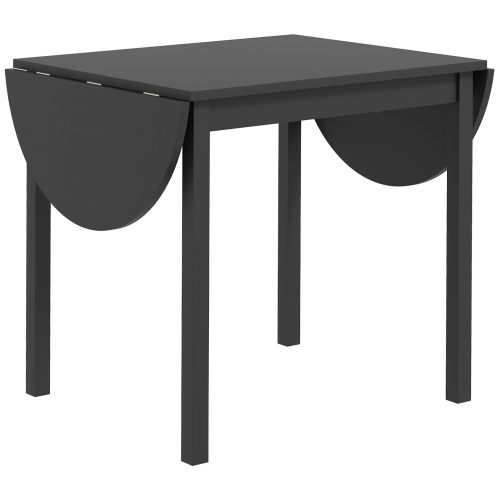
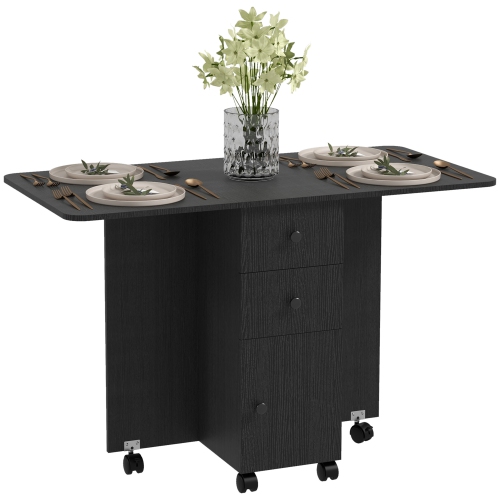
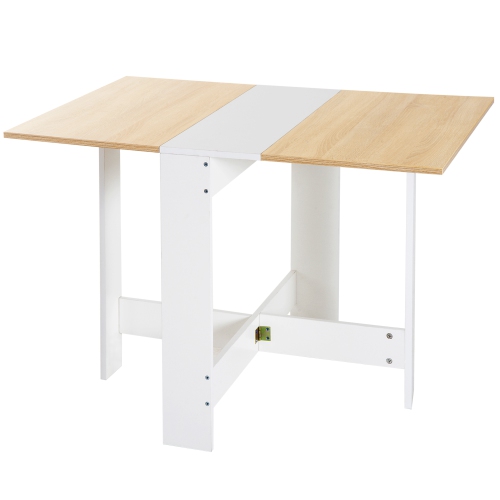
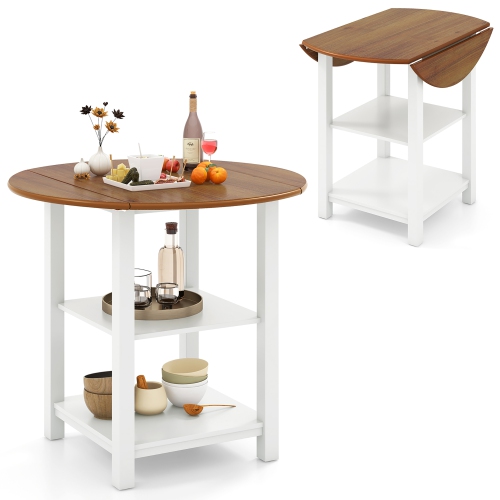
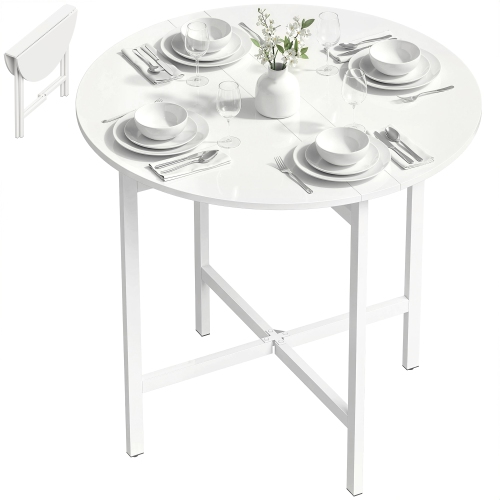
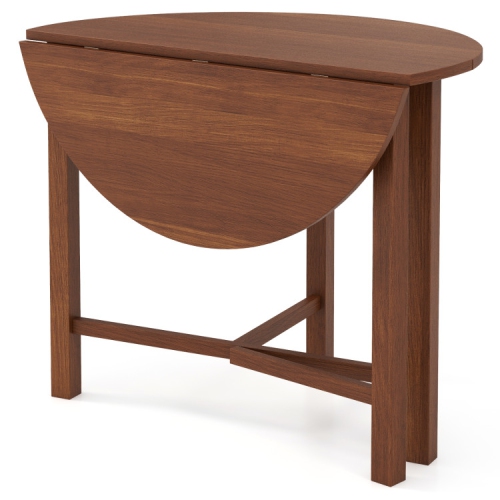
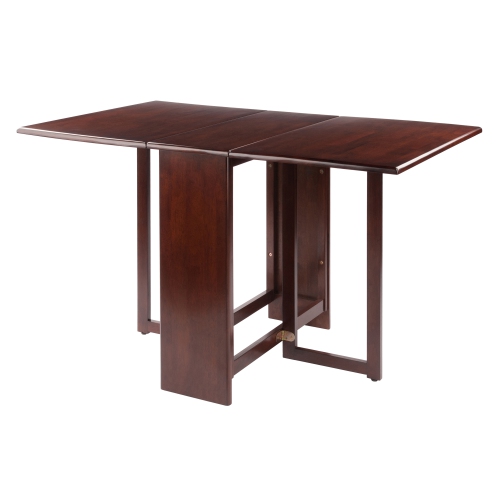
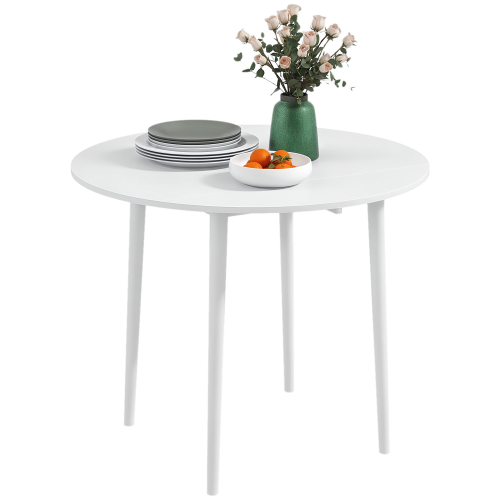
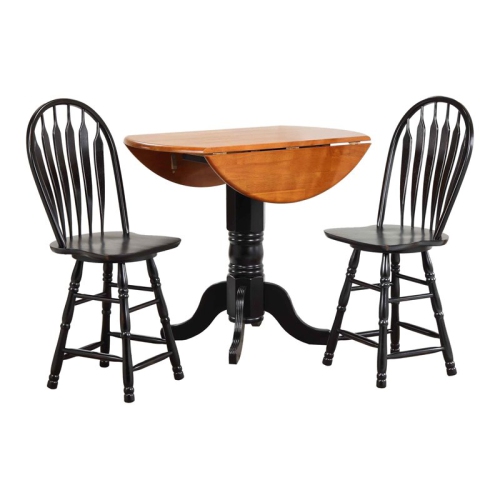
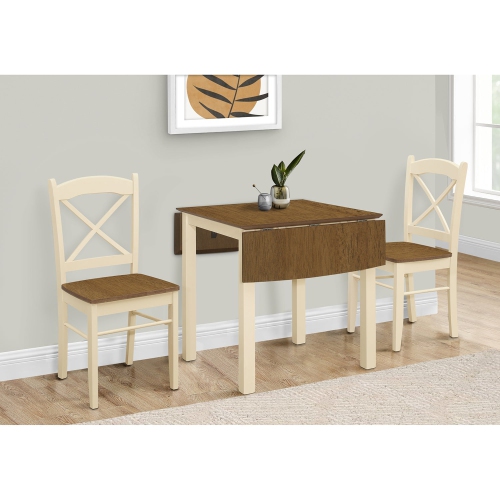
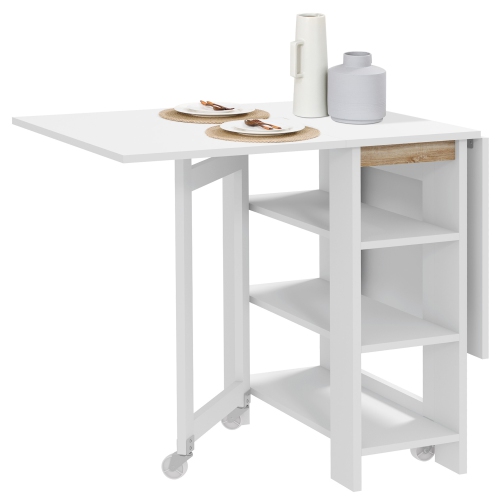
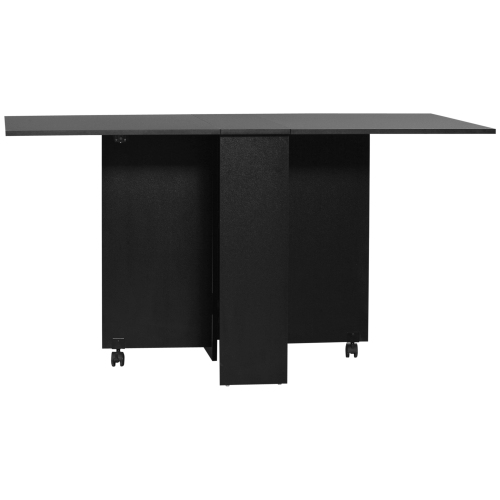

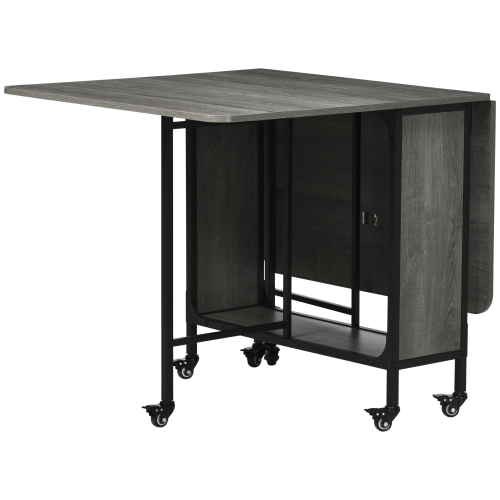
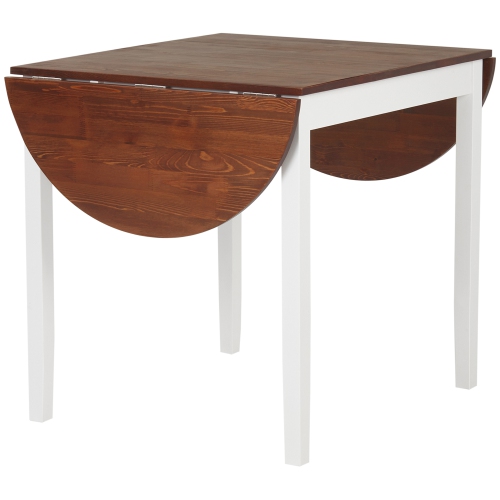
Room for dinner without the full-time footprint
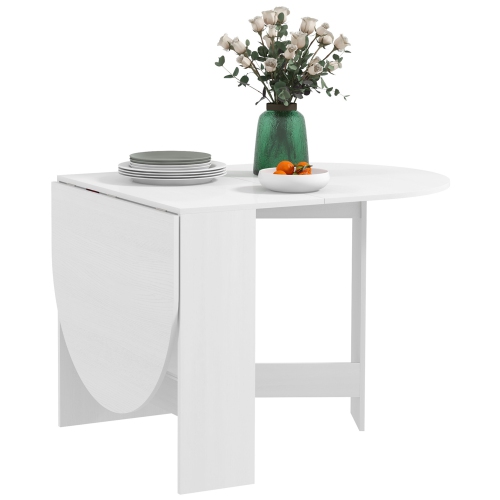
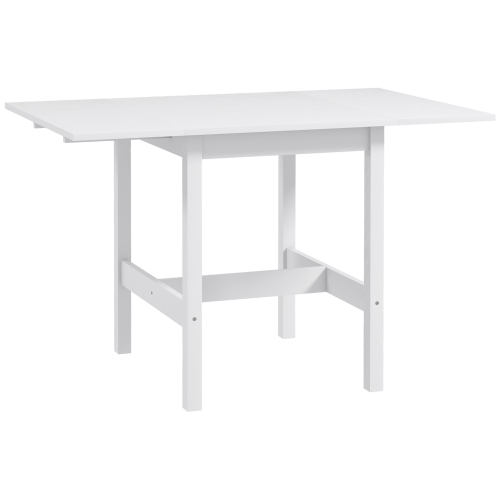
Small drop leaf tables offer a dining or work surface that can expand when needed and occupy less floor space between uses. Their defining feature is a tabletop with one or two hinged sections, called leaves, that fold down along the sides. With the leaves lowered, the fixed centre section remains usable; with them raised and properly supported, the table provides a larger surface for meals, paperwork, or shared activities. This makes a small drop leaf dining table a practical fit for an apartment kitchen, a breakfast nook, or a living area that serves several purposes. A narrow table against a wall can hold a morning coffee and a notebook, then open out for dinner once moved into a suitable position. Unlike an extension table with a separate insert, a drop leaf design keeps its expanding sections attached, so there is no loose leaf to store elsewhere. Rectangular and square styles can work neatly beside a wall, while round and oval tabletops offer curved edges that may make movement around a tight dining area feel less restricted. The shape when folded matters just as much as the shape when open: a round table with both leaves lowered can have a slim, straight-sided footprint, but its base still determines how closely it fits against furniture. Seating capacity depends on the full tabletop dimensions, leg placement, and chair width, rather than the table’s shape alone. Some compact designs suit one or two people for everyday meals, while others can accommodate additional diners when fully opened. The broader range of Drop Leaf Tables provides context for how compact formats compare with larger versions of the same design. For smaller homes, the appeal is straightforward: the surface can adapt to the task without requiring a full-sized dining table to occupy the room all day.
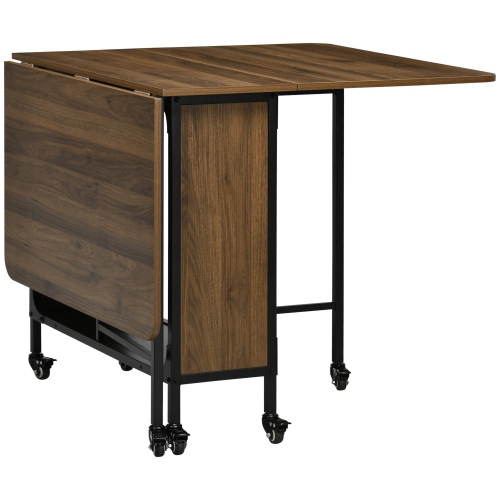
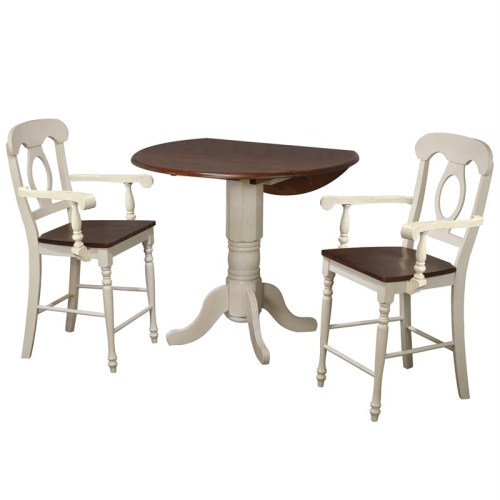
A useful fit starts with the table’s closed and fully expanded measurements, along with the space needed to operate its supports. Measure the intended position with nearby cupboards, drawers, and doors open, and allow room for chairs to pull out without blocking the main route through the room. Painter’s tape on the floor can help show the difference between the folded footprint and the open tabletop, especially where a dining corner meets a hallway or kitchen entrance. Check the height beneath the tabletop as well as the overall height; an apron, storage compartment, or support rail can limit knee room even when the surface sits at a familiar dining height. Chair arms may also prevent seats from sliding underneath. Gateleg tables use legs that swing outward beneath the raised leaves, while other designs rely on sliding supports or hinged brackets. Each arrangement affects where feet and chairs can go, so the base deserves as much attention as the top. A central pedestal can reduce corner-leg interference, although the size and shape of its foot still matter. Built-in shelves or drawers can keep placemats and everyday supplies close by, but they may reduce seating space or make the folded table deeper. Wheeled designs can be helpful in a multipurpose room where the table moves between a wall and an open area; locking casters help hold it in position during use. For someone who plans to fold the table daily, accessible supports and manageable leaf weight are especially useful. For occasional expansion, comfortable seating in the everyday configuration may take priority. A laptop, a dinner plate, and a craft project each use the surface differently, so consider its usable depth rather than judging by width alone. A shallow centre section may work well for a cup and a book but feel cramped for a keyboard and screen. Raised leaves should always have their supports fully engaged, with loads kept within the manufacturer’s stated limits.
Materials and construction influence both the appearance of a small drop leaf table and how it holds up to repeated use. Solid wood brings natural grain and variation, with hardwoods generally offering better resistance to dents than softer woods, though the finish also affects everyday wear. Wood veneer provides a real wood surface over a core material, while laminate can offer an easy-to-wipe finish suited to routine dining and household tasks. Engineered wood construction varies, so well-finished edges, secure hardware, and clear care instructions are useful details to assess. Metal bases can create a lighter visual profile or a more industrial look, but stable joints and suitable floor protectors matter more than appearance alone. The hinges and leaf supports take on repeated movement, making their attachment and operation important durability considerations. A properly assembled table should stand evenly, and raised leaves should align with the fixed top without noticeable movement during normal use. Follow the assembly instructions, check fasteners as directed, and avoid dragging the table by a leaf when repositioning it. For care, wipe spills promptly with a soft cloth and use cleaning products approved for the finish. Coasters and trivets help protect against cup rings and heat marks, while a protective mat is sensible for drawing, cutting, or other activities that could scratch the surface. Avoid soaking seams and edges, particularly on veneered or engineered wood tops. Light finishes can keep a compact dining corner visually understated, deeper wood tones add contrast, and painted surfaces offer another way to coordinate with existing chairs and cabinetry. Matching every piece is not essential; consistent proportions and comfortable seat heights usually contribute more to daily usability. These tables can suit students setting up a first apartment, couples furnishing a small kitchen, or households adding a flexible activity surface to a shared room. As a housewarming gift, a table is best chosen with the recipient’s measurements and preferences in hand. Its lasting usefulness comes from fitting ordinary routines: enough space for breakfast, a steady place to sort paperwork, and room to sit together without permanently filling the floor.
A useful fit starts with the table’s closed and fully expanded measurements, along with the space needed to operate its supports. Measure the intended position with nearby cupboards, drawers, and doors open, and allow room for chairs to pull out without blocking the main route through the room. Painter’s tape on the floor can help show the difference between the folded footprint and the open tabletop, especially where a dining corner meets a hallway or kitchen entrance. Check the height beneath the tabletop as well as the overall height; an apron, storage compartment, or support rail can limit knee room even when the surface sits at a familiar dining height. Chair arms may also prevent seats from sliding underneath. Gateleg tables use legs that swing outward beneath the raised leaves, while other designs rely on sliding supports or hinged brackets. Each arrangement affects where feet and chairs can go, so the base deserves as much attention as the top. A central pedestal can reduce corner-leg interference, although the size and shape of its foot still matter. Built-in shelves or drawers can keep placemats and everyday supplies close by, but they may reduce seating space or make the folded table deeper. Wheeled designs can be helpful in a multipurpose room where the table moves between a wall and an open area; locking casters help hold it in position during use. For someone who plans to fold the table daily, accessible supports and manageable leaf weight are especially useful. For occasional expansion, comfortable seating in the everyday configuration may take priority. A laptop, a dinner plate, and a craft project each use the surface differently, so consider its usable depth rather than judging by width alone. A shallow centre section may work well for a cup and a book but feel cramped for a keyboard and screen. Raised leaves should always have their supports fully engaged, with loads kept within the manufacturer’s stated limits.
Materials and construction influence both the appearance of a small drop leaf table and how it holds up to repeated use. Solid wood brings natural grain and variation, with hardwoods generally offering better resistance to dents than softer woods, though the finish also affects everyday wear. Wood veneer provides a real wood surface over a core material, while laminate can offer an easy-to-wipe finish suited to routine dining and household tasks. Engineered wood construction varies, so well-finished edges, secure hardware, and clear care instructions are useful details to assess. Metal bases can create a lighter visual profile or a more industrial look, but stable joints and suitable floor protectors matter more than appearance alone. The hinges and leaf supports take on repeated movement, making their attachment and operation important durability considerations. A properly assembled table should stand evenly, and raised leaves should align with the fixed top without noticeable movement during normal use. Follow the assembly instructions, check fasteners as directed, and avoid dragging the table by a leaf when repositioning it. For care, wipe spills promptly with a soft cloth and use cleaning products approved for the finish. Coasters and trivets help protect against cup rings and heat marks, while a protective mat is sensible for drawing, cutting, or other activities that could scratch the surface. Avoid soaking seams and edges, particularly on veneered or engineered wood tops. Light finishes can keep a compact dining corner visually understated, deeper wood tones add contrast, and painted surfaces offer another way to coordinate with existing chairs and cabinetry. Matching every piece is not essential; consistent proportions and comfortable seat heights usually contribute more to daily usability. These tables can suit students setting up a first apartment, couples furnishing a small kitchen, or households adding a flexible activity surface to a shared room. As a housewarming gift, a table is best chosen with the recipient’s measurements and preferences in hand. Its lasting usefulness comes from fitting ordinary routines: enough space for breakfast, a steady place to sort paperwork, and room to sit together without permanently filling the floor.
Top selling and popular products
-
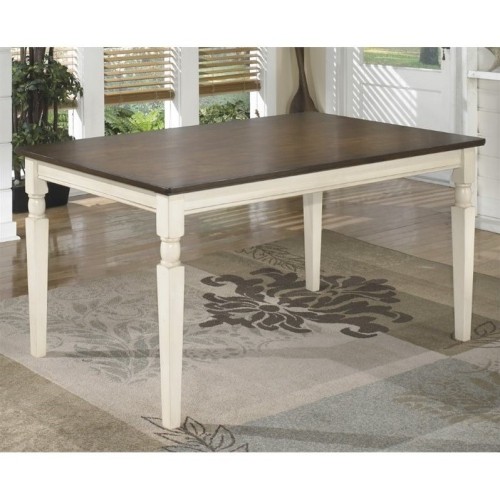 Your price for this item is $399
 -
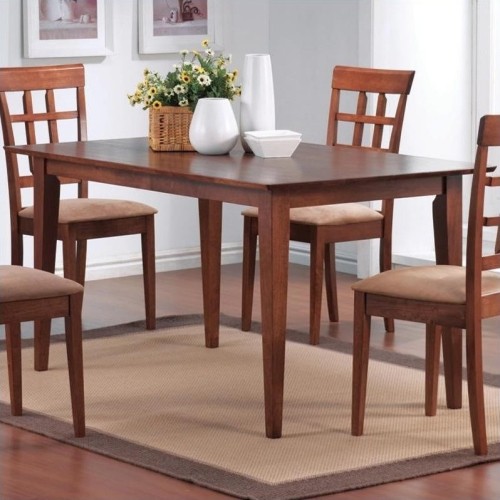 Your price for this item is $567.67
 -
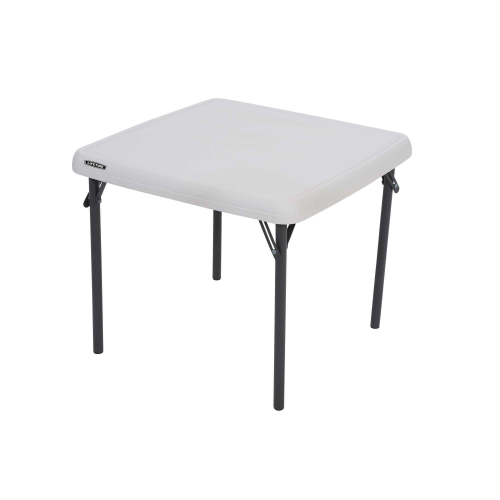 Your price for this item is $71.99
 -
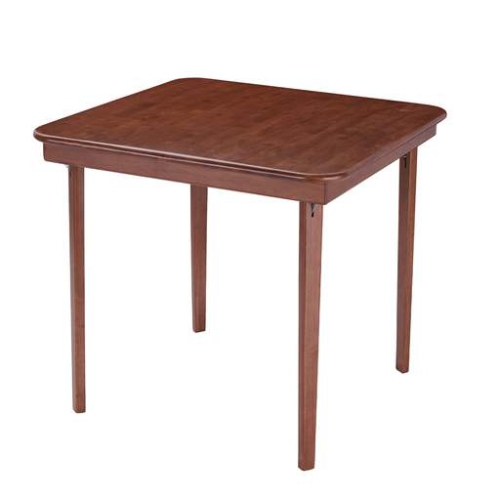 Your price for this item is $393.99
 -
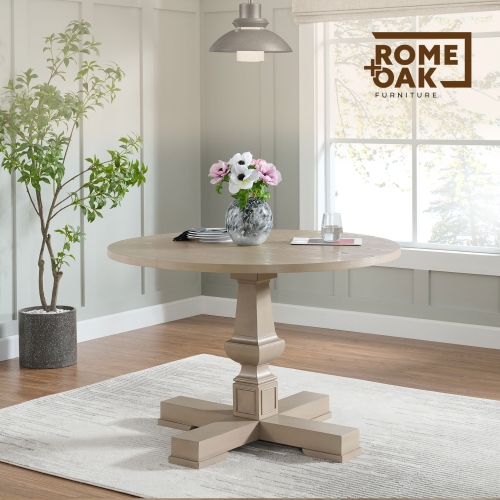 Your price for this item is $918.99
 -
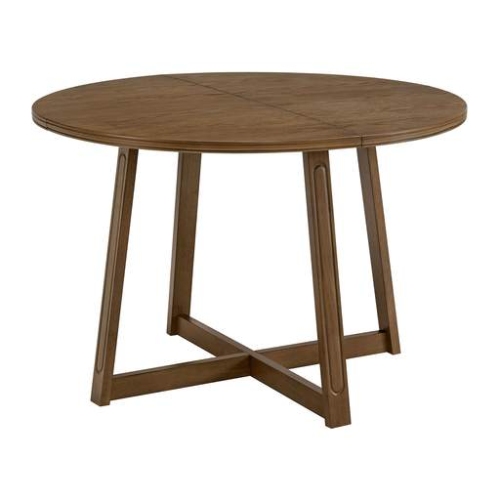 Your price for this item is $752.99
 -
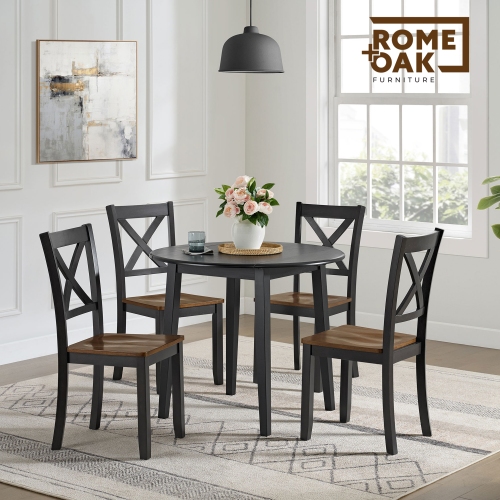 Your price for this item is $305.99
 -
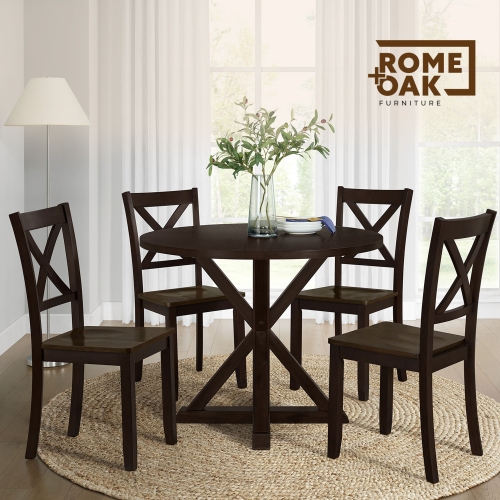 Your price for this item is $782.99
Discover more categories related to Small Drop Leaf Tables
Top Collections:
Pokemon Centers, Kindle Devices, Best Budget Office Chairs, Apple iPhones 16, Best Laptops for Writers, iPhone 15 Apple, Canon G7X Cameras, Refurbished Apple Laptops, Alarm Clock, Motorola Razr Phones
Some products may be subject to Environmental Handling Fees
(EHF) depending on your province.
Learn more about EHFs.