Small Kitchen Island
Elevate your culinary space with a small kitchen island that seamlessly blends style and functionality. Perfect for compact spaces, these versatile additions offer extra storage, prep areas, and dining options without overwhelming your kitchen's layout. Whether you're looking to enhance your cooking experience or simply need more room to organize essentials, a small kitchen island is an ideal solution. Discover how this charming centerpiece can transform your kitchen into a more efficient and inviting space, tailored to meet the demands of modern living.
Sort
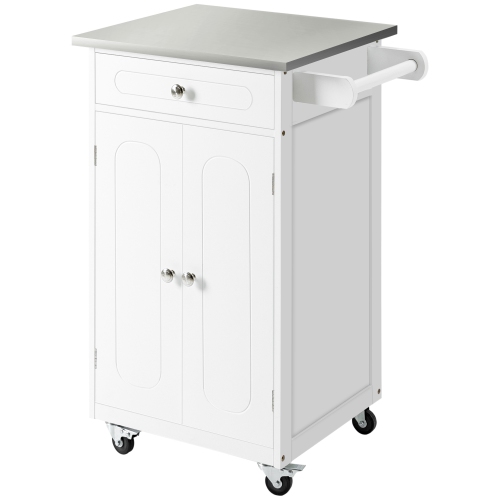
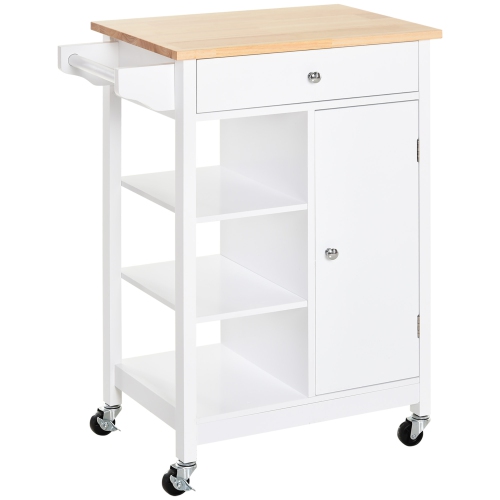
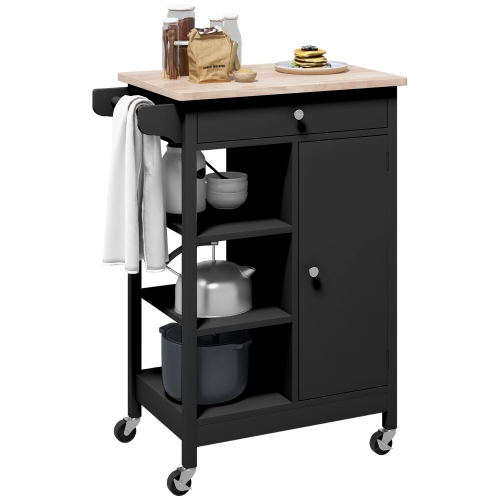
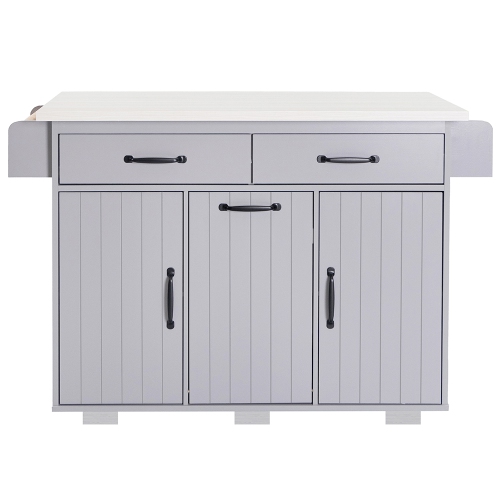
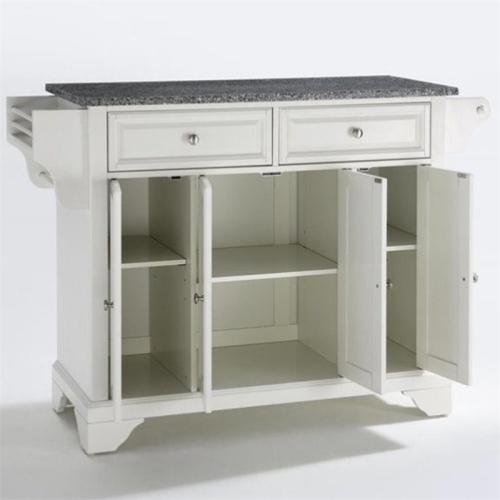
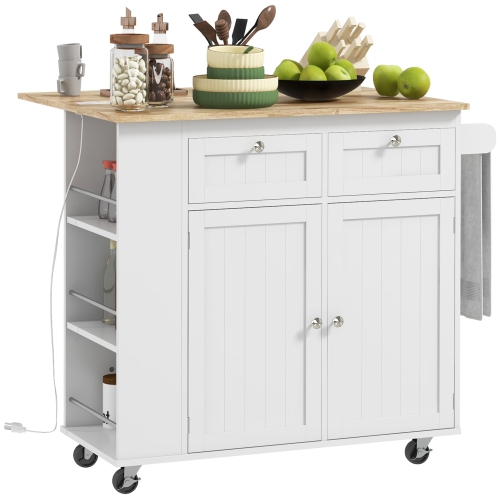
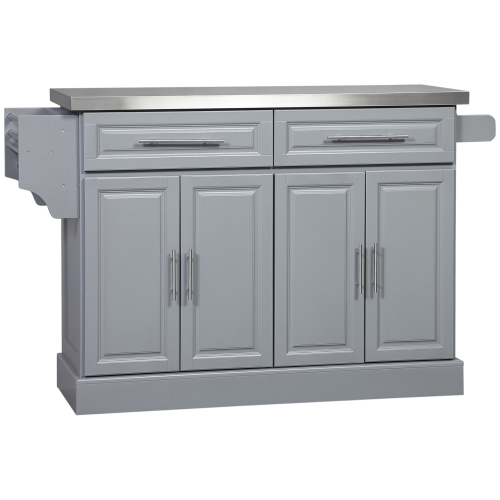
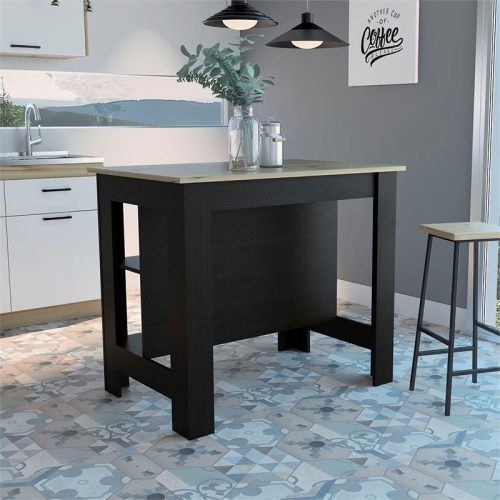
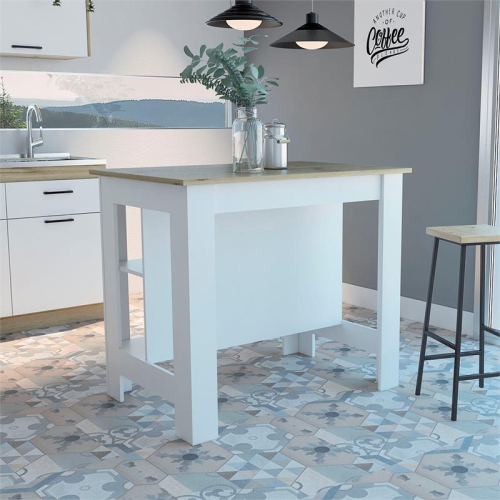
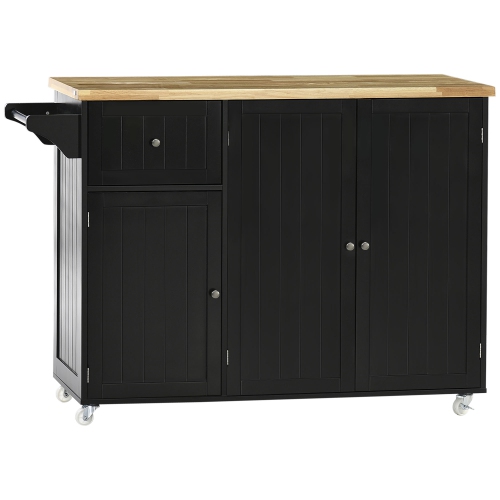
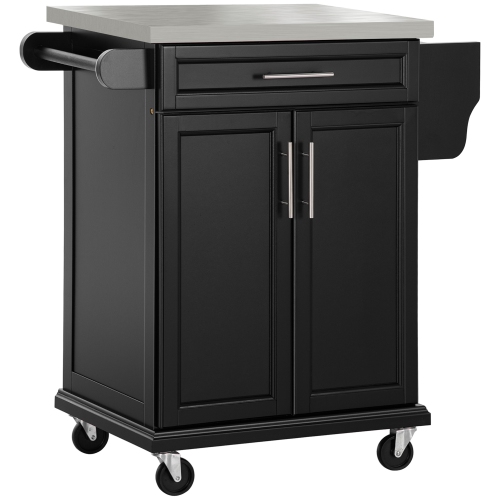
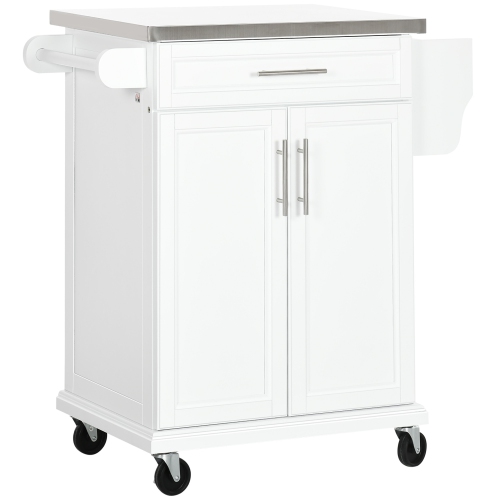
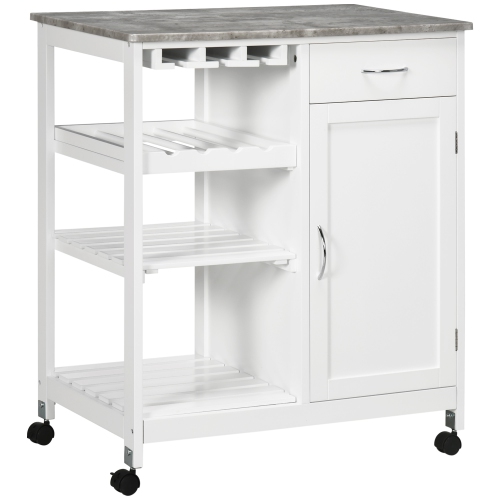
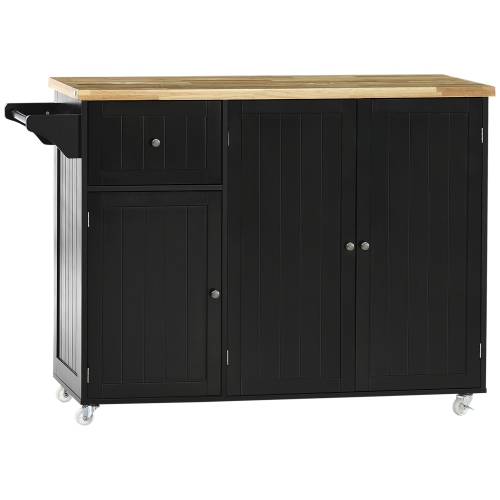
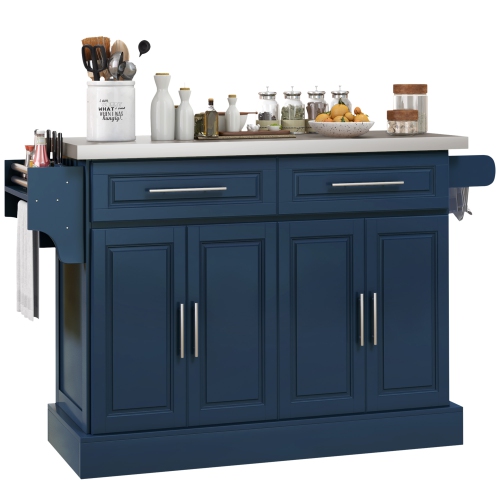
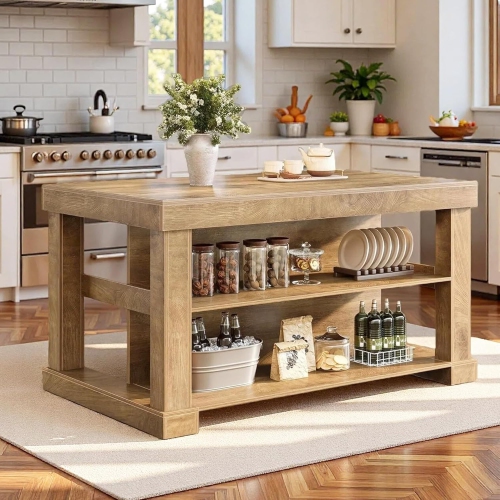
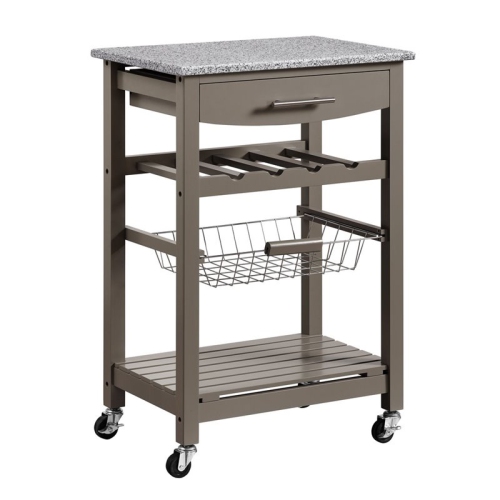

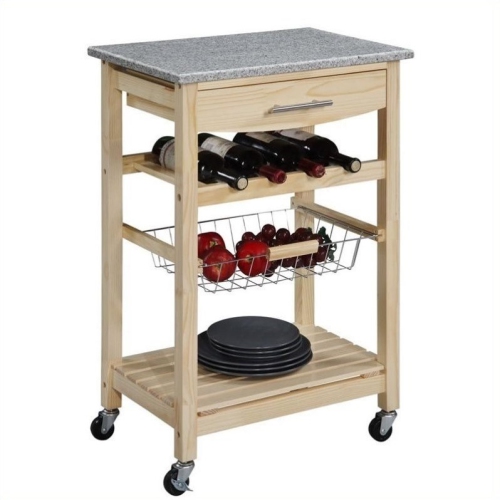
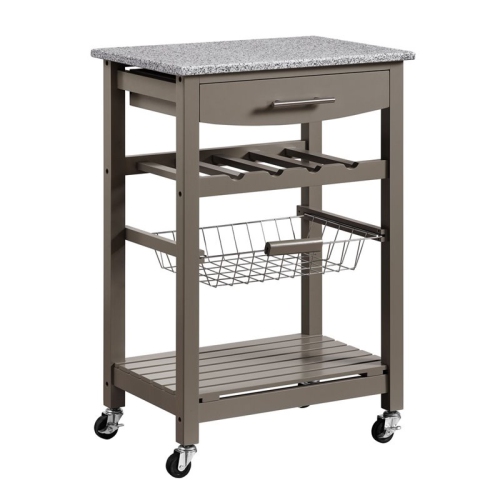
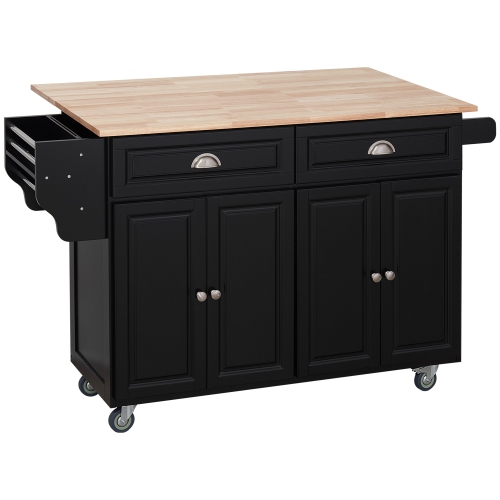
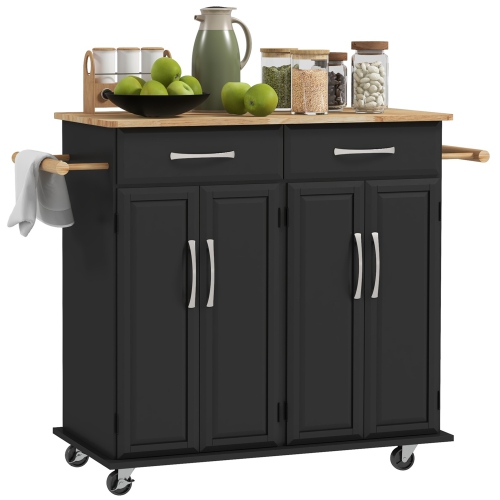
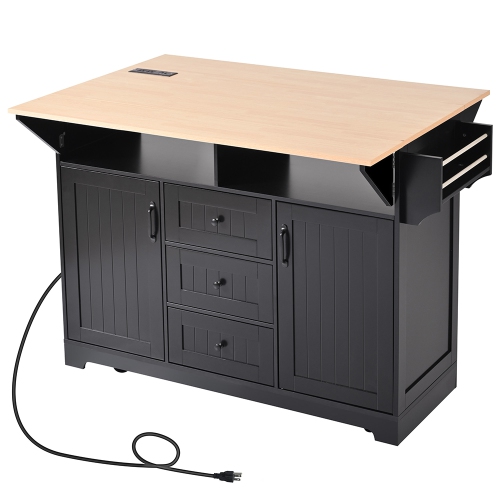
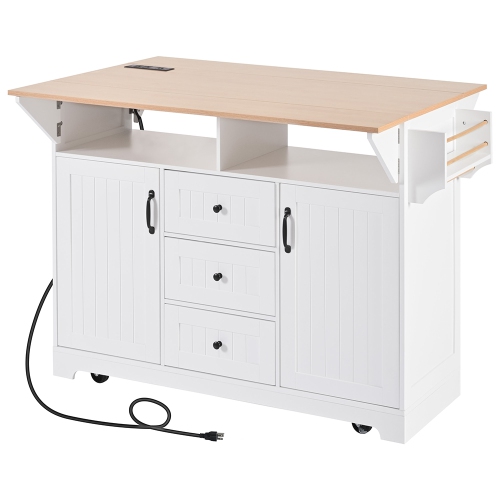
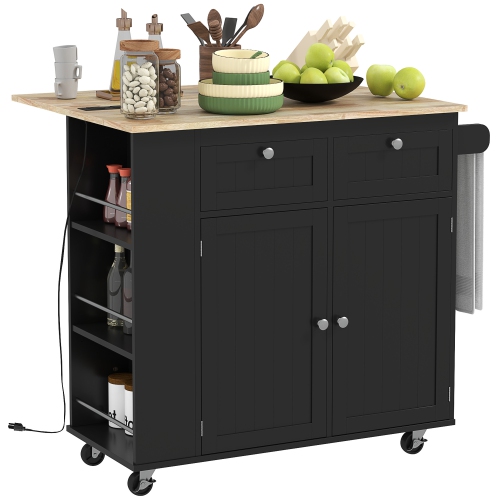
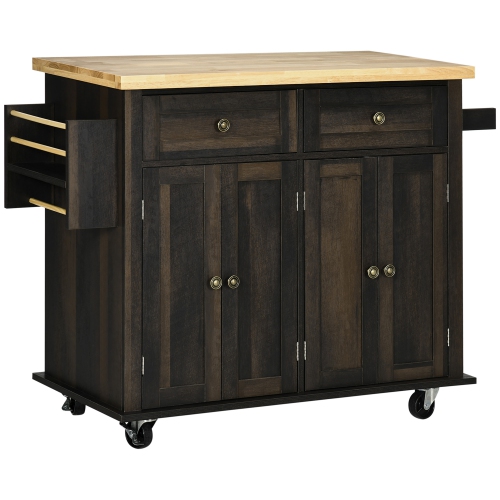
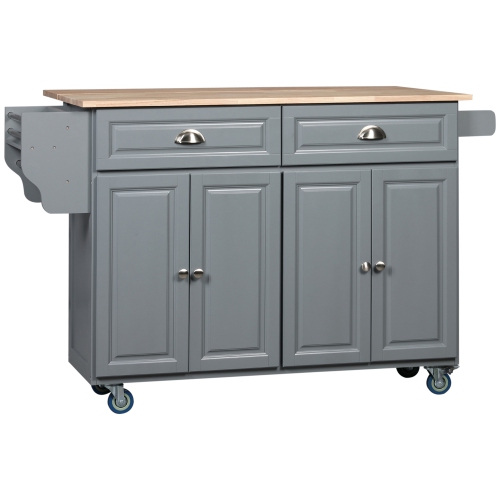
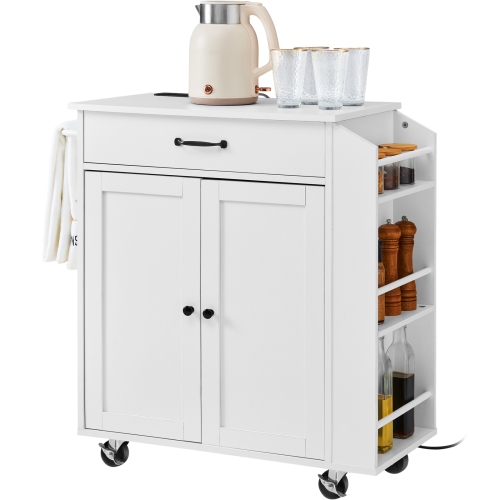

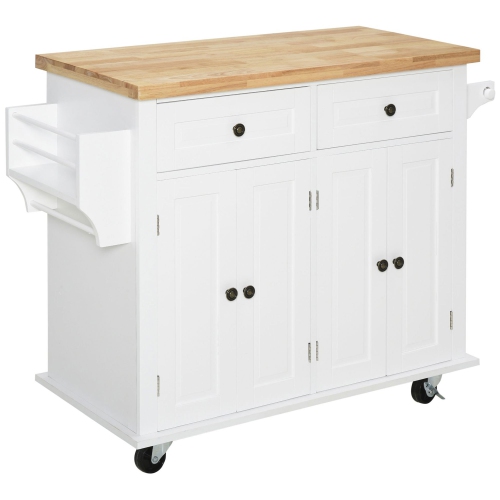
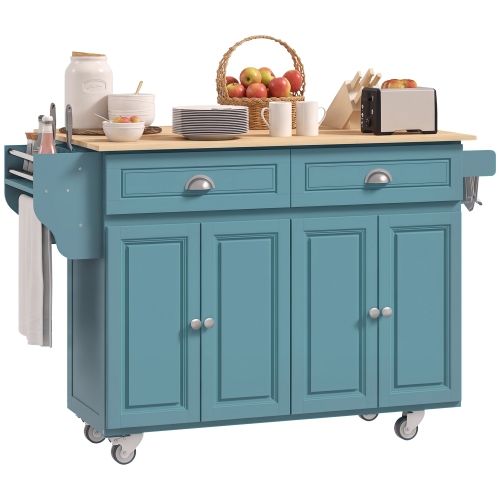
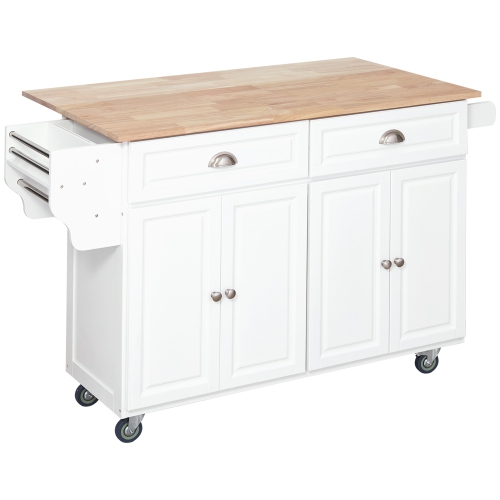
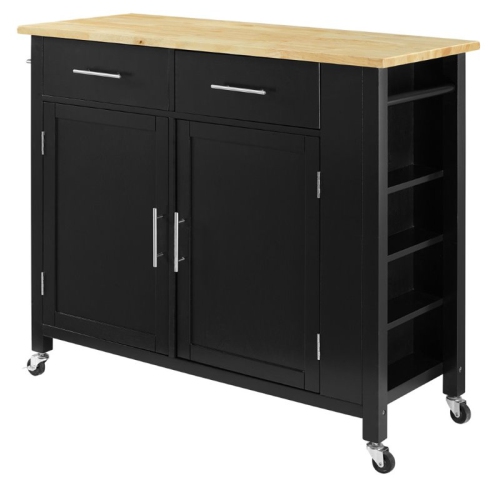
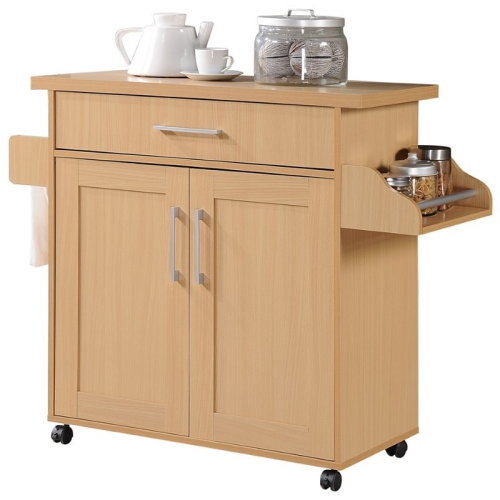
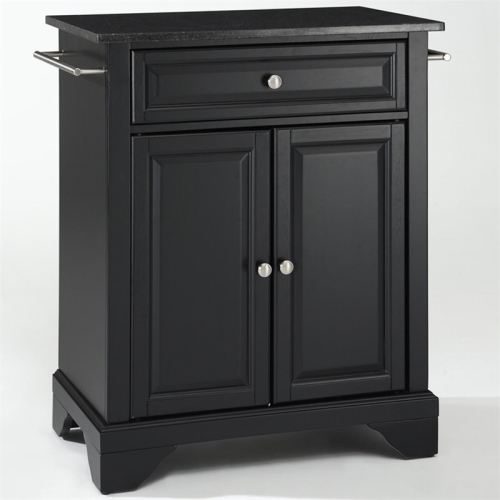
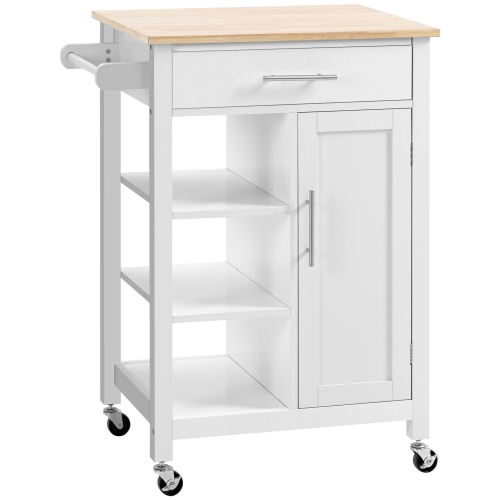
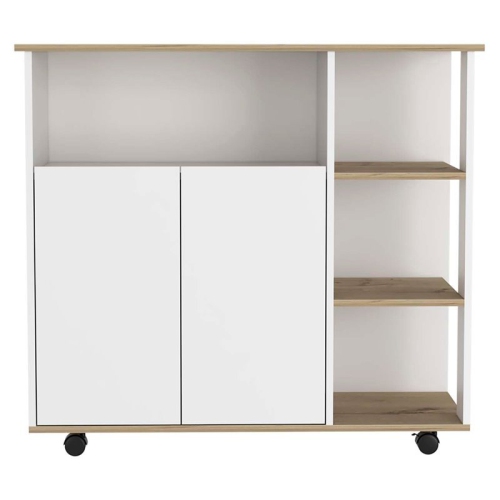
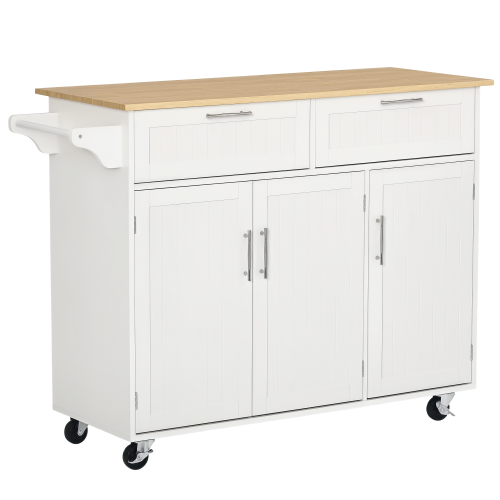
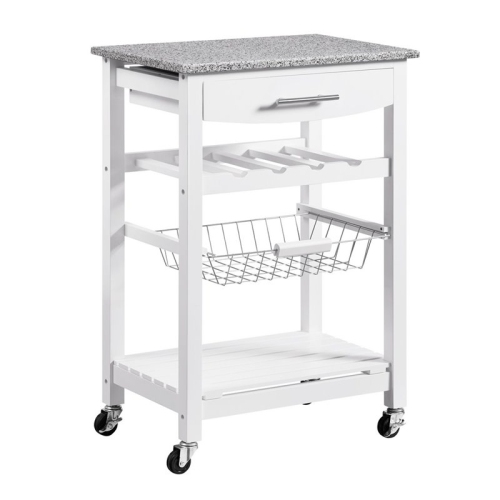
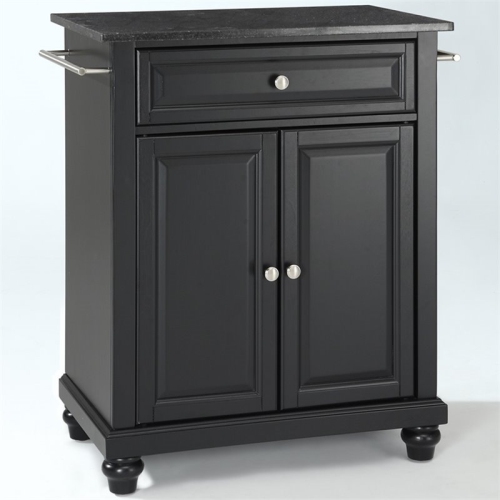
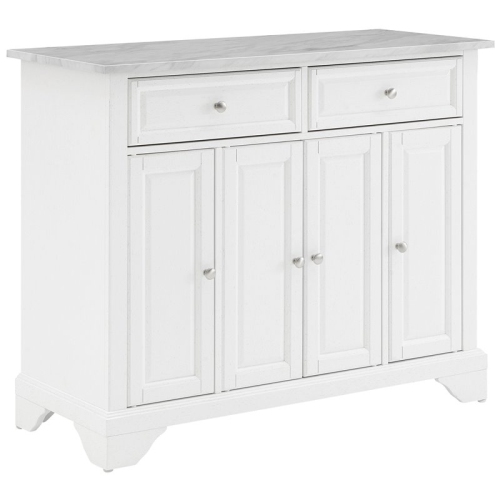
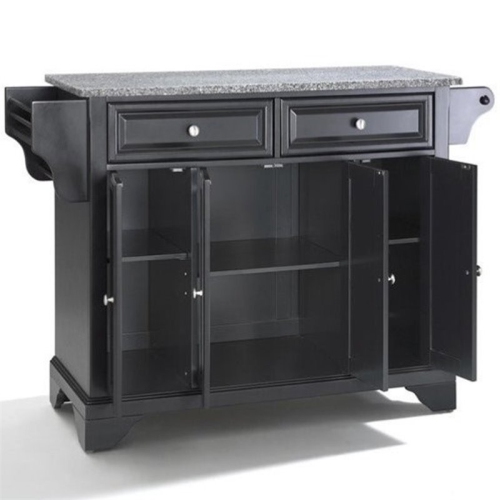
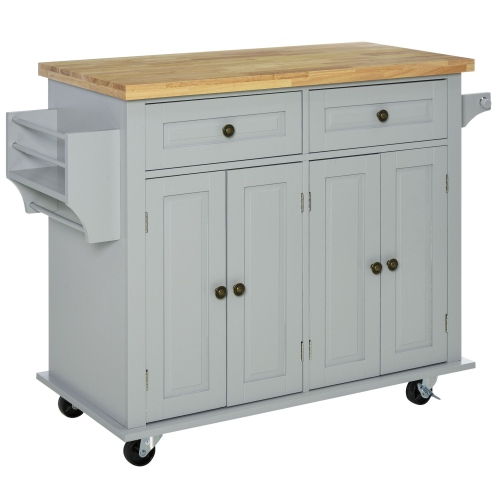
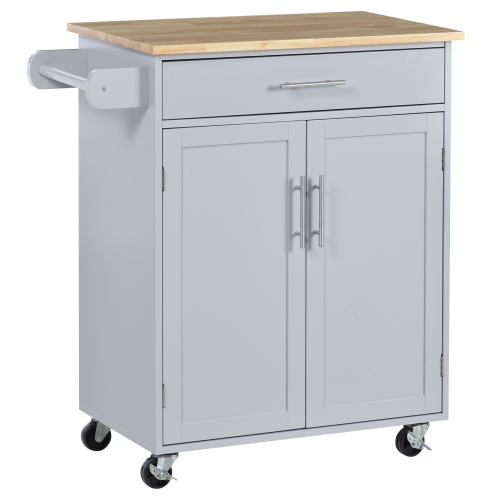
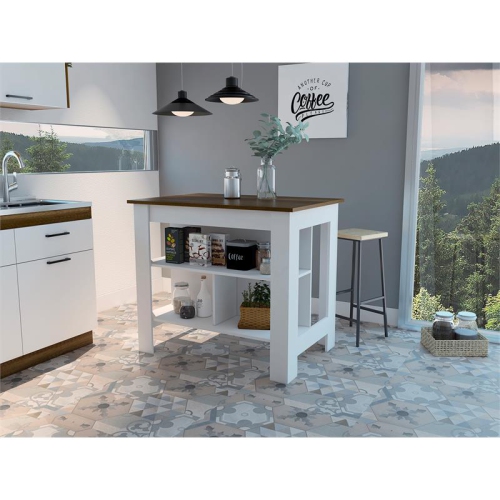
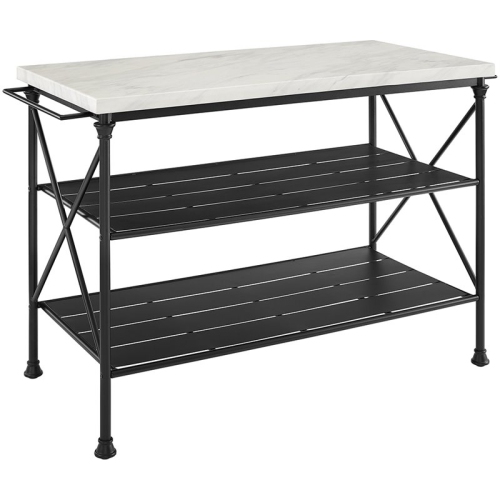
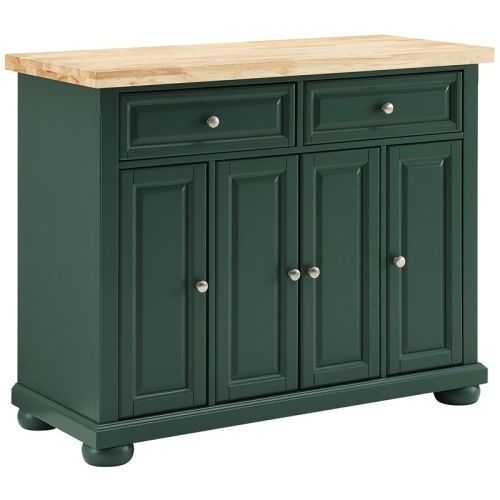
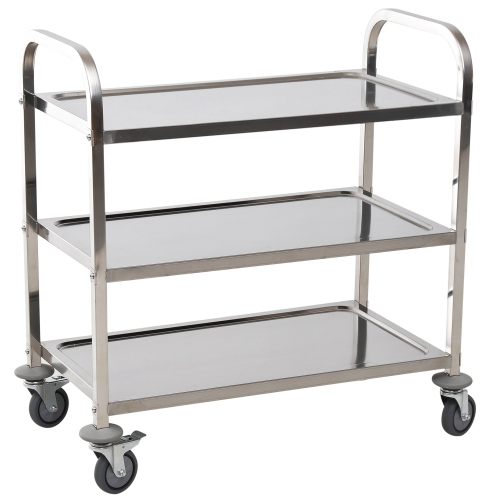
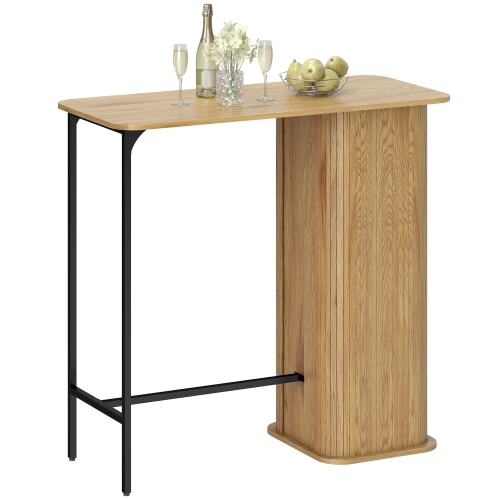
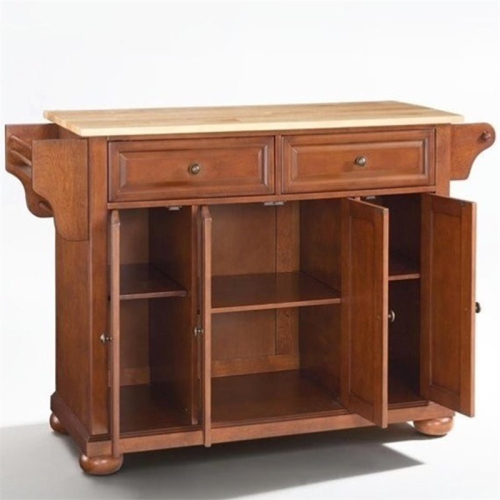
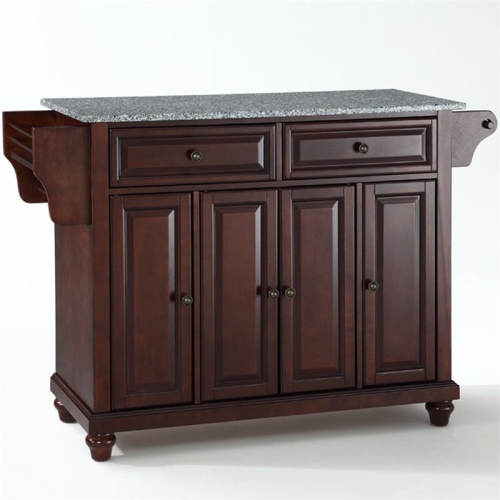
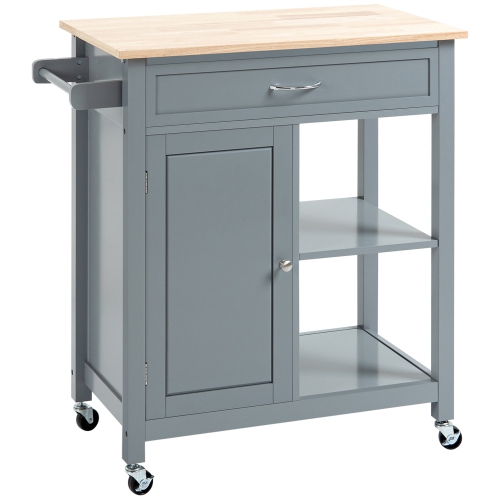
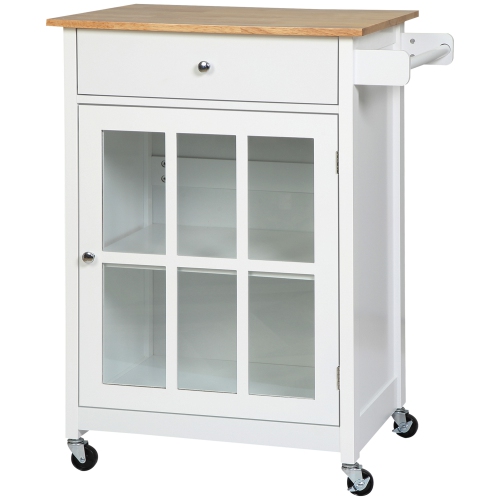
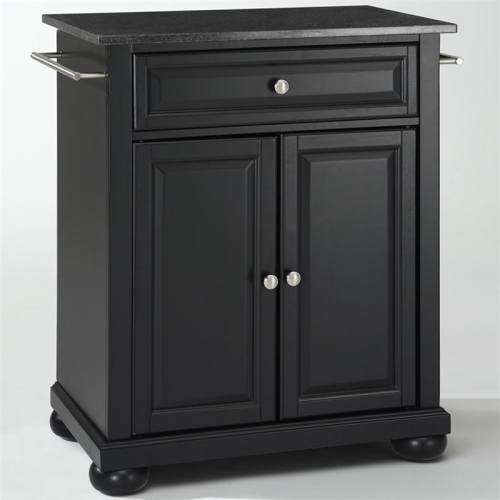
Practical prep space and storage for compact kitchens
A small kitchen island can add valuable prep space, storage, and everyday flexibility without overwhelming a compact room. In a condo kitchen, apartment, galley layout, or open-concept space, the right island creates a practical centre for chopping vegetables, setting out ingredients, serving snacks, or gathering around a quick breakfast. It can also help define the kitchen area without blocking sightlines into the dining or living room. When comparing small kitchen islands, start by measuring the available floor area, including the space needed to open cabinet doors, drawers, refrigerators, ovens, and dishwashers. Aim to leave about 3 feet of walking and working clearance around the island wherever possible, especially along busy cooking routes. This clearance gives you room to turn, carry hot cookware, and move between appliances safely. If your kitchen is especially compact, a narrow island or rolling kitchen cart may be more suitable than a larger fixed design. A mobile option can be moved against a wall when you need more room for cleaning, entertaining, or bringing groceries inside, while locking casters help keep it steady during food preparation. Fixed islands offer a more permanent workspace and may provide a substantial countertop, but portable designs can be easier to fit into changing routines. Before choosing a finish or colour, consider the surrounding cabinetry, flooring, lighting, and wall tones so the island feels connected to the room. A light surface can help an enclosed kitchen appear more open, while a wood-look countertop or contrasting finish can introduce warmth and visual interest. For additional inspiration and a broader range of formats, explore Kitchen Islands.
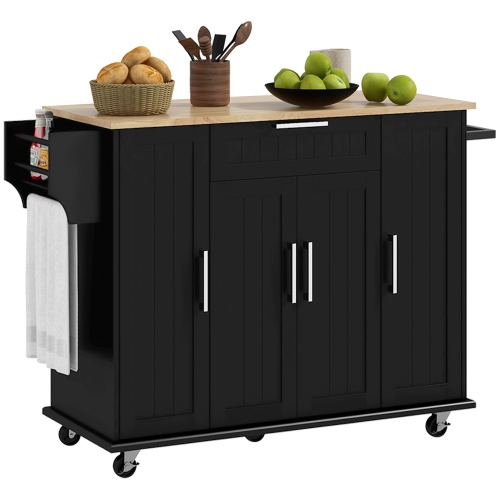
Storage is one of the most useful features of a small kitchen island, particularly when counter space and cupboards are limited. Open shelves keep mixing bowls, cookware, serving boards, or frequently used appliances within easy reach, while enclosed cabinets help keep less-used items protected from dust and visual clutter. Drawers are convenient for utensils, measuring tools, tea towels, and small cooking accessories, and a built-in spice rack can make seasonings easier to find while preparing a meal. Some compact islands include a towel bar, hooks, or dedicated compartments that make use of every available section without requiring a larger footprint. Drop-leaf or folding extensions are especially useful when you want a generous prep surface for rolling pastry or assembling several dishes, then prefer a slimmer profile once the work is finished. A butcher-block-style top can suit food preparation, while a smooth laminate, engineered surface, or other easy-care material may be preferable for quick clean-up and regular family use. Check the manufacturer's care instructions and think about how much maintenance fits your routine. A busy household may appreciate a surface that wipes clean easily after breakfast spills, school lunches, and evening meal preparation. Height matters as well. Standard counter-height islands are comfortable for most prep tasks, while raised sections can separate food preparation from casual dining. If seating is important, look for an overhang with enough legroom and choose backless stools that slide fully beneath the counter when not in use. This tuck-away arrangement keeps walkways clear and helps a compact kitchen feel less crowded. Also check the island's weight, wheel construction, hardware, and overall stability, particularly if it will support countertop appliances or be used by children reaching for a snack.
Small kitchen islands are useful for a wide range of households and can be a thoughtful housewarming, wedding, or new-home gift for someone setting up a first kitchen. They can give a renter extra workspace without requiring a renovation, help a student or young professional organize a small apartment, or provide a dedicated baking and serving area in a family home. During the warmer part of the year, an island can make it easier to prepare fresh produce, assemble picnic lunches, or stage drinks and snacks before guests move outdoors. During the cooler months, it can become a welcoming station for soup ingredients, baking supplies, hot drinks, and shared meals gathered around the kitchen. Home cooks may use the surface for mise en place before starting a recipe, while occasional cooks can benefit from a convenient place to store cutting boards, appliances, and everyday dishes. An island with wheels can also serve beyond food preparation: roll it beside a dining table during a larger gathering, use it as a serving station, or move it near a utility area when sorting groceries and household supplies. For a small kitchen, proportion is more important than simply choosing the largest surface available. Consider whether you need seating, storage, preparation space, or a combination of all three, and prioritize the features you will use most often. Keep heavy items on lower shelves, avoid overloading movable units, and engage the wheel locks before cutting, mixing, or placing hot cookware on top. With the right dimensions, clearance, storage layout, and surface material, a small kitchen island can make daily routines feel more organized while adding a comfortable, useful focal point to the room.
Storage is one of the most useful features of a small kitchen island, particularly when counter space and cupboards are limited. Open shelves keep mixing bowls, cookware, serving boards, or frequently used appliances within easy reach, while enclosed cabinets help keep less-used items protected from dust and visual clutter. Drawers are convenient for utensils, measuring tools, tea towels, and small cooking accessories, and a built-in spice rack can make seasonings easier to find while preparing a meal. Some compact islands include a towel bar, hooks, or dedicated compartments that make use of every available section without requiring a larger footprint. Drop-leaf or folding extensions are especially useful when you want a generous prep surface for rolling pastry or assembling several dishes, then prefer a slimmer profile once the work is finished. A butcher-block-style top can suit food preparation, while a smooth laminate, engineered surface, or other easy-care material may be preferable for quick clean-up and regular family use. Check the manufacturer's care instructions and think about how much maintenance fits your routine. A busy household may appreciate a surface that wipes clean easily after breakfast spills, school lunches, and evening meal preparation. Height matters as well. Standard counter-height islands are comfortable for most prep tasks, while raised sections can separate food preparation from casual dining. If seating is important, look for an overhang with enough legroom and choose backless stools that slide fully beneath the counter when not in use. This tuck-away arrangement keeps walkways clear and helps a compact kitchen feel less crowded. Also check the island's weight, wheel construction, hardware, and overall stability, particularly if it will support countertop appliances or be used by children reaching for a snack.
Small kitchen islands are useful for a wide range of households and can be a thoughtful housewarming, wedding, or new-home gift for someone setting up a first kitchen. They can give a renter extra workspace without requiring a renovation, help a student or young professional organize a small apartment, or provide a dedicated baking and serving area in a family home. During the warmer part of the year, an island can make it easier to prepare fresh produce, assemble picnic lunches, or stage drinks and snacks before guests move outdoors. During the cooler months, it can become a welcoming station for soup ingredients, baking supplies, hot drinks, and shared meals gathered around the kitchen. Home cooks may use the surface for mise en place before starting a recipe, while occasional cooks can benefit from a convenient place to store cutting boards, appliances, and everyday dishes. An island with wheels can also serve beyond food preparation: roll it beside a dining table during a larger gathering, use it as a serving station, or move it near a utility area when sorting groceries and household supplies. For a small kitchen, proportion is more important than simply choosing the largest surface available. Consider whether you need seating, storage, preparation space, or a combination of all three, and prioritize the features you will use most often. Keep heavy items on lower shelves, avoid overloading movable units, and engage the wheel locks before cutting, mixing, or placing hot cookware on top. With the right dimensions, clearance, storage layout, and surface material, a small kitchen island can make daily routines feel more organized while adding a comfortable, useful focal point to the room.
Top selling and popular products
-
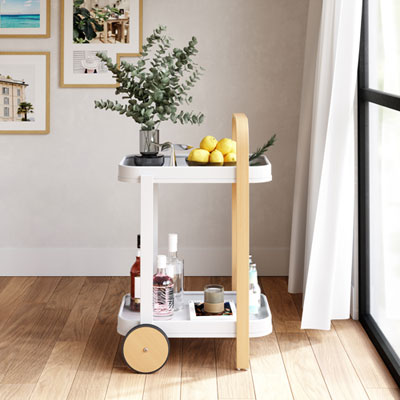 Your price for this item is $169.98
 -
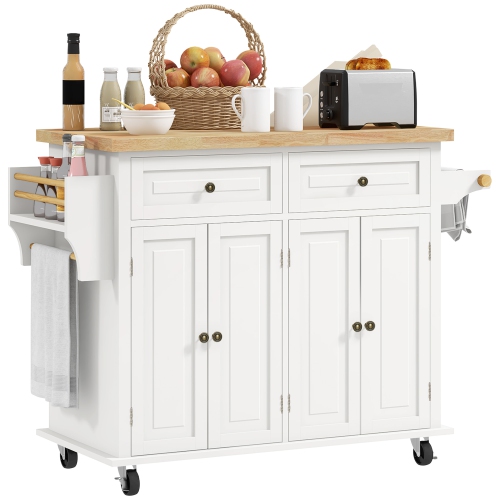 Your price for this item is $219.99
 -
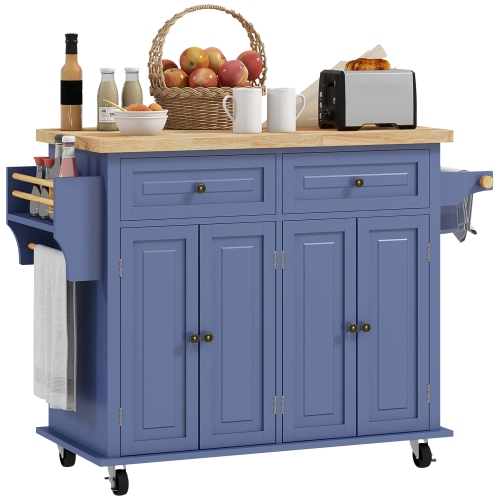 Your price for this item is $219.99
 -
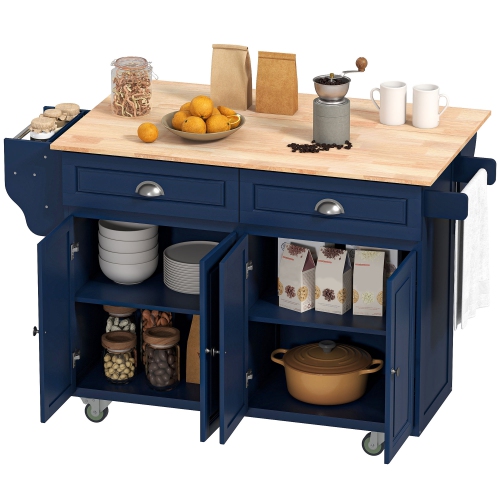 Your price for this item is $359.99
 -
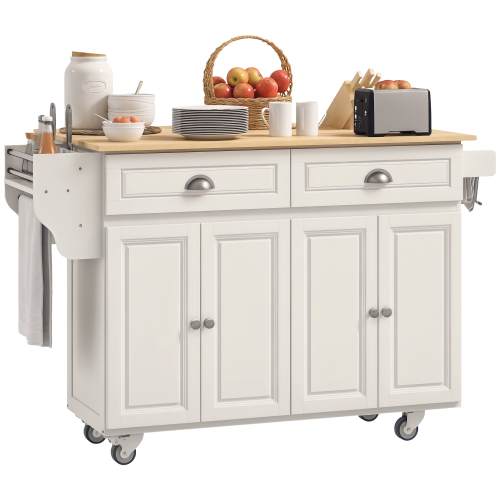 Your price for this item is $360.49
 -
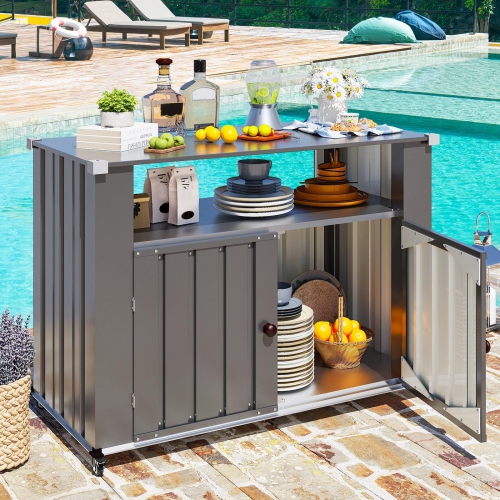 Your price for this item is $149.99
 -
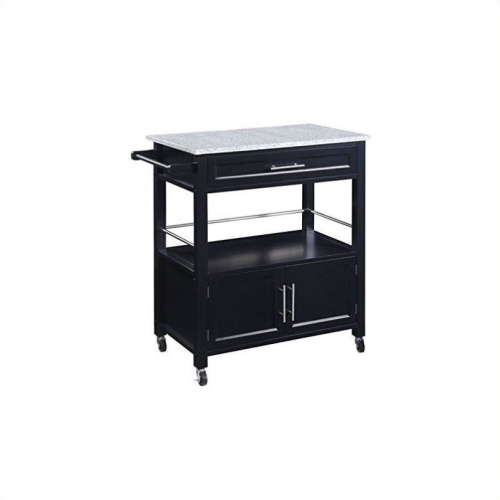 Your price for this item is $482.86
 -
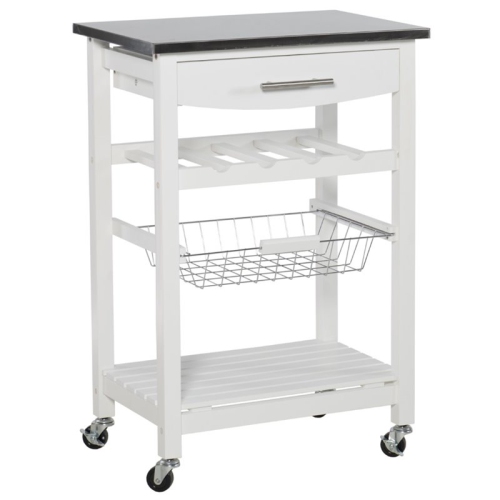 Your price for this item is $305.66
Discover more categories related to Small Kitchen Island
Top Collections:
Pokemon Centers, Kindle Devices, Best Budget Office Chairs, Apple iPhones 16, Best Laptops for Writers, iPhone 15 Apple, Canon G7X Cameras, Refurbished Apple Laptops, Alarm Clock, Motorola Razr Phones
Some products may be subject to Environmental Handling Fees
(EHF) depending on your province.
Learn more about EHFs.