Small Kitchen Sinks
Upgrade your kitchen with our selection of small kitchen sinks that are perfect for maximizing space without compromising on style or functionality. Whether you have a cozy apartment, a compact condo, or a tiny house, these small kitchen sinks are designed to fit seamlessly into your space while still offering ample room for your daily dishwashing needs. With various styles, materials, and configurations available, you can find the perfect small sink to suit your kitchen's aesthetic and practical requirements.
Sort
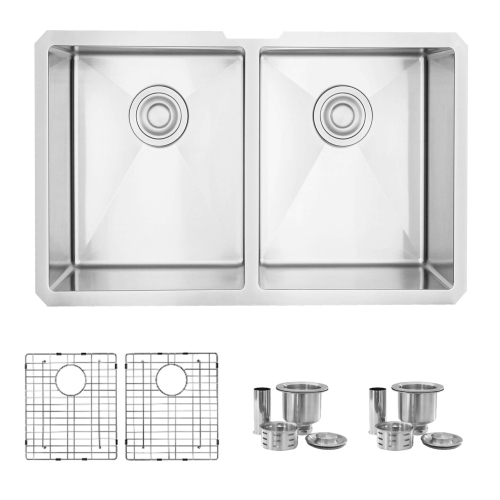
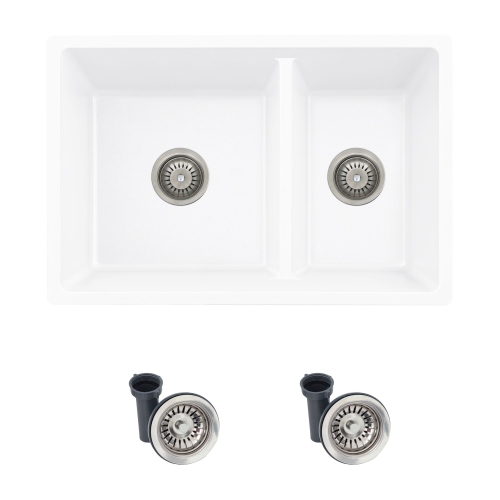
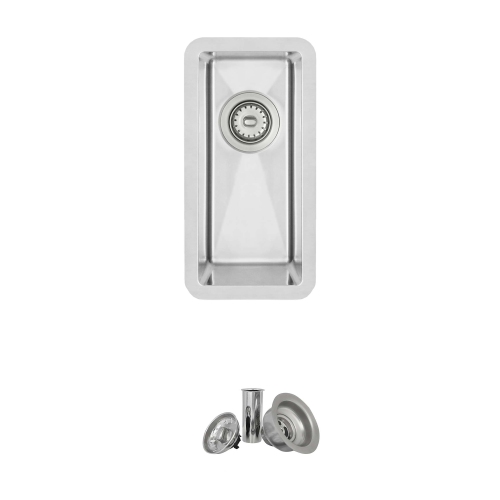
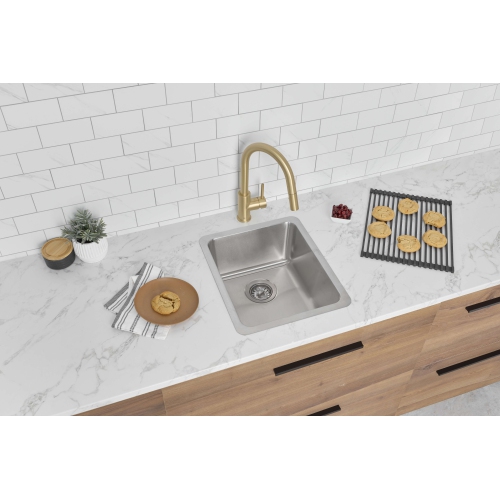
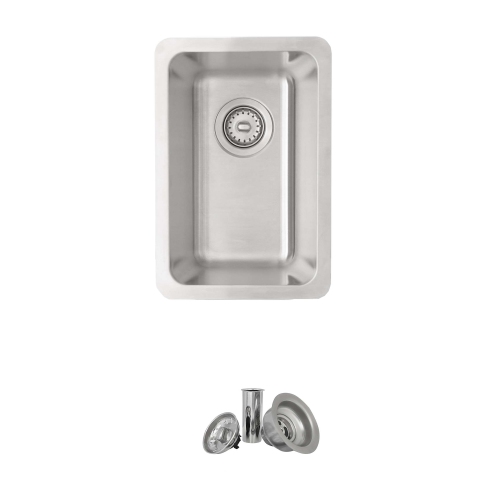
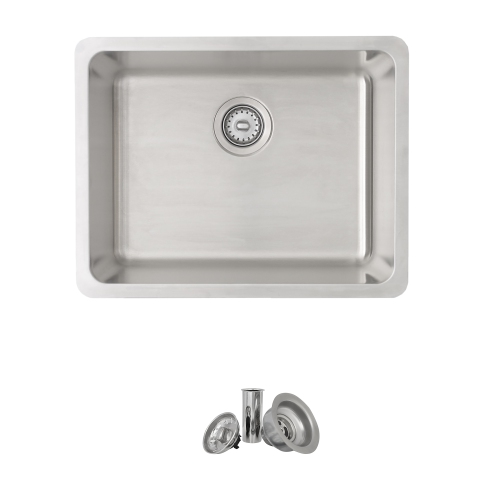
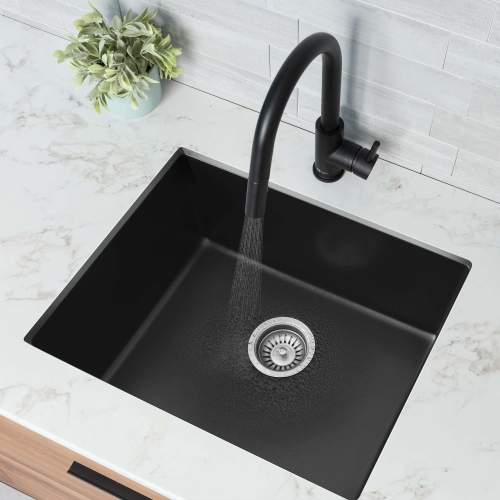
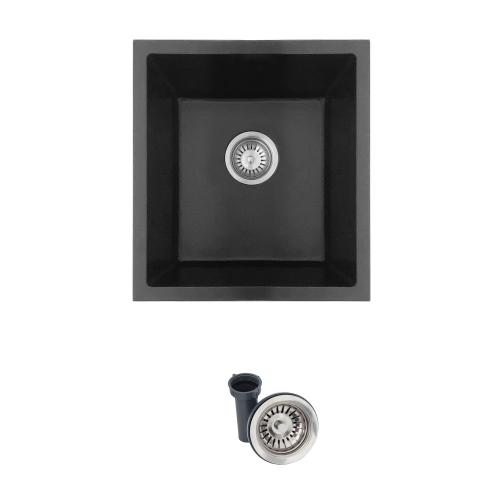
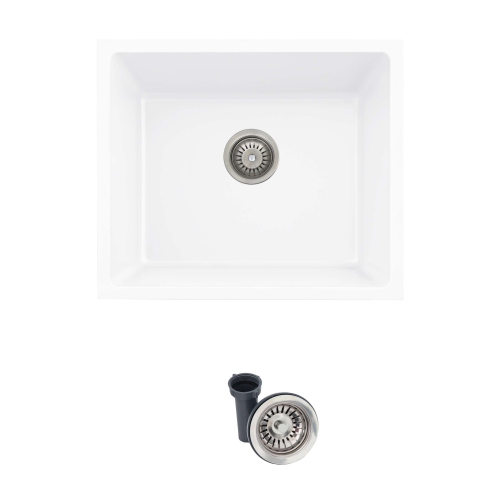
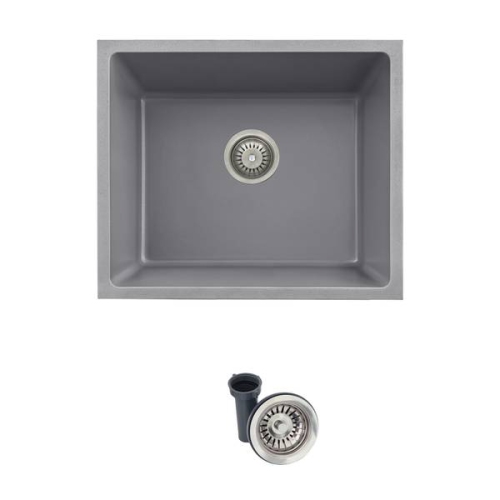
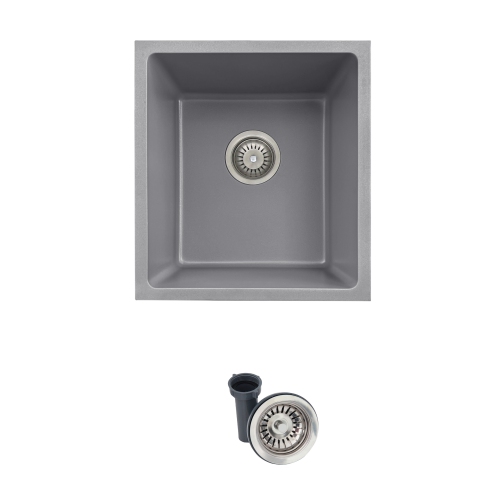
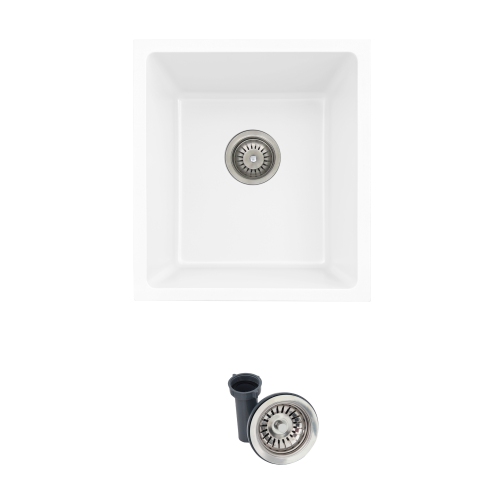
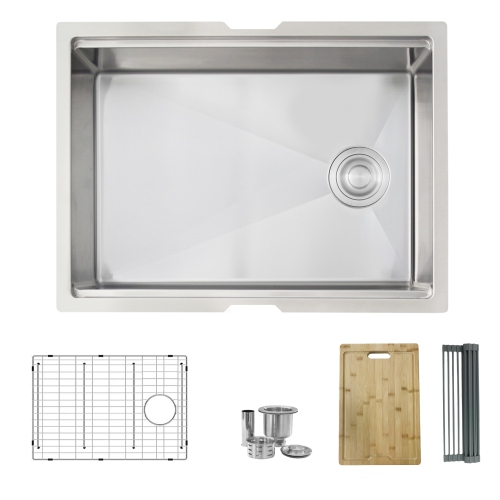
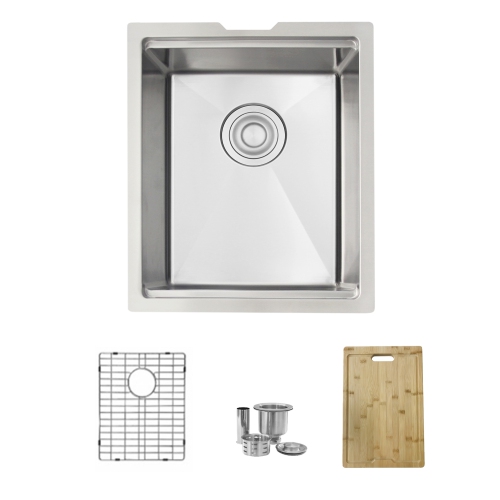
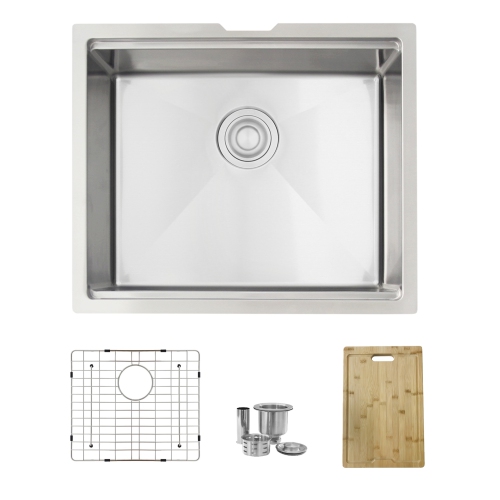
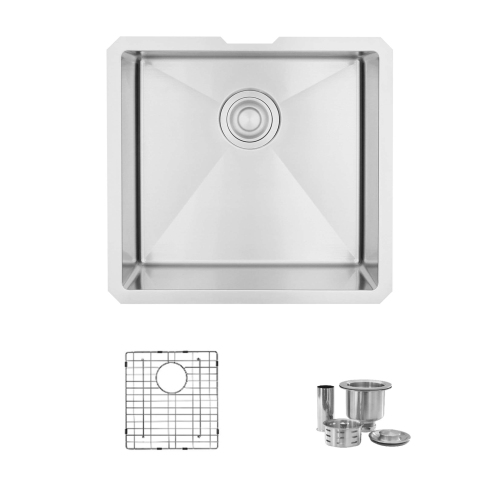
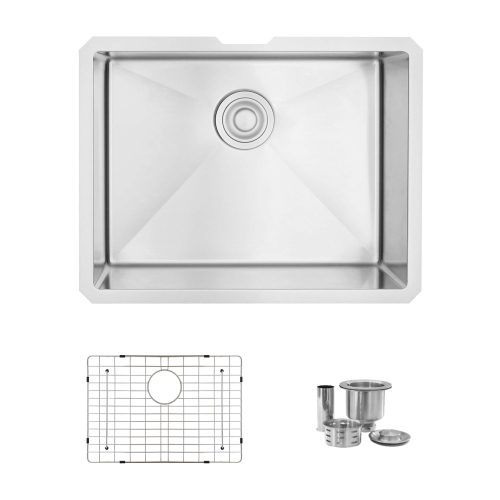
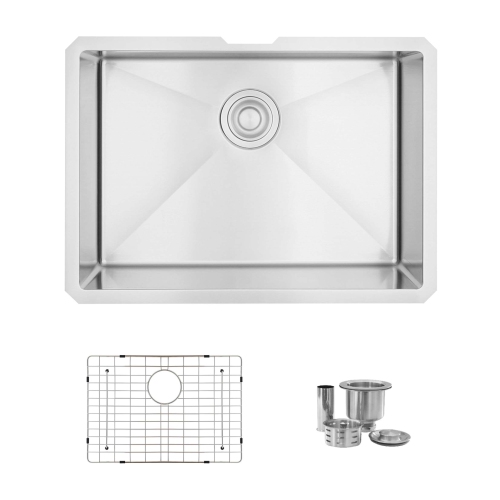
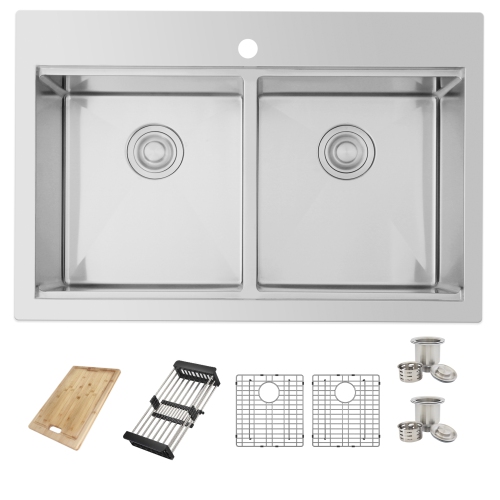
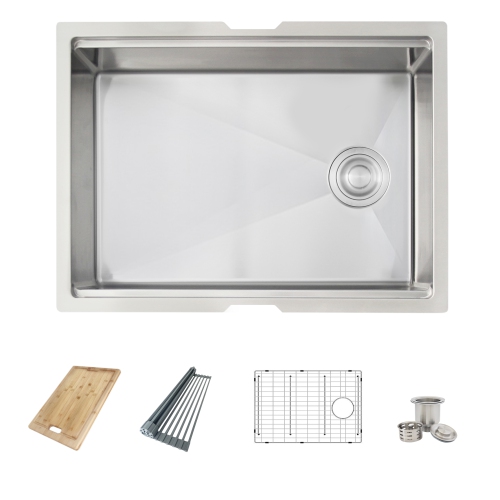
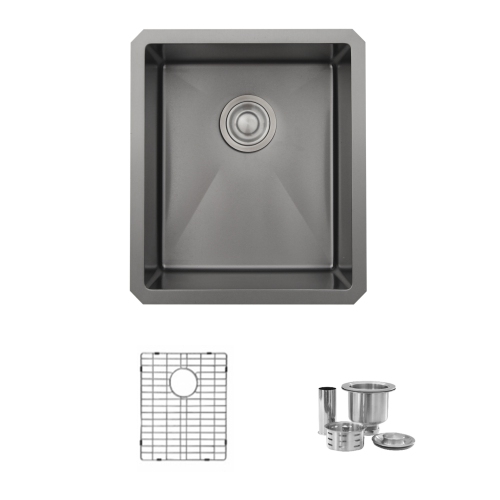
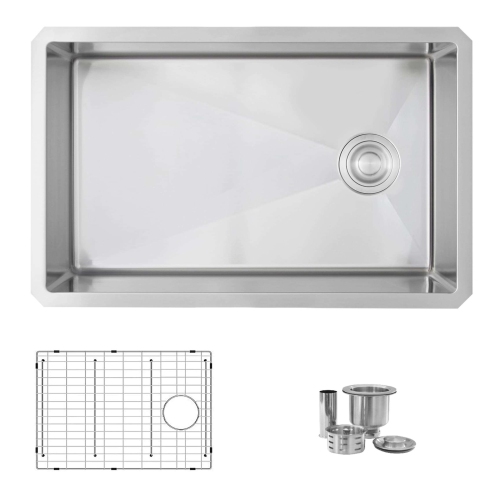
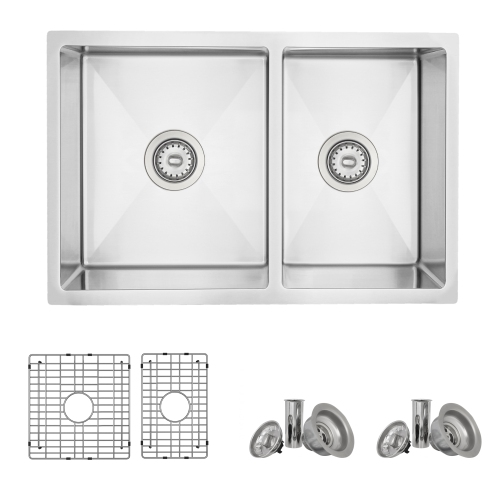
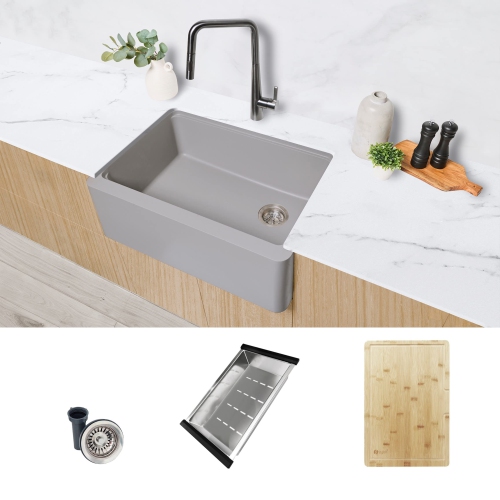
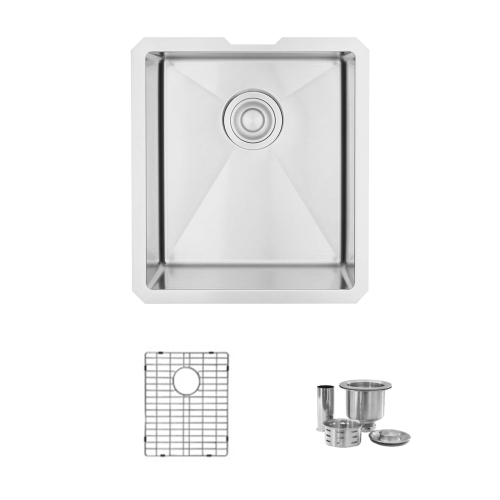
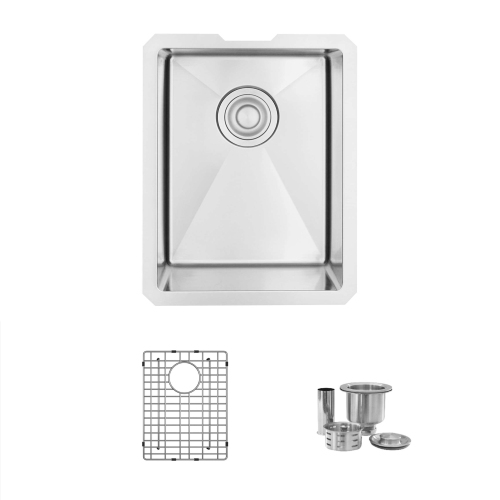
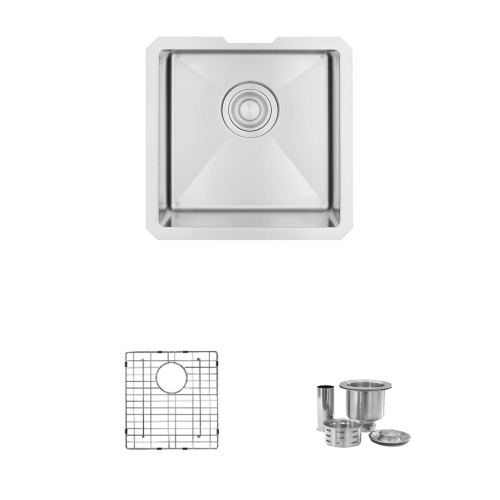
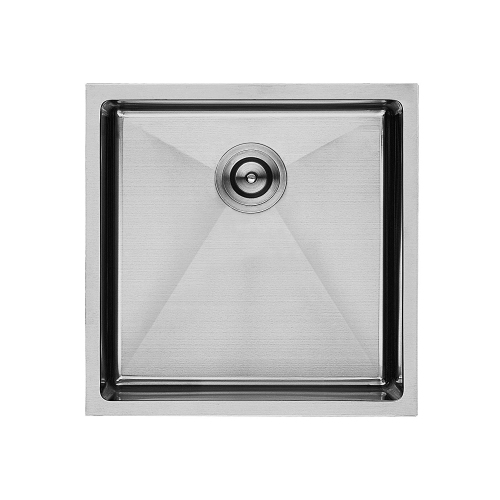

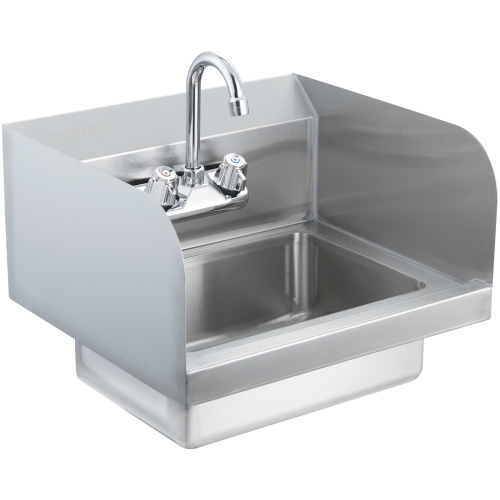
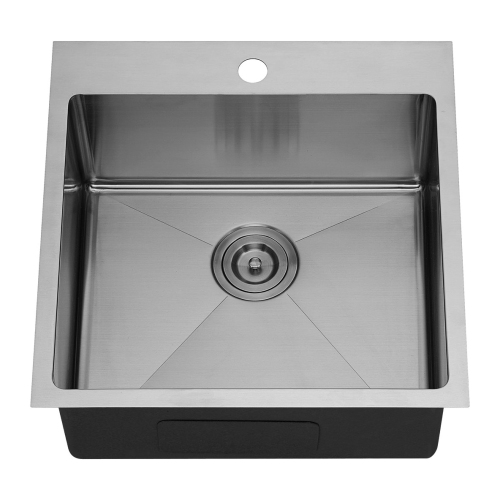
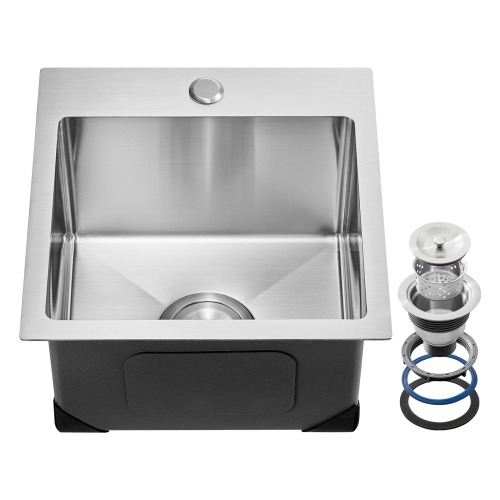
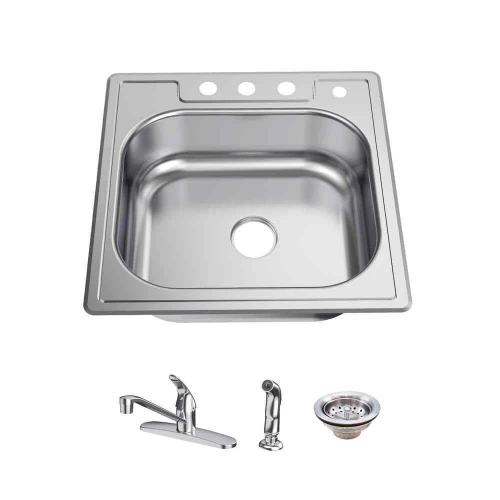
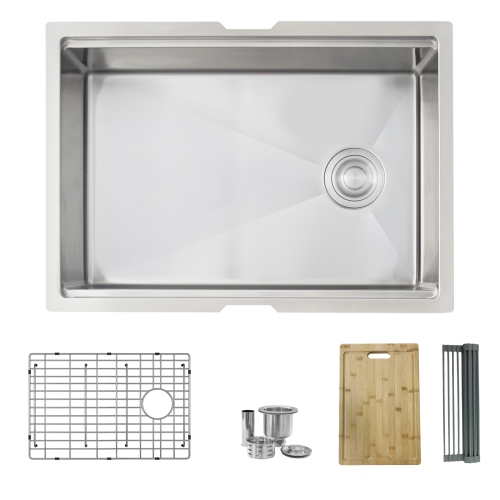
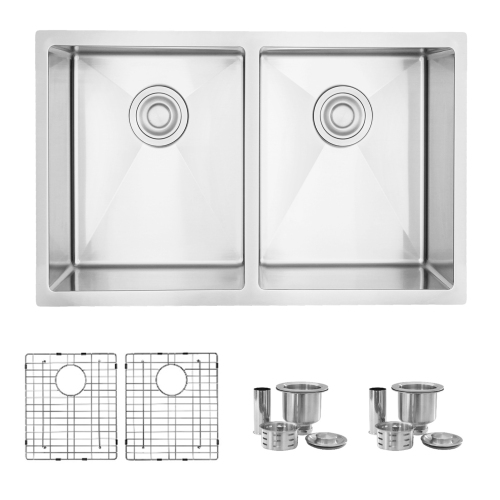
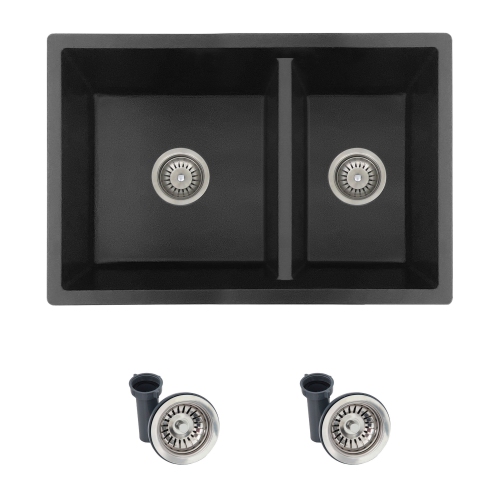
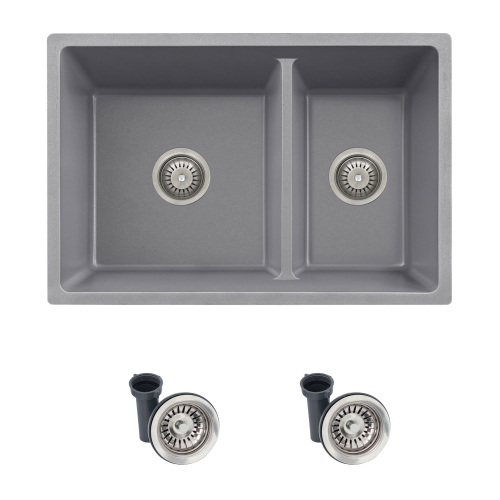
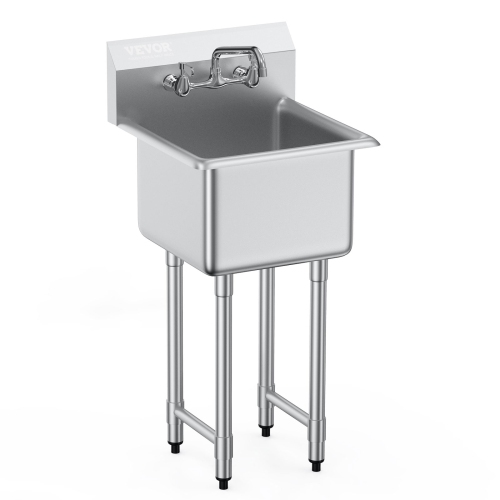
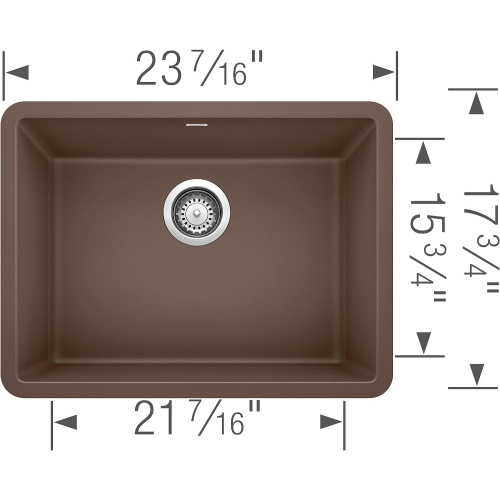
More counter space starts with a well-proportioned basin
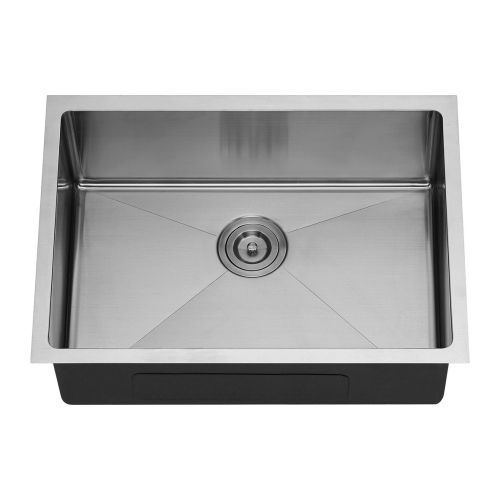
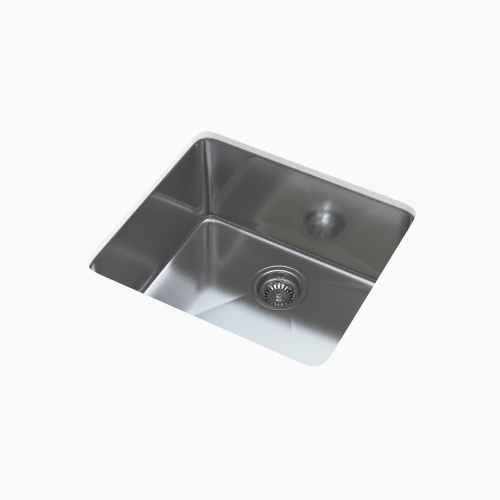
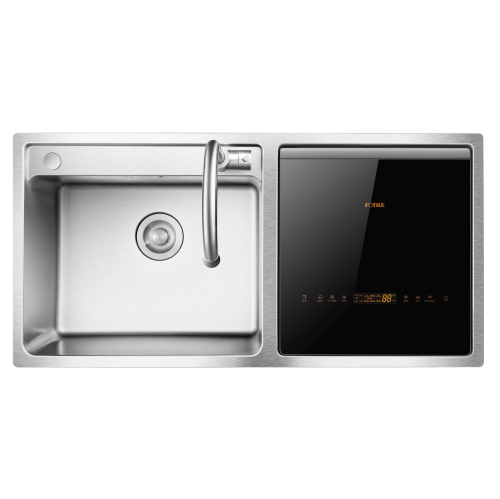
Small kitchen sinks bring everyday washing and food preparation into a compact footprint, leaving more counter space for chopping vegetables, setting down groceries, or keeping a coffee maker within reach. Many compact designs measure less than 30 inches across, although there is no universal size that defines a small sink. The most useful dimensions are the overall sink width, the interior bowl measurements, and the minimum cabinet size specified for installation. A sink’s outside dimensions include its rim or mounting edges, so two sinks with similar widths can offer noticeably different usable space inside. These details matter in condo kitchens, narrow galley layouts, basement suites, and smaller homes where every section of counter has a job to do. A compact sink can also serve as a dedicated prep basin on an island or a washing station in a kitchenette, provided its dimensions suit the tasks expected of it. Single-bowl layouts often make the best use of limited width because there is no divider taking up room needed for a saucepan, mixing bowl, or dinner plate. Compact double-bowl designs provide separation for washing and rinsing, but each basin may be too narrow for larger cookware. For a household that relies on a dishwasher, a modest single bowl may handle most remaining tasks comfortably. Frequent handwashing or cooking with large pots calls for closer attention to interior width and front-to-back depth. Bowl depth matters, too: a deeper basin can contain splashes and accommodate taller cookware, while a shallower basin may be more comfortable for someone who finds reaching down difficult. Within the broader range of Kitchen Sinks, compact formats are less about reducing usefulness than matching the basin to the room and the way it will be used. A well-proportioned small sink leaves enough working surface beside it without making routine cleanup feel cramped.
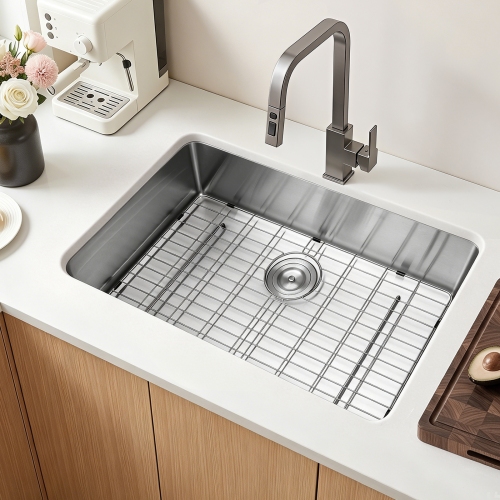
Material and mounting style shape both the appearance of a small kitchen sink and how it holds up to daily use. Stainless steel suits many compact kitchens because its neutral finish works with a wide range of appliances, cabinet colours, and countertop surfaces. It tolerates typical kitchen heat and everyday wear, though scratches and water marks can become visible over time. For stainless steel sinks, a lower gauge number generally indicates thicker steel; thickness is worth considering alongside the quality of the finish, construction, and sound-dampening treatment. Pads and coatings beneath the bowl can soften the noise of running water and clattering cutlery, which can be especially helpful in an open-plan condo where the kitchen sits close to a living or sleeping area. Granite composite offers a different look, often with a matte surface and colour carried through the material. Its performance depends on the formulation and finish, so resistance to staining, impact, and heat should be checked in the manufacturer’s specifications rather than assumed. Fireclay brings a glazed surface and substantial feel, but its weight may require additional cabinet support, and hard impacts can chip the glaze. Mounting options are equally important to the finished fit. Drop-in sinks sit within a countertop opening with a visible rim resting on the surface, making them a practical option for many replacement projects when the cutout matches. Undermount sinks attach beneath a compatible countertop, allowing crumbs and water to be wiped towards the bowl without crossing a raised rim. Their installation requires appropriate support, sealing, and a countertop material suitable for an exposed cutout edge. Dual-mount designs allow either method only where the sink’s specifications permit it. For any style, an existing opening cannot be judged by the visible sink alone: corner shape, mounting clearances, countertop thickness, and cabinet structure all affect compatibility. A compact footprint does not remove the need for sound installation, particularly with heavier materials or a counter that has already been cut.
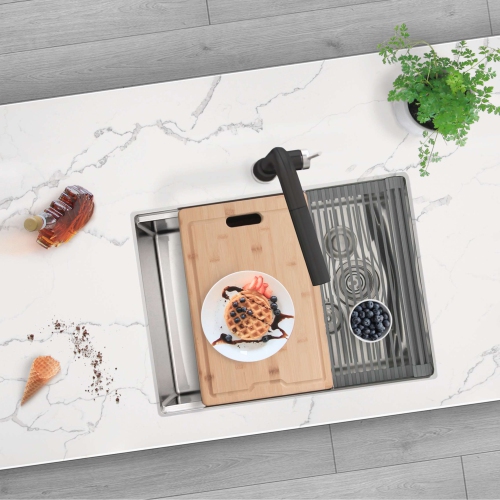
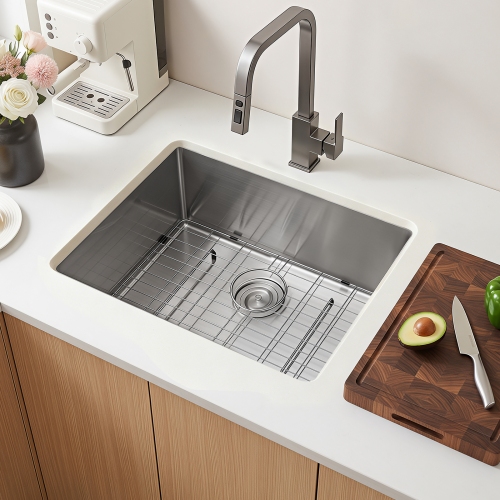
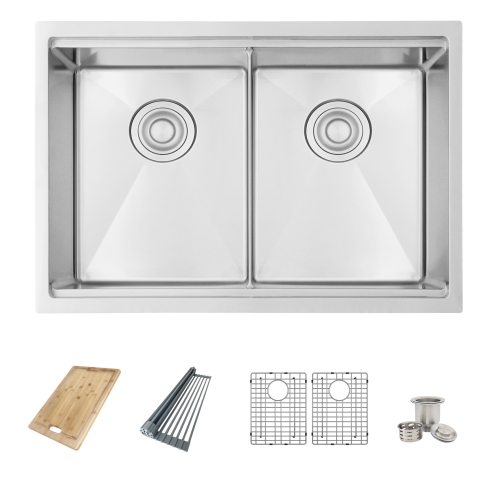
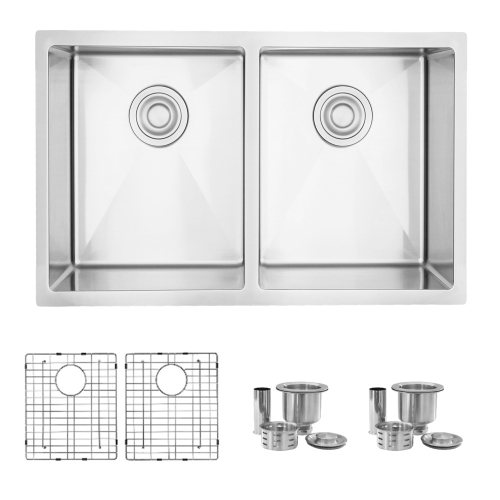
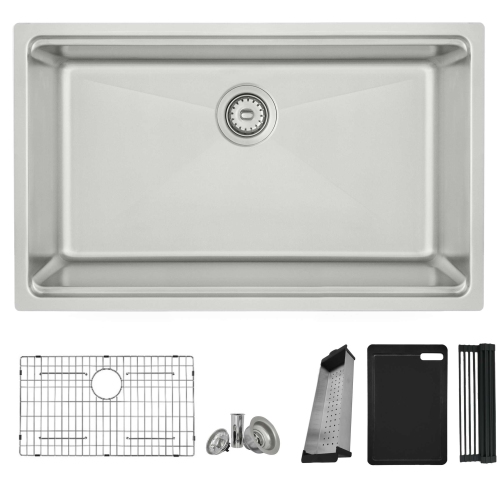
The details inside and around the bowl often determine how comfortable a compact kitchen sink feels after installation. Tight corners create a crisp, squared-off appearance and can leave more room across the basin floor, while rounded corners are generally easier to wipe clean. A sloped base helps direct water towards the drain, although effective drainage also depends on a level installation and correctly fitted plumbing. Drain placement can influence where a tall pot sits and how much usable storage remains in the cabinet below. The trap, supply lines, and any compatible food waste disposer need clearance, so a deeper bowl may reduce space that would otherwise hold cleaning supplies or a pull-out bin. Faucet placement deserves similar attention. A spout should reach into the bowl rather than send water against the rim, and the handle needs room to move without striking the backsplash. A tall faucet is not automatically a better match for a small sink; spout reach, water flow, and bowl depth together affect splashing. Models with faucet ledges need the appropriate number and spacing of holes, while other layouts rely on countertop or wall-mounted fittings. Accessories can make a compact washing area more versatile when they are designed to fit securely. A fitted cutting board, colander, or roll-up drying rack can temporarily extend the working surface, and a removable bottom grid can help keep cookware from rubbing directly against the basin. These pieces also need regular cleaning underneath and around their contact points. Day-to-day care is usually straightforward: mild dish soap, a soft cloth, thorough rinsing, and drying help control residue and visible mineral marks. Abrasive pads, harsh cleaners, and prolonged contact with unsuitable chemicals can damage finishes, so care directions should match the material. Stainless steel benefits from cleaning with the direction of its grain, while composite and glazed surfaces need products approved for their finish. With the right fit, comfortable bowl proportions, and manageable care requirements, a small kitchen sink can support a busy routine without taking over the counter.
Material and mounting style shape both the appearance of a small kitchen sink and how it holds up to daily use. Stainless steel suits many compact kitchens because its neutral finish works with a wide range of appliances, cabinet colours, and countertop surfaces. It tolerates typical kitchen heat and everyday wear, though scratches and water marks can become visible over time. For stainless steel sinks, a lower gauge number generally indicates thicker steel; thickness is worth considering alongside the quality of the finish, construction, and sound-dampening treatment. Pads and coatings beneath the bowl can soften the noise of running water and clattering cutlery, which can be especially helpful in an open-plan condo where the kitchen sits close to a living or sleeping area. Granite composite offers a different look, often with a matte surface and colour carried through the material. Its performance depends on the formulation and finish, so resistance to staining, impact, and heat should be checked in the manufacturer’s specifications rather than assumed. Fireclay brings a glazed surface and substantial feel, but its weight may require additional cabinet support, and hard impacts can chip the glaze. Mounting options are equally important to the finished fit. Drop-in sinks sit within a countertop opening with a visible rim resting on the surface, making them a practical option for many replacement projects when the cutout matches. Undermount sinks attach beneath a compatible countertop, allowing crumbs and water to be wiped towards the bowl without crossing a raised rim. Their installation requires appropriate support, sealing, and a countertop material suitable for an exposed cutout edge. Dual-mount designs allow either method only where the sink’s specifications permit it. For any style, an existing opening cannot be judged by the visible sink alone: corner shape, mounting clearances, countertop thickness, and cabinet structure all affect compatibility. A compact footprint does not remove the need for sound installation, particularly with heavier materials or a counter that has already been cut.
The details inside and around the bowl often determine how comfortable a compact kitchen sink feels after installation. Tight corners create a crisp, squared-off appearance and can leave more room across the basin floor, while rounded corners are generally easier to wipe clean. A sloped base helps direct water towards the drain, although effective drainage also depends on a level installation and correctly fitted plumbing. Drain placement can influence where a tall pot sits and how much usable storage remains in the cabinet below. The trap, supply lines, and any compatible food waste disposer need clearance, so a deeper bowl may reduce space that would otherwise hold cleaning supplies or a pull-out bin. Faucet placement deserves similar attention. A spout should reach into the bowl rather than send water against the rim, and the handle needs room to move without striking the backsplash. A tall faucet is not automatically a better match for a small sink; spout reach, water flow, and bowl depth together affect splashing. Models with faucet ledges need the appropriate number and spacing of holes, while other layouts rely on countertop or wall-mounted fittings. Accessories can make a compact washing area more versatile when they are designed to fit securely. A fitted cutting board, colander, or roll-up drying rack can temporarily extend the working surface, and a removable bottom grid can help keep cookware from rubbing directly against the basin. These pieces also need regular cleaning underneath and around their contact points. Day-to-day care is usually straightforward: mild dish soap, a soft cloth, thorough rinsing, and drying help control residue and visible mineral marks. Abrasive pads, harsh cleaners, and prolonged contact with unsuitable chemicals can damage finishes, so care directions should match the material. Stainless steel benefits from cleaning with the direction of its grain, while composite and glazed surfaces need products approved for their finish. With the right fit, comfortable bowl proportions, and manageable care requirements, a small kitchen sink can support a busy routine without taking over the counter.
Top selling and popular products
-
 Your price for this item is $69.95
 -
 Your price for this item is $130
 -
 Your price for this item is $150
 -
 Your price for this item is $150
 -
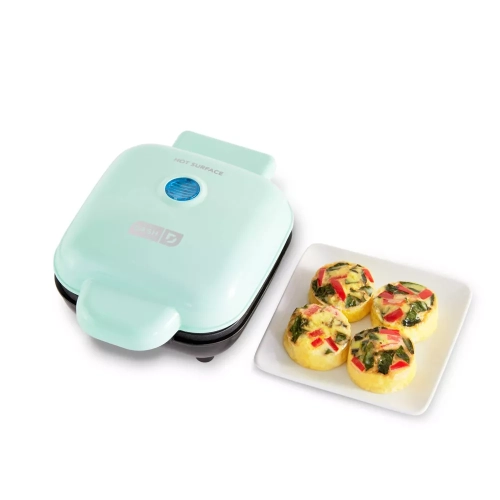 Your price for this item is $109.99
 -
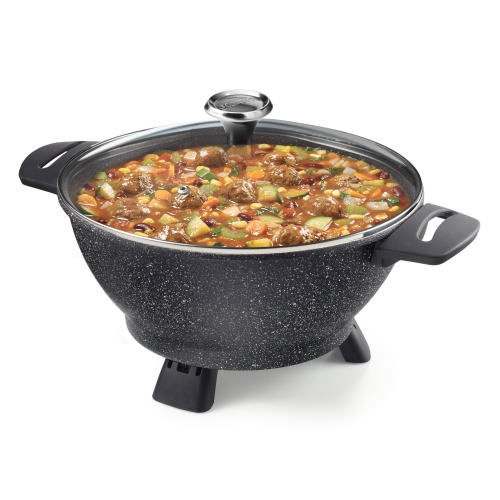 Your price for this item is $79.99
 -
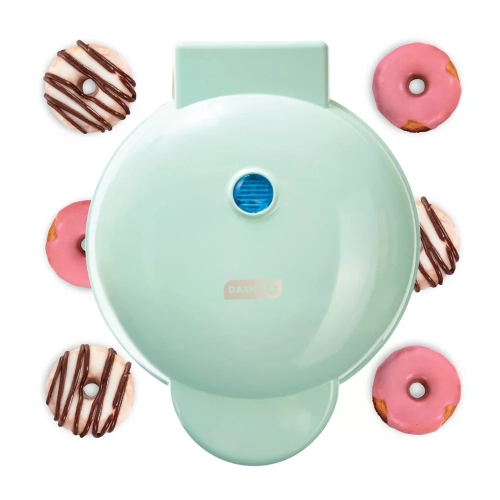 Your price for this item is $87.99
 -
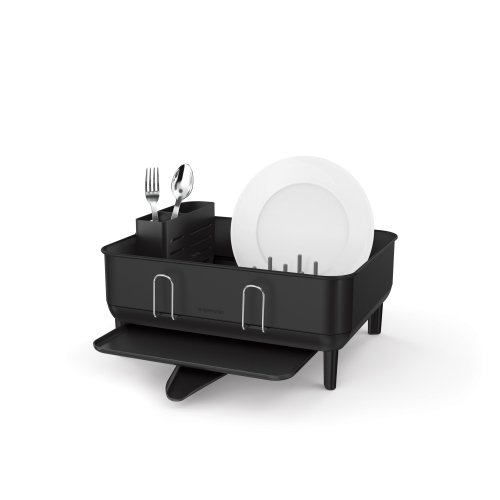 Your price for this item is $120
Discover more categories related to Small Kitchen Sinks
Top Collections:
Pokemon Centers, Kindle Devices, Best Budget Office Chairs, Apple iPhones 16, Best Laptops for Writers, iPhone 15 Apple, Canon G7X Cameras, Refurbished Apple Laptops, Alarm Clock, Motorola Razr Phones
Some products may be subject to Environmental Handling Fees
(EHF) depending on your province.
Learn more about EHFs.