Small Laptop Desks
A small laptop desk is the perfect solution for creating a comfortable and efficient workspace in any room. Whether you’re working from home, studying, or simply browsing online, these compact desks fit easily into tight spaces while offering practical support for your laptop and accessories. Explore a range of stylish and functional options designed to enhance productivity and help you make the most of your available space. Find the ideal small laptop desk to match your needs and complement your decor.
Sort
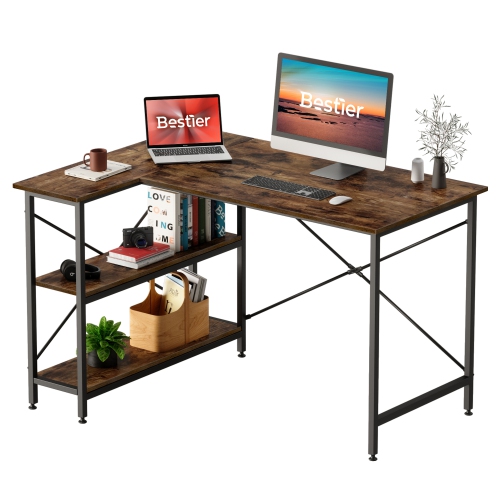
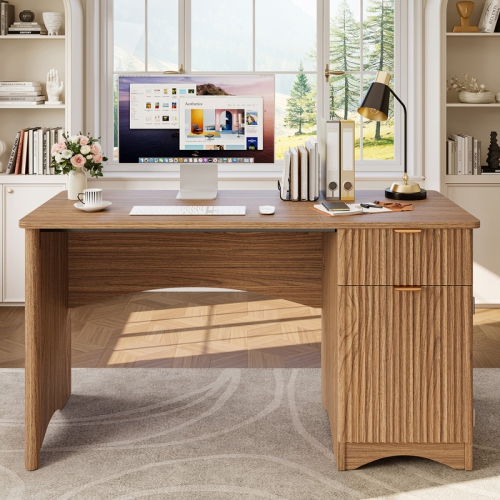
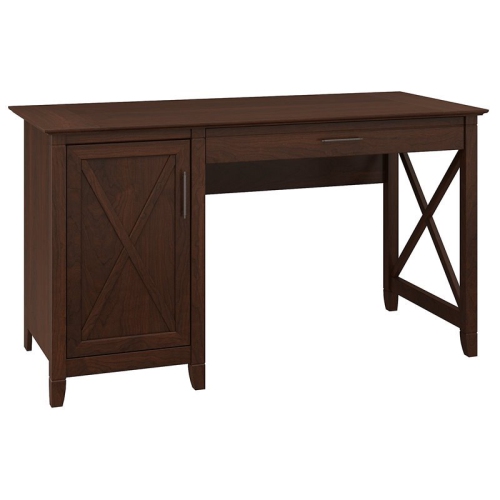
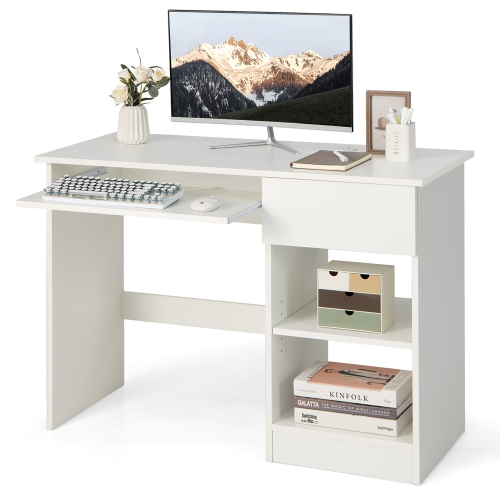
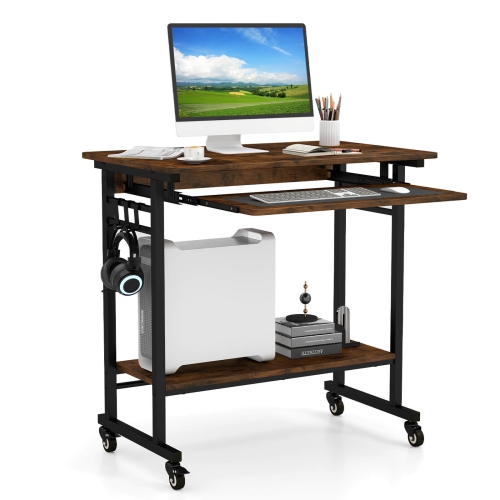
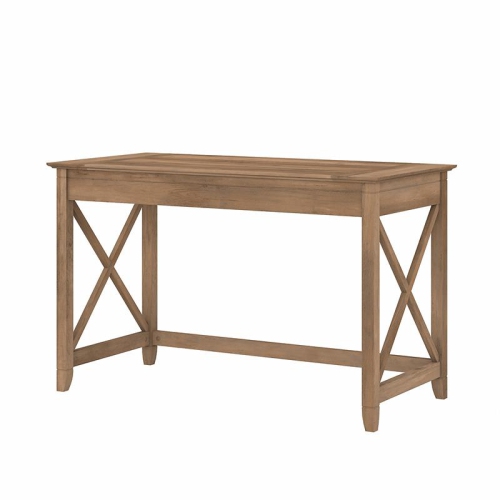
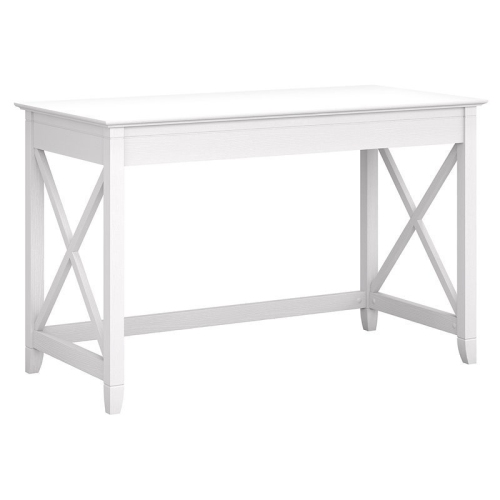
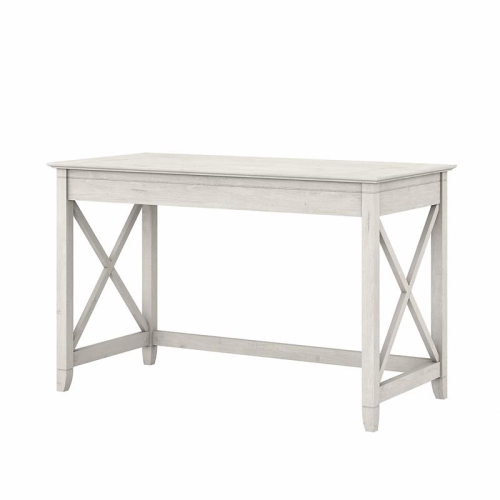
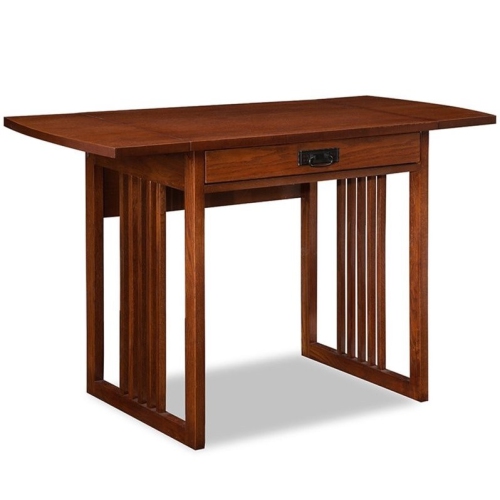

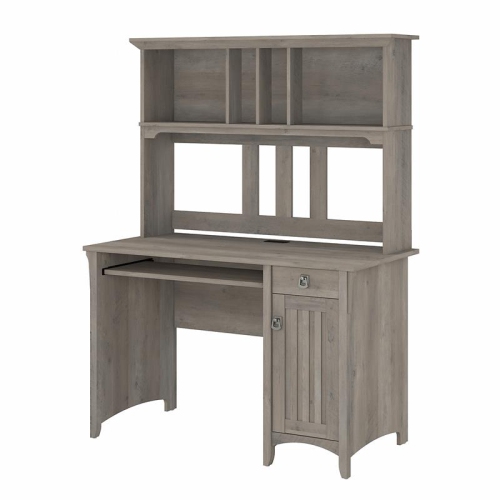
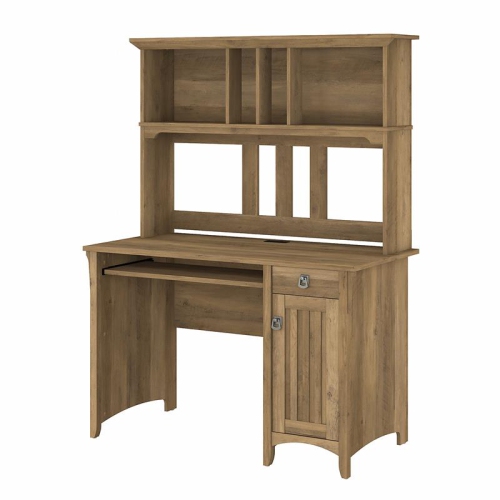
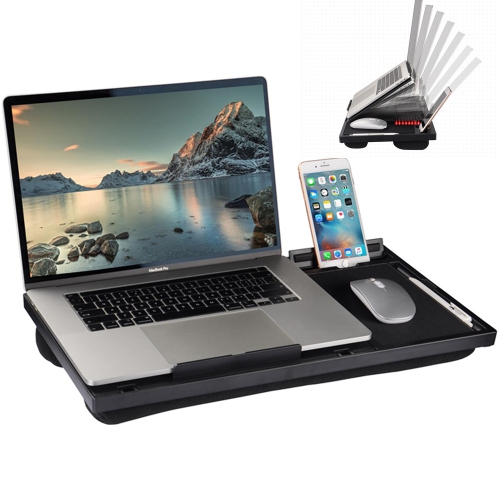
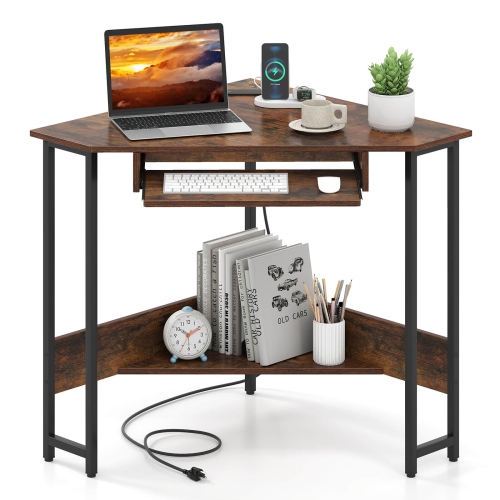
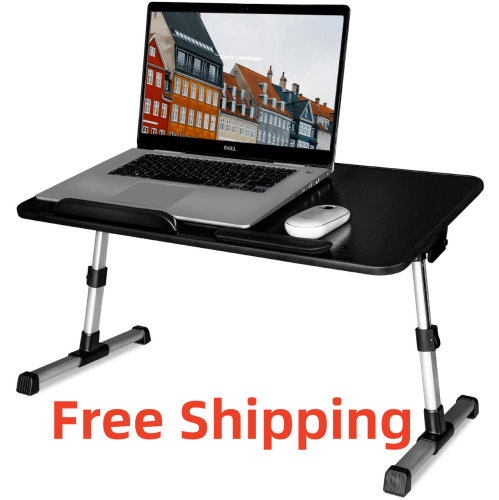
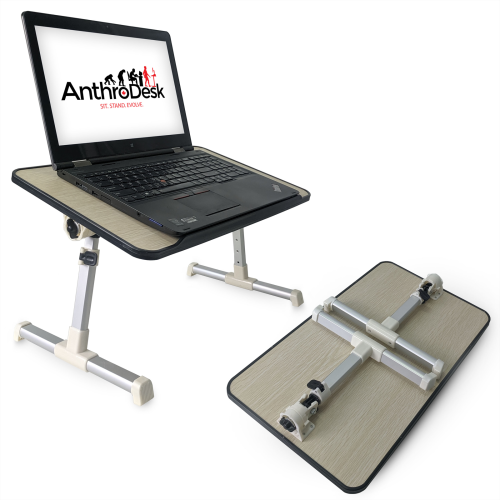
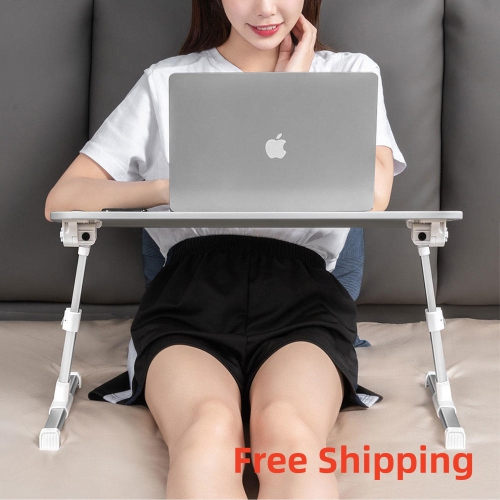
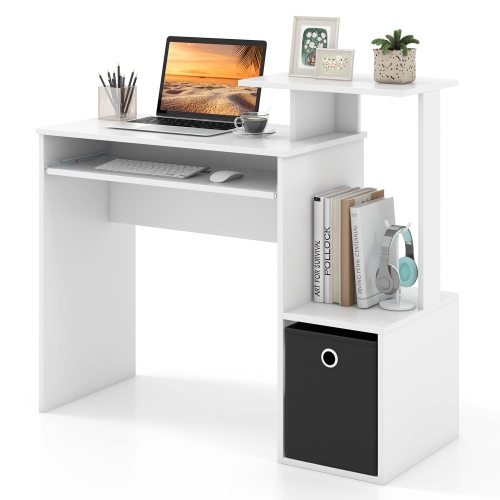
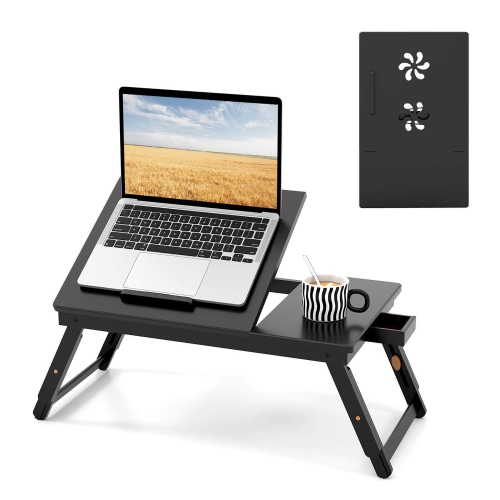
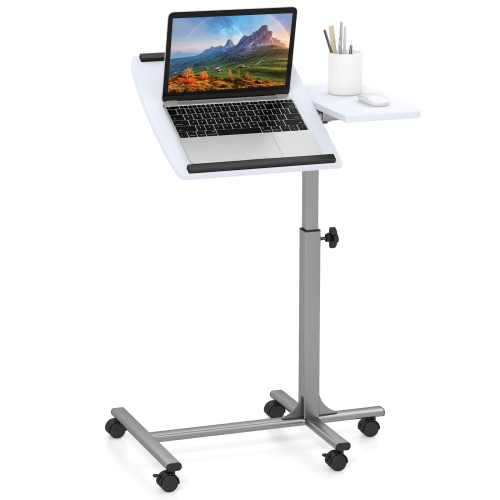
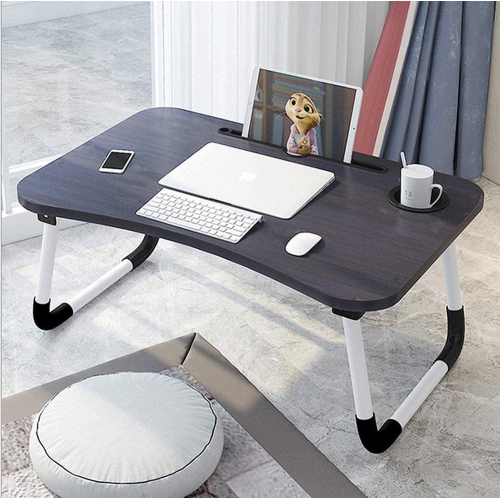
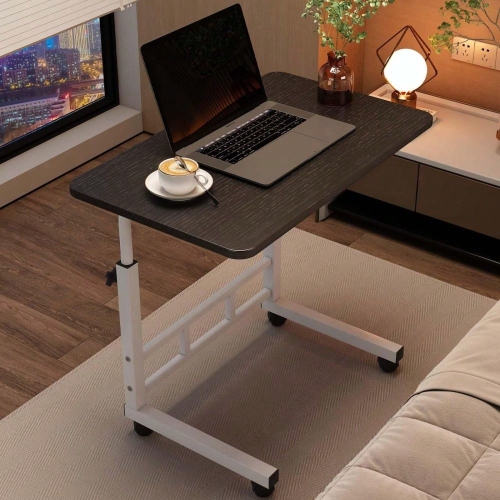
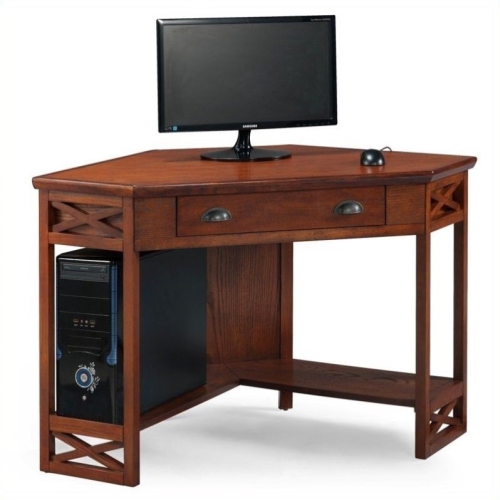
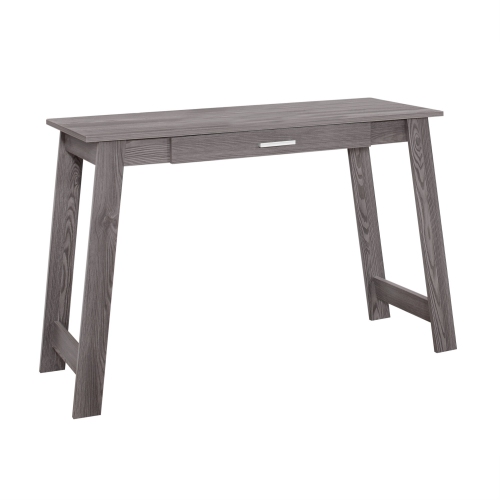
A dedicated laptop spot without a full-size workstation
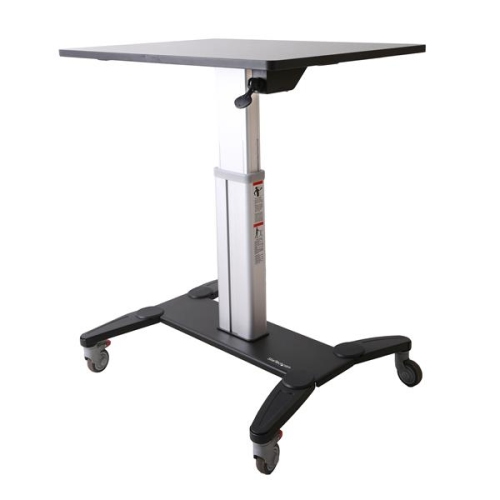
Small laptop desks create a dedicated place for a computer without taking up the floor space of a full-size workstation. They suit bedrooms, condos, student residences, and shared living areas where the same corner may serve several purposes throughout the day. The category includes compact freestanding desks, cushioned lap desks, folding trays, and mobile laptop carts, each with a different balance of portability, support, and usable surface area. A narrow stationary desk can give a student a regular spot for assignments, while a lightweight folding design can provide a temporary surface for checking messages or joining a video call. Cushioned lap desks combine a firm top with a padded underside that rests across the thighs, making them useful for shorter sessions on a sofa or armchair. Folding bed trays have legs that straddle the user’s lap and support the work surface on the mattress or another suitable surface; their stability depends partly on how firm and level that surface is. Mobile desks sit on casters and can move between rooms, with locking wheels on some designs to help keep them in position during use. A C-shaped base may slide beneath a sofa or bed so the top reaches closer to the seated user, provided there is enough clearance underneath the furniture. Small-footprint stationary tables offer a simpler alternative when moving or folding the desk is less important than keeping a consistent place to work. For a closely related selection of compact surfaces, Small Laptop Tables can also suit spaces where a traditional desk feels too large. These formats are useful for remote workers who need an occasional alternate setup, students managing limited room space, and people who use a laptop for household paperwork, browsing, or creative hobbies. They can also make practical gifts for someone setting up a study corner or moving into a smaller home, especially when the recipient’s laptop dimensions and preferred seating are known.
The fit of a small laptop desk involves more than whether the computer sits on top. Laptop screen measurements describe the diagonal of the display, not the width and depth of the entire device, so the computer’s actual footprint is the more useful reference. A surface that holds the laptop neatly may leave little room for a mouse, notebook, or external keyboard. For someone who regularly compares documents or takes handwritten notes during calls, a slightly wider top can make a noticeable difference without requiring a large desk. Depth matters when the screen is open, particularly if cables connect at the back or the laptop needs space behind it for ventilation. The desk’s overall measurements also include its legs, feet, and base, which can extend beyond the top and affect how it fits beside a chair or in a narrow passage. Under-desk space should accommodate knees and feet without forcing the user to sit sideways or perch on the edge of a seat. For a sofa-side design, the height of the armrest and the gap beneath the sofa help determine whether the desk can pull close enough for comfortable typing. Adjustable-height models offer flexibility for different seats, though not every adjustable desk has the range needed for standing use. Tilt-adjustable tops can improve the viewing angle for reading, but a steep incline may be less comfortable for typing and can cause loose objects to slide. A retaining ledge helps support the laptop on an angled surface, while its position and height affect how it feels against the wrists. For longer work sessions, relaxed shoulders, supported feet, and a screen position that limits prolonged downward viewing become especially important. Raising a laptop on a suitable support and using a separate keyboard and mouse can help, but the desk must have enough space and weight capacity for that arrangement. Compact desks work best when their size matches the full task, whether that means a brief online appointment or an afternoon of focused writing.
Materials and construction shape how a small laptop desk feels in daily use and how well it handles repeated moving, folding, and cleaning. Solid wood offers visible grain and a substantial feel, although its weight can make frequent carrying less convenient. Engineered wood with a laminate or other protective finish can provide a smooth, easy-to-wipe work surface; careful handling around edges and joints helps limit damage from bumps and moisture. Metal frames can support a slim profile, with stability depending on the frame design, connections, and base as well as the material itself. Plastic components can reduce weight on portable designs, while padded lap desks may use foam or bead-filled cushions to conform to the user’s legs. Cushion coverings differ in texture and cleaning requirements, and removable covers are only washable when the care label permits it. A smooth desktop gives a computer a firm resting place, though a separate mouse pad may be useful on glossy or textured finishes. Rounded corners can be more comfortable where a desk sits close to the body, and well-finished edges matter on surfaces that are frequently lifted or carried. For folding desks, secure leg locks and straightforward hinges help with regular setup and storage. On rolling designs, caster size and floor compatibility affect movement across rugs, hard flooring, and doorway thresholds; wheel locks should be engaged before use where provided. Weight limits apply to the supported load, so a compact laptop surface should not be treated as a seat or a support for getting up. Everyday care usually involves removing dust with a soft cloth, wiping spills promptly, and following the manufacturer’s directions for the finish rather than using abrasive cleaners. Hinges, adjustment knobs, and fasteners may need periodic checks, particularly when the desk is moved often. Keeping laptop vents unobstructed, routing charging cables away from wheels and walkways, and storing folded desks securely all contribute to a tidier setup. A well-matched small laptop desk gives everyday tasks a reliable home while leaving room for the rest of daily life.
The fit of a small laptop desk involves more than whether the computer sits on top. Laptop screen measurements describe the diagonal of the display, not the width and depth of the entire device, so the computer’s actual footprint is the more useful reference. A surface that holds the laptop neatly may leave little room for a mouse, notebook, or external keyboard. For someone who regularly compares documents or takes handwritten notes during calls, a slightly wider top can make a noticeable difference without requiring a large desk. Depth matters when the screen is open, particularly if cables connect at the back or the laptop needs space behind it for ventilation. The desk’s overall measurements also include its legs, feet, and base, which can extend beyond the top and affect how it fits beside a chair or in a narrow passage. Under-desk space should accommodate knees and feet without forcing the user to sit sideways or perch on the edge of a seat. For a sofa-side design, the height of the armrest and the gap beneath the sofa help determine whether the desk can pull close enough for comfortable typing. Adjustable-height models offer flexibility for different seats, though not every adjustable desk has the range needed for standing use. Tilt-adjustable tops can improve the viewing angle for reading, but a steep incline may be less comfortable for typing and can cause loose objects to slide. A retaining ledge helps support the laptop on an angled surface, while its position and height affect how it feels against the wrists. For longer work sessions, relaxed shoulders, supported feet, and a screen position that limits prolonged downward viewing become especially important. Raising a laptop on a suitable support and using a separate keyboard and mouse can help, but the desk must have enough space and weight capacity for that arrangement. Compact desks work best when their size matches the full task, whether that means a brief online appointment or an afternoon of focused writing.
Materials and construction shape how a small laptop desk feels in daily use and how well it handles repeated moving, folding, and cleaning. Solid wood offers visible grain and a substantial feel, although its weight can make frequent carrying less convenient. Engineered wood with a laminate or other protective finish can provide a smooth, easy-to-wipe work surface; careful handling around edges and joints helps limit damage from bumps and moisture. Metal frames can support a slim profile, with stability depending on the frame design, connections, and base as well as the material itself. Plastic components can reduce weight on portable designs, while padded lap desks may use foam or bead-filled cushions to conform to the user’s legs. Cushion coverings differ in texture and cleaning requirements, and removable covers are only washable when the care label permits it. A smooth desktop gives a computer a firm resting place, though a separate mouse pad may be useful on glossy or textured finishes. Rounded corners can be more comfortable where a desk sits close to the body, and well-finished edges matter on surfaces that are frequently lifted or carried. For folding desks, secure leg locks and straightforward hinges help with regular setup and storage. On rolling designs, caster size and floor compatibility affect movement across rugs, hard flooring, and doorway thresholds; wheel locks should be engaged before use where provided. Weight limits apply to the supported load, so a compact laptop surface should not be treated as a seat or a support for getting up. Everyday care usually involves removing dust with a soft cloth, wiping spills promptly, and following the manufacturer’s directions for the finish rather than using abrasive cleaners. Hinges, adjustment knobs, and fasteners may need periodic checks, particularly when the desk is moved often. Keeping laptop vents unobstructed, routing charging cables away from wheels and walkways, and storing folded desks securely all contribute to a tidier setup. A well-matched small laptop desk gives everyday tasks a reliable home while leaving room for the rest of daily life.
Top selling and popular products
-
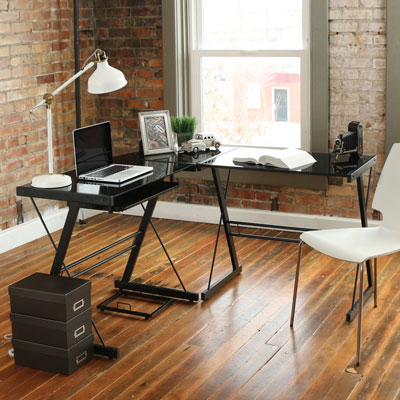 Your price for this item is $304.99
 -
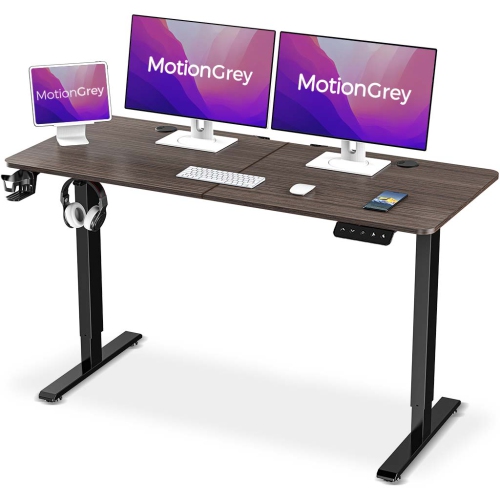 Your price for this item is $93.99
 -
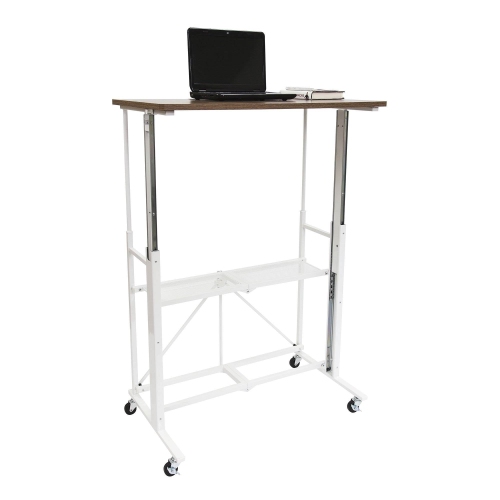 Your price for this item is $248.99
 -
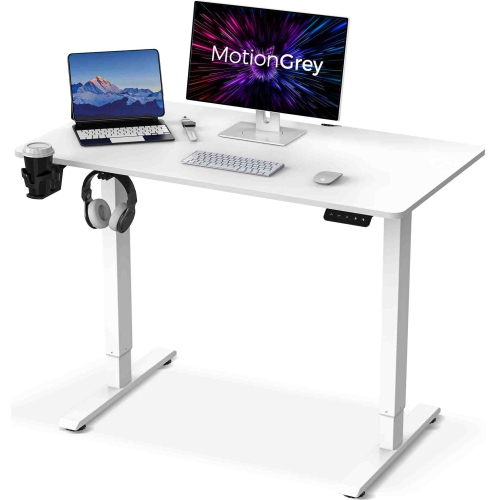 Your price for this item is $83.99
 -
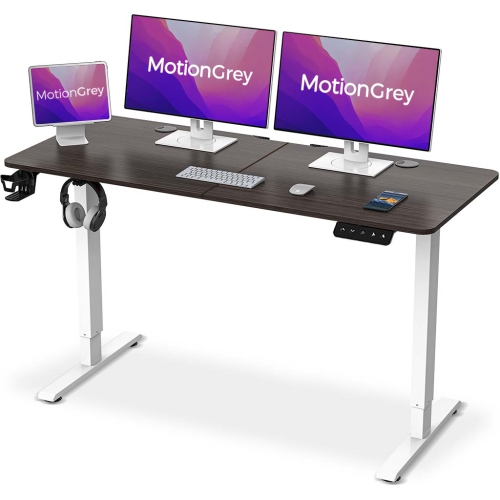 Your price for this item is $108.99
 -
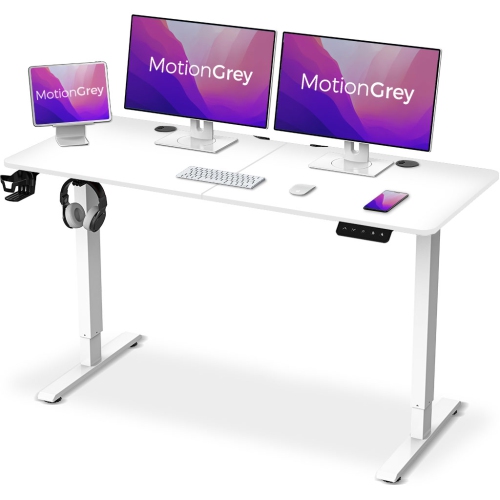 Your price for this item is $94.99
 -
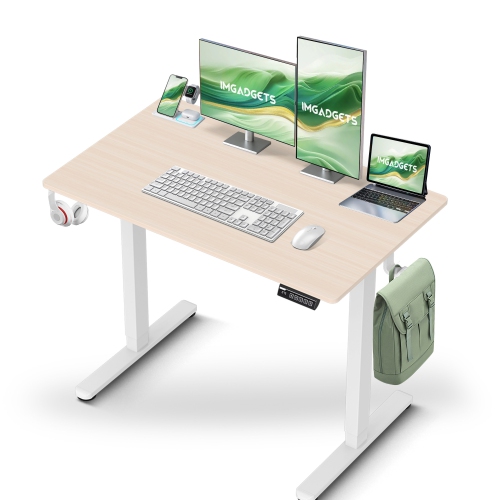 Your price for this item is $74.97
 -
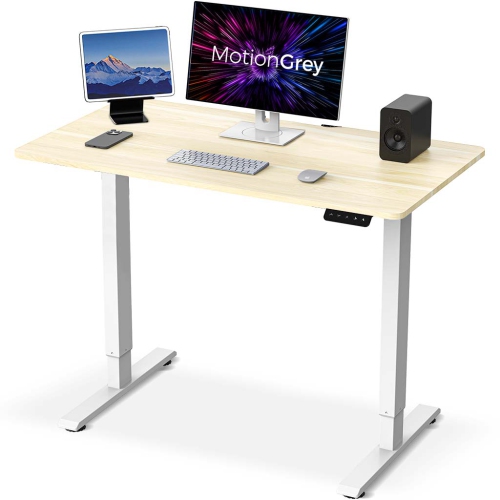 Your price for this item is $83.95
Discover more categories related to Small Laptop Desks
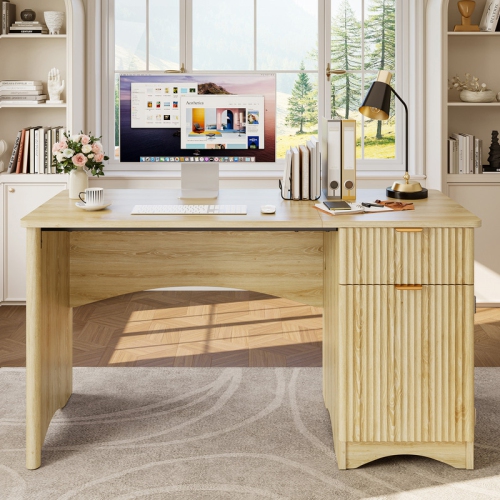
Top Collections:
Pokemon Centers, Kindle Devices, Best Budget Office Chairs, Apple iPhones 16, Best Laptops for Writers, iPhone 15 Apple, Canon G7X Cameras, Refurbished Apple Laptops, Alarm Clock, Motorola Razr Phones
Some products may be subject to Environmental Handling Fees
(EHF) depending on your province.
Learn more about EHFs.