Smart Lawn Mowers
Maintaining a lush and well-manicured lawn just got smarter with these smart lawn mowers. These innovative machines combine cutting-edge technology with the convenience of automation, making lawn care a breeze. Say goodbye to the hassle of pushing heavy mowers or dealing with messy gas and oil. These smart lawn mowers are designed to effortlessly navigate your yard, ensuring precise cuts and even coverage every time. Whether you have a small urban garden or a sprawling suburban oasis, these intelligent mowers will revolutionize the way you take care of your lawn.
Sort
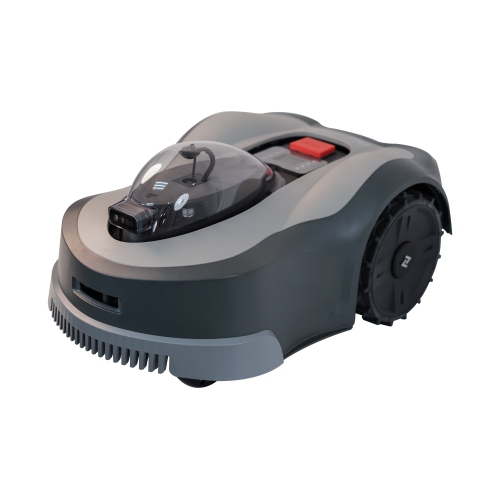
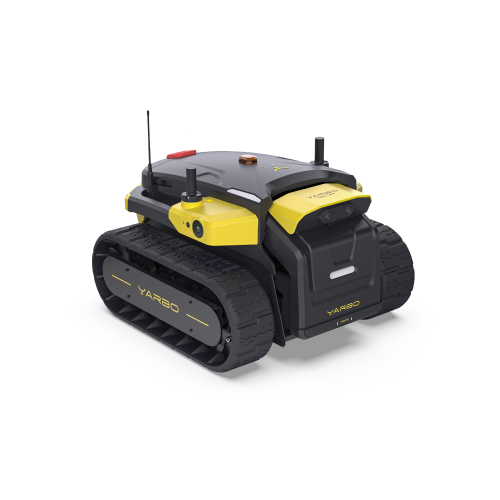
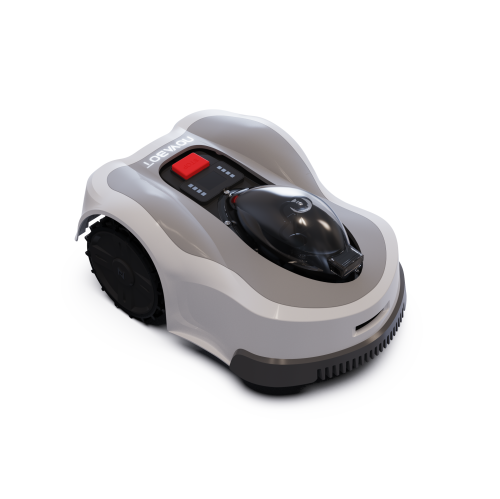
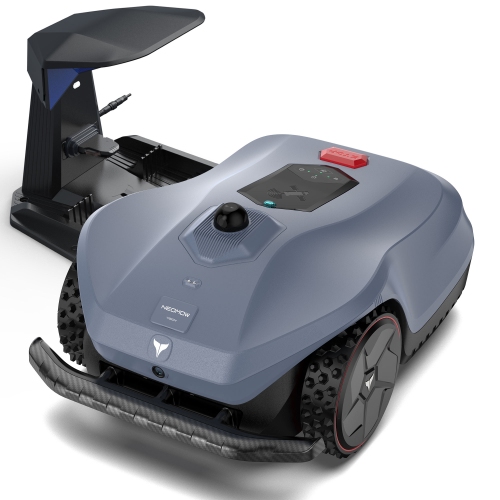
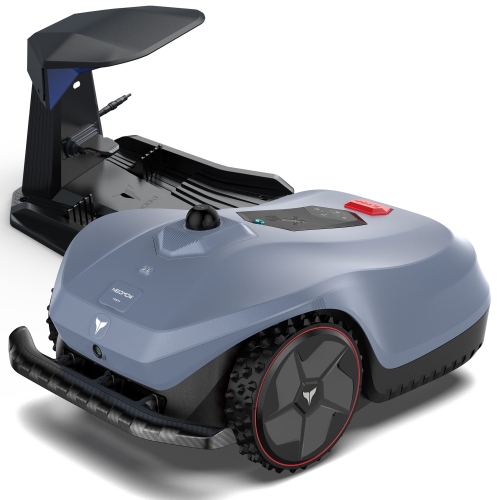
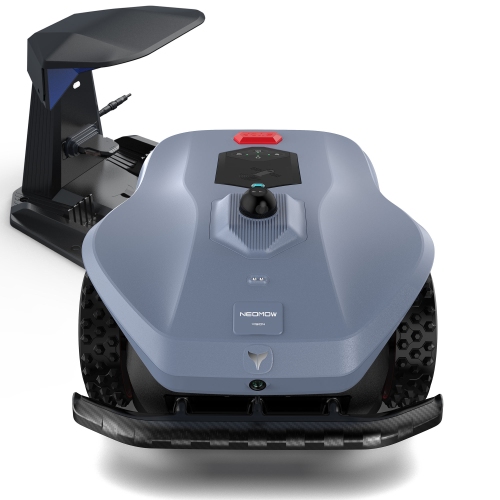
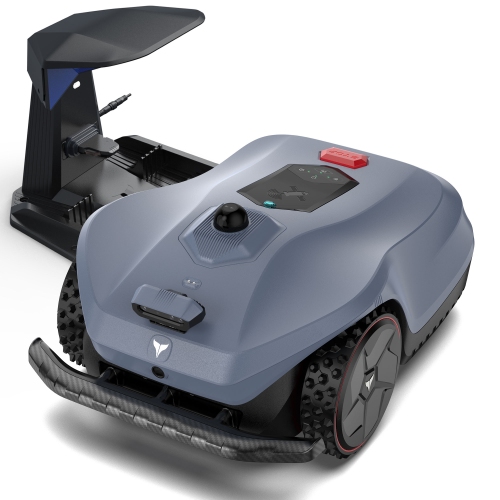
Automated mowing works best when it suits your yard
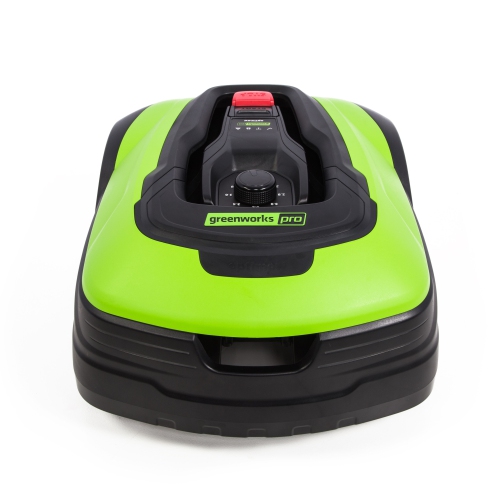
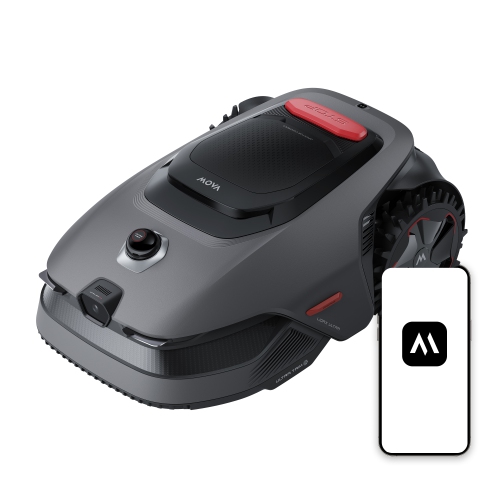
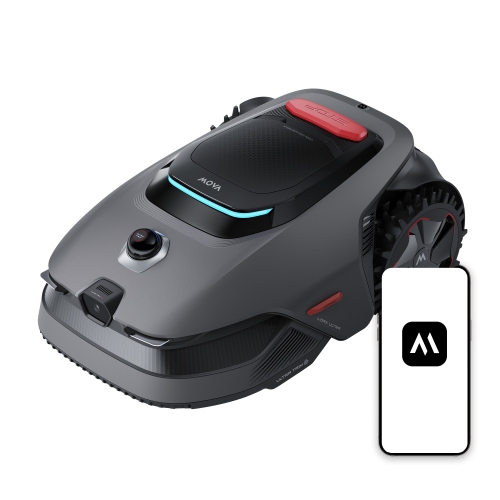
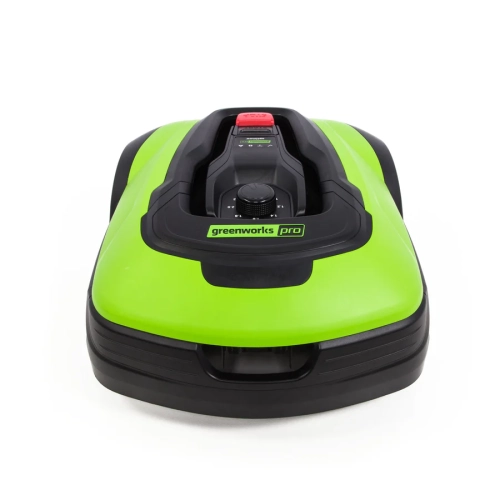
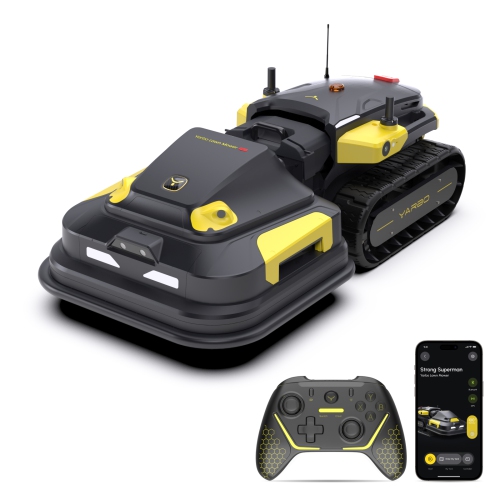
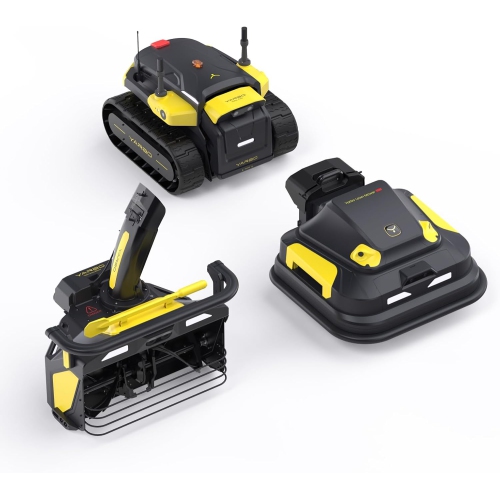
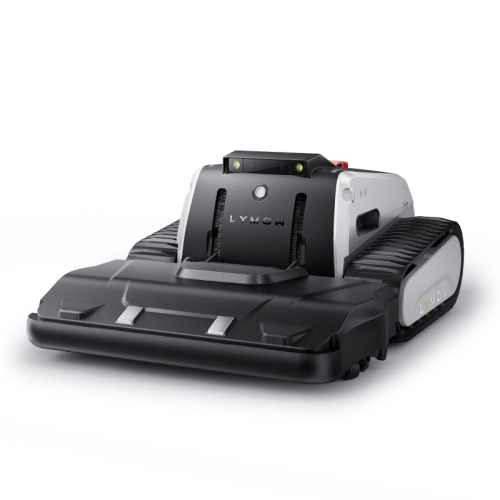
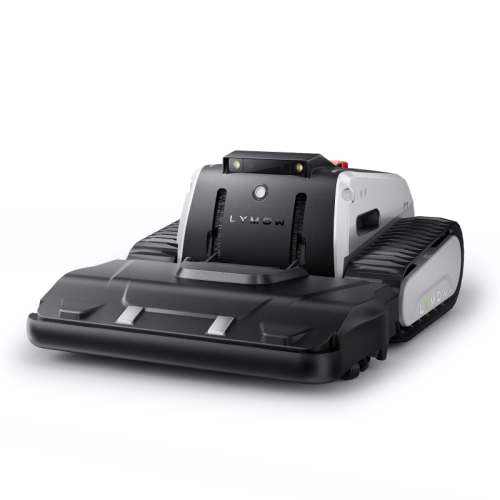
Smart lawn mowers bring automated cutting, connected controls, and programmable routines to home lawn care. Most are battery-powered robotic mowers that work within a defined area, trim grass on a schedule, and return to a charging station when their battery needs replenishing. Their appeal is straightforward: a maintained lawn with less time spent pushing a mower around garden beds, trees, and patio edges. Smart features vary, however, and app connectivity alone does not mean a mower can navigate independently or operate without boundary wires. Some robotic lawn mowers follow a physical wire installed around the lawn, while wire-free designs may use satellite positioning, cameras, LiDAR, or a combination of navigation technologies. RTK, or real-time kinematic positioning, improves satellite positioning accuracy through correction data; LiDAR measures distances using laser light to help map nearby structures and obstacles. These systems serve different purposes, and their performance depends on the installation and the layout of the property. A broad, open lawn presents different navigation demands from a narrow side yard bordered by tall fences and overhanging branches. Many smart mowers also offer app-based scheduling, progress updates, and designated mowing zones, allowing a front lawn and a back lawn to have different routines when the mower supports that arrangement. Remote cutting-height adjustment, voice control, and smart home integration are additional features on some designs, rather than standard capabilities across the category. For households balancing work, family activities, and regular yard maintenance, automation can reduce the hands-on effort of routine mowing without removing the need for lawn preparation and occasional trimming. Smart robotic models are part of the wider range of Electric Lawn Mowers, which also includes manually operated corded and cordless designs. The distinction matters: an electric motor describes the power source, while smart controls and autonomous navigation describe how the mower is operated and how much of the mowing task it can perform independently.
The fit between a smart mower and a property comes down to more than the total size of the yard. Rated mowing coverage usually refers to the area of grass the machine can maintain under specified operating conditions, not the entire lot, including the house, driveway, and planting beds. A lawn split into several sections, with tight corners and a narrow passage beside a shed, can take more planning than one uninterrupted rectangle of turf. Multi-zone mapping is useful for separate mowing areas, but the machine still needs a suitable route between them; some disconnected sections require manual transport. Gate openings, paving transitions, exposed roots, and the space around the charging station all affect practical use. Slope capability deserves equally close attention. Manufacturers may express maximum incline as a percentage or in degrees, and those measurements are not interchangeable. Traction, wheel design, ground clearance, and any separate limits for slopes near boundaries help determine whether a mower suits a sloping yard. Uneven ground and slippery grass can make a route more demanding than its incline alone suggests. Cutting width and adjustable cutting height also influence the match: a wider deck can cover open space efficiently, while a compact body may be better suited to confined areas, subject to the mower’s clearance requirements. Many robotic mowers are intended for frequent, light cuts that leave fine clippings on the lawn, rather than collecting grass in a bag. They are generally better suited to maintaining grass within the supported height range than tackling an overgrown patch after a long period without mowing. Even with edge-cutting features, a strip beside a wall, raised border, or fence may still need a separate trimmer. Connectivity adds another layer of fit. Depending on the design, setup and remote functions may rely on Bluetooth, Wi-Fi, cellular service, or a reference station. Coverage at the charging location and throughout relevant parts of the yard matters, particularly when the lawn extends well beyond the house.
Durability and ease of care are important because a robotic mower spends its working life close to grass clippings, dust, moisture, and uneven surfaces. Common construction details include moulded polymer housings, steel cutting blades, and treaded wheels, but materials alone do not establish how well a mower will withstand a particular yard. Housing design, wheel grip, replaceable wear parts, and the manufacturer’s cleaning requirements all contribute to long-term usability. A weather-resistant body is not necessarily suitable for cleaning with a hose or pressure washer; the stated water-resistance rating and care instructions determine the appropriate method. Blades need inspection and replacement as directed, since dull or damaged cutting edges can leave ragged grass tips rather than a clean finish. Wheels, the underside of the mower, and charging contacts also need regular attention to prevent accumulated debris from affecting movement or charging. Before any cleaning or blade work, the machine needs to be stopped and made safe according to its instructions. Battery runtime and charging time shape how a mower maintains its assigned area, while battery service options matter over a longer ownership period. During periods when the lawn is not actively growing, mowing schedules may need to be reduced or paused; winter storage and battery care should follow the specified temperature and charging requirements. Safety features such as lift sensors, tilt sensors, stop controls, and obstacle detection add useful safeguards, but they do not replace a clear mowing area. Toys, hoses, fallen branches, and small objects should be removed, and children and pets should be kept away during operation. Camera-based object recognition and other detection systems have limits, especially with small, low, or partly hidden obstacles. For someone who finds pushing a mower physically demanding, automated mowing may reduce that particular task, although installation, lifting, blade care, and troubleshooting can still require assistance. As a household gift, a smart mower is most practical when the recipient’s lawn layout and preferences are already understood. The strongest match is a machine whose navigation, cutting capacity, controls, and maintenance needs suit the property and the people caring for it.
The fit between a smart mower and a property comes down to more than the total size of the yard. Rated mowing coverage usually refers to the area of grass the machine can maintain under specified operating conditions, not the entire lot, including the house, driveway, and planting beds. A lawn split into several sections, with tight corners and a narrow passage beside a shed, can take more planning than one uninterrupted rectangle of turf. Multi-zone mapping is useful for separate mowing areas, but the machine still needs a suitable route between them; some disconnected sections require manual transport. Gate openings, paving transitions, exposed roots, and the space around the charging station all affect practical use. Slope capability deserves equally close attention. Manufacturers may express maximum incline as a percentage or in degrees, and those measurements are not interchangeable. Traction, wheel design, ground clearance, and any separate limits for slopes near boundaries help determine whether a mower suits a sloping yard. Uneven ground and slippery grass can make a route more demanding than its incline alone suggests. Cutting width and adjustable cutting height also influence the match: a wider deck can cover open space efficiently, while a compact body may be better suited to confined areas, subject to the mower’s clearance requirements. Many robotic mowers are intended for frequent, light cuts that leave fine clippings on the lawn, rather than collecting grass in a bag. They are generally better suited to maintaining grass within the supported height range than tackling an overgrown patch after a long period without mowing. Even with edge-cutting features, a strip beside a wall, raised border, or fence may still need a separate trimmer. Connectivity adds another layer of fit. Depending on the design, setup and remote functions may rely on Bluetooth, Wi-Fi, cellular service, or a reference station. Coverage at the charging location and throughout relevant parts of the yard matters, particularly when the lawn extends well beyond the house.
Durability and ease of care are important because a robotic mower spends its working life close to grass clippings, dust, moisture, and uneven surfaces. Common construction details include moulded polymer housings, steel cutting blades, and treaded wheels, but materials alone do not establish how well a mower will withstand a particular yard. Housing design, wheel grip, replaceable wear parts, and the manufacturer’s cleaning requirements all contribute to long-term usability. A weather-resistant body is not necessarily suitable for cleaning with a hose or pressure washer; the stated water-resistance rating and care instructions determine the appropriate method. Blades need inspection and replacement as directed, since dull or damaged cutting edges can leave ragged grass tips rather than a clean finish. Wheels, the underside of the mower, and charging contacts also need regular attention to prevent accumulated debris from affecting movement or charging. Before any cleaning or blade work, the machine needs to be stopped and made safe according to its instructions. Battery runtime and charging time shape how a mower maintains its assigned area, while battery service options matter over a longer ownership period. During periods when the lawn is not actively growing, mowing schedules may need to be reduced or paused; winter storage and battery care should follow the specified temperature and charging requirements. Safety features such as lift sensors, tilt sensors, stop controls, and obstacle detection add useful safeguards, but they do not replace a clear mowing area. Toys, hoses, fallen branches, and small objects should be removed, and children and pets should be kept away during operation. Camera-based object recognition and other detection systems have limits, especially with small, low, or partly hidden obstacles. For someone who finds pushing a mower physically demanding, automated mowing may reduce that particular task, although installation, lifting, blade care, and troubleshooting can still require assistance. As a household gift, a smart mower is most practical when the recipient’s lawn layout and preferences are already understood. The strongest match is a machine whose navigation, cutting capacity, controls, and maintenance needs suit the property and the people caring for it.
Top selling and popular products
-
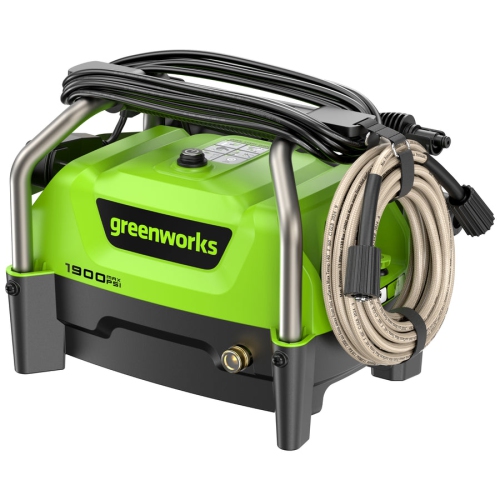 Your price for this item is $169.99
 -
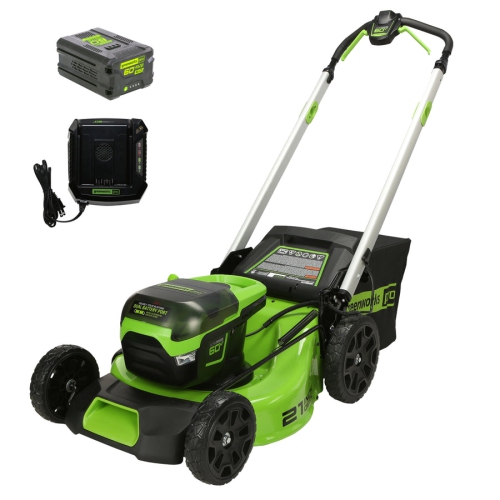 Your price for this item is $554.39
 -
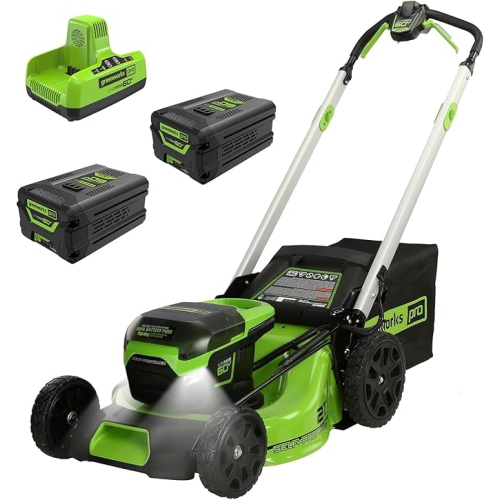 Your price for this item is $879.99
 -
 Your price for this item is $439.99
 -
 Your price for this item is $499
 -
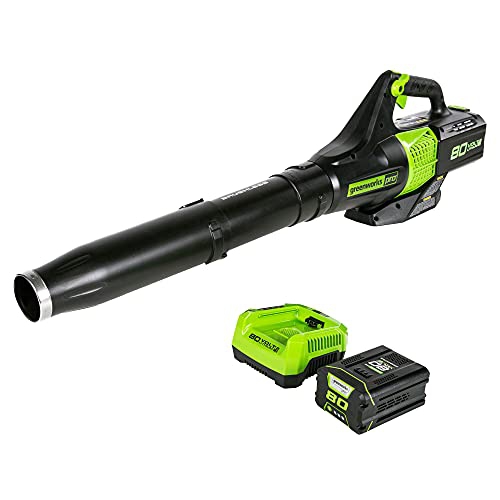 Your price for this item is $255
 -
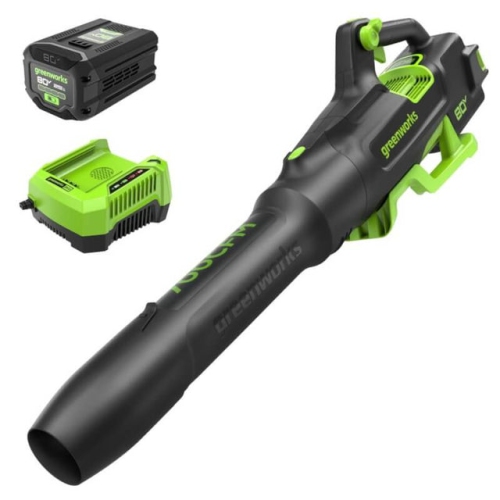 Your price for this item is $272
 -
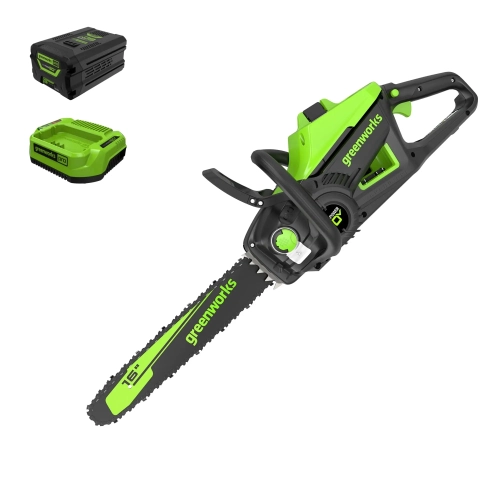 Your price for this item is $329.99
Discover more categories related to Smart Lawn Mowers
Top Collections:
Pokemon Centers, Kindle Devices, Best Budget Office Chairs, Apple iPhones 16, Best Laptops for Writers, iPhone 15 Apple, Canon G7X Cameras, Refurbished Apple Laptops, Alarm Clock, Motorola Razr Phones
Some products may be subject to Environmental Handling Fees
(EHF) depending on your province.
Learn more about EHFs.