Smoke Alarm
Smoke alarm devices play a vital role in alerting you and your loved ones to the presence of smoke or fire in your home. With their sensitive sensors and loud alarm, smoke alarms can provide early warning, giving you precious time to escape a dangerous situation. Here are some great options available.
Sort
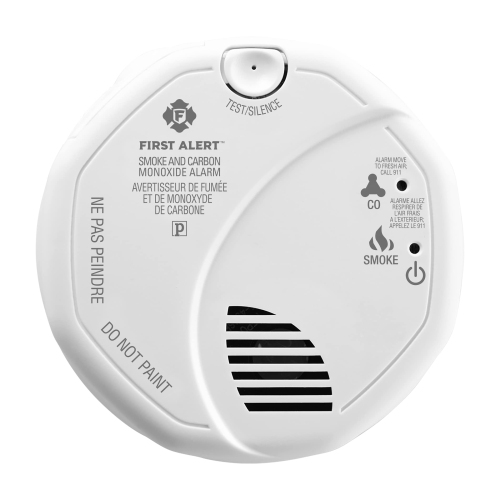
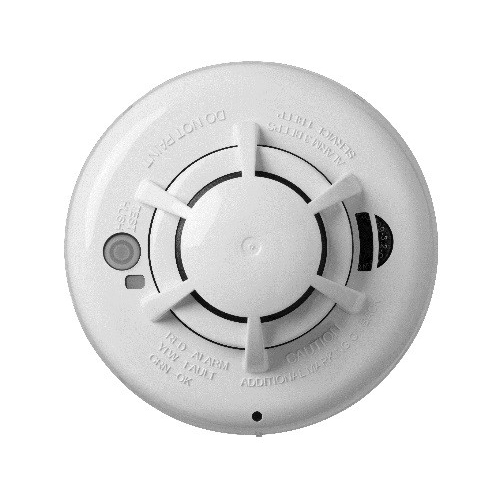
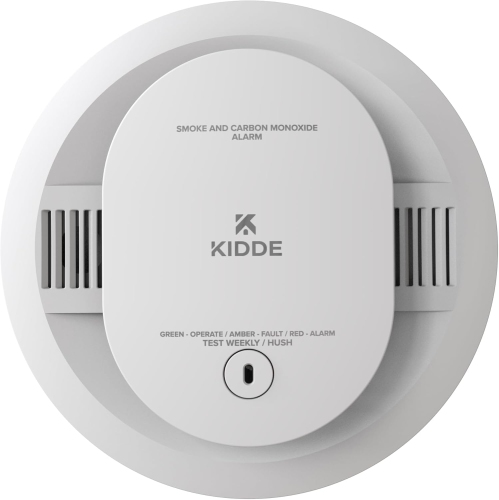

Coverage, placement and testing support earlier fire warnings
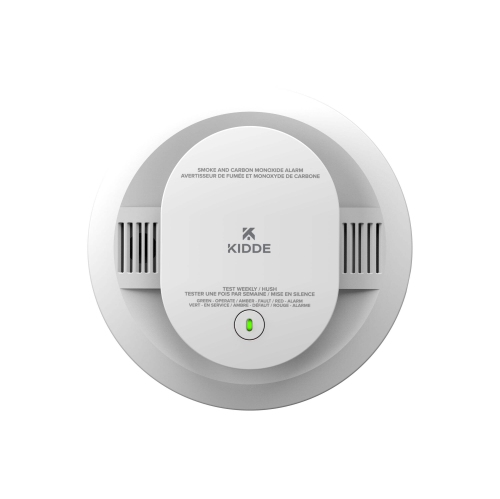
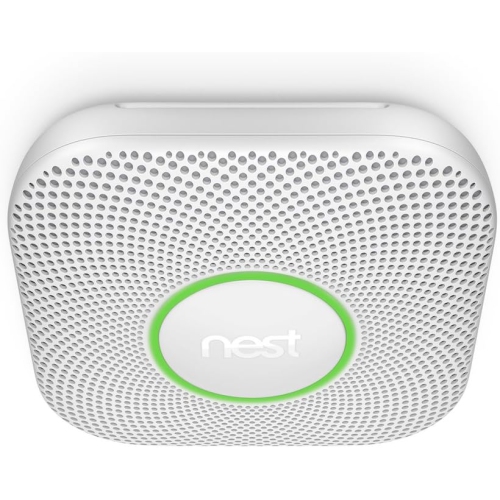
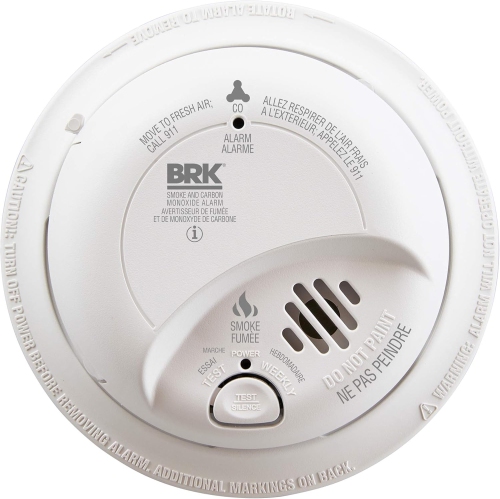
A smoke alarm is a safety device designed to detect smoke and provide an audible warning when a fire may be developing. That early alert can make a meaningful difference, especially at night, when a closed bedroom door and the sound of a furnace or fan can mask other signs of trouble. Smoke alarms are available in several configurations to suit different homes and routines. Battery-operated models can be installed in locations without existing wiring, making them useful for apartments, older homes, workshops, cottages and finished basements. Some use replaceable batteries, while others have sealed batteries designed to last for many years. Hardwired smoke alarms connect to a home’s electrical system and typically include a battery backup, helping the alarm continue to operate during a power outage. When choosing a smoke alarm, consider the layout of the home, the location of existing wiring, the needs of everyone in the household and the type of warning that will be easiest to hear and respond to. Ionization alarms are designed to respond quickly to fast, flaming fires, while photoelectric alarms use a light-sensing system that is well suited to detecting smoke from slow-burning, smouldering fires and may help reduce nuisance alarms caused by cooking. Some households choose a model based on one sensing method, while others look for alarms that combine detection technologies. A connected option, such as Smart Smoke Detectors, may add app notifications or other monitoring features, which can be useful when household members are away, when a caregiver is checking on a relative, or when a property is unoccupied for part of the day. Features such as a loud alarm, a low-battery warning, a hush button and a clear test button can also make everyday use more manageable. For people with hearing loss or other accessibility needs, look for compatible alerting accessories, visual signals or vibration-based notifications where available, and follow the manufacturer’s guidance for creating an effective warning system.
Placement is just as important as the alarm itself. Fire-safety guidance generally recommends installing a smoke alarm on every level of the home, inside each bedroom and outside sleeping areas, such as in a hallway near the bedrooms. Mount units on the ceiling when possible, or high on a wall if the installation instructions allow it, because smoke rises and collects near the upper part of a room. Keep alarms away from corners, vents, windows, ceiling fans and areas where steam or cooking vapours commonly gather unless the instructions specify otherwise. A unit placed too close to a kitchen or bathroom may sound frequently, leading people to remove the battery or ignore the alert; a unit placed too far away may not provide the warning needed when a fire starts. A hallway leading to bedrooms, the top of a staircase and the area outside a basement stairwell are often important locations, but every home has its own shape and potential hazards. Read the installation guide carefully, use the recommended mounting hardware and check local fire-code requirements, particularly when replacing hardwired alarms or installing units in a newly renovated space. Once installed, press the test button about once a month to confirm that the alarm sounds clearly. If the sound is weak, intermittent or difficult to hear from a bedroom with the door closed, review the placement and consider whether additional alarms or compatible alerting devices are needed. Keep the area around each unit free of dust and paint, and never cover an alarm to silence it. A nuisance alarm during cooking is a reminder to use the hush feature, improve ventilation or reconsider placement—not to leave the home without protection. It is also wise to practise a simple household escape plan: identify two ways out of each sleeping area when possible, choose a meeting place outdoors and make sure children, older adults, guests and pets have a plan suited to their needs. A smoke alarm does not put out a fire or replace an emergency response, so everyone should leave promptly when an alarm sounds, stay outside and contact emergency services from a safe location.
Smoke alarms are practical purchases for homeowners, renters, landlords, caregivers and anyone preparing a new living space. They can also be a thoughtful housewarming gift for someone moving into a first apartment, buying a home, setting up a cottage or completing a basement renovation. A spare unit may be useful for a family member who has an older alarm, is unsure whether every floor is covered or has recently changed the layout of a home. During the cooler months, when heaters, fireplaces, candles and indoor cooking are used more often, it is a good time to look at the condition and placement of existing alarms without waiting for a chirp or visible problem. Every unit should be replaced according to the manufacturer’s instructions, and many fire-safety authorities recommend replacing smoke alarms after 10 years, even when they still appear to function. The date of manufacture or replacement can often be found on the back or side of the alarm; recording that date on a phone or household maintenance list makes future checks easier. A recurring chirp may indicate a low battery, a power issue, a fault or the end of the alarm’s service life, so consult the manual rather than simply removing the battery. Test replacement alarms after installation, verify that hardwired units are compatible with the existing system and check whether interconnected alarms are intended to work together. With the right combination of coverage, suitable sensing technology, reliable power and regular testing, a smoke alarm becomes a quiet part of a home’s routine until it is needed. The best choice is one that fits the space, can be maintained properly and produces a warning that every person in the household can recognize and act on.
Placement is just as important as the alarm itself. Fire-safety guidance generally recommends installing a smoke alarm on every level of the home, inside each bedroom and outside sleeping areas, such as in a hallway near the bedrooms. Mount units on the ceiling when possible, or high on a wall if the installation instructions allow it, because smoke rises and collects near the upper part of a room. Keep alarms away from corners, vents, windows, ceiling fans and areas where steam or cooking vapours commonly gather unless the instructions specify otherwise. A unit placed too close to a kitchen or bathroom may sound frequently, leading people to remove the battery or ignore the alert; a unit placed too far away may not provide the warning needed when a fire starts. A hallway leading to bedrooms, the top of a staircase and the area outside a basement stairwell are often important locations, but every home has its own shape and potential hazards. Read the installation guide carefully, use the recommended mounting hardware and check local fire-code requirements, particularly when replacing hardwired alarms or installing units in a newly renovated space. Once installed, press the test button about once a month to confirm that the alarm sounds clearly. If the sound is weak, intermittent or difficult to hear from a bedroom with the door closed, review the placement and consider whether additional alarms or compatible alerting devices are needed. Keep the area around each unit free of dust and paint, and never cover an alarm to silence it. A nuisance alarm during cooking is a reminder to use the hush feature, improve ventilation or reconsider placement—not to leave the home without protection. It is also wise to practise a simple household escape plan: identify two ways out of each sleeping area when possible, choose a meeting place outdoors and make sure children, older adults, guests and pets have a plan suited to their needs. A smoke alarm does not put out a fire or replace an emergency response, so everyone should leave promptly when an alarm sounds, stay outside and contact emergency services from a safe location.
Smoke alarms are practical purchases for homeowners, renters, landlords, caregivers and anyone preparing a new living space. They can also be a thoughtful housewarming gift for someone moving into a first apartment, buying a home, setting up a cottage or completing a basement renovation. A spare unit may be useful for a family member who has an older alarm, is unsure whether every floor is covered or has recently changed the layout of a home. During the cooler months, when heaters, fireplaces, candles and indoor cooking are used more often, it is a good time to look at the condition and placement of existing alarms without waiting for a chirp or visible problem. Every unit should be replaced according to the manufacturer’s instructions, and many fire-safety authorities recommend replacing smoke alarms after 10 years, even when they still appear to function. The date of manufacture or replacement can often be found on the back or side of the alarm; recording that date on a phone or household maintenance list makes future checks easier. A recurring chirp may indicate a low battery, a power issue, a fault or the end of the alarm’s service life, so consult the manual rather than simply removing the battery. Test replacement alarms after installation, verify that hardwired units are compatible with the existing system and check whether interconnected alarms are intended to work together. With the right combination of coverage, suitable sensing technology, reliable power and regular testing, a smoke alarm becomes a quiet part of a home’s routine until it is needed. The best choice is one that fits the space, can be maintained properly and produces a warning that every person in the household can recognize and act on.
Top selling and popular products
-
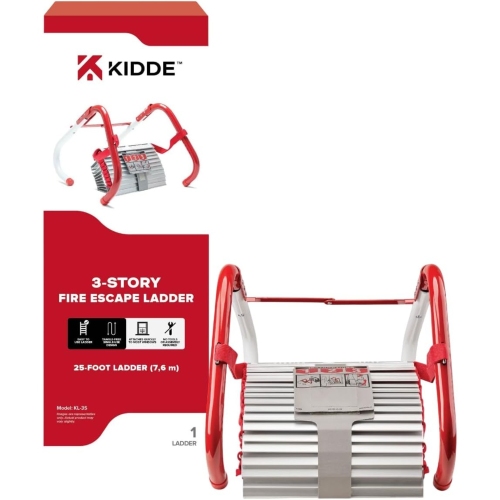 Your price for this item is $189.05
 -
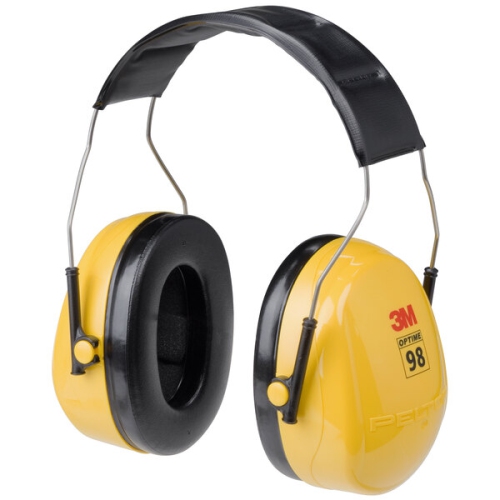 Your price for this item is $39.25
 -
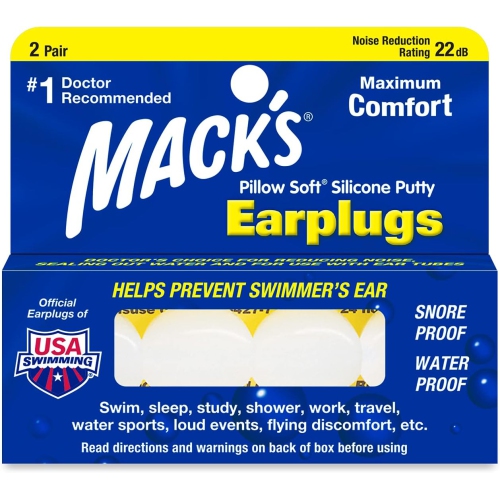 Your price for this item is $21.99
 -
 Your price for this item is $16
 -
 Your price for this item is $44.8
 -
 Your price for this item is $52
 -
 Your price for this item is $2.68
 -
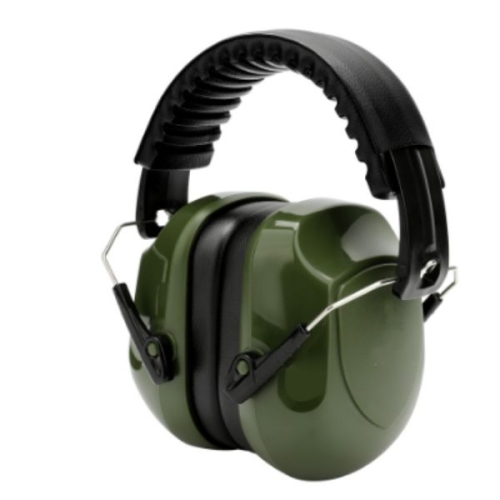 Your price for this item is $31.99
Discover more categories related to Smoke Alarm
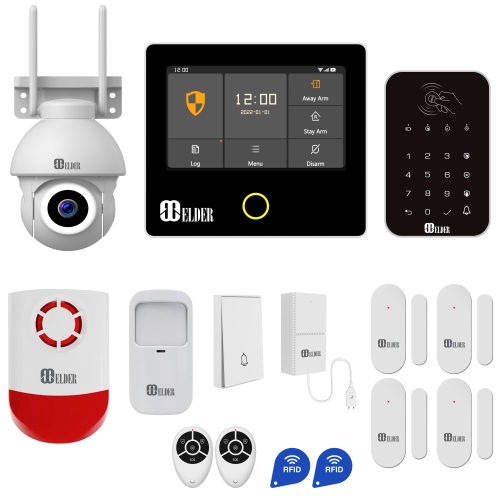
Top Collections:
Pokemon Centers, Kindle Devices, Best Budget Office Chairs, Apple iPhones 16, Best Laptops for Writers, iPhone 15 Apple, Canon G7X Cameras, Refurbished Apple Laptops, Alarm Clock, Motorola Razr Phones
Some products may be subject to Environmental Handling Fees
(EHF) depending on your province.
Learn more about EHFs.