Solid Doors
Solid doors are an essential element in creating a secure and stylish home environment. Whether you're looking to enhance privacy, improve insulation, or simply add a touch of elegance to your space, these doors offer a perfect blend of functionality and aesthetics. Crafted with quality materials, solid doors provide durability and a robust barrier against noise and temperature fluctuations. With a variety of designs and finishes available, you can easily find the perfect match for your interior or exterior needs. Explore the possibilities that solid doors bring to your home, ensuring both peace of mind and a beautiful living space.
Sort













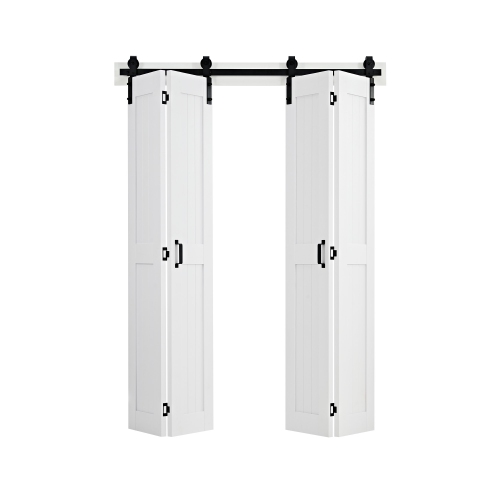

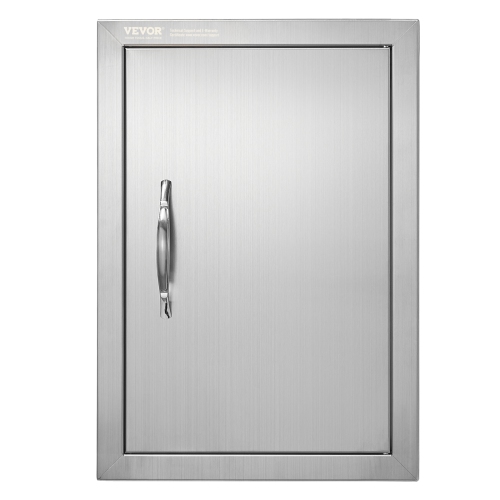
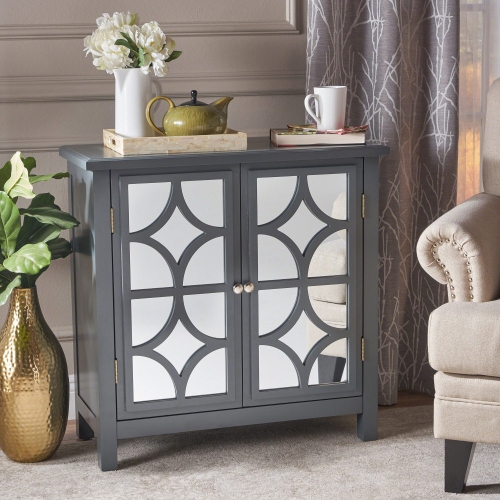
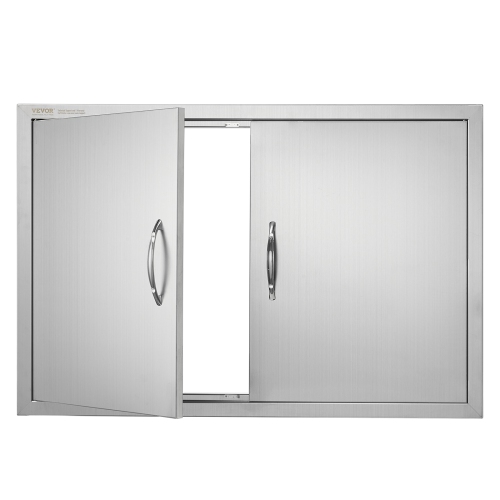
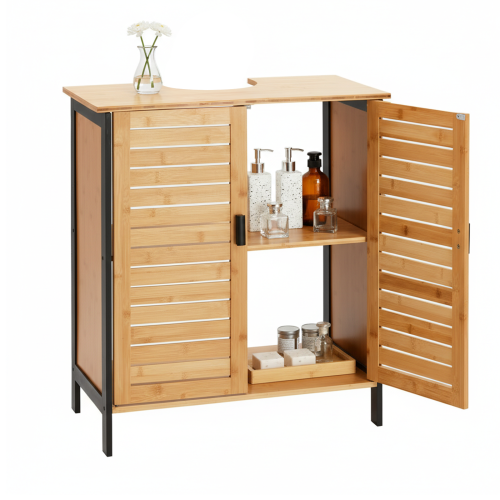
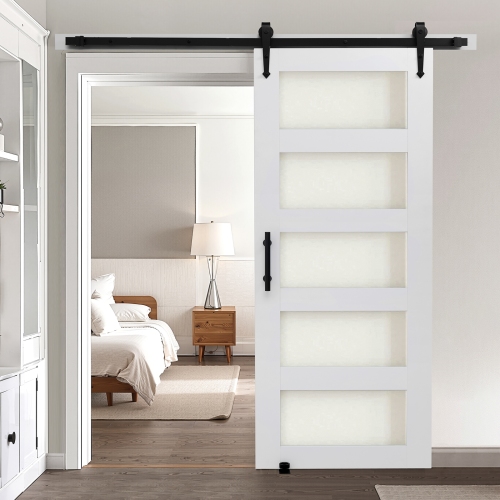
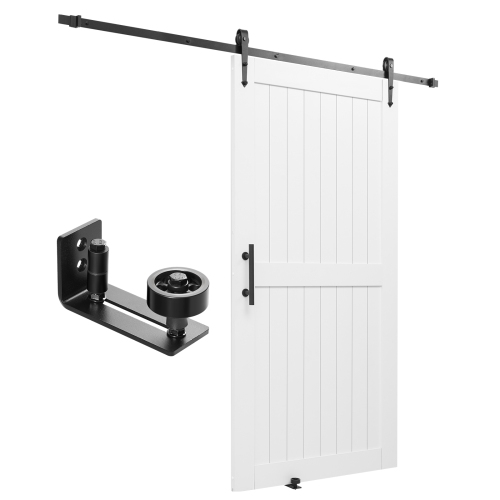
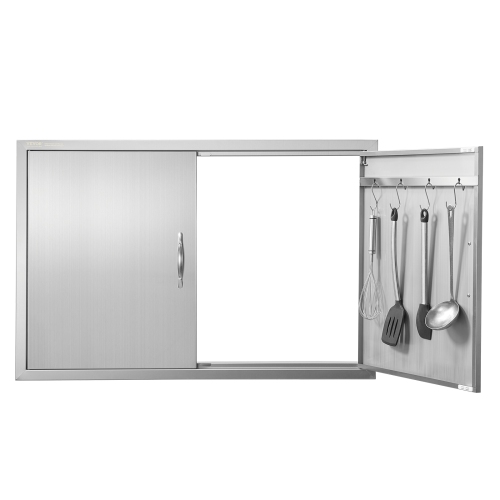
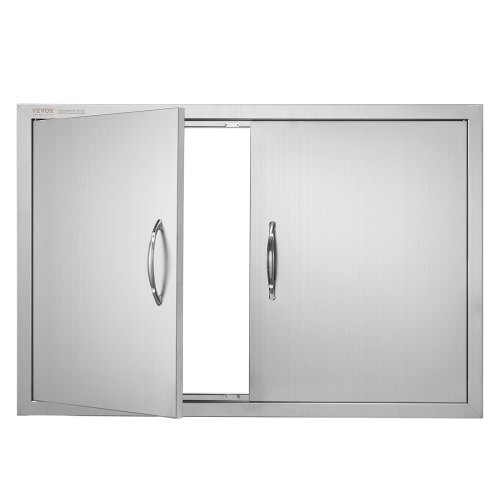
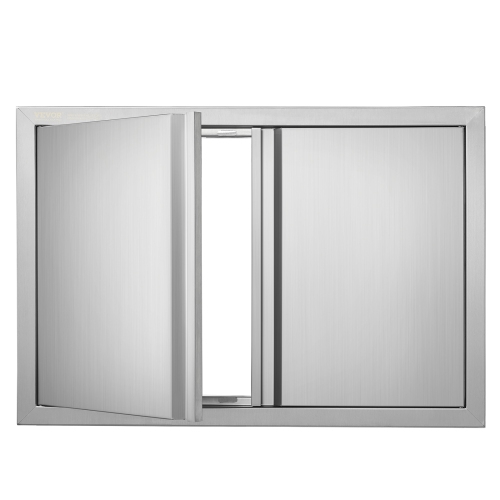
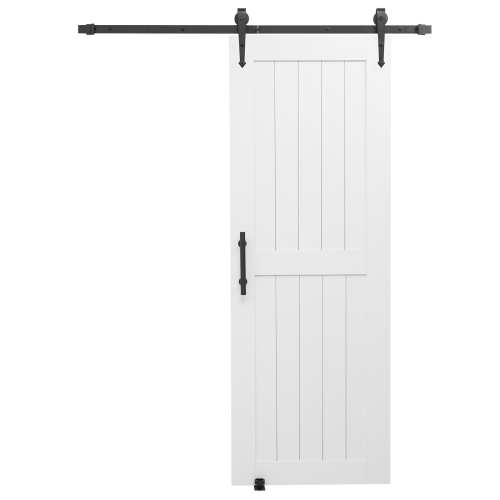
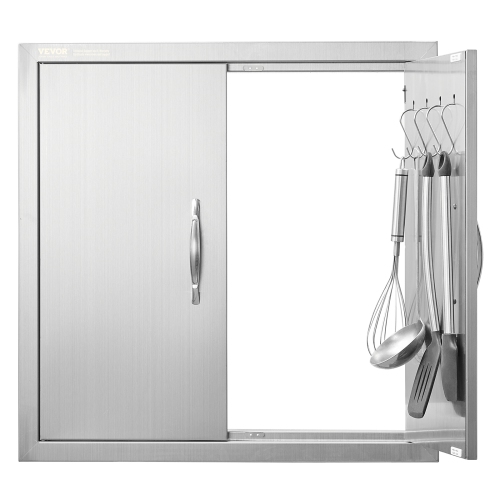
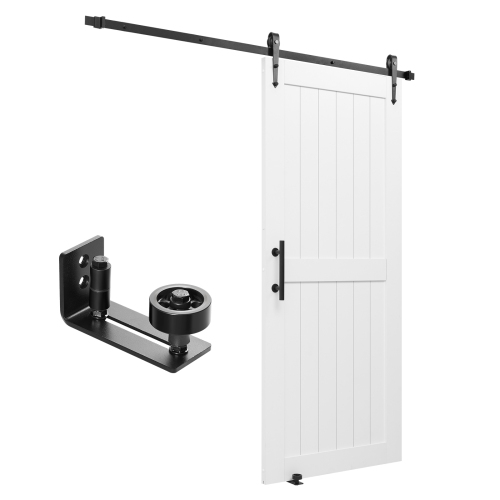
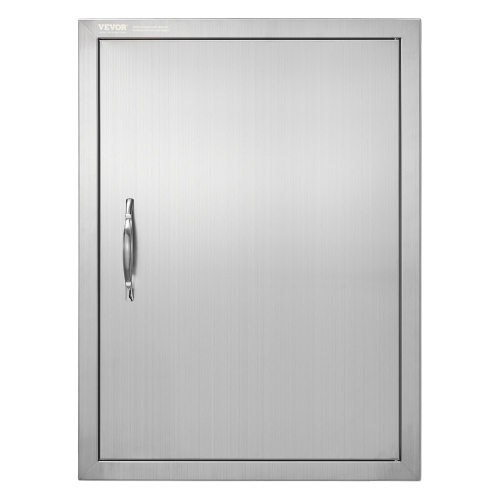
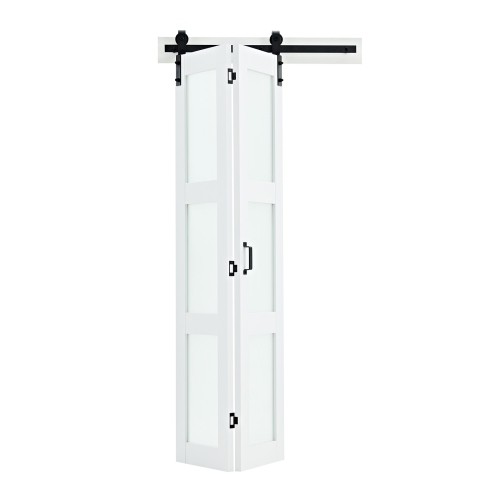
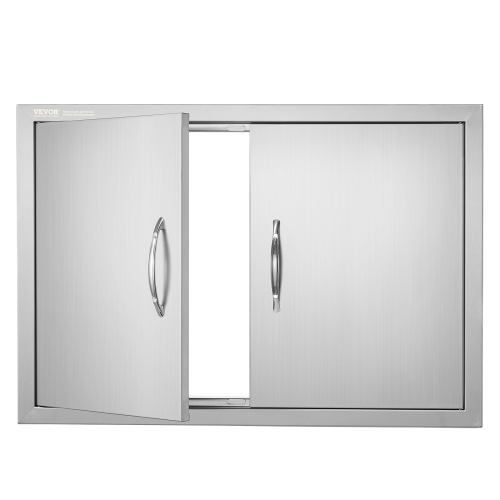
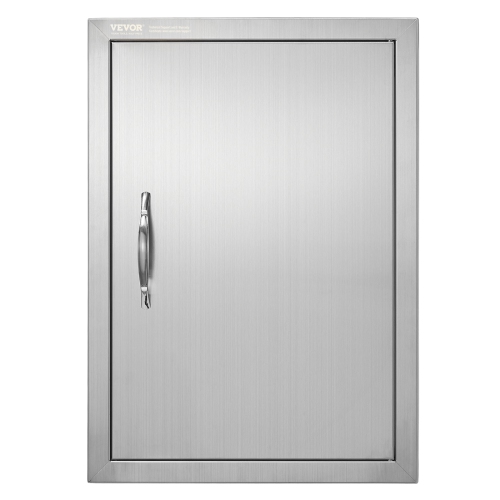
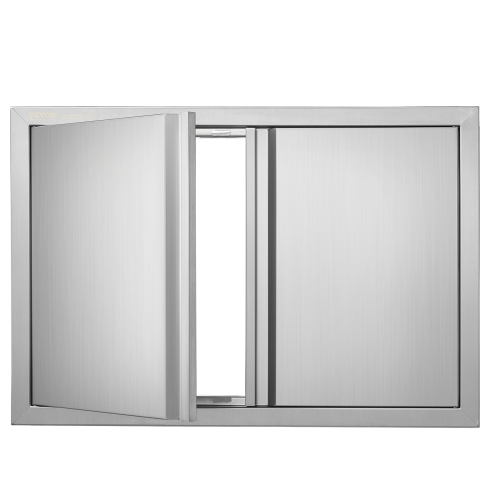
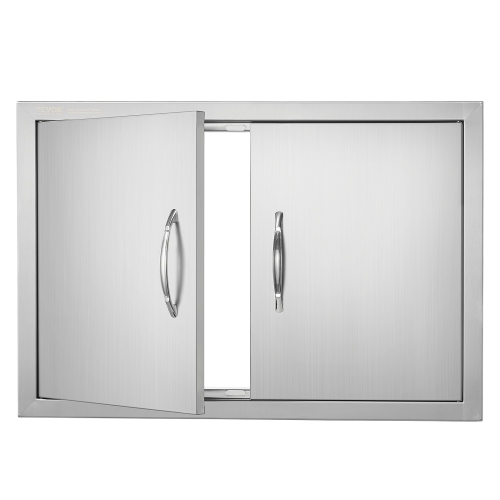
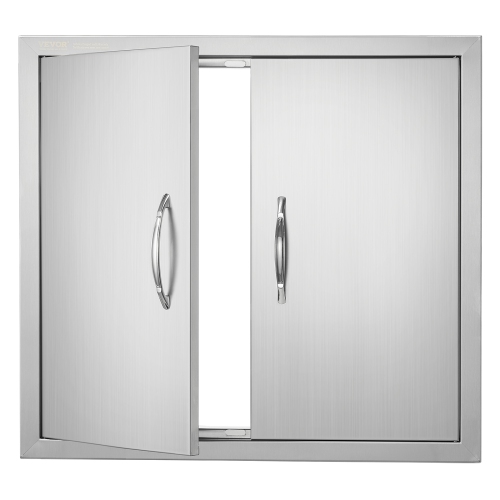
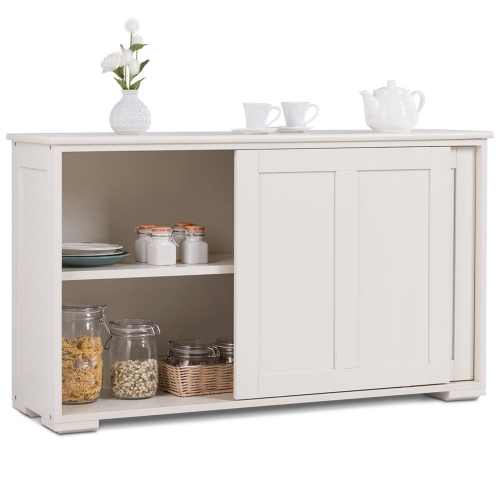
A quieter, sturdier choice for private interior spaces
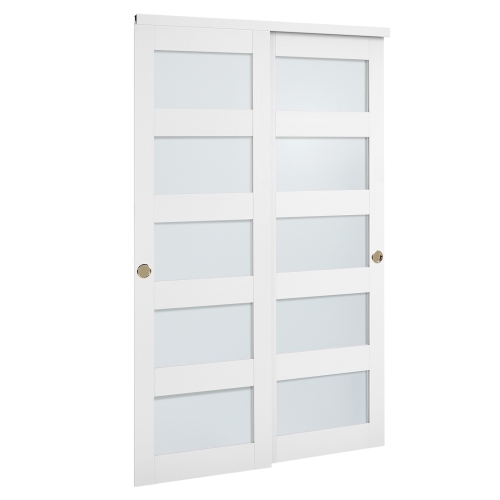
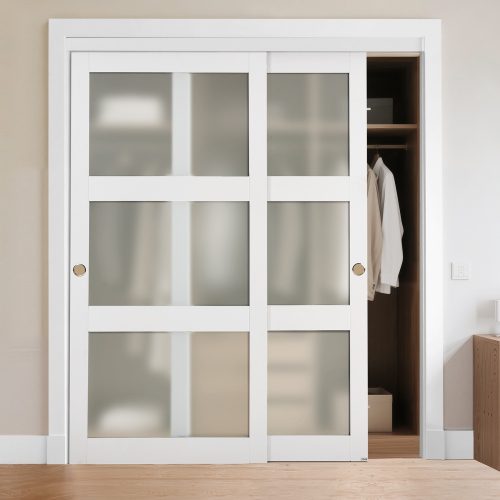
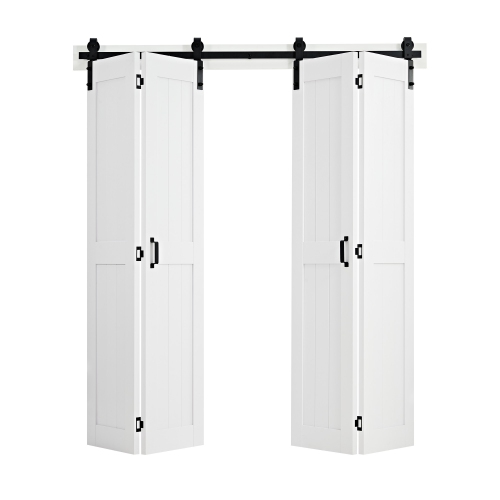
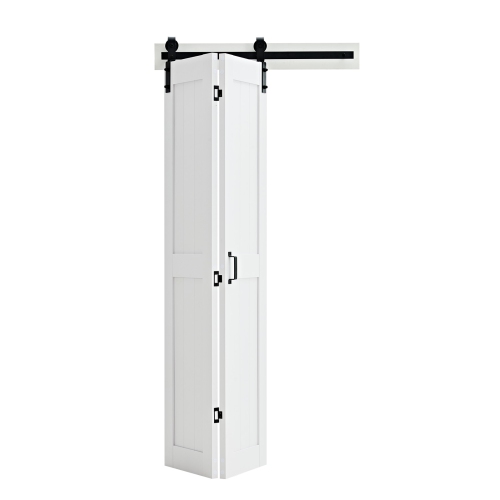
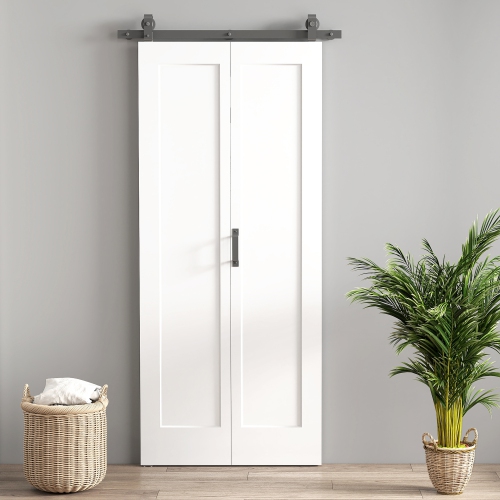
Solid doors bring a substantial, finished feel to a home, whether they are used to separate bedrooms, bathrooms, offices, utility spaces, or other interior rooms. Unlike hollow-core doors, which have a lightweight honeycomb structure, solid doors are made from natural wood or a dense engineered wood and wood-fibre core beneath a smooth, textured, or moulded surface. This added density helps reduce the transfer of conversation, television noise, footsteps, and activity between rooms, making solid doors a practical choice for anyone creating a quieter bedroom, more private bathroom, or focused home office. They also feel sturdy in everyday use: the extra weight gives the door a reassuring presence as it closes, while the stronger construction is better suited to busy hallways, family homes, rental properties, and rooms that see frequent use. Solid wood doors offer the natural grain, warmth, and character of materials such as pine, oak, or maple, while solid-core doors can provide similar heft and sound control with a more consistent surface and a range of finishes. The right choice depends on the room, the look you want, and the amount of maintenance you are comfortable with. Natural wood can add rich visual detail and may be stained to highlight the grain, but it can respond to significant changes in indoor humidity. Solid-core options are often selected for their reliable performance, clean appearance, and ability to complement both traditional and contemporary interiors.
Before choosing a solid door, confirm whether you need a door slab only or a pre-hung door supplied with hinges and a frame. A slab can be a good fit when the existing jamb is in sound condition and the replacement door matches its dimensions, hinge locations, swing direction, and latch position. Pre-hung doors can simplify a more complete replacement because the door and frame are designed to work together, although careful measuring is still essential. Measure the rough opening, not just the visible door panel, and note the width, height, thickness, handing, and clearance needed for trim, flooring, and nearby furniture. A door that swings into a compact bathroom, wardrobe, or home office needs enough room to open without striking a vanity, desk, shelving, or appliance. Consider the wall thickness as well, since the frame must sit correctly within the opening. Solid doors can weigh considerably more than hollow-core alternatives, so the hinges, frame, fasteners, and surrounding wall structure should be suitable for the load. Some installations are straightforward for an experienced do-it-yourselfer, but hanging a heavy door accurately takes patience: the frame must be plumb, the gaps should be even, and the latch should meet the strike plate cleanly without forcing the handle. For renovation projects, it is also worth checking local building requirements, especially for bedrooms, utility rooms, shared entrances, or areas where ventilation and fire-rated construction may be important. A solid interior door is not automatically a fire-rated door, soundproof door, or exterior security door, so review the product specifications carefully and choose a door designed for the intended location.
Style and daily comfort matter just as much as construction. A smooth solid door can create a calm, streamlined appearance and is easy to coordinate with painted walls, simple trim, and modern hardware. Shaker-inspired panels, traditional raised panels, glass-free designs, and wood-grain finishes can add definition to a hallway or give a bedroom a more tailored look. For rooms where privacy is a priority, an opaque door with a dependable latch is generally preferable to a door with clear or decorative glazing. Bedrooms and home offices can benefit from the added separation, particularly in homes where people work, study, rest, or take calls at different times of day. In a bathroom, a solid door can help contain sound and create a more private boundary, while a den, nursery, or guest room may feel noticeably more settled once the door is closed. Think about the handle height, hinge finish, trim profile, and surrounding flooring so the new door feels integrated rather than added as an afterthought. During the warmer part of the year, allow wood products to acclimate according to the manufacturer’s directions before installation; during cooler months, stable indoor temperature and humidity can help reduce movement. Keep the surface clean with a soft, lightly damp cloth and follow the care instructions for painted, stained, or veneered finishes. If the door is being used near an entryway, pair its interior privacy benefits with appropriately chosen Security Door Locks where compatible. With accurate measurements, suitable hardware, and a style that matches the room, a solid door can provide years of dependable service while making everyday spaces feel quieter, more private, and more complete.
Before choosing a solid door, confirm whether you need a door slab only or a pre-hung door supplied with hinges and a frame. A slab can be a good fit when the existing jamb is in sound condition and the replacement door matches its dimensions, hinge locations, swing direction, and latch position. Pre-hung doors can simplify a more complete replacement because the door and frame are designed to work together, although careful measuring is still essential. Measure the rough opening, not just the visible door panel, and note the width, height, thickness, handing, and clearance needed for trim, flooring, and nearby furniture. A door that swings into a compact bathroom, wardrobe, or home office needs enough room to open without striking a vanity, desk, shelving, or appliance. Consider the wall thickness as well, since the frame must sit correctly within the opening. Solid doors can weigh considerably more than hollow-core alternatives, so the hinges, frame, fasteners, and surrounding wall structure should be suitable for the load. Some installations are straightforward for an experienced do-it-yourselfer, but hanging a heavy door accurately takes patience: the frame must be plumb, the gaps should be even, and the latch should meet the strike plate cleanly without forcing the handle. For renovation projects, it is also worth checking local building requirements, especially for bedrooms, utility rooms, shared entrances, or areas where ventilation and fire-rated construction may be important. A solid interior door is not automatically a fire-rated door, soundproof door, or exterior security door, so review the product specifications carefully and choose a door designed for the intended location.
Style and daily comfort matter just as much as construction. A smooth solid door can create a calm, streamlined appearance and is easy to coordinate with painted walls, simple trim, and modern hardware. Shaker-inspired panels, traditional raised panels, glass-free designs, and wood-grain finishes can add definition to a hallway or give a bedroom a more tailored look. For rooms where privacy is a priority, an opaque door with a dependable latch is generally preferable to a door with clear or decorative glazing. Bedrooms and home offices can benefit from the added separation, particularly in homes where people work, study, rest, or take calls at different times of day. In a bathroom, a solid door can help contain sound and create a more private boundary, while a den, nursery, or guest room may feel noticeably more settled once the door is closed. Think about the handle height, hinge finish, trim profile, and surrounding flooring so the new door feels integrated rather than added as an afterthought. During the warmer part of the year, allow wood products to acclimate according to the manufacturer’s directions before installation; during cooler months, stable indoor temperature and humidity can help reduce movement. Keep the surface clean with a soft, lightly damp cloth and follow the care instructions for painted, stained, or veneered finishes. If the door is being used near an entryway, pair its interior privacy benefits with appropriately chosen Security Door Locks where compatible. With accurate measurements, suitable hardware, and a style that matches the room, a solid door can provide years of dependable service while making everyday spaces feel quieter, more private, and more complete.
Top selling and popular products
-
 Your price for this item is $537.55
 -
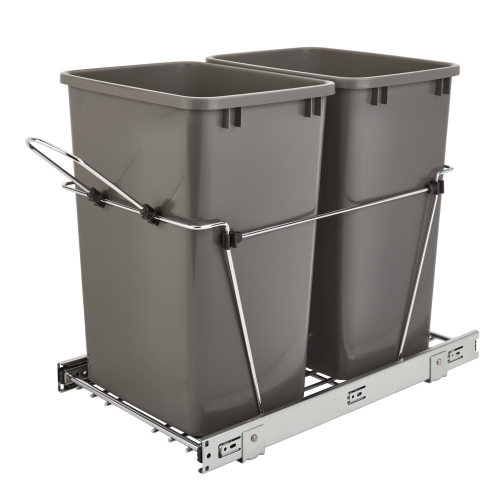 Your price for this item is $221.99
 -
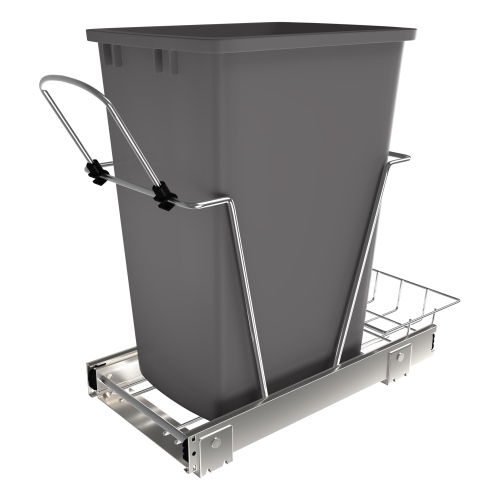 Your price for this item is $174.99
 -
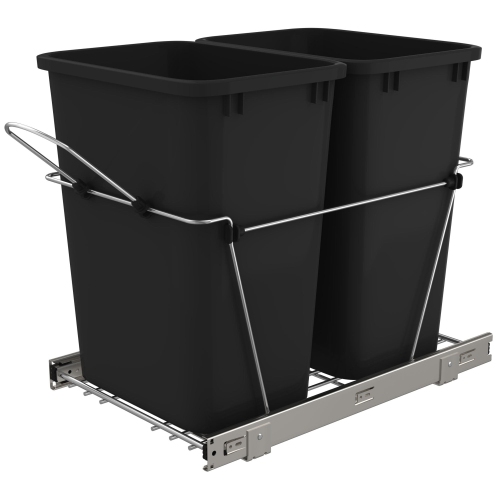 Your price for this item is $217.99
 -
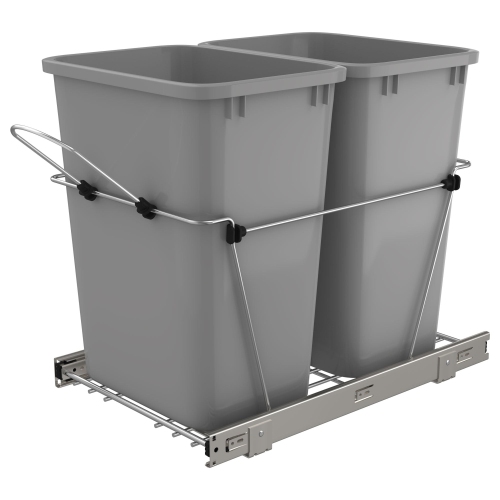 Your price for this item is $215.99
 -
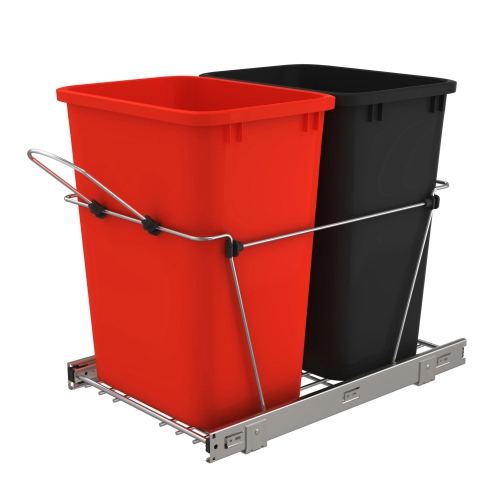 Your price for this item is $213.99
 -
 Your price for this item is $227.99
 -
 Your price for this item is $223.99
Discover more categories related to Solid Doors




Top Collections:
Pokemon Centers, Kindle Devices, Best Budget Office Chairs, Canon G7X Cameras, Apple iPhones 16, Samsung Galaxy Phones, Refurbished Apple Laptops, Laptops for Students, iPhone 15 Apple, Budget Smartphones
Some products may be subject to Environmental Handling Fees
(EHF) depending on your province.
Learn more about EHFs.