Solutions for Hot Sleepers
Solutions for hot sleepers are designed to help you enjoy a cooler, more comfortable night’s rest. Whether you’re looking to refresh your bedroom setup or upgrade your sleep essentials, discover a range of options tailored to address nighttime overheating. Find everything you need to create a relaxing sleep environment and wake up feeling refreshed every morning. Explore the best solutions for hot sleepers and transform the way you rest.
Sort



Cooler sleep starts with breathable layers and better airflow
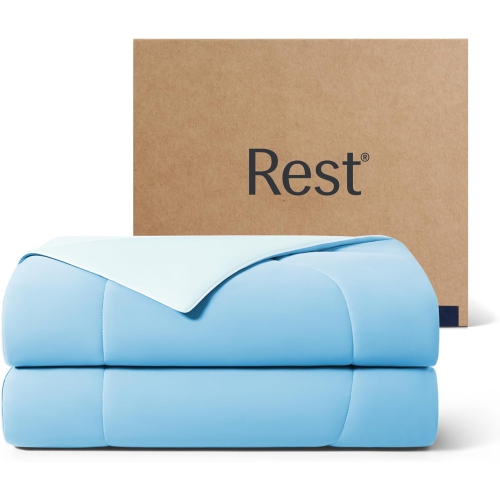
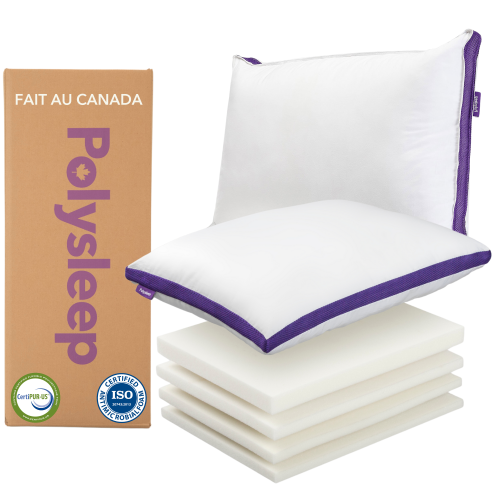
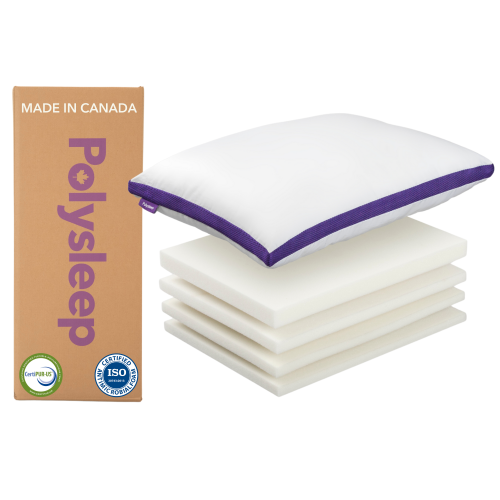
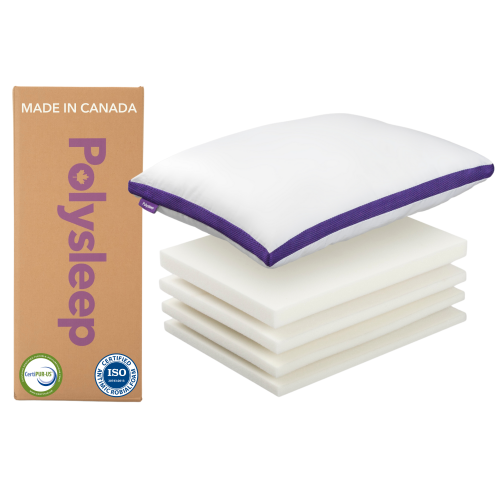
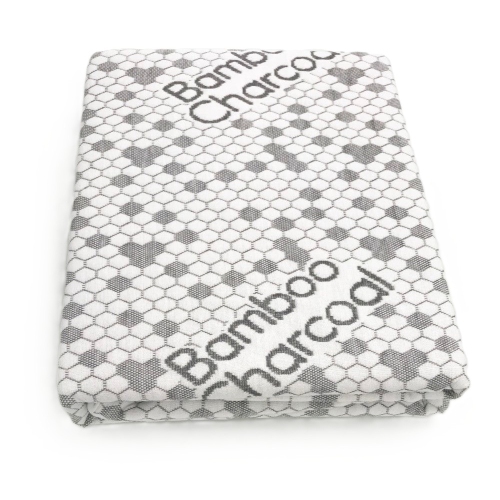
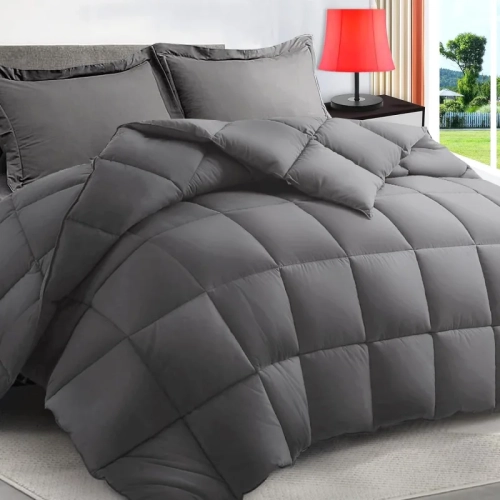
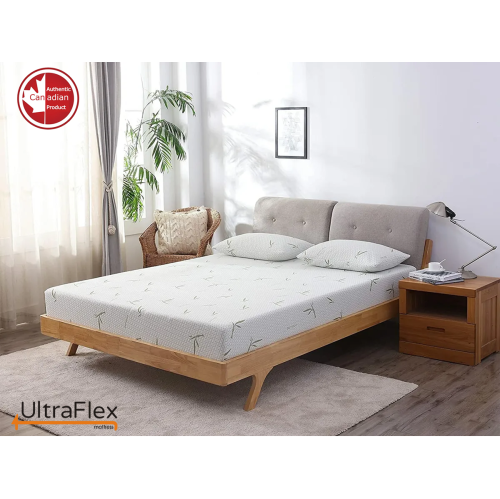
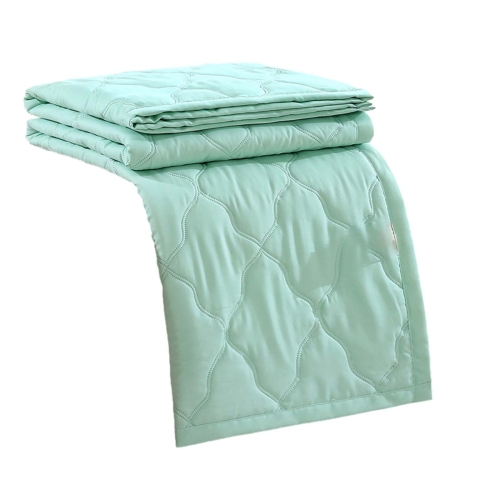
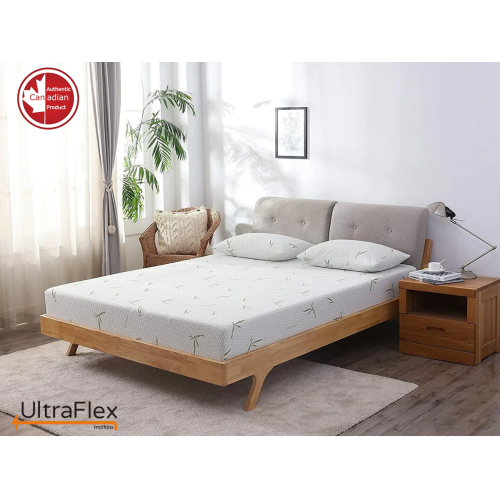
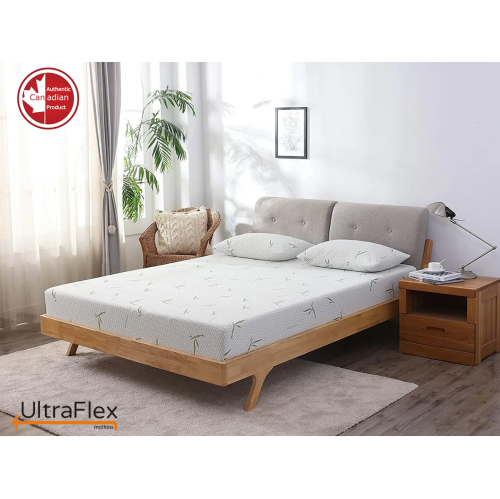
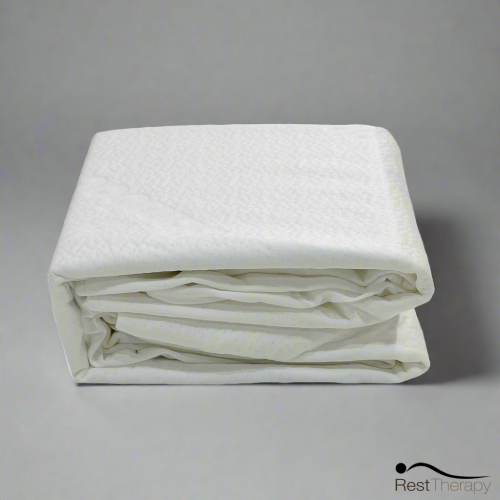
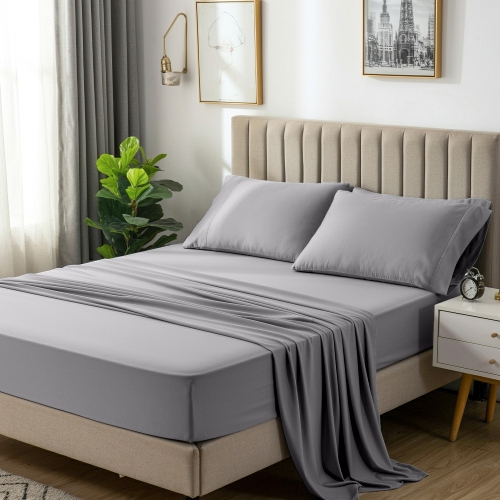
Solutions for hot sleepers can begin with small changes to the bed and extend to the way the bedroom handles air, light, and temperature. Bedding that feels comfortable in the evening may become too warm after several hours, especially when layers hold heat close to the body. Look for sheets made with breathable, moisture-managing materials such as linen, bamboo-derived fibres, or cotton percale, which tend to feel lighter and cooler than tightly woven or heavily brushed fabrics. The weave matters as much as the fibre: crisp percale often allows more airflow than dense sateen, while linen has a relaxed texture that becomes softer with use. Consider the weight and fill level of blankets, duvets, and comforters as well. A low-fill comforter or a lightweight coverlet can provide enough warmth during cooler months without creating the enclosed, overheated feeling associated with bulky bedding. Shoppers comparing Down Comforters for Hot Sleepers may want to review fill weight, construction, shell material, and care instructions rather than choosing solely by the overall size of the comforter. A breathable shell and lighter fill can make it easier to adjust layers through the night, while a design with stitched sections helps distribute the fill evenly instead of allowing warm or cool spots to develop. Cooling pillows are another useful part of the setup because the head and neck can feel noticeably warmer when surrounded by dense materials. Options with ventilated foam, shredded fill, gel layers, or other airflow-focused designs can provide support while reducing the sensation of heat building up on one side of the pillow. Side sleepers may prefer a higher profile and firmer support, while back or stomach sleepers often look for a lower loft that keeps the neck in a more neutral position. A pillow with a removable, washable cover can also be practical for sleepers who tend to perspire overnight.
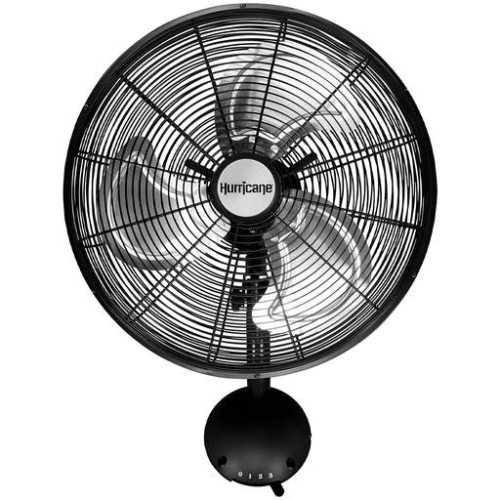
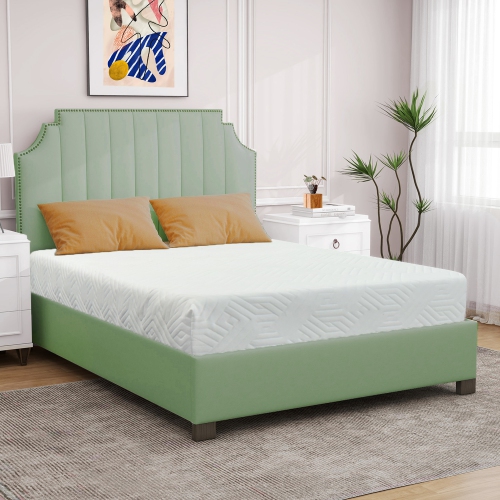
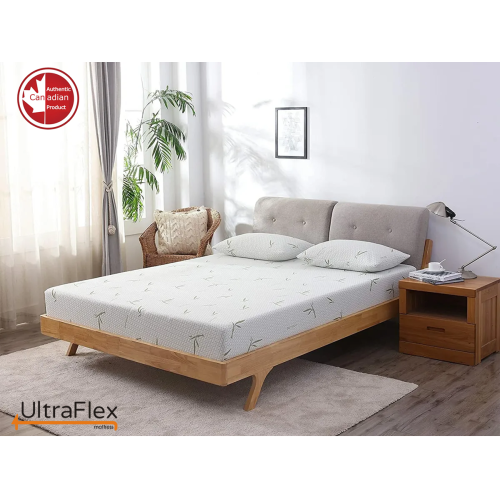
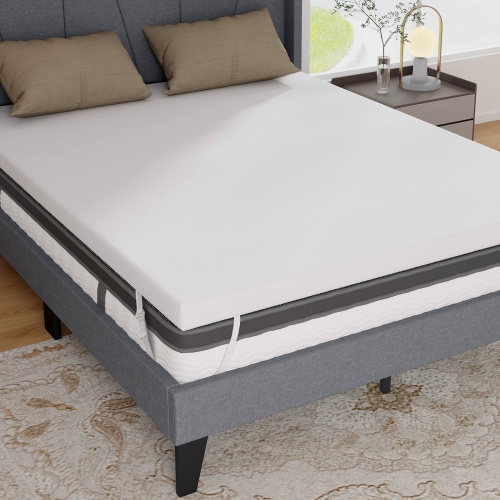
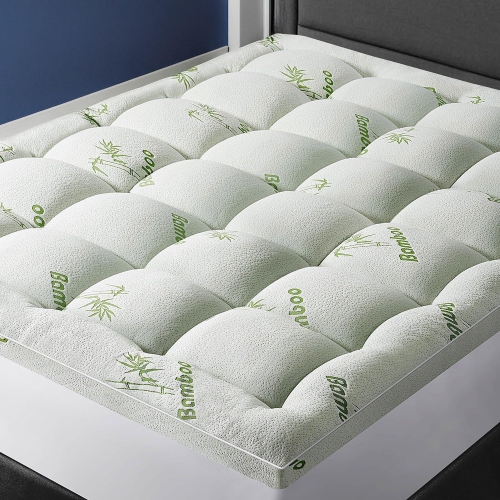
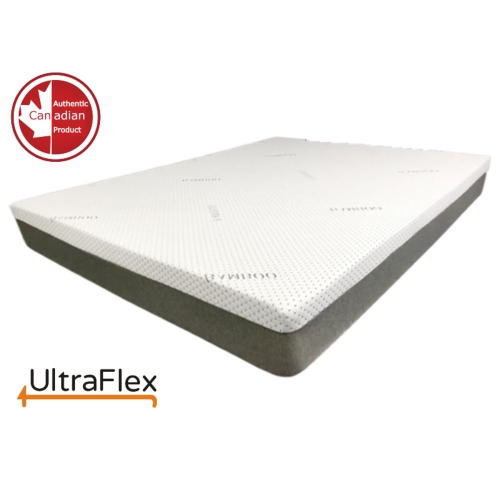
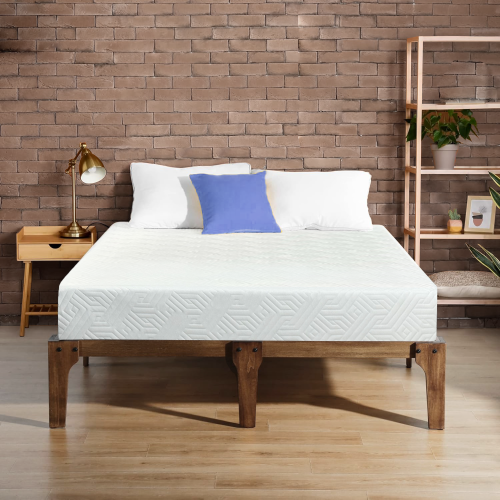
Room airflow and temperature control can make bedding changes work more effectively. A quiet table fan, pedestal fan, or circulating fan can keep air moving across the room and help prevent warm pockets from settling around the bed. Positioning is important: air directed straight at the face may feel unpleasant for some sleepers, while a gentle cross-breeze aimed across the room can distribute cooler air more evenly. A fan with multiple speeds, an adjustable tilt, oscillation, and a sleep setting gives households more flexibility when one person prefers stronger airflow than another. Blackout curtains or room-darkening shades can help limit the amount of daytime sunlight that enters the bedroom and warms the space before bedtime; opening them when the outdoor air is cooler can help release built-up heat. Keep in mind that airflow products should be selected for the room’s size, noise level, and available floor or bedside space. A compact fan may suit a small bedroom or guest room, while a larger unit may be better for circulating air throughout a spacious primary bedroom. Climate-control products designed for beds offer a more targeted approach. Under-sheet air systems can move temperature-controlled air through the bed area, while water-circulating mattress pads use channels beneath the sleeper to deliver more consistent cooling across the surface. These systems may appeal to people who want a more precise setting than a room thermostat can provide, couples with different temperature preferences, or sleepers who feel warm even when the rest of the room is comfortable. Before purchasing, check mattress and bed dimensions, controller placement, hose or cable requirements, cleaning instructions, operating noise, and whether the system allows separate settings on each side. A programmable timer or automatic adjustment can be helpful for someone who falls asleep comfortably but tends to overheat later in the night. For a simpler solution, a breathable mattress protector and a low-profile topper can refresh the feel of an existing mattress without adding a thick, heat-retaining layer. Mattress construction is also worth considering when replacing the bed altogether: hybrid designs with supportive coils and latex-based materials generally allow more internal airflow than dense, solid foam, while the right firmness depends on sleeping position, body weight, and personal comfort.
These products can be useful for anyone who regularly wakes up warm, kicks off the covers, changes positions to find a cooler patch, or keeps one foot outside the bedding for relief. They may also suit people in bedrooms that receive strong afternoon sun, homes where the thermostat is shared, or couples whose preferred sleeping temperatures are noticeably different. Hot sleepers do not always need to replace everything at once. Starting with a breathable sheet set or a cooling pillow can reveal which change makes the greatest difference, followed by a lighter top layer, improved room airflow, or a more advanced mattress climate system if additional control is needed. Check fabric composition, dimensions, return policies, warranty details, and care requirements, especially when shopping online or selecting bedding as a gift. Bedding can be a thoughtful gift for someone moving into a new home, setting up a guest room, preparing a university residence, or simply trying to make a more comfortable sleep space during the cooler months. For a gift, neutral colours, standard sizing, machine-washable covers, and adjustable temperature settings are generally easier to match to different rooms and routines. Households with children, pets, or frequent overnight guests may value durable covers and straightforward cleaning, while people with limited storage may prefer a lightweight layer that folds neatly rather than a collection of bulky blankets. The most comfortable arrangement is often flexible: breathable sheets close to the skin, a light cover for easy adjustment, a supportive pillow that does not trap excess warmth, and enough air movement to keep the room from feeling still. As the weather shifts between warmer days and cooler nights, layered solutions make it easier to adapt without rebuilding the entire bed, giving each sleeper a more comfortable path to settling in and staying asleep.
Room airflow and temperature control can make bedding changes work more effectively. A quiet table fan, pedestal fan, or circulating fan can keep air moving across the room and help prevent warm pockets from settling around the bed. Positioning is important: air directed straight at the face may feel unpleasant for some sleepers, while a gentle cross-breeze aimed across the room can distribute cooler air more evenly. A fan with multiple speeds, an adjustable tilt, oscillation, and a sleep setting gives households more flexibility when one person prefers stronger airflow than another. Blackout curtains or room-darkening shades can help limit the amount of daytime sunlight that enters the bedroom and warms the space before bedtime; opening them when the outdoor air is cooler can help release built-up heat. Keep in mind that airflow products should be selected for the room’s size, noise level, and available floor or bedside space. A compact fan may suit a small bedroom or guest room, while a larger unit may be better for circulating air throughout a spacious primary bedroom. Climate-control products designed for beds offer a more targeted approach. Under-sheet air systems can move temperature-controlled air through the bed area, while water-circulating mattress pads use channels beneath the sleeper to deliver more consistent cooling across the surface. These systems may appeal to people who want a more precise setting than a room thermostat can provide, couples with different temperature preferences, or sleepers who feel warm even when the rest of the room is comfortable. Before purchasing, check mattress and bed dimensions, controller placement, hose or cable requirements, cleaning instructions, operating noise, and whether the system allows separate settings on each side. A programmable timer or automatic adjustment can be helpful for someone who falls asleep comfortably but tends to overheat later in the night. For a simpler solution, a breathable mattress protector and a low-profile topper can refresh the feel of an existing mattress without adding a thick, heat-retaining layer. Mattress construction is also worth considering when replacing the bed altogether: hybrid designs with supportive coils and latex-based materials generally allow more internal airflow than dense, solid foam, while the right firmness depends on sleeping position, body weight, and personal comfort.
These products can be useful for anyone who regularly wakes up warm, kicks off the covers, changes positions to find a cooler patch, or keeps one foot outside the bedding for relief. They may also suit people in bedrooms that receive strong afternoon sun, homes where the thermostat is shared, or couples whose preferred sleeping temperatures are noticeably different. Hot sleepers do not always need to replace everything at once. Starting with a breathable sheet set or a cooling pillow can reveal which change makes the greatest difference, followed by a lighter top layer, improved room airflow, or a more advanced mattress climate system if additional control is needed. Check fabric composition, dimensions, return policies, warranty details, and care requirements, especially when shopping online or selecting bedding as a gift. Bedding can be a thoughtful gift for someone moving into a new home, setting up a guest room, preparing a university residence, or simply trying to make a more comfortable sleep space during the cooler months. For a gift, neutral colours, standard sizing, machine-washable covers, and adjustable temperature settings are generally easier to match to different rooms and routines. Households with children, pets, or frequent overnight guests may value durable covers and straightforward cleaning, while people with limited storage may prefer a lightweight layer that folds neatly rather than a collection of bulky blankets. The most comfortable arrangement is often flexible: breathable sheets close to the skin, a light cover for easy adjustment, a supportive pillow that does not trap excess warmth, and enough air movement to keep the room from feeling still. As the weather shifts between warmer days and cooler nights, layered solutions make it easier to adapt without rebuilding the entire bed, giving each sleeper a more comfortable path to settling in and staying asleep.
Top selling and popular products
-
 Your price for this item is $1195
 -
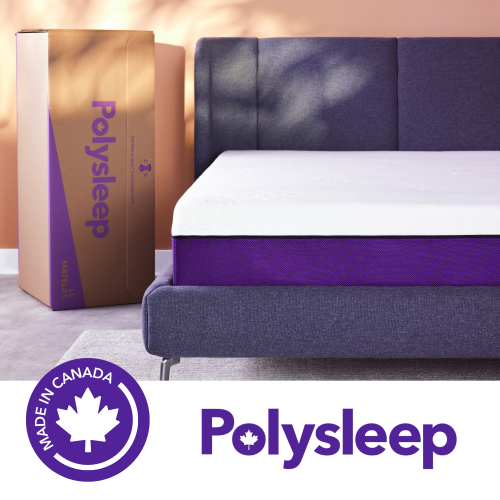 Your price for this item is $1395
 -
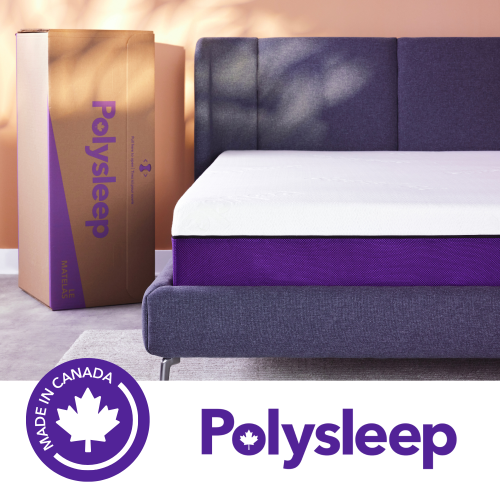 Your price for this item is $1095
 -
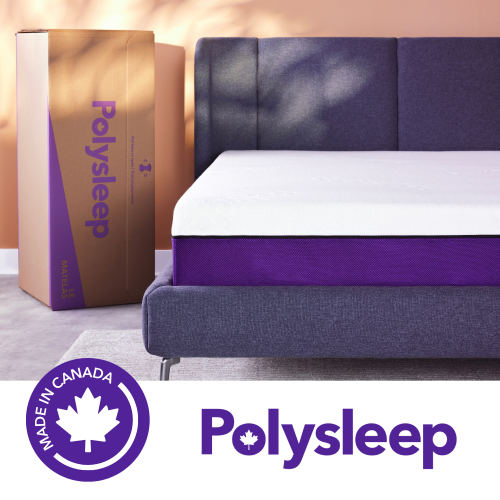 Your price for this item is $945
 -
 Your price for this item is $1199
 -
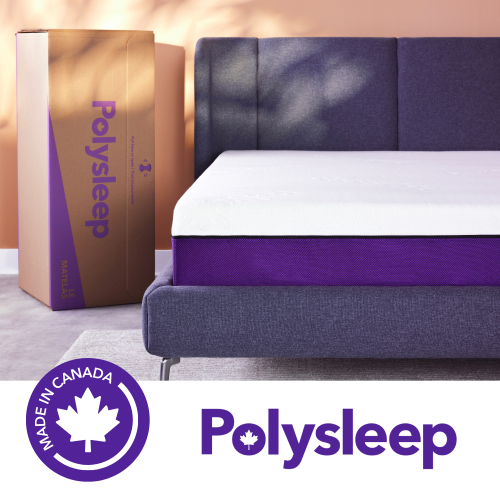 Your price for this item is $1395
 -
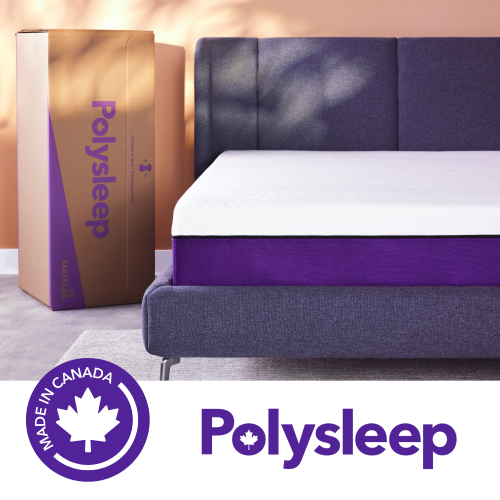 Your price for this item is $895
 -
 Your price for this item is $920
Discover more categories related to Solutions for Hot Sleepers
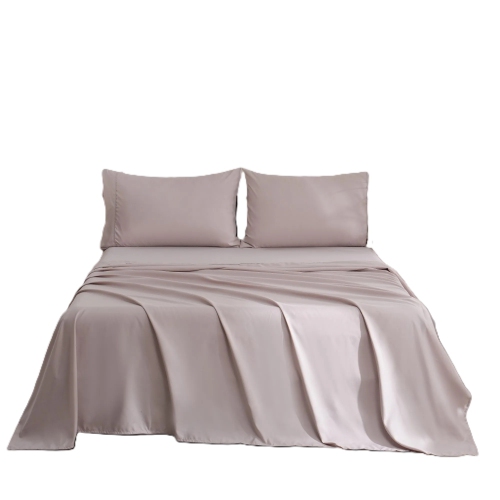
Top Collections:
Pokemon Centers, Kindle Devices, Best Budget Office Chairs, Apple iPhones 16, Best Laptops for Writers, iPhone 15 Apple, Canon G7X Cameras, Refurbished Apple Laptops, Alarm Clock, Motorola Razr Phones
Some products may be subject to Environmental Handling Fees
(EHF) depending on your province.
Learn more about EHFs.