Soy Candles
Indulge your senses with the warm glow and inviting ambiance of soy candles. Discover a wide selection of eco-friendly candles made from natural soy wax, known for its clean and long-lasting burn. Whether you're looking to set a relaxing mood in your living space or searching for the perfect gift for a loved one, our collection of soy candles offers an array of scents and styles to suit every preference. Elevate your home decor and create a cozy atmosphere with these environmentally-conscious candles that not only smell delightful but also promote sustainability.
Sort


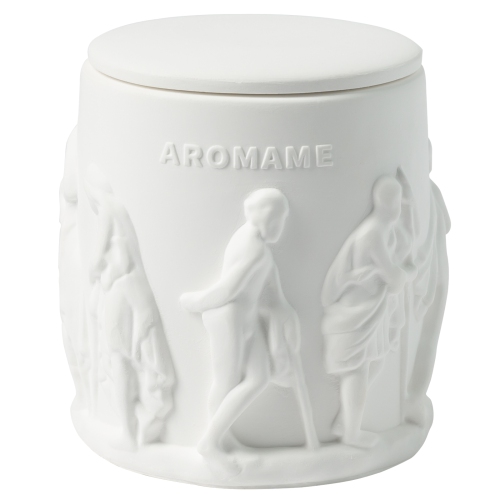
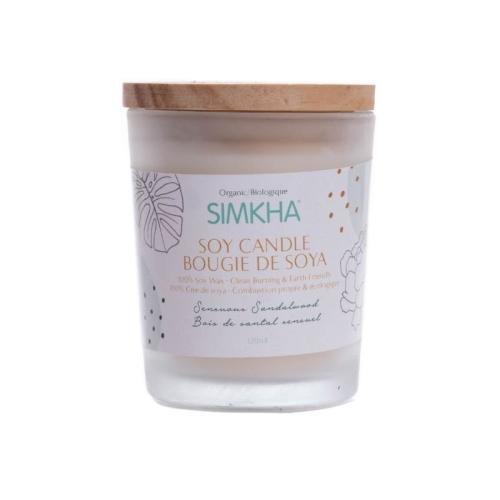
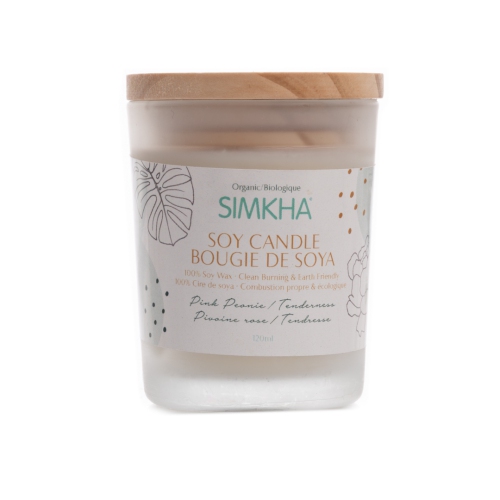
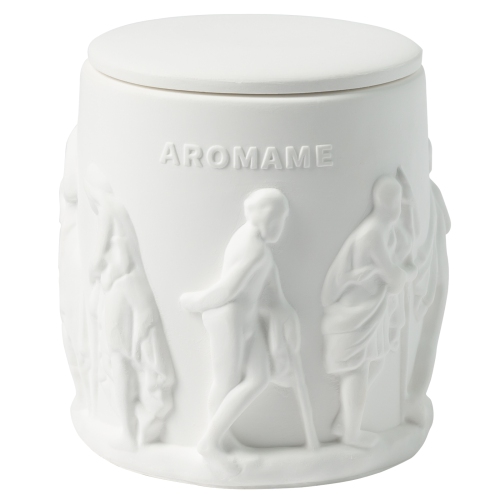
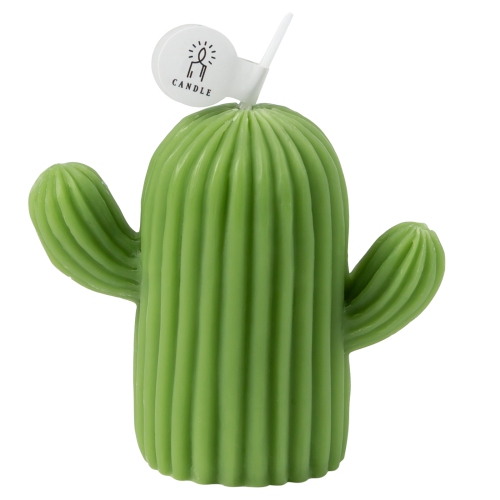
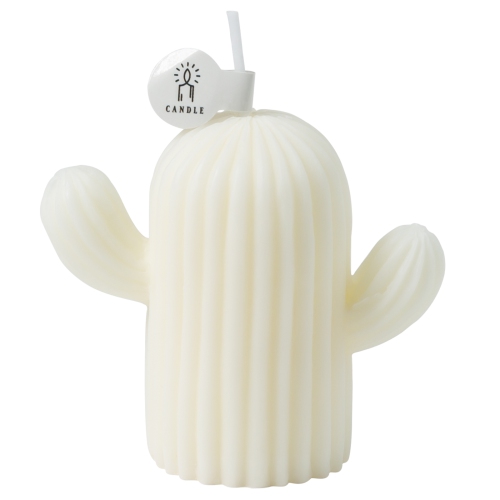

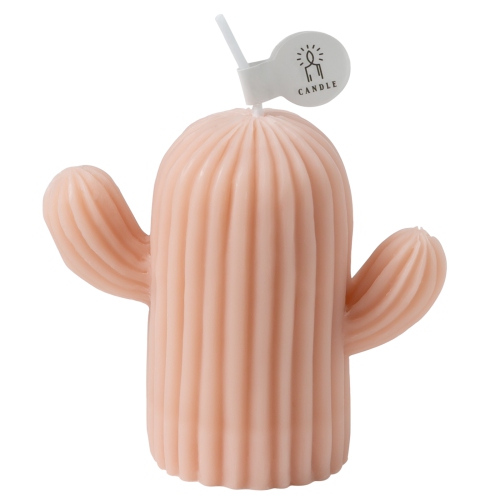
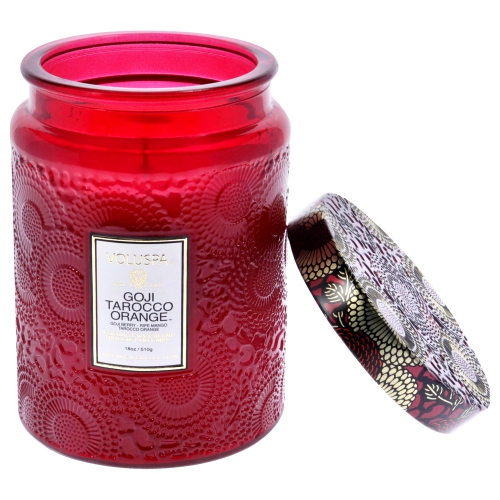


How wax and fragrance shape a candle’s character
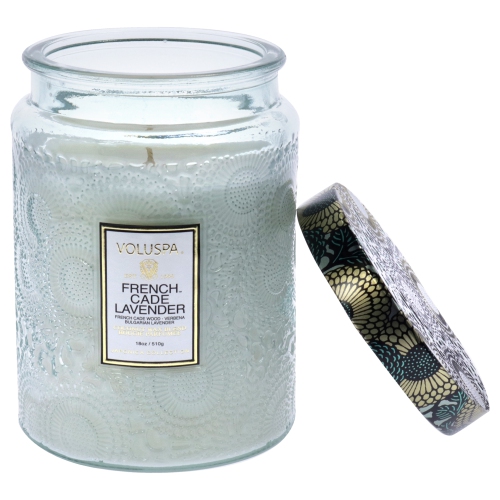
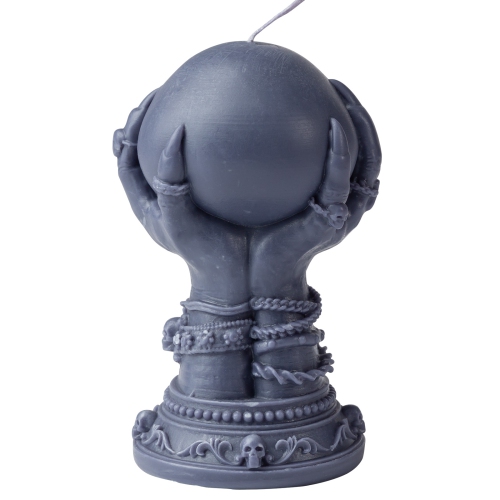
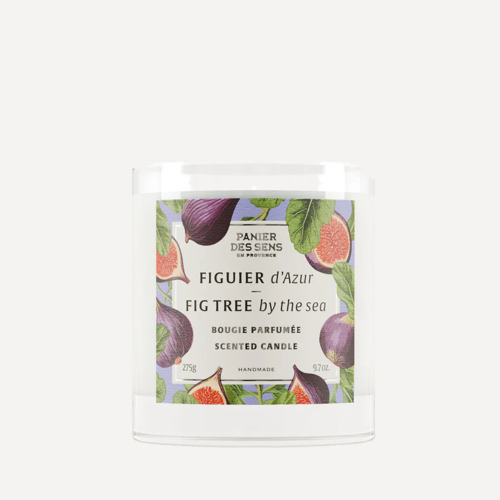
Soy candles bring together soft candlelight, fragrance and a wax made from processed soybean oil, making them a familiar choice for living rooms, bedrooms and other spaces where a small finishing touch can change the mood. The term describes the wax base rather than a particular scent, size or style: a soy candle can be unscented, lightly floral, richly woodsy or filled with warm notes of vanilla and spice. Some contain only soy wax, while others use a blend of soy and other waxes to achieve a particular texture, fragrance release or burning performance. That distinction makes the ingredient description more useful than the name alone when comparing candle types. For shoppers exploring Soy Wax Candles, the main differences often come down to wax composition, fragrance, wick construction and vessel size. Fragrance has two distinct impressions: the scent noticeable before lighting, often called cold throw, and the scent released while burning, known as hot throw. A candle that smells pronounced with its lid off may feel quite different once lit in a larger room. Room layout, airflow and personal sensitivity all affect the experience. A subtle floral or fresh linen scent can suit a quiet reading corner, while cedar, amber or gently spiced notes can feel at home beside textured cushions during the cooler months. Citrus and herbal profiles offer a brighter character without relying on a particular season. In a dining area, an unscented candle allows the aroma of food to stay central while still adding a warm glow. Scent descriptions are useful starting points, but a familiar fragrance name does not guarantee an identical smell across different formulations. Lavender, for example, can lean soft and powdery or sharper and herbal depending on the blend. Someone who enjoys a restrained scent may prefer a simpler fragrance profile, while a layered blend can appeal to someone who likes a fuller impression that unfolds as the candle burns.
The physical details of soy candles matter just as much as their fragrance, particularly when they will sit in view between uses. Glass jars let the flame and wax become part of the display, ceramic vessels add an opaque, substantial finish, and metal tins offer a compact format that can be convenient for storage or gifting. Each container still needs a stable, heat-resistant surface when the candle is lit; a sturdy appearance does not mean the outside will remain cool. Vessel width, wick count and wax quantity work together, so a larger candle is not automatically stronger-smelling or longer-lasting than every smaller one. Multiple wicks may help a wider candle melt across its surface, but they also consume wax differently from a single-wick design. Published burn times are best treated as estimates tied to the maker’s test conditions and care directions, rather than a promise for every setting. Cotton and wooden wicks can both be used in soy candles, with differences in flame appearance, maintenance and sound. Some wooden wicks produce a gentle crackle, though the effect varies with their construction and the candle’s formulation. Soy wax itself may show a pale, crystalline finish known as frosting, slight surface unevenness or changes in how it adheres to the glass. These visual characteristics can occur as the wax cools or responds to temperature changes and do not necessarily indicate a fault. Ingredient and origin claims deserve separate attention: a soy wax base does not by itself establish that the entire candle is vegan, fragrance-free or made in Canada. Those details depend on the complete formulation and the maker’s stated production information. For a household where fragrance preferences differ, unscented options keep the focus on candlelight, although burning any candle still produces emissions. A flameless light may be a better fit where an open flame or fragrance is unwelcome.
Everyday care helps a soy candle burn more evenly and keeps its appearance tidy through repeated use. On the first lighting, many container candles benefit from enough time for the melted wax to spread broadly across the surface, within the manufacturer’s stated maximum burn period. Repeatedly extinguishing a candle after only a few minutes can leave a narrow well around the wick, often called tunnelling, with unused wax remaining along the sides. The correct session length depends on the candle’s diameter and formulation, so there is no single timing rule that suits every vessel. Before relighting, allow the wax to cool completely, remove loose wick fragments and trim the wick to the length specified on the label. An overly long wick can create an oversized flame or visible soot; persistent smoke or an unusually high flame is a reason to extinguish the candle and check its care instructions. Keep lit candles away from curtains, shelves, draughts and anything else that could catch fire, with ample clearance above the flame. Children and pets should not be able to reach the candle or knock its surface, and a burning candle should never be left unattended or used while sleeping. Avoid moving the vessel while the wax is liquid, and stop use at the remaining wax level indicated by the manufacturer rather than burning it dry. Between uses, a cooled candle can be covered with its lid, if supplied, and stored away from direct sunlight and heat to help preserve its scent and appearance. These practical details also matter when choosing soy candles as gifts. A softly scented candle in a simple vessel can suit a housewarming or a host who enjoys quiet evenings at home, while an unscented version may better suit someone whose fragrance preferences are unknown. For shared homes, compact rooms or desks crowded with papers, the recipient’s space and habits matter more than an elaborate scent description. A well-chosen candle feels personal because its fragrance, size and finish fit naturally into the way someone lives.
The physical details of soy candles matter just as much as their fragrance, particularly when they will sit in view between uses. Glass jars let the flame and wax become part of the display, ceramic vessels add an opaque, substantial finish, and metal tins offer a compact format that can be convenient for storage or gifting. Each container still needs a stable, heat-resistant surface when the candle is lit; a sturdy appearance does not mean the outside will remain cool. Vessel width, wick count and wax quantity work together, so a larger candle is not automatically stronger-smelling or longer-lasting than every smaller one. Multiple wicks may help a wider candle melt across its surface, but they also consume wax differently from a single-wick design. Published burn times are best treated as estimates tied to the maker’s test conditions and care directions, rather than a promise for every setting. Cotton and wooden wicks can both be used in soy candles, with differences in flame appearance, maintenance and sound. Some wooden wicks produce a gentle crackle, though the effect varies with their construction and the candle’s formulation. Soy wax itself may show a pale, crystalline finish known as frosting, slight surface unevenness or changes in how it adheres to the glass. These visual characteristics can occur as the wax cools or responds to temperature changes and do not necessarily indicate a fault. Ingredient and origin claims deserve separate attention: a soy wax base does not by itself establish that the entire candle is vegan, fragrance-free or made in Canada. Those details depend on the complete formulation and the maker’s stated production information. For a household where fragrance preferences differ, unscented options keep the focus on candlelight, although burning any candle still produces emissions. A flameless light may be a better fit where an open flame or fragrance is unwelcome.
Everyday care helps a soy candle burn more evenly and keeps its appearance tidy through repeated use. On the first lighting, many container candles benefit from enough time for the melted wax to spread broadly across the surface, within the manufacturer’s stated maximum burn period. Repeatedly extinguishing a candle after only a few minutes can leave a narrow well around the wick, often called tunnelling, with unused wax remaining along the sides. The correct session length depends on the candle’s diameter and formulation, so there is no single timing rule that suits every vessel. Before relighting, allow the wax to cool completely, remove loose wick fragments and trim the wick to the length specified on the label. An overly long wick can create an oversized flame or visible soot; persistent smoke or an unusually high flame is a reason to extinguish the candle and check its care instructions. Keep lit candles away from curtains, shelves, draughts and anything else that could catch fire, with ample clearance above the flame. Children and pets should not be able to reach the candle or knock its surface, and a burning candle should never be left unattended or used while sleeping. Avoid moving the vessel while the wax is liquid, and stop use at the remaining wax level indicated by the manufacturer rather than burning it dry. Between uses, a cooled candle can be covered with its lid, if supplied, and stored away from direct sunlight and heat to help preserve its scent and appearance. These practical details also matter when choosing soy candles as gifts. A softly scented candle in a simple vessel can suit a housewarming or a host who enjoys quiet evenings at home, while an unscented version may better suit someone whose fragrance preferences are unknown. For shared homes, compact rooms or desks crowded with papers, the recipient’s space and habits matter more than an elaborate scent description. A well-chosen candle feels personal because its fragrance, size and finish fit naturally into the way someone lives.
Top selling and popular products
-
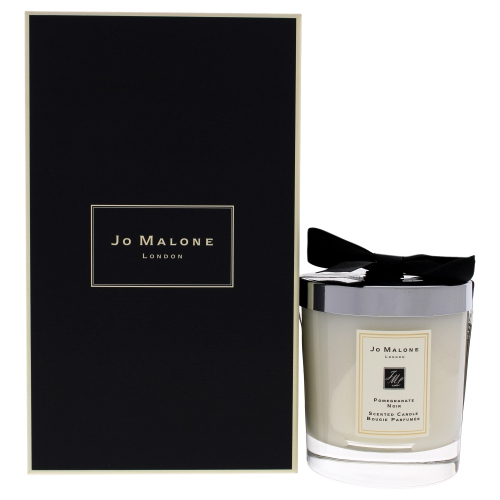 Your price for this item is $414.58
 -
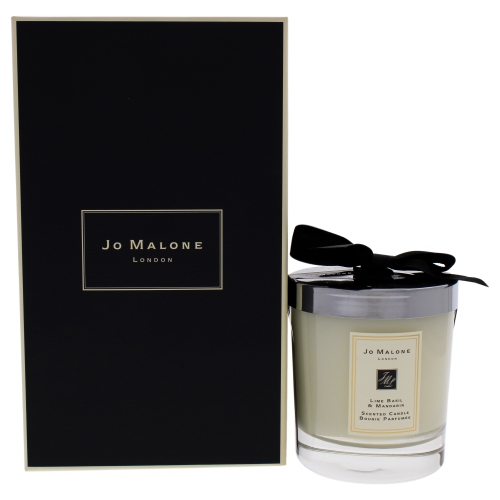 Your price for this item is $414.58
 -
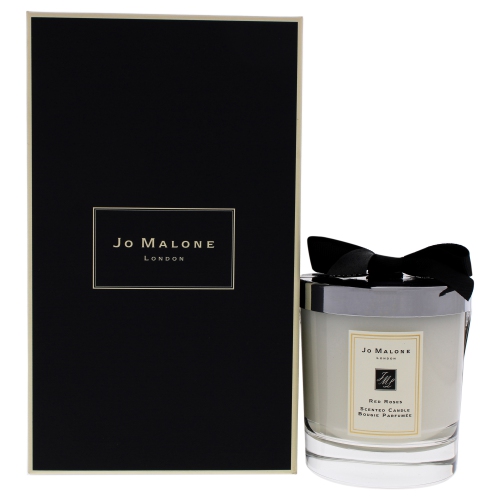 Your price for this item is $414.58
 -
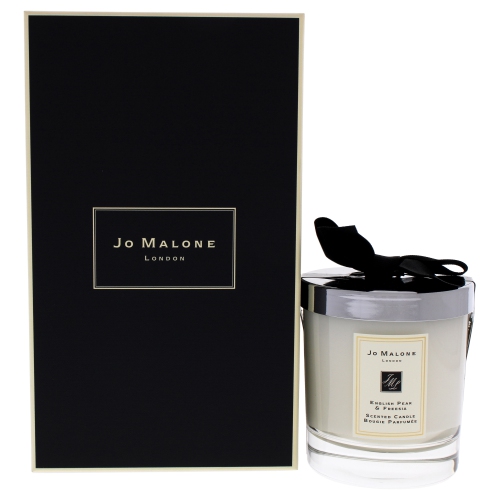 Your price for this item is $414.58
 -
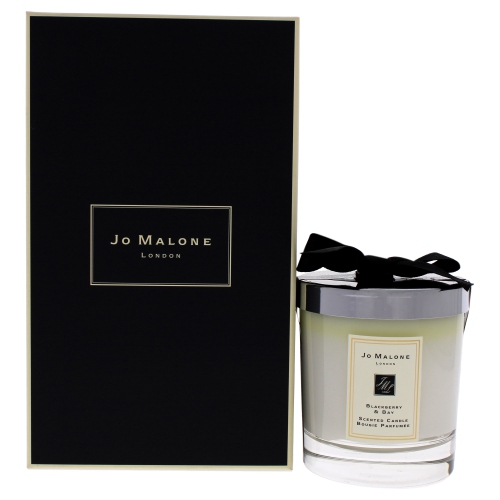 Your price for this item is $414.58
 -
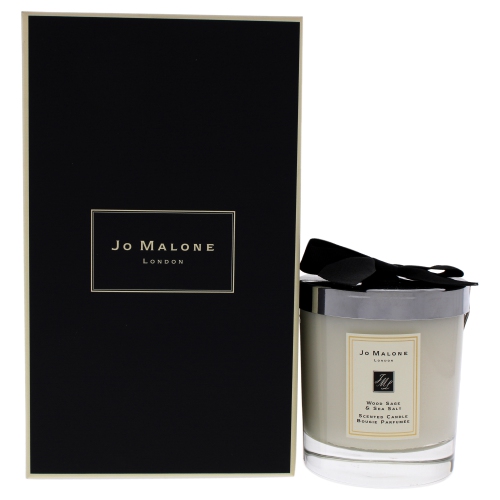 Your price for this item is $414.58
 -
 Your price for this item is $426.99
 -
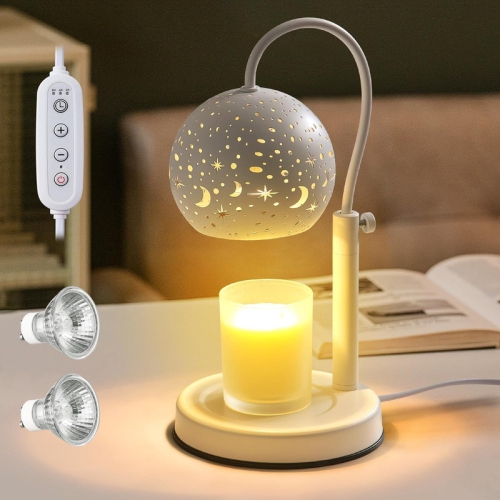 Your price for this item is $59.99
Discover more categories related to Soy Candles
Top Collections:
Pokemon Centers, Kindle Devices, Best Budget Office Chairs, Apple iPhones 16, Best Laptops for Writers, iPhone 15 Apple, Canon G7X Cameras, Refurbished Apple Laptops, Alarm Clock, Motorola Razr Phones
Some products may be subject to Environmental Handling Fees
(EHF) depending on your province.
Learn more about EHFs.