Space Saving Bunk Beds
Looking to maximize space in your home? Our collection of space-saving bunk beds offers a stylish and practical solution for shared bedrooms or guest rooms. These versatile pieces of furniture are perfect for families with multiple children or anyone looking to make the most of limited square footage. With a variety of designs and finishes to choose from, you can find the perfect bunk bed to suit your needs and complement your decor. Say goodbye to clutter and hello to functional and chic sleeping arrangements with our selection of space-saving bunk beds.
Sort
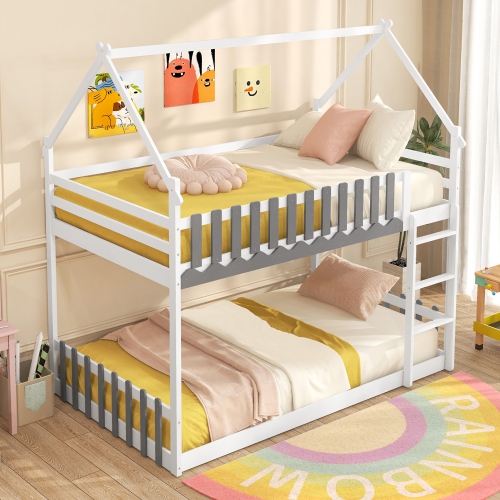
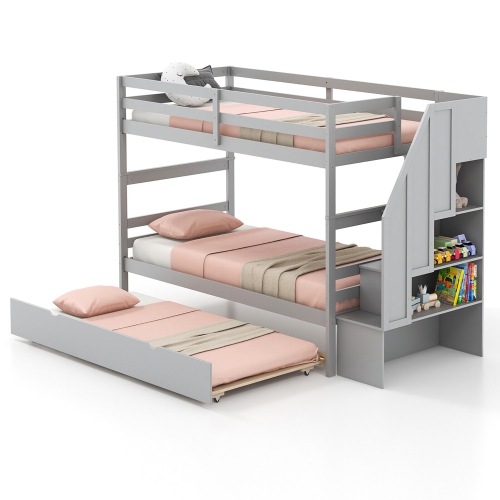
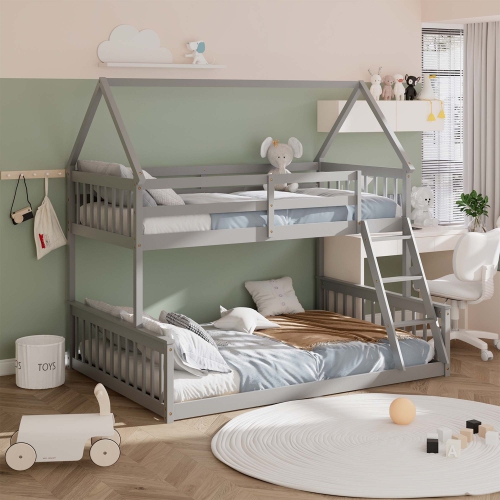

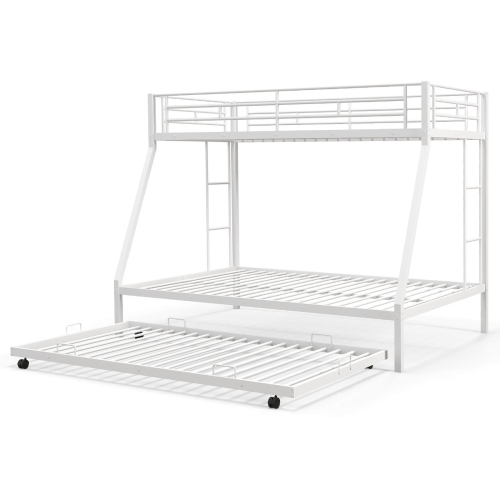


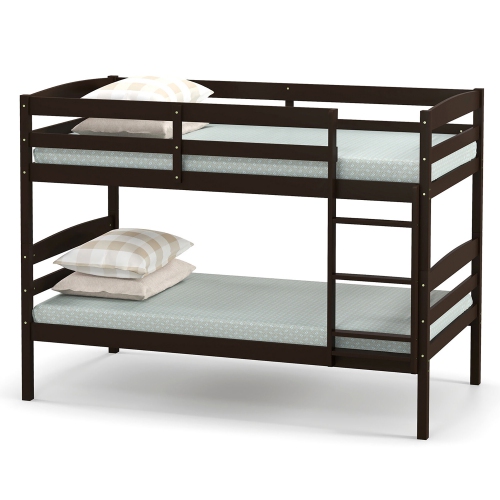
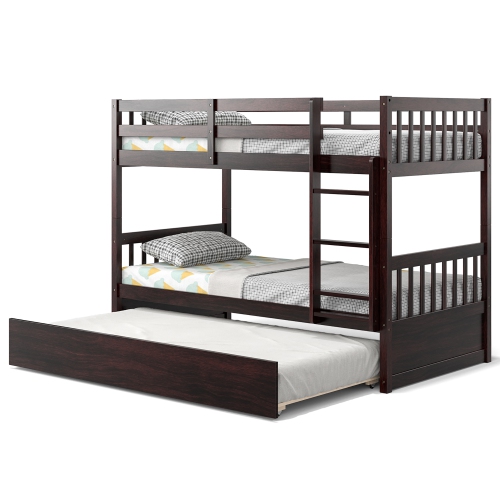
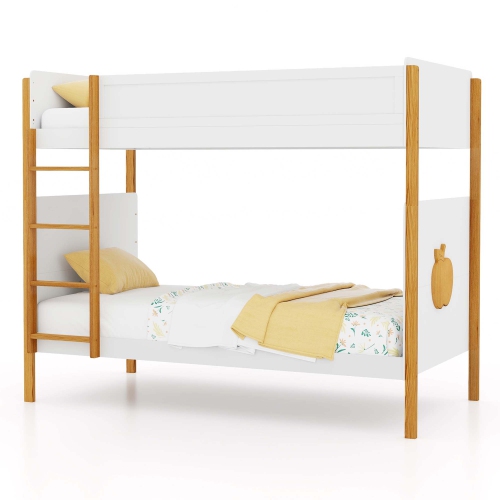
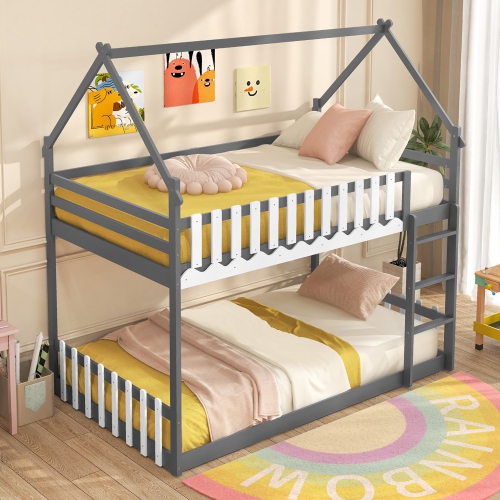
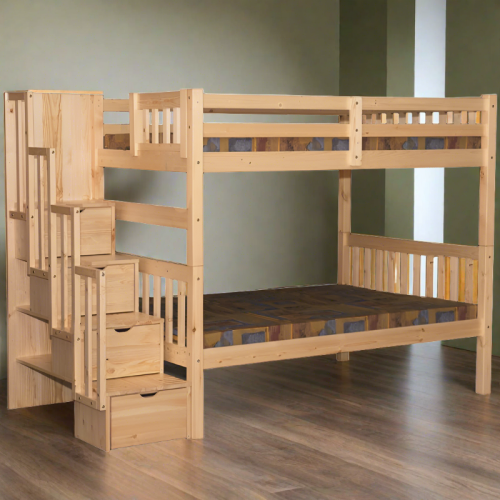
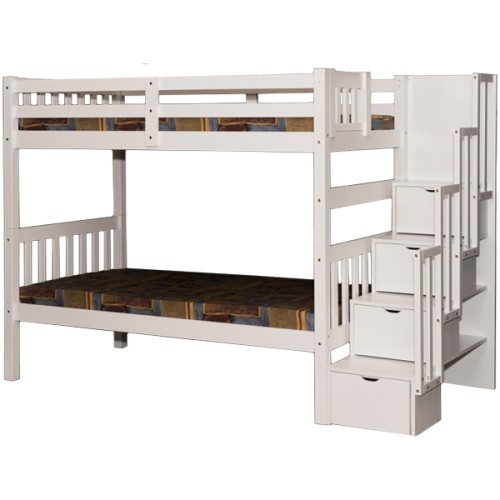
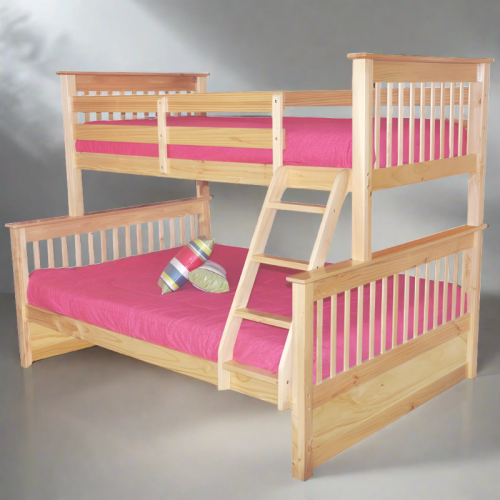
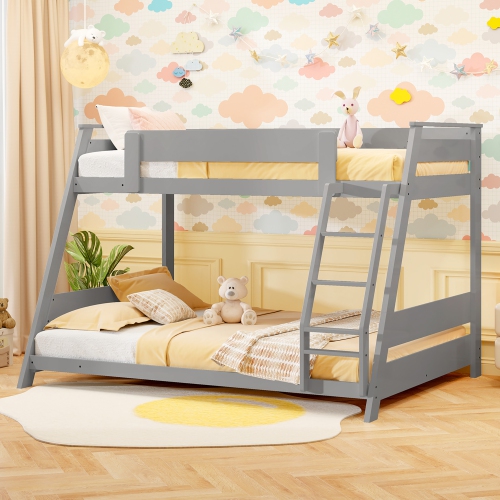
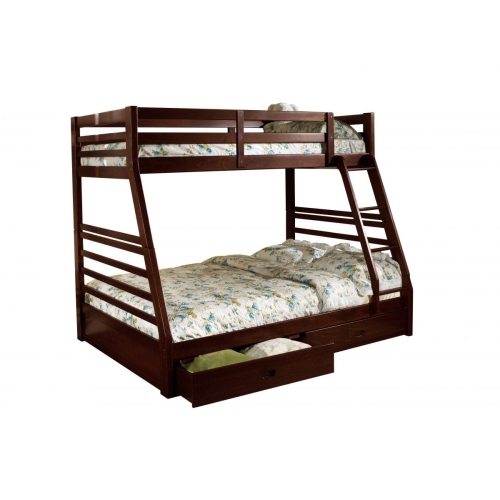
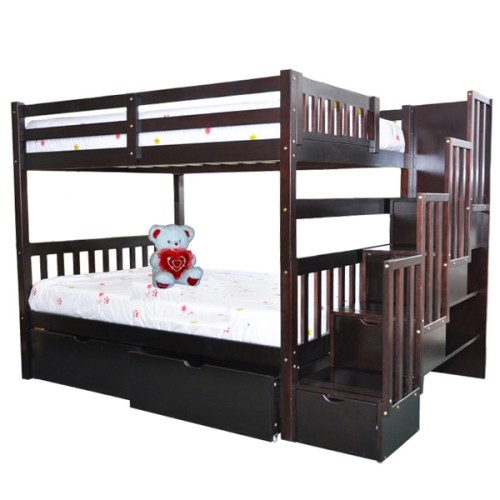
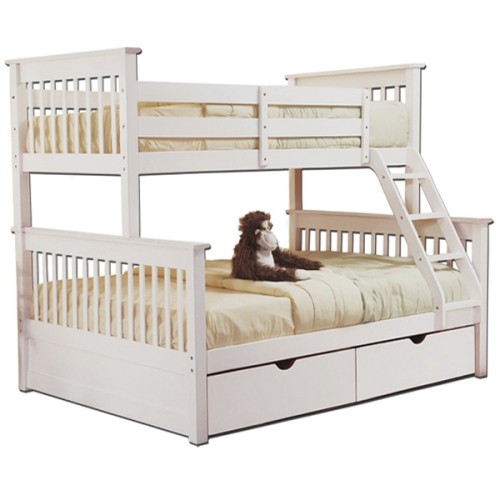
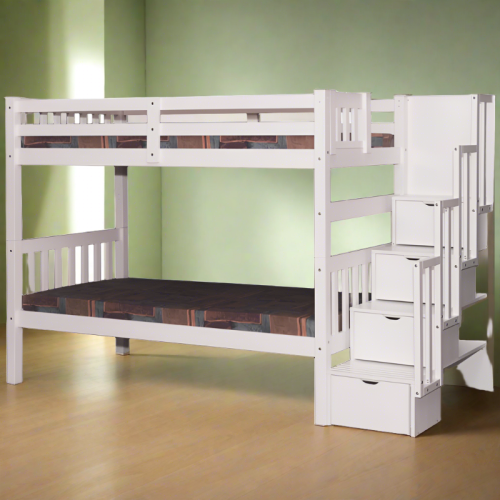


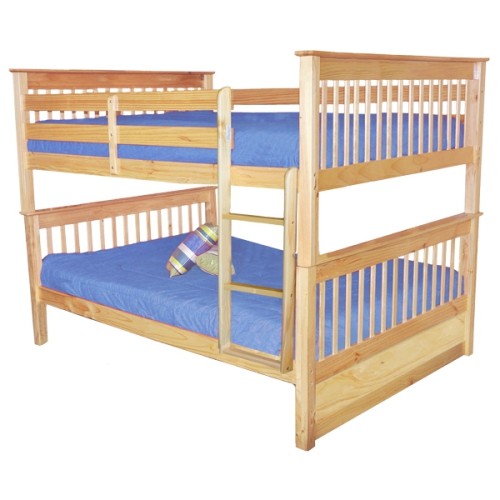
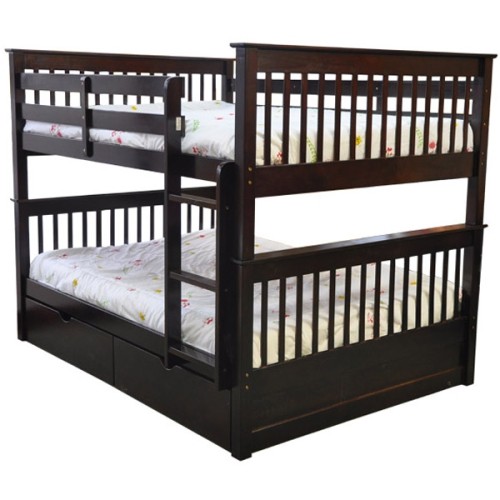
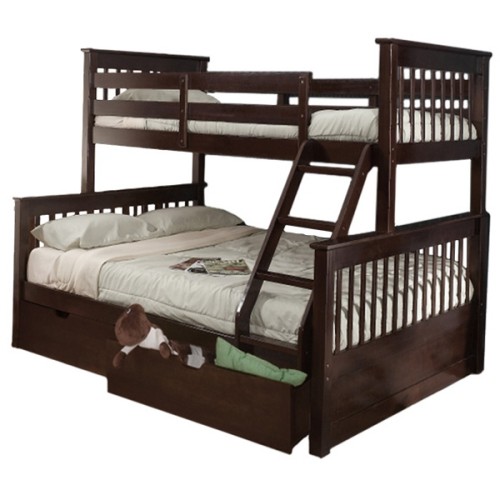
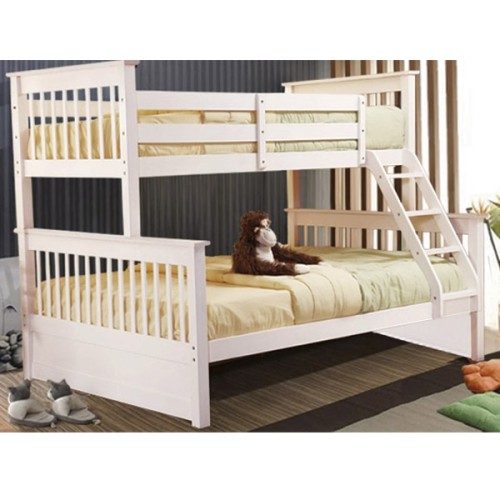
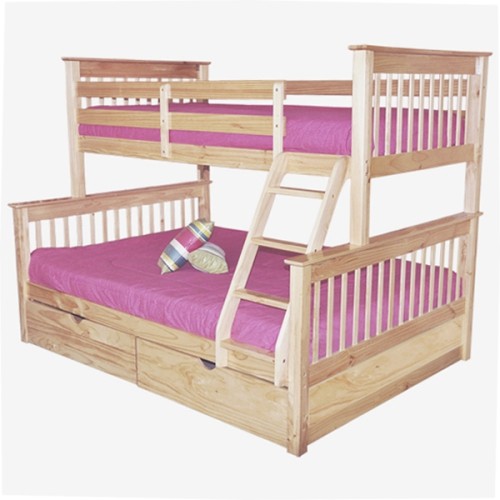
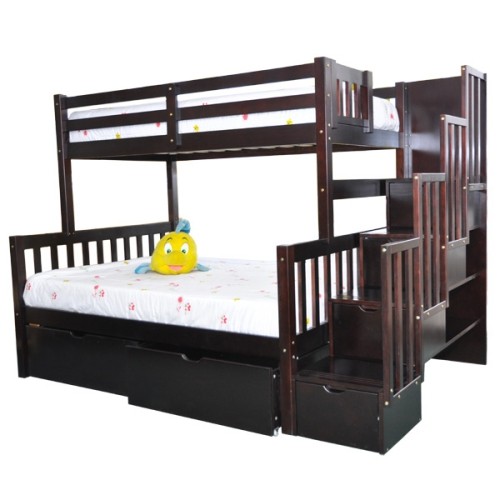
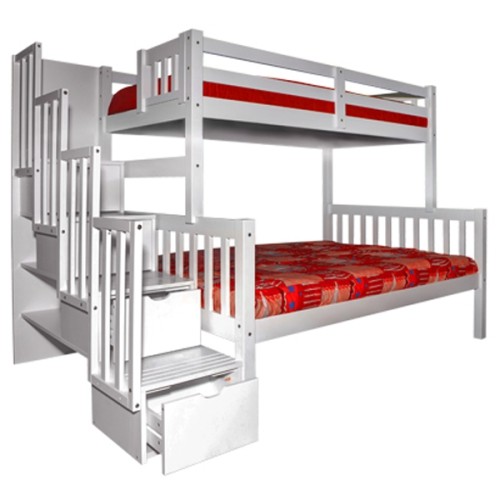
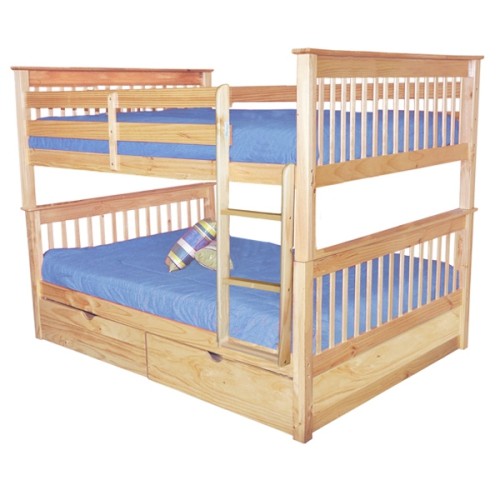

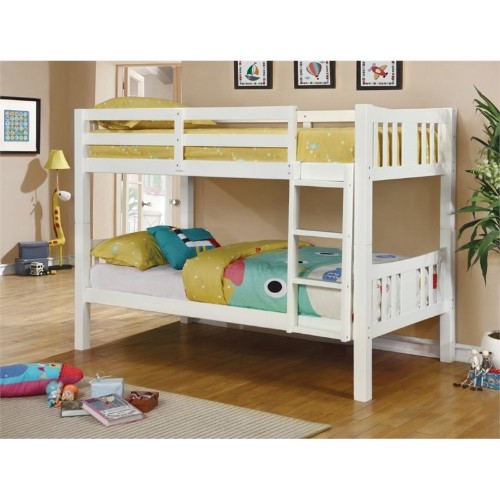
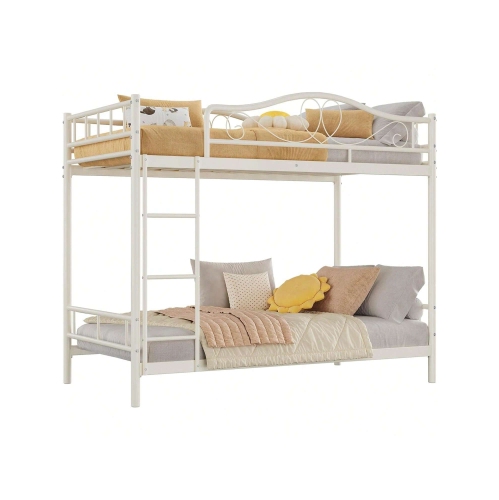
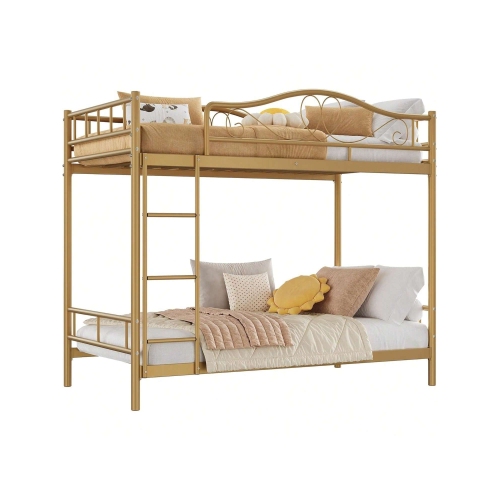
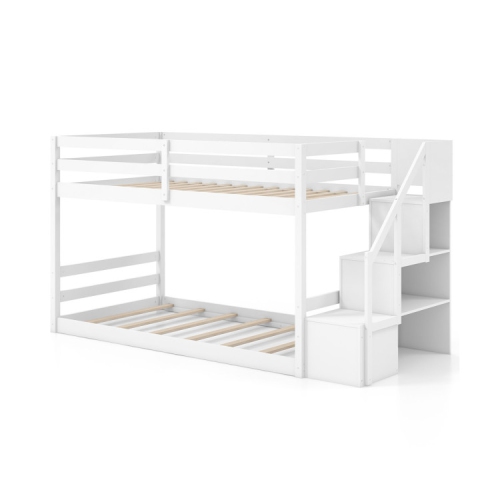
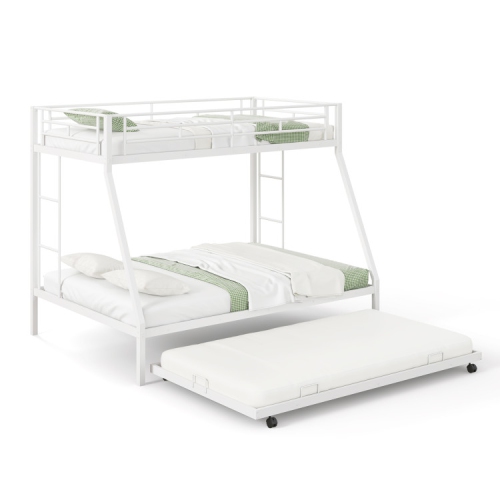
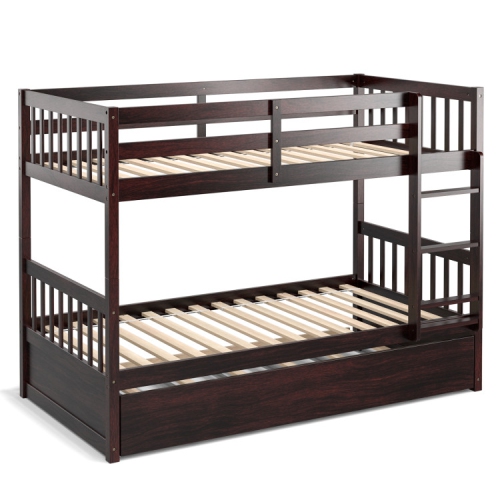
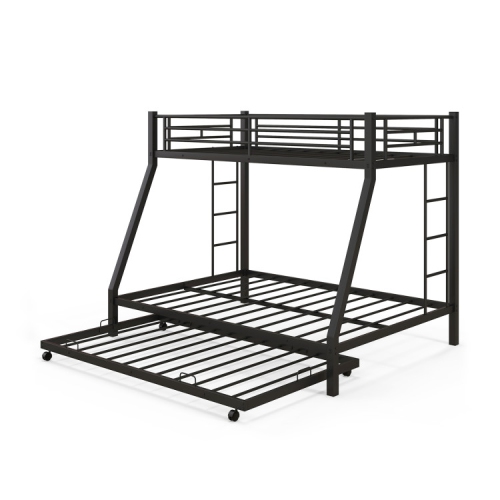
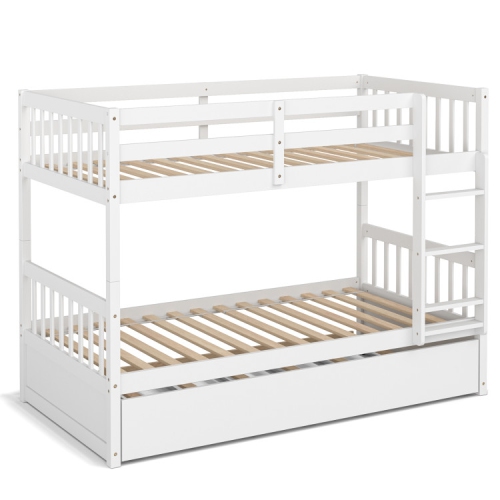


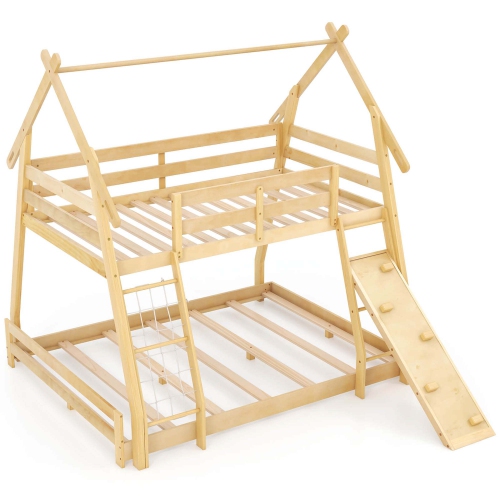
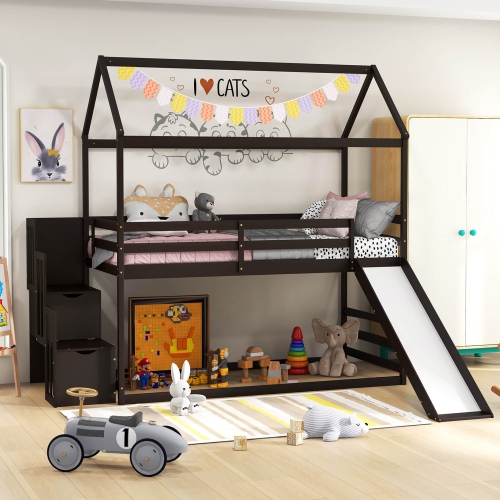
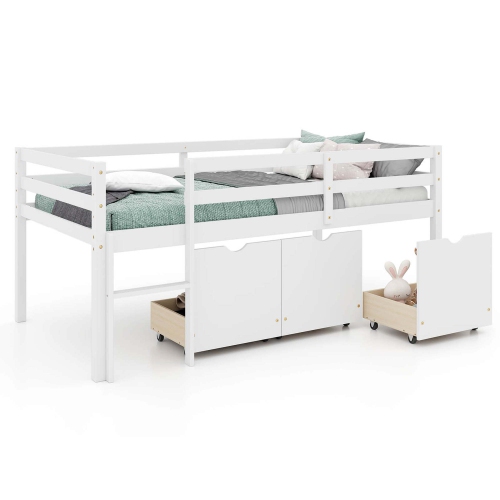


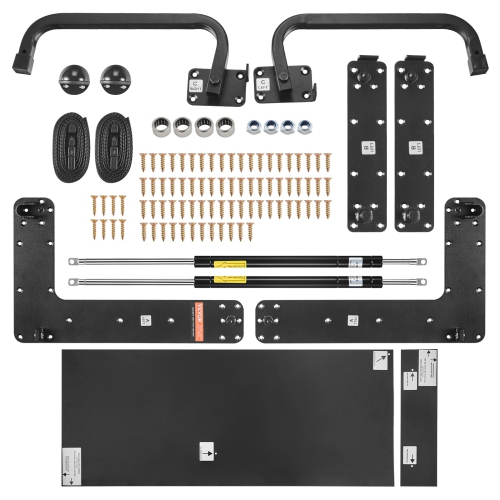
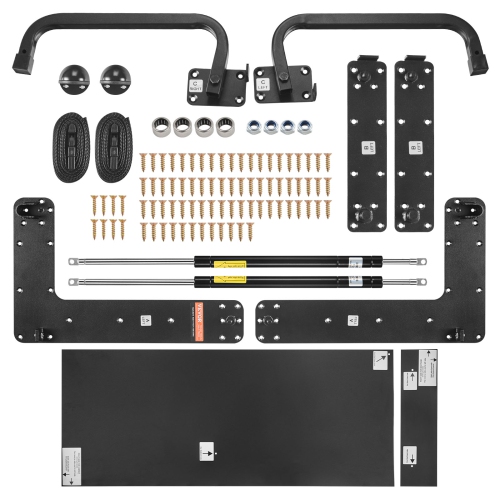

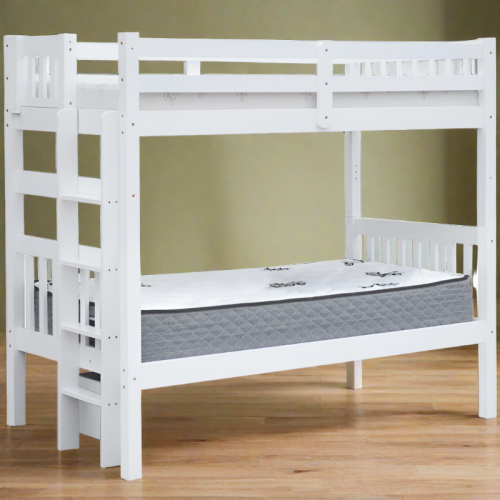
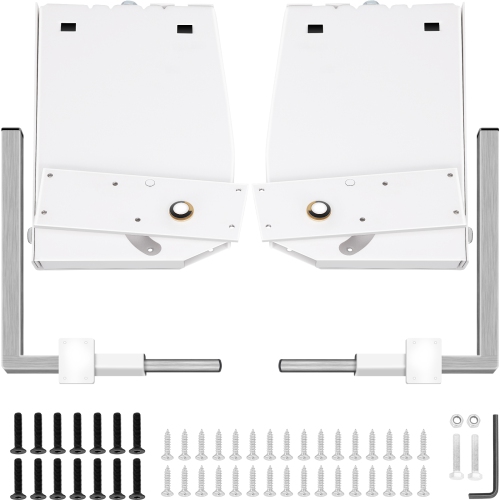
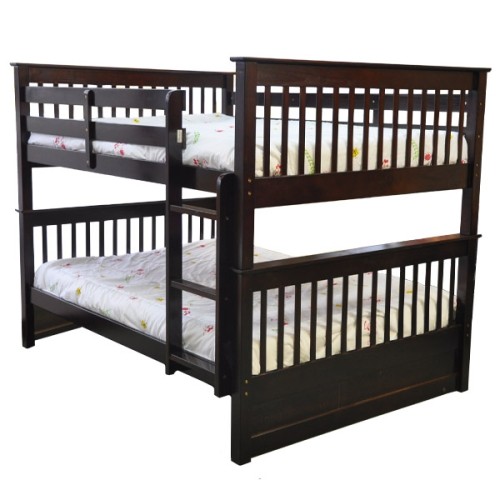

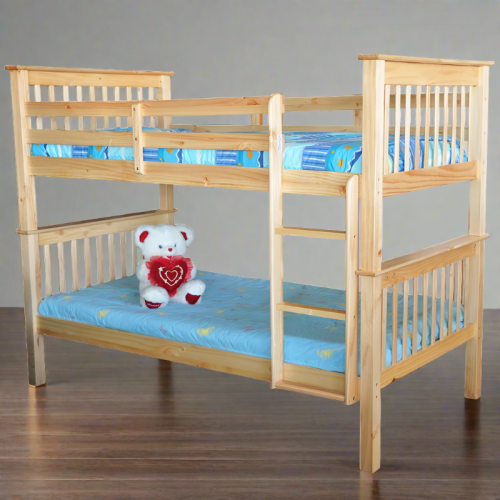
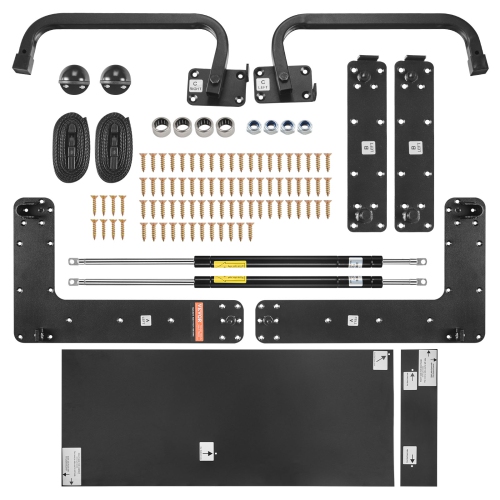
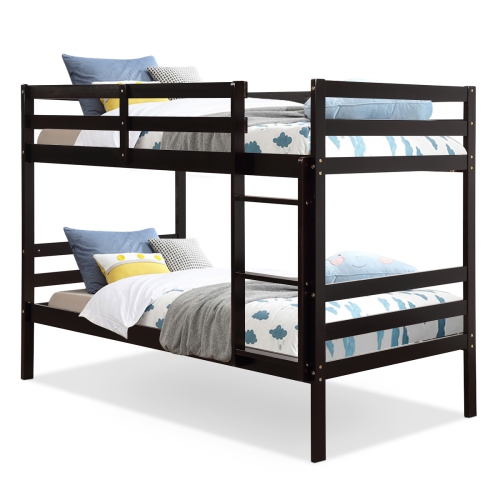
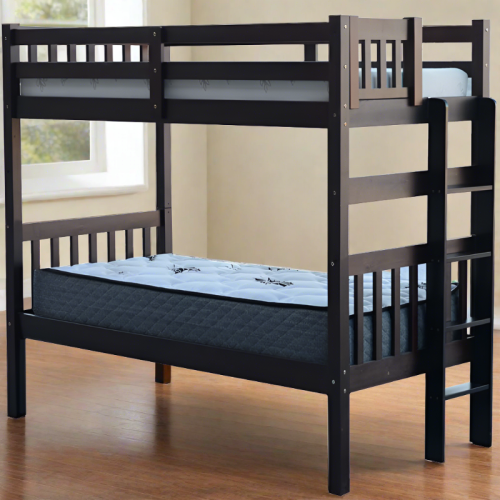
Flexible sleeping layouts for safer, more functional rooms
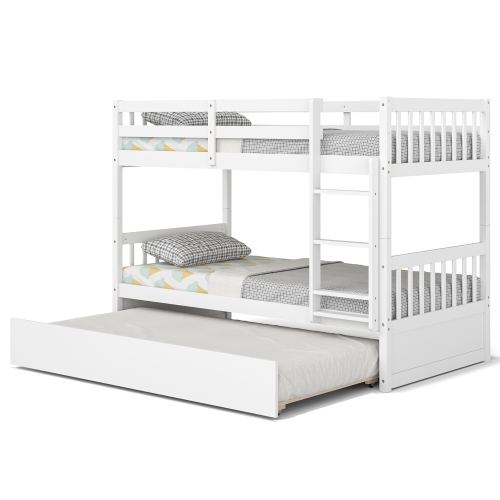
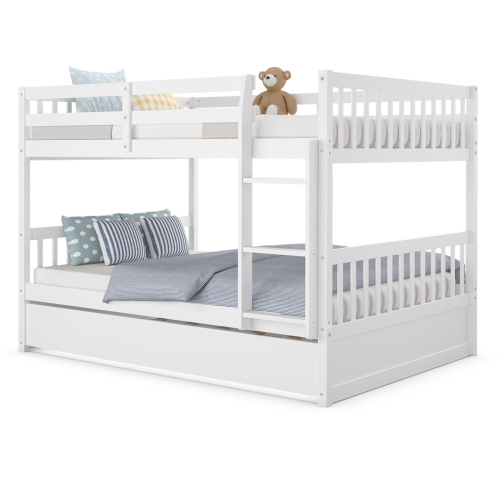
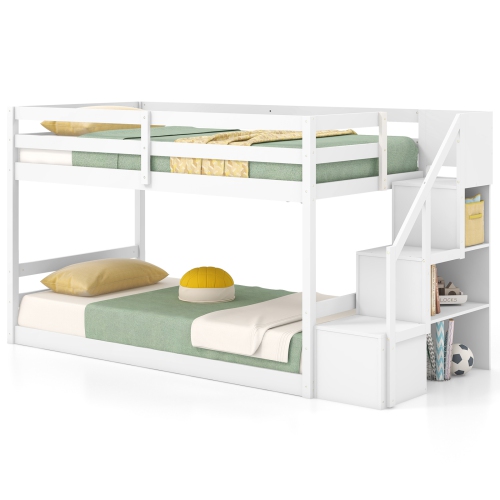
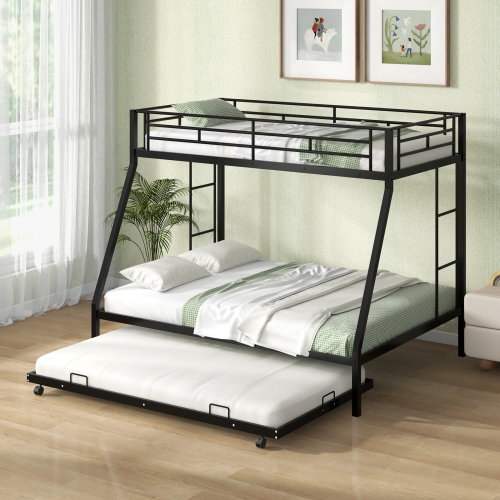
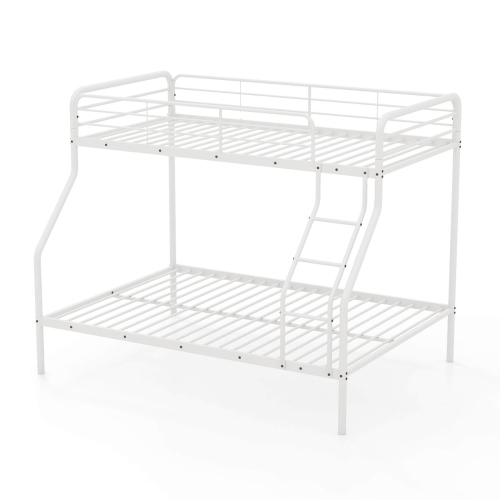
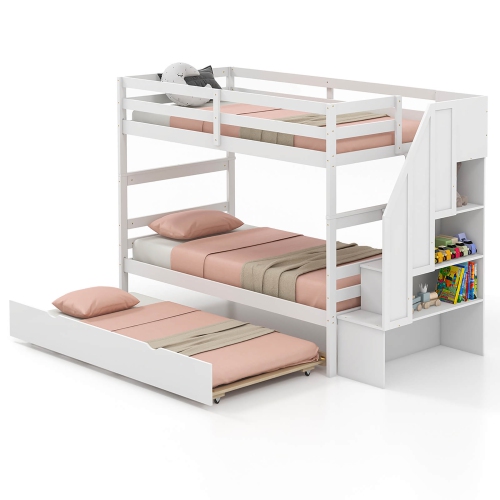
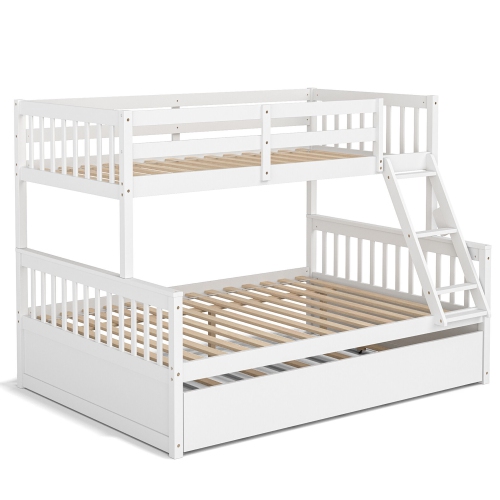
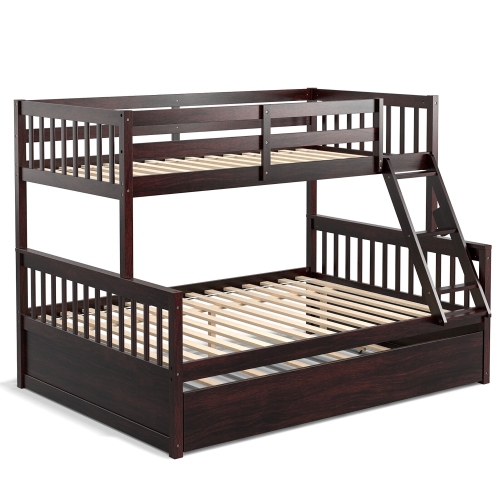
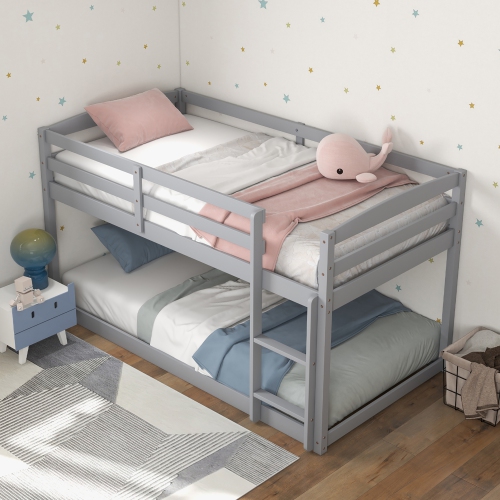
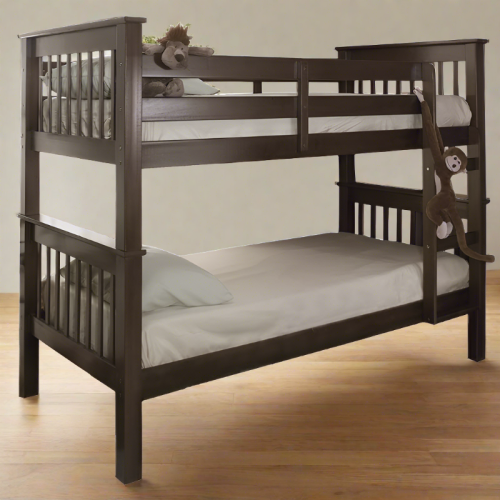
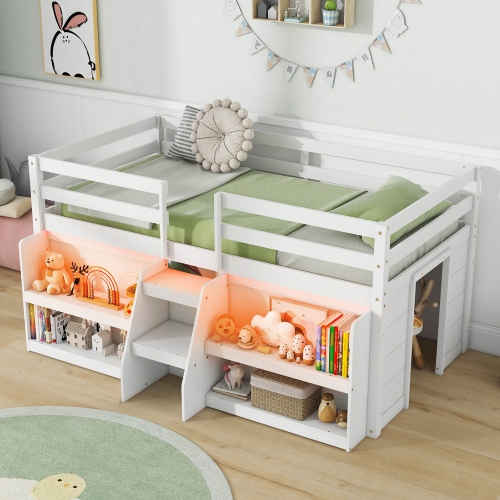
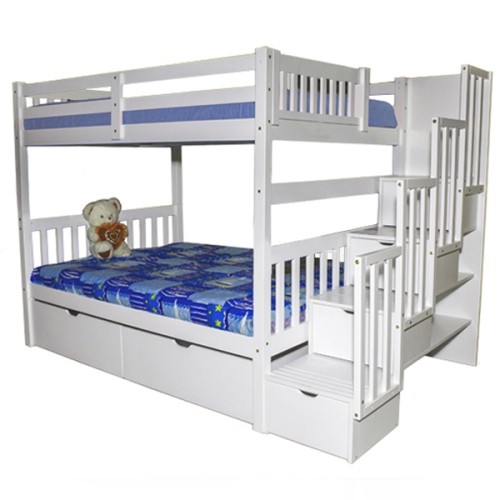
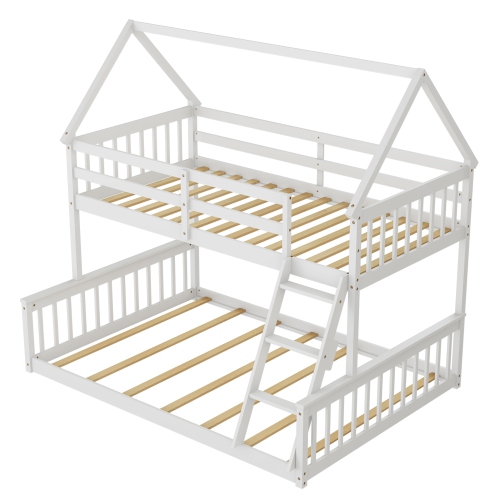
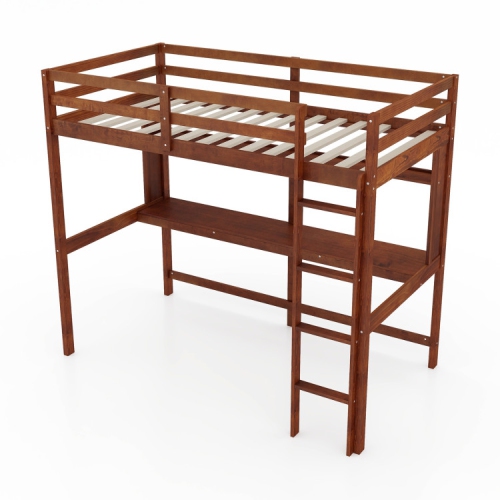
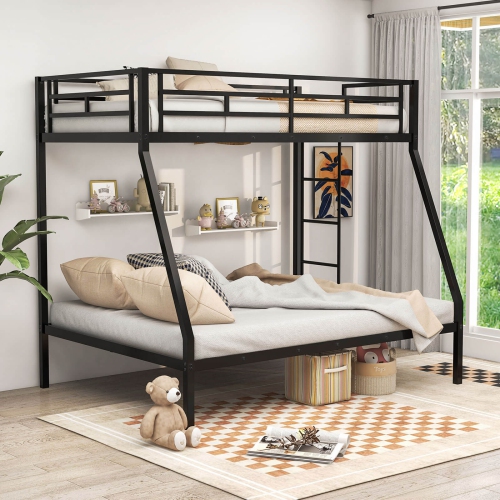
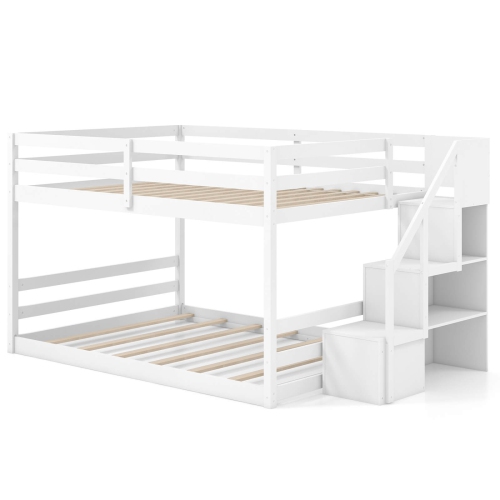
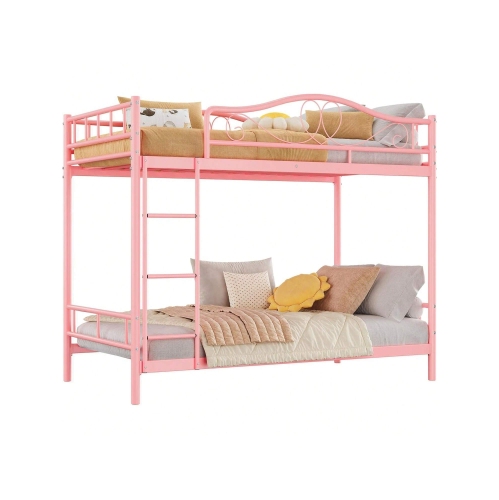
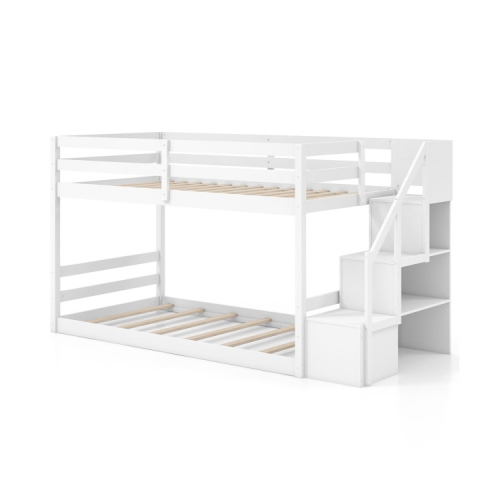
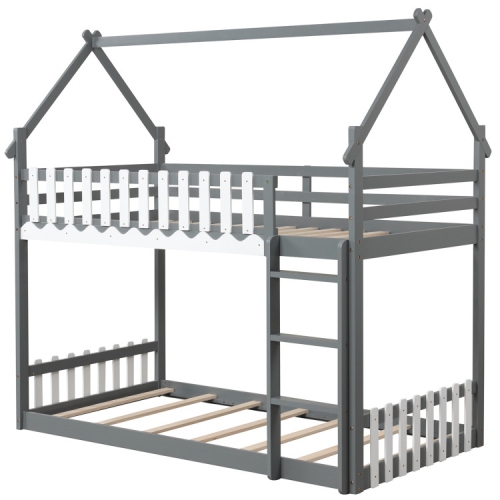
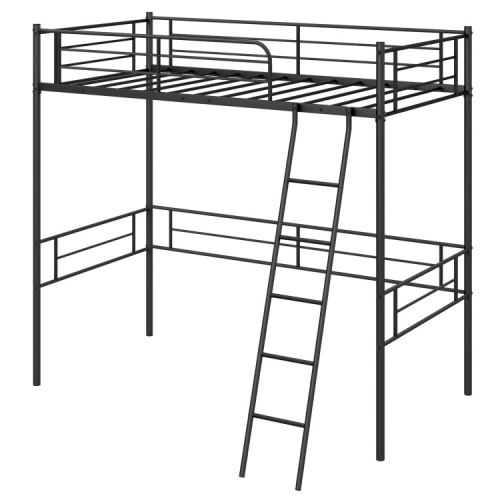
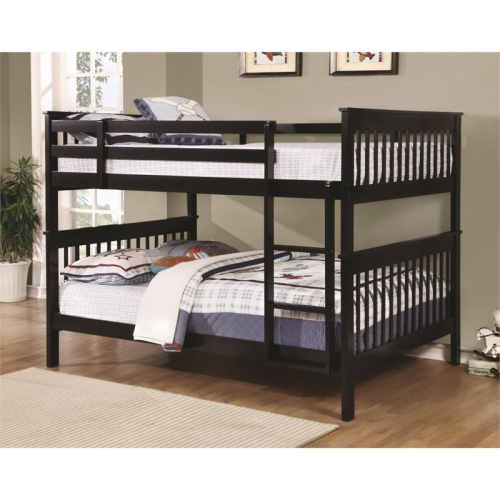
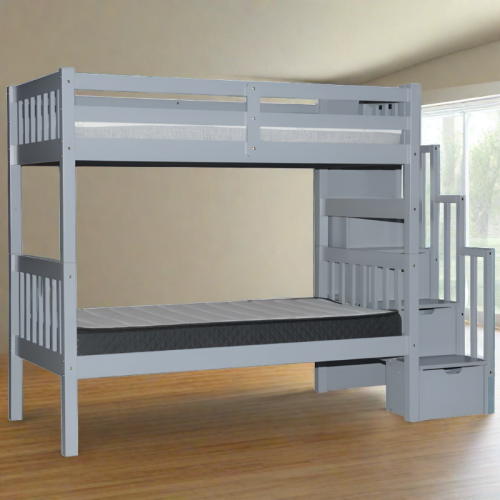
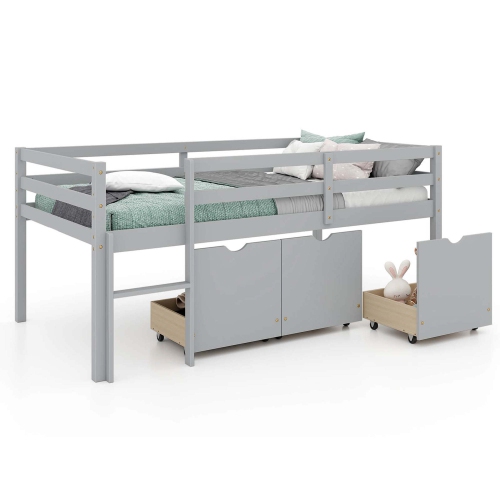
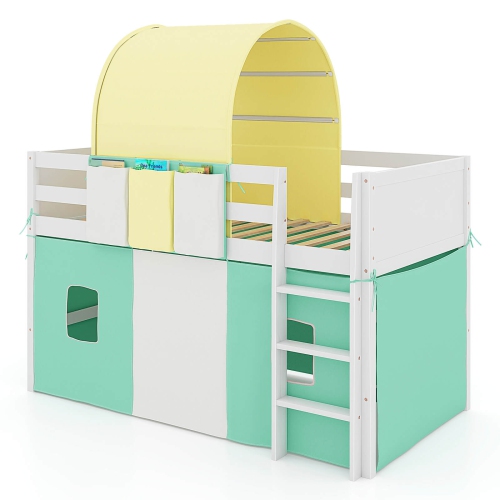
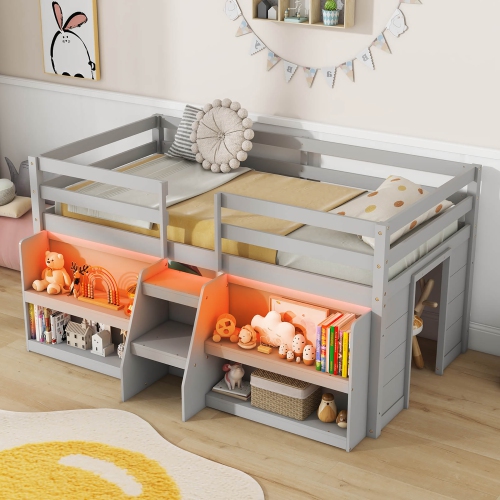
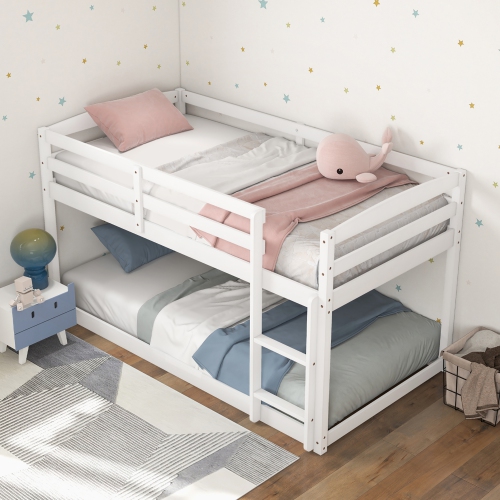
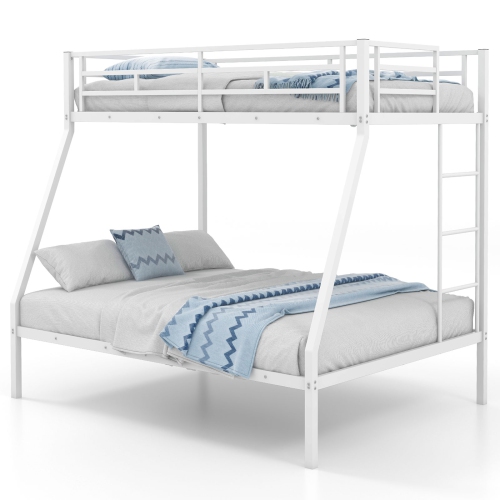
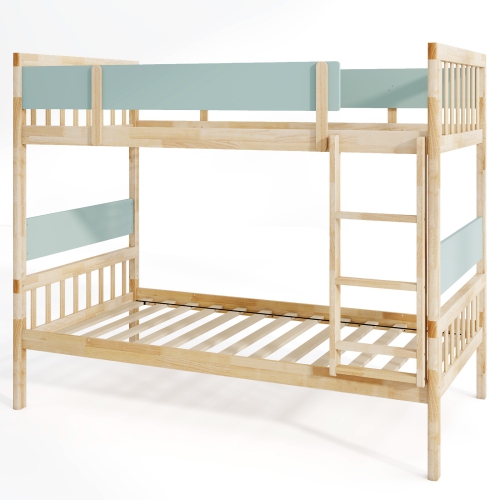
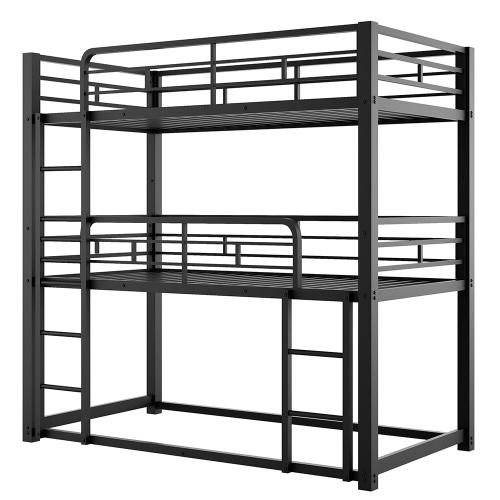
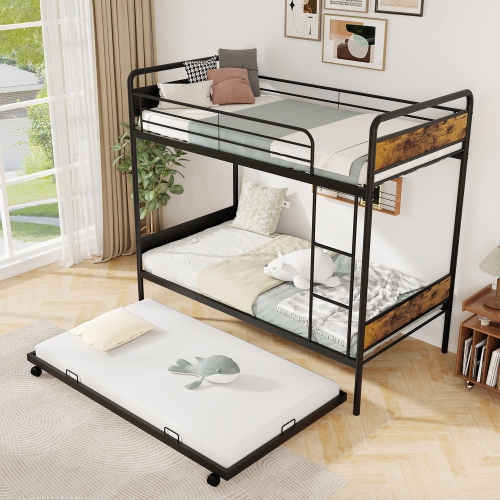
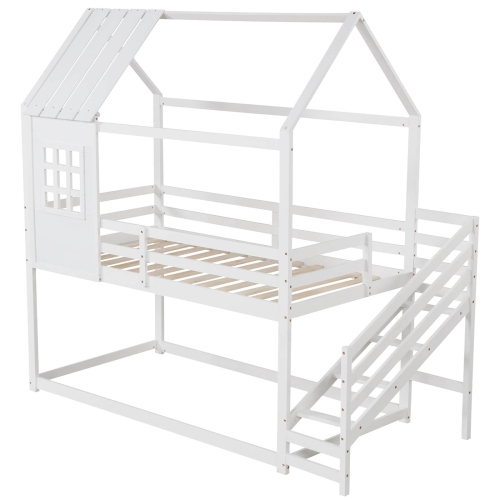
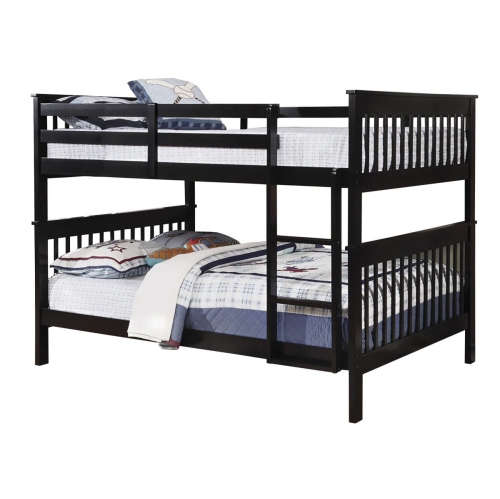
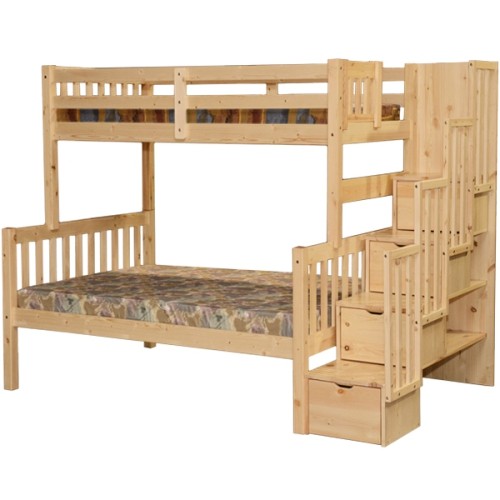
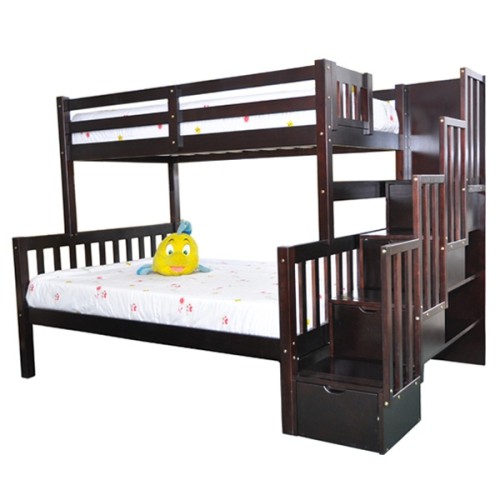
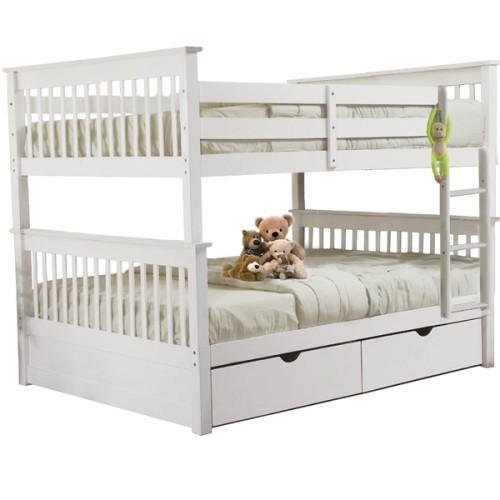
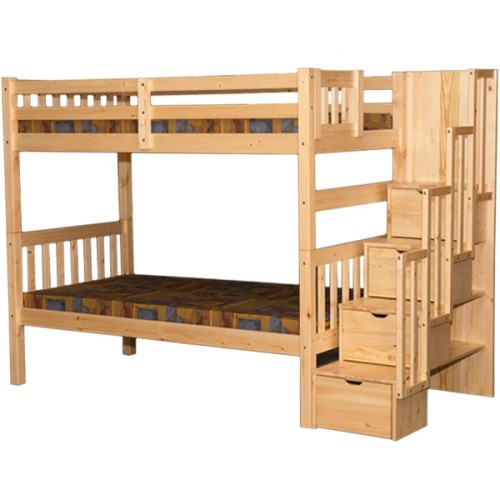
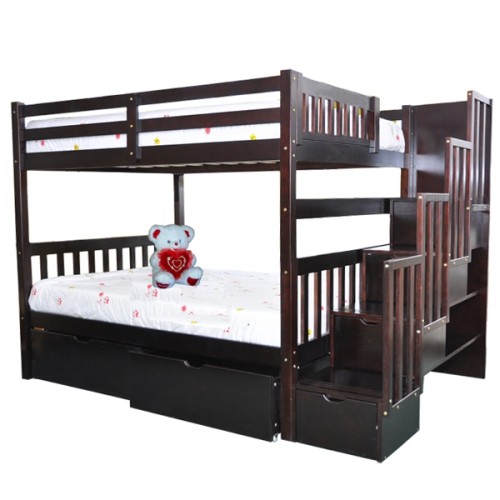
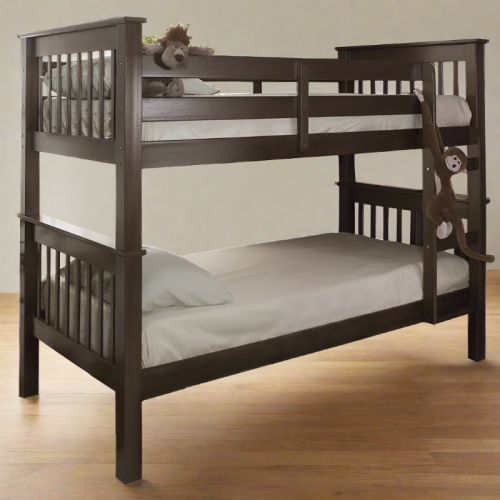
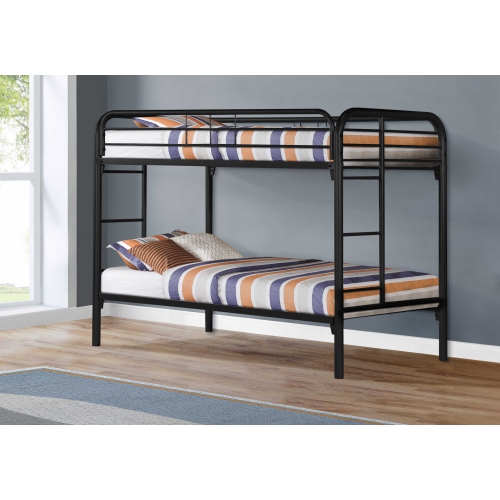
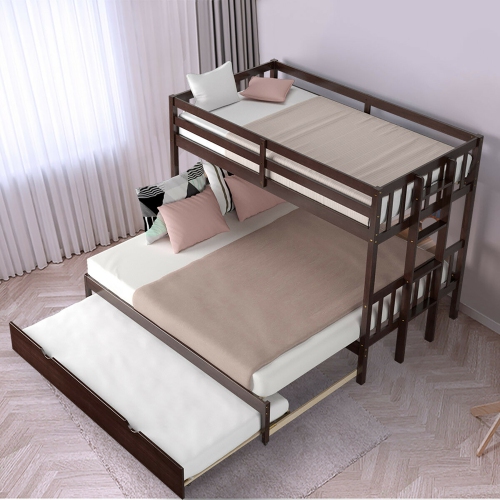
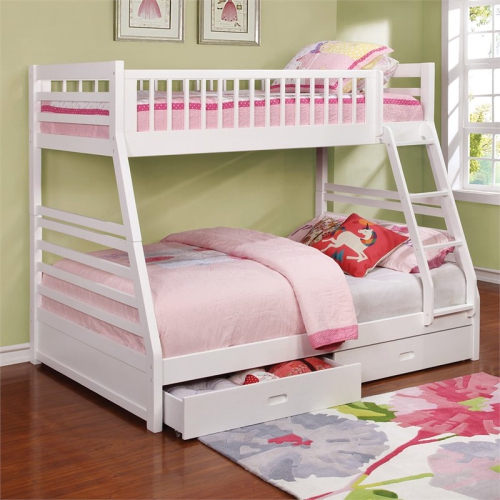
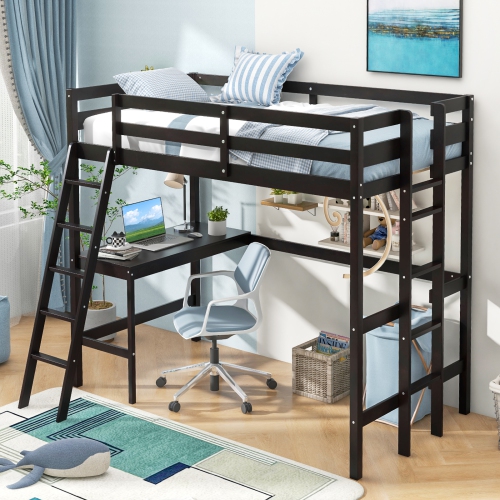
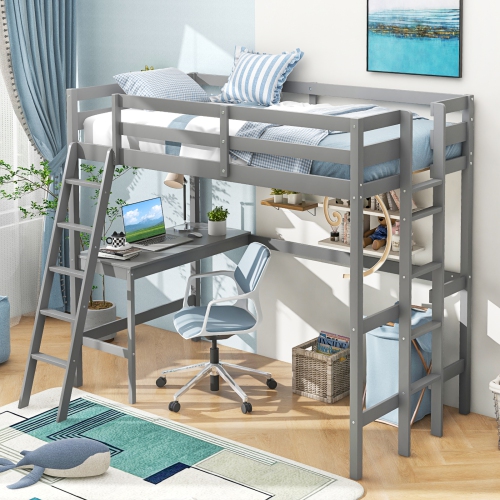
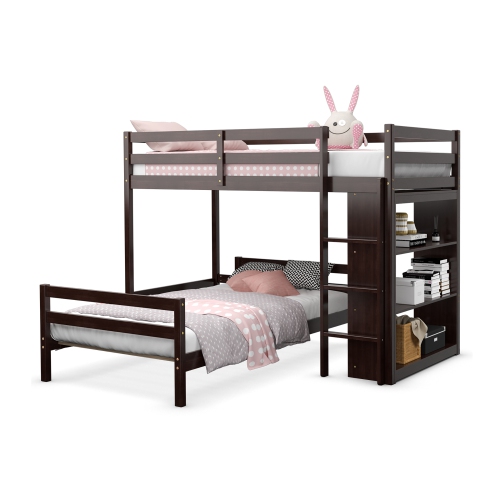
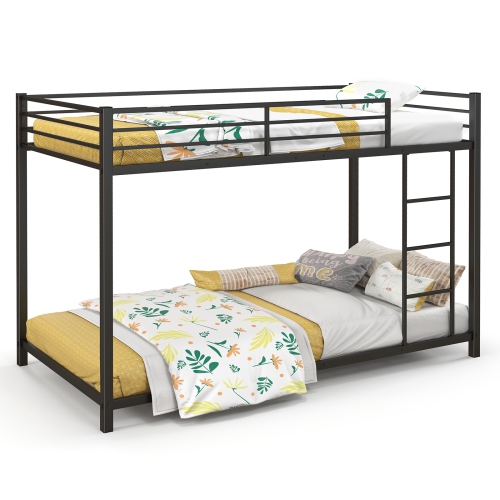
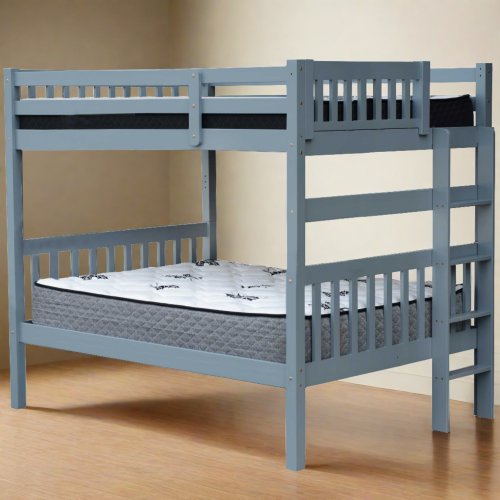
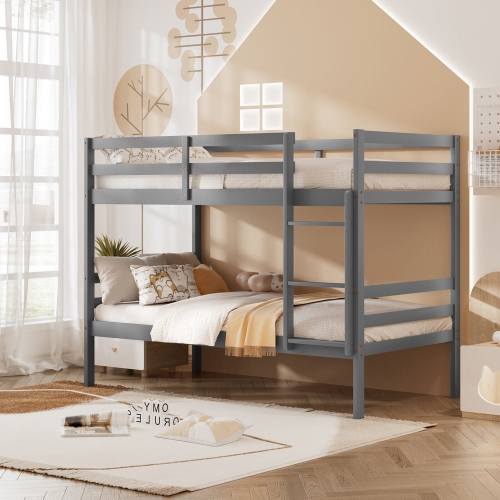
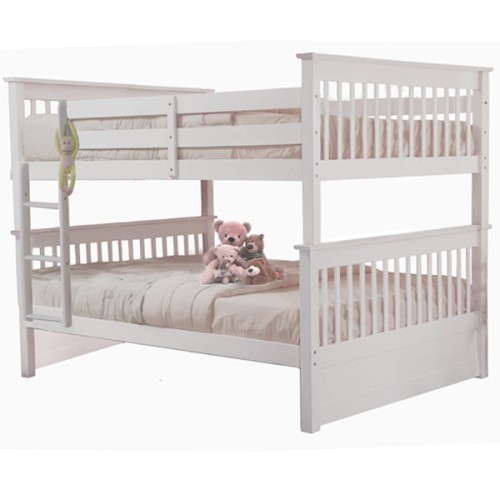
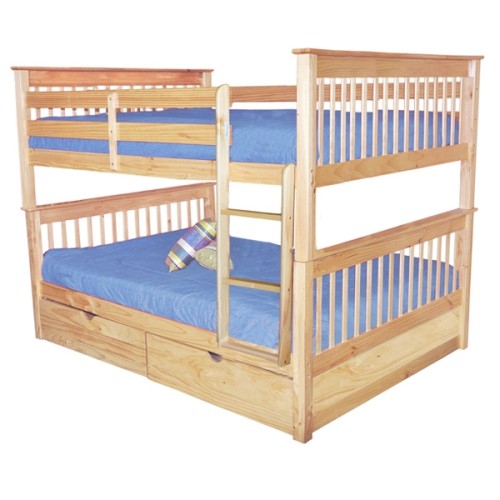
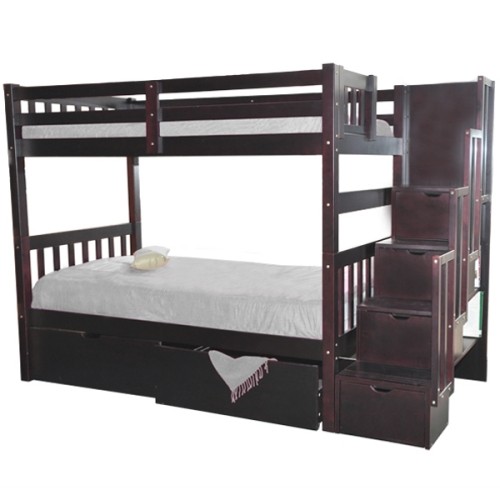
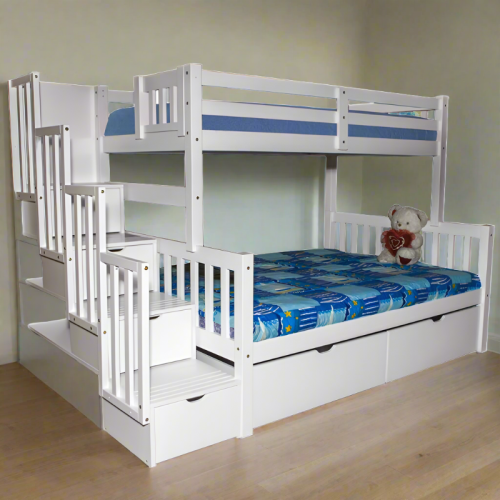
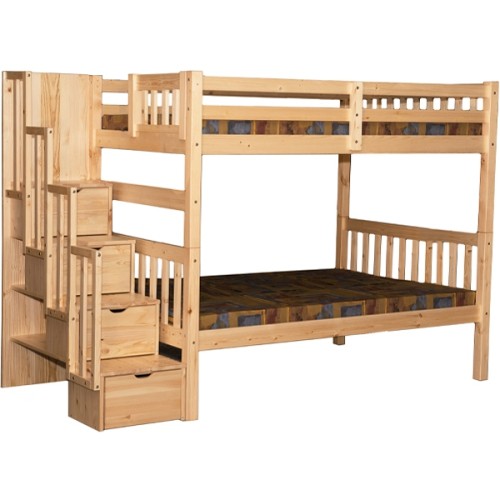
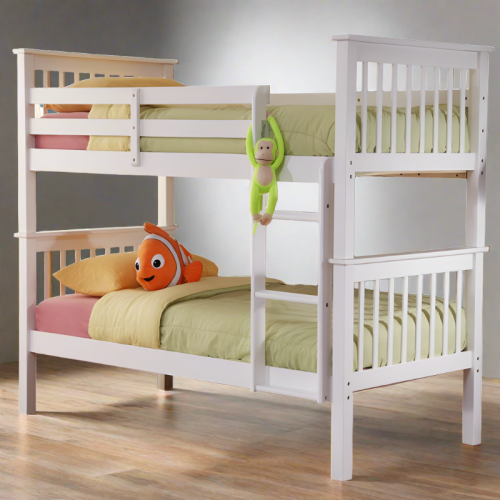
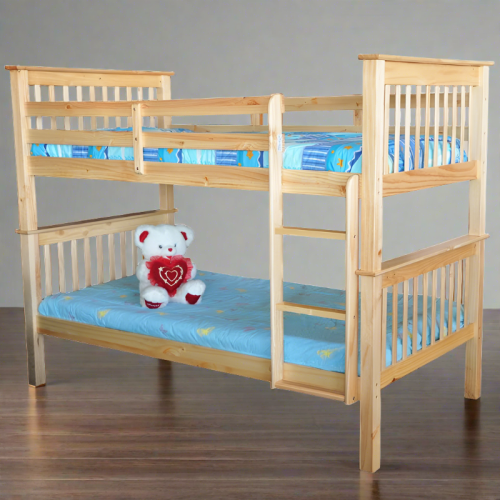
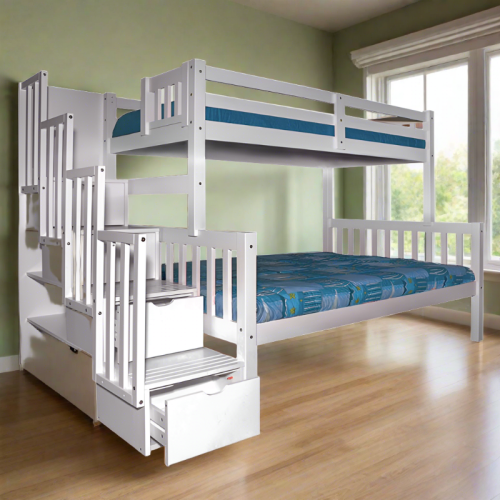
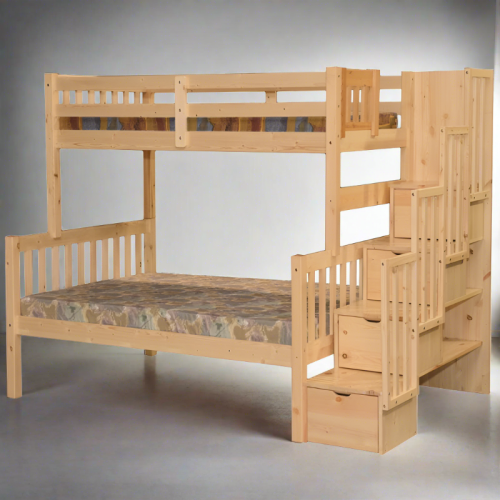
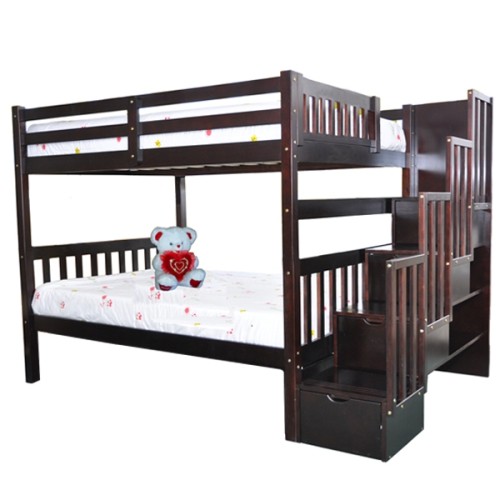
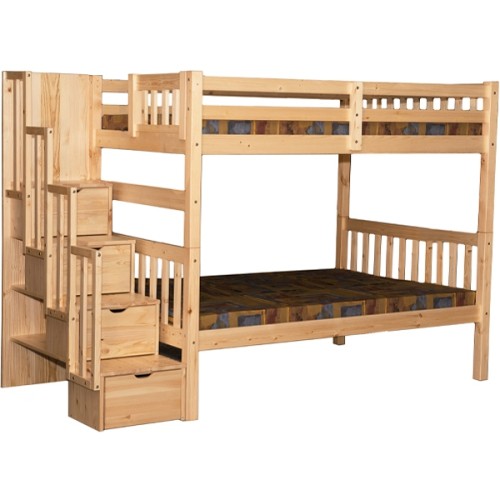
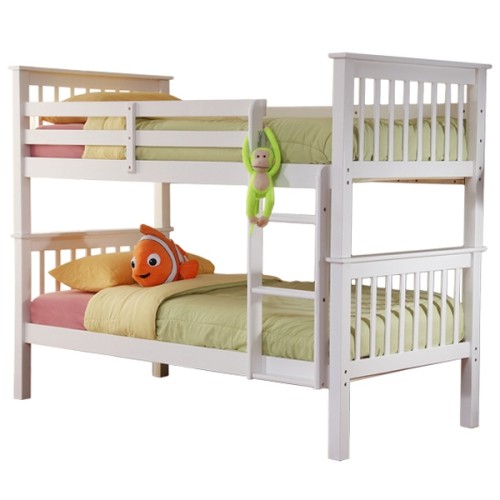
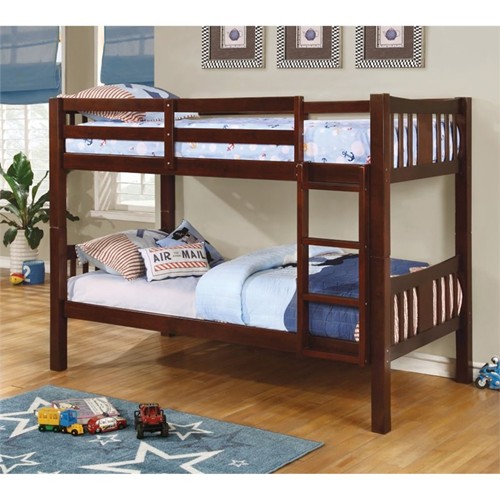
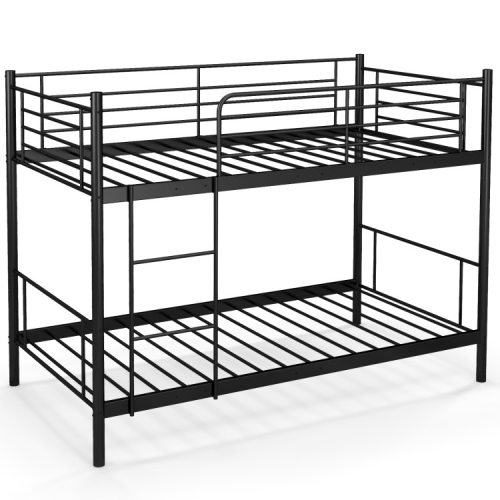
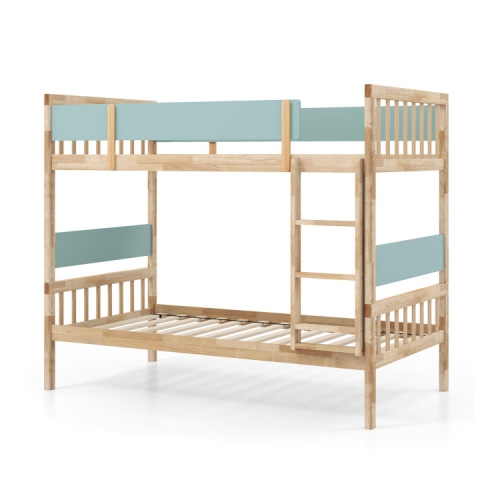
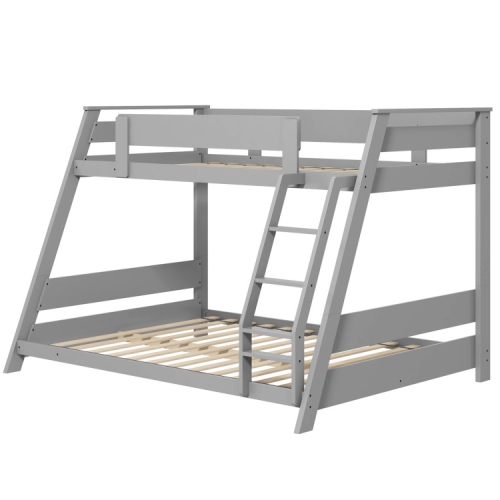
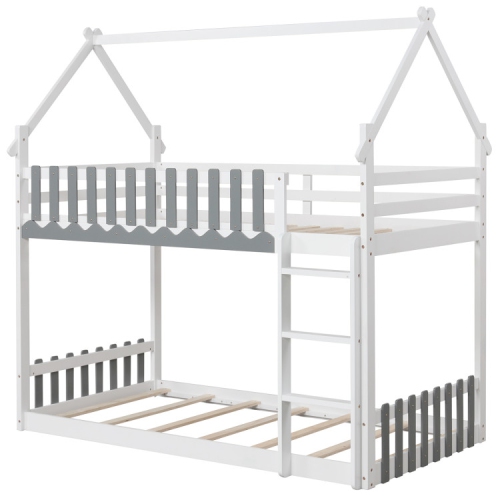
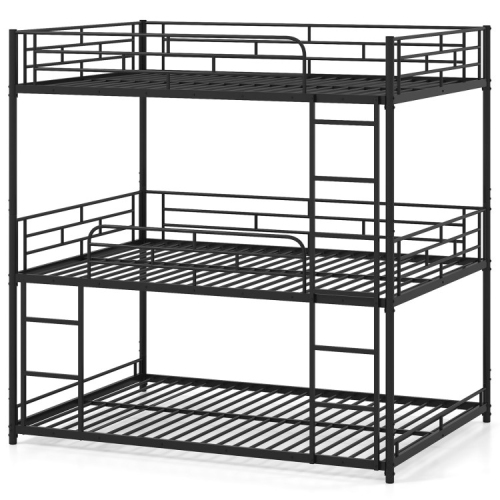
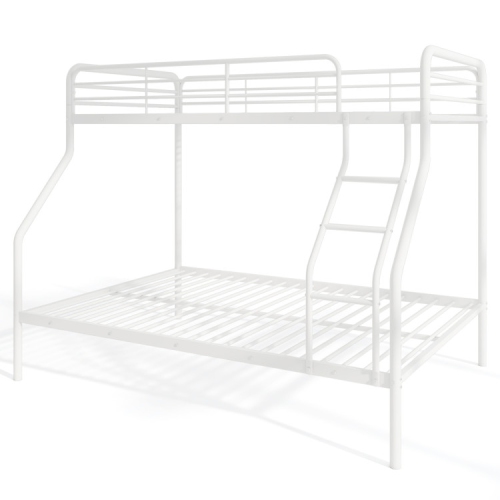
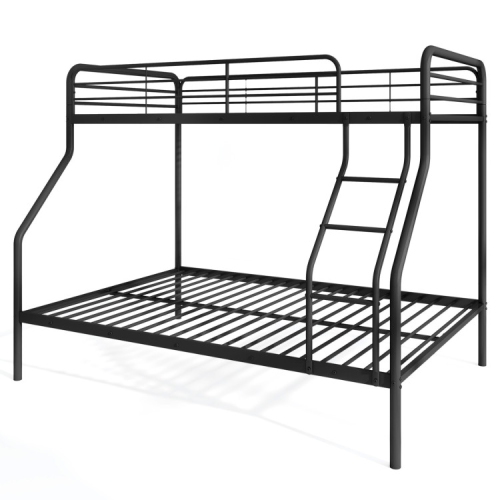
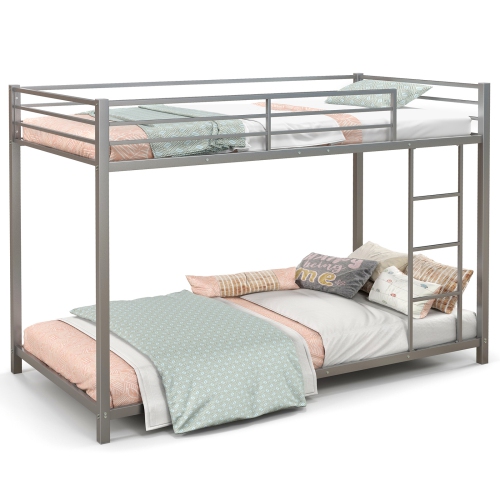
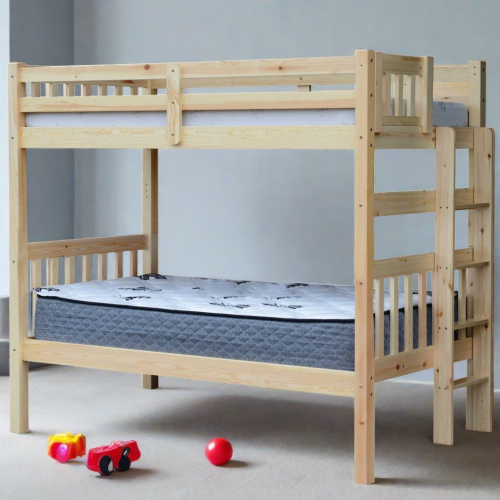
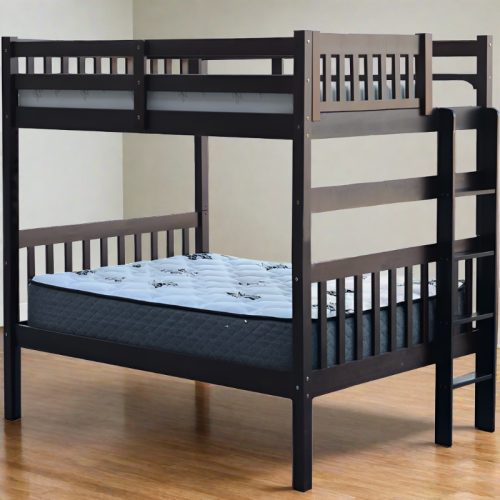
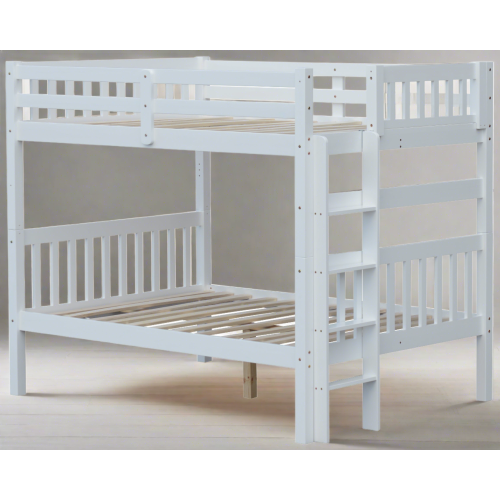
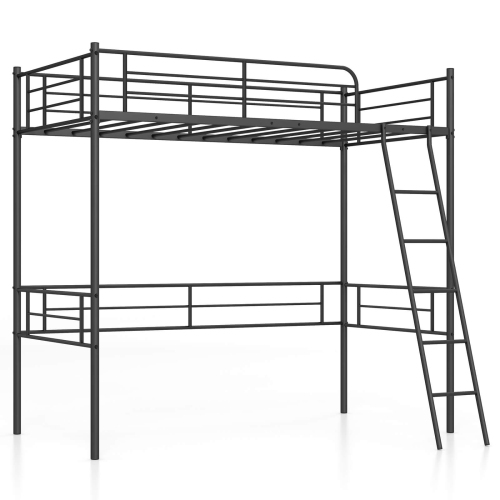
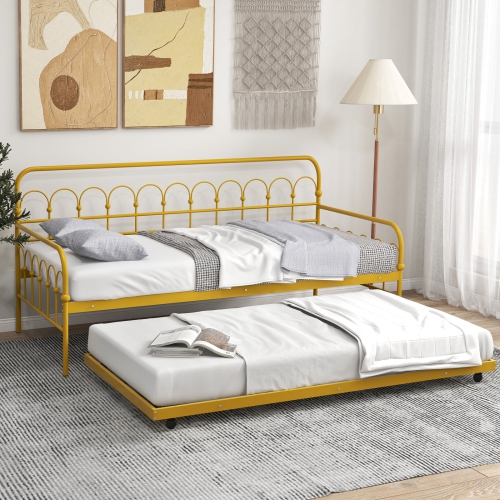
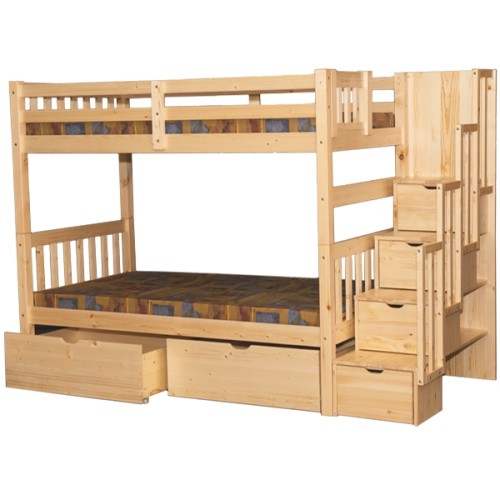
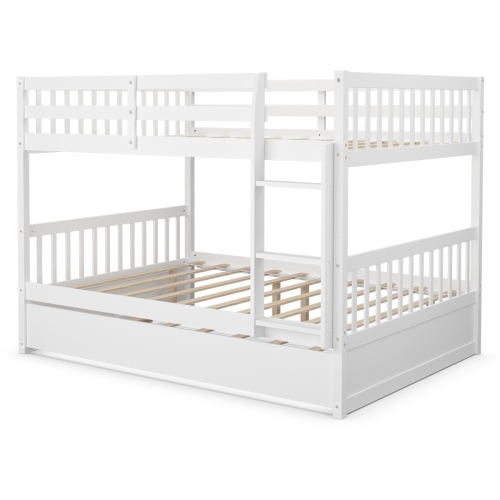
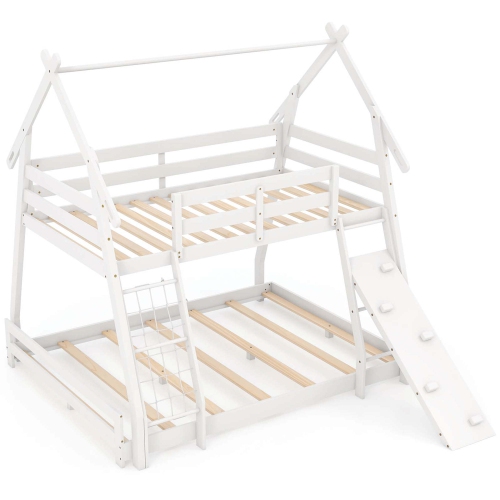
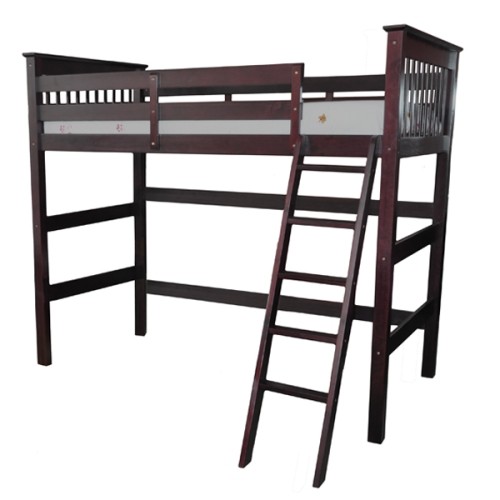
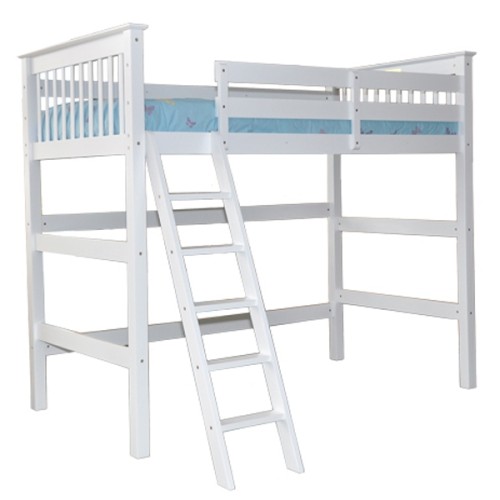
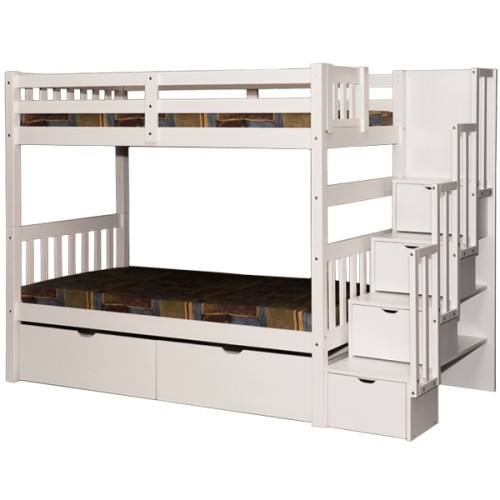
Space saving bunk beds are a practical way to make better use of a shared bedroom, compact guest room, cottage, apartment, or multipurpose space. By stacking two sleeping areas vertically instead of placing separate beds side by side, a bunk bed can leave more floor area available for play, storage, homework, or a comfortable path through the room. Traditional twin-over-twin designs suit siblings who share a room, while twin-over-full layouts provide a wider lower sleeping surface for an older child, teen, or occasional guest. Loft-style bunk beds take the idea further by placing a desk, shelving, drawers, or open play area beneath the raised bed. This arrangement can be especially useful in a smaller bedroom where a separate desk or dresser would make the room feel crowded. Some designs include a pull-out trundle tucked beneath the lower bed, offering an extra sleeping space for sleepovers without keeping another full-size bed on the floor. Others include built-in drawers, shelves, or storage steps, helping keep extra blankets, clothing, books, toys, and personal items close at hand. Families planning for changing needs may also appreciate convertible frames that can separate into two single beds, allowing the layout to adapt as children grow, rooms change, or guests need a more private sleeping arrangement. When browsing, consider who will use each sleeping level, how often the extra sleeping space will be needed, and whether the bed should serve a single purpose or support several activities throughout the day. A space saving bunk bed can be a thoughtful gift for a child moving into a shared room, a family preparing a welcoming guest room, or a student setting up a more functional bedroom in a smaller home.
Room measurements are among the most important details to check before choosing a space saving bunk bed. Measure the available floor area, including the clearance needed to open drawers, pull out a trundle, climb the ladder, and walk safely around the frame. Ceiling height matters just as much as floor space: allow sufficient room above the top mattress for the sleeper to sit up comfortably, with many recommendations suggesting approximately 33 to 38 inches of clearance between the top of the mattress and the ceiling. Also account for ceiling fixtures, fans, windows, sloped ceilings, wall-mounted shelves, and heating vents that may affect where the bed can be placed. The position of the ladder and guardrails should work with the room’s layout rather than blocking a doorway or limiting access to storage. Mattress dimensions and thickness require careful attention as well. Use mattresses that match the frame’s stated size and thickness requirements, and choose a thinner mattress for the upper bunk when specified so the guardrails remain high enough above the sleep surface. A mattress that is too thick can reduce the protective height of the guardrail. Check the manufacturer’s instructions for the recommended mattress type, maximum thickness, and weight capacity for each bunk, including the combined weight of the sleeper, bedding, and any movement during use. Heavy-duty capacity may be important when teens or adults will sleep on the lower bunk, while a frame intended for young children may have different limitations. Look for sturdy construction, secure joints, stable ladders, properly fitted guardrails, and a finish that can stand up to everyday use. Metal frames can offer a streamlined appearance and may suit modern rooms, while wood frames often bring a warmer, more substantial look. Whichever style fits the room, confirm that the frame sits level on the floor and that all hardware can be tightened and checked according to the care instructions.
A well-planned bunk bed arrangement can help a small room feel calmer and more flexible, but safe use should remain part of the decision from the beginning. Follow the manufacturer’s age recommendations and safety instructions, and make sure children understand that the top bunk is for sleeping rather than climbing, jumping, or playing. Many families choose to reserve the upper bunk for an older child who can use the ladder carefully and stay within the guardrails, while younger children use the lower level. Keep ladders, steps, guardrails, and access points clear of toys, cords, clothing, and other items that could create a trip or entanglement hazard. Use the correct mattress and fitted bedding, and avoid adding accessories that have not been approved for the frame, such as improvised shelves, hanging ropes, or heavy decorations. Position the bed away from windows, blinds with reachable cords, and other features that could pose a risk. Storage drawers and shelves can make daily tidying easier, particularly in a shared children’s room, but they should not be overloaded beyond their stated limits. A trundle is useful for visiting cousins, sleepovers, or overnight guests, although it is important to confirm its mattress requirements and ensure there is enough clearance to pull it out fully. During the cooler months, layered bedding and extra blankets can be stored in integrated drawers or nearby baskets so the sleeping area stays comfortable without becoming cluttered. For more ways to organize a compact bedroom or guest space, explore Space Saving Beds. With careful measurements, appropriate mattress selection, dependable construction, and a layout suited to the people using it, space saving bunk beds can turn limited square footage into a comfortable, useful room that supports sleep, study, storage, and time together.
Room measurements are among the most important details to check before choosing a space saving bunk bed. Measure the available floor area, including the clearance needed to open drawers, pull out a trundle, climb the ladder, and walk safely around the frame. Ceiling height matters just as much as floor space: allow sufficient room above the top mattress for the sleeper to sit up comfortably, with many recommendations suggesting approximately 33 to 38 inches of clearance between the top of the mattress and the ceiling. Also account for ceiling fixtures, fans, windows, sloped ceilings, wall-mounted shelves, and heating vents that may affect where the bed can be placed. The position of the ladder and guardrails should work with the room’s layout rather than blocking a doorway or limiting access to storage. Mattress dimensions and thickness require careful attention as well. Use mattresses that match the frame’s stated size and thickness requirements, and choose a thinner mattress for the upper bunk when specified so the guardrails remain high enough above the sleep surface. A mattress that is too thick can reduce the protective height of the guardrail. Check the manufacturer’s instructions for the recommended mattress type, maximum thickness, and weight capacity for each bunk, including the combined weight of the sleeper, bedding, and any movement during use. Heavy-duty capacity may be important when teens or adults will sleep on the lower bunk, while a frame intended for young children may have different limitations. Look for sturdy construction, secure joints, stable ladders, properly fitted guardrails, and a finish that can stand up to everyday use. Metal frames can offer a streamlined appearance and may suit modern rooms, while wood frames often bring a warmer, more substantial look. Whichever style fits the room, confirm that the frame sits level on the floor and that all hardware can be tightened and checked according to the care instructions.
A well-planned bunk bed arrangement can help a small room feel calmer and more flexible, but safe use should remain part of the decision from the beginning. Follow the manufacturer’s age recommendations and safety instructions, and make sure children understand that the top bunk is for sleeping rather than climbing, jumping, or playing. Many families choose to reserve the upper bunk for an older child who can use the ladder carefully and stay within the guardrails, while younger children use the lower level. Keep ladders, steps, guardrails, and access points clear of toys, cords, clothing, and other items that could create a trip or entanglement hazard. Use the correct mattress and fitted bedding, and avoid adding accessories that have not been approved for the frame, such as improvised shelves, hanging ropes, or heavy decorations. Position the bed away from windows, blinds with reachable cords, and other features that could pose a risk. Storage drawers and shelves can make daily tidying easier, particularly in a shared children’s room, but they should not be overloaded beyond their stated limits. A trundle is useful for visiting cousins, sleepovers, or overnight guests, although it is important to confirm its mattress requirements and ensure there is enough clearance to pull it out fully. During the cooler months, layered bedding and extra blankets can be stored in integrated drawers or nearby baskets so the sleeping area stays comfortable without becoming cluttered. For more ways to organize a compact bedroom or guest space, explore Space Saving Beds. With careful measurements, appropriate mattress selection, dependable construction, and a layout suited to the people using it, space saving bunk beds can turn limited square footage into a comfortable, useful room that supports sleep, study, storage, and time together.
Top selling and popular products
-
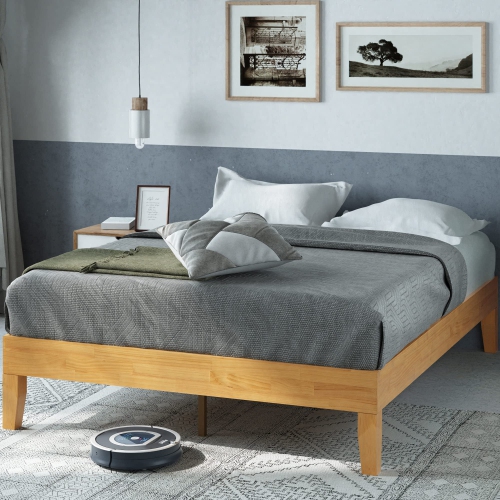 Your price for this item is $493.52
 -
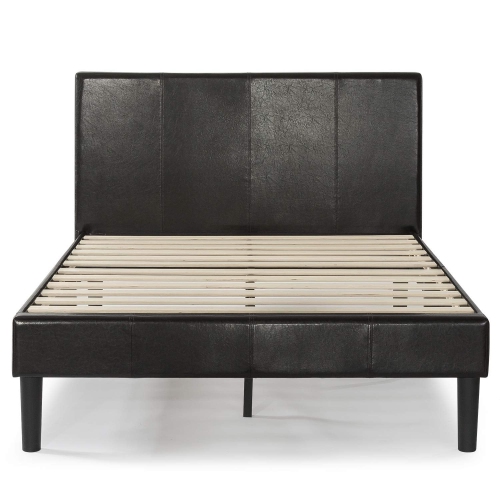 Your price for this item is $611.85
 -
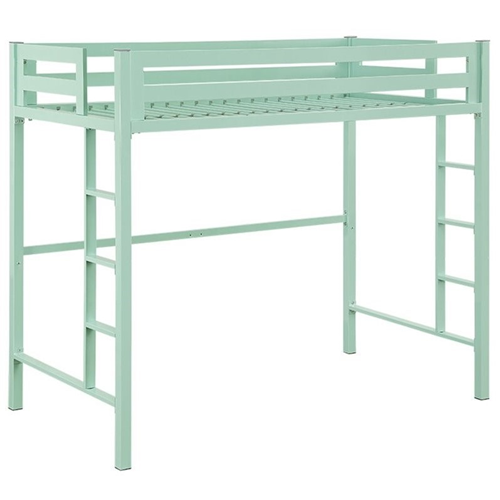 Your price for this item is $824.18
 -
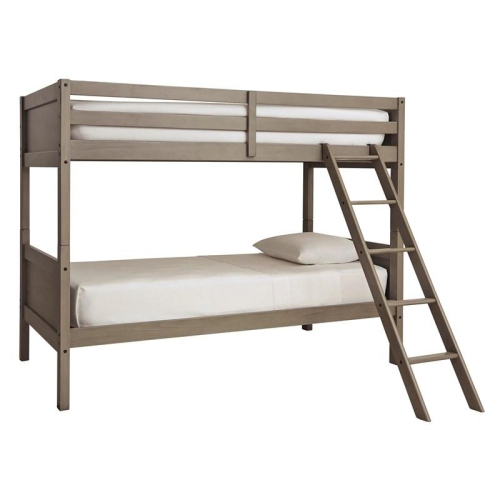 Your price for this item is $799.99
 -
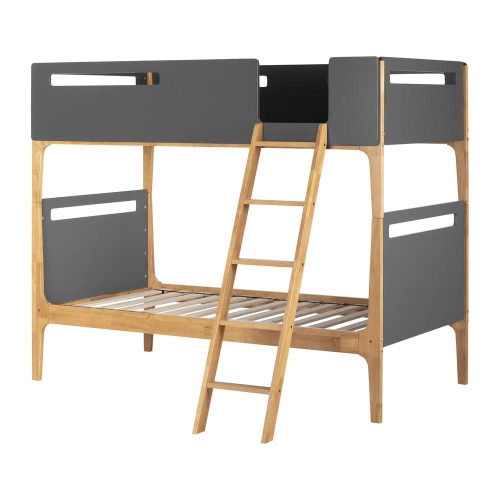 Your price for this item is $985.42
 -
 Your price for this item is $157.99
 -
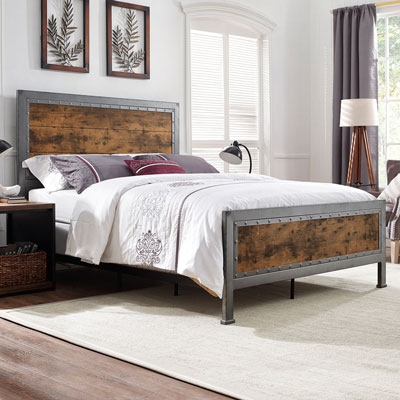 Your price for this item is $862.99
 -
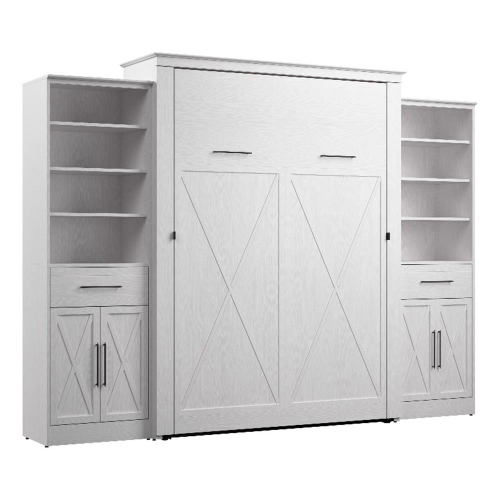 Your price for this item is $3519.99
Discover more categories related to Space Saving Bunk Beds
Top Collections:
Pokemon Centers, Kindle Devices, Best Budget Office Chairs, Apple iPhones 16, Best Laptops for Writers, iPhone 15 Apple, Canon G7X Cameras, Refurbished Apple Laptops, Alarm Clock, Motorola Razr Phones
Some products may be subject to Environmental Handling Fees
(EHF) depending on your province.
Learn more about EHFs.