Space Saving Desks
If you're short on space but don't want to give up your home office as a place to get work done, we've got some good news for you: You can have both. With the right desk, you can squeeze into a chair and still have room to walk around it. We've rounded up some of our favorite desks that will help you save space without sacrificing comfort or style. Here are our top picks for the best space-saving desks.
Sort
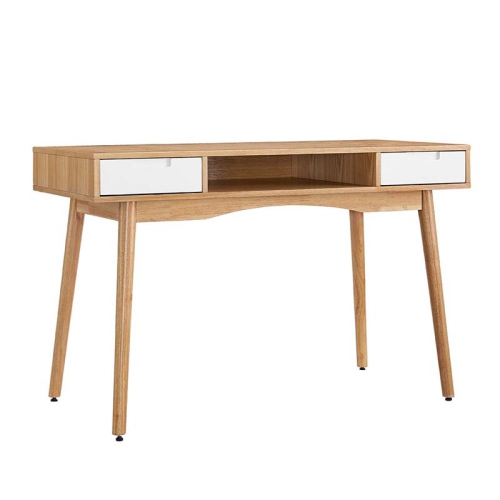
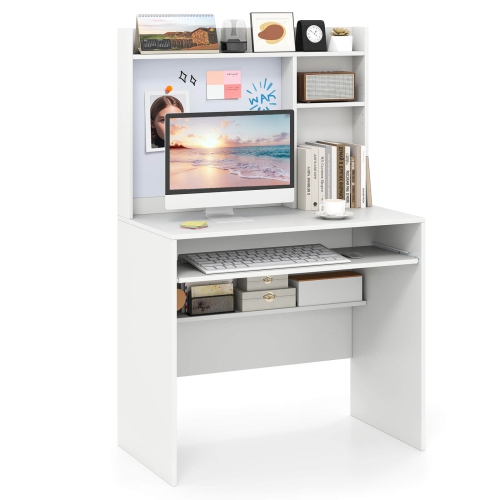
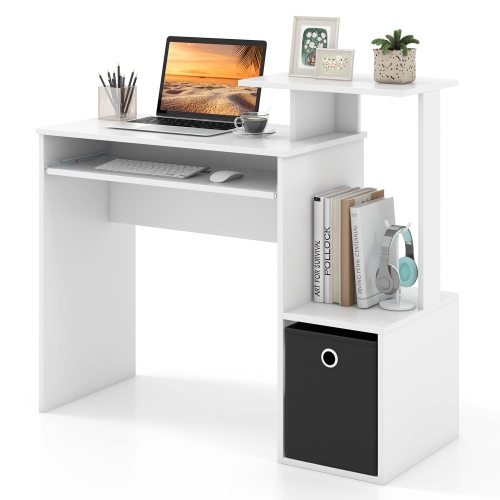
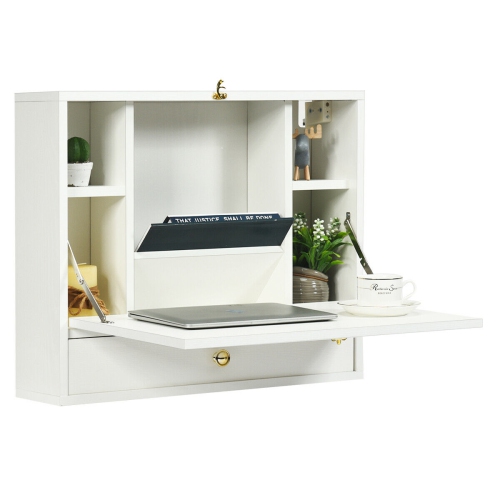
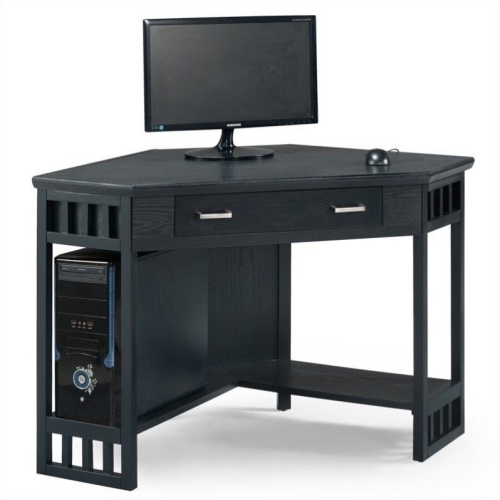
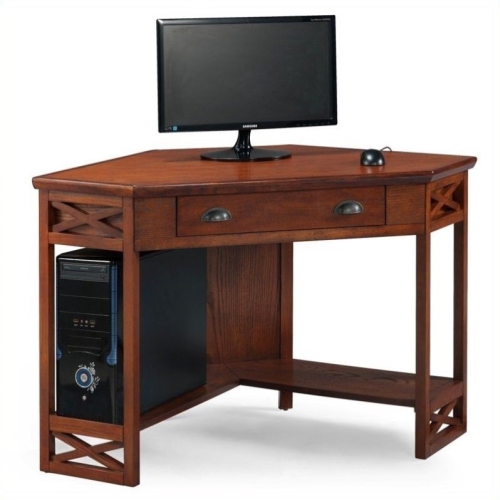
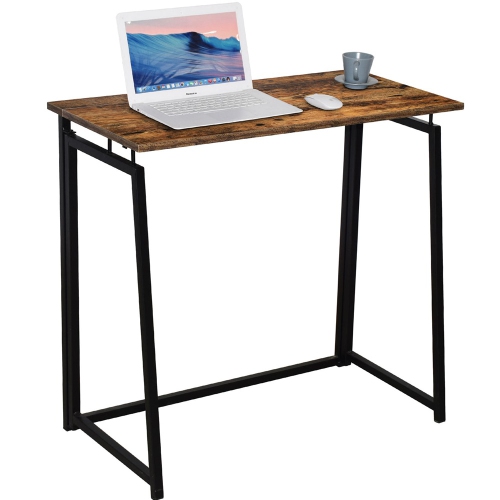
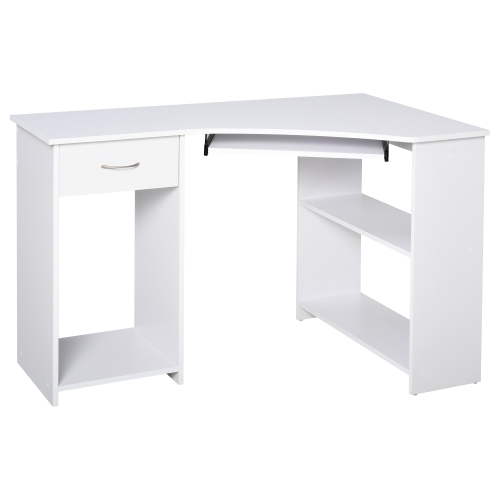

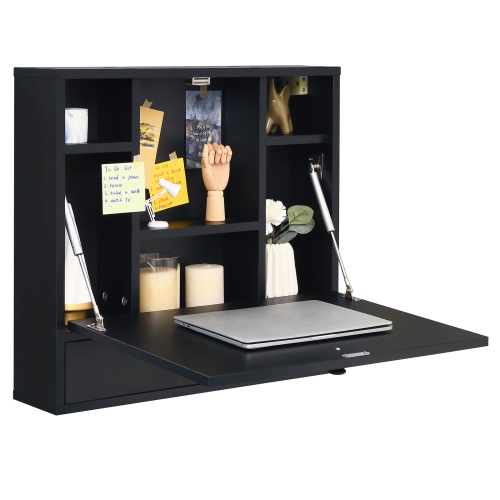
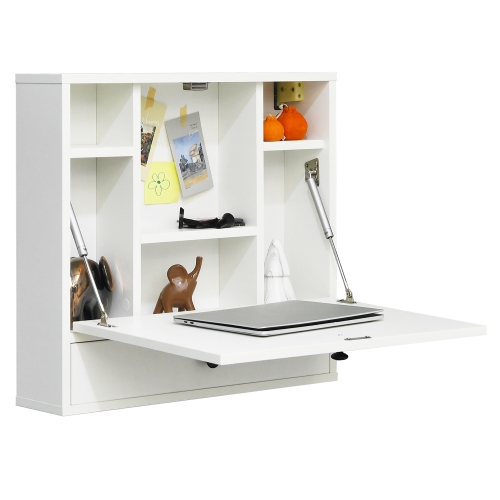
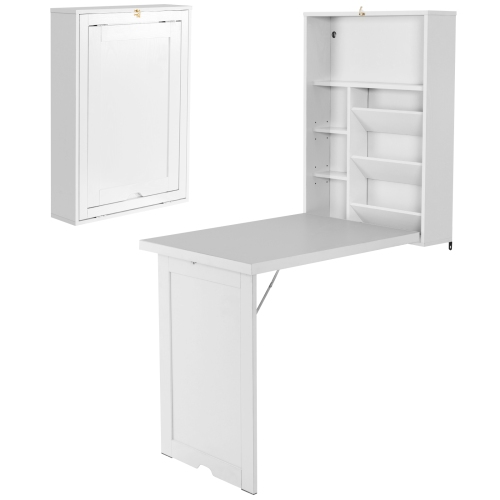
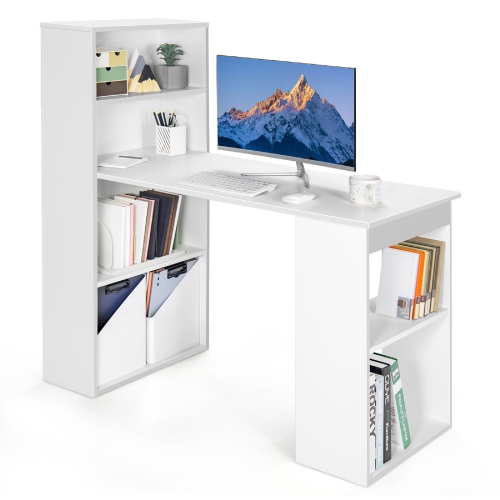
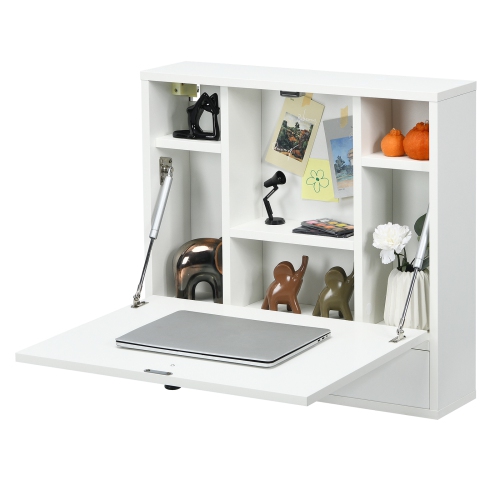
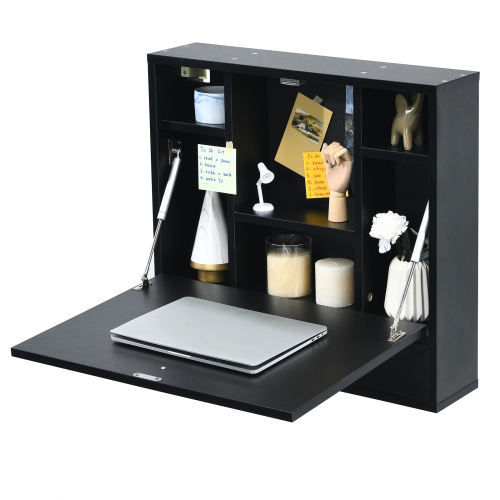
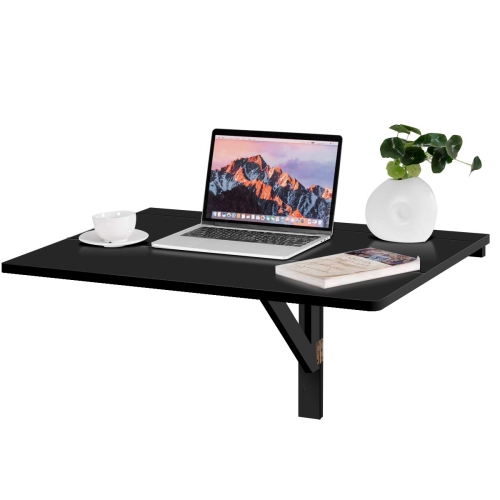
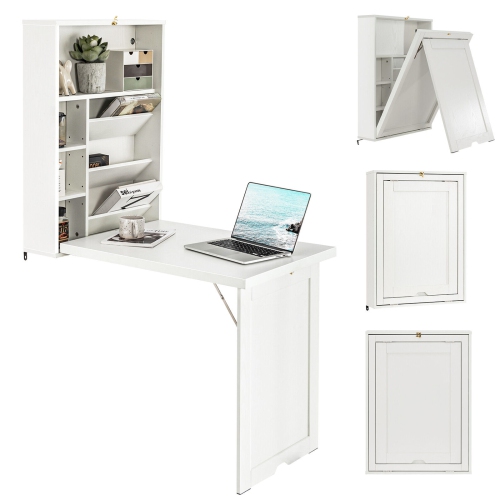


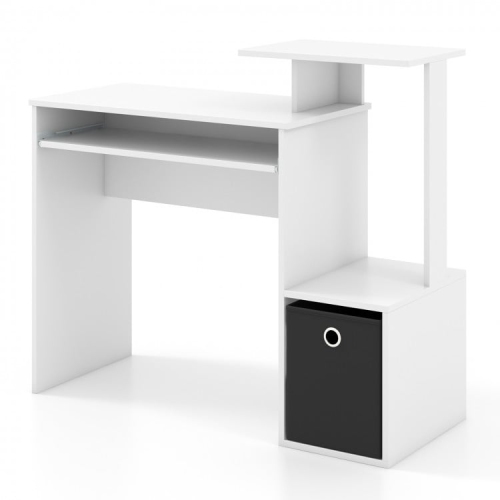
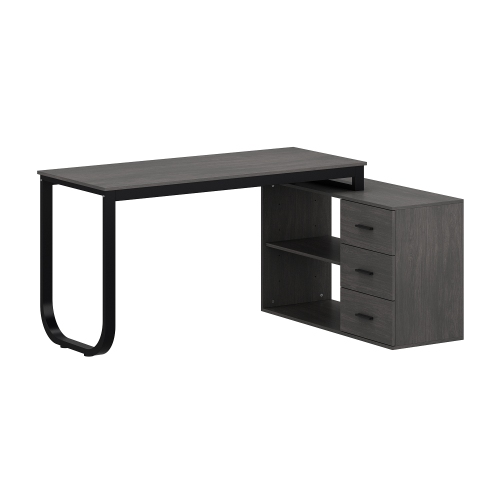
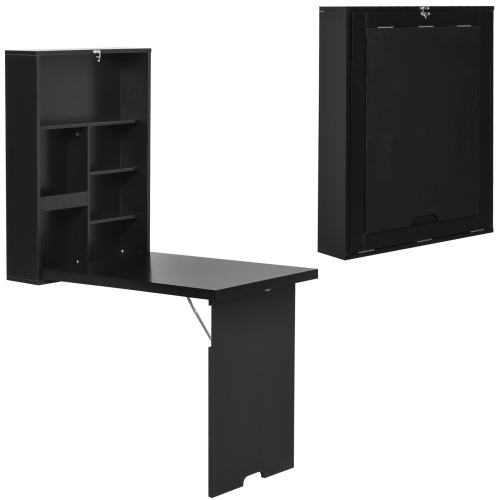
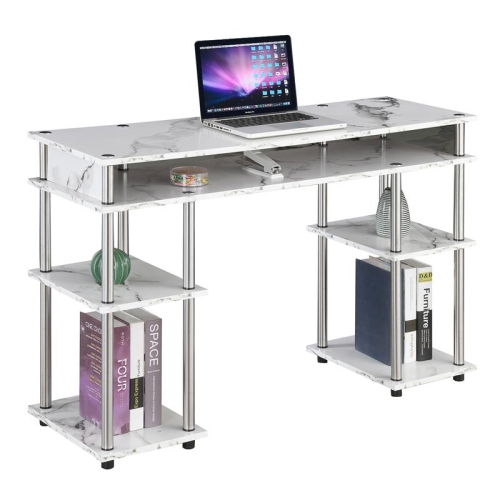

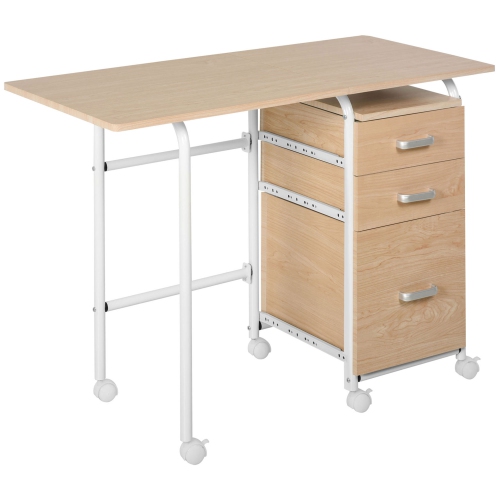
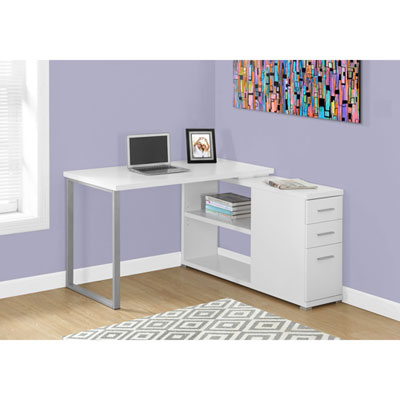
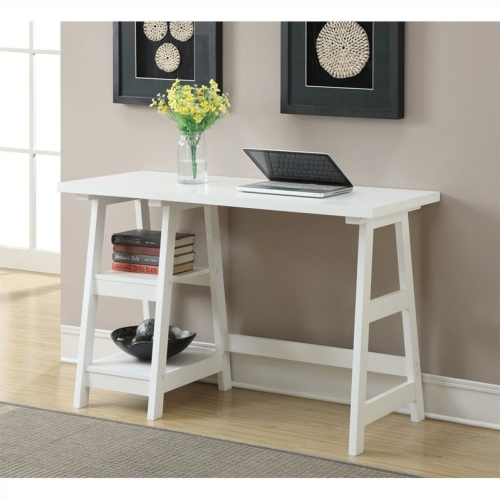
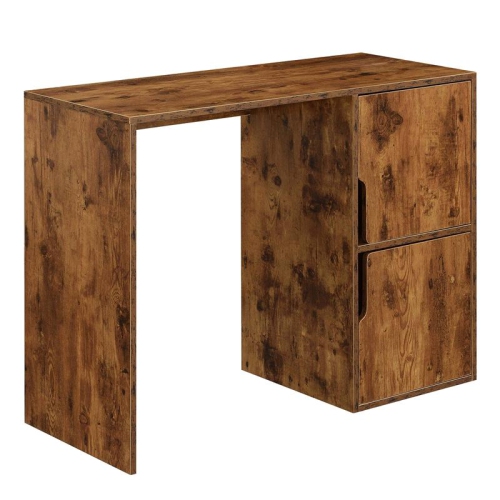
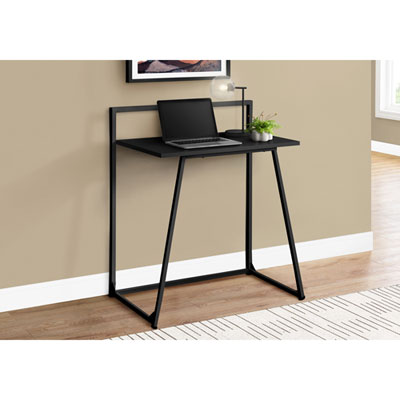
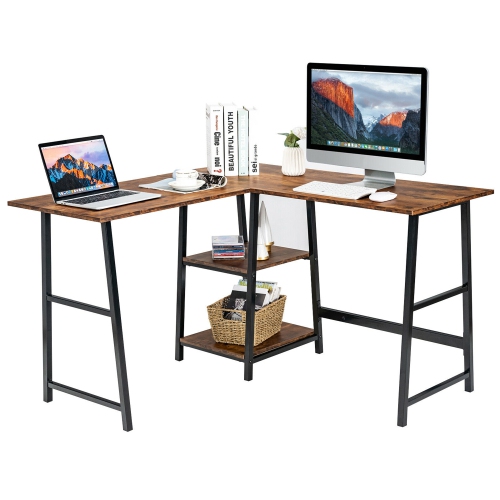
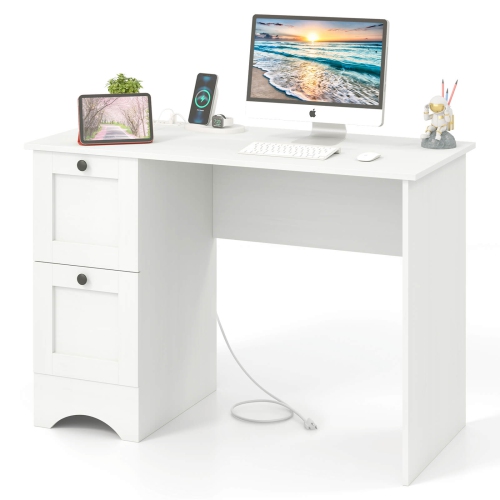
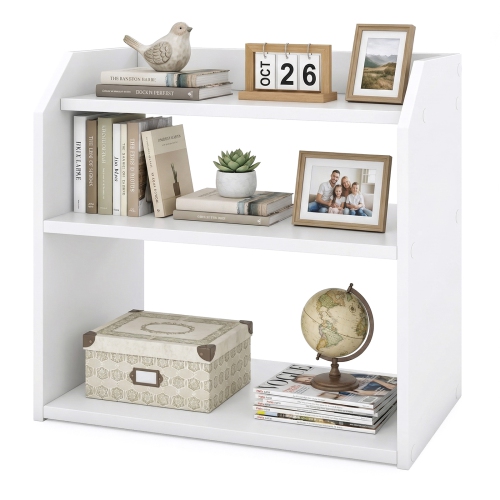
A smaller footprint with room for everyday work
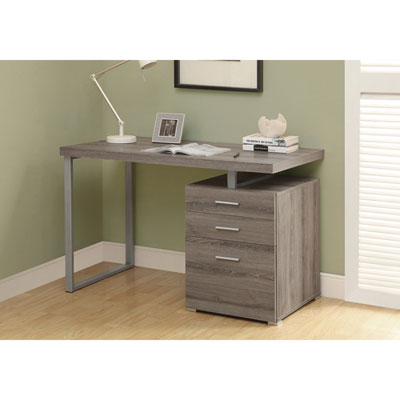
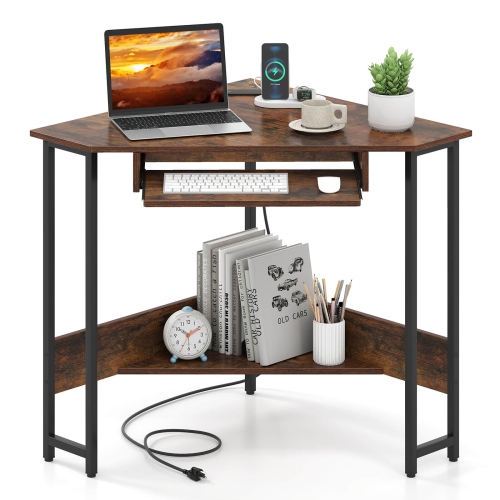
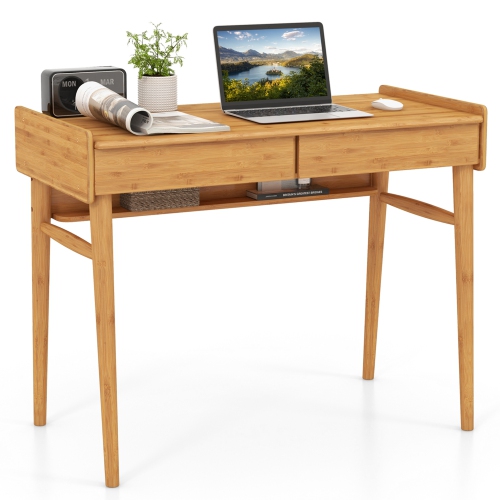
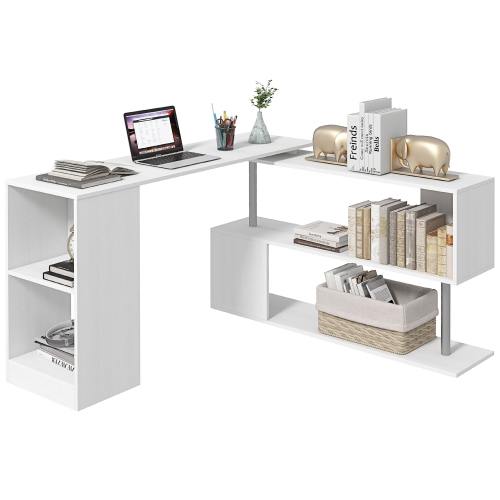
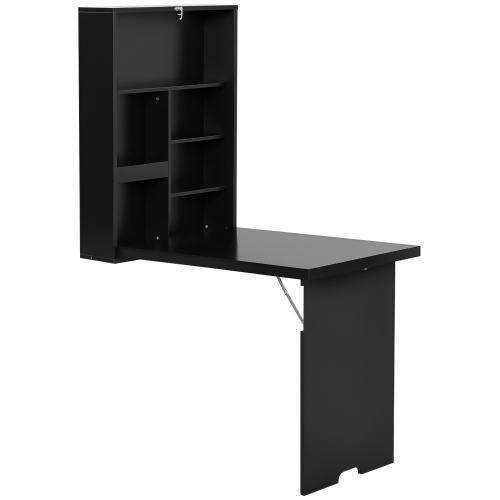
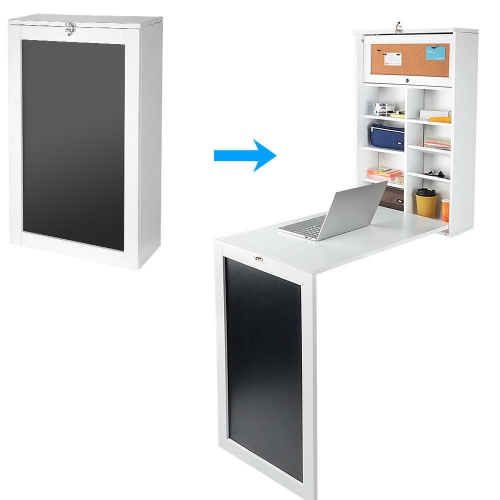
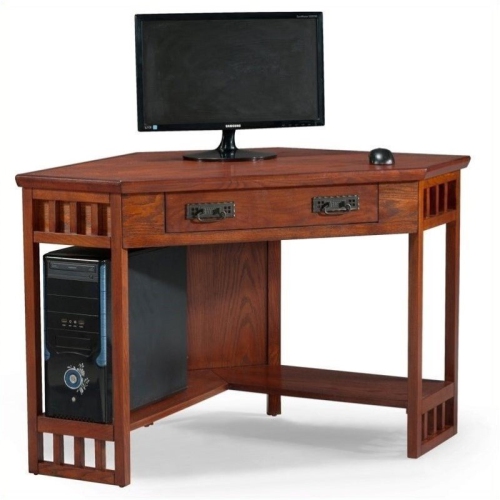
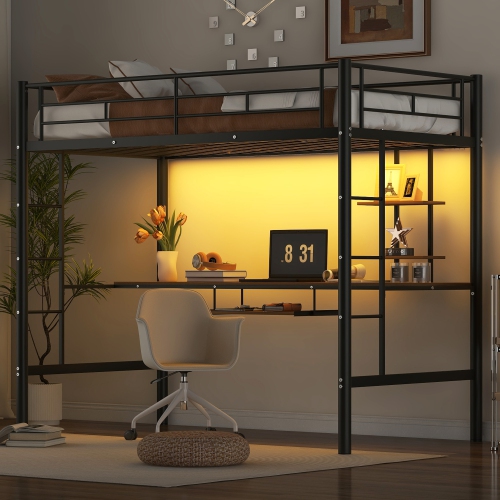
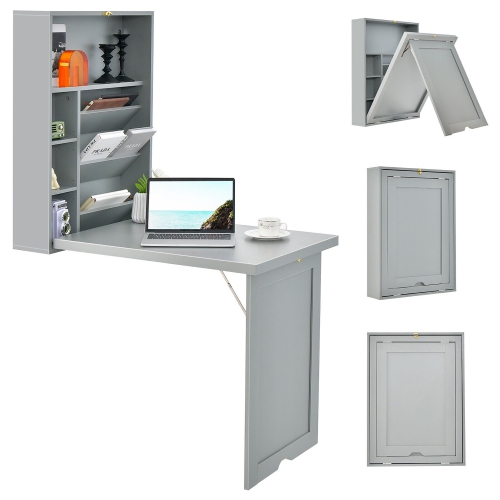
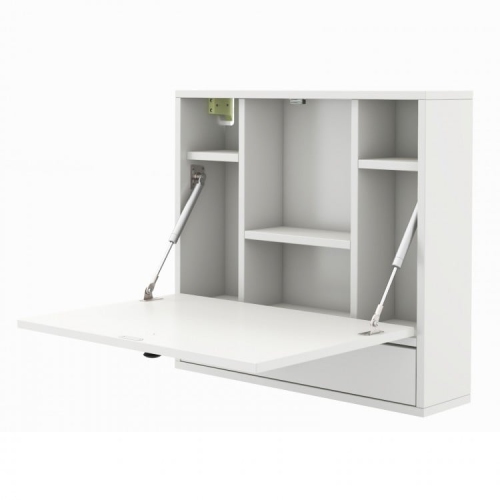
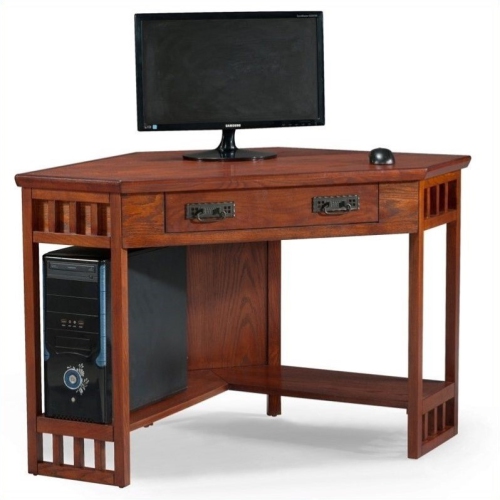
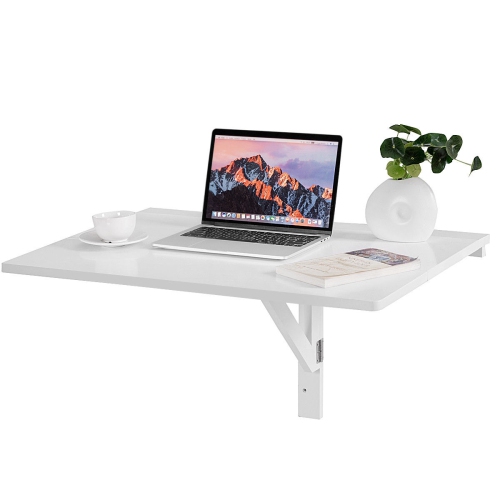
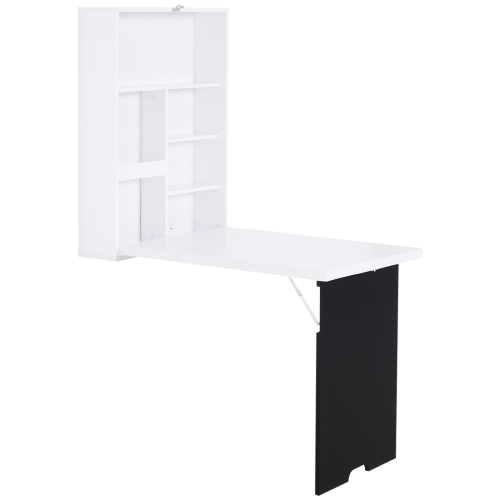
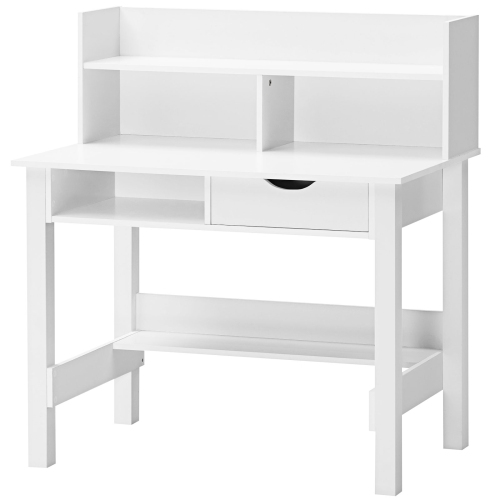
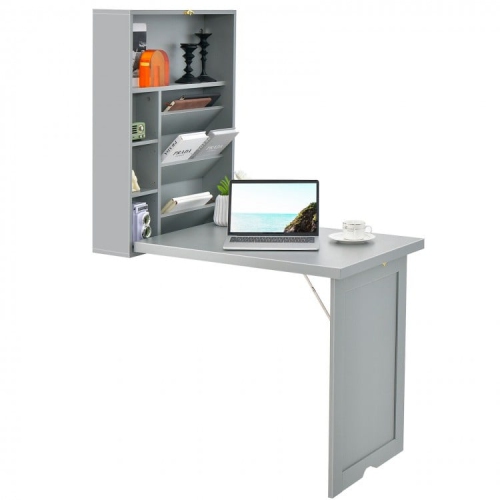
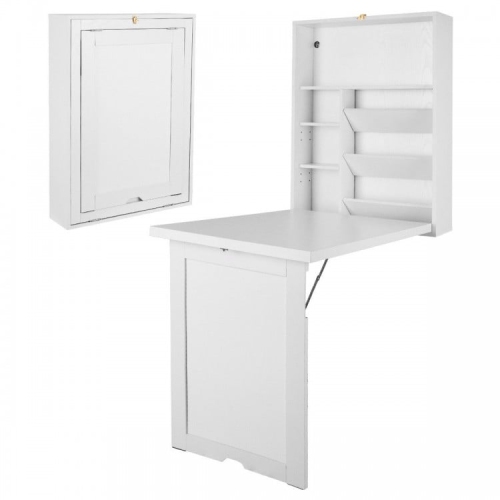
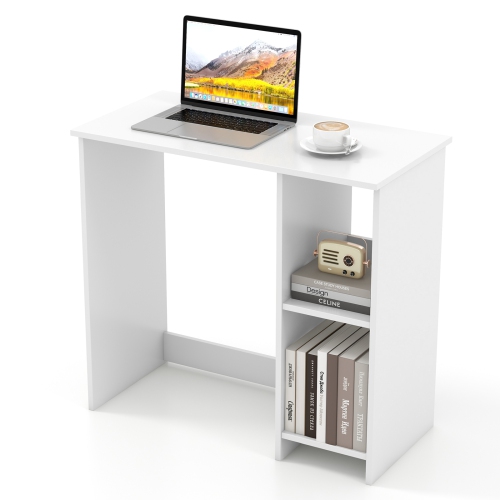
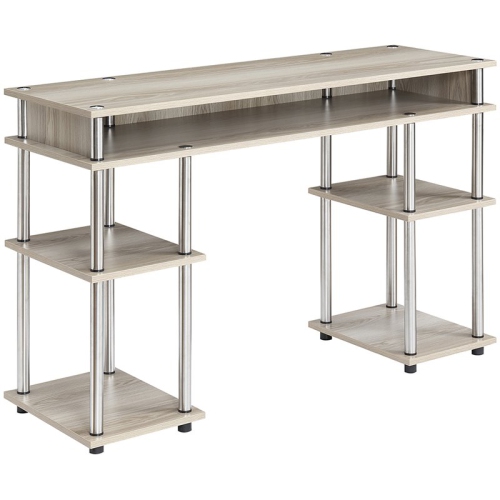
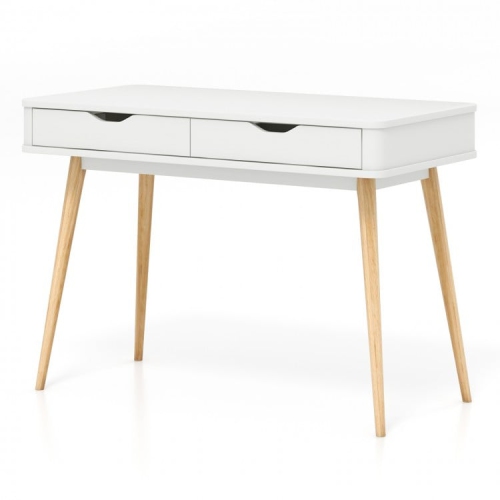
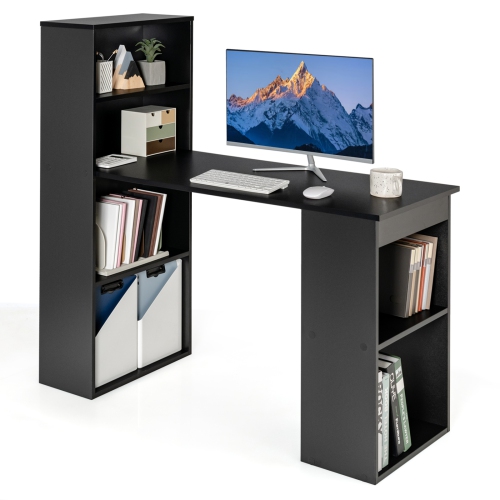
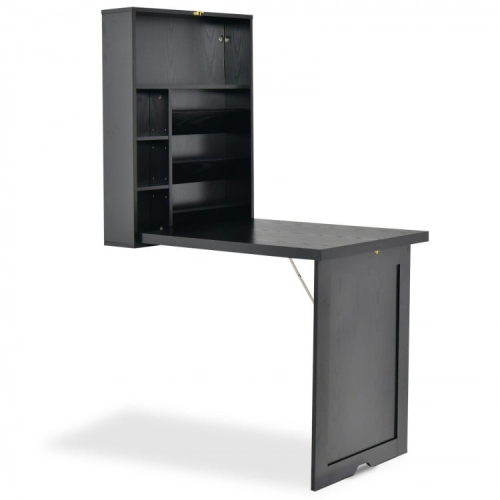
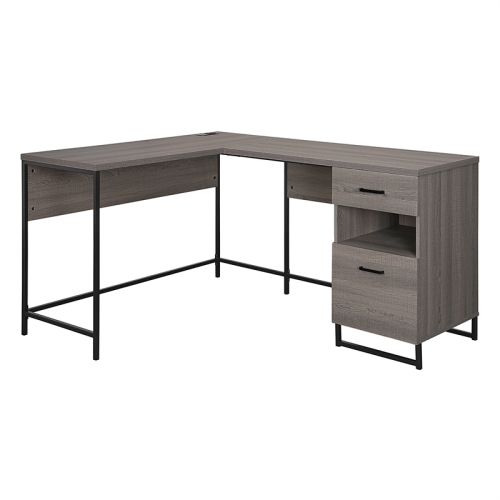
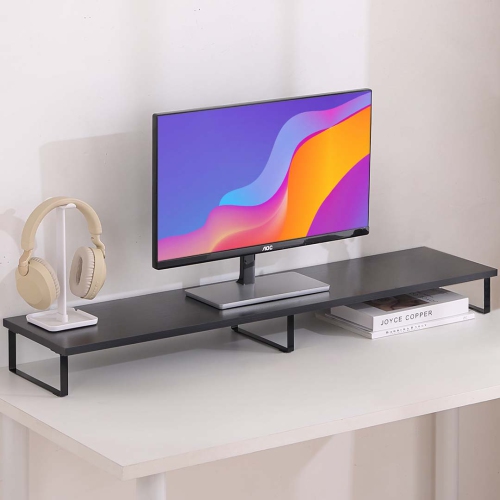
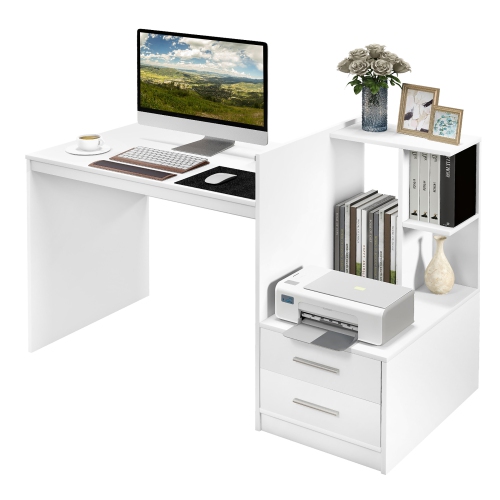
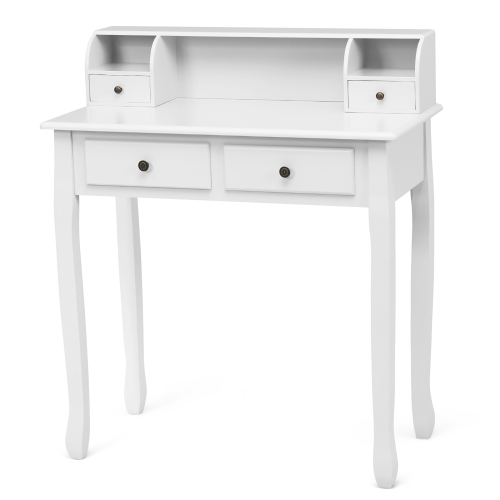
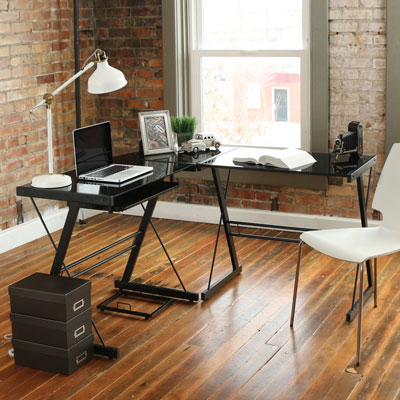
Space-saving desks create a dedicated place to work, study, or manage everyday tasks without taking over a room. Compact, folding, wall-mounted, and corner desks each make use of limited floor space in a different way, from a narrow surface beside a bedroom window to a workstation tucked into an unused living room corner. A compact rectangular desk offers a familiar layout with a smaller footprint, often leaving room for a laptop, notebook, and task lamp. Folding desks suit rooms that change purpose throughout the day, such as a guest room that also serves as a home office. When the work surface is no longer needed, a foldable design can be put away, provided its folded dimensions fit the intended storage spot. Wall-mounted desks keep the area beneath the work surface clear, while fold-down versions can close against the wall between study sessions. Some cabinet-style designs also conceal stationery and small accessories when closed. Corner desks use the junction between two walls, although their shape matters: a triangular desktop suits a modest setup, while an L-shaped surface can provide separate areas for computer work and paperwork. Slim writing desks are useful for handwritten assignments, household correspondence, or occasional laptop use, whereas compact computer desks may include features for cables, monitors, and peripherals. The best fit depends on what needs to stay on the desktop and how the surrounding room is used. Someone working from home every day may need enough depth for a separate keyboard and monitor, while a student reviewing notes between classes may prefer a simple surface with a drawer. In a shared apartment, a small desk can establish a personal work area without occupying the dining table. For a bedroom or multipurpose room, a finish and silhouette that complement nearby furniture help the workspace feel like part of the room rather than an office squeezed into it. Open legs, understated hardware, and a shallow profile can keep the arrangement visually light, while enclosed storage offers a place to put work away.
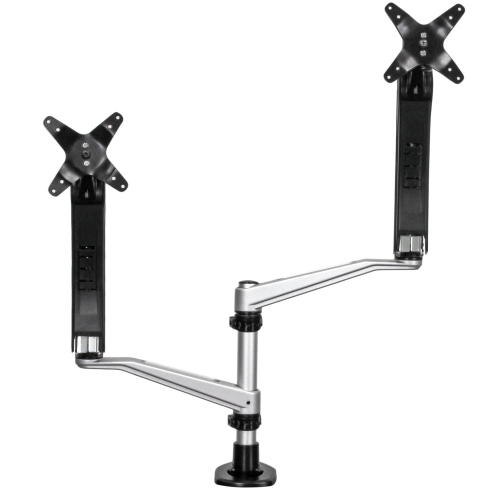
A desk’s footprint is only part of its fit. Width and depth determine how much floor area it occupies, but comfortable use also depends on legroom, chair clearance, and the space needed to open drawers or unfold the desktop. A narrow desk beside a bed should still allow access to bedside storage, and a corner workstation should not block a wardrobe door or heating vent. Baseboards can prevent some frames from sitting flush against a wall, while nearby outlets influence where charging cables can run without crossing a walkway. Desktop depth is especially important for computer use: a monitor needs a stable position with enough distance for comfortable viewing, and a laptop should leave space for hands and forearms rather than sit at the very front edge. A monitor arm may free up surface area, but compatibility depends on the desktop’s thickness, construction, load limit, and accessible mounting edge. Shelves, drawers, and crossbars beneath the surface can reduce knee clearance even when the overall desk dimensions seem generous. Materials affect both appearance and everyday upkeep. Solid wood brings grain variation and can develop marks with regular use; its care requirements depend on the finish. Engineered wood with a laminate or melamine surface offers a consistent appearance and is generally straightforward to wipe clean, though edges and seams should be protected from standing moisture. Wood veneer provides a real-wood surface over a core material and benefits from gentle cleaning that protects its thin outer layer. Metal frames can give a compact desk a slender profile, while glass tops create an airy look but show fingerprints readily. Stability comes from the whole construction, including joints, supports, and hardware, not simply the material name. For folding designs, secure locking mechanisms matter; for wall-mounted desks, suitable wall construction, correct fasteners, and installation according to the manufacturer’s directions are essential. Stated weight limits apply to the intended setup and should account for equipment, books, and accessories together.
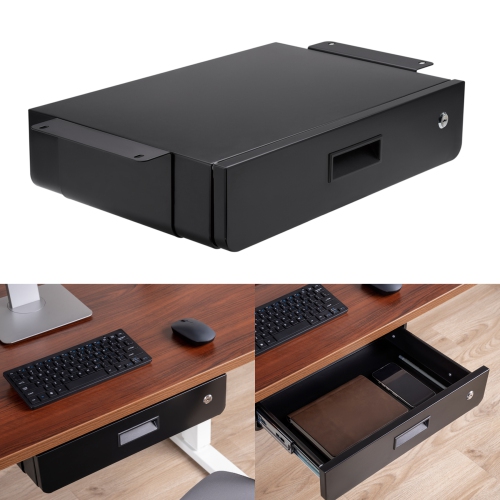
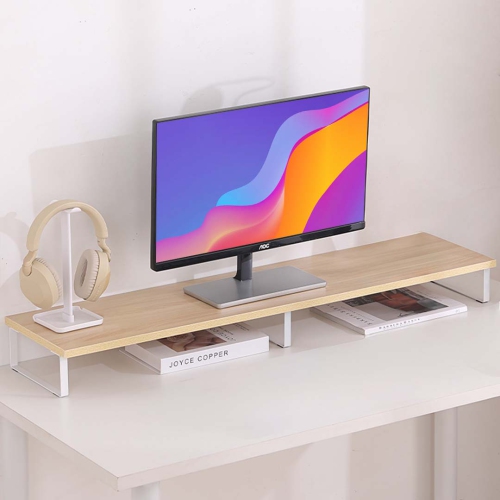
Thoughtful storage makes a small desk more useful without requiring a larger desktop. A shallow drawer can hold pens, charging leads, and a notebook, keeping the main surface ready for the next task. Open shelving puts frequently used supplies within reach, while enclosed compartments keep paperwork out of sight in bedrooms and living areas. The position of that storage matters as much as its capacity: a shelf that accommodates textbooks may be too deep for comfortable legroom beneath a narrow desk. Raised monitor shelves can separate a screen from smaller accessories, although their fixed height should suit the seated user. Cable openings and routing channels help keep cords together, and built-in charging features, where included, should be checked for connection types and compatibility with the devices being used. For homework areas, Study Compact Desks offer a related focus for spaces centred on reading, writing, and everyday study. A useful student setup leaves enough uninterrupted surface for an open book beside a computer, rather than filling every available corner with storage. In an adult workspace, a small tray for daily essentials can make it easier to clear the desktop at the end of the day. A chair that tucks beneath the desk helps reclaim floor space, but its armrests and seat height need to work with the underside of the surface. Lighting also deserves room in the arrangement, whether from a compact task lamp or a nearby fixture that illuminates notes without reflecting directly in a screen. Routine care helps preserve the desk through daily use: remove dust with a soft cloth, wipe spills promptly, and follow the finish-specific cleaning directions. A desk mat can limit scuffs from a keyboard or mouse, while coasters help protect against drink rings. Hinges and fasteners may need periodic checks as directed by the manufacturer, particularly on furniture that is folded or moved often. For a student moving into a smaller room or someone setting up a first home workspace, a compact desk can be a practical gift when the room measurements and intended use are known. A well-matched design leaves space for everyday life around it, with work essentials close at hand and a comfortable place to settle into the task.
A desk’s footprint is only part of its fit. Width and depth determine how much floor area it occupies, but comfortable use also depends on legroom, chair clearance, and the space needed to open drawers or unfold the desktop. A narrow desk beside a bed should still allow access to bedside storage, and a corner workstation should not block a wardrobe door or heating vent. Baseboards can prevent some frames from sitting flush against a wall, while nearby outlets influence where charging cables can run without crossing a walkway. Desktop depth is especially important for computer use: a monitor needs a stable position with enough distance for comfortable viewing, and a laptop should leave space for hands and forearms rather than sit at the very front edge. A monitor arm may free up surface area, but compatibility depends on the desktop’s thickness, construction, load limit, and accessible mounting edge. Shelves, drawers, and crossbars beneath the surface can reduce knee clearance even when the overall desk dimensions seem generous. Materials affect both appearance and everyday upkeep. Solid wood brings grain variation and can develop marks with regular use; its care requirements depend on the finish. Engineered wood with a laminate or melamine surface offers a consistent appearance and is generally straightforward to wipe clean, though edges and seams should be protected from standing moisture. Wood veneer provides a real-wood surface over a core material and benefits from gentle cleaning that protects its thin outer layer. Metal frames can give a compact desk a slender profile, while glass tops create an airy look but show fingerprints readily. Stability comes from the whole construction, including joints, supports, and hardware, not simply the material name. For folding designs, secure locking mechanisms matter; for wall-mounted desks, suitable wall construction, correct fasteners, and installation according to the manufacturer’s directions are essential. Stated weight limits apply to the intended setup and should account for equipment, books, and accessories together.
Thoughtful storage makes a small desk more useful without requiring a larger desktop. A shallow drawer can hold pens, charging leads, and a notebook, keeping the main surface ready for the next task. Open shelving puts frequently used supplies within reach, while enclosed compartments keep paperwork out of sight in bedrooms and living areas. The position of that storage matters as much as its capacity: a shelf that accommodates textbooks may be too deep for comfortable legroom beneath a narrow desk. Raised monitor shelves can separate a screen from smaller accessories, although their fixed height should suit the seated user. Cable openings and routing channels help keep cords together, and built-in charging features, where included, should be checked for connection types and compatibility with the devices being used. For homework areas, Study Compact Desks offer a related focus for spaces centred on reading, writing, and everyday study. A useful student setup leaves enough uninterrupted surface for an open book beside a computer, rather than filling every available corner with storage. In an adult workspace, a small tray for daily essentials can make it easier to clear the desktop at the end of the day. A chair that tucks beneath the desk helps reclaim floor space, but its armrests and seat height need to work with the underside of the surface. Lighting also deserves room in the arrangement, whether from a compact task lamp or a nearby fixture that illuminates notes without reflecting directly in a screen. Routine care helps preserve the desk through daily use: remove dust with a soft cloth, wipe spills promptly, and follow the finish-specific cleaning directions. A desk mat can limit scuffs from a keyboard or mouse, while coasters help protect against drink rings. Hinges and fasteners may need periodic checks as directed by the manufacturer, particularly on furniture that is folded or moved often. For a student moving into a smaller room or someone setting up a first home workspace, a compact desk can be a practical gift when the room measurements and intended use are known. A well-matched design leaves space for everyday life around it, with work essentials close at hand and a comfortable place to settle into the task.
Top selling and popular products
-
 Your price for this item is $304.99
 -
 Your price for this item is $93.99
 -
 Your price for this item is $248.99
 -
 Your price for this item is $83.99
 -
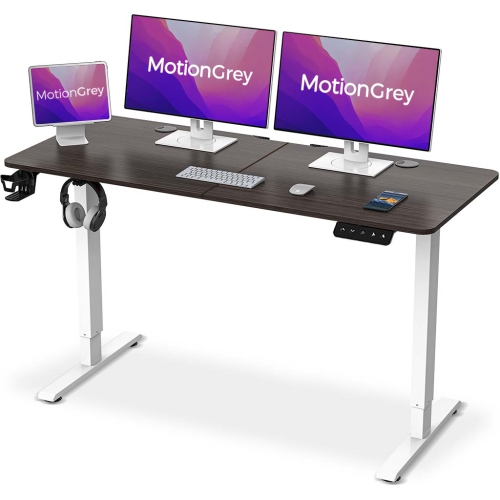 Your price for this item is $108.99
 -
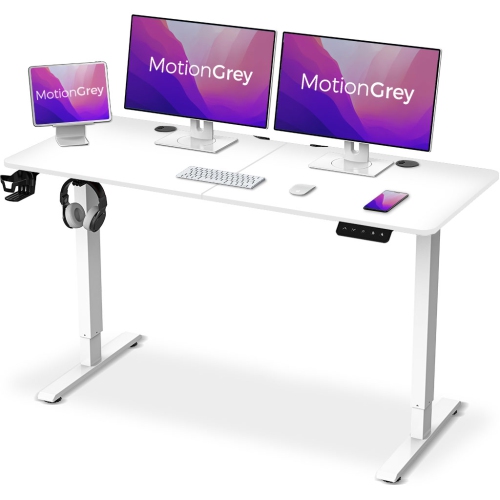 Your price for this item is $94.99
 -
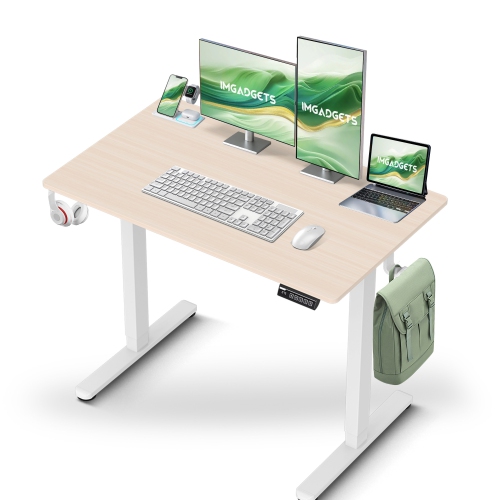 Your price for this item is $74.97
 -
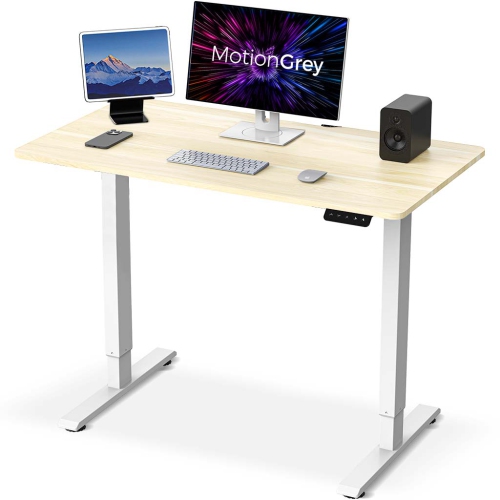 Your price for this item is $83.95
Discover more categories related to Space Saving Desks

Top Collections:
Pokemon Centers, Kindle Devices, Best Budget Office Chairs, Apple iPhones 16, Best Laptops for Writers, iPhone 15 Apple, Canon G7X Cameras, Refurbished Apple Laptops, Alarm Clock, Motorola Razr Phones
Some products may be subject to Environmental Handling Fees
(EHF) depending on your province.
Learn more about EHFs.