Spice Jars
Spice jars bring organization and style to any kitchen, making it easy to keep your favorite seasonings within reach. Whether you're looking to refresh your pantry or create a visually appealing countertop display, these versatile containers help streamline meal prep and add a touch of elegance to your cooking space. Explore options that suit every taste and kitchen layout, so you can enjoy a clutter-free and efficient culinary experience with spice jars designed for convenience and flair.
Sort
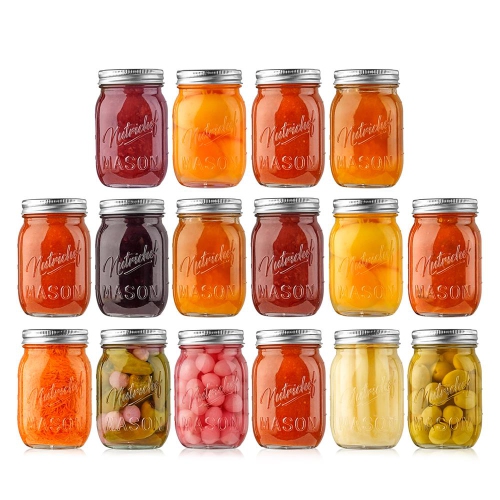
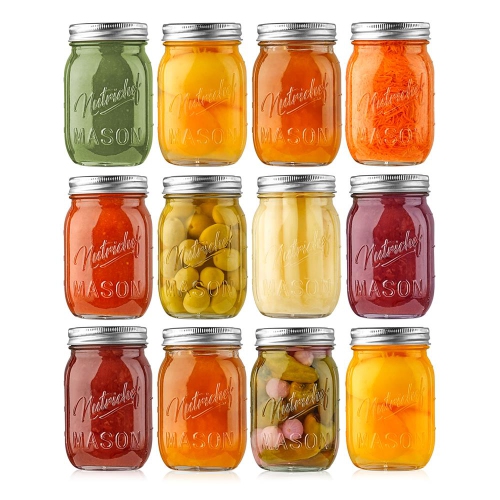
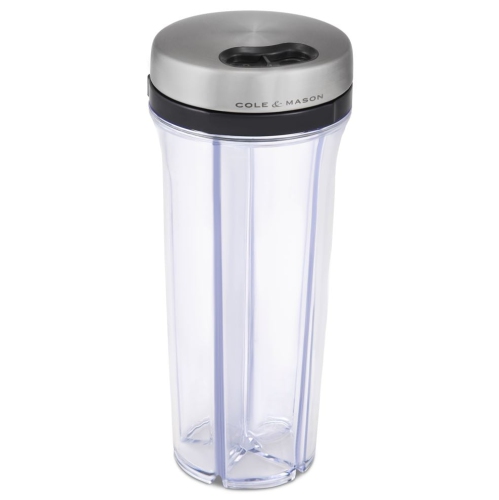
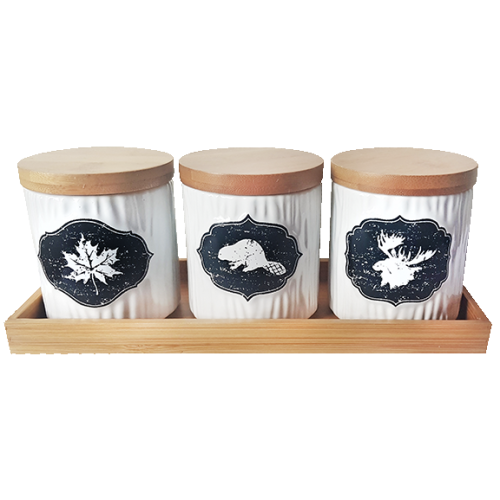
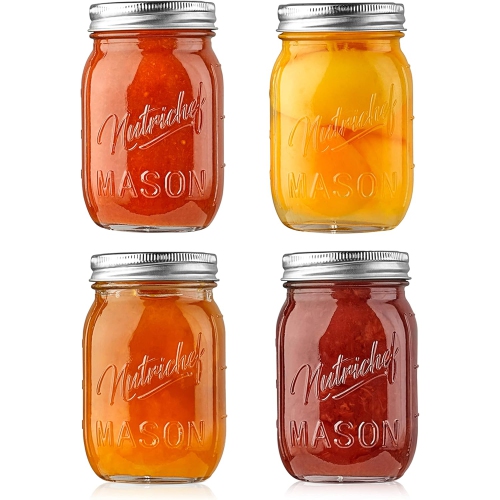
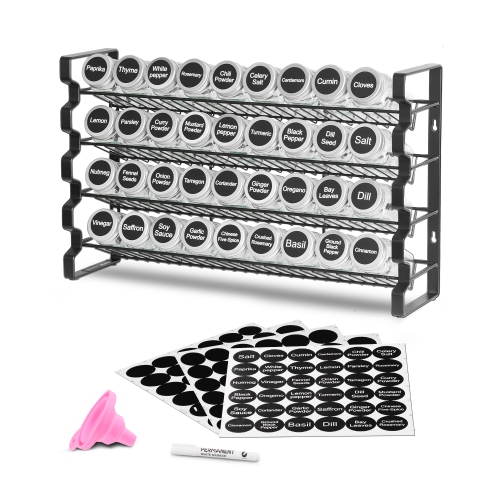
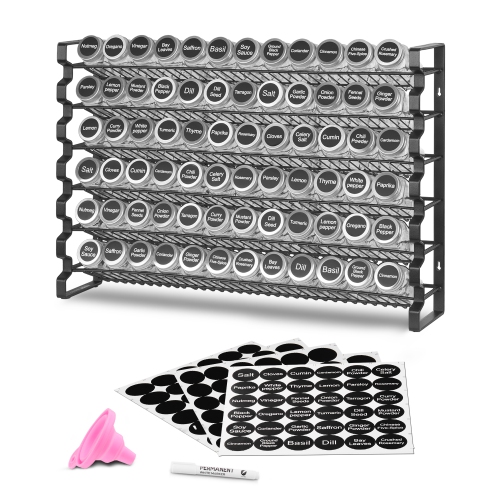
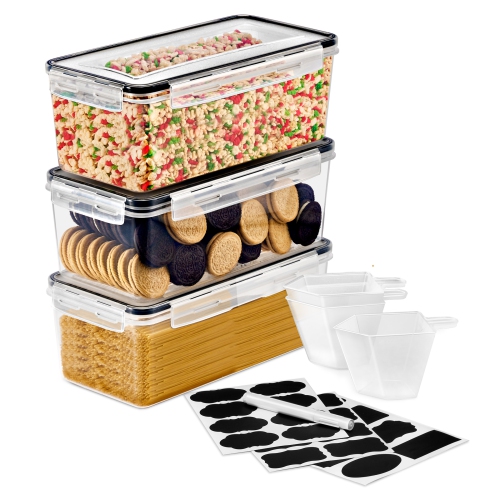
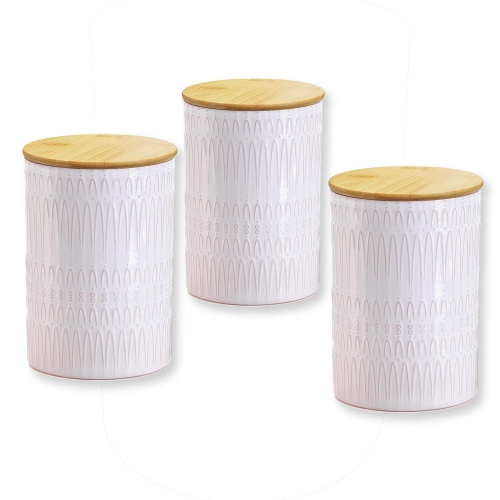
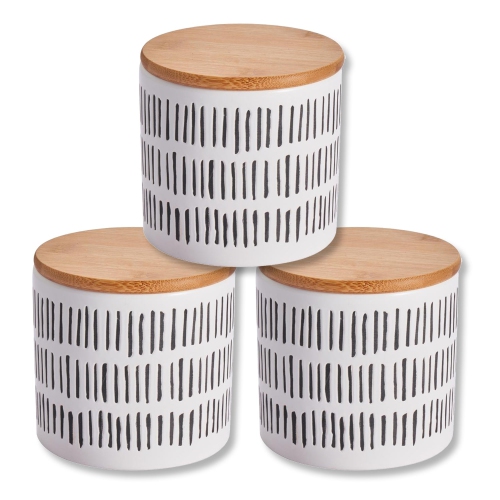
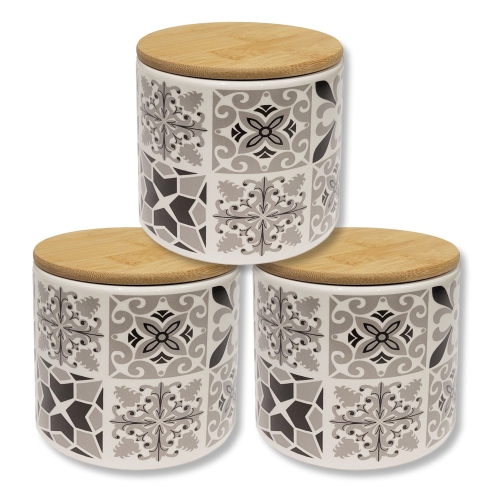
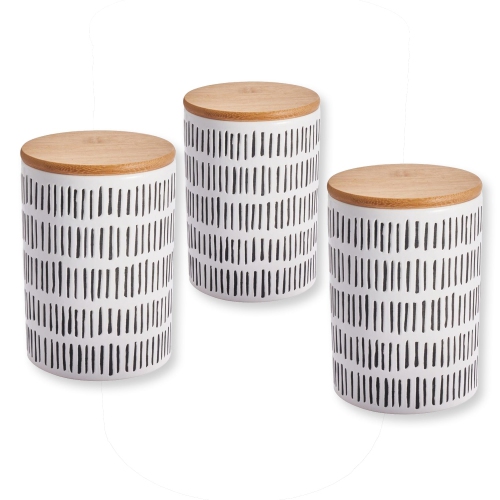
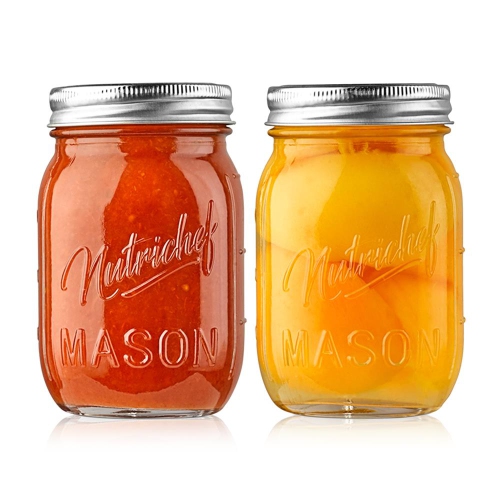
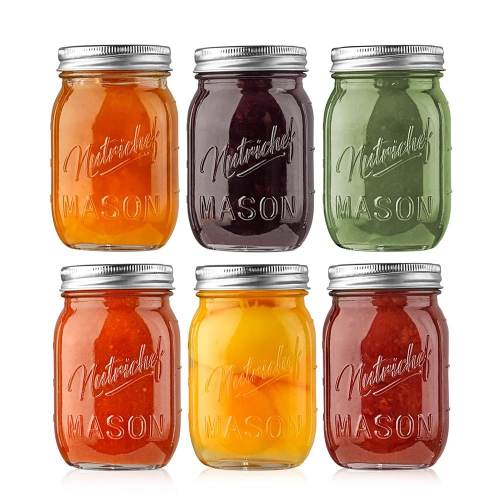
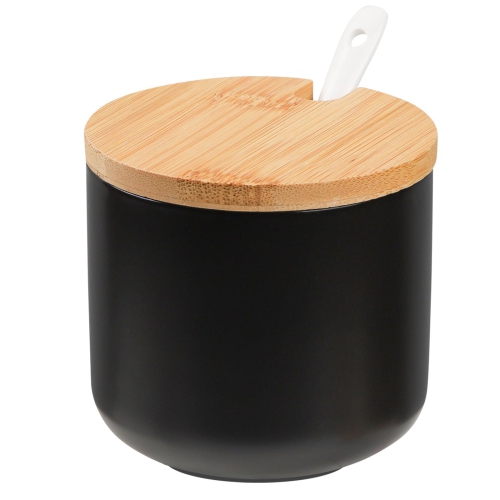
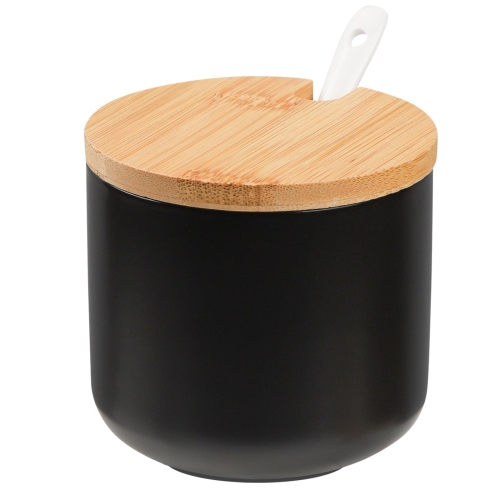
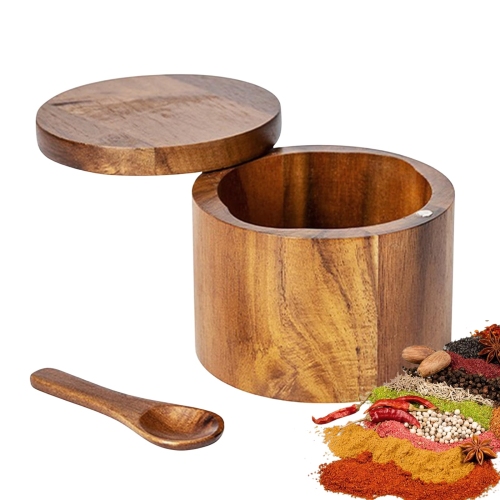
Easier seasoning starts with storage that fits your kitchen
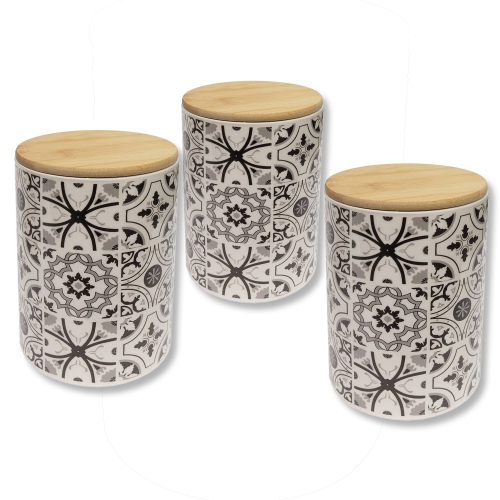
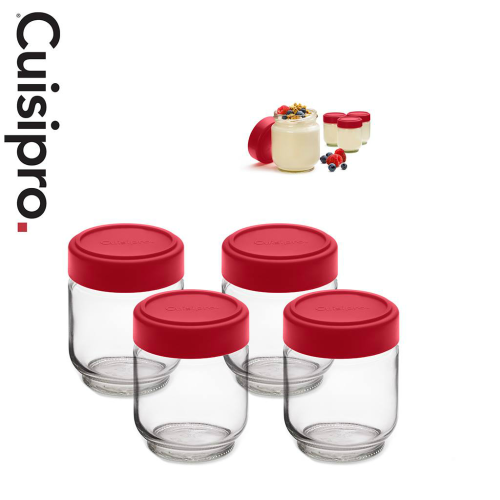
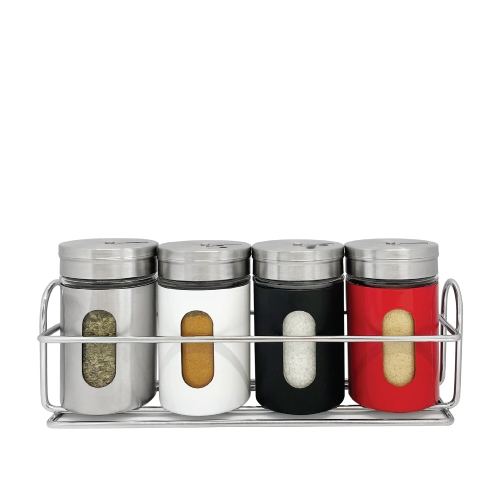
Spice jars bring order to the small ingredients that give everyday meals their character, from the cumin stirred into a pot of beans to the cinnamon sprinkled over oatmeal. A well-organized collection makes it easier to see what is on hand, reach for the right seasoning, and return it to its place without searching through a crowded cupboard. These containers serve different purposes depending on how a kitchen works: a few jars can keep frequently used spices close to a preparation area, while a larger arrangement can bring consistency to a pantry filled with different packet sizes. Clear glass offers a direct view of colour, texture, and remaining contents, making it easy to distinguish whole peppercorns from ground pepper or notice when a favourite blend is running low. Opaque containers limit light exposure, though readable labels become especially useful when the contents are hidden. Stainless steel offers a sturdy option for busy kitchens, while lightweight plastic can be practical where ease of handling matters; containers should be intended for food storage regardless of material. Ceramic brings a different look and feel, with the trade-off that contents cannot be checked at a glance. For dried herbs and ground spices, a secure closure helps limit contact with air and moisture, but the quality of the seal matters more than the appearance of the lid. Screw-top lids, fitted caps, and closures with gaskets each offer a different opening action, so comfortable handling deserves attention alongside style. Someone who cooks several times a day may appreciate a lid that opens without much effort, while someone storing less frequently used seasonings may place greater emphasis on a dependable seal. Spice jars can also make a thoughtful gift for a keen home cook, a baker building a dedicated cupboard, or someone setting up a first kitchen. Their appeal lies in a useful combination of tidy storage, easy identification, and a more personal cooking space.
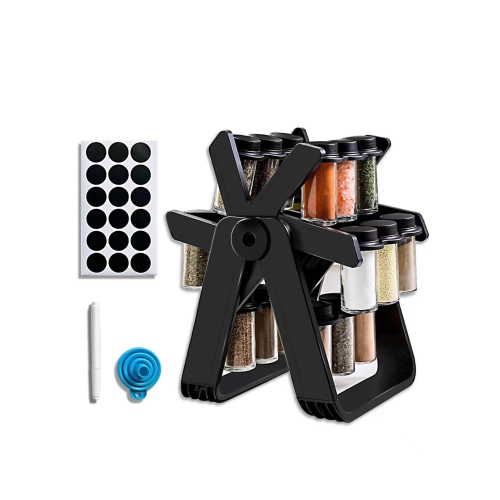
The best fit depends as much on the storage location as on the ingredients inside. A jar that looks compact on a worktop may be too tall for a shallow drawer, especially once the lid is included. Checking the full height, width, and base shape against shelf clearances or rack openings helps avoid awkward gaps and containers that catch when a drawer closes. Square jars can sit closely together along a straight shelf, while round jars are easy to turn in the hand and may suit circular holders. Neither shape is automatically better: access, spacing, and the layout of the kitchen determine which feels more convenient. In a drawer, labels on the lids can make a row readable from above; on an eye-level shelf, labels on the fronts are usually easier to scan. Angled inserts change the viewing position again, so label placement works best when it follows the way the jars will actually sit. Capacity is another practical detail. Small containers suit seasonings used a pinch at a time, while larger ones can accommodate ingredients measured by the spoonful. Dried leaves, cinnamon sticks, and other bulky ingredients need different space from fine powders, and a stated volume does not translate into the same weight for every spice. A wide opening is helpful when dipping in a measuring spoon or transferring contents from a packet. Shaker inserts offer controlled sprinkling, but small holes can clog with coarse flakes, and fixed inserts may make refilling harder. Removable inserts allow more flexibility between shaking and scooping. For a coordinated arrangement, spice jar sets can provide consistent dimensions and a unified appearance, making rows easier to plan around a drawer or shelf. Matching containers are not essential, though. A useful arrangement may combine a few larger jars for everyday cooking with smaller ones for occasional baking, provided each is easy to identify and reach.
Care and placement help spice jars stay pleasant to use over time. Before filling them, follow the maker’s cleaning directions and allow every part to dry thoroughly, including the underside of the lid and any removable gasket. Trapped water can cause powders to clump and is unsuitable for storing dried ingredients. Glass bodies may be dishwasher-safe, but lids, printed markings, wooden components, and seals can require different care, so it is worth treating the jar as several parts rather than assuming everything can go through the same wash cycle. Food odours and fine residue can linger around threads and inserts; these areas deserve attention when switching a container from a strongly scented spice to something more delicate. Durable construction matters at these everyday contact points. Smooth lid threads, a stable base, and a seal that seats evenly can make repeated opening and closing less frustrating. Glass provides good visibility but can chip if knocked against a hard surface, while plastic may scratch and absorb odours over time. Any cracked body or damaged sealing component should be assessed before further food storage. Labels also need to suit the routine: washable surfaces are useful when contents change often, whereas clearly printed names can be easier to read when several people share the kitchen. Adding a filling date helps keep track of older ingredients without relying on memory, and using up a batch before adding more keeps older spices from remaining unnoticed at the bottom. For convenient cooking, jars can sit near the preparation area without being directly beside steam from a kettle or saucepan. Measuring seasoning into a spoon or small dish before adding it to a bubbling pot helps keep moisture out of the container. A cupboard away from direct sunlight offers a practical home for many collections, while a countertop arrangement benefits from a position clear of splashes. Whether the aim is a streamlined baking drawer or a broad selection for varied recipes, thoughtfully chosen spice jars make small, repeated kitchen tasks simpler without demanding a complete pantry makeover.
The best fit depends as much on the storage location as on the ingredients inside. A jar that looks compact on a worktop may be too tall for a shallow drawer, especially once the lid is included. Checking the full height, width, and base shape against shelf clearances or rack openings helps avoid awkward gaps and containers that catch when a drawer closes. Square jars can sit closely together along a straight shelf, while round jars are easy to turn in the hand and may suit circular holders. Neither shape is automatically better: access, spacing, and the layout of the kitchen determine which feels more convenient. In a drawer, labels on the lids can make a row readable from above; on an eye-level shelf, labels on the fronts are usually easier to scan. Angled inserts change the viewing position again, so label placement works best when it follows the way the jars will actually sit. Capacity is another practical detail. Small containers suit seasonings used a pinch at a time, while larger ones can accommodate ingredients measured by the spoonful. Dried leaves, cinnamon sticks, and other bulky ingredients need different space from fine powders, and a stated volume does not translate into the same weight for every spice. A wide opening is helpful when dipping in a measuring spoon or transferring contents from a packet. Shaker inserts offer controlled sprinkling, but small holes can clog with coarse flakes, and fixed inserts may make refilling harder. Removable inserts allow more flexibility between shaking and scooping. For a coordinated arrangement, spice jar sets can provide consistent dimensions and a unified appearance, making rows easier to plan around a drawer or shelf. Matching containers are not essential, though. A useful arrangement may combine a few larger jars for everyday cooking with smaller ones for occasional baking, provided each is easy to identify and reach.
Care and placement help spice jars stay pleasant to use over time. Before filling them, follow the maker’s cleaning directions and allow every part to dry thoroughly, including the underside of the lid and any removable gasket. Trapped water can cause powders to clump and is unsuitable for storing dried ingredients. Glass bodies may be dishwasher-safe, but lids, printed markings, wooden components, and seals can require different care, so it is worth treating the jar as several parts rather than assuming everything can go through the same wash cycle. Food odours and fine residue can linger around threads and inserts; these areas deserve attention when switching a container from a strongly scented spice to something more delicate. Durable construction matters at these everyday contact points. Smooth lid threads, a stable base, and a seal that seats evenly can make repeated opening and closing less frustrating. Glass provides good visibility but can chip if knocked against a hard surface, while plastic may scratch and absorb odours over time. Any cracked body or damaged sealing component should be assessed before further food storage. Labels also need to suit the routine: washable surfaces are useful when contents change often, whereas clearly printed names can be easier to read when several people share the kitchen. Adding a filling date helps keep track of older ingredients without relying on memory, and using up a batch before adding more keeps older spices from remaining unnoticed at the bottom. For convenient cooking, jars can sit near the preparation area without being directly beside steam from a kettle or saucepan. Measuring seasoning into a spoon or small dish before adding it to a bubbling pot helps keep moisture out of the container. A cupboard away from direct sunlight offers a practical home for many collections, while a countertop arrangement benefits from a position clear of splashes. Whether the aim is a streamlined baking drawer or a broad selection for varied recipes, thoughtfully chosen spice jars make small, repeated kitchen tasks simpler without demanding a complete pantry makeover.
Top selling and popular products
-
 Your price for this item is $5.99
 -
 Your price for this item is $9.99
 -
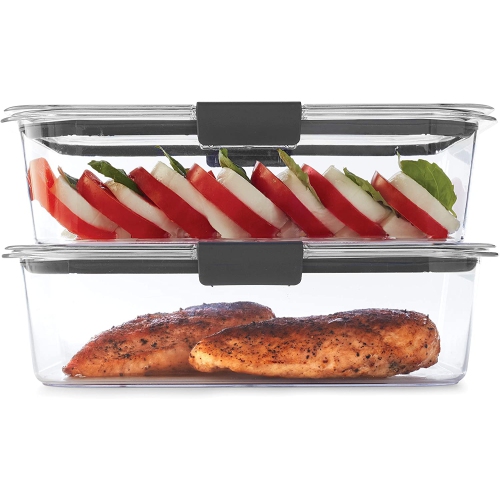 Your price for this item is $108.25
 -
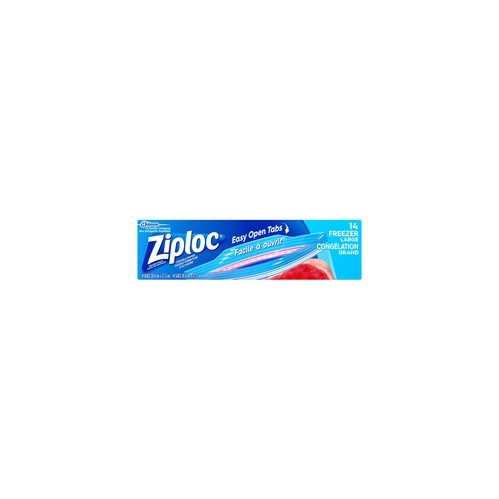 Your price for this item is $7.99
 -
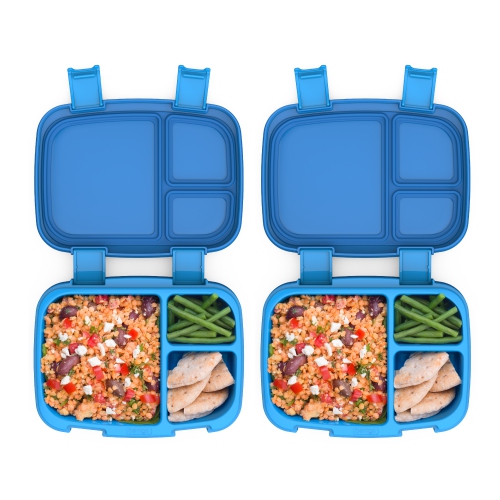 Your price for this item is $44.99
 -
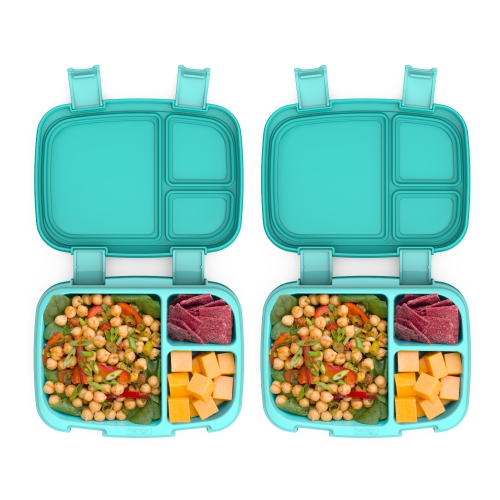 Your price for this item is $44.99
 -
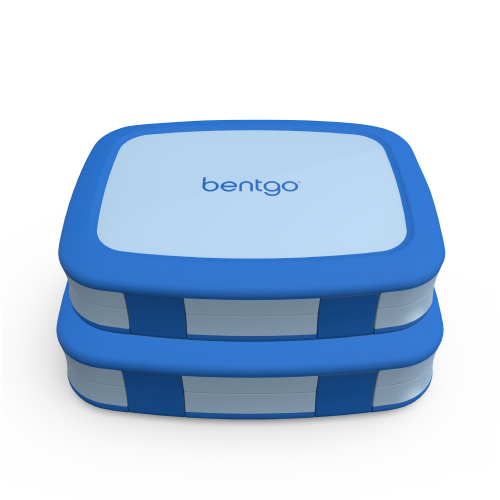 Your price for this item is $59.99
 -
 Your price for this item is $59.99
Discover more categories related to Spice Jars
Top Collections:
Pokemon Centers, Kindle Devices, Best Budget Office Chairs, Apple iPhones 16, Canon G7X Cameras, iPhone 15 Apple, Alarm Clock, Refurbished Apple Laptops, Flip Phones, Best Laptops for Writers
Some products may be subject to Environmental Handling Fees
(EHF) depending on your province.
Learn more about EHFs.