Spinning Floor Displays
Our selection of spinning floor displays offers a versatile solution for showcasing a variety of items in an organized and eye-catching manner. These innovative displays are designed to attract customers' attention and encourage interaction, making them ideal for retail stores, trade shows, or any environment where you want to make a statement. With their rotating feature, these displays provide easy access to products from all angles, making browsing a breeze for your customers. Explore our range of spinning floor displays to elevate your merchandising game today!
Sort

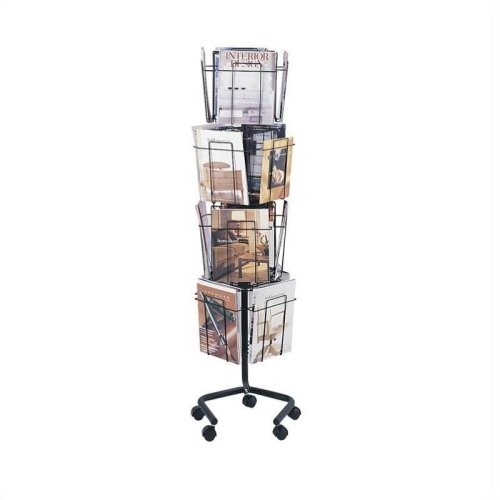
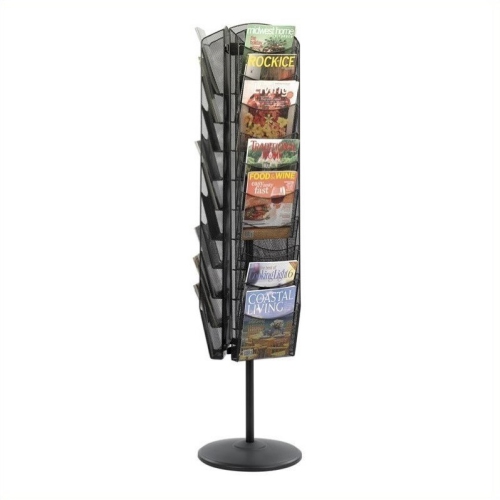
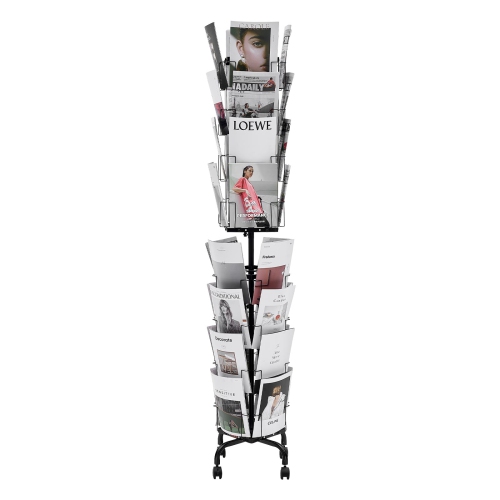
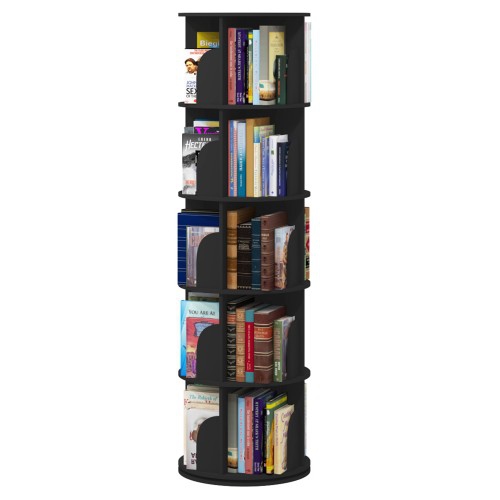
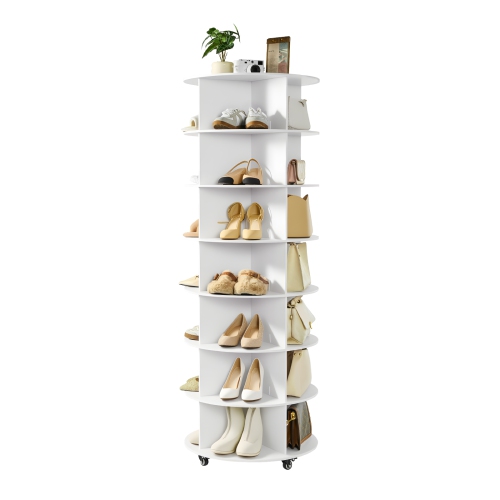
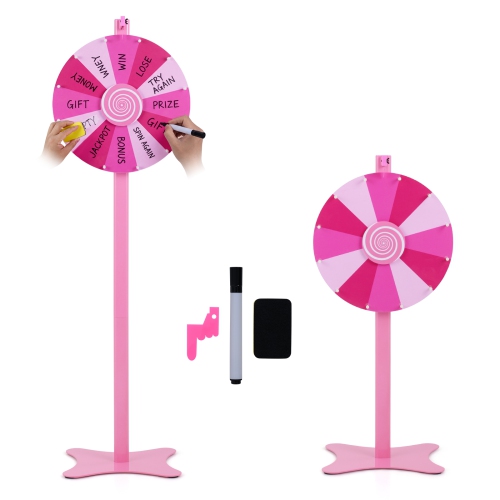
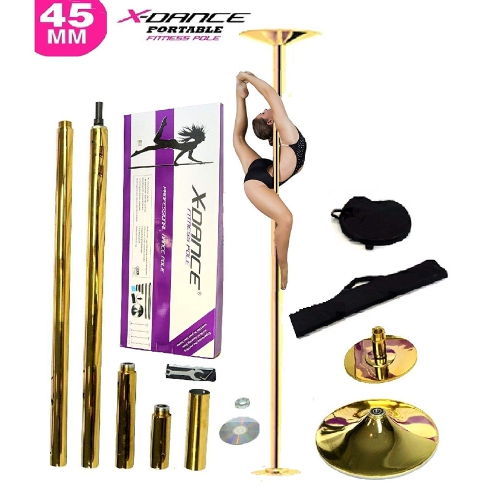
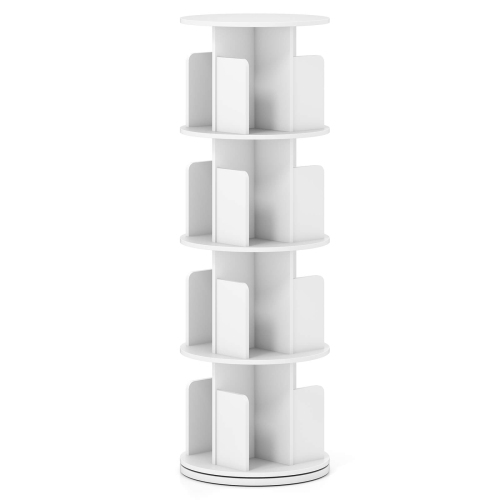
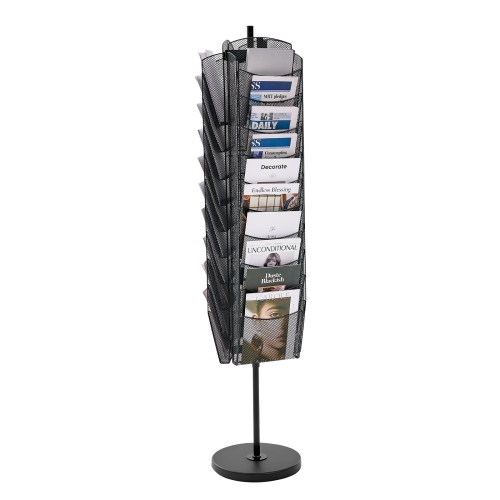
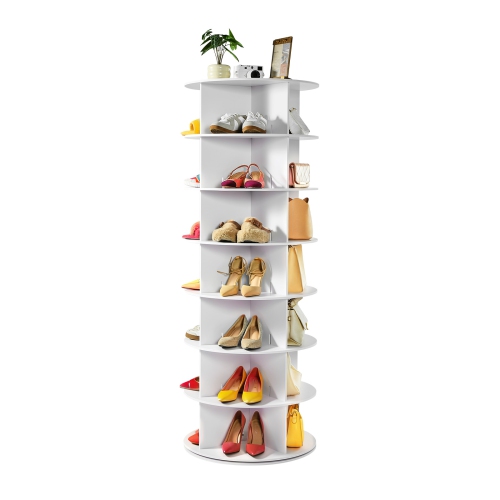
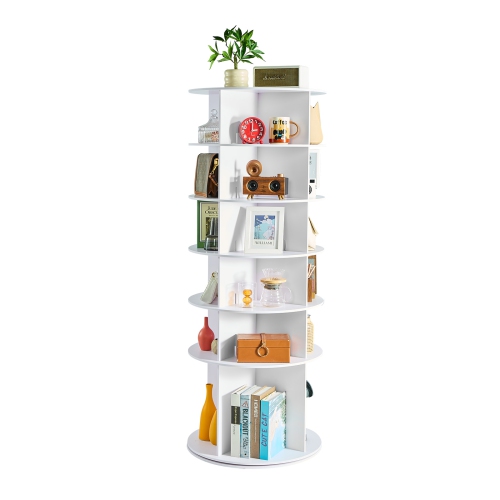
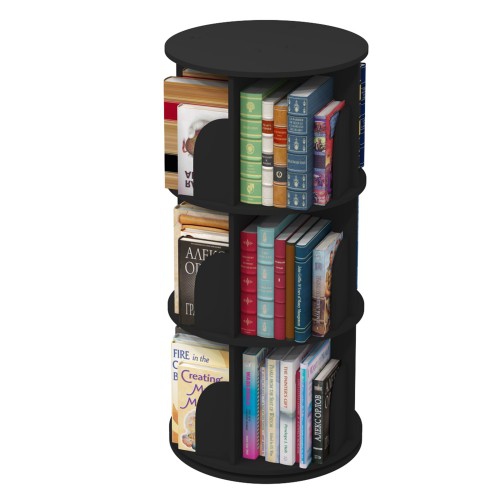
Rotating displays support organized browsing in any space
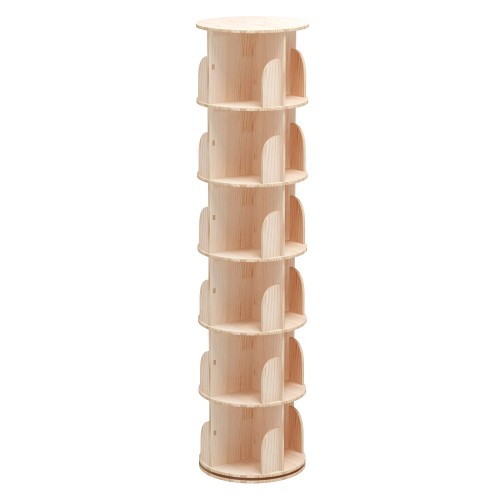
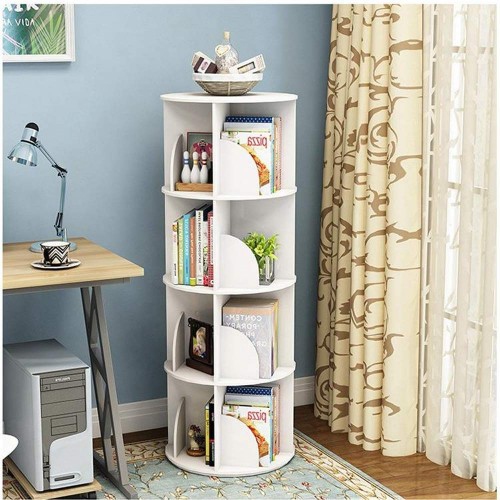
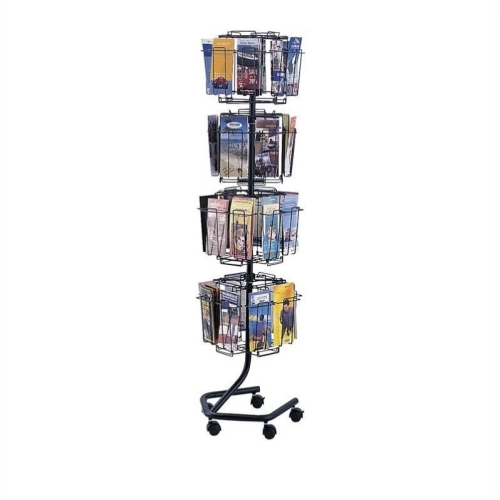
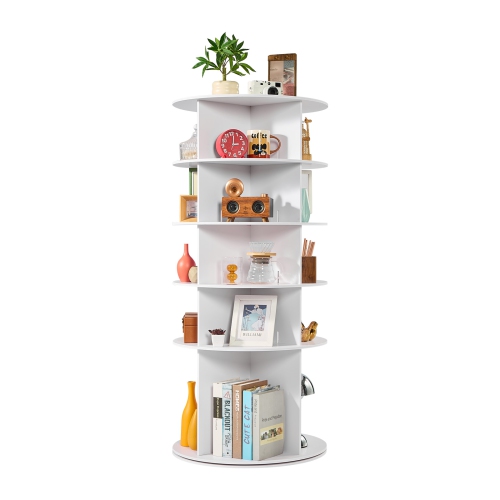
Spinning floor displays are freestanding, 360-degree rotating fixtures designed to make merchandise visible from multiple directions while using a relatively small amount of floor space. Often placed near entrances, checkout areas, aisle ends, service counters, or other high-traffic locations, they invite customers to browse by turning the display and viewing each side. This makes them useful in retail stores, reception areas, trade show booths, visitor centres, salons, cafés, markets, libraries, and small business settings where every square foot matters. A rotating fixture can help transform an unused corner into an organized presentation area, while its vertical design keeps products within easy reach and at a comfortable viewing height. Common styles include wire spinner racks with several open tiers, pegboard towers fitted with hooks, pocket carousels for brochures and magazines, and specialty units made with wood, acrylic, or other solid materials. Wire tier racks work well for small packaged products, accessories, snacks, craft supplies, and other items that can sit securely on a shelf. Pegboard spinners are suited to blister-packed merchandise, boxed accessories, tools, stationery, and lightweight products that can hang from interchangeable hooks. Literature and brochure holders are helpful for maps, pamphlets, menus, catalogues, informational sheets, and promotional materials, especially where visitors may want to pick up a handout while moving through a space. For a more traditional presentation, a rotating shelf unit can display décor, giftware, books, collectibles, or retail samples with a warmer, more structured appearance. The best option depends on what will be displayed, how often inventory will change, and whether shoppers need to pick up products directly or simply view information.
When choosing spinning floor displays, start with the dimensions of the available area and leave enough clearance for people to rotate the unit comfortably without blocking an aisle, doorway, counter, or emergency route. Measure the height as well as the footprint, since a tall display may offer excellent visibility but could feel oversized in a low-ceilinged room or a compact shop. Consider the display’s capacity, shelf spacing, hook configuration, pocket size, and weight rating in relation to the merchandise. Small packaged items may benefit from several shallow tiers, while larger boxed products need more vertical and horizontal clearance. Adjustable hooks, removable shelves, and interchangeable panels make it easier to change the assortment as inventory evolves, while fixed compartments can provide a tidy, consistent appearance for printed materials. The material also affects the look and everyday practicality of the fixture. Wire construction offers an open view of products and is convenient for quick restocking, whereas acrylic can create a clean, unobstructed presentation for brochures or premium items. Wood and other solid finishes can complement a boutique, office, studio, or hospitality setting, particularly when the display is meant to feel like part of the room rather than a temporary merchandising rack. Stability is another important consideration: look for a broad, weighted base or a construction suited to the expected load, especially when customers will turn the display frequently. Smooth rotation helps prevent jostling and makes browsing more pleasant, while durable surfaces are useful in busy environments where fixtures are handled throughout the day. If you need additional vertical storage without the rotating feature, Floor Standing Display Shelves can provide another way to organize products, décor, books, or supplies along a wall or in an open room.
Placement and presentation can have as much impact as the fixture itself. Position a spinning floor display where people naturally slow down, such as beside a queue, near a welcome desk, outside a fitting area, or along a route between frequently visited sections. Avoid placing it so close to a wall that one side cannot turn, since the main advantage of a carousel-style unit is access to all faces. Group related products together, keep the most important items at eye level, and use lower tiers for sturdier products that are less likely to be overlooked. A simple rotation of stock can keep the display feeling fresh: place new arrivals, seasonal accessories, travel information, school supplies, or event materials in prominent positions as customer needs change during the warmer and cooler parts of the year. In a reception area or community space, a literature carousel can make maps, service information, and take-home materials easy to find without covering a counter. In a shop, a compact spinner can encourage impulse browsing by placing complementary items near a primary purchase, while in a studio or workplace it can keep tools, samples, and reference materials visible and orderly. Regularly check that hooks are secure, shelves are not overloaded, printed materials are facing forward, and the base remains level on the floor. A well-organized spinning floor display should feel intuitive: customers can see what is available, rotate the unit without effort, and remove or return an item without disturbing the rest of the arrangement. With the right size, structure, and placement, it becomes a practical merchandising solution that improves visibility, supports neat organization, and makes better use of high-traffic floor space.
When choosing spinning floor displays, start with the dimensions of the available area and leave enough clearance for people to rotate the unit comfortably without blocking an aisle, doorway, counter, or emergency route. Measure the height as well as the footprint, since a tall display may offer excellent visibility but could feel oversized in a low-ceilinged room or a compact shop. Consider the display’s capacity, shelf spacing, hook configuration, pocket size, and weight rating in relation to the merchandise. Small packaged items may benefit from several shallow tiers, while larger boxed products need more vertical and horizontal clearance. Adjustable hooks, removable shelves, and interchangeable panels make it easier to change the assortment as inventory evolves, while fixed compartments can provide a tidy, consistent appearance for printed materials. The material also affects the look and everyday practicality of the fixture. Wire construction offers an open view of products and is convenient for quick restocking, whereas acrylic can create a clean, unobstructed presentation for brochures or premium items. Wood and other solid finishes can complement a boutique, office, studio, or hospitality setting, particularly when the display is meant to feel like part of the room rather than a temporary merchandising rack. Stability is another important consideration: look for a broad, weighted base or a construction suited to the expected load, especially when customers will turn the display frequently. Smooth rotation helps prevent jostling and makes browsing more pleasant, while durable surfaces are useful in busy environments where fixtures are handled throughout the day. If you need additional vertical storage without the rotating feature, Floor Standing Display Shelves can provide another way to organize products, décor, books, or supplies along a wall or in an open room.
Placement and presentation can have as much impact as the fixture itself. Position a spinning floor display where people naturally slow down, such as beside a queue, near a welcome desk, outside a fitting area, or along a route between frequently visited sections. Avoid placing it so close to a wall that one side cannot turn, since the main advantage of a carousel-style unit is access to all faces. Group related products together, keep the most important items at eye level, and use lower tiers for sturdier products that are less likely to be overlooked. A simple rotation of stock can keep the display feeling fresh: place new arrivals, seasonal accessories, travel information, school supplies, or event materials in prominent positions as customer needs change during the warmer and cooler parts of the year. In a reception area or community space, a literature carousel can make maps, service information, and take-home materials easy to find without covering a counter. In a shop, a compact spinner can encourage impulse browsing by placing complementary items near a primary purchase, while in a studio or workplace it can keep tools, samples, and reference materials visible and orderly. Regularly check that hooks are secure, shelves are not overloaded, printed materials are facing forward, and the base remains level on the floor. A well-organized spinning floor display should feel intuitive: customers can see what is available, rotate the unit without effort, and remove or return an item without disturbing the rest of the arrangement. With the right size, structure, and placement, it becomes a practical merchandising solution that improves visibility, supports neat organization, and makes better use of high-traffic floor space.
Top selling and popular products
-
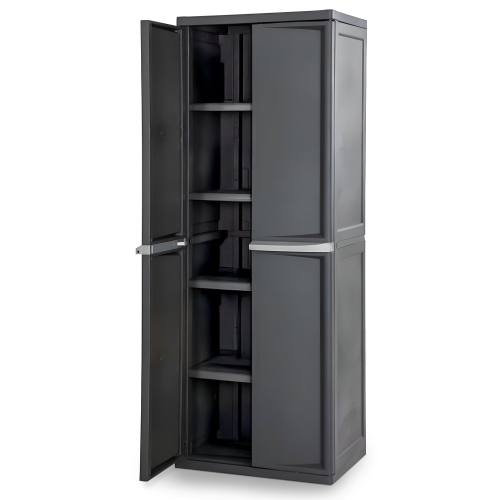 Your price for this item is $772.99
 -
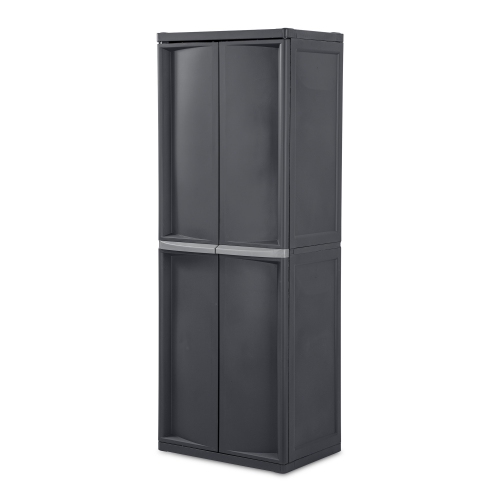 Your price for this item is $1522.99
 -
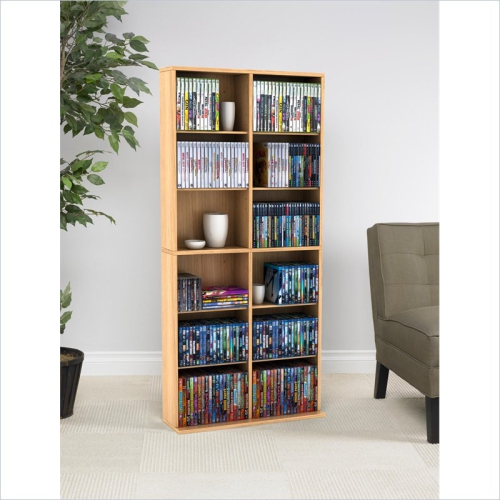 Your price for this item is $234.68
 -
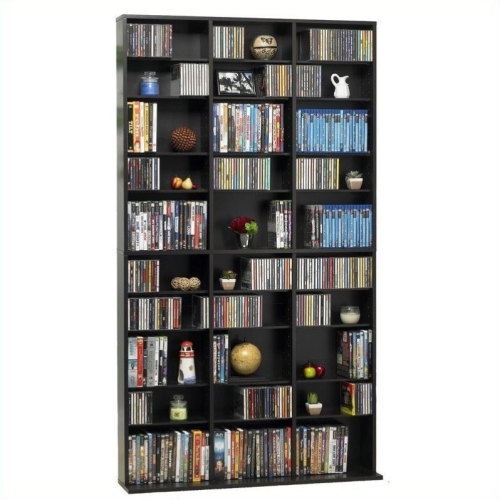 Your price for this item is $365.38
 -
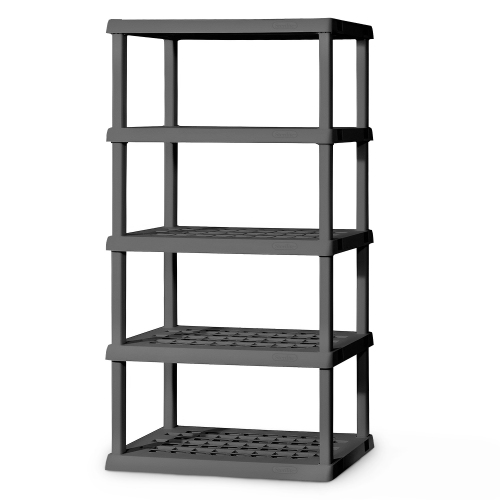 Your price for this item is $468.99
 -
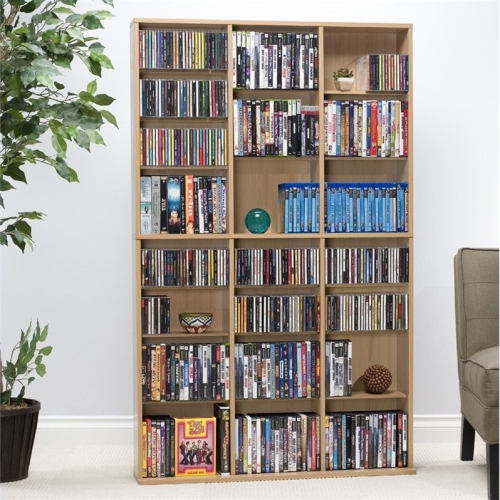 Your price for this item is $295.84
 -
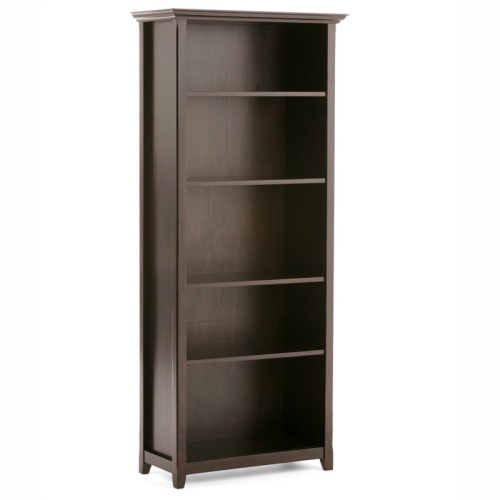 Your price for this item is $999.77
 -
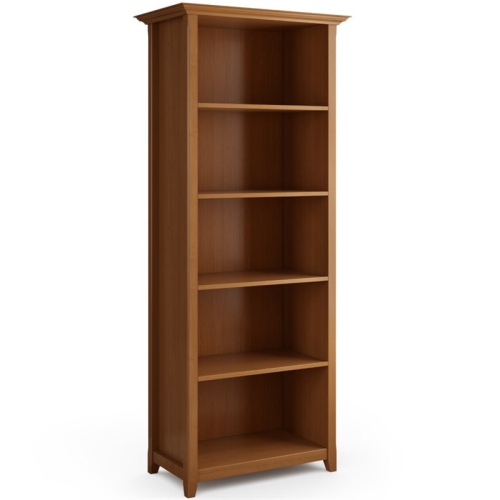 Your price for this item is $998.43
Discover more categories related to Spinning Floor Displays

Top Collections:
Pokemon Centers, Kindle Devices, Best Budget Office Chairs, Apple iPhones 16, Best Laptops for Writers, iPhone 15 Apple, Canon G7X Cameras, Refurbished Apple Laptops, Alarm Clock, Motorola Razr Phones
Some products may be subject to Environmental Handling Fees
(EHF) depending on your province.
Learn more about EHFs.