Stackable Shoe Racks
These stackable shoe racks are a great way to keep your closet organized. You can use it to store multiple pairs of shoes, or you can use it as a place to store almost all of your accessories. These are designed with a sturdy metal frame and feature adjustable shelves so you can customize the storage space to meet your needs. Here are some of the best stackable shoe racks on the market today.
Sort
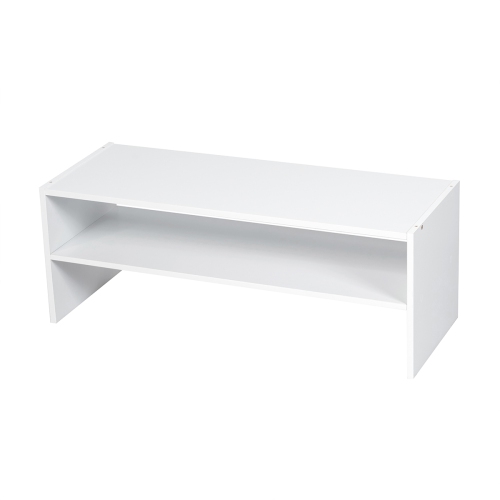
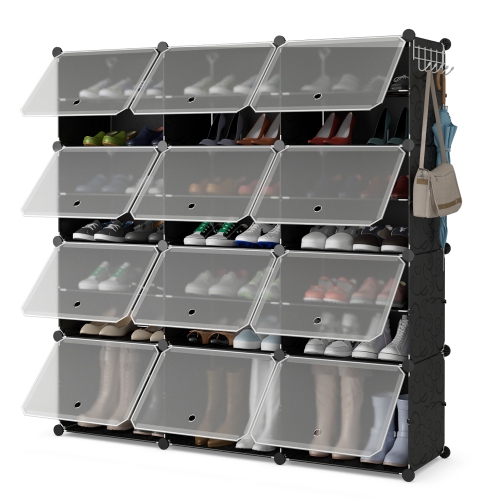
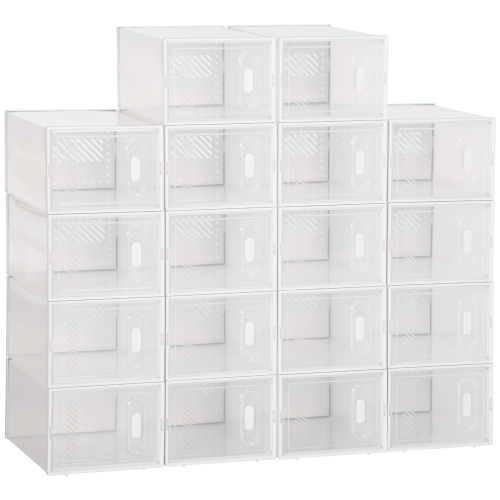
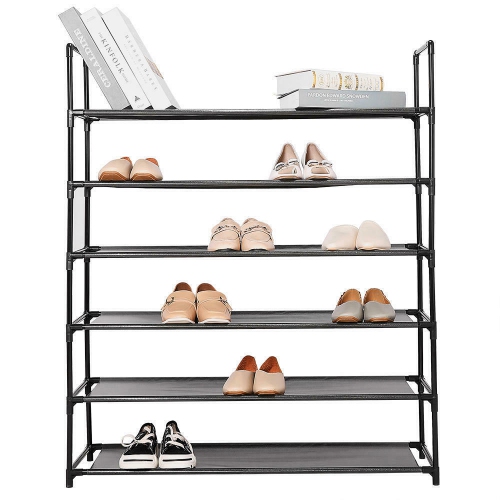
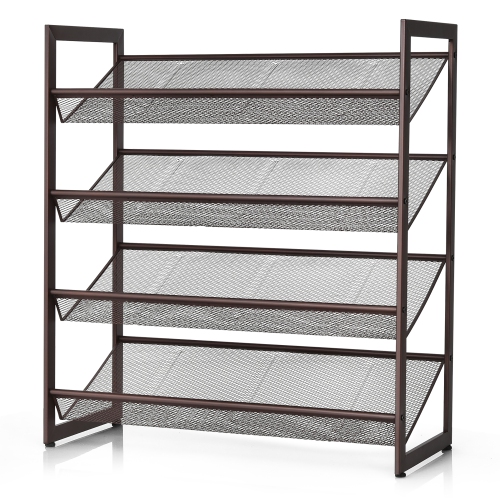
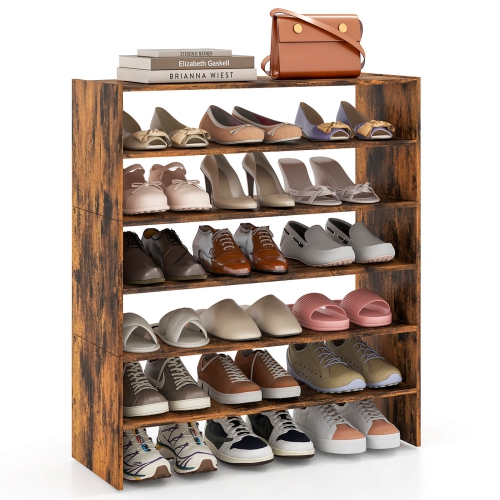
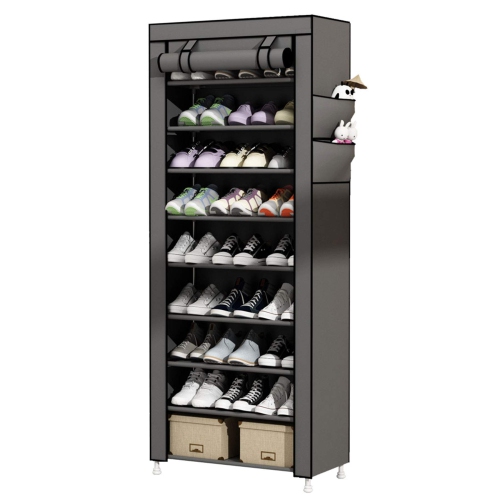
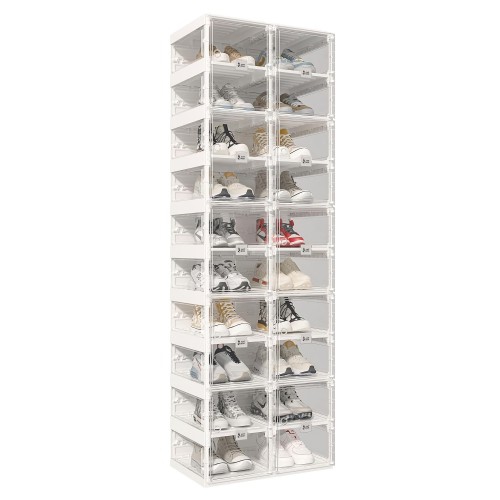
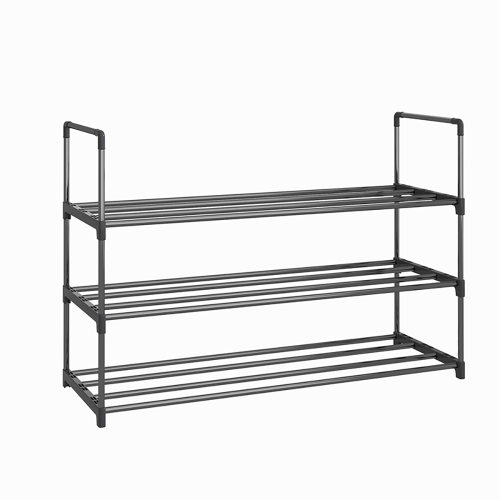
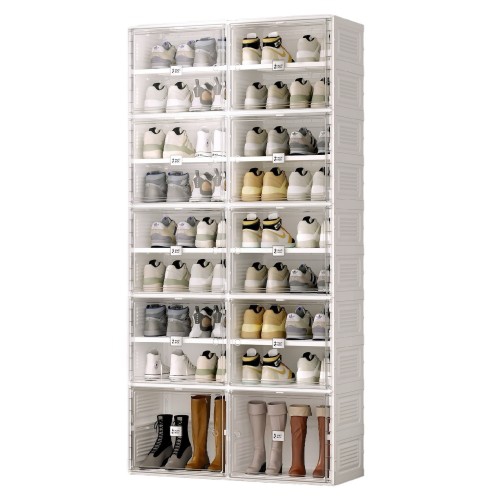
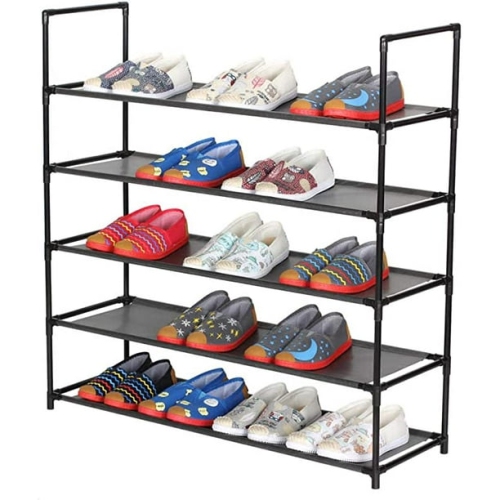
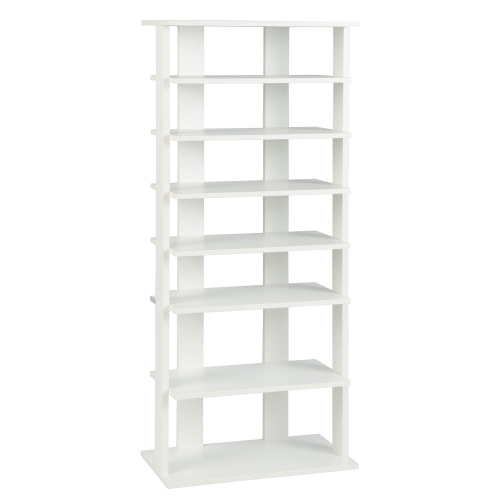
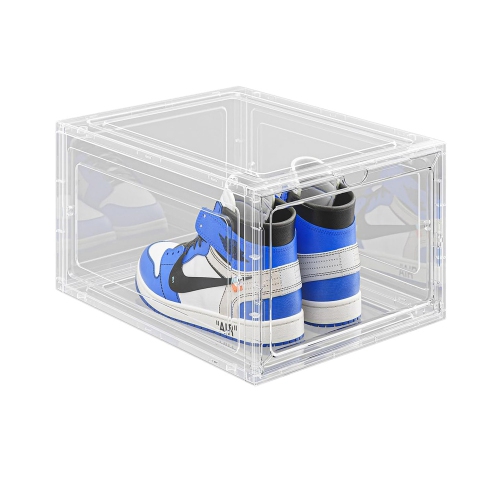
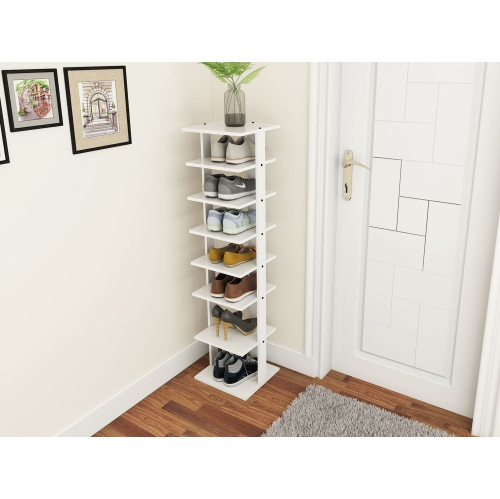
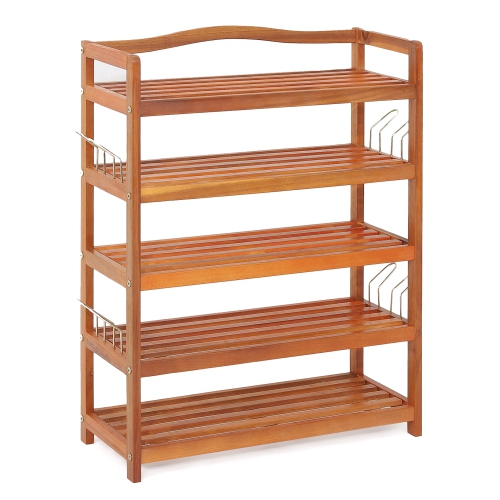

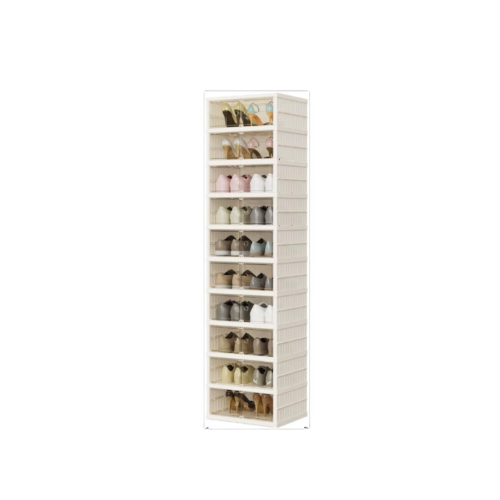

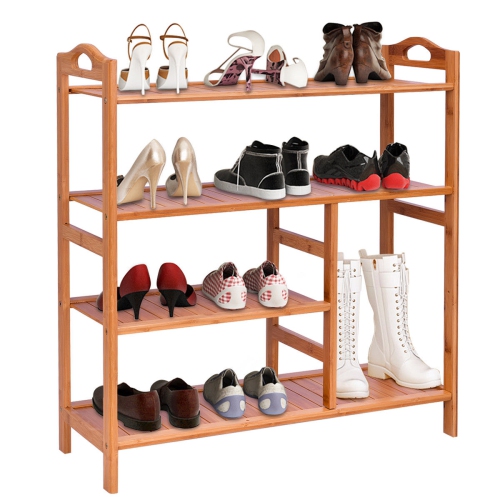
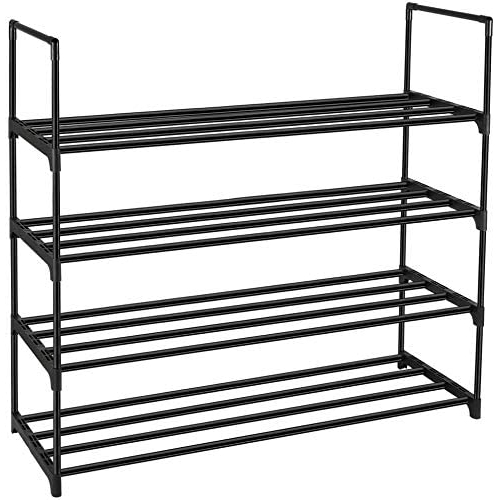
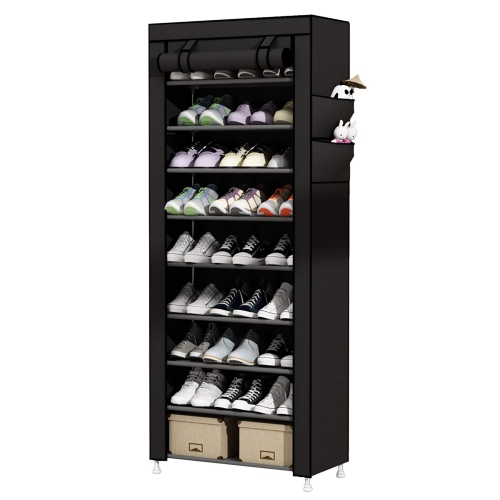
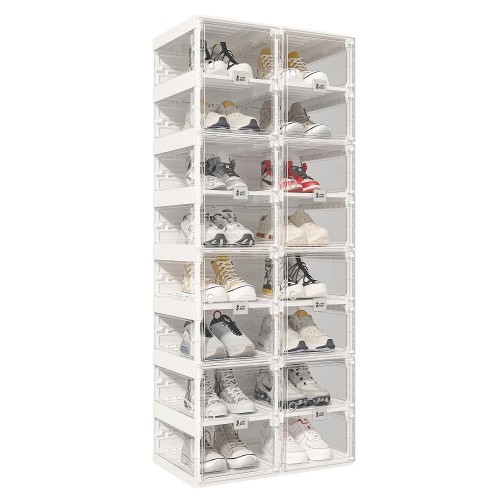
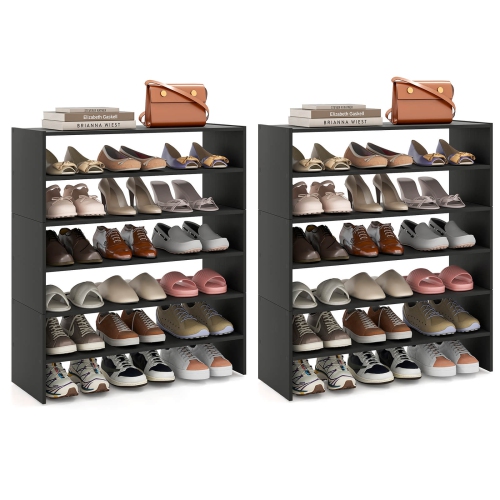
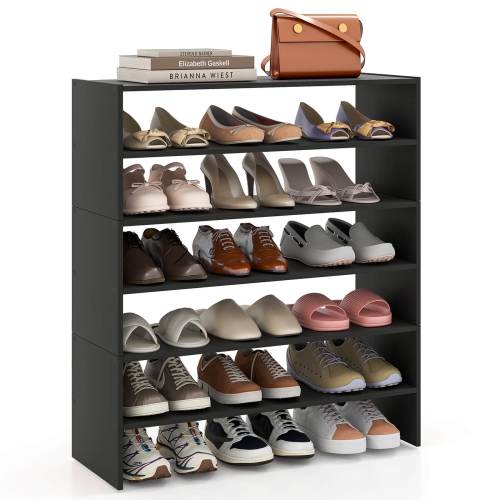
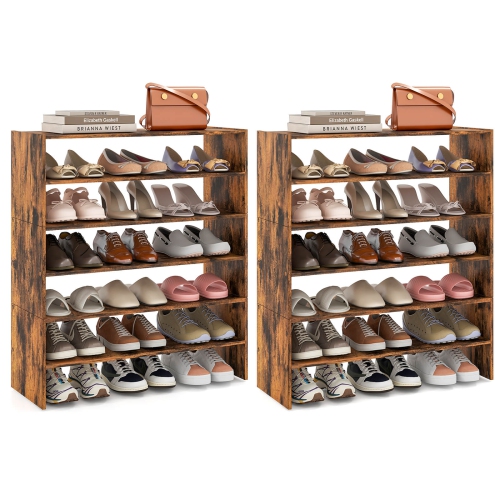
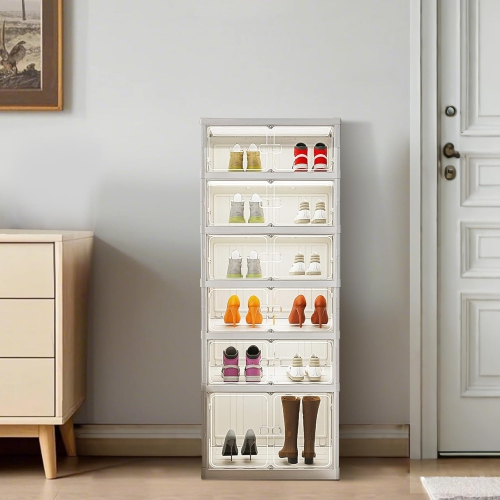
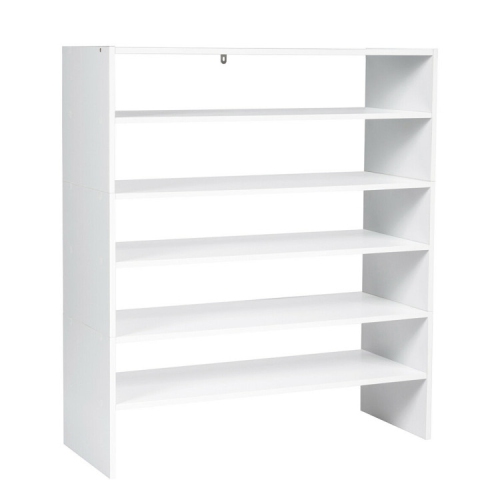
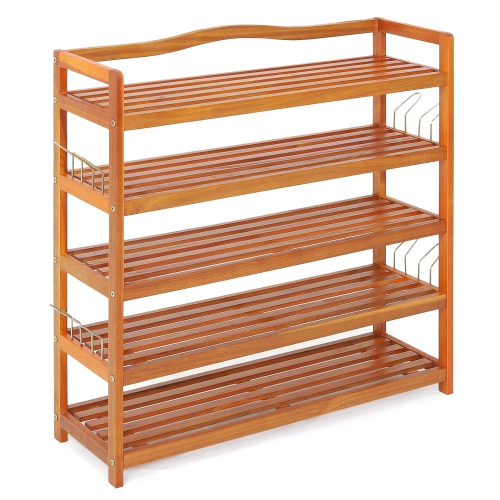
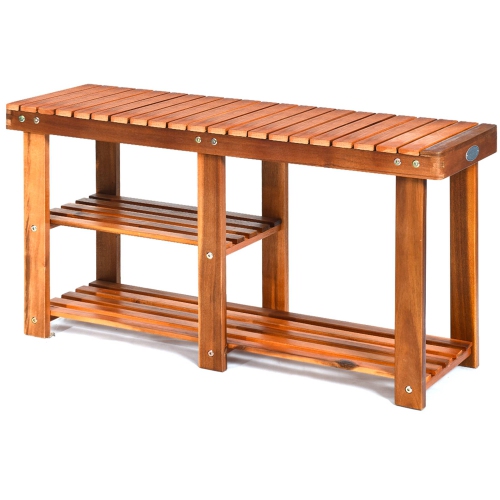
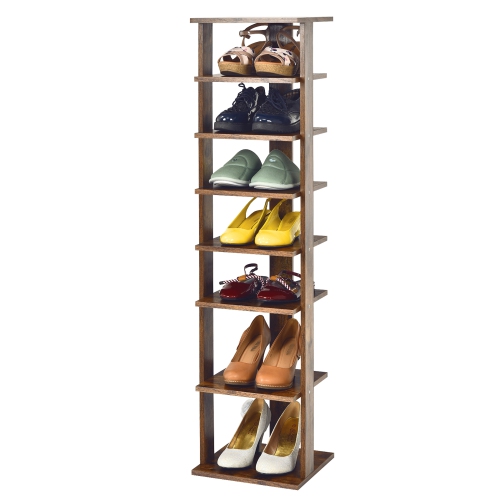
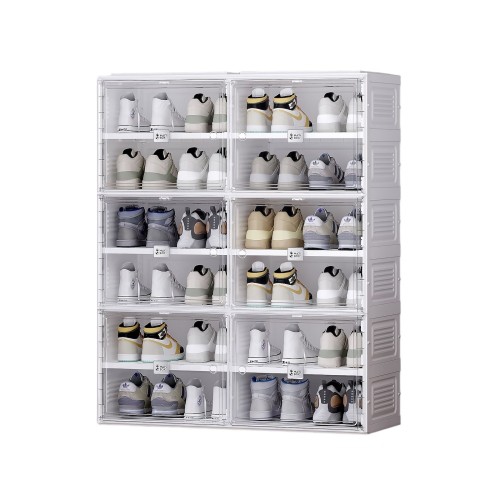
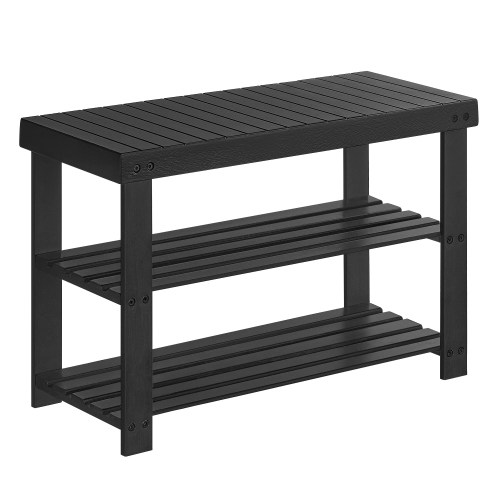
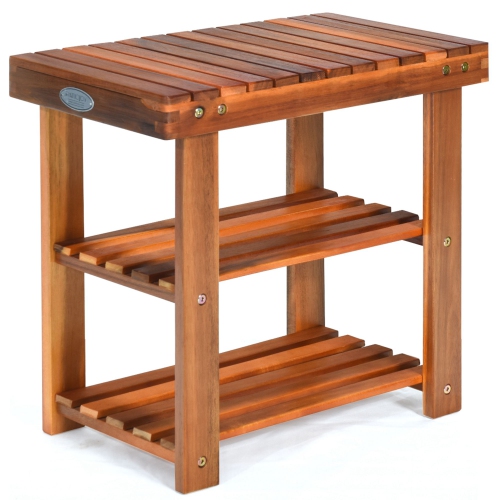
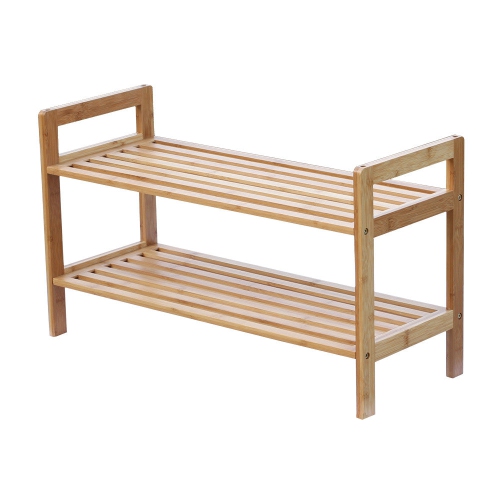
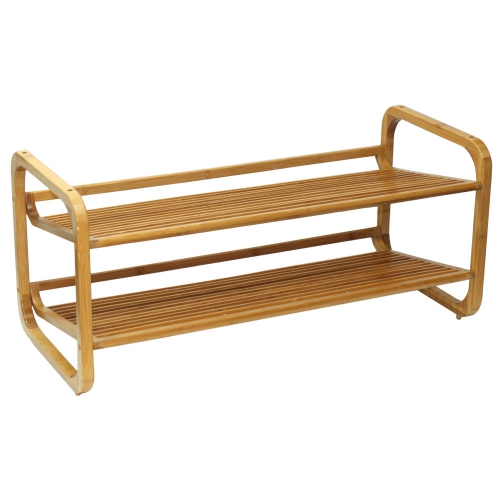
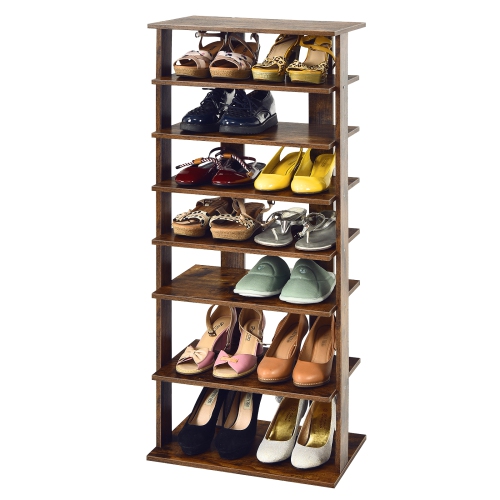
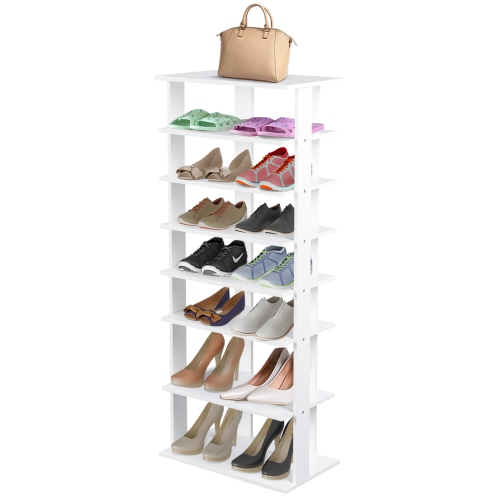
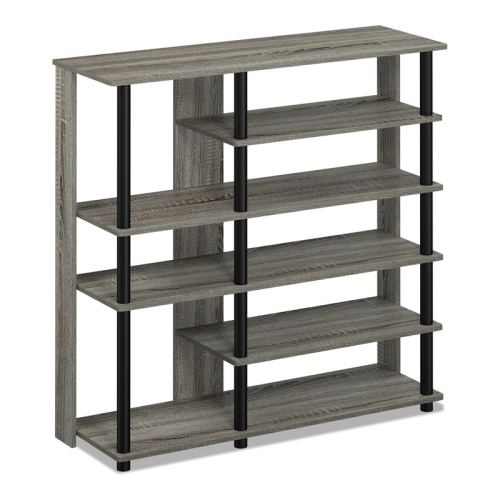

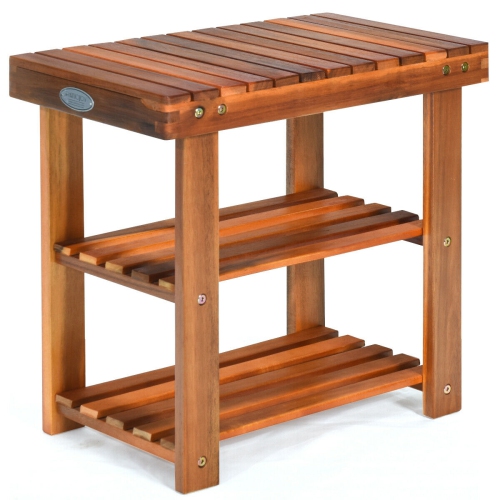
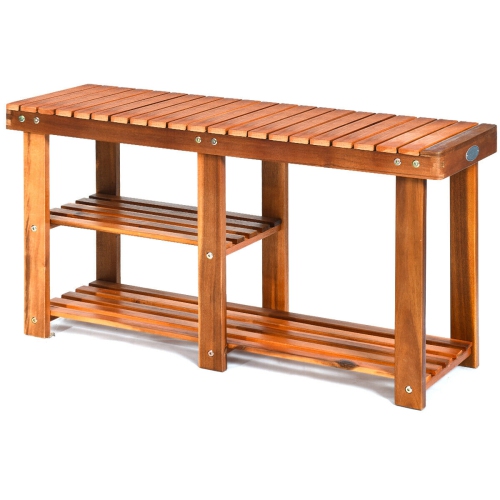
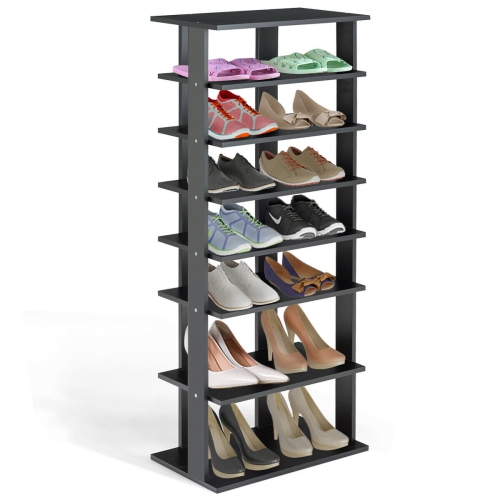
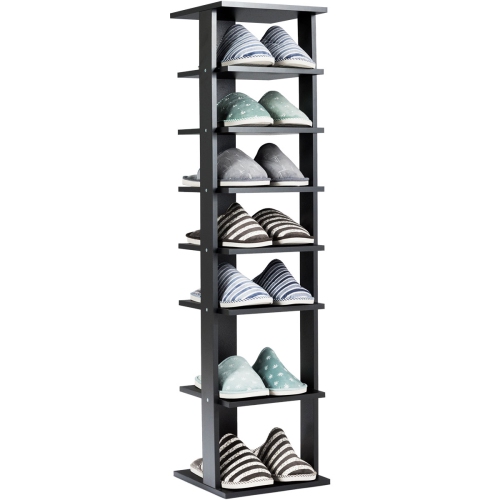
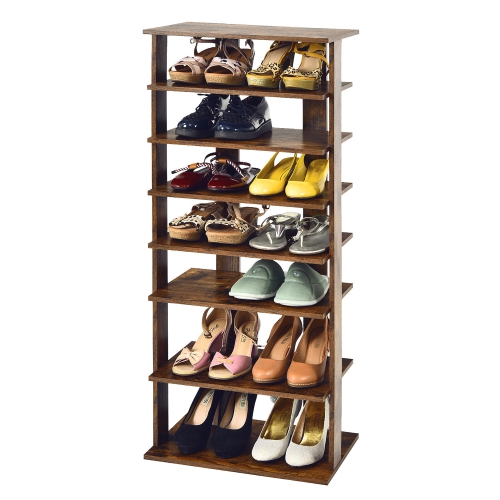
Flexible vertical storage for changing footwear needs at home
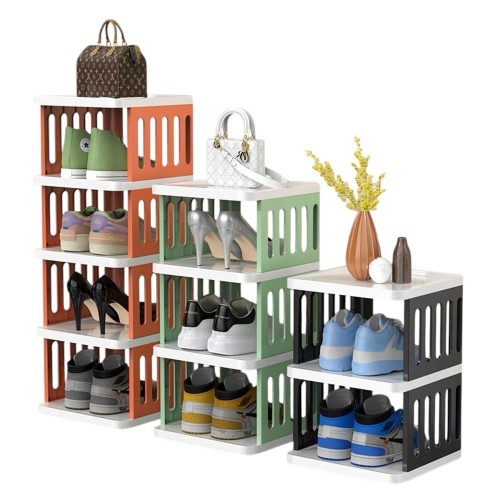
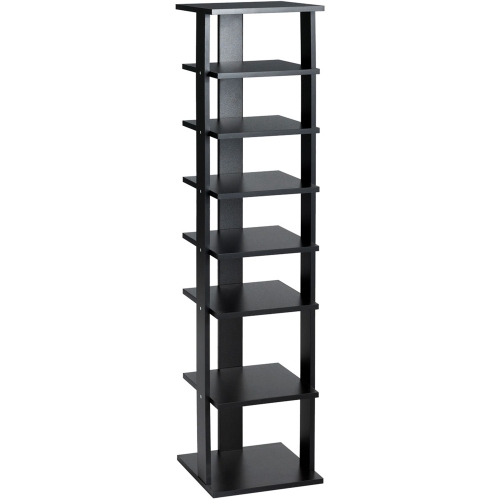
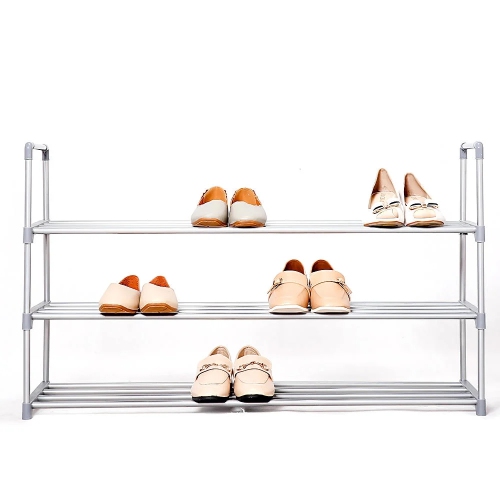
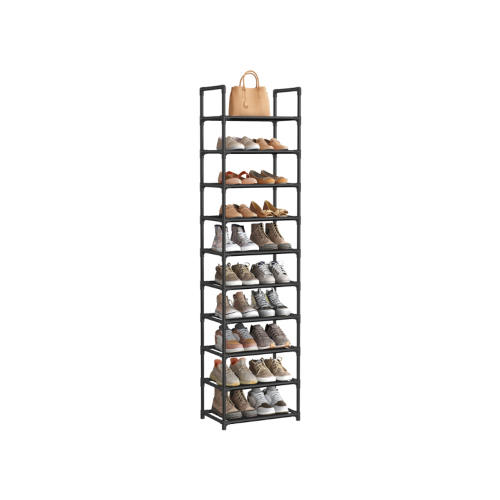
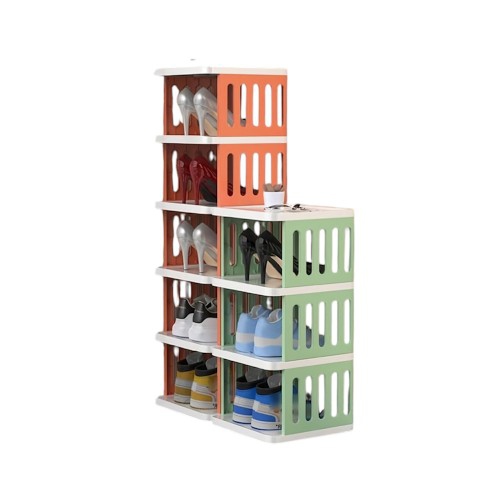
Stackable shoe racks offer a practical way to organize footwear without taking up valuable floor space. Instead of spreading shoes across an entryway, closet floor, or mudroom bench, these racks use vertical space to create several accessible levels for everyday pairs. Their modular design makes them especially useful in homes where storage needs change throughout the year. A compact two- or three-tier rack can fit neatly beside a doorway or inside a wardrobe, while taller configurations can hold a larger footwear collection for a busy household. Some models are designed to be stacked securely on top of one another, allowing you to expand storage as needed, while others combine several tiers into a single tower. This flexibility can help keep frequently worn sneakers, flats, slippers, sandals, and boots in one orderly location rather than leaving them in a pile. During the cooler months, a dedicated rack can make it easier to separate indoor footwear from outdoor shoes that may carry moisture, salt, or dirt into the home. It can also create a convenient landing spot for footwear near the door, helping maintain a clearer path through smaller apartments, condominiums, dorm rooms, and family entryways. When comparing stackable shoe racks, begin by measuring the available width, depth, and ceiling height. Leave enough clearance to place and remove shoes comfortably, and check that the rack will not interfere with doors, drawers, vents, or walkways. It is also helpful to count the pairs you use regularly rather than relying only on the number of shoes currently on the floor. A small rack may suit a single person with a limited collection, while a larger household may benefit from multiple units or a taller arrangement with extra room for future additions.
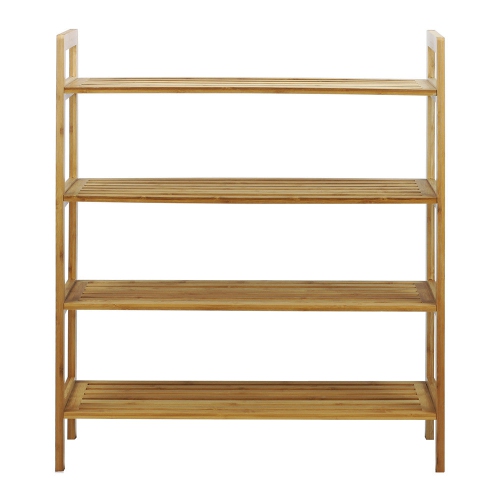
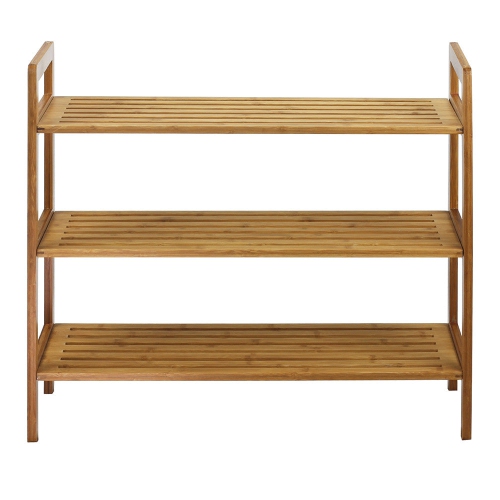
The construction and shelf layout of a stackable shoe rack can make a noticeable difference in everyday use. Metal frames are often a good choice for entryways and mudrooms because they provide a firm structure and can support heavier footwear, including running shoes, work shoes, and some boots. Powder-coated finishes may offer a smooth appearance that is easy to coordinate with existing furniture, while open metal shelves allow air to circulate around footwear. Bamboo and wood-look racks can bring a warmer, more furniture-like feel to bedrooms, closets, and front halls. Fabric shelves are typically lightweight and easy to move, making them useful for renters, students, temporary storage areas, or anyone who rearranges a room often. Look closely at the shelf surface as well as the frame. Flat shelves are versatile for trainers, loafers, slippers, and shoes with wider soles, while angled shelves can make pairs easier to see and may be well suited to displaying dress shoes or heels. Raised edges, side supports, and a stable base can help keep footwear in place when the rack is loaded. If you plan to stack units, confirm how they connect and whether the design includes clips, pegs, brackets, or another method of keeping the sections aligned. Stability matters more as a rack becomes taller, particularly in a busy hallway or a home with children and pets. Consider the weight of your footwear, the height of each tier, and whether the shelves can accommodate ankle boots or taller styles without forcing them into an awkward position. For additional flexibility, browse Adjustable Shoe Racks to explore storage that can adapt to different footwear sizes and available spaces. A washable or wipe-clean surface can also be useful near an exterior door, where shoes may be exposed to wet pavement or winter conditions.
Stackable shoe racks can be used well beyond a traditional entrance. In a bedroom closet, they can turn an unused vertical corner into an organized footwear section and make it easier to see every pair at a glance. In a mudroom, separate tiers can be assigned to each member of the household, or arranged by type so that boots, daily shoes, and indoor slippers have their own places. A lower rack may be convenient for children who are learning to put their belongings away, while a taller unit can keep less frequently worn footwear within reach for adults. In a wardrobe or dressing area, open shelves can function as a simple display, reducing the time spent searching for a matching pair before heading out. These organizers can also be helpful in a guest room, where visitors need a designated spot for their shoes, or in a storage room where seasonal footwear can be kept off the floor until it is needed. Their adaptable format makes them a thoughtful housewarming gift, a useful addition to a student residence, or a practical present for someone moving into a smaller home. To keep the arrangement looking tidy, place the shoes heel-to-toe or toe-forward in a consistent direction, and reserve the lowest tier for heavier pairs that provide a stable visual base. Rotate footwear as routines change, keeping everyday pairs at eye level and occasional styles on higher shelves. Allow wet shoes to dry according to their care instructions before storing them in a confined area, and avoid overloading shelves beyond their recommended capacity. With the right size, material, tier spacing, and stacking method, a shoe rack can make an entryway feel calmer, help a closet work harder, and keep footwear ready for everything from quick errands to long walks during the changing seasons.
The construction and shelf layout of a stackable shoe rack can make a noticeable difference in everyday use. Metal frames are often a good choice for entryways and mudrooms because they provide a firm structure and can support heavier footwear, including running shoes, work shoes, and some boots. Powder-coated finishes may offer a smooth appearance that is easy to coordinate with existing furniture, while open metal shelves allow air to circulate around footwear. Bamboo and wood-look racks can bring a warmer, more furniture-like feel to bedrooms, closets, and front halls. Fabric shelves are typically lightweight and easy to move, making them useful for renters, students, temporary storage areas, or anyone who rearranges a room often. Look closely at the shelf surface as well as the frame. Flat shelves are versatile for trainers, loafers, slippers, and shoes with wider soles, while angled shelves can make pairs easier to see and may be well suited to displaying dress shoes or heels. Raised edges, side supports, and a stable base can help keep footwear in place when the rack is loaded. If you plan to stack units, confirm how they connect and whether the design includes clips, pegs, brackets, or another method of keeping the sections aligned. Stability matters more as a rack becomes taller, particularly in a busy hallway or a home with children and pets. Consider the weight of your footwear, the height of each tier, and whether the shelves can accommodate ankle boots or taller styles without forcing them into an awkward position. For additional flexibility, browse Adjustable Shoe Racks to explore storage that can adapt to different footwear sizes and available spaces. A washable or wipe-clean surface can also be useful near an exterior door, where shoes may be exposed to wet pavement or winter conditions.
Stackable shoe racks can be used well beyond a traditional entrance. In a bedroom closet, they can turn an unused vertical corner into an organized footwear section and make it easier to see every pair at a glance. In a mudroom, separate tiers can be assigned to each member of the household, or arranged by type so that boots, daily shoes, and indoor slippers have their own places. A lower rack may be convenient for children who are learning to put their belongings away, while a taller unit can keep less frequently worn footwear within reach for adults. In a wardrobe or dressing area, open shelves can function as a simple display, reducing the time spent searching for a matching pair before heading out. These organizers can also be helpful in a guest room, where visitors need a designated spot for their shoes, or in a storage room where seasonal footwear can be kept off the floor until it is needed. Their adaptable format makes them a thoughtful housewarming gift, a useful addition to a student residence, or a practical present for someone moving into a smaller home. To keep the arrangement looking tidy, place the shoes heel-to-toe or toe-forward in a consistent direction, and reserve the lowest tier for heavier pairs that provide a stable visual base. Rotate footwear as routines change, keeping everyday pairs at eye level and occasional styles on higher shelves. Allow wet shoes to dry according to their care instructions before storing them in a confined area, and avoid overloading shelves beyond their recommended capacity. With the right size, material, tier spacing, and stacking method, a shoe rack can make an entryway feel calmer, help a closet work harder, and keep footwear ready for everything from quick errands to long walks during the changing seasons.
Top selling and popular products
-
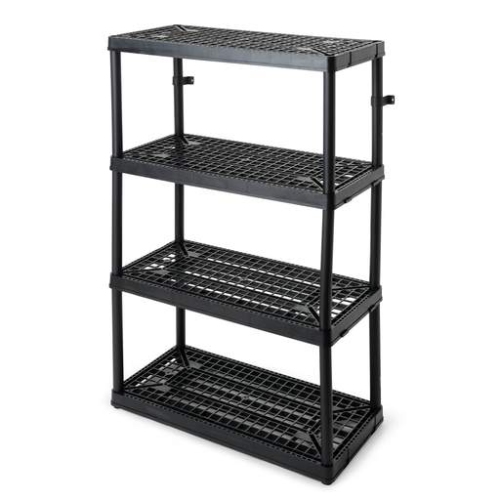 Your price for this item is $184.99
 -
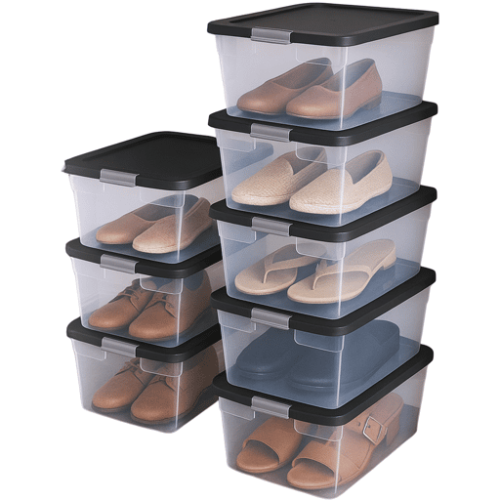 Your price for this item is $170.99
 -
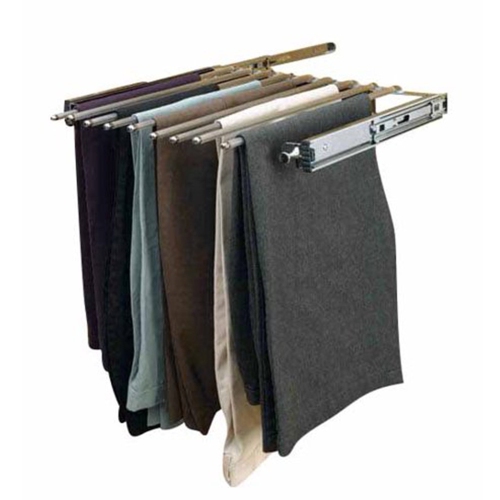 Your price for this item is $219.99
 -
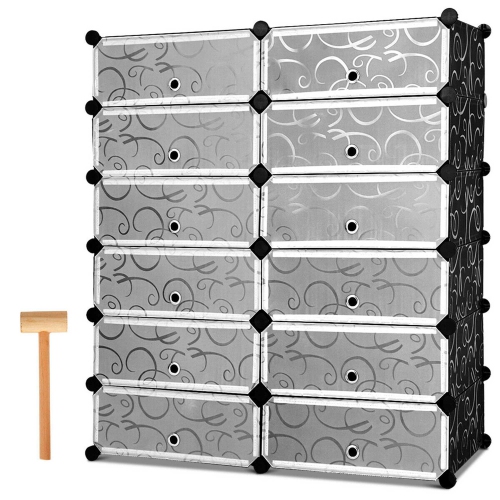 Your price for this item is $88.99
 -
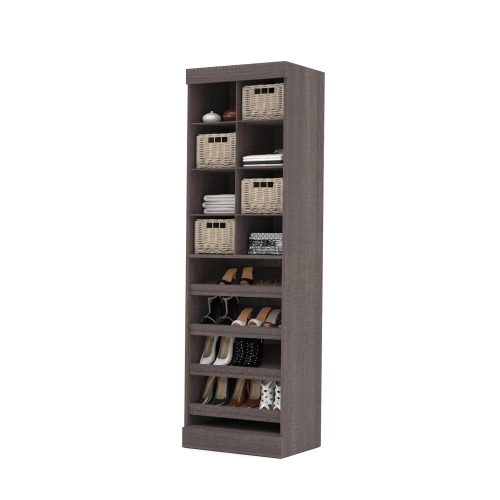 Your price for this item is $689.99
 -
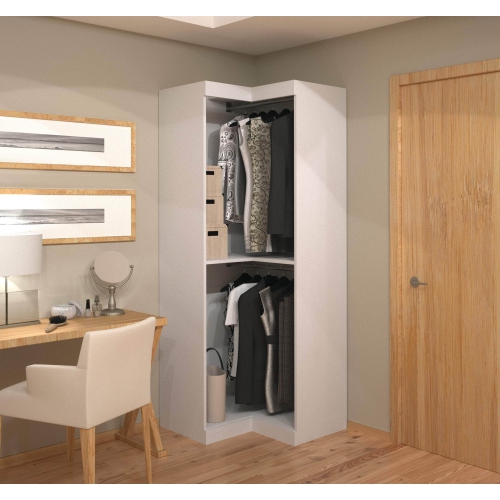 Your price for this item is $929.99
 -
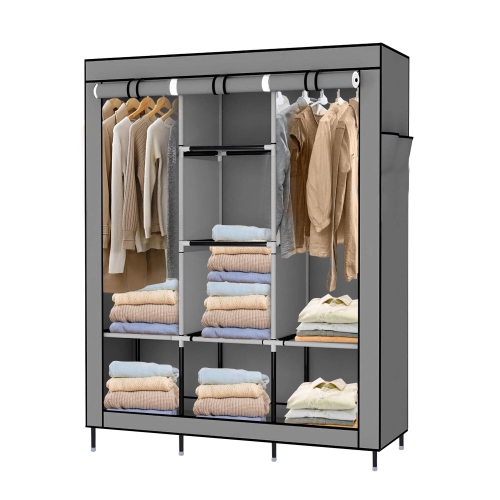 Your price for this item is $49.99
 -
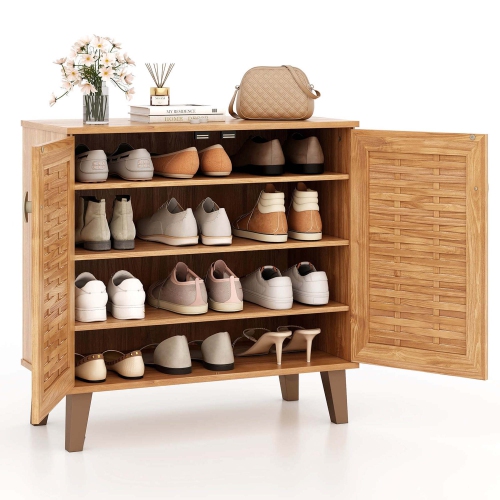 Your price for this item is $128.99
Discover more categories related to Stackable Shoe Racks
Top Collections:
Pokemon Centers, Kindle Devices, Best Budget Office Chairs, Apple iPhones 16, Best Laptops for Writers, iPhone 15 Apple, Canon G7X Cameras, Refurbished Apple Laptops, Alarm Clock, Motorola Razr Phones
Some products may be subject to Environmental Handling Fees
(EHF) depending on your province.
Learn more about EHFs.