Stainless Steel Steamers
Looking to add a touch of convenience and efficiency to your kitchen? Look no further than our collection of stainless steel steamers. These versatile cooking tools are designed to help you prepare delicious and healthy meals with ease. Whether you're steaming vegetables, fish, or dumplings, our stainless steel steamers offer exceptional heat distribution and durability for consistent results every time. With their sleek and modern design, these steamers are not only functional but also make a stylish addition to any kitchen. Explore our wide range of stainless steel steamers and elevate your cooking experience today.
Sort
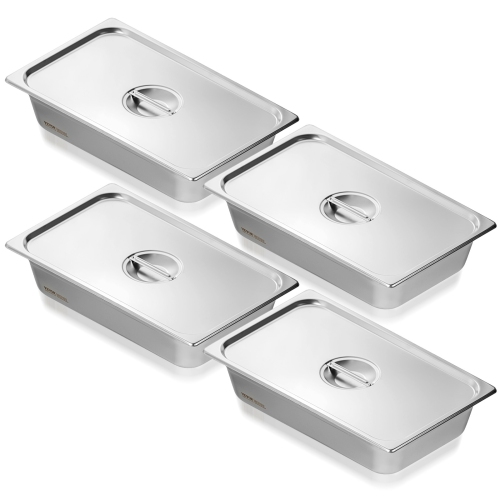
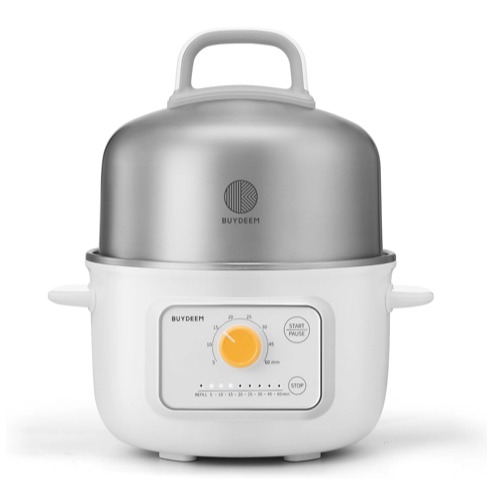
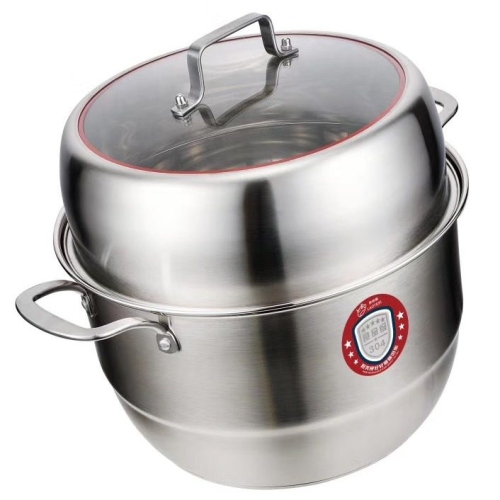

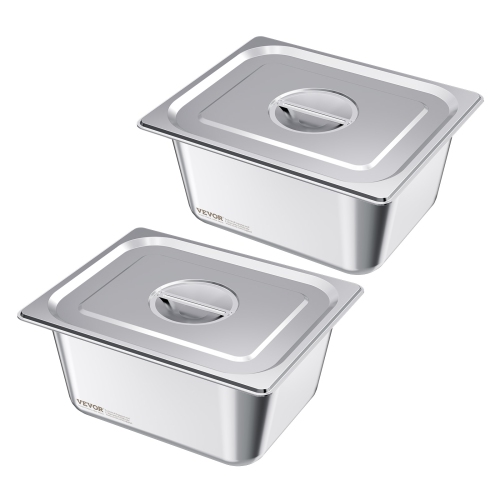
Why basket shape matters as much as capacity
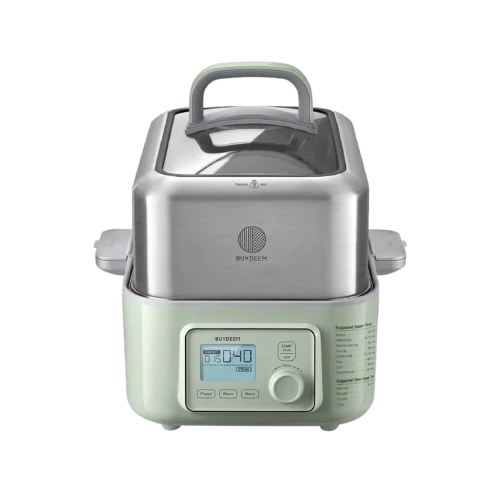
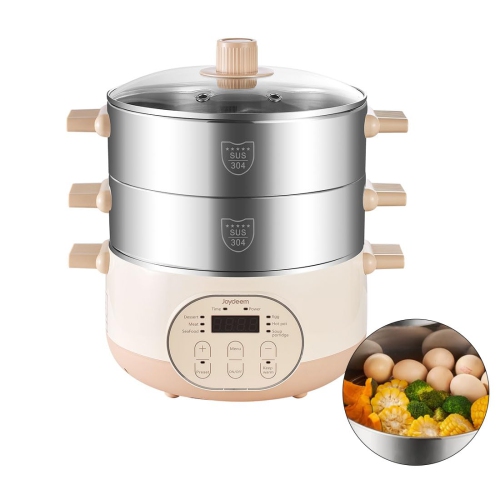
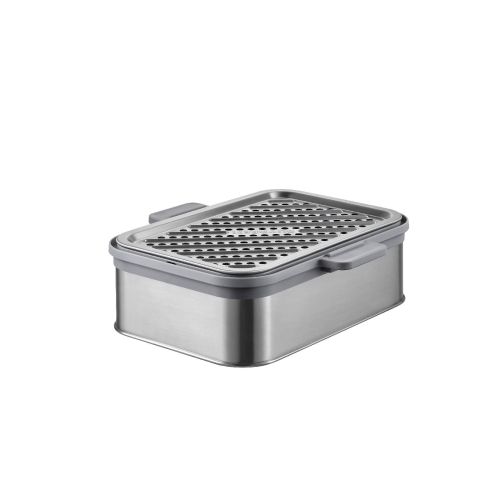
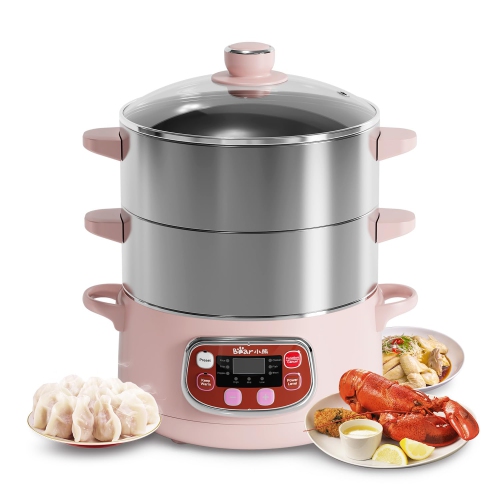
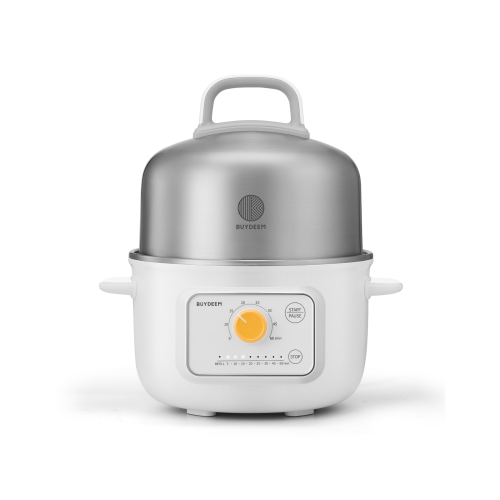
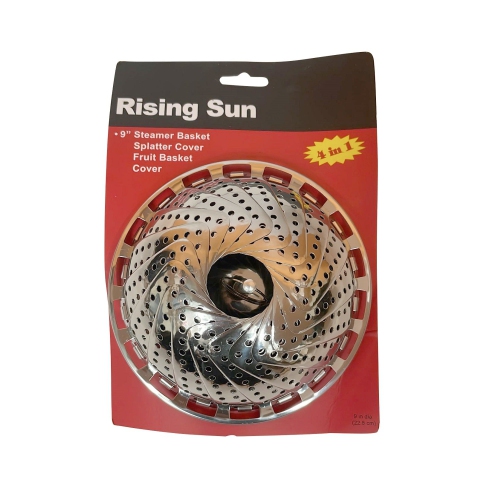
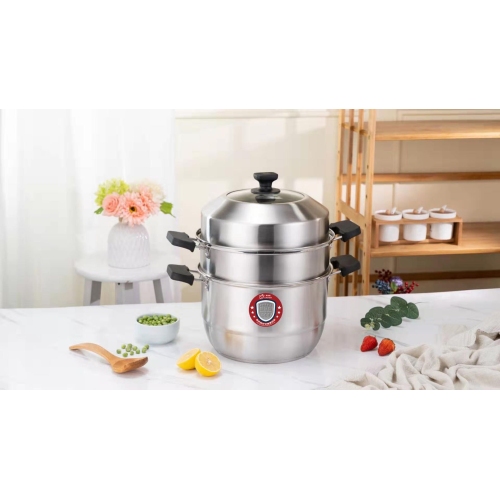
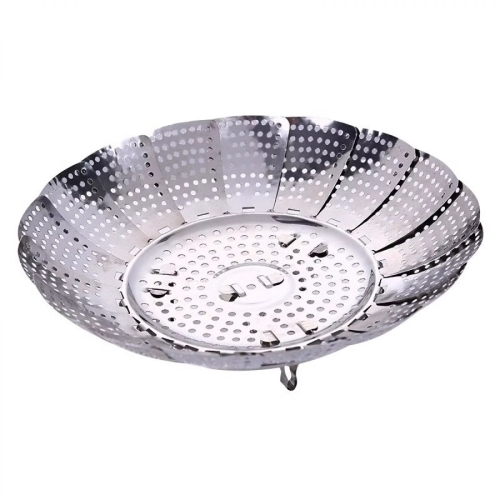
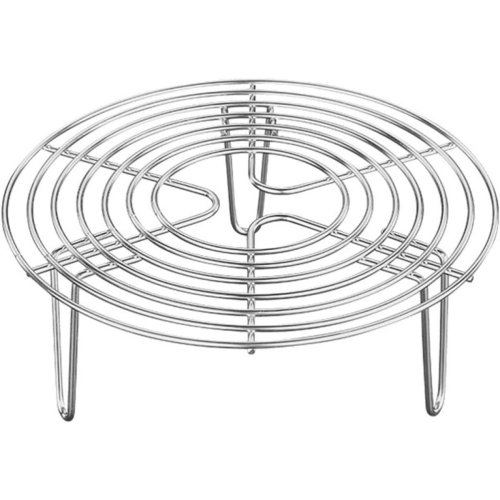
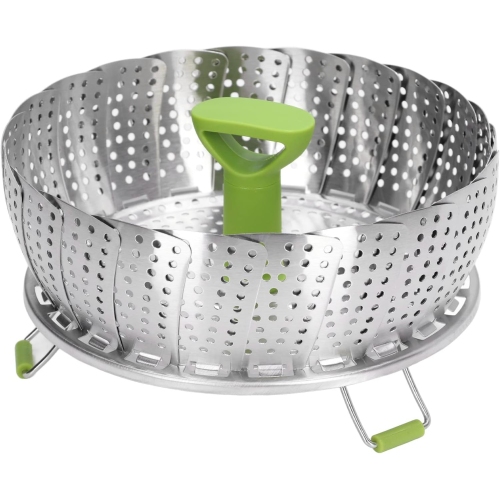
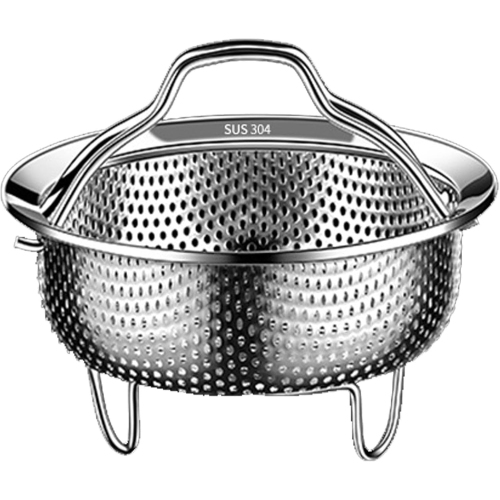
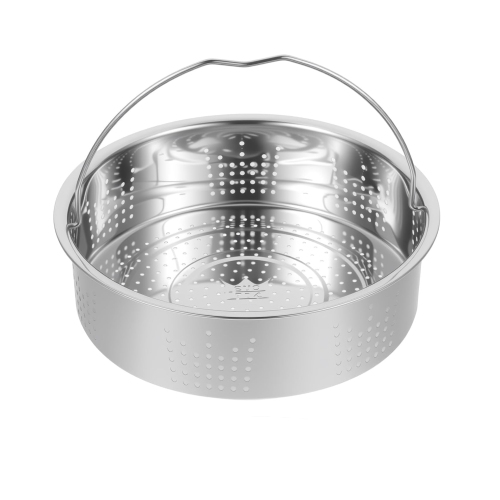
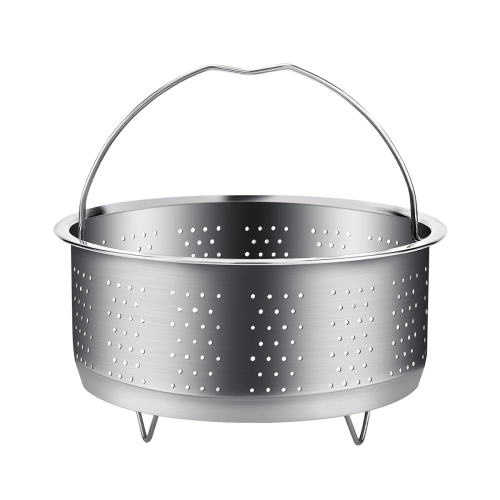
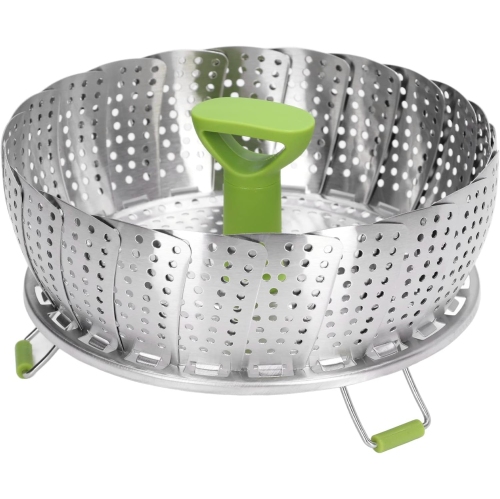
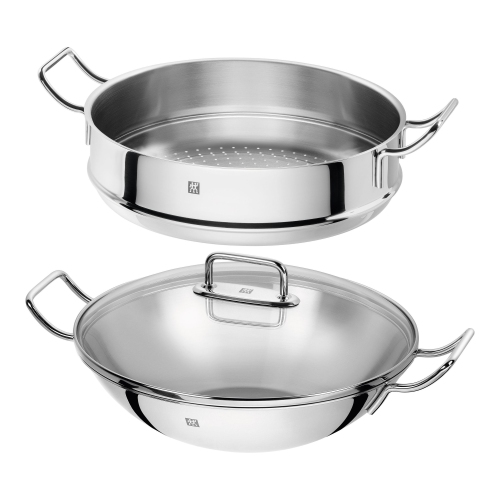
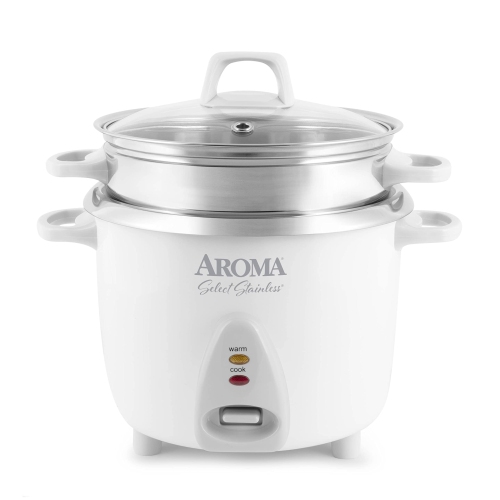
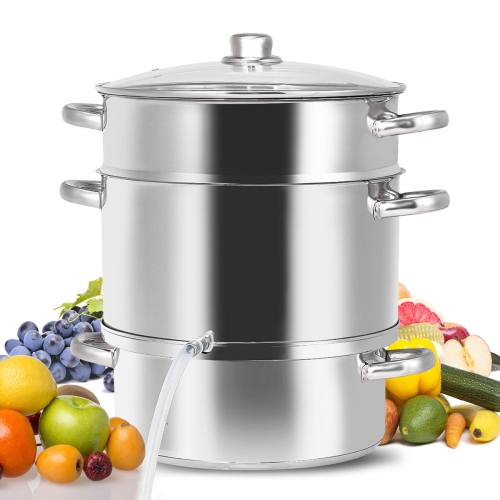
Stainless steel steamers are cookware designed to hold food above simmering water, allowing rising steam to cook vegetables, dumplings, fish, and other ingredients without immersing them. The category includes collapsible steamer baskets, fixed inserts that sit inside compatible saucepans, and complete steamer pot sets with one or more stacking tiers. Each format brings a different balance of cooking space and storage convenience. A folding basket can turn an everyday saucepan into a compact vegetable steamer, with overlapping petals that expand to suit a range of pot widths. A rigid insert provides a stable cooking surface and often has side handles for lifting, while a dedicated pot set pairs the steaming section with a matching water reservoir and lid. Multi-tier stainless steel steamers offer separate levels for preparing several components of a meal, although foods with different cooking times still need individual attention. These formats suit everything from a handful of green beans alongside dinner to a larger batch of filled buns with room between them to expand. Steaming requires no added cooking oil, leaving room to finish food with butter, a dressing, or a favourite sauce after cooking. Perforations allow steam to circulate, while a well-fitting lid helps retain the moisture needed for steady cooking. Basket shape matters as much as overall capacity: a broad, shallow surface can hold delicate fish portions or dumplings in a single layer, whereas a deeper insert accommodates bulky broccoli florets or larger quantities of vegetables. For smaller households, an insert that works with existing cookware may be enough. People who regularly prepare several dishes at once may appreciate the additional cooking surfaces of a stacking set. The most useful size reflects the portions prepared most often, rather than simply the largest stated volume, since food needs space for steam to move around it.
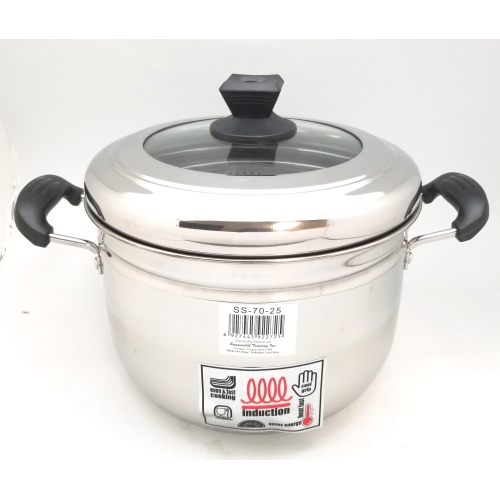
Material and construction help distinguish stainless steel steamers intended for frequent use. Stainless steel is valued for its resistance to rust, its sturdy structure, and a cooking surface that does not need seasoning. Some cookware uses 18/10 stainless steel, a designation referring to its chromium and nickel content, but the grade alone does not establish the thickness, balance, or overall quality of a steamer. Smoothly finished rims, firm handle attachments, and an insert that sits securely in its supporting pot all contribute to comfortable everyday handling. In a complete steamer set, the base of the lower pot is particularly important because it receives the heat from the cooktop. Some bases incorporate an aluminium core or bonded layers to distribute heat more evenly; the perforated steaming basket itself does not need the same construction. Induction compatibility depends on a suitable magnetic base and is not guaranteed simply because cookware is stainless steel. For an insert used above the water, compatibility with an induction cooktop depends on the pot underneath it. Fit also involves more than matching an approximate diameter. The insert needs to rest securely, leave sufficient room for water beneath the food, and allow the lid to close properly. Collapsible baskets need enough clearance for their feet and centre handle, while stepped inserts must match the dimensions specified for the supporting cookware. Handles that project outward can make lifting easier but require additional cupboard and cooktop space. Glass lids offer a view of the food, although condensation can obscure it; stainless steel lids avoid a glass component and may suit those who prefer all-metal cookware. Shoppers considering related cookware can also explore stainless steel pasta pots, where perforated inserts are generally intended to hold pasta in boiling water for convenient draining. That differs from a steamer insert, which supports food above the waterline. Some cookware supports both tasks, but the intended function and fit of each insert remain important.
Day-to-day practicality often comes down to how a steamer handles a familiar meal and how easily it cleans up afterwards. A basket with a removable centre post can leave a clearer surface for a small heatproof dish, provided the cookware is designed to support that use and sufficient space remains for steam circulation. Closely spaced perforations help contain smaller pieces of food, while larger openings may call for a suitable perforated liner when cooking sticky dough. Liners should not seal off the steaming surface, and food should sit above the water rather than in it. A pot with enough water capacity for the intended cooking time reduces interruptions, though it still needs monitoring so it does not boil dry. Stainless steel handles and lids can become hot during cooking, making dry oven mitts and a stable landing surface useful parts of the setup. Lifting a lid away from the face and hands lets trapped steam escape more safely. After cooking, allowing the cookware to cool before washing helps avoid abrupt temperature changes. Many stainless steel steamers are dishwasher-safe, but care requirements vary with handle materials, finishes, and other components, so the manufacturer's directions take precedence. Warm soapy water and a soft brush are often useful for clearing food from perforations and the overlapping sections of folding baskets. Thorough rinsing and drying help limit water spots, especially around seams and handle attachments. Mineral deposits from repeated boiling may respond to a cookware-approved cleaning method, while abrasive pads and chlorine-based cleaners can damage surfaces. Nesting pieces save cupboard space when they are clean and dry, but tall assembled sets may need a dedicated shelf. For a first kitchen, a shared household, or a home cook who enjoys making dumplings and vegetable dishes, a well-matched steamer can be a practical addition to established cooking habits. It can also make a thoughtful housewarming gift when the recipient's cooktop, existing pot sizes, and storage space are known. Secure fit, manageable weight, accessible handles, and straightforward cleaning are details that make this cookware easier to use meal after meal.
Material and construction help distinguish stainless steel steamers intended for frequent use. Stainless steel is valued for its resistance to rust, its sturdy structure, and a cooking surface that does not need seasoning. Some cookware uses 18/10 stainless steel, a designation referring to its chromium and nickel content, but the grade alone does not establish the thickness, balance, or overall quality of a steamer. Smoothly finished rims, firm handle attachments, and an insert that sits securely in its supporting pot all contribute to comfortable everyday handling. In a complete steamer set, the base of the lower pot is particularly important because it receives the heat from the cooktop. Some bases incorporate an aluminium core or bonded layers to distribute heat more evenly; the perforated steaming basket itself does not need the same construction. Induction compatibility depends on a suitable magnetic base and is not guaranteed simply because cookware is stainless steel. For an insert used above the water, compatibility with an induction cooktop depends on the pot underneath it. Fit also involves more than matching an approximate diameter. The insert needs to rest securely, leave sufficient room for water beneath the food, and allow the lid to close properly. Collapsible baskets need enough clearance for their feet and centre handle, while stepped inserts must match the dimensions specified for the supporting cookware. Handles that project outward can make lifting easier but require additional cupboard and cooktop space. Glass lids offer a view of the food, although condensation can obscure it; stainless steel lids avoid a glass component and may suit those who prefer all-metal cookware. Shoppers considering related cookware can also explore stainless steel pasta pots, where perforated inserts are generally intended to hold pasta in boiling water for convenient draining. That differs from a steamer insert, which supports food above the waterline. Some cookware supports both tasks, but the intended function and fit of each insert remain important.
Day-to-day practicality often comes down to how a steamer handles a familiar meal and how easily it cleans up afterwards. A basket with a removable centre post can leave a clearer surface for a small heatproof dish, provided the cookware is designed to support that use and sufficient space remains for steam circulation. Closely spaced perforations help contain smaller pieces of food, while larger openings may call for a suitable perforated liner when cooking sticky dough. Liners should not seal off the steaming surface, and food should sit above the water rather than in it. A pot with enough water capacity for the intended cooking time reduces interruptions, though it still needs monitoring so it does not boil dry. Stainless steel handles and lids can become hot during cooking, making dry oven mitts and a stable landing surface useful parts of the setup. Lifting a lid away from the face and hands lets trapped steam escape more safely. After cooking, allowing the cookware to cool before washing helps avoid abrupt temperature changes. Many stainless steel steamers are dishwasher-safe, but care requirements vary with handle materials, finishes, and other components, so the manufacturer's directions take precedence. Warm soapy water and a soft brush are often useful for clearing food from perforations and the overlapping sections of folding baskets. Thorough rinsing and drying help limit water spots, especially around seams and handle attachments. Mineral deposits from repeated boiling may respond to a cookware-approved cleaning method, while abrasive pads and chlorine-based cleaners can damage surfaces. Nesting pieces save cupboard space when they are clean and dry, but tall assembled sets may need a dedicated shelf. For a first kitchen, a shared household, or a home cook who enjoys making dumplings and vegetable dishes, a well-matched steamer can be a practical addition to established cooking habits. It can also make a thoughtful housewarming gift when the recipient's cooktop, existing pot sizes, and storage space are known. Secure fit, manageable weight, accessible handles, and straightforward cleaning are details that make this cookware easier to use meal after meal.
Top selling and popular products
-
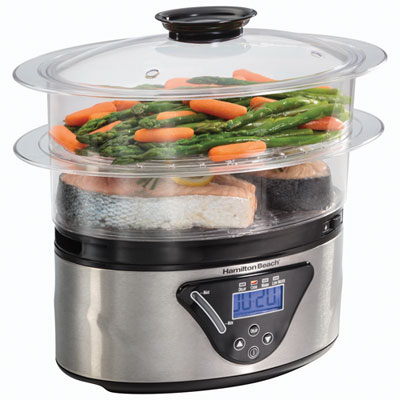 Your price for this item is $77.99
 -
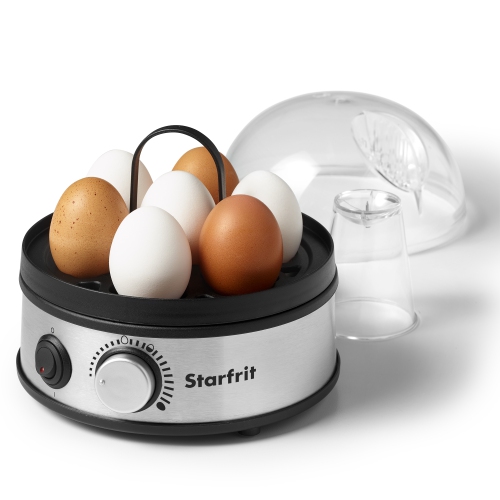 Your price for this item is $29.99
 -
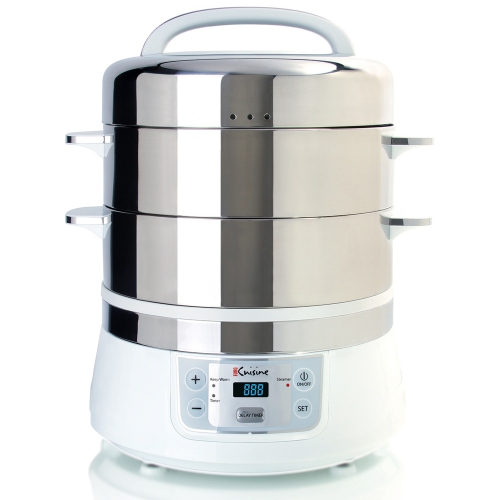 Your price for this item is $289.99
 -
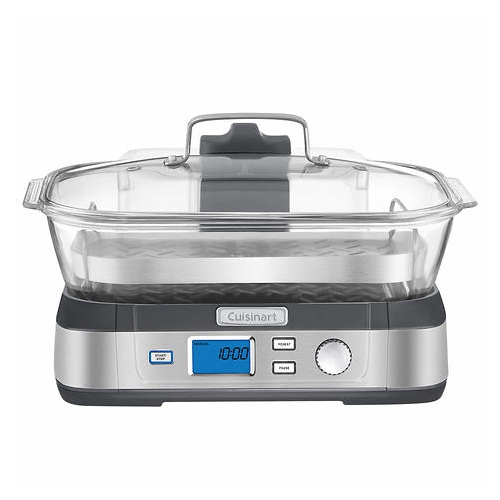 Your price for this item is $191.99
 -
 Your price for this item is $54.99
 -
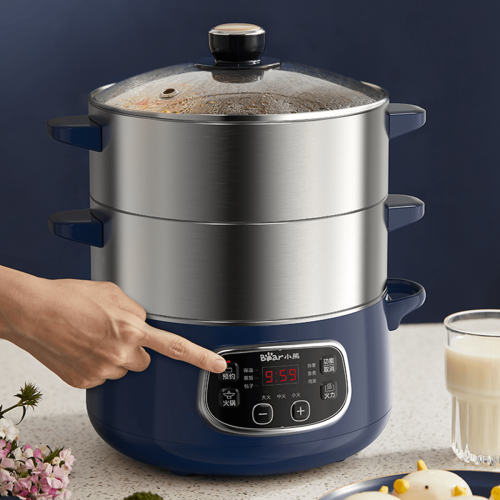 Your price for this item is $114.99
 -
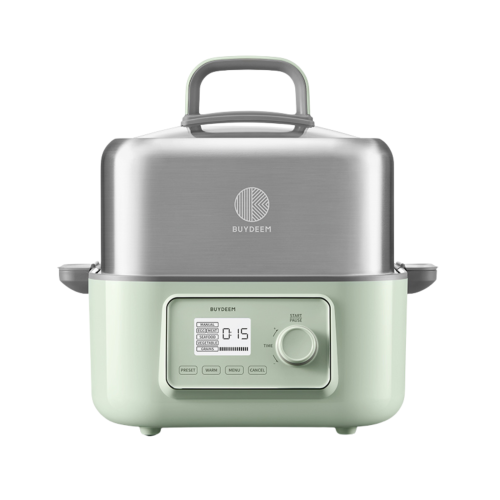 Your price for this item is $329.99
 -
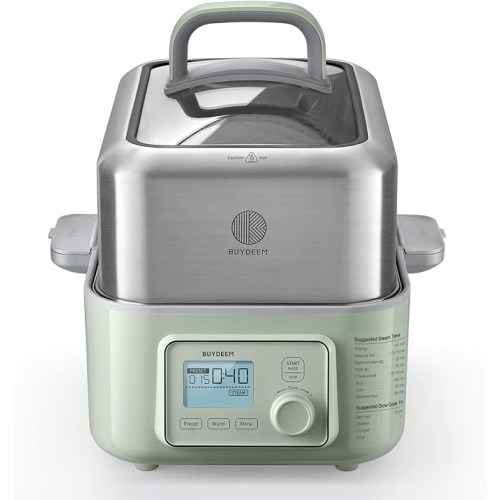 Your price for this item is $299.99
Discover more categories related to Stainless Steel Steamers

Top Collections:
Pokemon Centers, Kindle Devices, Best Budget Office Chairs, Apple iPhones 16, Best Laptops for Writers, iPhone 15 Apple, Canon G7X Cameras, Refurbished Apple Laptops, Alarm Clock, Motorola Razr Phones
Some products may be subject to Environmental Handling Fees
(EHF) depending on your province.
Learn more about EHFs.