Steel Fire Pit Bowls
Looking to add a touch of warmth and ambiance to your outdoor space? Look no further than our collection of steel fire pit bowls. Crafted with durability and style in mind, these fire pit bowls are the perfect addition to any backyard or patio. Whether you're hosting a gathering with friends and family or simply enjoying a quiet evening under the stars, our steel fire pit bowls provide a safe and convenient way to enjoy the beauty and coziness of a crackling fire. With their sleek designs and sturdy construction, these fire pit bowls are not only functional but also make a stunning focal point for your outdoor living area. Explore our wide selection of steel fire pit bowls and elevate your outdoor experience today.
Sort

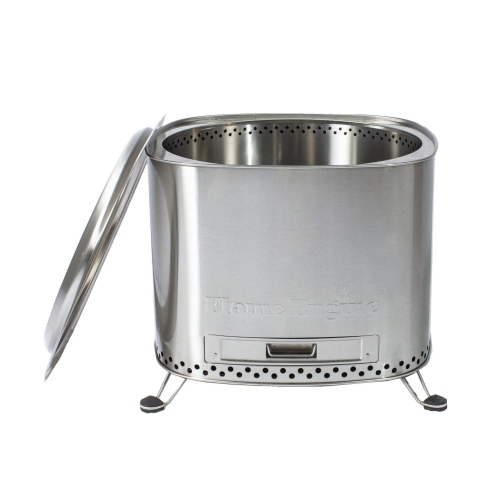
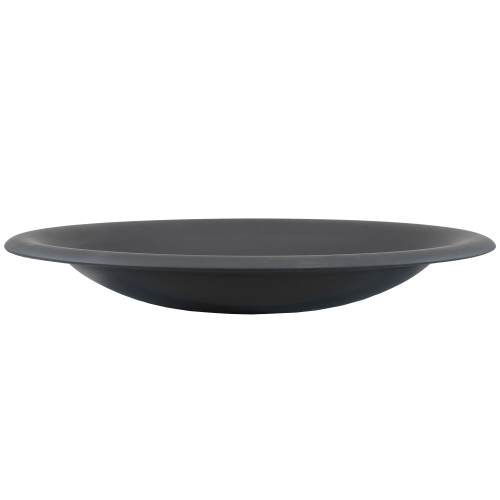
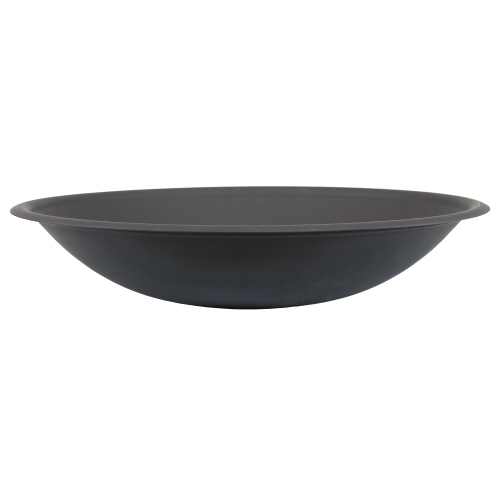
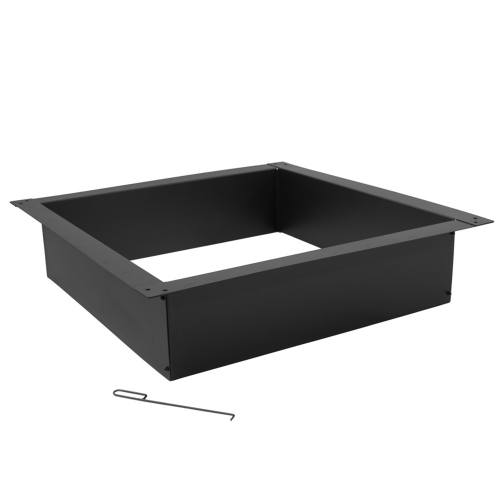

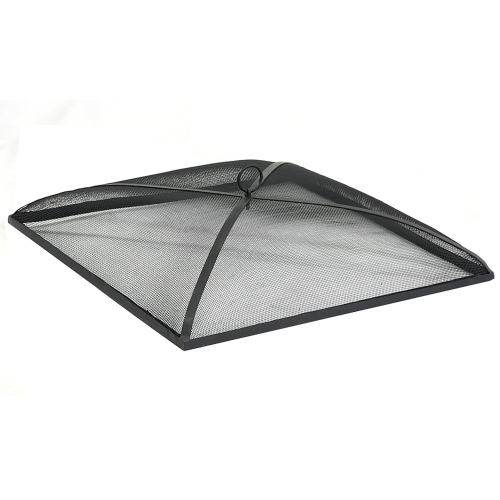
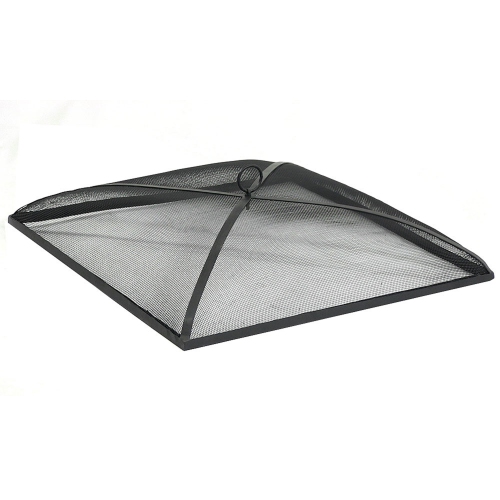
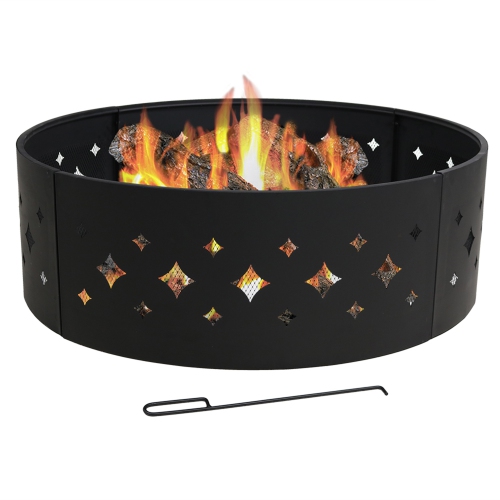

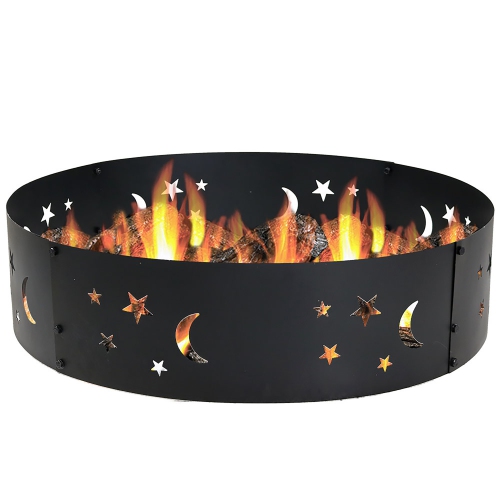
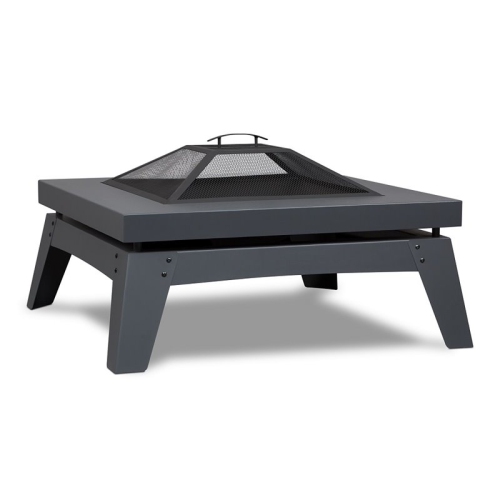
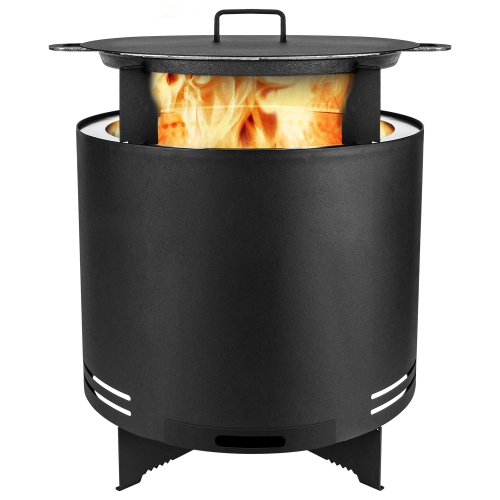
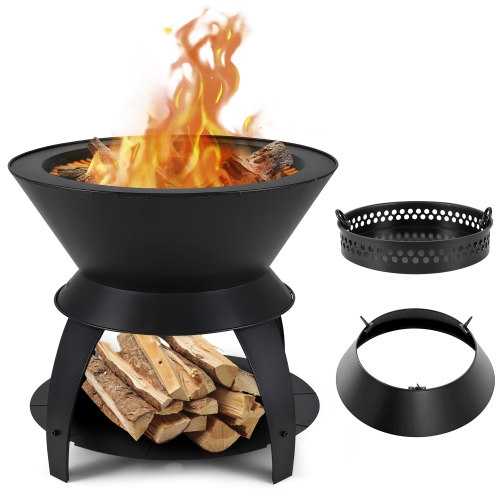
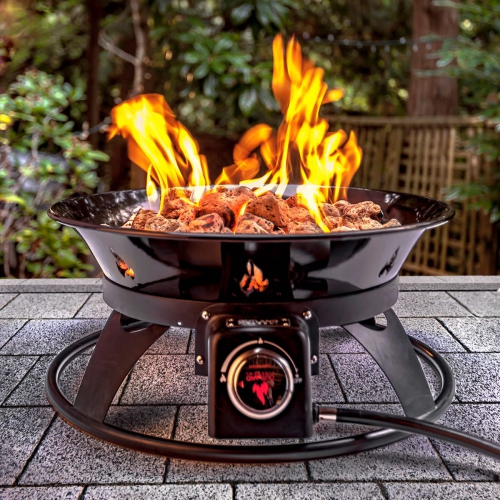
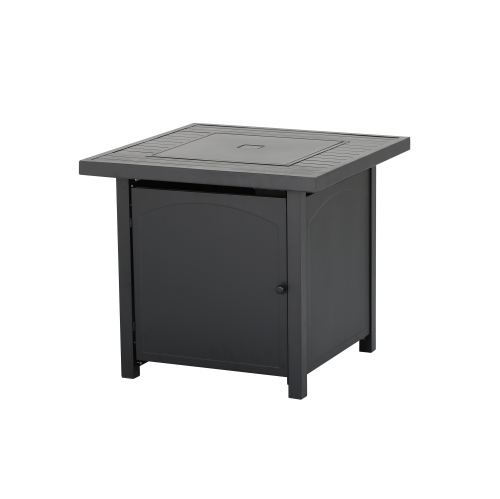
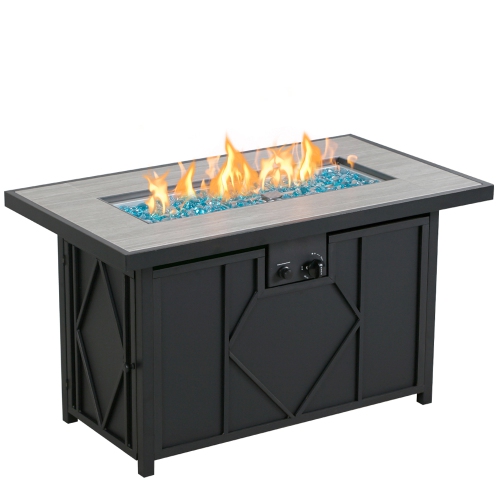
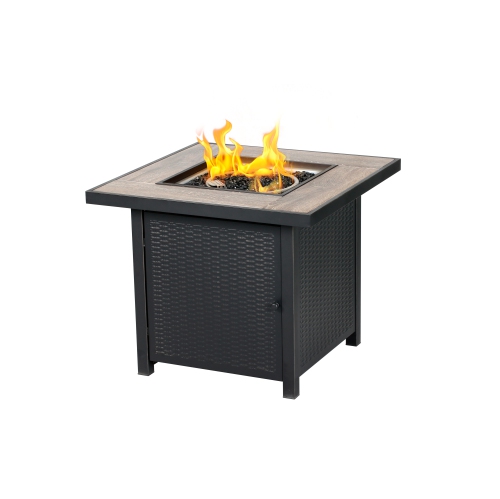
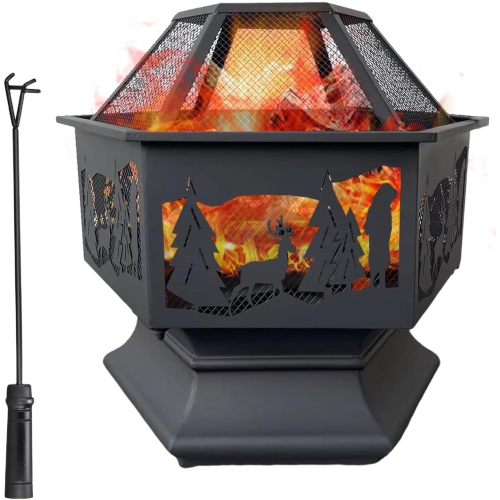
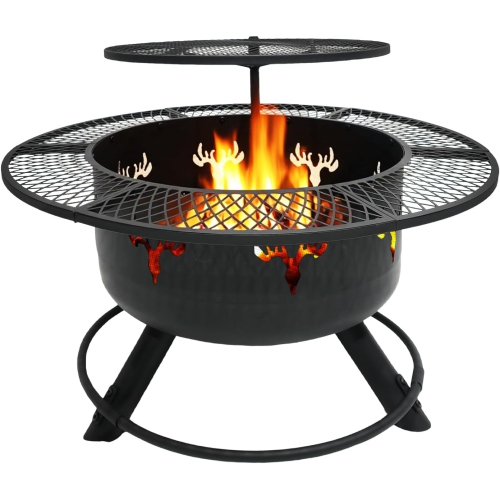
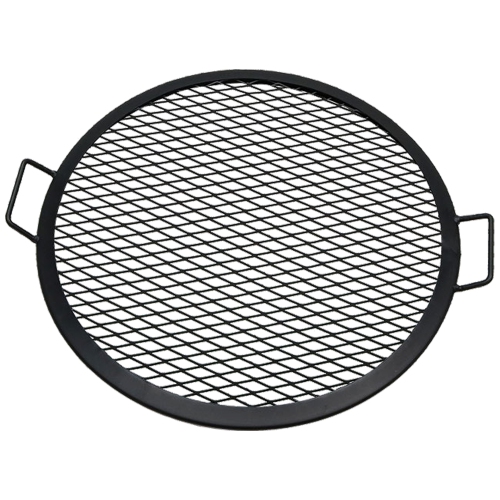
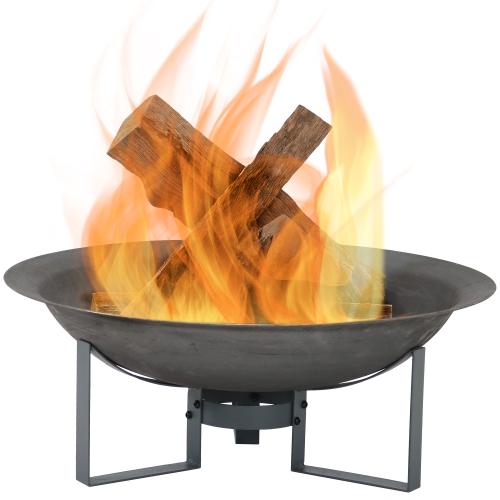
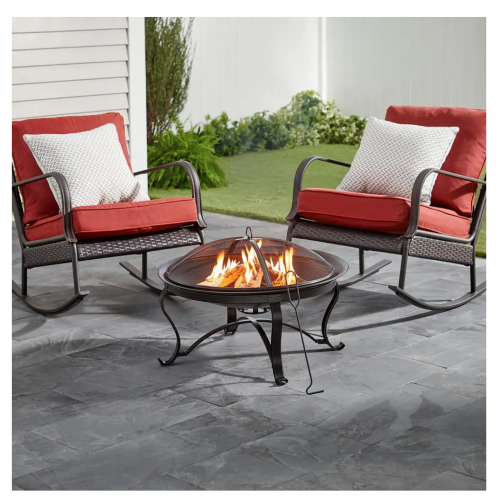
An open bowl puts the flames on display
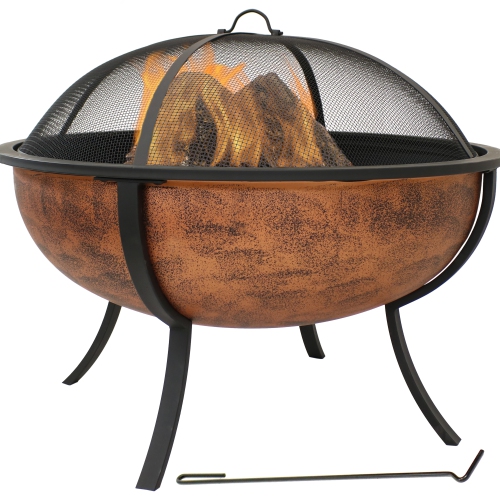
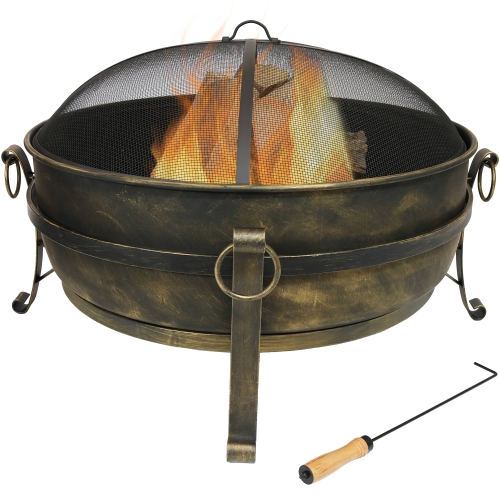
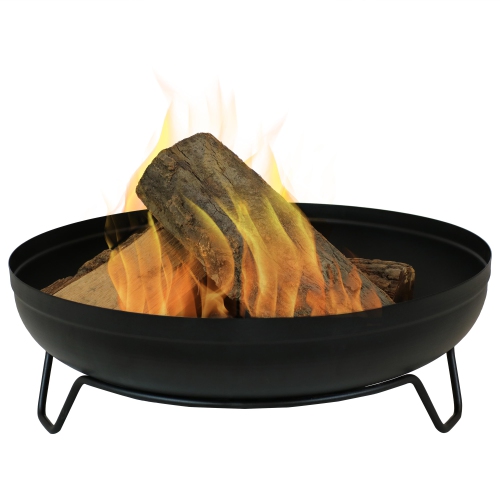
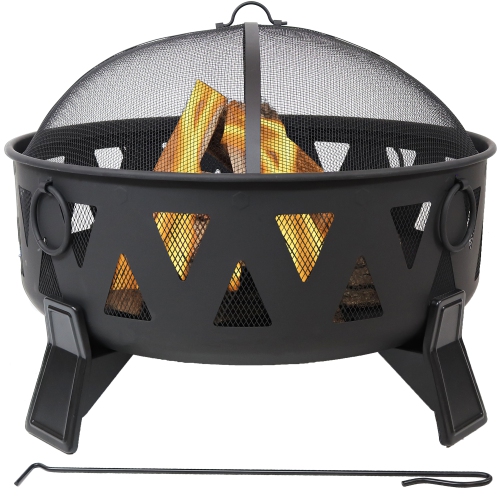
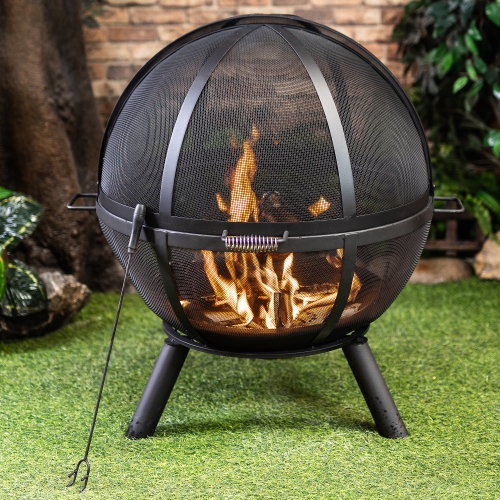
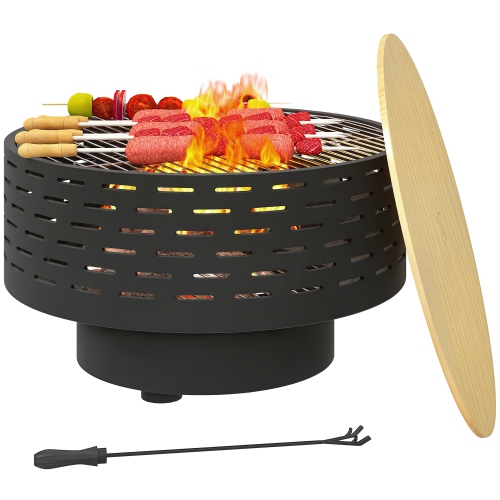
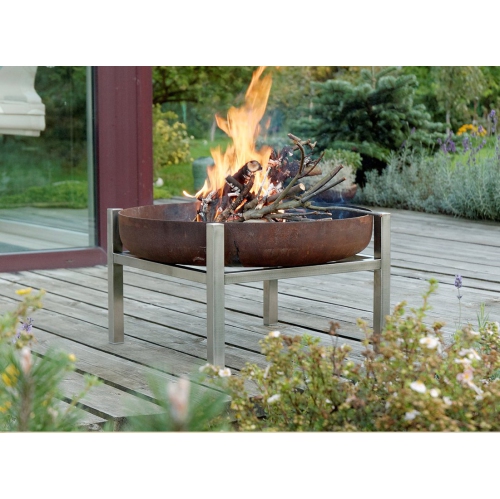
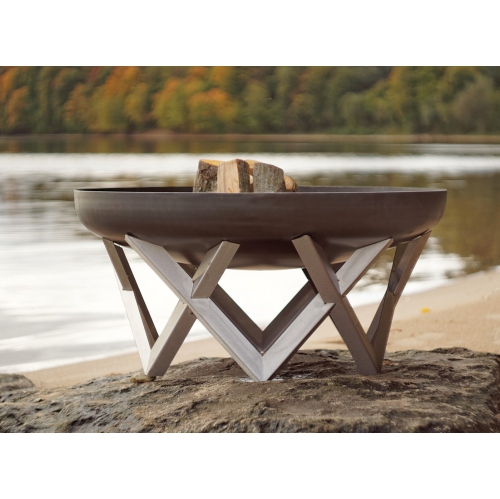
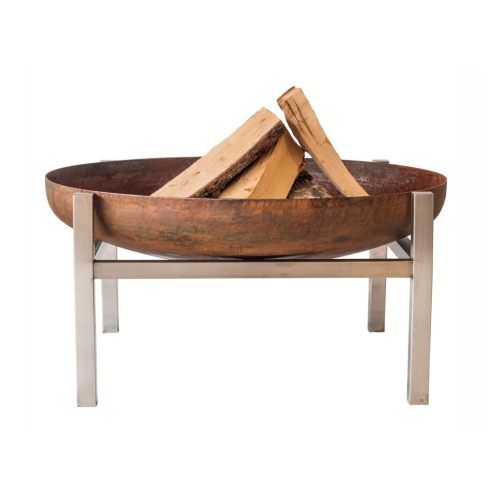
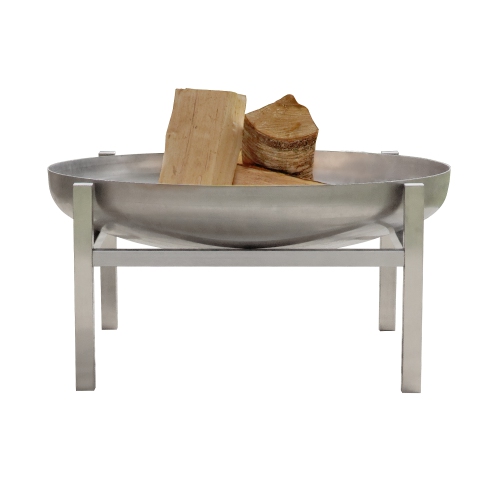
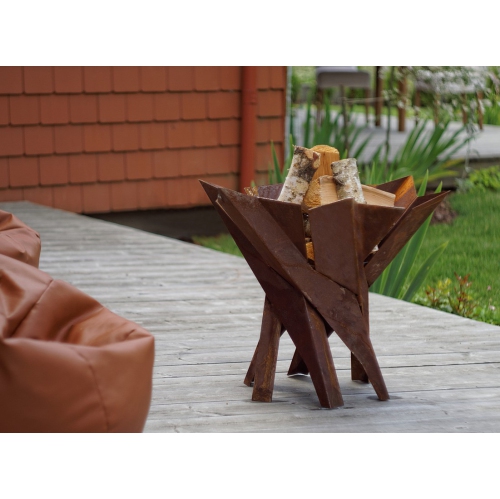
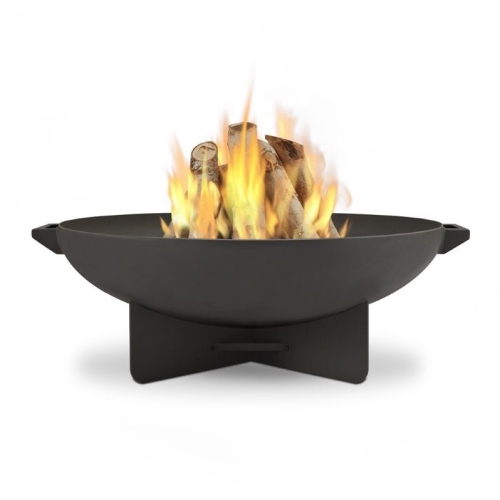
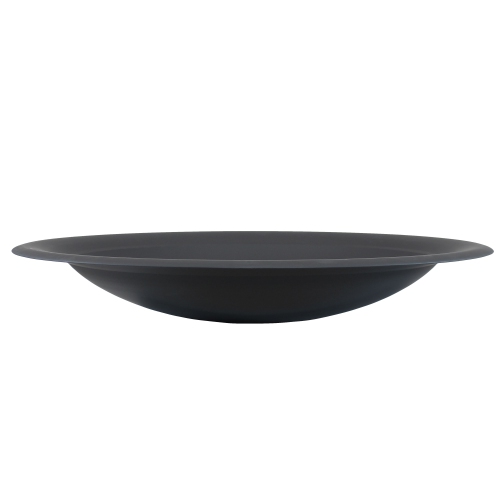
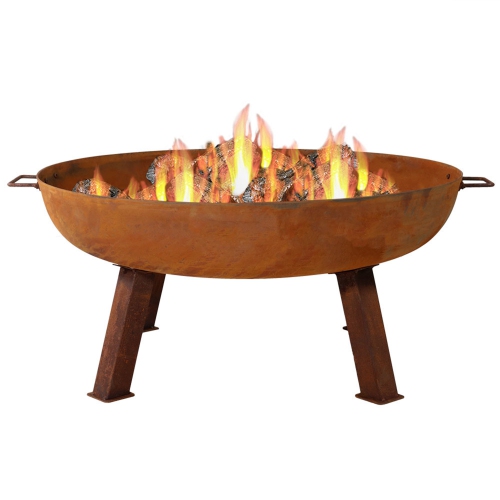
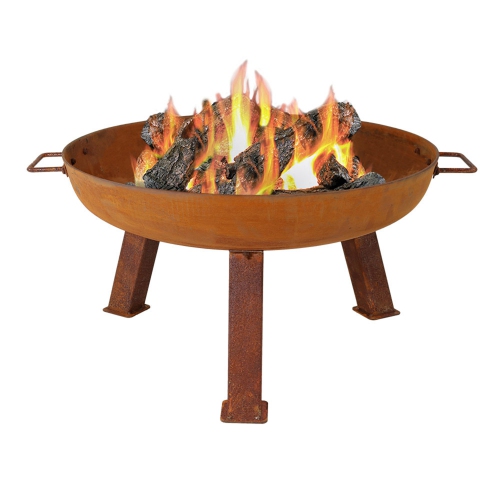
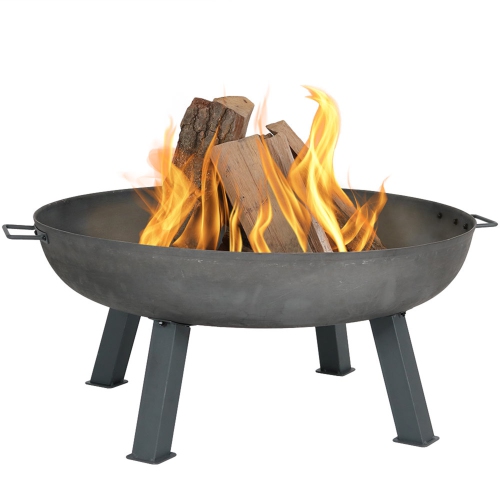
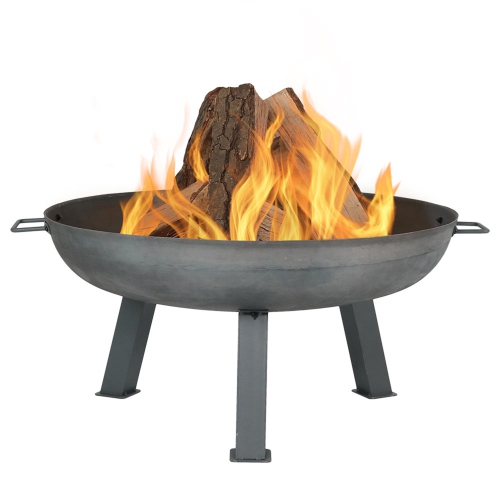
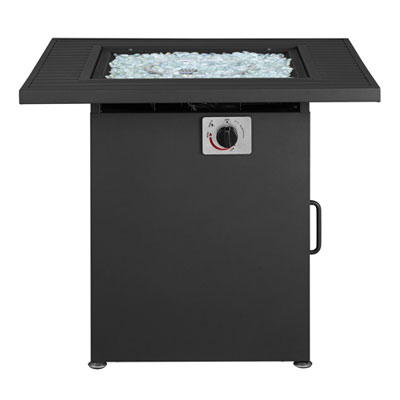
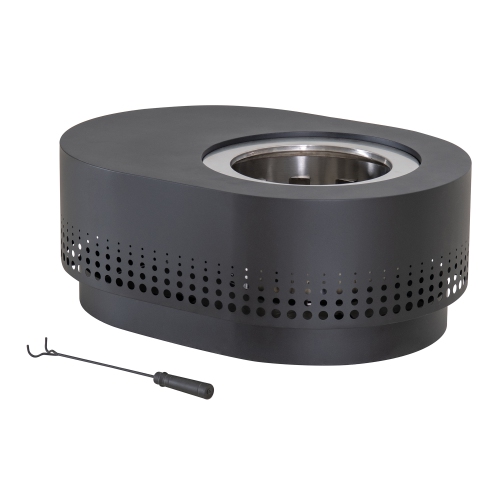
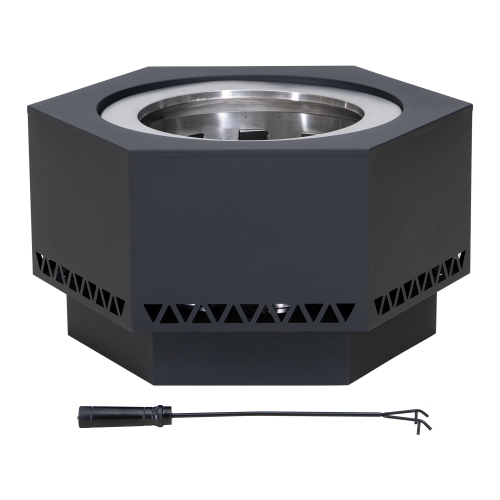
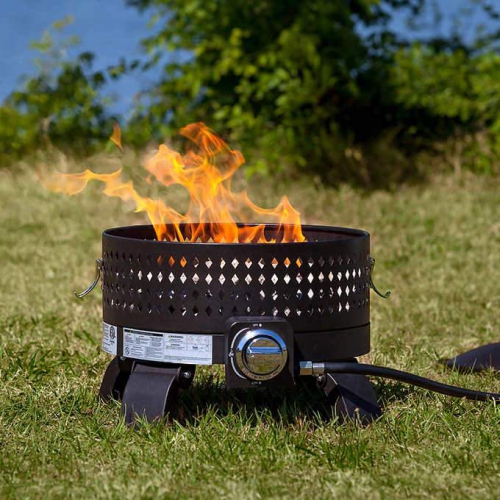
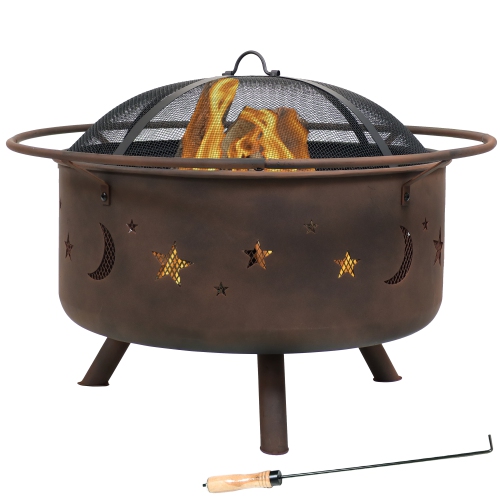
Steel fire pit bowls bring the fire into view with an open, rounded shape that suits backyard seating areas, spacious patios, and permitted campsite gathering spots. Their appeal is straightforward: a steel basin holds the fuel, a supporting base keeps it stable, and the broad opening offers a clear view of the flames from several seats around it. Many bowls are designed for wood burning, giving outdoor gatherings the familiar sound of crackling logs and the glow of embers, although the approved fuel always depends on the model. The bowl shape also gives this category a different character from enclosed outdoor fireplaces or fire tables. A shallow profile puts more of the fire on display, while a deeper basin can help contain logs and ash; neither design removes the need for careful fire management. Steel fire pit bowls range from relatively light, movable designs to substantial vessels intended to stay in one prepared location. For a small seating arrangement, the useful measurement is not just the bowl diameter but the entire footprint, including legs, handles, and any surrounding clearance required by the manufacturer. A broad bowl may look balanced between several outdoor chairs yet leave too little room for people to walk safely behind them. Bowl depth, overall height, and the size of the fire opening also affect how comfortably the fire can be tended. A lower bowl offers an unobstructed sightline across a gathering, but it still needs adequate separation from feet, furniture, and nearby surfaces. Homeowners creating a dedicated gathering area may favour a heavier design, while campers may place more value on manageable weight and easy packing, where fires are permitted. For a broader look at outdoor designs beyond the bowl shape, Steel Fire Pits includes the wider category. The best fit comes from matching the bowl’s construction, footprint, and approved use to the space rather than choosing by appearance alone.
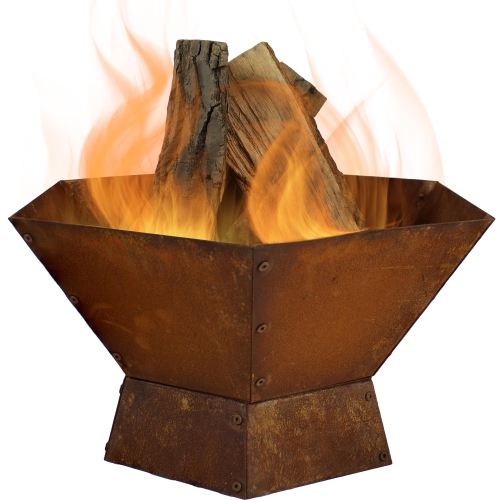
Material and construction make a noticeable difference to a steel fire pit bowl’s weight, upkeep, and resistance to repeated heating. Carbon steel is a common choice because it can be formed into generous bowls with either a smooth curve or an angular, welded profile. Thicker steel generally provides more resistance to warping than thinner steel of a similar type and design, but thickness alone does not establish service life. Weld quality, drainage, finish, frequency of use, and storage all matter. When thickness is expressed as a steel gauge, a lower gauge number generally indicates thicker material within the same gauge system; measurements stated directly in millimetres or fractions of an inch can make comparisons clearer. Heavy construction suits a bowl that will remain in a dedicated position, though its weight can make moving it for cleaning a two-person task. Thinner steel is easier to carry but may need more attention to loading limits and protection from prolonged moisture. Weathering steel, often called Corten steel, develops a rust-coloured patina under suitable exposure conditions. That surface layer can slow further corrosion, but it does not make the bowl rustproof, and runoff may stain paving beneath it. Stainless steel offers a different appearance and corrosion resistance that varies by grade, with heat tinting still possible during use. Painted and powder-coated finishes also vary: a finish on an outer stand should not be assumed suitable for direct flame exposure inside the basin. Any touch-up coating must be approved for the particular surface and operating temperatures. Beyond the metal itself, sturdy attachment points, neatly finished edges, and a base that sits without rocking are useful signs to examine. Welded legs reduce the number of separate pieces, while a removable stand can simplify transport or storage. Neither arrangement is automatically more stable; the width of the support, the quality of its connections, and the condition of the ground determine how securely the assembled bowl rests.
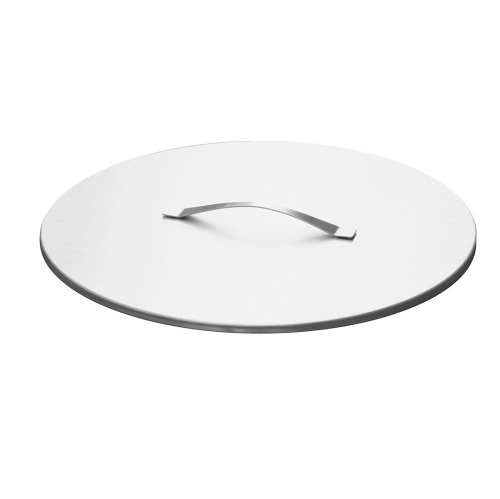
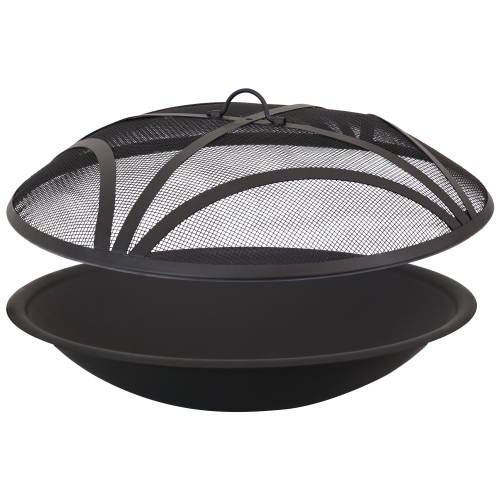
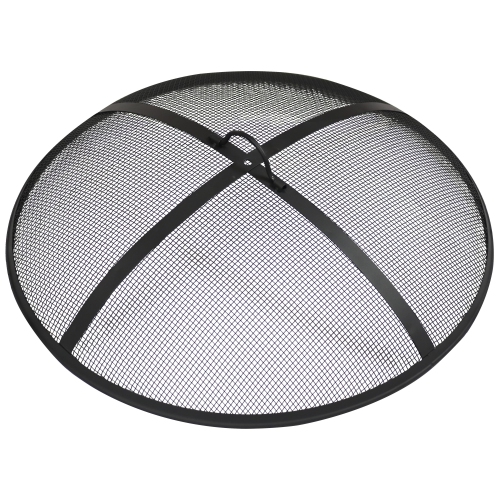
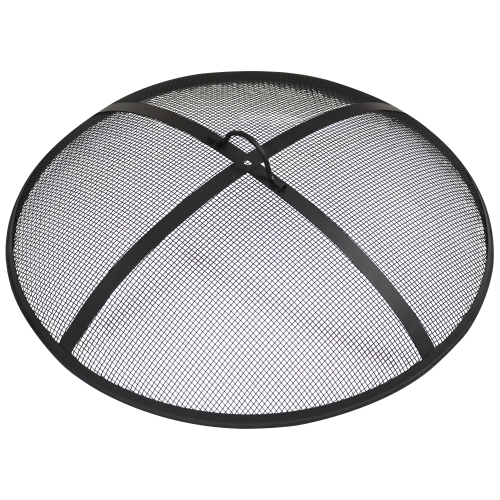
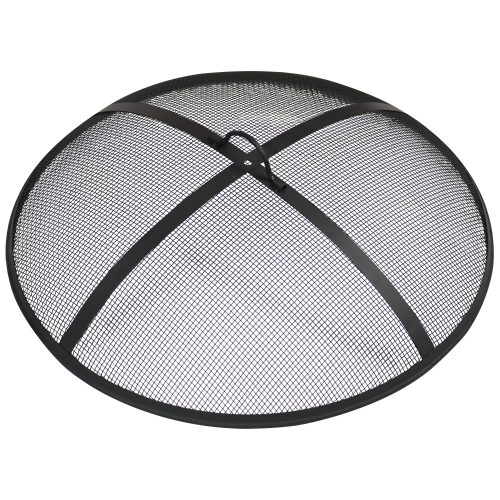
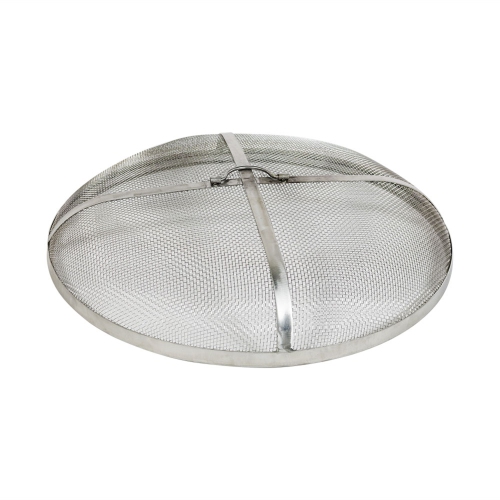
Day-to-day ownership is easier when the bowl’s practical details suit the way it will be used. Drainage openings can help prevent water from collecting in the basin, but their design matters because openings may also allow ash or small embers to escape unless the assembly provides suitable containment. A fitted spark screen can reduce escaping sparks without eliminating them, while a compatible log grate may support airflow beneath the wood. Accessories need to match the bowl’s dimensions and intended design rather than simply sit loosely across its rim. A fire poker should offer enough reach for tending the fire from a sensible distance, and handles should never be treated as safe to touch while the bowl is hot. Portability means moving the fire pit only after the fire is fully extinguished and every component has cooled. For placement, use the level, non-combustible base specified by the manufacturer and maintain all required clearances from buildings, fences, vegetation, and overhead structures. Stone or concrete paving alone does not guarantee protection from heat damage, and a bowl raised on legs is not automatically suitable for a wooden or composite deck. These products belong outdoors, never inside a garage, tent, or enclosed shelter. Municipal bylaws, property rules, fire bans, and campsite restrictions can limit whether wood fires are allowed, even on private property. Where wood burning is approved, dry, untreated firewood helps the fire burn more cleanly than damp logs; avoid painted or pressure-treated lumber and household waste. After use, let ash cool completely before transferring it to a lidded metal container kept away from combustible materials. Removing ash helps reduce moisture retention against the steel. Keep drainage passages clear, inspect supports and fasteners, and follow the manufacturer’s cleaning directions rather than using harsh abrasives that could strip a protective finish. A properly fitted cover can help keep moisture and debris out once the bowl is cold and dry. For someone who enjoys outdoor hosting or permitted campfires, a steel fire pit bowl can make a thoughtful gift when its size, storage needs, and local-use requirements suit their space.
Material and construction make a noticeable difference to a steel fire pit bowl’s weight, upkeep, and resistance to repeated heating. Carbon steel is a common choice because it can be formed into generous bowls with either a smooth curve or an angular, welded profile. Thicker steel generally provides more resistance to warping than thinner steel of a similar type and design, but thickness alone does not establish service life. Weld quality, drainage, finish, frequency of use, and storage all matter. When thickness is expressed as a steel gauge, a lower gauge number generally indicates thicker material within the same gauge system; measurements stated directly in millimetres or fractions of an inch can make comparisons clearer. Heavy construction suits a bowl that will remain in a dedicated position, though its weight can make moving it for cleaning a two-person task. Thinner steel is easier to carry but may need more attention to loading limits and protection from prolonged moisture. Weathering steel, often called Corten steel, develops a rust-coloured patina under suitable exposure conditions. That surface layer can slow further corrosion, but it does not make the bowl rustproof, and runoff may stain paving beneath it. Stainless steel offers a different appearance and corrosion resistance that varies by grade, with heat tinting still possible during use. Painted and powder-coated finishes also vary: a finish on an outer stand should not be assumed suitable for direct flame exposure inside the basin. Any touch-up coating must be approved for the particular surface and operating temperatures. Beyond the metal itself, sturdy attachment points, neatly finished edges, and a base that sits without rocking are useful signs to examine. Welded legs reduce the number of separate pieces, while a removable stand can simplify transport or storage. Neither arrangement is automatically more stable; the width of the support, the quality of its connections, and the condition of the ground determine how securely the assembled bowl rests.
Day-to-day ownership is easier when the bowl’s practical details suit the way it will be used. Drainage openings can help prevent water from collecting in the basin, but their design matters because openings may also allow ash or small embers to escape unless the assembly provides suitable containment. A fitted spark screen can reduce escaping sparks without eliminating them, while a compatible log grate may support airflow beneath the wood. Accessories need to match the bowl’s dimensions and intended design rather than simply sit loosely across its rim. A fire poker should offer enough reach for tending the fire from a sensible distance, and handles should never be treated as safe to touch while the bowl is hot. Portability means moving the fire pit only after the fire is fully extinguished and every component has cooled. For placement, use the level, non-combustible base specified by the manufacturer and maintain all required clearances from buildings, fences, vegetation, and overhead structures. Stone or concrete paving alone does not guarantee protection from heat damage, and a bowl raised on legs is not automatically suitable for a wooden or composite deck. These products belong outdoors, never inside a garage, tent, or enclosed shelter. Municipal bylaws, property rules, fire bans, and campsite restrictions can limit whether wood fires are allowed, even on private property. Where wood burning is approved, dry, untreated firewood helps the fire burn more cleanly than damp logs; avoid painted or pressure-treated lumber and household waste. After use, let ash cool completely before transferring it to a lidded metal container kept away from combustible materials. Removing ash helps reduce moisture retention against the steel. Keep drainage passages clear, inspect supports and fasteners, and follow the manufacturer’s cleaning directions rather than using harsh abrasives that could strip a protective finish. A properly fitted cover can help keep moisture and debris out once the bowl is cold and dry. For someone who enjoys outdoor hosting or permitted campfires, a steel fire pit bowl can make a thoughtful gift when its size, storage needs, and local-use requirements suit their space.
Top selling and popular products
-
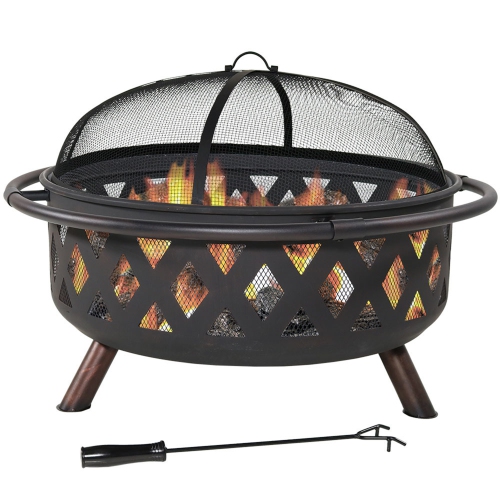 Your price for this item is $282.45
 -
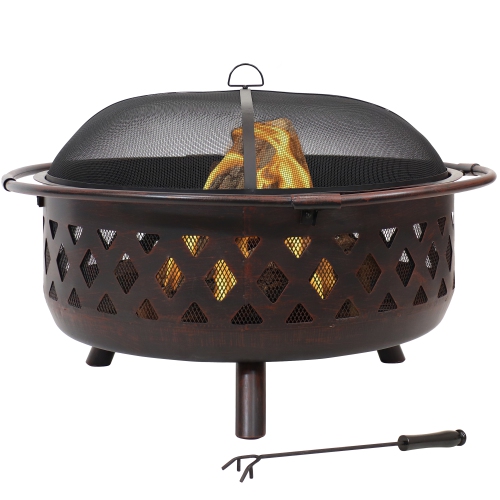 Your price for this item is $282.45
 -
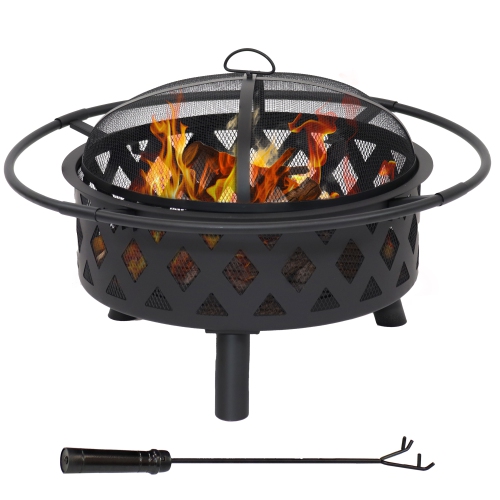 Your price for this item is $236.45
 -
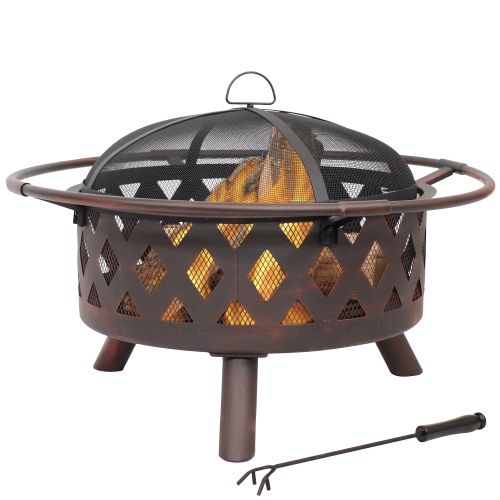 Your price for this item is $236.45
 -
 Your price for this item is $199.99
 -
 Your price for this item is $266.99
 -
 Your price for this item is $222.99
 -
 Your price for this item is $199.99
Discover more categories related to Steel Fire Pit Bowls
Top Collections:
Pokemon Centers, Kindle Devices, Best Budget Office Chairs, Apple iPhones 16, Best Laptops for Writers, iPhone 15 Apple, Canon G7X Cameras, Refurbished Apple Laptops, Alarm Clock, Motorola Razr Phones
Some products may be subject to Environmental Handling Fees
(EHF) depending on your province.
Learn more about EHFs.