Storage Drawer Beds
Upgrade your bedroom with the ultimate combination of style and functionality with our Storage Drawer Beds collection. Designed to maximize space and keep your room clutter-free, these beds offer a sleek solution for stashing away extra linens, clothing, or any other essentials. Say goodbye to bulky dressers and hello to a more organized living space with our range of Storage Drawer Beds that seamlessly blend practicality with modern design aesthetics.
Sort
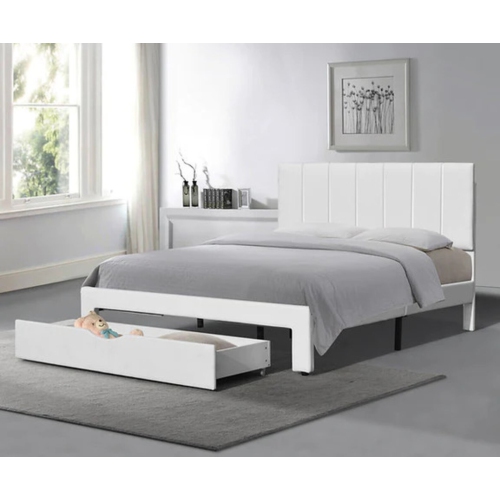
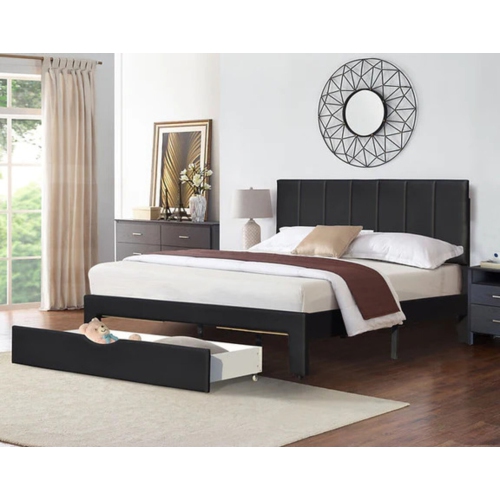
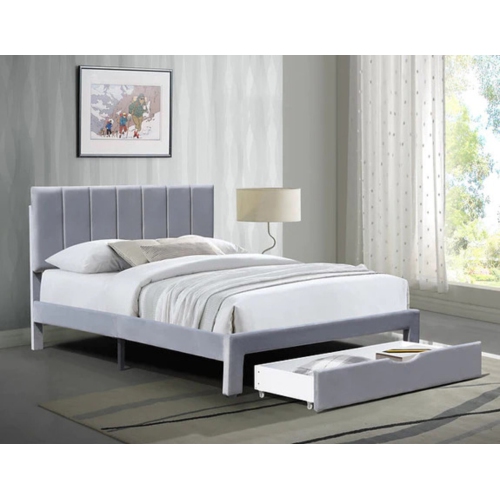
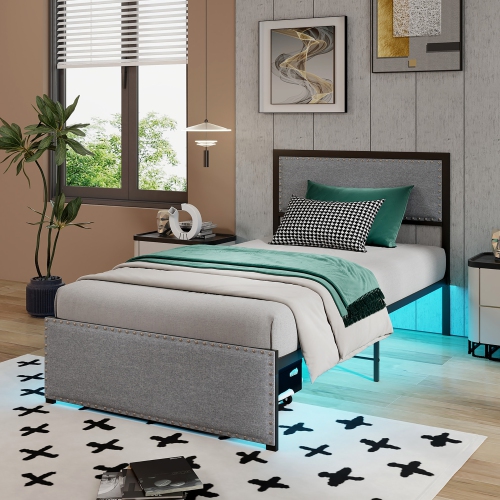
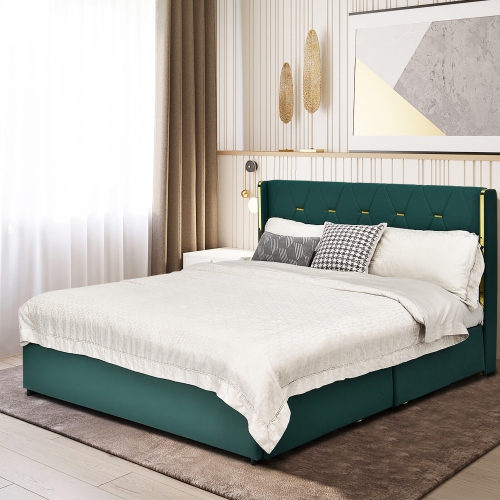
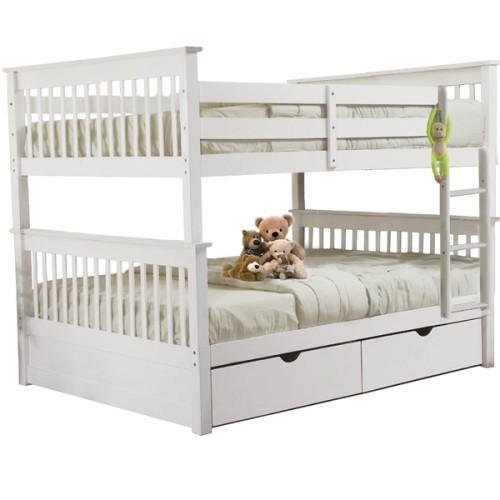

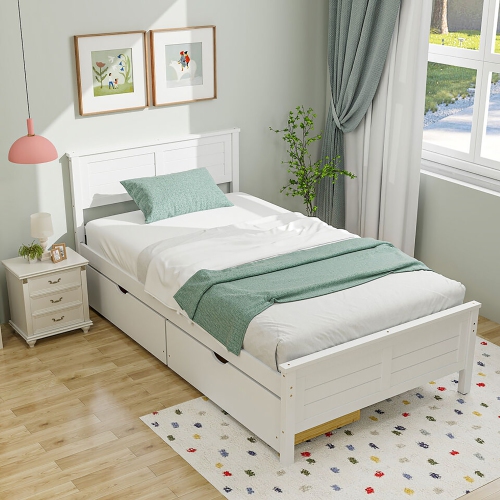
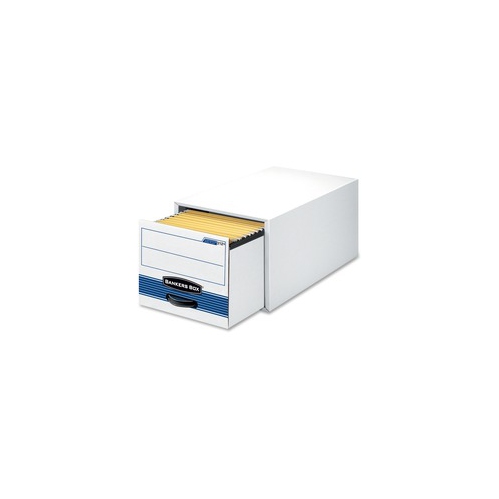
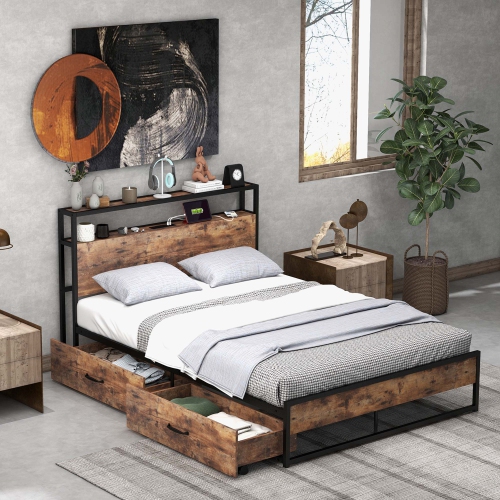
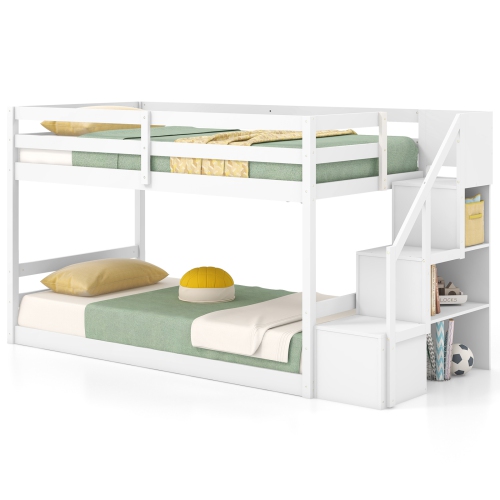

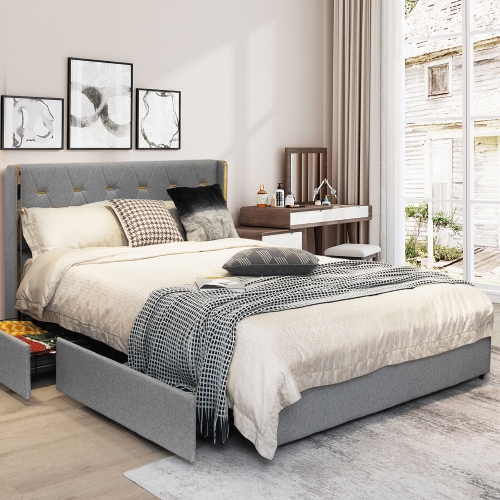
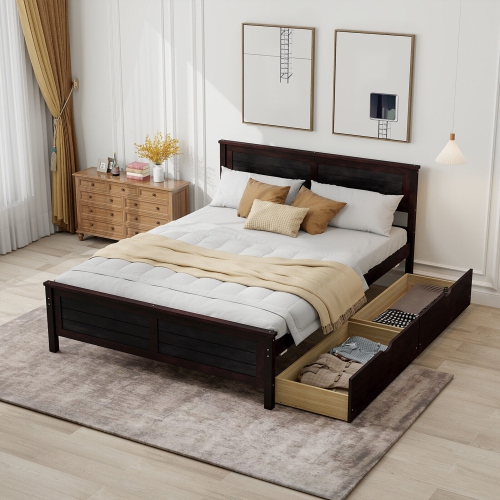
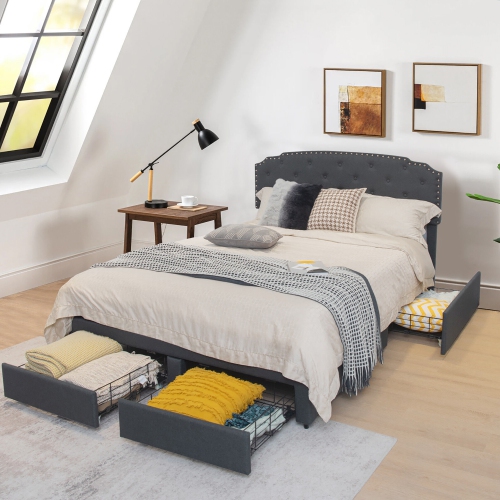
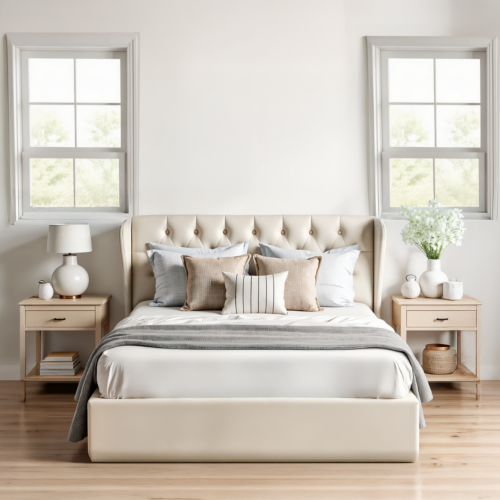
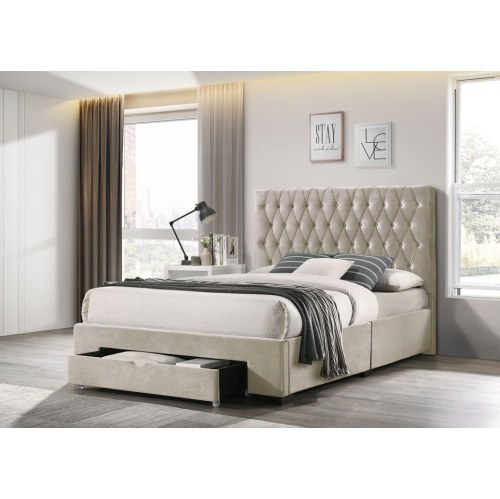
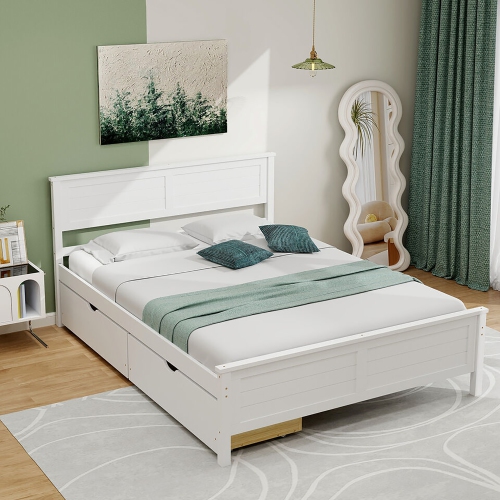
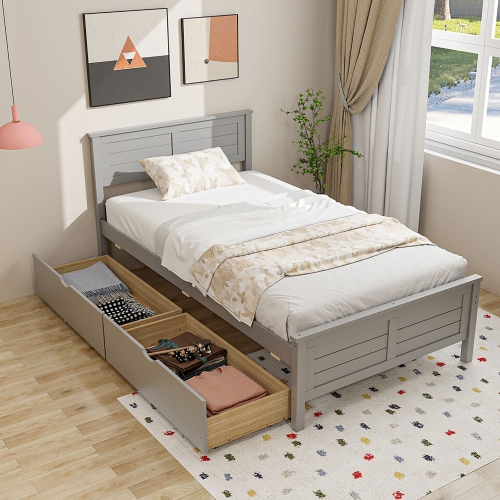
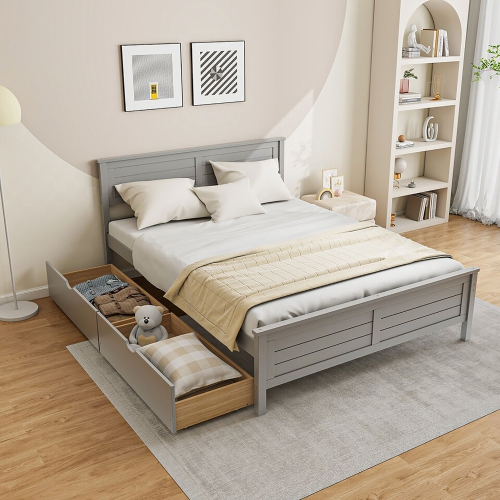
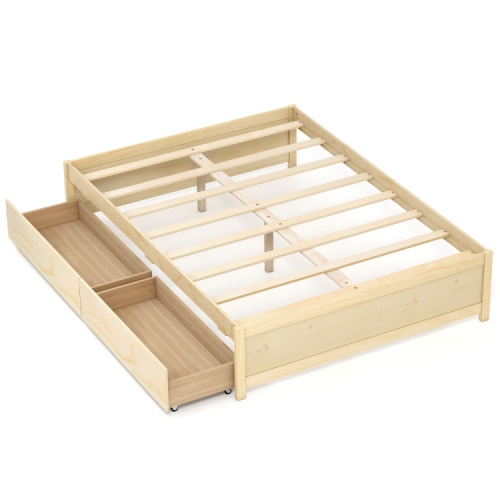
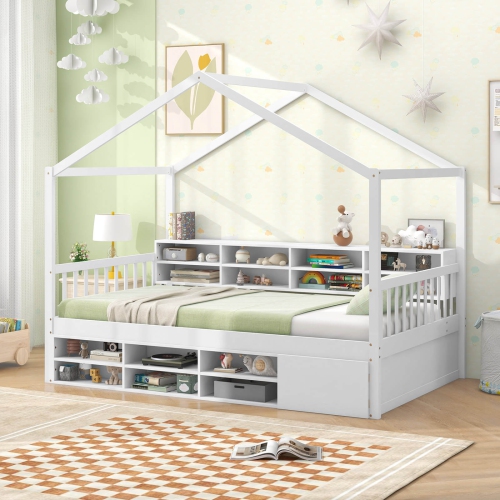


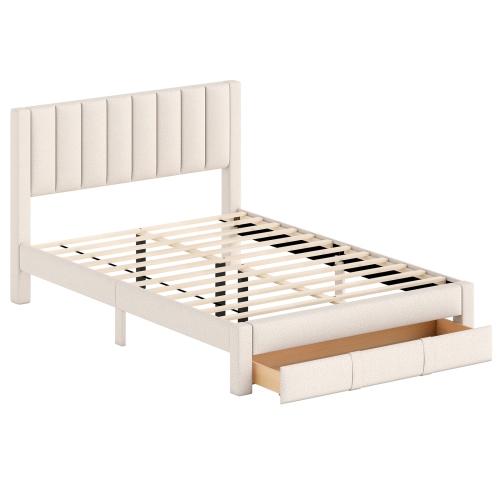
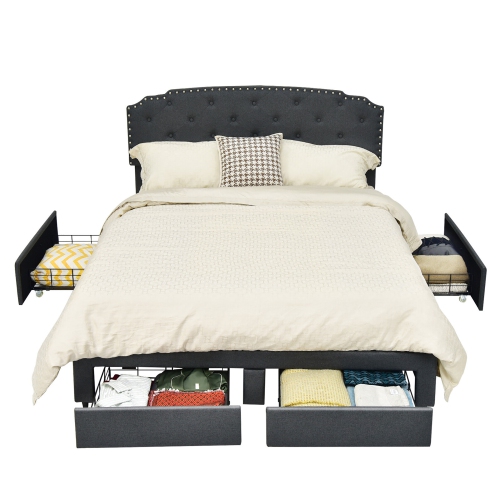
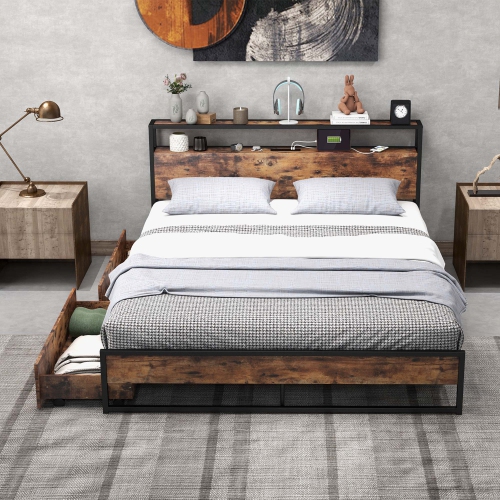
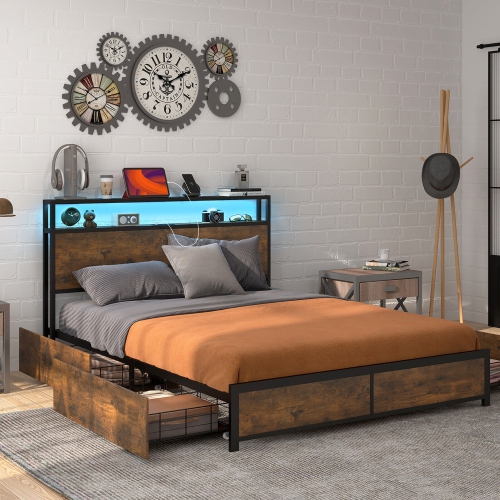


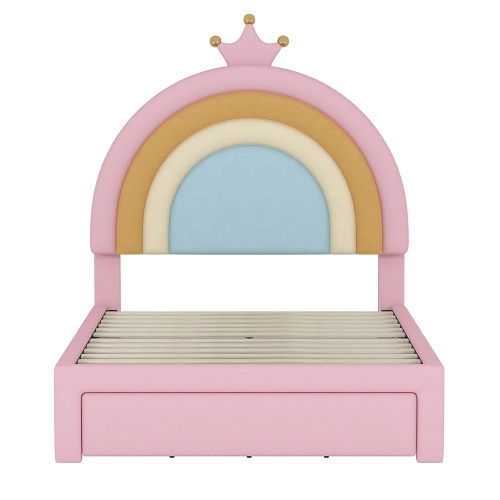
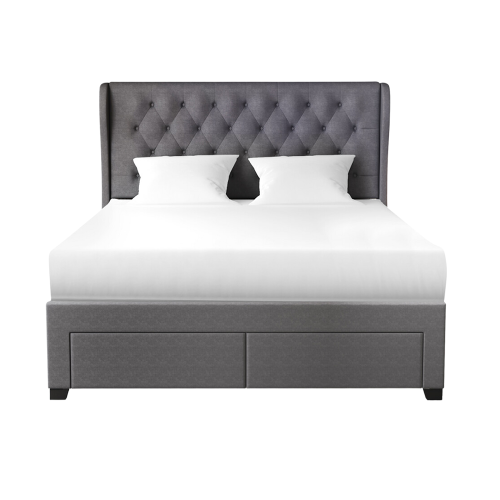
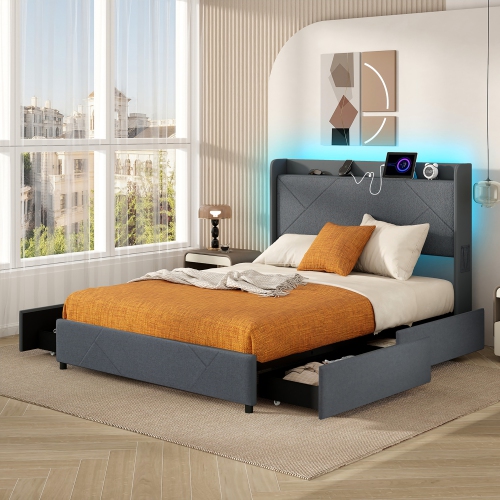
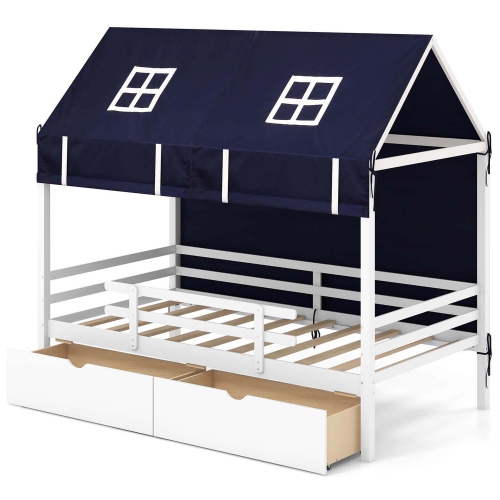
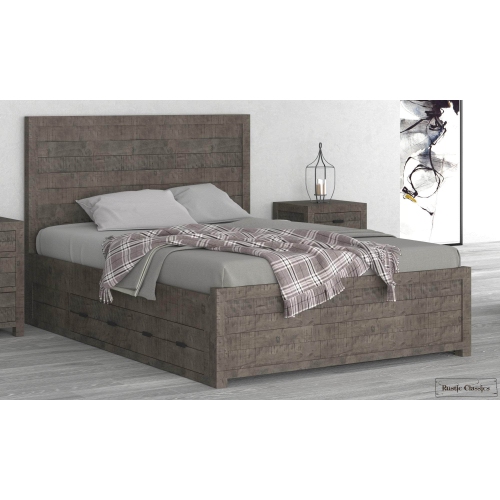
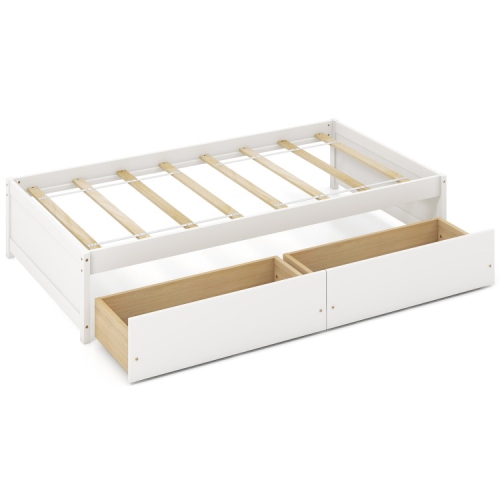
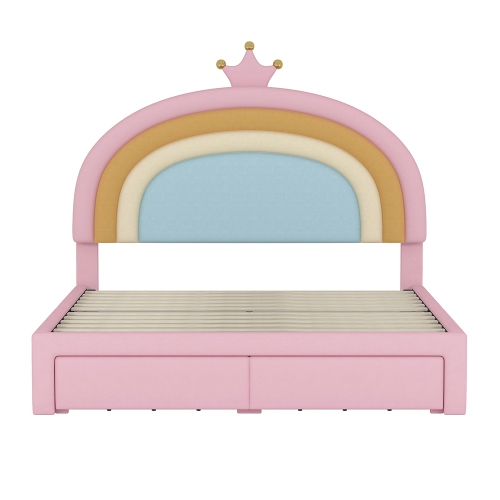
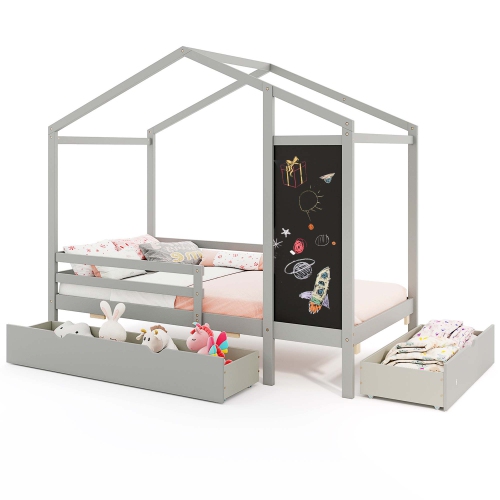
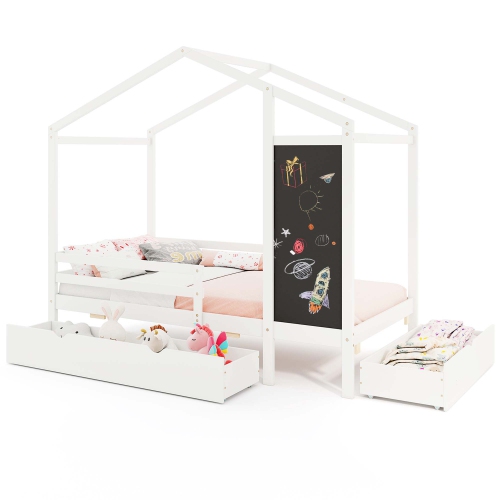
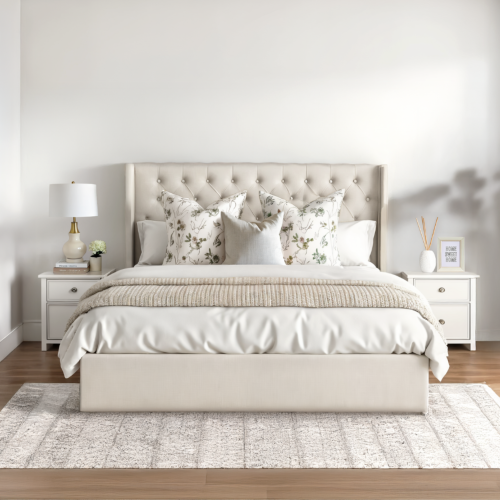
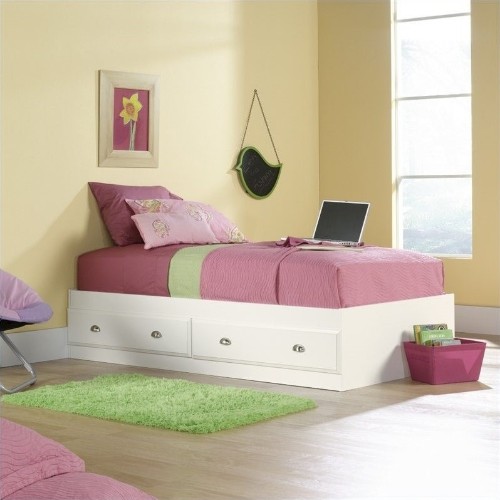
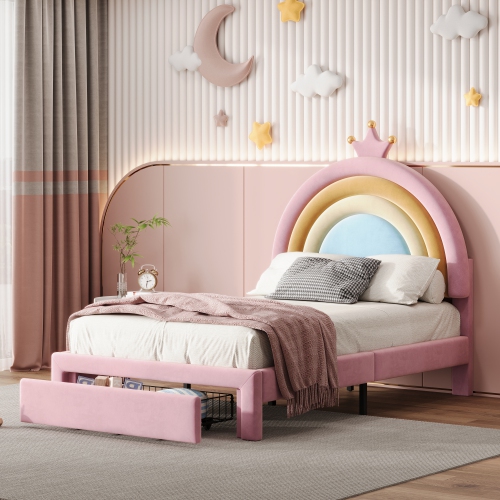
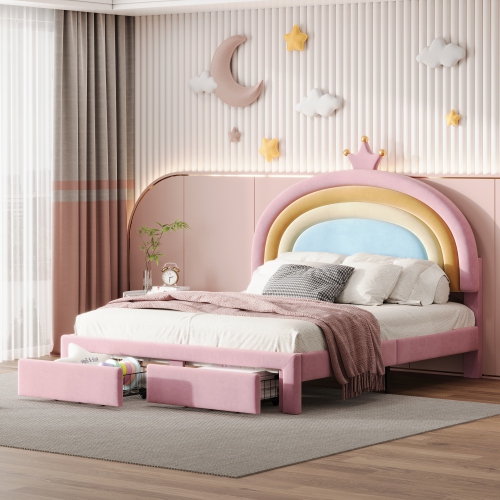
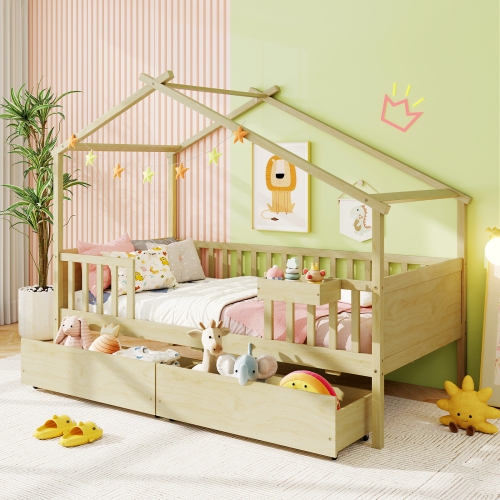
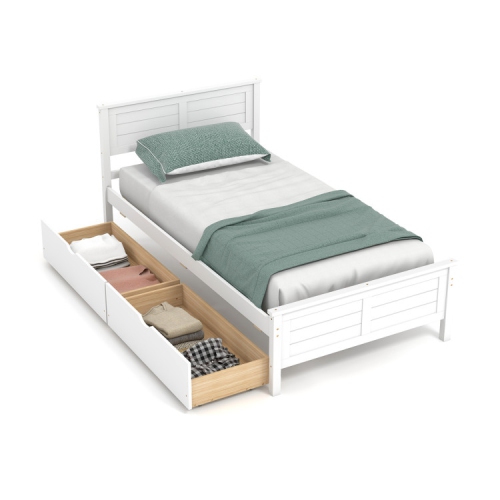
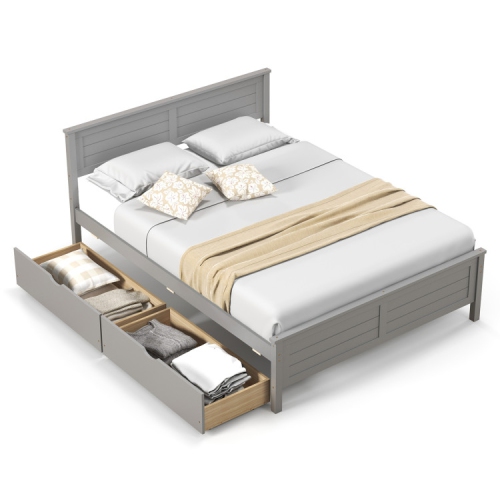

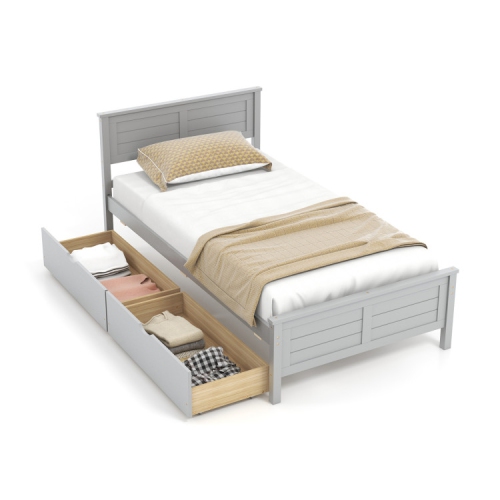
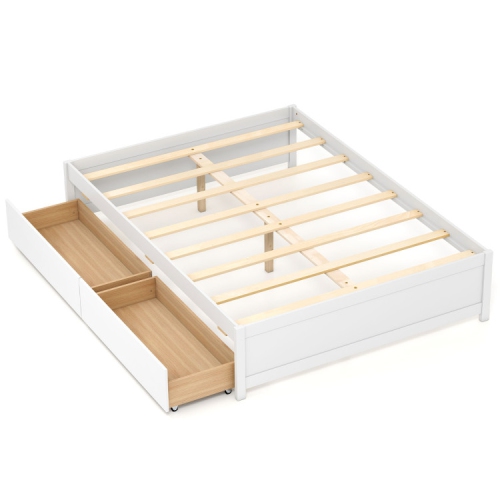
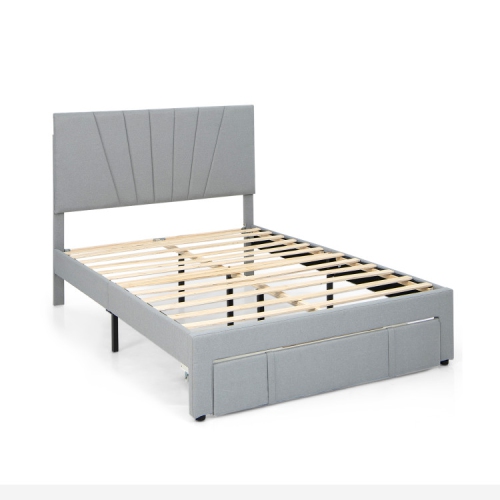
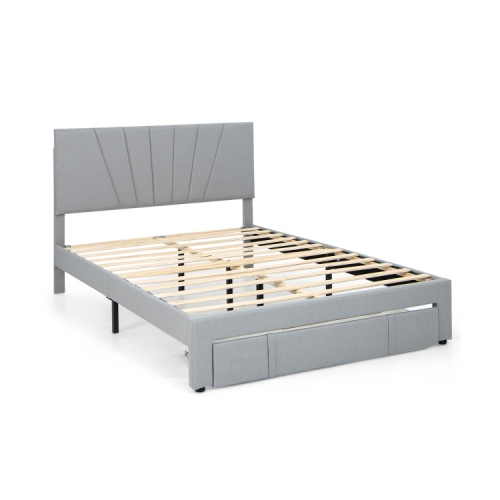
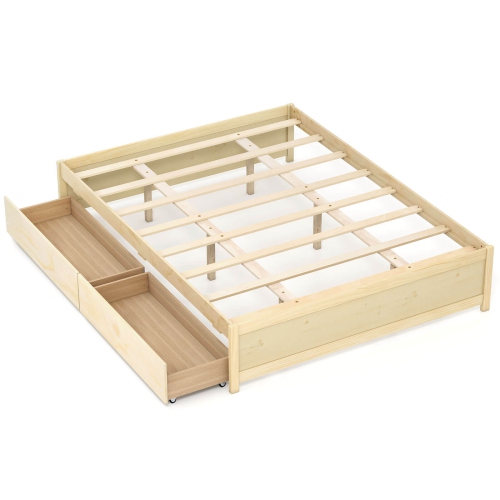
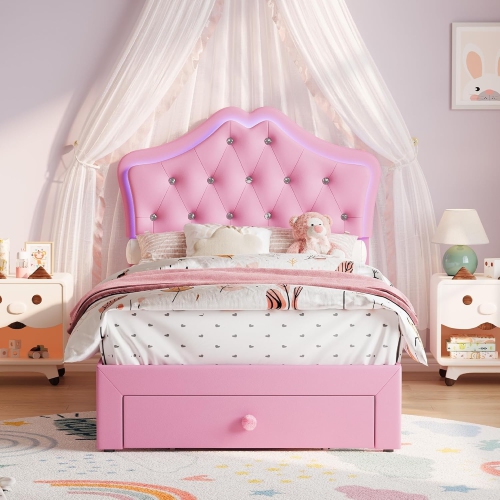
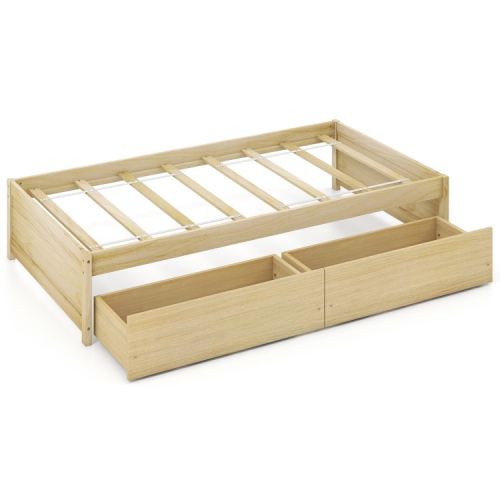
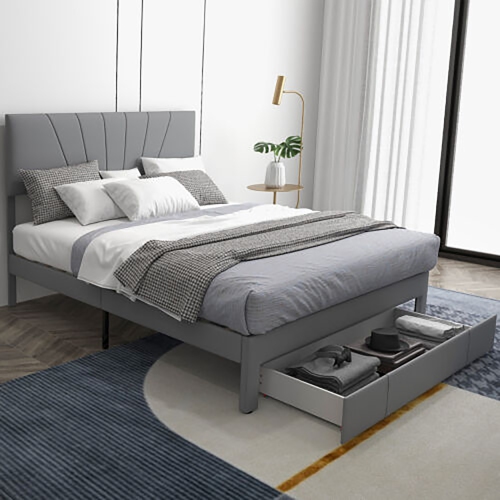

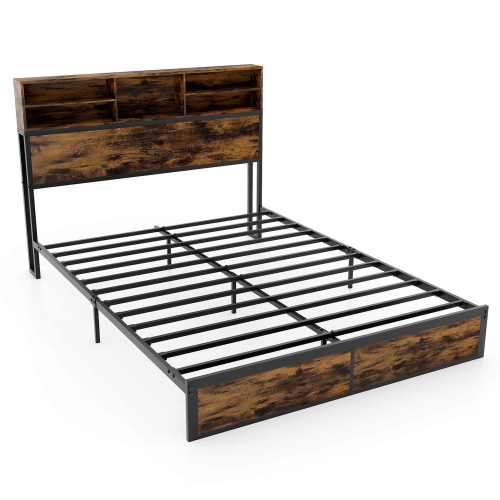
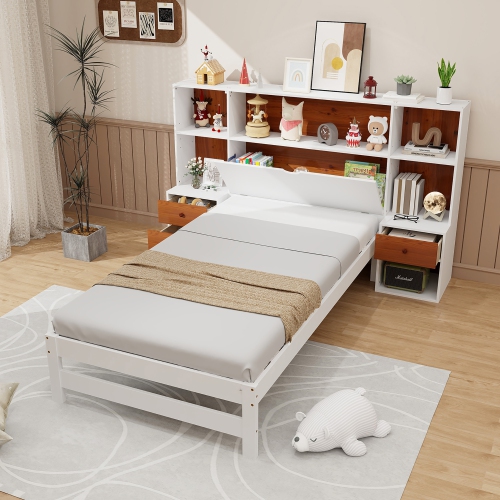
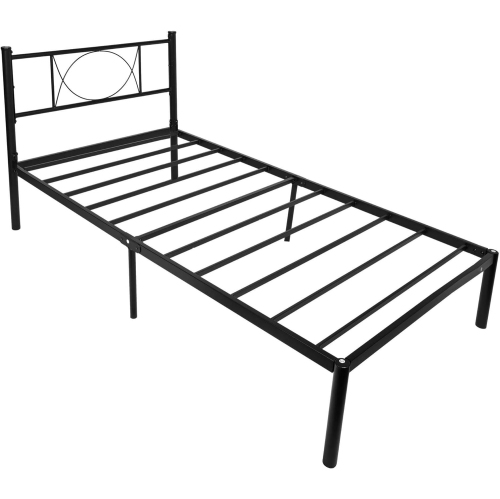
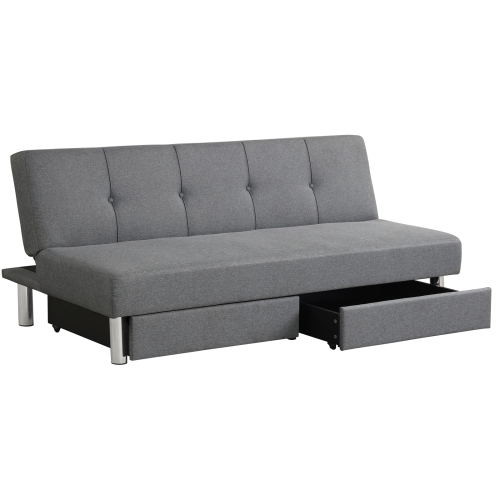
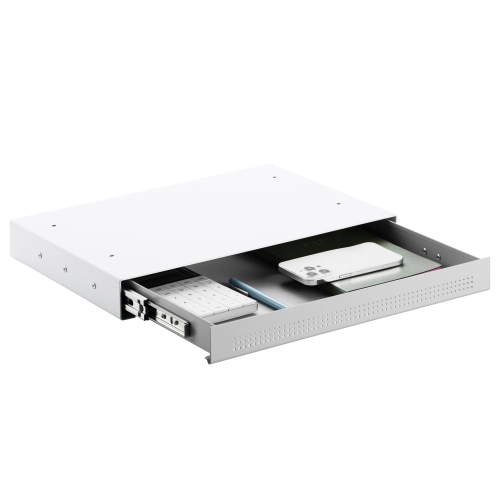
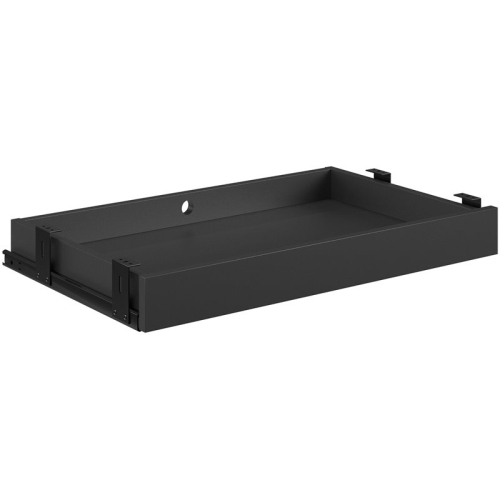
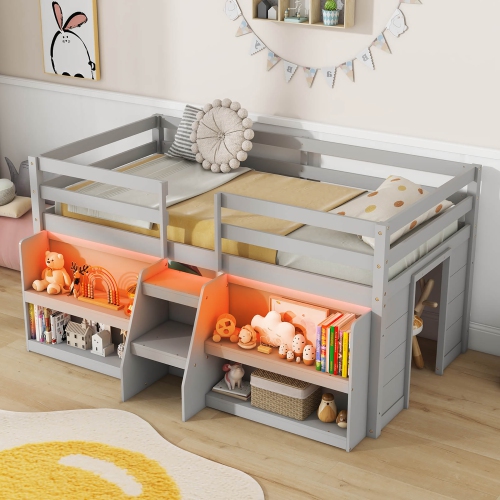
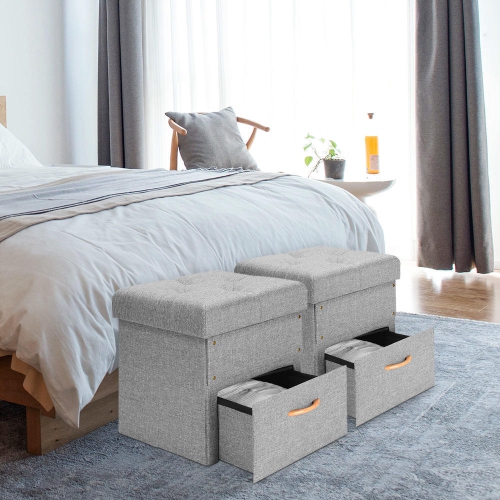
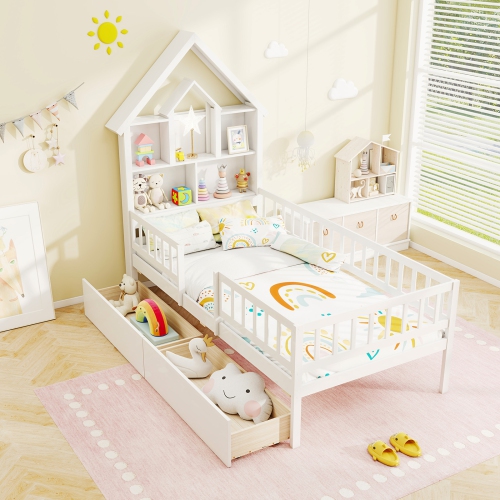
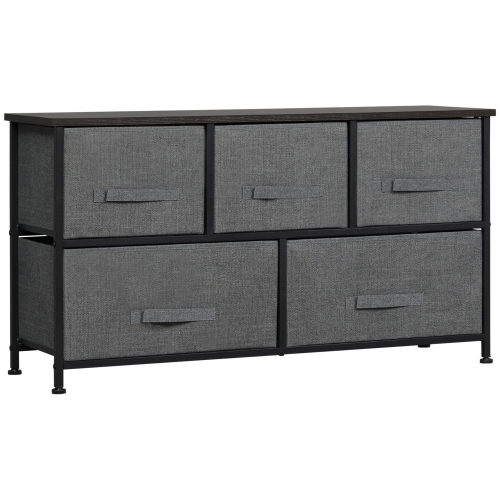
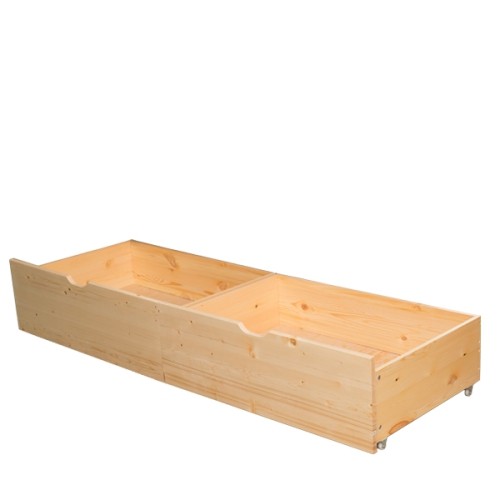
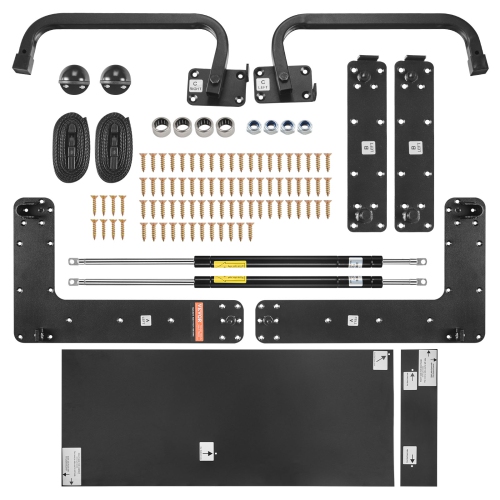
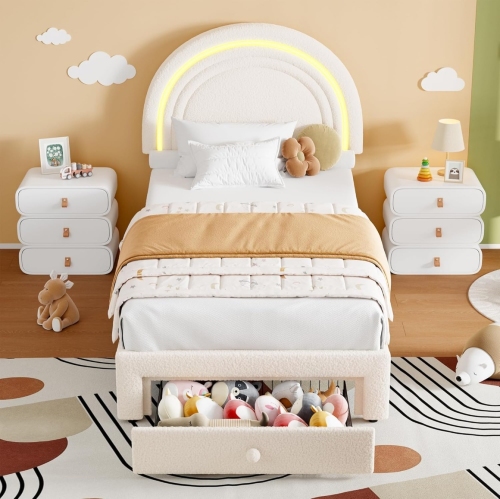
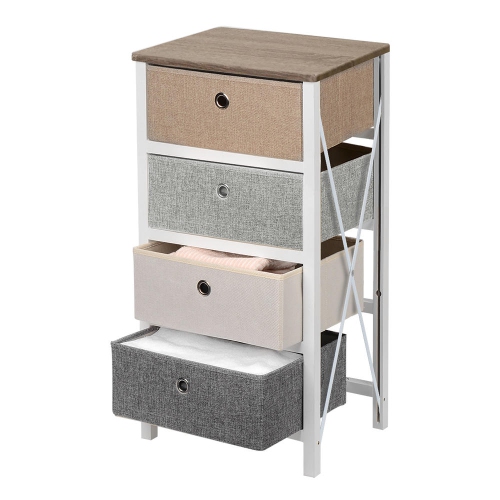
Bedroom essentials within reach without disturbing the bedding
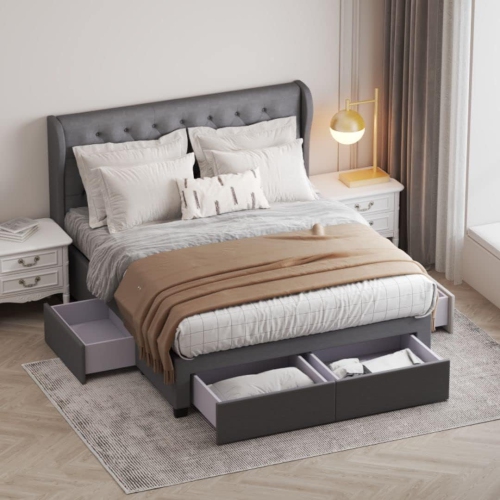
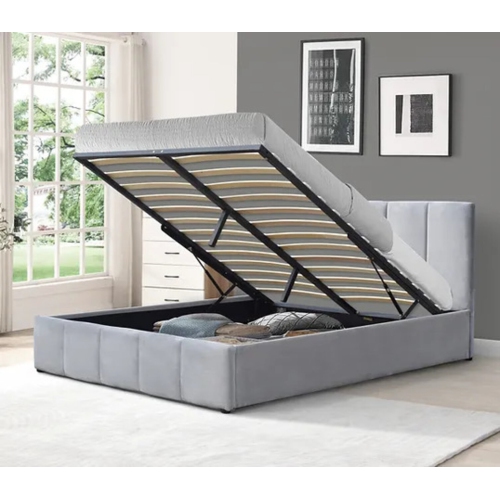
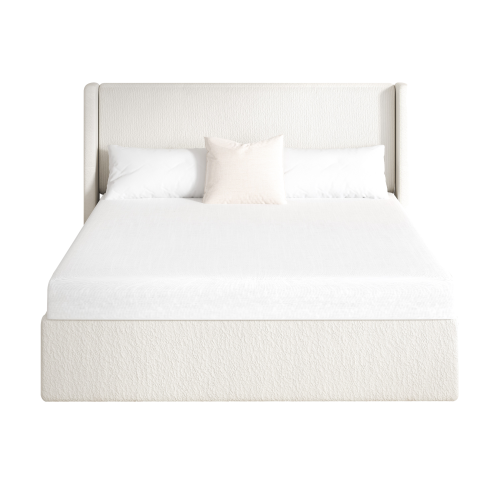
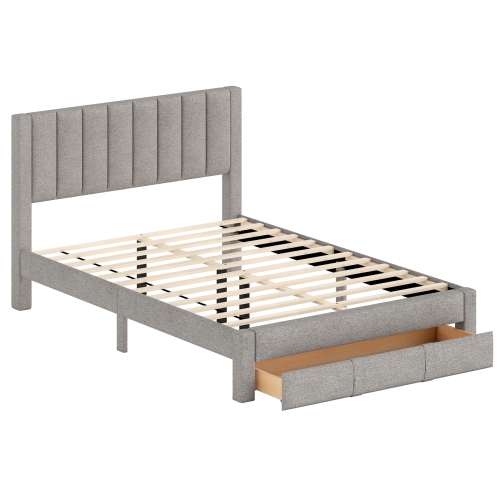
Storage drawer beds bring two everyday bedroom needs into one piece of furniture: a supportive place for a mattress and enclosed space for belongings that otherwise need a dresser, basket, or shelf. Built into the bed base, the drawers put folded clothing, spare sheets, and other essentials within reach without leaving them visible around the room. This arrangement can be especially useful in a condo bedroom with a narrow closet, a shared room where each person needs a little more personal storage, or a guest room that also serves as a home office. Unlike loose containers tucked beneath a raised frame, integrated drawers form part of the bed’s design, with fronts that give the base a finished appearance. Within the broader category of Storage Beds, drawer designs offer access from the sides or foot of the bed rather than requiring the mattress platform to be lifted. That distinction matters in daily use: a clean pillowcase or pair of pyjamas can be retrieved without disturbing the bedding. Different layouts suit different routines. Several smaller drawers can keep socks, sleepwear, and linens separated, while wider compartments may be more practical for folded blankets or a spare duvet, provided their internal dimensions and weight limits suit the contents. Storage capacity depends on the usable interior of each drawer, not simply the size of the bed or the number of drawer fronts. Deep-looking bases may contain shallower compartments, and structural supports can affect how much space is usable inside. For a main bedroom, this storage often works best for belongings used regularly; in a guest room, it can keep a complete set of bedding close to where it will be needed. The appeal is less about hiding everything beneath the mattress and more about giving familiar belongings a defined place, leaving other bedroom furniture free for the things that belong there.
The fit of a storage drawer bed involves more than matching a frame to a twin, full, queen, or king mattress. Overall frame dimensions can extend beyond the mattress footprint, particularly with a padded headboard, a substantial footboard, or a wide perimeter rail. Drawer movement adds another layer to the layout. A bed may fit between two walls yet leave too little room to open a side drawer comfortably, especially once a bedside table is in place. In a compact bedroom, drawers at the foot can be a practical arrangement when the sides are tight, while side drawers can work well where a dresser or doorway limits space beyond the footboard. A bed positioned against a wall may leave drawers on that side inaccessible, so the location of the storage is just as important as its total capacity. The most useful layout leaves space both for a drawer to extend and for someone to stand or kneel in front of it. Rugs also deserve attention: thick pile, raised edges, or a rug placed beneath only part of the frame can interfere with drawers that roll along the floor. Mattress support varies by design. Some frames use slats or a solid platform, while others require an additional foundation; the frame’s stated requirements determine which setup is appropriate. Mattress thickness affects the finished sleeping height, how much headboard remains visible, and how easy it feels to sit on the edge before standing. For someone furnishing a smaller room, a lower-profile frame may look less imposing, but drawer depth and comfortable access still matter. Assembly and delivery access are practical considerations, too, particularly in homes with tight stair turns or small lifts. Large headboard panels, long side rails, and the space needed to assemble the base all influence how smoothly the bed can be set up. A frame that suits the room, mattress, and everyday walking paths is more useful than extra storage that is awkward to reach.
Materials and construction shape both the appearance of a storage drawer bed and how it holds up to repeated use. Solid wood can bring visible grain and natural variation, while wood veneer provides a real-wood surface over a supporting core. Engineered wood is common in bed frames and drawer components, with finishes ranging from wood-look surfaces to smooth painted or laminated panels. Upholstered frames add a softer texture around the mattress and can make a headboard comfortable to lean against when reading, although the fabric’s care requirements matter in homes with pets or frequent spills. Woven textures, smooth upholstery, and exposed wood each contribute a different look; the bed’s colour and proportions can either blend with existing furniture or become the room’s main visual feature. Durability depends on more than the outer finish. Secure frame joints, suitable centre supports, well-supported drawer bottoms, and hardware designed for repeated opening all play a role. Drawers may run on fitted runners or floor-level castors, and each arrangement has its own requirements for alignment and clearance. Handles should be comfortable to grasp without projecting awkwardly into a narrow walkway, while recessed pulls can help maintain a simpler outline. For everyday use, evenly distributed contents and respect for drawer weight limits help prevent strain on bases and fittings. Heavy books or densely packed belongings can place very different demands on a drawer than folded cotton sheets. Care is usually straightforward but should follow the material-specific instructions: upholstery may need gentle vacuuming, finished surfaces may call for a soft cloth, and spills should be addressed promptly without soaking joints or fabric. Keeping runners and the space beneath accessible drawers free of dust helps preserve smooth movement, while checking fasteners as directed can address loosening over time. Storage also benefits from a little breathing room. Clean, fully dry textiles are better suited to enclosed drawers than damp laundry, and overfilling can catch fabric against the frame. With a layout that matches the room and compartments suited to their contents, a storage drawer bed can make getting dressed, changing sheets, and tidying the bedroom feel more straightforward.
The fit of a storage drawer bed involves more than matching a frame to a twin, full, queen, or king mattress. Overall frame dimensions can extend beyond the mattress footprint, particularly with a padded headboard, a substantial footboard, or a wide perimeter rail. Drawer movement adds another layer to the layout. A bed may fit between two walls yet leave too little room to open a side drawer comfortably, especially once a bedside table is in place. In a compact bedroom, drawers at the foot can be a practical arrangement when the sides are tight, while side drawers can work well where a dresser or doorway limits space beyond the footboard. A bed positioned against a wall may leave drawers on that side inaccessible, so the location of the storage is just as important as its total capacity. The most useful layout leaves space both for a drawer to extend and for someone to stand or kneel in front of it. Rugs also deserve attention: thick pile, raised edges, or a rug placed beneath only part of the frame can interfere with drawers that roll along the floor. Mattress support varies by design. Some frames use slats or a solid platform, while others require an additional foundation; the frame’s stated requirements determine which setup is appropriate. Mattress thickness affects the finished sleeping height, how much headboard remains visible, and how easy it feels to sit on the edge before standing. For someone furnishing a smaller room, a lower-profile frame may look less imposing, but drawer depth and comfortable access still matter. Assembly and delivery access are practical considerations, too, particularly in homes with tight stair turns or small lifts. Large headboard panels, long side rails, and the space needed to assemble the base all influence how smoothly the bed can be set up. A frame that suits the room, mattress, and everyday walking paths is more useful than extra storage that is awkward to reach.
Materials and construction shape both the appearance of a storage drawer bed and how it holds up to repeated use. Solid wood can bring visible grain and natural variation, while wood veneer provides a real-wood surface over a supporting core. Engineered wood is common in bed frames and drawer components, with finishes ranging from wood-look surfaces to smooth painted or laminated panels. Upholstered frames add a softer texture around the mattress and can make a headboard comfortable to lean against when reading, although the fabric’s care requirements matter in homes with pets or frequent spills. Woven textures, smooth upholstery, and exposed wood each contribute a different look; the bed’s colour and proportions can either blend with existing furniture or become the room’s main visual feature. Durability depends on more than the outer finish. Secure frame joints, suitable centre supports, well-supported drawer bottoms, and hardware designed for repeated opening all play a role. Drawers may run on fitted runners or floor-level castors, and each arrangement has its own requirements for alignment and clearance. Handles should be comfortable to grasp without projecting awkwardly into a narrow walkway, while recessed pulls can help maintain a simpler outline. For everyday use, evenly distributed contents and respect for drawer weight limits help prevent strain on bases and fittings. Heavy books or densely packed belongings can place very different demands on a drawer than folded cotton sheets. Care is usually straightforward but should follow the material-specific instructions: upholstery may need gentle vacuuming, finished surfaces may call for a soft cloth, and spills should be addressed promptly without soaking joints or fabric. Keeping runners and the space beneath accessible drawers free of dust helps preserve smooth movement, while checking fasteners as directed can address loosening over time. Storage also benefits from a little breathing room. Clean, fully dry textiles are better suited to enclosed drawers than damp laundry, and overfilling can catch fabric against the frame. With a layout that matches the room and compartments suited to their contents, a storage drawer bed can make getting dressed, changing sheets, and tidying the bedroom feel more straightforward.
Top selling and popular products
-
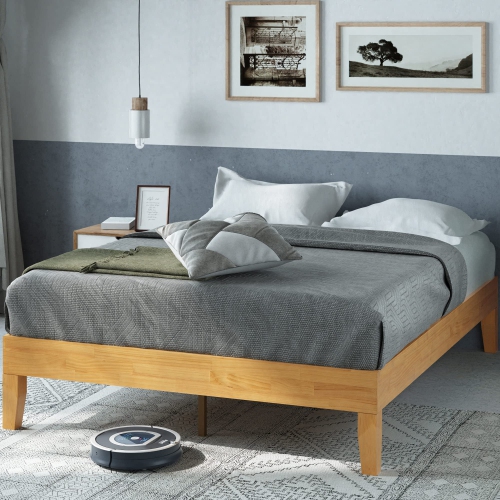 Your price for this item is $493.52
 -
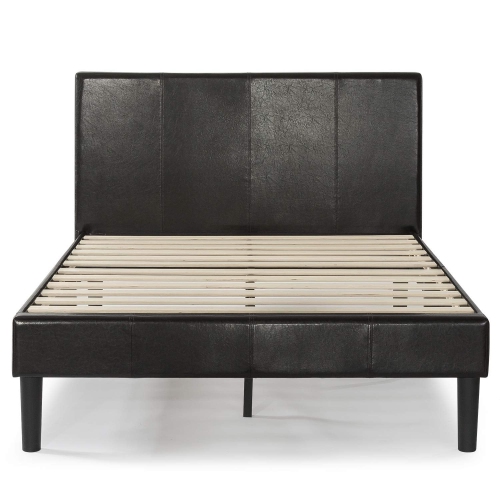 Your price for this item is $611.85
 -
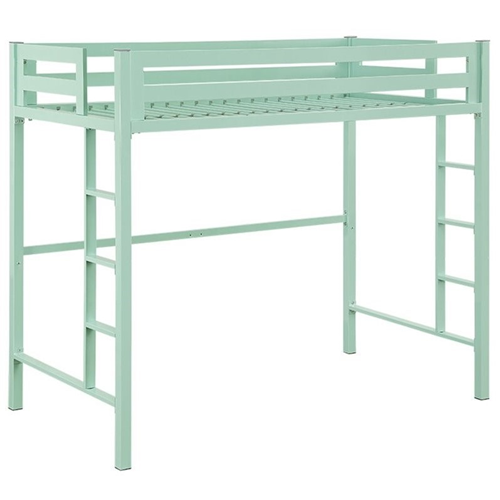 Your price for this item is $824.18
 -
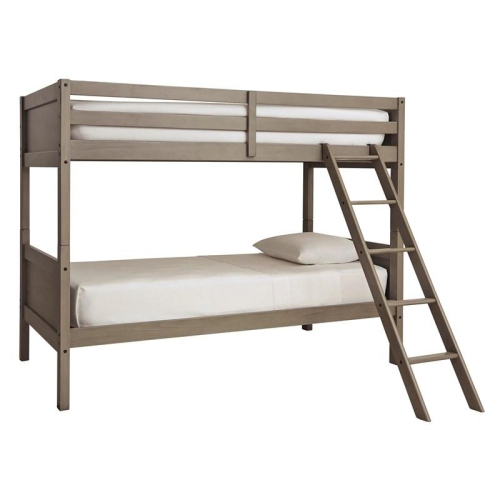 Your price for this item is $799.99
 -
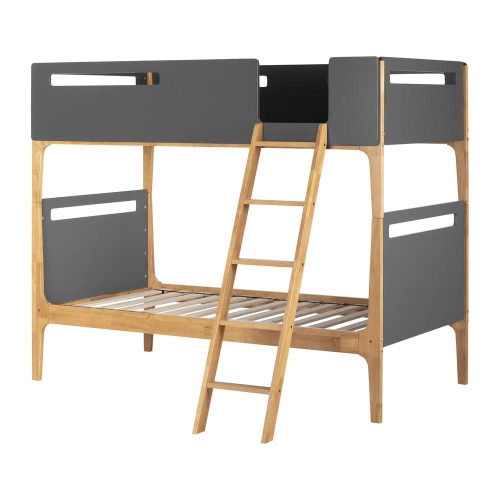 Your price for this item is $985.42
 -
 Your price for this item is $157.99
 -
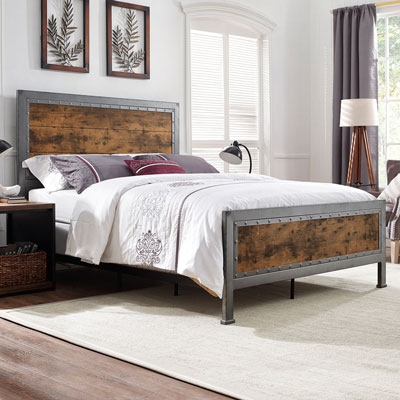 Your price for this item is $862.99
 -
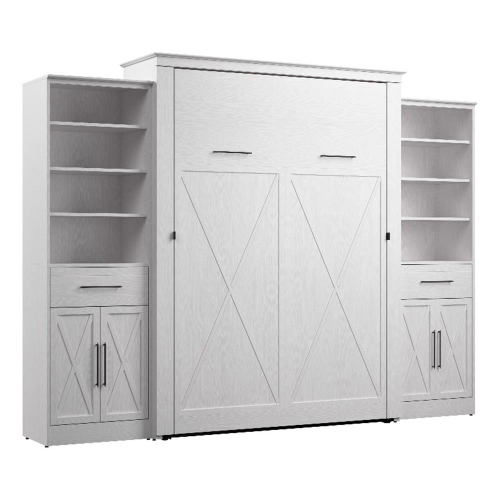 Your price for this item is $3519.99
Discover more categories related to Storage Drawer Beds

Top Collections:
Pokemon Centers, Kindle Devices, Best Budget Office Chairs, Apple iPhones 16, Best Laptops for Writers, iPhone 15 Apple, Canon G7X Cameras, Refurbished Apple Laptops, Alarm Clock, Motorola Razr Phones
Some products may be subject to Environmental Handling Fees
(EHF) depending on your province.
Learn more about EHFs.