Sturdy Armoire
Looking to maximize your storage space while adding a touch of sophistication to your bedroom or living room? Our collection of sturdy armoires offers the perfect solution. Crafted with high-quality materials and designed for durability, these versatile pieces provide ample room for organizing your clothing, accessories, and more. Whether you prefer a classic or modern style, our selection of sturdy armoires is sure to meet your needs and elevate the functionality of any room in your home.
Sort

Why lasting wardrobe storage depends on more than materials
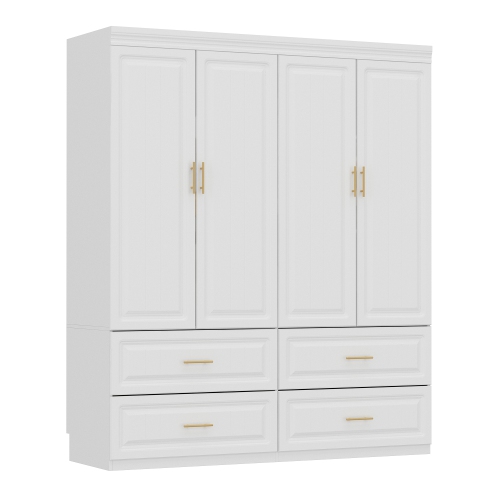
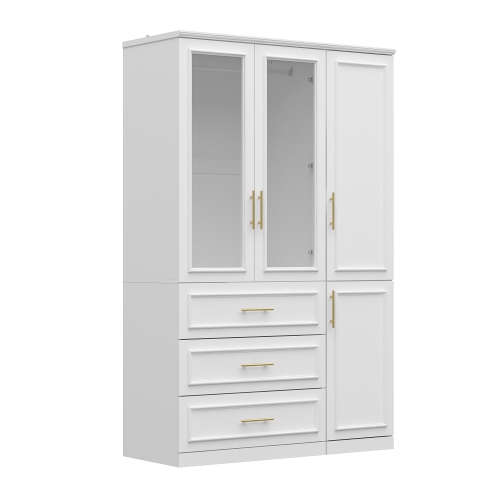
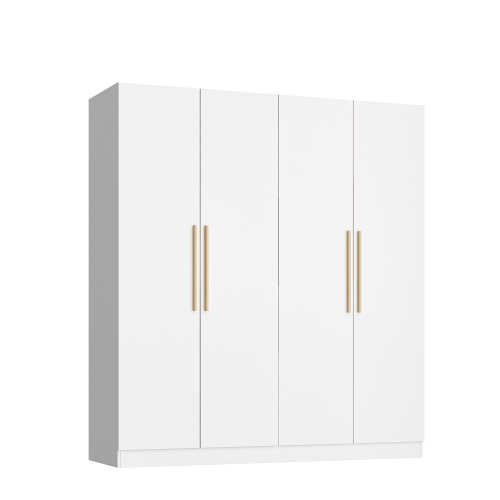
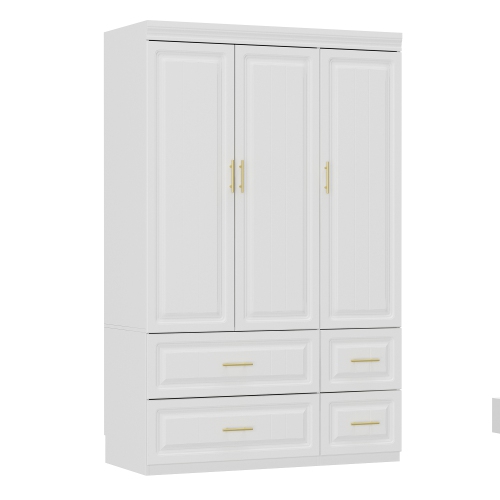
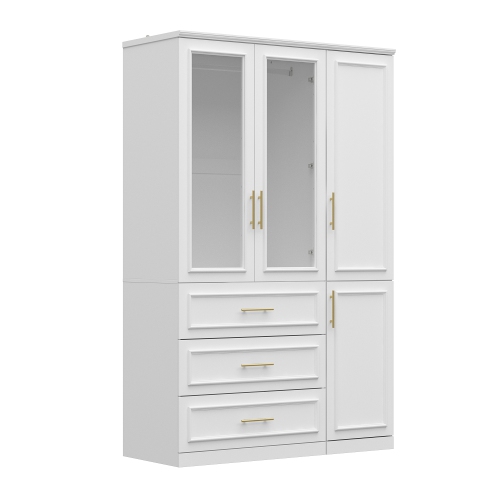
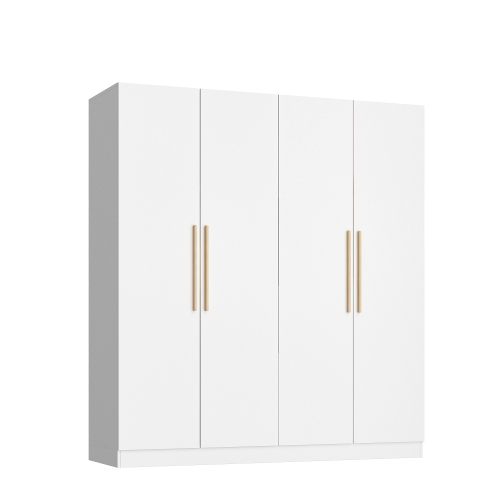
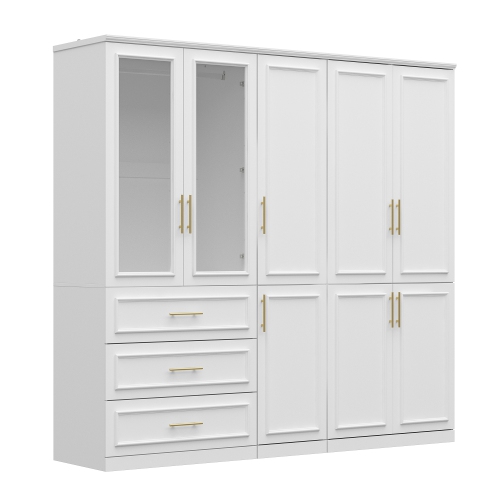
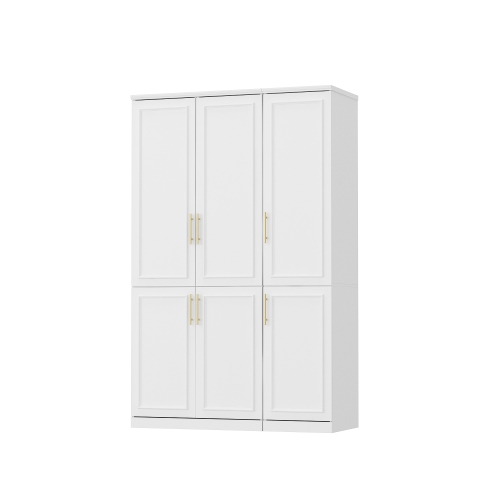
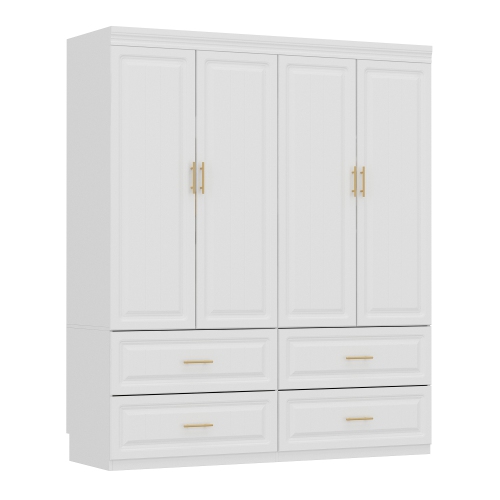
A sturdy armoire is a freestanding storage cabinet built to keep clothing, linens, and everyday belongings organized behind closed doors. Its strength comes from the whole structure: a well-supported frame, secure joints, shelves suited to their intended load, and hardware that holds up to repeated use. Solid wood and reinforced metal are common materials for substantial garment storage, but material alone does not determine durability. Panel thickness, shelf span, the attachment of the back panel, and the quality of fasteners all contribute to how firmly a cabinet stands and how smoothly it functions. An armoire can add wardrobe space to a bedroom without a built-in closet, give guests somewhere to hang clothing, or keep folded blankets and spare bedding together in a multipurpose room. In a shared home, separate hanging and shelving sections make it easier to give each person a defined place for their belongings. During the cooler months, that extra capacity is particularly useful for bulky sweaters and layers that take up more space than lightweight clothing. Interior layout matters as much as overall size: a tall hanging compartment suits dresses and longer coats, while shorter rails paired with shelves can accommodate shirts, trousers, and knitwear. Drawers provide a contained spot for socks, scarves, and smaller accessories that might otherwise disappear into a deep shelf. Adjustable shelves allow the arrangement to change as storage needs shift, although their usefulness depends on secure supports and clearly stated weight limits. Closed doors help keep stored contents out of sight and reduce exposure to settling dust, without making the cabinet airtight. For everyday use, the most practical sturdy wardrobe is one whose interior matches the household’s clothing and routines, rather than simply offering the largest exterior dimensions. A generous cabinet with poorly placed dividers may hold less useful storage than a smaller one arranged around the garments it needs to accommodate.
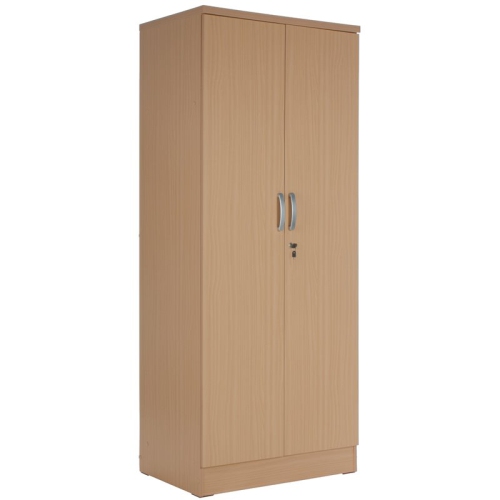
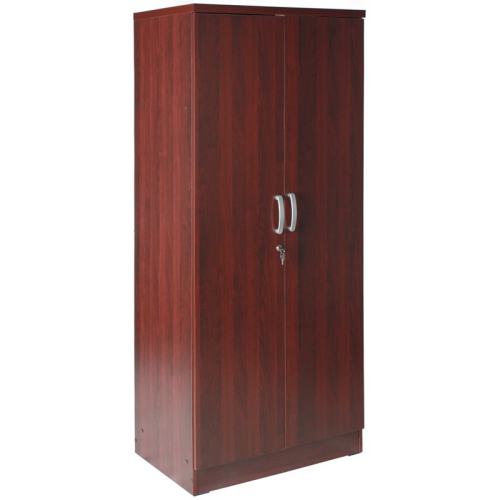
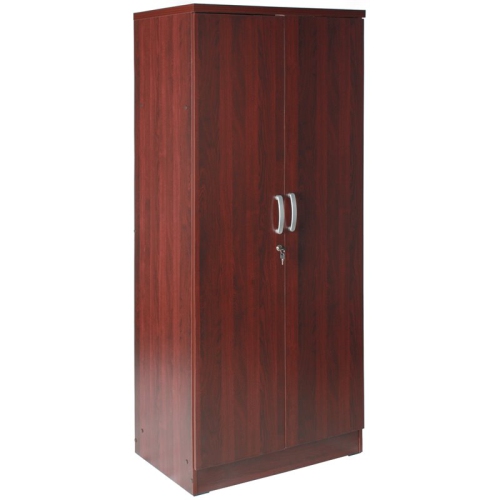
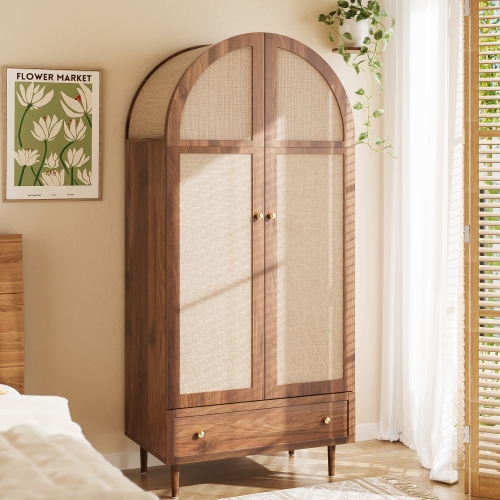
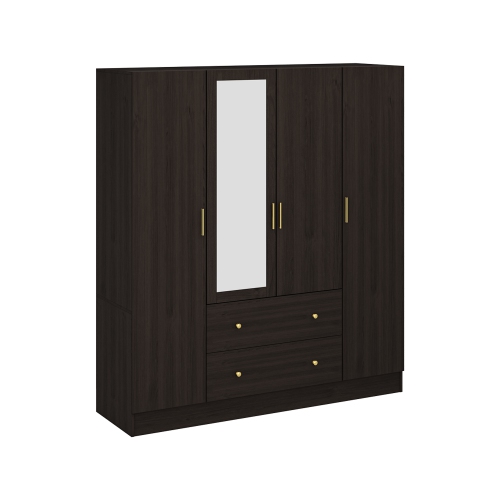
Construction gives an armoire its character as well as its strength. Solid wood brings natural grain and a substantial feel, with differences between species affecting weight, hardness, and resistance to dents. Pine, for example, is generally softer than oak, so its surface may show marks more readily even when the cabinet itself is soundly built. Kiln-dried wood has had its moisture content reduced under controlled conditions, which can help limit later movement; it does not make furniture immune to cracking or warping when indoor conditions change. Wood veneer over an engineered core can offer a natural wood surface with dimensional stability, while laminated panels provide a different finish that may be straightforward to wipe clean according to the manufacturer’s directions. The quality of panel edges and connections is especially important where doors, hinges, and shelf supports attach. For a room where visible grain and warm tones suit the furnishings, a Wooden Armoire can sit comfortably alongside a bed frame, dresser, or upholstered chair without every finish needing to match exactly. Metal construction offers another approach, with strength depending on metal thickness, reinforcement, and the way components are joined. Across materials, sturdy construction is often evident in firmly connected corners, a securely fitted back, and shelves that are adequately supported across their width. Dovetail drawer joints and mortise-and-tenon frame joints can contribute to strong connections, though their presence alone is not a guarantee of overall quality. Drawers also benefit from well-fitted runners and stops that limit accidental removal. Hinges should support the size and weight of each door, and handles should feel secure through frequent opening and closing. Soft-close hardware can make daily use quieter, but it is a convenience feature rather than proof of a stronger cabinet. Published load ratings for rails, drawers, and individual shelves give a more useful indication of intended capacity than broad descriptions such as heavy-duty. A rail loaded with wool coats places different demands on its supports than one holding a few shirts, making those component-level details especially relevant.
Room fit and careful installation are central to getting dependable use from an armoire. Exterior width and height establish whether it fits the intended wall, but depth determines both how far it projects into the room and whether clothing can hang without pressing against the doors. Interior measurements are useful because thick panels, drawers, and dividers reduce the usable space inside. Hinged doors need clearance to swing open, and drawers need enough room to extend without meeting the bed or another piece of furniture. Sliding doors require less clearance in front, although they usually expose only part of the interior at a time. Baseboards, floor vents, nearby switches, and uneven flooring can all affect placement. Delivery access also matters: a tall cabinet must pass through doorways, stairwells, and turns, while an assembled-in-place design needs sufficient floor space for safe assembly. A heavy armoire is not automatically tip-resistant. Secure anchoring to the wall, following the manufacturer’s instructions and using hardware appropriate to the wall construction, is an important safety measure, particularly in homes with children. An included restraint still needs correct installation, and anchoring does not replace sensible loading. Heavier belongings belong lower down, shelves and rails should stay within their stated capacities, and children should never climb drawers or shelves. Where adjustable levelling feet are provided, they can help the cabinet sit evenly so doors align and the frame does not rock. Ongoing care is usually modest but makes a noticeable difference. A soft cloth removes dust from surfaces and hardware; spills should be wiped promptly, with cleaning products chosen for the specific finish. Excess water can damage wood surfaces and panel edges, while abrasive cleaners may scratch coatings. Positioning wood furniture away from direct heat and prolonged strong sunlight helps protect its finish and limit uneven drying. Hinges, handles, shelf supports, and anchoring connections benefit from periodic checks, especially after a move. When relocating an armoire, emptying it first and following its moving or disassembly instructions helps avoid strain on joints and hardware. These practical details support an orderly storage space that remains comfortable to use as clothing collections, room layouts, and household needs change.
Construction gives an armoire its character as well as its strength. Solid wood brings natural grain and a substantial feel, with differences between species affecting weight, hardness, and resistance to dents. Pine, for example, is generally softer than oak, so its surface may show marks more readily even when the cabinet itself is soundly built. Kiln-dried wood has had its moisture content reduced under controlled conditions, which can help limit later movement; it does not make furniture immune to cracking or warping when indoor conditions change. Wood veneer over an engineered core can offer a natural wood surface with dimensional stability, while laminated panels provide a different finish that may be straightforward to wipe clean according to the manufacturer’s directions. The quality of panel edges and connections is especially important where doors, hinges, and shelf supports attach. For a room where visible grain and warm tones suit the furnishings, a Wooden Armoire can sit comfortably alongside a bed frame, dresser, or upholstered chair without every finish needing to match exactly. Metal construction offers another approach, with strength depending on metal thickness, reinforcement, and the way components are joined. Across materials, sturdy construction is often evident in firmly connected corners, a securely fitted back, and shelves that are adequately supported across their width. Dovetail drawer joints and mortise-and-tenon frame joints can contribute to strong connections, though their presence alone is not a guarantee of overall quality. Drawers also benefit from well-fitted runners and stops that limit accidental removal. Hinges should support the size and weight of each door, and handles should feel secure through frequent opening and closing. Soft-close hardware can make daily use quieter, but it is a convenience feature rather than proof of a stronger cabinet. Published load ratings for rails, drawers, and individual shelves give a more useful indication of intended capacity than broad descriptions such as heavy-duty. A rail loaded with wool coats places different demands on its supports than one holding a few shirts, making those component-level details especially relevant.
Room fit and careful installation are central to getting dependable use from an armoire. Exterior width and height establish whether it fits the intended wall, but depth determines both how far it projects into the room and whether clothing can hang without pressing against the doors. Interior measurements are useful because thick panels, drawers, and dividers reduce the usable space inside. Hinged doors need clearance to swing open, and drawers need enough room to extend without meeting the bed or another piece of furniture. Sliding doors require less clearance in front, although they usually expose only part of the interior at a time. Baseboards, floor vents, nearby switches, and uneven flooring can all affect placement. Delivery access also matters: a tall cabinet must pass through doorways, stairwells, and turns, while an assembled-in-place design needs sufficient floor space for safe assembly. A heavy armoire is not automatically tip-resistant. Secure anchoring to the wall, following the manufacturer’s instructions and using hardware appropriate to the wall construction, is an important safety measure, particularly in homes with children. An included restraint still needs correct installation, and anchoring does not replace sensible loading. Heavier belongings belong lower down, shelves and rails should stay within their stated capacities, and children should never climb drawers or shelves. Where adjustable levelling feet are provided, they can help the cabinet sit evenly so doors align and the frame does not rock. Ongoing care is usually modest but makes a noticeable difference. A soft cloth removes dust from surfaces and hardware; spills should be wiped promptly, with cleaning products chosen for the specific finish. Excess water can damage wood surfaces and panel edges, while abrasive cleaners may scratch coatings. Positioning wood furniture away from direct heat and prolonged strong sunlight helps protect its finish and limit uneven drying. Hinges, handles, shelf supports, and anchoring connections benefit from periodic checks, especially after a move. When relocating an armoire, emptying it first and following its moving or disassembly instructions helps avoid strain on joints and hardware. These practical details support an orderly storage space that remains comfortable to use as clothing collections, room layouts, and household needs change.
Top selling and popular products
-
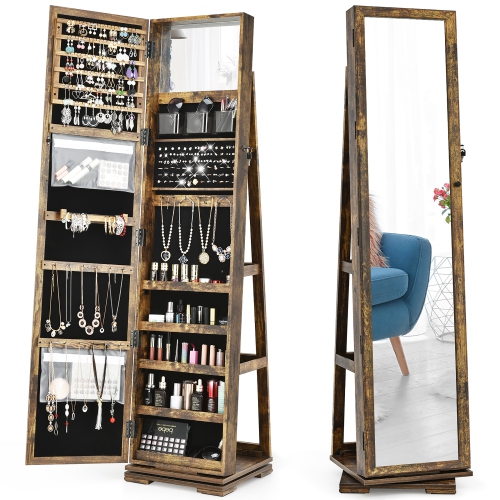 Your price for this item is $224.99
 -
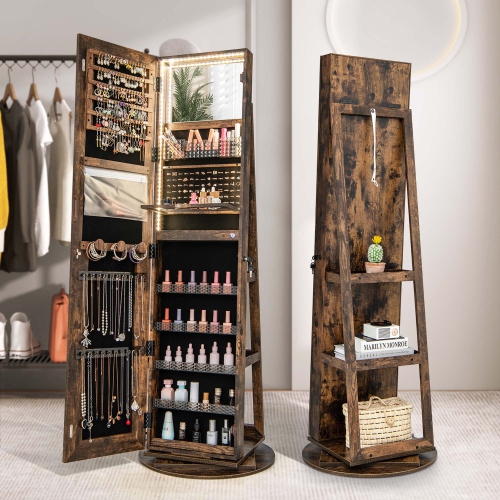 Your price for this item is $289.99
 -
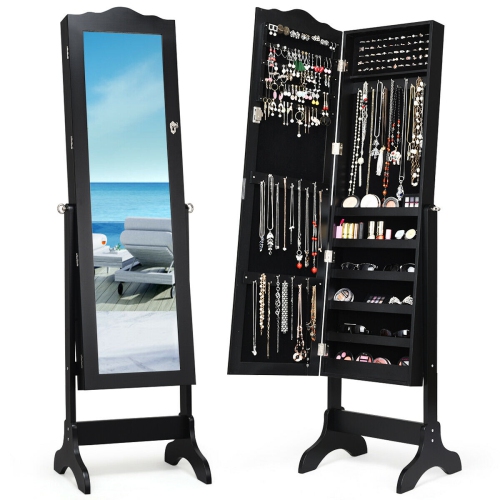 Your price for this item is $169.99
 -
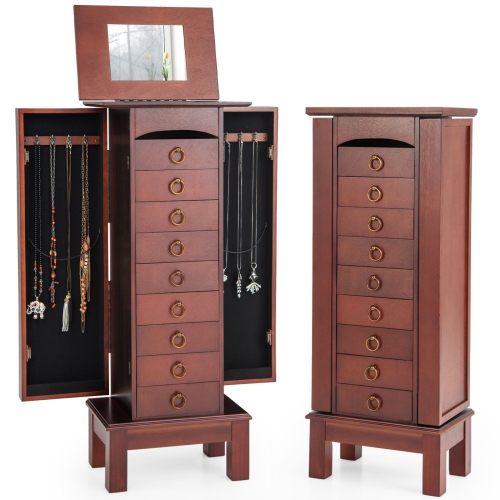 Your price for this item is $199.99
 -
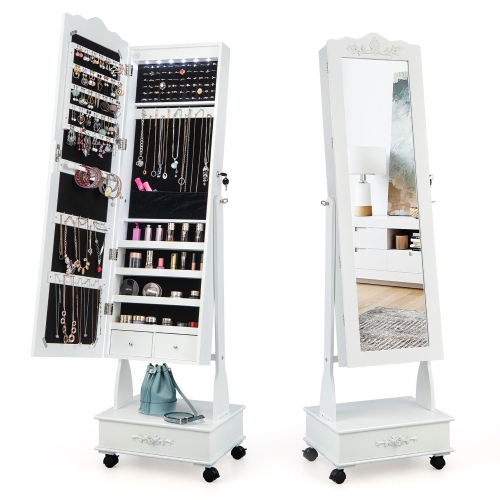 Your price for this item is $189.99
 -
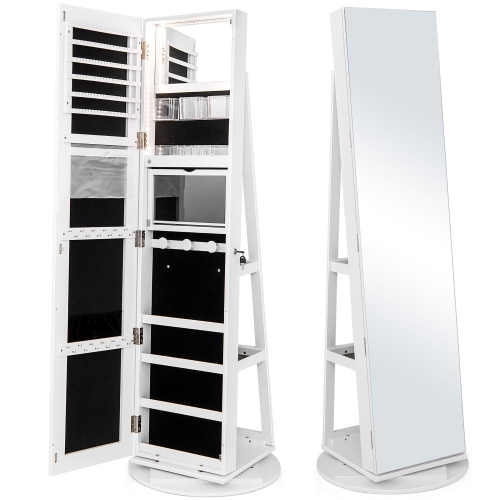 Your price for this item is $199.99
 -
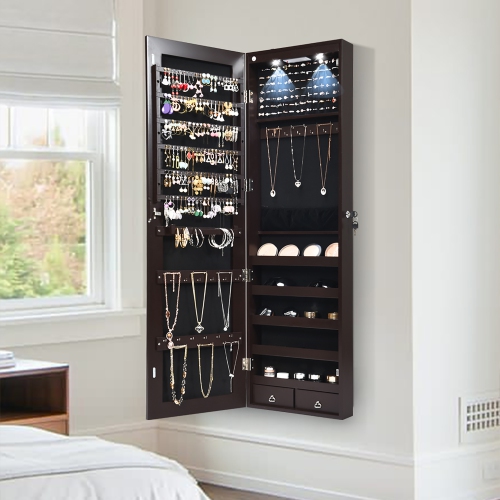 Your price for this item is $169.99
 -
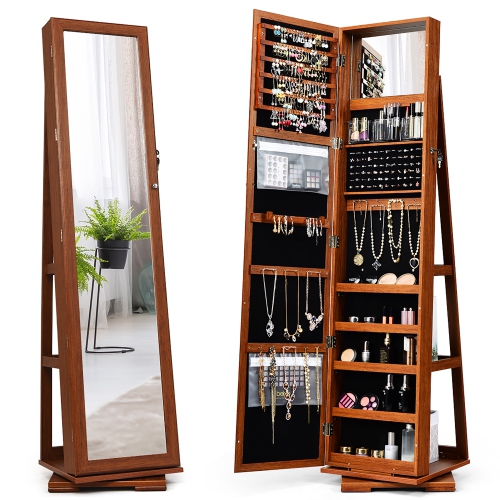 Your price for this item is $229.99
Discover more categories related to Sturdy Armoire
Top Collections:
Pokemon Centers, Kindle Devices, Best Budget Office Chairs, Apple iPhones 16, Best Laptops for Writers, iPhone 15 Apple, Canon G7X Cameras, Refurbished Apple Laptops, Alarm Clock, Motorola Razr Phones
Some products may be subject to Environmental Handling Fees
(EHF) depending on your province.
Learn more about EHFs.