Super Soft Duvet Covers
Transform your bedroom into a cozy oasis with these super-soft duvet covers. Crafted with the utmost care and attention to detail, these duvet covers are designed to provide you with ultimate comfort and style. Whether you prefer a classic, solid color or a trendy pattern, these covers have something for everyone. Indulge in the luxurious softness of these duvet covers and elevate your sleeping experience to new heights.
Sort



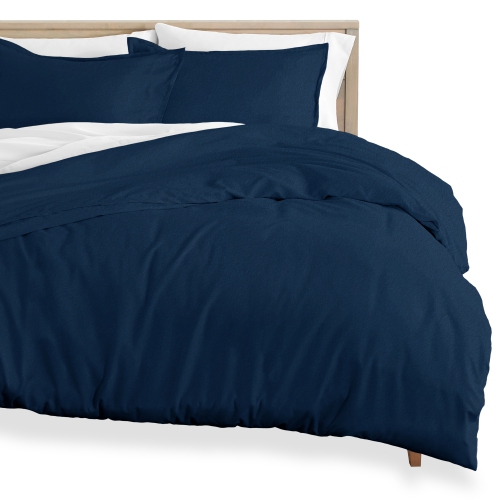
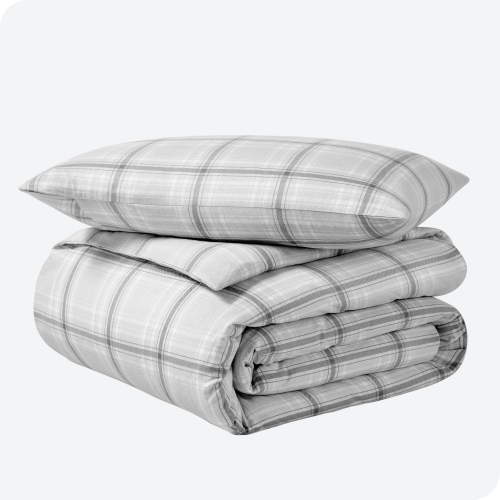
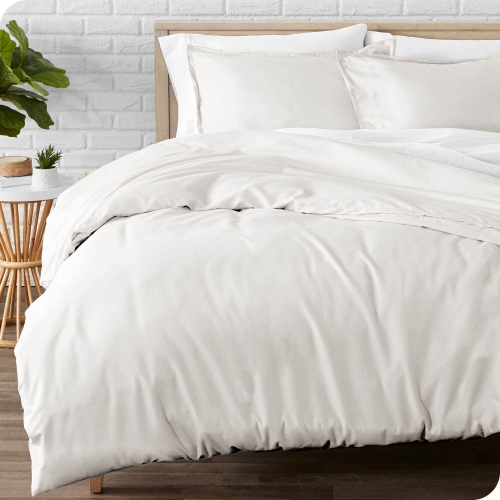
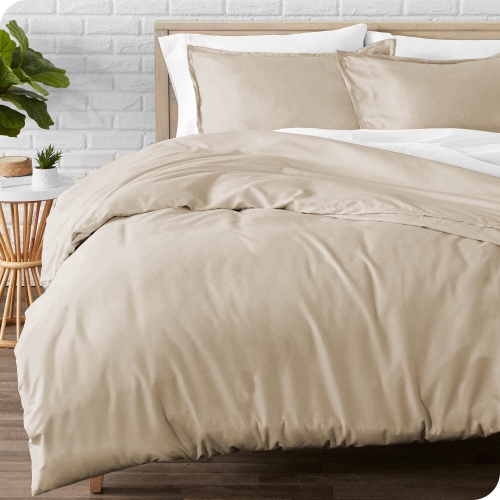









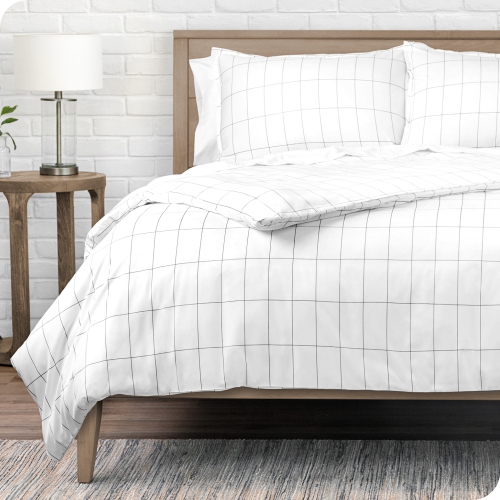

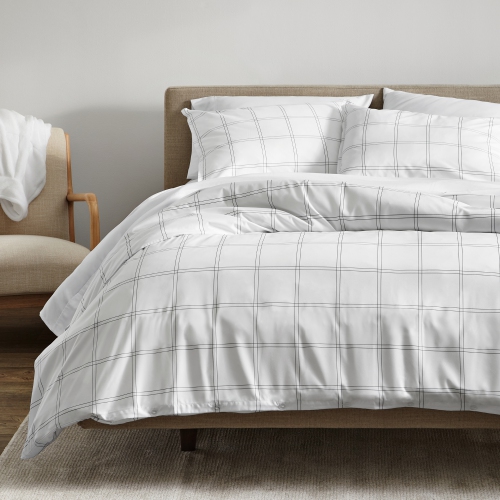
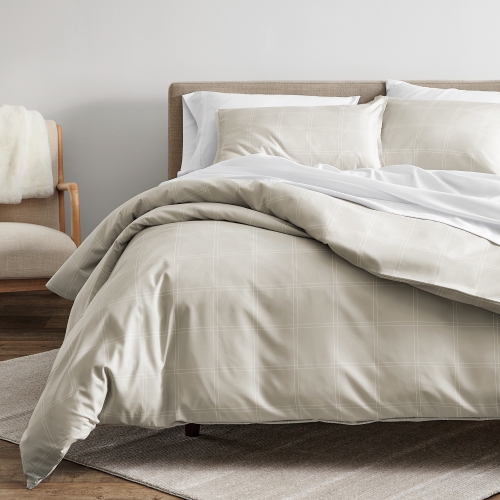

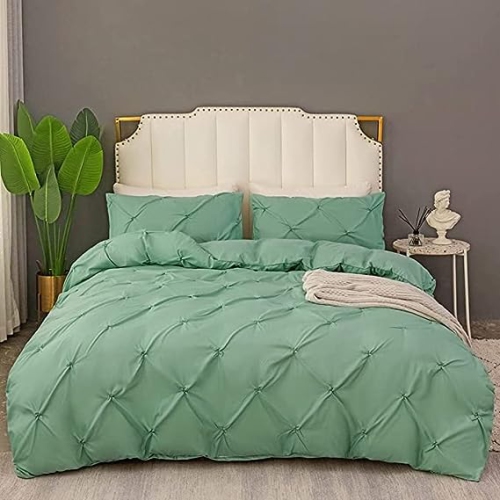
![YODHA 4 PC Kids Designer Green/yellow Bedding Set 1 Duvet Cover Queen Bedding Set With 1 Bed Sheet With 2 Pillow Case Covers []](https://multimedia.bbycastatic.ca/multimedia/products/500x500/170/17076/17076908.jpeg)


















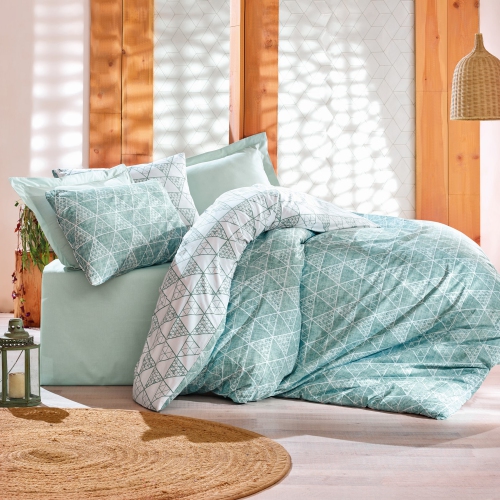
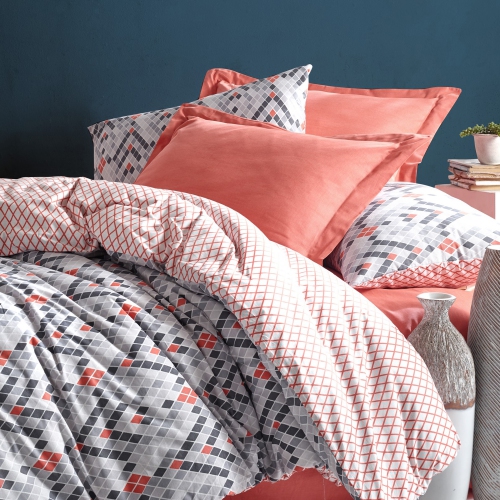
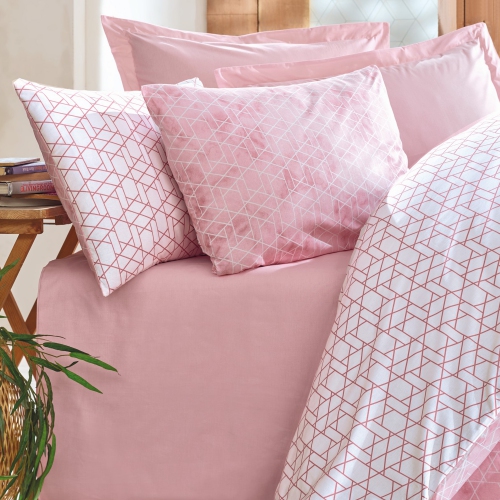




Why duvet cover softness goes beyond thread count
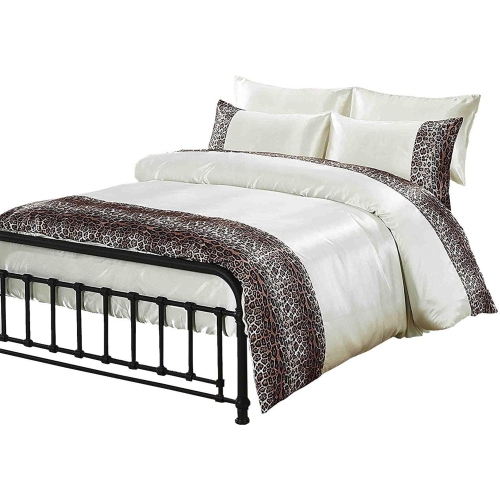
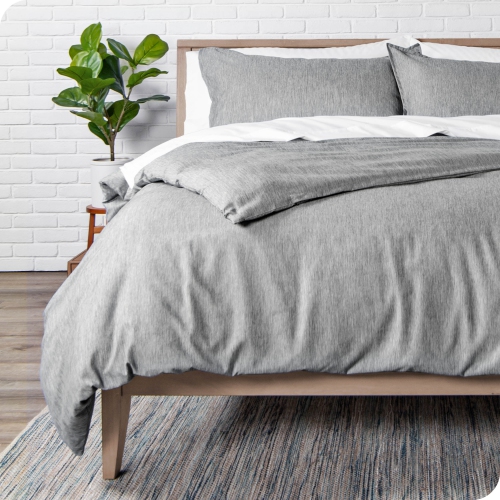
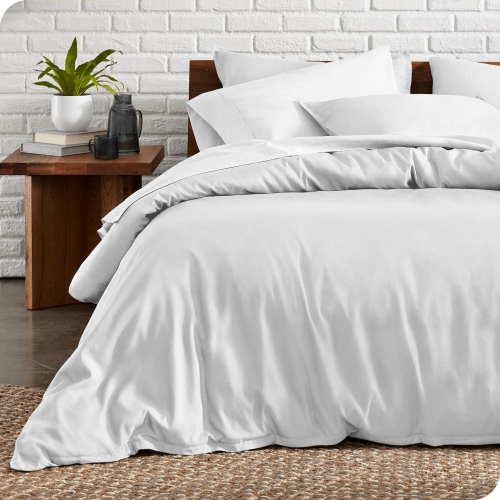
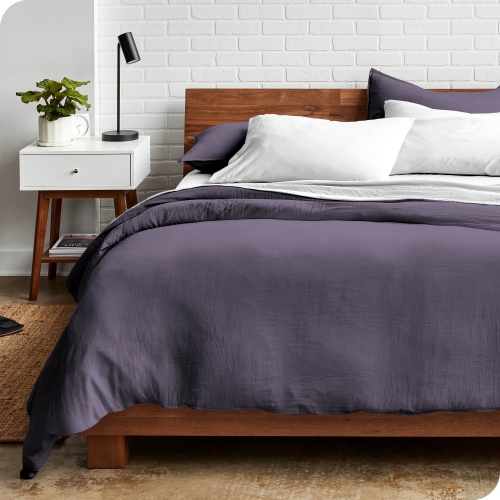
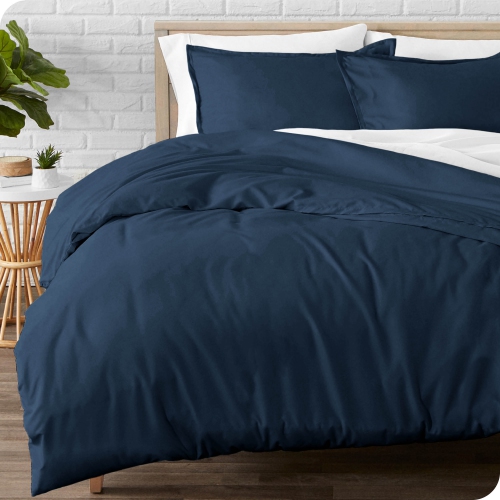
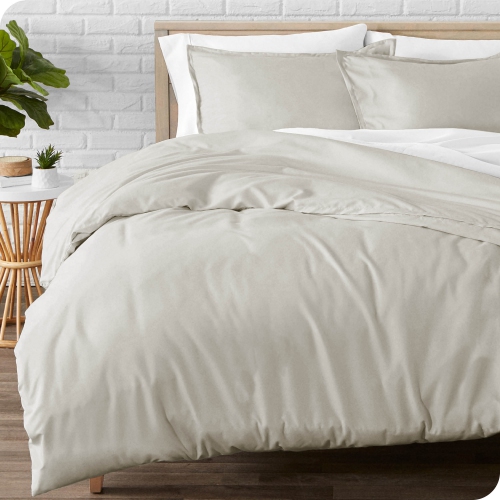
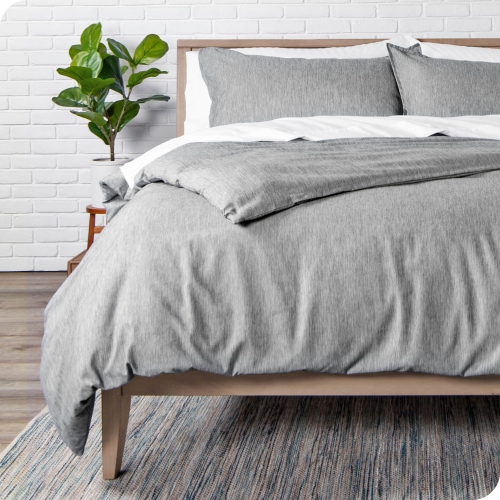
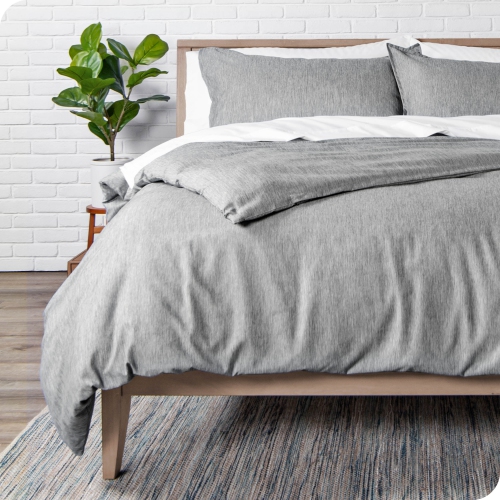
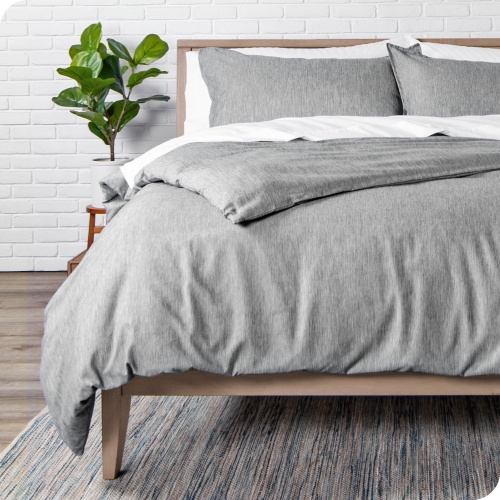
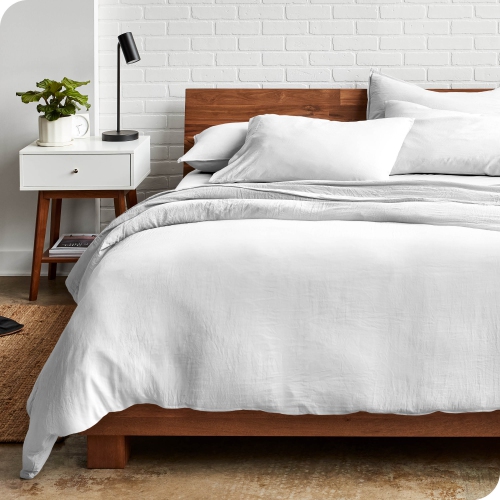
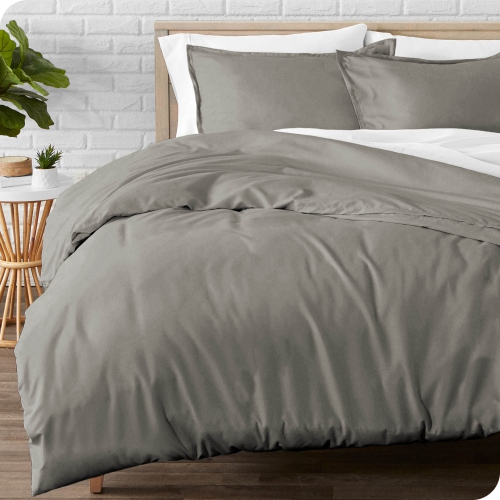
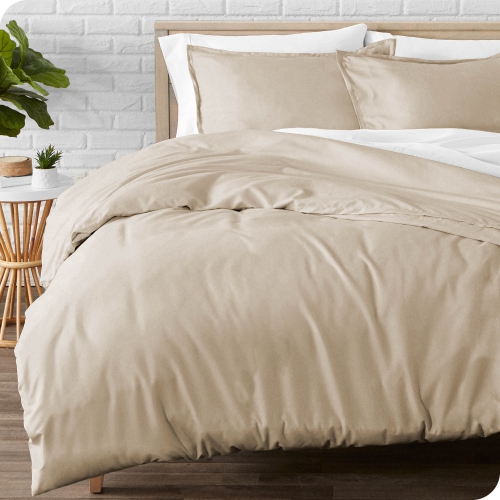
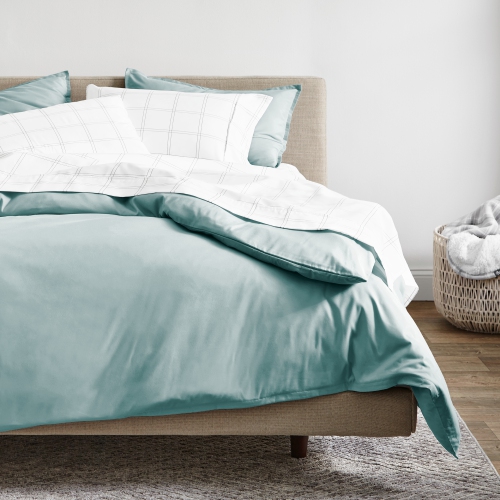
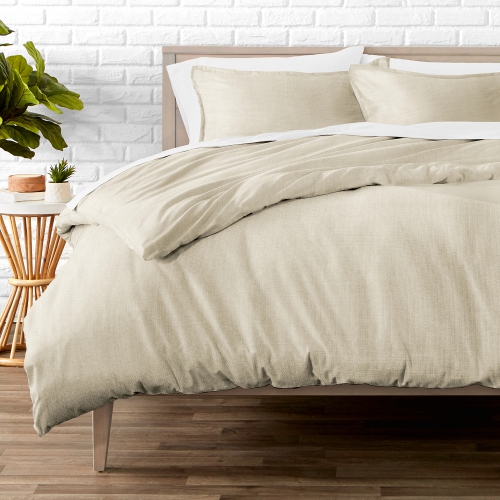
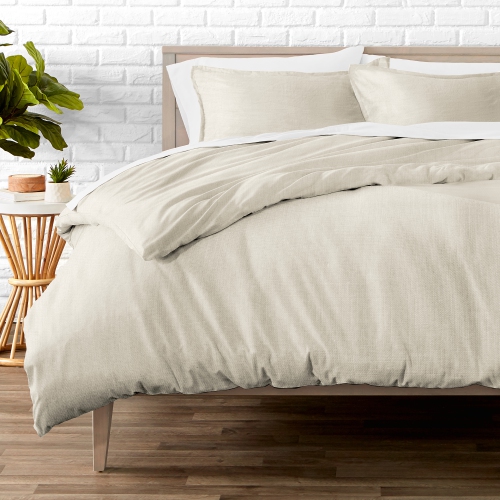
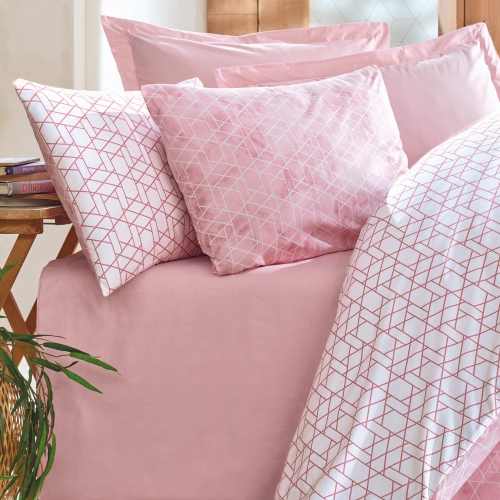
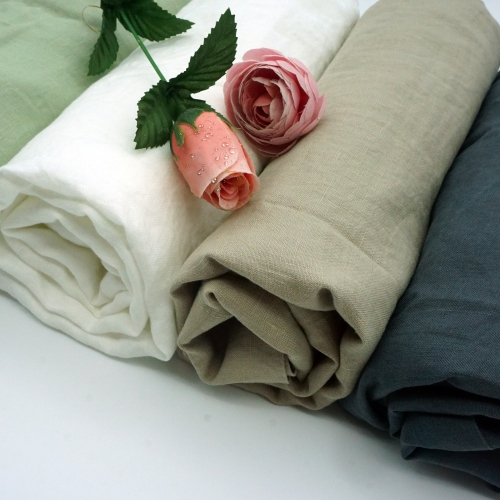
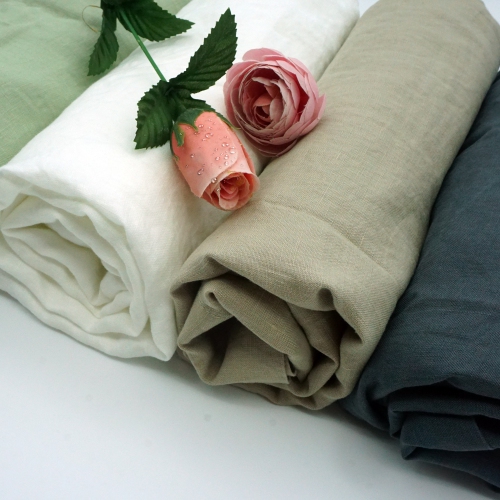
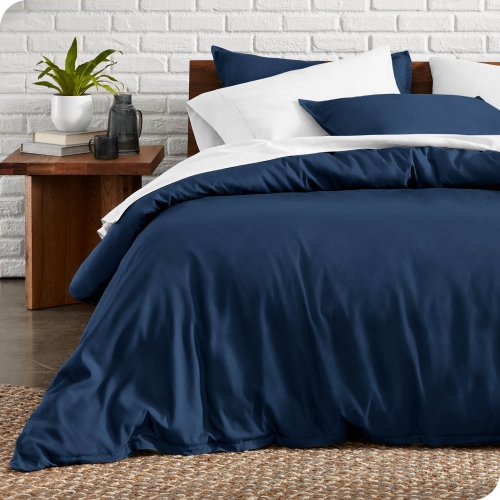
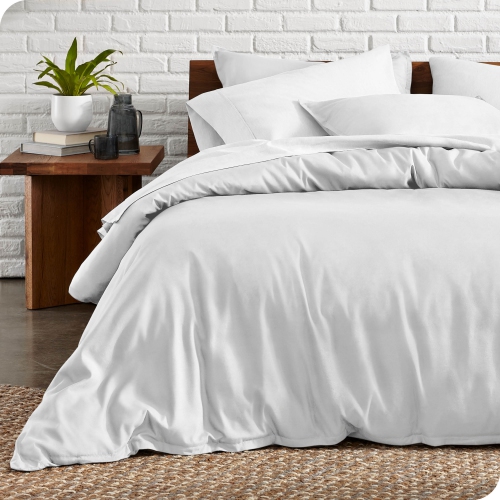
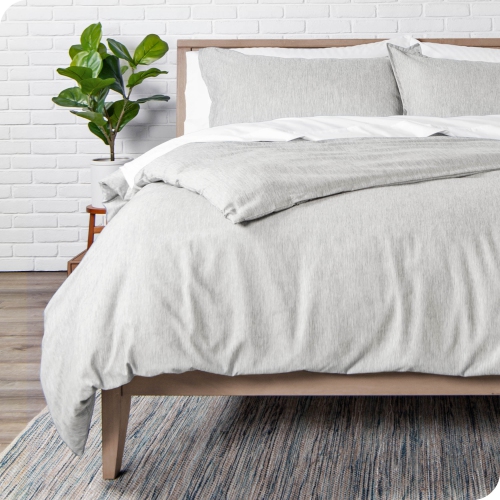
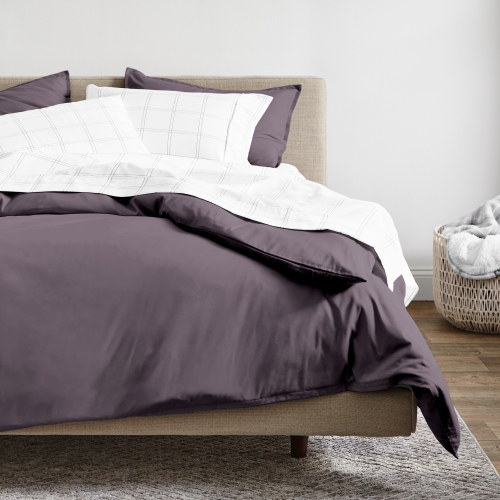
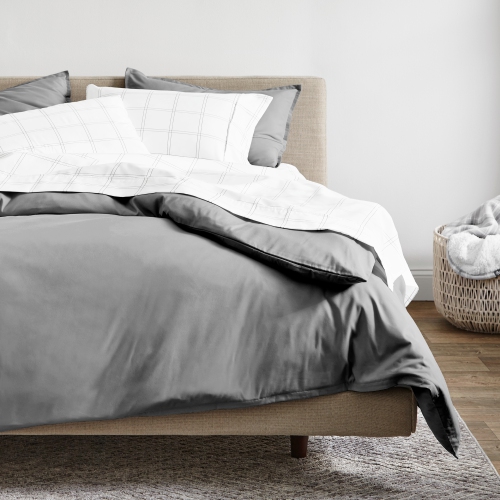
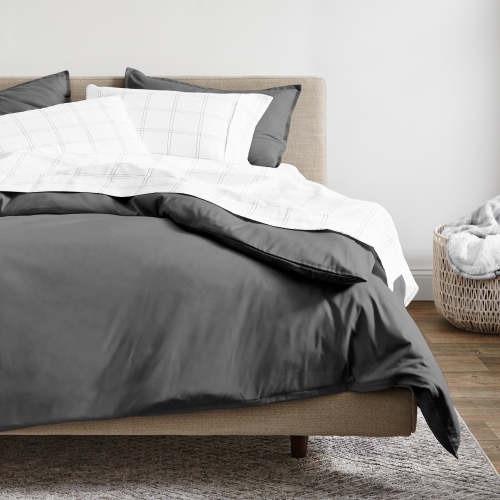
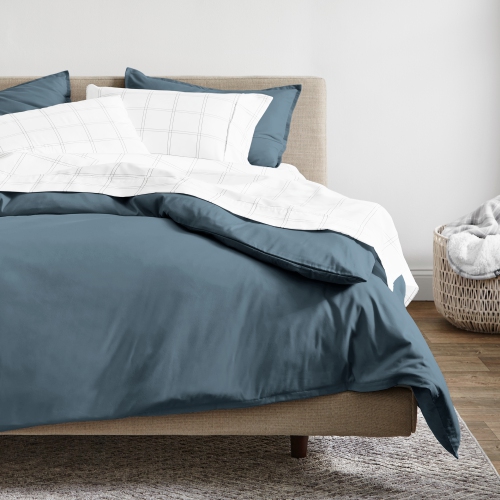
Super soft duvet covers give bedding a gentle, inviting feel while adding a removable, washable layer around a duvet insert. Their softness comes from a combination of fibre, weave, finishing, and care, rather than a single material or thread count. Cotton offers several distinct textures: percale has a matte, lightly crisp surface that can soften with laundering, while sateen has a smoother finish, a subtle sheen, and a fluid drape. Washed cotton often feels more relaxed from the start, with a gently rumpled appearance that suits an unfussy bed. Cotton muslin, made with loosely woven layers, brings a pillowy texture rather than a polished surface. Brushed fabrics have fine fibres raised during finishing, creating a peach-like touch that feels different from the sleekness of sateen. Microfibre duvet covers are typically made from fine synthetic fibres and can feel smooth or velvety, depending on their construction and whether they have been brushed. Lyocell is another option associated with a smooth surface and flowing drape, although the finished feel still depends on the fabric blend and weave. For shoppers drawn specifically to a sleek, gliding texture, Silky Duvet Covers offer a related bedding style to explore. The distinction matters because “super soft” can describe anything from fuzzy and plush to smooth and barely textured. Someone who likes the familiar feel of a well-worn cotton shirt may enjoy washed cotton, while someone who prefers fabric that slips easily against pyjamas may lean towards sateen or lyocell. Thread count alone cannot reliably capture those differences, and a higher number does not automatically mean a softer or more durable cover. Material details, weave descriptions, and finishing information together give a clearer picture of how a duvet cover may feel during everyday use. Softness is personal, so the most useful starting point is the texture already enjoyed in favourite sheets, pillowcases, or clothing.
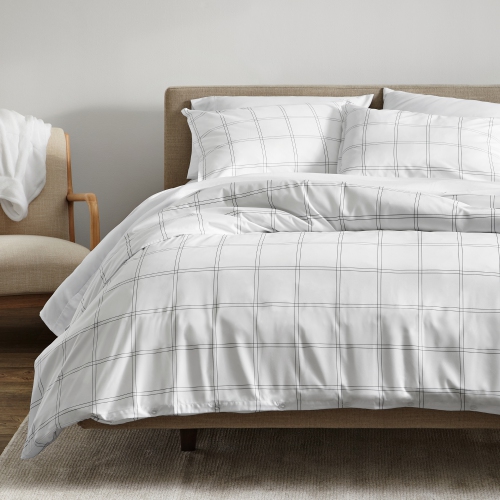
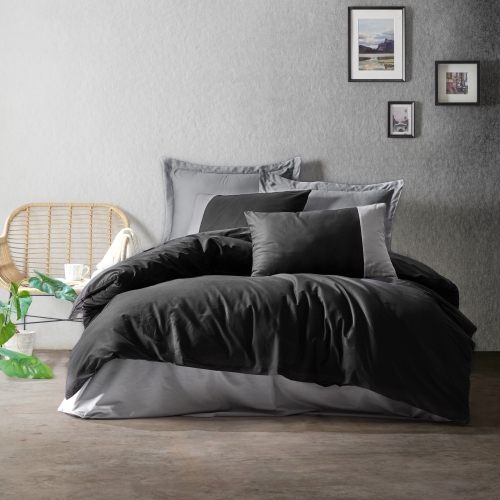
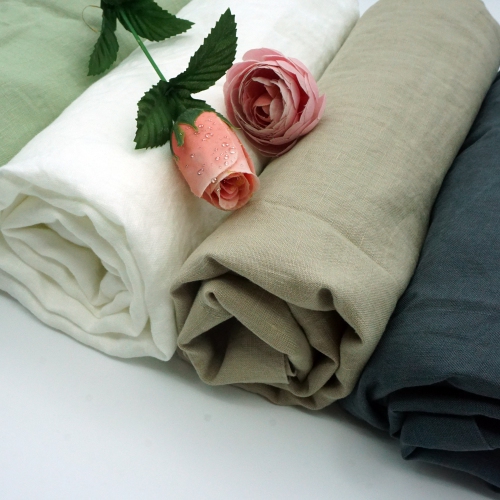
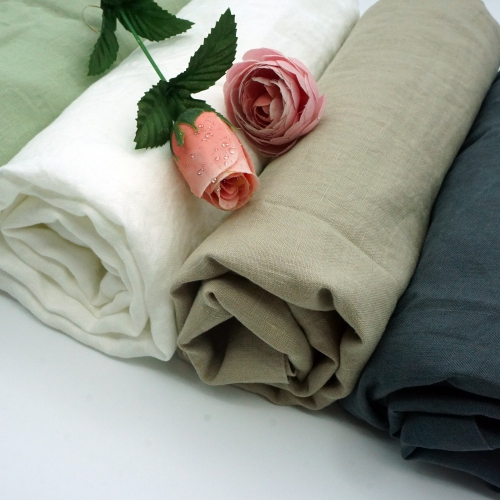
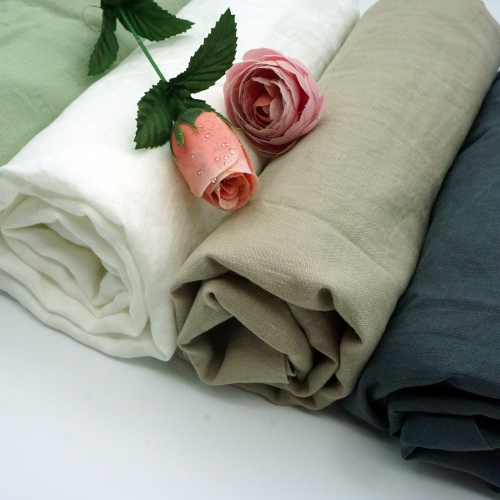
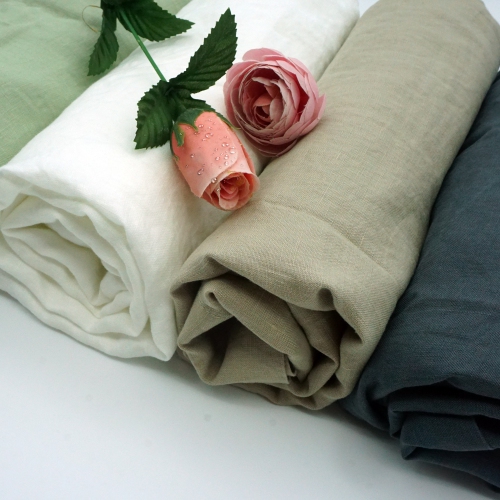
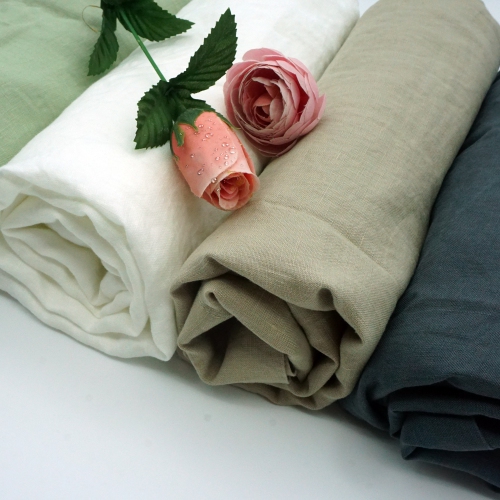
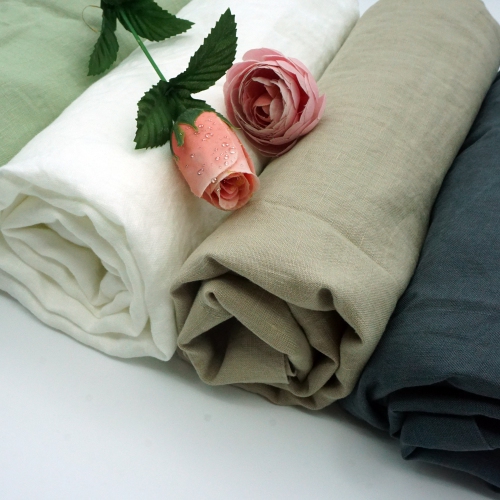
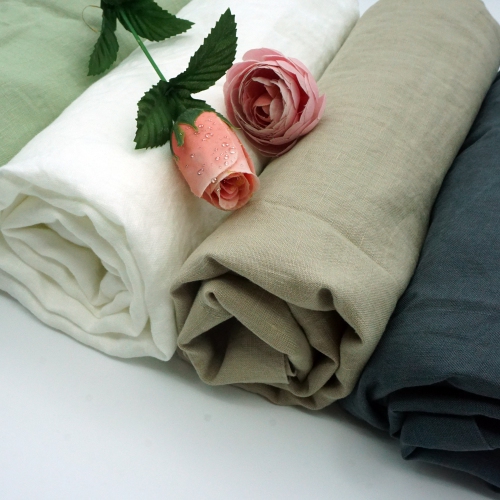
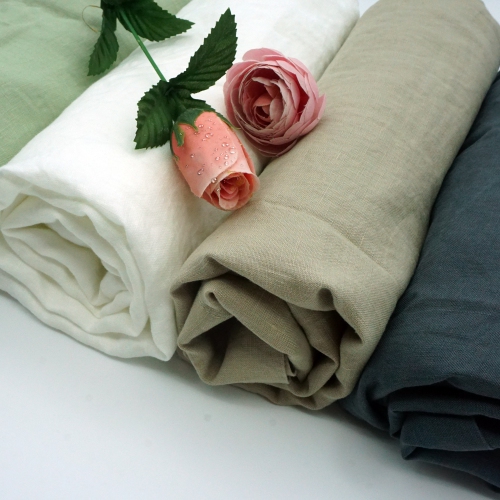
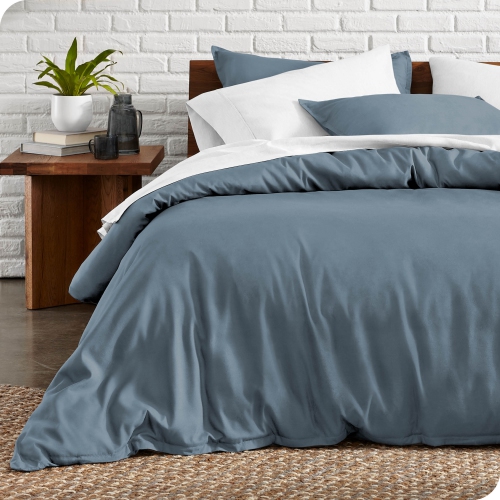
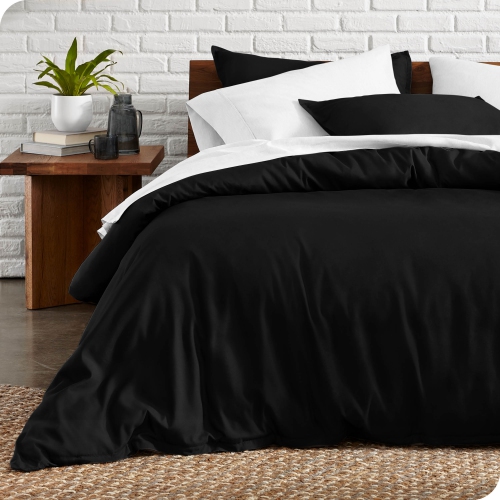
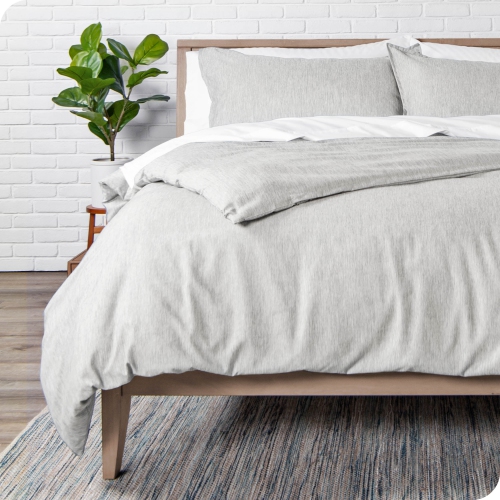
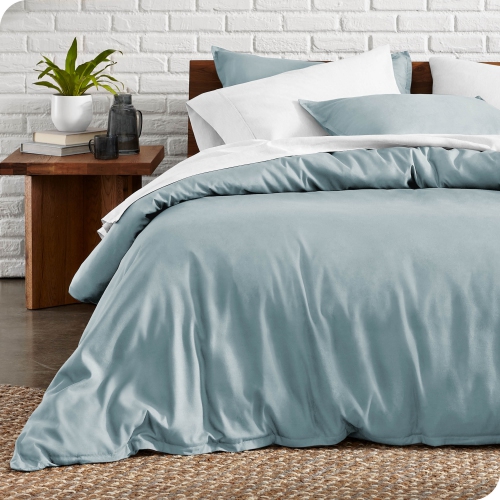
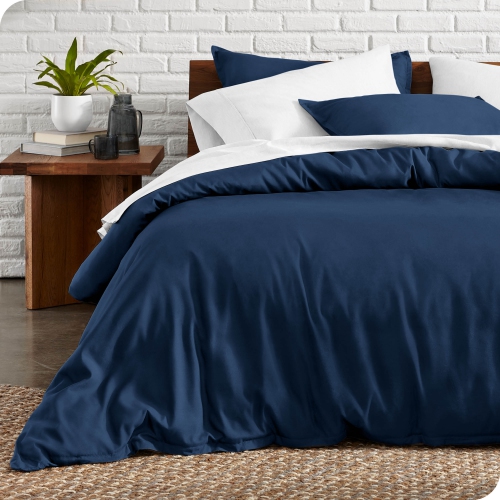
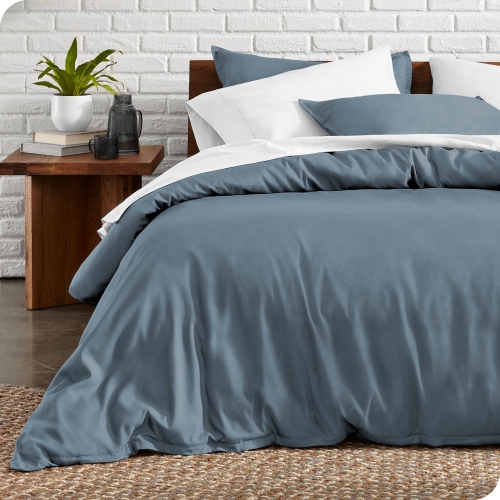
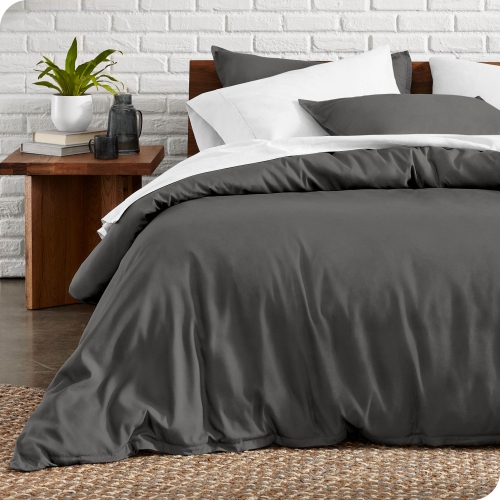
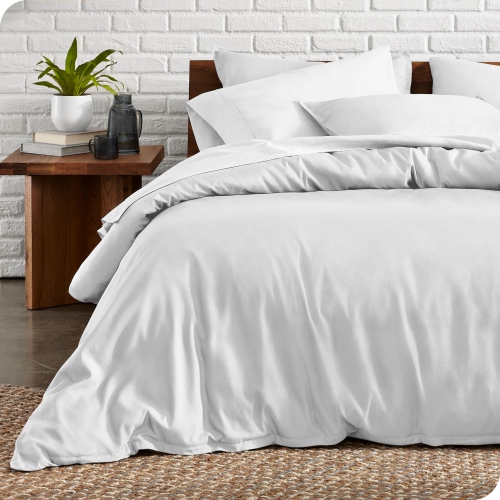
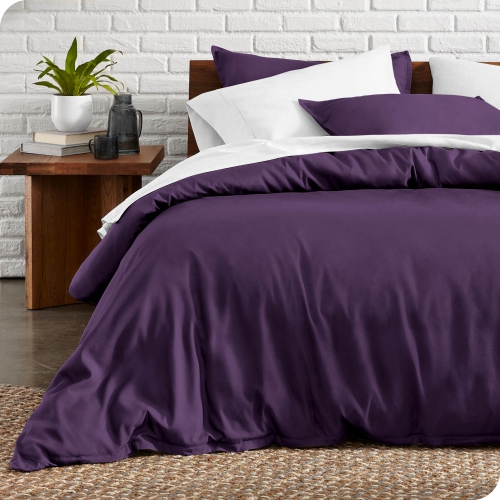
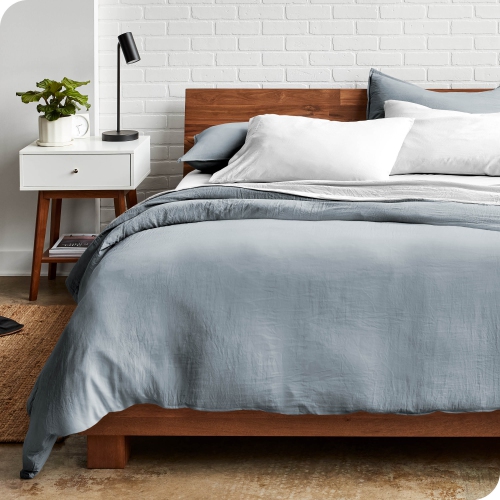
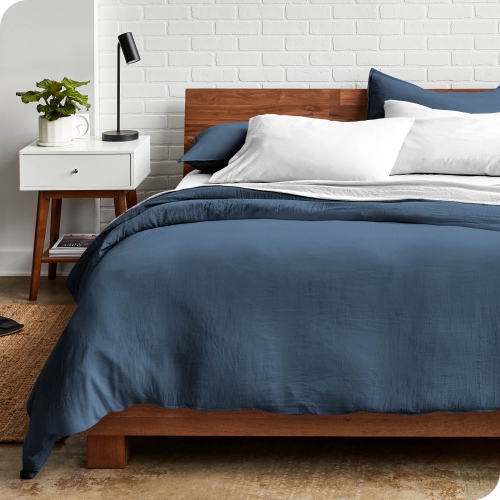
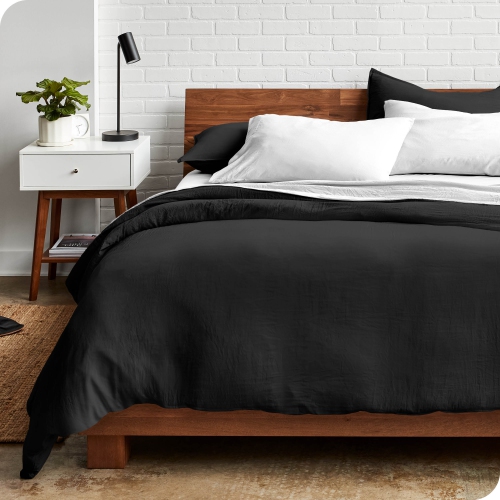
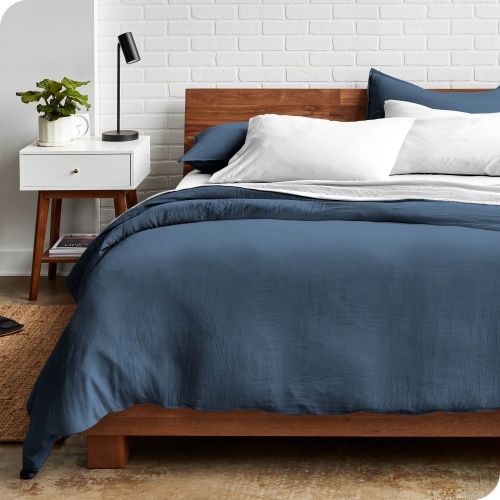
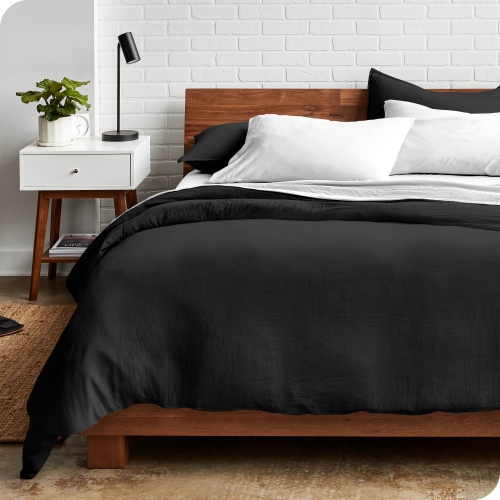
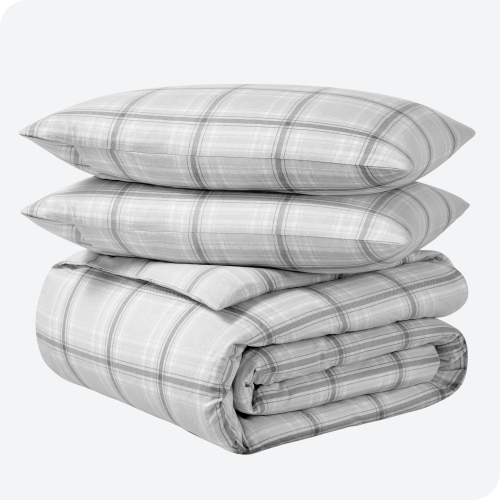
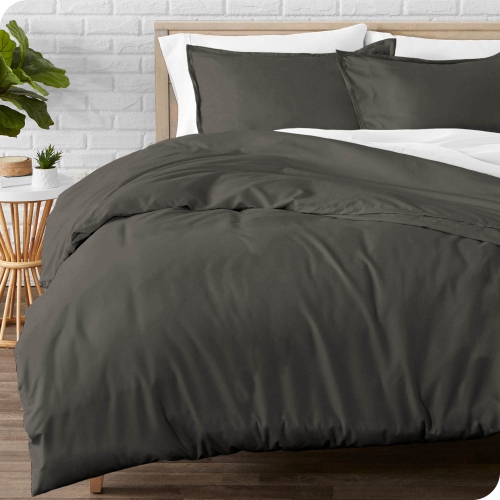
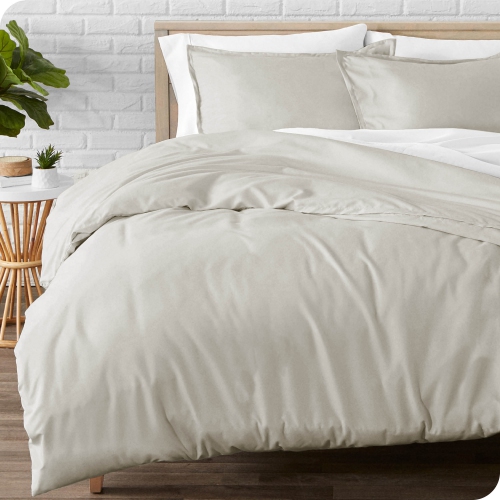
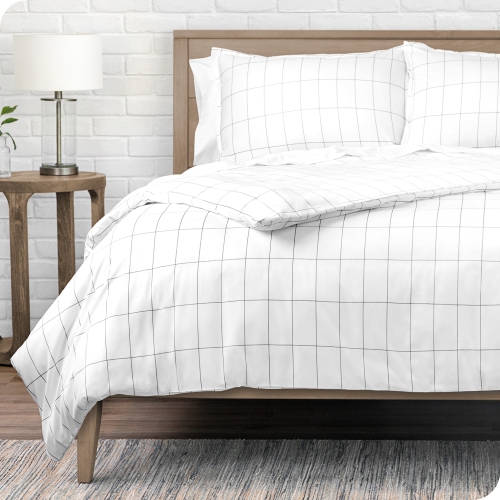
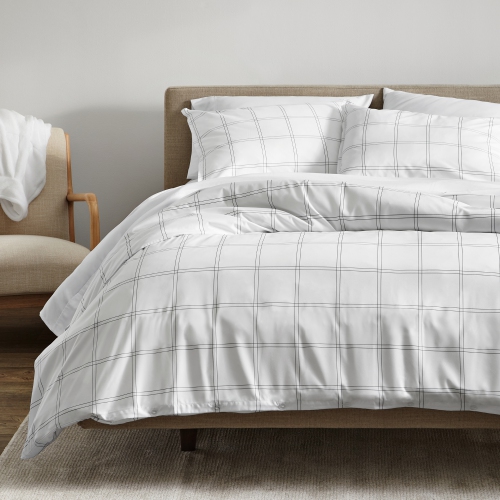
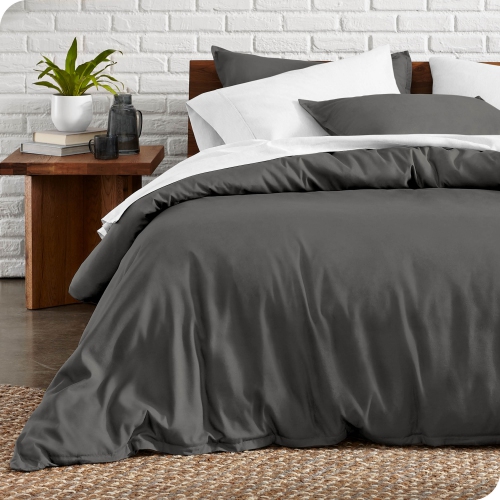
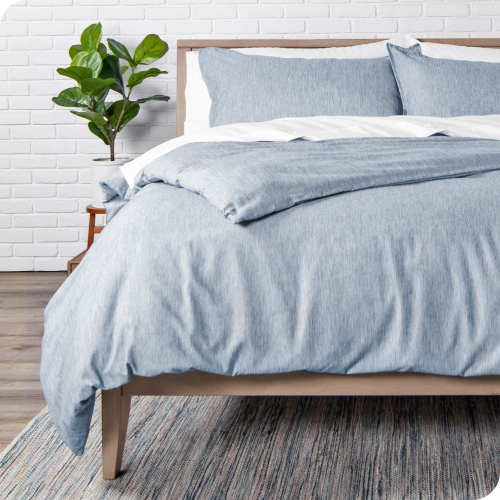
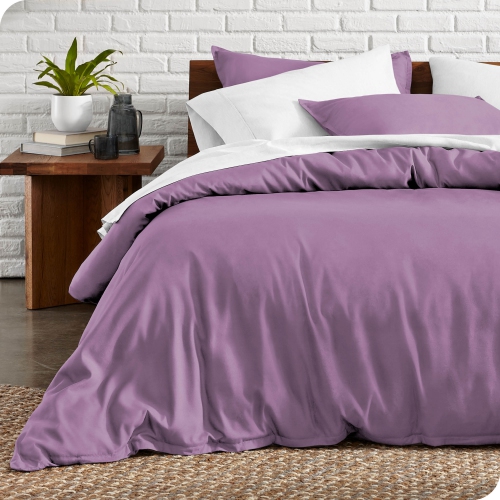
Fit and construction help turn a soft fabric into bedding that stays comfortable and looks settled on the bed. A duvet cover is a fabric shell, not a filled blanket, so its dimensions need to work with the insert placed inside it. Twin, double, queen, and king labels provide a starting point, but measurements can vary between manufacturers, especially with combined size names such as double/queen. Comparing the stated width and length of the cover with the insert helps avoid excess fabric at the edges or filling that bunches into an uneven shape. Mattress depth and the amount of overhang also influence the finished look: a deeper mattress may leave less fabric falling along the sides, even when the duvet and cover match each other properly. Interior corner ties can help hold an insert in place when it has corresponding loops, and additional attachment points may help limit shifting across a wider bed. Secure closures matter as well. Buttons can be straightforward to refasten or replace, while a zipper gives the opening a more enclosed finish; a concealed closure keeps the fastening tucked away from the visible edge. For a shared bed, an insert that remains evenly distributed means less tugging at loose fabric when either sleeper turns over. Colour and surface texture shape the room just as much as these practical details. A soft white or cream cover creates a simple backdrop for patterned cushions, while muted blue, sage, or charcoal can give a neutral room more definition. Pale shades tend to show marks more readily, whereas some dark fabrics make lint and pet hair more noticeable. A lightly crinkled finish feels at home on a casually made bed, while a smooth weave gives folded edges a more tailored appearance. Coordinating pillow shams can bring the bedding together, but package contents deserve attention because a duvet cover does not always include shams, pillowcases, or an insert.
Keeping a duvet cover soft starts with care that suits its fibre content and construction. Many covers are machine washable, but the care label determines the appropriate wash cycle, drying method, and any limits on ironing or stain treatment. Giving the fabric enough room to move in the drum helps with washing and rinsing; a large cover crammed beside towels and clothing may emerge with detergent residue or tightly twisted sections. Using the recommended amount of detergent is usually more helpful than adding extra, which can leave a coating that changes the hand of the fabric. Fabric softener is not essential to achieving a soft finish and may be unsuitable for some materials, so it is worth checking the care instructions before using it. Fastening the opening before laundering, when recommended, can help keep smaller laundry pieces from getting trapped inside. Drying according to the label and removing the cover promptly can reduce deep creasing, while making sure it is completely dry before storing helps keep a linen cupboard fresh. Durability also depends on everyday friction. Raised fibres on brushed surfaces may develop pills over time, and loose weaves or delicate finishes can catch on sharp jewellery, rough zippers, or pets’ claws. Neat seams, well-secured fastenings, and suitable laundering all contribute to a cover holding its shape and remaining pleasant to handle. In a busy household, an easy-care cover may be the practical choice for a frequently used bed, while a guest room may benefit from a finish that looks relaxed without careful pressing. Having a second cover ready makes it easier to refresh the bed without waiting for a wash cycle to finish. Super soft duvet covers can also be thoughtful housewarming or wedding gifts when the recipient’s duvet size, preferred colours, and laundry needs are known. For a student setting up a first room, a couple refreshing shared bedding, or anyone replacing a cover that has become rough or worn, the lasting appeal lies in a familiar daily detail: fabric that feels pleasant when pulled into place and remains manageable long after the bed is made.
Fit and construction help turn a soft fabric into bedding that stays comfortable and looks settled on the bed. A duvet cover is a fabric shell, not a filled blanket, so its dimensions need to work with the insert placed inside it. Twin, double, queen, and king labels provide a starting point, but measurements can vary between manufacturers, especially with combined size names such as double/queen. Comparing the stated width and length of the cover with the insert helps avoid excess fabric at the edges or filling that bunches into an uneven shape. Mattress depth and the amount of overhang also influence the finished look: a deeper mattress may leave less fabric falling along the sides, even when the duvet and cover match each other properly. Interior corner ties can help hold an insert in place when it has corresponding loops, and additional attachment points may help limit shifting across a wider bed. Secure closures matter as well. Buttons can be straightforward to refasten or replace, while a zipper gives the opening a more enclosed finish; a concealed closure keeps the fastening tucked away from the visible edge. For a shared bed, an insert that remains evenly distributed means less tugging at loose fabric when either sleeper turns over. Colour and surface texture shape the room just as much as these practical details. A soft white or cream cover creates a simple backdrop for patterned cushions, while muted blue, sage, or charcoal can give a neutral room more definition. Pale shades tend to show marks more readily, whereas some dark fabrics make lint and pet hair more noticeable. A lightly crinkled finish feels at home on a casually made bed, while a smooth weave gives folded edges a more tailored appearance. Coordinating pillow shams can bring the bedding together, but package contents deserve attention because a duvet cover does not always include shams, pillowcases, or an insert.
Keeping a duvet cover soft starts with care that suits its fibre content and construction. Many covers are machine washable, but the care label determines the appropriate wash cycle, drying method, and any limits on ironing or stain treatment. Giving the fabric enough room to move in the drum helps with washing and rinsing; a large cover crammed beside towels and clothing may emerge with detergent residue or tightly twisted sections. Using the recommended amount of detergent is usually more helpful than adding extra, which can leave a coating that changes the hand of the fabric. Fabric softener is not essential to achieving a soft finish and may be unsuitable for some materials, so it is worth checking the care instructions before using it. Fastening the opening before laundering, when recommended, can help keep smaller laundry pieces from getting trapped inside. Drying according to the label and removing the cover promptly can reduce deep creasing, while making sure it is completely dry before storing helps keep a linen cupboard fresh. Durability also depends on everyday friction. Raised fibres on brushed surfaces may develop pills over time, and loose weaves or delicate finishes can catch on sharp jewellery, rough zippers, or pets’ claws. Neat seams, well-secured fastenings, and suitable laundering all contribute to a cover holding its shape and remaining pleasant to handle. In a busy household, an easy-care cover may be the practical choice for a frequently used bed, while a guest room may benefit from a finish that looks relaxed without careful pressing. Having a second cover ready makes it easier to refresh the bed without waiting for a wash cycle to finish. Super soft duvet covers can also be thoughtful housewarming or wedding gifts when the recipient’s duvet size, preferred colours, and laundry needs are known. For a student setting up a first room, a couple refreshing shared bedding, or anyone replacing a cover that has become rough or worn, the lasting appeal lies in a familiar daily detail: fabric that feels pleasant when pulled into place and remains manageable long after the bed is made.
Top selling and popular products
-
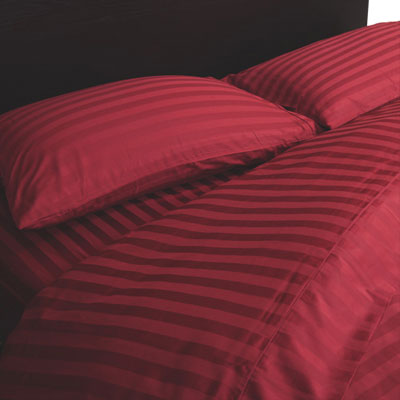 Your price for this item is $134.99
 -
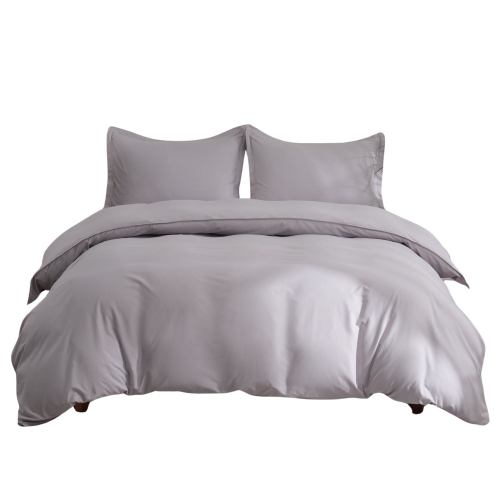 Your price for this item is $270
 -
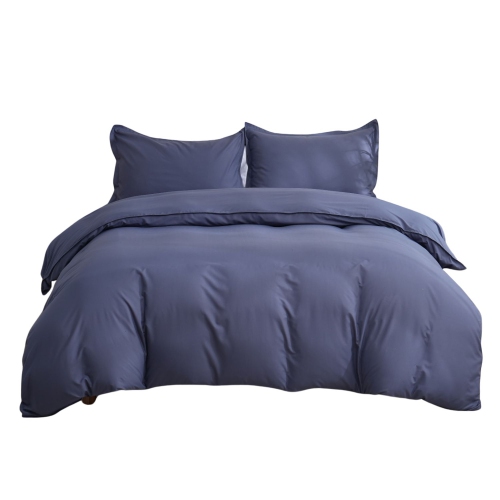 Your price for this item is $240
 -
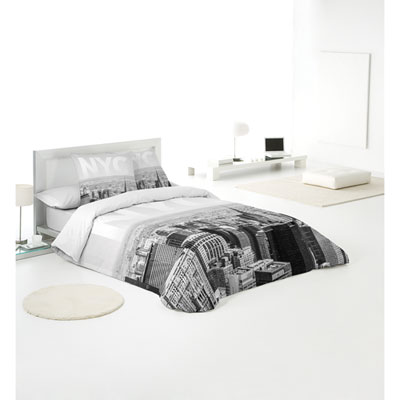 Your price for this item is $135.98
 -
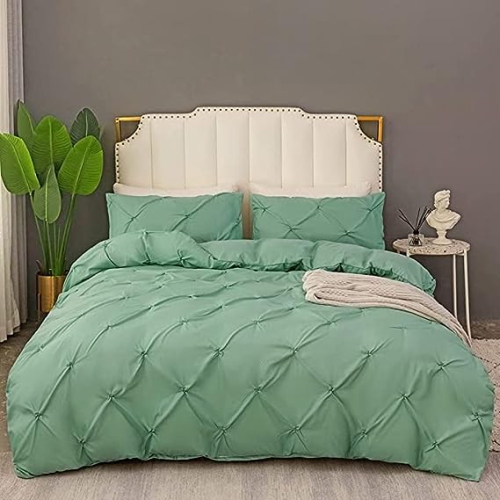 Your price for this item is $39.99
 -
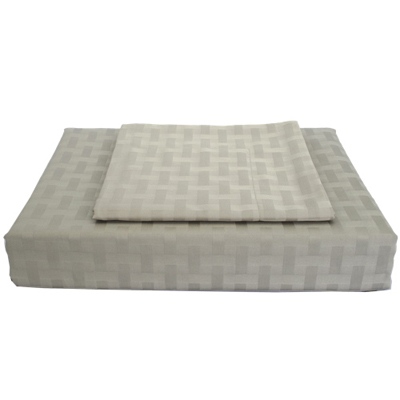 Your price for this item is $189.99
 -
 Your price for this item is $149.99
 -
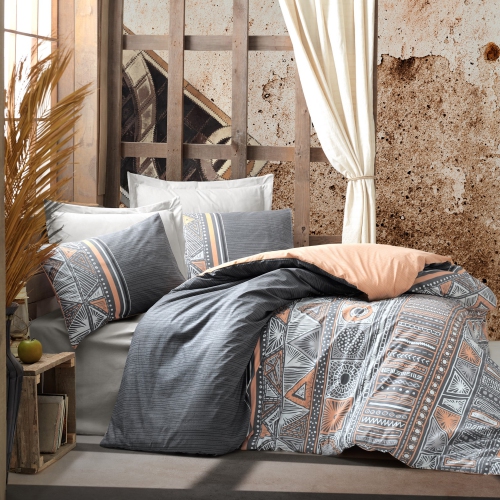 Your price for this item is $139.99
Discover more categories related to Super Soft Duvet Covers
Top Collections:
Pokemon Centers, Kindle Devices, Best Budget Office Chairs, Apple iPhones 16, Best Laptops for Writers, iPhone 15 Apple, Canon G7X Cameras, Refurbished Apple Laptops, Alarm Clock, Motorola Razr Phones
Some products may be subject to Environmental Handling Fees
(EHF) depending on your province.
Learn more about EHFs.