Tall Black Storage Cabinets
Looking for a sleek and stylish solution to declutter your space? Tall black storage cabinets offer the perfect combination of functionality and aesthetics. Whether you need extra storage in your living room, bedroom, or office, these cabinets are designed to meet your organizational needs while adding a touch of modern elegance to almost any room. Here are some great options available.
Sort
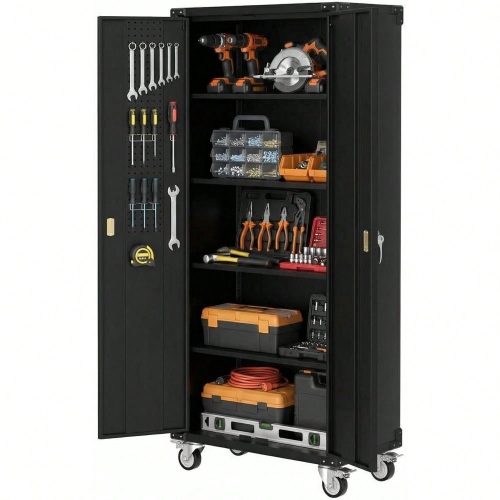
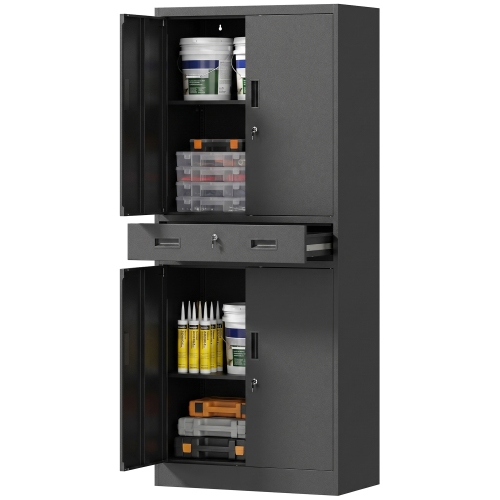
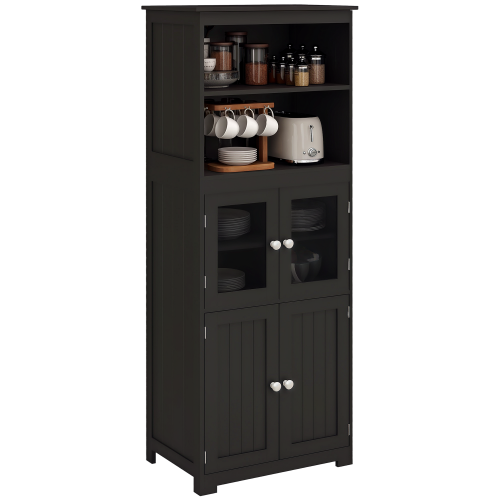
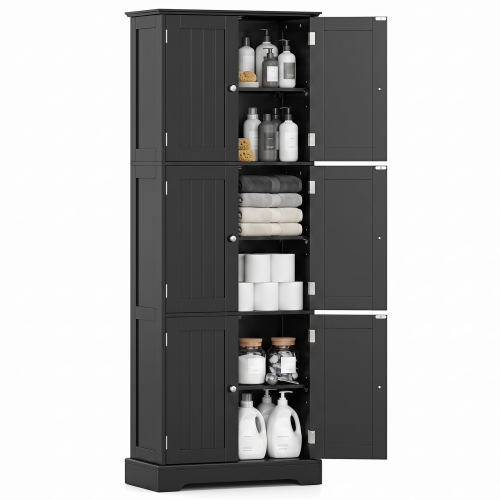


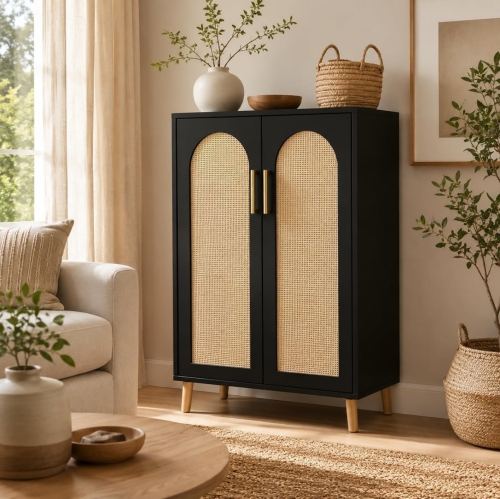
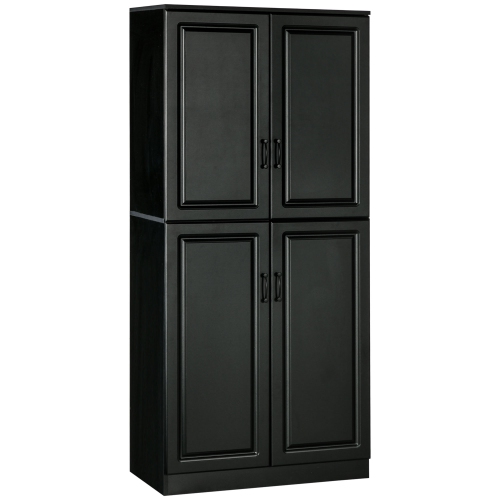
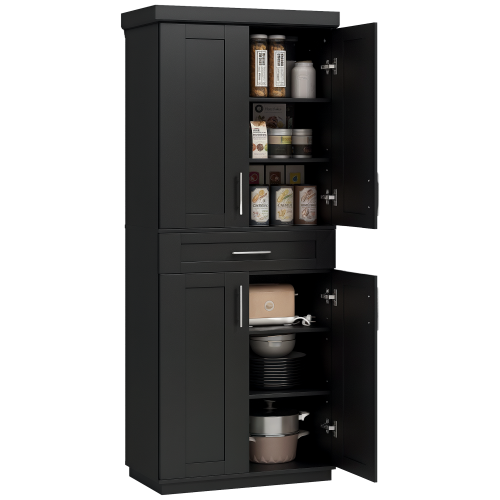
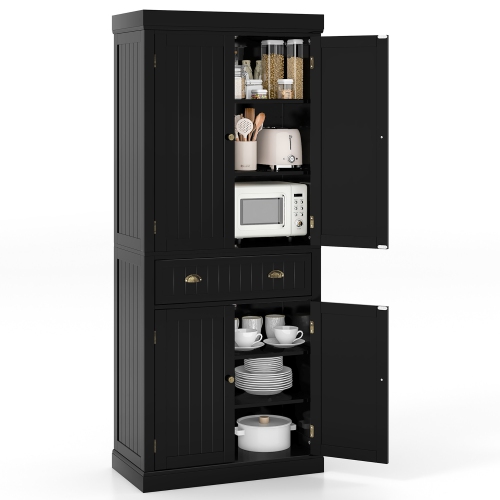
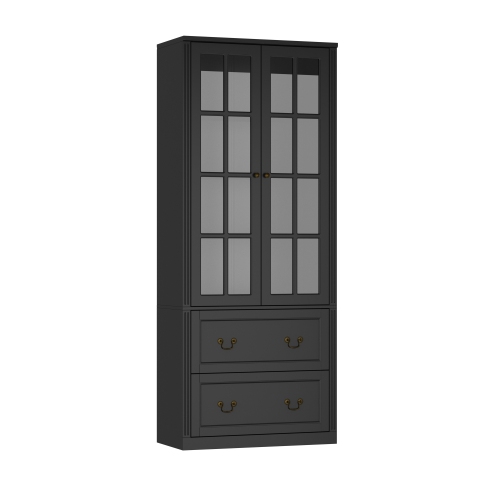

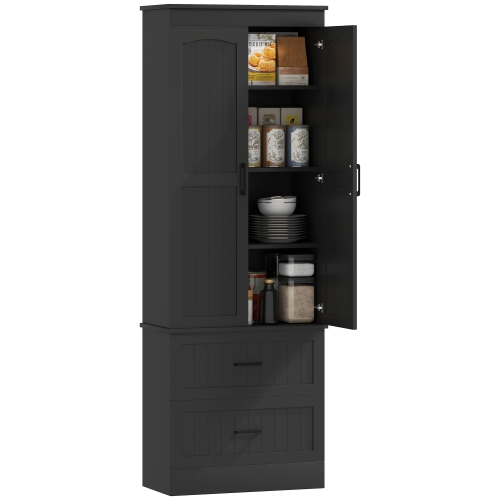
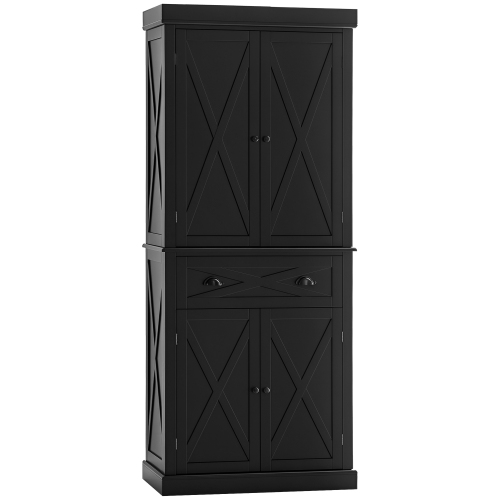
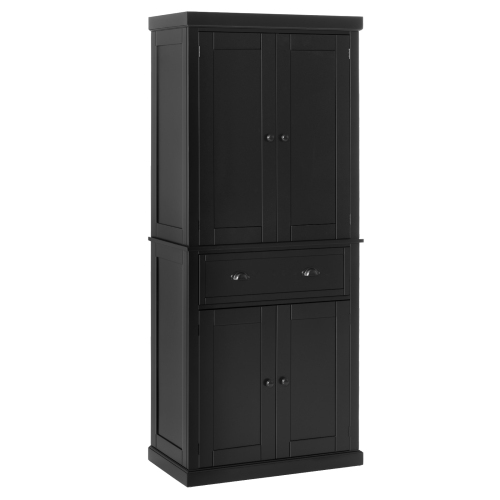
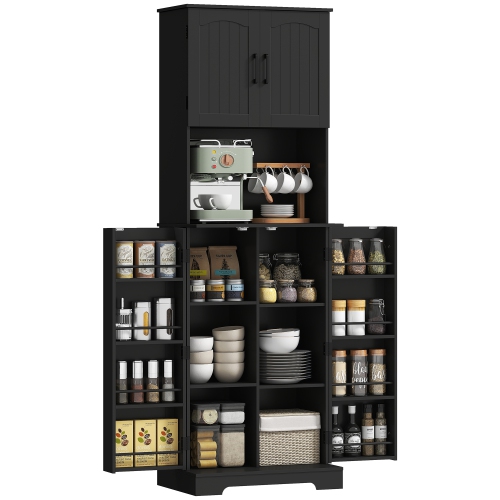
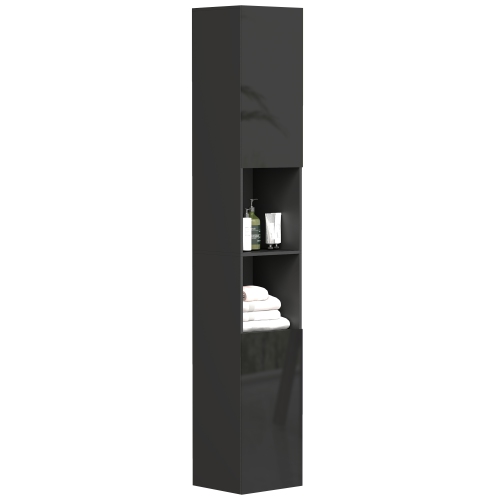
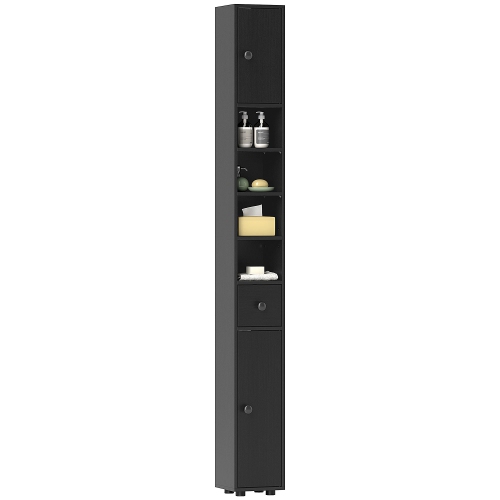
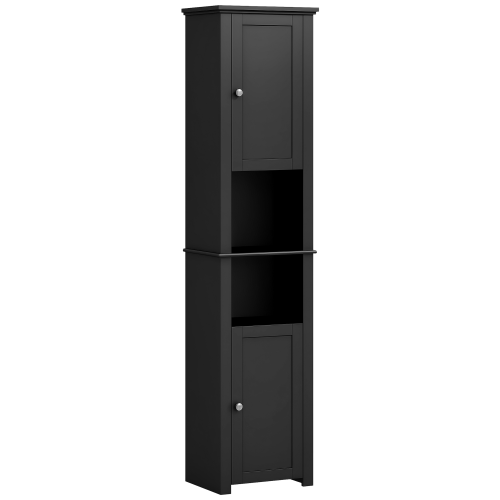

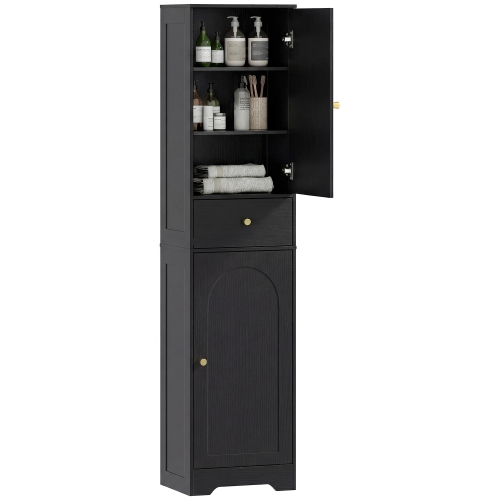
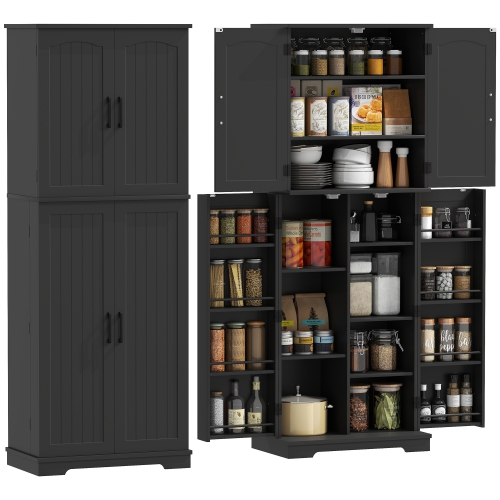

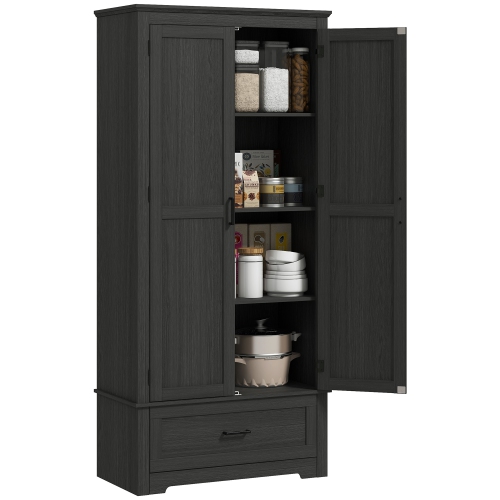
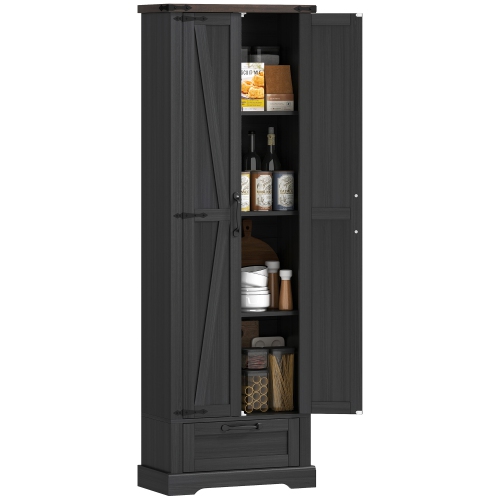
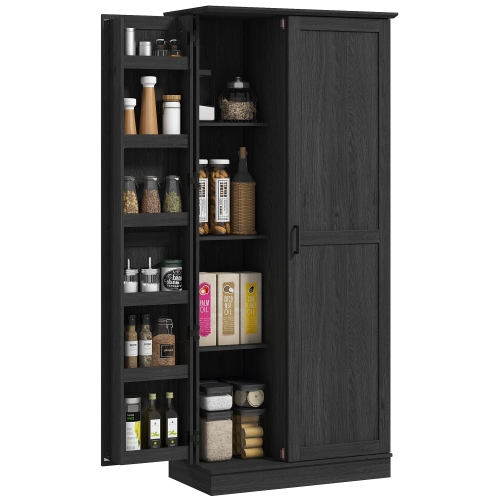
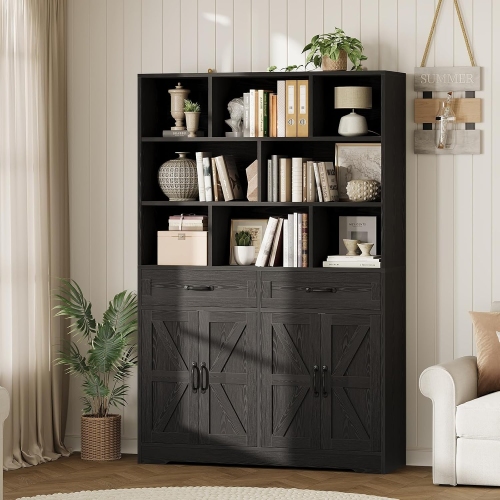
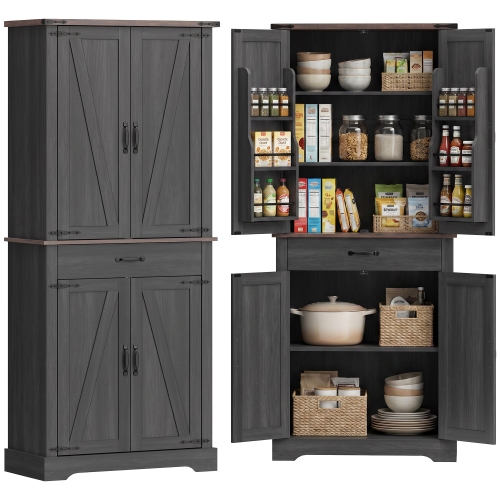

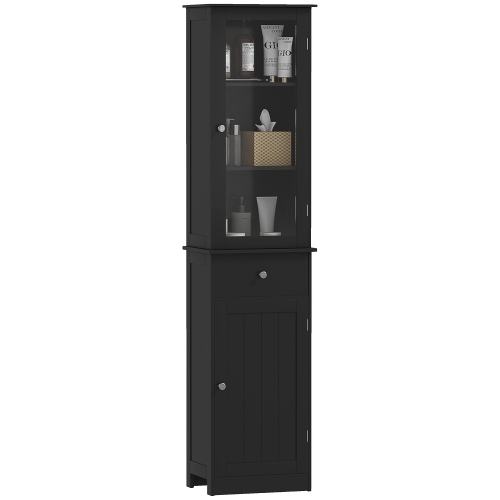
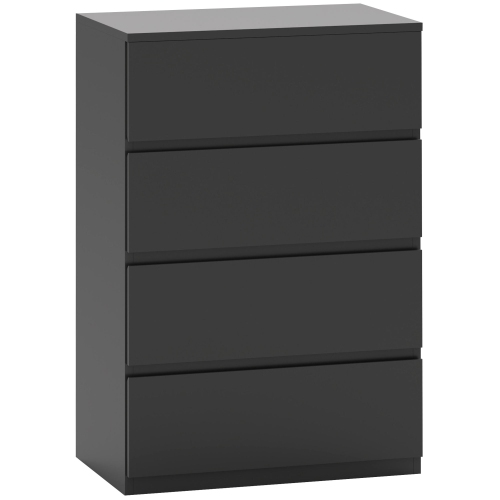


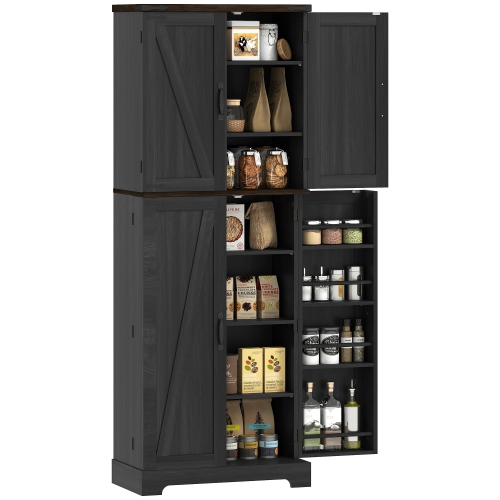
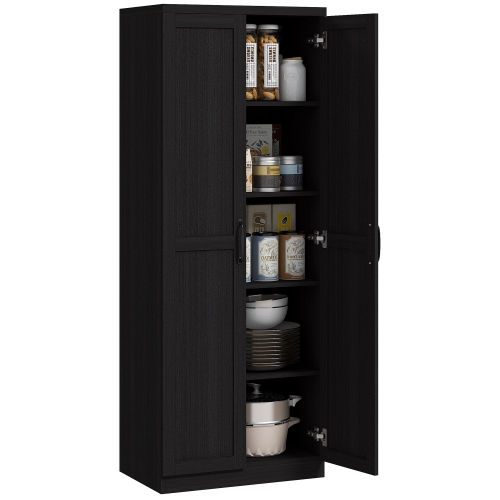

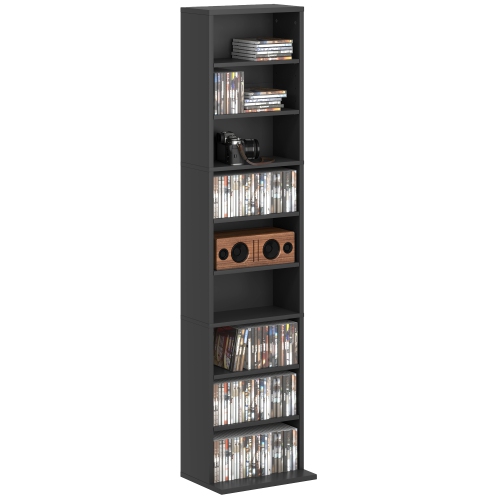


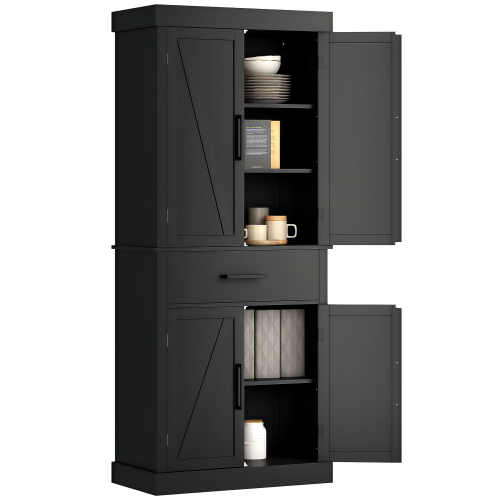
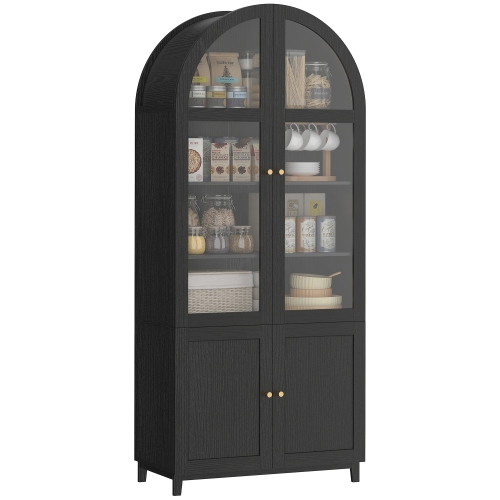
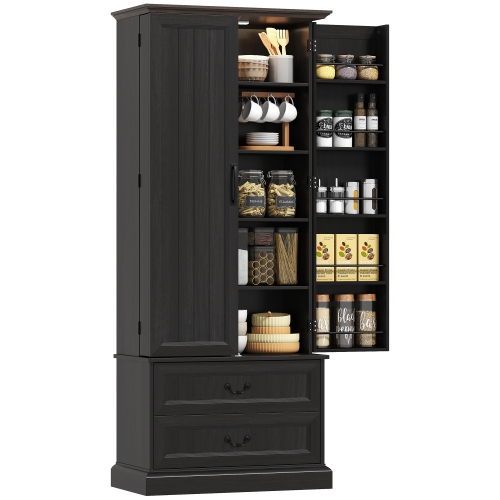
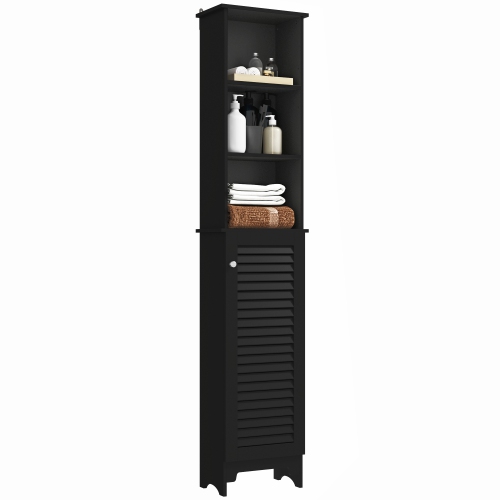
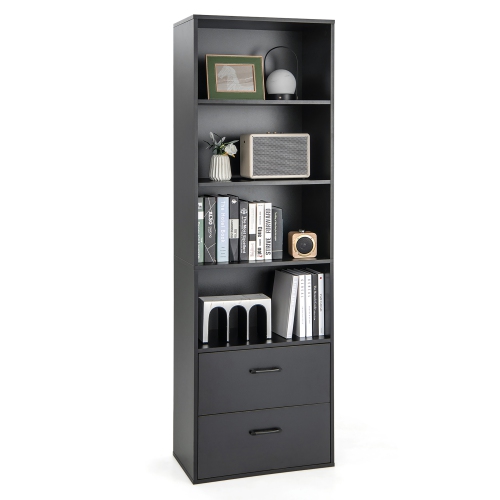
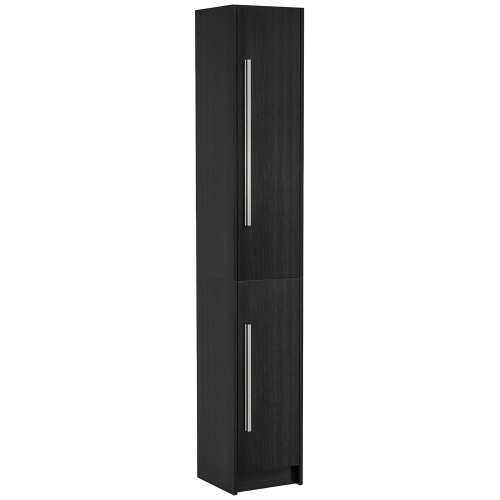
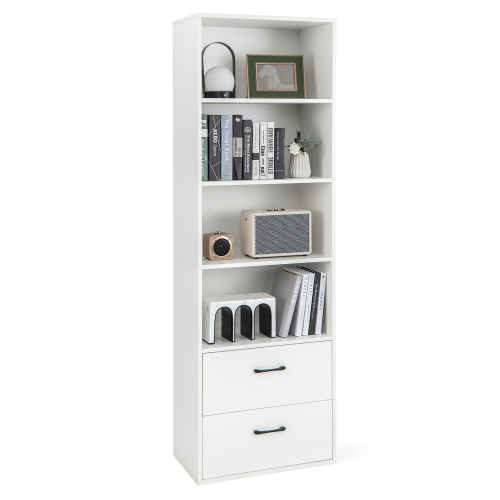
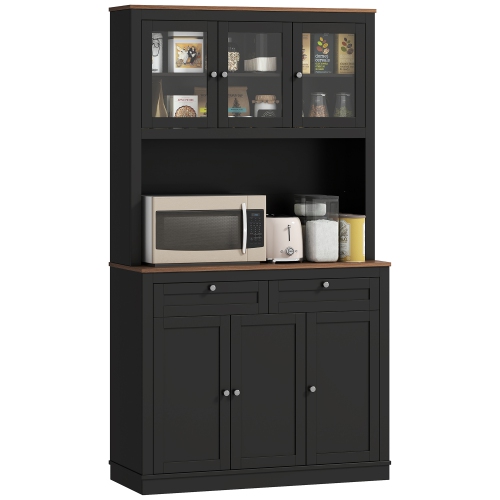
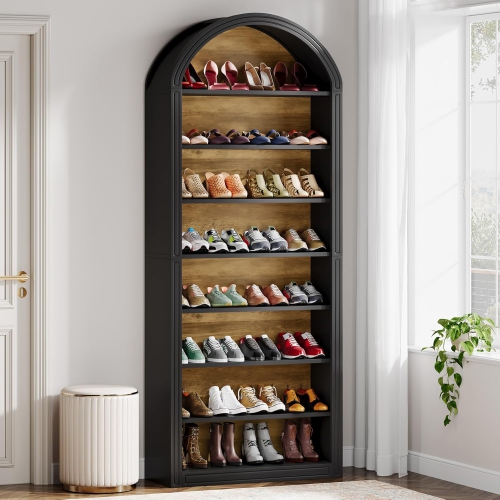

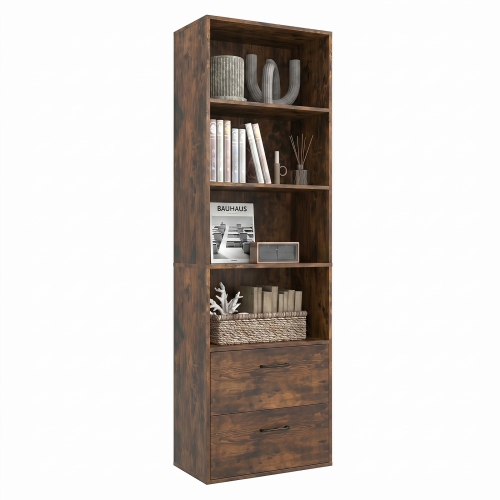
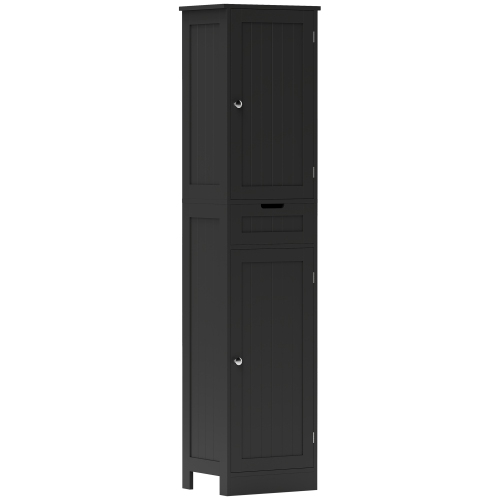
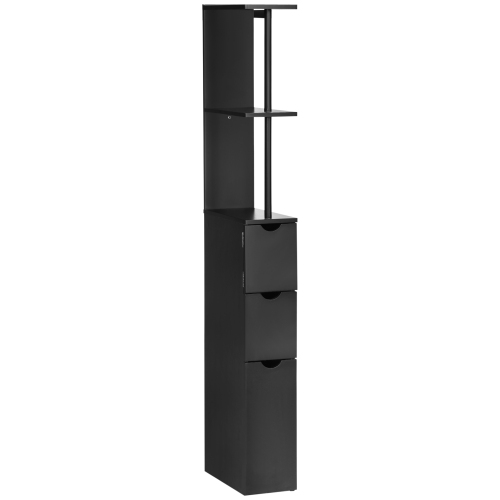
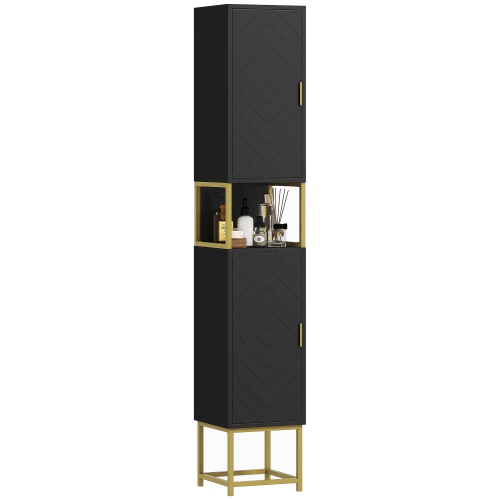
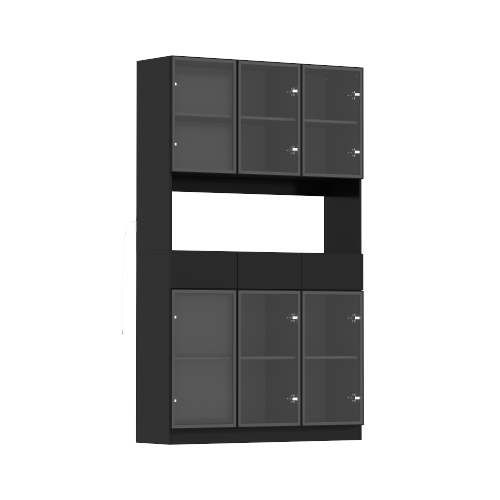

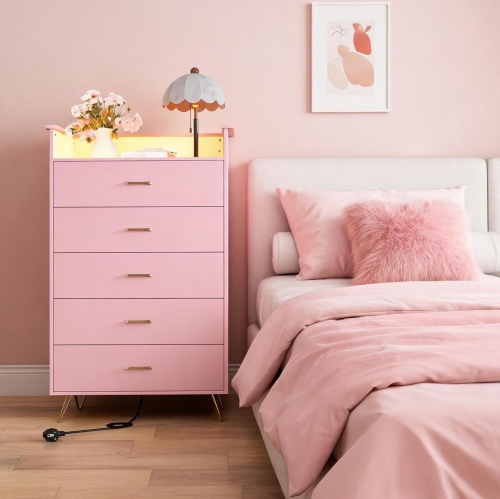
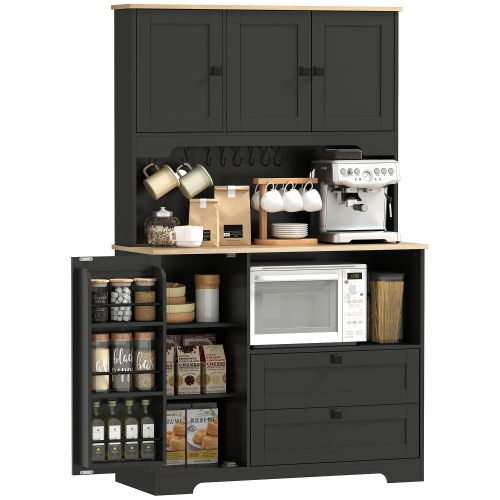
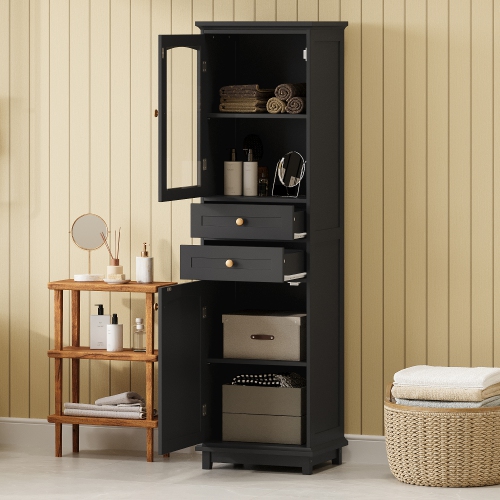
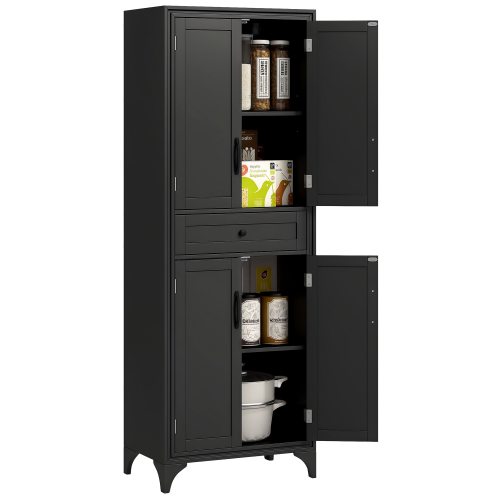
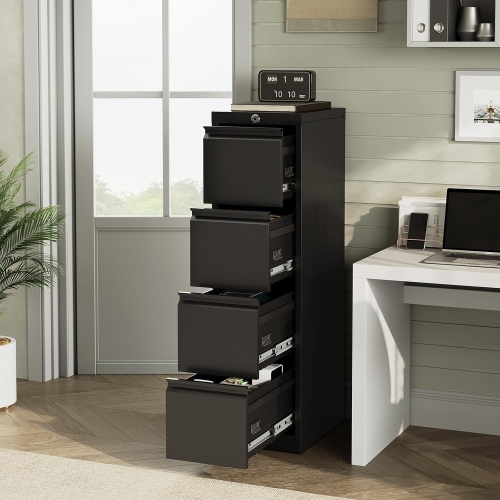

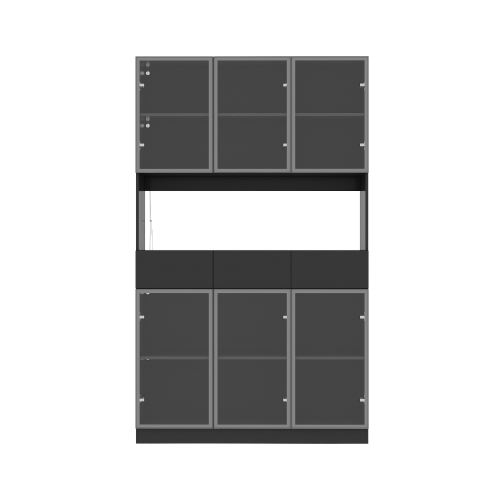
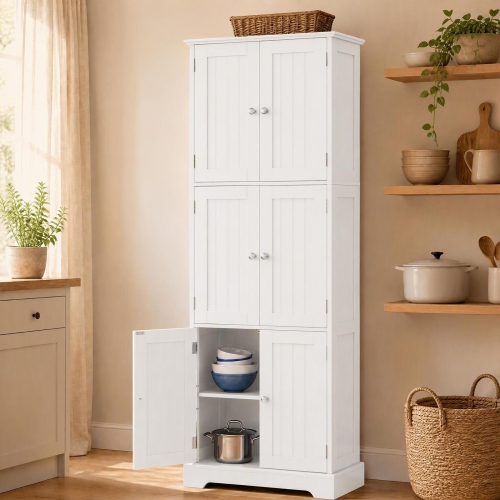
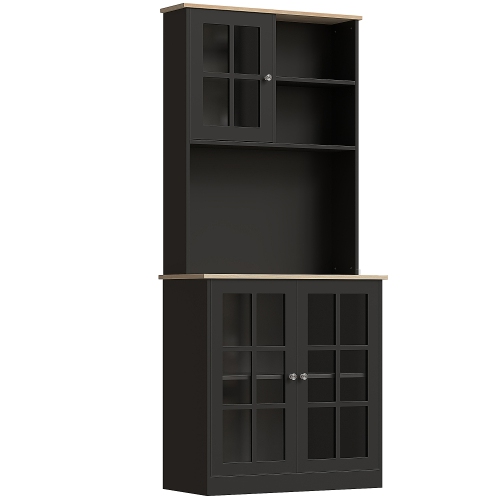
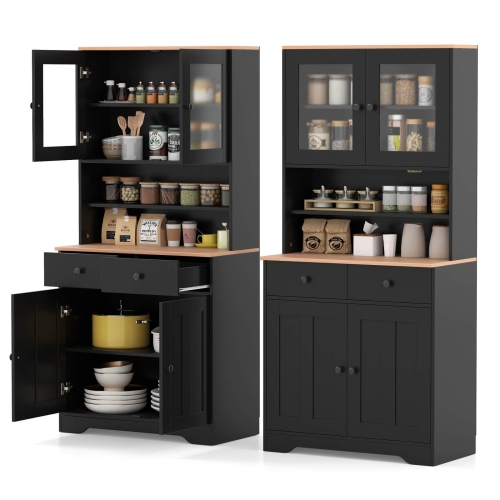
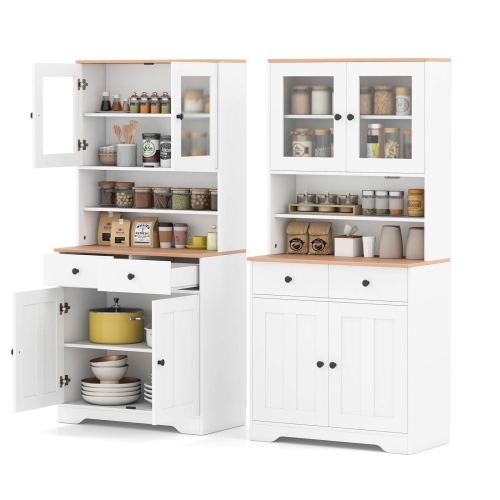
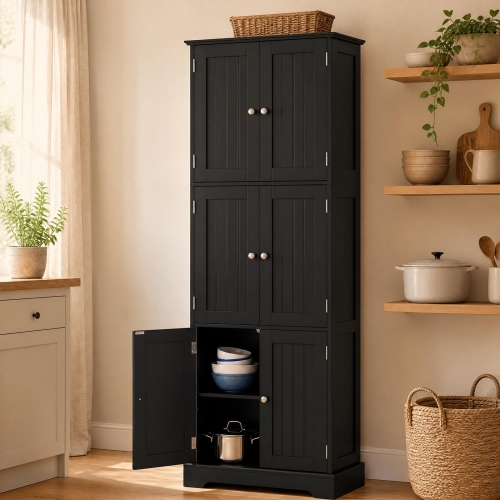

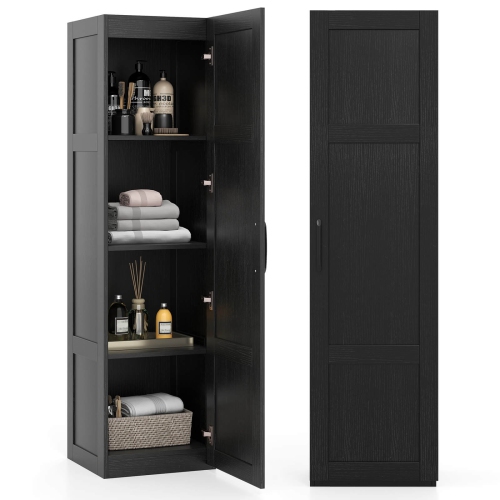


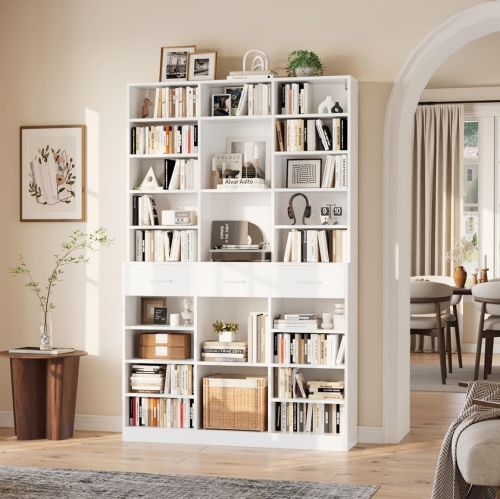

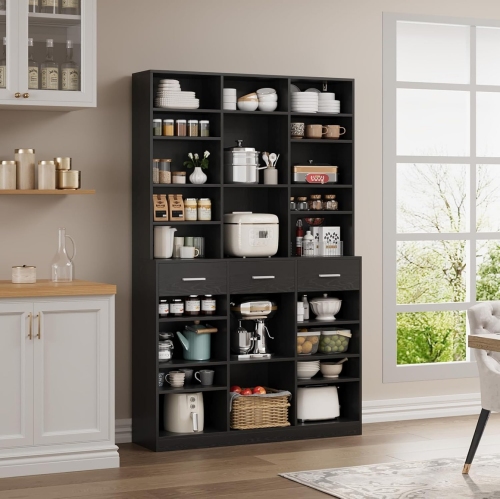
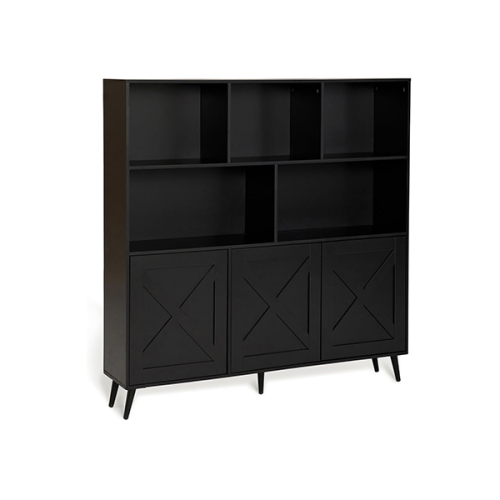
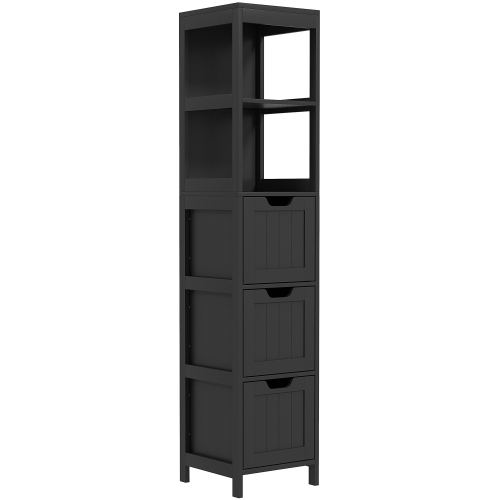
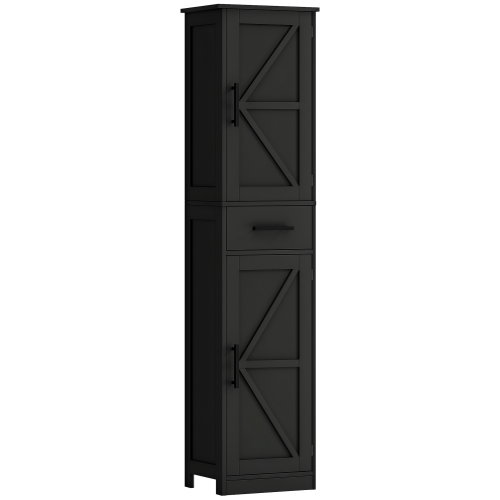
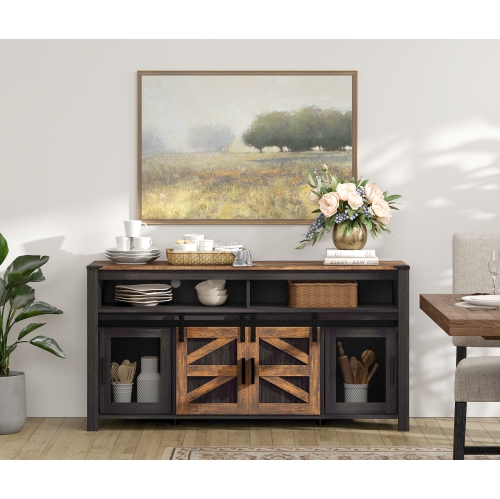
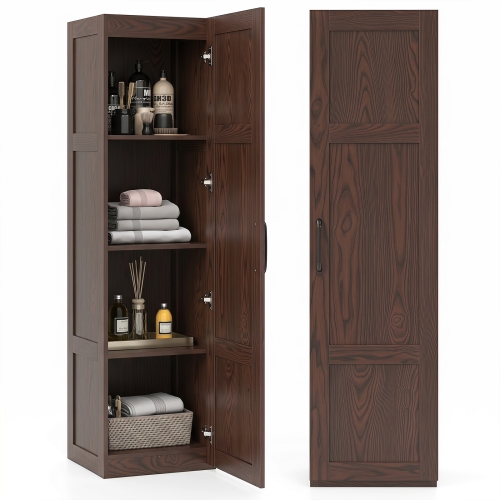

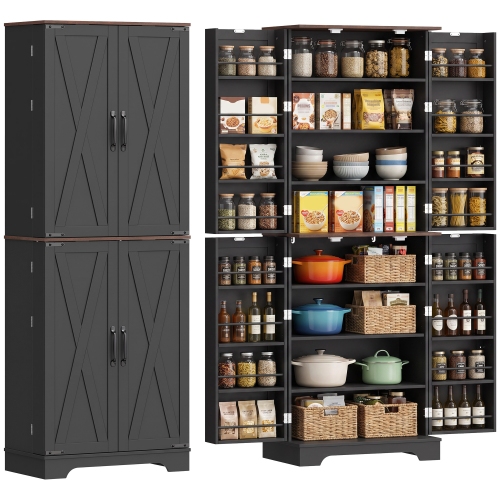

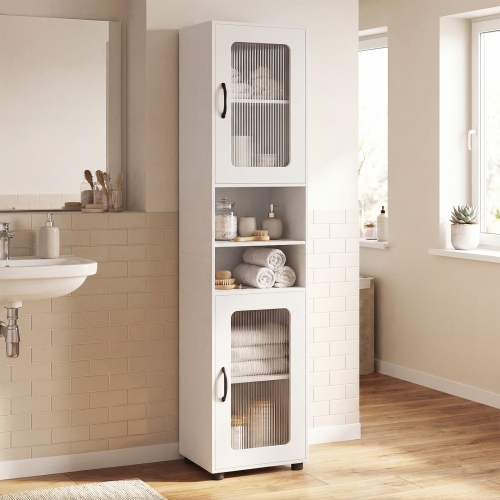
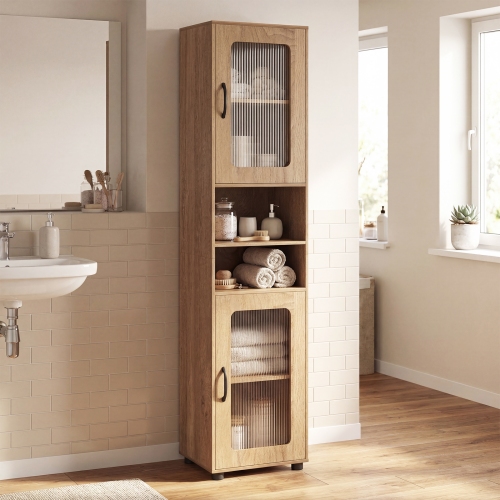
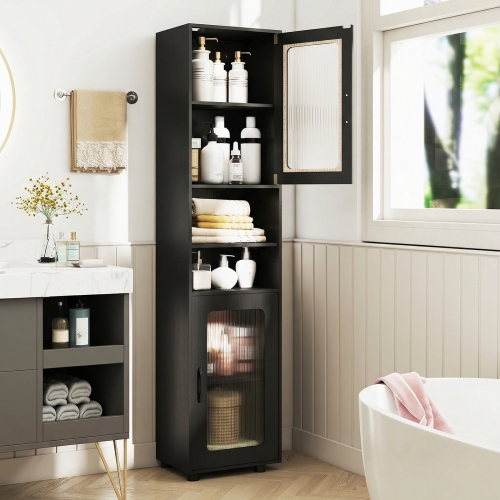
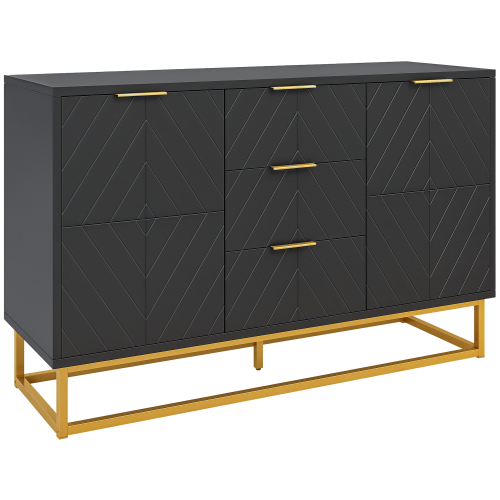
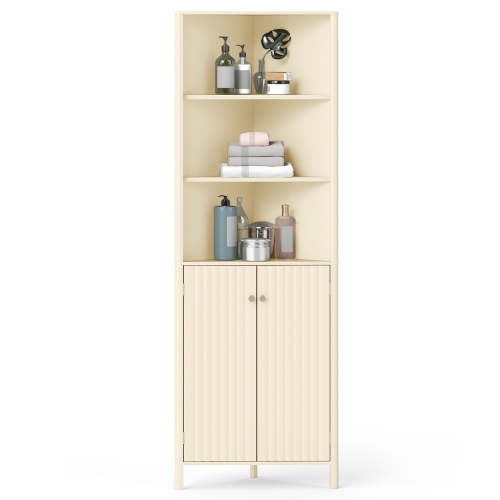
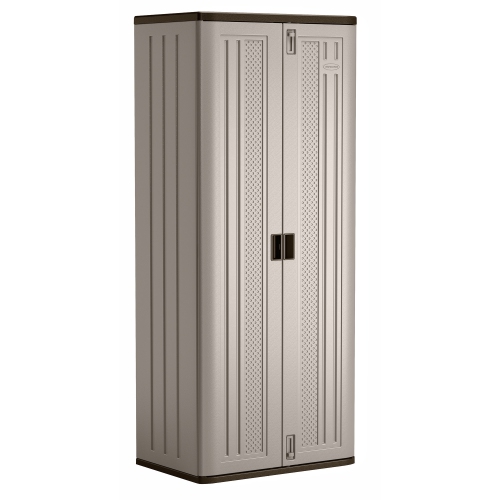



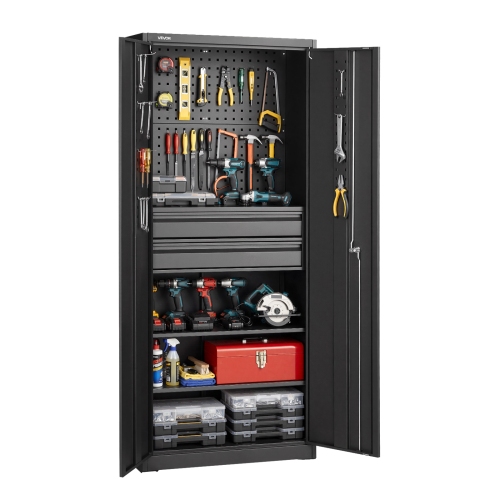
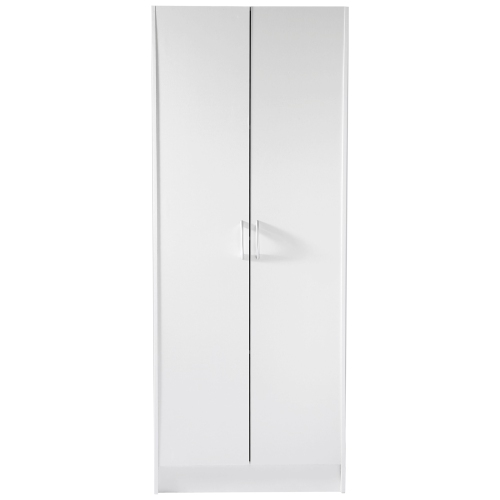


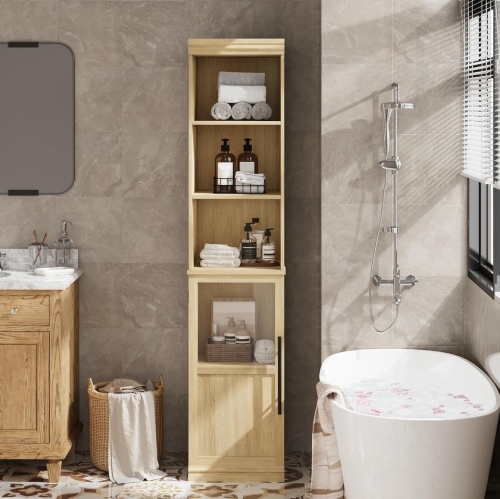
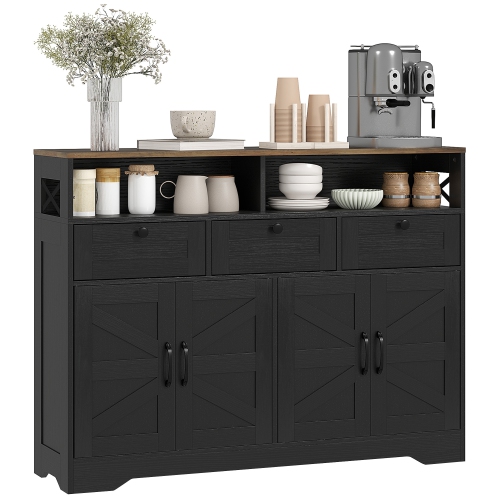
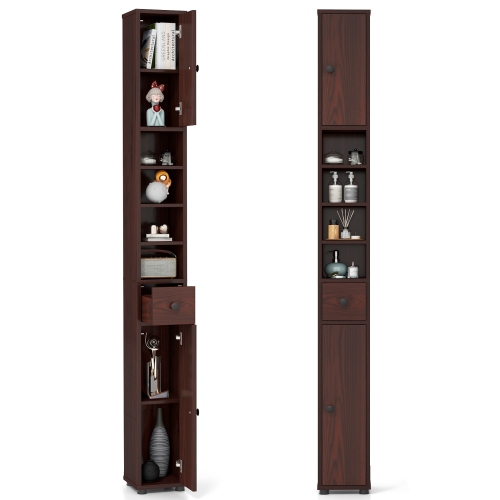
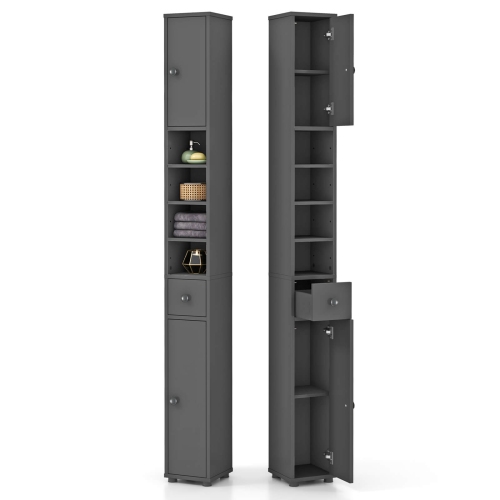


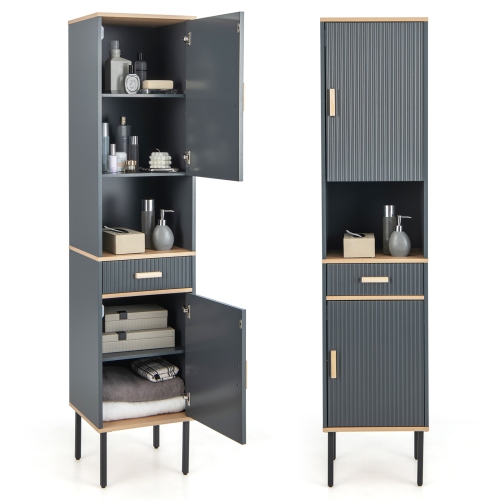
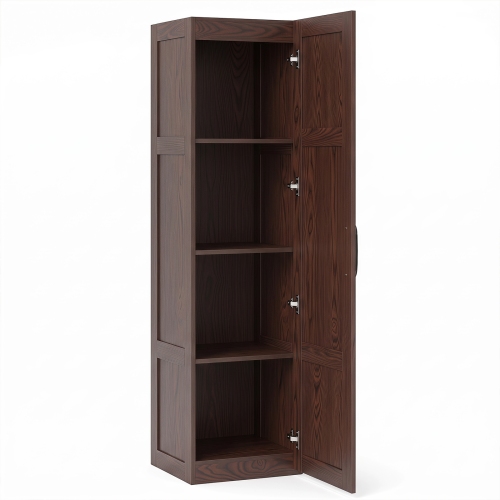

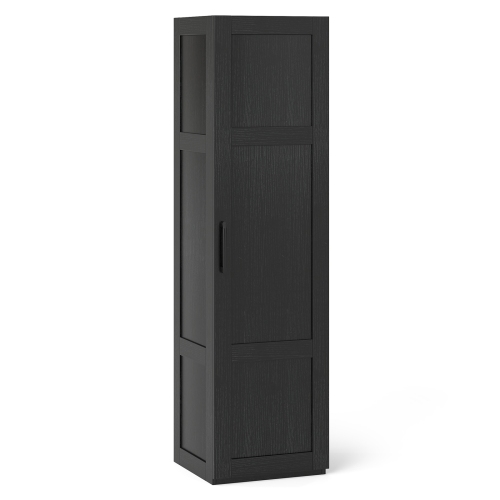

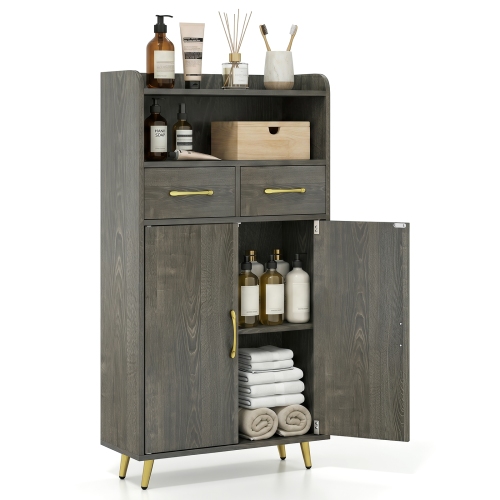
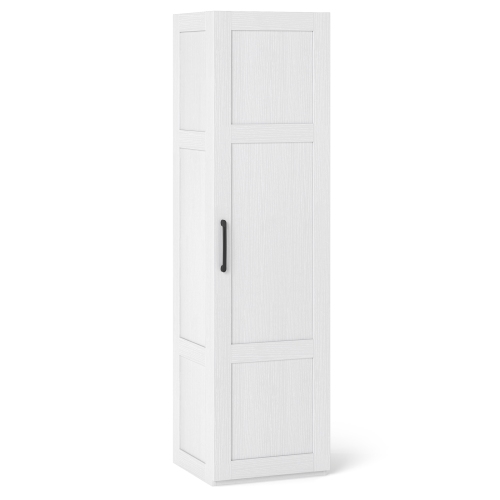
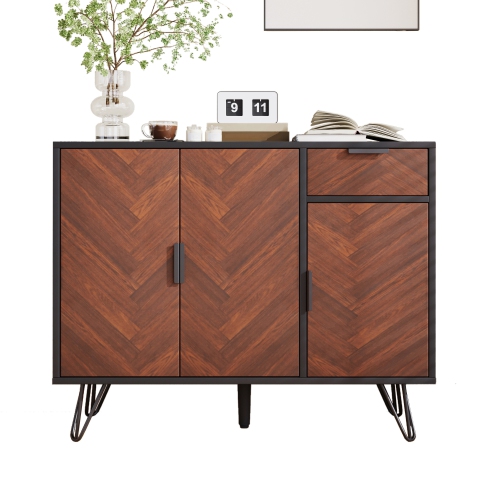

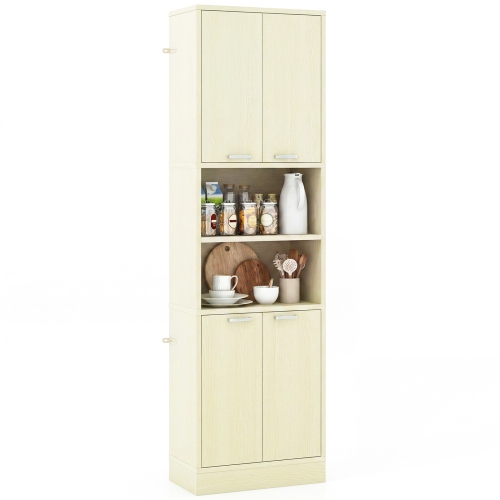
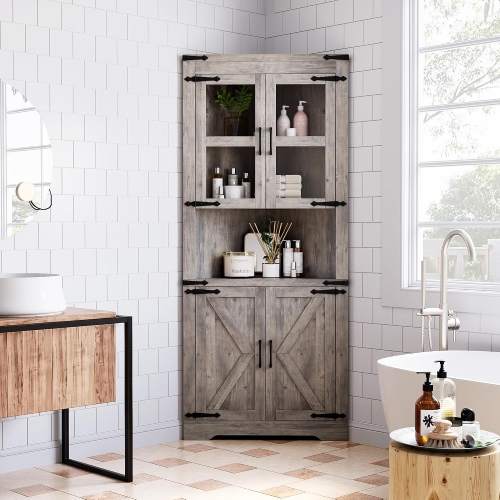
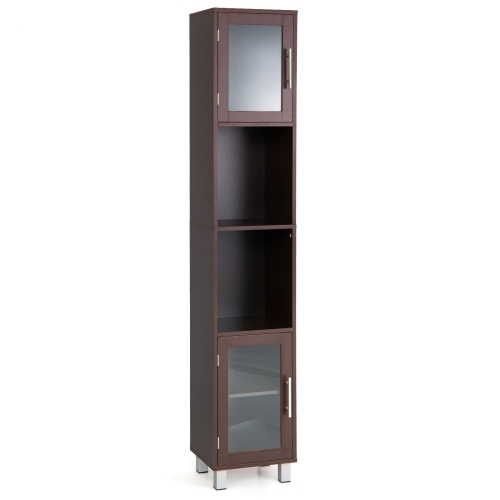


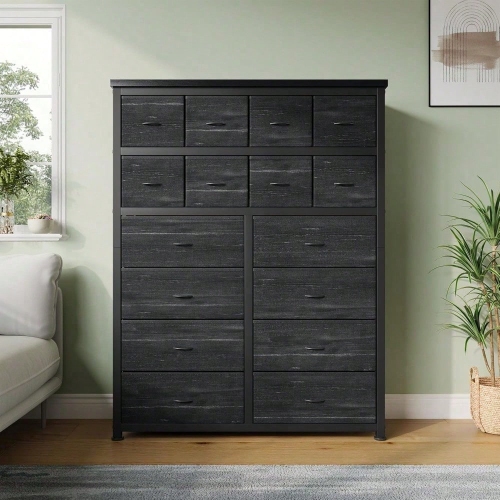


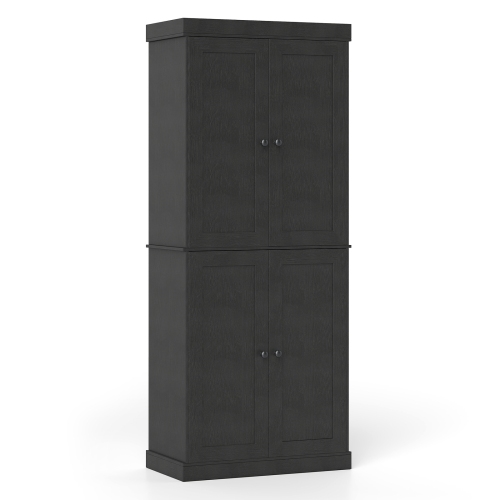
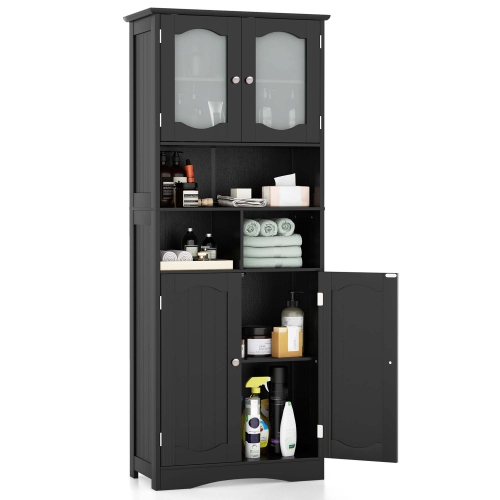
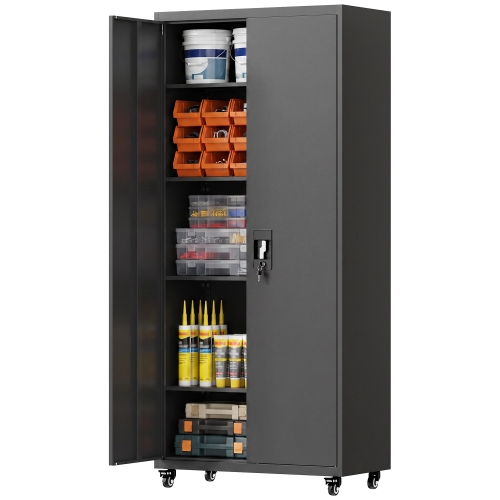
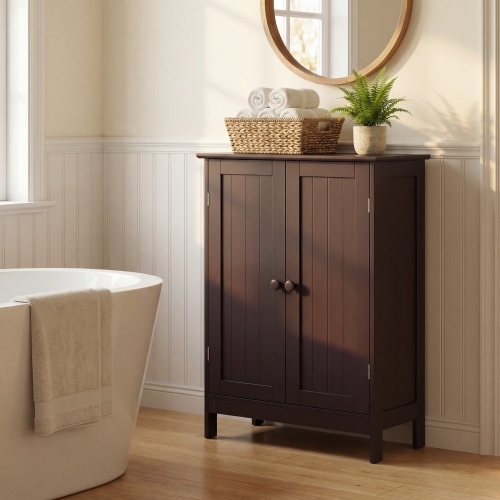
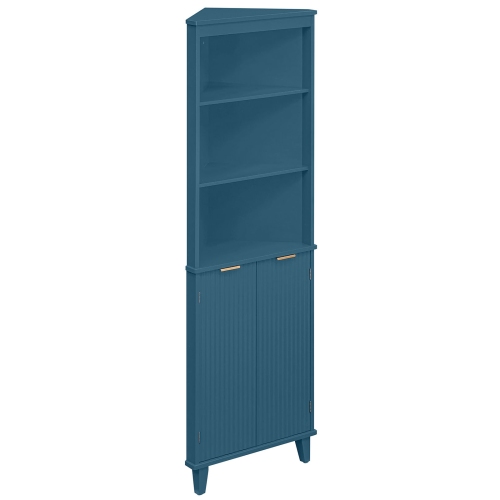
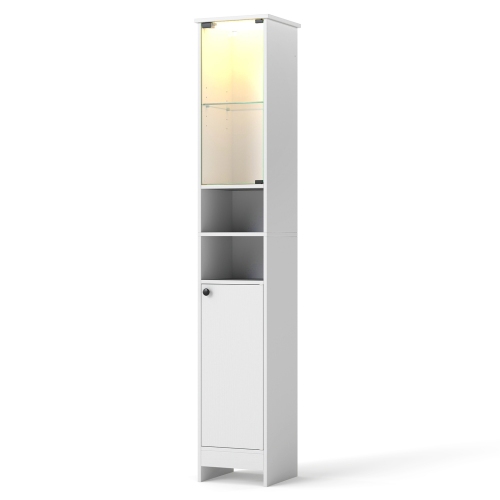

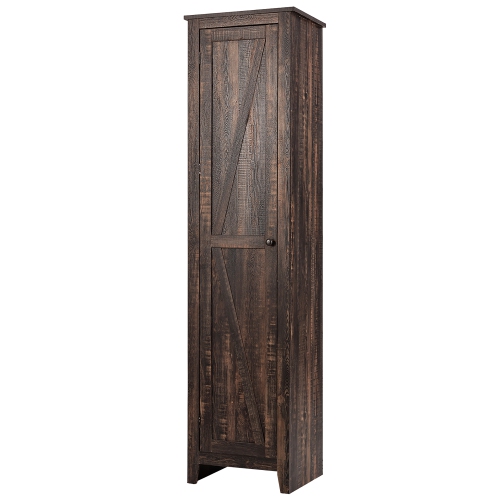

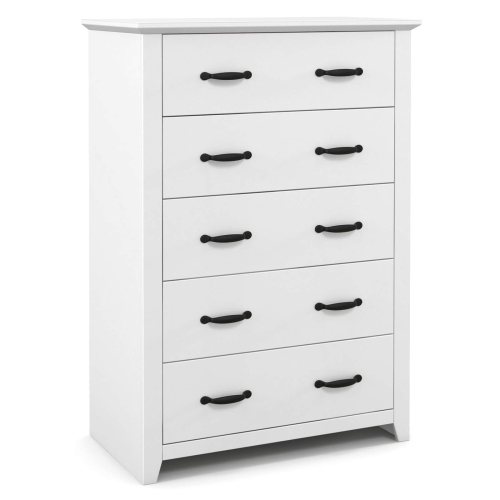
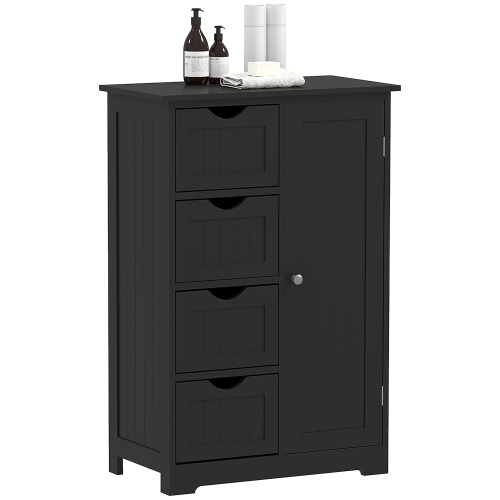
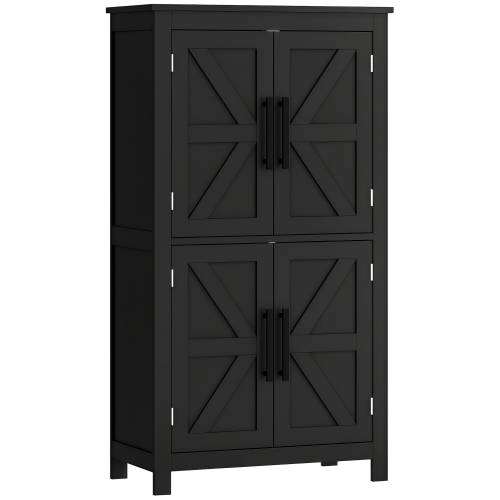
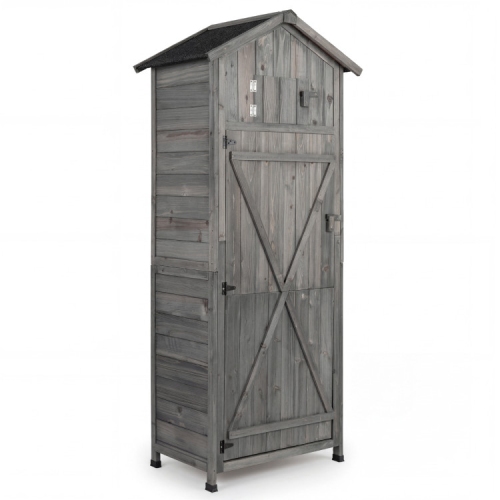
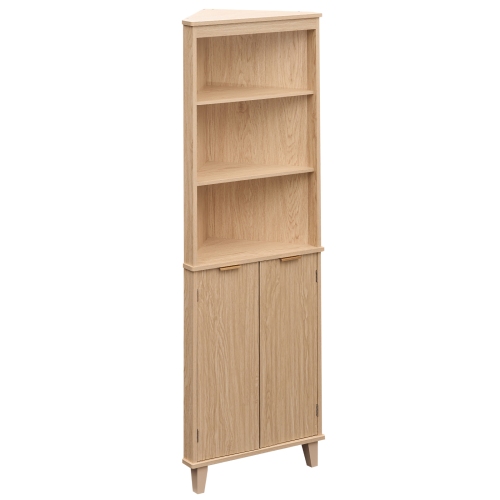
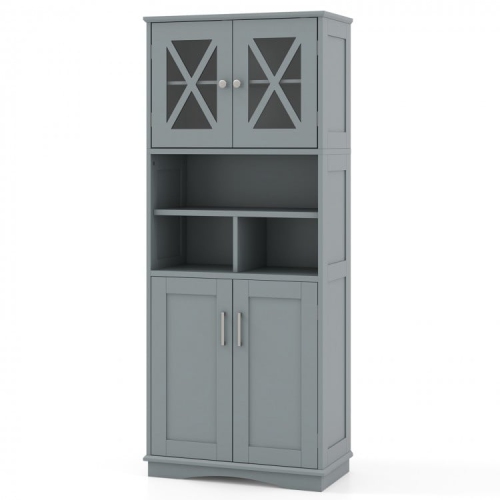
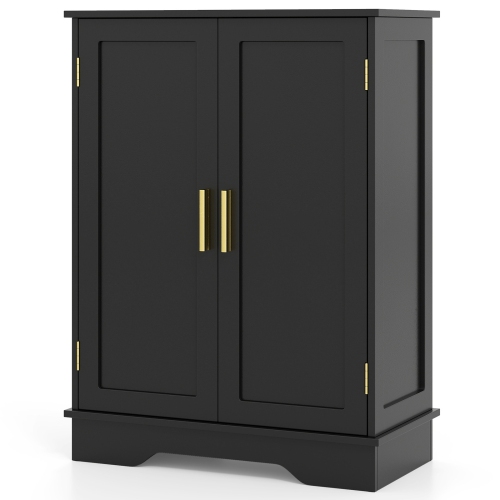
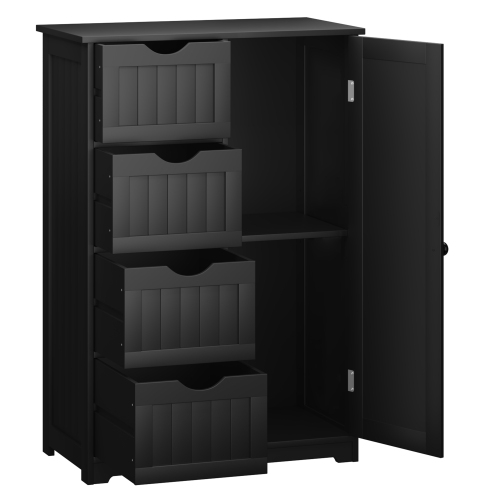
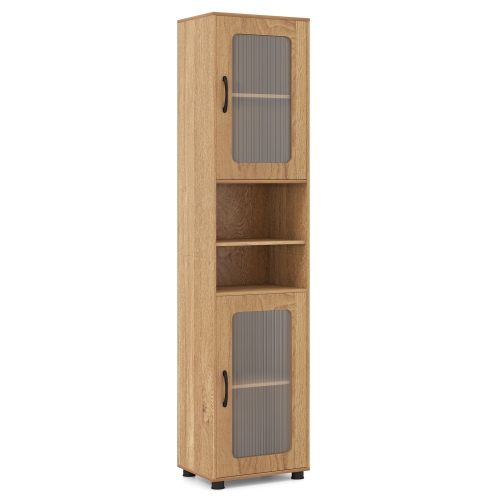
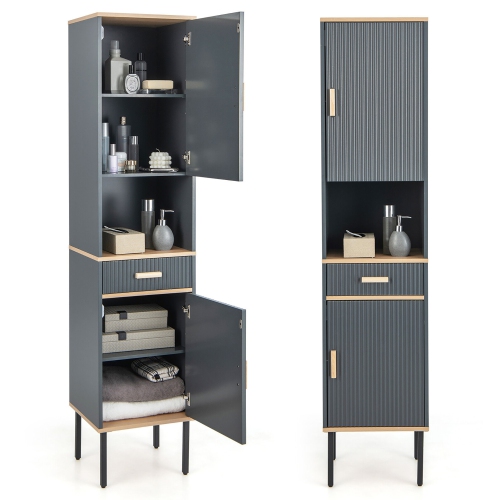
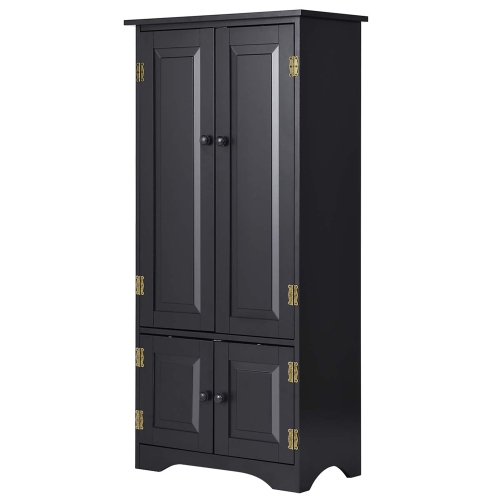


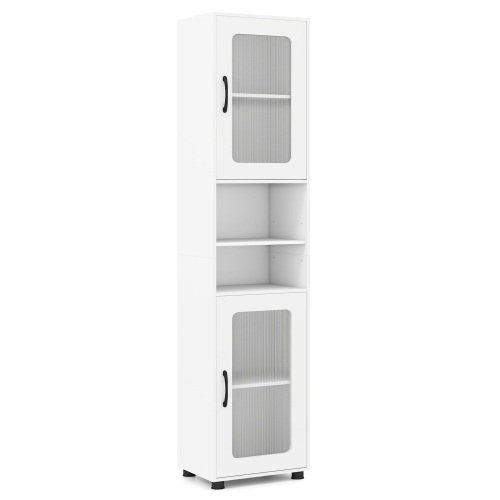
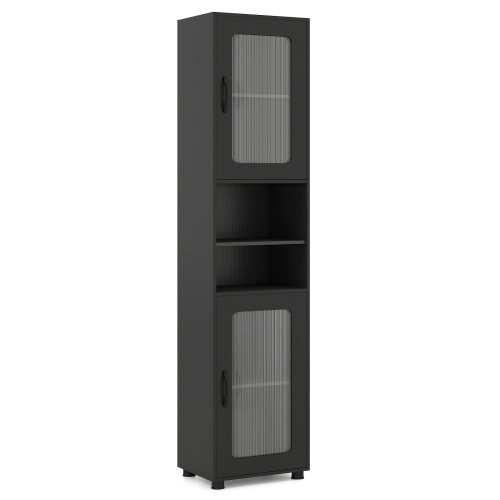

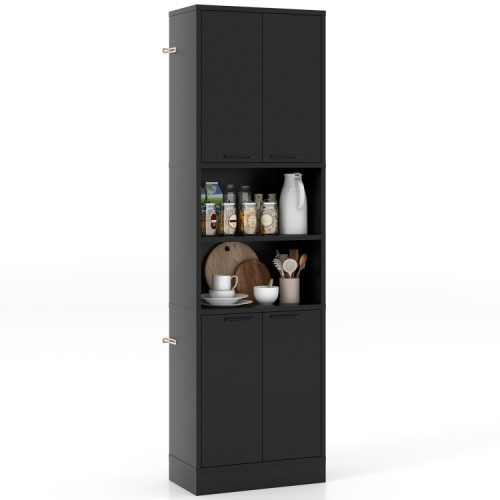


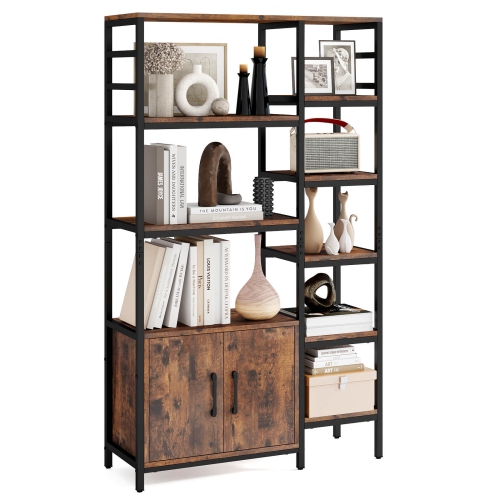
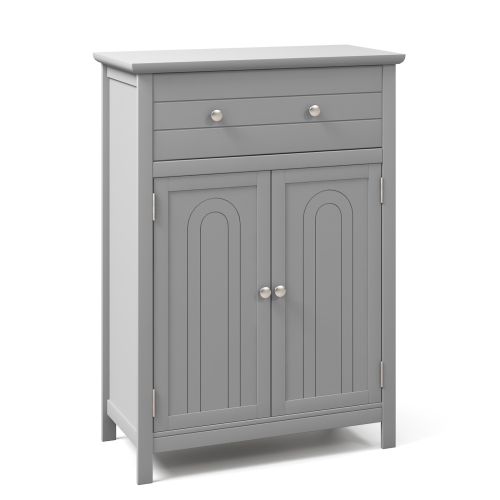
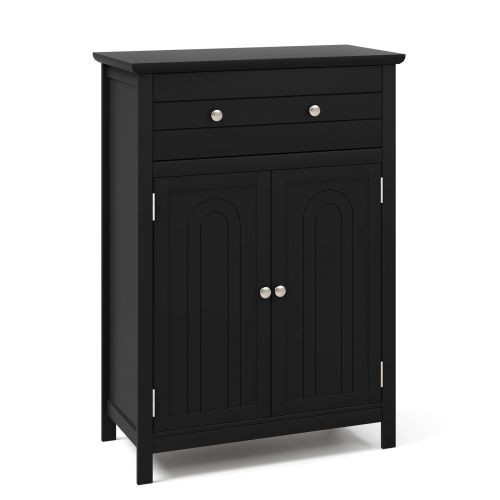
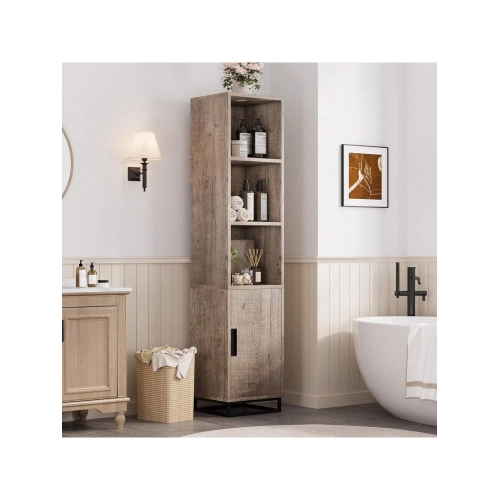
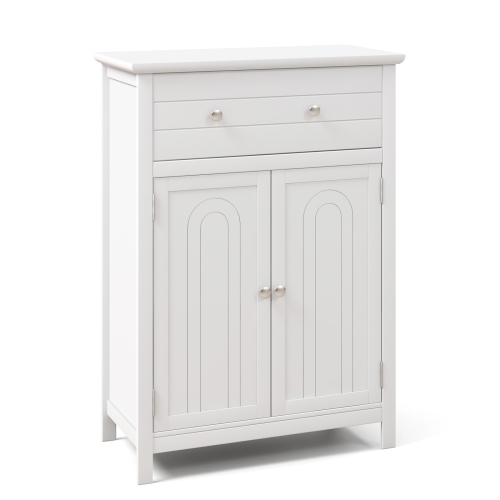

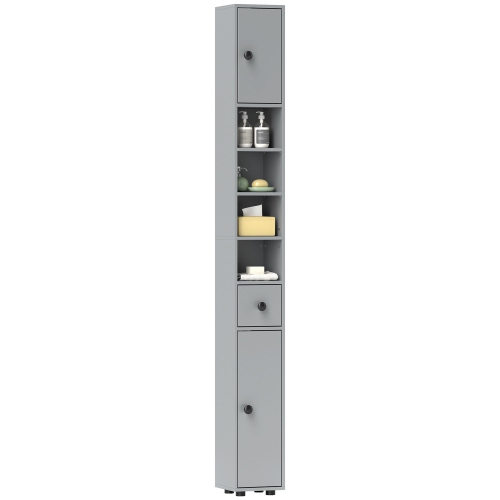
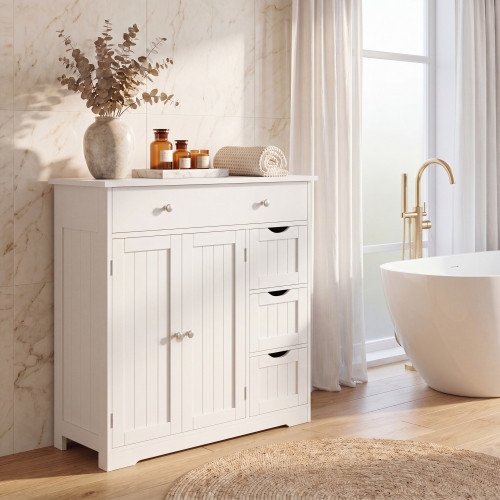
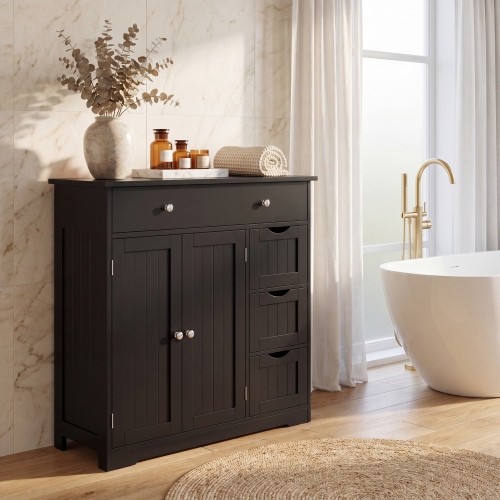

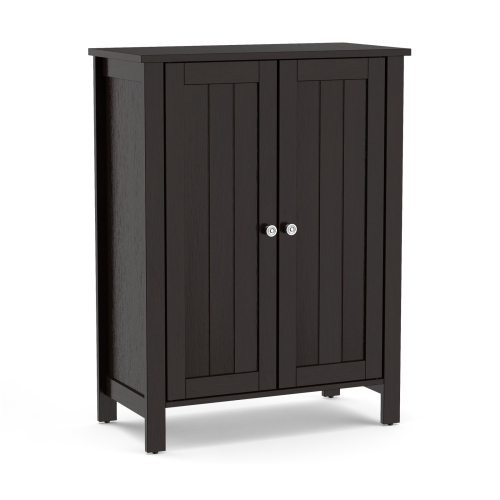
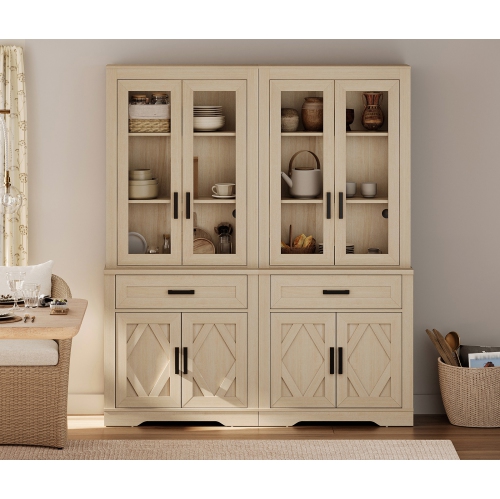
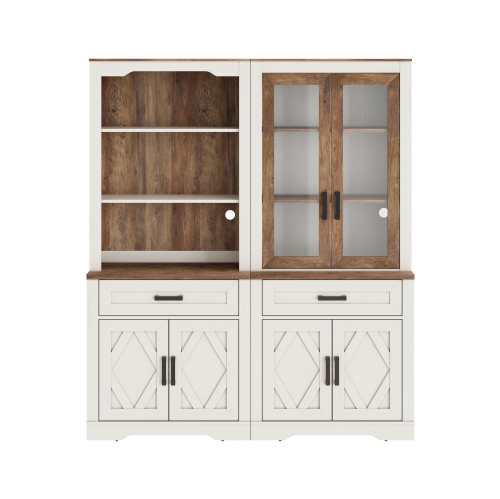
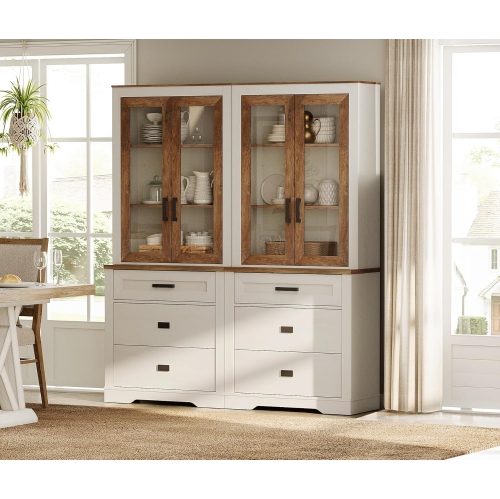
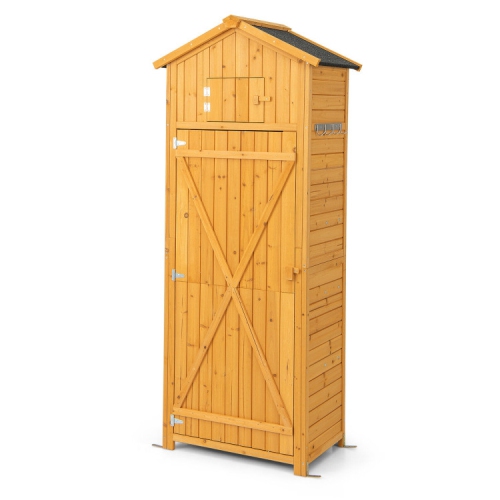
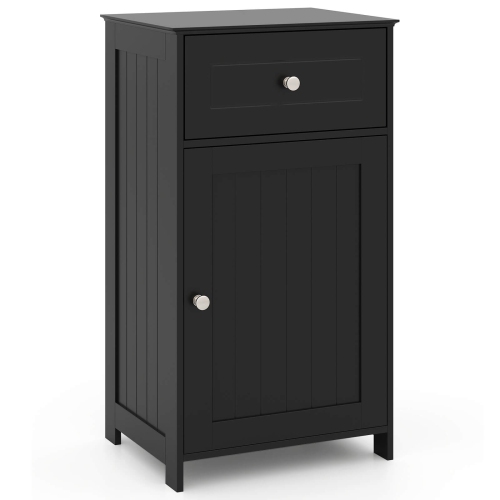
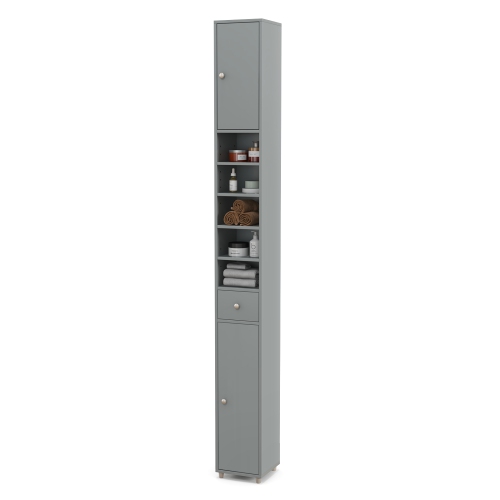
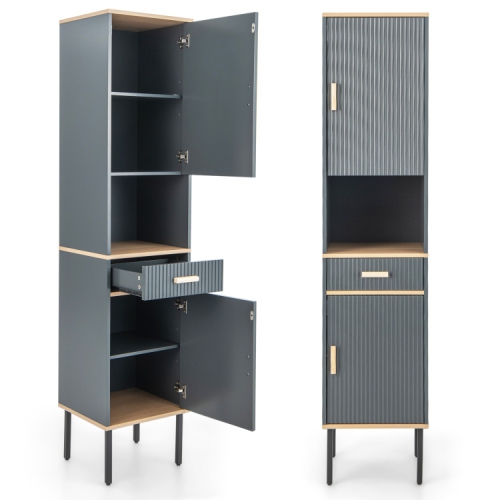
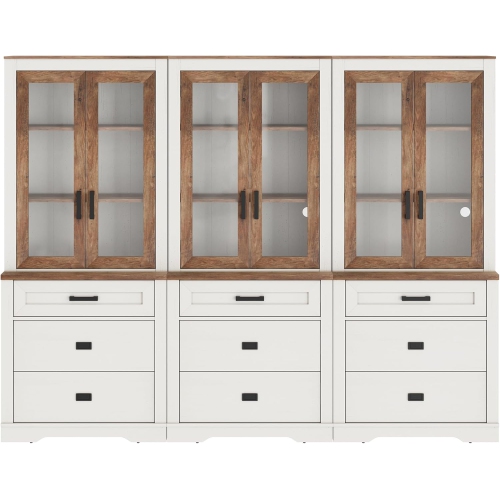
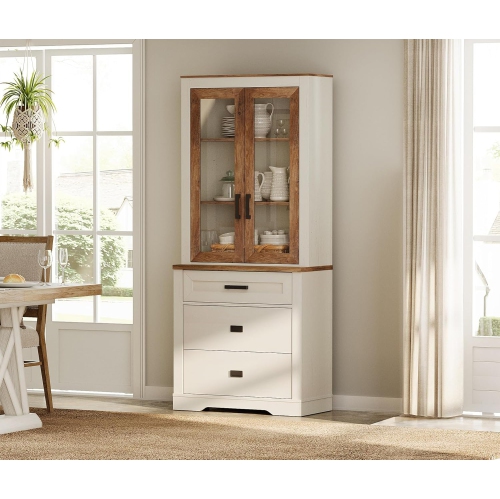
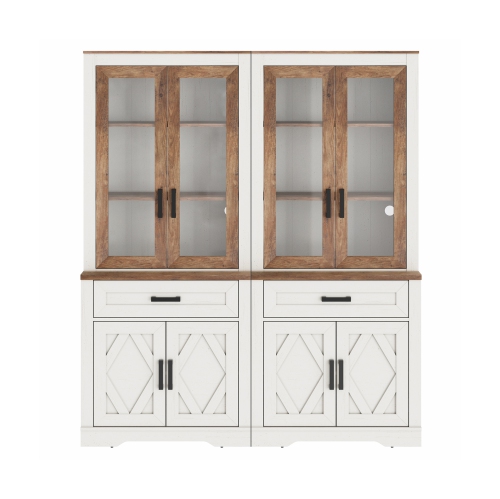


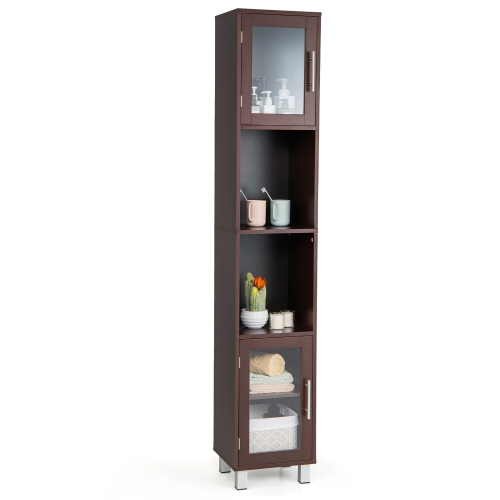

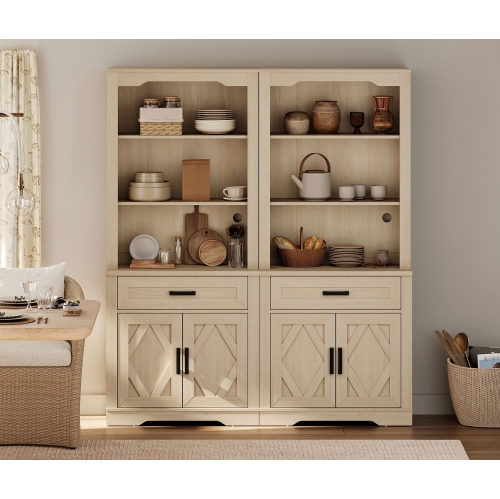
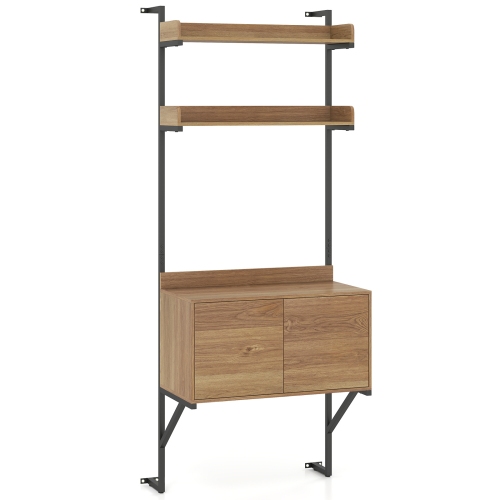
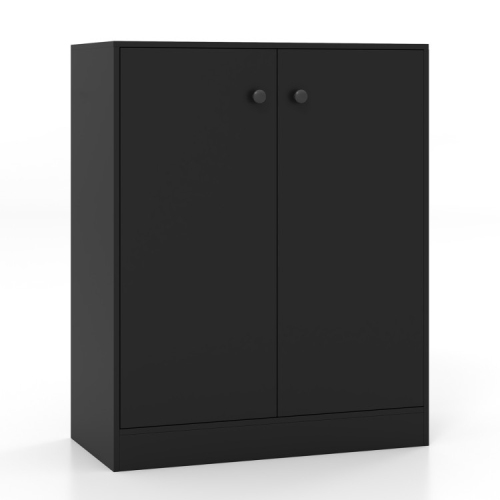
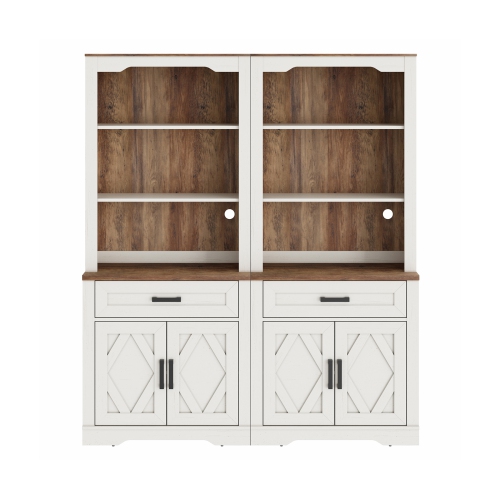
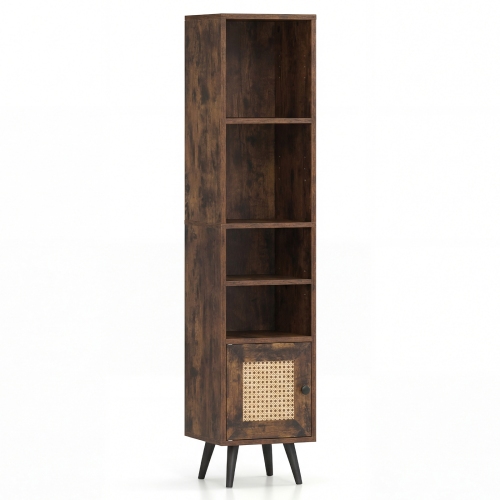
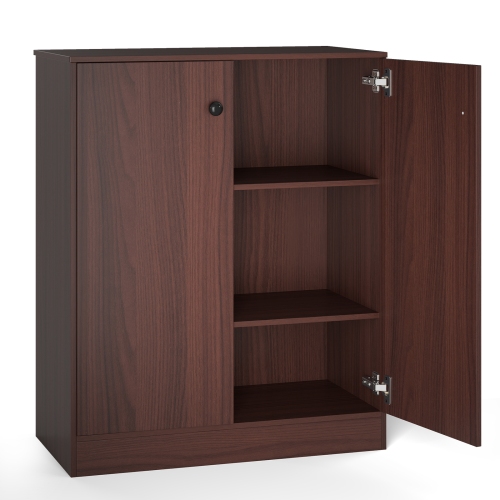
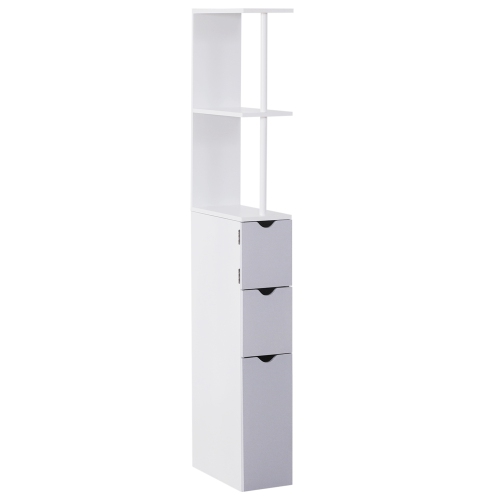
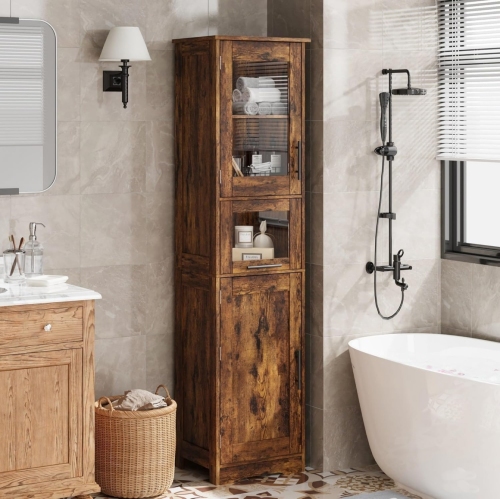
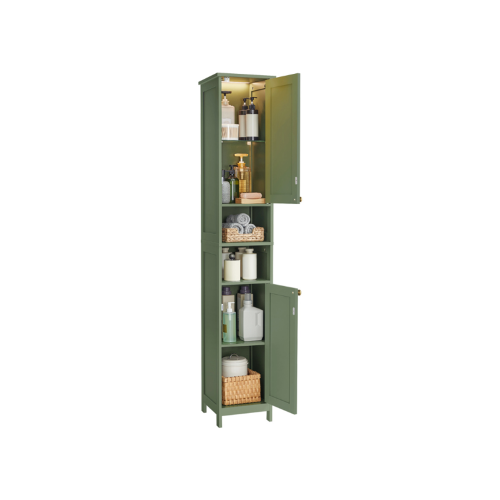


Vertical storage that puts everyday clutter behind closed doors
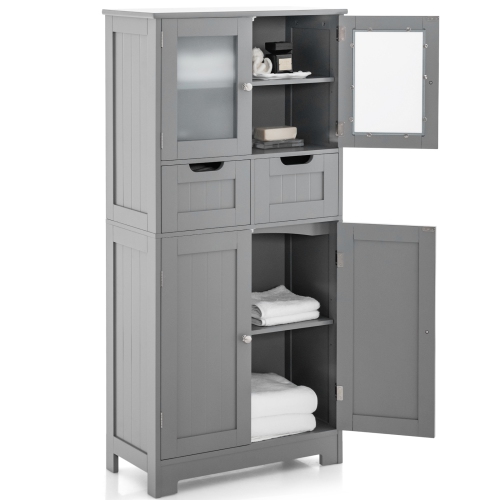
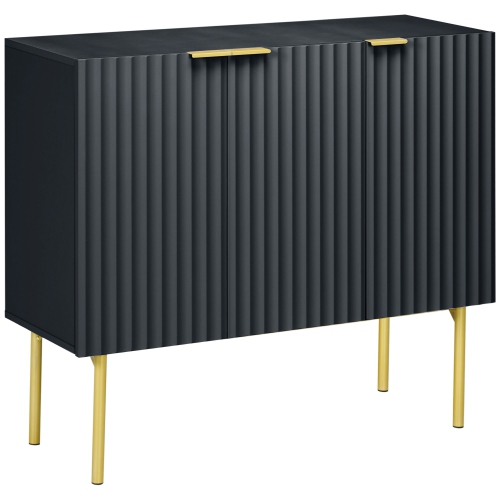
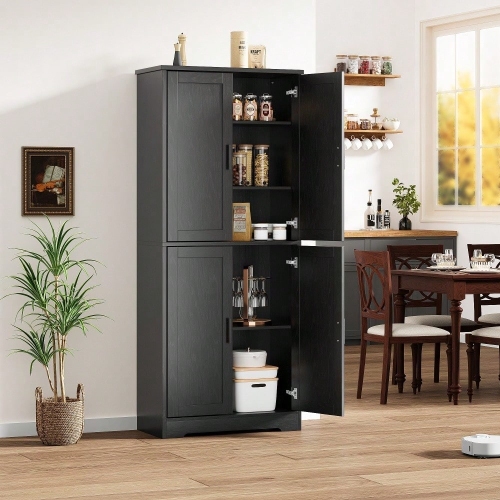
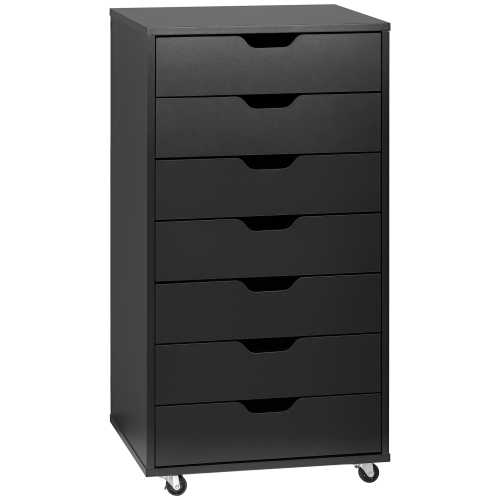
Tall black storage cabinets bring enclosed organization to rooms where floor space is limited but everyday storage needs are not. Their upright shape makes use of vertical space, while black finishes can create a defined focal point or blend with dark furniture, hardware, and appliances. Behind closed doors, shelves keep household supplies, paperwork, table linens, and other essentials out of sight without requiring a separate storage room. The right layout depends on what needs a home: closely spaced shelves suit smaller containers, while taller compartments accommodate binders, serving pieces, or larger baskets. Adjustable shelves offer flexibility as those needs change, although the number of positions and the usable space between shelves vary by design. In a living room, a tall black cabinet can balance a low media console and conceal games, spare cables, and accessories that otherwise gather on open surfaces. In a home office, enclosed storage helps separate work materials from the rest of the room, particularly when a desk shares space with a dining area or guest bedroom. Near an entrance, a shallow cabinet can hold bags and household essentials without projecting as far into the walkway as a deeper cupboard. Kitchen and dining spaces may benefit from cabinets used for dry pantry goods, dishes, or table accessories, provided their construction and intended use suit the setting. Opaque doors create a quieter appearance when the contents are varied, while glass-front doors keep favourite pieces visible and make the arrangement inside part of the room. A combination of enclosed compartments and open shelving can provide a place for frequently reached-for belongings without leaving everything on display. For families, shared households, and people furnishing smaller homes, this mix of vertical storage and a restrained colour palette can make busy rooms feel more settled. Black also pairs naturally with light walls, warm wood tones, and metallic accents, allowing the cabinet to complement existing furniture rather than requiring a complete room redesign.
Material and construction influence how a tall black storage cabinet looks, feels, and stands up to daily use. Steel cabinets often have a straightforward, practical character that suits workspaces, utility areas, and interiors with industrial details. A powder-coated finish can help protect the metal surface, but resistance to scratches, moisture, and corrosion depends on the coating and the conditions for which the cabinet is rated. A cabinet intended for a dry indoor office should not automatically be treated as suitable for a damp garage. Wood and wood-based designs offer a different visual effect, from smooth painted doors to finishes that leave the grain visible. Solid wood, veneer, particleboard, and medium-density fibreboard each have distinct construction characteristics; shelf thickness, panel support, joinery, and hardware matter alongside the material name. Veneer provides a real wood surface over a supporting core, while painted engineered panels can create a consistent black finish with clean lines. For a closer look at wood-based styles, Tall Wood Storage Cabinets offer a related direction when texture and furniture-like detailing are priorities. Within black cabinetry, matte surfaces tend to look understated, while glossier finishes reflect more light and may make fingerprints more noticeable. Recessed pulls, slim handles, framed doors, and decorative panels also change the overall impression, even when the cabinet dimensions are similar. Practical details deserve equal attention. Hinges should support the doors properly, shelf supports should seat securely, and doors should close without rubbing against adjacent panels. Magnetic catches can help hold doors shut, while soft-close hardware, where included, reduces the abrupt sound of closing. Lockable compartments may be useful for shared offices or household paperwork, but a lock does not make an ordinary cabinet suitable for every security need. Shelf load ratings are especially important for dense contents such as books or stacked dishes. Weight should be distributed according to the manufacturer's directions rather than judged by how sturdy a shelf appears.
Fit involves more than finding an empty stretch of wall. Measure the cabinet's full height, width, and depth, then allow for handles, door movement, nearby furniture, and the space needed to stand comfortably in front of it. A narrow hallway may accommodate the cabinet body but still leave too little room to open a hinged door fully. In a dining area, check clearance with chairs pulled out rather than tucked under the table. Baseboards can prevent a cabinet from sitting flush against the wall, and outlets or light switches may become difficult to reach once a tall unit is positioned. Delivery and assembly space matter, too: doorways, stair turns, and ceiling height can affect whether a cabinet can be moved or raised into place. Inside, compare usable shelf dimensions with the belongings being stored, since exterior measurements do not account for door thickness, partitions, or hardware. Deep shelves hold more, but smaller objects can disappear at the back; shallow baskets or labelled containers can keep those spaces manageable. Place heavier contents on lower shelves where permitted, keep everyday essentials within comfortable reach, and avoid relying on the top of a tall cabinet for frequently used storage. Follow the assembly instructions and secure the cabinet against tipping as directed, using hardware appropriate for the wall construction. This is particularly important in homes with children or pets, and anchoring should not be skipped simply because the cabinet feels heavy. Ongoing care is usually straightforward but should follow the finish-specific instructions. A soft cloth removes dust, while a lightly dampened cloth may be suitable for routine marks if the manufacturer permits it; dry the surface promptly and avoid soaking panel edges or joints. Abrasive cleaners and scouring pads can damage painted, coated, or glossy finishes. In bathrooms or laundry areas, choose cabinetry expressly suited to the expected moisture exposure rather than assuming any enclosed cabinet will perform well. Periodically checking hinges, shelf supports, and anchoring hardware helps keep the cabinet working as intended, especially when doors are opened many times throughout the day.
Top selling and popular products
-
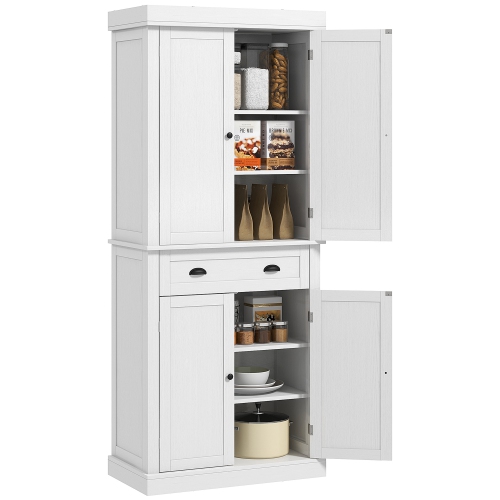 Your price for this item is $269.99
-
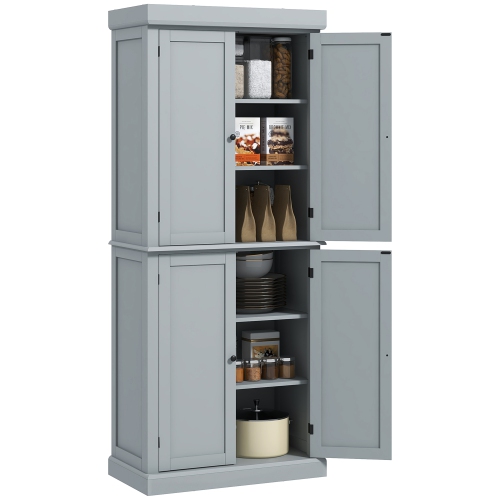 Your price for this item is $299.99
-
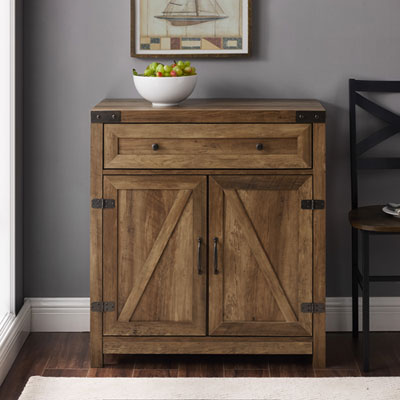 Your price for this item is $401.99
-
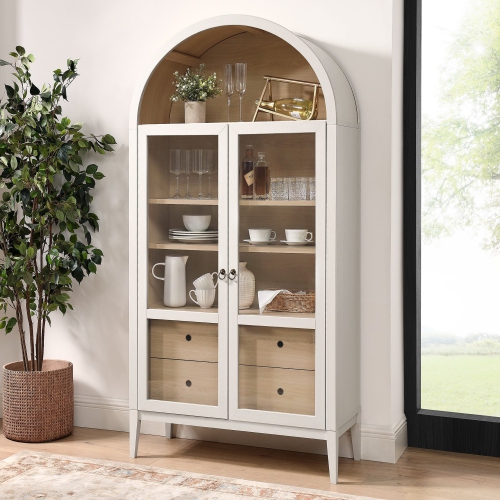 Your price for this item is $1155.71
-
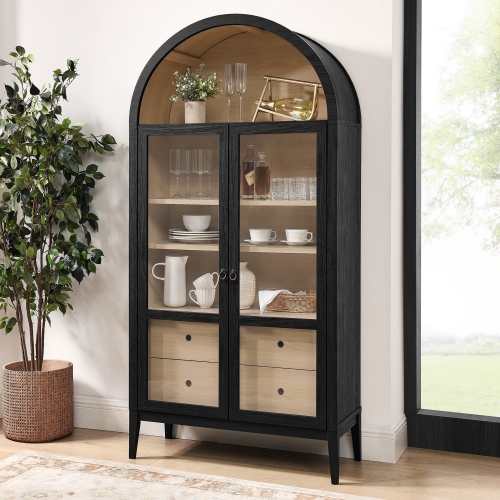 Your price for this item is $1028.59
-
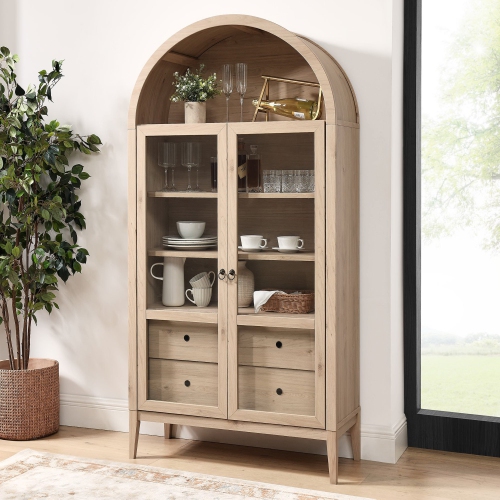 Your price for this item is $1028.59
-
 Your price for this item is $593.99
-
 Your price for this item is $144.99
Discover more categories related to Tall Black Storage Cabinets
Top Collections:
Pokemon Centers, Kindle Devices, Best Budget Office Chairs, Canon G7X Cameras, Apple iPhones 16, Samsung Galaxy Phones, Refurbished Apple Laptops, Laptops for Students, iPhone 15 Apple, Budget Smartphones
Some products may be subject to Environmental Handling Fees
(EHF) depending on your province.
Learn more about EHFs.