Tall Dog Gates
Our tall dog gates are designed to provide an effective solution for pet owners who need to contain their dogs in specific areas of their homes. Whether you want to restrict access to certain rooms or create a boundary in an open space, our selection of tall dog gates offers a range of options to suit your needs. With their sturdy construction and easy installation, these gates provide both convenience and peace of mind for you and your four-legged companion. Explore our assortment of tall dog gates today and find the perfect one for your home.
Sort


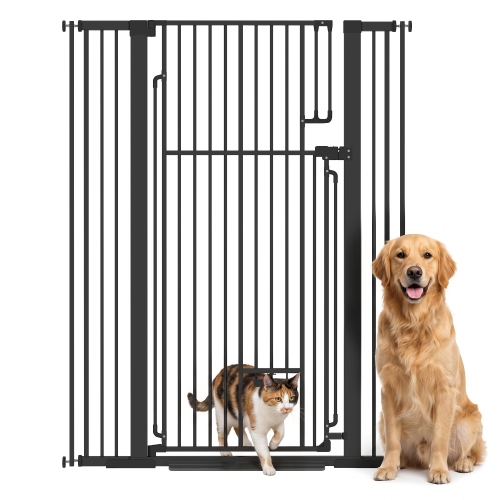


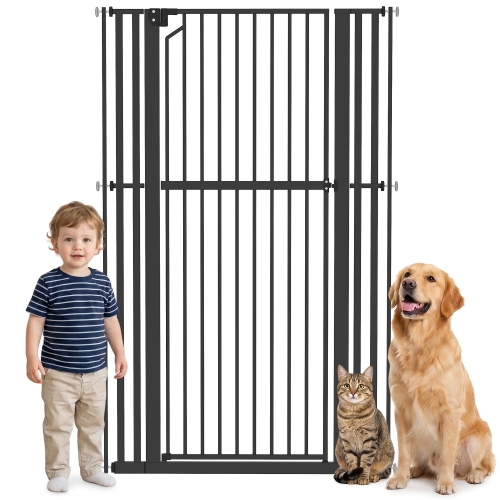


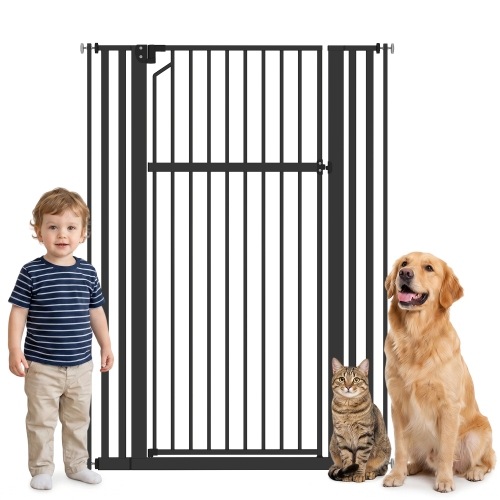


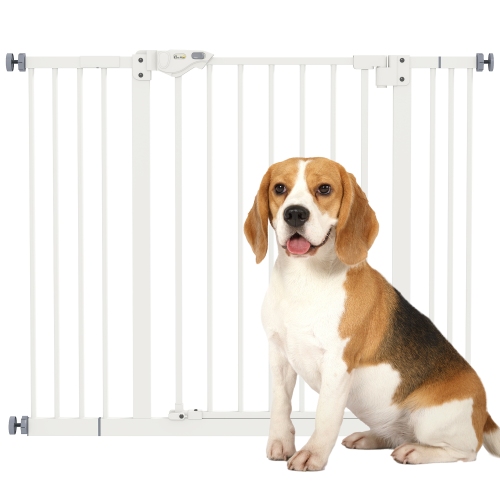













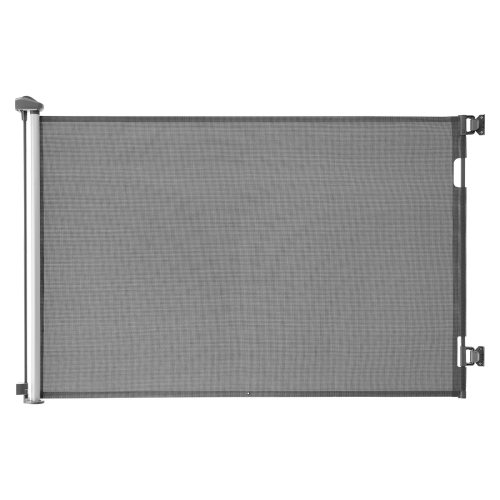


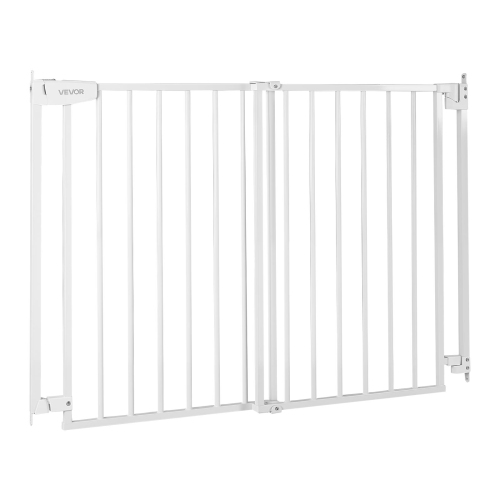

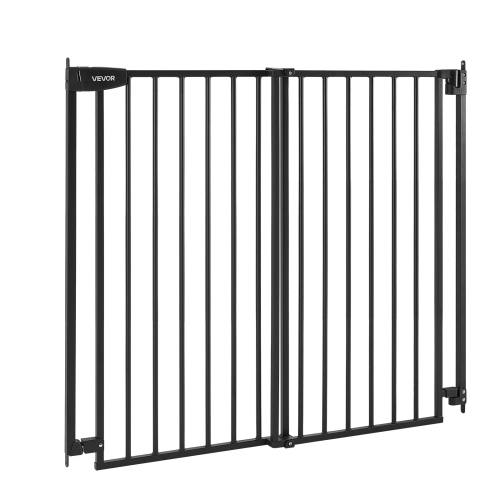

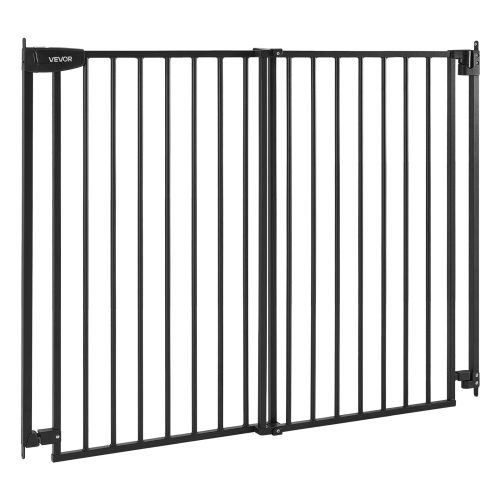

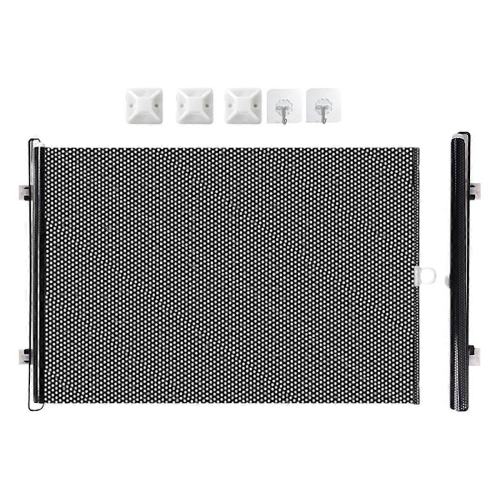


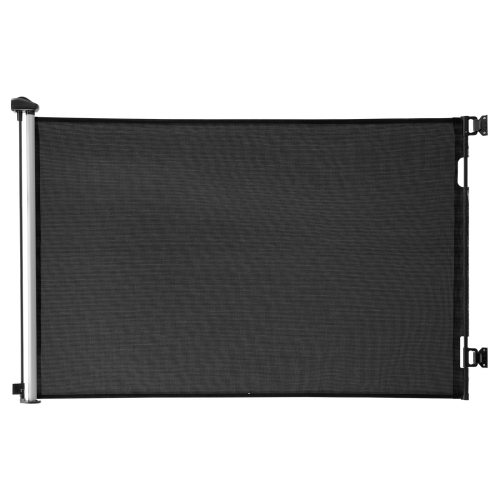


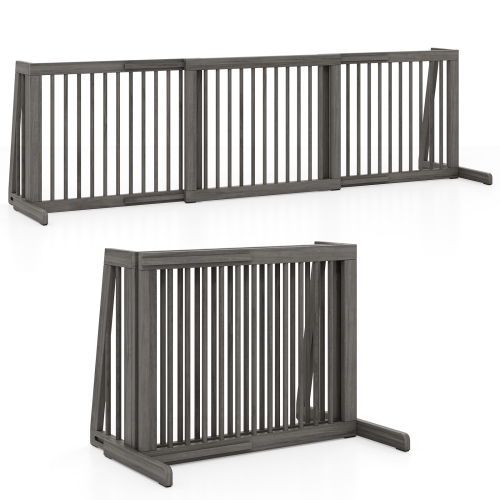
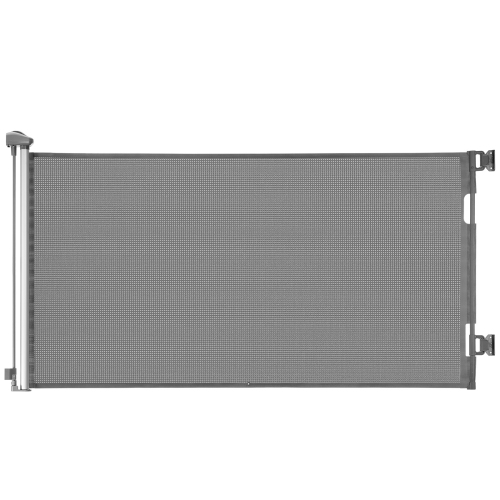
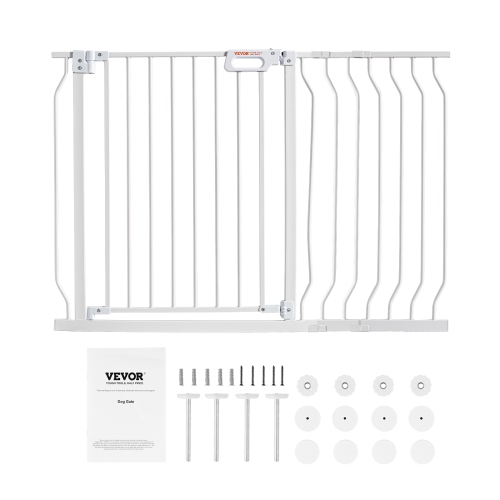
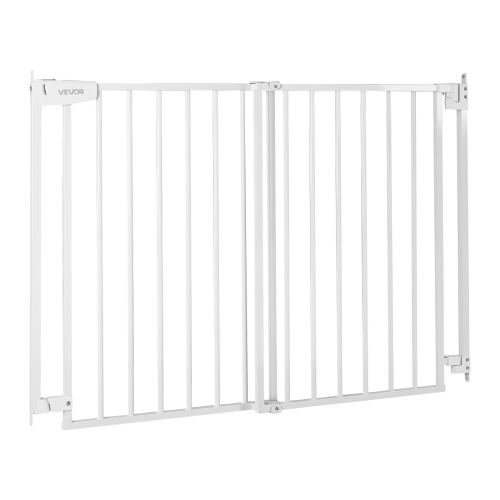
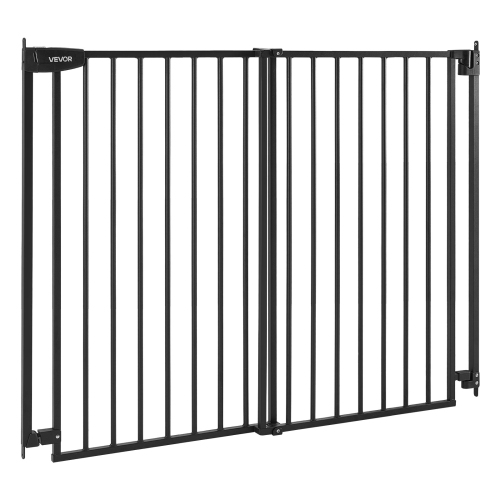
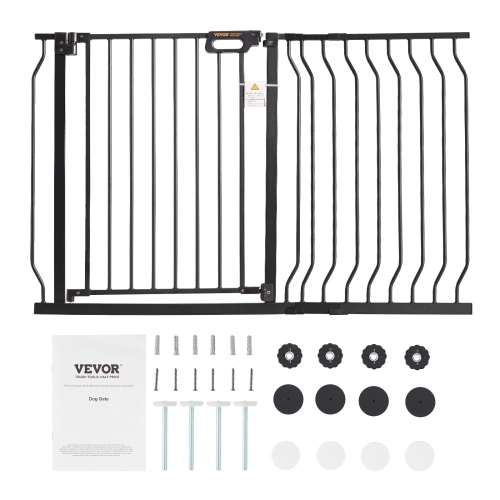
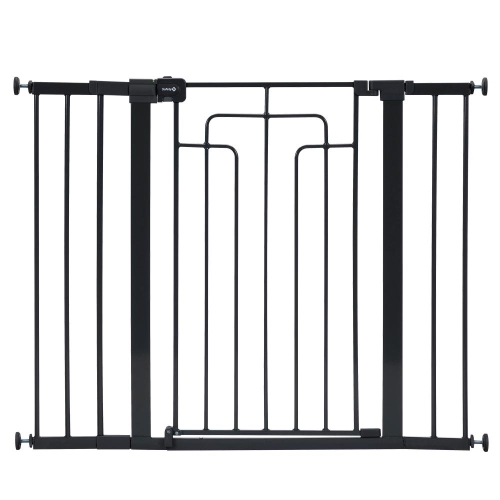
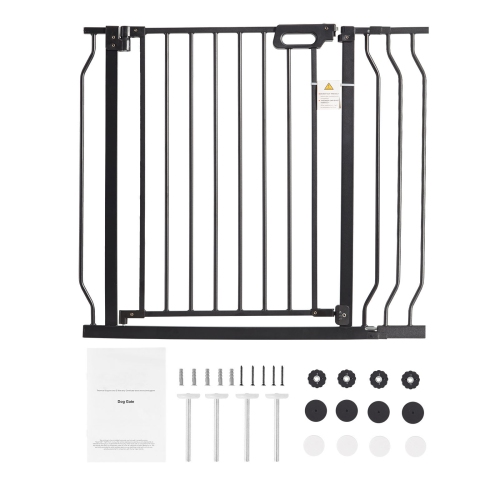

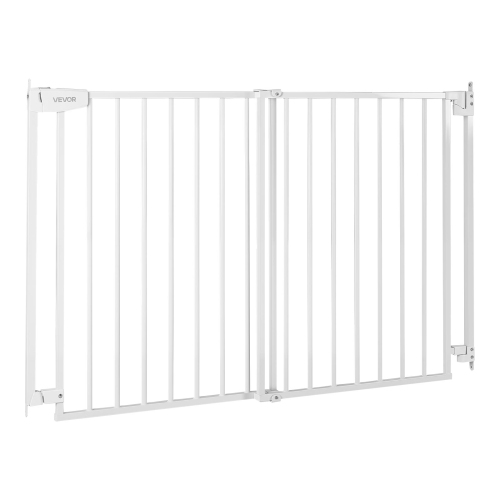
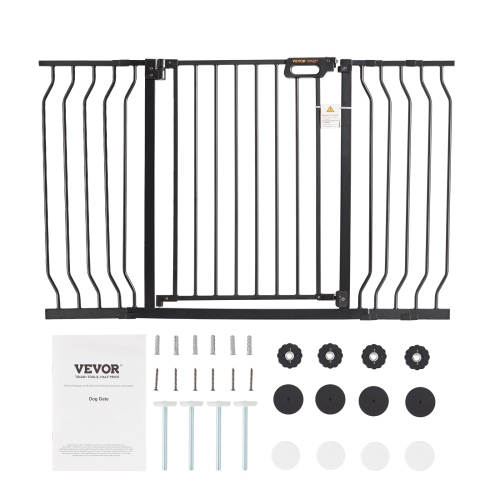
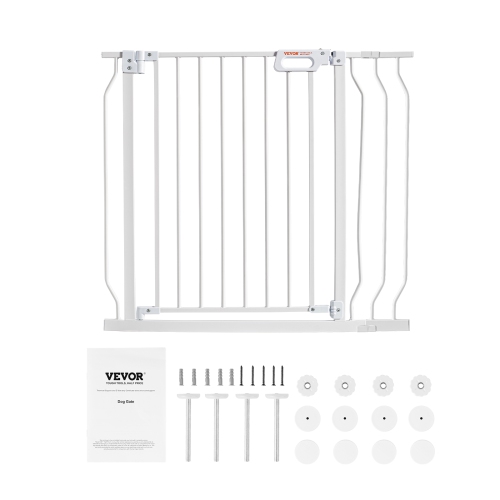

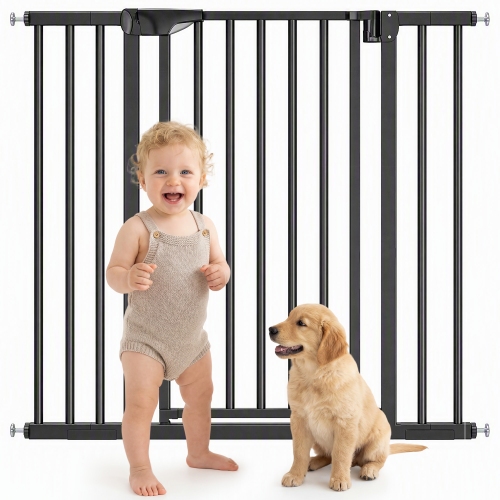

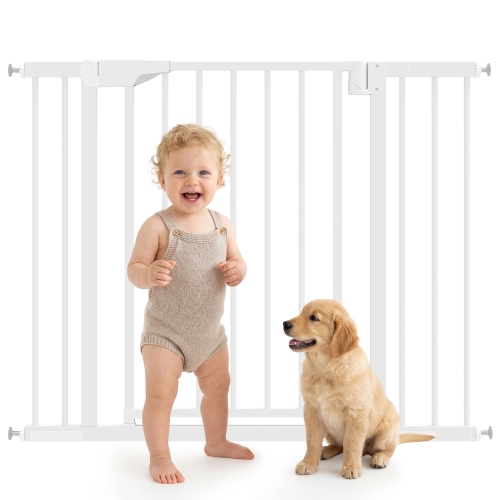


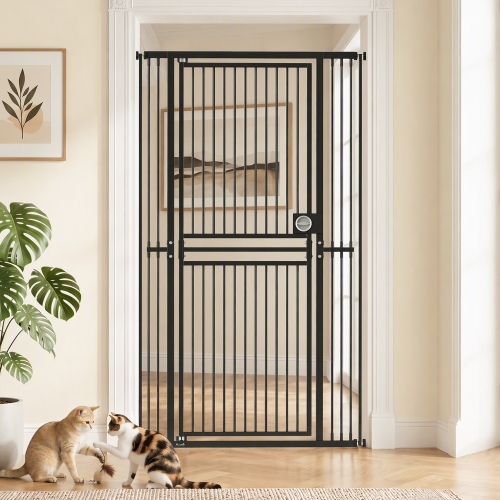
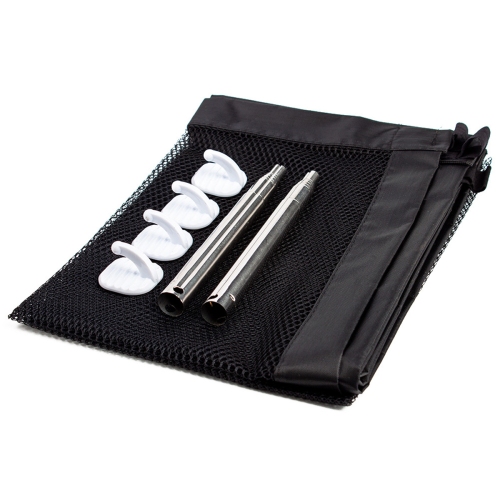
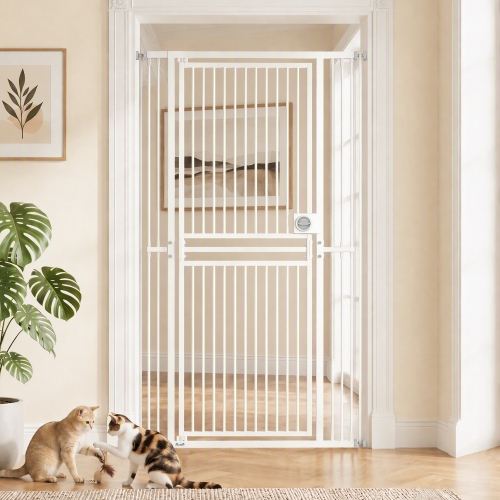
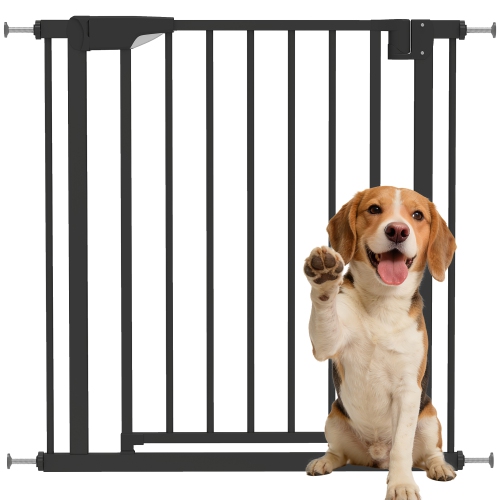















Why gate height is only part of the fit
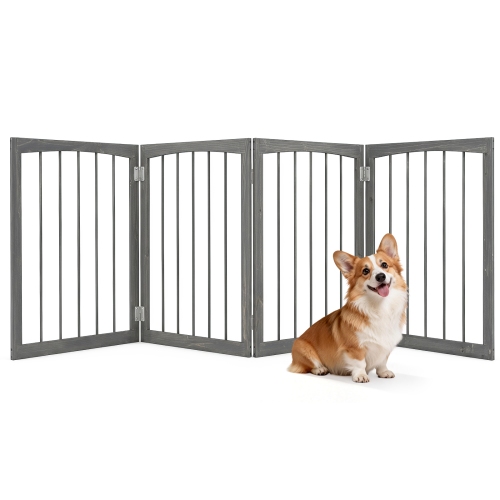
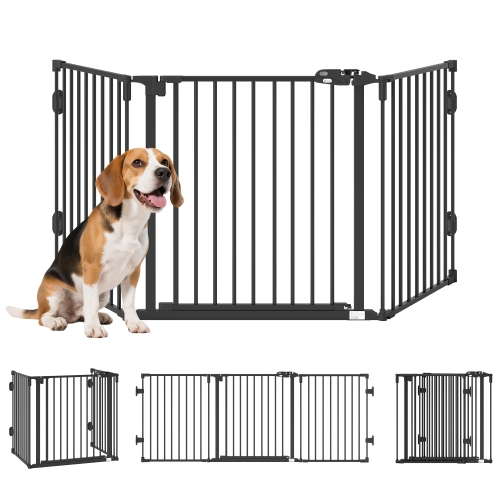
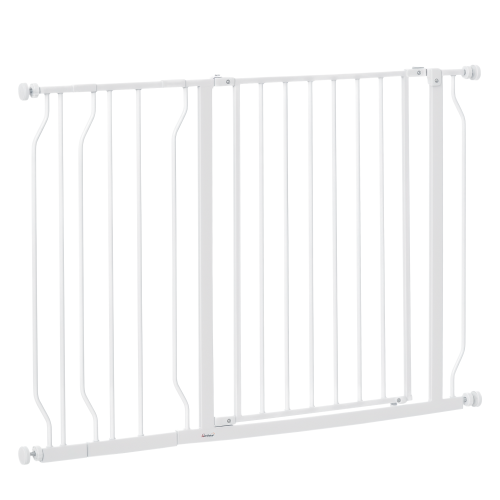
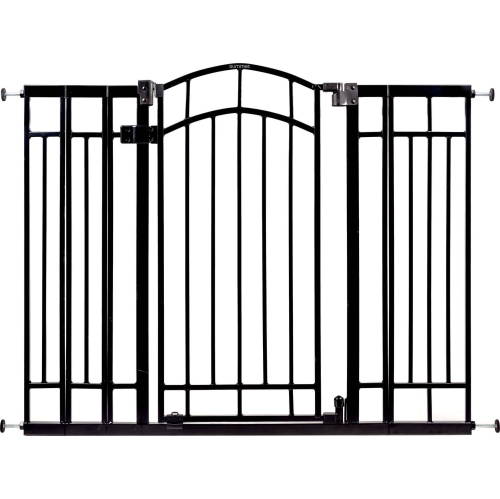
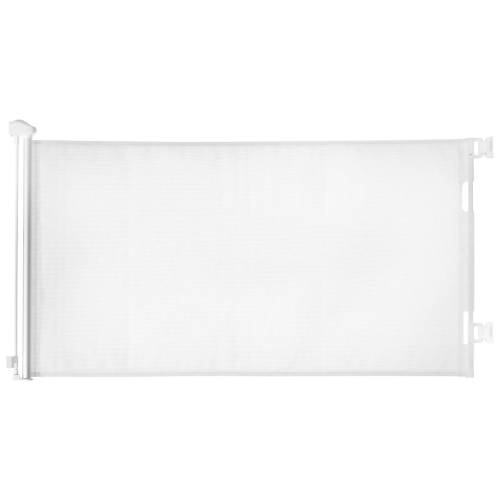
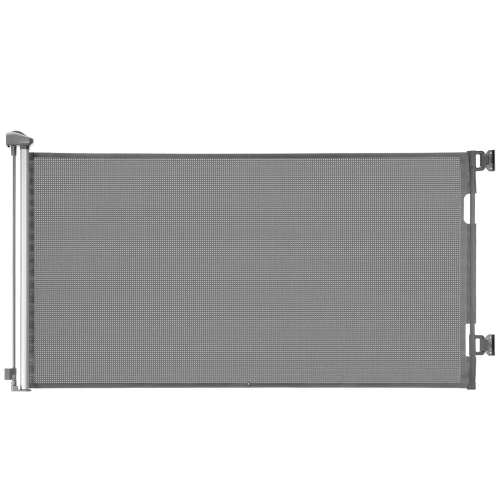
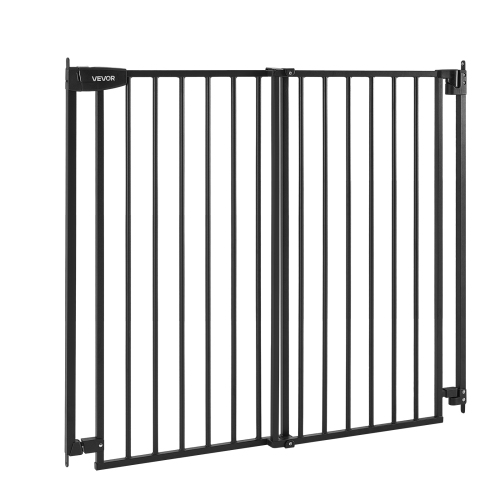
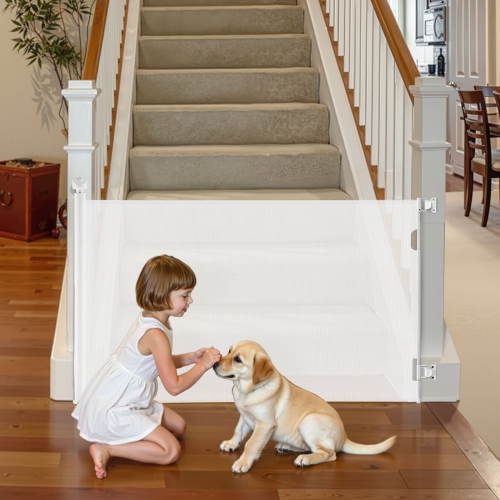
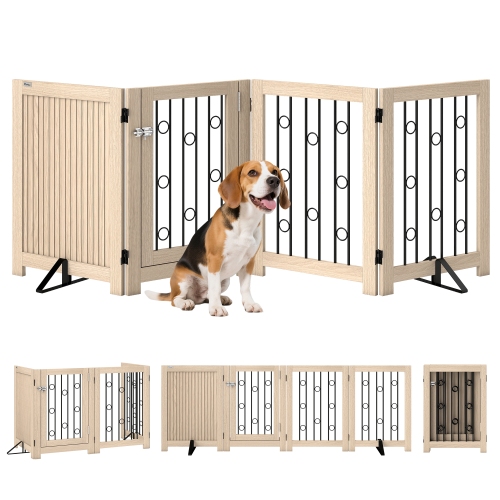
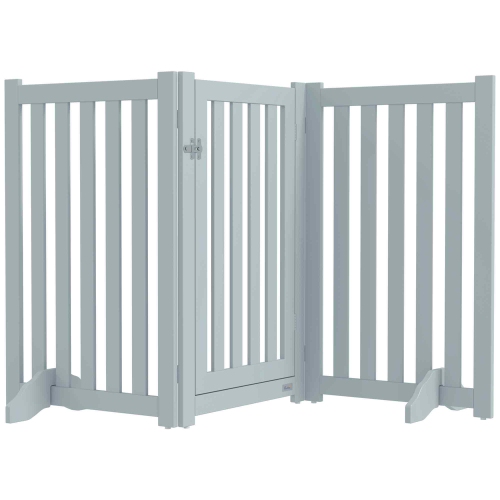
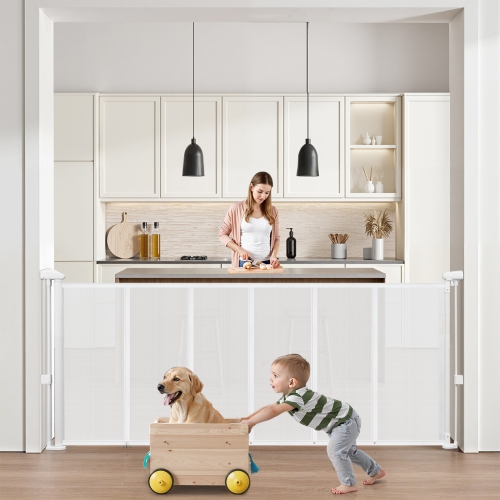
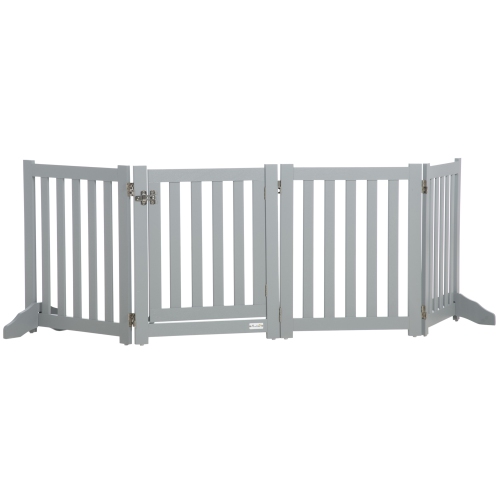
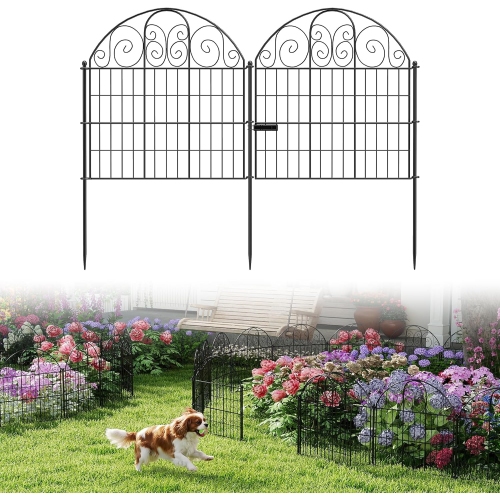
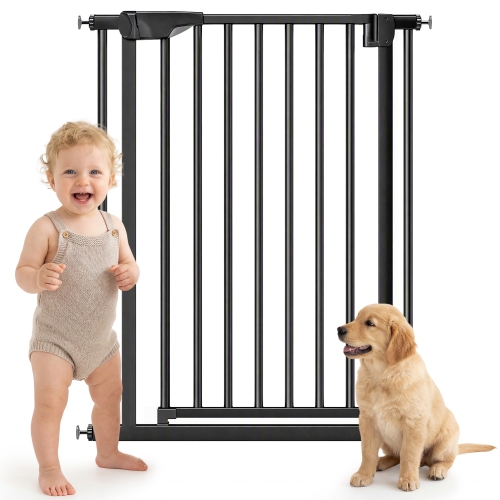
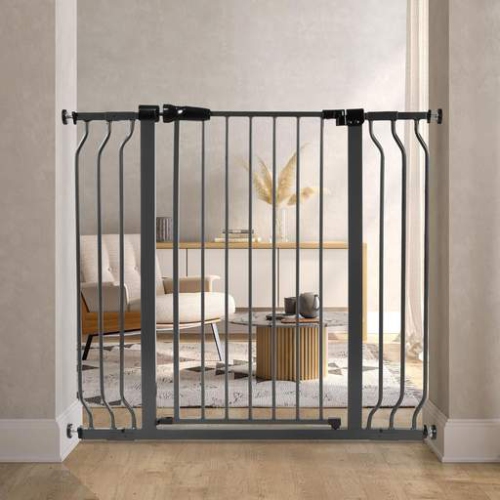
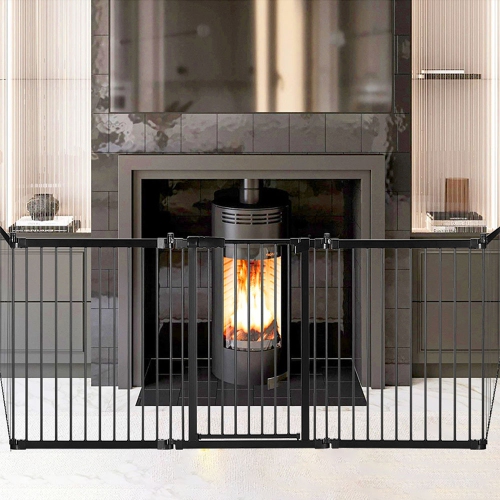
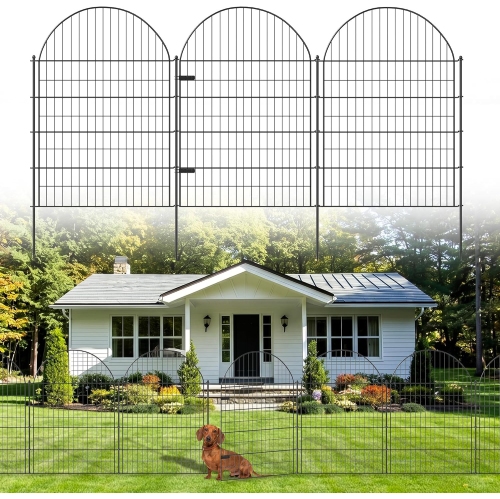
Tall dog gates are pet barriers with added height to help keep dogs within designated parts of the home, such as a kitchen, hallway, or living area. Many tall designs measure approximately 36 to 42 inches high, while extra-tall gates can reach 50 inches or more. That additional height can be useful for larger dogs or athletic pets that can step over or jump a shorter barrier, but height alone does not make a gate suitable for every dog. A dog's reach, strength, climbing habits, and response to being separated all matter. A determined climber may use horizontal rails as footholds, while a strong dog that leans against a barrier needs a securely installed frame suited to that behaviour. Tall pet gates work best as part of a familiar household routine, giving a dog a defined space without closing a solid door between rooms. Open-bar designs let pets see through the barrier and allow people to keep an eye on them while preparing dinner, working at a desk, or welcoming visitors. They can also help separate dogs during meals, limit access to a room with delicate furnishings, or keep muddy paws in an easy-to-clean area after a wet walk. For households with more than one pet, bar spacing and any built-in pet opening deserve close attention: a gap that contains a large dog may let a puppy or smaller animal slip through. Openings should not allow a pet's head, paws, or collar to become caught. Puppies also grow, so a gate that suits their size and behaviour at first may need reassessment later. Added height should be paired with appropriate width, stable supports, and a reliable latch rather than treated as a guarantee against escape. Dogs that repeatedly jump, climb, bite, or push at a gate may need a different containment arrangement and support with settling calmly behind a barrier. A gate is a household boundary, not a substitute for exercise, companionship, or supervision.
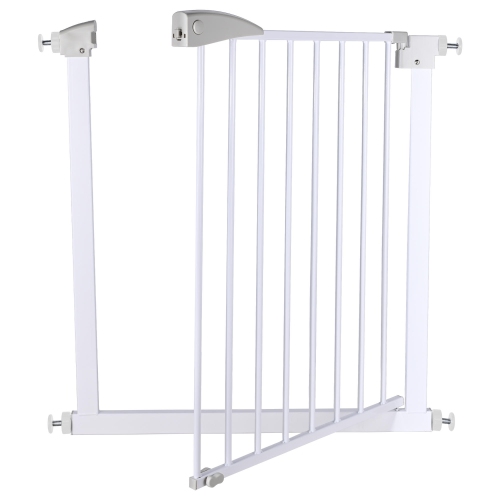
Fit starts with the opening itself, including its narrowest point, the shape of the trim, and the surfaces where the gate will make contact. Doorways that look straightforward can have thick skirting boards, uneven walls, or moulding that changes the usable width between floor level and the upper mounting points. Measuring at several heights helps establish whether a tall dog gate can sit upright and secure without being forced into place. The stated width range should cover the opening with any required manufacturer-approved extensions; improvised spacers or mixed components can weaken the installation. Pressure-mounted tall dog gates use tension against opposing surfaces and can suit certain level doorways or hallways where their installation requirements are met. They are often useful when a removable barrier is preferred, although mounting cups or other supplied fittings may still require attachment, and contact pads can mark painted surfaces. Hardware-mounted gates attach with screws to suitable supports, making them an option where a more fixed installation is needed. Wall material matters because plasterboard, timber studs, and masonry call for different fastening methods specified by the manufacturer. Stairways require particular care. Pressure-mounted gates should not be used at the top of stairs, where a displaced barrier or floor-level crossbar could contribute to a fall. A hardware-mounted gate explicitly approved for that location, installed according to its instructions, is the appropriate type to consider. The pressure-mounted dog gates for stairs page offers a related category to explore, but placement must follow each gate's stated restrictions rather than its category name. For everyday passage, a walk-through door makes more sense than stepping over a tall barrier, especially when carrying laundry or taking a dog outside on a lead. Check the clear passage width, the direction the door swings, and whether nearby cabinets or furniture could obstruct it. A self-closing mechanism can be convenient, but the latch still needs checking after every passage; some doors only close automatically from particular opening angles.
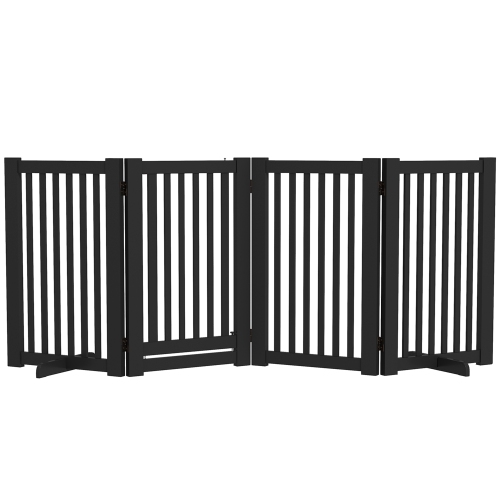
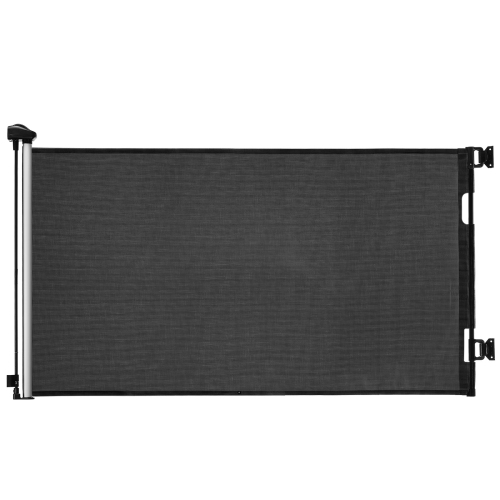
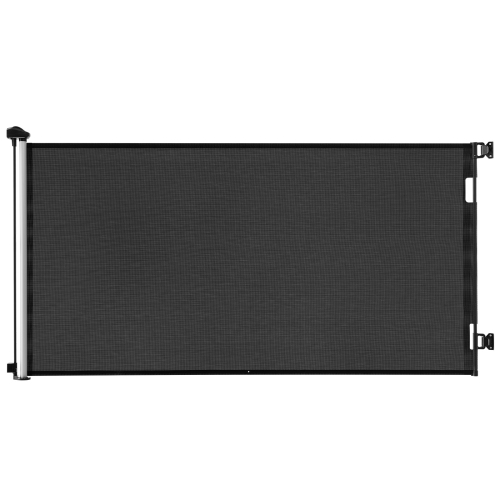
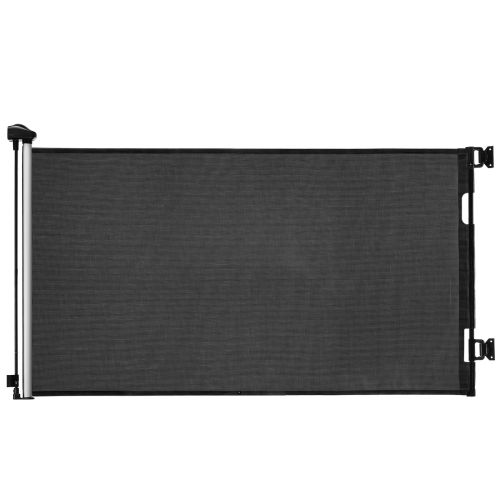
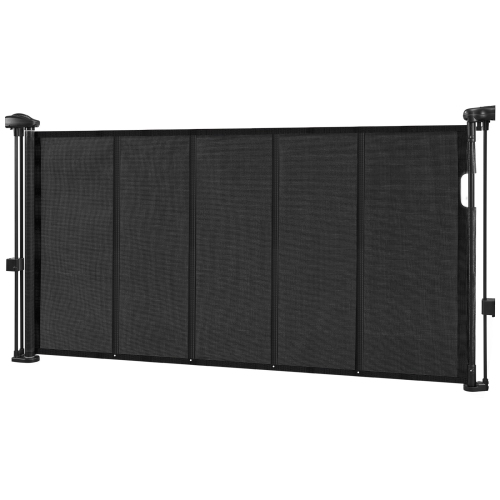
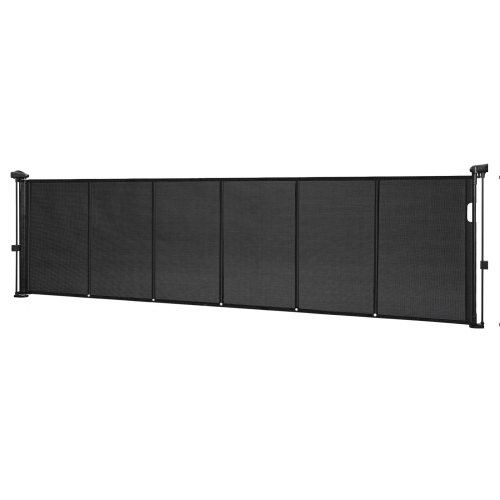
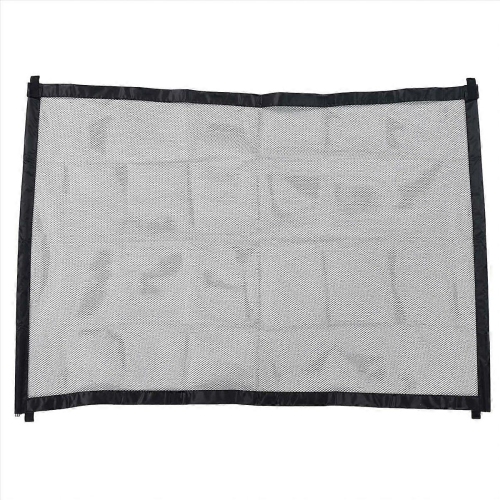
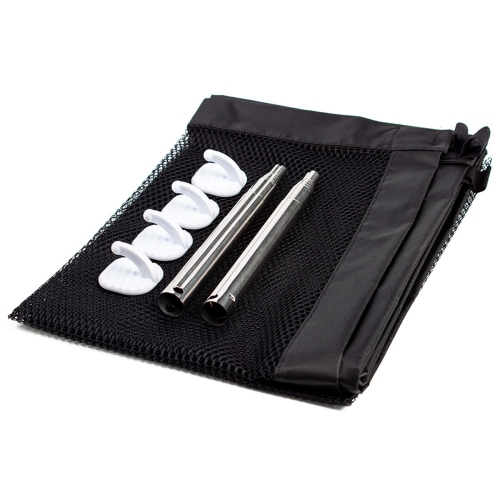
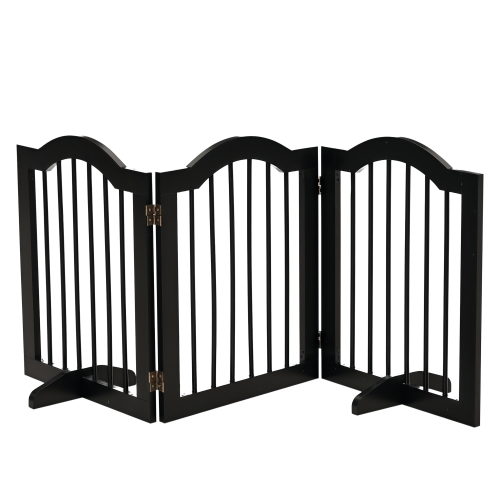
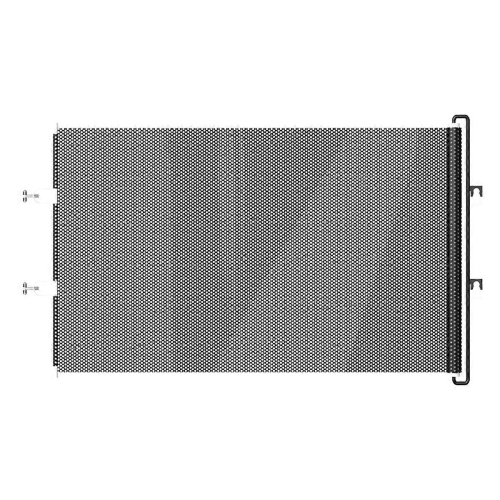
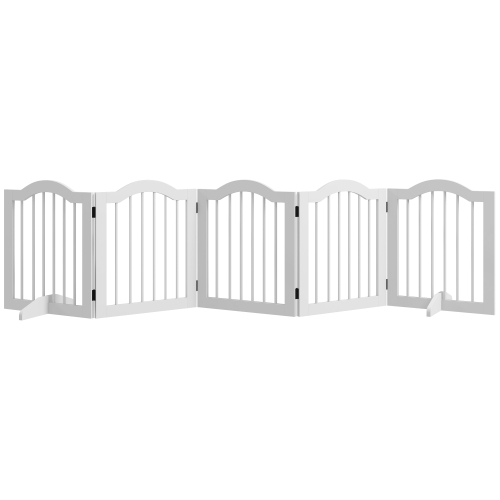
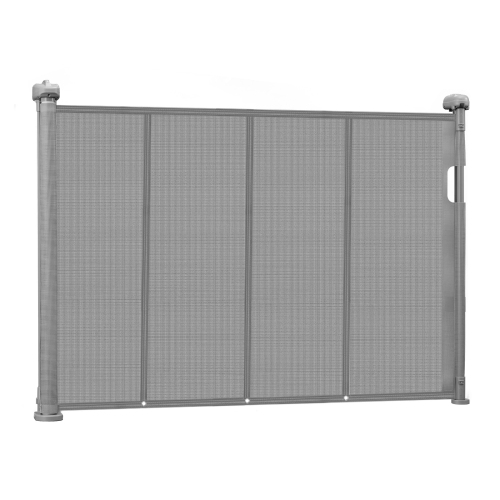
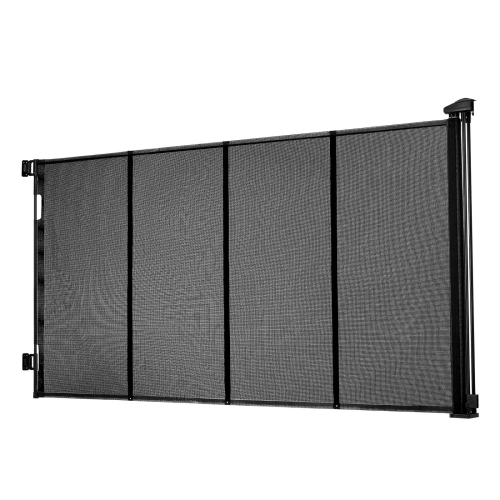
Materials and construction influence how a tall dog gate feels in daily use and how well it holds up to repeated opening, cleaning, and contact with pets. Steel frames offer rigidity and are often a practical consideration for larger dogs, though the strength of the joints, mounting points, and latch matters as much as the metal itself. Wood can blend comfortably with cabinetry and furniture, but it may show tooth marks or scratching if a dog mouths or paws at the barrier. Mesh panels offer a different look and can retract on some designs, yet their suitability depends on the pet's behaviour and the manufacturer's limits; they should not be assumed to withstand chewing or forceful pushing. Freestanding tall gates can divide a room without fastening to a doorway, but their stability depends on the panel arrangement, base, floor surface, and the dog using the space. They may suit a calm dog that respects a boundary better than one that charges or leans against it. Hinges should move smoothly, edges should feel finished, and the latch should remain accessible to adults without being easy for a curious dog to nudge open. In a busy household, these small details become noticeable during repeated trips between rooms. Routine care is generally straightforward: wipe away fur, paw marks, and household dust using the cleaning method specified for the material, then dry surfaces and moving parts as directed. Abrasive cleaners can damage finishes, while moisture left around hardware can contribute to wear. Regular checks for loose fasteners, shifting pressure pads, damaged mesh, splintered wood, or a latch that no longer catches help keep the barrier functioning as intended. Recheck the installation after moving a gate or adjusting its width. Pet gates should also not be treated as child safety gates unless they are explicitly designed and rated for that purpose. With the right dimensions, installation, and construction, a tall dog gate can make shared spaces easier to manage while allowing pets to remain comfortably connected to household activity.
Top selling and popular products
-
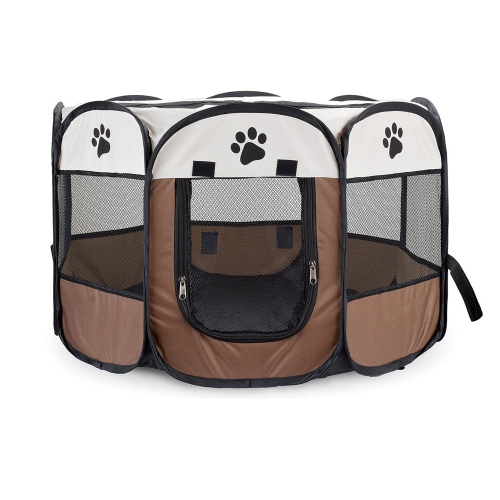 Your price for this item is $25.99
-
 Your price for this item is $139.99
-
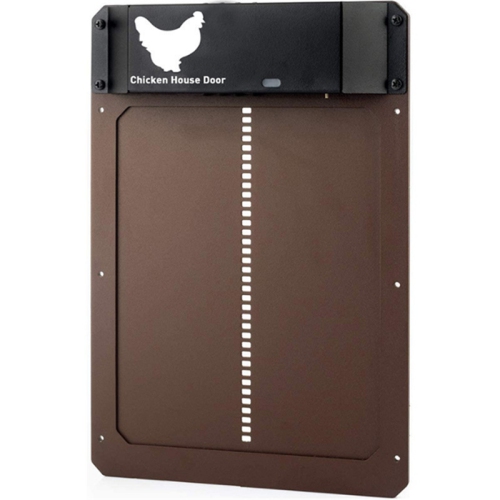 Your price for this item is $75.99
-
 Your price for this item is $65.9
-
 Your price for this item is $31.99
-
 Your price for this item is $156.99
-
 Your price for this item is $69.9
-
 Your price for this item is $84.99
Discover more categories related to Tall Dog Gates
Top Collections:
Pokemon Centers, Kindle Devices, Best Budget Office Chairs, Canon G7X Cameras, Apple iPhones 16, Samsung Galaxy Phones, Refurbished Apple Laptops, Laptops for Students, iPhone 15 Apple, Budget Smartphones
Some products may be subject to Environmental Handling Fees
(EHF) depending on your province.
Learn more about EHFs.