Taupe Bedding Sets
Create a serene and stylish bedroom retreat with our collection of taupe bedding sets. Embrace the calming and neutral tones of taupe, a versatile color that effortlessly complements almost any decor style. Whether you're looking for a complete bedding set or just a few new pieces to refresh your space, we have a wide selection to suit your needs. From cozy duvet covers and soft sheets to decorative pillows and matching shams, taupe bedding sets offer both comfort and elegance.
Sort
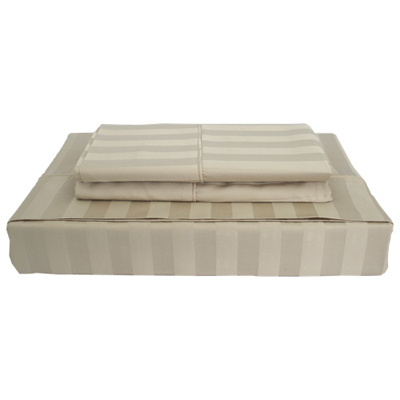
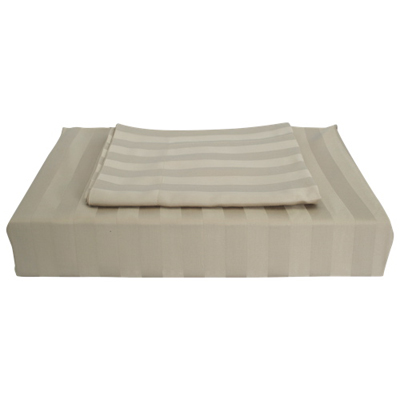
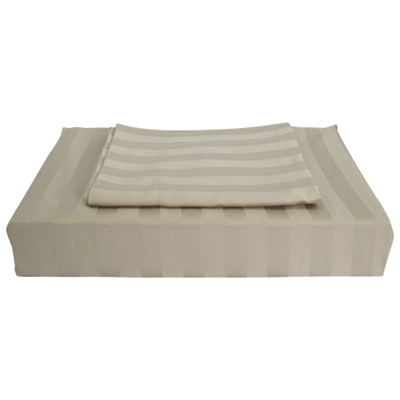
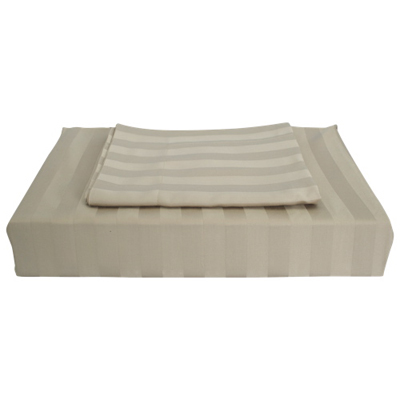
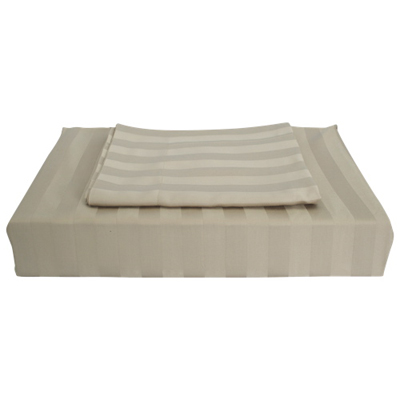
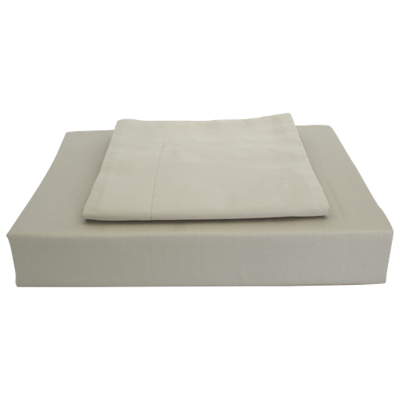
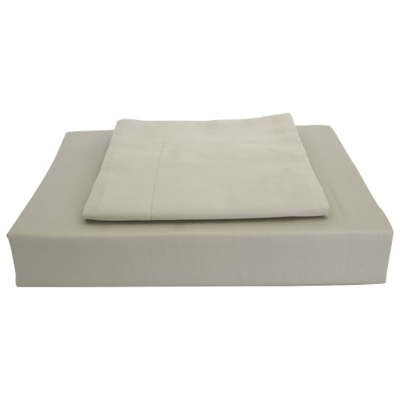
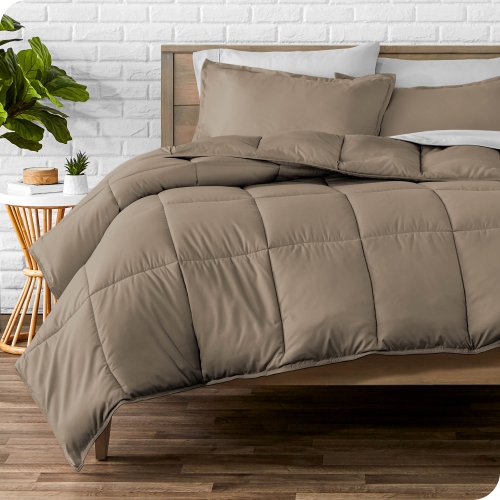
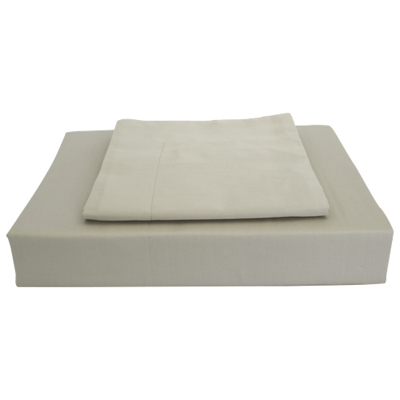
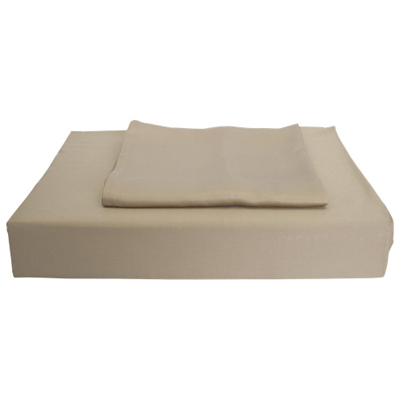
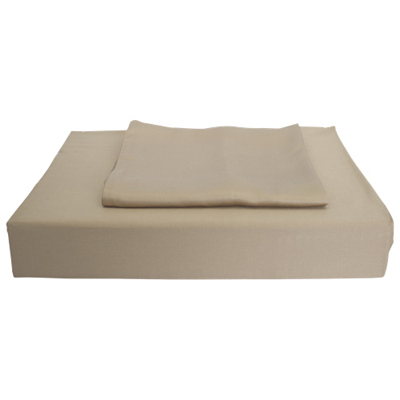
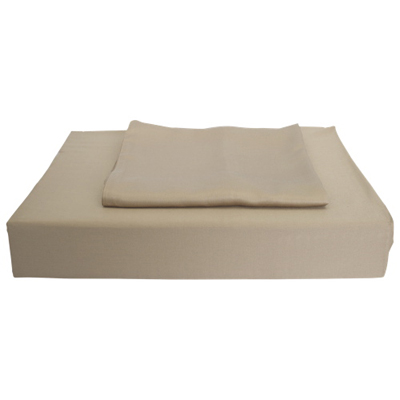
The subtle undertones that give taupe its versatility
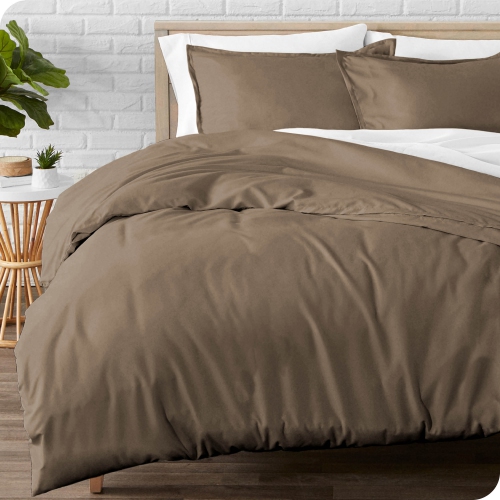
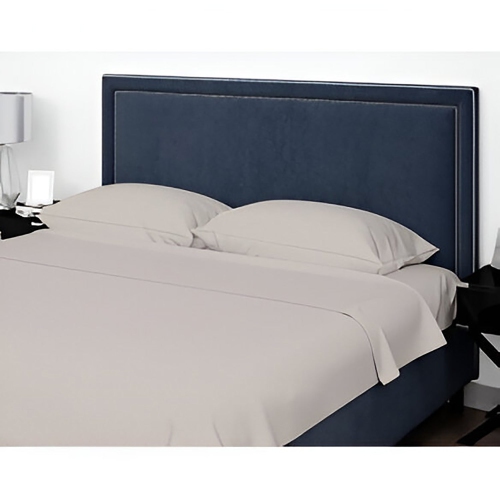
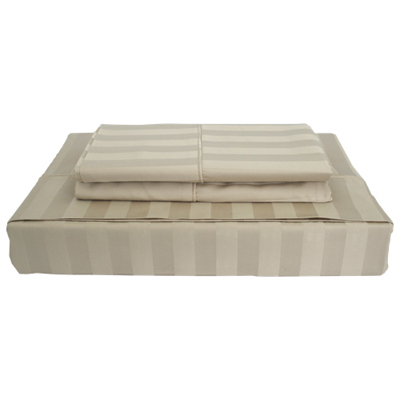
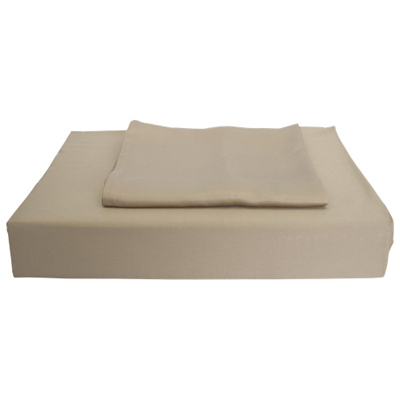
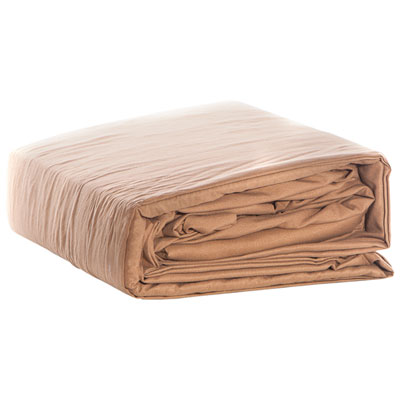
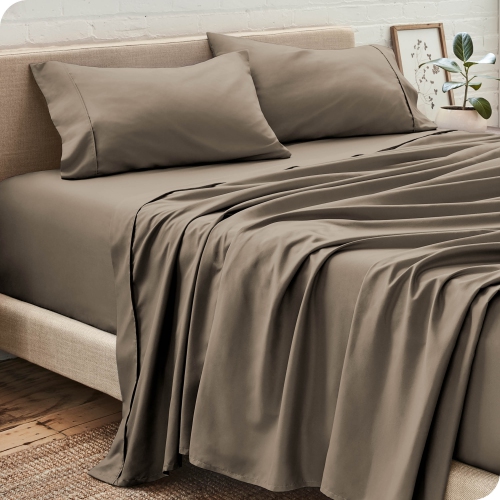
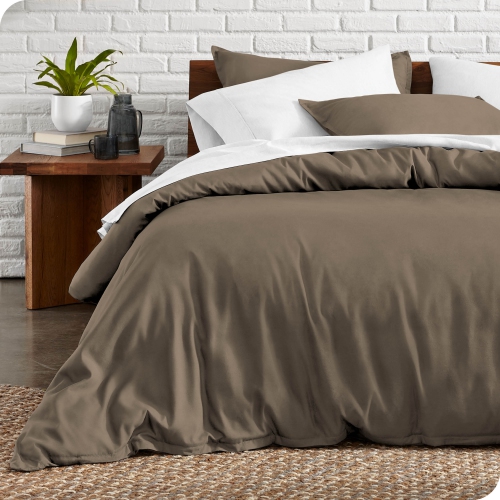
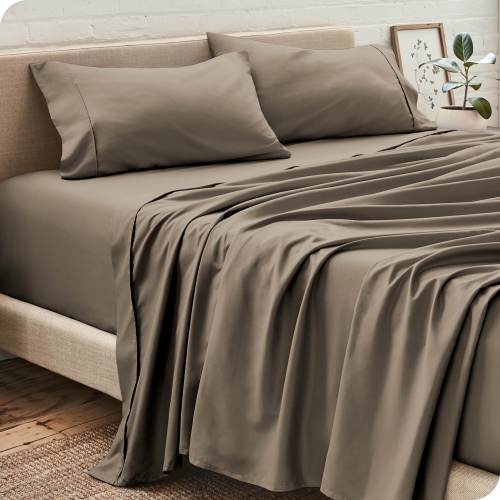
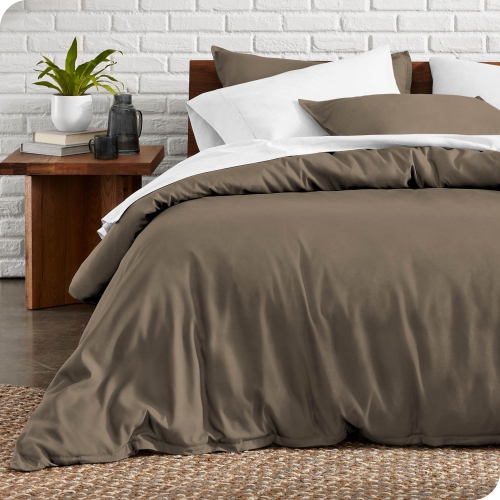
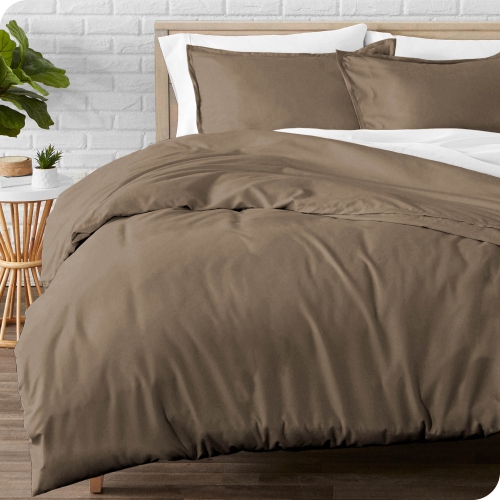
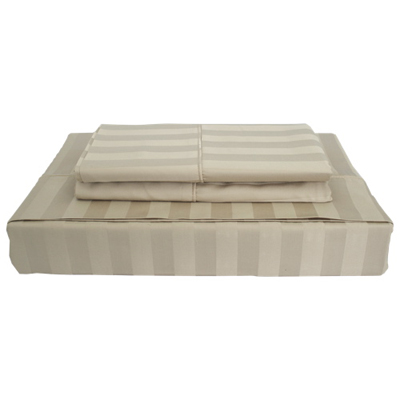
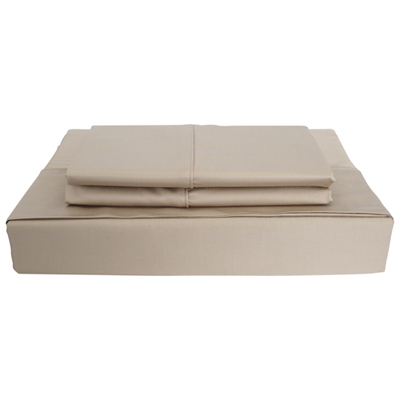
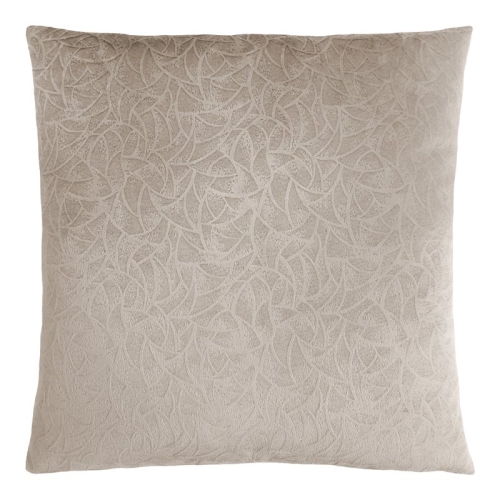
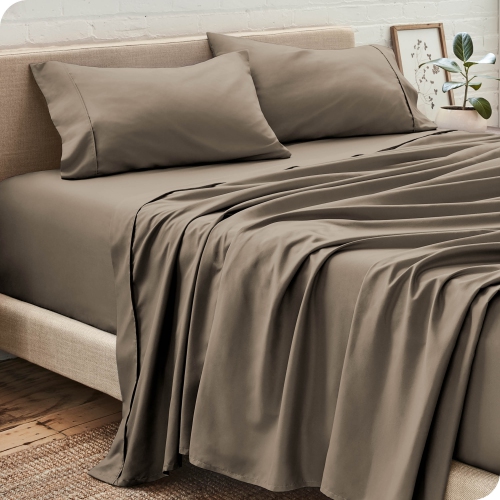
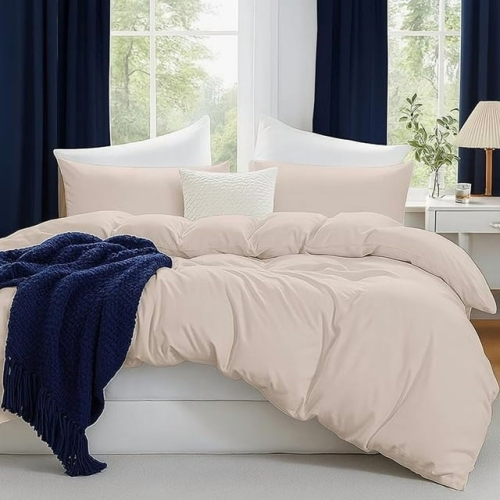
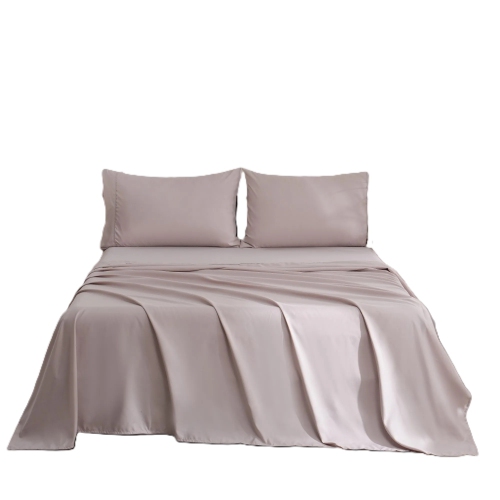
Taupe bedding sets bring a grounded, understated look to a bedroom, with a blend of brown and grey that sits comfortably alongside many furniture finishes and wall colours. The shade can lean towards sandy brown, soft mushroom, or grey with a subtle violet undertone, so the same colour name can describe noticeably different looks. Against cream walls and a natural wood bed frame, a brown-leaning taupe feels soft and inviting; beside charcoal upholstery or black bedside tables, a greyer taupe gives the room a more tailored appearance. Lighting also affects how the colour reads, and a fabric that looks distinctly grey in daylight may appear browner under a bedside lamp. When coordinating with existing furnishings, look at the overall undertone rather than expecting every neutral surface to match exactly. A little variation between bedding, curtains, and a rug adds depth without making the room feel busy. Solid taupe creates a quiet backdrop for patterned cushions, while stripes, stitched geometric details, or woven textures give the bed definition without relying on strong colour contrasts. A lightly crinkled finish suits a relaxed room where the bedding does not need to look perfectly pressed, whereas a smooth surface and neatly edged pillow shams create a more structured presentation. Taupe also works well with muted blue, olive, dusty rose, and off-white accents, making it useful when refreshing a bedroom without replacing the larger furnishings. For a lighter neutral palette, beige bedding sets offer another direction, particularly when the surrounding finishes have golden or creamy undertones. Neither shade needs an entirely neutral room: a taupe bed can balance a colourful piece of artwork or a patterned headboard rather than compete with it. That flexibility makes taupe bedding a practical choice for primary bedrooms, guest rooms, and shared spaces where the preferred look may change over time. It provides a cohesive foundation while leaving plenty of room for personal details.
The feel of taupe bedding depends as much on fabric and construction as it does on appearance. Cotton is a familiar choice for its softness and breathability, but the weave makes a noticeable difference in everyday use. Cotton percale typically has a crisp, matte finish, while cotton sateen tends to feel smoother and has a gentle sheen that can give taupe more visual depth. Linen usually has a more textured surface and a naturally rumpled look; its character suits anyone who prefers an unfussy bed to a sharply pressed finish. Polyester microfibre often feels smooth and lightweight, and many versions resist wrinkling, though the feel and care requirements vary with the fabric. Cotton-polyester blends can offer a balance of softness and straightforward upkeep. Thread count alone does not establish quality: fibre quality, weave, stitching, and finishing all contribute to how bedding feels and how well it holds up. Textured fabrics, tufting, and raised embroidery add interest, but flatter weaves may be more convenient in a household where jewellery or pets’ claws could catch on loose surface details. The type of set matters, too. A duvet cover set provides a removable outer layer for a separate duvet insert, while a comforter set generally includes a filled bed covering. Quilt and coverlet sets tend to have a flatter profile, making them useful for those who prefer less bulk or like to layer their bedding. Fill material, fill quantity, and construction influence a comforter’s weight and loft, so a plush appearance does not necessarily mean a heavy feel. Quilting helps keep filling distributed, while corner ties inside a duvet cover can help secure a compatible insert. Closures are another small detail with an everyday effect: buttons, zips, and envelope openings each handle differently when making the bed or doing laundry. For someone who changes bedding frequently, an opening that is easy to reach and fasten can be just as important as a decorative border.
Fit starts with both the mattress size and the actual dimensions of the bed covering. Twin, double, queen, and king labels are useful starting points, but finished measurements can differ between sets. A deeper mattress or a mattress topper may require a wider covering to achieve the side drop shown in a styled bedroom photograph. On a low platform bed, a generous drape can look relaxed; on a taller frame with visible side rails, a shorter drop may create a neater outline. For duvet covers, compare the cover measurements with the insert rather than relying on the size name alone, since a poor match can leave empty corners or bunching. Set contents also deserve a close look. Some include only a duvet cover or comforter and matching shams, while others include sheets, pillowcases, or additional accents. Decorative shams are not always a substitute for the pillowcases used for sleeping, and their dimensions should suit the pillows they will hold. If fitted sheets are included, pocket depth should accommodate the mattress and any topper together. These details are especially useful when choosing bedding for a guest room, a first apartment, or a housewarming gift: knowing the recipient’s bed size and preference for a duvet or comforter helps make the gift genuinely useful. For lasting care, follow the sewn-in instructions for each component, including any separate requirements for textured trims or filled pieces. A bulky comforter needs enough space in the washing machine to move freely, and some constructions require professional cleaning. Wash compatible colours together, use cleaning products suited to the fabric, and avoid unnecessary bleach or harsh stain treatments that could alter the taupe shade. Prompt attention to spills and complete drying before storage help keep bedding fresh and ready for use. Rotating between sets can spread out wear, while securely finished seams, even stitching, and firmly attached closures support repeated laundering. With the right proportions, a comfortable fabric, and manageable care requirements, taupe bedding can become an easy part of a well-used bedroom rather than something reserved for a perfectly staged bed.
The feel of taupe bedding depends as much on fabric and construction as it does on appearance. Cotton is a familiar choice for its softness and breathability, but the weave makes a noticeable difference in everyday use. Cotton percale typically has a crisp, matte finish, while cotton sateen tends to feel smoother and has a gentle sheen that can give taupe more visual depth. Linen usually has a more textured surface and a naturally rumpled look; its character suits anyone who prefers an unfussy bed to a sharply pressed finish. Polyester microfibre often feels smooth and lightweight, and many versions resist wrinkling, though the feel and care requirements vary with the fabric. Cotton-polyester blends can offer a balance of softness and straightforward upkeep. Thread count alone does not establish quality: fibre quality, weave, stitching, and finishing all contribute to how bedding feels and how well it holds up. Textured fabrics, tufting, and raised embroidery add interest, but flatter weaves may be more convenient in a household where jewellery or pets’ claws could catch on loose surface details. The type of set matters, too. A duvet cover set provides a removable outer layer for a separate duvet insert, while a comforter set generally includes a filled bed covering. Quilt and coverlet sets tend to have a flatter profile, making them useful for those who prefer less bulk or like to layer their bedding. Fill material, fill quantity, and construction influence a comforter’s weight and loft, so a plush appearance does not necessarily mean a heavy feel. Quilting helps keep filling distributed, while corner ties inside a duvet cover can help secure a compatible insert. Closures are another small detail with an everyday effect: buttons, zips, and envelope openings each handle differently when making the bed or doing laundry. For someone who changes bedding frequently, an opening that is easy to reach and fasten can be just as important as a decorative border.
Fit starts with both the mattress size and the actual dimensions of the bed covering. Twin, double, queen, and king labels are useful starting points, but finished measurements can differ between sets. A deeper mattress or a mattress topper may require a wider covering to achieve the side drop shown in a styled bedroom photograph. On a low platform bed, a generous drape can look relaxed; on a taller frame with visible side rails, a shorter drop may create a neater outline. For duvet covers, compare the cover measurements with the insert rather than relying on the size name alone, since a poor match can leave empty corners or bunching. Set contents also deserve a close look. Some include only a duvet cover or comforter and matching shams, while others include sheets, pillowcases, or additional accents. Decorative shams are not always a substitute for the pillowcases used for sleeping, and their dimensions should suit the pillows they will hold. If fitted sheets are included, pocket depth should accommodate the mattress and any topper together. These details are especially useful when choosing bedding for a guest room, a first apartment, or a housewarming gift: knowing the recipient’s bed size and preference for a duvet or comforter helps make the gift genuinely useful. For lasting care, follow the sewn-in instructions for each component, including any separate requirements for textured trims or filled pieces. A bulky comforter needs enough space in the washing machine to move freely, and some constructions require professional cleaning. Wash compatible colours together, use cleaning products suited to the fabric, and avoid unnecessary bleach or harsh stain treatments that could alter the taupe shade. Prompt attention to spills and complete drying before storage help keep bedding fresh and ready for use. Rotating between sets can spread out wear, while securely finished seams, even stitching, and firmly attached closures support repeated laundering. With the right proportions, a comfortable fabric, and manageable care requirements, taupe bedding can become an easy part of a well-used bedroom rather than something reserved for a perfectly staged bed.
Top selling and popular products
-
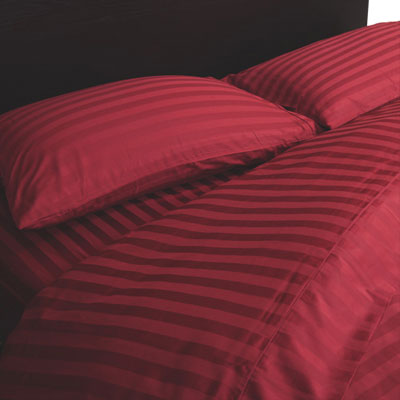 Your price for this item is $134.99
 -
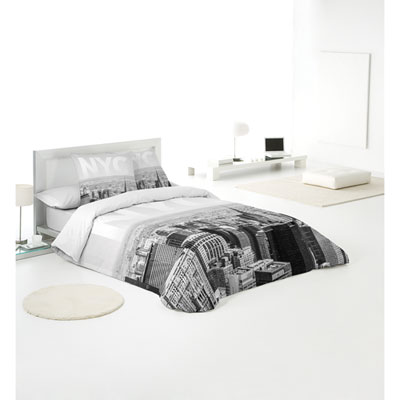 Your price for this item is $181.99
 -
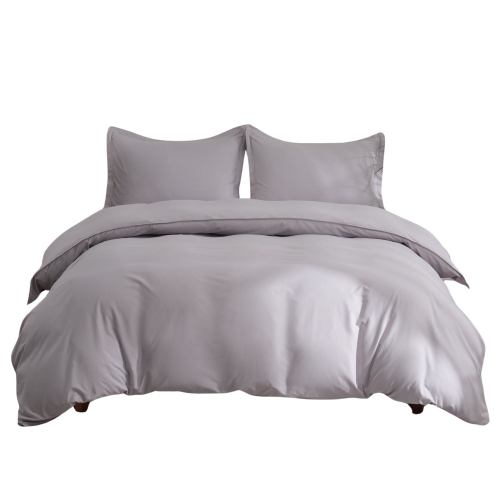 Your price for this item is $270
 -
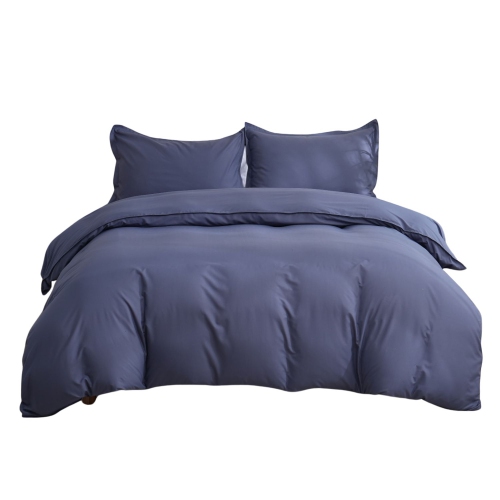 Your price for this item is $240
 -
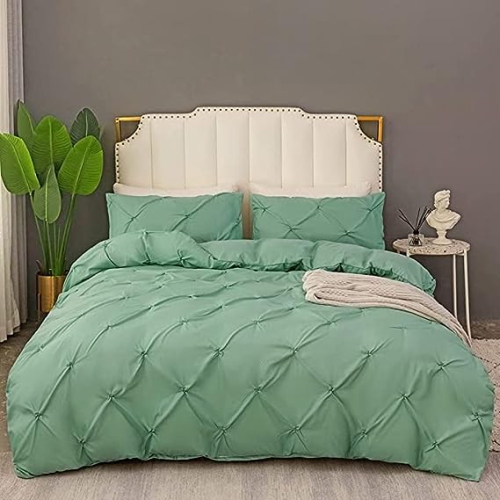 Your price for this item is $39.99
 -
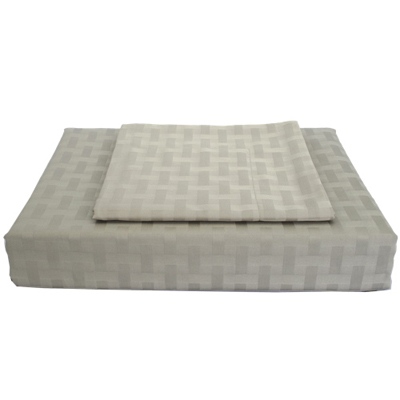 Your price for this item is $189.99
 -
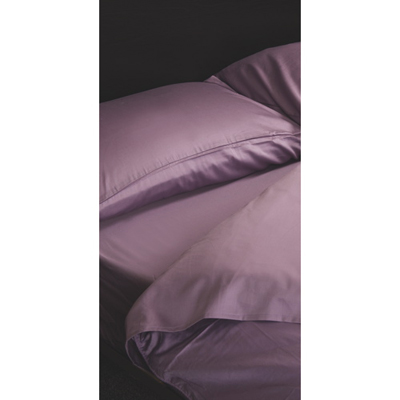 Your price for this item is $126.98
 -
 Your price for this item is $139.99
Discover more categories related to Taupe Bedding Sets
Top Collections:
Pokemon Centers, Kindle Devices, Best Budget Office Chairs, Apple iPhones 16, Canon G7X Cameras, iPhone 15 Apple, Alarm Clock, Refurbished Apple Laptops, Flip Phones, Best Laptops for Writers
Some products may be subject to Environmental Handling Fees
(EHF) depending on your province.
Learn more about EHFs.