Teak Shower Benches
Enhance your bathroom with the timeless appeal of a teak shower bench. Perfect for adding both style and functionality to your shower space, a teak shower bench offers a versatile solution for comfortable seating or convenient storage. Its classic look complements a variety of décor styles, making it an excellent addition to any home. Explore options designed to fit seamlessly into your daily routine and elevate your bathing experience.
Sort
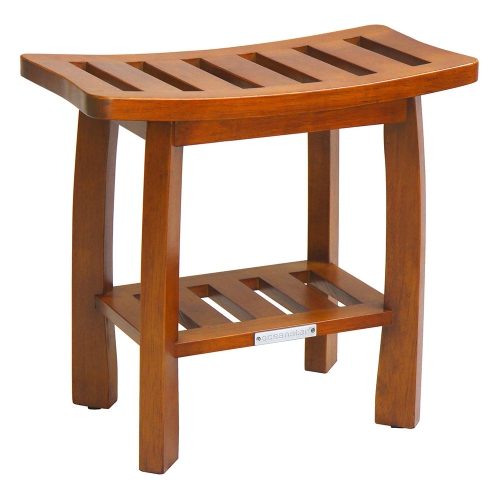
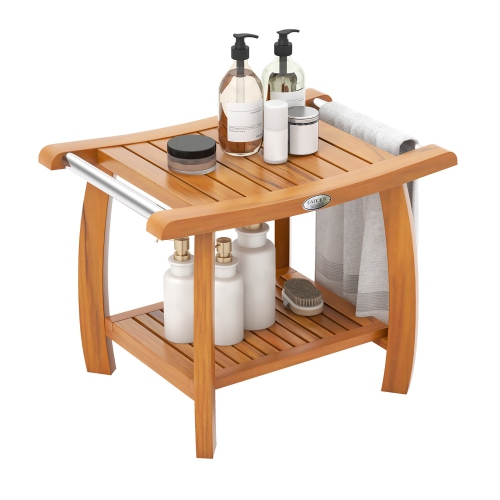

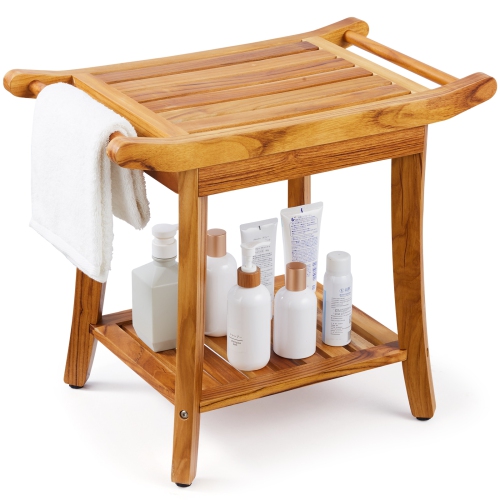
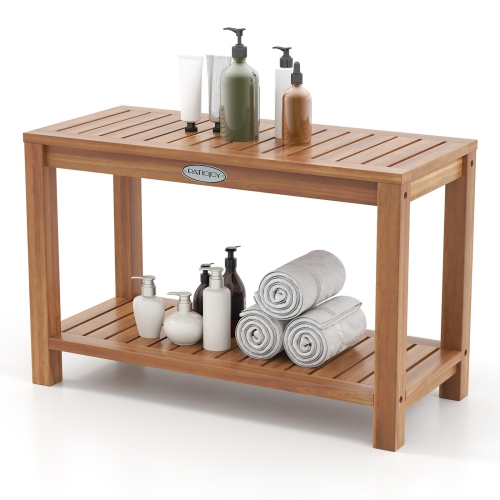
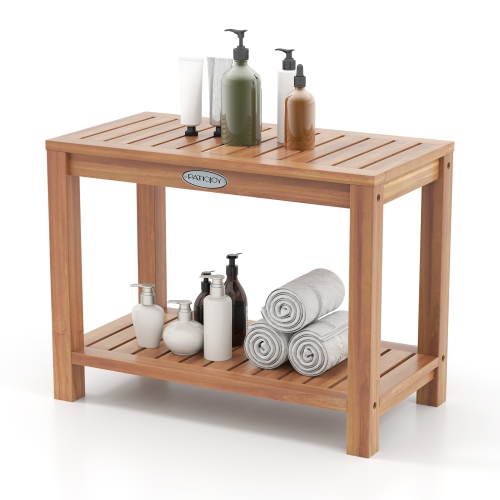
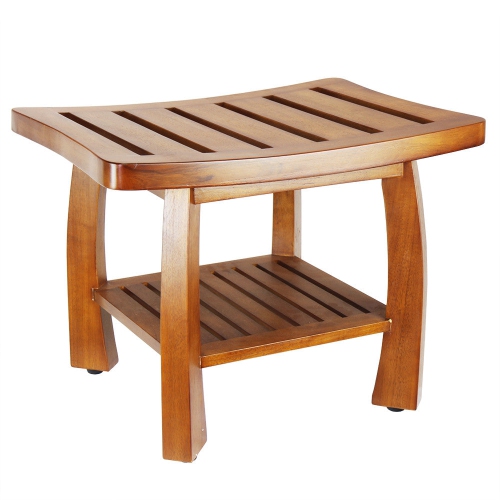
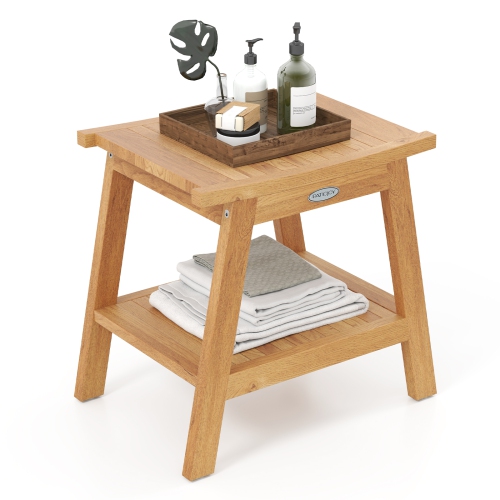
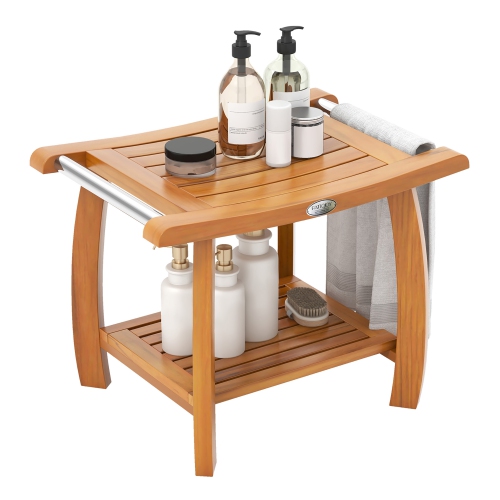
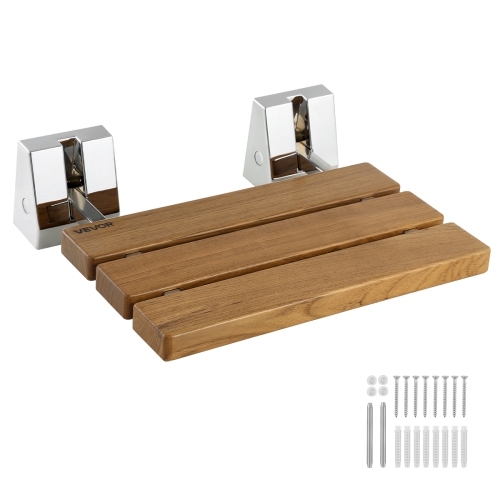
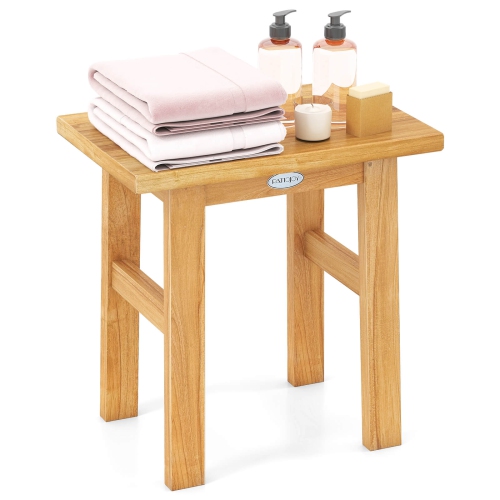
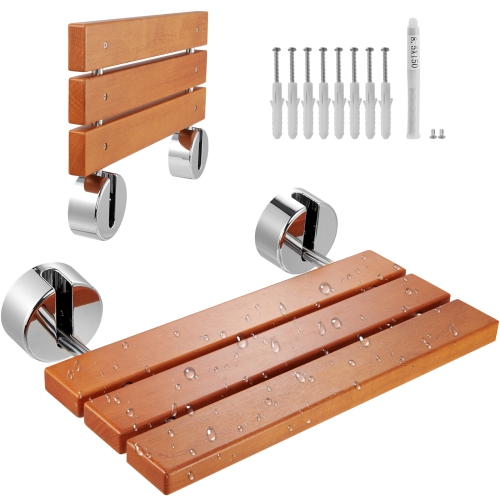
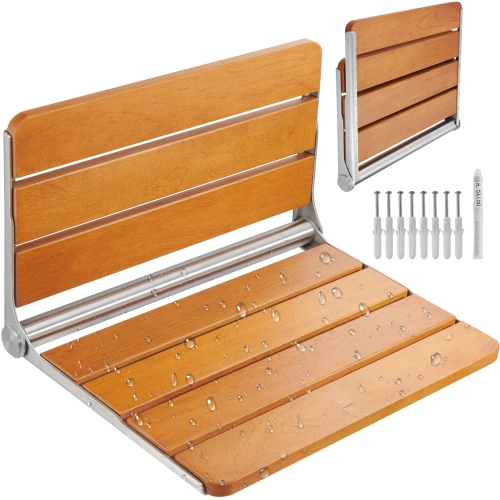
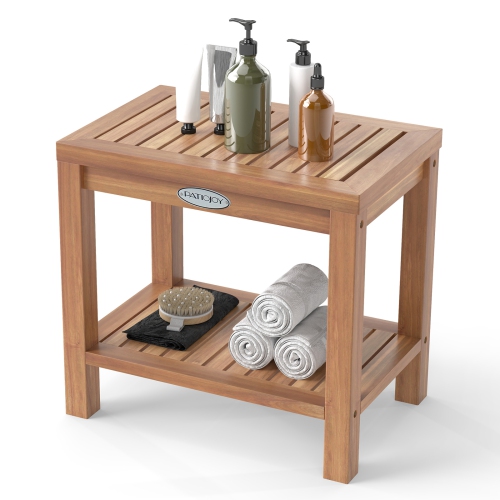
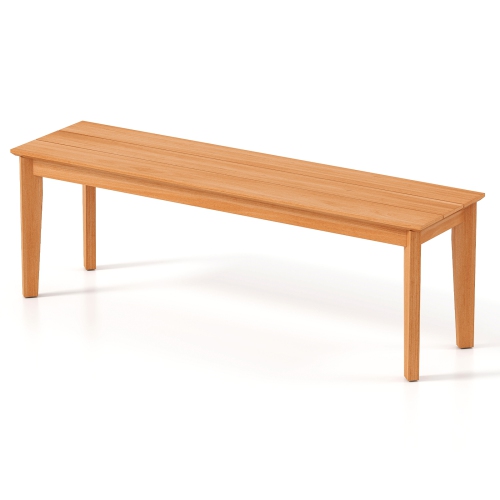
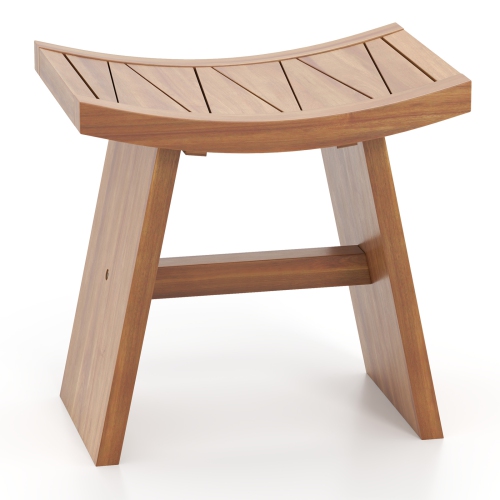
Natural wood warmth with a practical place to sit
Teak shower benches bring the warmth of natural wood into a bathroom while providing a place to sit, rest a foot, or keep bathing essentials within reach. Made from a dense hardwood with naturally occurring oils, teak is valued for its resistance to moisture and its ability to withstand repeated exposure to water when properly constructed and cared for. That resistance does not make every teak bench waterproof or suitable for constant saturation; joinery, hardware, finish, and the manufacturer’s intended use all matter. A bench designed specifically for shower use is different from an indoor accent bench that happens to have a similar appearance. Solid teak typically has a golden to medium brown colour, with grain patterns and subtle variations that make each piece look distinct. Its warm tones sit comfortably alongside white tile, stone surfaces, glass shower panels, and matte black or brushed metal fixtures. Slatted seats are common because the spaces between the boards let water drain rather than collect across a broad, flat surface. Smoothly finished edges and rounded corners can make a seat more comfortable against bare skin, while the spacing and shape of the slats affect how it feels during use. Rectangular benches offer a familiar seating shape and may include a lower shelf for bottles or bathing accessories. Compact stools provide a smaller surface for resting a foot while washing or shaving, provided that use is permitted by the manufacturer. Corner benches use a triangular or curved footprint to fit where two walls meet, leaving more of the centre of the shower open. Folding designs can free up floor space between uses, although freestanding folding benches and wall-mounted folding seats have different installation and support requirements. These details make teak shower benches useful for more than their appearance: the right design can give a spacious walk-in shower a comfortable resting spot or make better use of an otherwise empty corner without crowding the bathing area.
Fit begins with the usable space inside the shower, not simply its overall dimensions. A bench needs enough room for its full footprint, clearance for the shower door, and space for someone to enter, turn, and reach the controls without stepping around an obstacle. In a smaller enclosure, a corner seat may leave a clearer path than a rectangular bench, but its shape can also provide less usable sitting depth than its widest measurement suggests. Seat height, width, and depth deserve equal attention. A low stool that works well as a footrest may be awkward for someone who wants to sit and stand comfortably, while a deeper seat can take up more room than expected once bottles and other accessories are in place. Measuring the intended location and marking out the footprint helps show how much standing space will remain. Shower floors often slope towards a drain, so the feet must make stable contact with the surface. Adjustable foot levellers can help accommodate a slight slope within their specified range, and rubber-tipped feet may improve grip and reduce direct contact between wood and tile. Neither feature guarantees stability on every surface, particularly where soap residue is present. The bench should not rock, obstruct drainage, or rely on a glass panel for support. For wall-mounted seating, the wall structure, mounting hardware, and installation method must meet the manufacturer’s requirements; tile alone is not a structural support. A stated weight capacity is another essential consideration, but it does not turn a decorative shower bench into a medical bathing aid. Someone who needs dependable support for transfers, balance, or recovery may be better served by a purpose-designed shower chair and advice from a qualified healthcare professional. For everyday use, thoughtful shelf placement can keep shampoo and body wash close at hand without cluttering the seat. A lower rack is convenient for wet-use accessories, though towels and clothing are better kept outside the spray zone. Open space around and beneath the bench also makes it easier to rinse the shower floor and reach areas where soap can accumulate.
Regular care helps preserve both the appearance and usefulness of a teak shower bench. The manufacturer’s cleaning and finish instructions should take priority, since unfinished teak, sealed wood, and other surface treatments may need different handling. If an initial rinse is specified, it can remove fine wood dust left from production before the bench is placed into use. For routine cleaning, a soft cloth or soft-bristled brush with mild soap and water is often sufficient to lift body wash residue and everyday buildup. Rinsing away soap and allowing the bench to dry between uses helps prevent residue from collecting in slat gaps, around fasteners, and beneath the feet. Good bathroom ventilation matters even with a moisture-resistant wood, and a bench should not be left standing in pooled water. Harsh cleaners, abrasive pads, and pressure washing can damage the surface or finish, so they are best avoided unless expressly approved for the material. Teak can gradually change colour with use, and a shift in tone does not necessarily mean the wood has lost its strength. Persistent dark patches, rough areas, loose joints, or movement at the feet warrant closer inspection and care according to the manufacturer’s directions. Applying oil is not automatically necessary: some shower benches are intended to remain untreated, and an unsuitable coating can leave residue or affect grip. Periodic checks of screws, folding mechanisms, and adjustable feet help identify wear before it interferes with normal use. Outside the shower, a shower-rated teak bench can also provide a practical perch beside a bathtub or a place to set bathing accessories, as long as it rests securely and stays clear of walking paths. It can be a thoughtful housewarming gift for someone furnishing a bathroom, particularly when the shower measurements and preferred seating style are already known. For a coordinated wood-toned look elsewhere in the home, Teak Color Benches offer a related direction to explore, though a teak-coloured finish does not establish solid teak construction or suitability for wet use. In the shower itself, purpose-built materials, a comfortable fit, secure footing, and manageable care are what make a bench a useful part of a daily bathing routine.
Fit begins with the usable space inside the shower, not simply its overall dimensions. A bench needs enough room for its full footprint, clearance for the shower door, and space for someone to enter, turn, and reach the controls without stepping around an obstacle. In a smaller enclosure, a corner seat may leave a clearer path than a rectangular bench, but its shape can also provide less usable sitting depth than its widest measurement suggests. Seat height, width, and depth deserve equal attention. A low stool that works well as a footrest may be awkward for someone who wants to sit and stand comfortably, while a deeper seat can take up more room than expected once bottles and other accessories are in place. Measuring the intended location and marking out the footprint helps show how much standing space will remain. Shower floors often slope towards a drain, so the feet must make stable contact with the surface. Adjustable foot levellers can help accommodate a slight slope within their specified range, and rubber-tipped feet may improve grip and reduce direct contact between wood and tile. Neither feature guarantees stability on every surface, particularly where soap residue is present. The bench should not rock, obstruct drainage, or rely on a glass panel for support. For wall-mounted seating, the wall structure, mounting hardware, and installation method must meet the manufacturer’s requirements; tile alone is not a structural support. A stated weight capacity is another essential consideration, but it does not turn a decorative shower bench into a medical bathing aid. Someone who needs dependable support for transfers, balance, or recovery may be better served by a purpose-designed shower chair and advice from a qualified healthcare professional. For everyday use, thoughtful shelf placement can keep shampoo and body wash close at hand without cluttering the seat. A lower rack is convenient for wet-use accessories, though towels and clothing are better kept outside the spray zone. Open space around and beneath the bench also makes it easier to rinse the shower floor and reach areas where soap can accumulate.
Regular care helps preserve both the appearance and usefulness of a teak shower bench. The manufacturer’s cleaning and finish instructions should take priority, since unfinished teak, sealed wood, and other surface treatments may need different handling. If an initial rinse is specified, it can remove fine wood dust left from production before the bench is placed into use. For routine cleaning, a soft cloth or soft-bristled brush with mild soap and water is often sufficient to lift body wash residue and everyday buildup. Rinsing away soap and allowing the bench to dry between uses helps prevent residue from collecting in slat gaps, around fasteners, and beneath the feet. Good bathroom ventilation matters even with a moisture-resistant wood, and a bench should not be left standing in pooled water. Harsh cleaners, abrasive pads, and pressure washing can damage the surface or finish, so they are best avoided unless expressly approved for the material. Teak can gradually change colour with use, and a shift in tone does not necessarily mean the wood has lost its strength. Persistent dark patches, rough areas, loose joints, or movement at the feet warrant closer inspection and care according to the manufacturer’s directions. Applying oil is not automatically necessary: some shower benches are intended to remain untreated, and an unsuitable coating can leave residue or affect grip. Periodic checks of screws, folding mechanisms, and adjustable feet help identify wear before it interferes with normal use. Outside the shower, a shower-rated teak bench can also provide a practical perch beside a bathtub or a place to set bathing accessories, as long as it rests securely and stays clear of walking paths. It can be a thoughtful housewarming gift for someone furnishing a bathroom, particularly when the shower measurements and preferred seating style are already known. For a coordinated wood-toned look elsewhere in the home, Teak Color Benches offer a related direction to explore, though a teak-coloured finish does not establish solid teak construction or suitability for wet use. In the shower itself, purpose-built materials, a comfortable fit, secure footing, and manageable care are what make a bench a useful part of a daily bathing routine.
Top selling and popular products
-
 Your price for this item is $109.31
 -
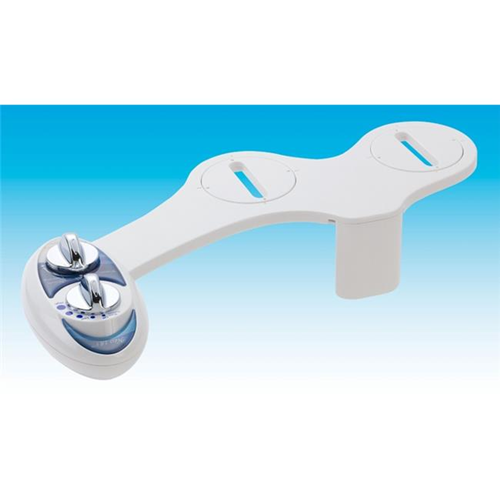 Your price for this item is $200.83
 -
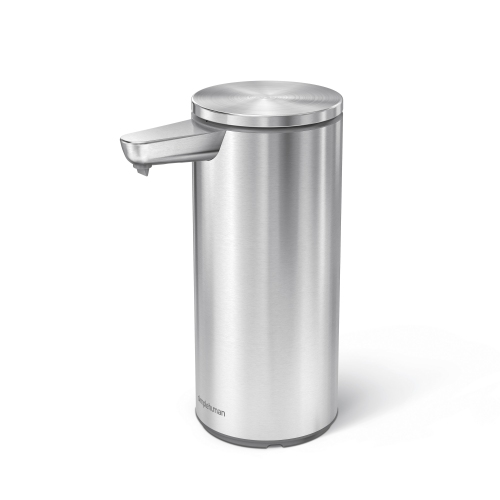 Your price for this item is $90
 -
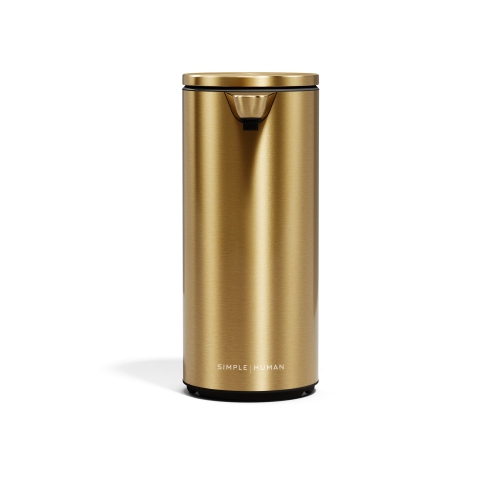 Your price for this item is $100
 -
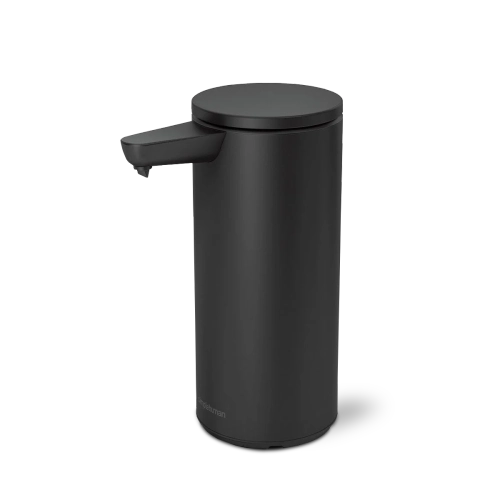 Your price for this item is $100
 -
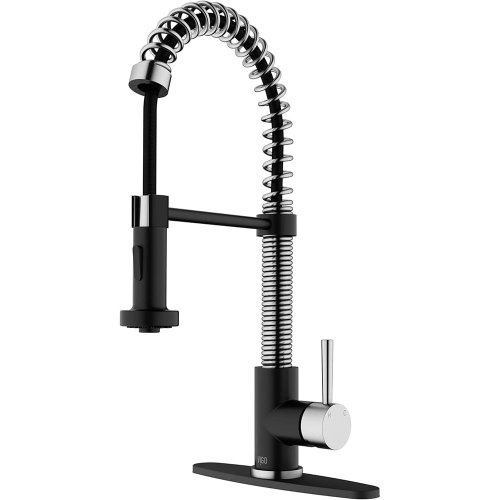 Your price for this item is $426.55
 -
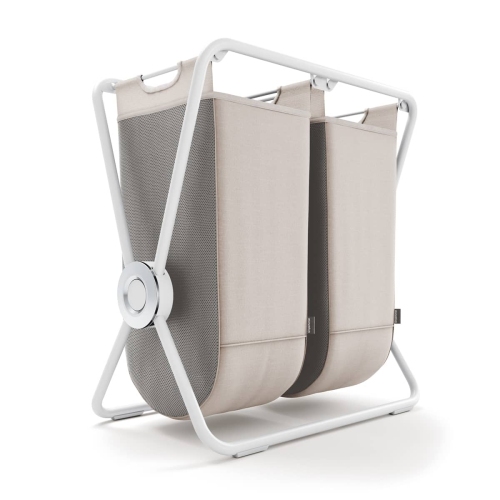 Your price for this item is $300
 -
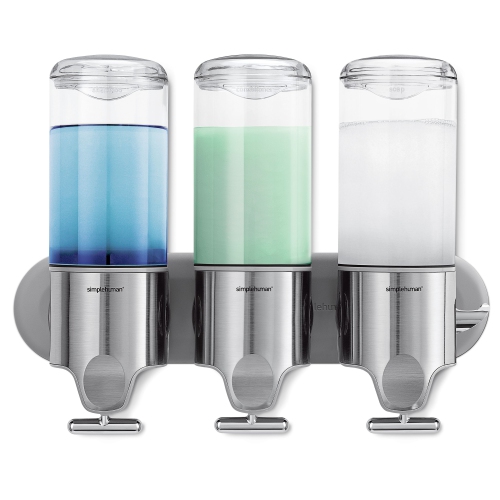 Your price for this item is $120
Discover more categories related to Teak Shower Benches
Top Collections:
Pokemon Centers, Kindle Devices, Best Budget Office Chairs, Apple iPhones 16, Canon G7X Cameras, iPhone 15 Apple, Alarm Clock, Refurbished Apple Laptops, Flip Phones, Best Laptops for Writers
Some products may be subject to Environmental Handling Fees
(EHF) depending on your province.
Learn more about EHFs.