Tire Inflators
Looking to keep your tires properly inflated and ready for the road? Look no further than our wide selection of tire inflators. Whether you're a seasoned car enthusiast or simply want to ensure your vehicle's safety, these handy devices are a must-have for every driver. With their compact design and powerful performance, tire inflators make it easy to maintain optimal tire pressure at home or on the go. From portable options for emergency situations to heavy-duty models for professional use, we have the perfect tire inflator to suit your needs. Browse our collection now and get ready to hit the road with confidence!
Sort

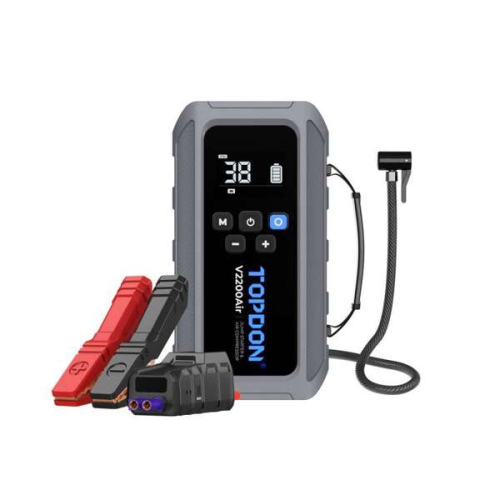
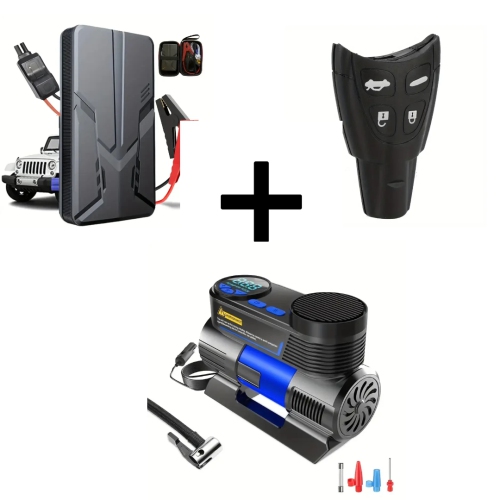

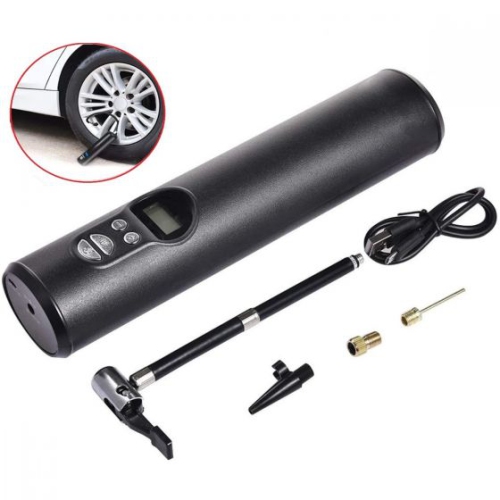
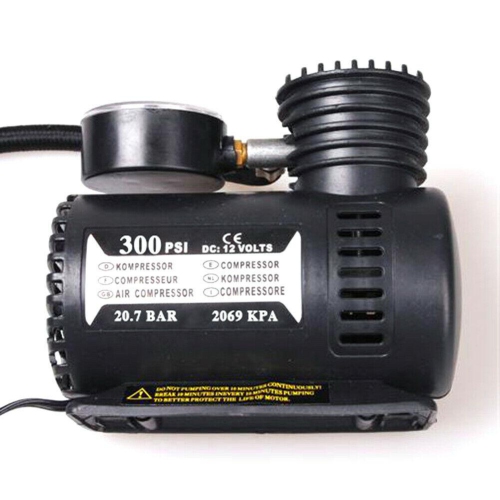
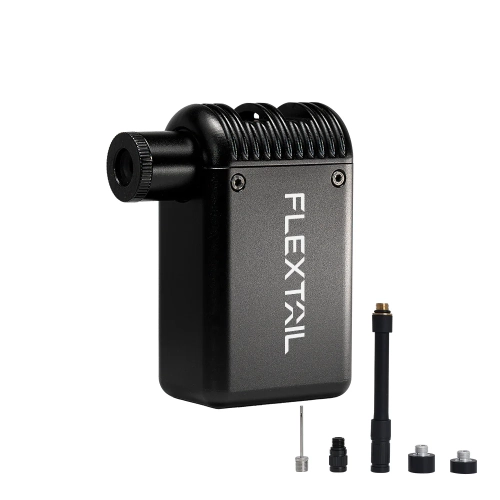
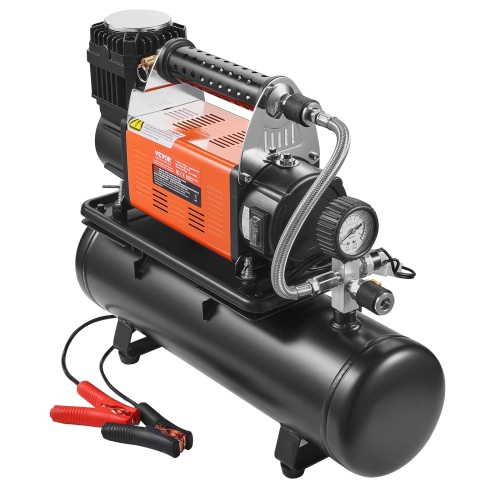
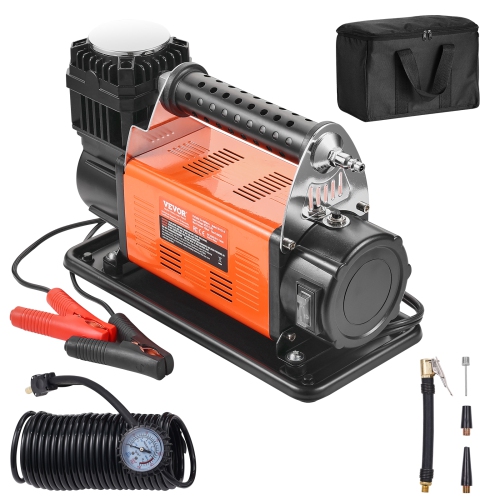
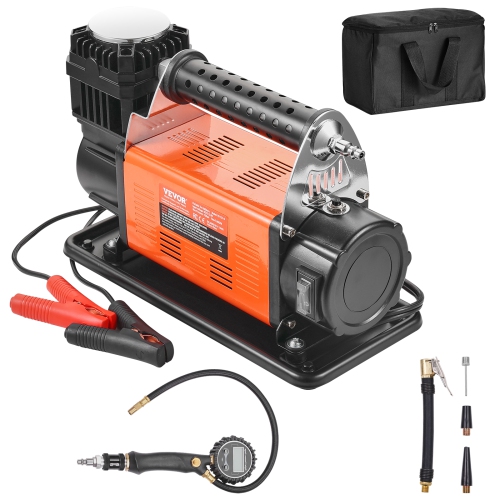

Practical features for roadside top-ups and everyday inflation
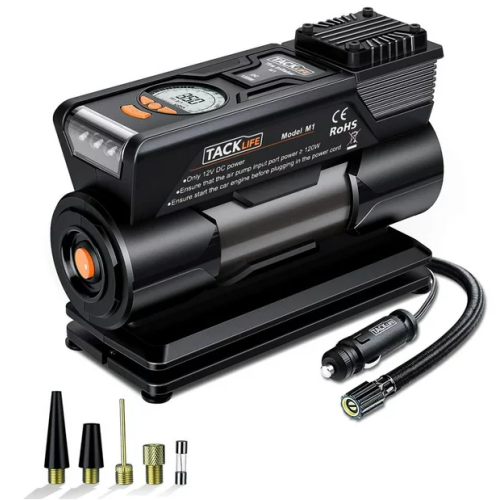
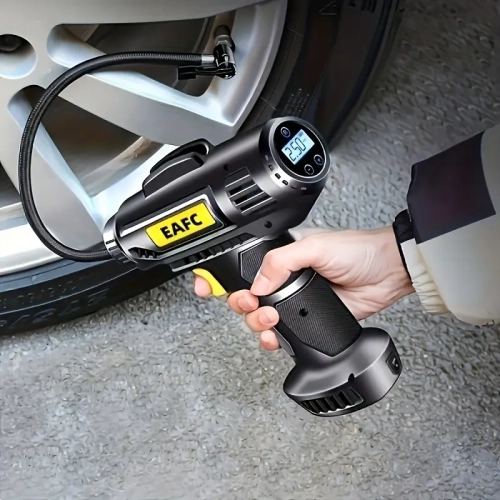
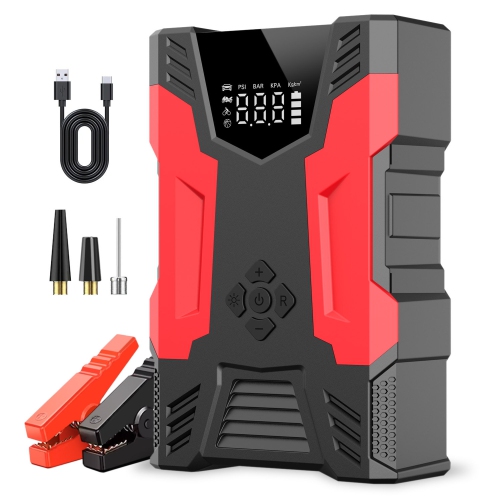
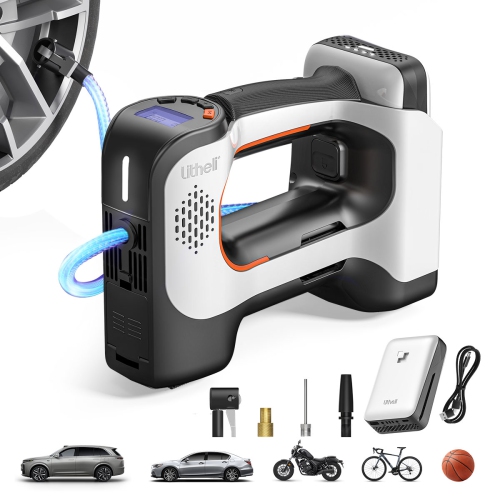
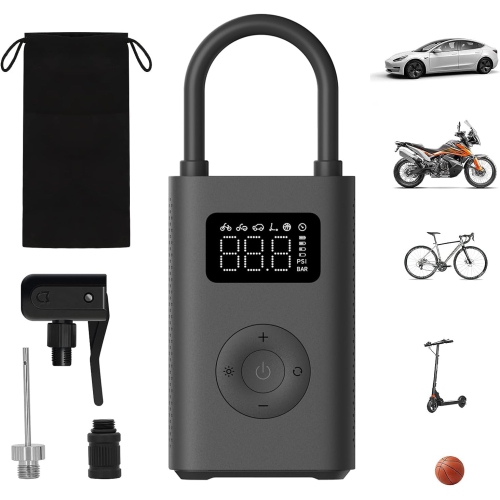
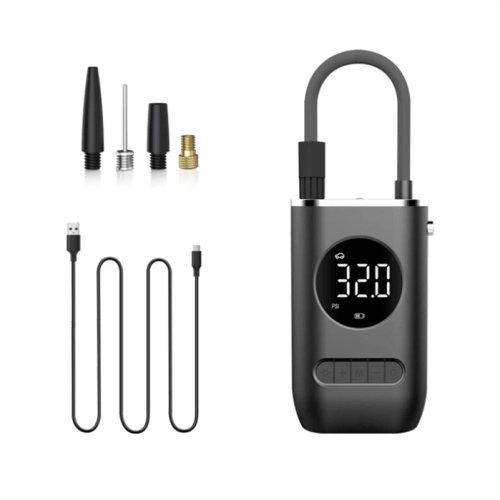
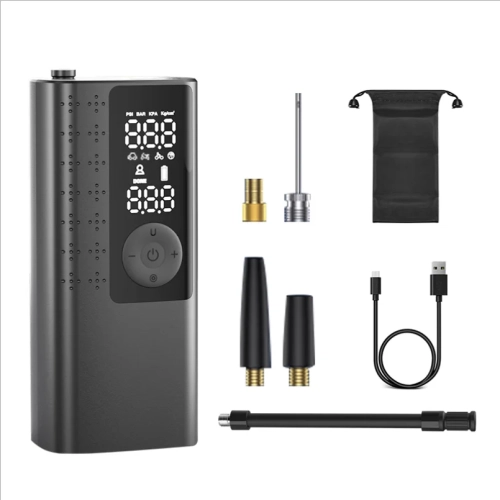
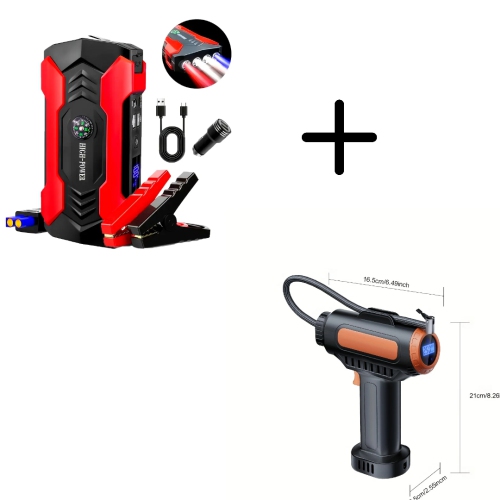
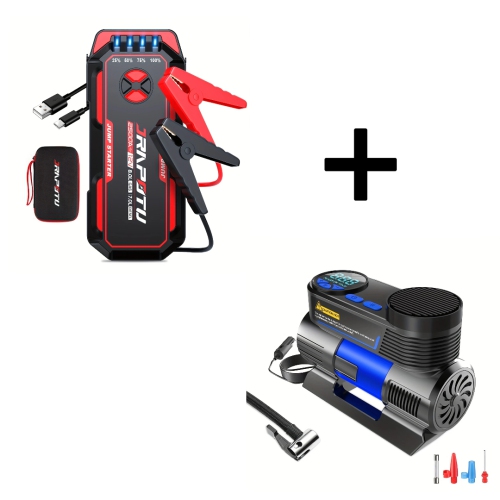
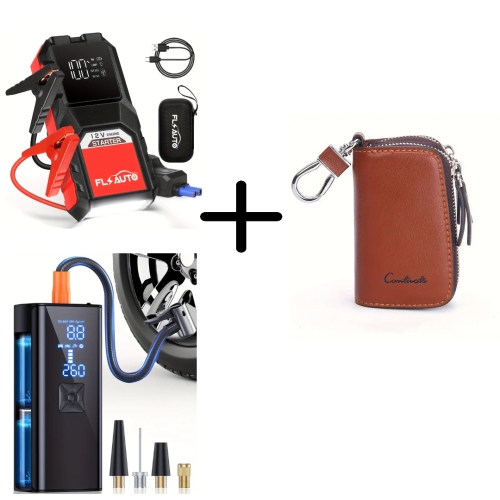
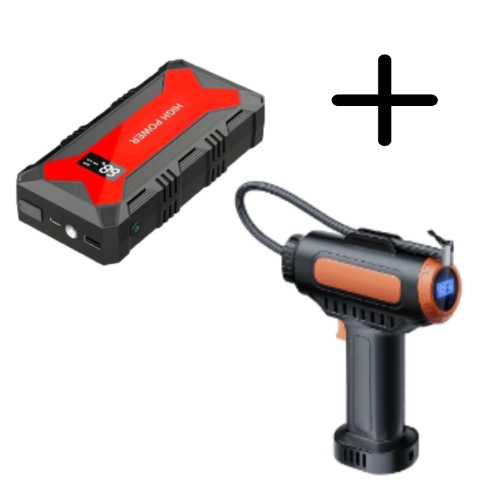
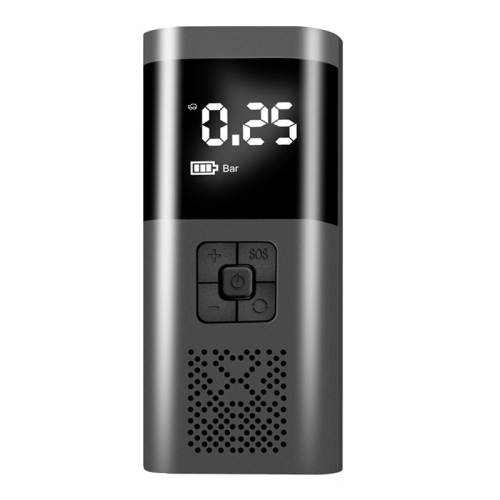
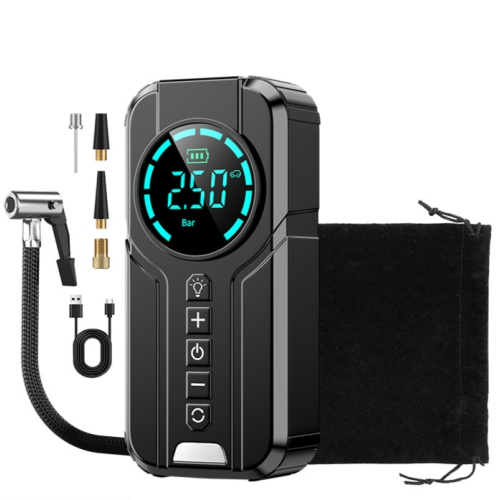
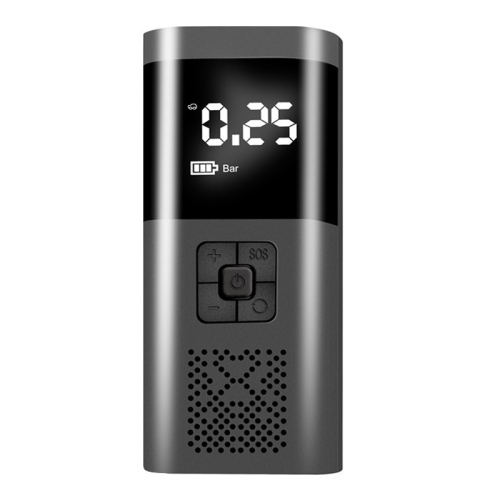
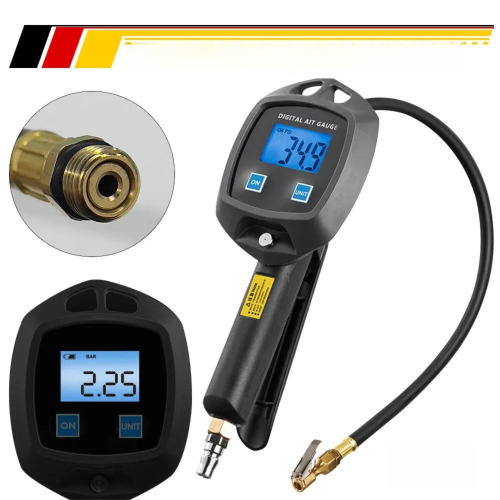
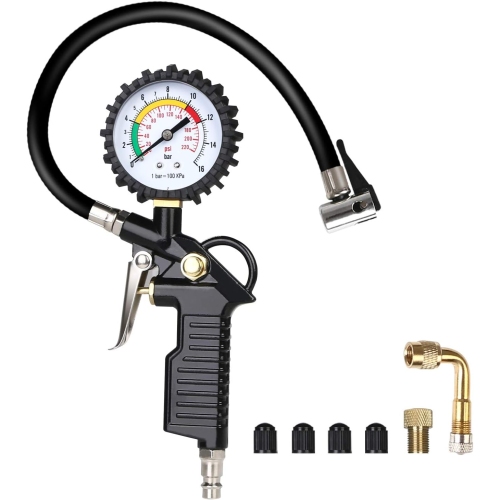
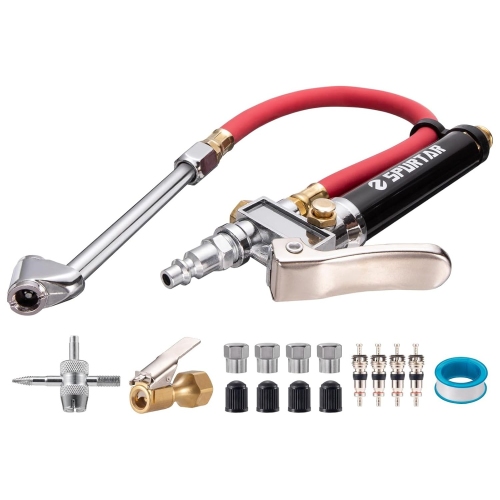
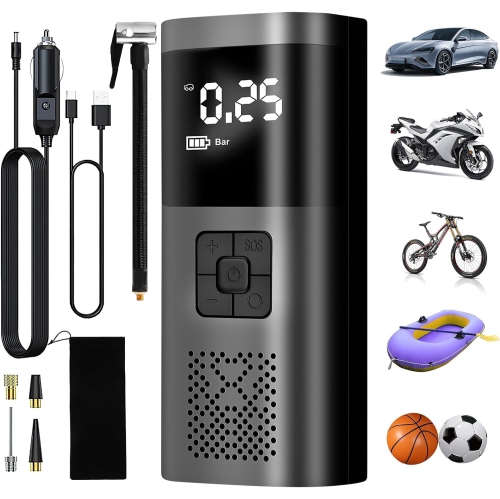
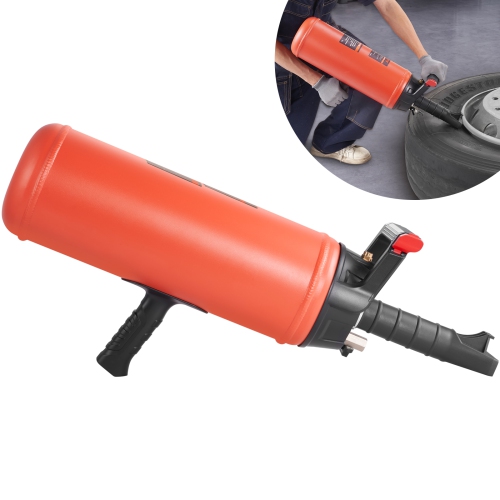
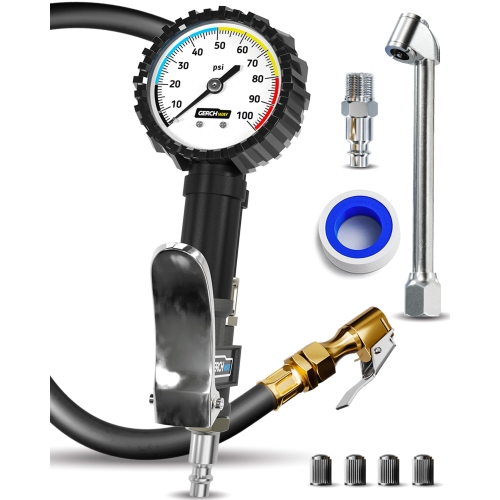
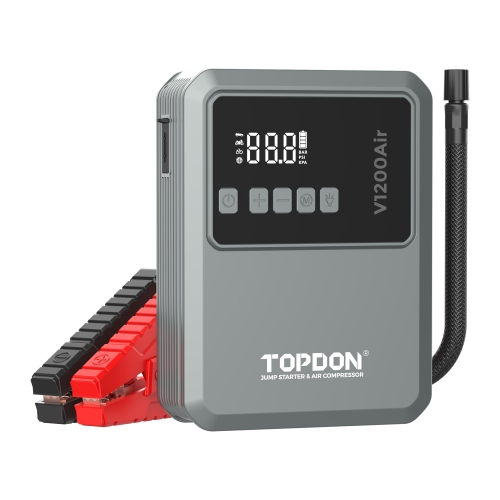
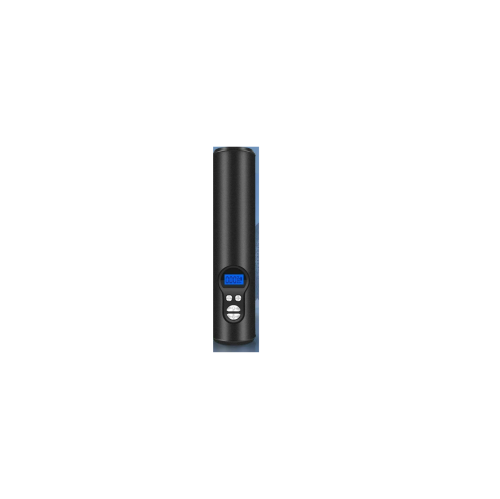
Tire inflators are practical tools for keeping everyday vehicles, bicycles and recreational equipment ready for use. A portable unit can help top up a car tire in the driveway, restore pressure after a long drive, or handle a slow loss of air before it becomes a more serious inconvenience. Many drivers keep one in the trunk for added confidence during road trips, commutes and changing weather, while others use one at home to avoid repeated visits to a service station. The right tire inflator can also be useful for bicycles, scooters, wheelbarrows, sports balls and other inflatables when the appropriate valve attachment is included. When browsing Portable Tire Inflators, start by considering the items you expect to inflate most often, how frequently you will use the device, and where you are most likely to need it. A compact model is convenient for storage in a glove compartment, garage cabinet or equipment bag, while a larger unit may be better suited to regular household use or inflating multiple tires in succession. Check the maximum pressure rating, but remember that a higher maximum PSI does not automatically mean a better fit for every driver. The correct operating pressure is the figure recommended by the vehicle manufacturer, usually found on the driver-side door frame or in the owner’s manual, rather than the number printed on the tire sidewall. Inflating tires to the proper level can support predictable handling and help maintain a comfortable ride, but an inflator should not be used to repair a puncture, sidewall damage or a tire that cannot hold air safely.
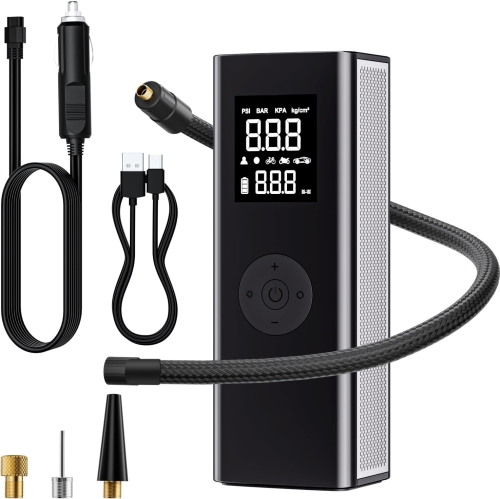
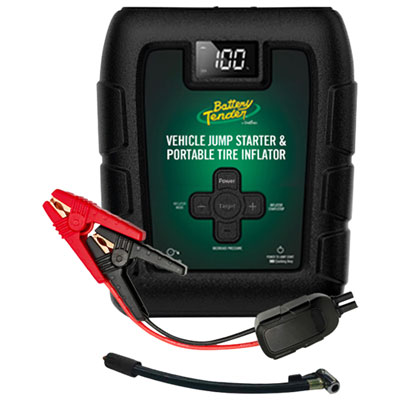
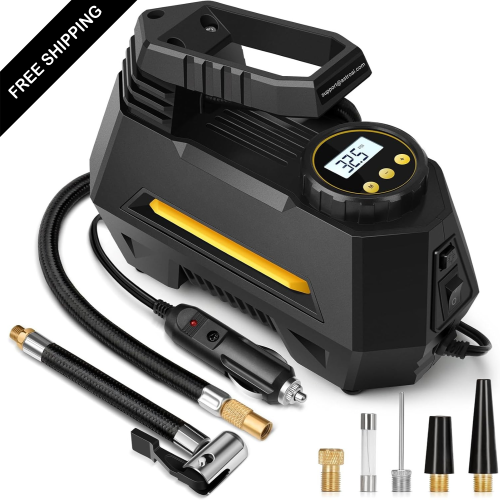
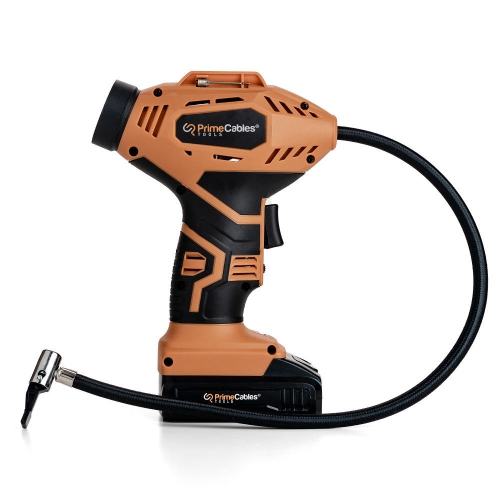
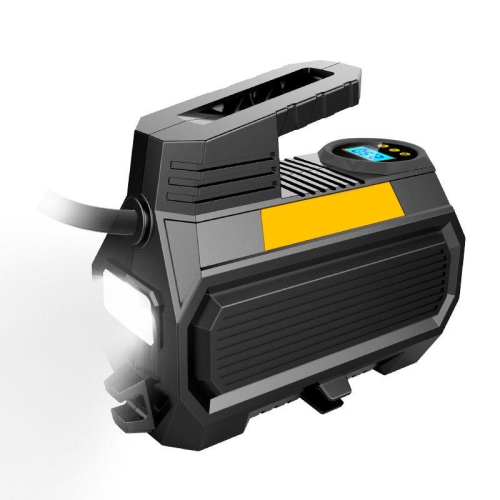
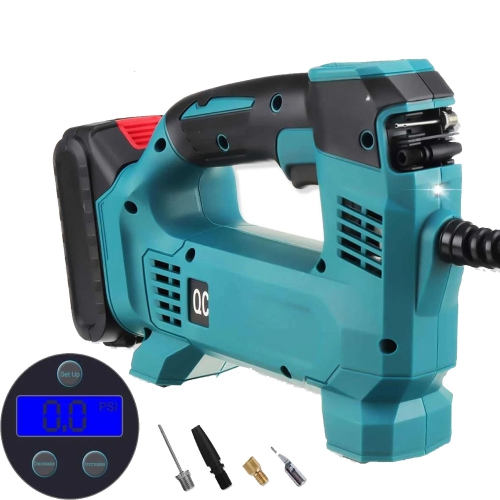
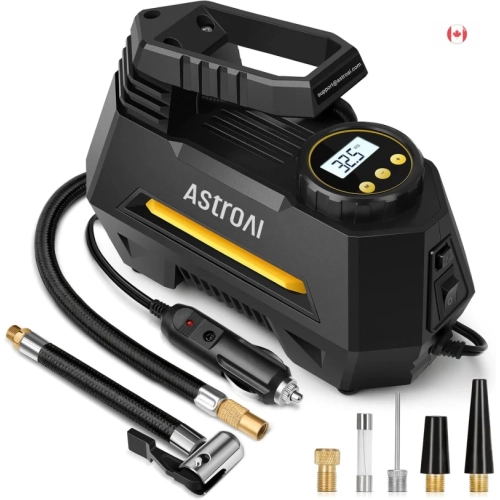
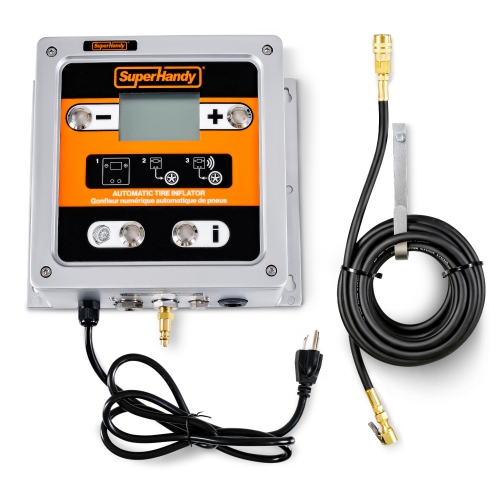
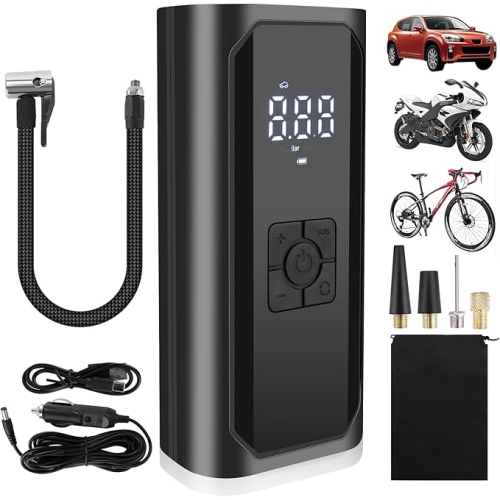
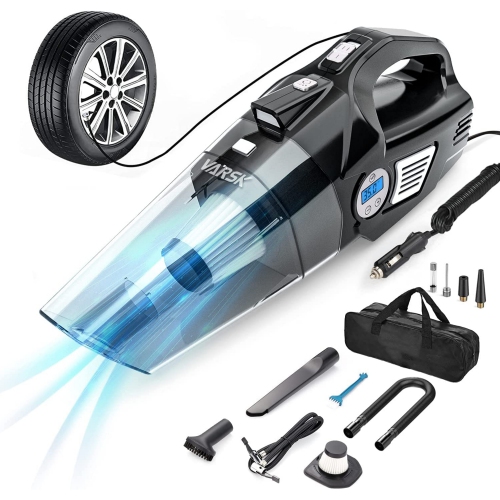
Power source is one of the most important differences among tire inflators. Cordless battery models are easy to carry and can be used away from a wall outlet or vehicle, making them especially convenient for roadside top-ups, bicycles at a trailhead or sports gear at a park. Look for a clearly stated battery capacity, charging method and expected runtime, particularly if the inflator may sit in a vehicle for long periods between uses. A battery indicator can help prevent an unpleasant surprise, and some cordless models include a built-in light for checking a valve in a dim driveway or at the side of a road. Plug-in 12V models connect to a vehicle’s accessory outlet and can run as long as the vehicle has sufficient power, so they are a dependable choice for drivers who prefer not to manage a separate rechargeable battery. The trade-off is that the vehicle needs to be nearby, and the power cord must reach each tire comfortably. Some inflators are designed for use with a household outlet, while others are compatible with a removable tool battery system; reviewing the included battery and charger details is essential because a tool-only package may require compatible components purchased separately. For convenient operation, an automatic shut-off feature lets you select a target PSI and stops the motor when that pressure is reached. This can be helpful when topping up several tires and reduces the need to watch the display continuously, although it remains wise to confirm the final reading with a reliable gauge. Digital displays are generally easy to read and may show pressure in PSI, kPa or other units, while a simple analogue gauge can be useful for shoppers who prefer straightforward controls. Inflation speed also varies, and the advertised time may depend on tire size, starting pressure, temperature and battery charge. If you regularly maintain a family vehicle, trailer or larger tires, compare the duty cycle and cooling requirements instead of focusing only on a quick inflation claim.
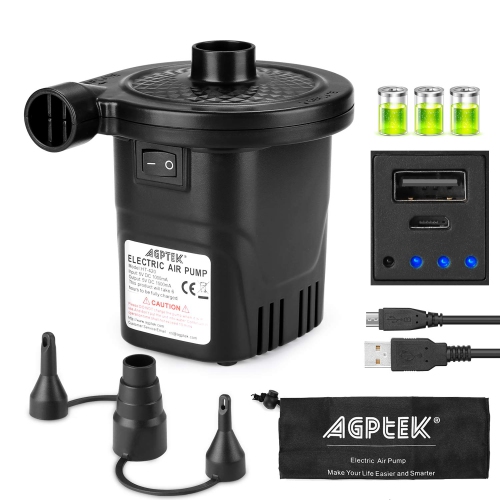
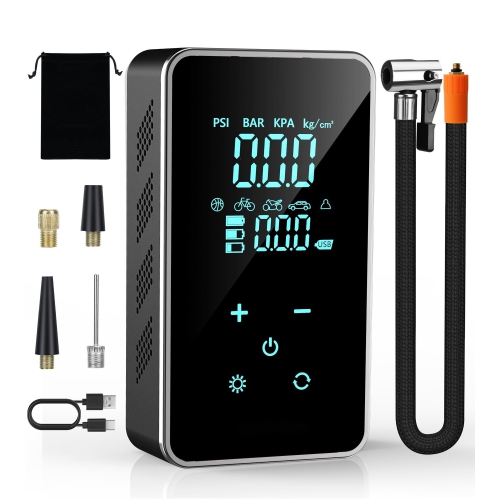
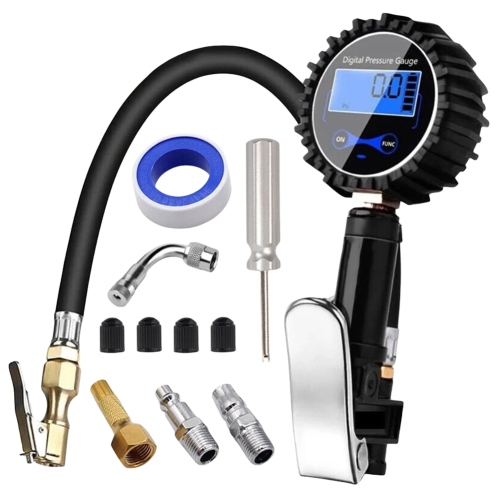
Connections and included accessories can make the difference between a useful multipurpose inflator and one that is limited to a single valve type. A standard Schrader connector is used on most passenger vehicles, while bicycles may use Schrader or narrower Presta valves, so a Presta valve adapter is worth seeking if cycling is part of your routine. A sports ball needle can extend the inflator’s usefulness for basketballs, soccer balls, volleyballs and similar equipment, and an adapter for smaller inflatables may be handy around the home or cottage. Check whether these accessories store on the unit or in a separate pouch; keeping everything together makes it easier to find the correct attachment when a tire needs attention. Safe handling matters as well: allow the motor to cool when recommended, keep the hose and power cable clear of moving parts, and avoid leaving a running inflator unattended. During the cooler months, pressure can fall as temperatures drop, so a quick check before a longer drive is a sensible habit; pressure may also change when a vehicle has been sitting outside overnight. A tire inflator makes a thoughtful gift for a new driver, cyclist, camper, sports enthusiast or anyone who enjoys being prepared, especially when paired with a pressure gauge, valve caps or a compact storage case. It can be just as useful for an experienced driver who already owns a roadside emergency kit but wants a faster way to handle routine pressure adjustments at home. By matching the power source, pressure range, display, automatic shut-off and valve accessories to the intended use, shoppers can choose a tire inflator that feels reassuring in the trunk, practical in the garage and ready for the many small maintenance tasks that keep travel and recreation moving.
Power source is one of the most important differences among tire inflators. Cordless battery models are easy to carry and can be used away from a wall outlet or vehicle, making them especially convenient for roadside top-ups, bicycles at a trailhead or sports gear at a park. Look for a clearly stated battery capacity, charging method and expected runtime, particularly if the inflator may sit in a vehicle for long periods between uses. A battery indicator can help prevent an unpleasant surprise, and some cordless models include a built-in light for checking a valve in a dim driveway or at the side of a road. Plug-in 12V models connect to a vehicle’s accessory outlet and can run as long as the vehicle has sufficient power, so they are a dependable choice for drivers who prefer not to manage a separate rechargeable battery. The trade-off is that the vehicle needs to be nearby, and the power cord must reach each tire comfortably. Some inflators are designed for use with a household outlet, while others are compatible with a removable tool battery system; reviewing the included battery and charger details is essential because a tool-only package may require compatible components purchased separately. For convenient operation, an automatic shut-off feature lets you select a target PSI and stops the motor when that pressure is reached. This can be helpful when topping up several tires and reduces the need to watch the display continuously, although it remains wise to confirm the final reading with a reliable gauge. Digital displays are generally easy to read and may show pressure in PSI, kPa or other units, while a simple analogue gauge can be useful for shoppers who prefer straightforward controls. Inflation speed also varies, and the advertised time may depend on tire size, starting pressure, temperature and battery charge. If you regularly maintain a family vehicle, trailer or larger tires, compare the duty cycle and cooling requirements instead of focusing only on a quick inflation claim.
Connections and included accessories can make the difference between a useful multipurpose inflator and one that is limited to a single valve type. A standard Schrader connector is used on most passenger vehicles, while bicycles may use Schrader or narrower Presta valves, so a Presta valve adapter is worth seeking if cycling is part of your routine. A sports ball needle can extend the inflator’s usefulness for basketballs, soccer balls, volleyballs and similar equipment, and an adapter for smaller inflatables may be handy around the home or cottage. Check whether these accessories store on the unit or in a separate pouch; keeping everything together makes it easier to find the correct attachment when a tire needs attention. Safe handling matters as well: allow the motor to cool when recommended, keep the hose and power cable clear of moving parts, and avoid leaving a running inflator unattended. During the cooler months, pressure can fall as temperatures drop, so a quick check before a longer drive is a sensible habit; pressure may also change when a vehicle has been sitting outside overnight. A tire inflator makes a thoughtful gift for a new driver, cyclist, camper, sports enthusiast or anyone who enjoys being prepared, especially when paired with a pressure gauge, valve caps or a compact storage case. It can be just as useful for an experienced driver who already owns a roadside emergency kit but wants a faster way to handle routine pressure adjustments at home. By matching the power source, pressure range, display, automatic shut-off and valve accessories to the intended use, shoppers can choose a tire inflator that feels reassuring in the trunk, practical in the garage and ready for the many small maintenance tasks that keep travel and recreation moving.
Top selling and popular products
-
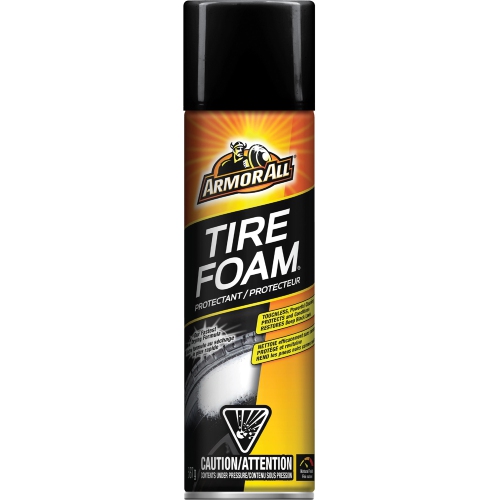 Your price for this item is $15.97
 -
 Your price for this item is $18.96
 -
 Your price for this item is $16.97
 -
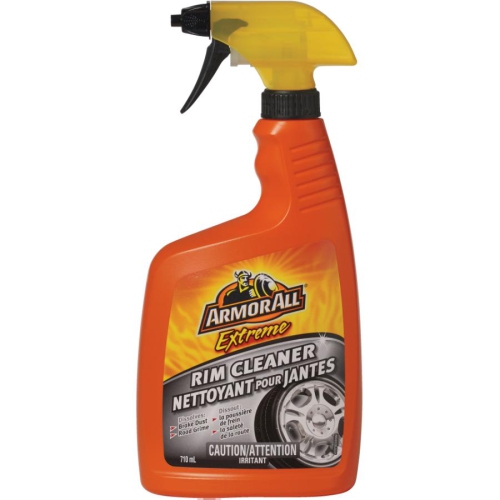 Your price for this item is $16.96
 -
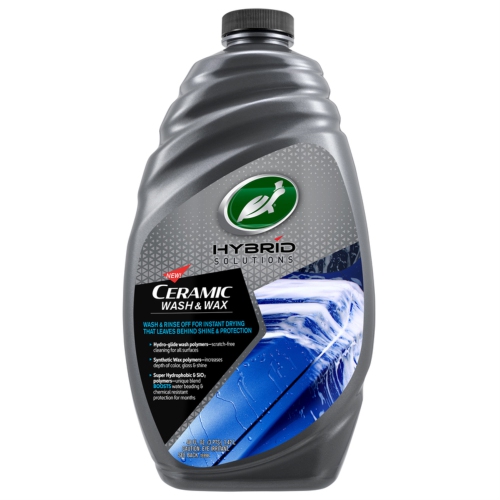 Your price for this item is $36.19
 -
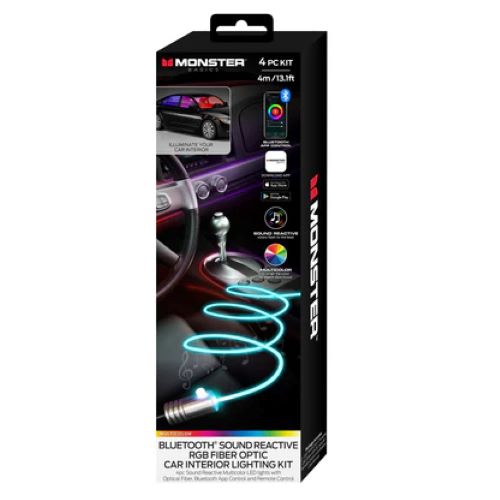 Your price for this item is $37.99
 -
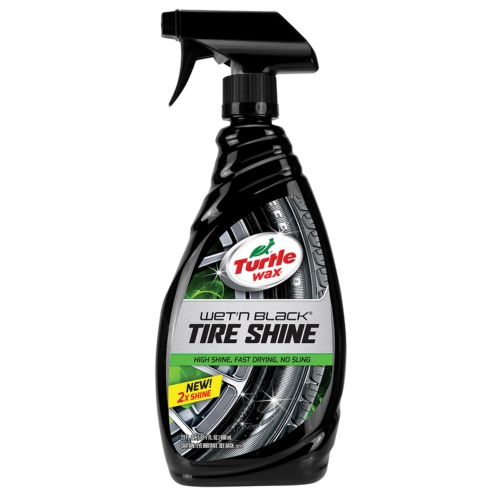 Your price for this item is $29.63
 -
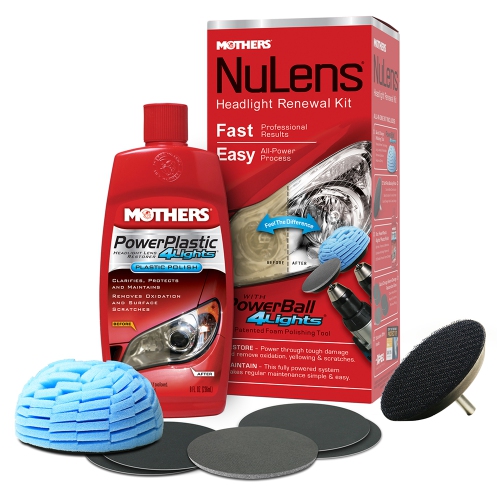 Your price for this item is $71.86
Discover more categories related to Tire Inflators
Top Collections:
Pokemon Centers, Kindle Devices, Best Budget Office Chairs, Apple iPhones 16, Best Laptops for Writers, iPhone 15 Apple, Canon G7X Cameras, Refurbished Apple Laptops, Alarm Clock, Motorola Razr Phones
Some products may be subject to Environmental Handling Fees
(EHF) depending on your province.
Learn more about EHFs.