Toddler Rocking Chairs
Looking for the perfect addition to your little one's playroom or nursery? Our collection of toddler rocking chairs offers both style and functionality, providing a cozy spot for your child to relax and play. With sturdy construction and adorable designs, these rocking chairs are not only a fun seating option but also a charming decor piece for any child's space. Explore our selection of toddler rocking chairs to find the ideal choice for your little rocker today!
Sort
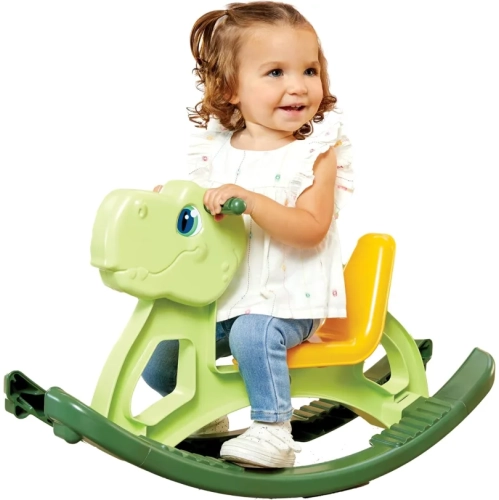
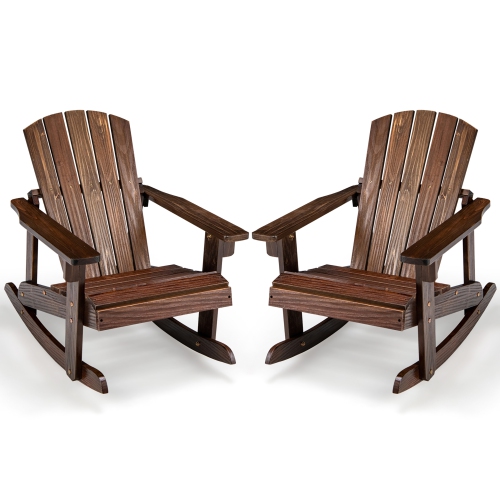
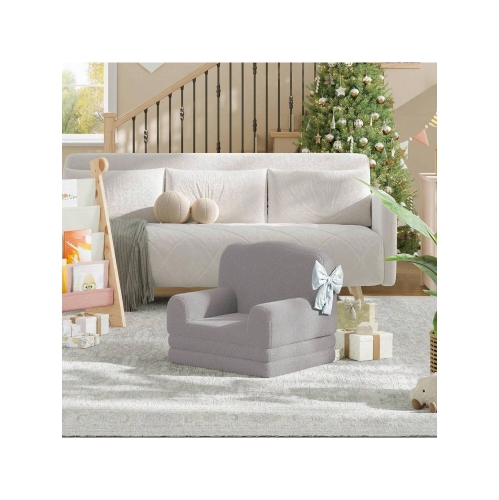
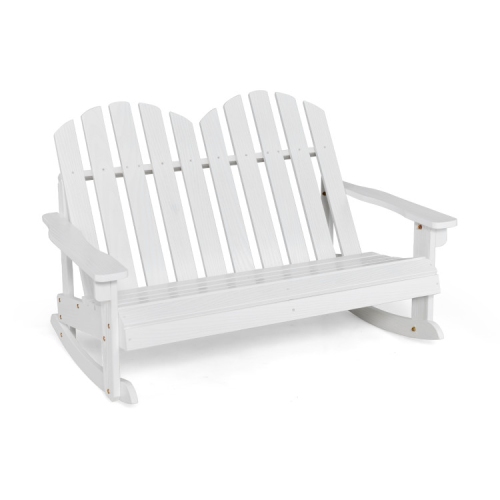
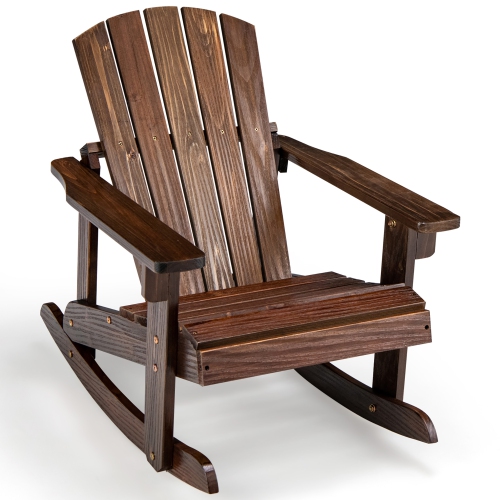
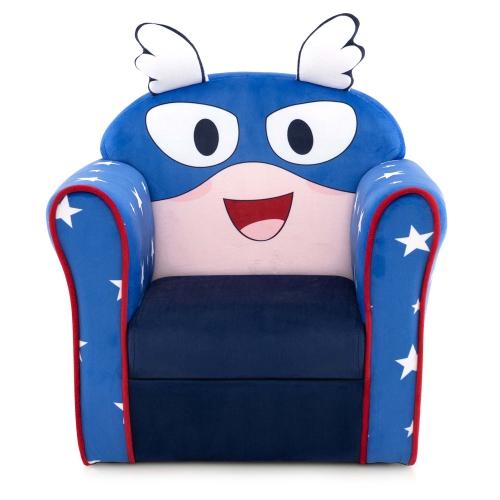
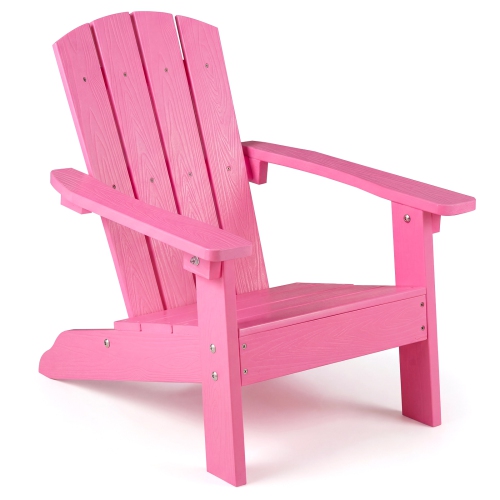
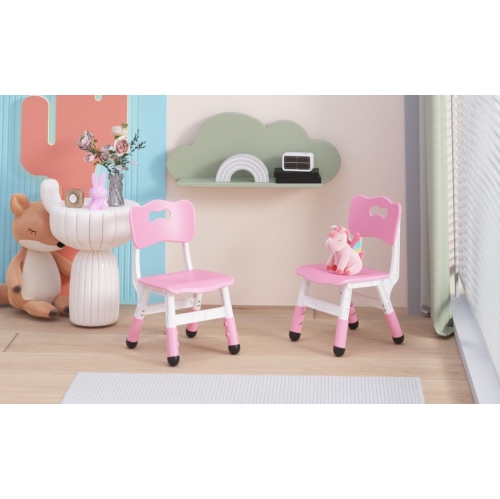
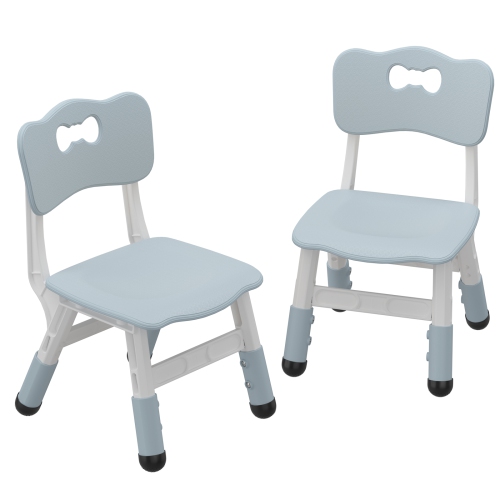
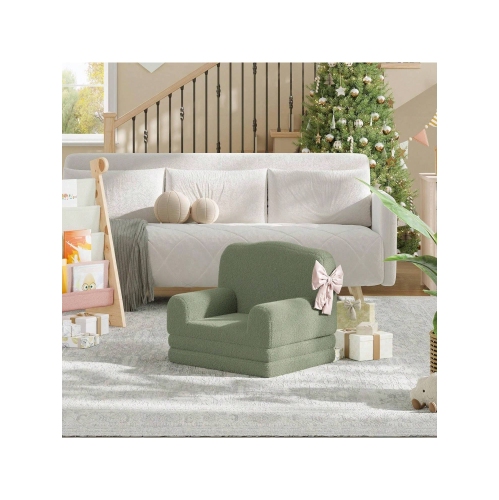
Little seats for gentle rocking and shared storytime
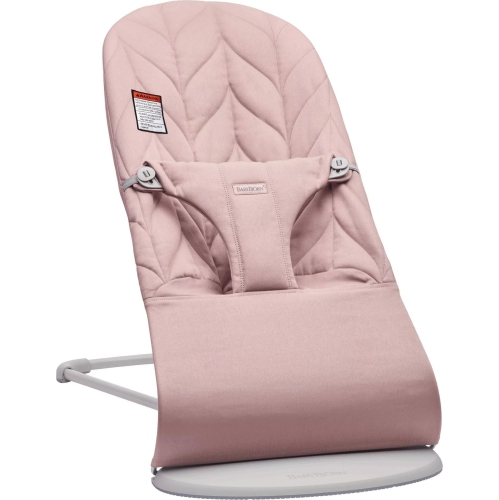
Toddler rocking chairs are child-sized seats with a curved base that allows gentle back-and-forth movement, giving young children a place to sit with a picture book, cuddle a favourite stuffed animal, or join family time at their own height. Unlike an adult nursery rocker intended for a caregiver holding a baby, a toddler rocker is designed for the child to occupy independently once they meet the manufacturer’s age, size, and developmental requirements. The main styles include traditional wooden rocking chairs, padded upholstered rockers, and convertible seats whose approved uses change as a child grows. These designs serve different needs, so the word “toddler” alone does not establish whether a chair is suitable for a particular child. A wooden rocker with an open spindle back has a familiar furniture-like appearance and an easy-to-wipe seat, while an upholstered version feels more like a miniature armchair, with cushioning around the back and sides. Either can create a welcoming spot beside a low bookshelf or near the family’s seating area without needing a whole room devoted to children’s furniture. Among the broader selection of toddler chairs, rocking styles are particularly suited to seated activities where a little movement is welcome. A stationary chair generally makes more sense at an activity table used for drawing or puzzles, where a steady position matters. For a child who likes to turn pages while a parent reads nearby, a rocker can become a familiar part of that routine. Preferences matter, too: some children enjoy gentle rocking, while others prefer a seat that stays still. The most useful choice fits both the child and the way the household spends time, whether that means a compact reading corner in a shared bedroom or a small seat alongside the living room sofa.
Fit begins with the manufacturer’s stated age range, maximum weight, and any developmental requirements, rather than appearance or a broad age label. Seat height, seat depth, and the distance between the armrests help determine how comfortably a child can sit and how easily they can get in and out. For a conventional toddler rocking chair, a seat that allows the child’s feet to reach the floor can make sitting down and standing up more manageable; a deep seat that leaves them perched at the front may be less suitable. Overall dimensions matter just as much as seating dimensions because the runners extend beyond the seat and need clearance throughout their movement. A chair that looks compact in a photograph can still need considerable space behind and in front of it. Place it on a flat, level surface in accordance with its instructions, away from stairs, fireplaces, cords, and furniture edges, and leave enough room to avoid contact with walls or nearby belongings. Wider runners or features designed to limit rocking may influence stability, but no design makes standing on the seat, climbing over the back, or vigorous rocking safe. Adult supervision remains important, especially when siblings or pets are nearby and fingers, toes, or tails could get close to the moving base. Children should use the chair as directed, generally seated and one at a time unless the design expressly allows otherwise. Convertible infant-to-toddler rockers need particular attention because different modes may have different limits, restraint requirements, and stopping points. Their instructions, not their resemblance to a small armchair, determine when and how they can be used. Rockers are for awake, supervised use, not infant sleep; an infant who falls asleep should be moved to an appropriate firm, flat sleep surface. For everyday use, thoughtful placement also makes supervision easier: a reading nook within sight of the main seating area is more practical than a tucked-away corner where the chair’s movement is difficult to see.
Materials and construction shape how a toddler rocking chair feels, wears, and fits into everyday cleanup. Wooden designs may use solid wood, manufactured wood, or a combination, and the material description should be considered alongside the quality of the joints, finish, and assembly. Smooth edges, securely fitted parts, and a finish free of chips or rough patches are worth checking before use and during routine care. Painted wood brings colour to a playroom, while a visible wood grain can sit comfortably beside other household furniture. Upholstered rockers offer a softer seat, but fabric texture and cleaning instructions deserve attention when sticky hands and spilled drinks are part of daily life. A textured weave may hold crumbs in its seams, while a smooth covering may be easier to wipe if its care directions permit it. Removable cushions or covers can simplify cleaning, but a removable cover is not necessarily machine washable. Follow the specified method, treat spills promptly, and let cleaned surfaces dry fully before the chair is used again. Padding should remain evenly positioned, and seams should stay intact without exposing filling. On any assembled rocker, check fasteners at the intervals stated in the instructions and inspect the base for loosening, cracks, or damage; stop using a chair that is unstable or has broken parts. Durability is less about a substantial-looking frame than about appropriate use, sound construction, and consistent care. For grandparents, relatives, or friends considering a toddler rocking chair as a birthday gift, the practical details are especially helpful: the child’s size, the space at home, the caregiver’s preferred materials, and whether assembly is required. A well-proportioned chair can feel personal without relying on elaborate decoration. A favourite colour, comfortable armrests, and a place beside the books the child reaches for most often may matter more than extra features. Matched to the child’s abilities and the household’s routines, a toddler rocker can offer a comfortable seat for shared stories and quiet moments.
Fit begins with the manufacturer’s stated age range, maximum weight, and any developmental requirements, rather than appearance or a broad age label. Seat height, seat depth, and the distance between the armrests help determine how comfortably a child can sit and how easily they can get in and out. For a conventional toddler rocking chair, a seat that allows the child’s feet to reach the floor can make sitting down and standing up more manageable; a deep seat that leaves them perched at the front may be less suitable. Overall dimensions matter just as much as seating dimensions because the runners extend beyond the seat and need clearance throughout their movement. A chair that looks compact in a photograph can still need considerable space behind and in front of it. Place it on a flat, level surface in accordance with its instructions, away from stairs, fireplaces, cords, and furniture edges, and leave enough room to avoid contact with walls or nearby belongings. Wider runners or features designed to limit rocking may influence stability, but no design makes standing on the seat, climbing over the back, or vigorous rocking safe. Adult supervision remains important, especially when siblings or pets are nearby and fingers, toes, or tails could get close to the moving base. Children should use the chair as directed, generally seated and one at a time unless the design expressly allows otherwise. Convertible infant-to-toddler rockers need particular attention because different modes may have different limits, restraint requirements, and stopping points. Their instructions, not their resemblance to a small armchair, determine when and how they can be used. Rockers are for awake, supervised use, not infant sleep; an infant who falls asleep should be moved to an appropriate firm, flat sleep surface. For everyday use, thoughtful placement also makes supervision easier: a reading nook within sight of the main seating area is more practical than a tucked-away corner where the chair’s movement is difficult to see.
Materials and construction shape how a toddler rocking chair feels, wears, and fits into everyday cleanup. Wooden designs may use solid wood, manufactured wood, or a combination, and the material description should be considered alongside the quality of the joints, finish, and assembly. Smooth edges, securely fitted parts, and a finish free of chips or rough patches are worth checking before use and during routine care. Painted wood brings colour to a playroom, while a visible wood grain can sit comfortably beside other household furniture. Upholstered rockers offer a softer seat, but fabric texture and cleaning instructions deserve attention when sticky hands and spilled drinks are part of daily life. A textured weave may hold crumbs in its seams, while a smooth covering may be easier to wipe if its care directions permit it. Removable cushions or covers can simplify cleaning, but a removable cover is not necessarily machine washable. Follow the specified method, treat spills promptly, and let cleaned surfaces dry fully before the chair is used again. Padding should remain evenly positioned, and seams should stay intact without exposing filling. On any assembled rocker, check fasteners at the intervals stated in the instructions and inspect the base for loosening, cracks, or damage; stop using a chair that is unstable or has broken parts. Durability is less about a substantial-looking frame than about appropriate use, sound construction, and consistent care. For grandparents, relatives, or friends considering a toddler rocking chair as a birthday gift, the practical details are especially helpful: the child’s size, the space at home, the caregiver’s preferred materials, and whether assembly is required. A well-proportioned chair can feel personal without relying on elaborate decoration. A favourite colour, comfortable armrests, and a place beside the books the child reaches for most often may matter more than extra features. Matched to the child’s abilities and the household’s routines, a toddler rocker can offer a comfortable seat for shared stories and quiet moments.
Top selling and popular products
-
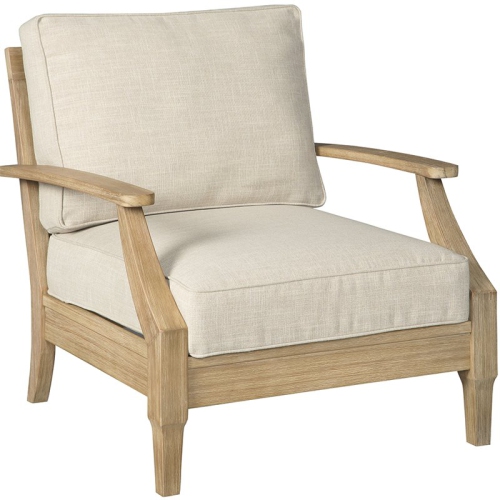 Your price for this item is $1227.67
 -
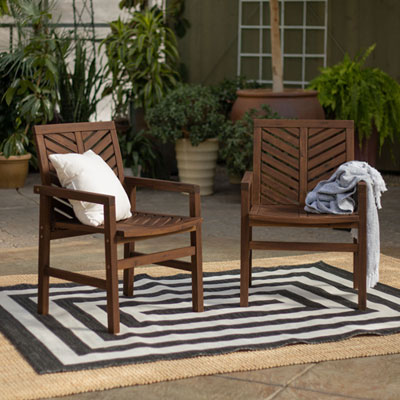 Your price for this item is $604.99
 -
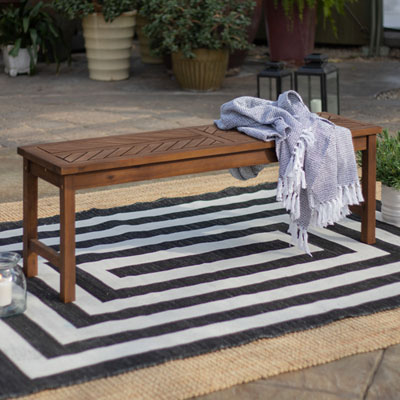 Your price for this item is $371.99
 -
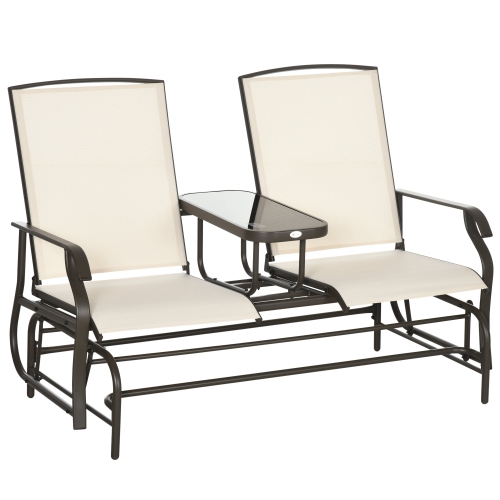 Your price for this item is $189.99
 -
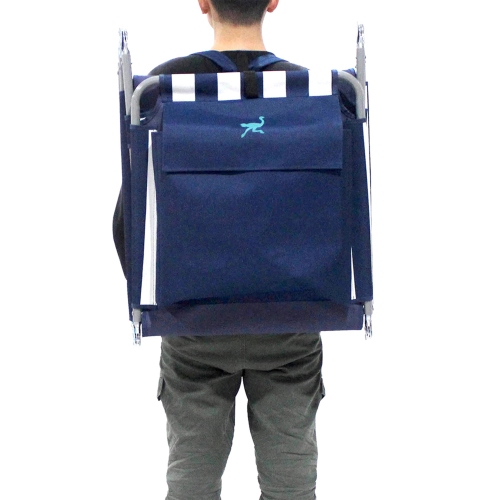 Your price for this item is $204.99
 -
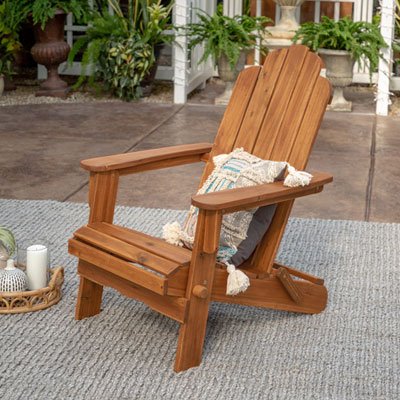 Your price for this item is $461.99
 -
 Your price for this item is $170.99
 -
 Your price for this item is $392.99
Discover more categories related to Toddler Rocking Chairs
Top Collections:
Pokemon Centers, Kindle Devices, Best Budget Office Chairs, Apple iPhones 16, Best Laptops for Writers, iPhone 15 Apple, Canon G7X Cameras, Refurbished Apple Laptops, Alarm Clock, Motorola Razr Phones
Some products may be subject to Environmental Handling Fees
(EHF) depending on your province.
Learn more about EHFs.