Tool Boxes With Latches
Organize your tools in style with our collection of tool boxes with latches. Whether you're a professional tradesperson or a DIY enthusiast, having a reliable and sturdy tool box is essential for keeping your tools secure and easily accessible. Our selection features a range of sizes and designs to suit your specific needs, from compact options for on-the-go repairs to spacious chests for storing a wide variety of tools. With durable construction and secure latches, these tool boxes are built to withstand the demands of any project. Browse our inventory today and find the perfect tool box to keep your tools organized and ready for action.
Sort


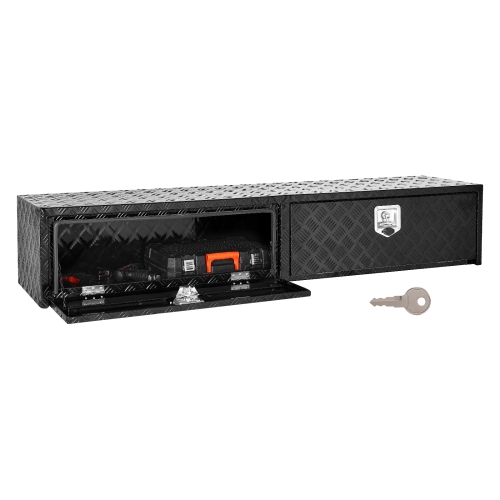
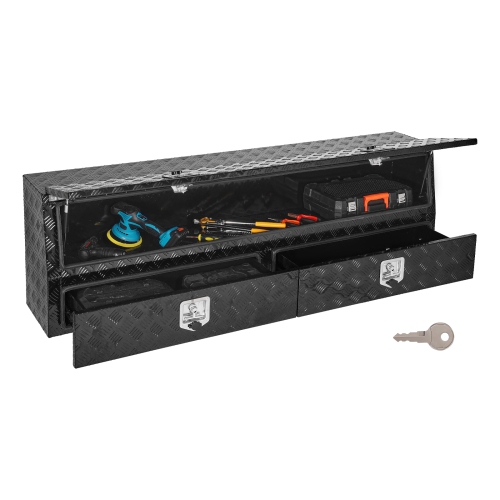

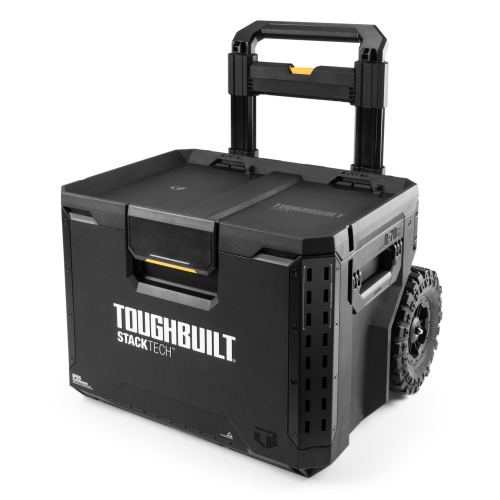

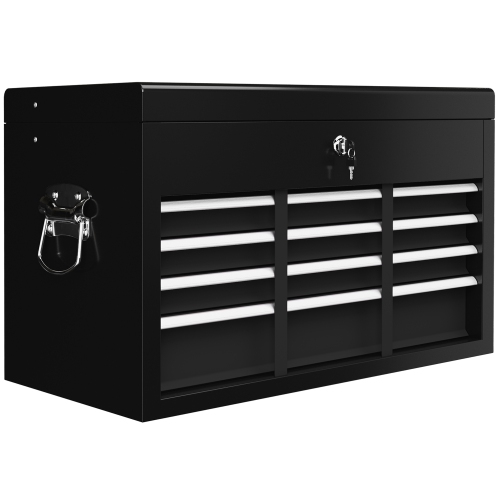
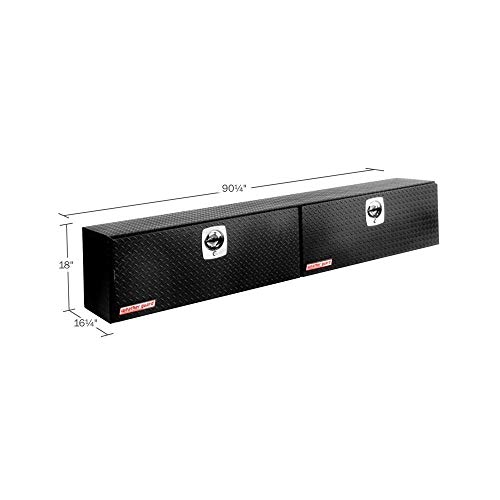
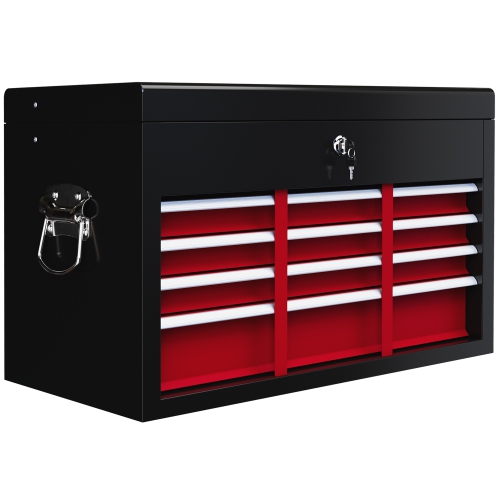
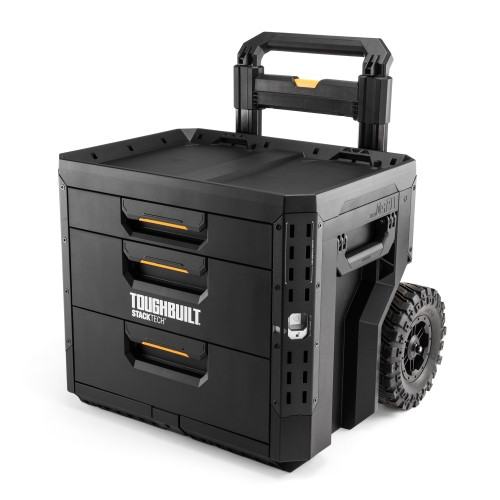
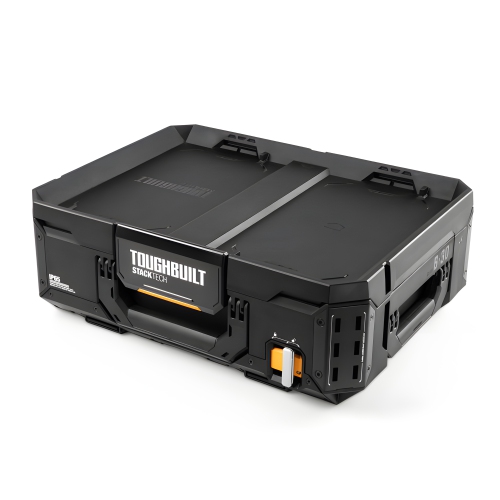
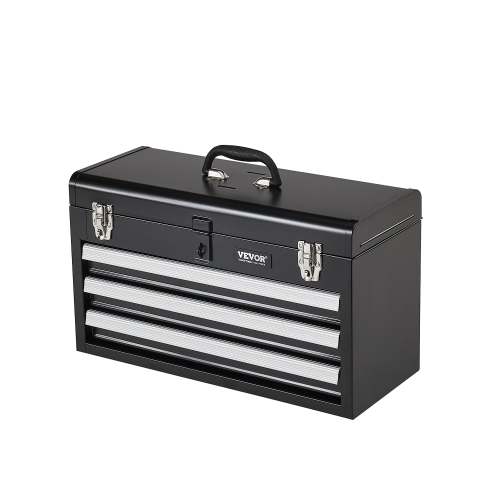
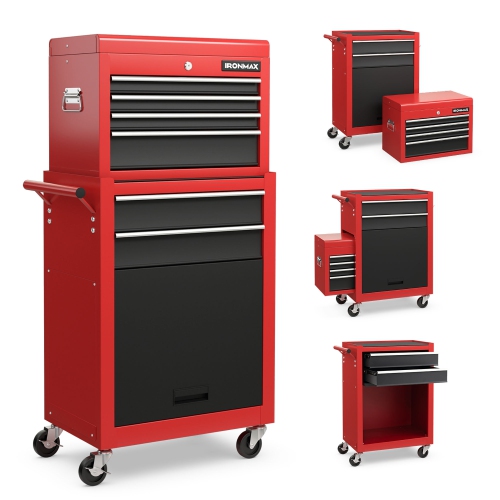
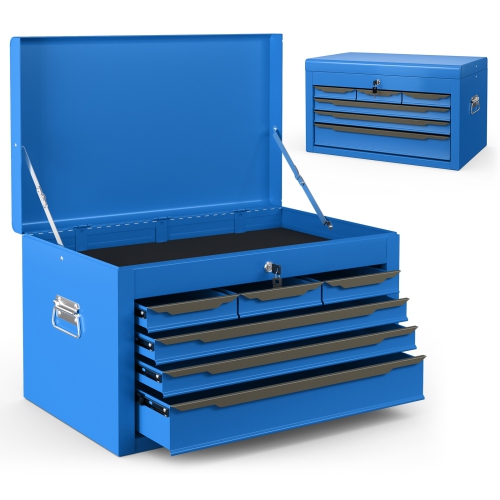
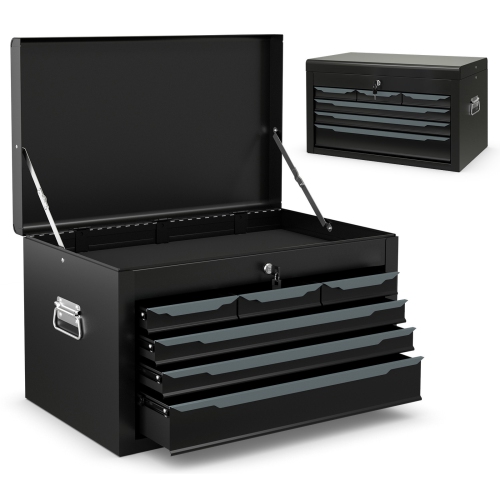
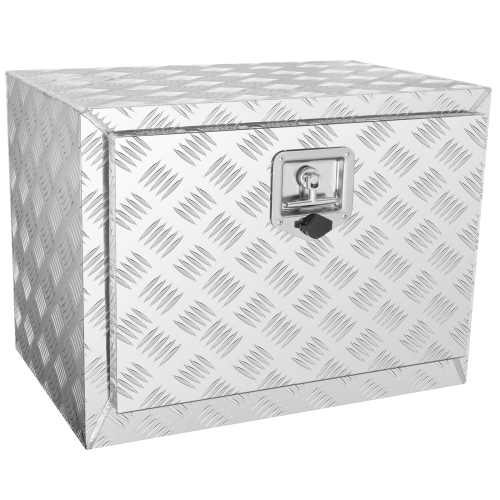

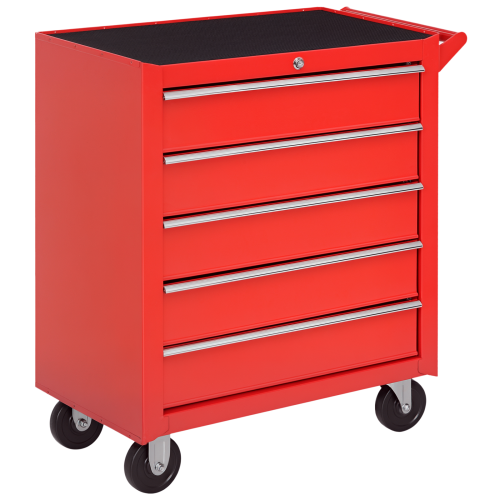
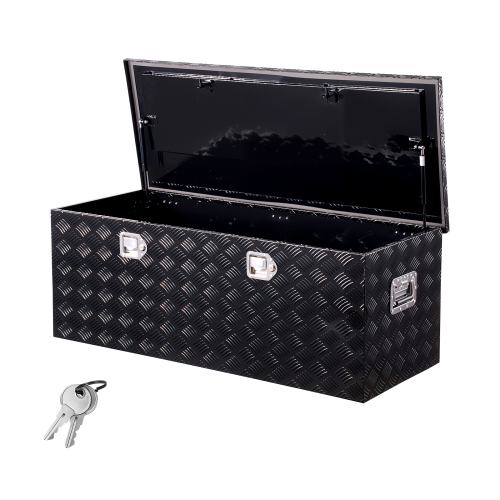
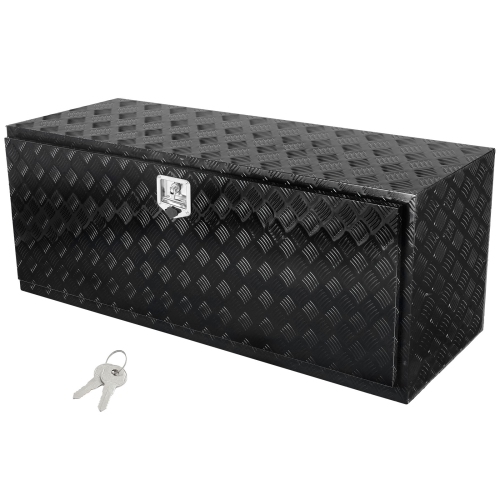
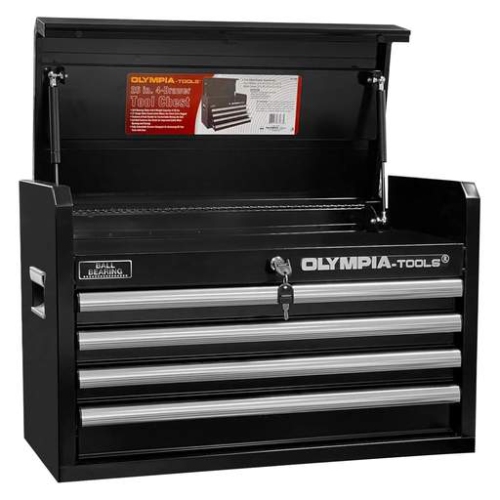
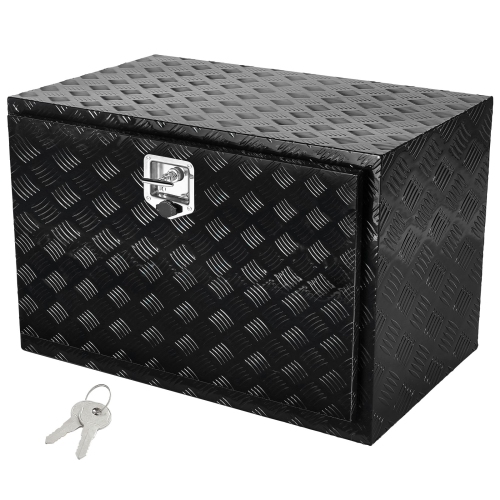
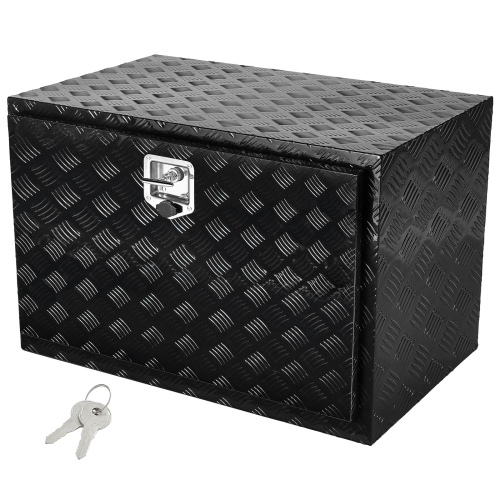
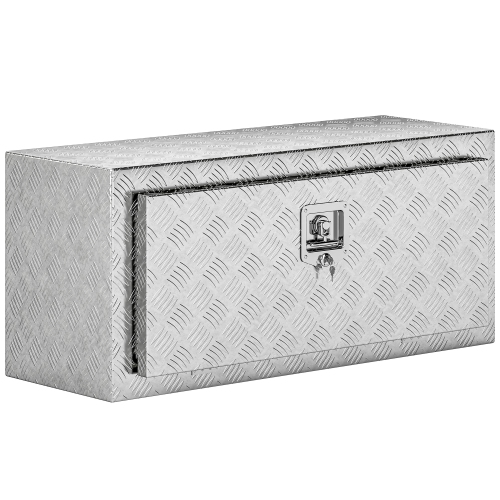
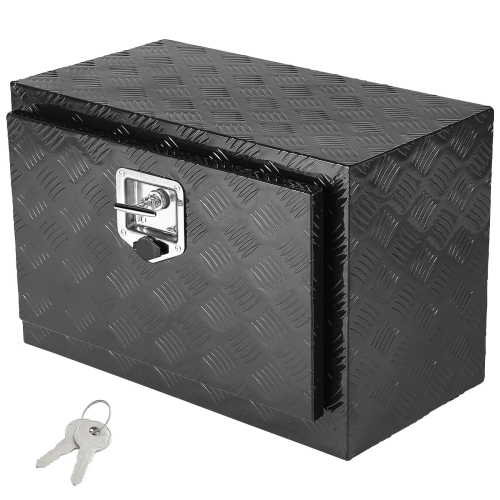
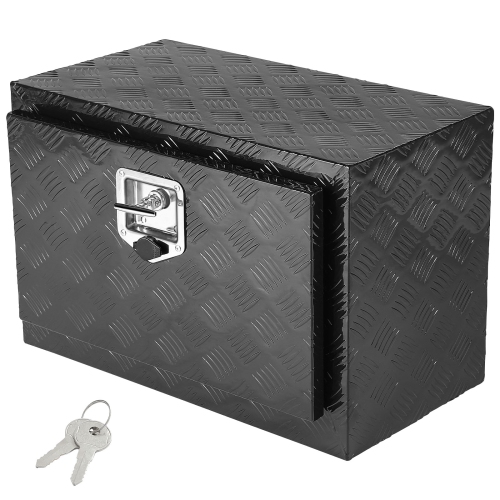
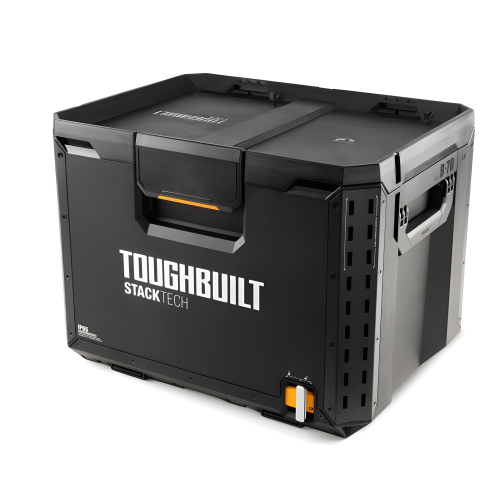
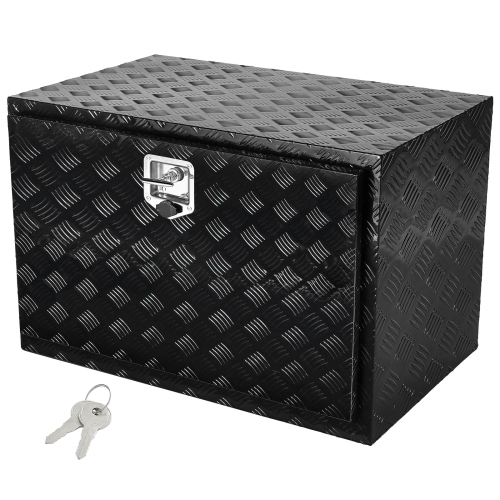
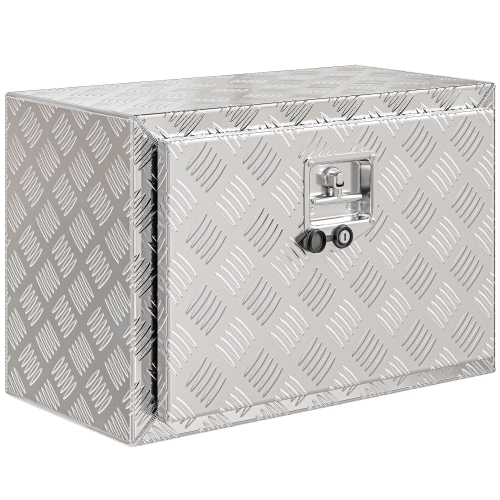
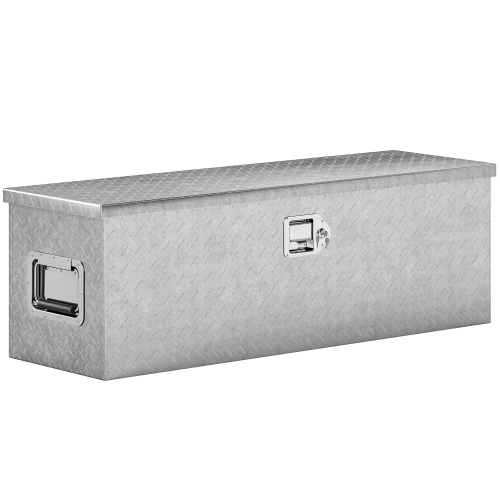
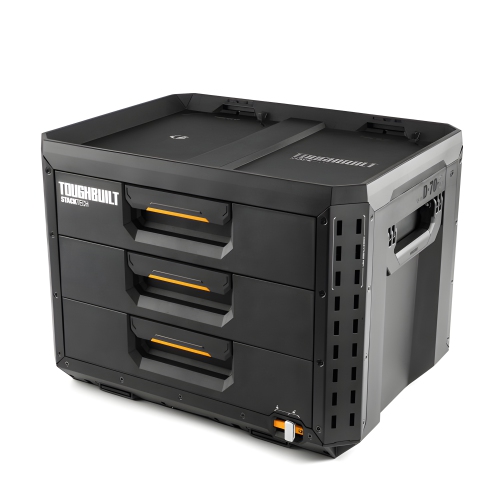


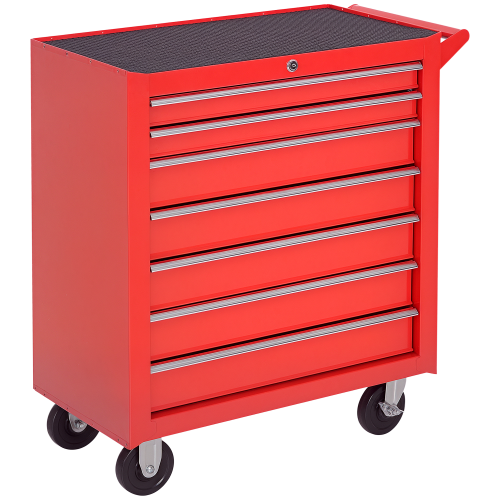
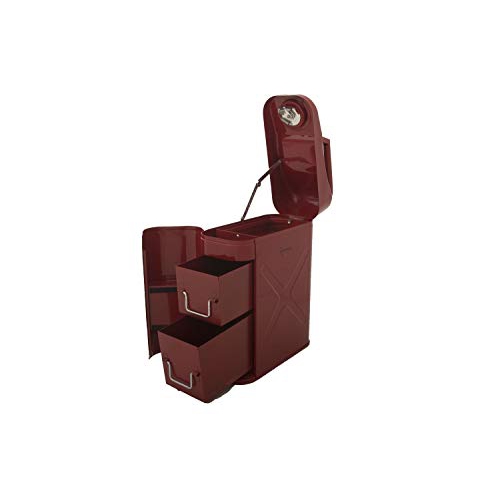
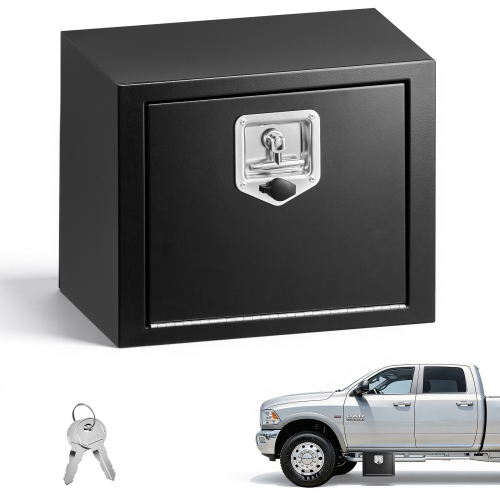
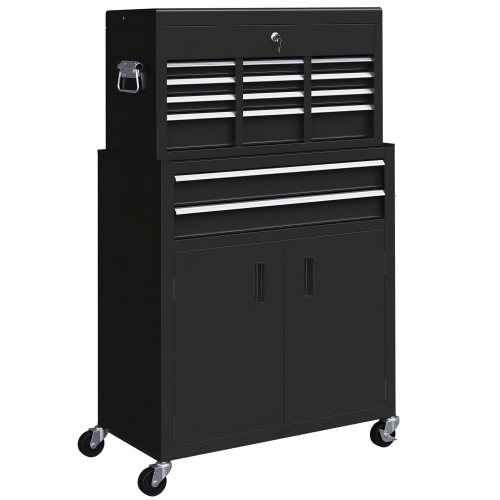
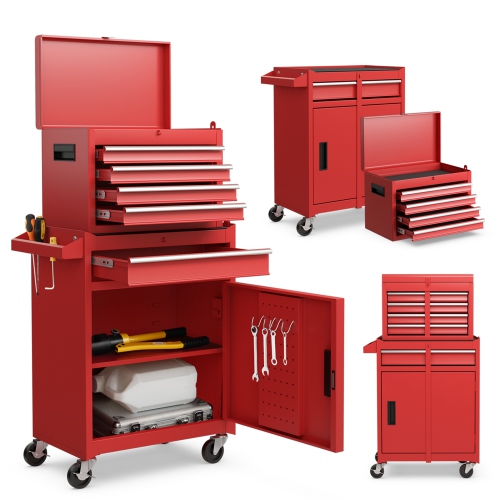
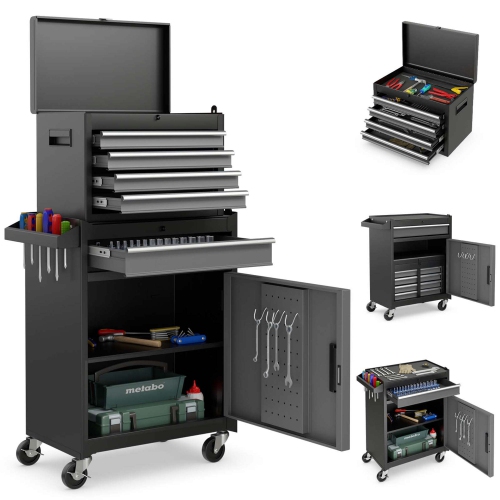
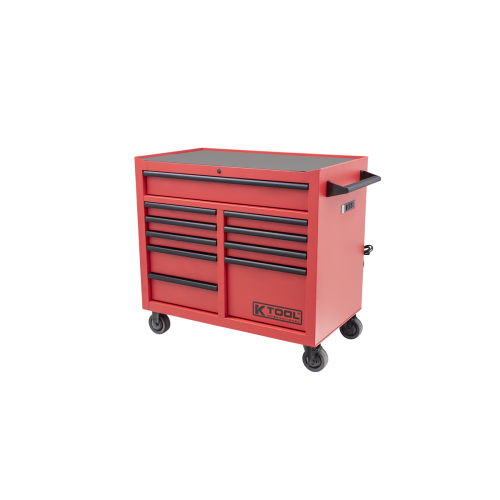

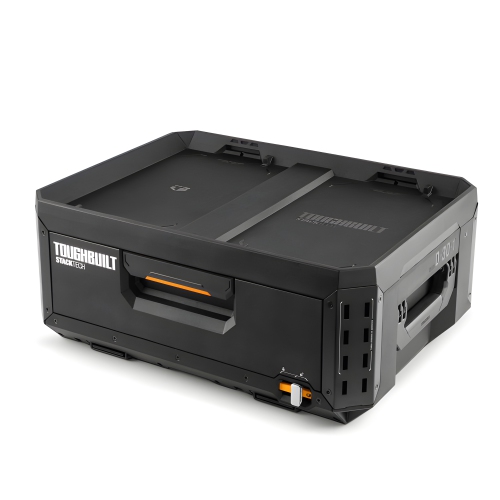
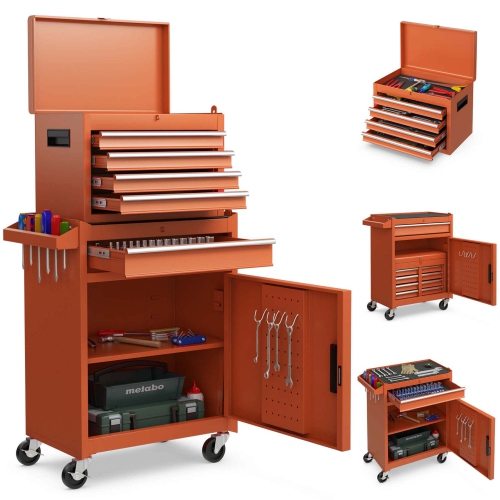
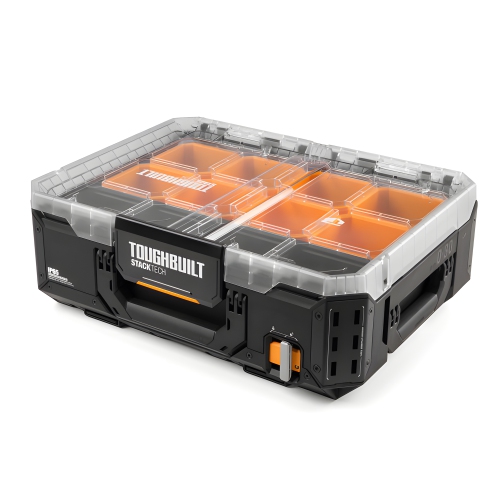
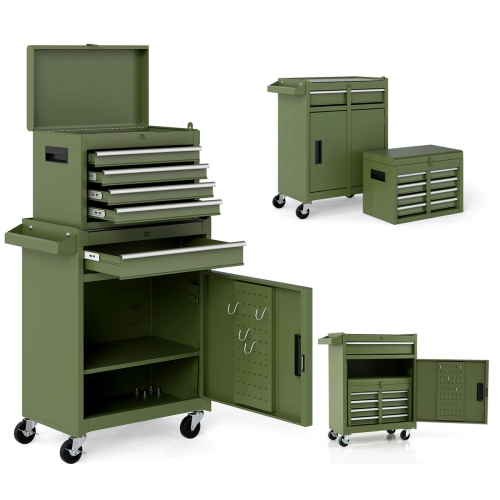
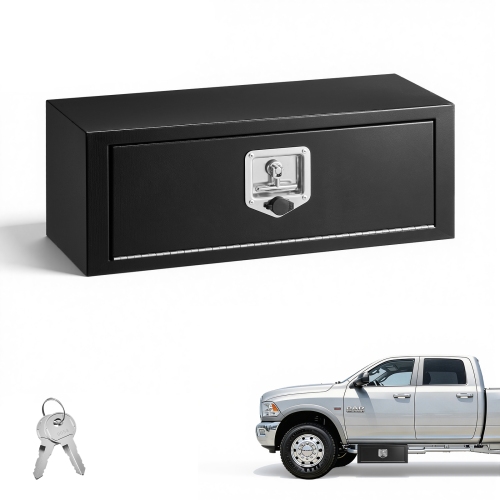

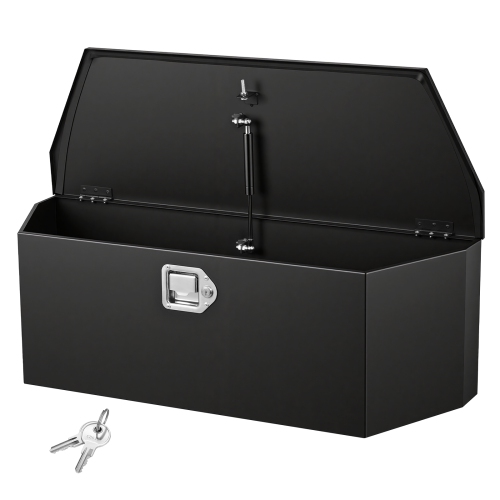

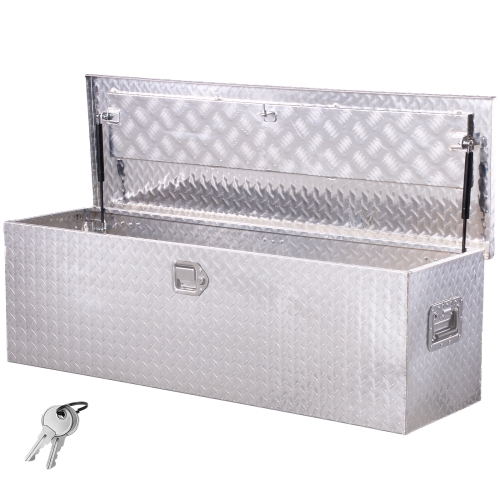
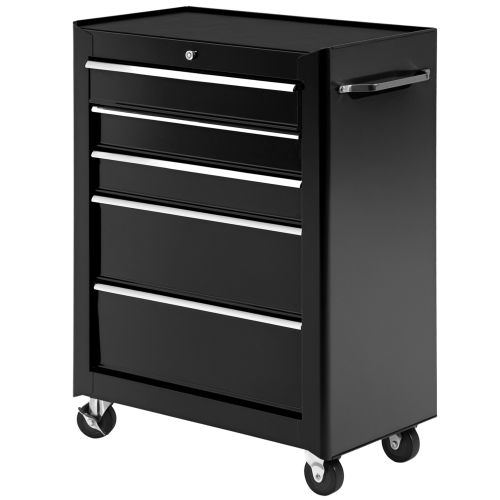
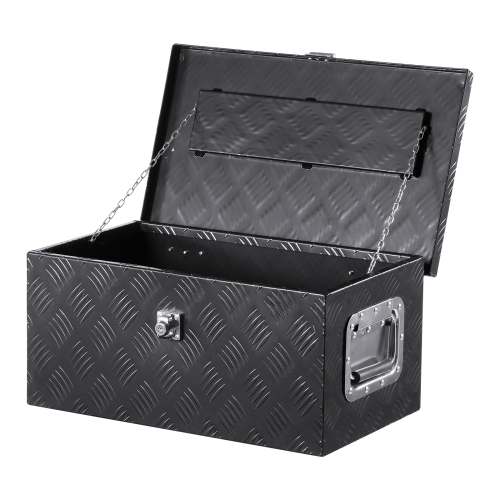

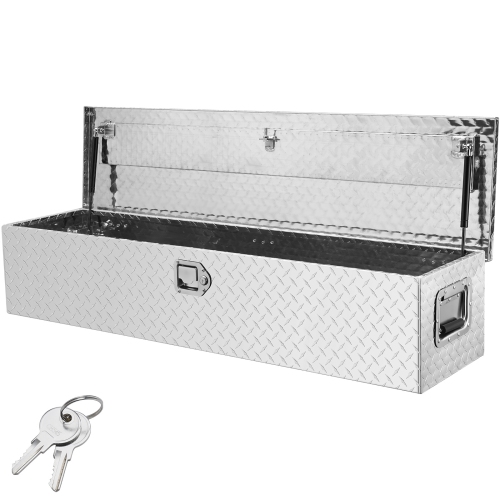

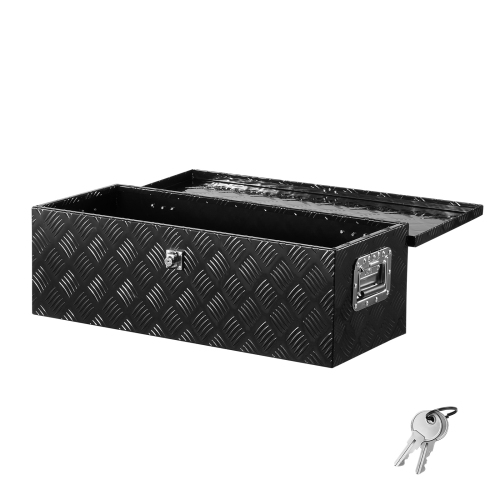
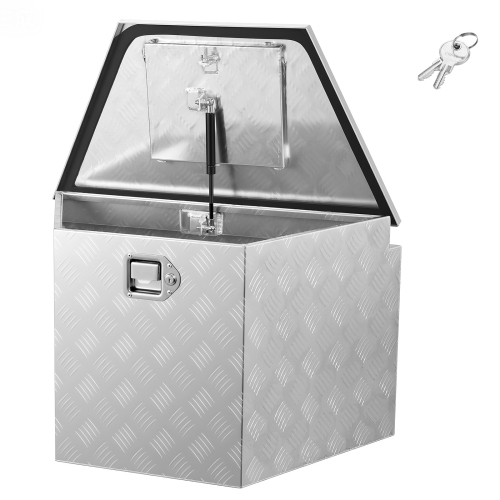
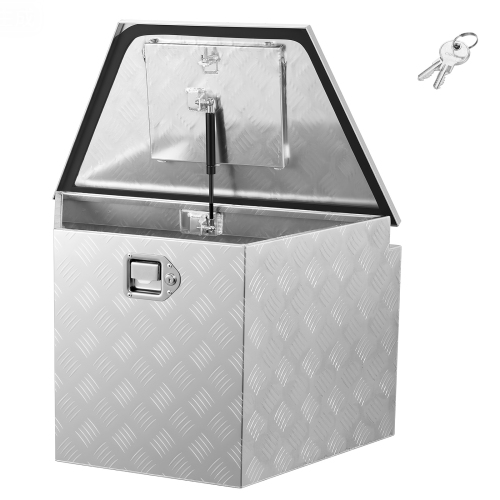

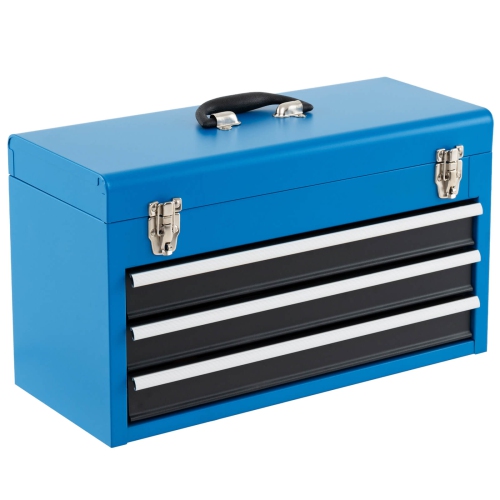
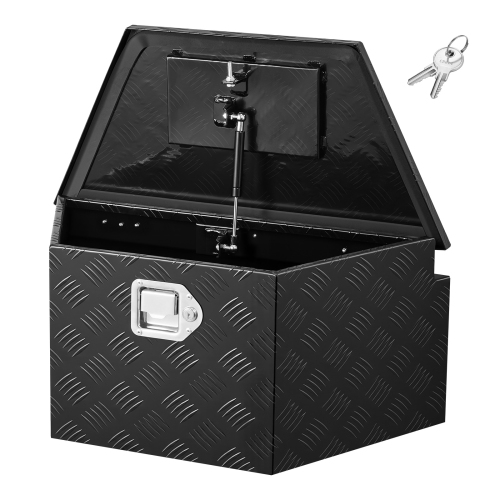
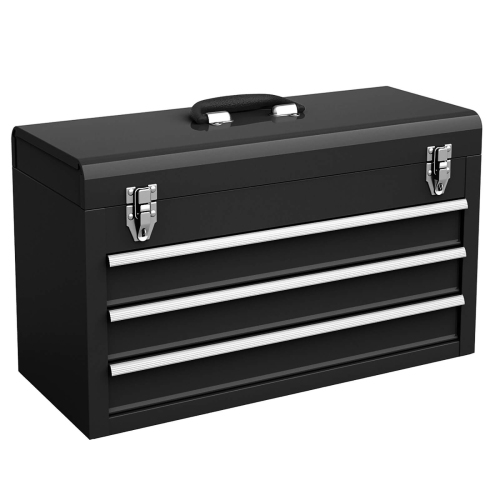
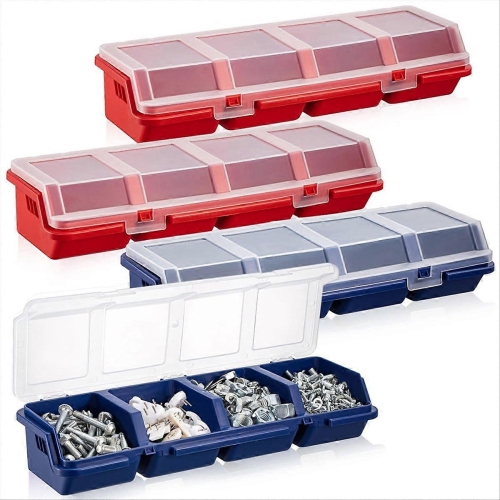
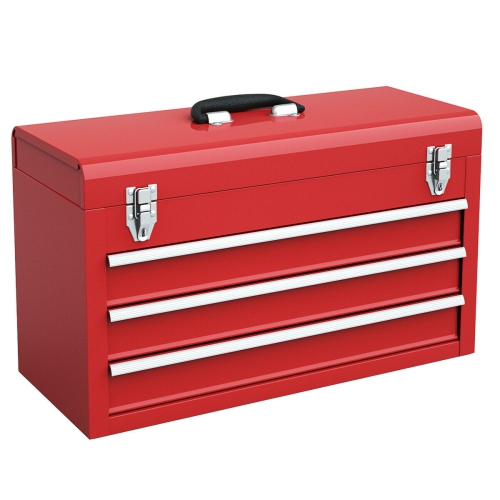

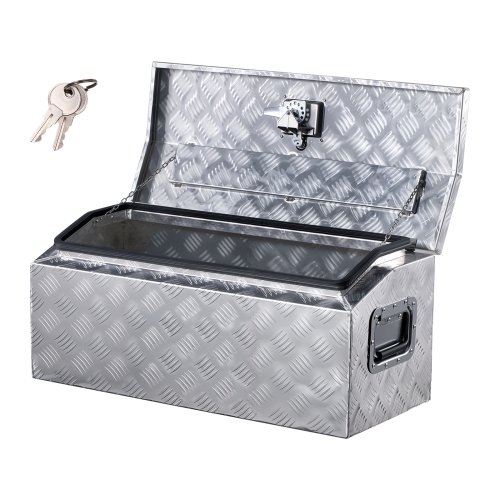
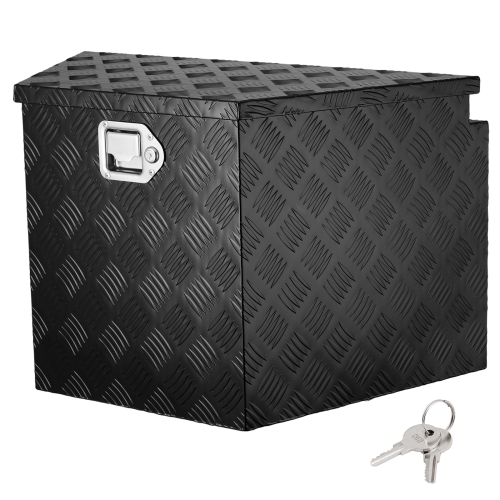
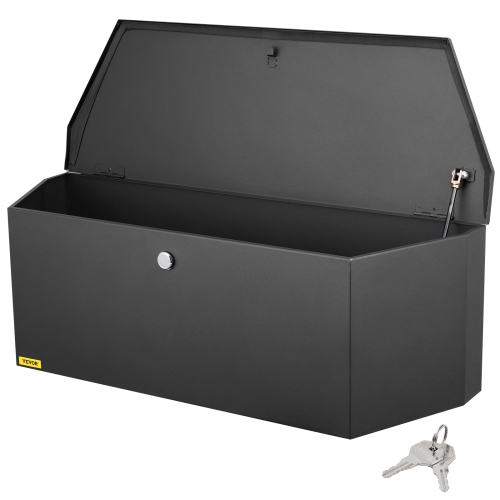
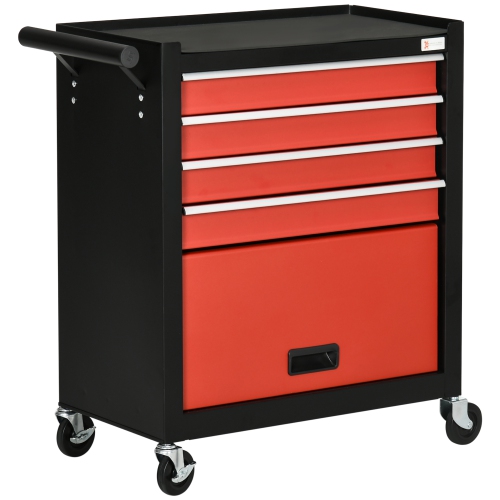
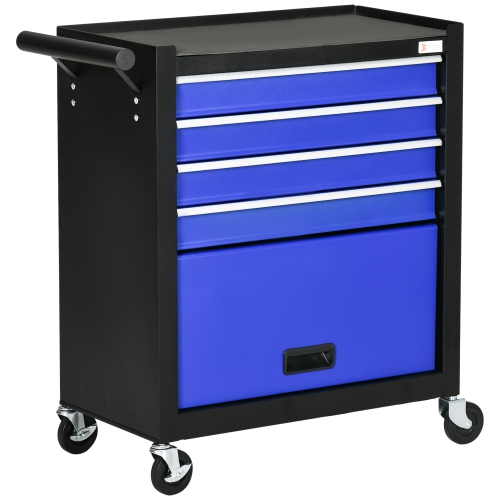
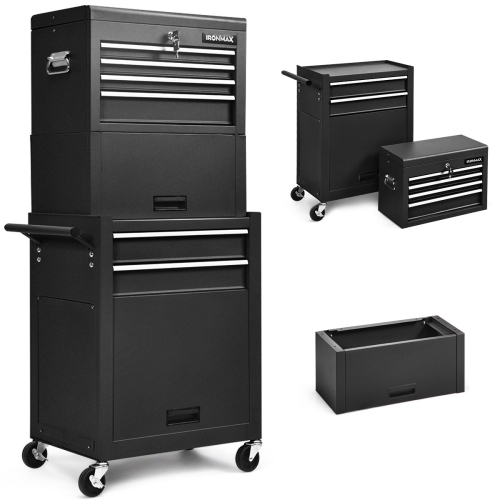
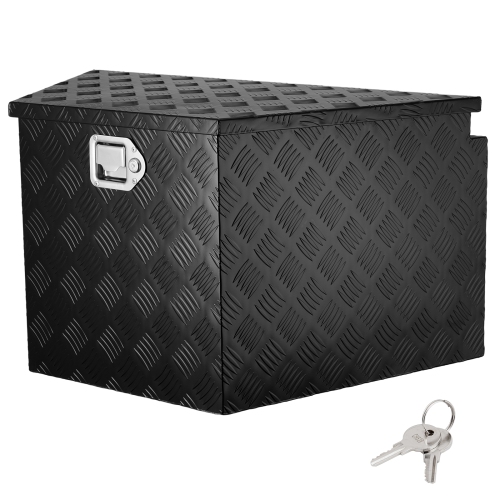
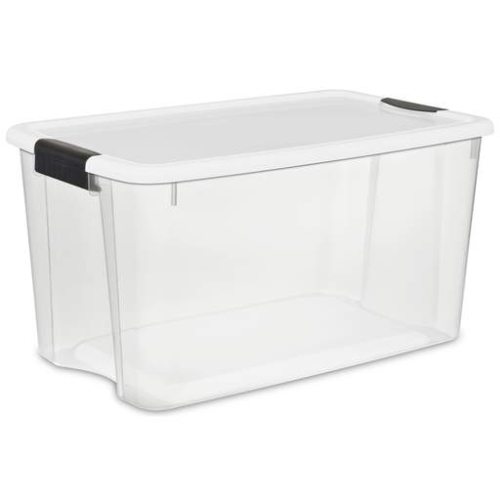
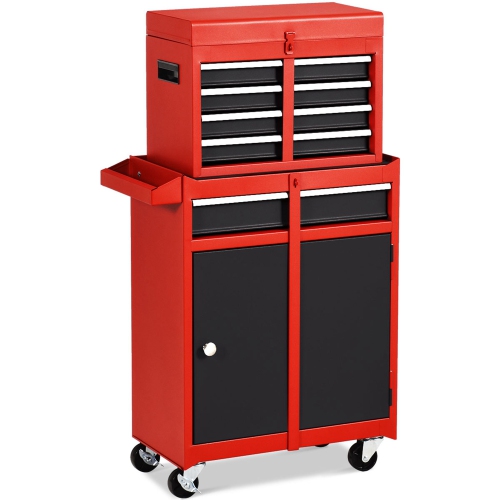
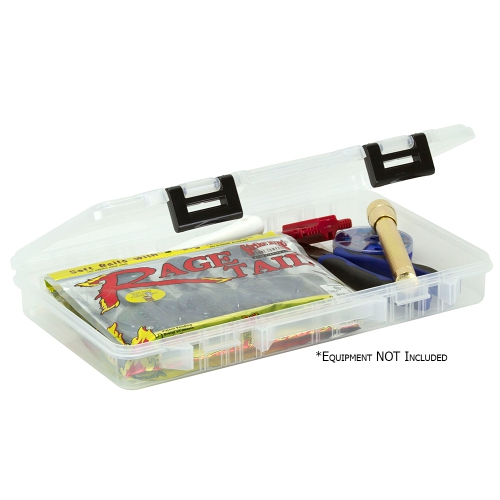


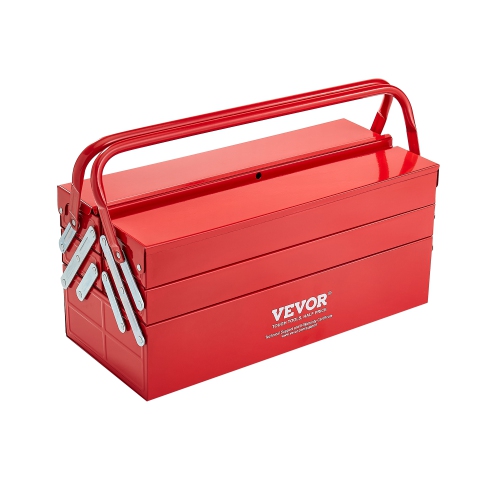
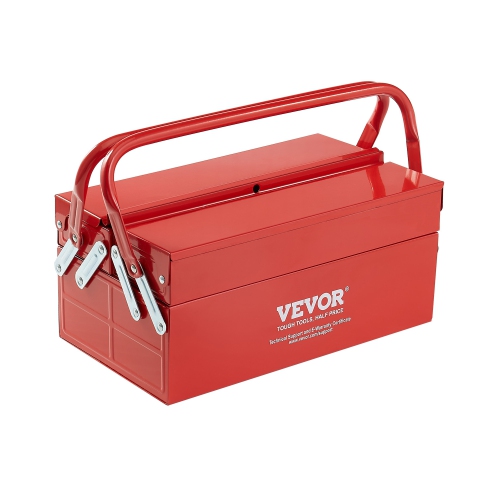
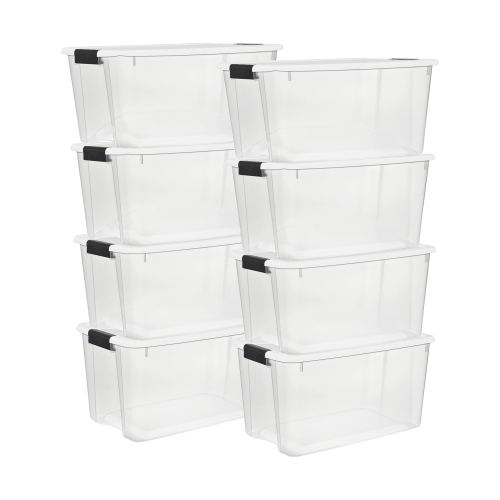
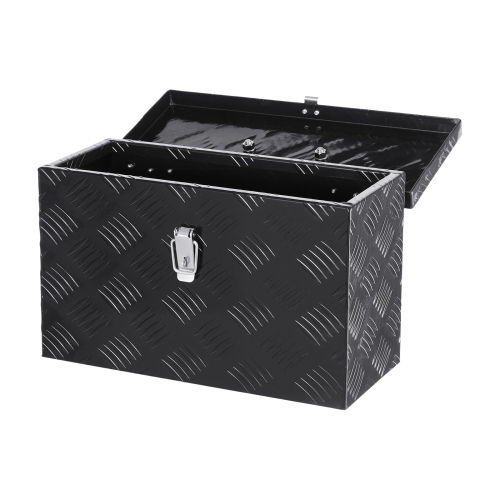
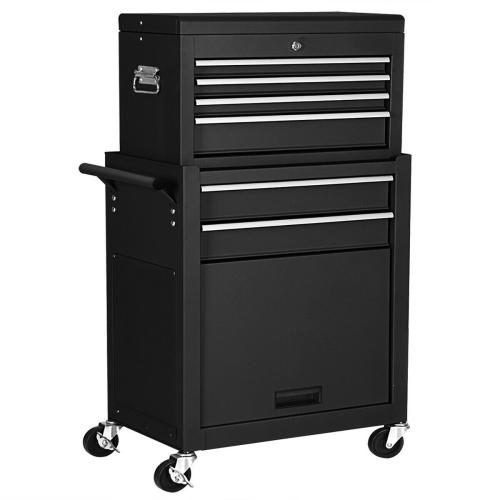
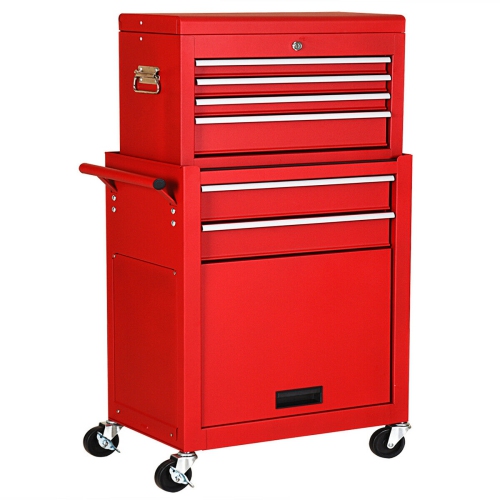
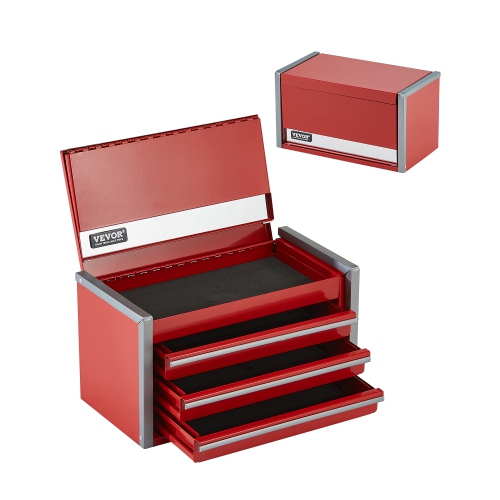
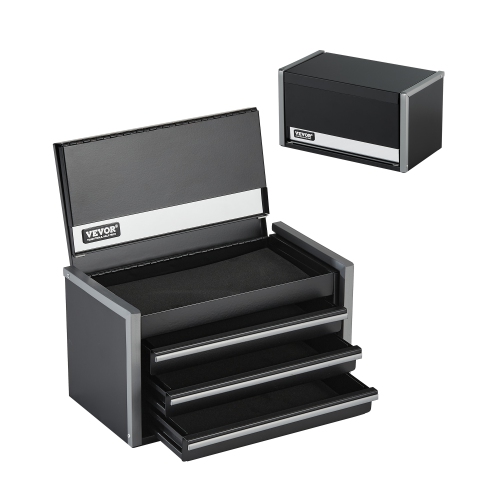
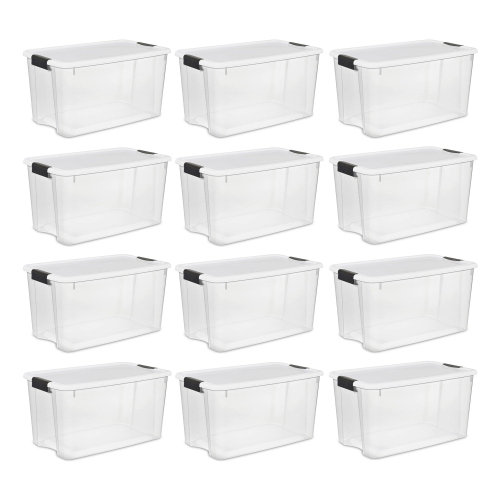
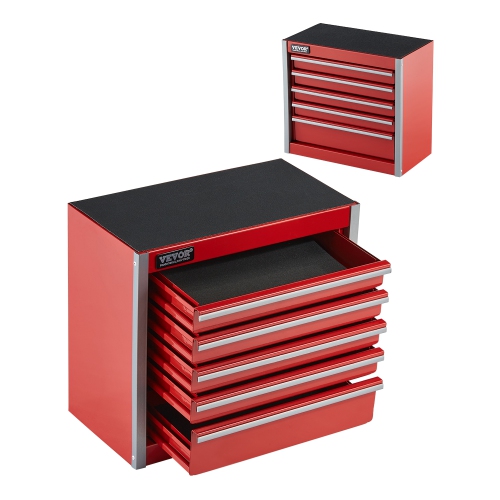
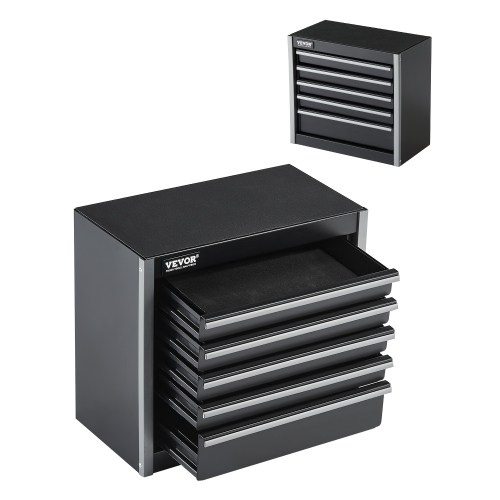
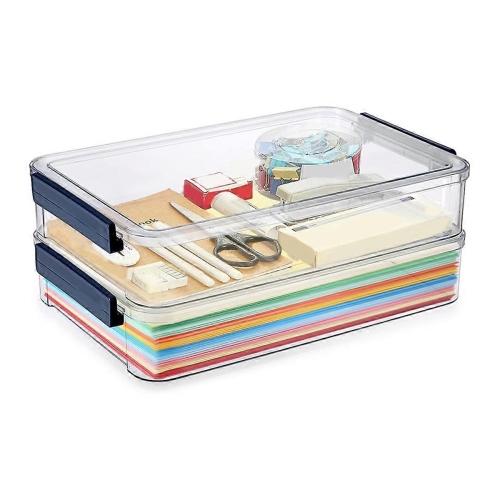

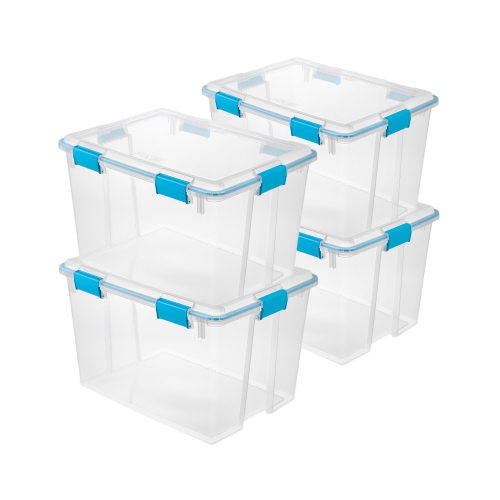
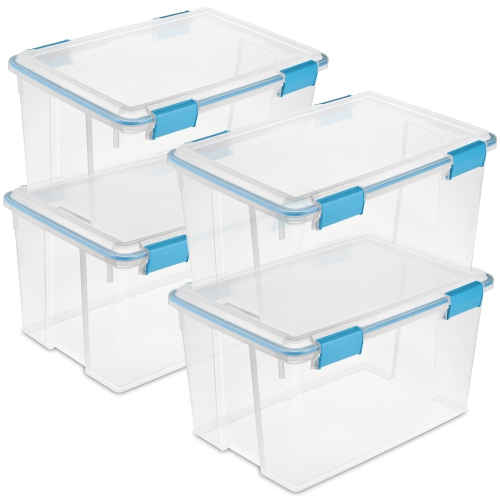

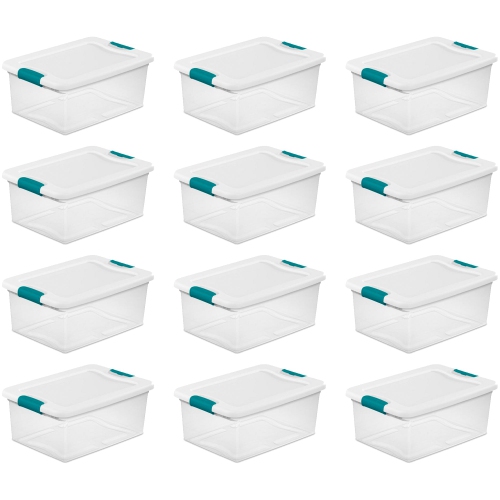
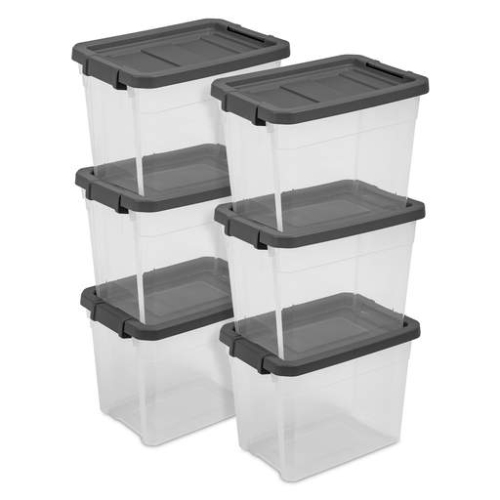


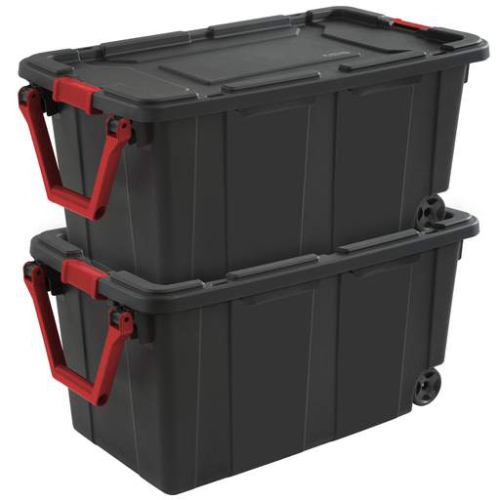

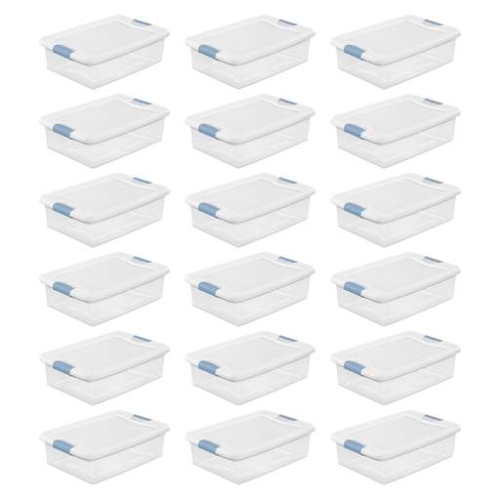
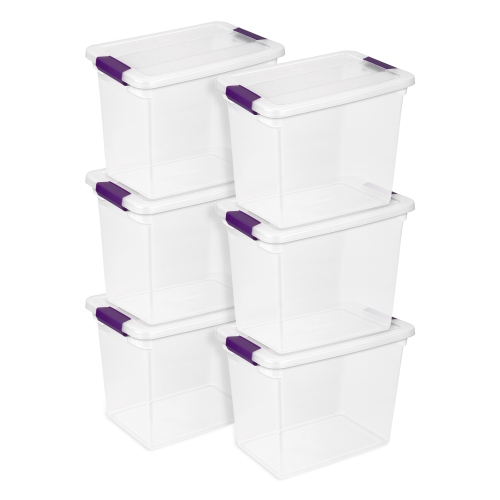

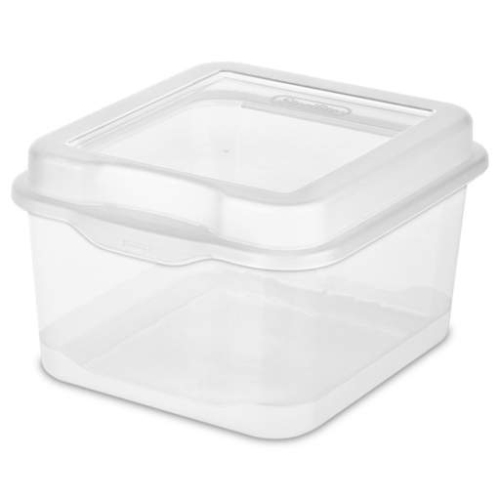
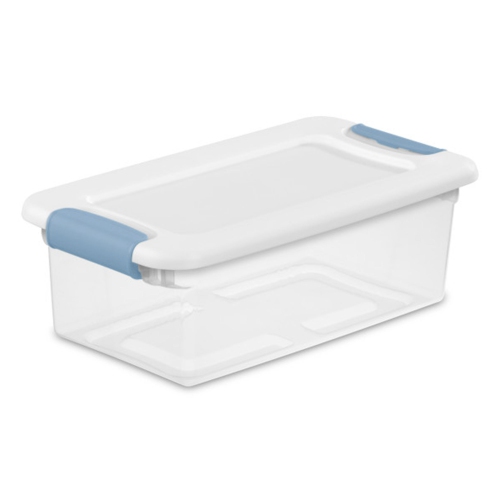
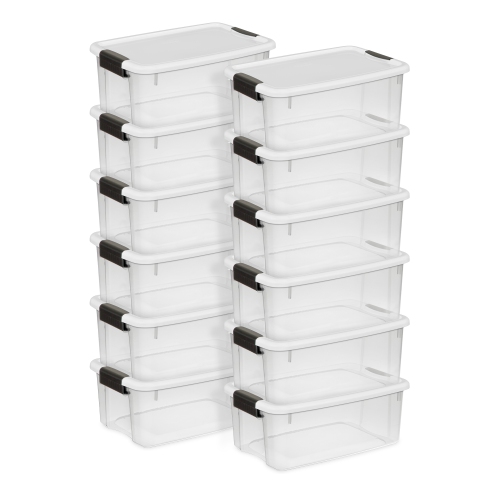

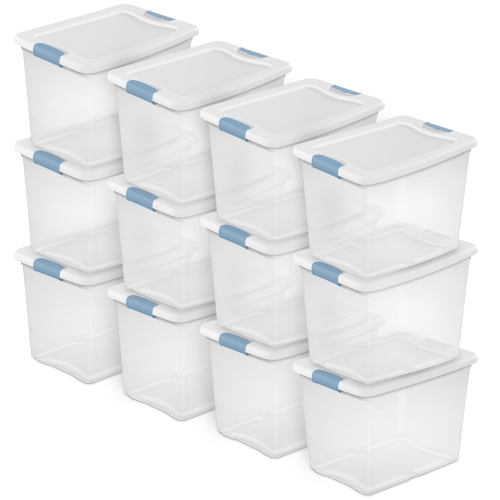
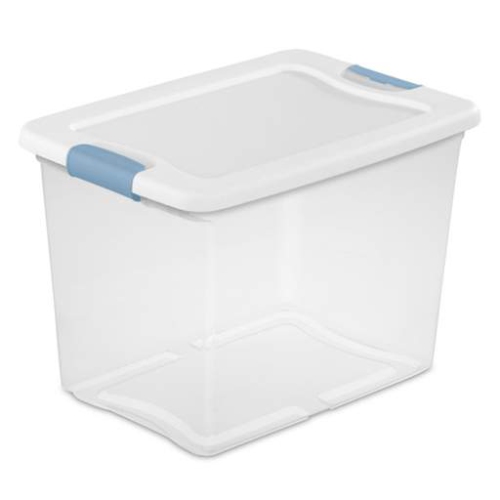
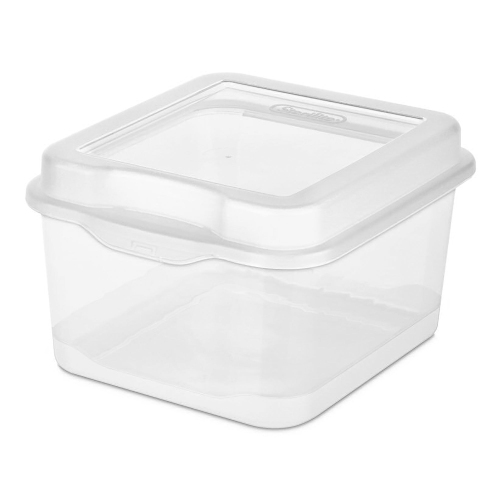
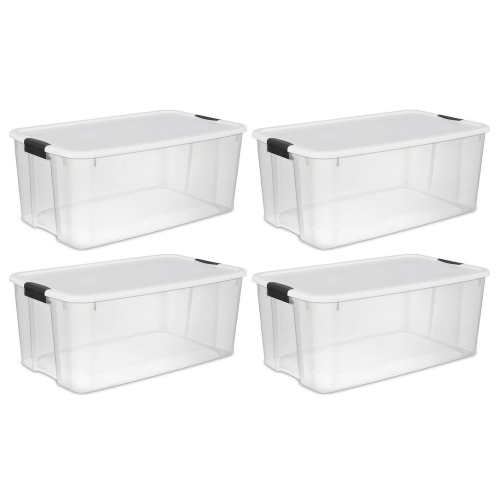
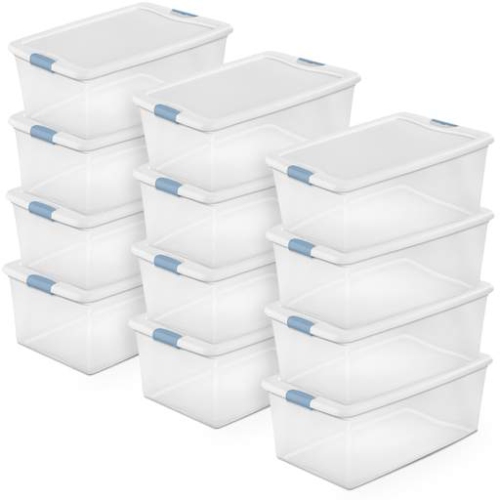


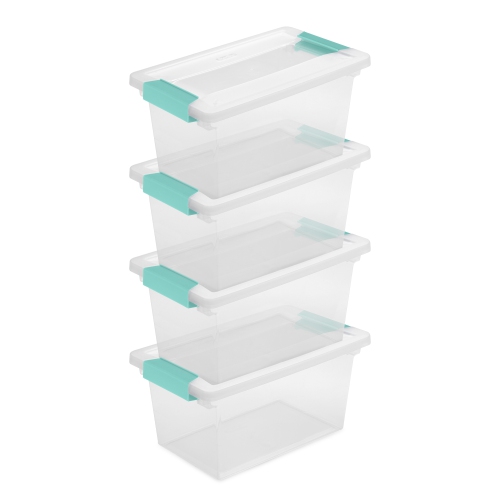


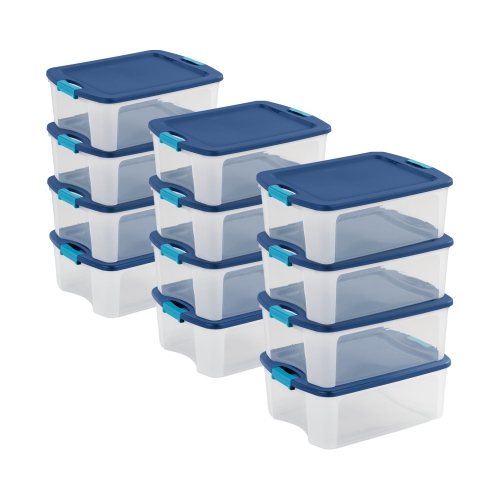

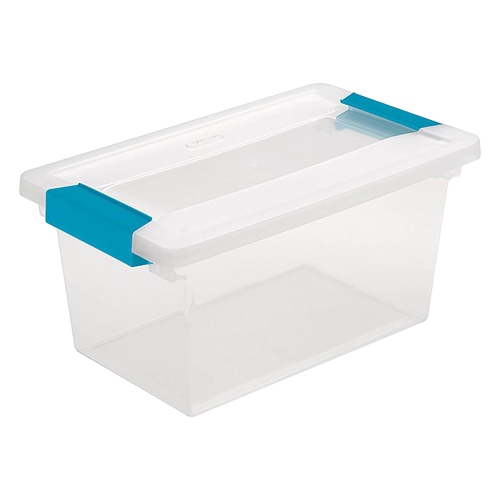
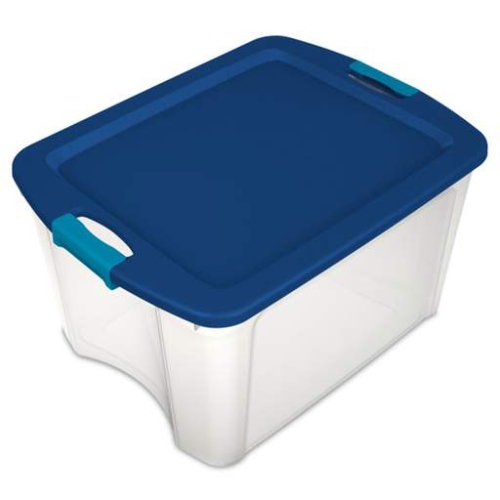

A dependable closure keeps tools together between tasks
Tool boxes with latches keep hand tools, accessories, and small parts together behind a lid that fastens closed for carrying and storage. The latch draws the lid against the body of the box, helping prevent it from lifting when the case is moved from a cupboard to a workbench or carried between tasks. That simple closure matters when a box holds a mix of heavy pliers, loose sockets, and carefully sorted fasteners. Latch designs range from hinged metal clasps to moulded plastic catches and push-button releases, with different benefits for frequent access and heavier loads. Metal clasps can offer strong resistance to repeated wear, while plastic catches avoid rust and can be convenient on lighter cases. Material alone does not determine strength: the latch mounting points, hinge construction, lid stiffness, and overall fit all contribute to a dependable closure. A properly seated latch should engage without forcing the lid down over tools that sit too high. Some designs allow one-handed opening, useful when the other hand is holding a cabinet handle in position or supporting a loose fitting. Others use two front clasps to hold a wider lid closed at separate points. A latch is not necessarily a lock, so boxes intended for restricted access need a separate locking feature, such as a compatible padlock eye or an integrated keyed mechanism. Even then, a portable tool box is storage rather than a substitute for a purpose-built security cabinet. For everyday household repairs, the appeal is straightforward: a contained set of essentials that can travel to the task without tools slipping out along the way. A compact case can carry a hammer, tape measure, screwdrivers, and adjustable wrench, while a deeper box can accommodate bulkier equipment. Households assembling a practical repair kit can also explore Tool Boxes for Home for storage suited to shared cupboards, utility rooms, and other everyday spaces. The most useful size leaves room for the tools in regular rotation without making the box awkward to lift or difficult to put away.
Construction and interior layout shape how a latched tool box feels in daily use. Rigid plastic bodies, including polypropylene designs, are often lighter to carry and easy to wipe clean after a repair. Steel boxes offer a firm structure and can withstand demanding use, although scratches in a protective finish may need attention to help limit rust. Aluminium can provide a lighter metal alternative, with durability depending on the thickness of the panels and the quality of the joints. Reinforced corners, well-supported handles, and securely attached hinges are especially relevant when the contents include dense tools such as socket sets and spanners. The empty weight of the box is only part of the carrying load; a roomy case can become uncomfortable long before every compartment is full. Interior measurements are more useful than exterior dimensions for judging whether a long screwdriver, cordless drill, or rigid accessory case will fit. Handles, trays, and ribs can reduce usable space, and there needs to be enough clearance for the lid to close without pressing on the contents. A removable upper tray keeps frequently used tools close at hand while leaving a larger compartment underneath. Dividers and covered small-parts sections help separate screws, washers, drill bits, and fittings, reducing the need to empty the box to find one small piece. For very fine hardware, compartments with close-fitting covers are helpful because gaps can allow parts to migrate when the case is tilted. A broad opening makes larger tools easier to retrieve, while a stable base helps the box sit securely beside a work area. Where dust or accidental splashes are a concern, a gasketed lid can add protection, but latches alone do not make a box watertight. A stated rating such as IP65 indicates a tested level of dust and water resistance under defined conditions; it does not mean the case is suitable for submersion. That distinction is important for tools with metal cutting edges, electrical components, or precision surfaces that need clean, dry storage.
Portable, rolling, and modular tool boxes with latches suit different routines. A handheld box works well for moving a focused kit between rooms, taking basic tools to a family member’s home, or keeping hobby equipment together at a bench. A rolling format can make a larger load easier to move across suitable surfaces, though stairs, narrow doorways, and vehicle loading still affect how practical it will be. Modular systems separate tools and accessories into connected cases, allowing a small-parts organizer to sit above a deeper equipment box. The connectors that join those cases serve a different purpose from the latches that close each lid, and compatibility depends on the specific system. For anyone carrying a connected stack, the permitted carrying configuration and load limits matter as much as the strength of an individual clasp. Comfortable handles and catches that are easy to operate with work gloves can make repeated trips less fiddly. At home, a clearly organized box gives occasional repair tasks a familiar starting point: picture-hanging tools stay together, furniture assembly hardware has its own compartment, and measuring tools are not buried beneath heavier equipment. A latched case can also make a thoughtful gift for someone setting up a first home, building a woodworking kit, or maintaining a bicycle, particularly when its layout suits the tools they already own. Simple care helps preserve both the closure and the contents. Loose grit around hinges and latch seats can interfere with alignment, while trapped debris along a gasket can prevent even contact with the lid. Wiping the box with a soft cloth and a suitable mild cleaner, drying tools before storage, and checking fasteners periodically can help keep the case ready for repeated use. Cracked catches, bent clasps, or loose handle mounts deserve attention before another loaded trip. Heavy tools sit best low in the box, with sharp edges covered and delicate measuring equipment kept apart from loose metal pieces. With a well-matched layout and a reliable closure, the tool box becomes a practical part of the task rather than another thing to manage.
Top selling and popular products
-
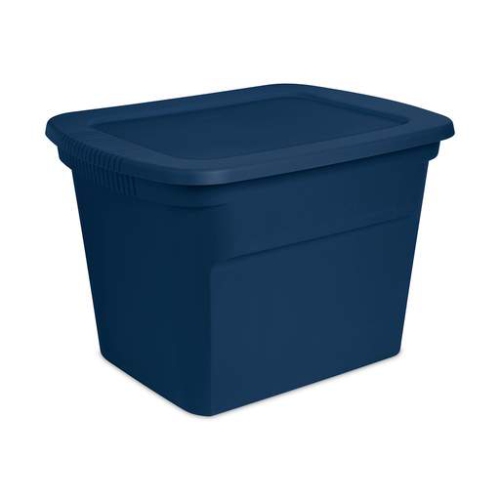 Your price for this item is $661.99
-
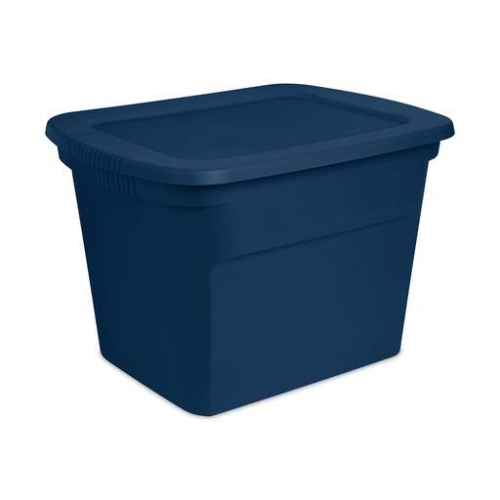 Your price for this item is $881.99
-
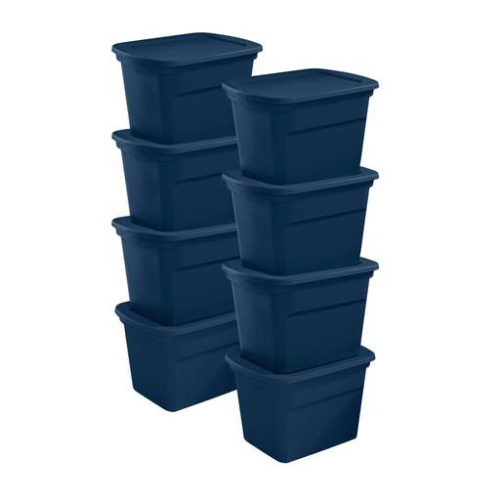 Your price for this item is $227.99
-
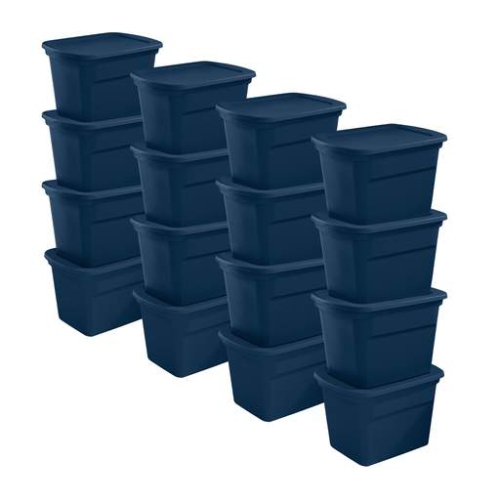 Your price for this item is $440.99
-
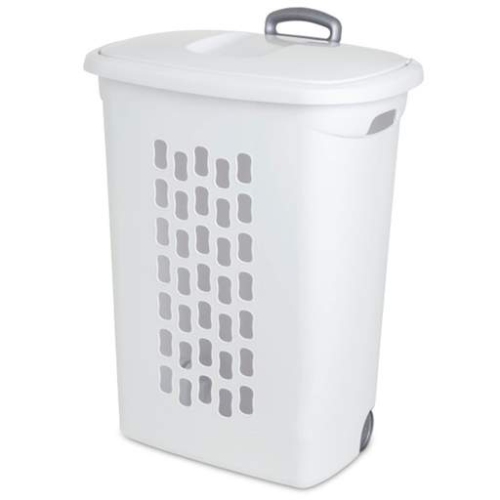 Your price for this item is $517.99
-
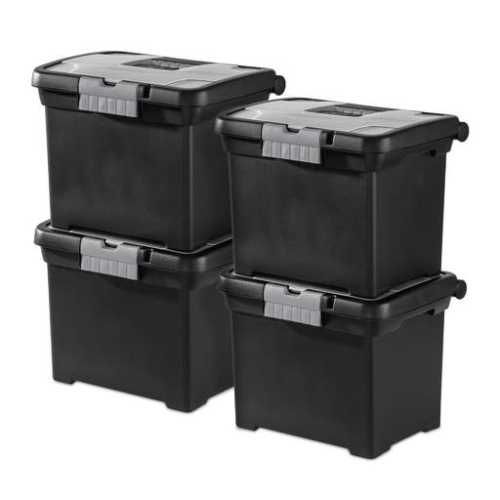 Your price for this item is $132.99
-
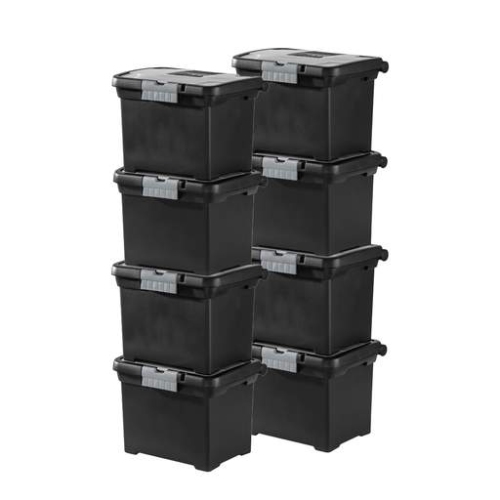 Your price for this item is $260.99
-
 Your price for this item is $64.98
Discover more categories related to Tool Boxes With Latches
Top Collections:
Pokemon Centers, Kindle Devices, Best Budget Office Chairs, Canon G7X Cameras, Apple iPhones 16, Samsung Galaxy Phones, Refurbished Apple Laptops, Laptops for Students, iPhone 15 Apple, Budget Smartphones
Some products may be subject to Environmental Handling Fees
(EHF) depending on your province.
Learn more about EHFs.