Tool Chest
Organize your tools with efficiency and style with our collection of tool chests. Perfect for DIY enthusiasts, professional contractors, or anyone in need of a reliable storage solution, these tool chests are designed to keep your workspace clutter-free and your tools easily accessible. With a variety of sizes, styles, and configurations available, finding the perfect tool chest to suit your needs has never been easier. Upgrade your workshop today with a high-quality tool chest that combines functionality and durability seamlessly.
Sort
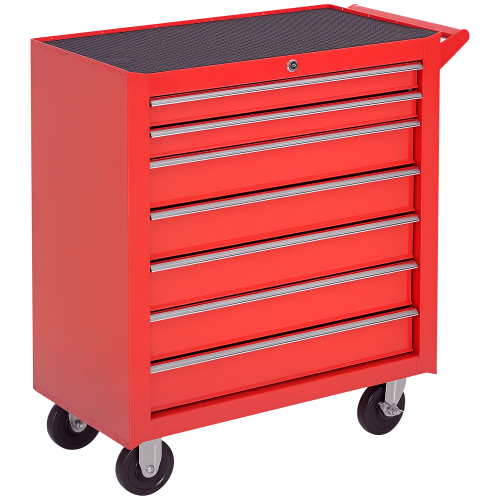
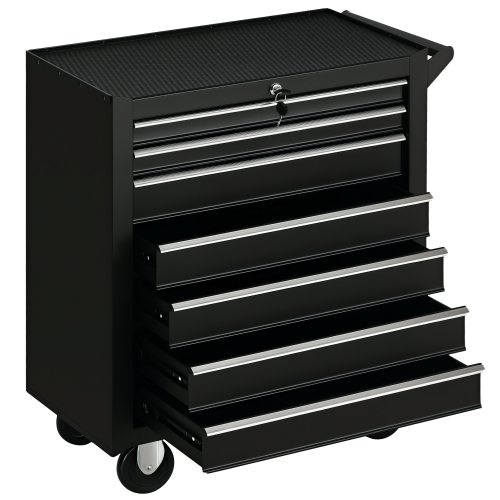

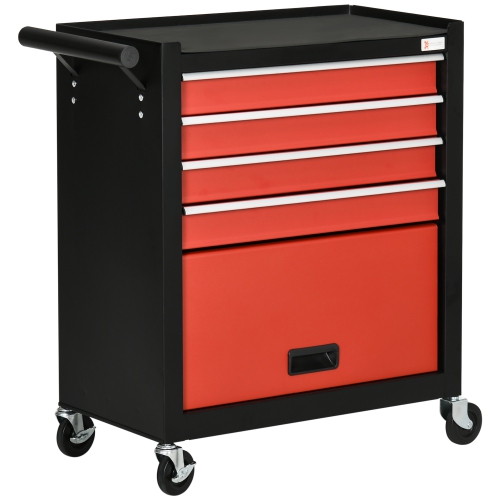
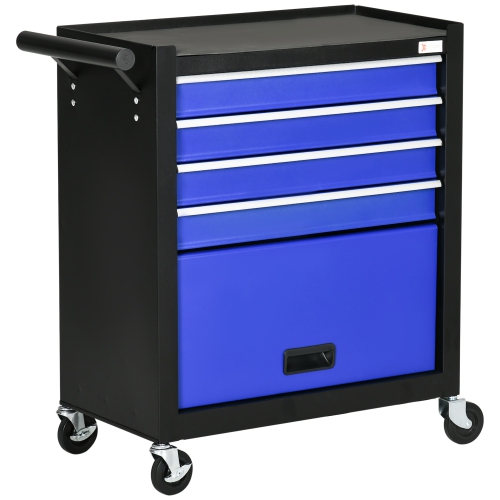
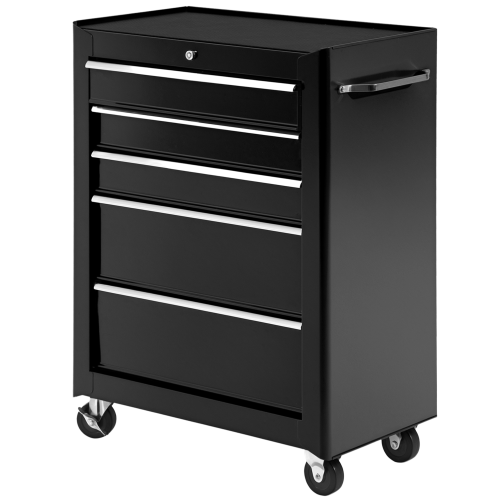
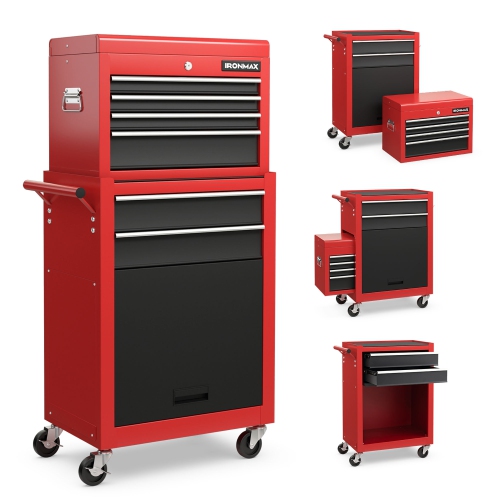
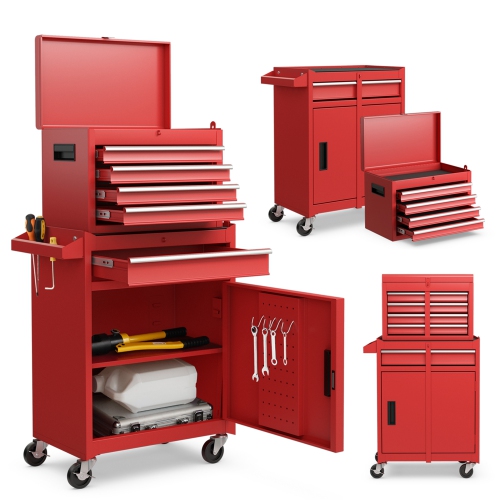
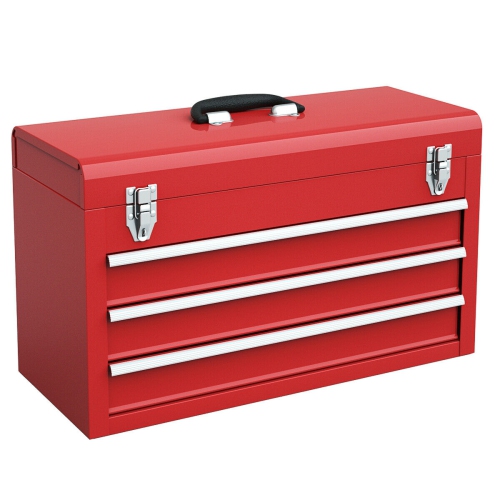
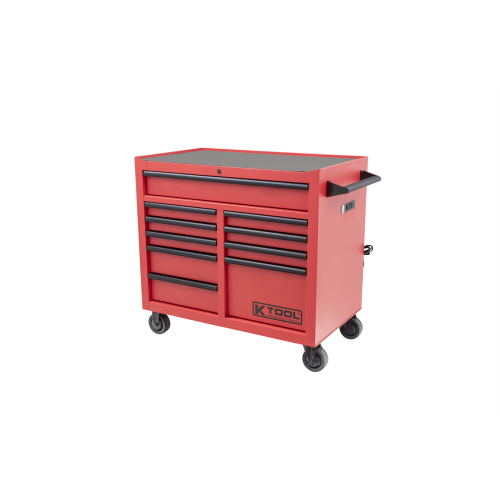
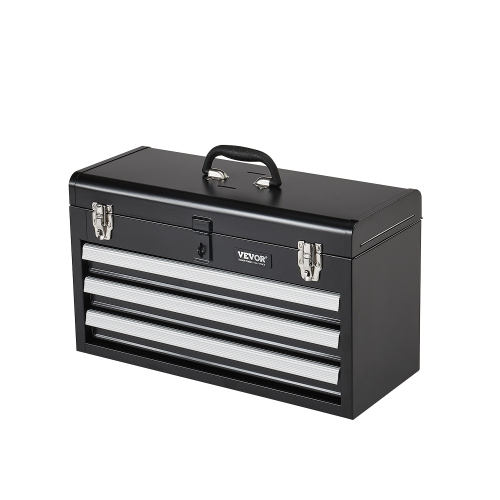
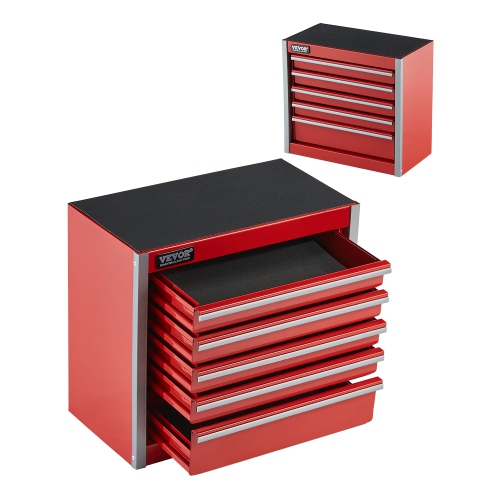
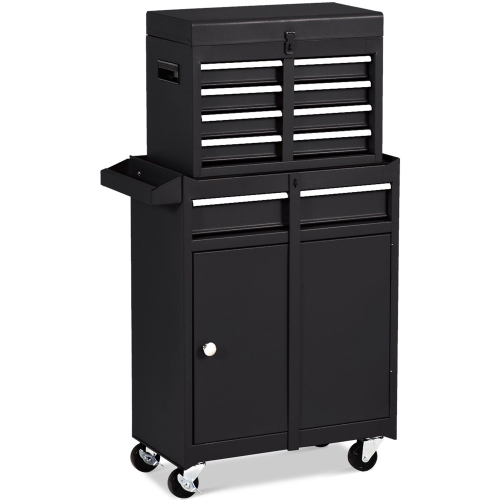
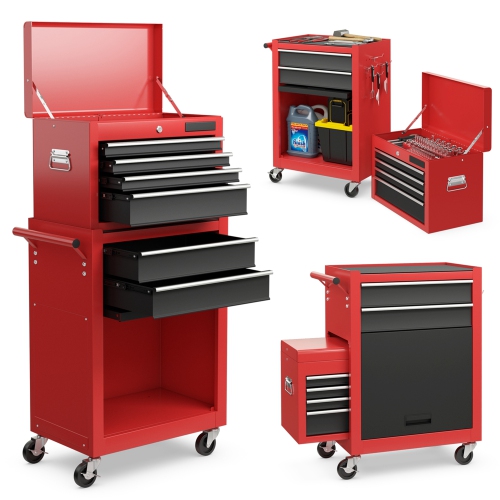
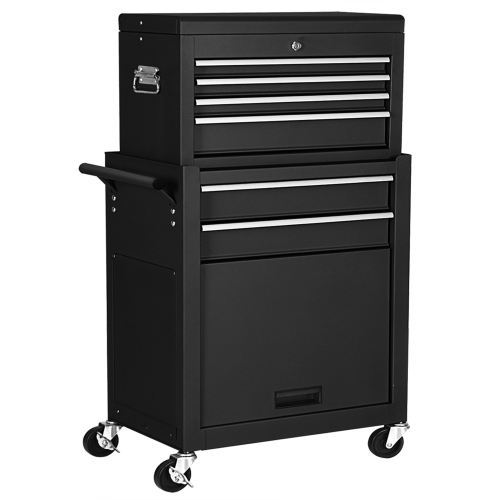
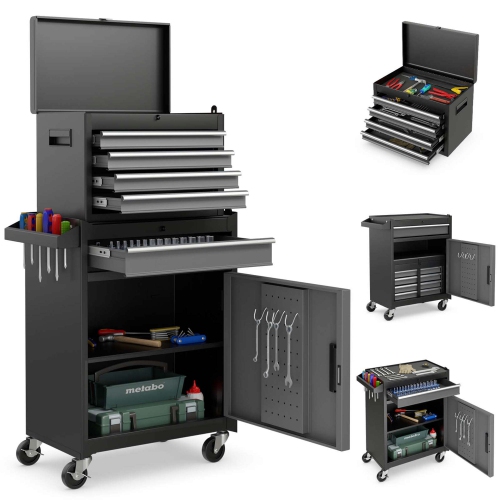
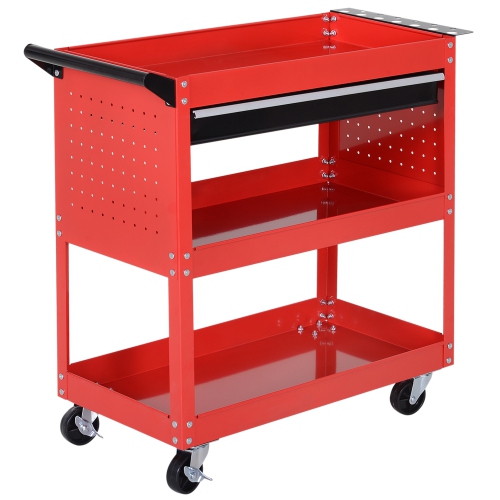
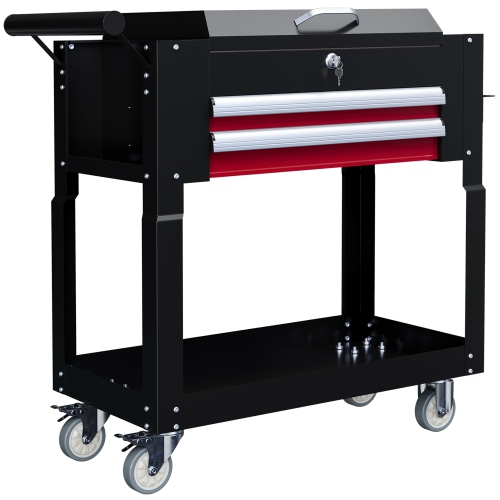
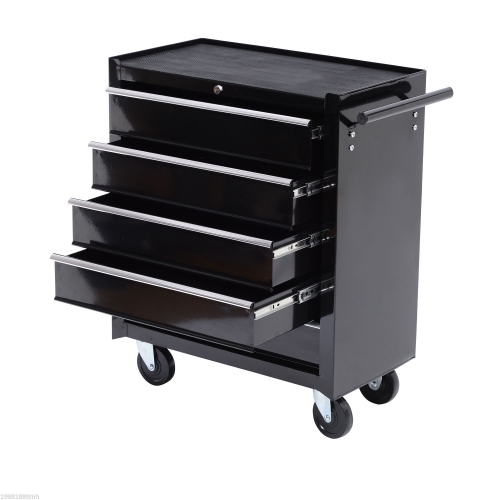
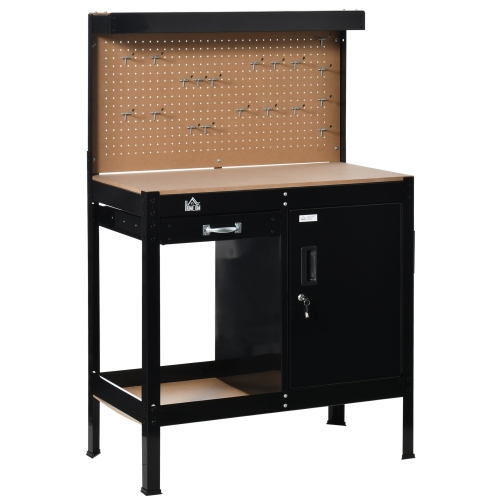
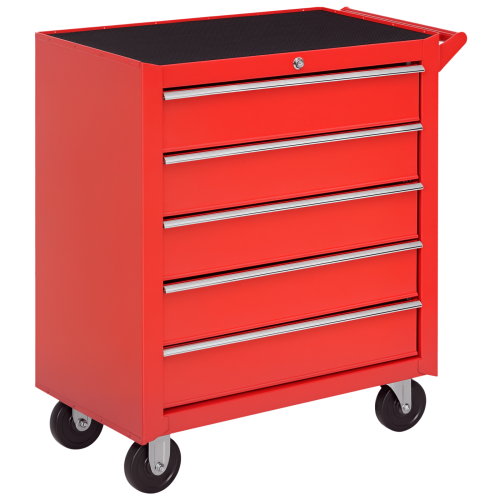

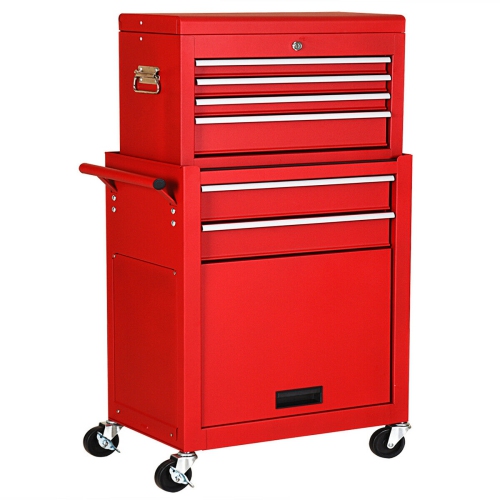
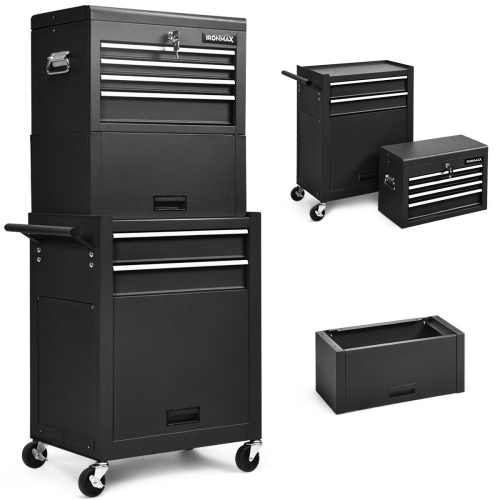
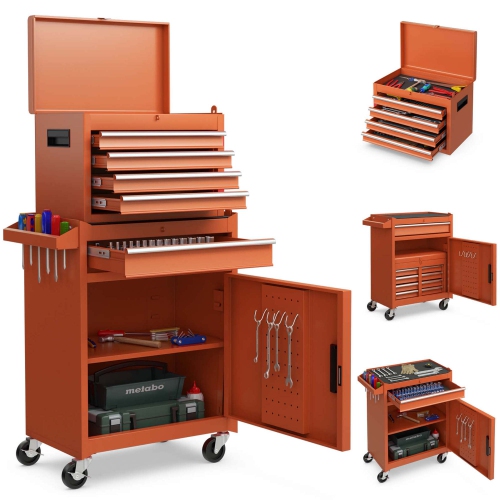
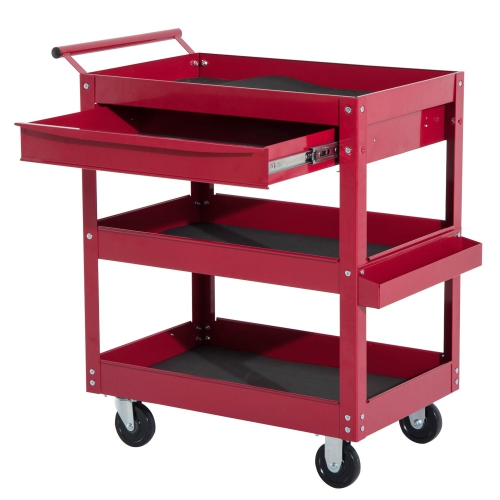
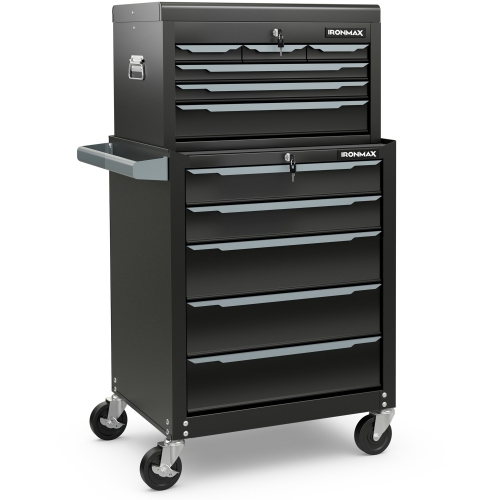
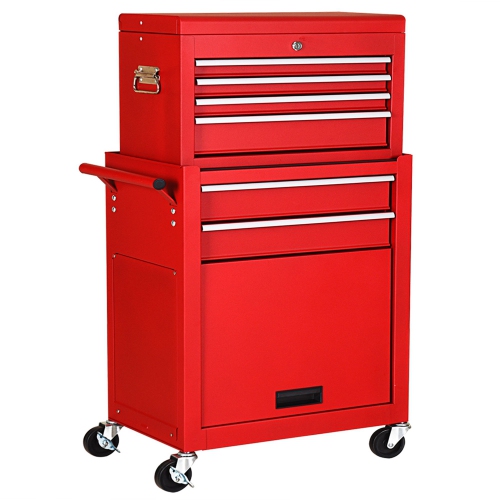
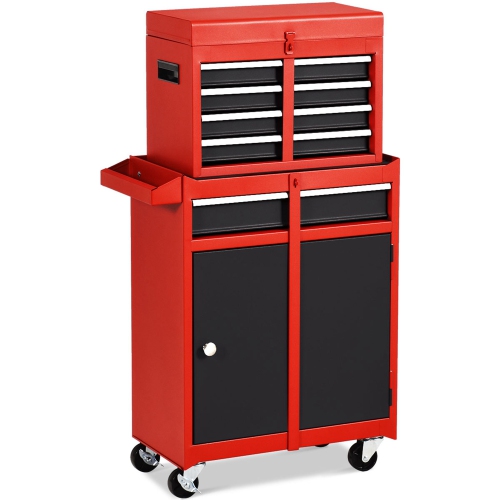
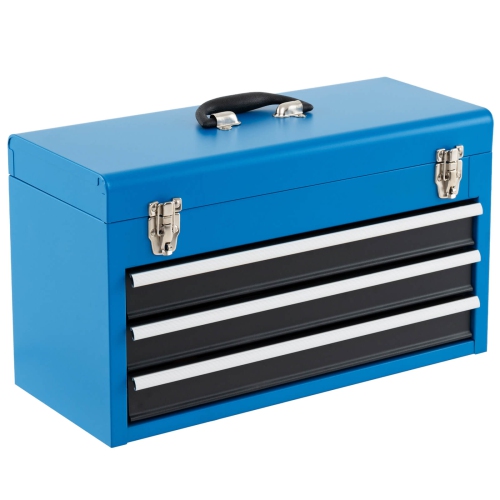
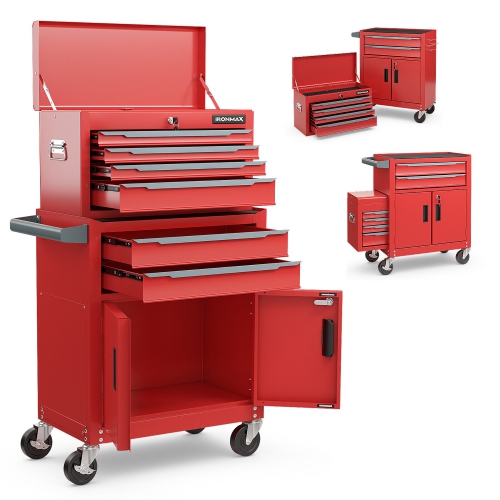
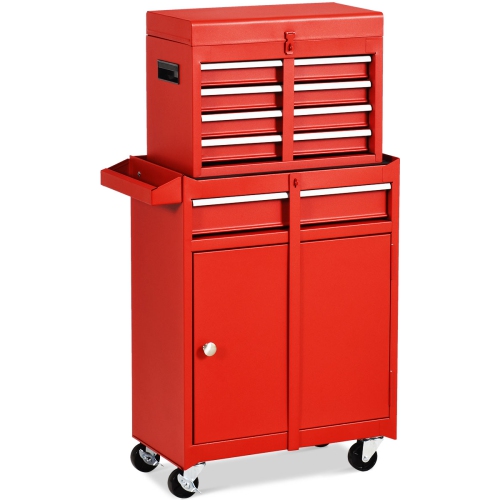
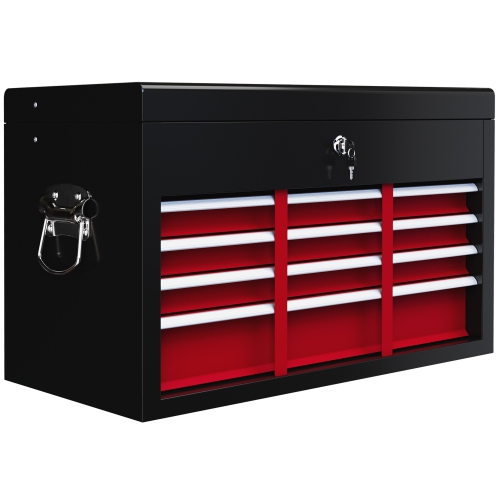
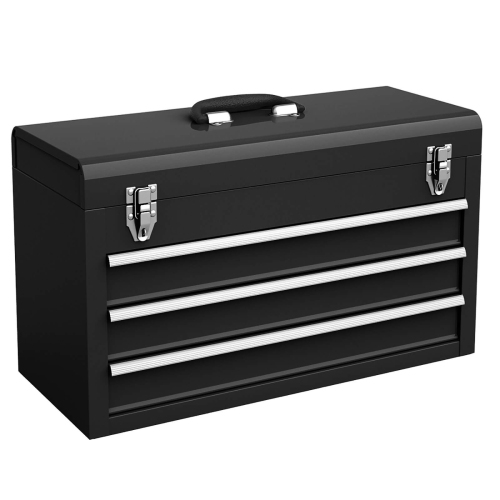
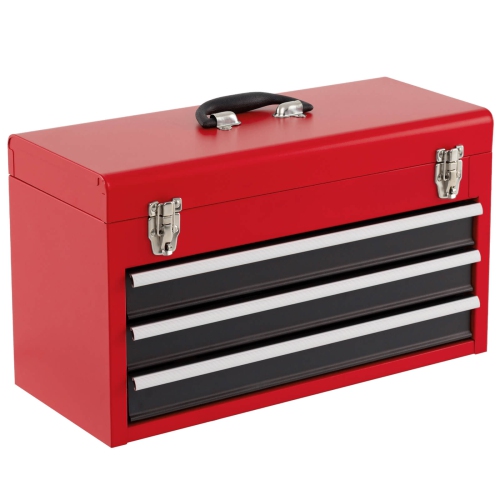
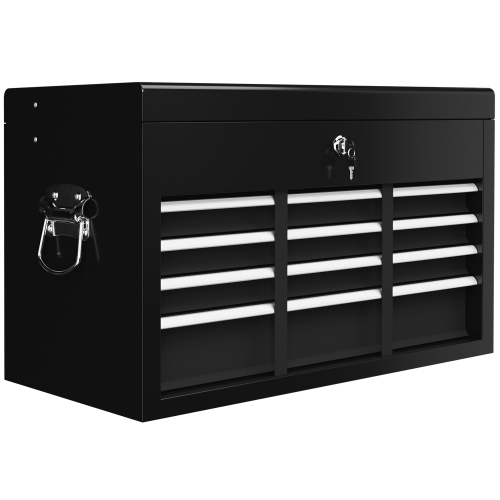
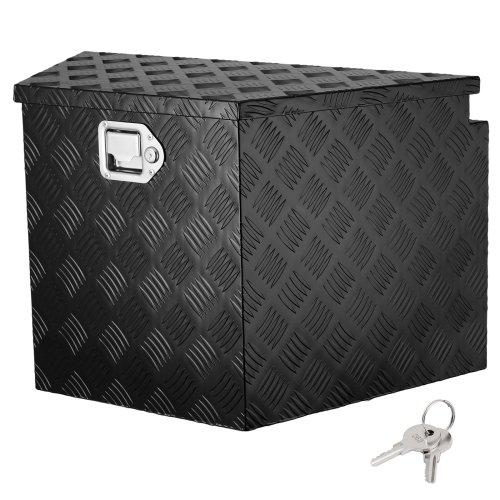
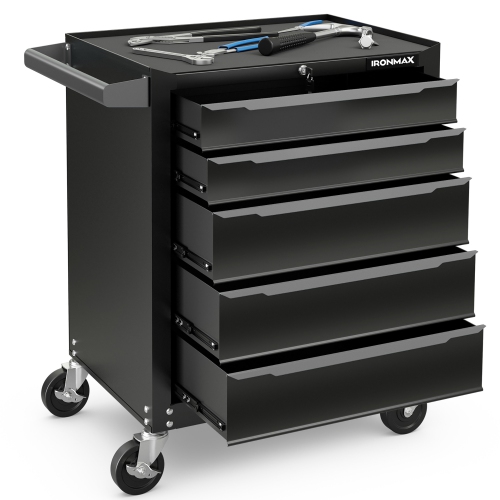
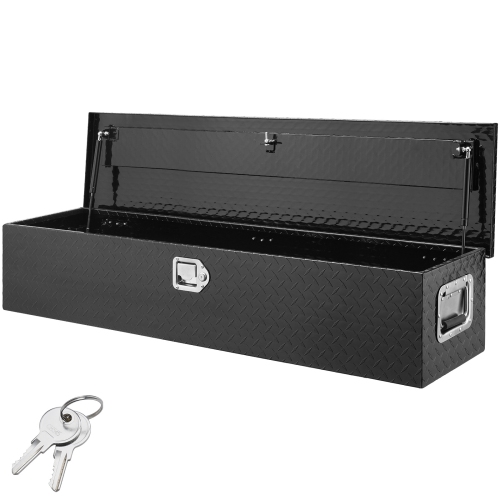

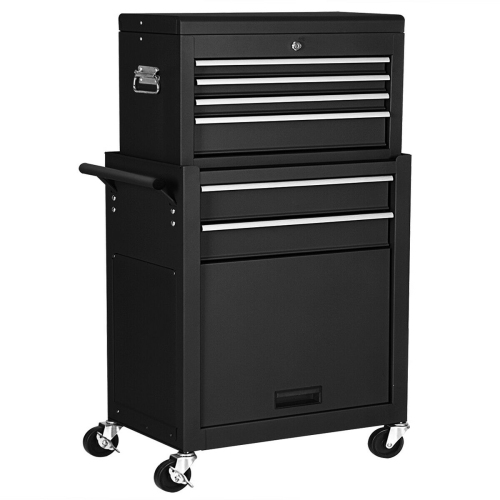
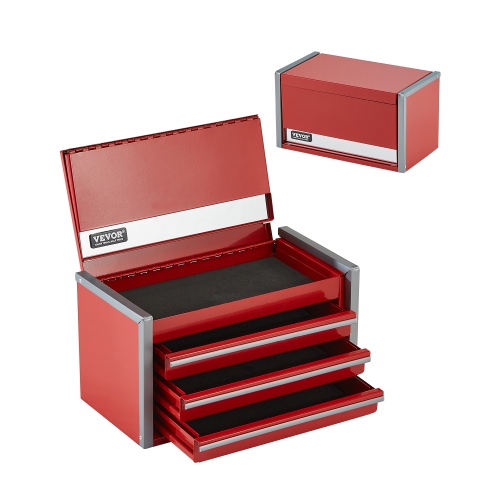
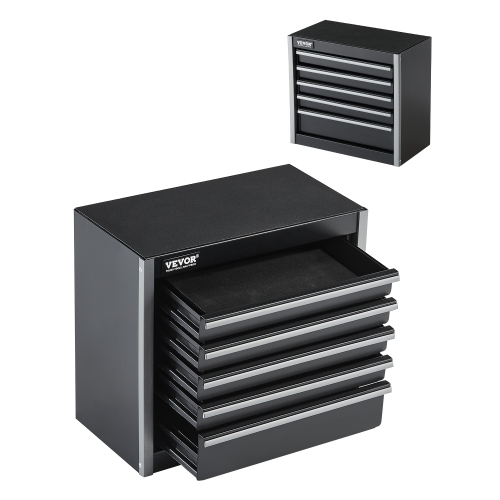

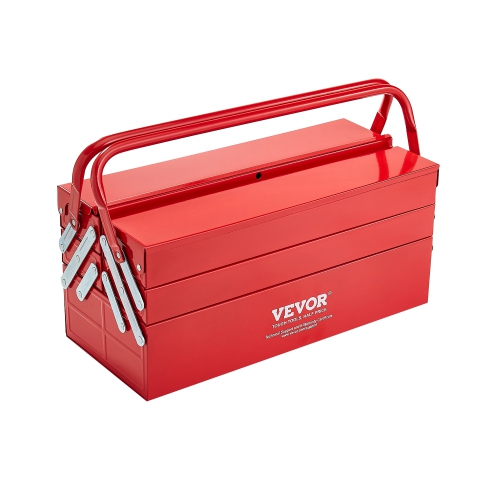
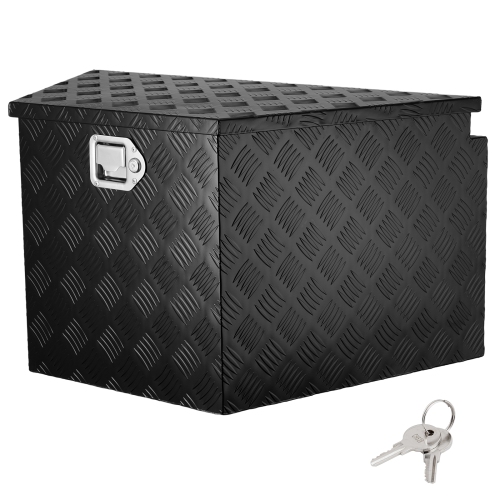
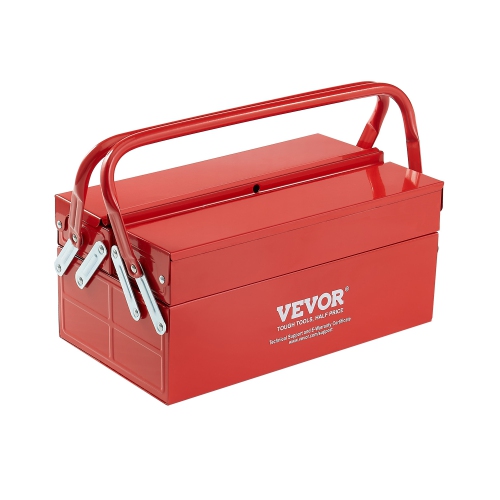
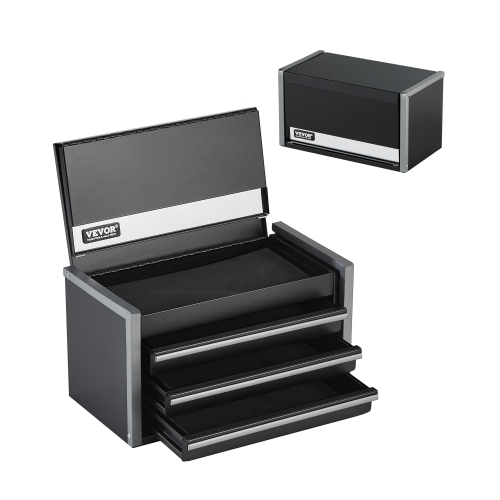
Organized storage for tools, repairs, and growing workshops
A tool chest is a practical foundation for keeping hand tools, hardware, and workshop essentials together in one dependable place. Instead of leaving screwdrivers in a drawer, sockets in a case, and measuring tools scattered across a bench, a well-designed chest gives each item a clear home. This makes everyday repairs feel less like a search through a crowded garage and more like a smooth, familiar routine. Tool chests can suit many spaces and working styles, from a compact setup in an apartment or condo to a larger workshop where several drawers are needed for organized access. They are useful for homeowners who handle regular maintenance, hobbyists who enjoy building and restoring projects, and experienced tradespeople who need their equipment close at hand. They can also be thoughtful gifts for someone setting up a first workshop, moving into a new home, or turning a corner of a garage into a dedicated project area. During the warmer months, a tool chest can make outdoor repairs, bicycle adjustments, home improvement, and seasonal maintenance easier to manage. As the weather turns cooler, it can keep frequently used tools ready for indoor projects, furniture assembly, and routine household fixes.
When choosing a tool chest, start with the size and type of equipment it needs to hold. Count the tools already owned, then consider room for future additions such as pliers, wrenches, ratchets, sockets, screwdrivers, utility knives, levels, and specialty accessories. Drawer layout matters as much as overall capacity. Shallow drawers are convenient for small items and frequently used hand tools, while deeper drawers can accommodate power tools, larger accessories, or bulky equipment. Full-extension drawer slides can provide a clearer view of the contents, allowing the drawer to open farther so tools at the back are easier to reach. Drawer liners help keep equipment from sliding around when the chest is moved, and a protective work surface can create a useful area for sorting parts or completing a quick task. Depending on the setup, features such as a locking system, reinforced corners, sturdy handles, and smooth-rolling casters may add valuable convenience. A lock can help keep tools secure in a shared garage or workshop, while casters make it easier to reposition the chest when cleaning, rearranging the workspace, or making room for a larger project. For more ideas on organizing a complete workspace, explore Tool Storage options that can complement a chest and help make the most of available room.
The best choice also depends on where the chest will live and how often it will be used. Measure the available floor area, doorways, and surrounding clearance before selecting a larger model, especially if the chest will sit beneath shelving or beside a workbench. A compact chest may be easier to place in a utility room, basement, or smaller garage, while a wide multi-drawer design can make sense for a busy workshop with a substantial collection of tools. Pay attention to construction, drawer weight ratings, wheel design, and the quality of the handles, since these details affect how confidently the chest can be loaded and moved. A removable top section or modular arrangement can be useful when tools need to travel between work areas, while a fixed design may offer a more stable home base for heavier equipment. Think about daily habits, too: keeping measuring tools together, placing fasteners in clearly labelled compartments, and reserving one drawer for project-specific parts can save time and prevent misplaced pieces. A chest does not need to be filled immediately to be useful; extra space can support a growing collection as new repairs and hobbies come along. With tools arranged by size, function, or frequency of use, the work surface stays clearer, small jobs are easier to begin, and larger projects feel more manageable from the first step to the final adjustment.
When choosing a tool chest, start with the size and type of equipment it needs to hold. Count the tools already owned, then consider room for future additions such as pliers, wrenches, ratchets, sockets, screwdrivers, utility knives, levels, and specialty accessories. Drawer layout matters as much as overall capacity. Shallow drawers are convenient for small items and frequently used hand tools, while deeper drawers can accommodate power tools, larger accessories, or bulky equipment. Full-extension drawer slides can provide a clearer view of the contents, allowing the drawer to open farther so tools at the back are easier to reach. Drawer liners help keep equipment from sliding around when the chest is moved, and a protective work surface can create a useful area for sorting parts or completing a quick task. Depending on the setup, features such as a locking system, reinforced corners, sturdy handles, and smooth-rolling casters may add valuable convenience. A lock can help keep tools secure in a shared garage or workshop, while casters make it easier to reposition the chest when cleaning, rearranging the workspace, or making room for a larger project. For more ideas on organizing a complete workspace, explore Tool Storage options that can complement a chest and help make the most of available room.
The best choice also depends on where the chest will live and how often it will be used. Measure the available floor area, doorways, and surrounding clearance before selecting a larger model, especially if the chest will sit beneath shelving or beside a workbench. A compact chest may be easier to place in a utility room, basement, or smaller garage, while a wide multi-drawer design can make sense for a busy workshop with a substantial collection of tools. Pay attention to construction, drawer weight ratings, wheel design, and the quality of the handles, since these details affect how confidently the chest can be loaded and moved. A removable top section or modular arrangement can be useful when tools need to travel between work areas, while a fixed design may offer a more stable home base for heavier equipment. Think about daily habits, too: keeping measuring tools together, placing fasteners in clearly labelled compartments, and reserving one drawer for project-specific parts can save time and prevent misplaced pieces. A chest does not need to be filled immediately to be useful; extra space can support a growing collection as new repairs and hobbies come along. With tools arranged by size, function, or frequency of use, the work surface stays clearer, small jobs are easier to begin, and larger projects feel more manageable from the first step to the final adjustment.
Top selling and popular products
-
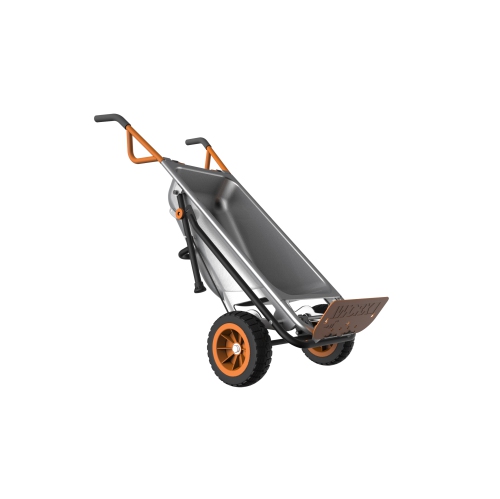 Your price for this item is $329.99
 -
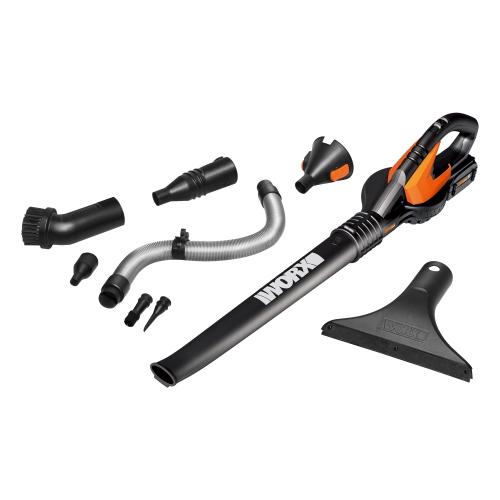 Your price for this item is $189.99
 -
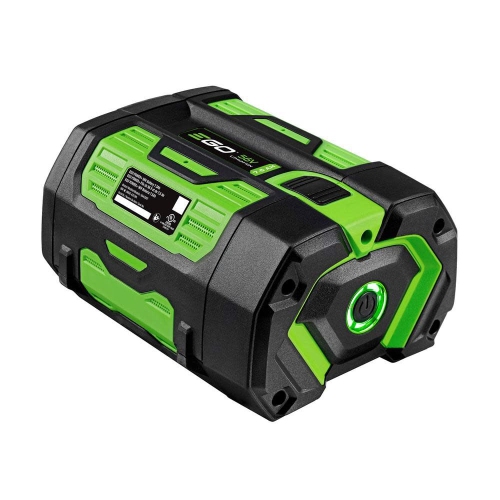 Your price for this item is $449.99
 -
 Your price for this item is $359.99
 -
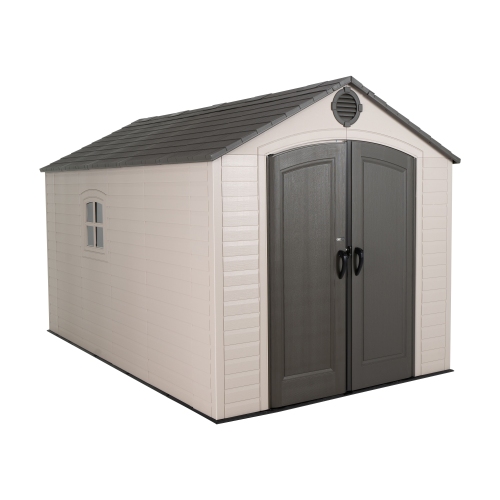 Your price for this item is $3028.99
 -
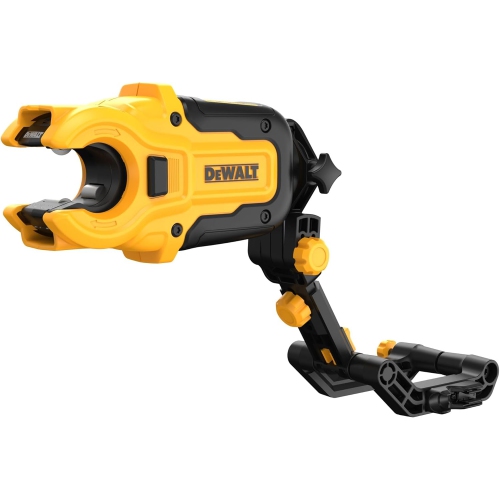 Your price for this item is $94.99
 -
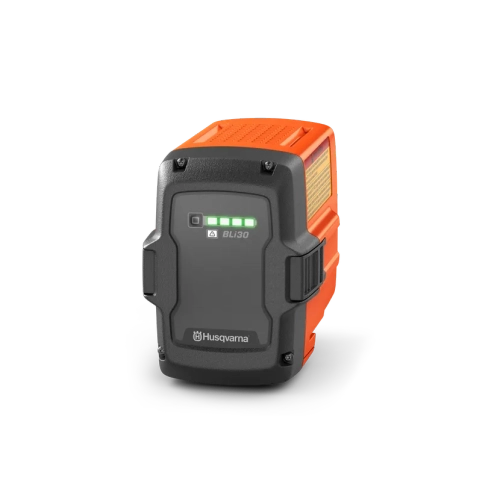 Your price for this item is $299.99
 -
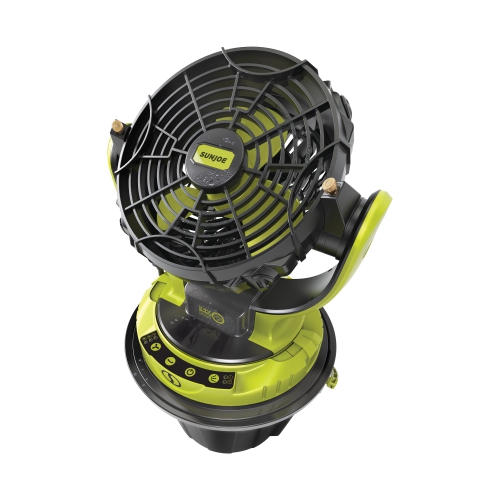 Your price for this item is $189.99
Discover more categories related to Tool Chest
Top Collections:
Pokemon Centers, Kindle Devices, Best Budget Office Chairs, Apple iPhones 16, Samsung Galaxy Phones, Canon G7X Cameras, iPhone 15 Apple, Flip Phones, Best Laptops for Writers, Alarm Clock
Some products may be subject to Environmental Handling Fees
(EHF) depending on your province.
Learn more about EHFs.