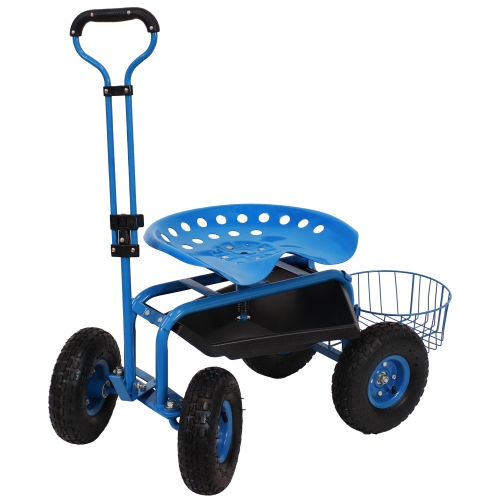
Tool Cabinets
Transform your workspace into an organized haven with a tool cabinet that seamlessly combines functionality and style. Whether you're a professional craftsman or a DIY enthusiast, the right tool cabinet can help you keep your tools neatly arranged, easily accessible, and securely stored. Explore an array of designs tailored to fit any space, from compact units perfect for tight corners to expansive cabinets that offer ample storage for all your equipment. With robust construction and thoughtful features, these tool cabinets are designed to withstand the rigors of daily use while enhancing the efficiency of your projects. Discover how a well-chosen tool cabinet can elevate your workspace and streamline your workflow today.
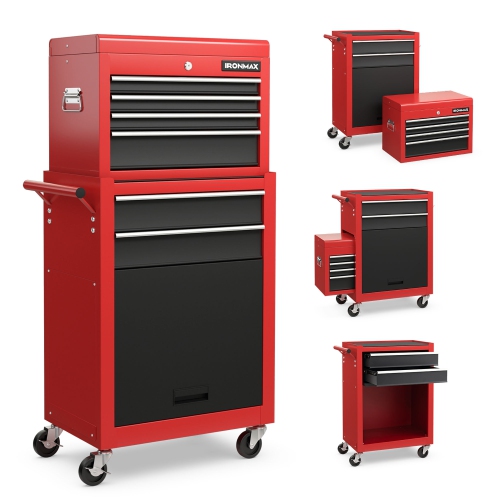
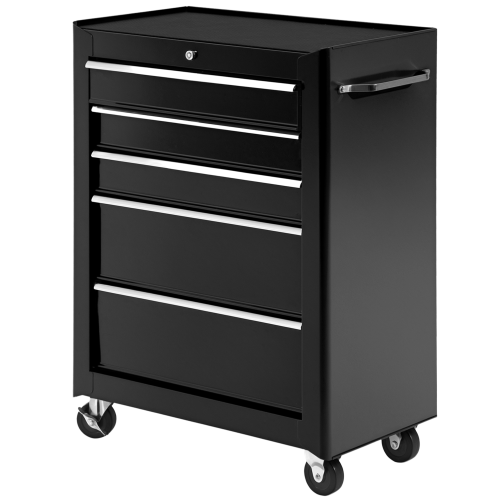
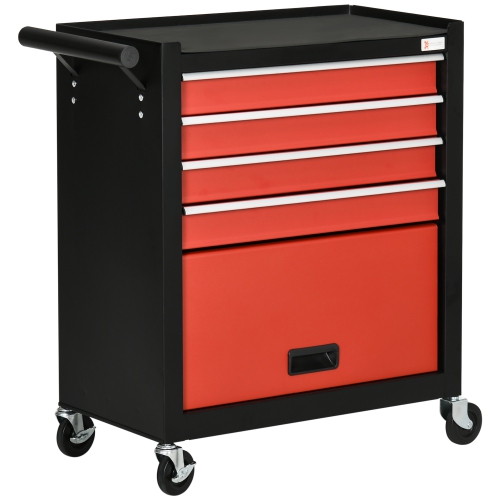
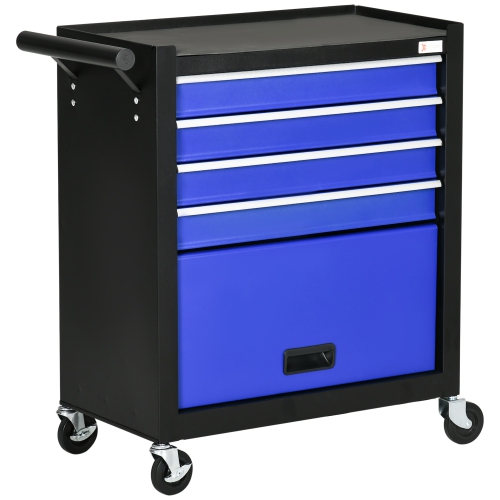

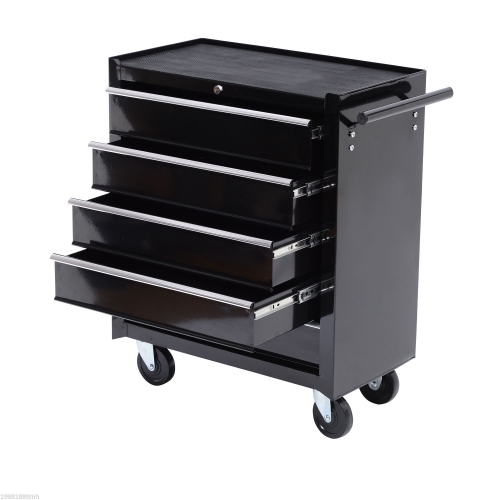
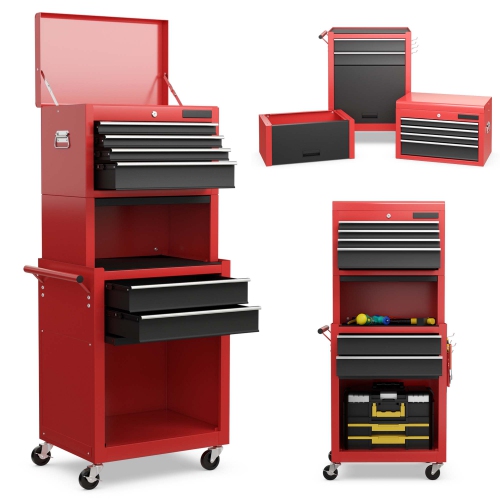
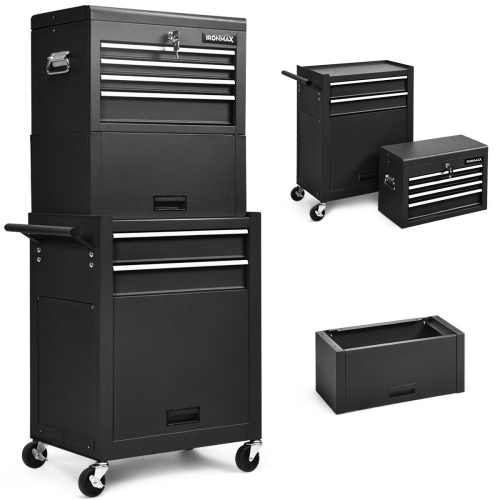
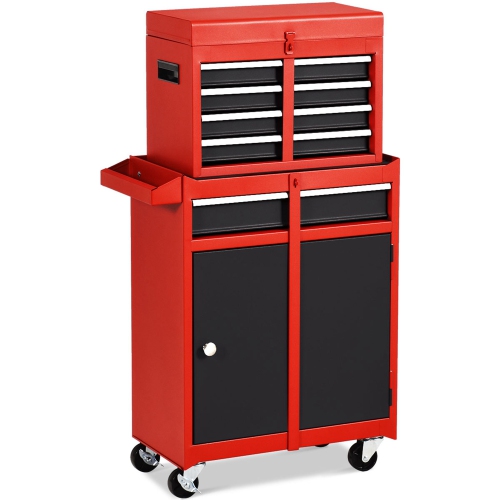
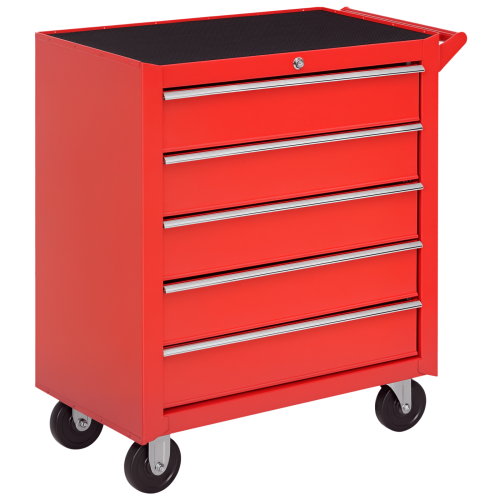
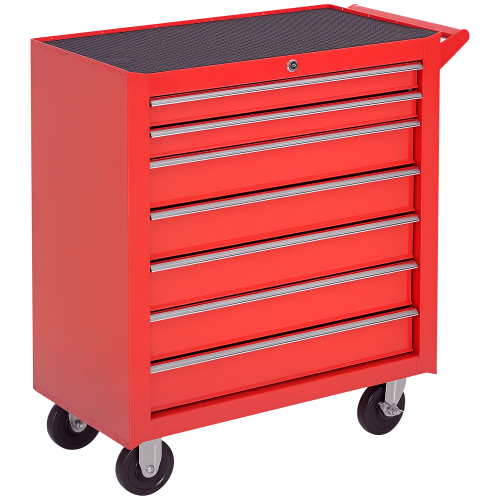
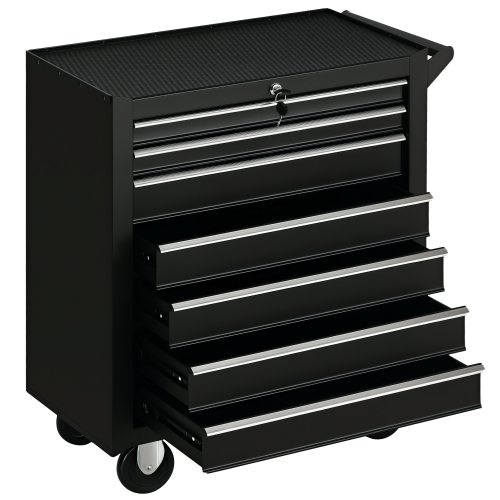
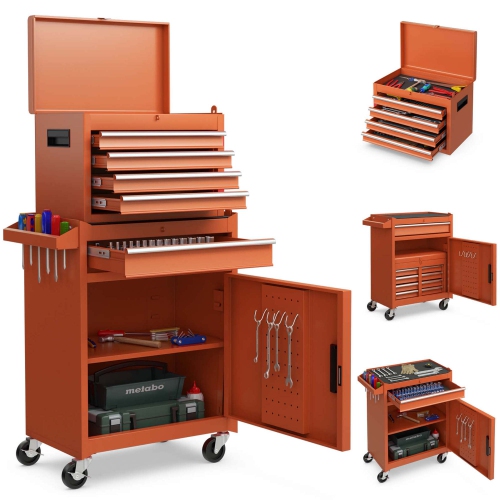
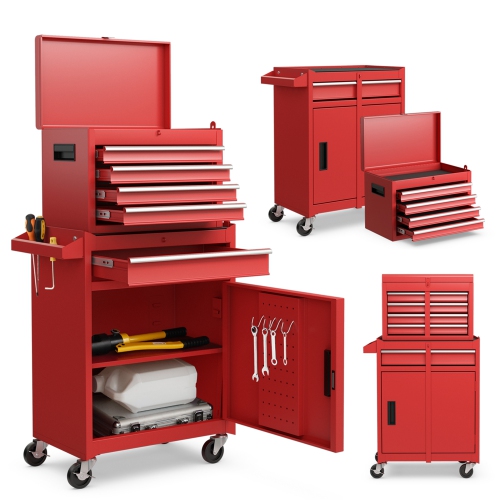
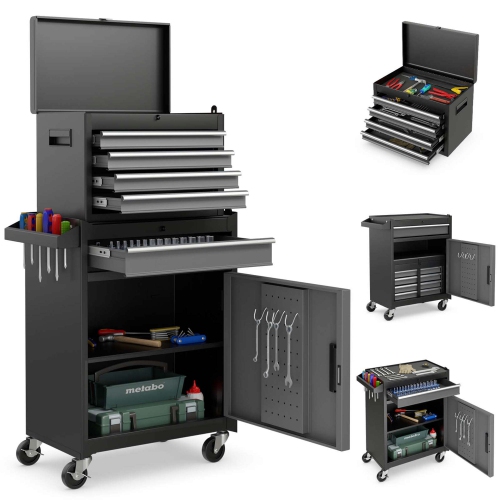
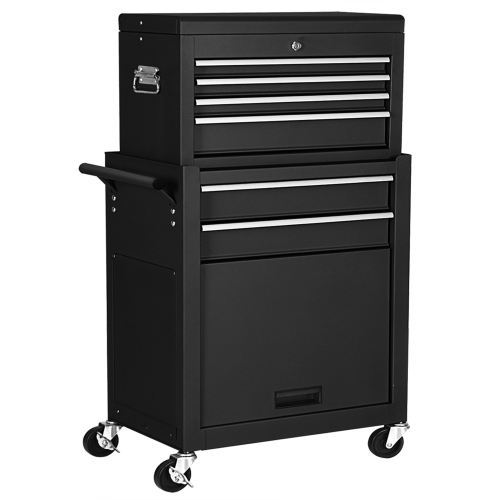
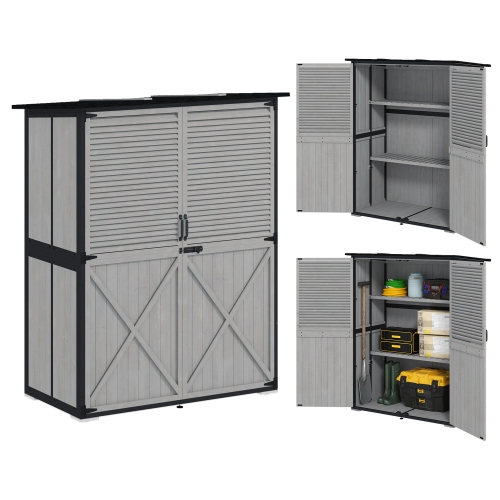
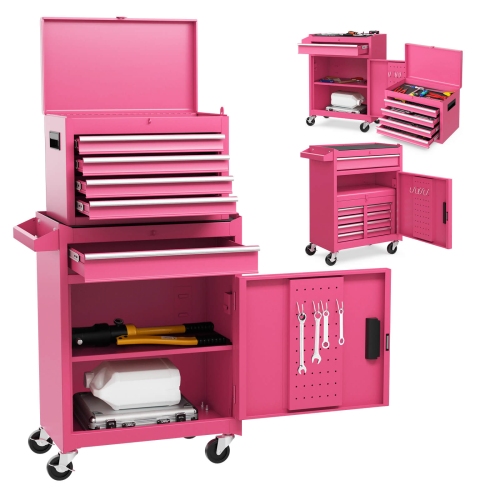
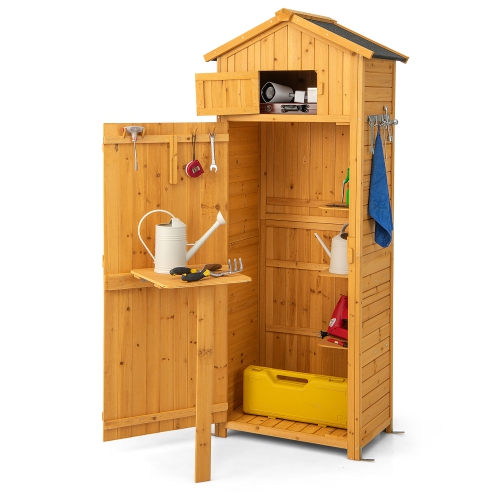
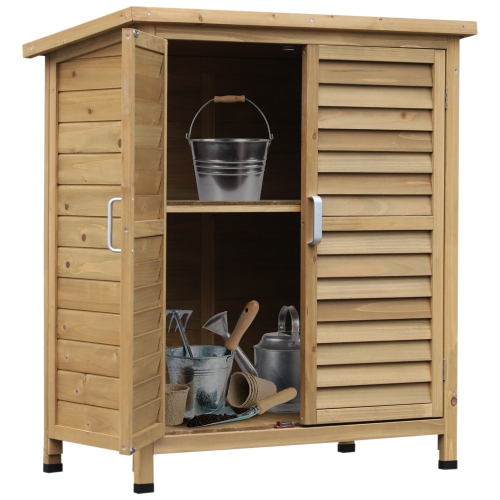
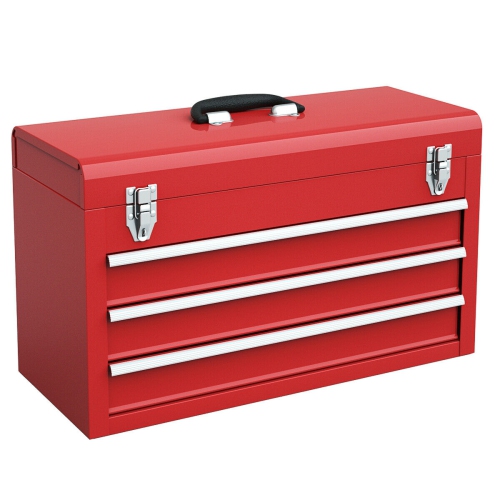
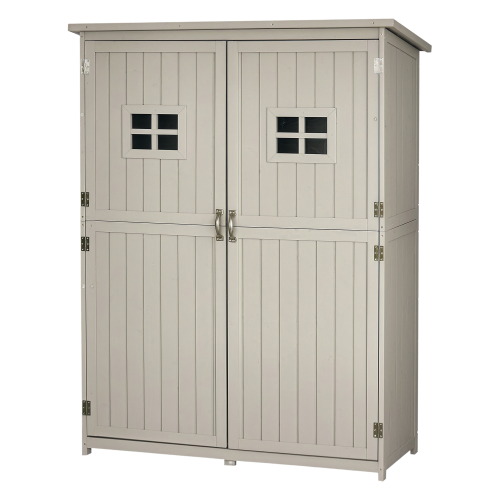
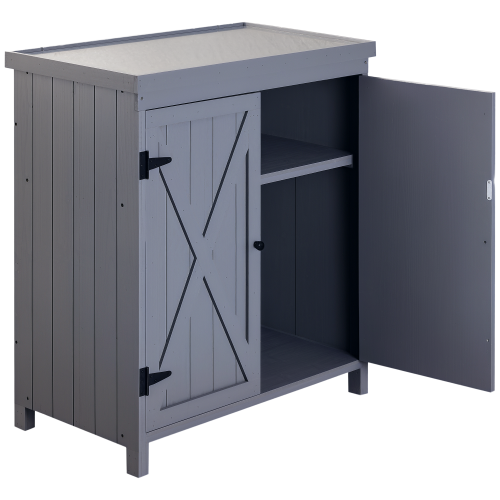
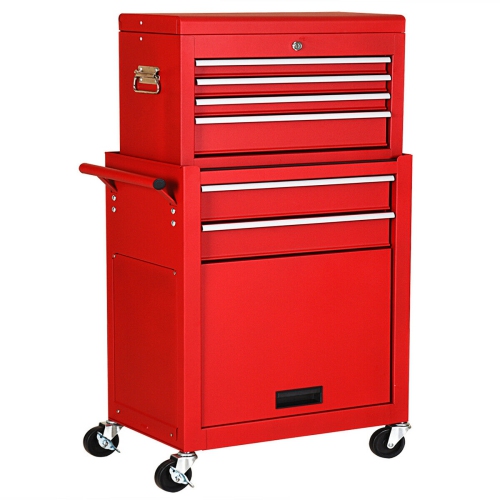
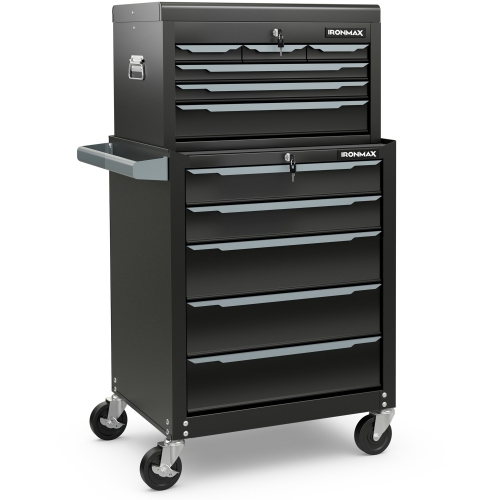
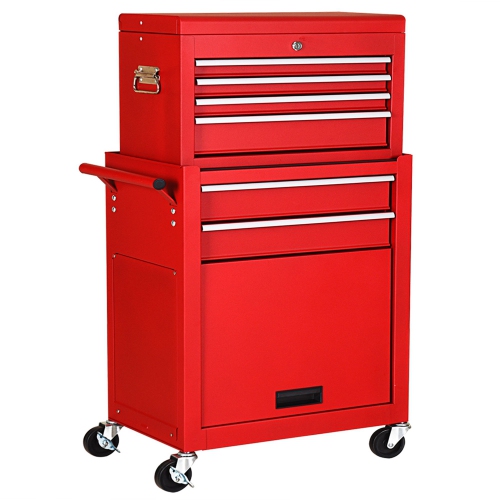
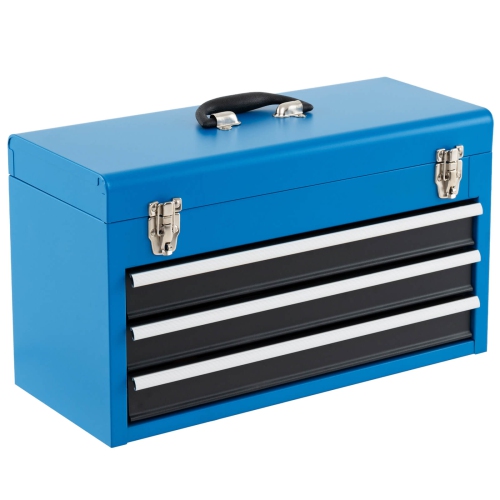
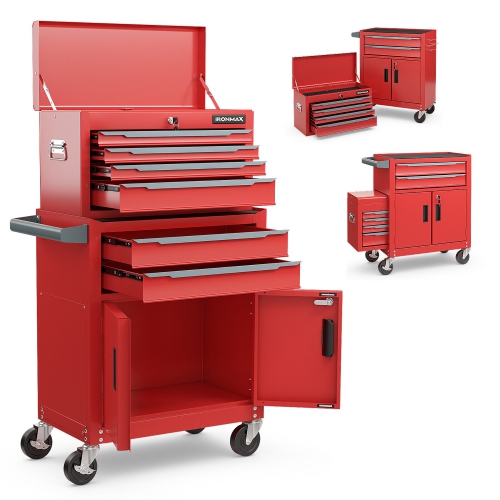
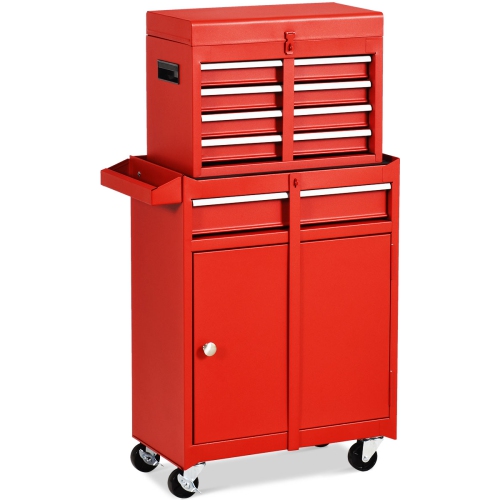
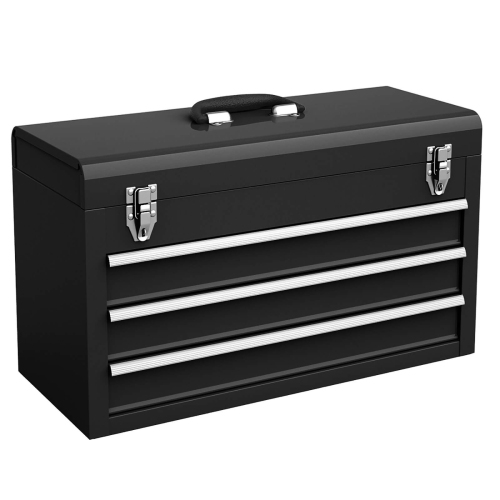
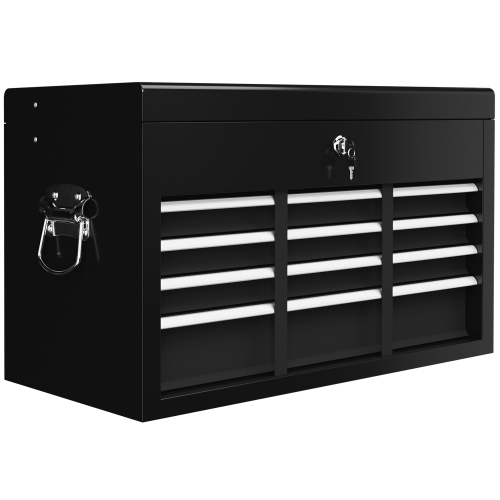
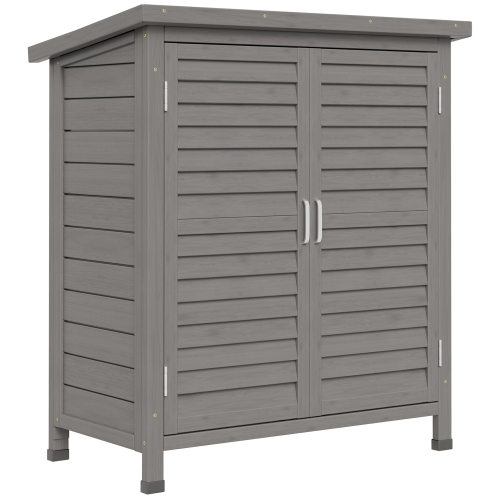
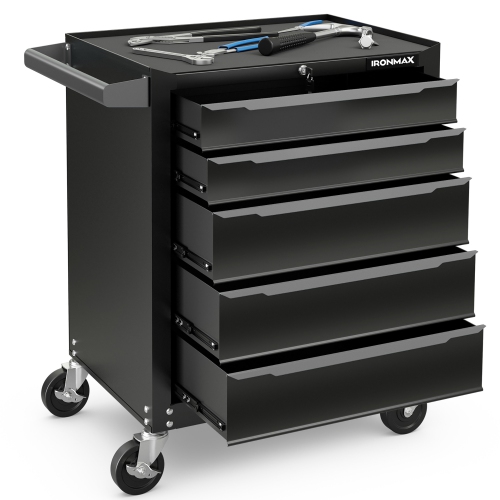
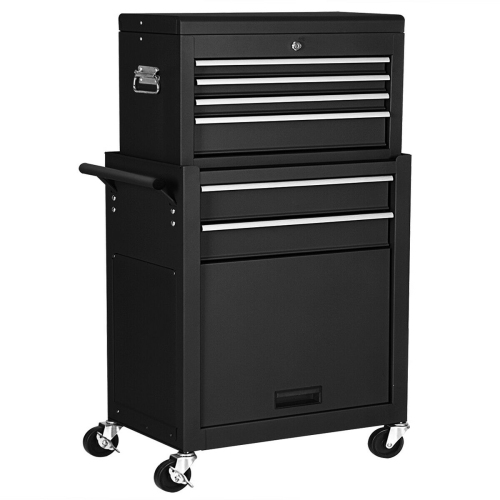
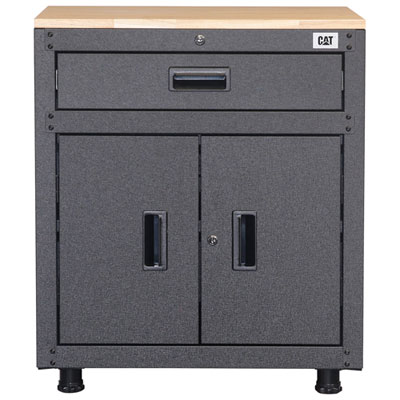
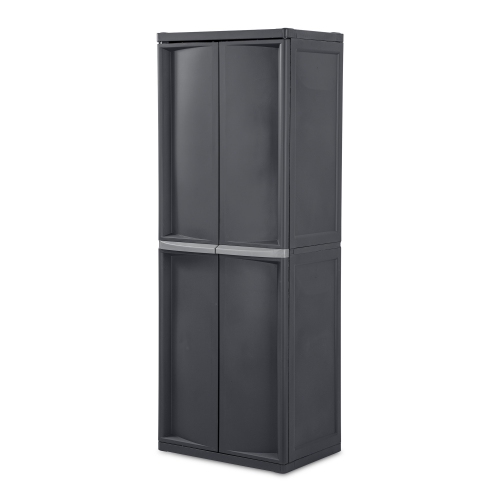
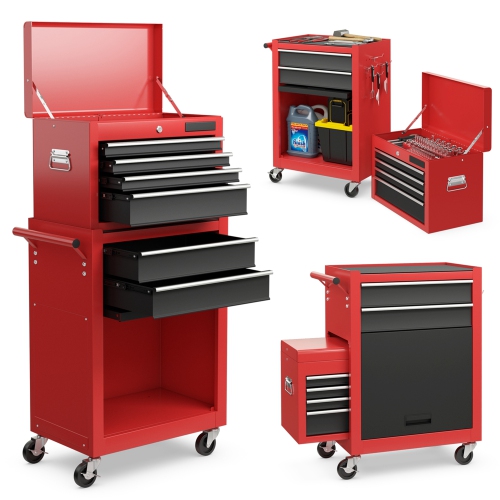
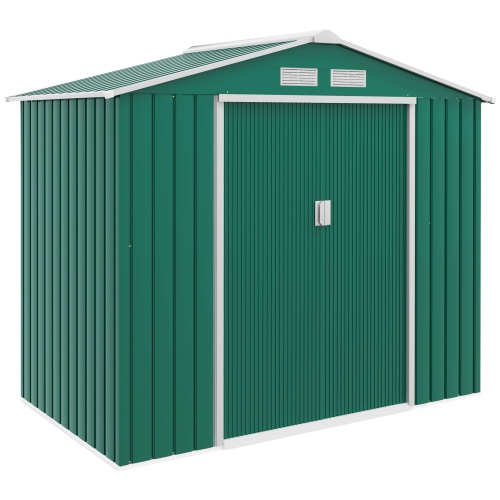
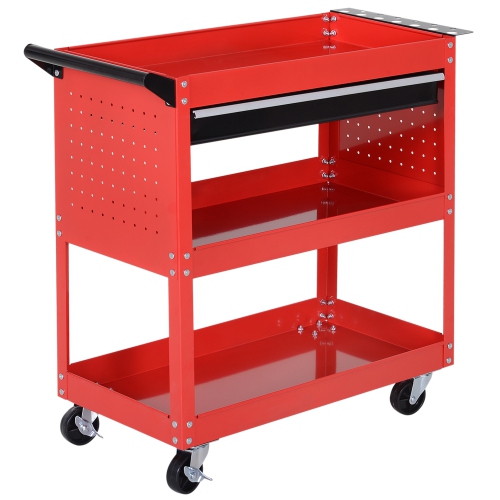
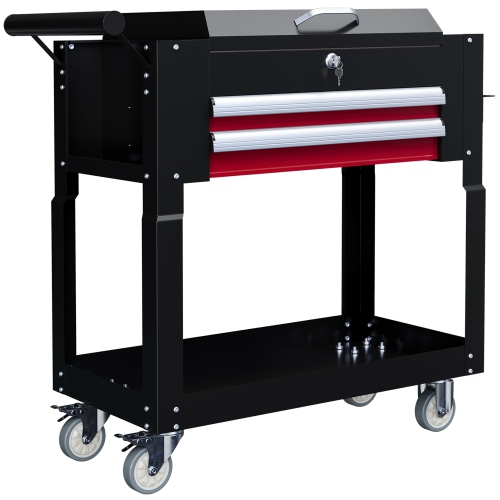
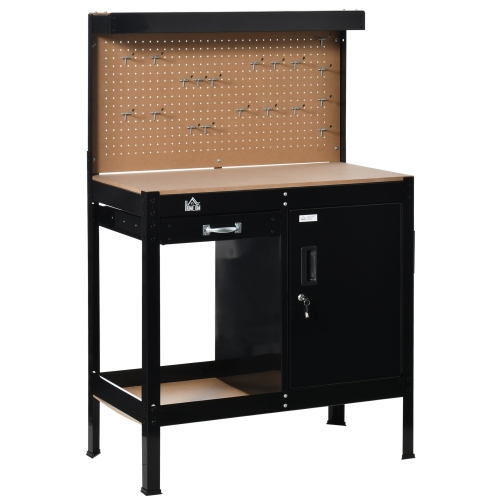
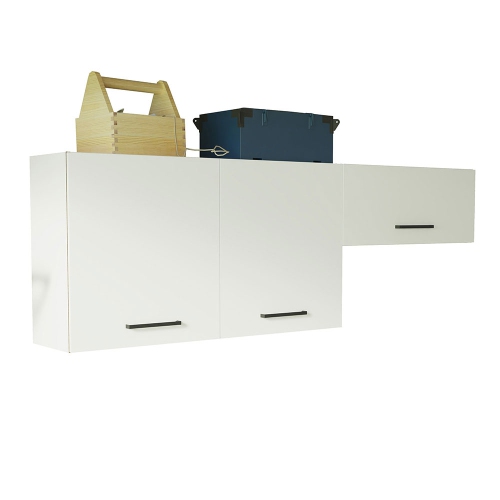
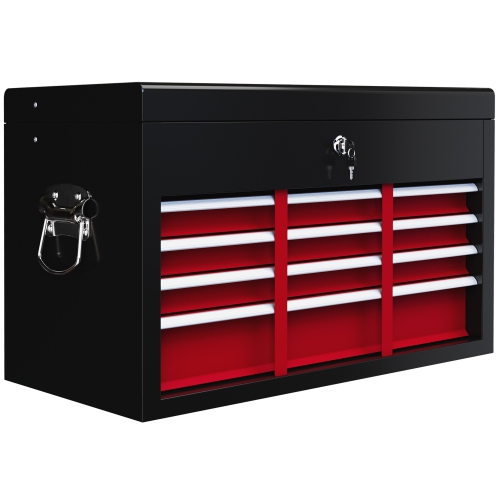
The right drawer layout means less searching for tools
Materials and construction affect how a tool cabinet handles repeated use, loaded drawers, and the occasional knock from workshop equipment. Steel is common because it provides a rigid structure, while powder-coated or painted finishes help protect the underlying metal when kept intact. Stainless steel surfaces offer corrosion resistance, but they still need appropriate cleaning and are not immune to scratches or staining. Metal thickness is only part of the durability picture: reinforced corners, sound welds, a stable base, and well-supported drawer assemblies also matter. Drawer capacity deserves particular attention because a collection of sockets or other dense metal tools can become heavy long before a drawer looks full. The cabinet’s overall load rating and each drawer’s individual limit serve different purposes, and both should accommodate the intended contents. Ball-bearing slides can help loaded drawers move smoothly, while full-extension designs make it easier to reach tools stored at the back. Drawer liners cushion contact and reduce sliding, although thick liners and fitted organizers also take up some usable height. Internal drawer measurements are therefore more informative than the cabinet’s outside dimensions alone. Long tools need sufficient width or depth, and taller cases require clearance beneath the drawer above. A mix of shallow and deep drawers often makes better use of space than a layout made entirely of large compartments, where smaller tools can end up buried. Cabinets with cupboard sections offer another approach for awkwardly shaped equipment, especially when shelf positions can be adjusted. Handles, locks, and drawer retention features also influence daily use. A comfortable handle is easier to grasp during repetitive tasks, and a positive drawer catch can help prevent unintended opening during movement. Some cabinets include systems that restrict how many drawers can open at once, reducing a source of tipping risk. Such features support safer use, but proper loading remains essential: heavier equipment belongs low in the cabinet, and drawers should never serve as steps or seats.
Fit involves more than finding an empty patch of floor. A cabinet needs enough clearance for drawers and doors to open, room for a person to stand comfortably in front, and a position that does not obstruct walkways or access to other equipment. Side handles, projecting locks, and accessories can add to the space required, so overall measurements should include those details. In a shared garage, even a relatively narrow cabinet can become awkward if an open drawer extends into a busy passage. Rolling tool cabinets offer flexibility when work happens in different parts of a room, allowing frequently used equipment to move closer to the task. Their usefulness depends on the floor surface, the cabinet’s loaded weight, and the caster design. Larger wheels generally handle small joints and minor surface irregularities more easily than smaller ones, while locking casters help hold the unit in place during use. Movement should follow the manufacturer’s directions, with drawers closed and secured and the route clear. A stationary cabinet may be more suitable where storage has a permanent location, particularly beneath a fixed work surface or alongside other fitted workshop furniture. Any required anchoring should use the specified hardware and a suitable supporting structure. Day-to-day care is straightforward but worthwhile: wiping away spills promptly, removing metal filings from drawer liners, and keeping dirt out of slides and casters help maintain smooth operation. Cleaning products should suit the finish, and lubrication should follow the manufacturer’s recommendations rather than being applied indiscriminately. Scratched coatings deserve attention before exposed metal develops rust, while loose handles or caster fasteners should be addressed before the cabinet is moved again. For a dedicated DIY enthusiast, mechanic, craftsperson, or homeowner building a practical workspace, a tool cabinet can also make a thoughtful gift. Its usefulness depends on knowing the recipient’s available space and existing equipment, rather than simply choosing more drawers. A well-matched cabinet gives each tool a reliable home, keeps work surfaces clearer, and makes it easier to notice when something has not been put back.
Top selling and popular products
-
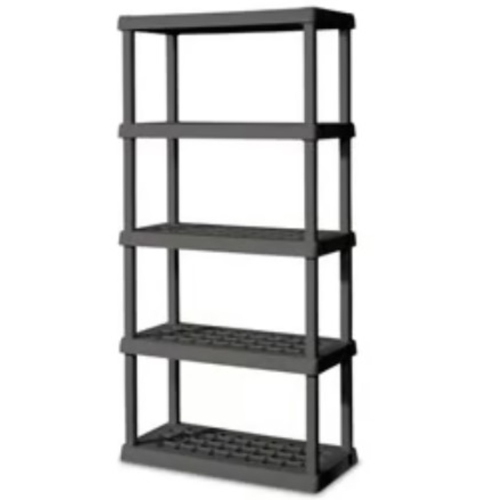 Your price for this item is $1775.99
 -
 Your price for this item is $159.99
 -
 Your price for this item is $189.99
 -
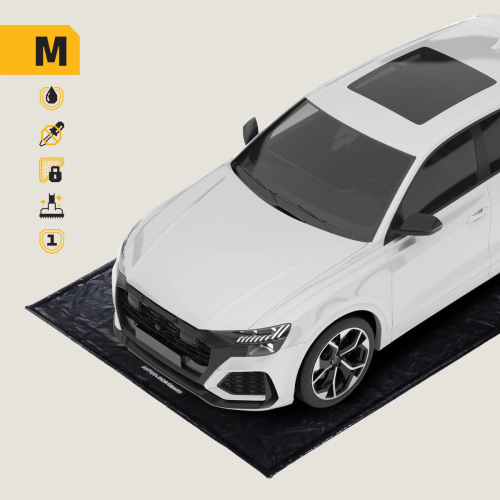 Your price for this item is $310.99
 -
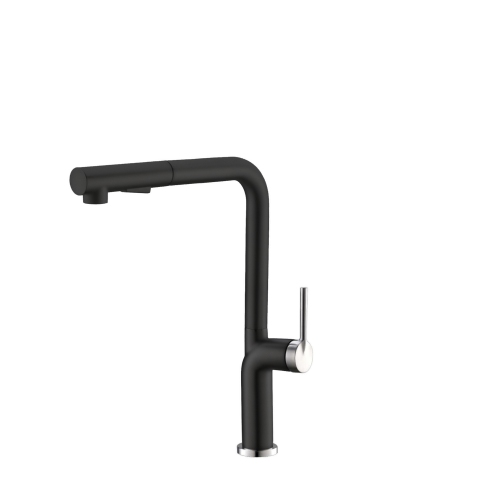 Your price for this item is $292
 -
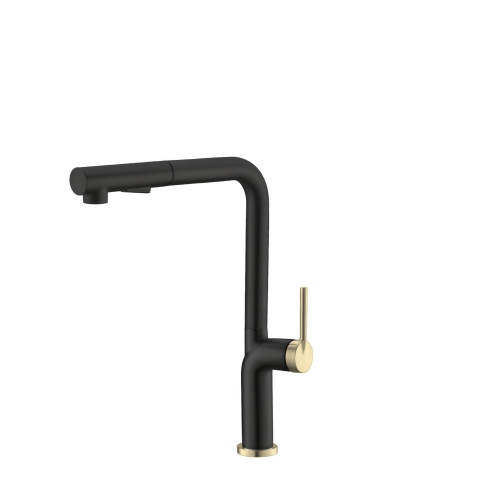 Your price for this item is $292
 -
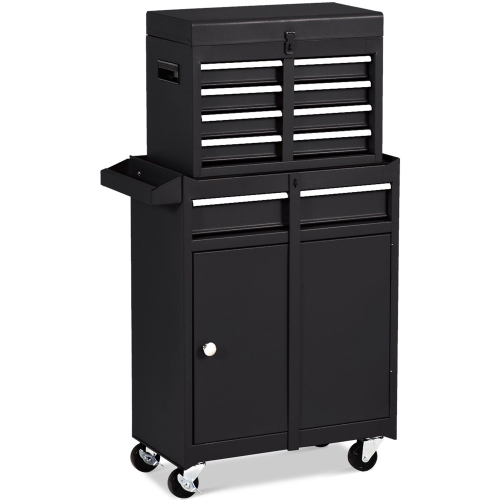 Your price for this item is $196.99
 -
 Your price for this item is $174.99