Tool Storage Carts
Organizing your tools has never been easier with our selection of tool storage carts. They provide a convenient way to store and transport your tools, so you can always have them close at hand when needed. These carts are designed to be durable and sturdy, ensuring your tools are safe and secure when in transit. They are also designed to be lightweight and easy to maneuver, so you can take them with you wherever you go.
Sort
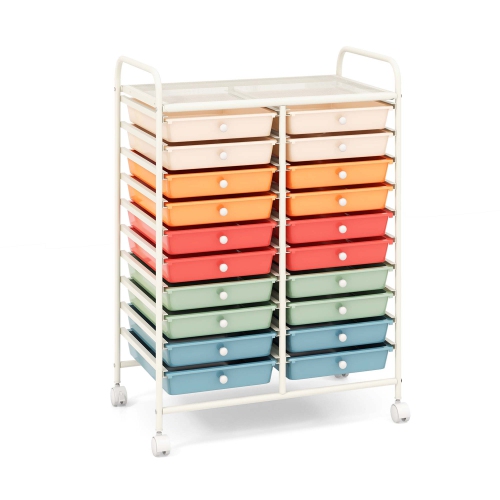
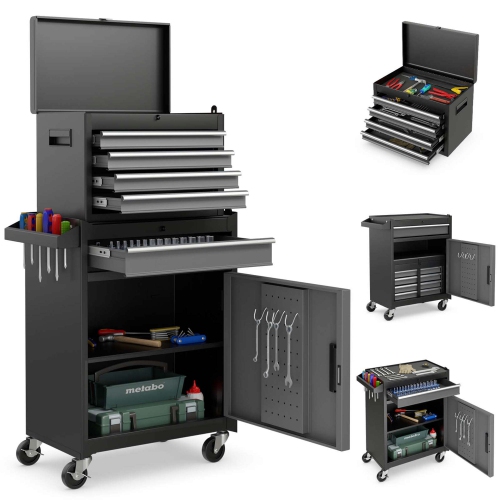
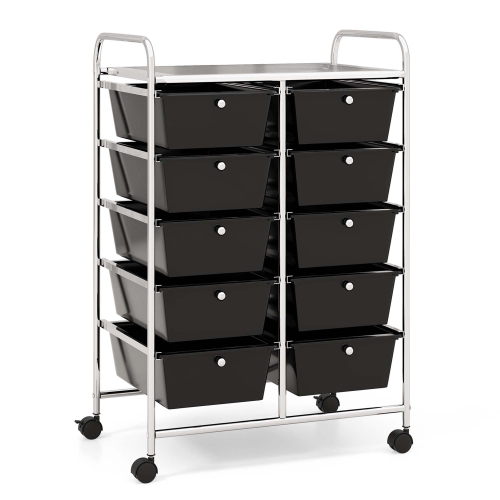
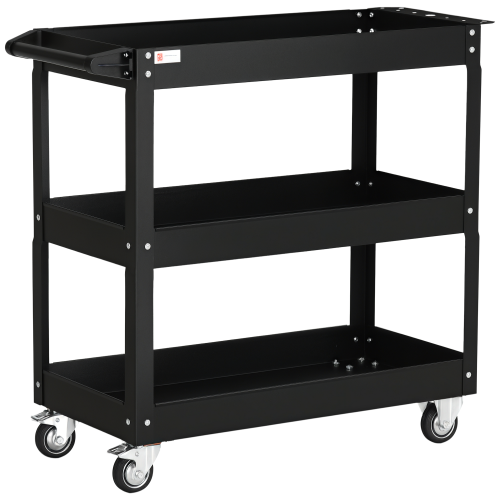



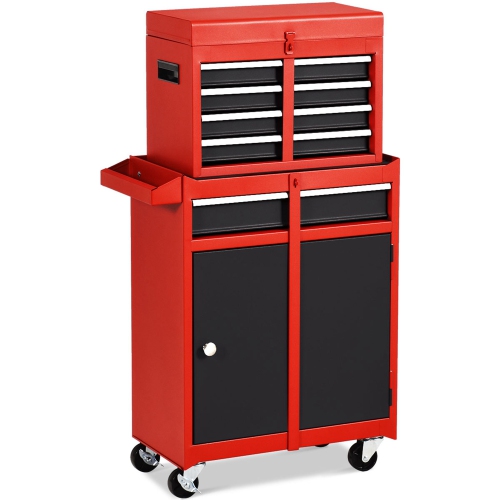
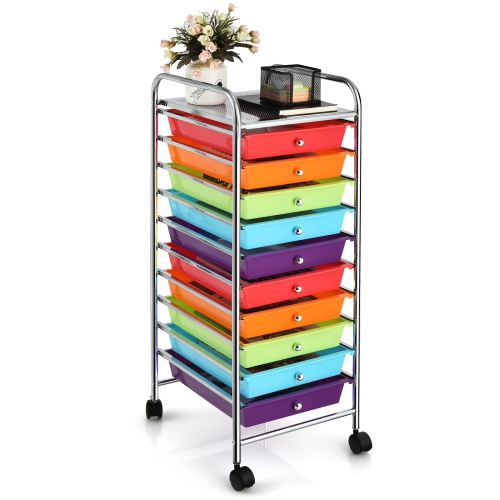
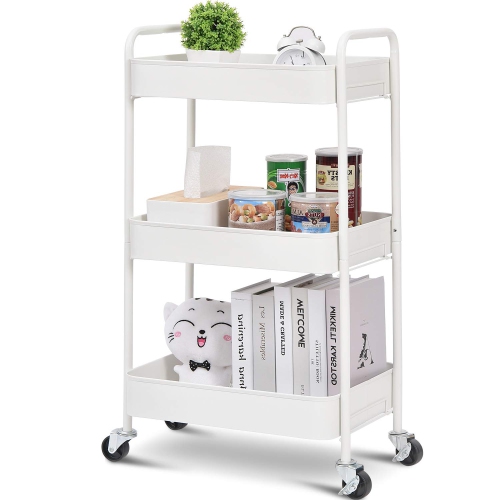
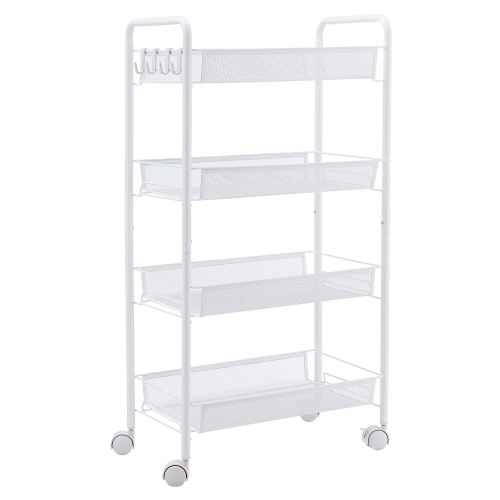
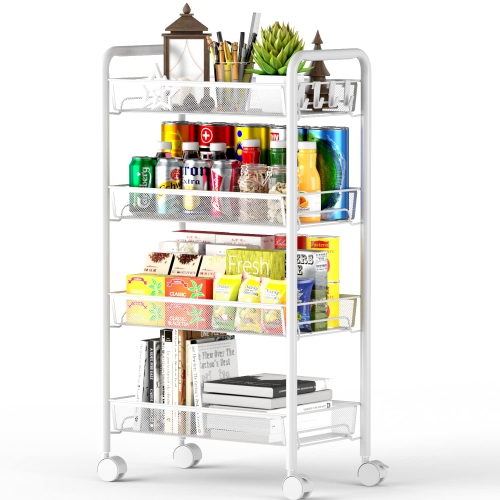
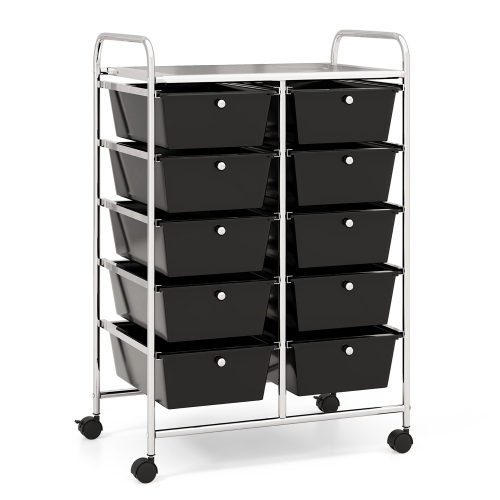
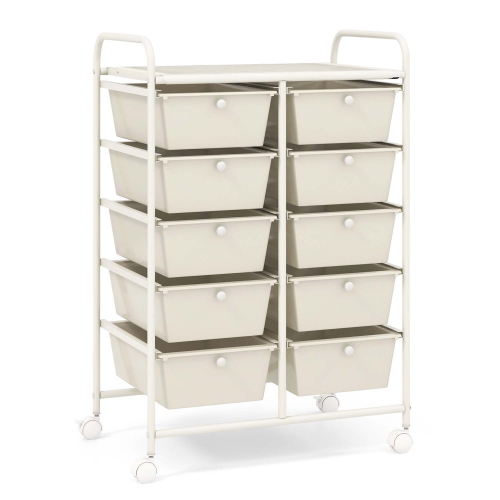
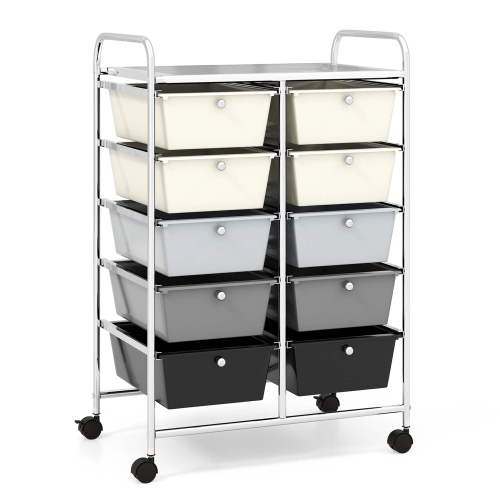
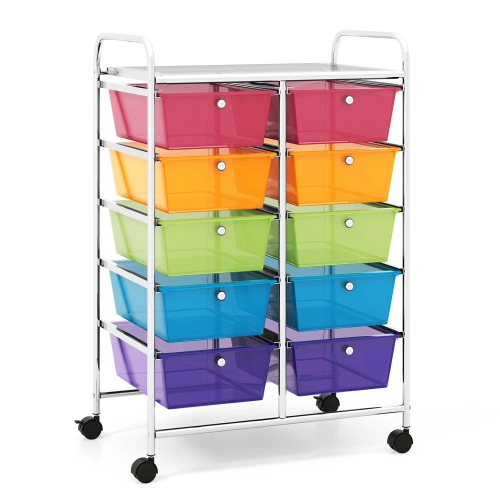
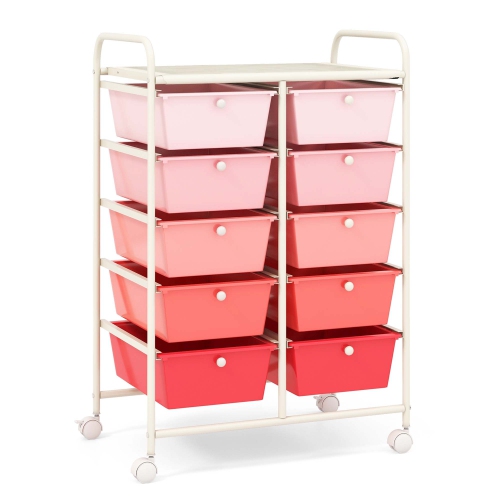
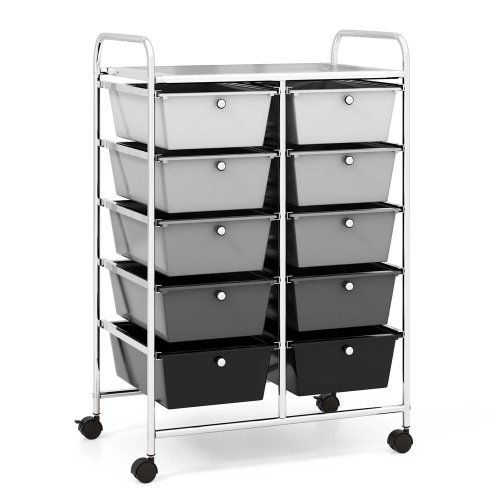
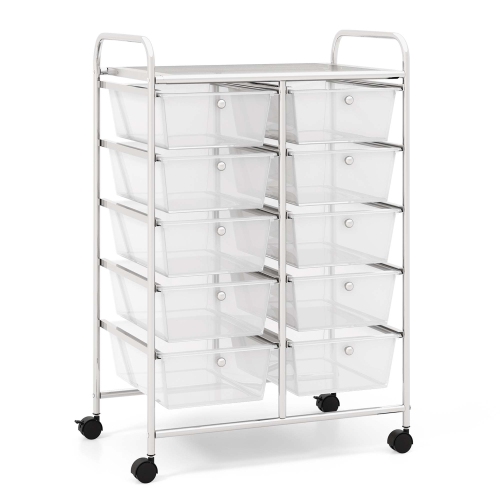
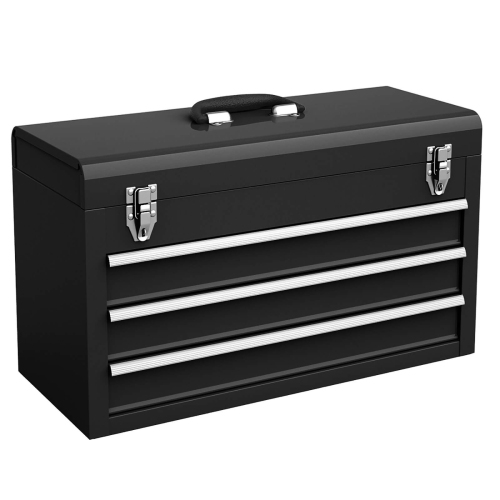

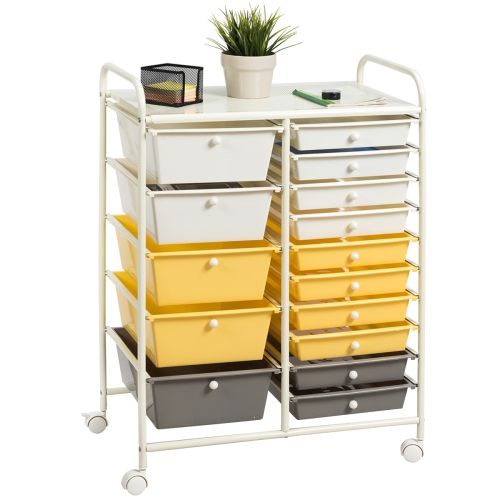
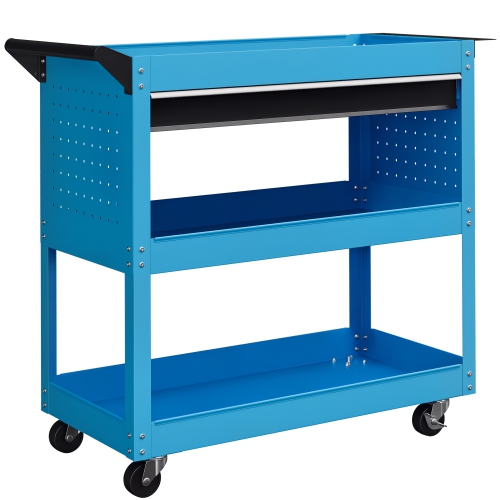
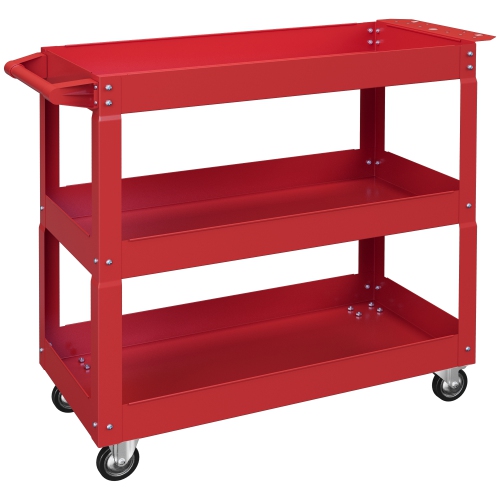
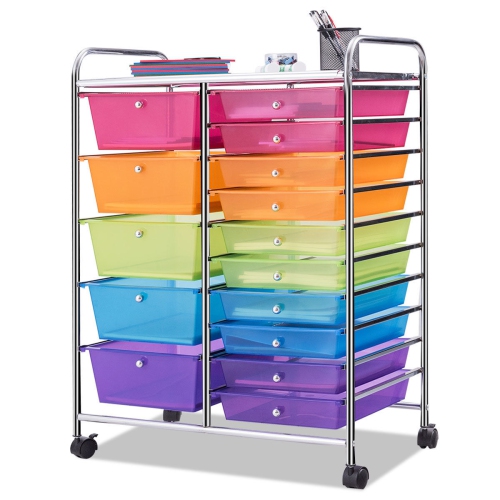
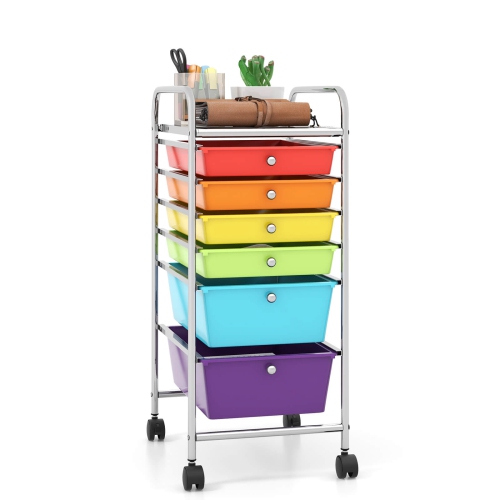
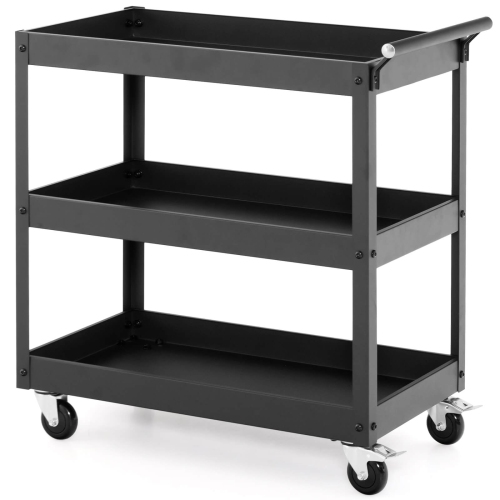
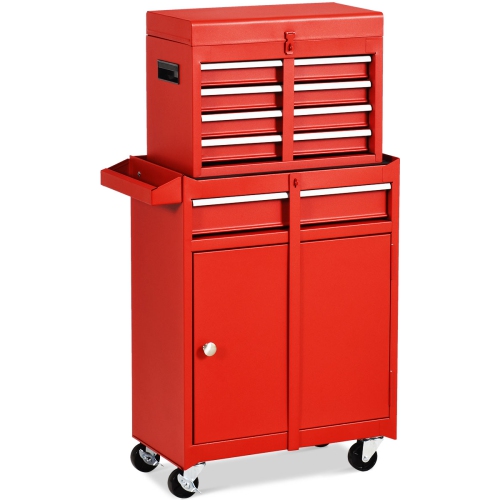



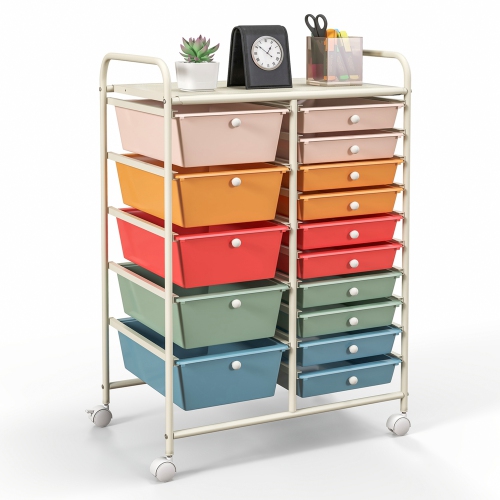
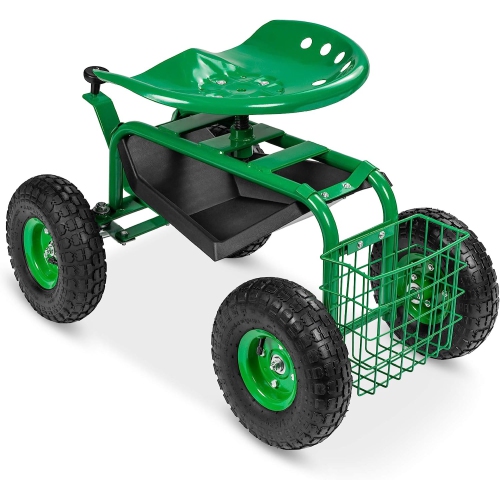
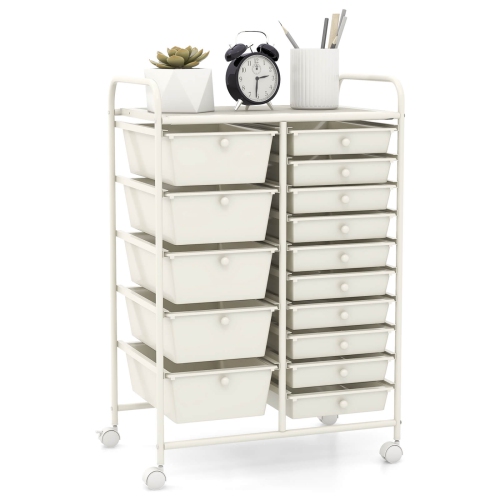
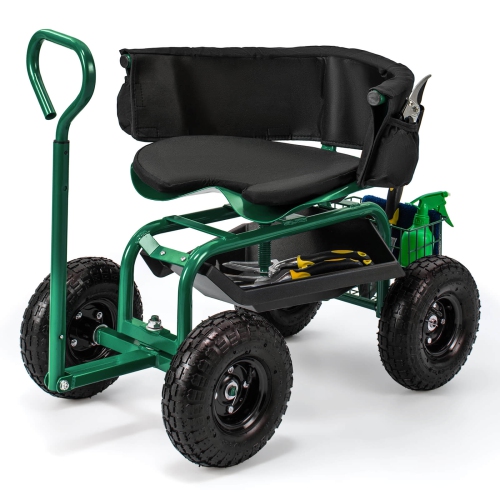

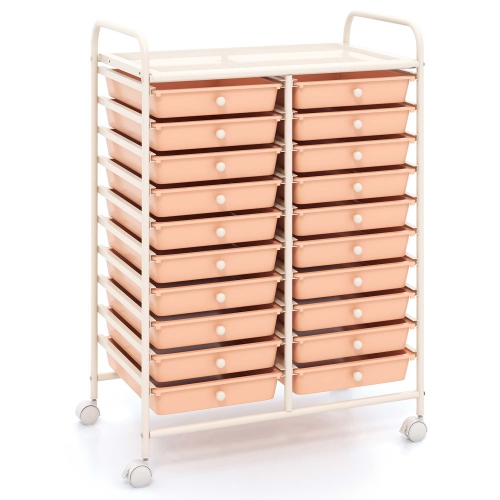
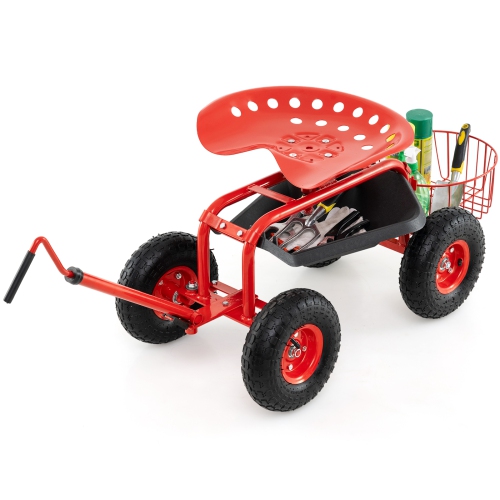
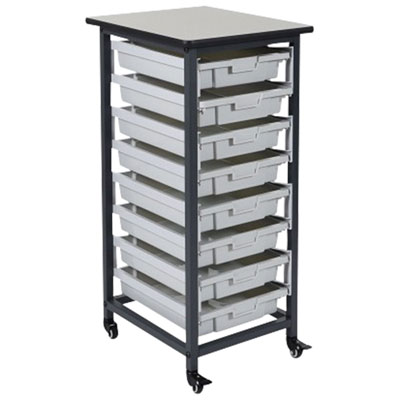
A mobile workstation that keeps every tool within reach
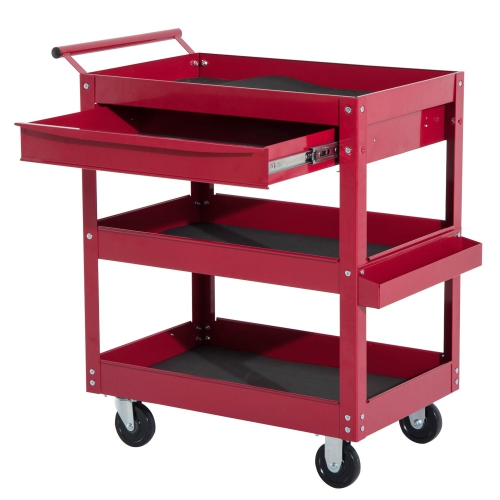
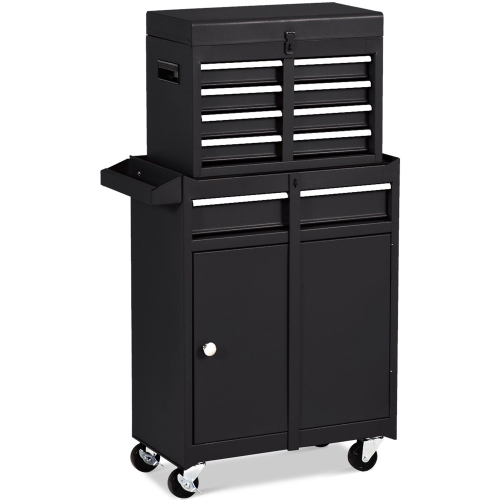
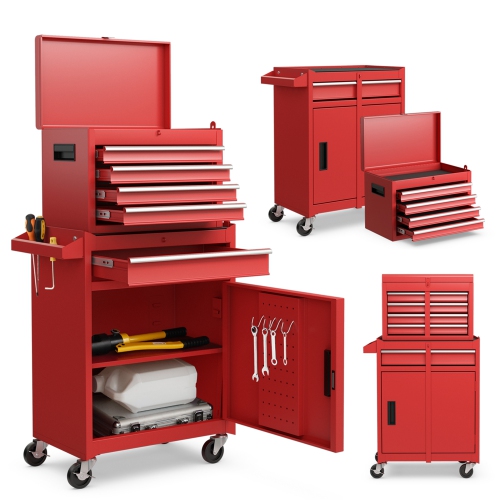
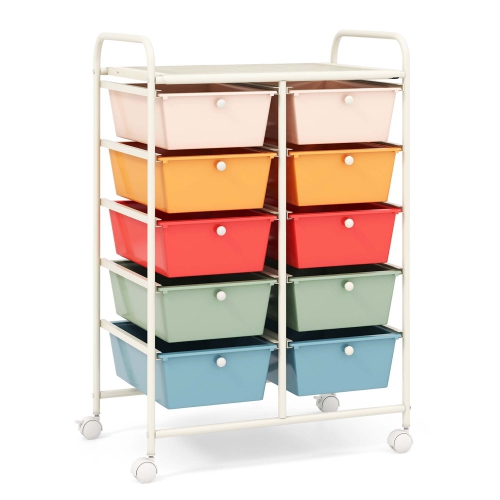
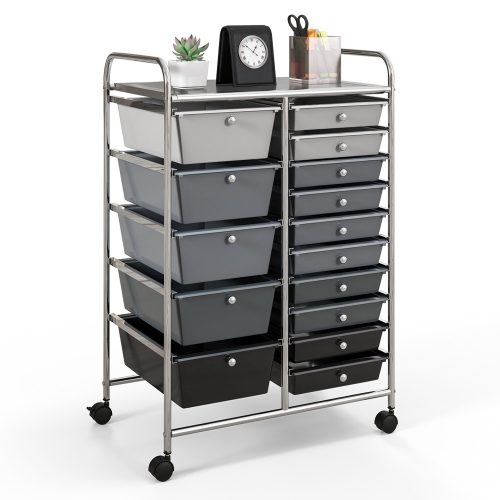
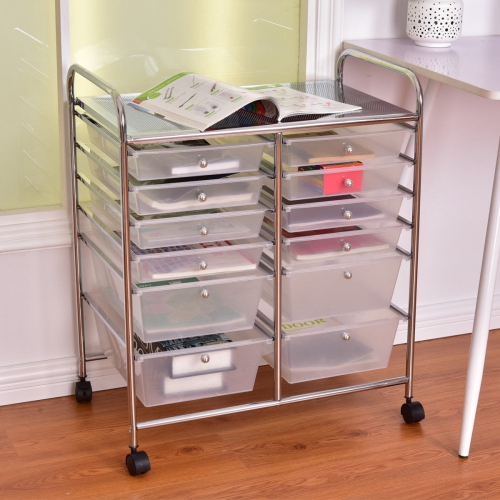
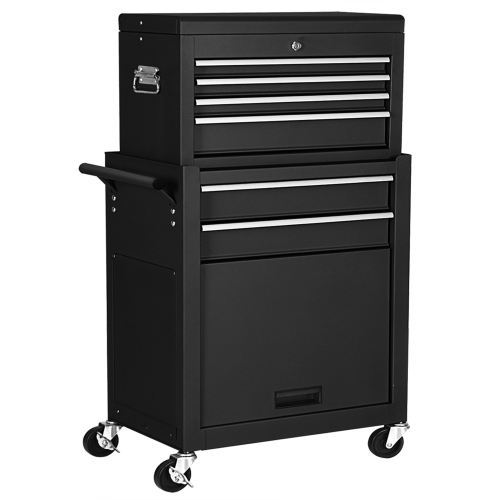
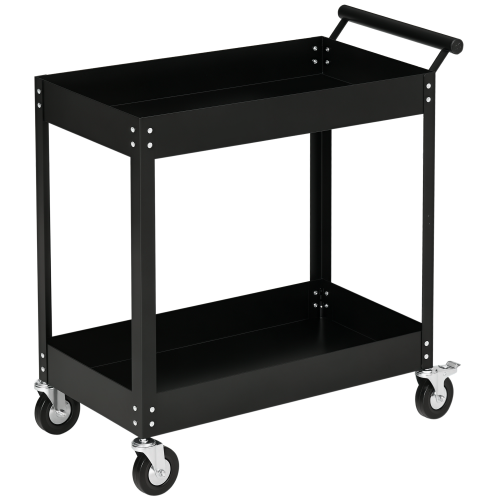
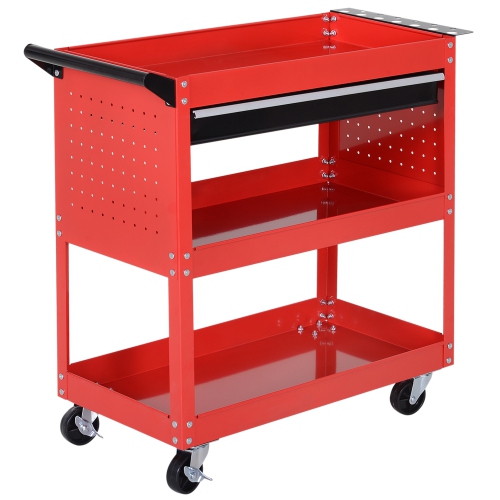
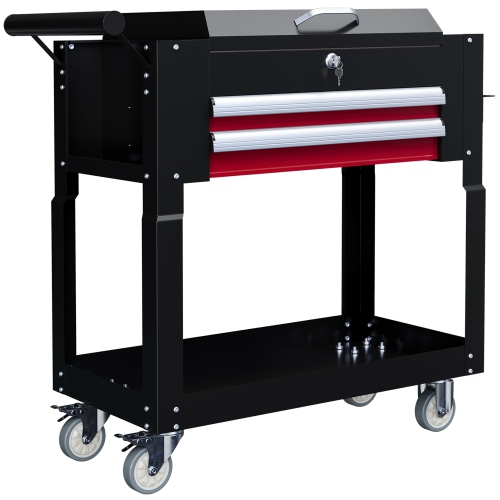
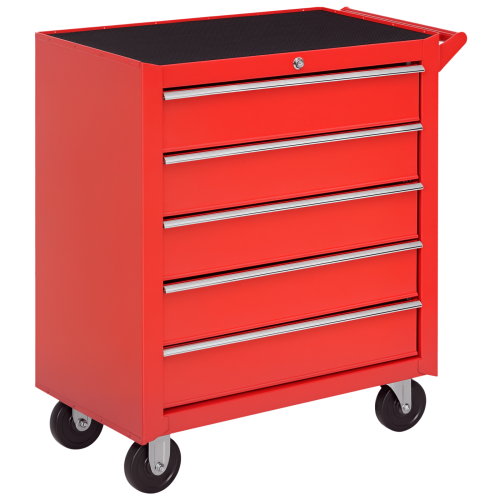
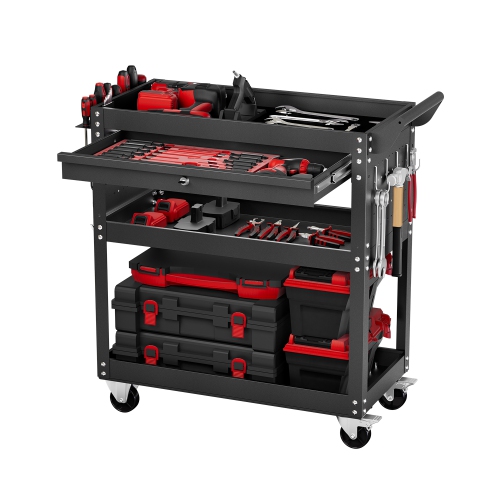
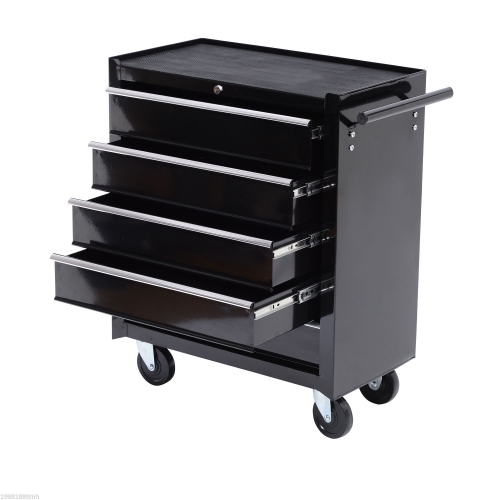
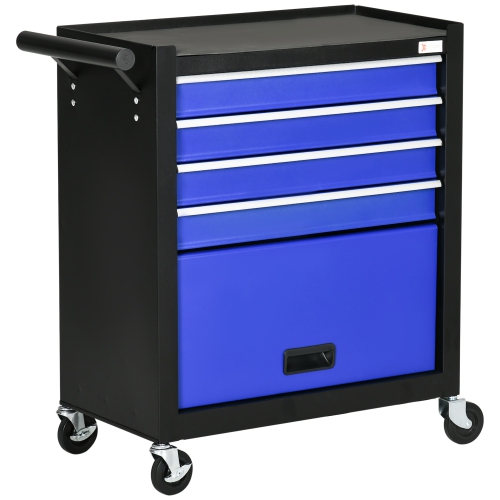
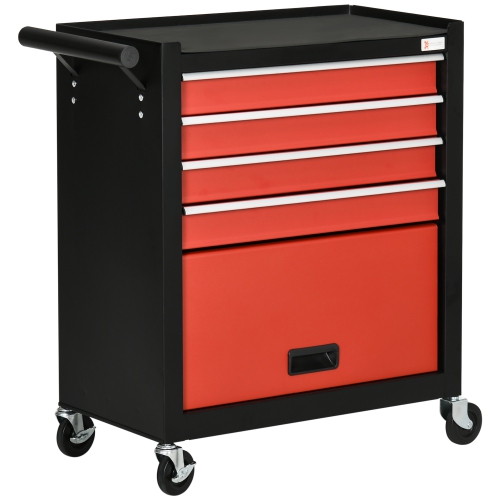
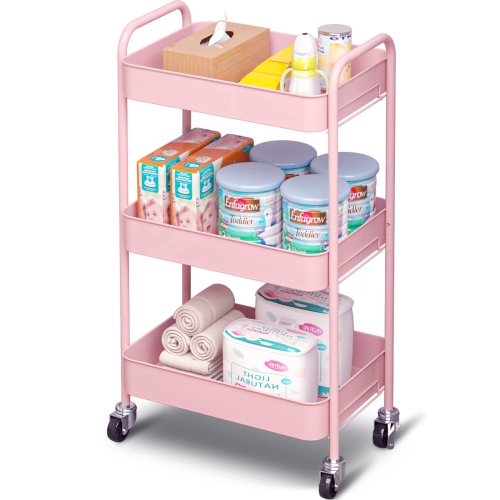
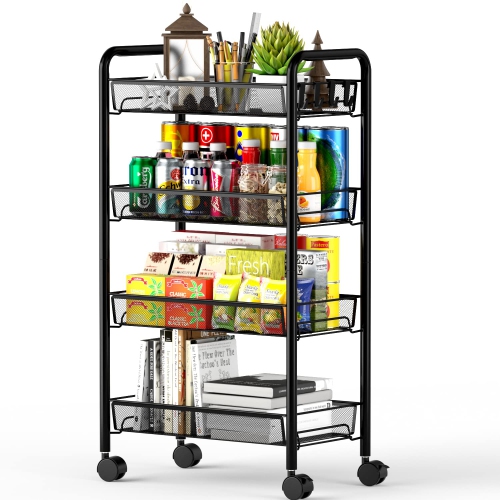
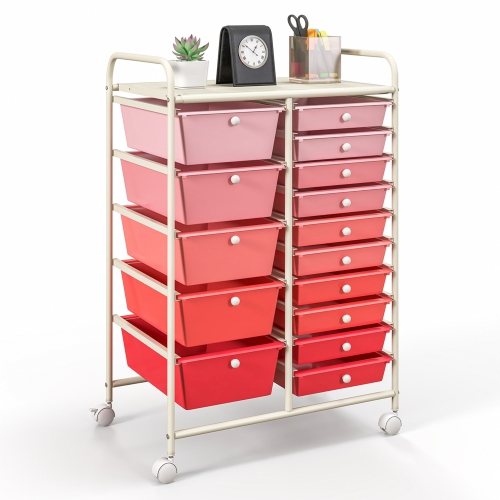
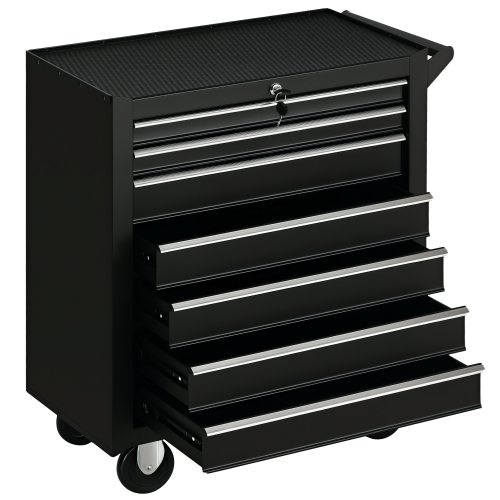
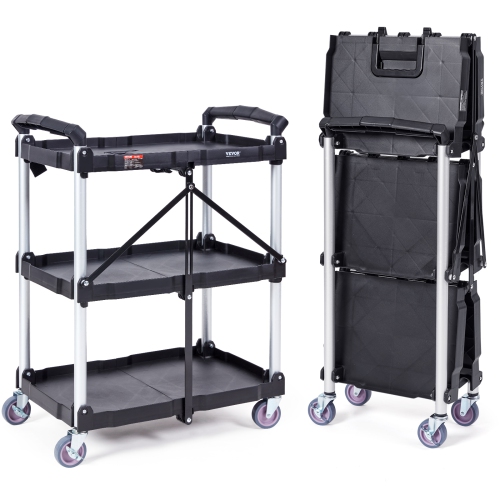
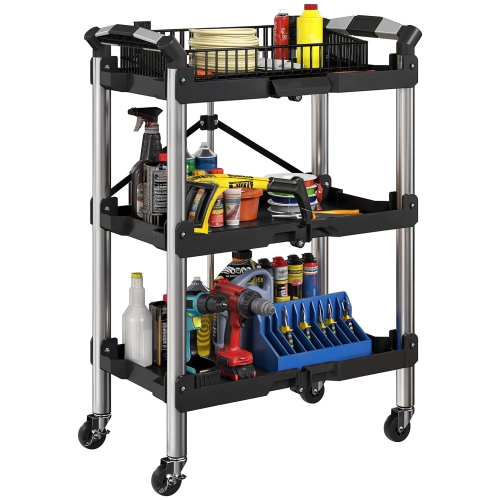
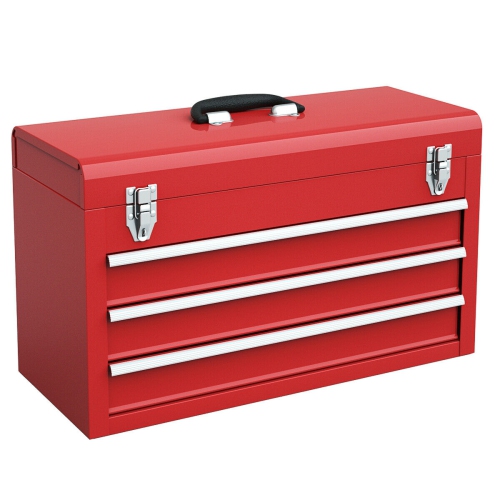
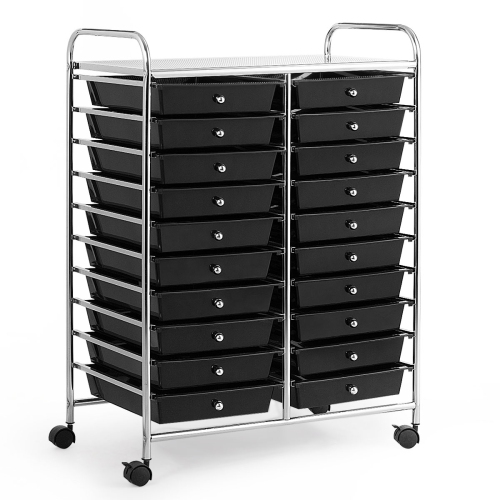
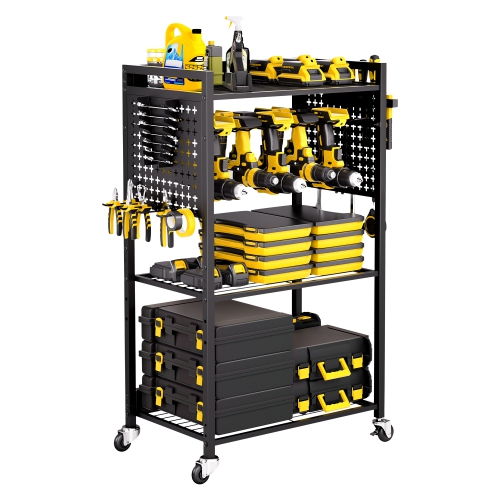
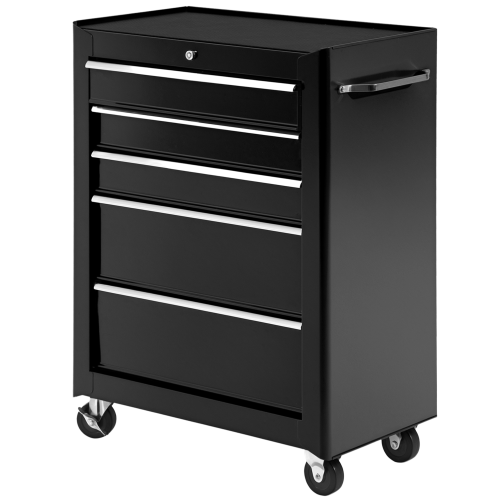
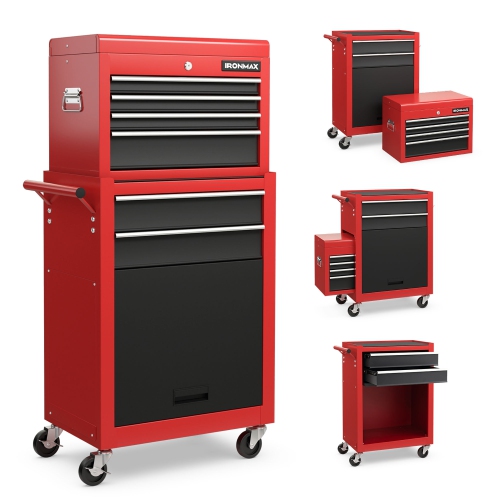
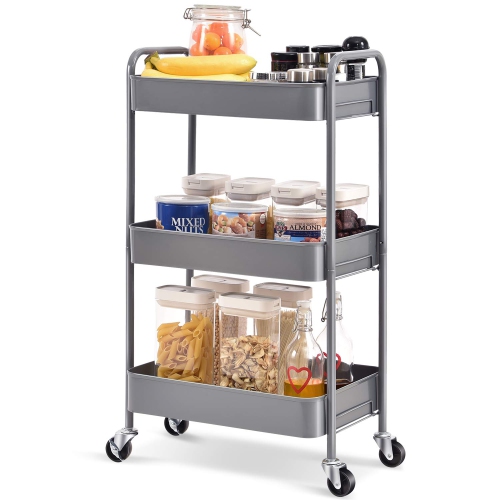
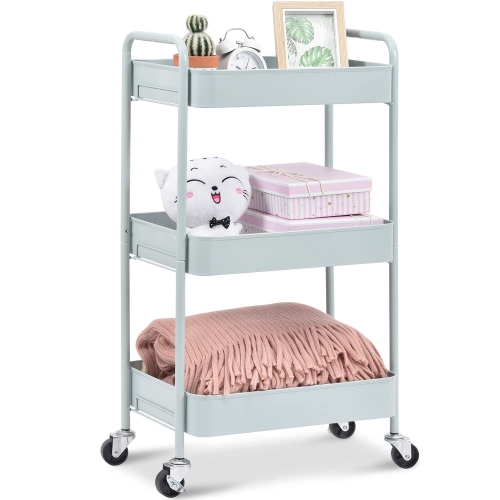
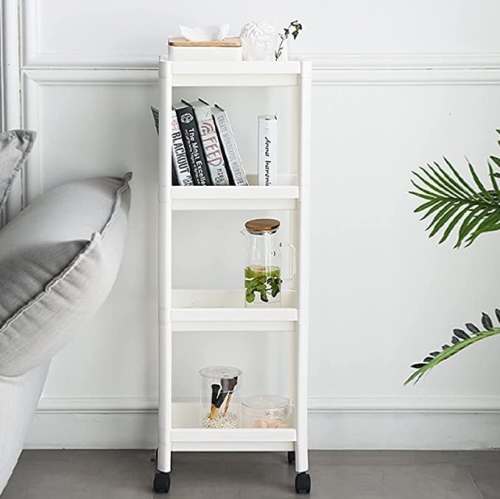
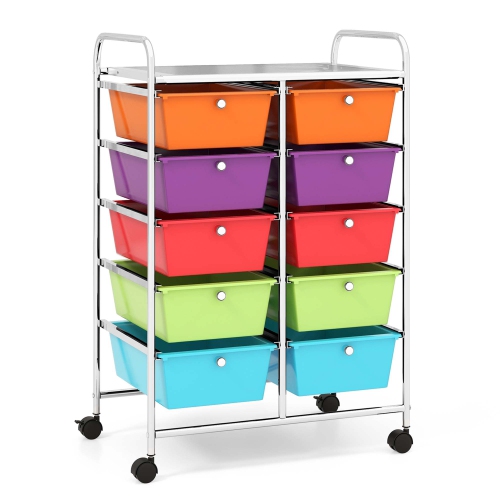
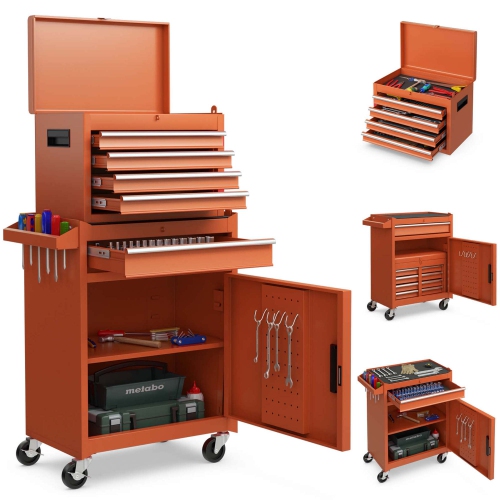
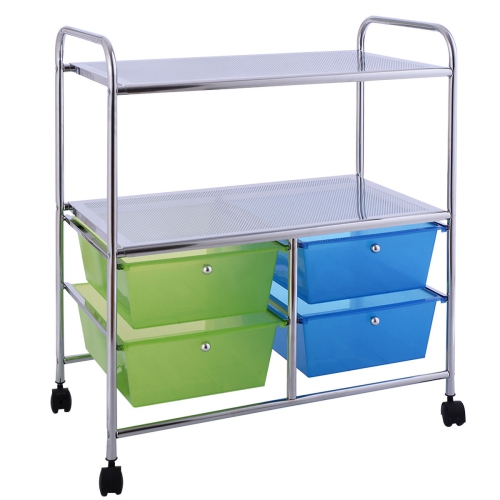
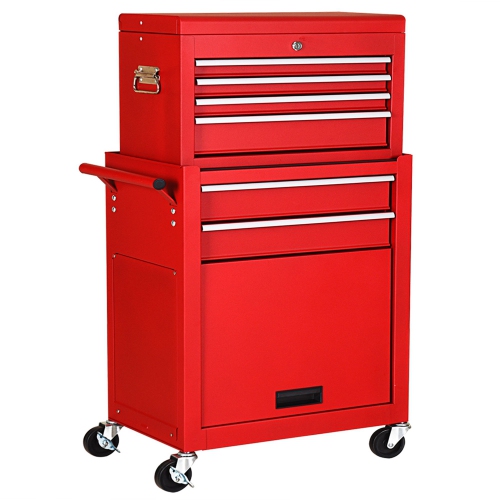
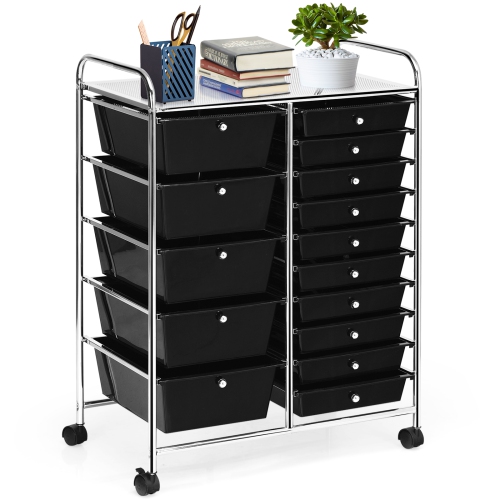
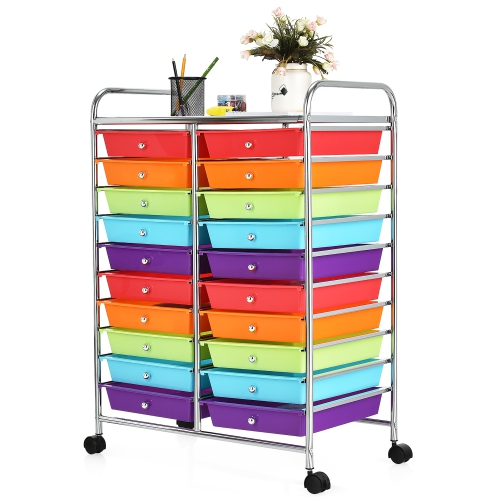
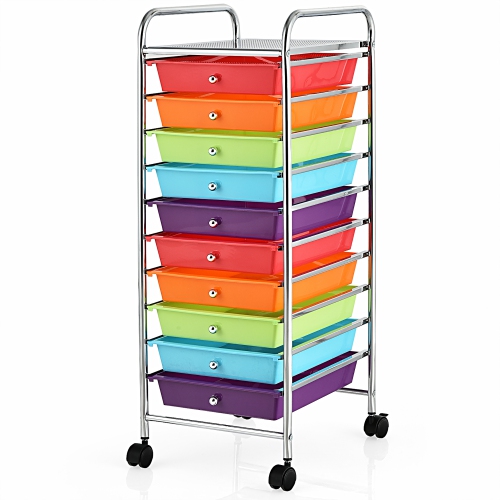
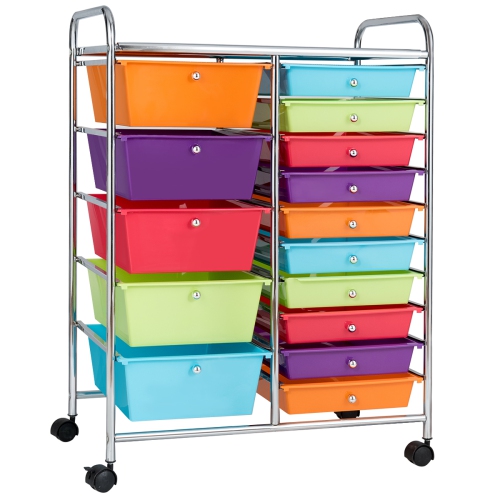
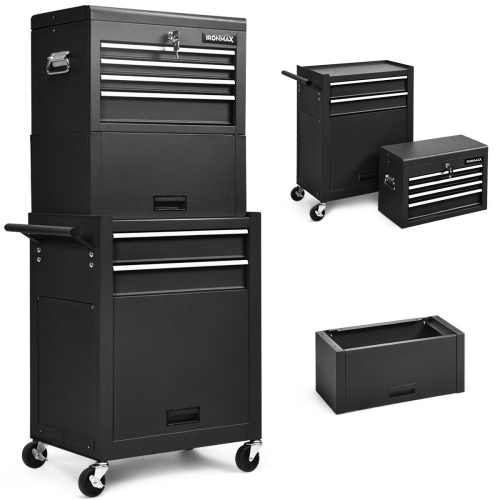
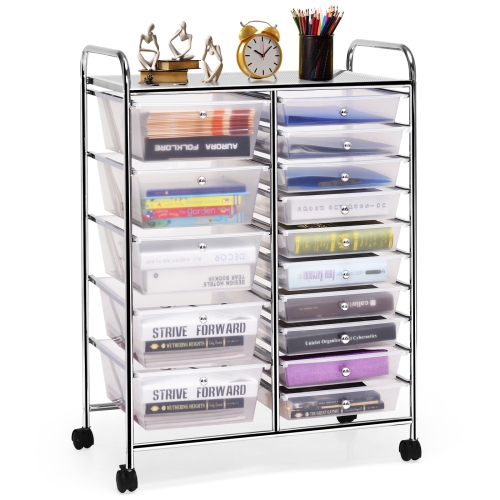
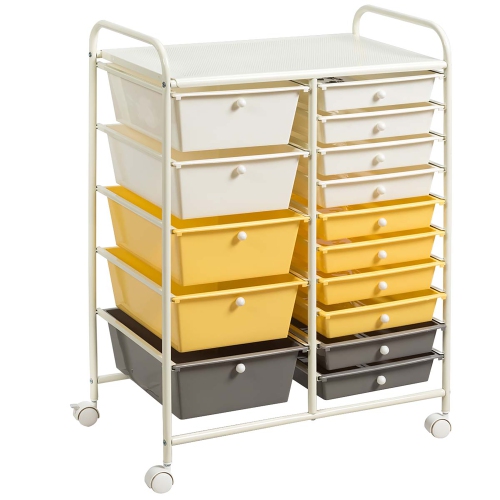
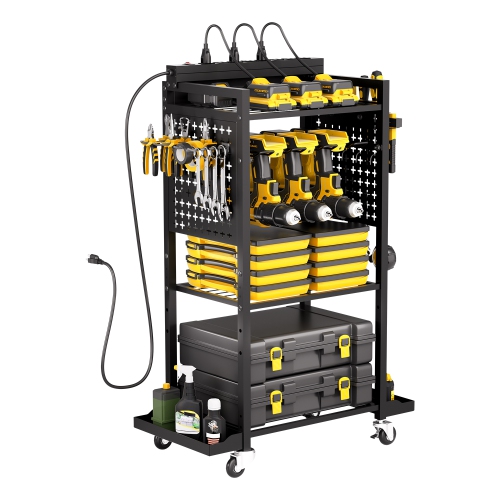
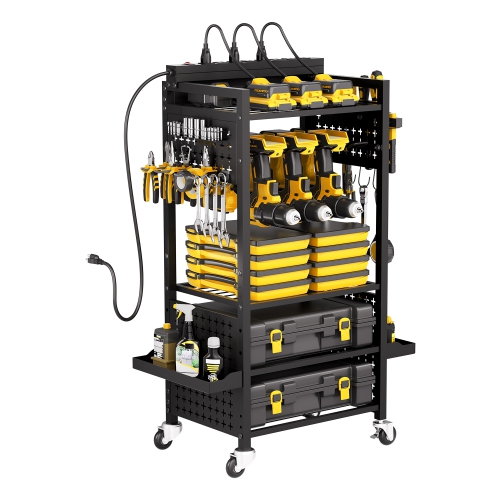
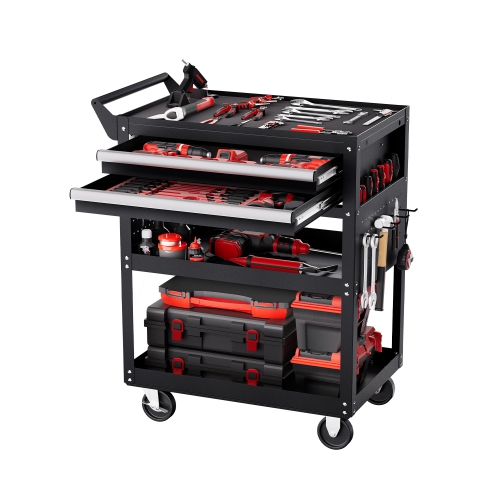
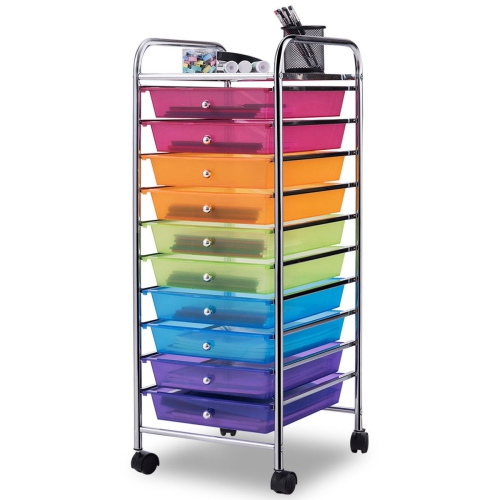
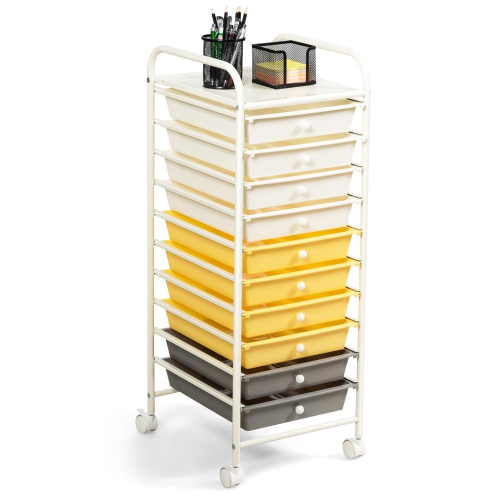
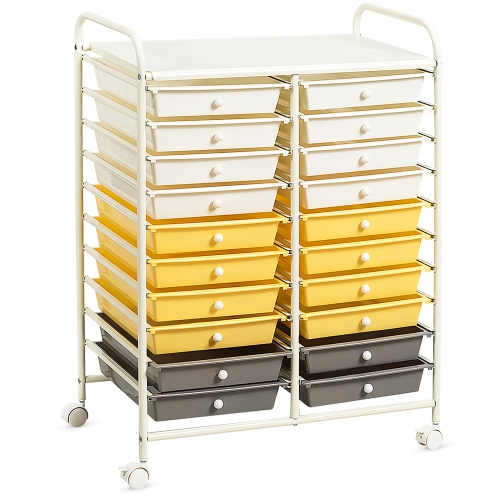
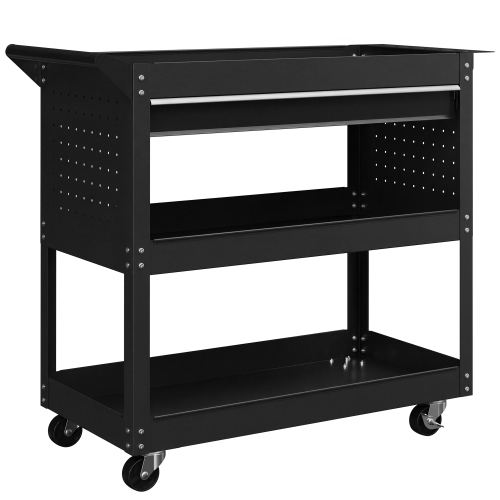
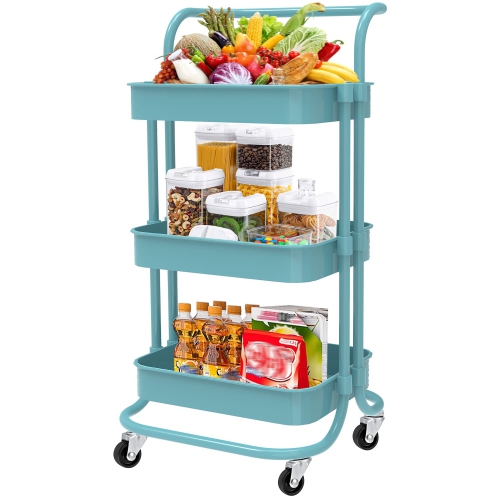
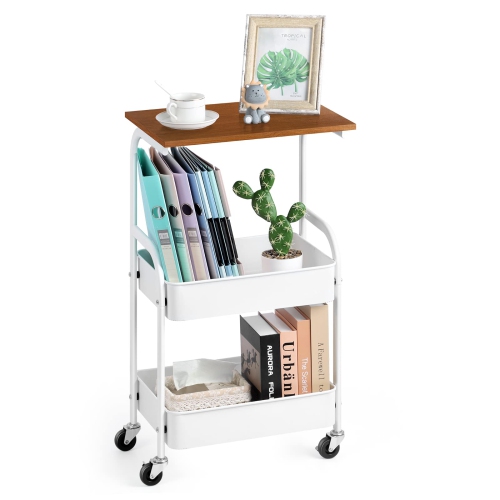
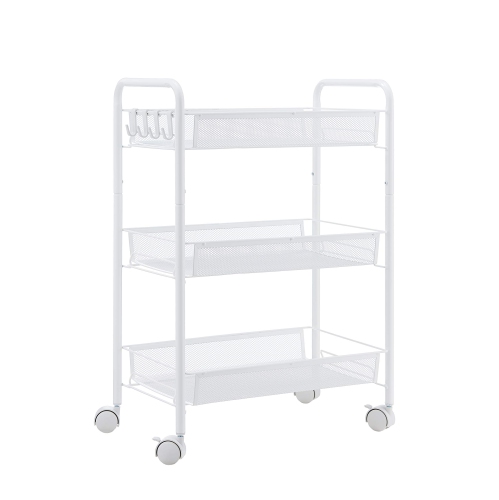
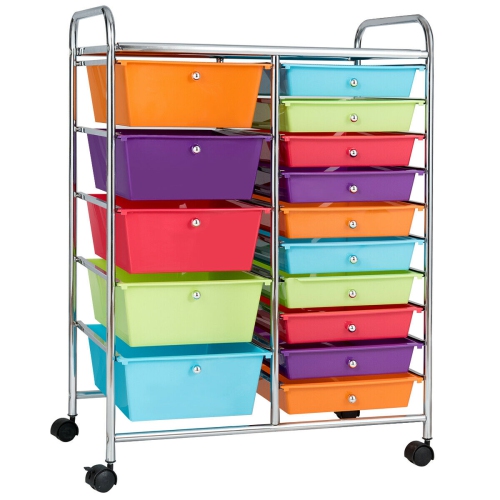
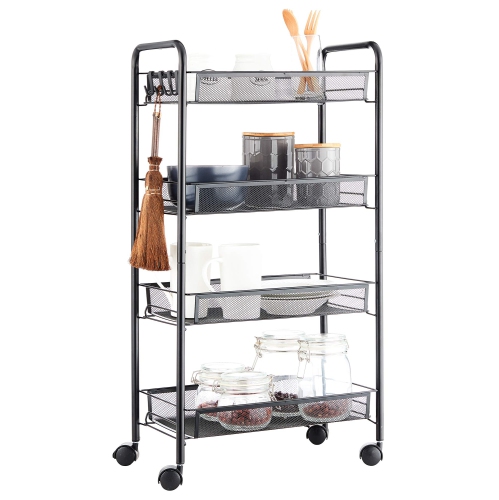
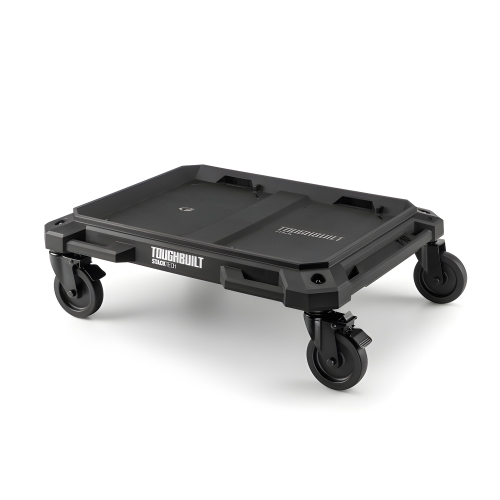
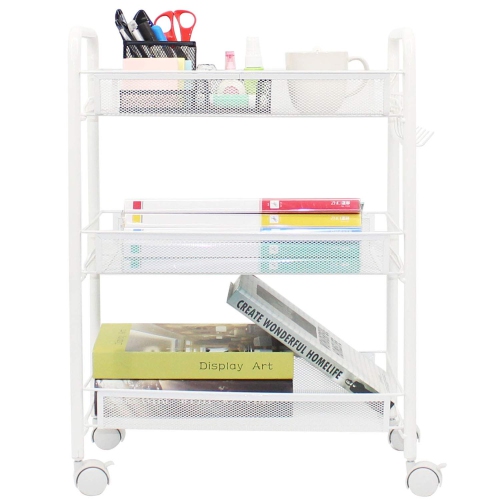
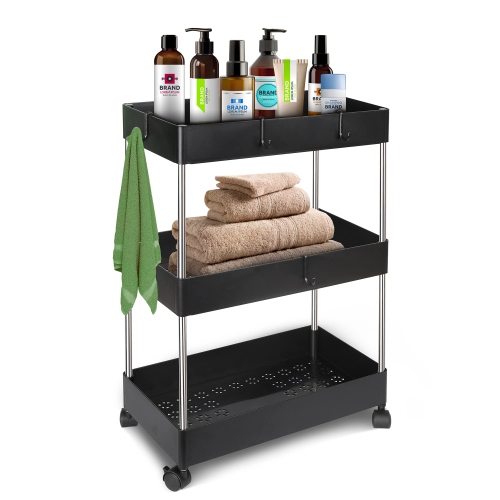
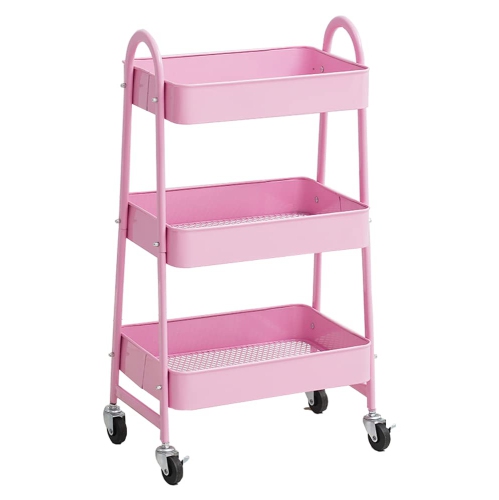
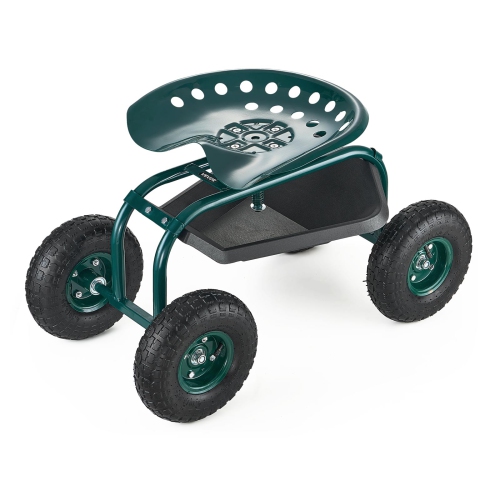
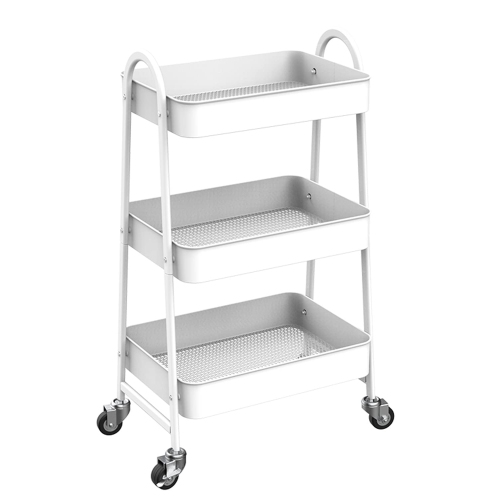
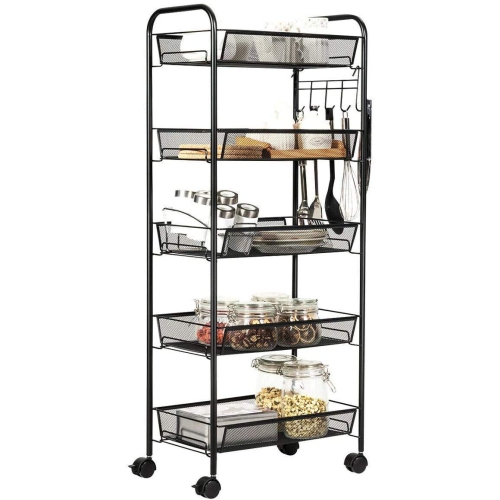
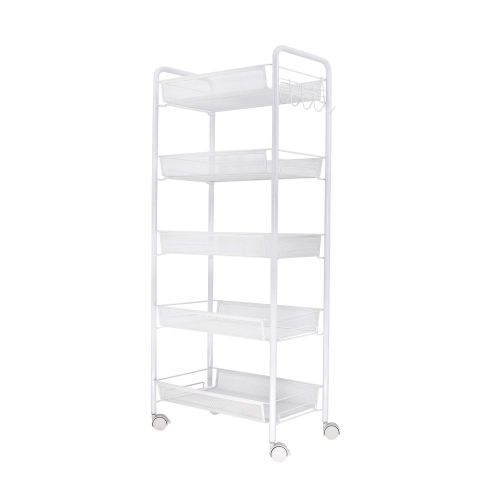
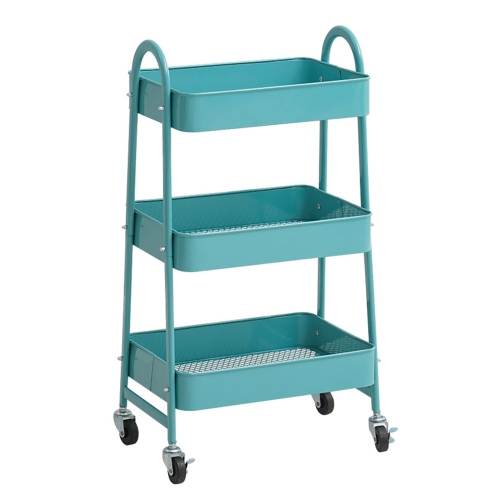
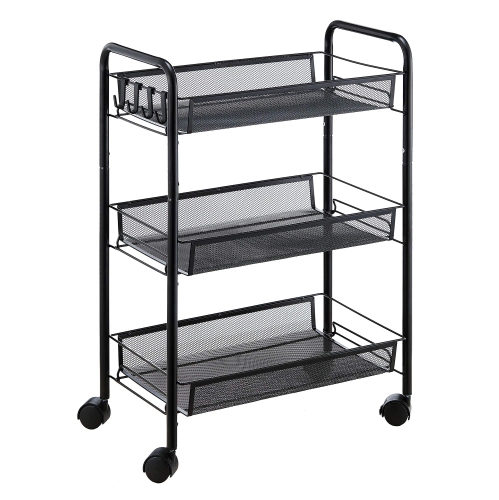
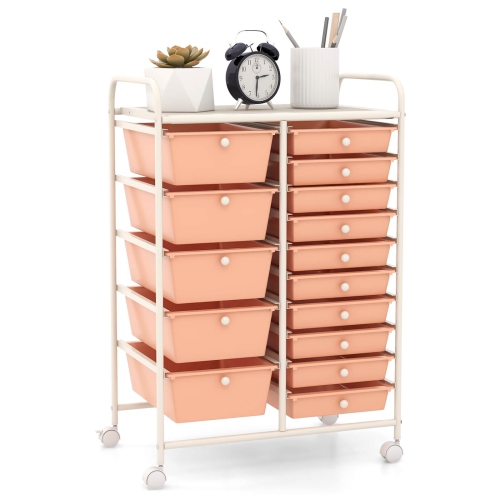
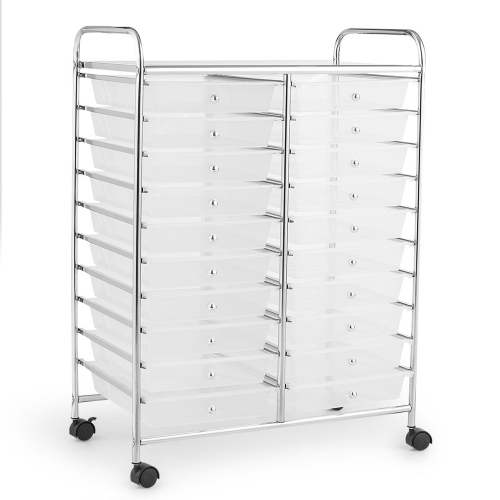
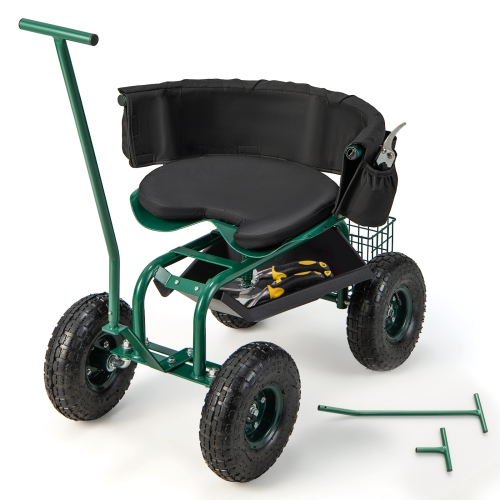
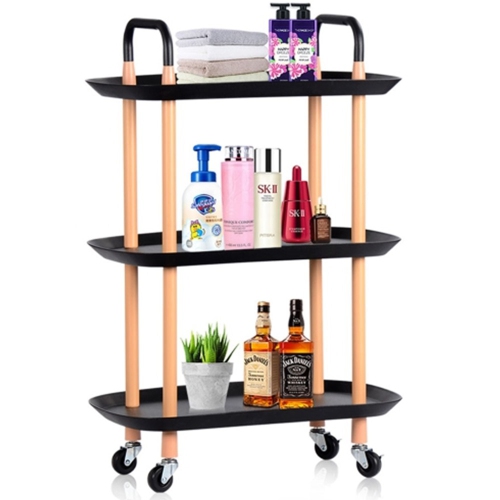
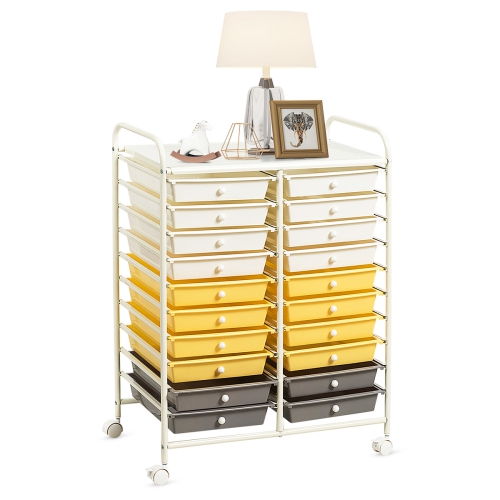
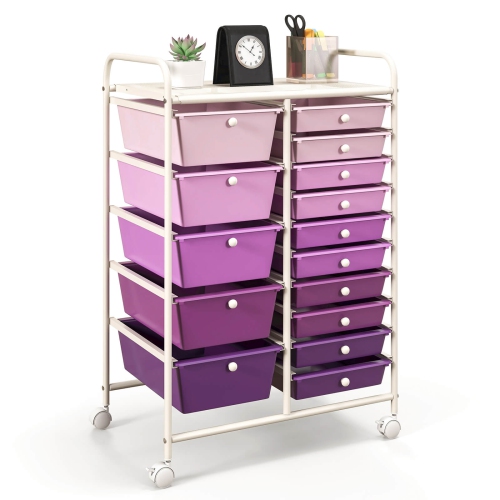
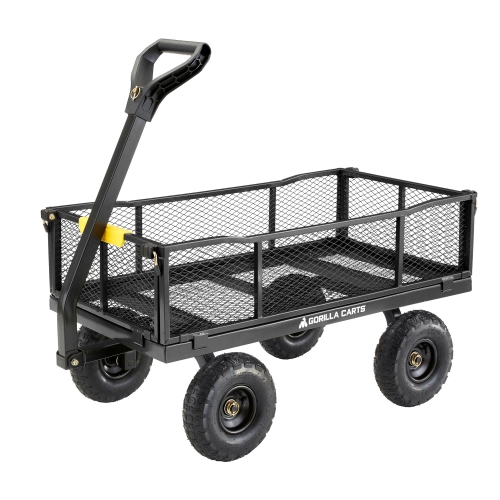
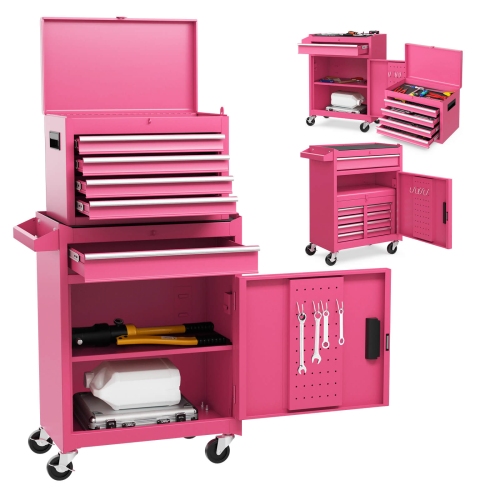
Tool storage carts are practical mobile workstations for keeping tools organized, accessible, and easy to move around a garage, workshop, renovation site, warehouse, or hobby room. Unlike a stationary toolbox, a rolling cart can follow the job from a workbench to a vehicle, from a repair bay to a storage area, or from one side of a garage to the other. Open-shelf carts are useful for frequently handled items such as power tools, fasteners, shop towels, paint supplies, and small boxes, while carts with drawers provide a more enclosed arrangement for sockets, wrenches, screwdrivers, measuring tools, and other hand tools. Some designs combine both formats, with a solid top for temporary work, open storage below, and drawers for smaller pieces that are easy to misplace. This combination can make a noticeable difference during a busy repair: instead of walking back and forth to a wall-mounted tool board, you can roll the cart beside the vehicle, take out the tools you need, and return them to their assigned places when the work is complete. Tool storage carts can suit experienced mechanics, tradespeople, maintenance teams, woodworkers, makers, and serious do-it-yourself users, as well as anyone who is gradually turning an unfinished garage into a more capable workspace. They can also make a thoughtful gift for a homeowner, automotive enthusiast, student in a skilled trade, or hobbyist who has accumulated tools but lacks a convenient way to sort them. For lighter household projects, an open three- or four-tier cart may be enough to hold a drill, bits, safety glasses, a tape measure, and common hardware. For demanding automotive or workshop use, a steel drawer cart with a larger work surface may offer the structure and capacity needed for heavier equipment. Considering how the cart will be used before choosing a style helps prevent buying a unit that is either too small for the collection or unnecessarily bulky for the available space.
Mobility is one of the defining features of a tool storage cart, so the caster design deserves close attention. Four swivel casters make it easier to steer through a crowded garage, and larger casters generally roll more smoothly over seams, thresholds, and slightly uneven floors. A pair of locking brakes can hold the cart securely when you are applying force to a fastener, opening a drawer, or using the top as a temporary work surface. Check the listed load capacity as well as the way that capacity is distributed; a cart may support a substantial total weight, but overloaded top shelves or unevenly filled drawers can affect balance and movement. A low centre of gravity is helpful when the cart is carrying dense items such as socket sets, clamps, batteries, or metal components. Drawer slides should open smoothly and remain stable when a drawer is extended, while drawer liners can help prevent tools from shifting and reduce rattling as the cart moves. If security matters, look for a lockable design that can help restrict access to costly tools in a shared garage, workshop, or workplace. Open shelving offers quick visibility, but it leaves contents exposed to dust and accidental knocks; enclosed drawers and doors provide a tidier appearance and can be preferable in areas where small parts need additional protection. Dimensions matter just as much as capacity. Measure the route between the storage area and the usual work area, including doorways, vehicle bays, and tight corners, then compare those measurements with the cart’s width, depth, and handle position. Leave enough clearance to open drawers fully without striking a wall or parked vehicle. It is also worth checking the height of the top surface so that the cart feels comfortable when used as a staging area. A taller unit may provide more storage, while a lower cart can slide under a bench or fit beneath a window. For additional fixed, enclosed storage around the workspace, Tool Storage Cabinets can complement a mobile cart by keeping less frequently used equipment in one dedicated location.
The best tool storage cart is the one that matches the tools, floor conditions, and working habits of the person using it. Count the larger items first, including cases, cordless tools, chargers, air tools, and specialty equipment, then estimate how many drawers or shelves are needed for smaller accessories. A cart with integrated pegboard panels, side hooks, drill holders, or compartments for batteries can make commonly used equipment easier to see and reach. Charging station carts can be particularly useful for cordless tools, as built-in power access allows batteries to recharge near the work area instead of taking up space on a distant bench; always follow the manufacturer’s instructions for electrical load, ventilation, and safe cable management. Look for a top that can tolerate everyday workshop use, whether it is made from steel, wood, or another durable surface, and consider whether a raised lip will help prevent sockets, screws, or small parts from rolling off. Assembly requirements are another practical consideration, especially for a gift or a cart intended for immediate use. Review the dimensions after assembly, the number of shelves or drawers, wheel locks, handle placement, and the included hardware before purchase. During the warmer part of the year, a rolling cart can move easily between a garage and driveway for vehicle maintenance, outdoor equipment adjustments, or home projects; during the cooler months, it can help keep tools gathered close to an indoor workbench or heated workshop. In either setting, a simple habit of returning each tool to the same drawer or shelf makes the cart more valuable over time. Heavy items are best stored low, sharp tools should be arranged so handles and edges are easy to grasp safely, and frequently used equipment should stay within comfortable reach. With the right balance of mobility, organization, security, and capacity, a tool storage cart can turn a scattered collection into a dependable mobile workstation that keeps projects moving and makes cleanup far less frustrating.
Mobility is one of the defining features of a tool storage cart, so the caster design deserves close attention. Four swivel casters make it easier to steer through a crowded garage, and larger casters generally roll more smoothly over seams, thresholds, and slightly uneven floors. A pair of locking brakes can hold the cart securely when you are applying force to a fastener, opening a drawer, or using the top as a temporary work surface. Check the listed load capacity as well as the way that capacity is distributed; a cart may support a substantial total weight, but overloaded top shelves or unevenly filled drawers can affect balance and movement. A low centre of gravity is helpful when the cart is carrying dense items such as socket sets, clamps, batteries, or metal components. Drawer slides should open smoothly and remain stable when a drawer is extended, while drawer liners can help prevent tools from shifting and reduce rattling as the cart moves. If security matters, look for a lockable design that can help restrict access to costly tools in a shared garage, workshop, or workplace. Open shelving offers quick visibility, but it leaves contents exposed to dust and accidental knocks; enclosed drawers and doors provide a tidier appearance and can be preferable in areas where small parts need additional protection. Dimensions matter just as much as capacity. Measure the route between the storage area and the usual work area, including doorways, vehicle bays, and tight corners, then compare those measurements with the cart’s width, depth, and handle position. Leave enough clearance to open drawers fully without striking a wall or parked vehicle. It is also worth checking the height of the top surface so that the cart feels comfortable when used as a staging area. A taller unit may provide more storage, while a lower cart can slide under a bench or fit beneath a window. For additional fixed, enclosed storage around the workspace, Tool Storage Cabinets can complement a mobile cart by keeping less frequently used equipment in one dedicated location.
The best tool storage cart is the one that matches the tools, floor conditions, and working habits of the person using it. Count the larger items first, including cases, cordless tools, chargers, air tools, and specialty equipment, then estimate how many drawers or shelves are needed for smaller accessories. A cart with integrated pegboard panels, side hooks, drill holders, or compartments for batteries can make commonly used equipment easier to see and reach. Charging station carts can be particularly useful for cordless tools, as built-in power access allows batteries to recharge near the work area instead of taking up space on a distant bench; always follow the manufacturer’s instructions for electrical load, ventilation, and safe cable management. Look for a top that can tolerate everyday workshop use, whether it is made from steel, wood, or another durable surface, and consider whether a raised lip will help prevent sockets, screws, or small parts from rolling off. Assembly requirements are another practical consideration, especially for a gift or a cart intended for immediate use. Review the dimensions after assembly, the number of shelves or drawers, wheel locks, handle placement, and the included hardware before purchase. During the warmer part of the year, a rolling cart can move easily between a garage and driveway for vehicle maintenance, outdoor equipment adjustments, or home projects; during the cooler months, it can help keep tools gathered close to an indoor workbench or heated workshop. In either setting, a simple habit of returning each tool to the same drawer or shelf makes the cart more valuable over time. Heavy items are best stored low, sharp tools should be arranged so handles and edges are easy to grasp safely, and frequently used equipment should stay within comfortable reach. With the right balance of mobility, organization, security, and capacity, a tool storage cart can turn a scattered collection into a dependable mobile workstation that keeps projects moving and makes cleanup far less frustrating.
Top selling and popular products
-
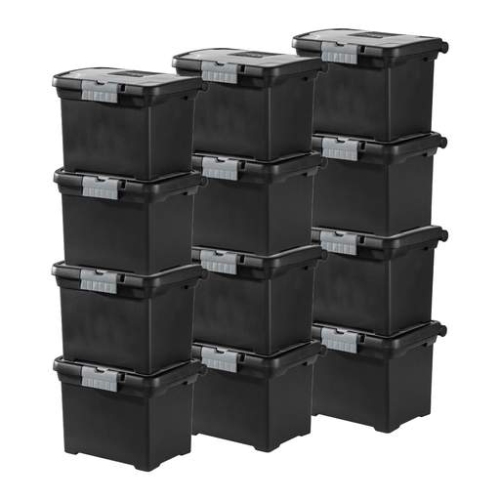 Your price for this item is $392.99
 -
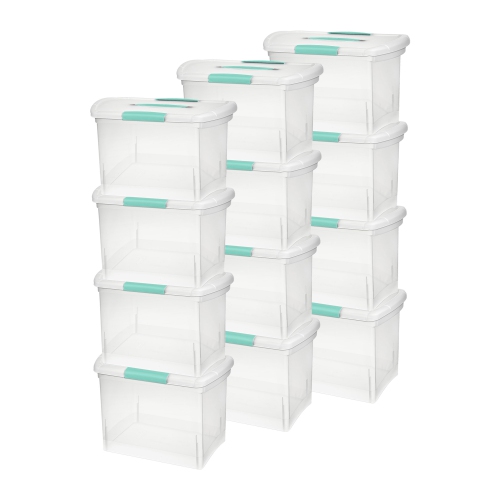 Your price for this item is $235.99
 -
 Your price for this item is $339.99
 -
 Your price for this item is $121.99
 -
 Your price for this item is $12.99
 -
 Your price for this item is $87.99
 -
 Your price for this item is $10.99
 -
 Your price for this item is $211.99
Discover more categories related to Tool Storage Carts
Top Collections:
Pokemon Centers, Kindle Devices, Apple iPhones 16, Samsung Galaxy Phones, Canon G7X Cameras, iPhone 15 Apple, Flip Phones, Apple Wired Earphones, Best Budget Office Chairs, Refurbished Apple Laptops
Some products may be subject to Environmental Handling Fees
(EHF) depending on your province.
Learn more about EHFs.