Towel Warmer Canada
Transform your everyday routine into a luxurious experience with a towel warmer, the perfect addition to any home. Imagine stepping out of the shower to be greeted by a warm, cozy towel that enhances comfort and relaxation. Whether you're looking to elevate your bathroom's ambiance or simply indulge in a spa-like experience at home, towel warmers offer an ideal solution for those chilly mornings. With various styles and sizes available, it's easy to find the perfect match for your space and needs. Explore our selection and discover how a towel warmer can add a touch of warmth and sophistication to your daily life.
Sort

Why warming a towel differs from drying it
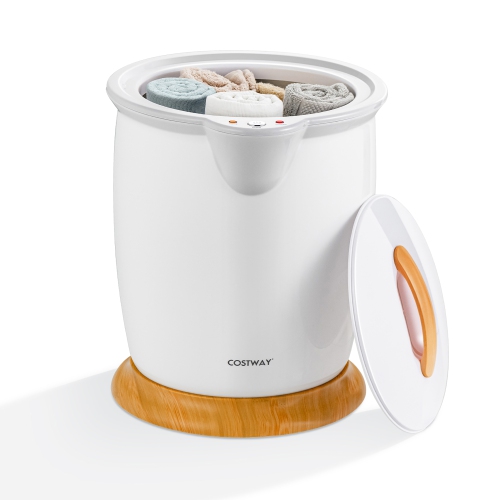
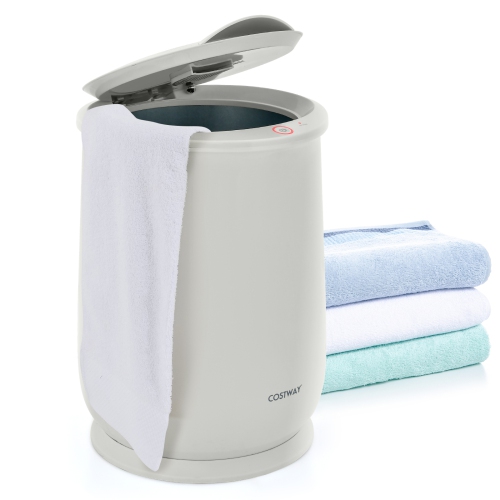
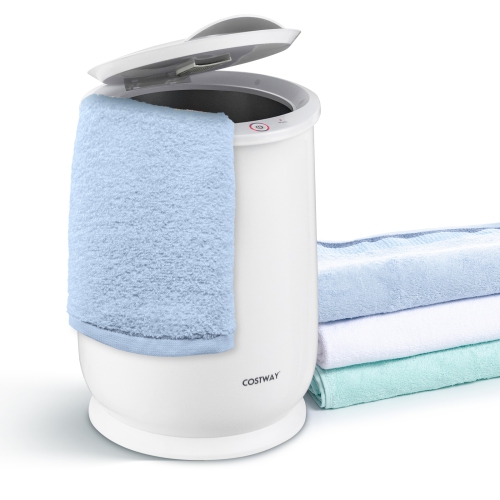
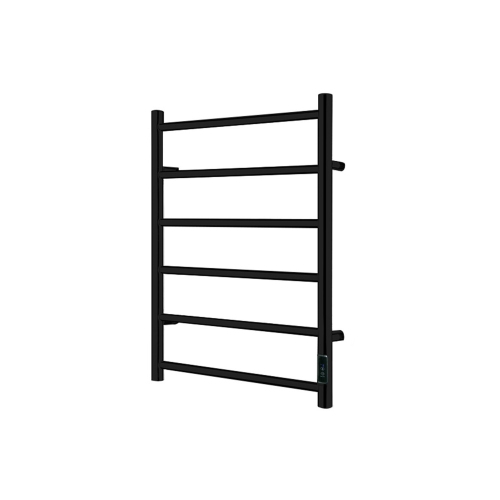
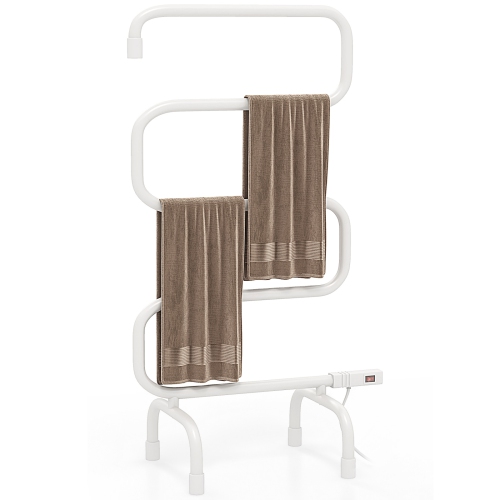
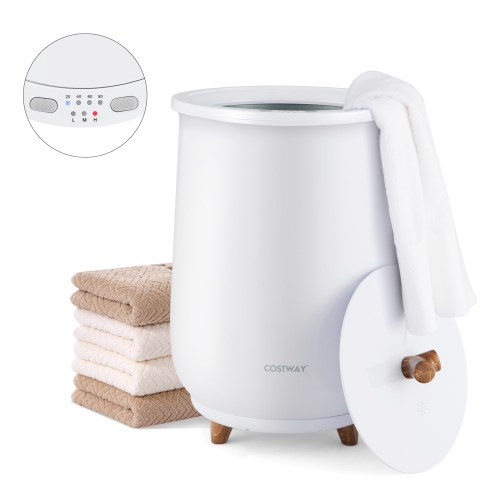
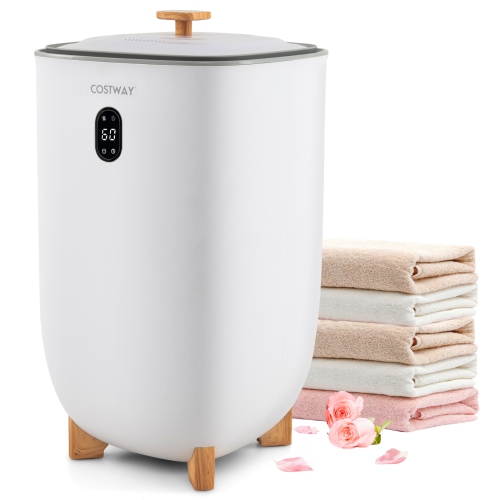
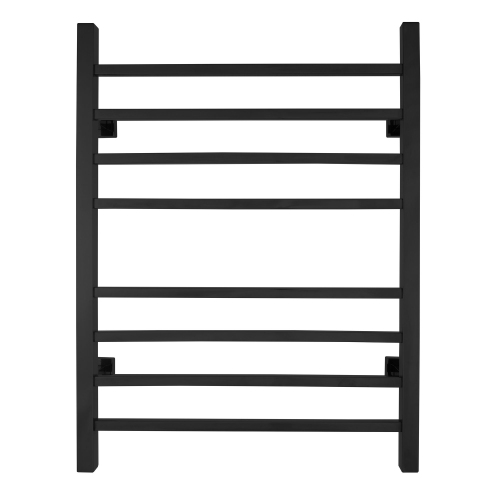
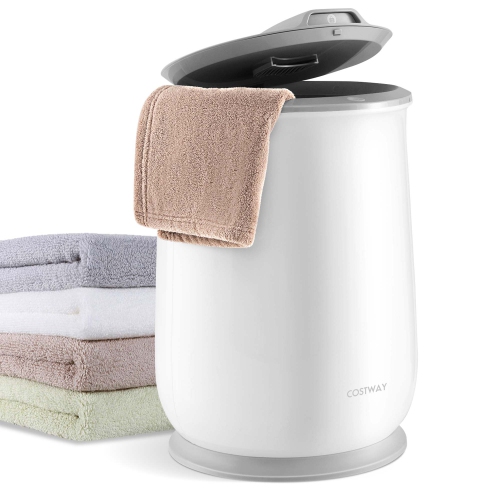
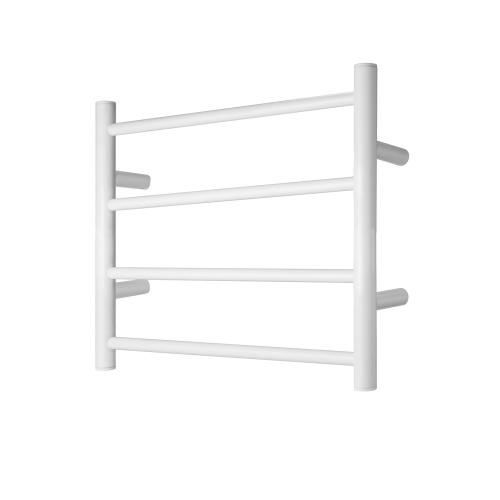
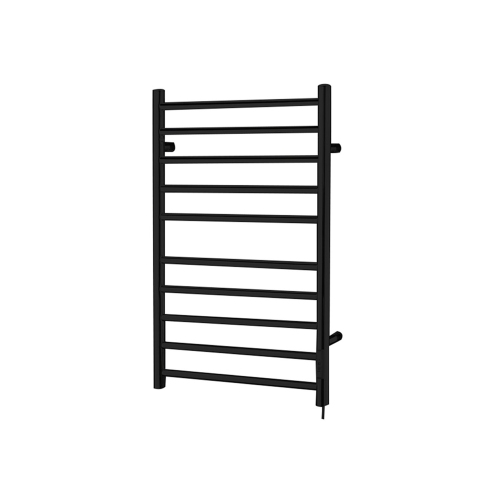
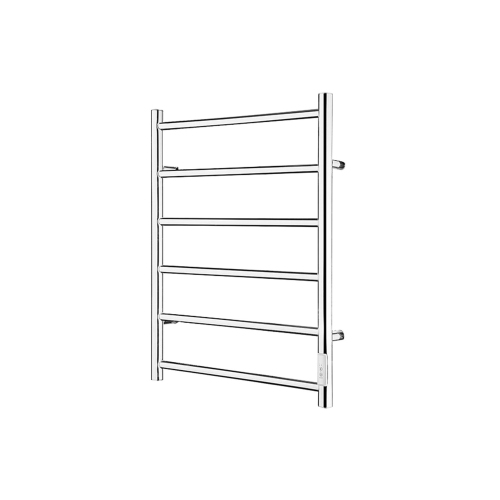
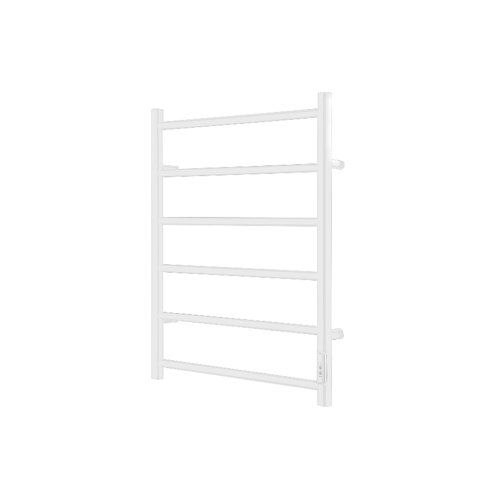
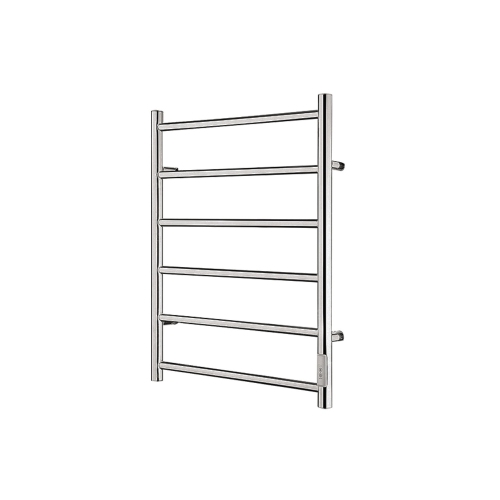
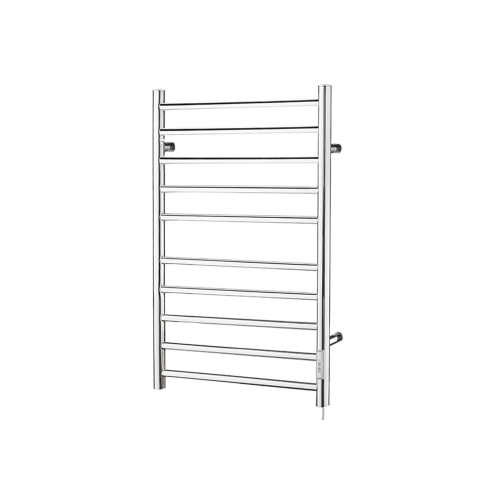
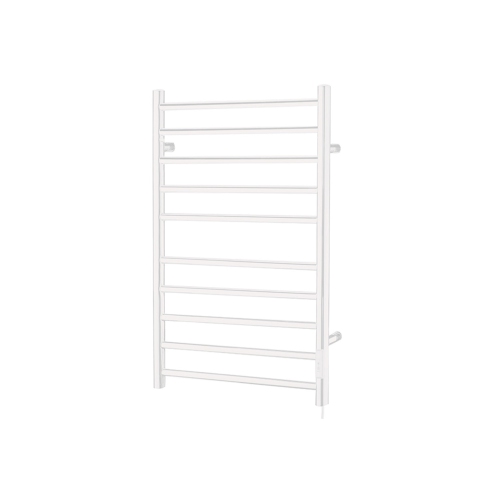
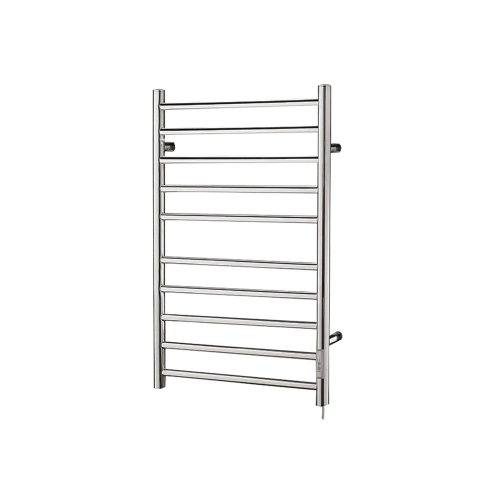
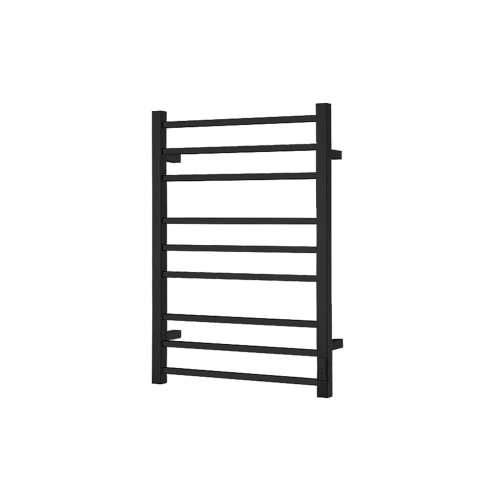
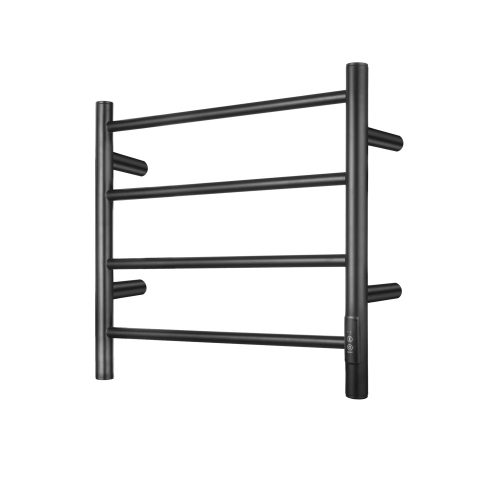
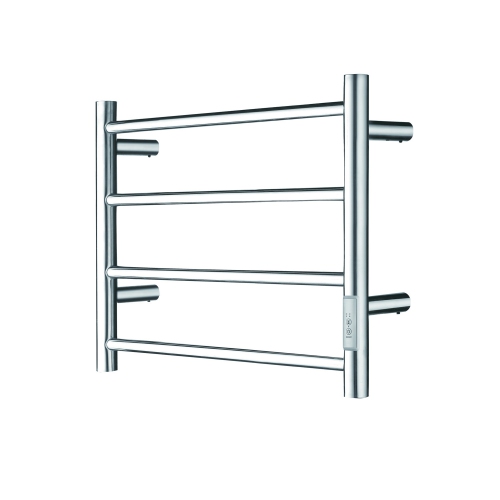
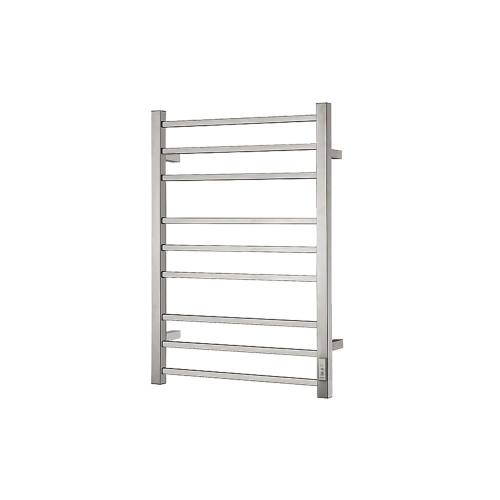
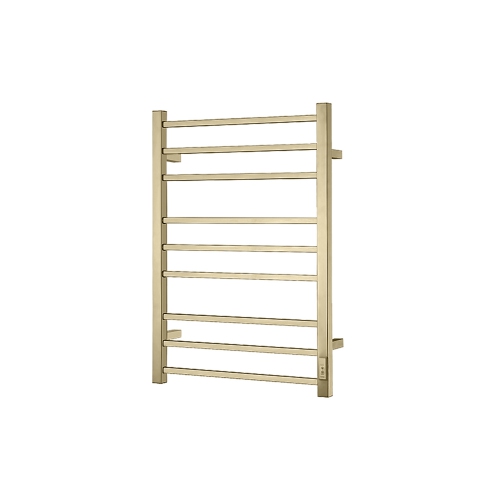
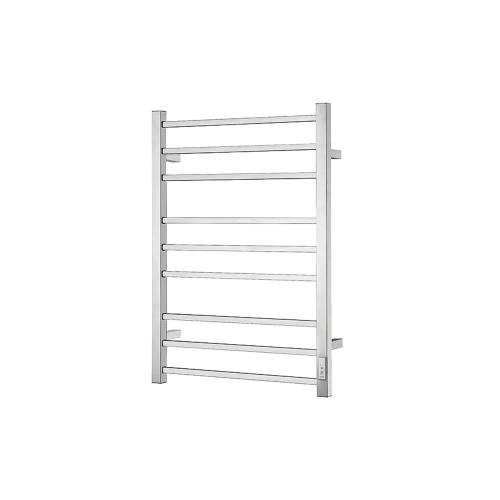
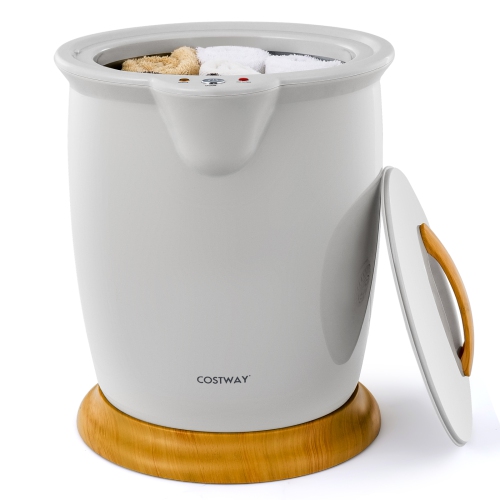
Towel warmers bring the comfort of a freshly warmed towel into everyday bathing routines, with designs that suit different bathroom layouts and ways of getting ready. Towel warmers for Canadian homes generally fall into three groups: enclosed bucket styles for warming dry bath towels, heated racks that provide hanging space between uses, and cabinets designed for smaller towels or washcloths. The distinction matters because warming a clean, dry bath sheet before a shower is different from helping a damp towel dry afterwards. An enclosed warmer surrounds its contents with heat, while a heated rack transfers warmth through the bars that touch the fabric. Neither style should be assumed to replace a tumble dryer, and the manufacturer’s directions determine whether damp textiles are suitable. Bucket Towel Warmers are a practical option for people who want a towel ready to wrap around their shoulders without installing a permanent fixture. Their upright chambers typically hold loosely arranged towels beneath a lid, although the number that fits depends on both the chamber dimensions and the thickness of the fabric. A pair of compact bath towels takes up considerably less room than two plush bath sheets, so stated capacity is most useful when considered alongside the towels already in the linen cupboard. Heated towel racks come in wall-mounted and freestanding formats, with multiple bars for draping towels and keeping them off the floor. Some wall-mounted racks plug into an appropriate outlet, while hardwired designs have a fixed electrical connection. Hydronic towel rails are another category, using heated water from a compatible system rather than a standalone electric heating element. Cabinet-style warmers serve a different purpose: their shelves or compartments often suit rolled hand towels and facial cloths used in grooming or treatment routines. A cabinet intended for small cloths is not necessarily suitable for full-size bath towels, even if its outer dimensions appear generous.
The most useful towel warmer fits the room as comfortably as it fits the towels. In a compact bathroom, a wall-mounted rack can leave the floor clear, but its projection from the wall still needs to allow doors, drawers, and shower screens to open freely. Bar spacing affects how easily a thick towel can be draped, and mounting height determines whether everyone who uses the bathroom can reach it comfortably. A bucket-style unit needs a stable, level surface and enough clearance to open its lid without striking a vanity or shelf above it. Its footprint should also leave a clear path beside the bath or shower; a portable design is only convenient if there is a safe place to put it. Freestanding racks offer flexibility without wall mounting, though their feet and the towels hanging from them can occupy more space than expected. Electrical suitability is particularly important in Canadian bathrooms. Certification for use in Canada, compatibility with the home’s electrical supply, bathroom placement requirements, and the manufacturer’s specified clearances all deserve attention. Plug-in units need an appropriate outlet in a permitted location, with ground-fault protection where required, and cords should stay clear of water and walking paths. Hardwired racks require installation by a qualified electrical professional in accordance with local requirements, while hydronic designs need assessment for plumbing and heating-system compatibility. Daily convenience comes from details that match the household’s routine. A timer can make a warming cycle easier to plan, an automatic shut-off can limit unattended operation, and clearly labelled controls make settings easier to understand. These features vary by design and do not remove the need to follow operating instructions. Warm-up times also vary with the heating method, towel size, fabric weight, and loading arrangement. Someone taking a quick shower may value a different cycle length from a household preparing several towels for consecutive baths. Accessible controls and an easy-to-grip lid can matter just as much as appearance when the warmer becomes part of a daily routine.
Materials, finish, and care influence how a towel warmer looks and performs over time. Heated racks may use stainless steel, coated steel, or other metals, while enclosed designs can combine an insulated outer body with a metal warming chamber. Stainless steel is valued for its resistance to corrosion, but no finish is entirely free from care requirements in a bathroom. Chrome, brushed metallic finishes, and matte coatings each have a different visual effect alongside taps, cabinet handles, and shower fittings. Smooth surfaces, neatly finished joints, secure mounting hardware, and stable feet are useful construction details to consider rather than judging durability by weight alone. For enclosed warmers, an easily accessible interior makes routine wiping simpler, while a well-fitting lid helps keep operation straightforward. Cleaning should follow the manufacturer’s directions, generally with the unit switched off, disconnected where applicable, and fully cooled. Abrasive pads and harsh cleaners can damage finishes, and electrical components should never be immersed. Towels deserve equal attention: cotton terry, waffle weaves, and thicker bath sheets differ in bulk and how they sit against a heated surface. Textile care labels and warmer instructions should both permit the intended use, especially for robes, synthetic fabrics, decorative trims, or other items beyond ordinary towels. Looser loading in an enclosed chamber and appropriate draping on a rack can help avoid crowding; adding more fabric does not necessarily mean more evenly warmed towels. A towel warmer should not be treated as a sterilizer or assumed to remove the need for laundering. Damp towels still need suitable drying conditions, and a bathroom still needs ventilation. For a shared ensuite, generous hanging space may be more useful than a compact chamber, while a single-person routine may suit a smaller footprint. A warmer can also make a thoughtful housewarming or wedding gift when the recipient’s bathroom space, electrical setup, and preferences are known. The appeal is tangible: a towel waiting within easy reach, a more orderly place to hang bath linens, and a small measure of comfort woven into an ordinary shower or bath.
The most useful towel warmer fits the room as comfortably as it fits the towels. In a compact bathroom, a wall-mounted rack can leave the floor clear, but its projection from the wall still needs to allow doors, drawers, and shower screens to open freely. Bar spacing affects how easily a thick towel can be draped, and mounting height determines whether everyone who uses the bathroom can reach it comfortably. A bucket-style unit needs a stable, level surface and enough clearance to open its lid without striking a vanity or shelf above it. Its footprint should also leave a clear path beside the bath or shower; a portable design is only convenient if there is a safe place to put it. Freestanding racks offer flexibility without wall mounting, though their feet and the towels hanging from them can occupy more space than expected. Electrical suitability is particularly important in Canadian bathrooms. Certification for use in Canada, compatibility with the home’s electrical supply, bathroom placement requirements, and the manufacturer’s specified clearances all deserve attention. Plug-in units need an appropriate outlet in a permitted location, with ground-fault protection where required, and cords should stay clear of water and walking paths. Hardwired racks require installation by a qualified electrical professional in accordance with local requirements, while hydronic designs need assessment for plumbing and heating-system compatibility. Daily convenience comes from details that match the household’s routine. A timer can make a warming cycle easier to plan, an automatic shut-off can limit unattended operation, and clearly labelled controls make settings easier to understand. These features vary by design and do not remove the need to follow operating instructions. Warm-up times also vary with the heating method, towel size, fabric weight, and loading arrangement. Someone taking a quick shower may value a different cycle length from a household preparing several towels for consecutive baths. Accessible controls and an easy-to-grip lid can matter just as much as appearance when the warmer becomes part of a daily routine.
Materials, finish, and care influence how a towel warmer looks and performs over time. Heated racks may use stainless steel, coated steel, or other metals, while enclosed designs can combine an insulated outer body with a metal warming chamber. Stainless steel is valued for its resistance to corrosion, but no finish is entirely free from care requirements in a bathroom. Chrome, brushed metallic finishes, and matte coatings each have a different visual effect alongside taps, cabinet handles, and shower fittings. Smooth surfaces, neatly finished joints, secure mounting hardware, and stable feet are useful construction details to consider rather than judging durability by weight alone. For enclosed warmers, an easily accessible interior makes routine wiping simpler, while a well-fitting lid helps keep operation straightforward. Cleaning should follow the manufacturer’s directions, generally with the unit switched off, disconnected where applicable, and fully cooled. Abrasive pads and harsh cleaners can damage finishes, and electrical components should never be immersed. Towels deserve equal attention: cotton terry, waffle weaves, and thicker bath sheets differ in bulk and how they sit against a heated surface. Textile care labels and warmer instructions should both permit the intended use, especially for robes, synthetic fabrics, decorative trims, or other items beyond ordinary towels. Looser loading in an enclosed chamber and appropriate draping on a rack can help avoid crowding; adding more fabric does not necessarily mean more evenly warmed towels. A towel warmer should not be treated as a sterilizer or assumed to remove the need for laundering. Damp towels still need suitable drying conditions, and a bathroom still needs ventilation. For a shared ensuite, generous hanging space may be more useful than a compact chamber, while a single-person routine may suit a smaller footprint. A warmer can also make a thoughtful housewarming or wedding gift when the recipient’s bathroom space, electrical setup, and preferences are known. The appeal is tangible: a towel waiting within easy reach, a more orderly place to hang bath linens, and a small measure of comfort woven into an ordinary shower or bath.
Top selling and popular products
-
 Your price for this item is $179.99
 -
 Your price for this item is $549.99
 -
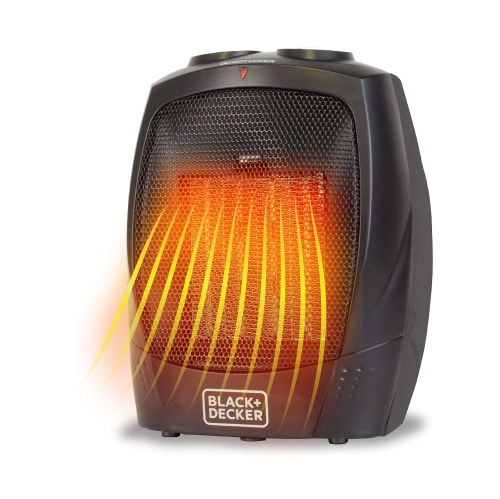 Your price for this item is $41.99
 -
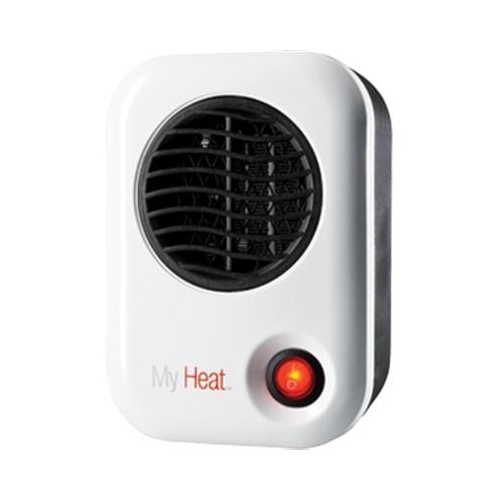 Your price for this item is $100.99
 -
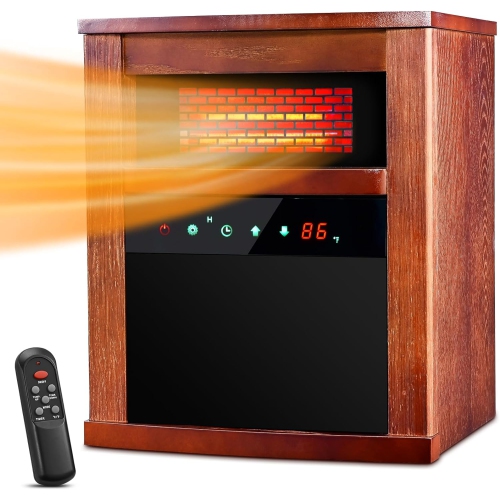 Your price for this item is $219.95
 -
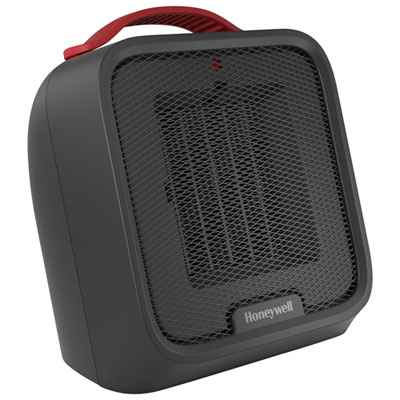 Your price for this item is $64.98
 -
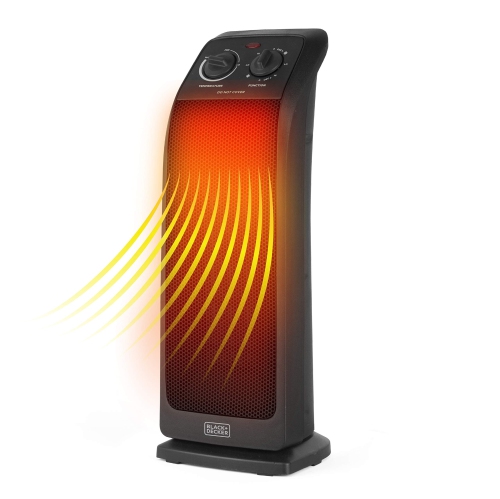 Your price for this item is $68.99
 -
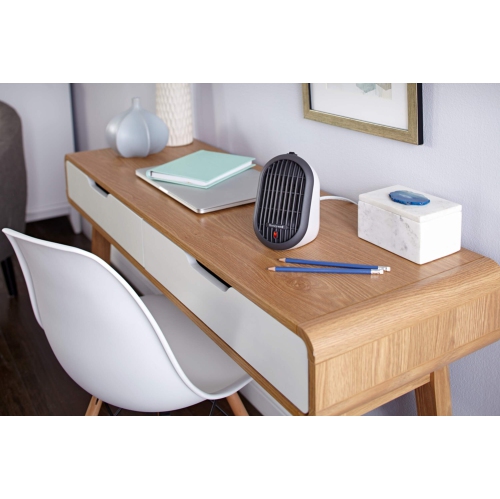 Your price for this item is $50
Discover more categories related to Towel Warmer Canada

Top Collections:
Pokemon Centers, Kindle Devices, Best Budget Office Chairs, Apple iPhones 16, Canon G7X Cameras, iPhone 15 Apple, Alarm Clock, Refurbished Apple Laptops, Flip Phones, Best Laptops for Writers
Some products may be subject to Environmental Handling Fees
(EHF) depending on your province.
Learn more about EHFs.