Tub Faucet Kits
Transform your bathroom into a sanctuary of style and functionality with our selection of tub faucet kits. Whether you're updating an existing setup or embarking on a new renovation project, these kits offer the perfect blend of form and function to suit any aesthetic. With a variety of designs and finishes available, you can easily find the ideal match for your décor while ensuring reliable performance. Explore options that cater to both modern and traditional tastes, allowing you to customize your space with ease. Dive into our range of tub faucet kits and discover the perfect addition to elevate your bathing experience.
Sort




Why valve compatibility matters as much as appearance
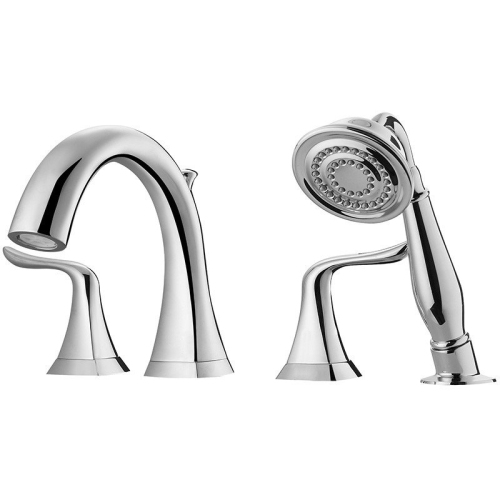
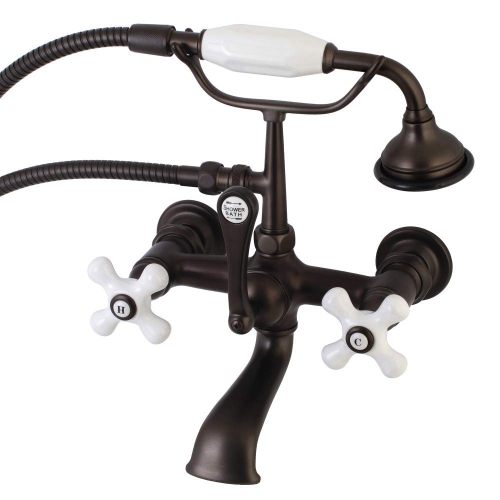
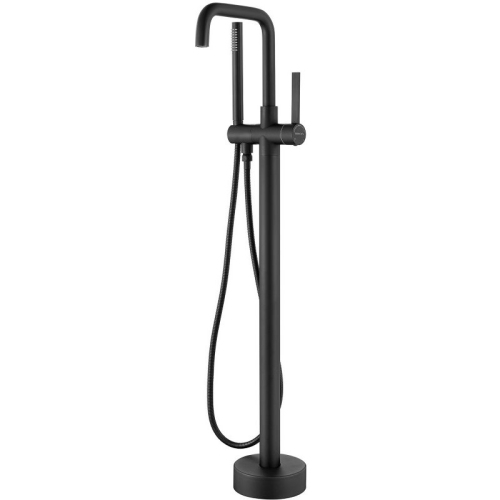
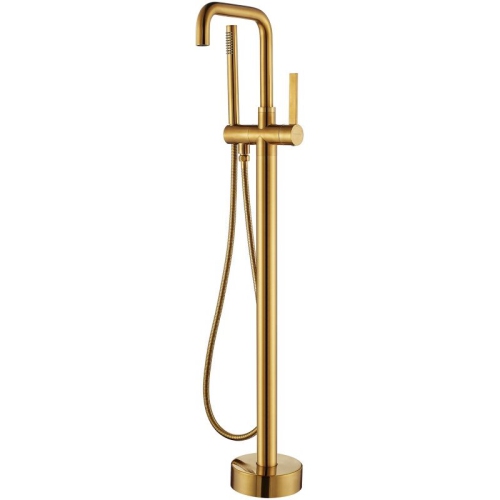
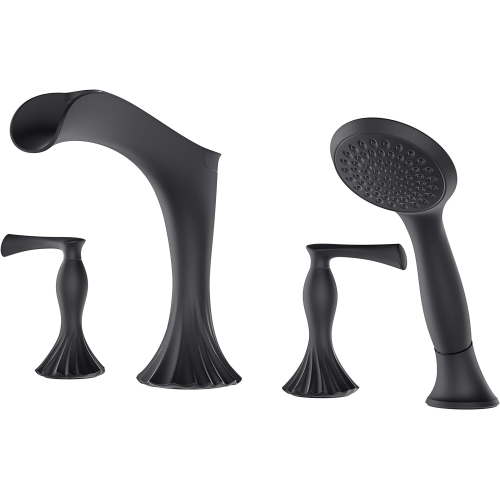
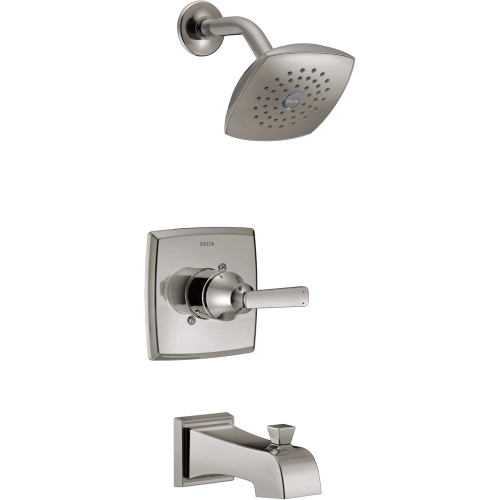
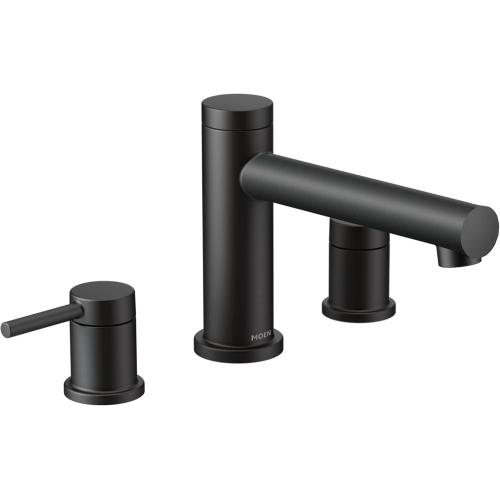
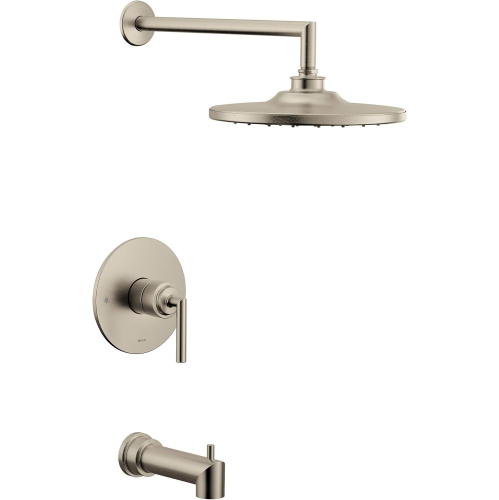
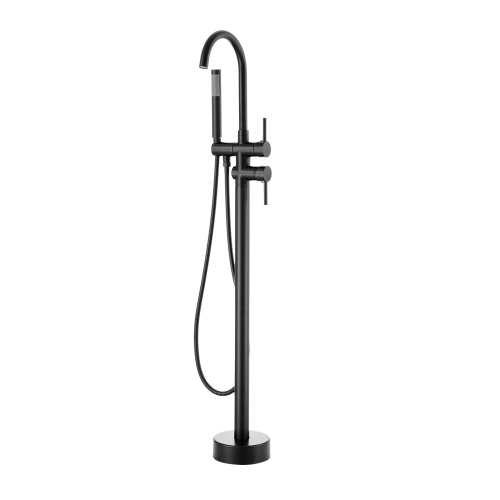
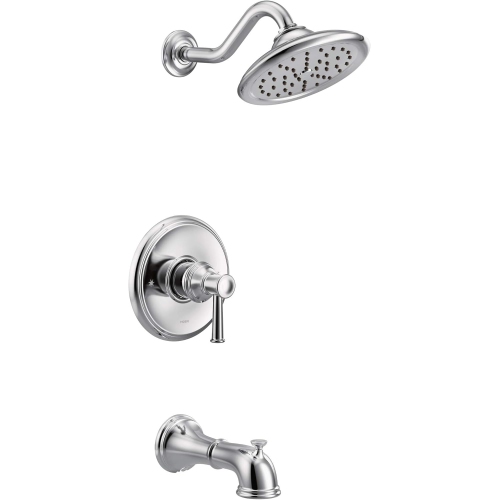
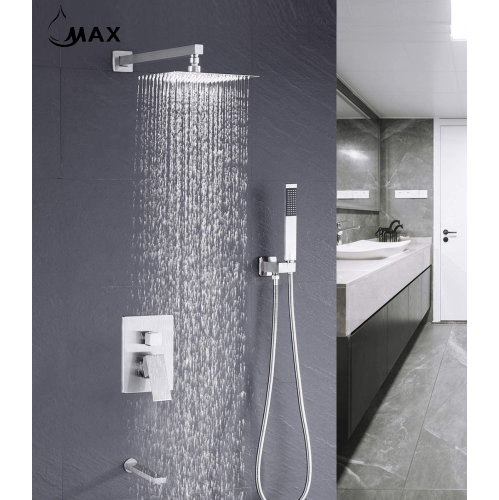
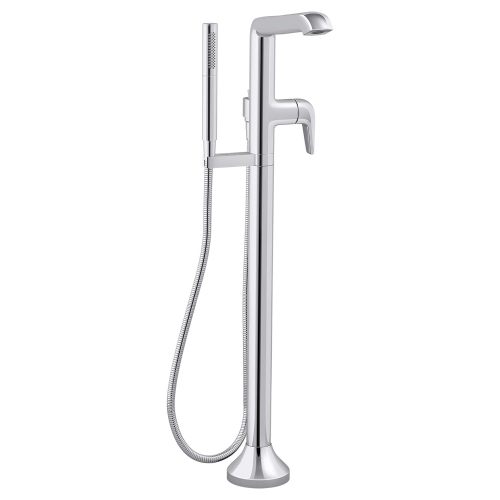
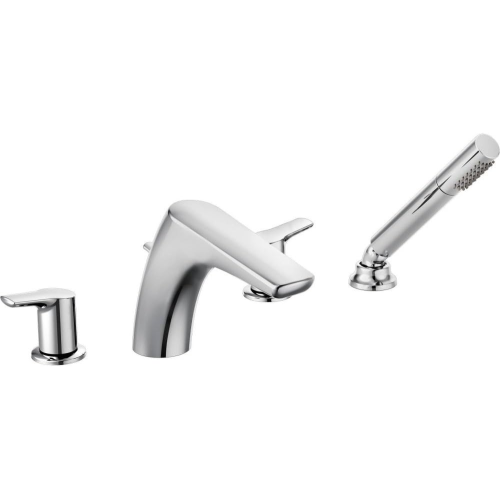
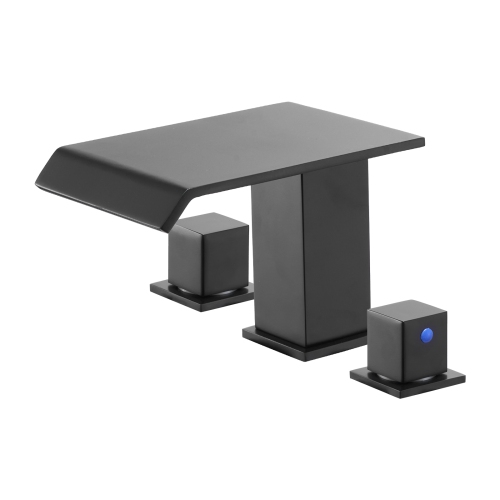
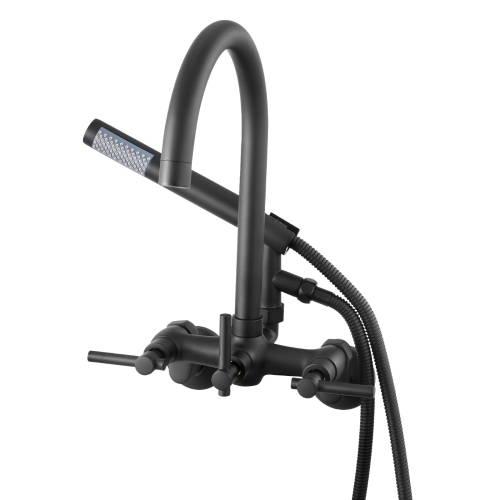
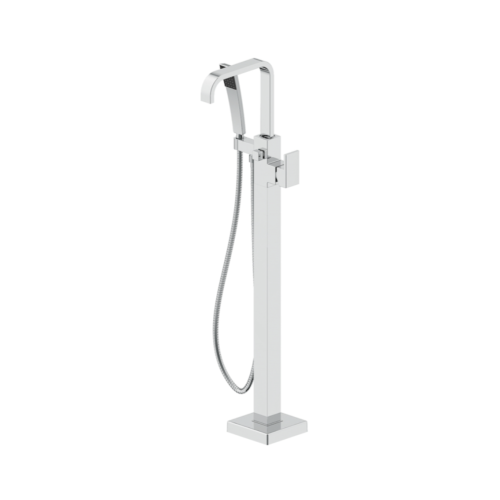
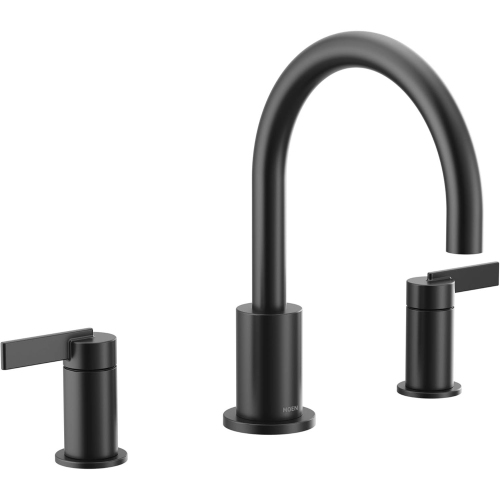
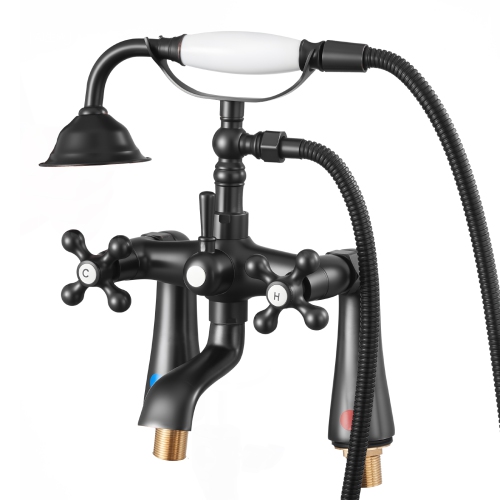
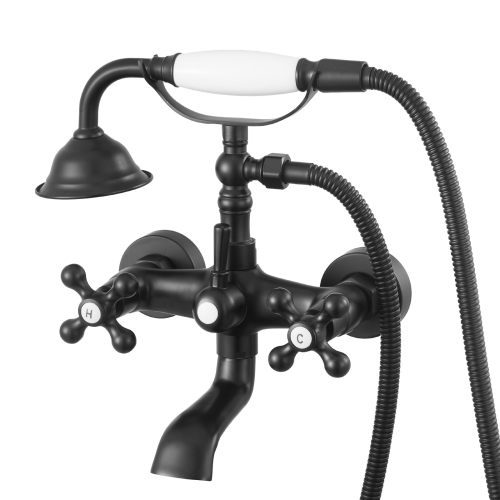
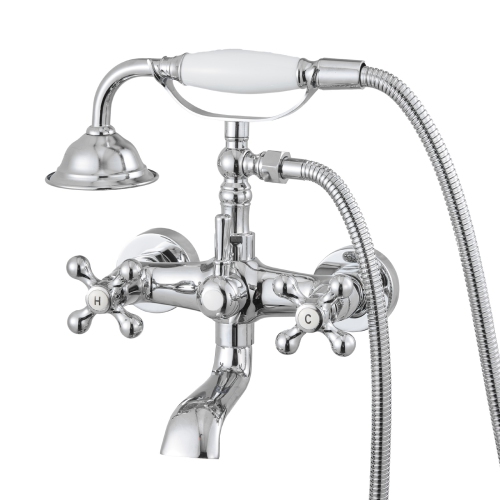
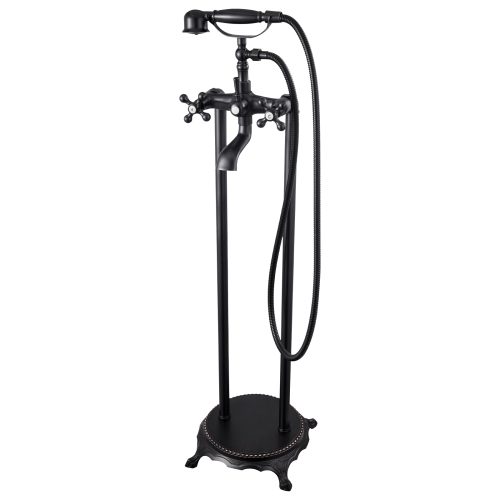
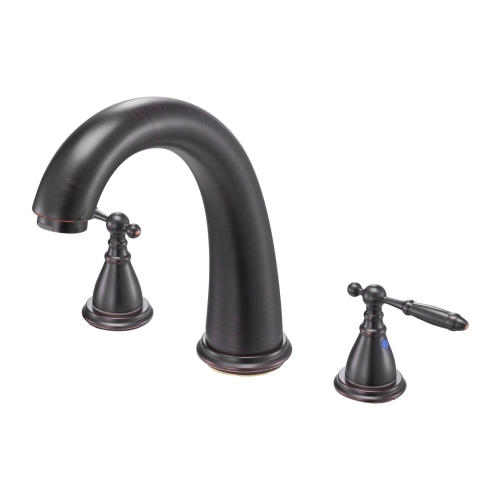
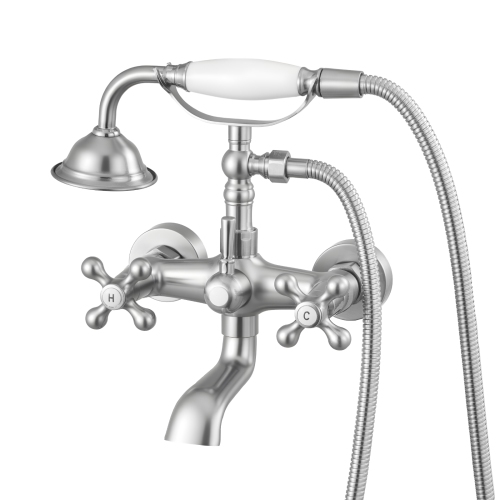
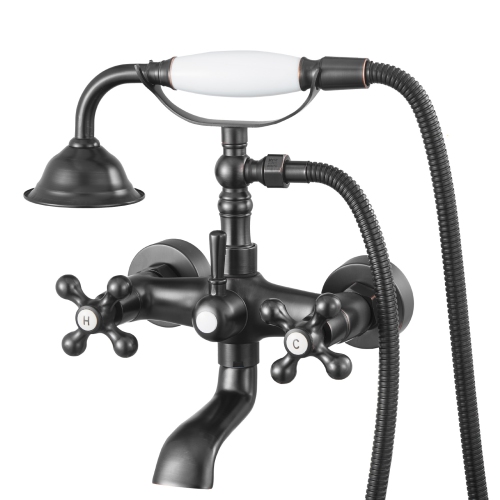
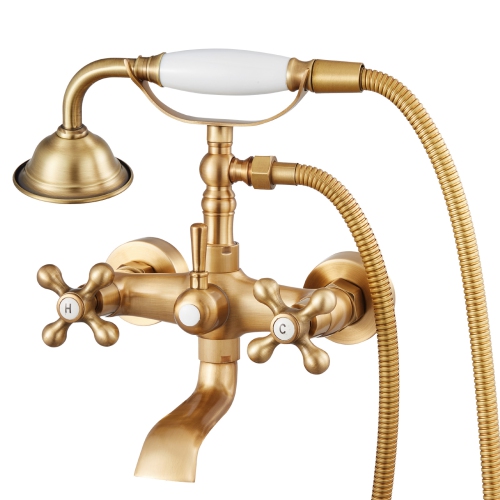
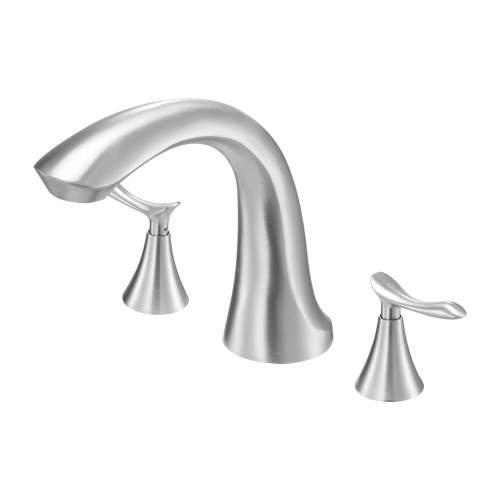
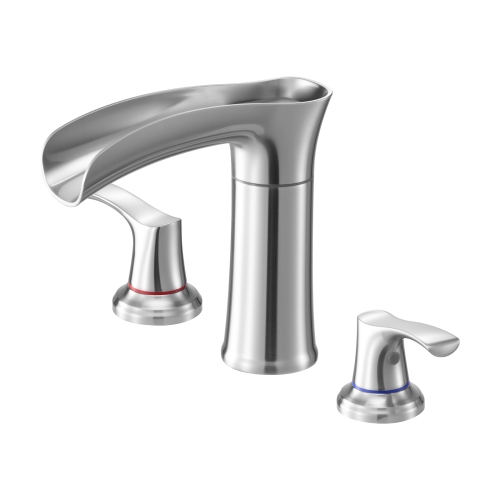
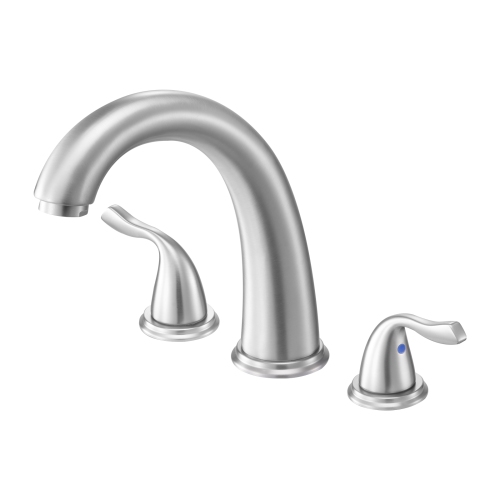
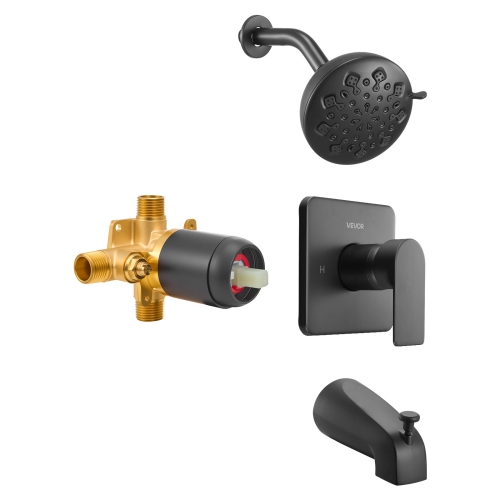
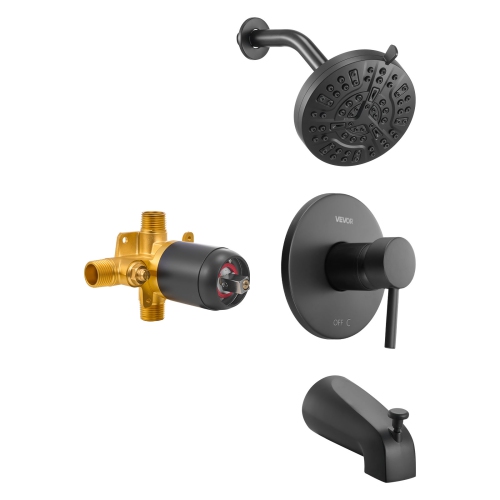
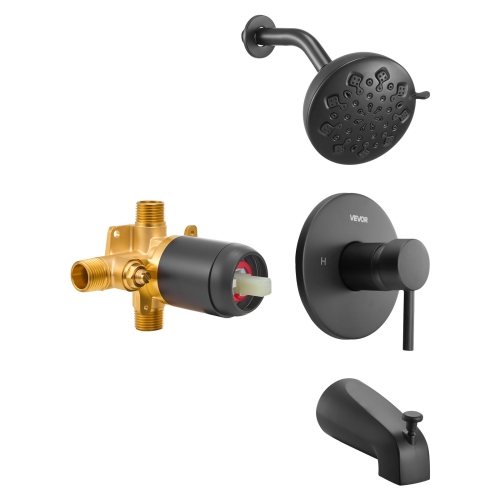
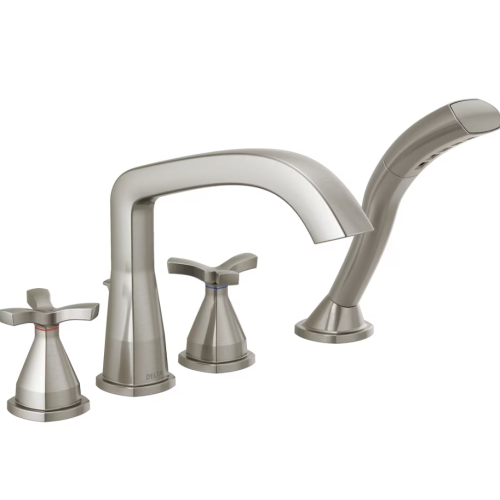
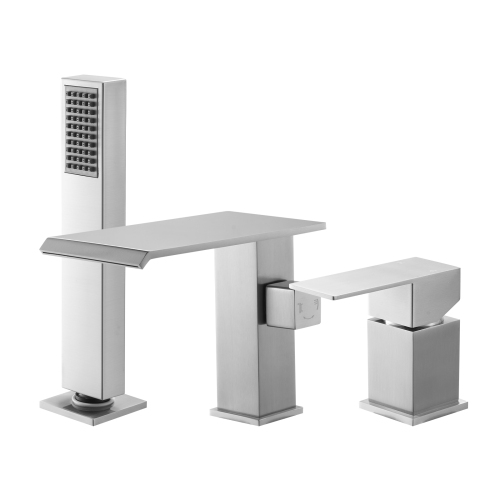
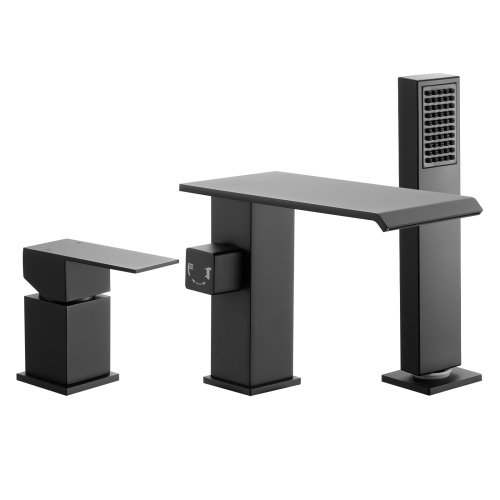
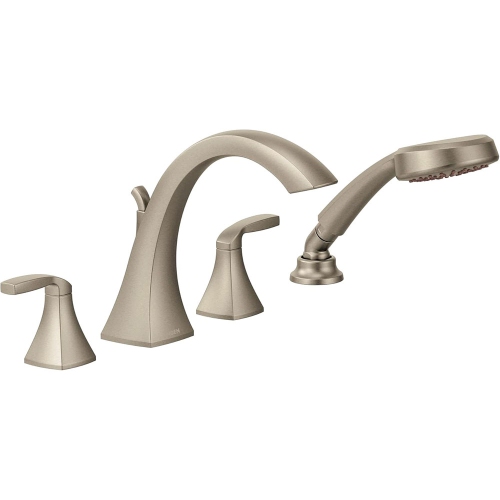
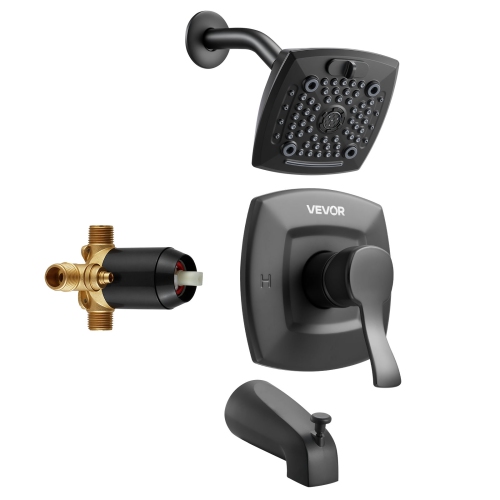
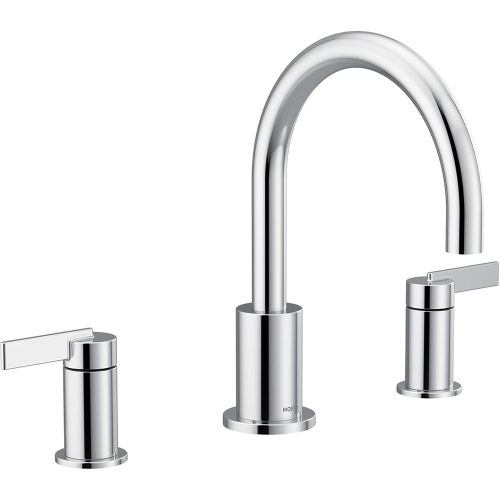
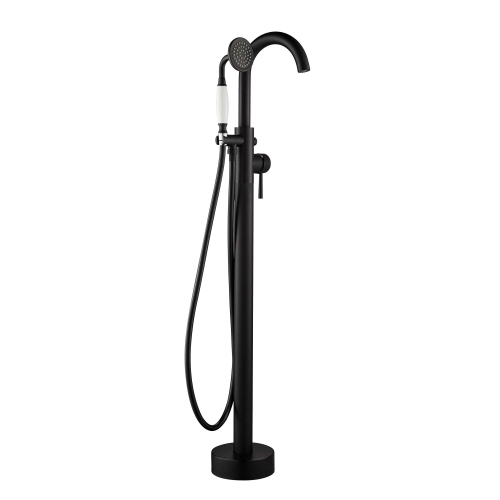
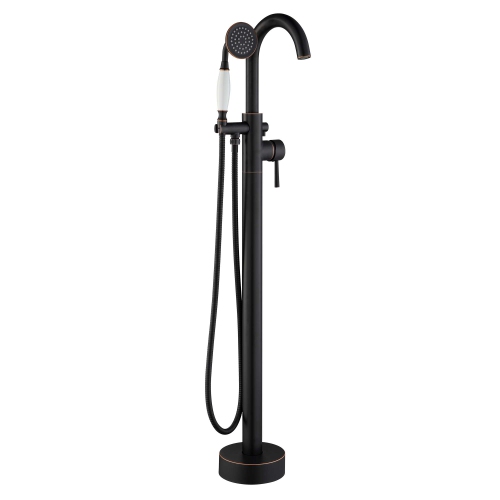
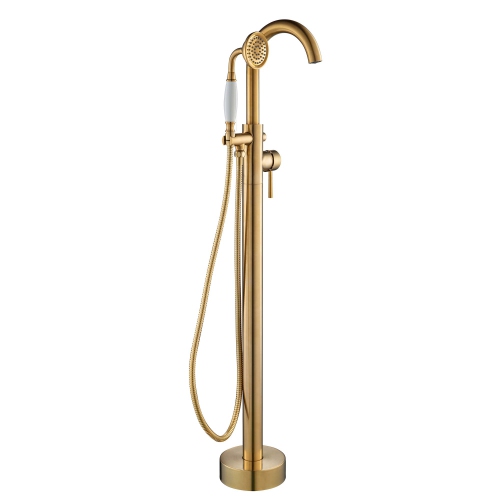
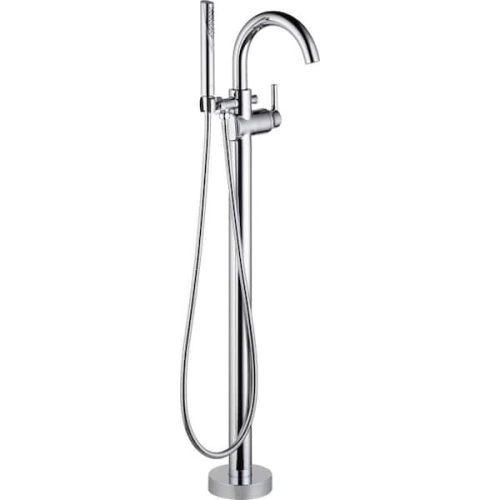
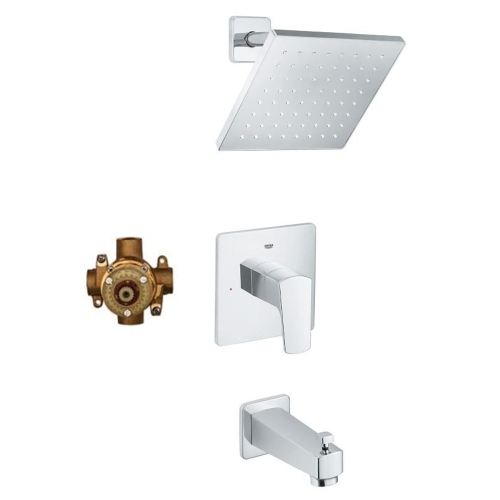
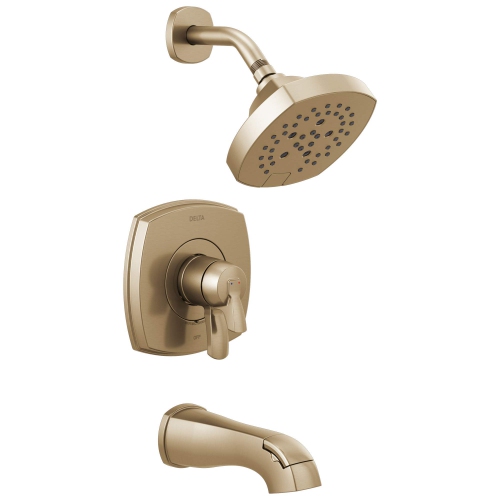
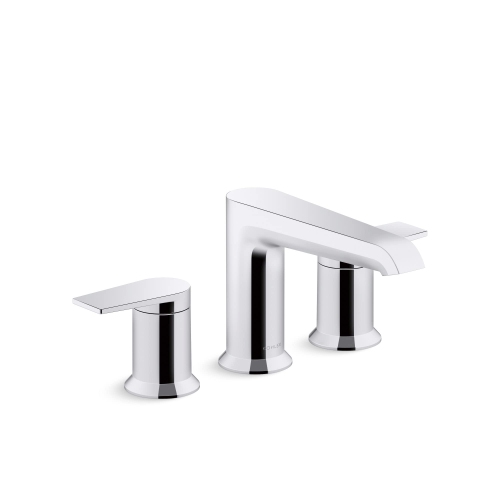
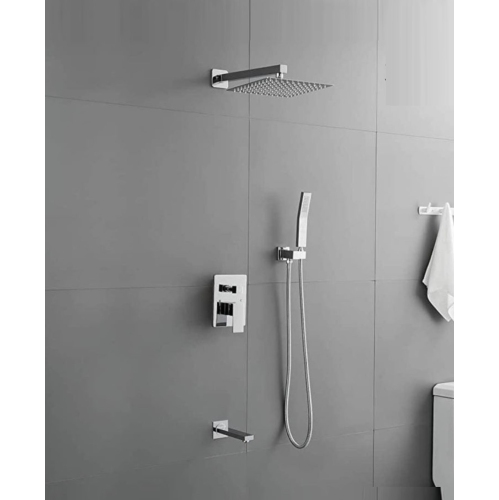
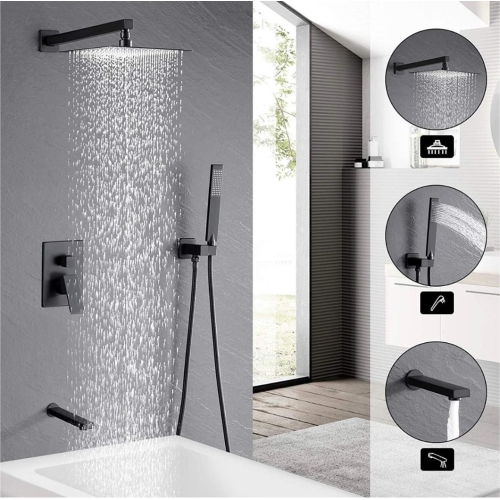
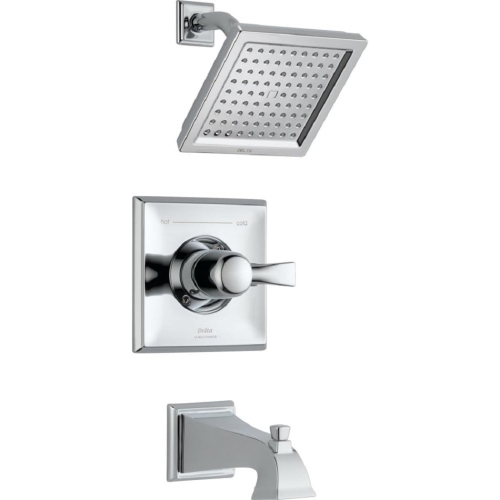
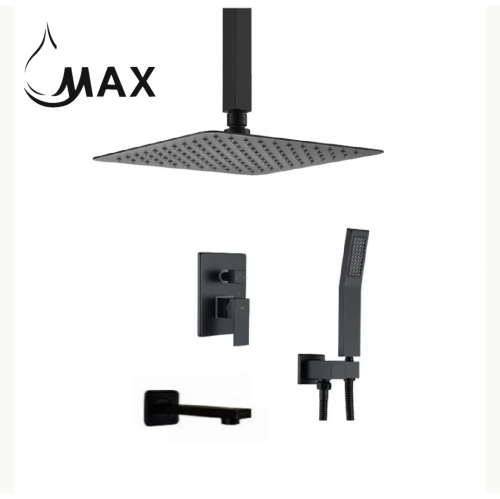
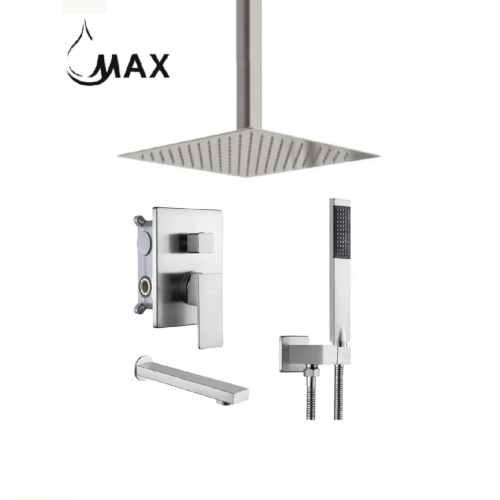
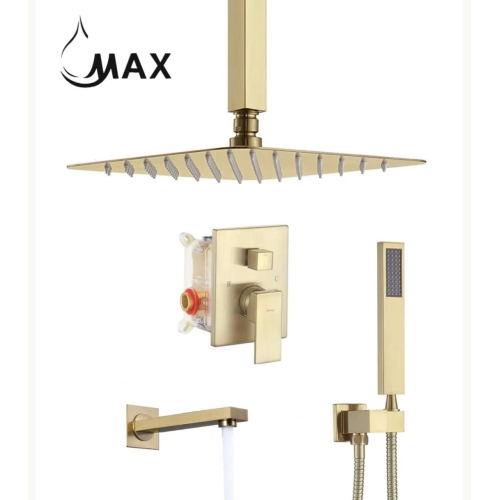
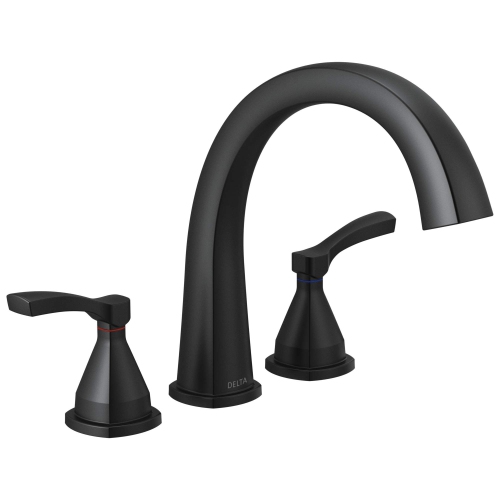
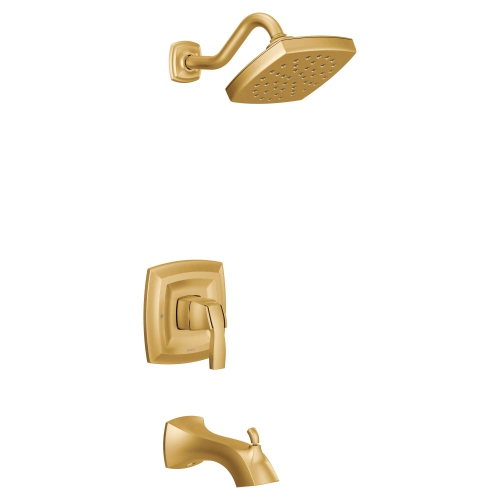
Tub faucet kits bring together the fittings that fill a bathtub and control its water flow, with configurations suited to built-in baths, tub-and-shower combinations, and freestanding tubs. The term can describe anything from a set of visible replacement fittings to a more complete assembly with a valve, so the included components matter as much as the appearance. A tub-and-shower kit commonly combines a bathtub spout, a control handle and faceplate, and a showerhead, sometimes with a shower arm and flange. A tub-only kit focuses on filling the bath and may include separate hot and cold handles or a single mixing control. Roman tub faucets typically mount on the tub rim or an adjacent deck, creating a coordinated arrangement of a spout, handles, and, in some configurations, a handheld shower. Clawfoot and other freestanding tubs may use tub-wall-mounted, deck-mounted, or floor-mounted fillers, depending on their construction and plumbing connections. These arrangements are not interchangeable without considering how the bathtub and water supply are set up. For a bathroom refresh that leaves the concealed plumbing in place, Tub Trim Kits focus on the visible fittings, although compatibility with the existing valve still needs to be confirmed. Trim generally refers to the exposed components rather than the rough-in valve that connects to the supply pipes. A description stating that a valve is included is therefore an important distinction, not simply a difference in terminology. Appearance also helps define the space: a low-profile spout and lever handle can sit neatly against a tiled alcove, while a taller deck-mounted filler can complement a deep soaking tub. Matching the finish and general shape to nearby sink faucets, towel bars, and shower fittings creates continuity without requiring every detail to be identical. The most suitable configuration balances that visual effect with the way the bath is used, whether it serves as a shared family tub, a compact tub-and-shower combination, or a dedicated place for a long soak.
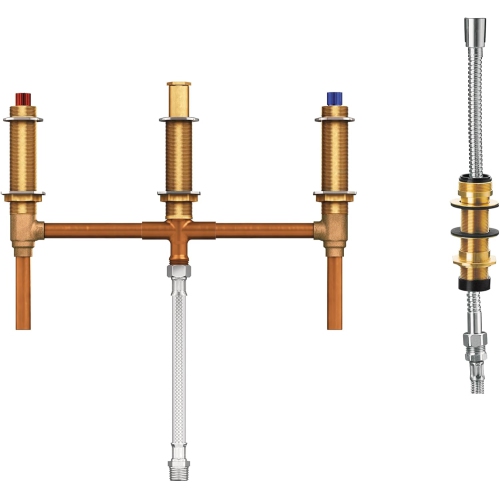
Fit begins with the mounting location, hole layout, and existing valve system. When replacing trim, matching the manufacturer alone is not enough: the valve series, model, and sometimes its age determine which handles, cartridges, and faceplates will work. A faceplate that looks similar or covers the same opening does not establish mechanical compatibility. Confirming the valve identification and the stated compatibility of the replacement trim can help distinguish a straightforward surface update from work that requires access behind the wall. Bathtub spouts also use different connections. A slip-fit spout commonly slides onto a smooth copper pipe and is secured with a set screw, while a threaded spout attaches to a threaded pipe connection. Pipe diameter, projection from the finished wall, and the connection position inside the spout all affect fit. For deck-mounted arrangements, the number of holes, their spacing, and the thickness of the mounting surface are equally important. An existing three-hole layout may not accommodate a separate handheld shower without another opening, and not every tub rim is suitable for drilling. Spout reach should carry the water comfortably past the inside edge of the bath rather than onto the rim; its outlet height also needs to meet the installation requirements for the fixture. On a freestanding tub, the filler must be positioned so the stream enters the basin cleanly while leaving room to step in, clean around the base, and operate the controls. Floor-mounted fillers require suitable support and compatible supply connections, making their placement particularly important during a renovation. Tub-and-shower combinations add another consideration: the diverter must route water between the intended outlets, whether its control sits on the spout or in a separate valve assembly. Pressure-balancing and thermostatic controls offer different approaches to managing water temperature, but their functions depend on the valve, not just the handle design. A qualified plumber can verify connections, required clearances, and applicable local requirements before installation, especially when the work involves concealed piping or a new mounting position.
Materials, finish quality, and serviceable internal parts all contribute to how tub faucet kits hold up to daily use. Brass is a common material for faucet bodies, while exposed fittings may combine metal and engineered plastic components. The visible finish does not necessarily indicate the material underneath, so construction details provide a clearer picture than appearance alone. Ceramic-disc cartridges are widely used for smooth control and a reliable seal, although their performance still depends on water conditions, correct installation, and ongoing care. Access to compatible replacement cartridges, seals, and diverter parts can make future maintenance less disruptive. Polished chrome offers a reflective look that pairs easily with many bathroom fittings, while brushed nickel has a softer sheen. Matte black creates a strong outline against pale tile, and bronze-toned finishes can complement traditional tubs and warmer colour palettes. Finish names are not standardized across manufacturers, so fittings with the same colour description may differ slightly in tone or texture. For everyday cleaning, a soft cloth and a mild cleaner approved by the manufacturer are generally preferable to abrasive pads or harsh chemicals. Wiping away splashes helps limit water spotting, and mineral deposits around the spout outlet or handheld shower nozzles should be treated according to the care instructions rather than scrubbed aggressively. Acidic cleaners, including vinegar, are not suitable for every finish. Practical details become especially noticeable in a busy bathroom: a lever handle may be easier to operate with wet hands than a small round knob, and clearly marked controls make a shared bath simpler to use. A handheld shower can help rinse hair, wash a child’s bath seat, or clean the far end of a deep tub, provided the hose reaches comfortably and has a secure resting place. Comfortable handle spacing, an accessible diverter, and a spout positioned clear of the usual entry point can all improve daily use. For homeowners updating worn fittings or planning a fuller bathroom renovation, a well-matched kit brings together reliable operation, manageable upkeep, and a finished appearance that suits the bath itself.
Fit begins with the mounting location, hole layout, and existing valve system. When replacing trim, matching the manufacturer alone is not enough: the valve series, model, and sometimes its age determine which handles, cartridges, and faceplates will work. A faceplate that looks similar or covers the same opening does not establish mechanical compatibility. Confirming the valve identification and the stated compatibility of the replacement trim can help distinguish a straightforward surface update from work that requires access behind the wall. Bathtub spouts also use different connections. A slip-fit spout commonly slides onto a smooth copper pipe and is secured with a set screw, while a threaded spout attaches to a threaded pipe connection. Pipe diameter, projection from the finished wall, and the connection position inside the spout all affect fit. For deck-mounted arrangements, the number of holes, their spacing, and the thickness of the mounting surface are equally important. An existing three-hole layout may not accommodate a separate handheld shower without another opening, and not every tub rim is suitable for drilling. Spout reach should carry the water comfortably past the inside edge of the bath rather than onto the rim; its outlet height also needs to meet the installation requirements for the fixture. On a freestanding tub, the filler must be positioned so the stream enters the basin cleanly while leaving room to step in, clean around the base, and operate the controls. Floor-mounted fillers require suitable support and compatible supply connections, making their placement particularly important during a renovation. Tub-and-shower combinations add another consideration: the diverter must route water between the intended outlets, whether its control sits on the spout or in a separate valve assembly. Pressure-balancing and thermostatic controls offer different approaches to managing water temperature, but their functions depend on the valve, not just the handle design. A qualified plumber can verify connections, required clearances, and applicable local requirements before installation, especially when the work involves concealed piping or a new mounting position.
Materials, finish quality, and serviceable internal parts all contribute to how tub faucet kits hold up to daily use. Brass is a common material for faucet bodies, while exposed fittings may combine metal and engineered plastic components. The visible finish does not necessarily indicate the material underneath, so construction details provide a clearer picture than appearance alone. Ceramic-disc cartridges are widely used for smooth control and a reliable seal, although their performance still depends on water conditions, correct installation, and ongoing care. Access to compatible replacement cartridges, seals, and diverter parts can make future maintenance less disruptive. Polished chrome offers a reflective look that pairs easily with many bathroom fittings, while brushed nickel has a softer sheen. Matte black creates a strong outline against pale tile, and bronze-toned finishes can complement traditional tubs and warmer colour palettes. Finish names are not standardized across manufacturers, so fittings with the same colour description may differ slightly in tone or texture. For everyday cleaning, a soft cloth and a mild cleaner approved by the manufacturer are generally preferable to abrasive pads or harsh chemicals. Wiping away splashes helps limit water spotting, and mineral deposits around the spout outlet or handheld shower nozzles should be treated according to the care instructions rather than scrubbed aggressively. Acidic cleaners, including vinegar, are not suitable for every finish. Practical details become especially noticeable in a busy bathroom: a lever handle may be easier to operate with wet hands than a small round knob, and clearly marked controls make a shared bath simpler to use. A handheld shower can help rinse hair, wash a child’s bath seat, or clean the far end of a deep tub, provided the hose reaches comfortably and has a secure resting place. Comfortable handle spacing, an accessible diverter, and a spout positioned clear of the usual entry point can all improve daily use. For homeowners updating worn fittings or planning a fuller bathroom renovation, a well-matched kit brings together reliable operation, manageable upkeep, and a finished appearance that suits the bath itself.
Top selling and popular products
-
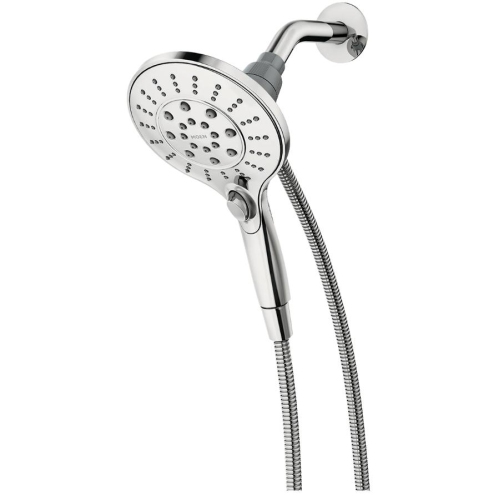 Your price for this item is $147.23
 -
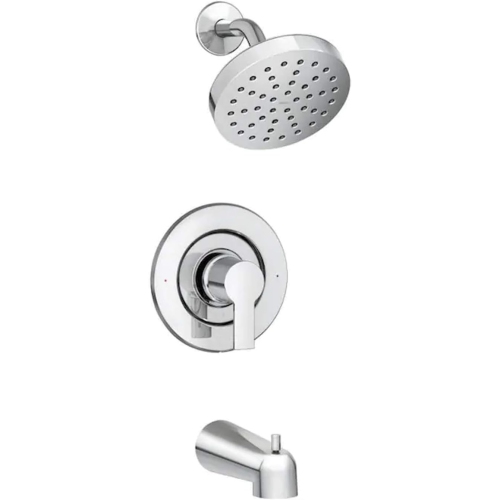 Your price for this item is $236.55
 -
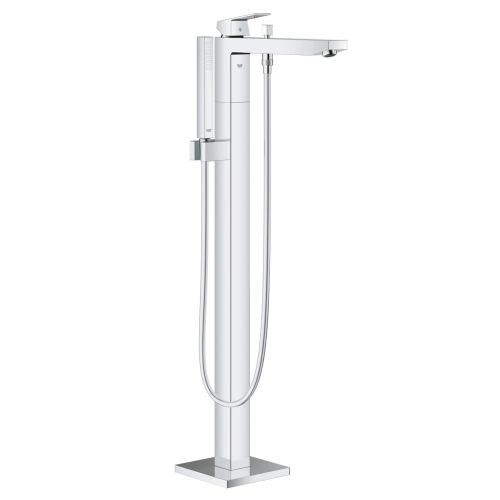 Your price for this item is $1804.05
 -
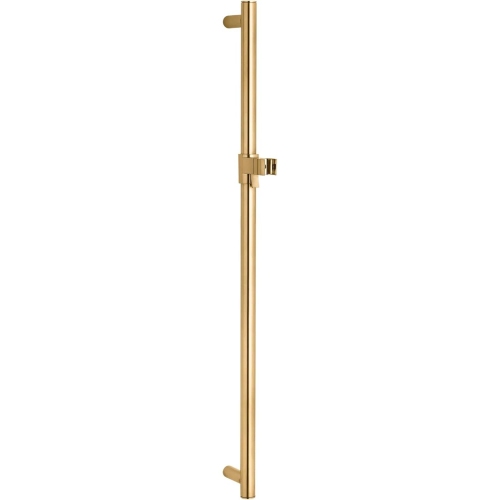 Your price for this item is $284.05
 -
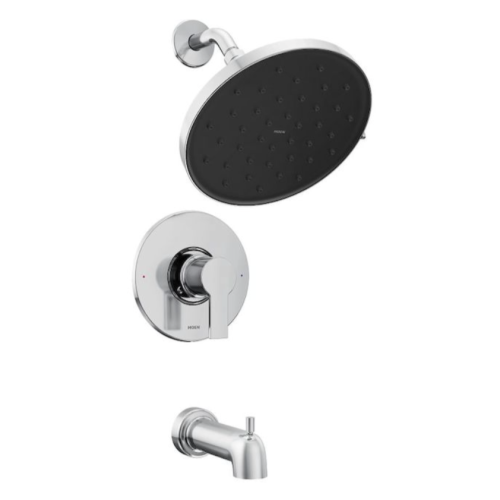 Your price for this item is $199.99
 -
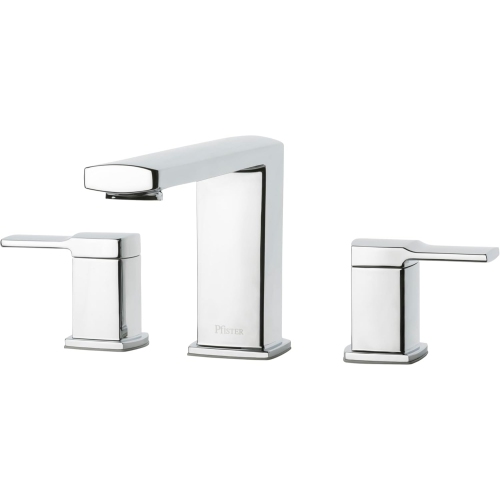 Your price for this item is $379.05
 -
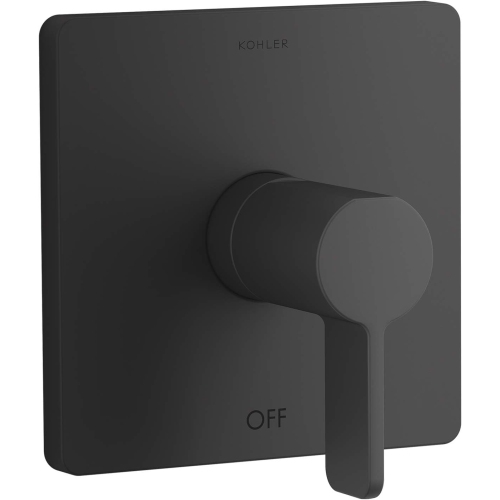 Your price for this item is $455.05
 -
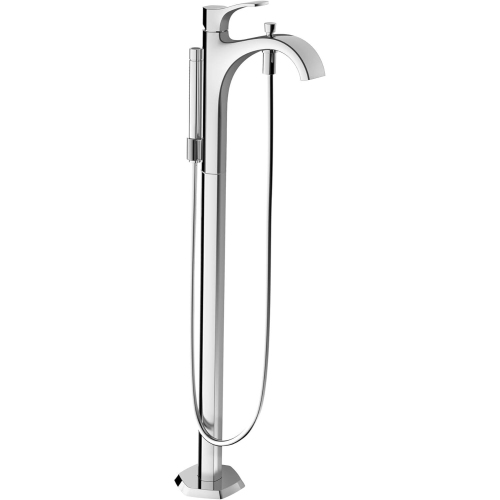 Your price for this item is $1895.25
Discover more categories related to Tub Faucet Kits
Top Collections:
Pokemon Centers, Kindle Devices, Best Budget Office Chairs, Apple iPhones 16, Best Laptops for Writers, iPhone 15 Apple, Canon G7X Cameras, Refurbished Apple Laptops, Alarm Clock, Motorola Razr Phones
Some products may be subject to Environmental Handling Fees
(EHF) depending on your province.
Learn more about EHFs.