Twin Frames
Transform your living space with the perfect twin frames that effortlessly blend style and functionality. Whether you're looking to showcase cherished memories, create a cohesive gallery wall, or add a touch of elegance to your home decor, twin frames offer a versatile solution. With a variety of designs, materials, and finishes available, you can easily find the perfect match for any room's aesthetic. Explore options that suit both contemporary and traditional settings, and enjoy the convenience of displaying two photos side by side. Elevate your interior design game with twin frames that reflect your personal taste and style.
Sort


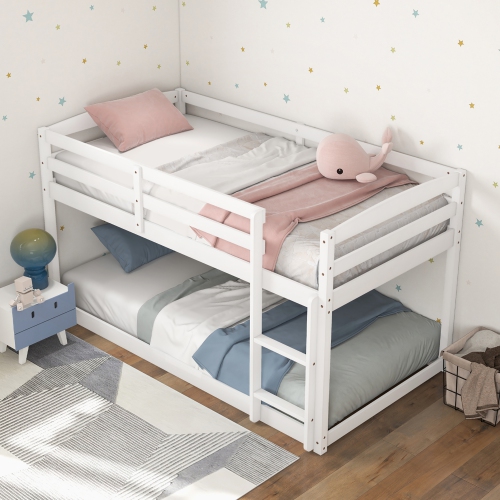
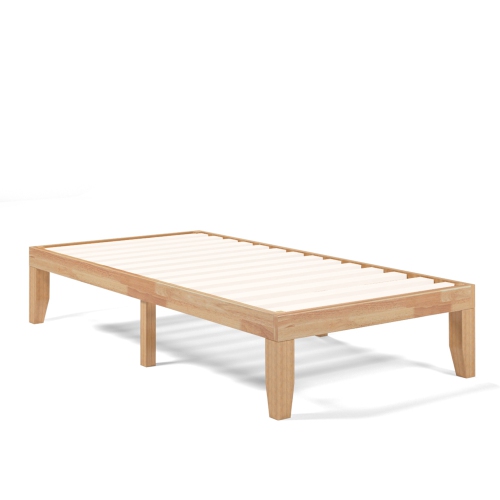
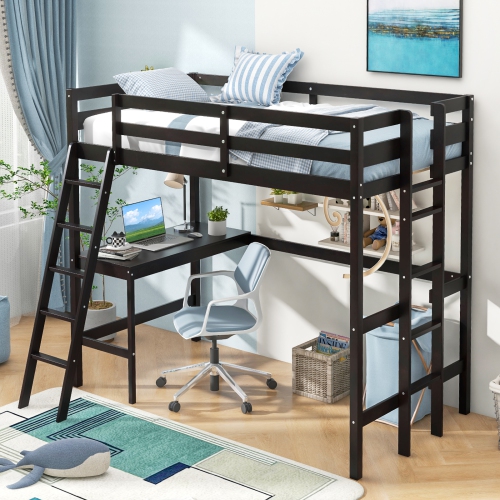
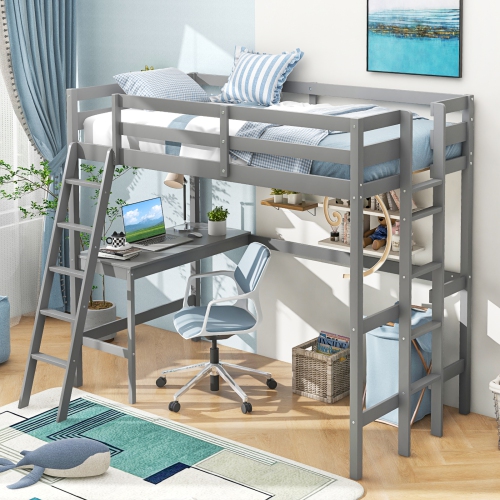
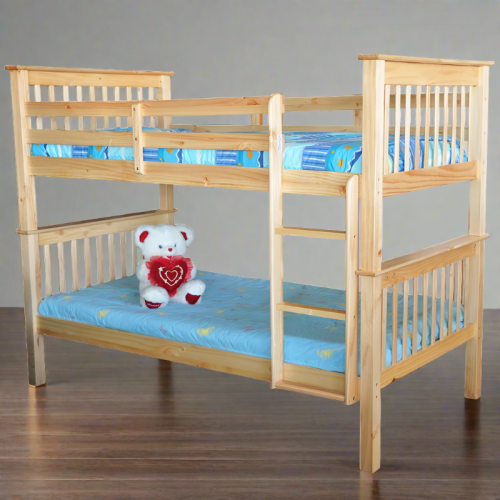
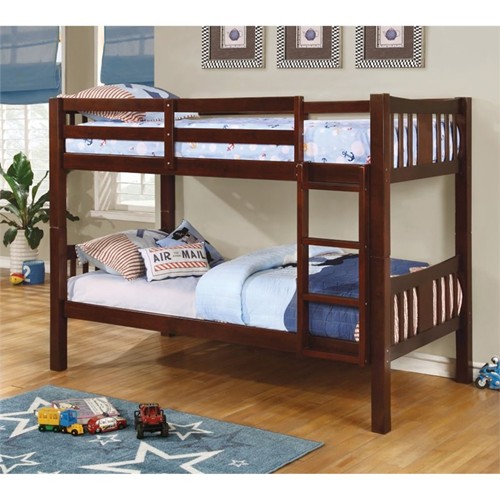
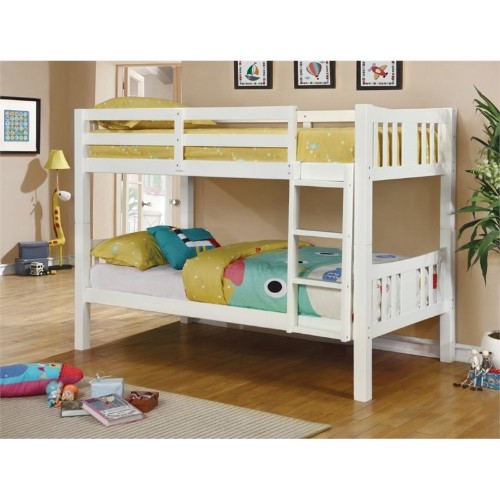
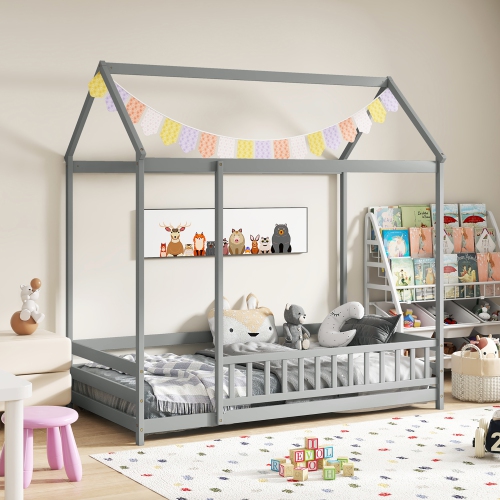
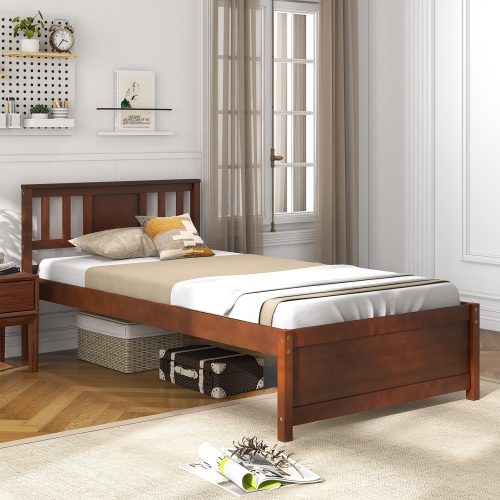
A small bed’s footprint goes beyond the mattress
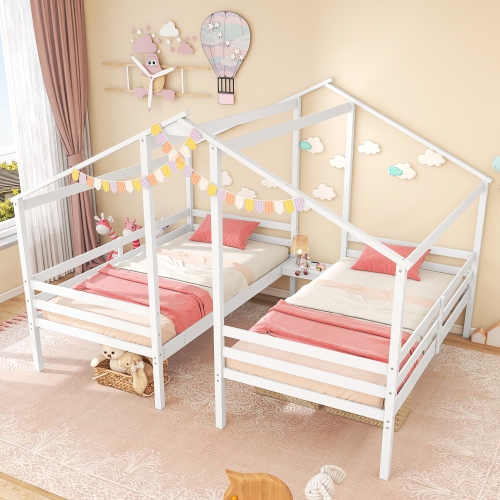
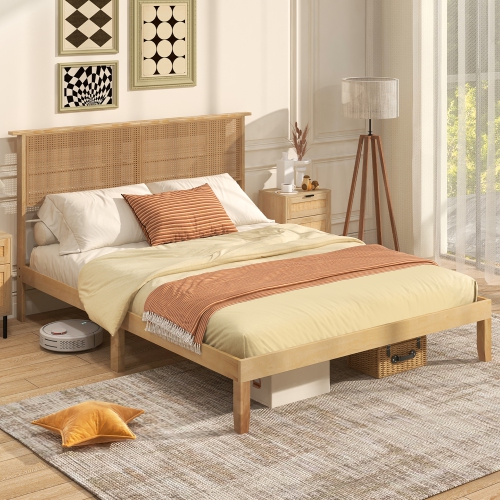
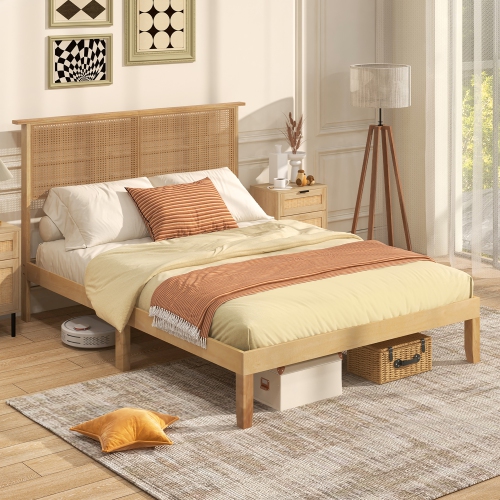
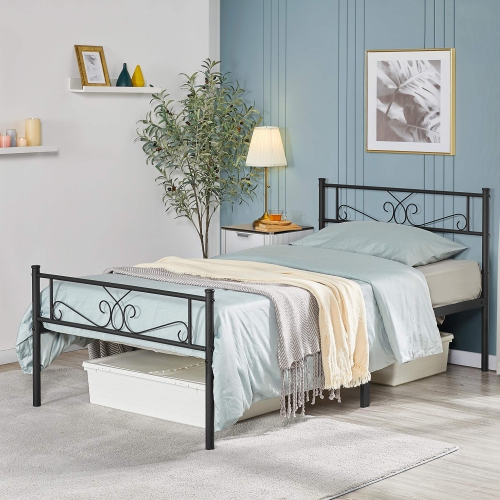
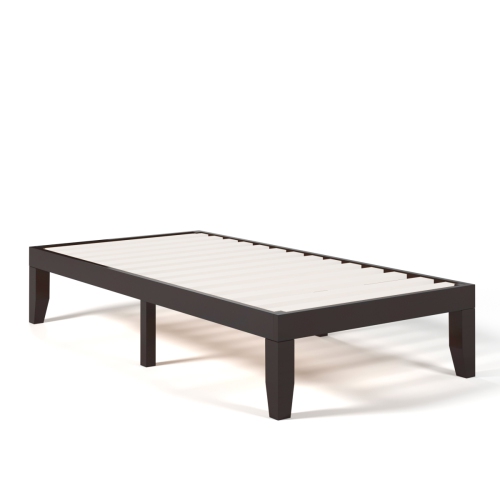
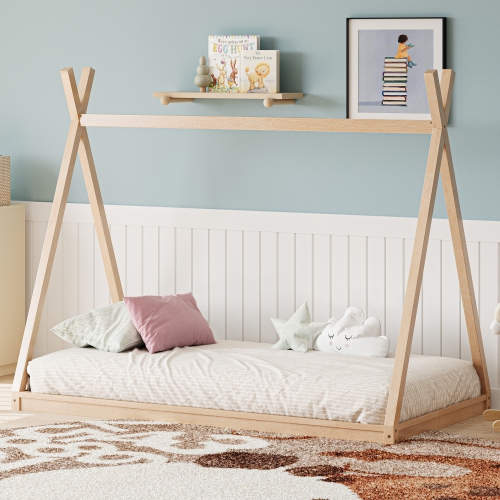
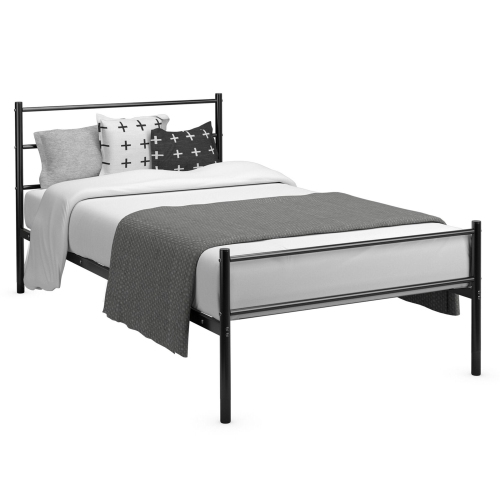
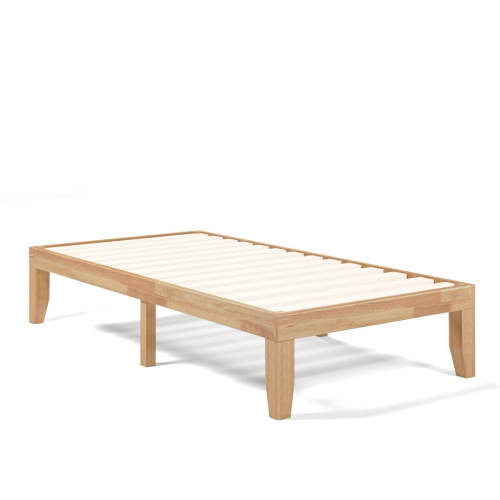
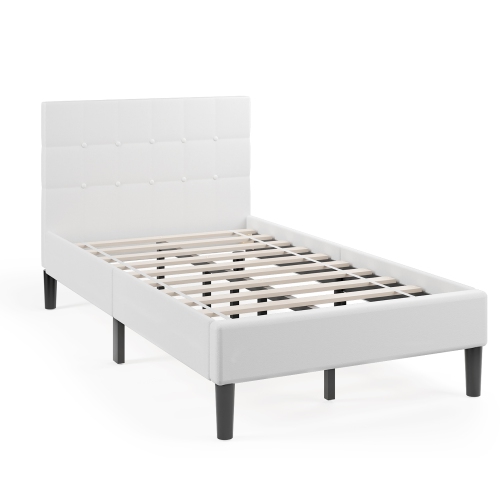
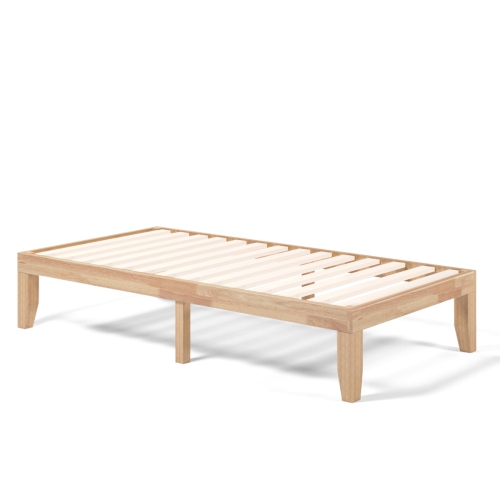
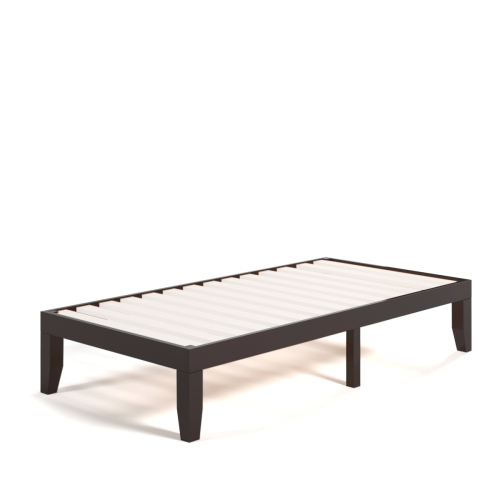
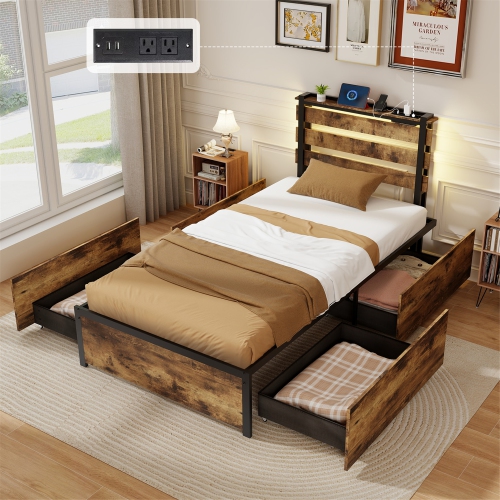
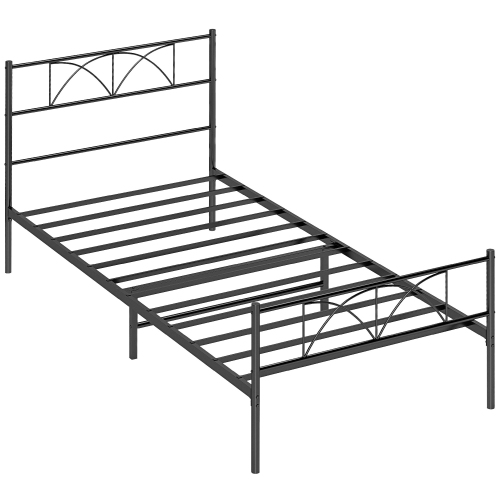
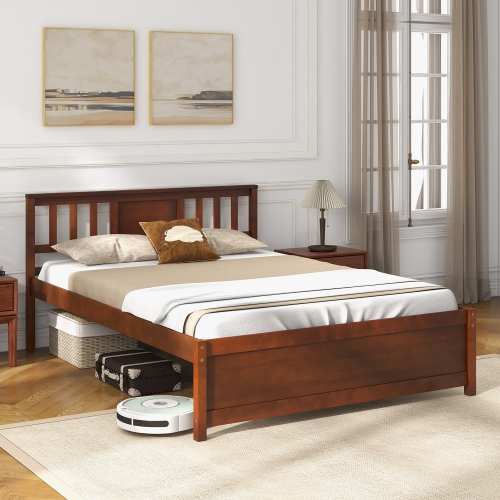
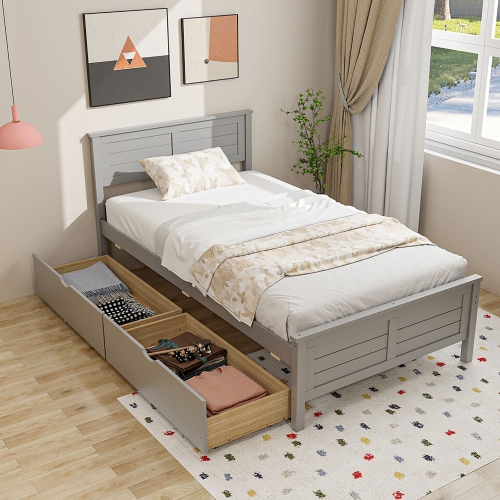
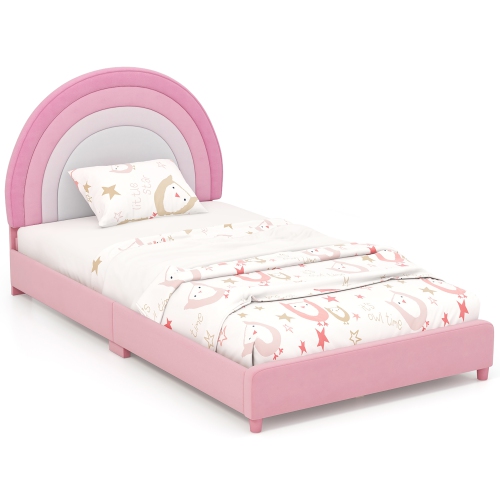
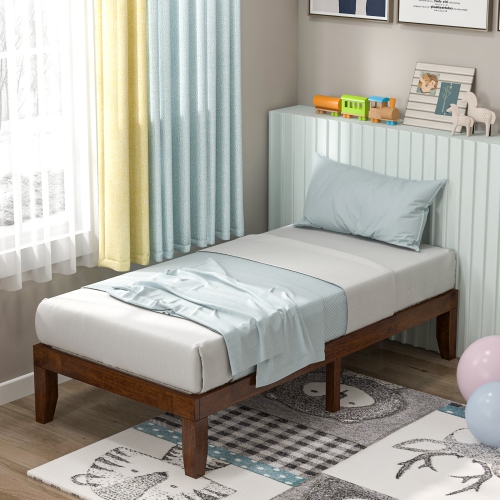
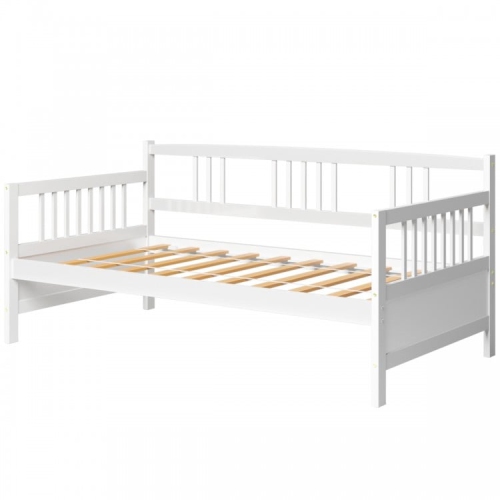
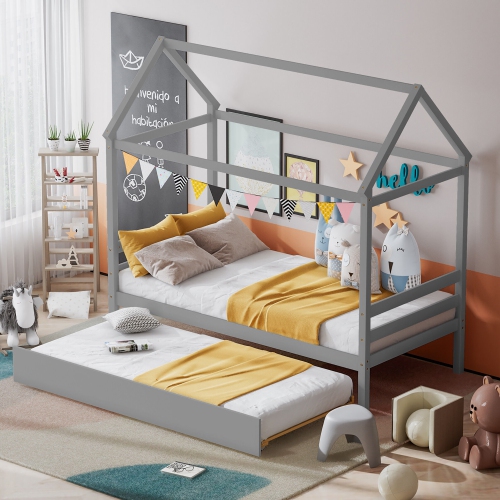
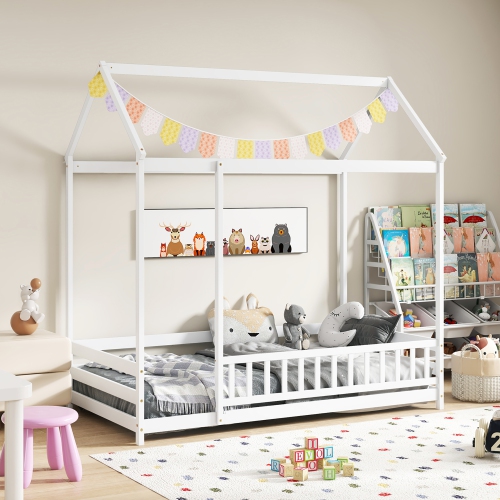
Twin frames give a single bed its structure and help shape how a bedroom looks, feels, and functions. Their compact footprint makes them a practical fit for children’s rooms, teen bedrooms, guest spaces, and smaller homes where floor space needs to work hard. A twin mattress typically measures about 38 inches wide by 75 inches long, but the frame’s outer dimensions can be larger, especially with a substantial headboard, upholstered sides, or an extended footboard. That difference matters beside a closet door, beneath a window, or along a narrow wall where every inch affects movement. A well-proportioned frame leaves room to walk around the bed, reach a bedside table, and open nearby drawers without squeezing past furniture. Standard twin and twin XL are different sizes: a twin XL mattress is typically about 80 inches long and needs a frame designed for that length. For a growing child or an adult sleeper, that extra length may be useful, while a standard twin can suit a room with less space from wall to wall. The mattress size alone does not establish who can safely use a frame; the stated weight capacity, support design, and intended age range also matter. In a shared bedroom, two matching twin frames can give each sleeper a distinct space while keeping the room visually balanced. In a guest room, a single twin can leave space for a desk or reading chair, allowing the room to serve more than one purpose. A lower frame may make getting into bed easier for some sleepers, while a taller design can create useful clearance underneath. The finished bed height depends on the frame, any required foundation, and the mattress together, so those measurements are most useful when considered as a whole. Even details such as a projecting corner or a tall footboard can affect comfort in a compact room, particularly where the route from the doorway passes close to the bed.
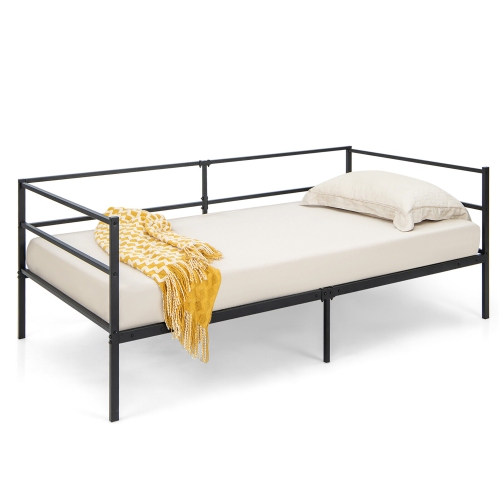
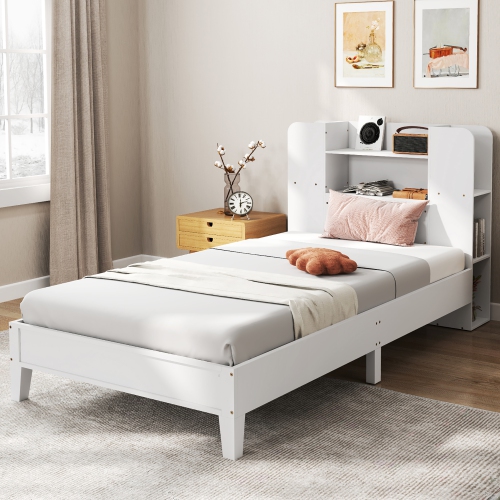
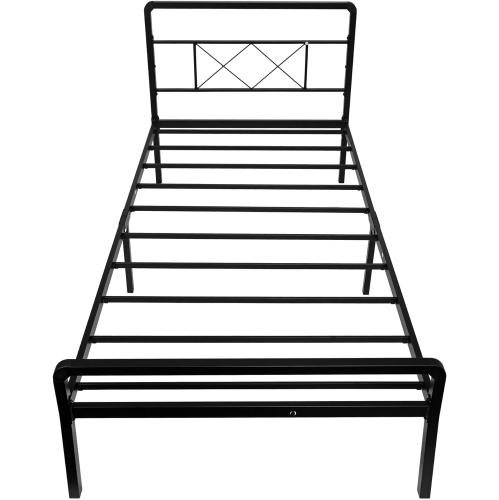
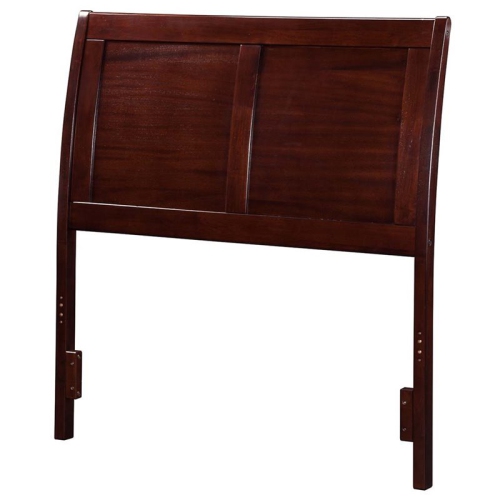
Materials and construction influence both the appearance of twin frames and the way they stand up to everyday use. Solid wood brings natural grain and a substantial feel, with finishes that range from pale and understated to deep and traditional. Engineered wood can provide smooth, consistent surfaces and distinctive shapes, though its resistance to wear depends on the material, finish, and quality of the connections. Metal frames often have a slimmer profile, with rails and legs that leave more of the surrounding room visible. Upholstered frames add softness through woven fabric, textured coverings, or padded panels, creating a comfortable-looking backdrop for pillows and bedding. Each material has its own care needs. Wood and finished surfaces generally benefit from gentle cleaning and prompt attention to spills, while fabric may need regular vacuuming with a suitable attachment and spot treatment according to its care directions. Metal joints and fasteners may need occasional checking, particularly after a move or when the bed has been taken apart. Durable construction is about more than the most visible material: secure corner connections, properly fitted hardware, sturdy legs, and a support system matched to the mattress all play a part. Some twin frames use slats and are designed to support a mattress directly; others require a compatible box spring or foundation. Slat spacing is especially important because mattress manufacturers may specify how closely the supports must sit to maintain proper support and warranty coverage. A mattress that fits neatly inside the frame still needs the correct base underneath it. Headboards also serve different purposes. A padded surface can be pleasant behind someone reading in bed, while an open metal or wood design may suit a lighter visual style. The headboard’s height relative to the mattress determines how much remains visible once pillows are in place. For a room built around simple shapes and restrained details, Contemporary Twin Bed Frames bring the focus to clean lines that sit comfortably alongside a range of bedding styles and bedroom furniture.
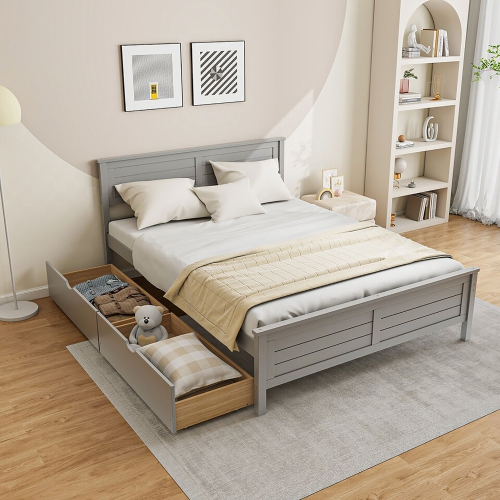
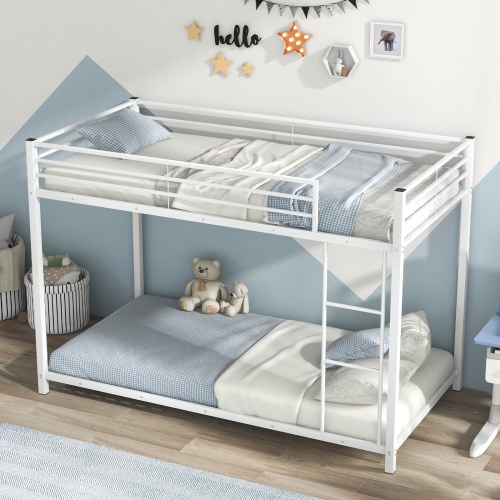
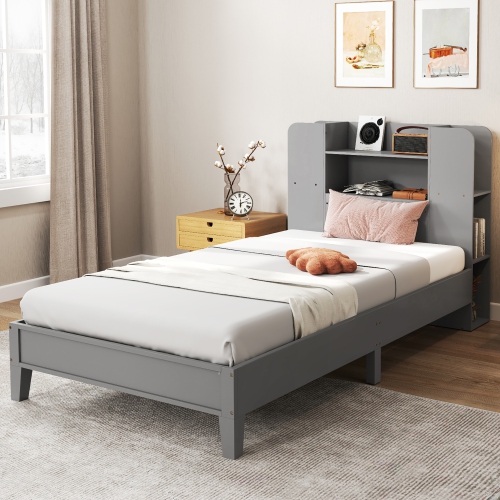
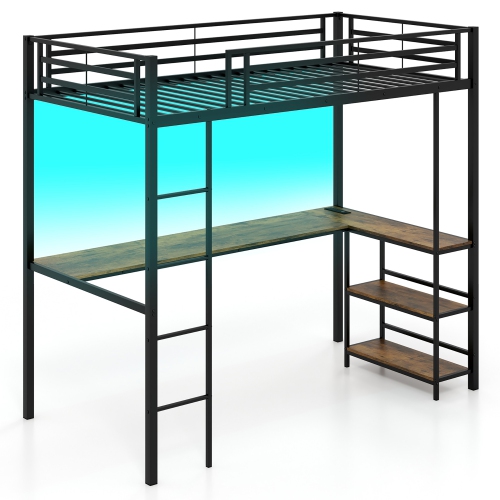
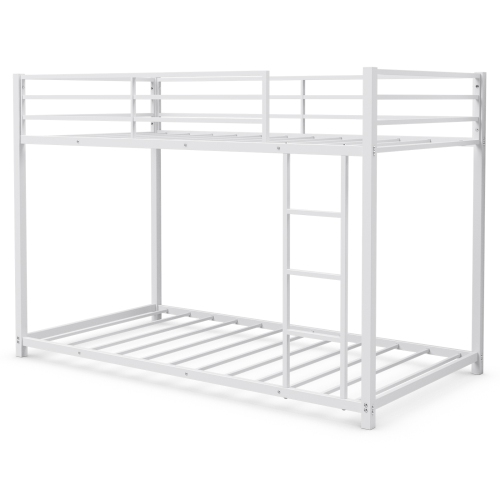
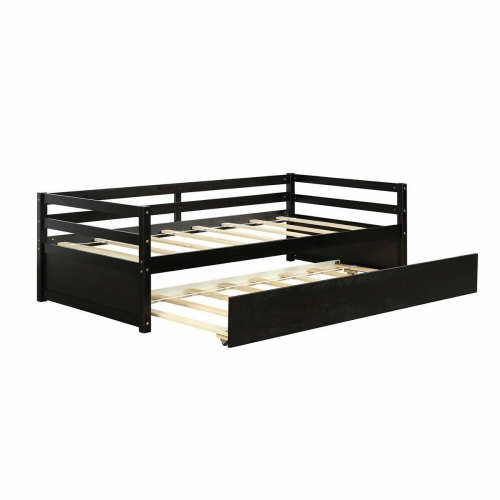
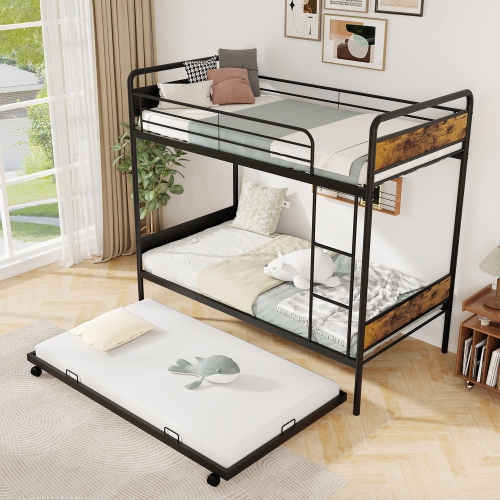
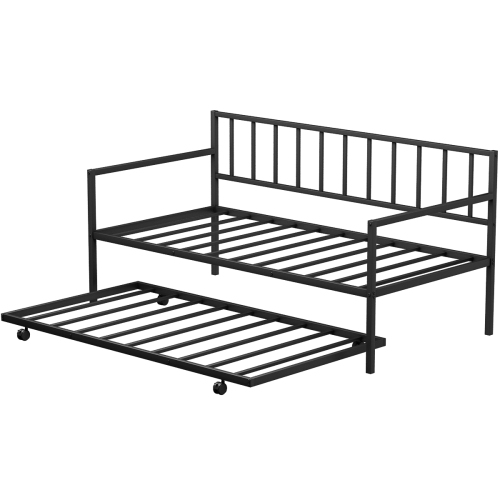
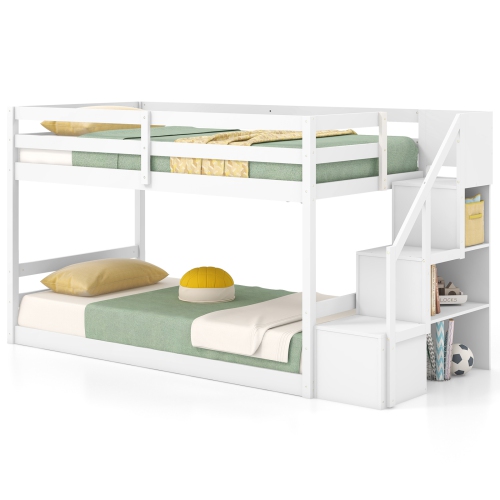
Storage and everyday routines often determine which frame layout feels most useful over time. Open space beneath a twin bed can hold low-profile bins for spare sheets, out-of-season clothing, or toys, provided the clearance accommodates both the container and the hand space needed to pull it out. Built-in drawers offer a more enclosed arrangement, but they need enough room to extend fully without hitting a nightstand, rug edge, or neighbouring bed. A trundle creates an additional sleeping surface for occasional overnight guests, although its mattress height limit and the space needed to roll it out are important parts of the fit. Storage drawers and trundles can occupy the same under-bed area, so the frame’s layout determines which function it provides. For children’s rooms, rounded edges, stable construction, and an age-appropriate height deserve particular attention; a standard twin frame should not be assumed suitable for a toddler simply because the mattress is small. Bunk and loft designs involve additional requirements for guardrails, mattress thickness, ceiling clearance, and age suitability, making their stated safety specifications essential. In any bedroom, delivery access and assembly can be just as relevant as the finished dimensions. Narrow stairs, tight landings, and small doorways affect how larger headboard panels reach the room, while flat-packed designs need clear floor space during setup. Once assembled, a frame should sit level, with its supports positioned as directed and its fittings secured according to the assembly instructions. Protective pads suited to the flooring can help limit marks, and enough access around the sides makes changing sheets and cleaning less awkward. Style matters most when it works with these daily details. A simple frame can remain useful as a child’s favourite colours change, while a more substantial headboard can give a guest bed a settled, welcoming presence. For a student moving into a smaller room or a family furnishing a shared space, a twin frame offers a straightforward foundation for comfortable sleep without demanding the footprint of a larger bed.
Materials and construction influence both the appearance of twin frames and the way they stand up to everyday use. Solid wood brings natural grain and a substantial feel, with finishes that range from pale and understated to deep and traditional. Engineered wood can provide smooth, consistent surfaces and distinctive shapes, though its resistance to wear depends on the material, finish, and quality of the connections. Metal frames often have a slimmer profile, with rails and legs that leave more of the surrounding room visible. Upholstered frames add softness through woven fabric, textured coverings, or padded panels, creating a comfortable-looking backdrop for pillows and bedding. Each material has its own care needs. Wood and finished surfaces generally benefit from gentle cleaning and prompt attention to spills, while fabric may need regular vacuuming with a suitable attachment and spot treatment according to its care directions. Metal joints and fasteners may need occasional checking, particularly after a move or when the bed has been taken apart. Durable construction is about more than the most visible material: secure corner connections, properly fitted hardware, sturdy legs, and a support system matched to the mattress all play a part. Some twin frames use slats and are designed to support a mattress directly; others require a compatible box spring or foundation. Slat spacing is especially important because mattress manufacturers may specify how closely the supports must sit to maintain proper support and warranty coverage. A mattress that fits neatly inside the frame still needs the correct base underneath it. Headboards also serve different purposes. A padded surface can be pleasant behind someone reading in bed, while an open metal or wood design may suit a lighter visual style. The headboard’s height relative to the mattress determines how much remains visible once pillows are in place. For a room built around simple shapes and restrained details, Contemporary Twin Bed Frames bring the focus to clean lines that sit comfortably alongside a range of bedding styles and bedroom furniture.
Storage and everyday routines often determine which frame layout feels most useful over time. Open space beneath a twin bed can hold low-profile bins for spare sheets, out-of-season clothing, or toys, provided the clearance accommodates both the container and the hand space needed to pull it out. Built-in drawers offer a more enclosed arrangement, but they need enough room to extend fully without hitting a nightstand, rug edge, or neighbouring bed. A trundle creates an additional sleeping surface for occasional overnight guests, although its mattress height limit and the space needed to roll it out are important parts of the fit. Storage drawers and trundles can occupy the same under-bed area, so the frame’s layout determines which function it provides. For children’s rooms, rounded edges, stable construction, and an age-appropriate height deserve particular attention; a standard twin frame should not be assumed suitable for a toddler simply because the mattress is small. Bunk and loft designs involve additional requirements for guardrails, mattress thickness, ceiling clearance, and age suitability, making their stated safety specifications essential. In any bedroom, delivery access and assembly can be just as relevant as the finished dimensions. Narrow stairs, tight landings, and small doorways affect how larger headboard panels reach the room, while flat-packed designs need clear floor space during setup. Once assembled, a frame should sit level, with its supports positioned as directed and its fittings secured according to the assembly instructions. Protective pads suited to the flooring can help limit marks, and enough access around the sides makes changing sheets and cleaning less awkward. Style matters most when it works with these daily details. A simple frame can remain useful as a child’s favourite colours change, while a more substantial headboard can give a guest bed a settled, welcoming presence. For a student moving into a smaller room or a family furnishing a shared space, a twin frame offers a straightforward foundation for comfortable sleep without demanding the footprint of a larger bed.
Top selling and popular products
-
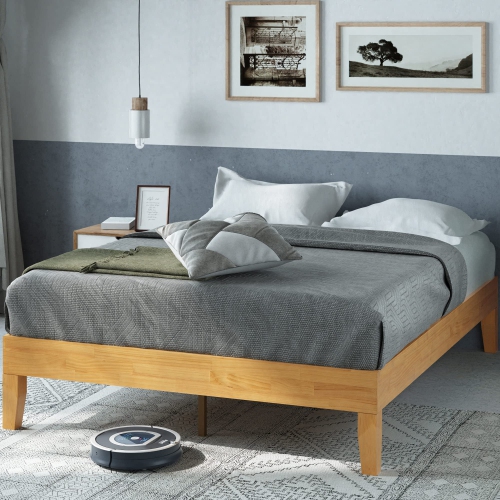 Your price for this item is $493.52
 -
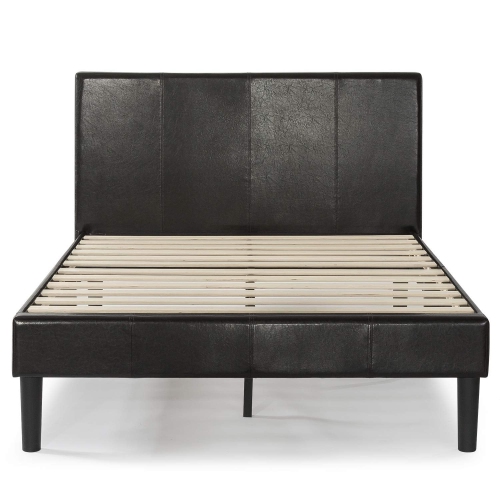 Your price for this item is $611.85
 -
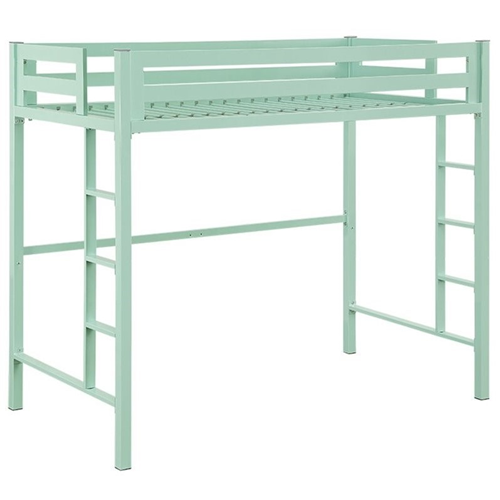 Your price for this item is $824.18
 -
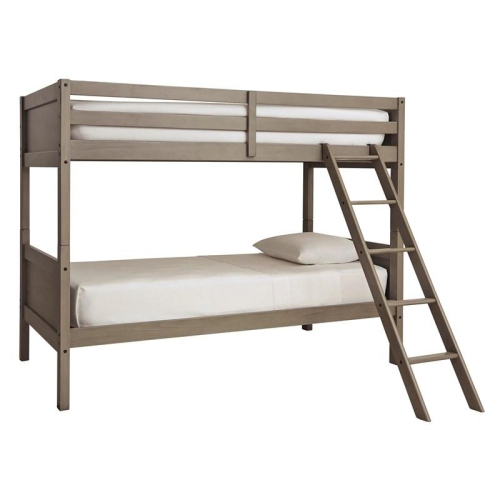 Your price for this item is $799.99
 -
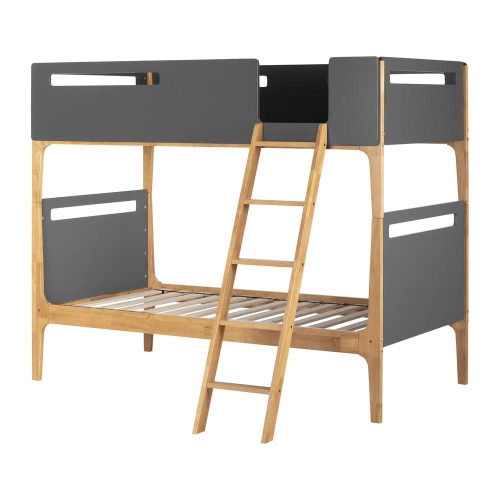 Your price for this item is $985.42
 -
 Your price for this item is $157.99
 -
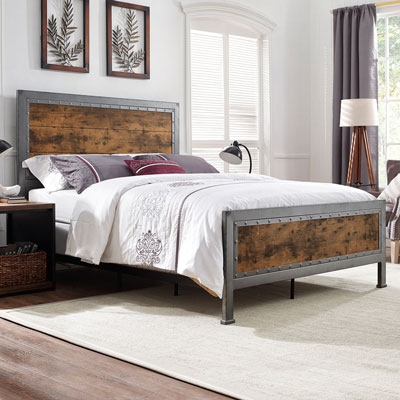 Your price for this item is $862.99
 -
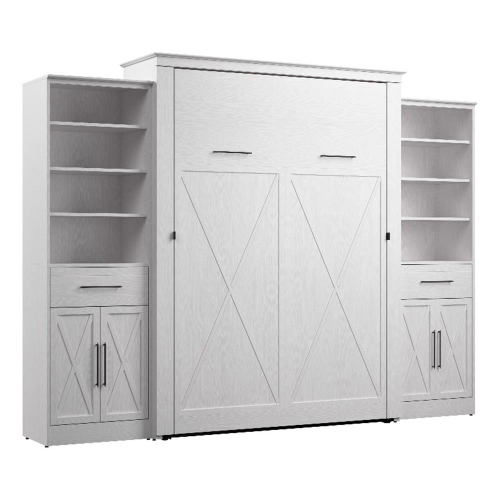 Your price for this item is $3519.99
Discover more categories related to Twin Frames


Top Collections:
Pokemon Centers, Kindle Devices, Best Budget Office Chairs, Apple iPhones 16, Best Laptops for Writers, iPhone 15 Apple, Canon G7X Cameras, Refurbished Apple Laptops, Alarm Clock, Motorola Razr Phones
Some products may be subject to Environmental Handling Fees
(EHF) depending on your province.
Learn more about EHFs.