Two Tier Dish Racks
Organize your kitchen space efficiently with this selection of wwo tier dish racks. These versatile racks are designed to maximize storage capacity while keeping your dishes and utensils easily accessible. Say goodbye to cluttered countertops and hello to a more organized and functional kitchen. Whether you have a small apartment or a spacious kitchen, these dish racks are the perfect solution for drying and storing your dishes in style.
Sort
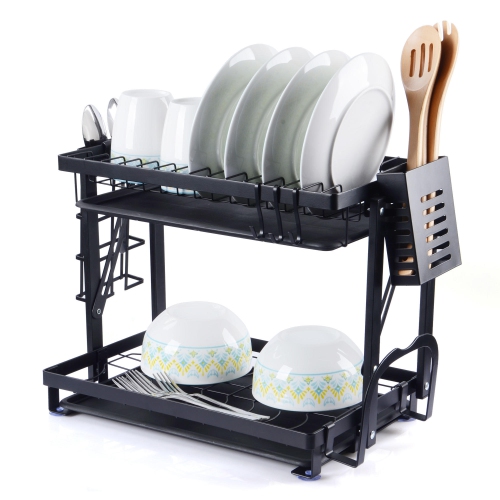
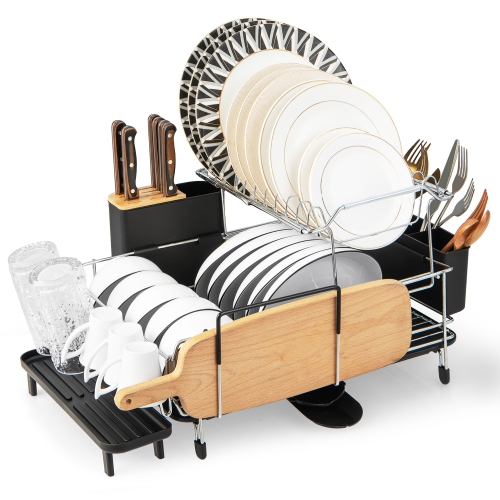
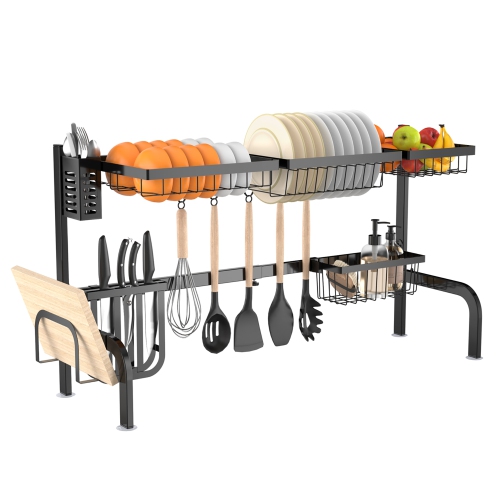
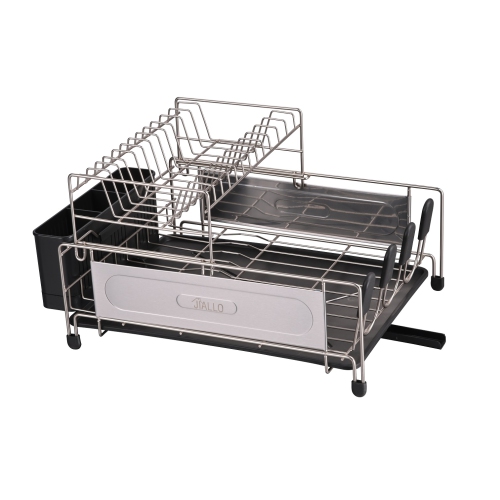
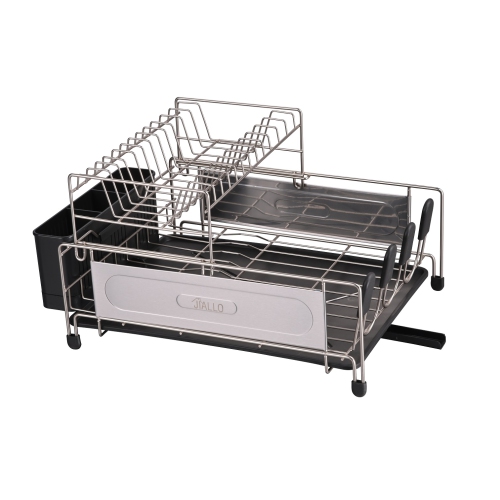
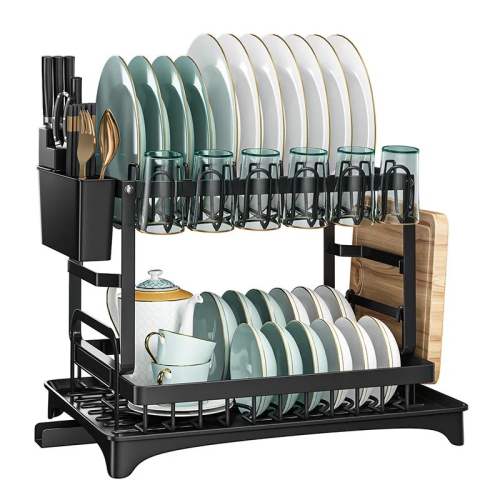
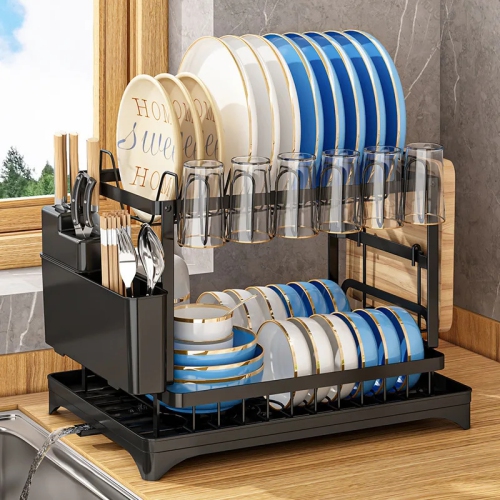
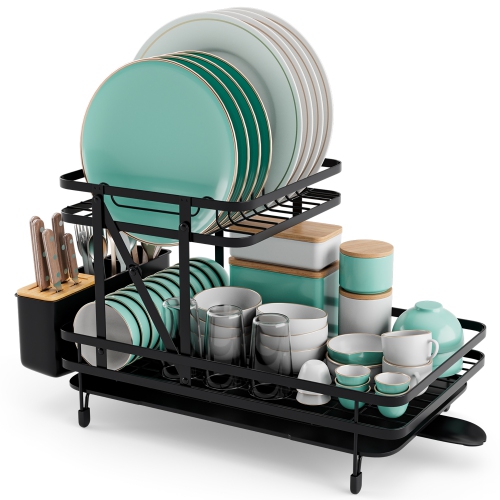
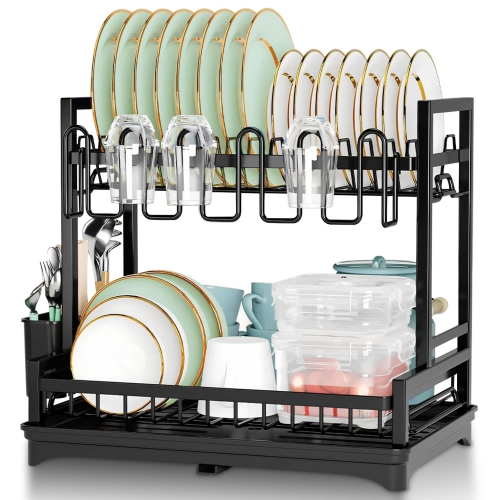
Vertical storage adds capacity while improving dish drainage
Two tier dish racks are a practical way to make better use of limited counter space while keeping plates, bowls, glasses, cutlery, and cookware organized as they dry. Instead of spreading dishes across a wide surface, a two-level design uses vertical space to provide room for a larger load within a similar footprint to a conventional dish rack. This can be especially helpful in apartments, condos, basement kitchens, shared homes, cottages, and any kitchen where counter space is at a premium. The upper tier is commonly suited to plates, bowls, or smaller dishes, while the lower level can hold mugs, glasses, pans, or larger items that need extra clearance. Keeping dishes raised and separated also allows air to circulate around them, helping water drain away after hand-washing and making it easier to see what has already dried. For shoppers comparing Dish Drying Racks, a two tier format offers a useful balance of capacity and compact organization. It can be a thoughtful housewarming gift for someone setting up a first kitchen, a practical addition to a student residence, or a helpful choice for anyone who regularly washes dishes by hand. Families may appreciate the extra room after shared meals, while solo cooks can use the separate levels to keep delicate glassware apart from heavier plates and cookware. During the warmer months, it can help manage the extra dishes that come with patio meals and visitors, while during the cooler months it keeps a busy sink area orderly when more meals are prepared indoors.
When choosing a two tier dish rack, begin by considering the available counter area and the dimensions of the sink. Measure the width, depth, and height of the intended spot, including the space needed to open nearby cupboards or lift a tap handle. The rack should sit securely without blocking the sink, taking over the full workspace, or leaving dishes close enough to bump into surrounding cabinets. Capacity matters as well: a compact model may suit one or two people, while a larger household may benefit from wider tiers and a sturdier frame that can support a full set of dinnerware. Look for layouts that match the dishes used most often. Plate slots can keep dishes upright and reduce leaning, raised shelves can create room for bowls and cups, and side attachments may provide dedicated storage for cutlery, mugs, glasses, cutting boards, or kitchen utensils. A removable utensil holder is convenient when cutlery needs to be carried directly to a drawer, while separate compartments can help prevent small items from collecting in one corner. Adjustable or collapsible features are useful in kitchens where the rack is not needed all day, since the unit can be repositioned or folded for storage after dishes have dried. A sturdy construction is also important, particularly when the upper level will carry heavier ceramic plates or when the rack is moved frequently. Smooth surfaces and rounded edges make loading and unloading more comfortable, and a stable base helps prevent wobbling when dishes are placed on one side before the other.
Drainage is one of the most important details in a two tier dish rack because collected water can leave a counter damp and create extra cleanup. Integrated drip trays are designed to catch water beneath the dishes, while drainage channels or spouts can direct it toward the sink. Some models include swivelling or rotatable spouts, allowing the outlet to be positioned according to the rack’s location and the direction of the counter. This flexibility is particularly useful when the rack sits beside the sink rather than directly over it. Check whether the tray and drainage components are removable, as this makes it easier to empty standing water and clean away soap residue or food particles. Rust-resistant materials are another useful consideration for an item that is regularly exposed to water, although every rack benefits from routine care. Wipe away excess moisture, rinse removable parts, and allow the rack to dry fully when possible. Before loading, place heavier items on the lower level or in the areas intended for added support, then use the upper tier for lighter dishes. Leave enough space between pieces for airflow, and keep fragile glassware where it is less likely to be knocked by larger cookware. A well-organized two tier dish rack can make a familiar kitchen routine feel calmer: plates stand neatly in rows, cutlery has a designated place, and water moves away from the counter instead of forming a puddle beneath the dishes. With the right size, drainage design, storage features, and overall stability, it can provide dependable everyday support for hand-washing dishes in kitchens of many shapes and sizes.
When choosing a two tier dish rack, begin by considering the available counter area and the dimensions of the sink. Measure the width, depth, and height of the intended spot, including the space needed to open nearby cupboards or lift a tap handle. The rack should sit securely without blocking the sink, taking over the full workspace, or leaving dishes close enough to bump into surrounding cabinets. Capacity matters as well: a compact model may suit one or two people, while a larger household may benefit from wider tiers and a sturdier frame that can support a full set of dinnerware. Look for layouts that match the dishes used most often. Plate slots can keep dishes upright and reduce leaning, raised shelves can create room for bowls and cups, and side attachments may provide dedicated storage for cutlery, mugs, glasses, cutting boards, or kitchen utensils. A removable utensil holder is convenient when cutlery needs to be carried directly to a drawer, while separate compartments can help prevent small items from collecting in one corner. Adjustable or collapsible features are useful in kitchens where the rack is not needed all day, since the unit can be repositioned or folded for storage after dishes have dried. A sturdy construction is also important, particularly when the upper level will carry heavier ceramic plates or when the rack is moved frequently. Smooth surfaces and rounded edges make loading and unloading more comfortable, and a stable base helps prevent wobbling when dishes are placed on one side before the other.
Drainage is one of the most important details in a two tier dish rack because collected water can leave a counter damp and create extra cleanup. Integrated drip trays are designed to catch water beneath the dishes, while drainage channels or spouts can direct it toward the sink. Some models include swivelling or rotatable spouts, allowing the outlet to be positioned according to the rack’s location and the direction of the counter. This flexibility is particularly useful when the rack sits beside the sink rather than directly over it. Check whether the tray and drainage components are removable, as this makes it easier to empty standing water and clean away soap residue or food particles. Rust-resistant materials are another useful consideration for an item that is regularly exposed to water, although every rack benefits from routine care. Wipe away excess moisture, rinse removable parts, and allow the rack to dry fully when possible. Before loading, place heavier items on the lower level or in the areas intended for added support, then use the upper tier for lighter dishes. Leave enough space between pieces for airflow, and keep fragile glassware where it is less likely to be knocked by larger cookware. A well-organized two tier dish rack can make a familiar kitchen routine feel calmer: plates stand neatly in rows, cutlery has a designated place, and water moves away from the counter instead of forming a puddle beneath the dishes. With the right size, drainage design, storage features, and overall stability, it can provide dependable everyday support for hand-washing dishes in kitchens of many shapes and sizes.
Top selling and popular products
-
 Your price for this item is $69.95
 -
 Your price for this item is $130
 -
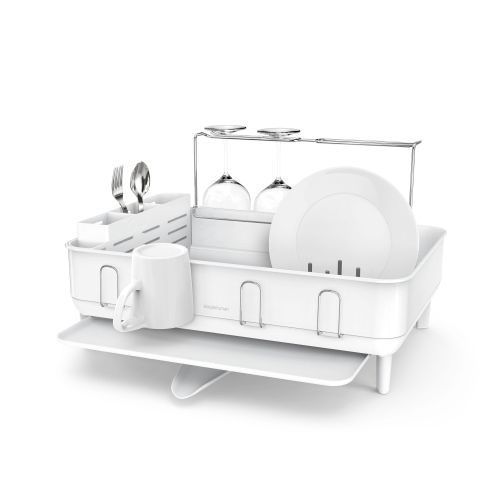 Your price for this item is $150
 -
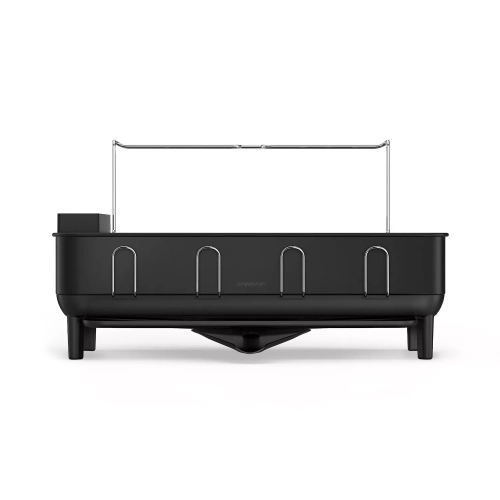 Your price for this item is $150
 -
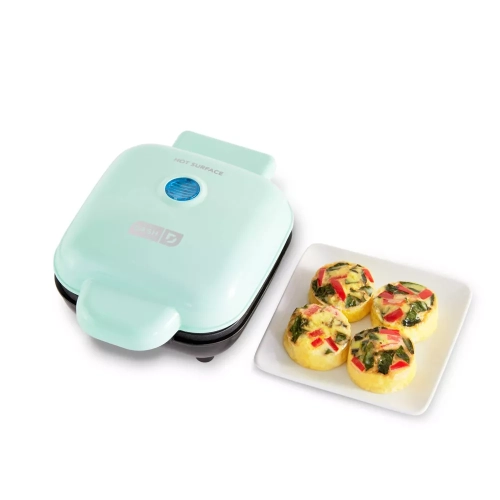 Your price for this item is $119.89
 -
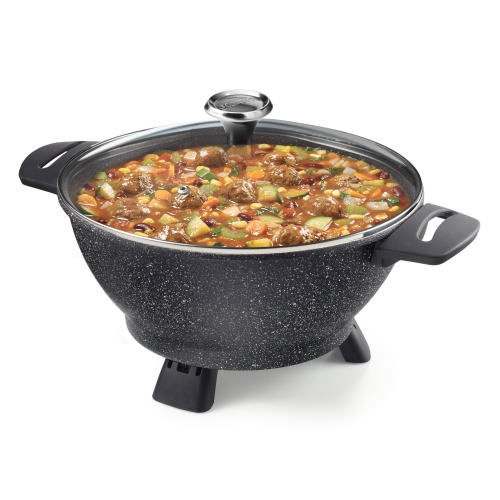 Your price for this item is $79.99
 -
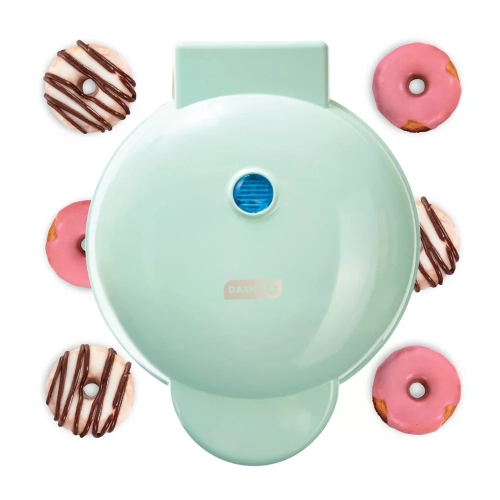 Your price for this item is $95.91
 -
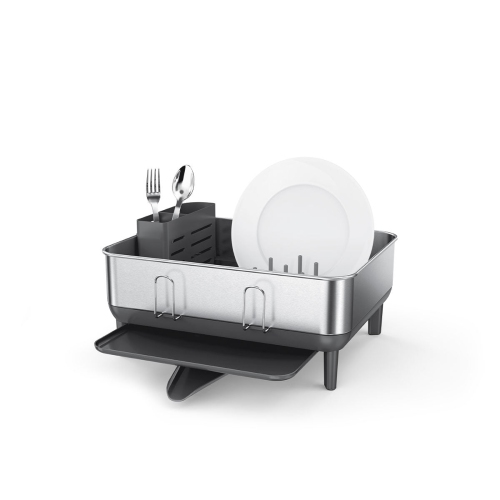 Your price for this item is $100
Discover more categories related to Two Tier Dish Racks
Top Collections:
Pokemon Centers, Kindle Devices, Best Budget Office Chairs, Apple iPhones 16, Canon G7X Cameras, iPhone 15 Apple, Alarm Clock, Refurbished Apple Laptops, Flip Phones, Best Laptops for Writers
Some products may be subject to Environmental Handling Fees
(EHF) depending on your province.
Learn more about EHFs.