Upholstered Sofa Beds
Looking for a versatile and stylish addition to your living space? Look no further than these upholstered sofa beds. These multi-functional pieces of furniture seamlessly blend comfort and convenience, providing you with the perfect solution for accommodating overnight guests or maximizing limited space. With their sleek designs and plush upholstery, our sofa beds effortlessly elevate the aesthetic of almost any room while offering a cozy spot to relax during the day and a comfortable bed to sleep on at night.
Sort
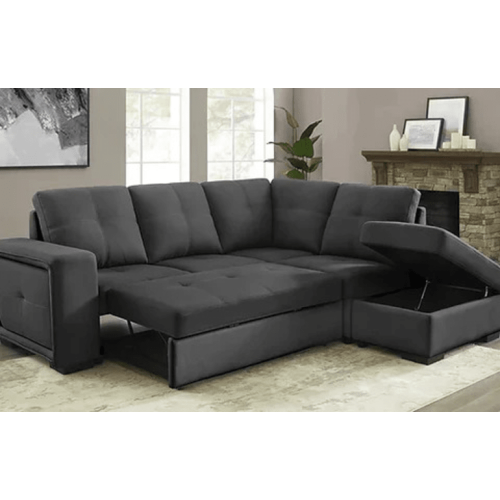
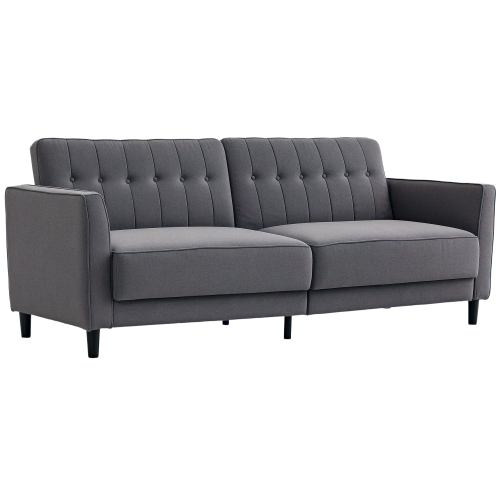
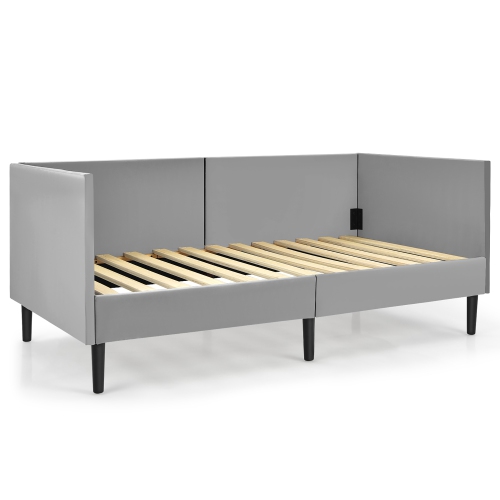
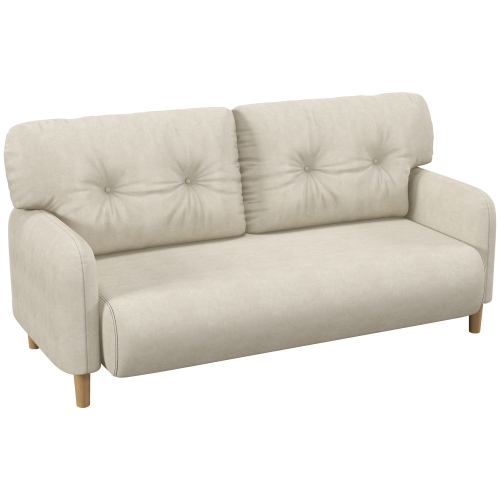

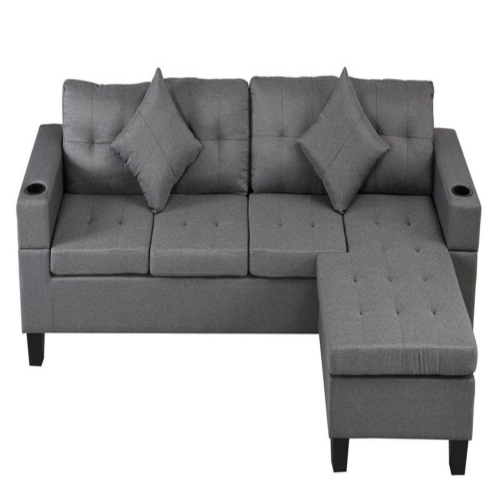

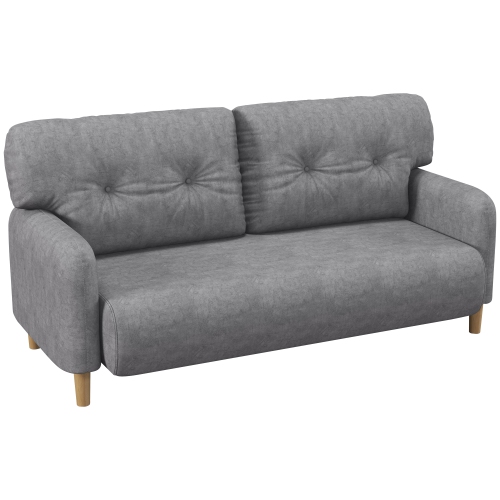
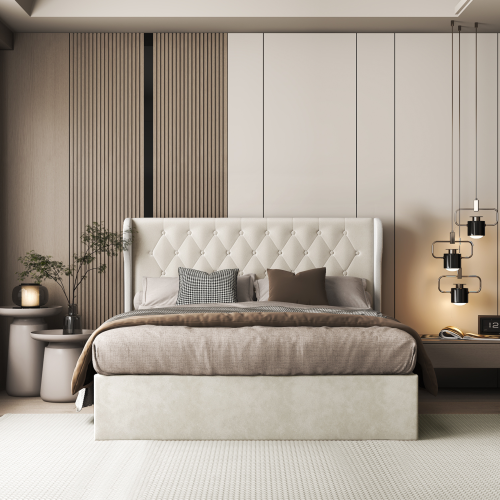
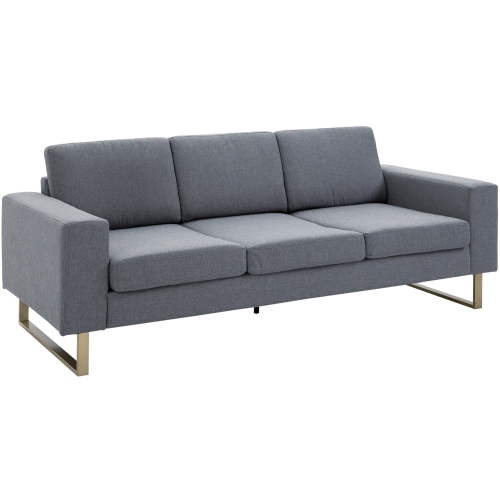
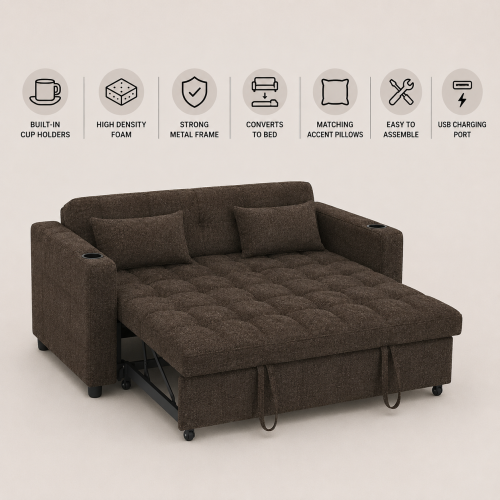
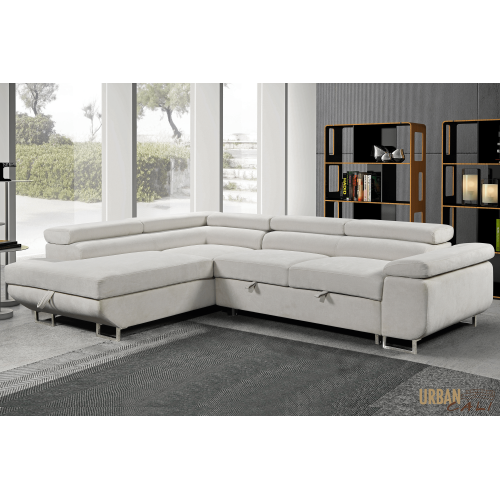
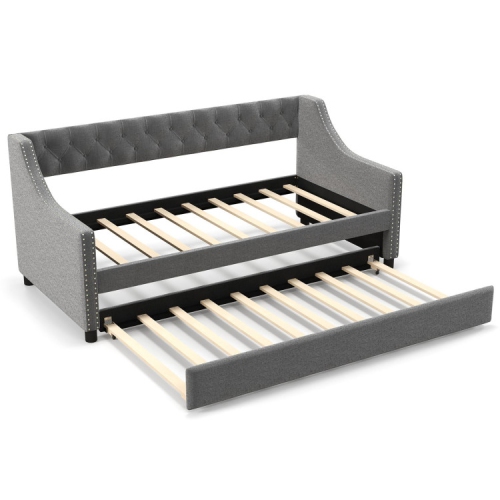
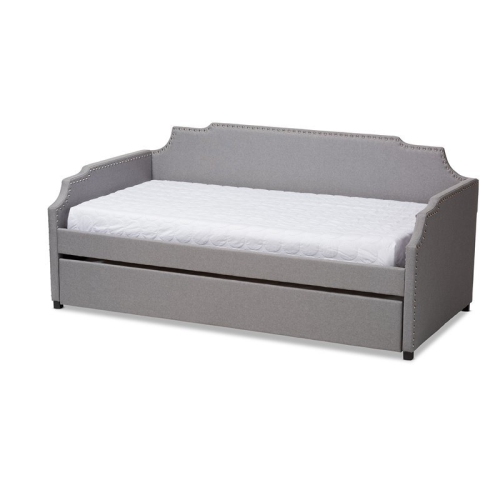
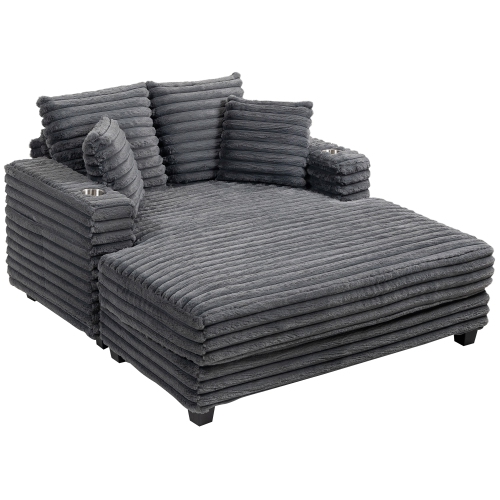
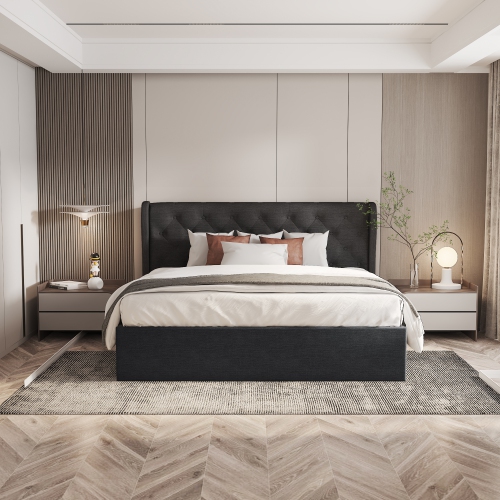
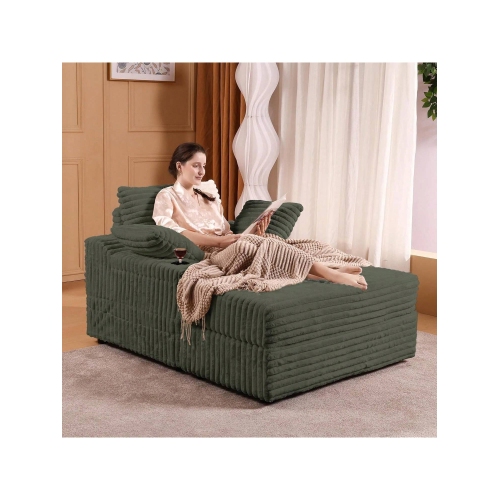
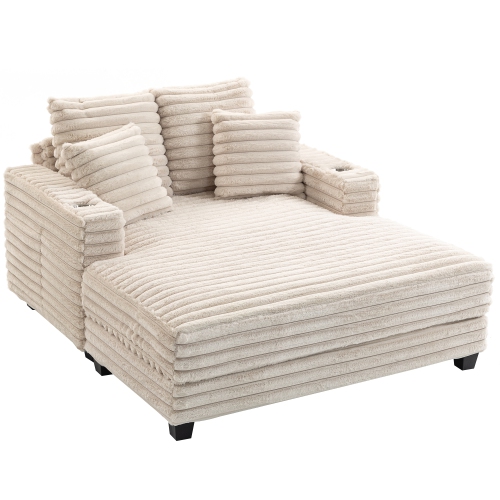

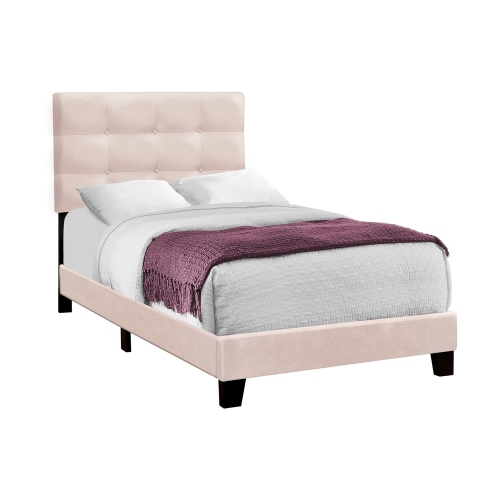
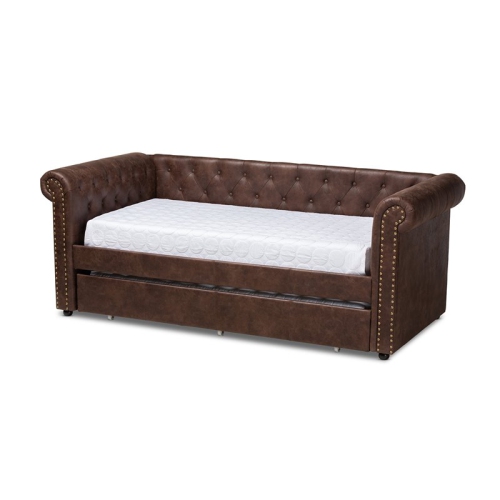
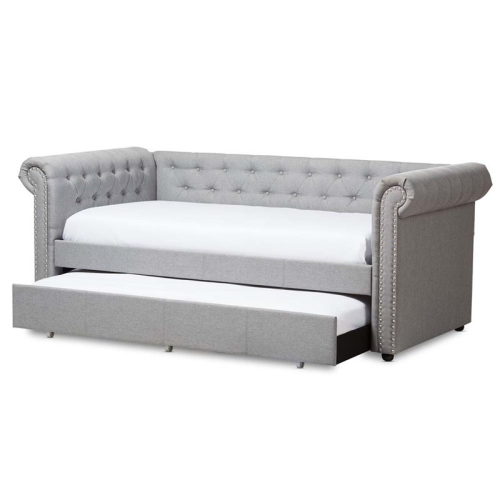
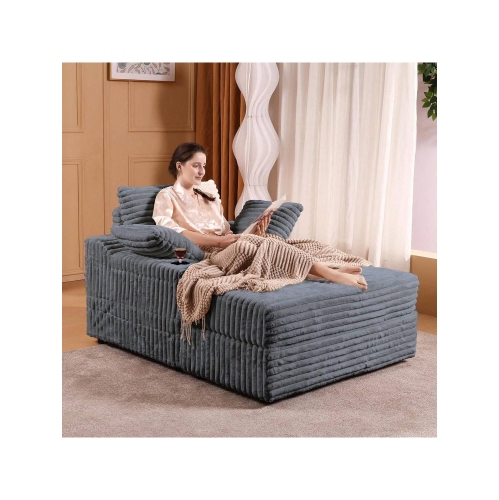
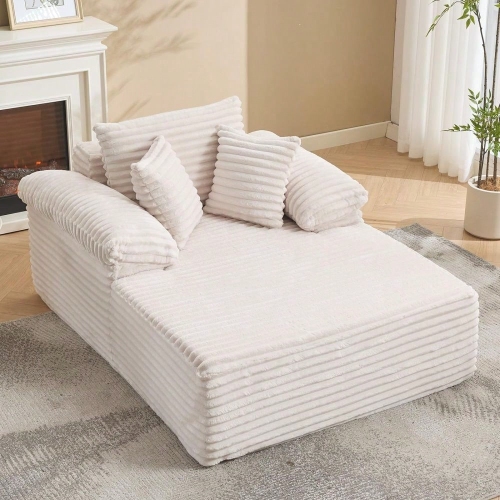
Everyday seating that opens up for overnight guests
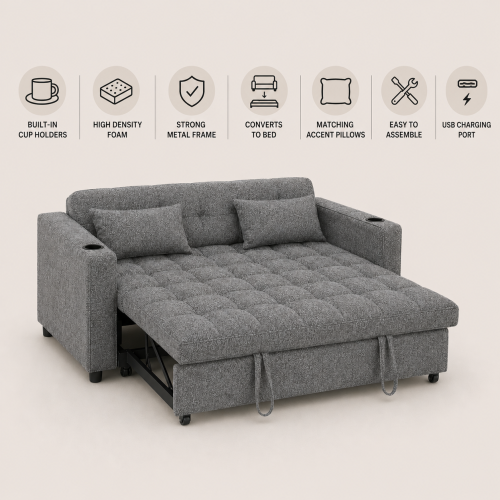
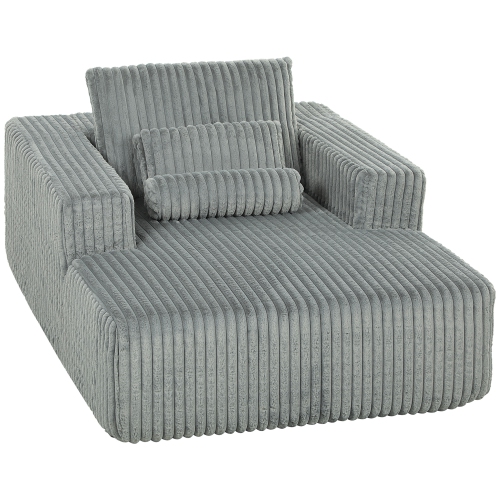
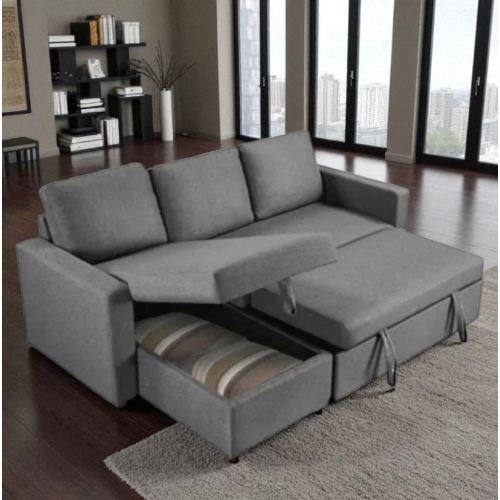
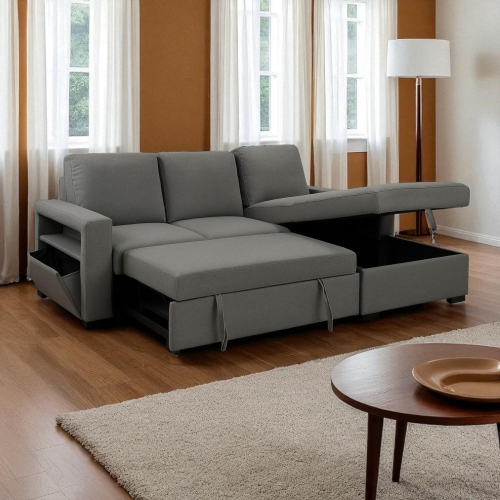
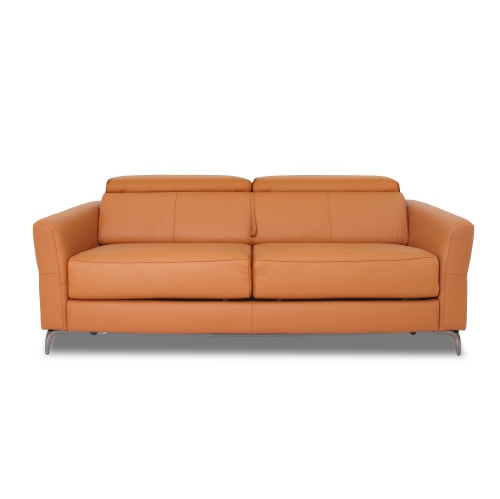
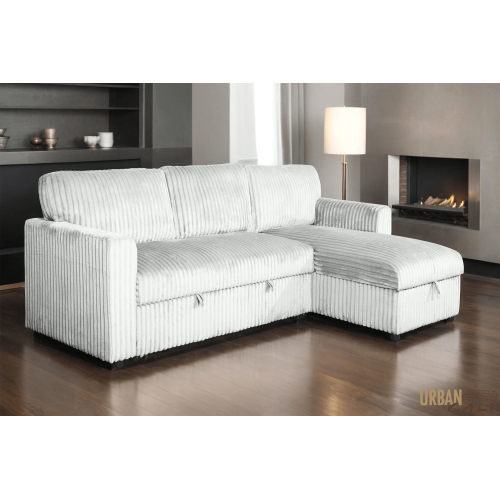
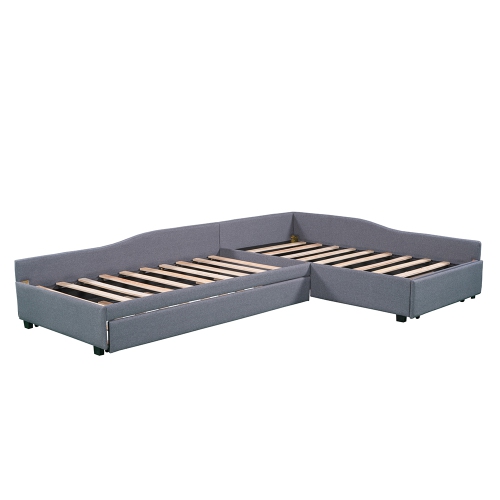
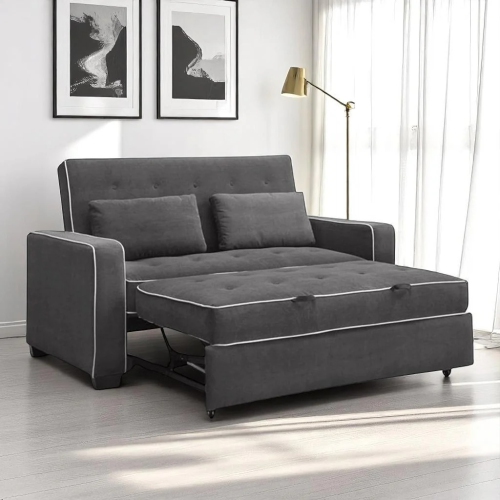
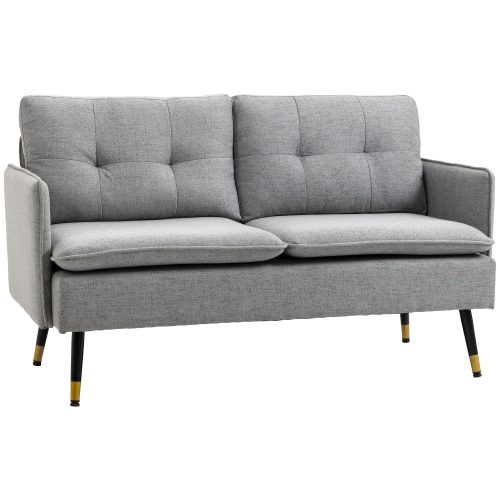
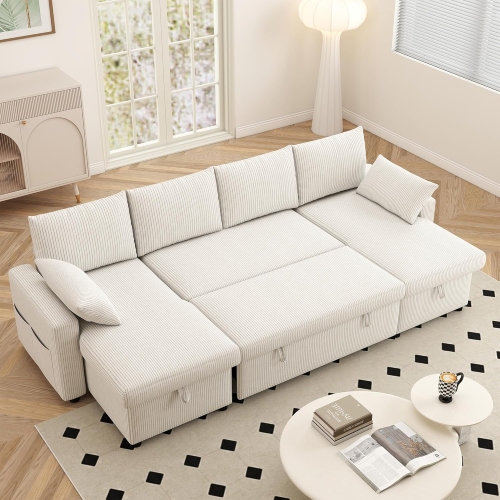
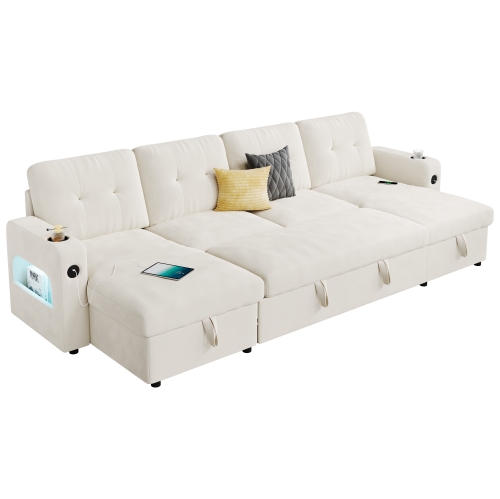
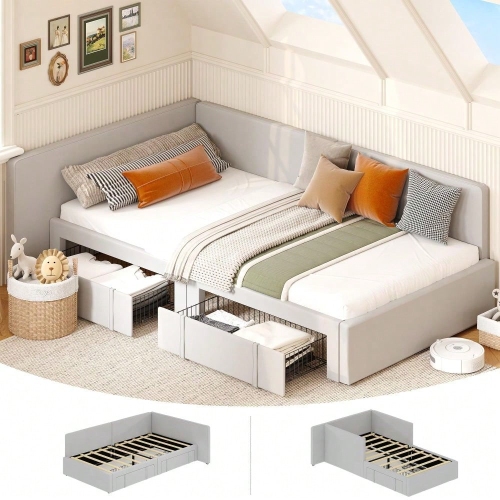
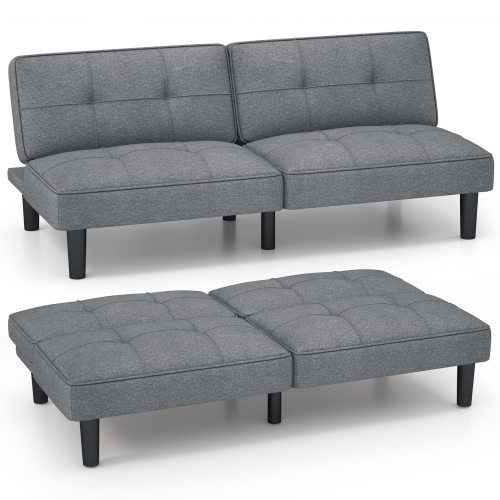
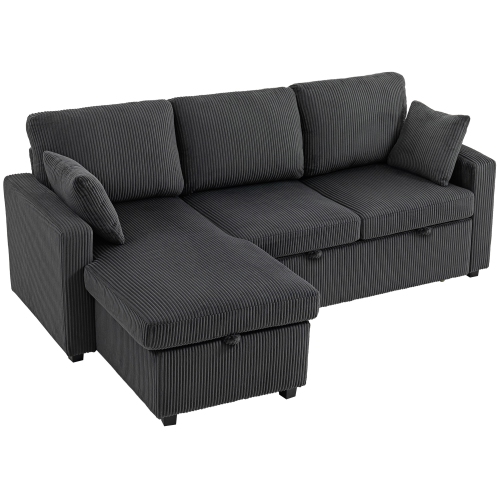
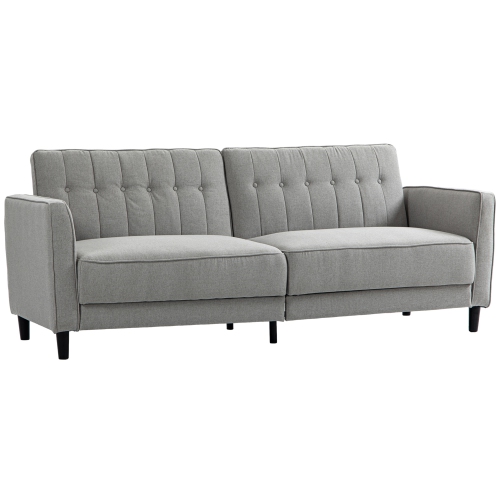
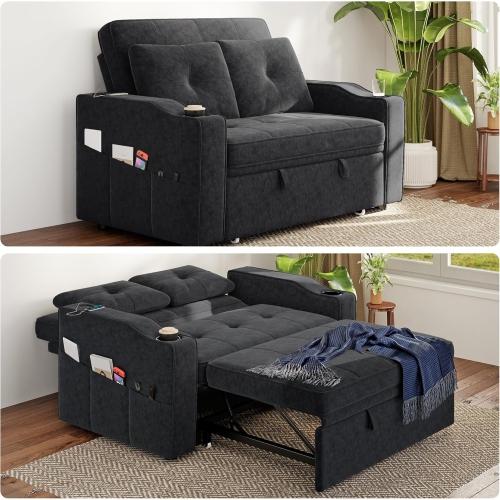
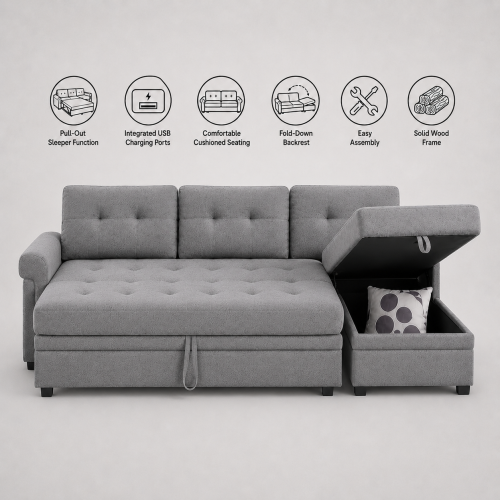
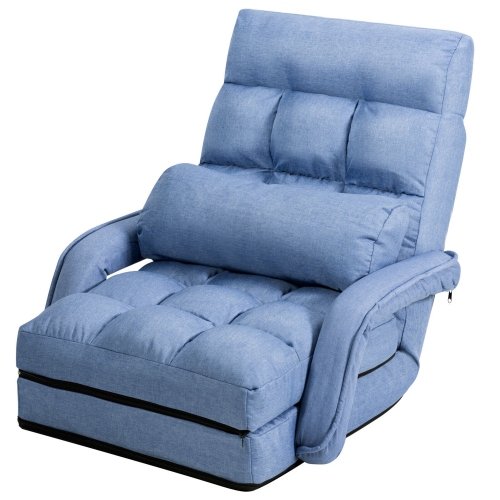
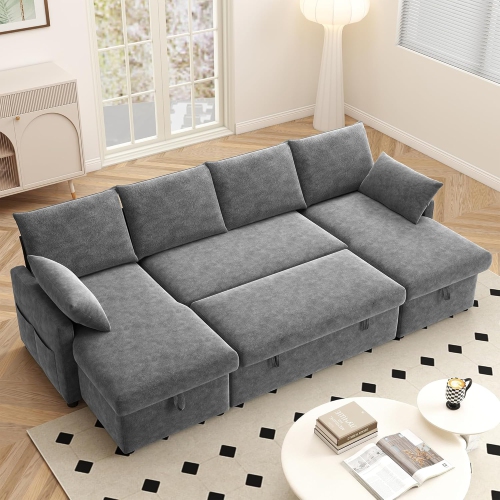
Upholstered sofa beds combine fabric-covered seating with a sleeping surface that folds, slides, or pulls out, making one piece of furniture useful throughout the day and night. They suit living rooms, studio apartments, guest rooms, and home offices where a permanent bed would take up too much floor space. During the day, a cushioned back and upholstered arms create a comfortable place to read, watch a film, or sit with family; at night, the same footprint expands into somewhere for a guest to sleep. The way that transformation happens makes a practical difference. A traditional pull-out sleeper generally holds a separate folding mattress beneath its seat cushions, while a fold-flat design uses the seat and back cushions as the sleeping surface. Other designs extend a platform from below the seat, sometimes alongside a chaise, to form a larger resting area. These layouts offer different seating depths, sleeping heights, and opening requirements, so the right fit depends on how the room is used. A compact sofa bed can make sense in an office that hosts an occasional overnight visitor, whereas a larger sleeper sectional may suit a family room where lounging is the main priority. For frequent overnight use, mattress support, sleeping dimensions, and ease of conversion deserve as much attention as the sofa’s appearance. An occasional guest may be comfortable on a firmer fold-flat surface, while someone staying several nights may prefer a separate mattress with fewer joins beneath their body. Upholstery adds another layer of choice, from smooth, tightly woven fabric to plush velvet and softly ridged corduroy. Neutral shades can sit quietly beside patterned rugs and colourful cushions, while a deeper colour gives the seating more visual presence. Details such as slim arms, rounded edges, tufted backs, and visible legs influence the overall feel without changing the basic purpose: comfortable seating that can also accommodate an overnight stay.
Fit involves more than finding an upholstered sofa bed that fits along a wall. The closed width and depth determine how much everyday floor space it occupies, but the fully opened dimensions show whether there is enough room to sleep comfortably and move around it. In a smaller apartment, a coffee table that slides aside easily can make the difference between a straightforward bedtime setup and a nightly furniture shuffle. Doors, drawers, heating vents, and routes through the room should remain usable when the bed is extended. Some fold-flat mechanisms also need clearance behind the backrest, even if the sofa looks as though it could sit flush against the wall. Delivery access matters too: narrow stair turns, lift doors, and tight hallways can limit what reaches the room, particularly when the frame comes largely assembled. Sleeping measurements are worth checking separately from the overall sofa measurements, since broad arms and deep back cushions can make a substantial sofa feel roomy for sitting without creating an equally generous bed. Labels such as twin, double, and queen are helpful starting points, but the stated mattress dimensions offer a clearer basis for choosing sheets and assessing space for one or two sleepers. Seat height, depth, and cushion firmness affect daily comfort as well. A deep seat encourages stretching out, while a shallower seat may feel more comfortable for someone who prefers sitting upright with their feet on the floor. Low seating can be harder to rise from, and a heavy pull-out mechanism may not suit someone who needs an easy conversion. Integrated storage, where included, can keep bedding close at hand, though its capacity and access vary by design. A compartment that holds a light duvet and pillows reduces the need to borrow cupboard space elsewhere. For overnight visits during the cooler months, having bedding within reach makes a shared living space easier to settle into without leaving blankets piled on the sofa all day.
Materials and construction shape how an upholstered sleeper sofa feels after repeated sitting, unfolding, and sleeping. A sturdy frame, secure joints, and a smoothly operating mechanism help keep the furniture stable through those changes. Solid wood, plywood, engineered wood, and metal may appear in different parts of the structure, so the frame material alone does not tell the whole story; joint quality, support design, and the stated weight limits also matter. Seat cushions need to support everyday use, while a separate sleeper mattress must work within the folding mechanism. Foam offers a cushioned surface, and spring-based designs provide a different support feel, but thickness alone does not establish comfort. On fold-flat styles, the placement of seams and the join between cushions can be noticeable when lying down. Upholstery deserves equally close attention because the same fabric may come into contact with clothing, pets, bedding, and the occasional spilled drink. Tightly woven textiles can offer a relatively smooth surface, while textured weaves and corduroy bring a more tactile finish that may need extra attention to remove crumbs or pet hair. Velvet has a soft pile that catches light differently as it is brushed, giving luxury velvet sofa beds their distinctive depth of colour. Fibre content and care directions remain important regardless of the fabric’s appearance. A removable cover is not necessarily machine washable, and cleaning methods should follow the upholstery label rather than assumptions about the material. Regular vacuuming with a suitable attachment, prompt blotting of spills, and cushion rotation where permitted can help maintain the seating surface. Keeping the mechanism clear of loose bedding before folding also helps prevent snags. A compatible mattress protector can add a useful barrier during overnight use, provided it does not interfere with closing the bed. With the right proportions, manageable care requirements, and support suited to its intended use, an upholstered sofa bed can serve as everyday seating without making a guest’s comfort an afterthought.
Fit involves more than finding an upholstered sofa bed that fits along a wall. The closed width and depth determine how much everyday floor space it occupies, but the fully opened dimensions show whether there is enough room to sleep comfortably and move around it. In a smaller apartment, a coffee table that slides aside easily can make the difference between a straightforward bedtime setup and a nightly furniture shuffle. Doors, drawers, heating vents, and routes through the room should remain usable when the bed is extended. Some fold-flat mechanisms also need clearance behind the backrest, even if the sofa looks as though it could sit flush against the wall. Delivery access matters too: narrow stair turns, lift doors, and tight hallways can limit what reaches the room, particularly when the frame comes largely assembled. Sleeping measurements are worth checking separately from the overall sofa measurements, since broad arms and deep back cushions can make a substantial sofa feel roomy for sitting without creating an equally generous bed. Labels such as twin, double, and queen are helpful starting points, but the stated mattress dimensions offer a clearer basis for choosing sheets and assessing space for one or two sleepers. Seat height, depth, and cushion firmness affect daily comfort as well. A deep seat encourages stretching out, while a shallower seat may feel more comfortable for someone who prefers sitting upright with their feet on the floor. Low seating can be harder to rise from, and a heavy pull-out mechanism may not suit someone who needs an easy conversion. Integrated storage, where included, can keep bedding close at hand, though its capacity and access vary by design. A compartment that holds a light duvet and pillows reduces the need to borrow cupboard space elsewhere. For overnight visits during the cooler months, having bedding within reach makes a shared living space easier to settle into without leaving blankets piled on the sofa all day.
Materials and construction shape how an upholstered sleeper sofa feels after repeated sitting, unfolding, and sleeping. A sturdy frame, secure joints, and a smoothly operating mechanism help keep the furniture stable through those changes. Solid wood, plywood, engineered wood, and metal may appear in different parts of the structure, so the frame material alone does not tell the whole story; joint quality, support design, and the stated weight limits also matter. Seat cushions need to support everyday use, while a separate sleeper mattress must work within the folding mechanism. Foam offers a cushioned surface, and spring-based designs provide a different support feel, but thickness alone does not establish comfort. On fold-flat styles, the placement of seams and the join between cushions can be noticeable when lying down. Upholstery deserves equally close attention because the same fabric may come into contact with clothing, pets, bedding, and the occasional spilled drink. Tightly woven textiles can offer a relatively smooth surface, while textured weaves and corduroy bring a more tactile finish that may need extra attention to remove crumbs or pet hair. Velvet has a soft pile that catches light differently as it is brushed, giving luxury velvet sofa beds their distinctive depth of colour. Fibre content and care directions remain important regardless of the fabric’s appearance. A removable cover is not necessarily machine washable, and cleaning methods should follow the upholstery label rather than assumptions about the material. Regular vacuuming with a suitable attachment, prompt blotting of spills, and cushion rotation where permitted can help maintain the seating surface. Keeping the mechanism clear of loose bedding before folding also helps prevent snags. A compatible mattress protector can add a useful barrier during overnight use, provided it does not interfere with closing the bed. With the right proportions, manageable care requirements, and support suited to its intended use, an upholstered sofa bed can serve as everyday seating without making a guest’s comfort an afterthought.
Top selling and popular products
-
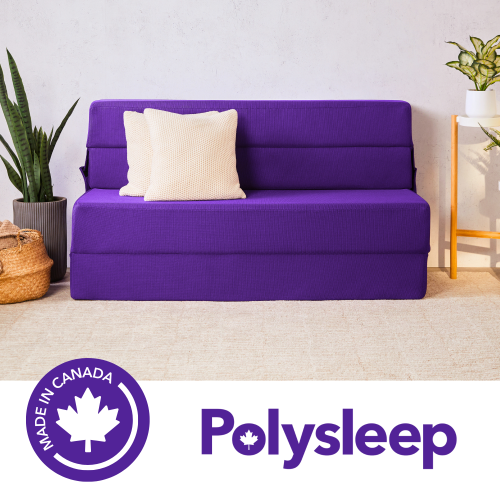 Your price for this item is $995
 -
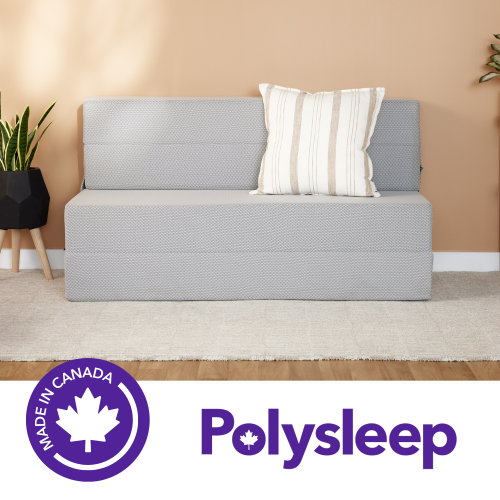 Your price for this item is $995
 -
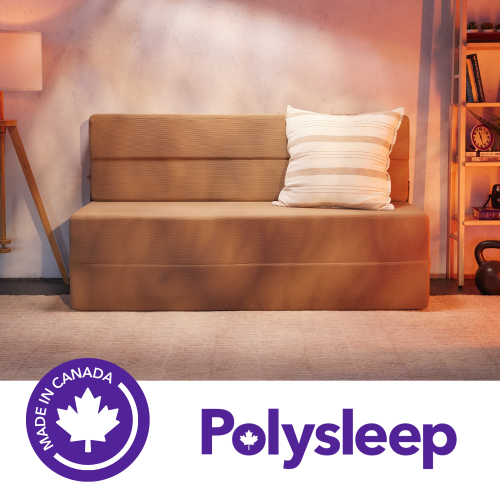 Your price for this item is $995
 -
 Your price for this item is $85.99
 -
 Your price for this item is $311.99
 -
 Your price for this item is $684.99
 -
 Your price for this item is $499.99
 -
 Your price for this item is $499.99
Discover more categories related to Upholstered Sofa Beds
Top Collections:
Pokemon Centers, Kindle Devices, Best Budget Office Chairs, Apple iPhones 16, Best Laptops for Writers, iPhone 15 Apple, Canon G7X Cameras, Refurbished Apple Laptops, Alarm Clock, Motorola Razr Phones
Some products may be subject to Environmental Handling Fees
(EHF) depending on your province.
Learn more about EHFs.