Utility Wagon
Discover the perfect companion for all your outdoor adventures and household tasks with a versatile utility wagon. Whether you're heading to the park, beach, or garden, these handy wagons make transporting everything from gear to groceries a breeze. Designed for ease of use and durability, utility wagons offer ample space and robust construction, ensuring you can carry heavy loads with minimal effort. With features like easy-fold mechanisms and sturdy wheels, they are ideal for navigating various terrains while saving you time and energy. Explore a range of options that cater to different needs and elevate your everyday activities with convenience and style.
Sort

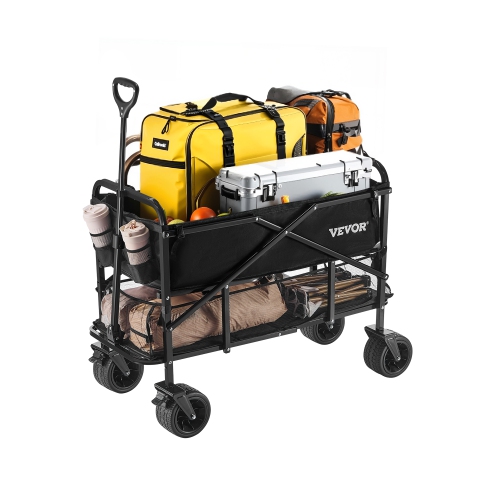
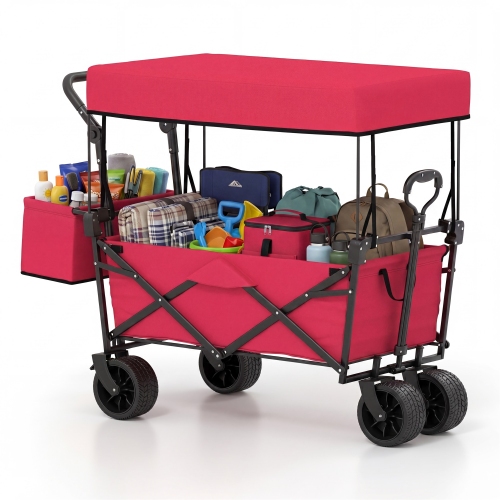
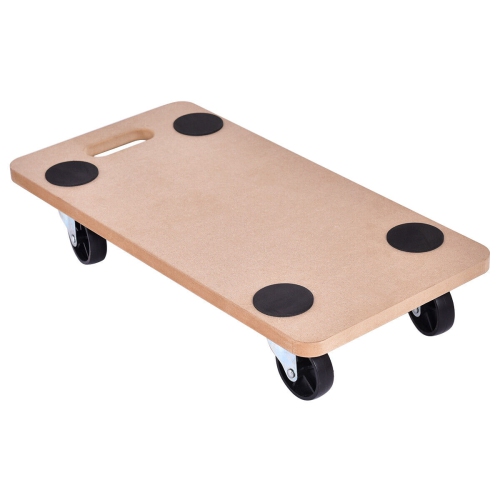
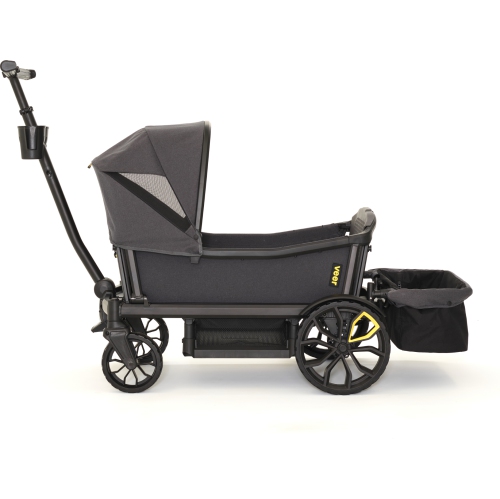



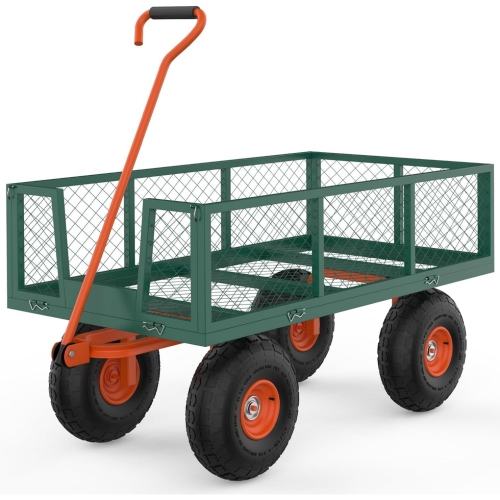
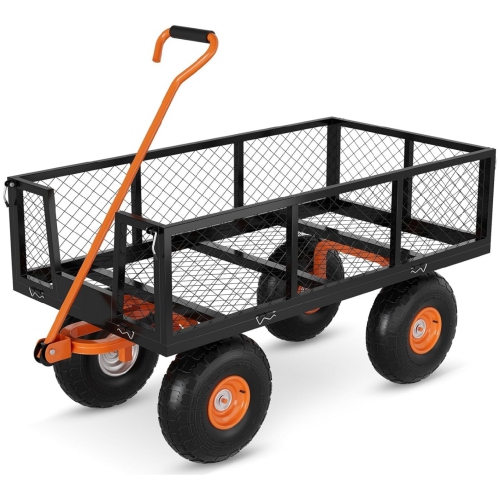
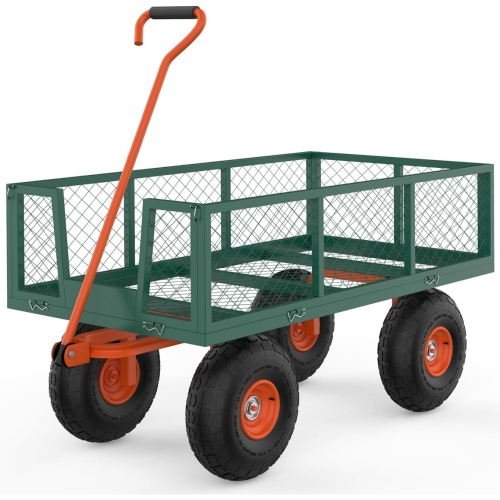
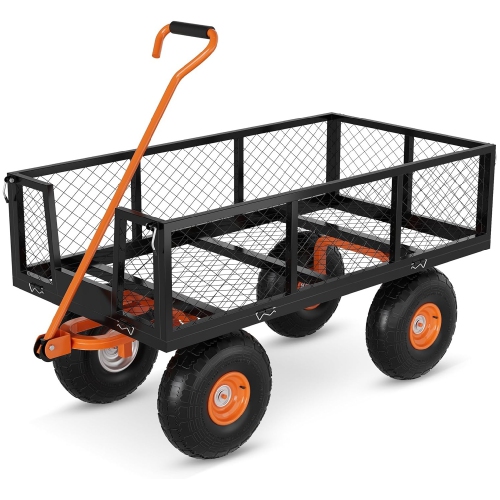

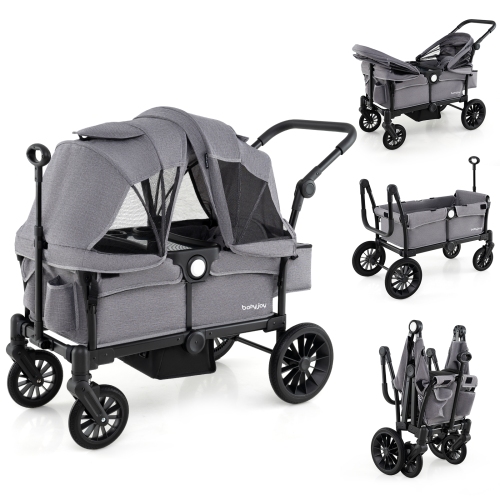
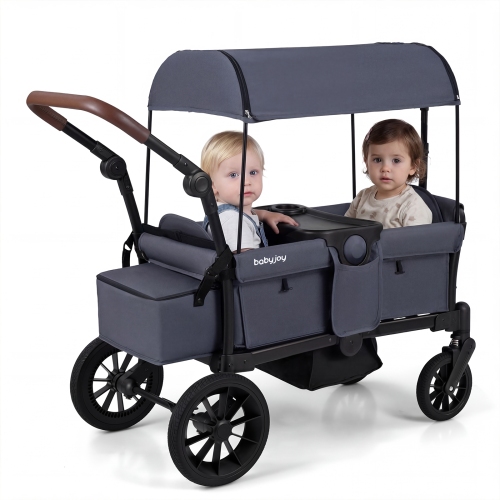
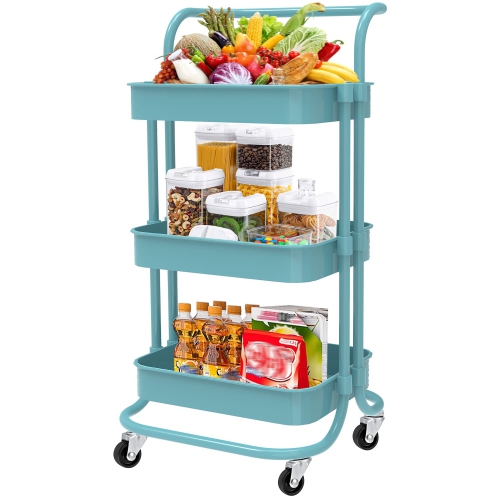
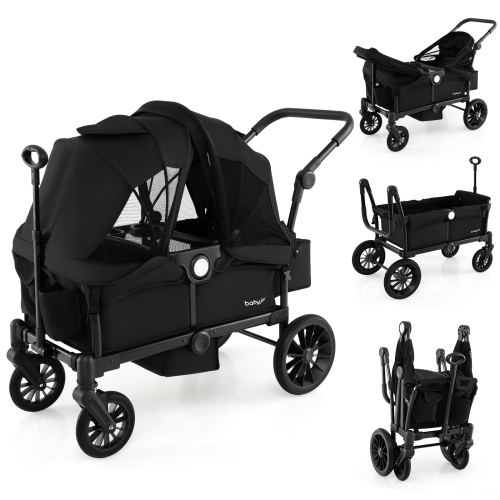
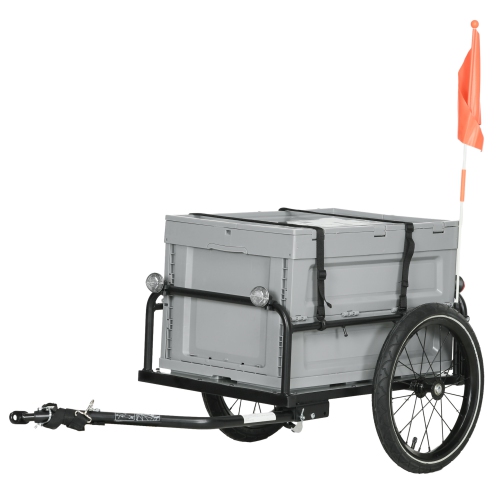
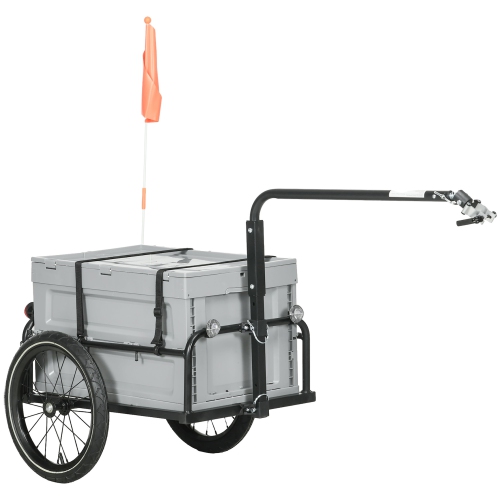
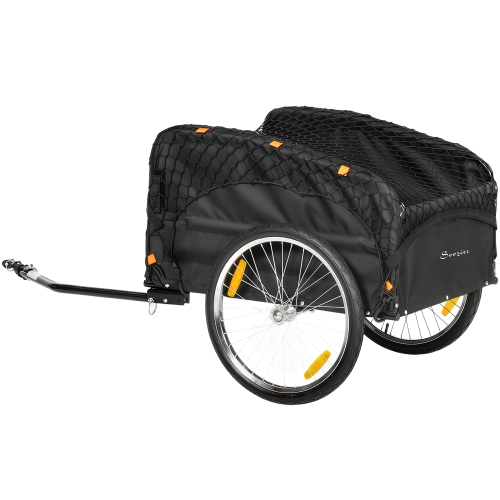
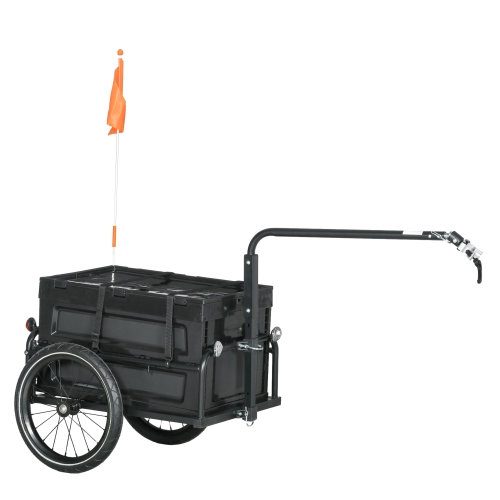
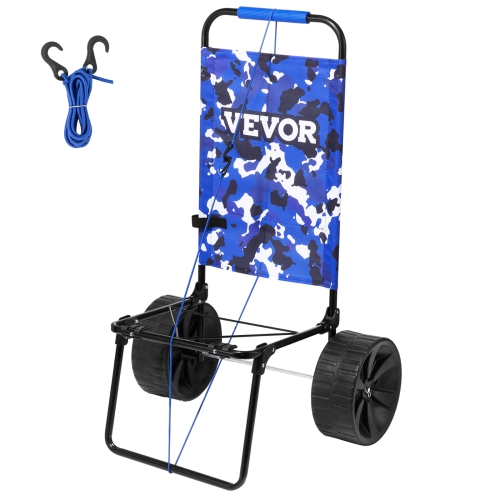
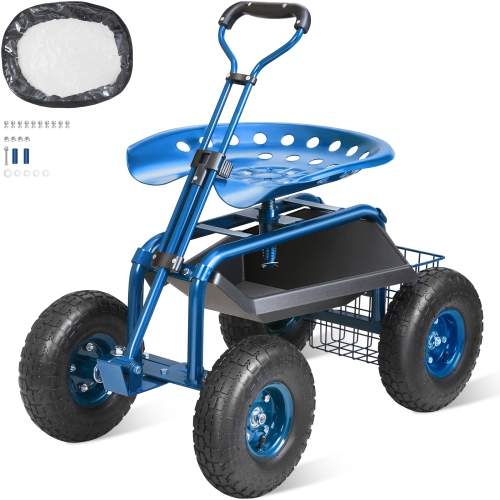
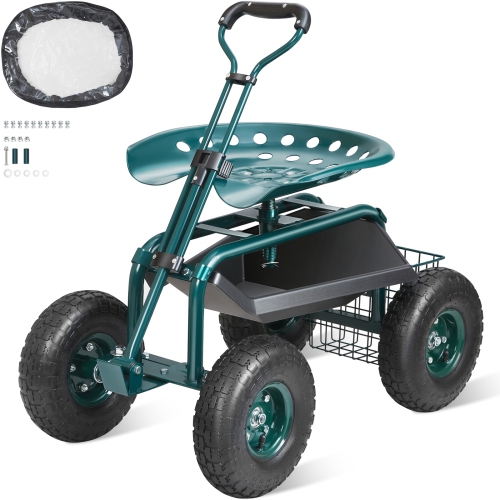
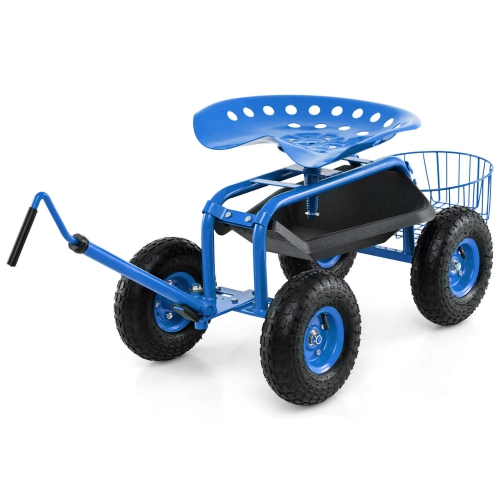
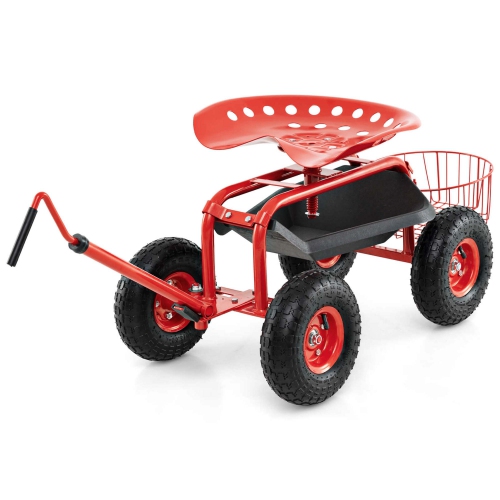
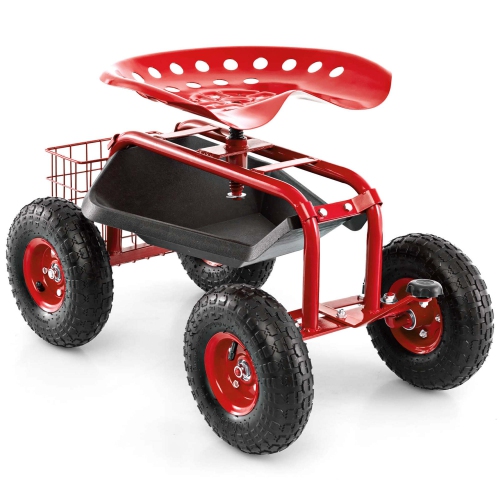
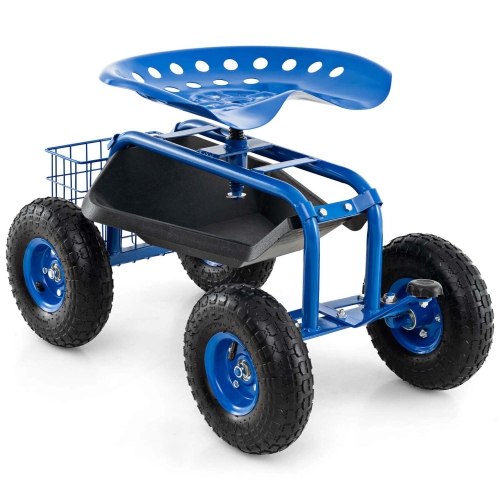
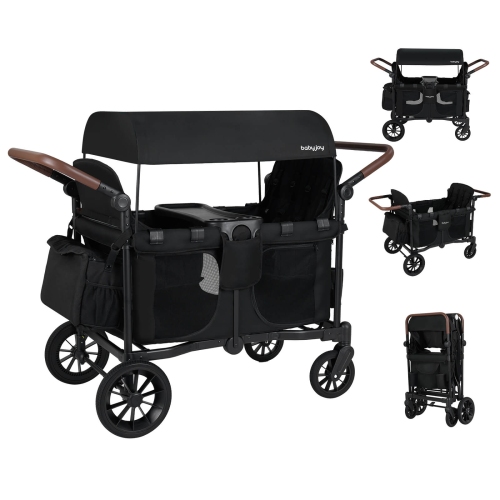
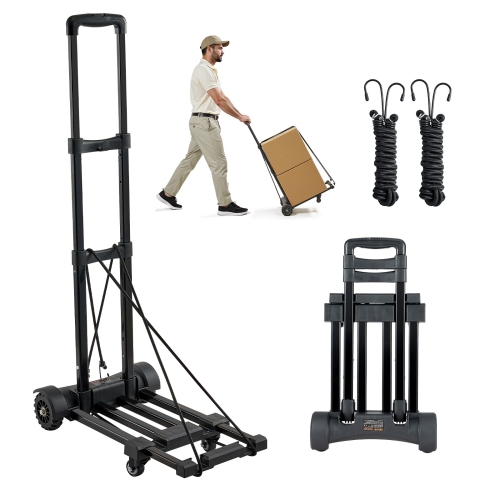
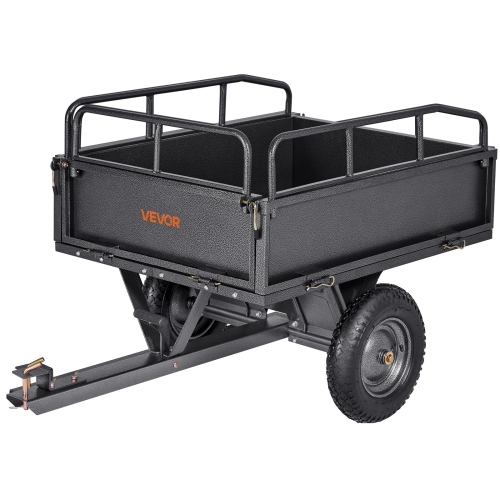
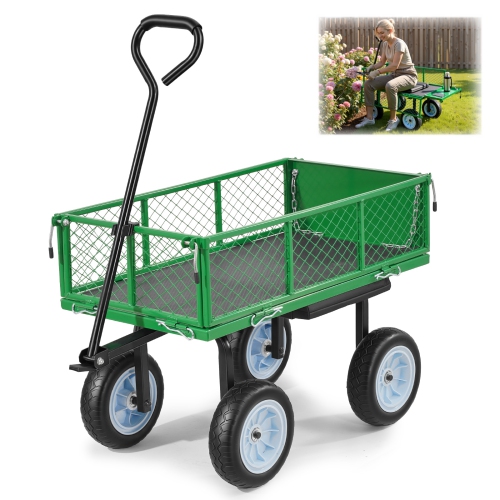
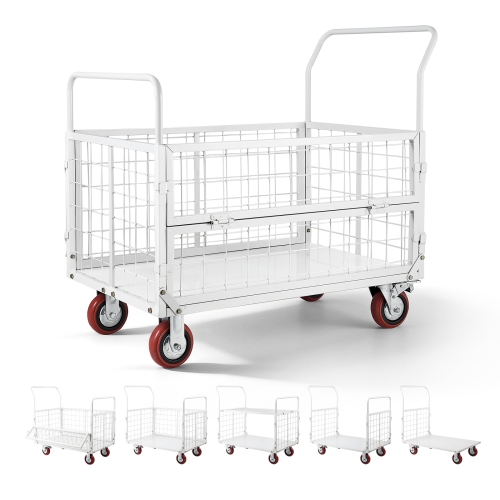
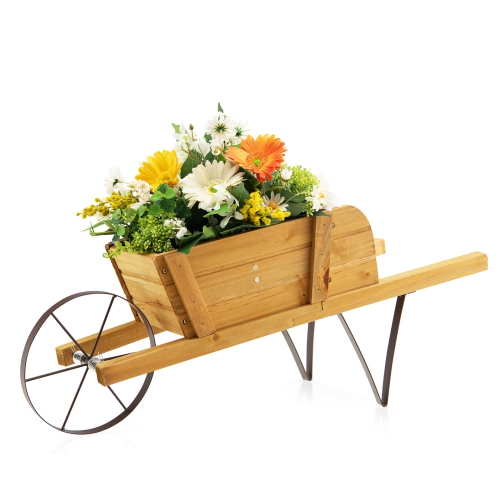
Easier hauling depends on the load and route
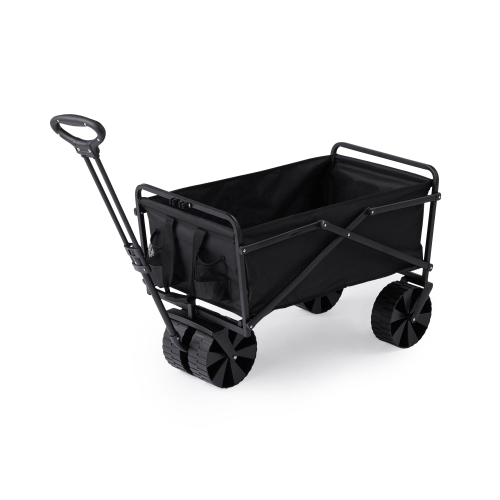
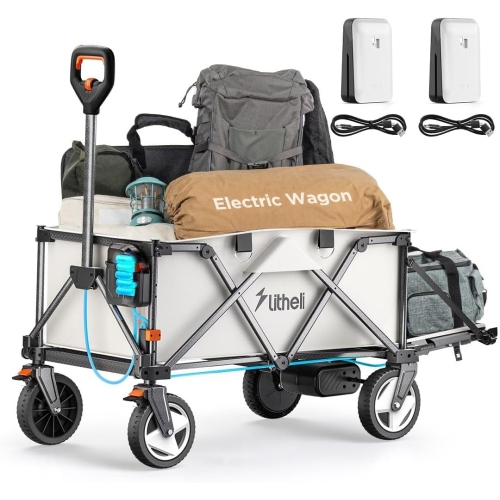
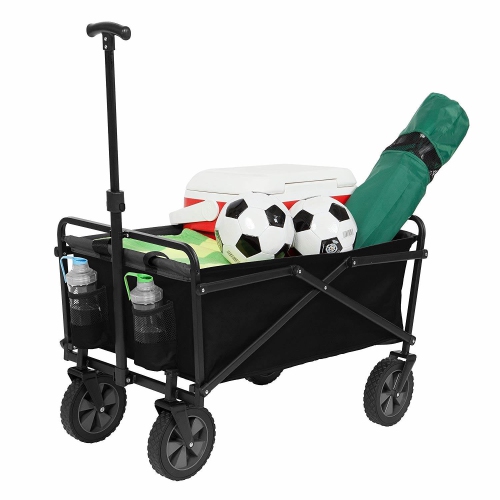
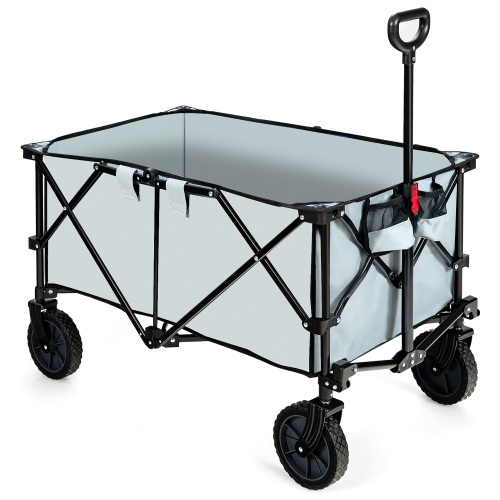
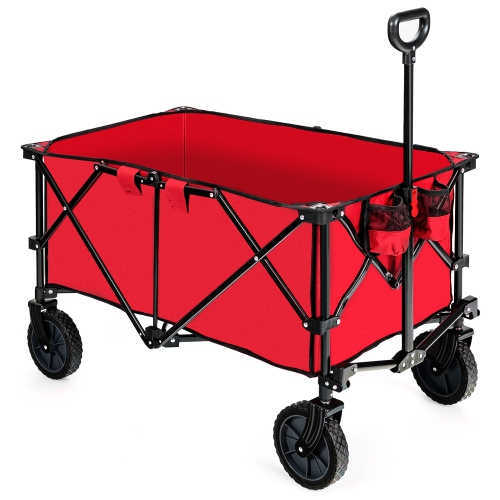
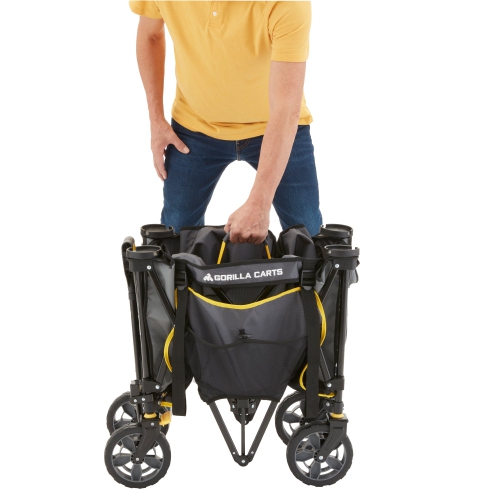
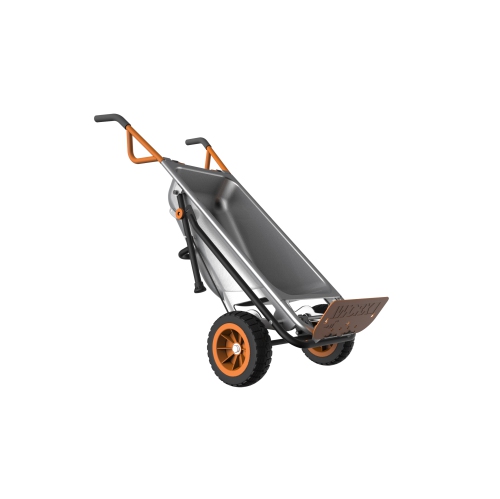
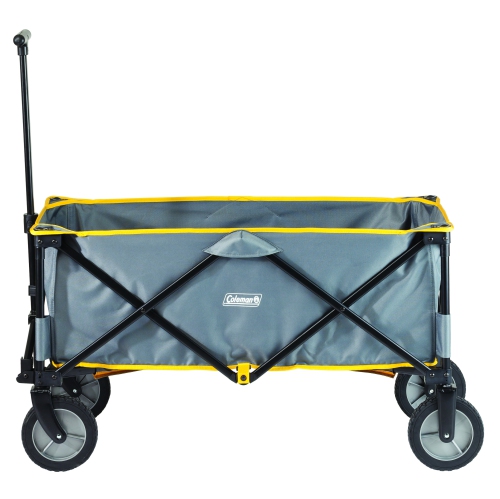
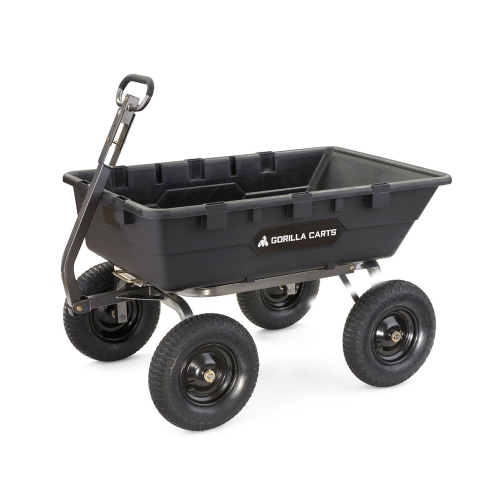
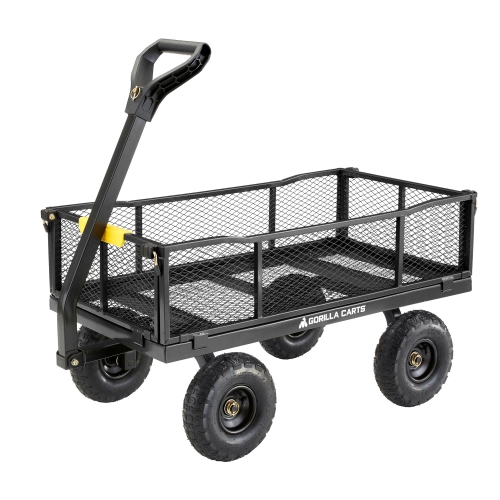
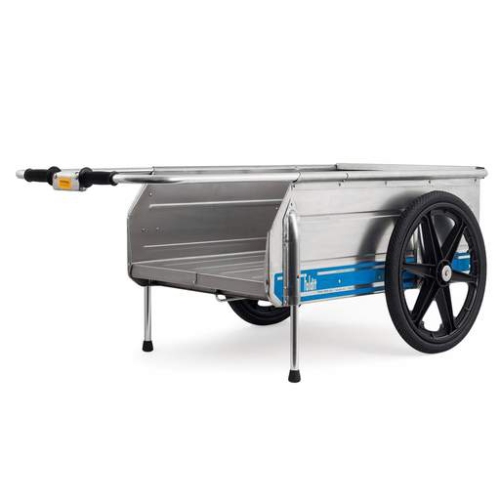
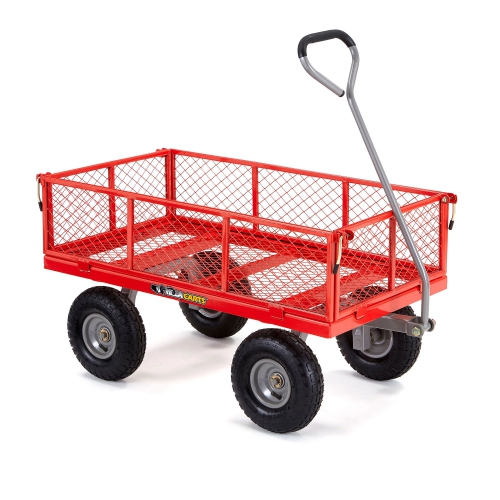
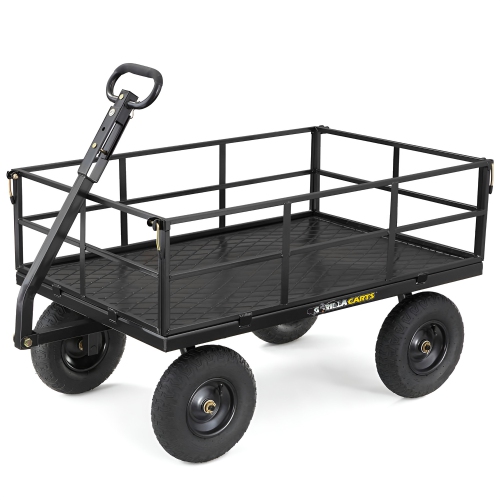
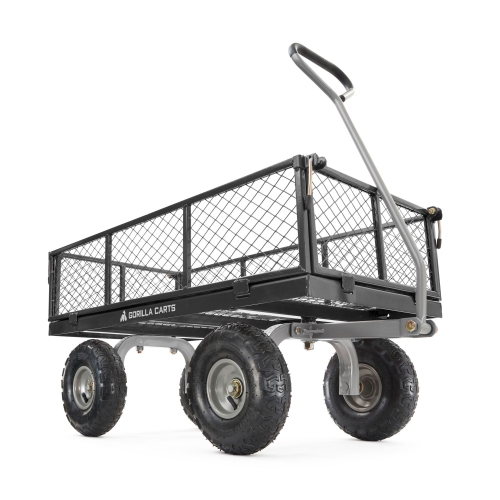
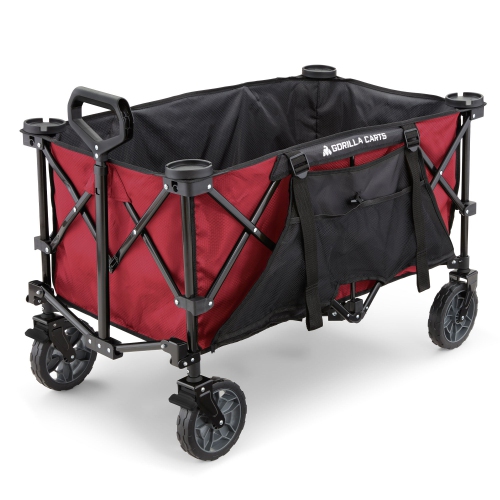
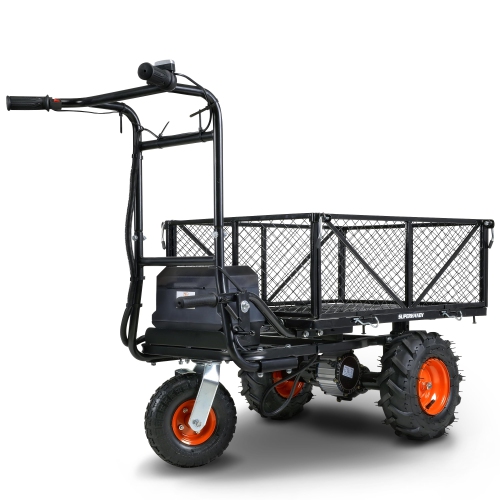
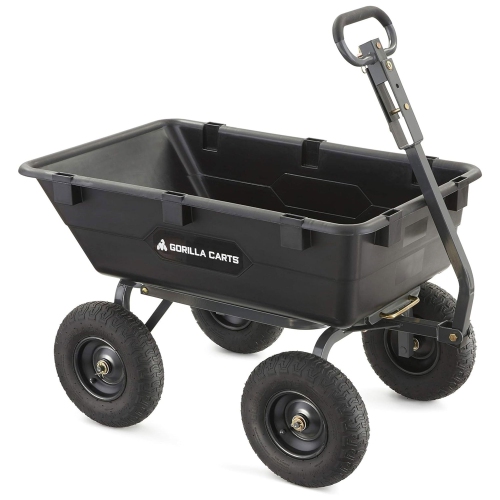
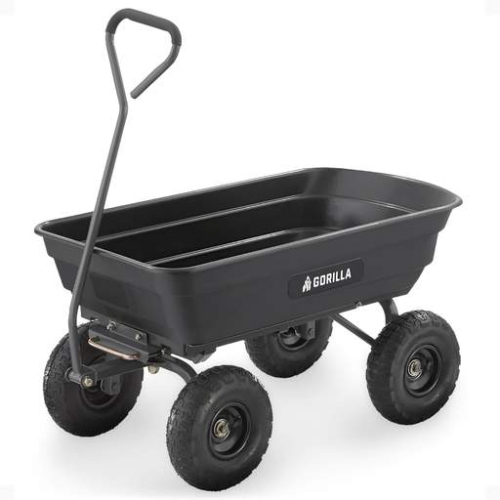
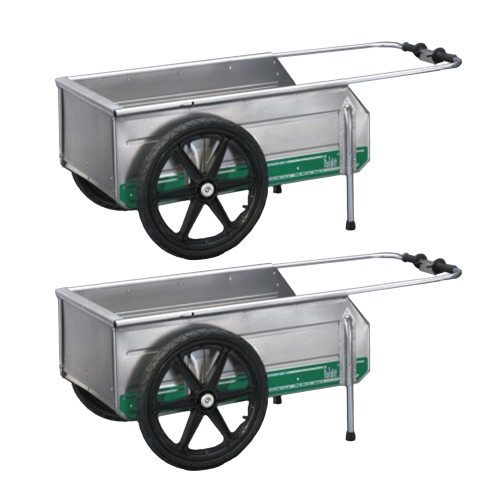
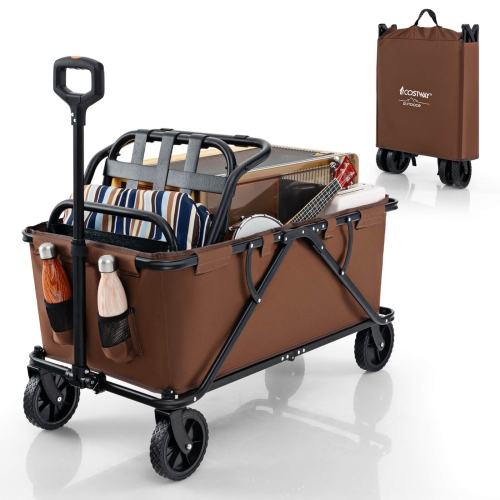
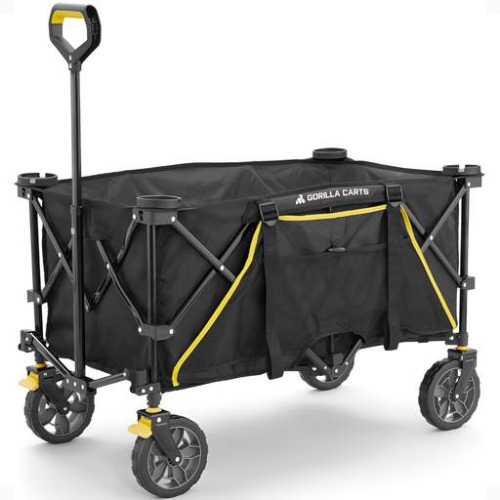
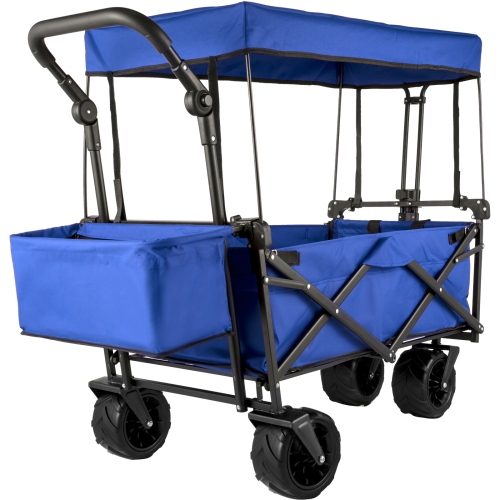
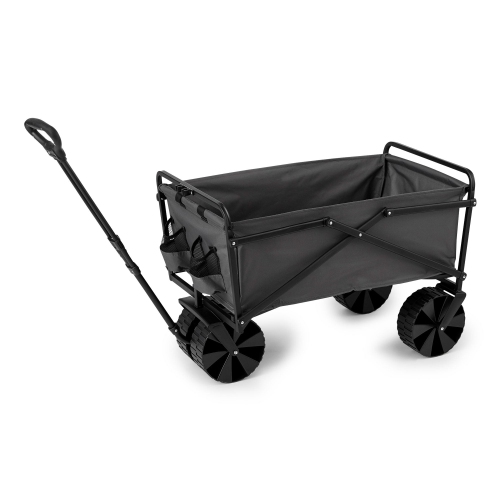
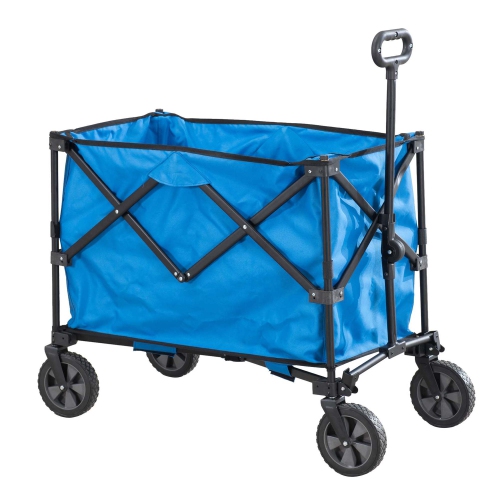
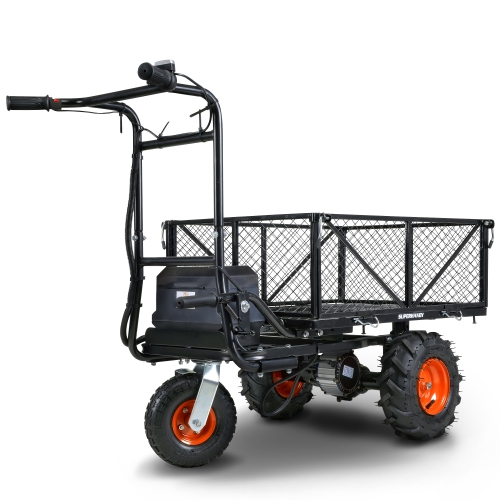
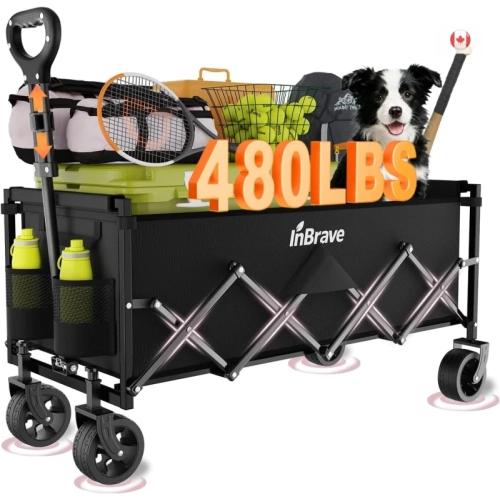
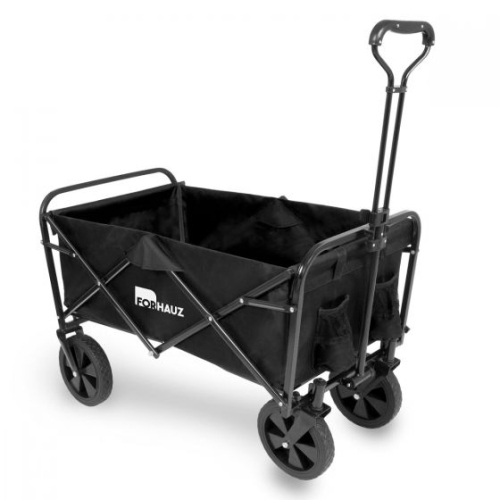
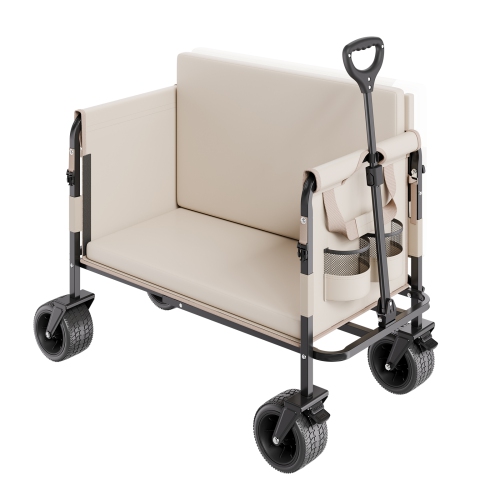
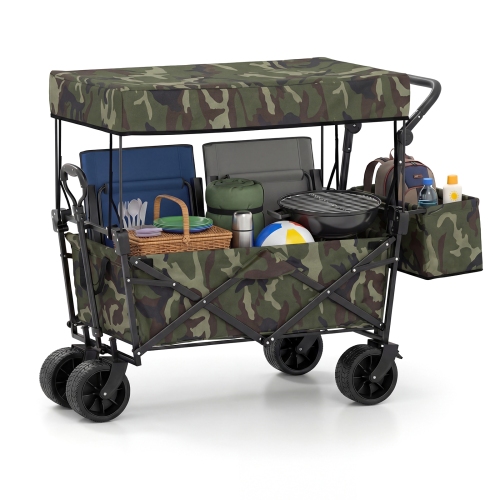
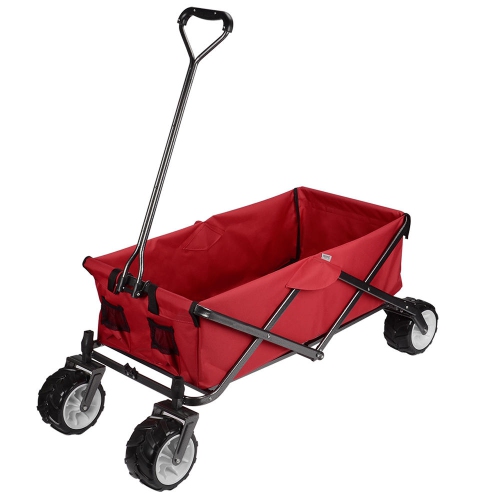
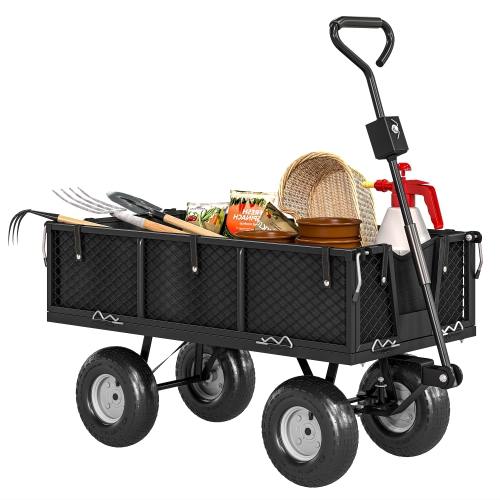
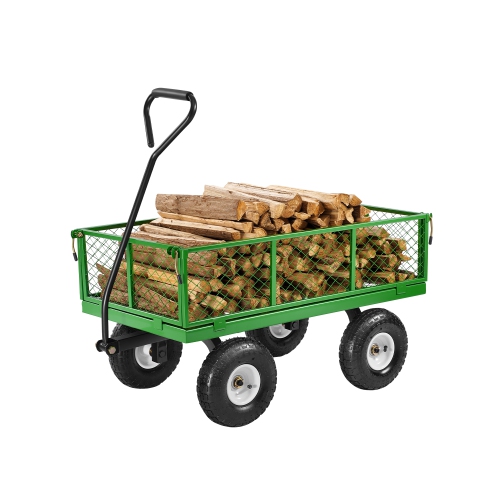
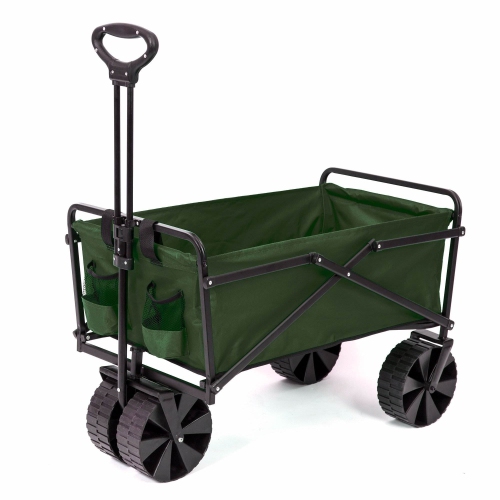
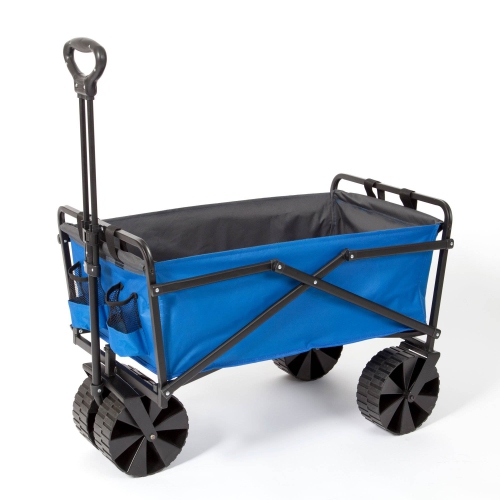
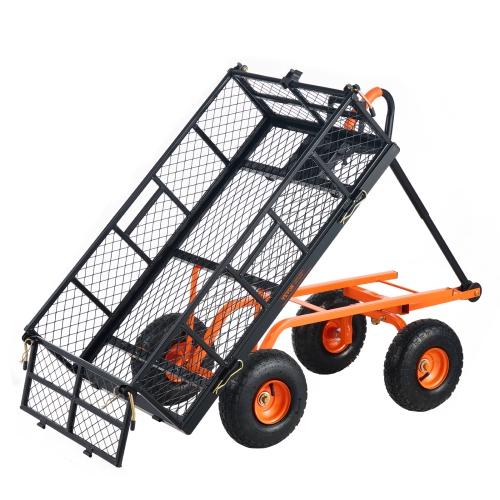
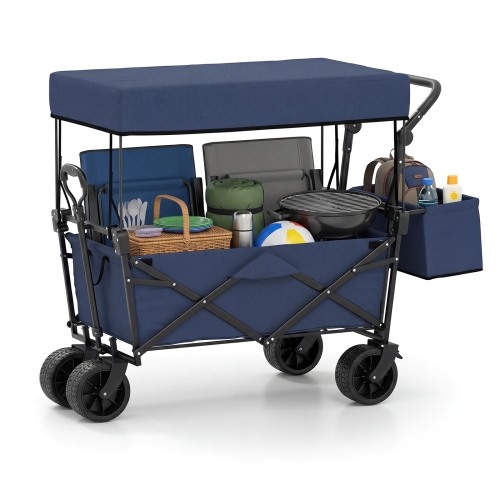
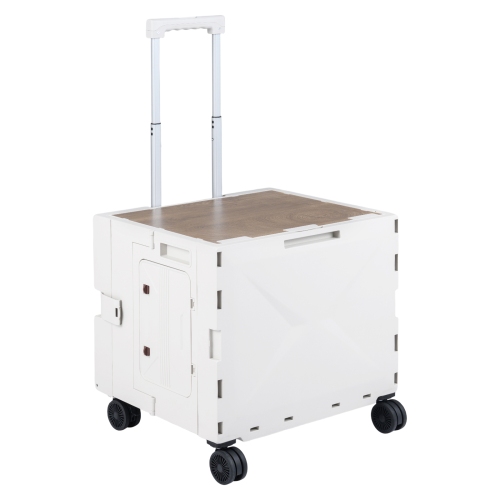
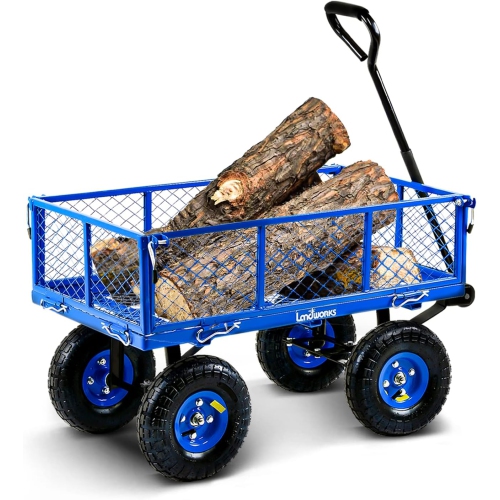
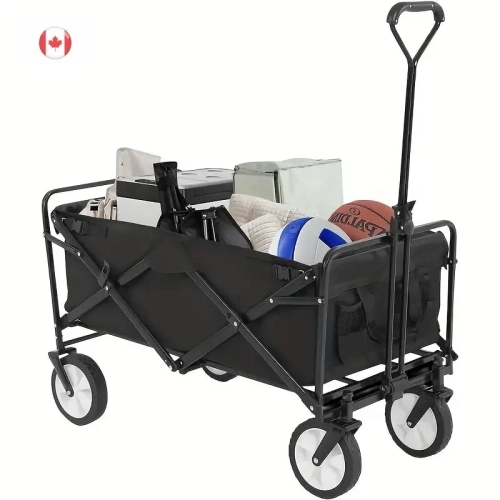
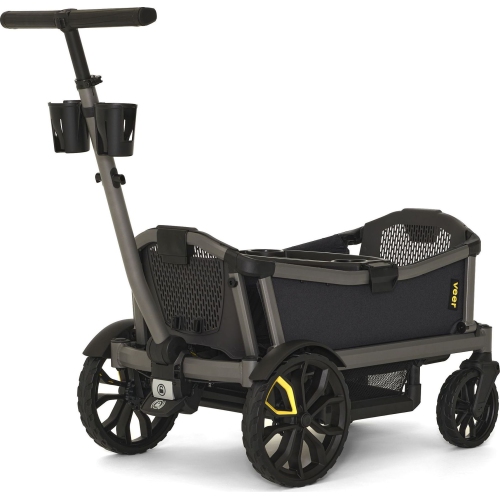
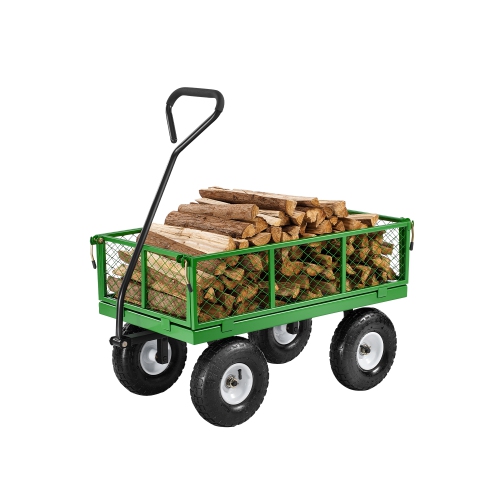
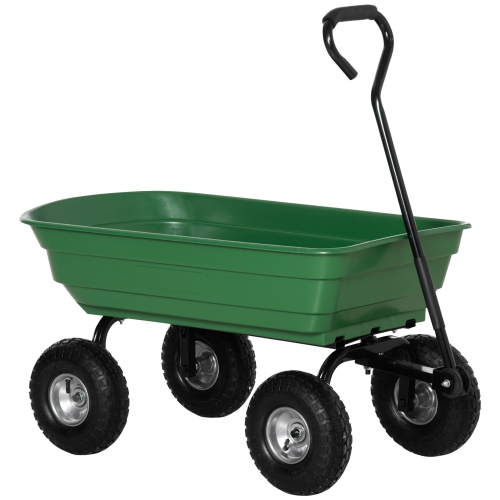
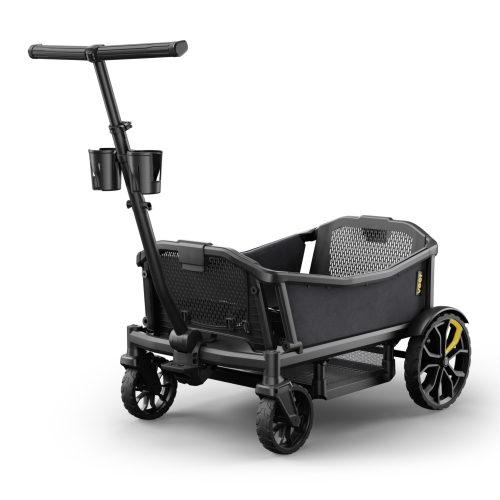
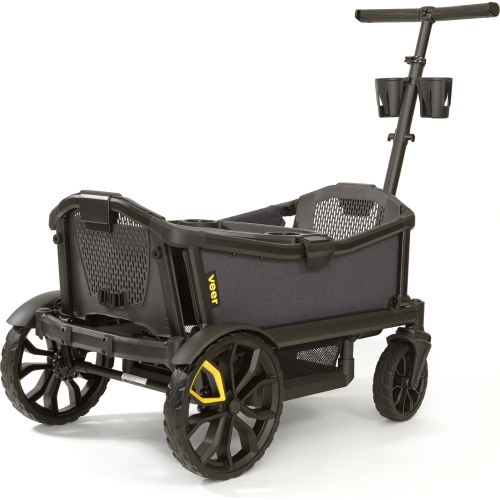
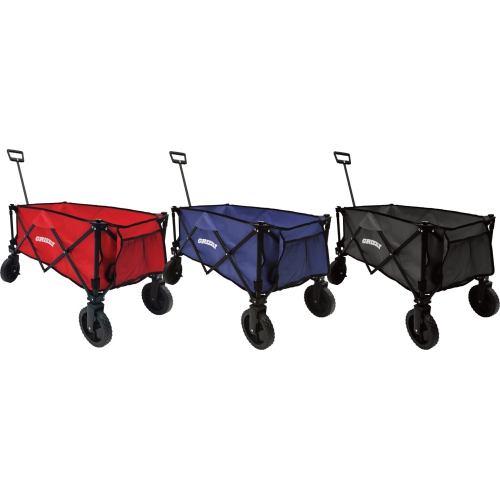
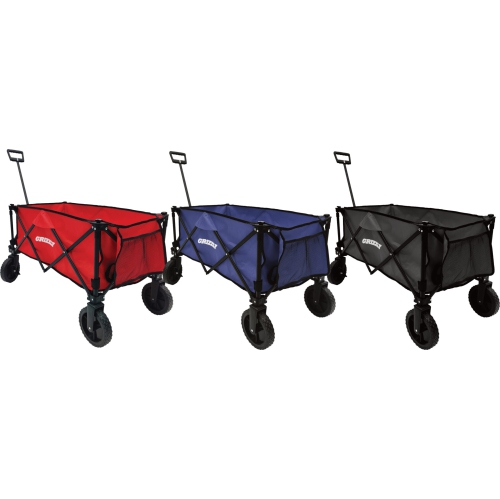
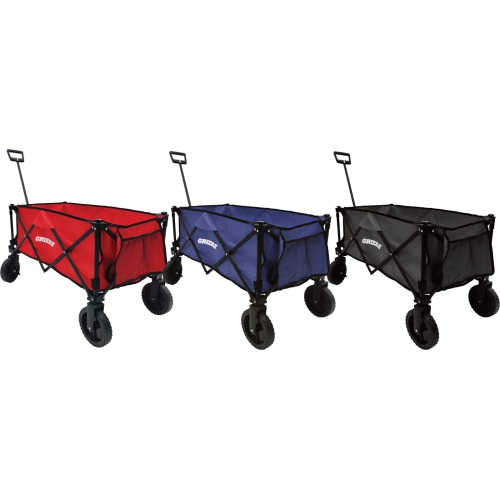
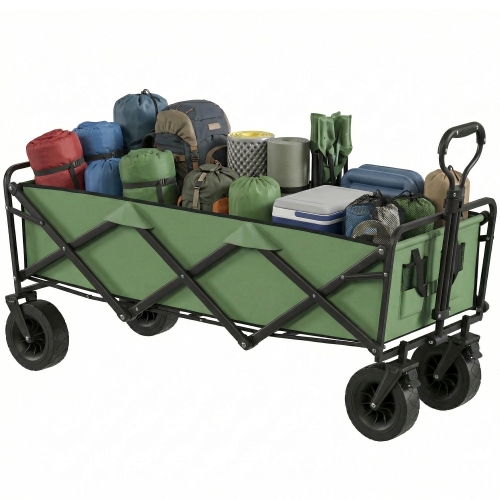
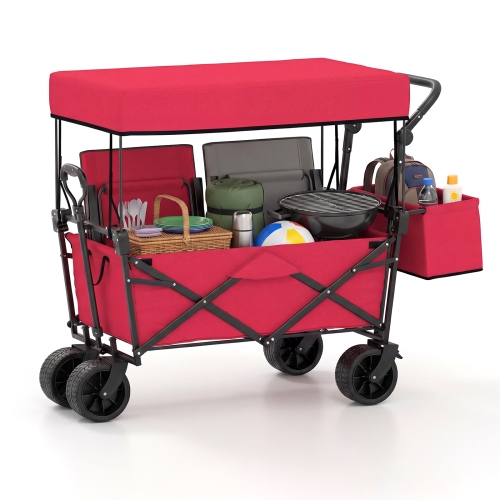
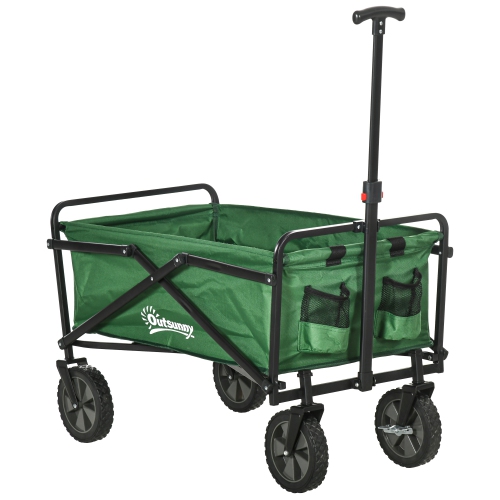
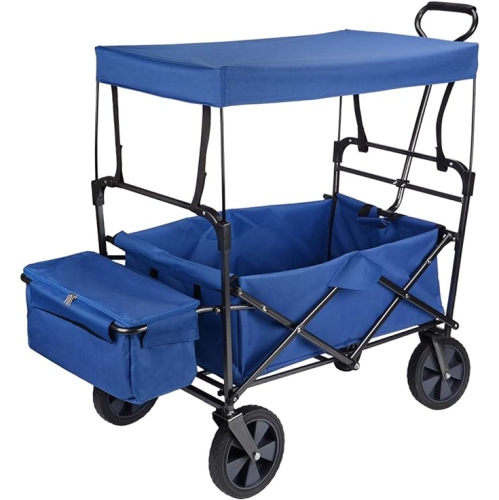
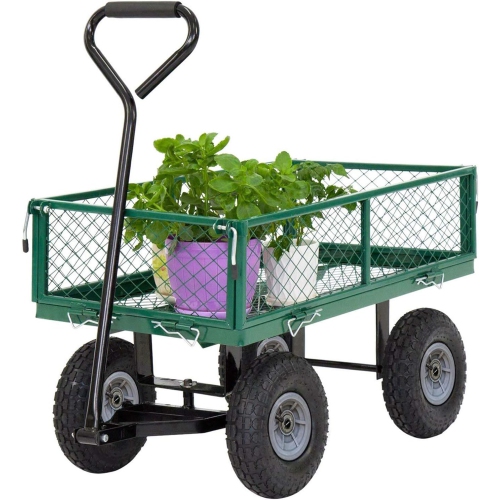
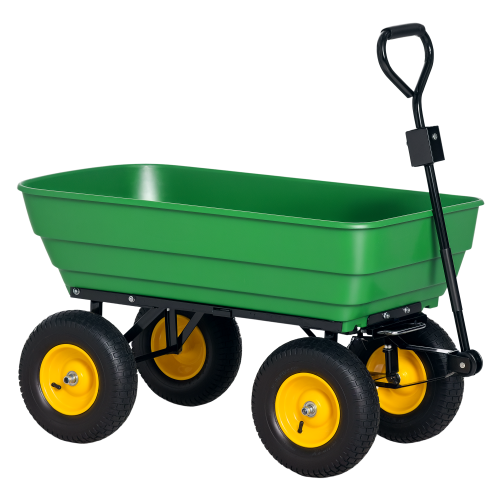
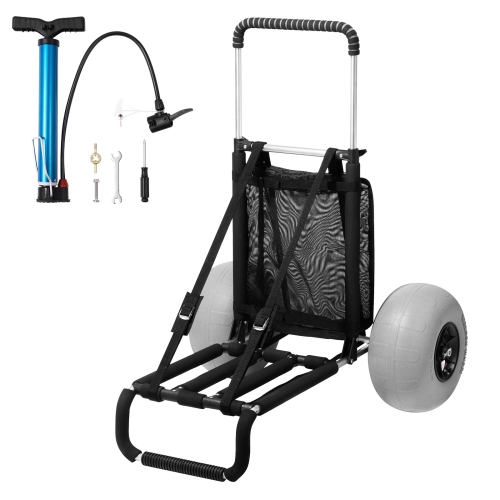
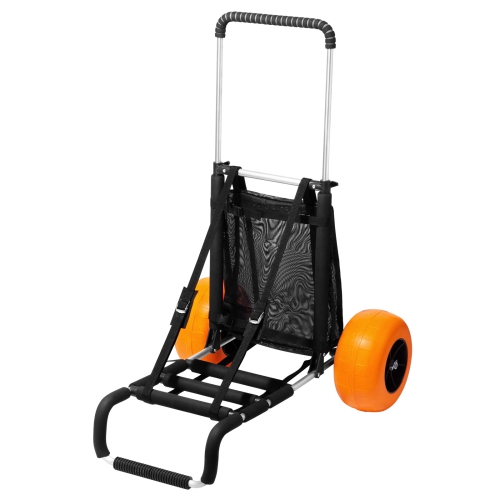
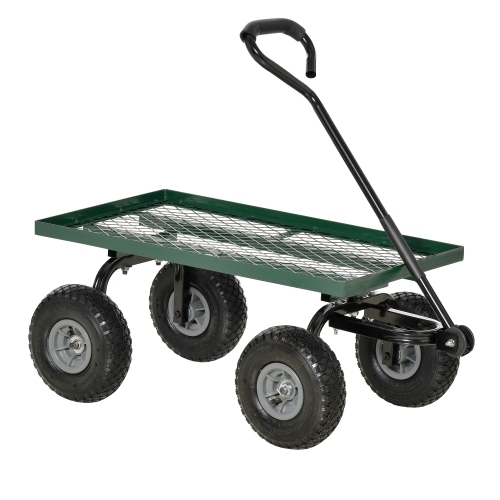
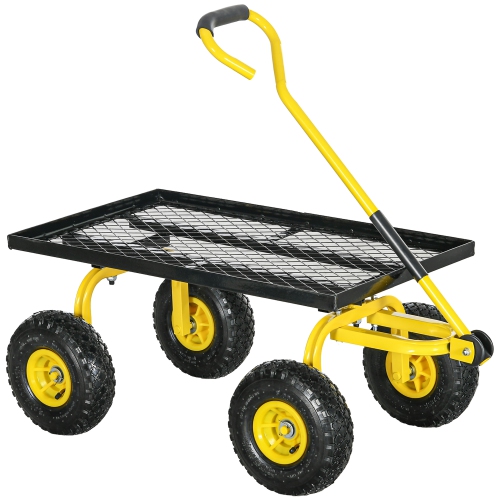
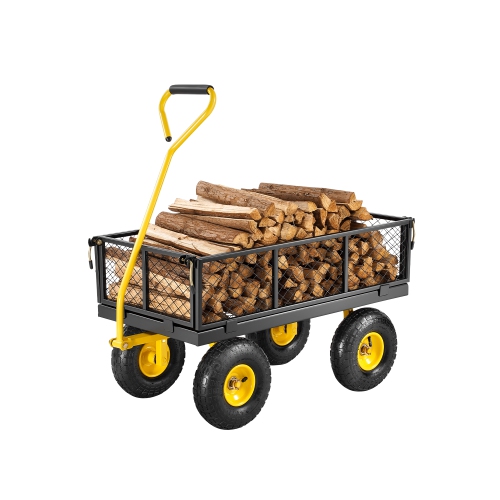
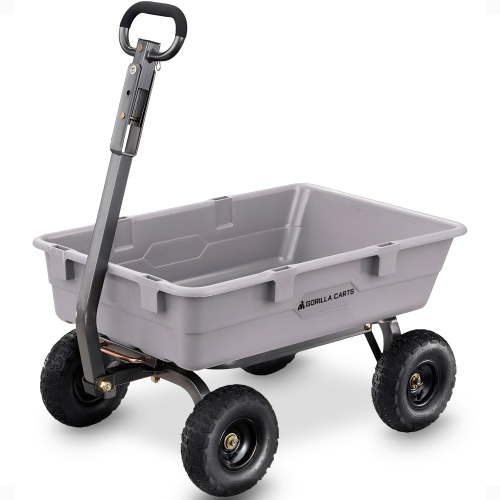
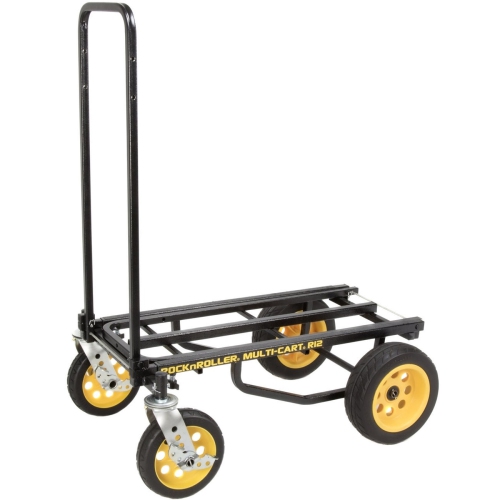
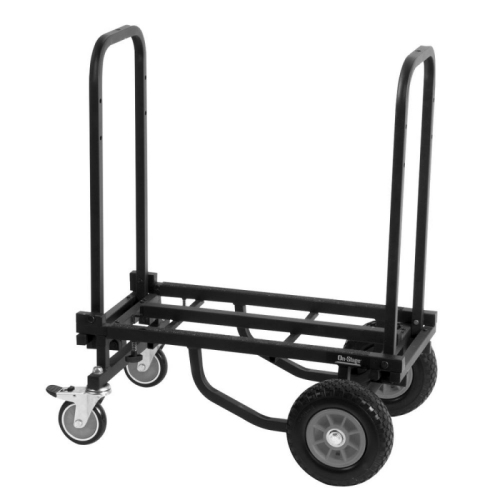
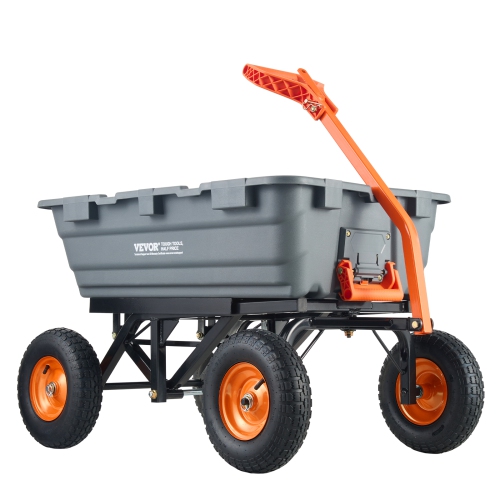
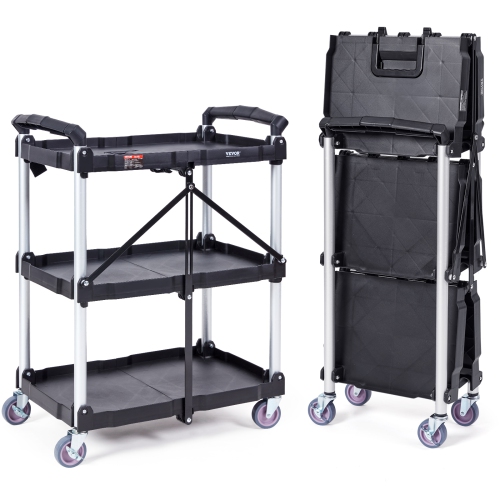
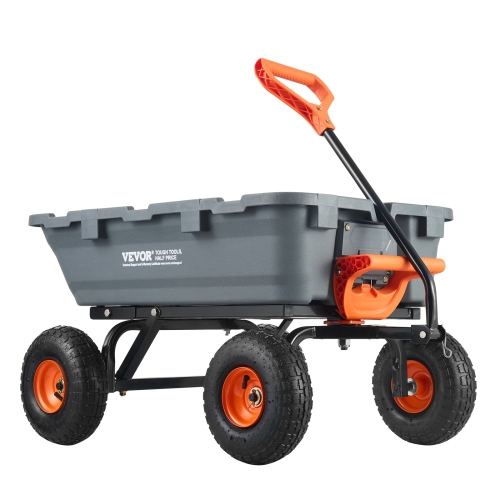
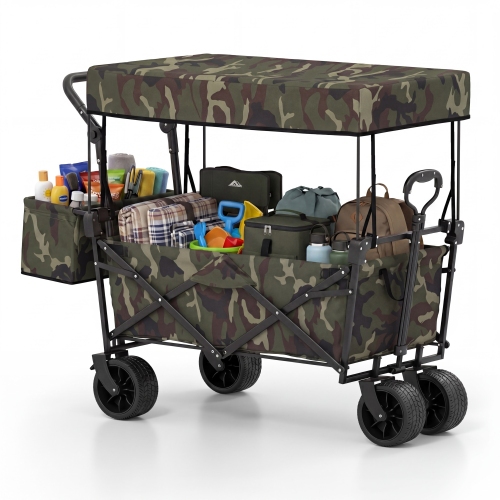
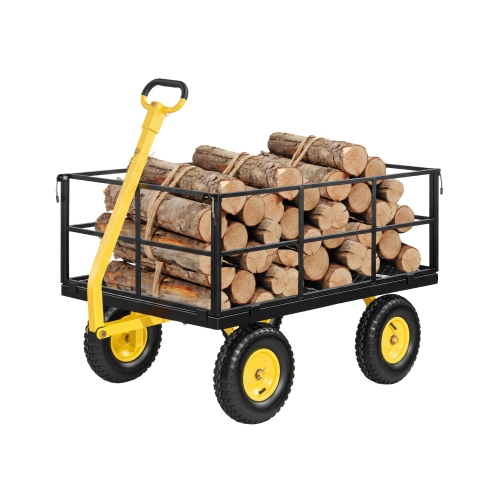
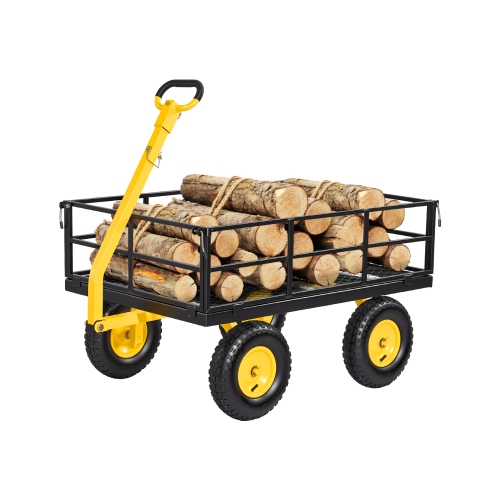
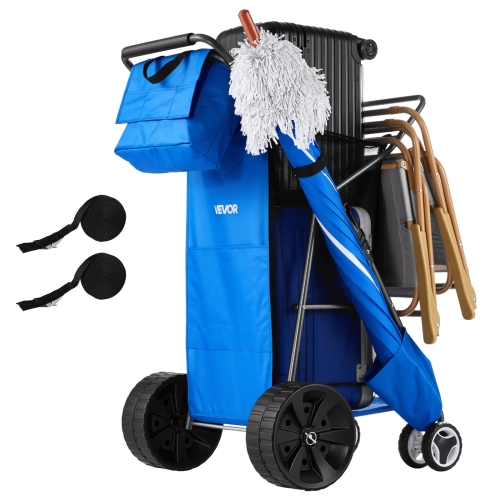
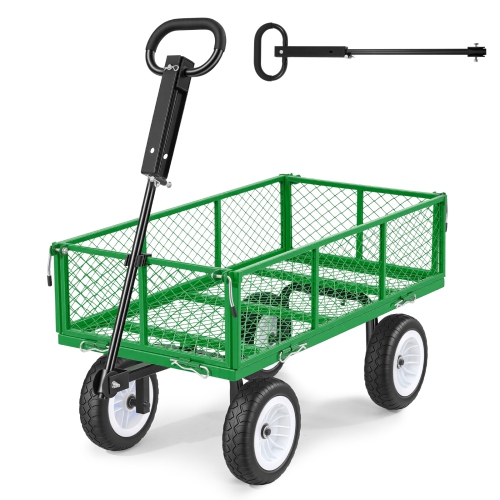
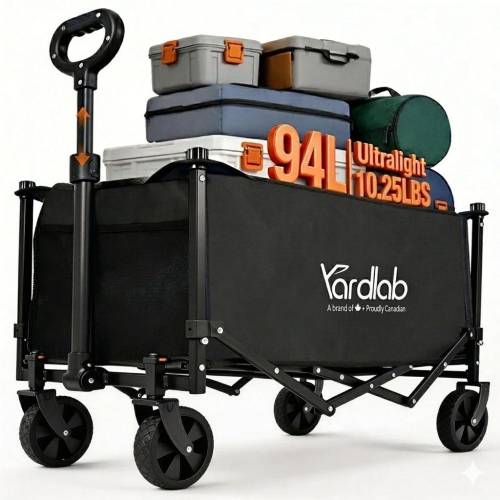
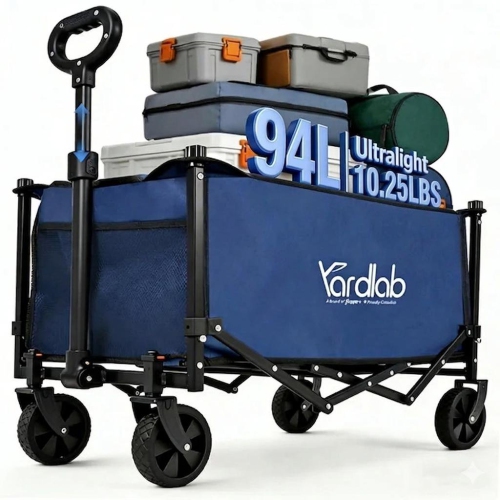
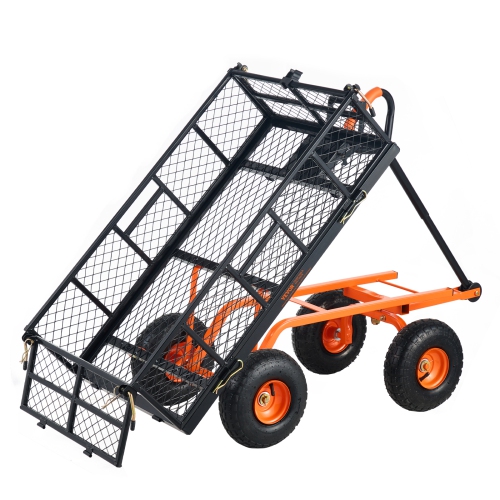
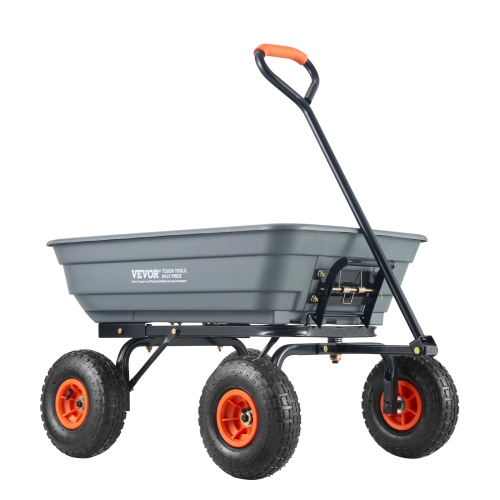
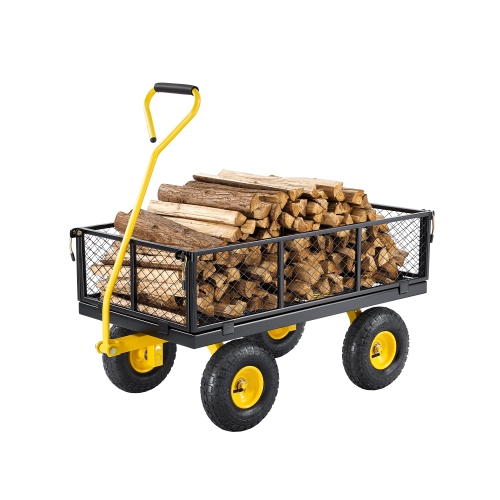
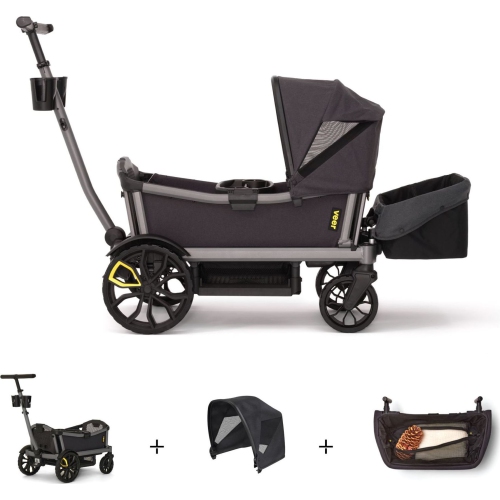
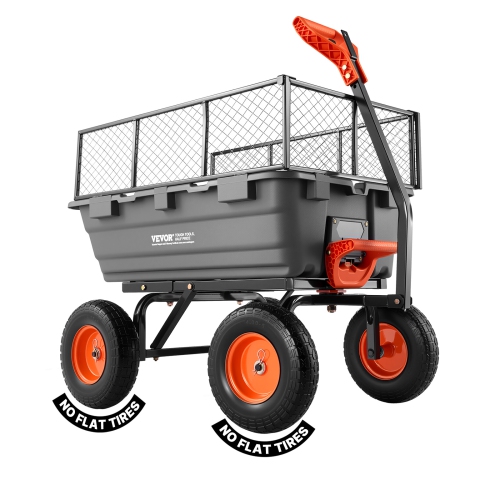
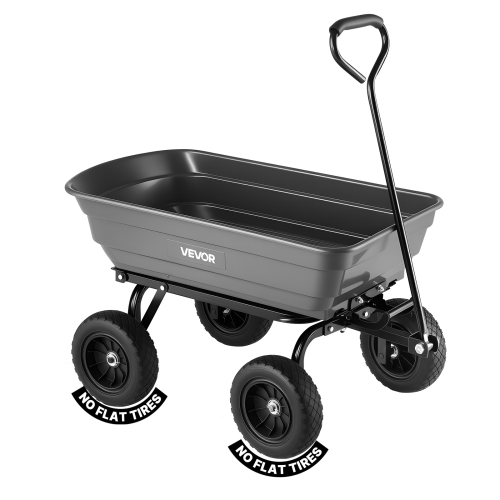
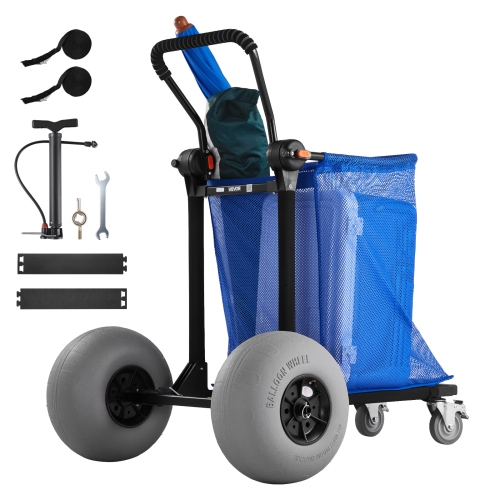
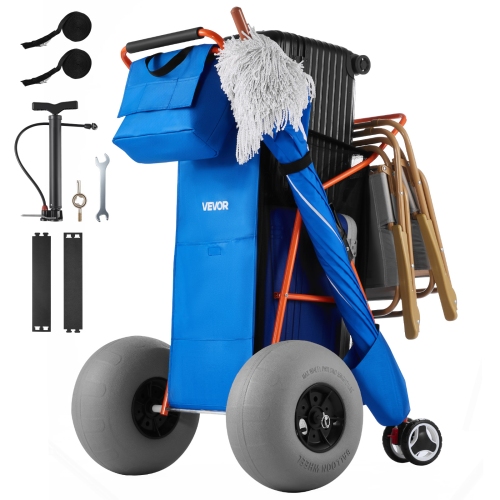
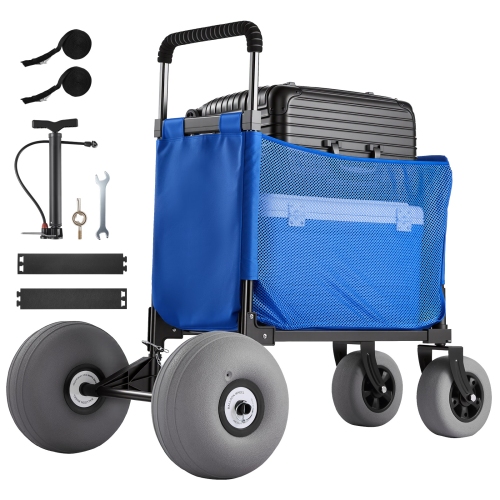
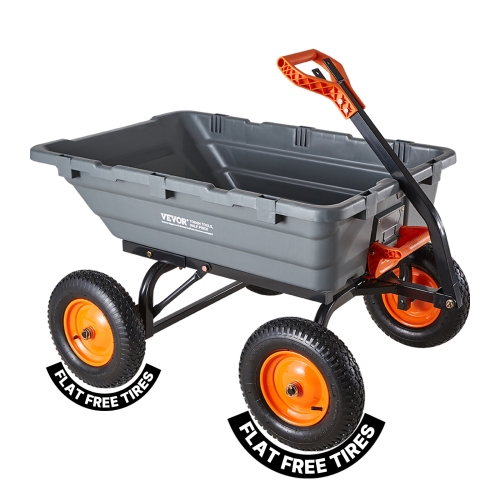
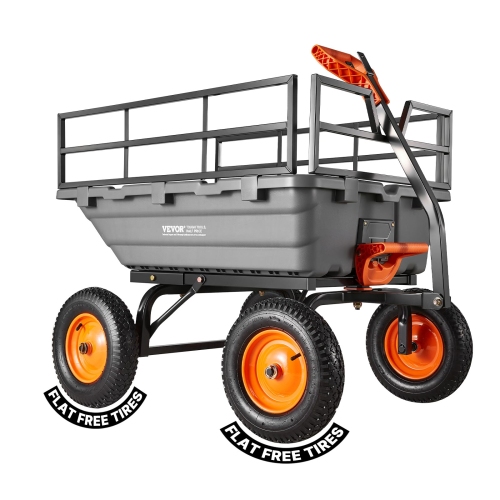
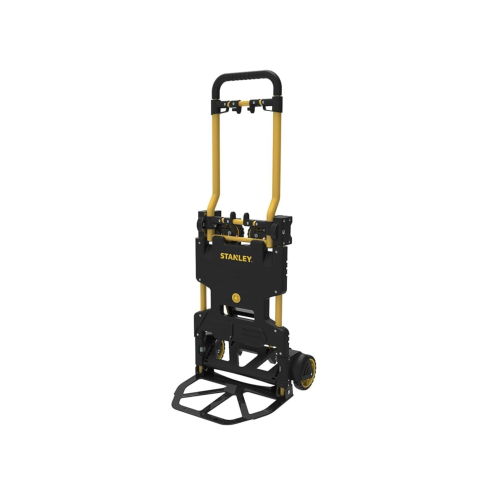
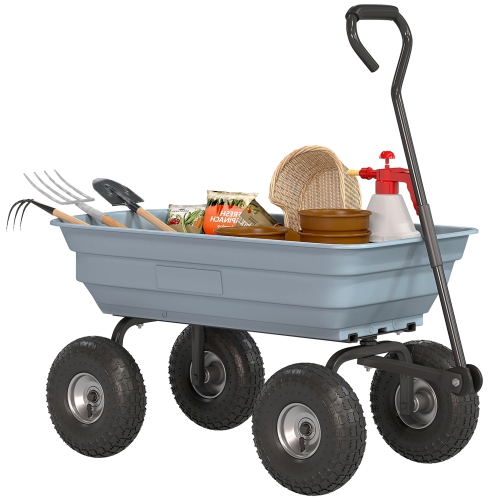
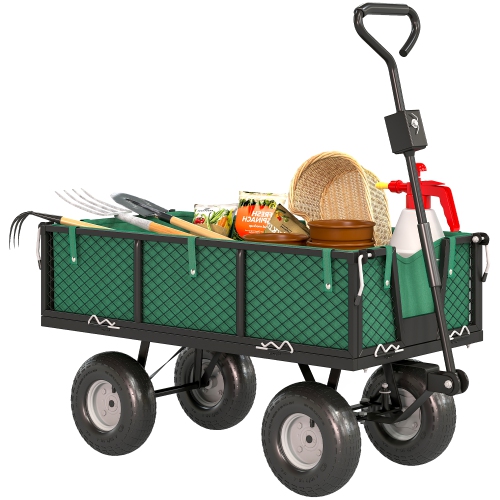
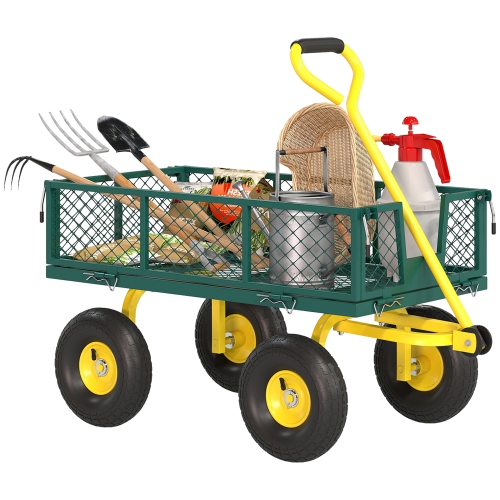
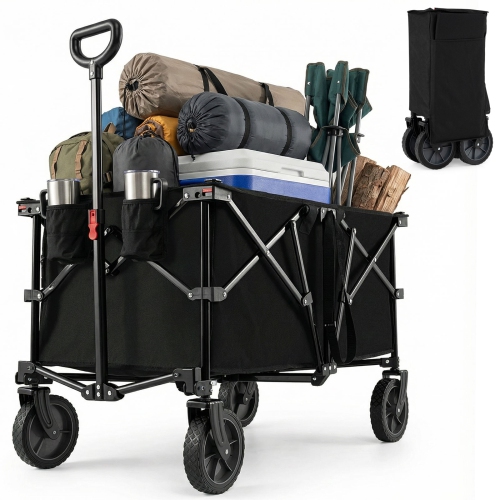
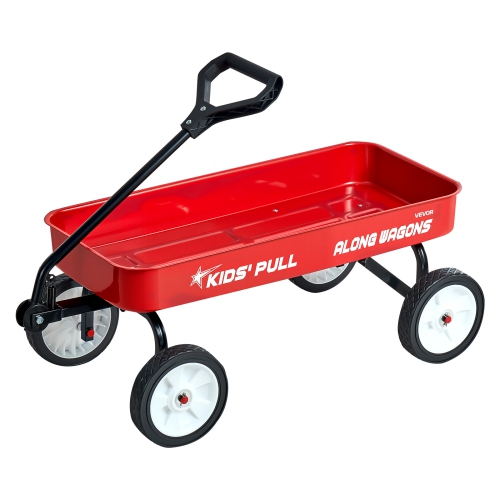
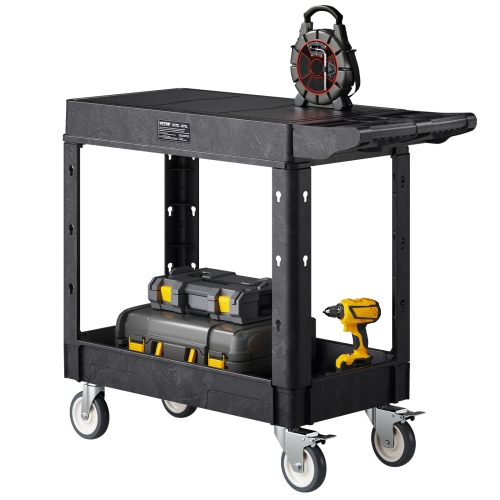
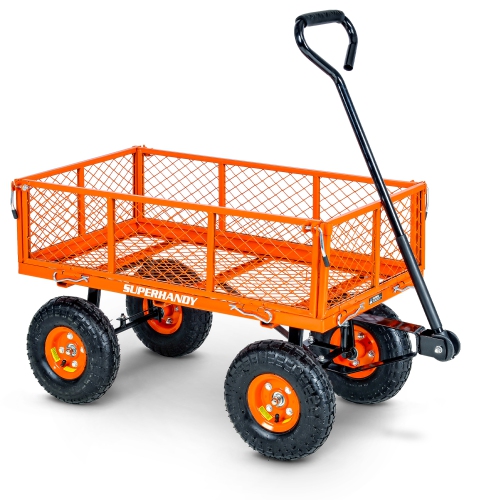
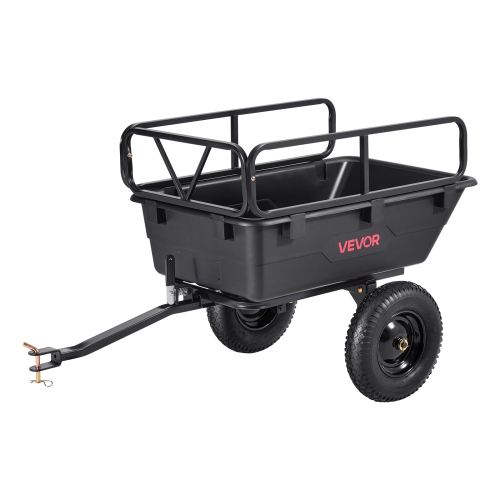
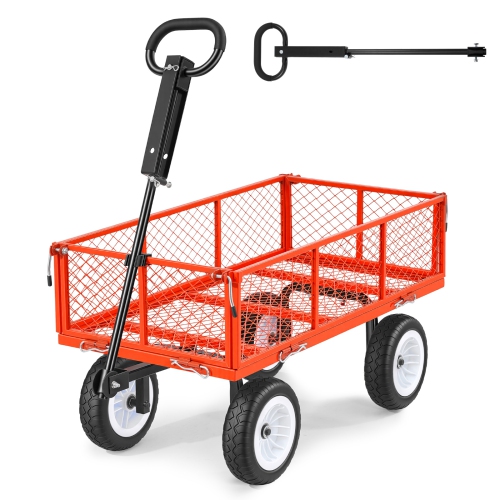
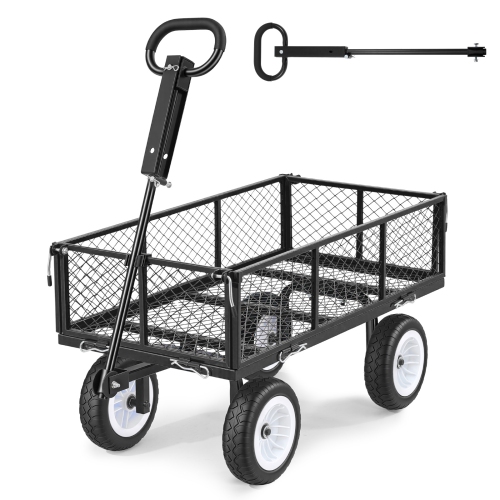
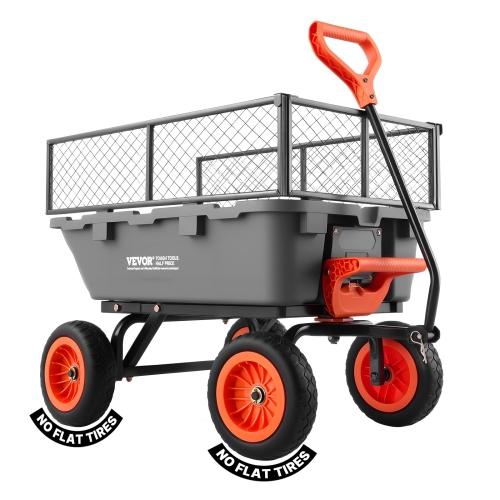
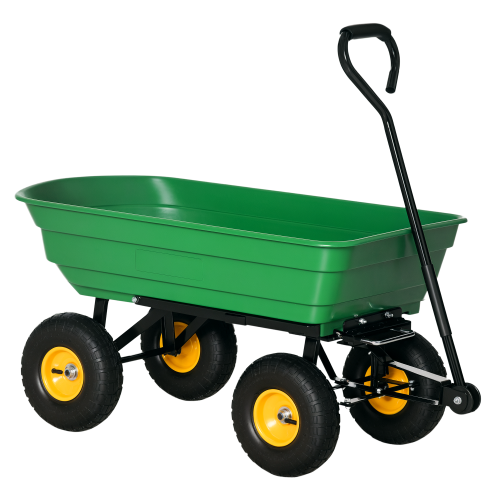
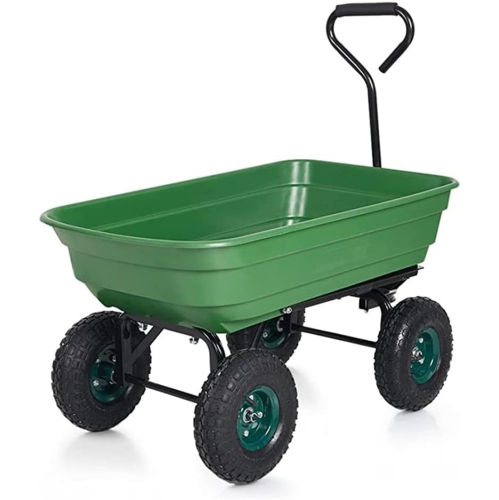
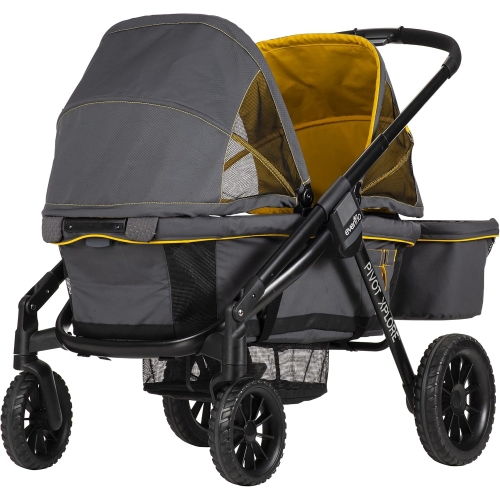
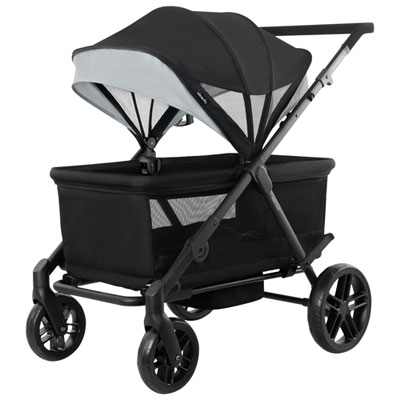
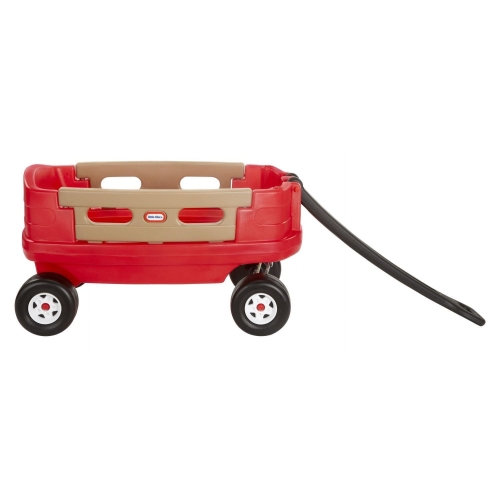
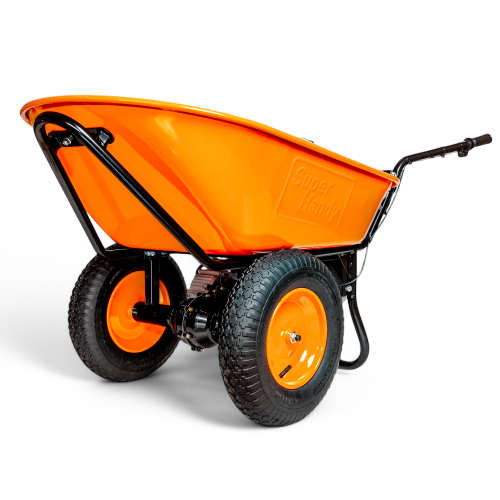
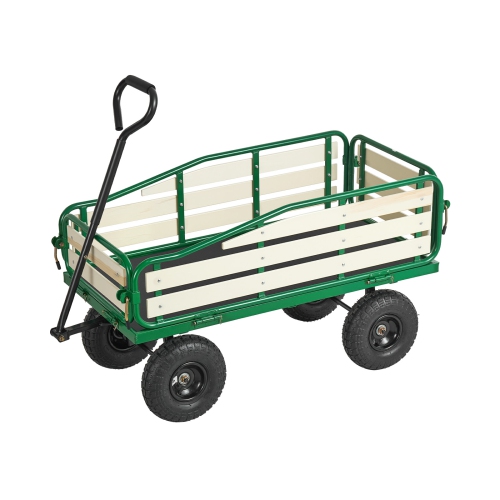
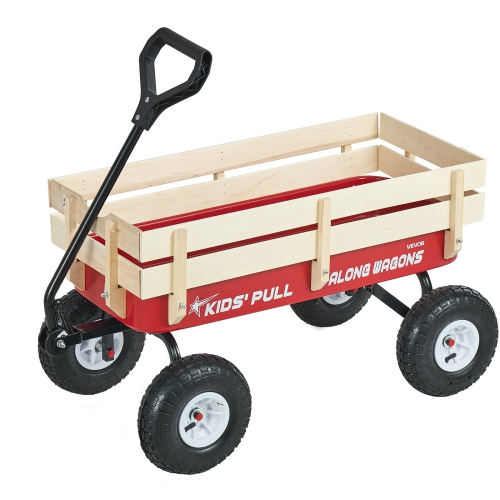
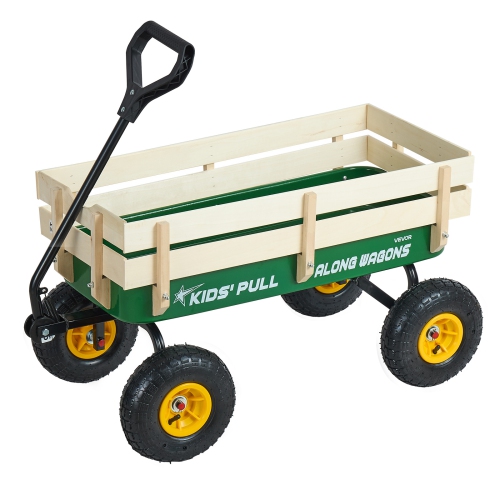
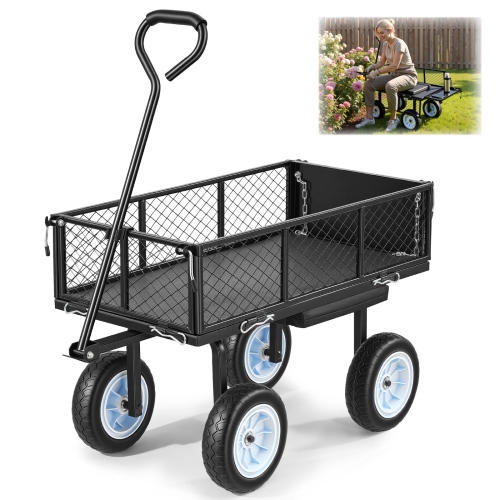
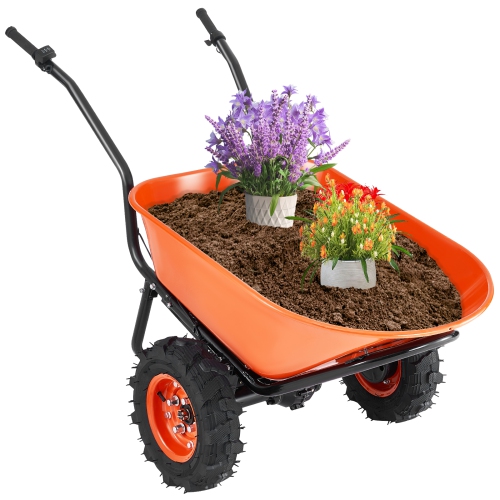
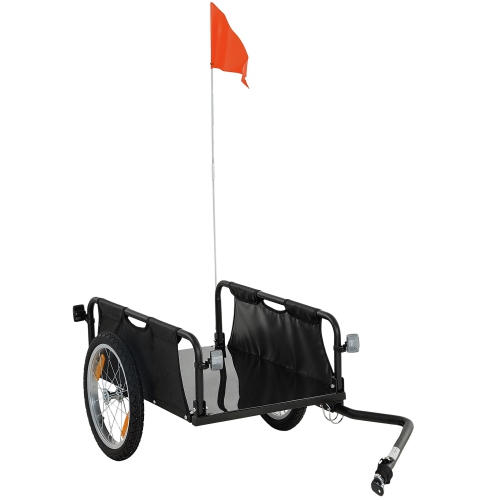
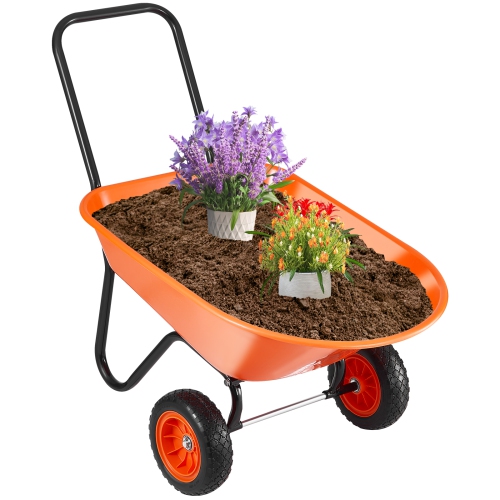
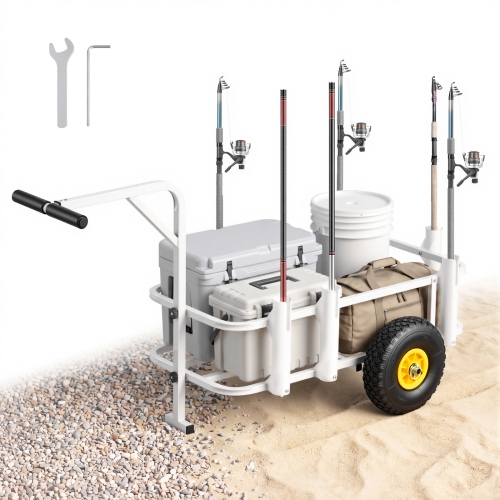
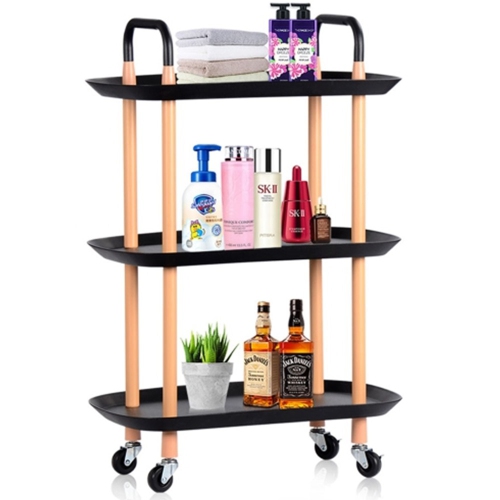
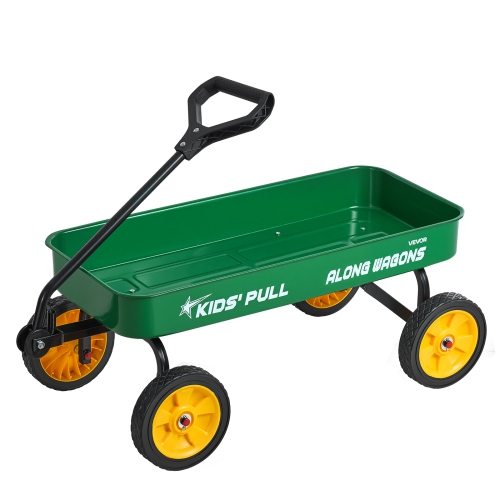
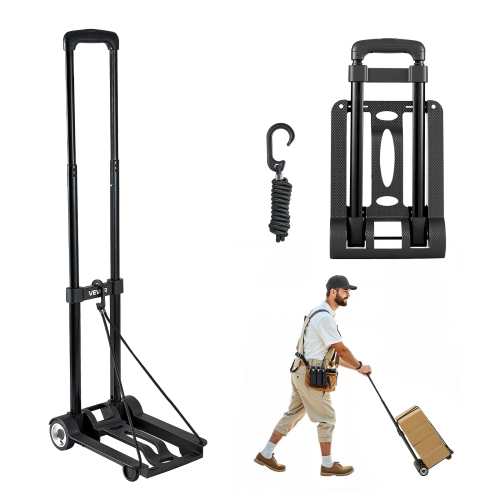
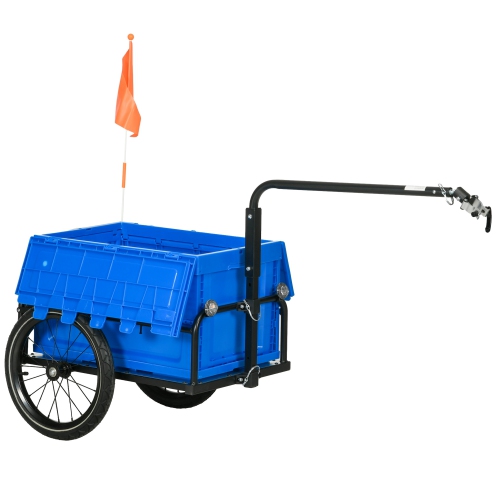
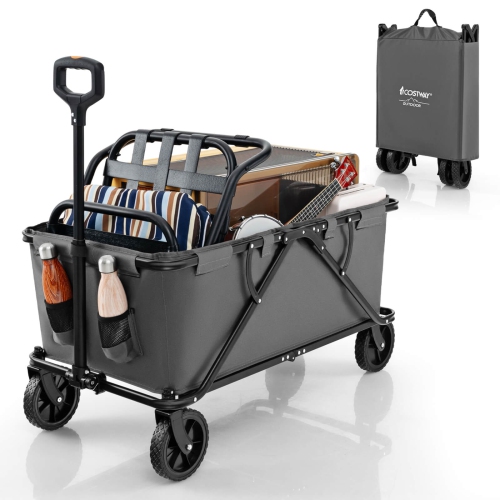
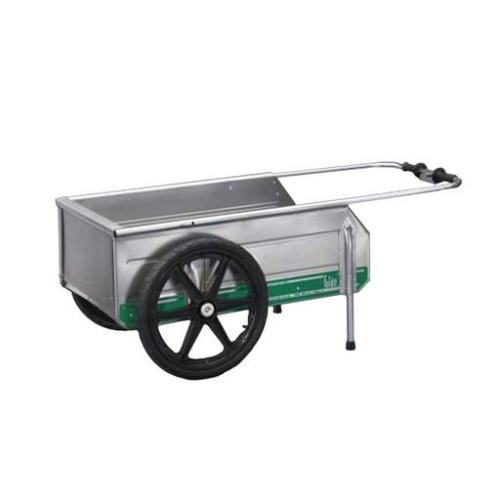
A utility wagon is an open-bed cart on wheels designed to move cargo such as groceries, gardening supplies, camping gear, and sports equipment with fewer trips and less carrying. Its usefulness comes from combining a roomy loading area with a handle and wheels that let the weight roll rather than rest on your shoulders. For an apartment resident, that might mean taking grocery bags from a parking space to the elevator in one trip. For a coach, it could mean moving balls, cones, and a cooler from the car to the sidelines. Utility wagons generally fall into two broad groups: folding wagons with fabric bodies and rigid carts with solid or mesh beds. A collapsible utility wagon typically uses a folding metal frame and a fabric cargo compartment, making it practical when the same wagon needs to fit in a vehicle, hallway cupboard, or garage corner between uses. A rigid garden cart takes up more storage space but can be better suited to repeated hauling of tools, bagged soil, and other bulky loads, depending on its construction and rated capacity. Some rigid designs have removable or drop-down sides that make loading awkward cargo easier, while others use a tipping bed to help empty loose material. Push-pull designs add another handling option, with a front pull handle, a rear push bar, or both. The Push Wagon category is relevant for shoppers interested in a wagon that can be steered from behind, though handle layouts and intended uses differ by model. Across these designs, the most useful choice is the one that suits the route as well as the load. A wagon used mainly on paved walkways has different demands from one regularly pulled across gravel or a playing field. It can also make a thoughtful practical gift for someone who frequently transports hobby supplies, picnic gear, or equipment for community activities, especially when their storage space and usual tasks are known.
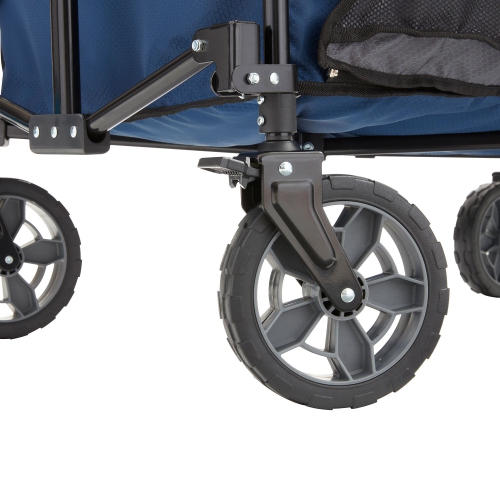
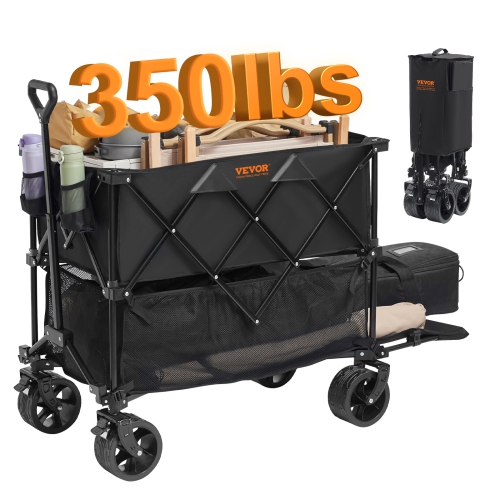
Materials, dimensions, and wheel construction all influence how a utility wagon feels in everyday use. Steel frames are common and can provide a sturdy structure, while aluminium frames may help reduce the weight you lift into a vehicle; the finished wagon’s weight matters more than the material name alone. Fabric beds are often made from polyester, sometimes with a coating that helps resist spills and makes surface cleaning easier. Reinforced corners, secure attachment points, and well-finished seams are useful details where the cargo presses against the frame. Metal mesh beds allow small debris to fall through but may need a suitable liner for loose materials, while solid beds help contain smaller contents. Load capacity describes the maximum cargo weight under the manufacturer’s stated conditions, not how easily that load will move over every surface. A high capacity is not a reason to fill a wagon beyond what you can comfortably steer, stop, and unload. Interior bed measurements are just as important: a long folding chair or a wide storage bin may not fit neatly even when its weight is well below the limit. For folding utility wagons, check the folded height, width, and depth against the actual space in a boot, cupboard, or shelving area, allowing room for wheels and handles that remain exposed. Wheel diameter and width affect handling, too. Larger wheels generally negotiate small surface irregularities more easily, while wider wheels can reduce sinking on loose ground; neither feature guarantees effortless travel across sand or rough paths. Air-filled tyres can cushion the ride but require pressure checks and may puncture. Solid wheels avoid inflation maintenance, although ride comfort varies with their material and construction. Front swivel wheels help with tight turns around doorways and parked cars, while steering layouts with linked front wheels can feel different under a heavy load. Handle height and grip shape should let the person moving the wagon walk naturally without stooping or repeatedly catching their heels on the front edge. Where fitted, a parking brake can help hold the wagon during loading on a suitable surface, but it should not be treated as a downhill braking system.
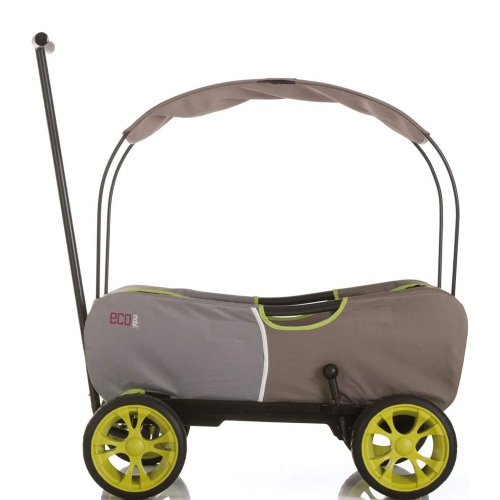
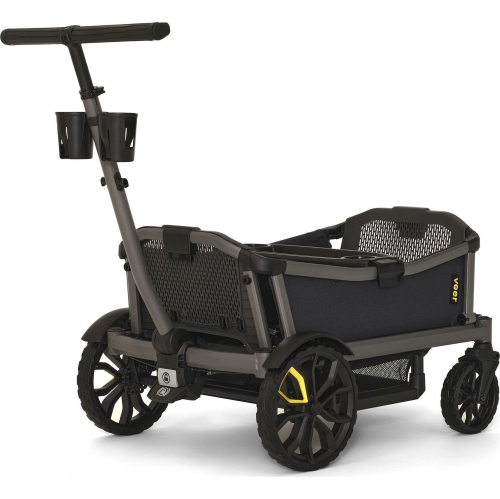
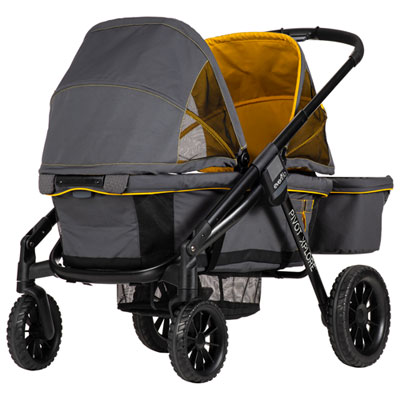
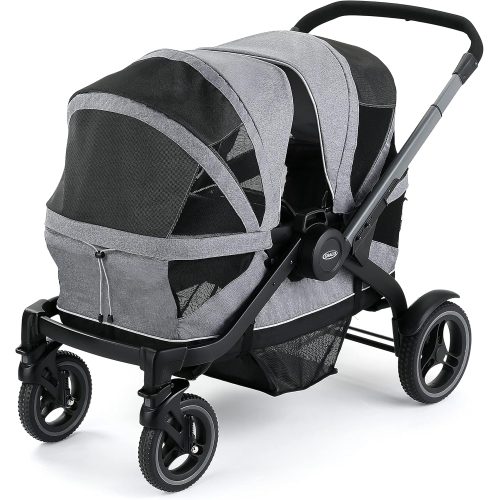
The details that matter most often become clear during ordinary tasks. Deep sides can help contain soft bags and loose gear, but they also mean lifting cargo higher to load and unload it. A lower bed or opening side may be more convenient for heavier objects, provided the design is intended for them. Small exterior pockets keep gloves, straps, or other lightweight accessories separate from the main load, while a firm base panel can help prevent grocery bags from leaning into one another. Removable fabric can make cleaning simpler, but removal and washing methods should follow the care instructions rather than an assumption that the whole liner is machine washable. After carrying soil or dusty equipment, brush out debris and wipe accessible surfaces before folding the wagon away. Let cleaned fabric dry fully, remove grit from wheel assemblies, and check fasteners, hinges, and frame joints periodically for looseness or damage. Painted or coated metal benefits from gentle cleaning, with chips and worn areas addressed according to the manufacturer’s directions. A folding mechanism should open fully and lock as intended before loading, and fingers should stay clear of hinges as the frame closes. Keep heavy cargo low and centred, distribute it evenly across the bed, and secure tall or awkward loads with suitable restraints where the design allows. Loading above the sides can block visibility and make the wagon less stable, especially when turning or crossing an uneven edge. Stairs, steep slopes, and large kerbs are not routine obstacles for a loaded utility wagon; a level route or a smaller load is often the more manageable option. Standard cargo wagons should not be used to carry children unless the manufacturer explicitly designs and approves them for that purpose. Passenger use calls for a purpose-built design with appropriate seating, restraints, and safety features, not simply a spacious fabric bed. With the right dimensions, manageable empty weight, and construction suited to its intended load, a utility wagon becomes a dependable way to move everyday essentials between home, vehicle, storage, and the places they are needed.
Materials, dimensions, and wheel construction all influence how a utility wagon feels in everyday use. Steel frames are common and can provide a sturdy structure, while aluminium frames may help reduce the weight you lift into a vehicle; the finished wagon’s weight matters more than the material name alone. Fabric beds are often made from polyester, sometimes with a coating that helps resist spills and makes surface cleaning easier. Reinforced corners, secure attachment points, and well-finished seams are useful details where the cargo presses against the frame. Metal mesh beds allow small debris to fall through but may need a suitable liner for loose materials, while solid beds help contain smaller contents. Load capacity describes the maximum cargo weight under the manufacturer’s stated conditions, not how easily that load will move over every surface. A high capacity is not a reason to fill a wagon beyond what you can comfortably steer, stop, and unload. Interior bed measurements are just as important: a long folding chair or a wide storage bin may not fit neatly even when its weight is well below the limit. For folding utility wagons, check the folded height, width, and depth against the actual space in a boot, cupboard, or shelving area, allowing room for wheels and handles that remain exposed. Wheel diameter and width affect handling, too. Larger wheels generally negotiate small surface irregularities more easily, while wider wheels can reduce sinking on loose ground; neither feature guarantees effortless travel across sand or rough paths. Air-filled tyres can cushion the ride but require pressure checks and may puncture. Solid wheels avoid inflation maintenance, although ride comfort varies with their material and construction. Front swivel wheels help with tight turns around doorways and parked cars, while steering layouts with linked front wheels can feel different under a heavy load. Handle height and grip shape should let the person moving the wagon walk naturally without stooping or repeatedly catching their heels on the front edge. Where fitted, a parking brake can help hold the wagon during loading on a suitable surface, but it should not be treated as a downhill braking system.
The details that matter most often become clear during ordinary tasks. Deep sides can help contain soft bags and loose gear, but they also mean lifting cargo higher to load and unload it. A lower bed or opening side may be more convenient for heavier objects, provided the design is intended for them. Small exterior pockets keep gloves, straps, or other lightweight accessories separate from the main load, while a firm base panel can help prevent grocery bags from leaning into one another. Removable fabric can make cleaning simpler, but removal and washing methods should follow the care instructions rather than an assumption that the whole liner is machine washable. After carrying soil or dusty equipment, brush out debris and wipe accessible surfaces before folding the wagon away. Let cleaned fabric dry fully, remove grit from wheel assemblies, and check fasteners, hinges, and frame joints periodically for looseness or damage. Painted or coated metal benefits from gentle cleaning, with chips and worn areas addressed according to the manufacturer’s directions. A folding mechanism should open fully and lock as intended before loading, and fingers should stay clear of hinges as the frame closes. Keep heavy cargo low and centred, distribute it evenly across the bed, and secure tall or awkward loads with suitable restraints where the design allows. Loading above the sides can block visibility and make the wagon less stable, especially when turning or crossing an uneven edge. Stairs, steep slopes, and large kerbs are not routine obstacles for a loaded utility wagon; a level route or a smaller load is often the more manageable option. Standard cargo wagons should not be used to carry children unless the manufacturer explicitly designs and approves them for that purpose. Passenger use calls for a purpose-built design with appropriate seating, restraints, and safety features, not simply a spacious fabric bed. With the right dimensions, manageable empty weight, and construction suited to its intended load, a utility wagon becomes a dependable way to move everyday essentials between home, vehicle, storage, and the places they are needed.
Top selling and popular products
-
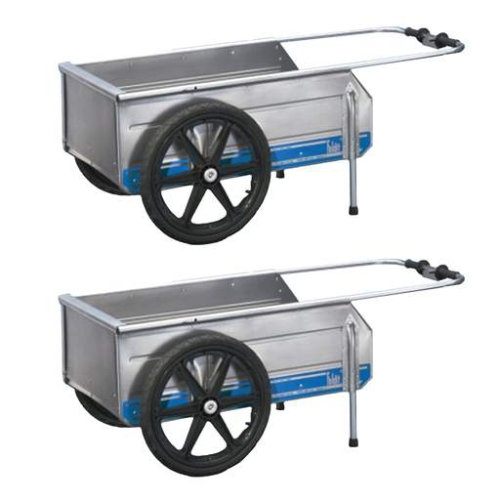 Your price for this item is $1405.99
 -
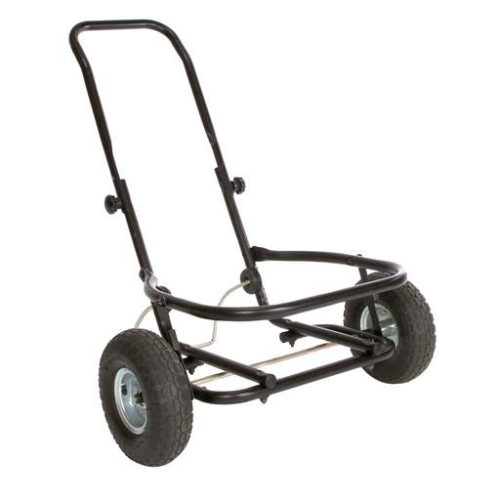 Your price for this item is $228.99
 -
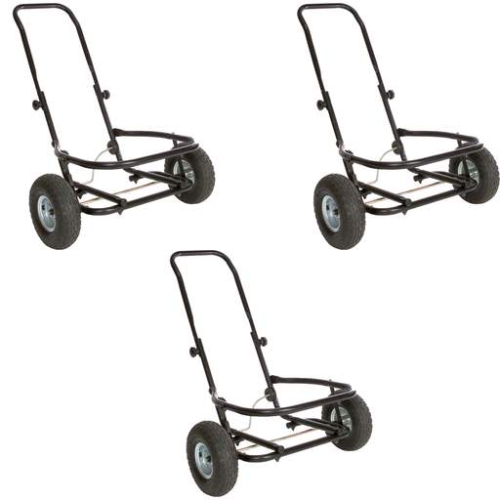 Your price for this item is $691.99
 -
 Your price for this item is $247.35
 -
 Your price for this item is $247.35
 -
 Your price for this item is $177.99
 -
 Your price for this item is $261.95
 -
 Your price for this item is $700.99
Discover more categories related to Utility Wagon
Top Collections:
Pokemon Centers, Kindle Devices, Best Budget Office Chairs, Apple iPhones 16, Best Laptops for Writers, iPhone 15 Apple, Canon G7X Cameras, Refurbished Apple Laptops, Alarm Clock, Motorola Razr Phones
Some products may be subject to Environmental Handling Fees
(EHF) depending on your province.
Learn more about EHFs.