Velvet Curtains
Transform your living space with elegance and sophistication by adorning your windows with luxurious velvet curtains. Our collection of velvet curtains offers a touch of opulence while providing privacy and light control for any room in your home. Whether you're looking to add a cozy ambiance to your bedroom or elevate the style of your living room, these sumptuous velvet drapes are sure to make a statement. Explore our range of colors and sizes to find the perfect velvet curtains to complement your decor and create a stunning focal point in any space.
Sort
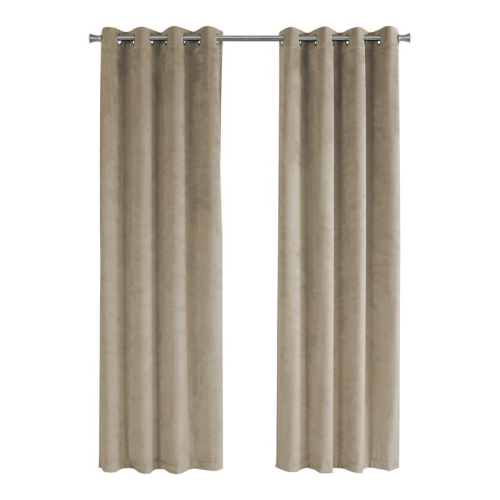
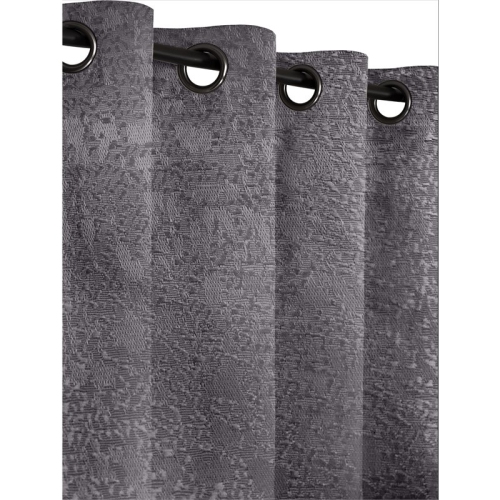
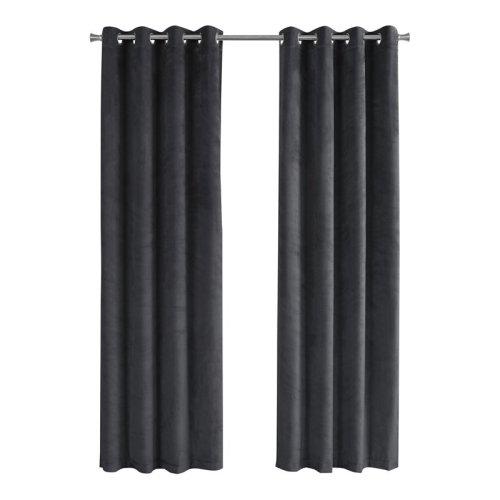
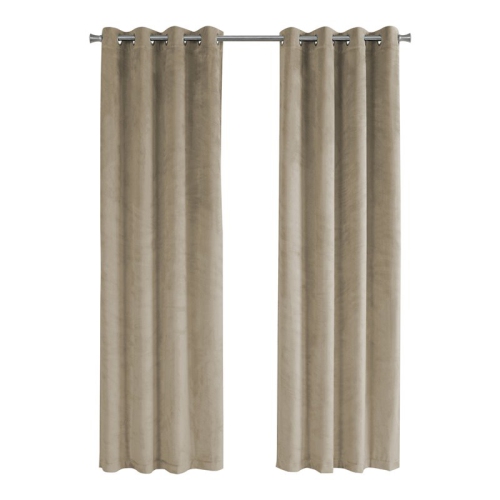
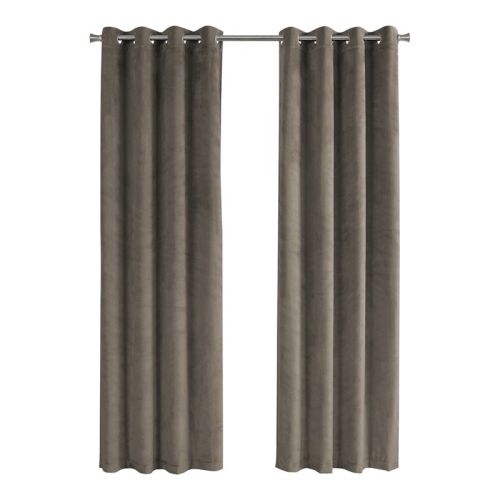
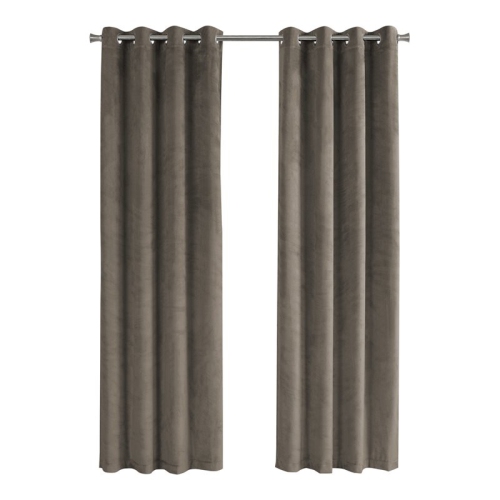
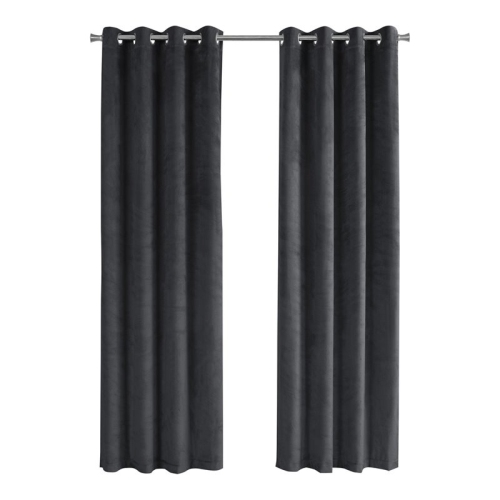
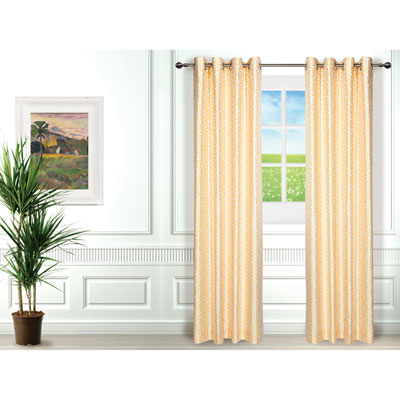
Plush texture that shifts with the light
Velvet curtains bring a soft, substantial finish to a room, framing windows with fabric that catches the light differently throughout the day. Their distinctive appearance comes from a dense pile of short fibres, which gives the surface its plush feel and subtle shifts in colour. A deep blue panel can look almost inky in a shaded corner and brighter where daylight falls across its folds, while cream or warm grey velvet adds texture without creating a strong contrast. That depth makes velvet a natural fit for bedrooms, living rooms, dining areas, and home offices where window coverings contribute as much to the overall look as furniture and lighting. Floor-length panels can give a simple window a more finished appearance, while generous folds soften the straight lines of shelving, desks, and window frames. Velvet also works across different interior styles: jewel tones suit richly layered spaces, muted shades pair easily with pale wood and linen, and charcoal or black can provide a crisp frame around a bright window. Alongside velvet sofas, curtains in a similar texture can create a sense of continuity, especially when the colours differ enough to keep the room from feeling overly matched. Smooth leather, woven rugs, and matte metal accents offer contrast to the plush surface. For someone furnishing a first apartment or refreshing a familiar sitting room, velvet curtains can change the character of the space without changing its layout. During the cooler months, their rich texture feels particularly at home beside warm lamplight and layered throws, yet lighter colours remain suited to bright interiors throughout the year. The effect depends partly on how the fabric hangs: softly gathered panels feel relaxed, while more structured pleats give the same material a tailored appearance. Because pile direction and lighting influence how velvet looks, a colour that seems uniform when viewed straight on may reveal lighter and darker areas from another angle. This variation is part of the material’s visual character rather than necessarily a difference in dye colour.
Material and construction affect how velvet curtains feel, fall, and stand up to everyday handling. Velvet describes a fabric structure rather than a single fibre, so panels may be made from polyester, cotton, or blends, with different weights, finishes, and care requirements. Polyester velvet often offers a smooth surface and practical crease resistance, while cotton velvet may have a more matte appearance and a substantial feel; the actual result depends on the weave and finishing. A supple fabric forms softer folds, whereas a heavier or backed panel can hang with more structure. Lining is especially relevant when curtains need to do more than frame a window. Velvet’s dense face fabric may reduce incoming light, but velvet alone does not guarantee blackout performance. For bedrooms used by shift workers, nurseries, or spaces where streetlights shine through at night, a stated blackout construction is more relevant than a dark colour alone. Light-filtering curtains suit rooms where softened daylight is preferable to near darkness, such as a sitting area used for reading or a home office where harsh sun falls across a screen. Privacy also depends on fabric density, lining, and the lighting on either side of the window. Thermal linings can help limit heat transfer at the window, although results vary with fit, coverage, glazing, and the rest of the room. Curtains should not be treated as a substitute for addressing draughts or poor window seals. Likewise, substantial fabric may soften some reflected sound in a room with bare floors, but it is not soundproofing. For daily use, neatly finished seams, secure header stitching, and an even hem all contribute to durability. Areas handled frequently, especially leading edges, benefit from gentle use rather than repeated pulling on the pile. In a sunny room, prolonged direct exposure can affect colour over time, making lining and the fabric’s stated care guidance useful considerations. Homes with pets may also need a little more routine attention, since loose hair and dust can settle on the textured surface.
A good fit gives velvet curtains room to form full folds while allowing them to open and close comfortably. Window width is only part of the measurement: rod position, the space beside the frame, and the way the header attaches all influence the finished coverage. Panels commonly need a combined width greater than the span they cover to create fullness, but the appropriate amount varies with the heading style and manufacturer’s guidance. Grommet panels hang in broad waves, rod pockets create a gathered top, and pleated headings offer a more defined arrangement. The curtain rod and brackets need to support the total fabric weight, particularly with wide windows, long panels, or added lining. Enough rod space beyond the frame lets open curtains sit farther to the sides, preserving more daylight and access to the window. Length changes both the appearance and the upkeep. Panels that finish just above the floor are practical where curtains move daily or a vacuum passes frequently, while fabric resting on the floor gives a softer look but gathers dust more readily. In a dining area, keeping hems clear of chair legs helps prevent snagging; near a patio door, an unobstructed walkway matters more than an elaborate drape. Curtains must also remain safely clear of baseboard heaters, radiators, fireplaces, and vents, following the clearances specified for those fixtures. Care should always follow the sewn-in label, as some velvet curtains are machine washable and others require professional cleaning. A gentle vacuum attachment, used only where suitable for the fabric, can help lift surface dust without vigorous rubbing. Spills are best blotted rather than scrubbed, since pressure can flatten the pile or leave a visible mark. Direct ironing can also crush the surface; any steaming or pressing should follow the manufacturer’s directions, including temperature and backing precautions. For a housewarming gift, velvet curtains are most useful when the recipient’s measurements, preferred colour, and care expectations are already known. With those everyday details considered, they can provide a richly textured window finish that feels comfortable, purposeful, and well integrated into the room.
Material and construction affect how velvet curtains feel, fall, and stand up to everyday handling. Velvet describes a fabric structure rather than a single fibre, so panels may be made from polyester, cotton, or blends, with different weights, finishes, and care requirements. Polyester velvet often offers a smooth surface and practical crease resistance, while cotton velvet may have a more matte appearance and a substantial feel; the actual result depends on the weave and finishing. A supple fabric forms softer folds, whereas a heavier or backed panel can hang with more structure. Lining is especially relevant when curtains need to do more than frame a window. Velvet’s dense face fabric may reduce incoming light, but velvet alone does not guarantee blackout performance. For bedrooms used by shift workers, nurseries, or spaces where streetlights shine through at night, a stated blackout construction is more relevant than a dark colour alone. Light-filtering curtains suit rooms where softened daylight is preferable to near darkness, such as a sitting area used for reading or a home office where harsh sun falls across a screen. Privacy also depends on fabric density, lining, and the lighting on either side of the window. Thermal linings can help limit heat transfer at the window, although results vary with fit, coverage, glazing, and the rest of the room. Curtains should not be treated as a substitute for addressing draughts or poor window seals. Likewise, substantial fabric may soften some reflected sound in a room with bare floors, but it is not soundproofing. For daily use, neatly finished seams, secure header stitching, and an even hem all contribute to durability. Areas handled frequently, especially leading edges, benefit from gentle use rather than repeated pulling on the pile. In a sunny room, prolonged direct exposure can affect colour over time, making lining and the fabric’s stated care guidance useful considerations. Homes with pets may also need a little more routine attention, since loose hair and dust can settle on the textured surface.
A good fit gives velvet curtains room to form full folds while allowing them to open and close comfortably. Window width is only part of the measurement: rod position, the space beside the frame, and the way the header attaches all influence the finished coverage. Panels commonly need a combined width greater than the span they cover to create fullness, but the appropriate amount varies with the heading style and manufacturer’s guidance. Grommet panels hang in broad waves, rod pockets create a gathered top, and pleated headings offer a more defined arrangement. The curtain rod and brackets need to support the total fabric weight, particularly with wide windows, long panels, or added lining. Enough rod space beyond the frame lets open curtains sit farther to the sides, preserving more daylight and access to the window. Length changes both the appearance and the upkeep. Panels that finish just above the floor are practical where curtains move daily or a vacuum passes frequently, while fabric resting on the floor gives a softer look but gathers dust more readily. In a dining area, keeping hems clear of chair legs helps prevent snagging; near a patio door, an unobstructed walkway matters more than an elaborate drape. Curtains must also remain safely clear of baseboard heaters, radiators, fireplaces, and vents, following the clearances specified for those fixtures. Care should always follow the sewn-in label, as some velvet curtains are machine washable and others require professional cleaning. A gentle vacuum attachment, used only where suitable for the fabric, can help lift surface dust without vigorous rubbing. Spills are best blotted rather than scrubbed, since pressure can flatten the pile or leave a visible mark. Direct ironing can also crush the surface; any steaming or pressing should follow the manufacturer’s directions, including temperature and backing precautions. For a housewarming gift, velvet curtains are most useful when the recipient’s measurements, preferred colour, and care expectations are already known. With those everyday details considered, they can provide a richly textured window finish that feels comfortable, purposeful, and well integrated into the room.
Top selling and popular products
-
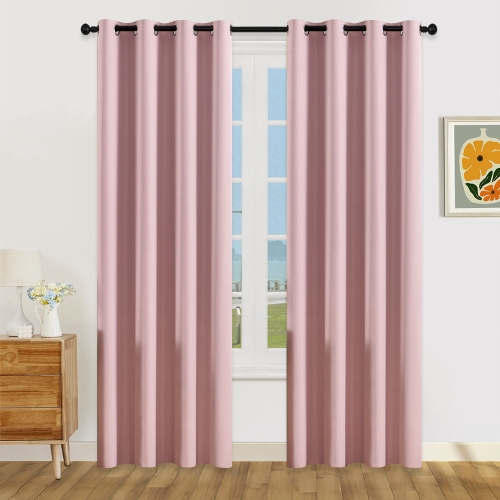 Your price for this item is $65.99
 -
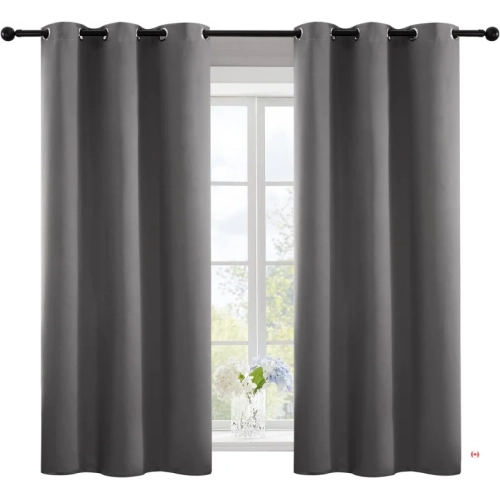 Your price for this item is $39.99
 -
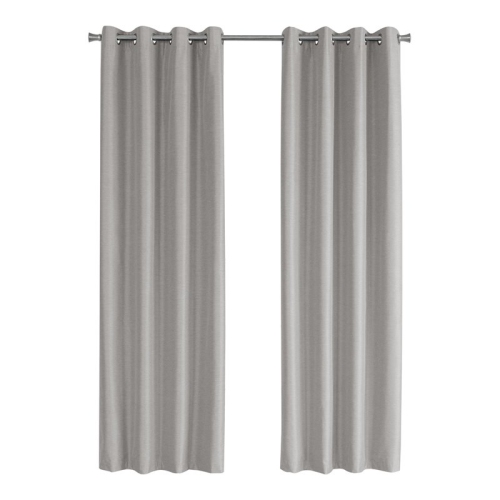 Your price for this item is $42.97
 -
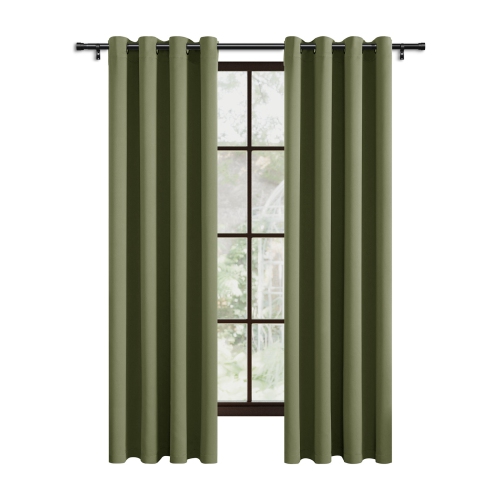 Your price for this item is $49.99
 -
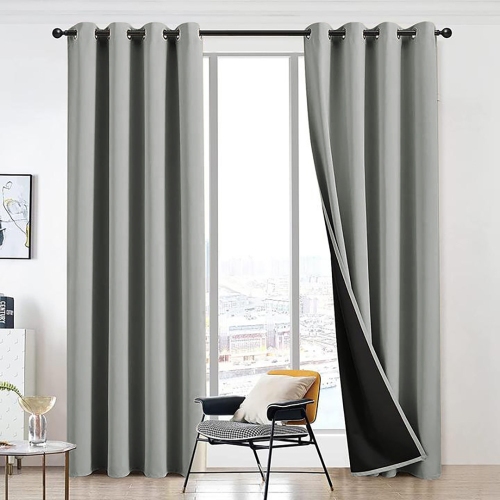 Your price for this item is $108.99
 -
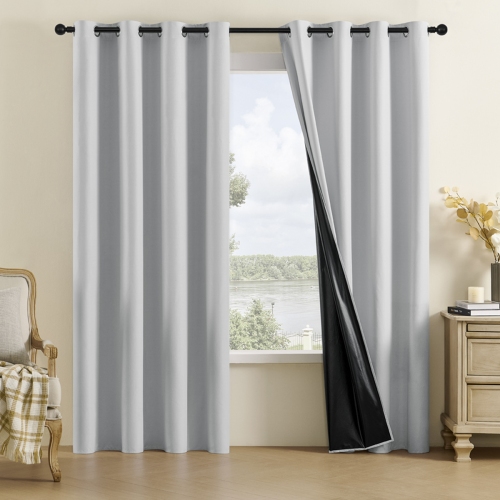 Your price for this item is $65.99
 -
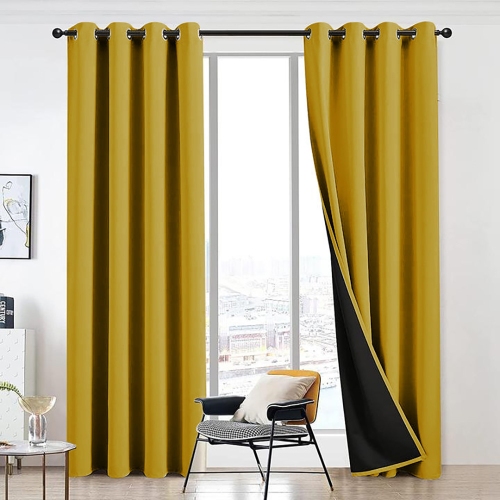 Your price for this item is $108.99
 -
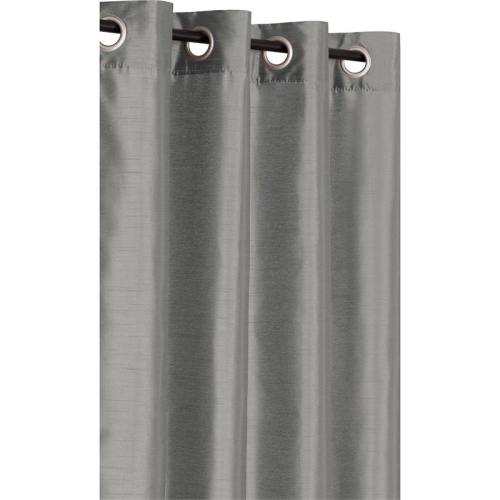 Your price for this item is $44.8
Discover more categories related to Velvet Curtains
Top Collections:
Pokemon Centers, Budget 4K TVs, Best Budget Office Chairs, Kindle Devices, Canon G7X Cameras, Apple iPhones 16, iPhone 15 Apple, Laptops for Business Work, Xiaomi Phones, Flip Phones
Some products may be subject to Environmental Handling Fees
(EHF) depending on your province.
Learn more about EHFs.