Warehouse Shelves
Looking to optimize storage space in your warehouse? Look no further than our wide selection of warehouse shelves. Designed to maximize efficiency and organization, these shelves are perfect for storing a variety of items, from heavy-duty equipment to smaller supplies. With sturdy construction and adjustable features, our warehouse shelves are built to withstand the demands of any industrial setting. Whether you're managing a large-scale operation or a small business, our shelves will help you keep your inventory neatly organized and easily accessible. Find the perfect solution for your warehouse storage needs today!
Sort


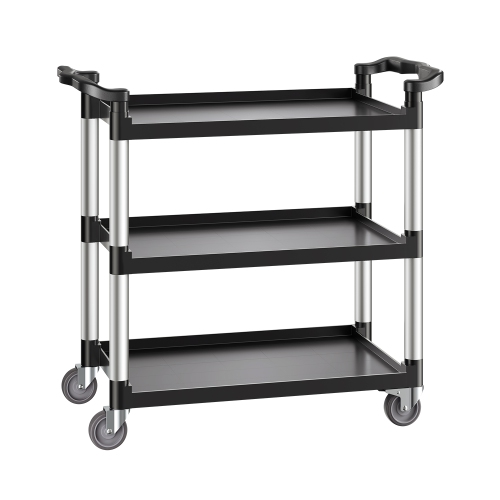
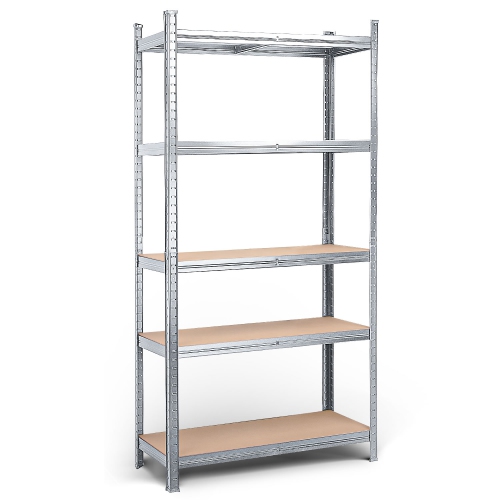
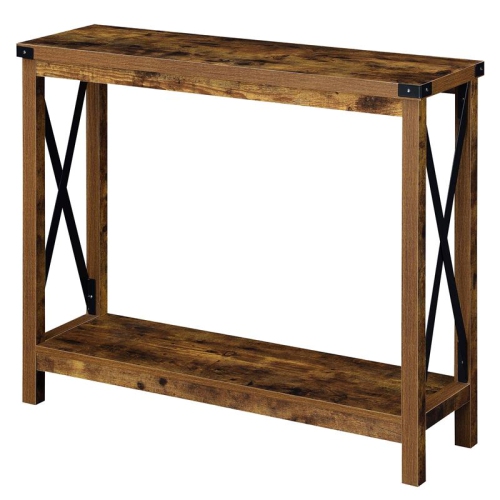
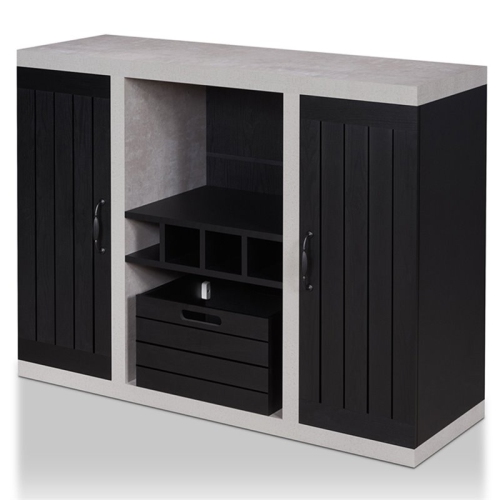

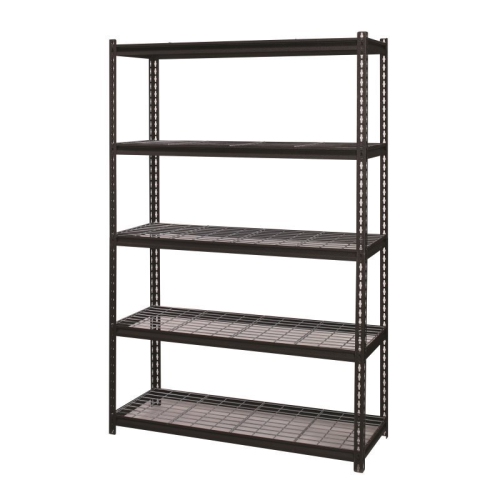
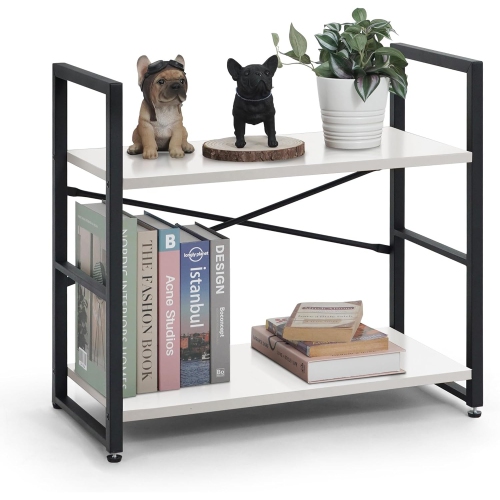
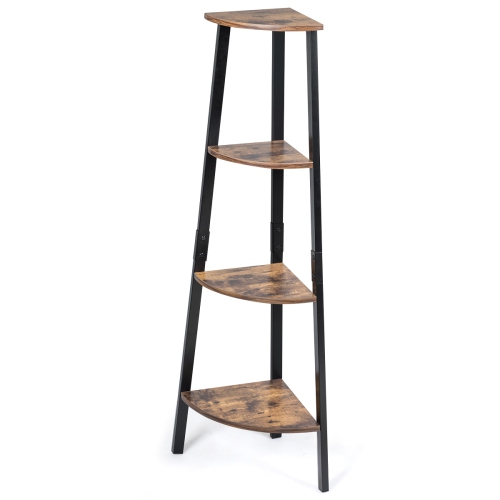



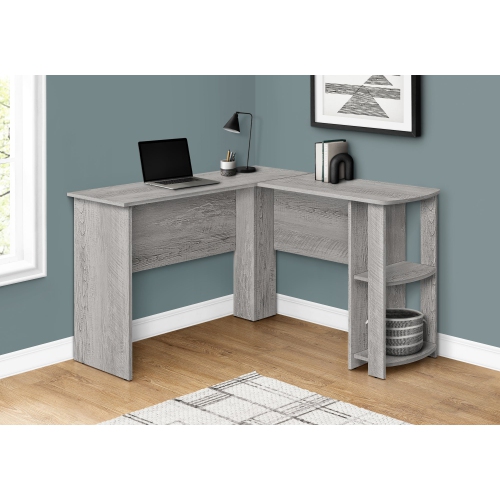
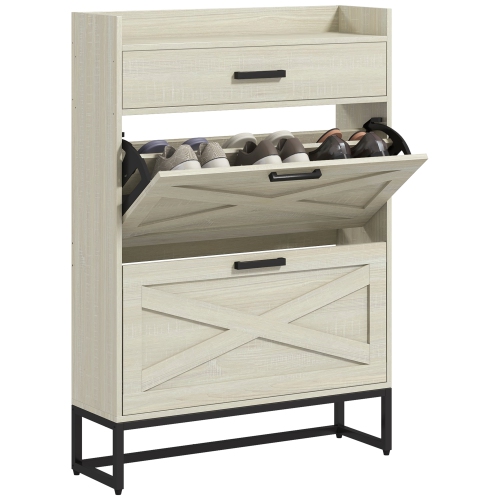


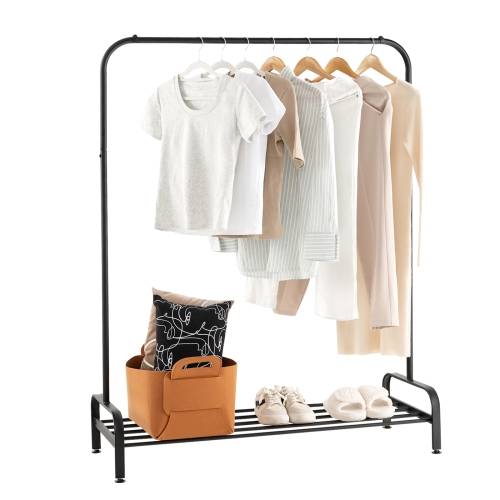

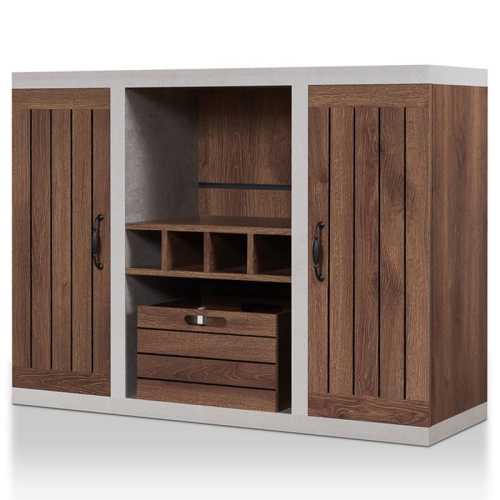
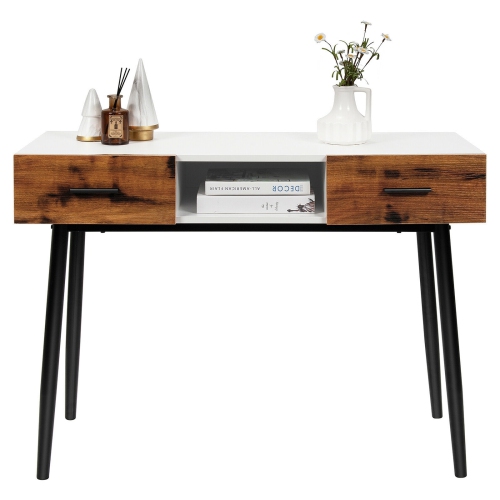
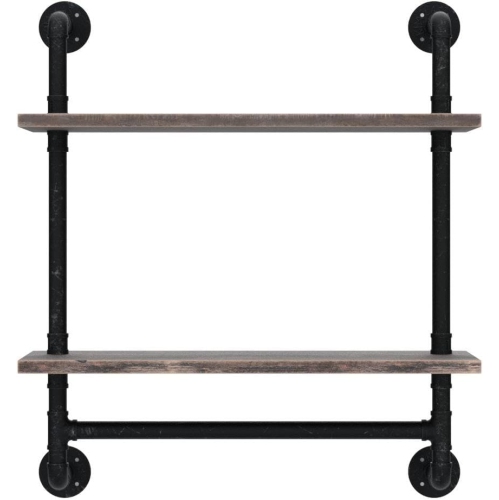

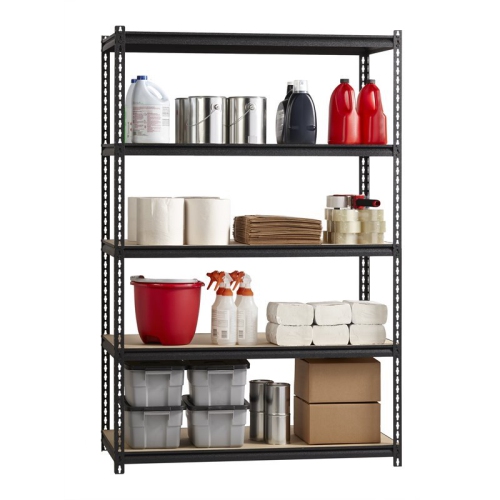
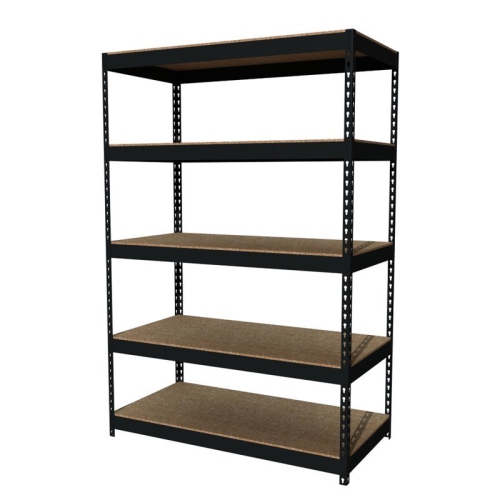
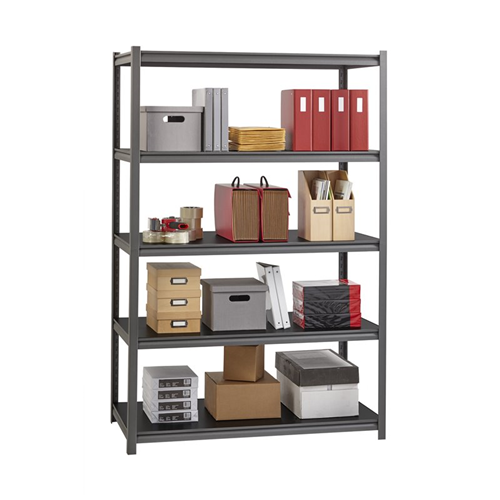

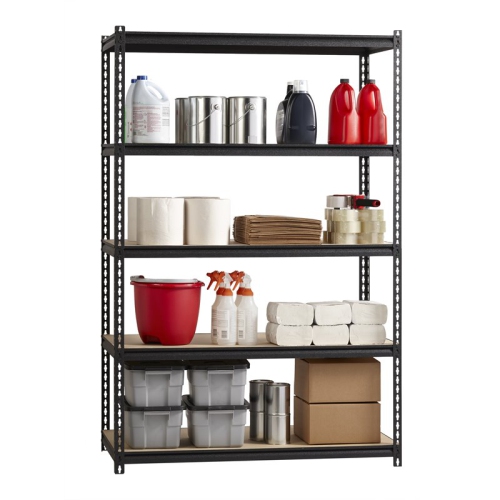
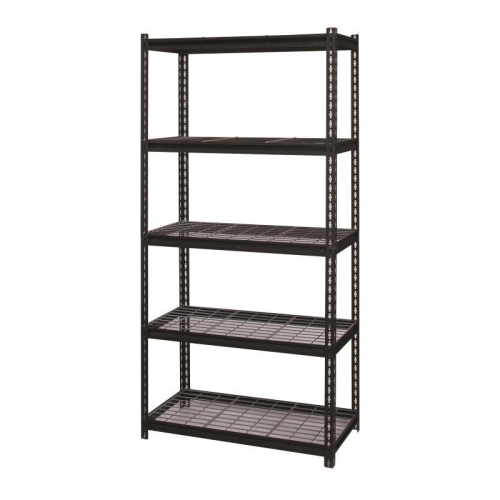

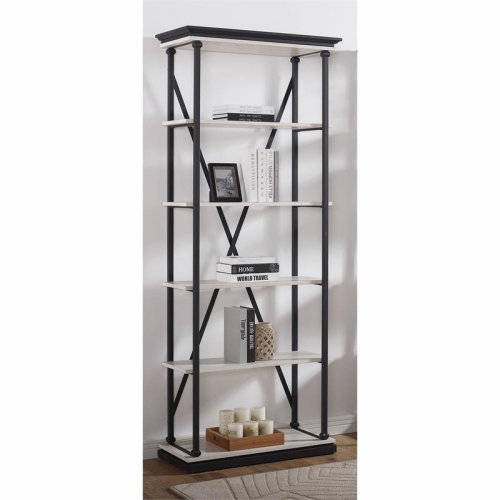
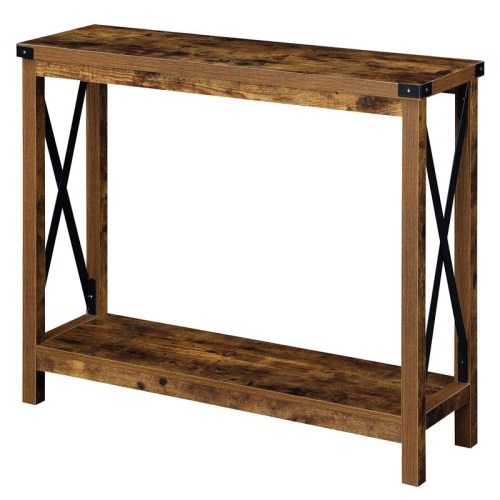
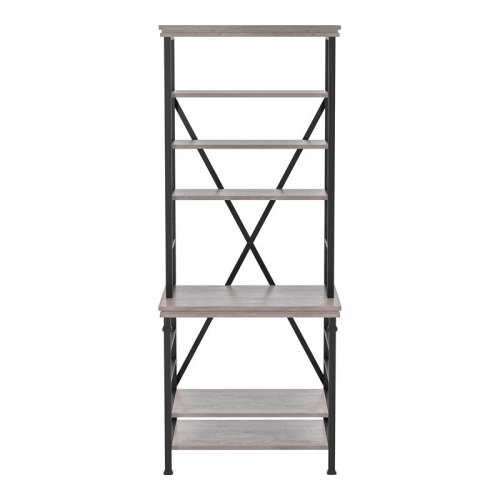
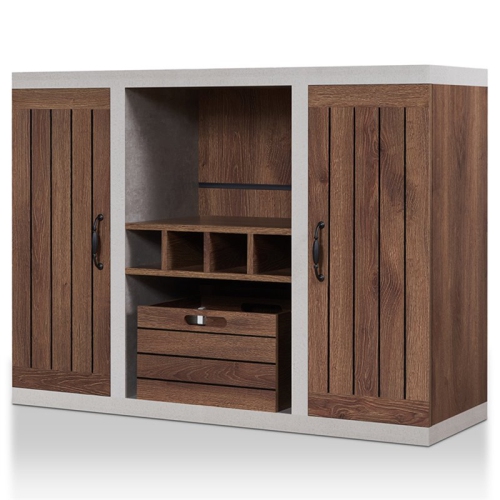
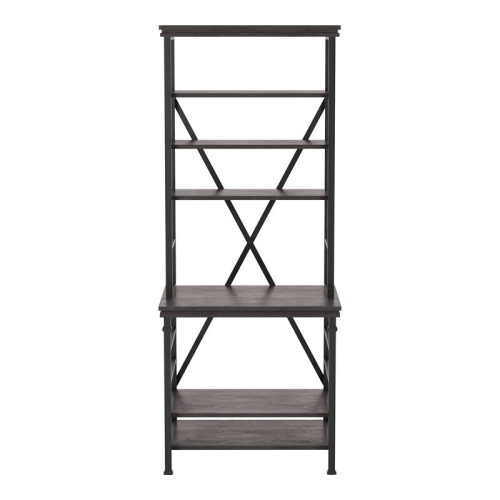
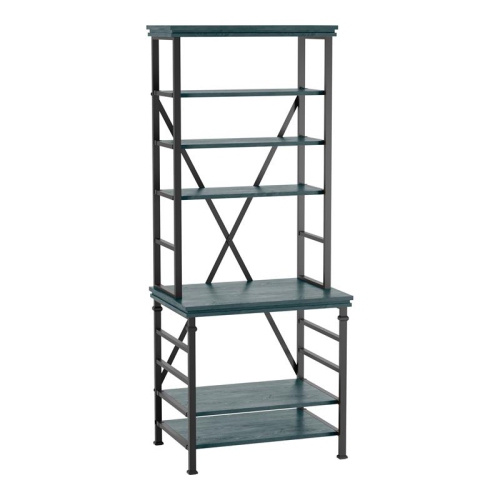
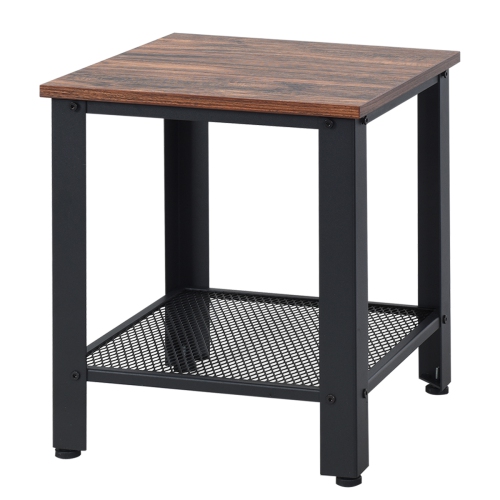

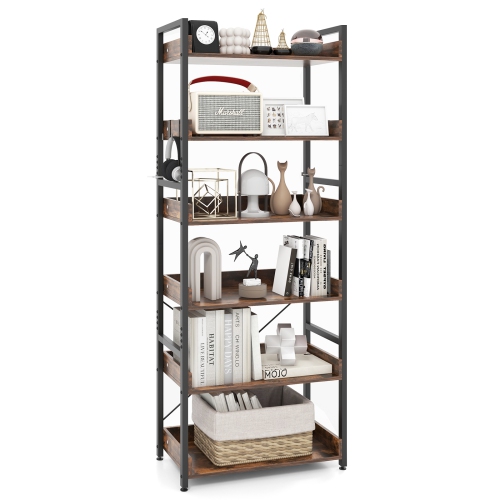
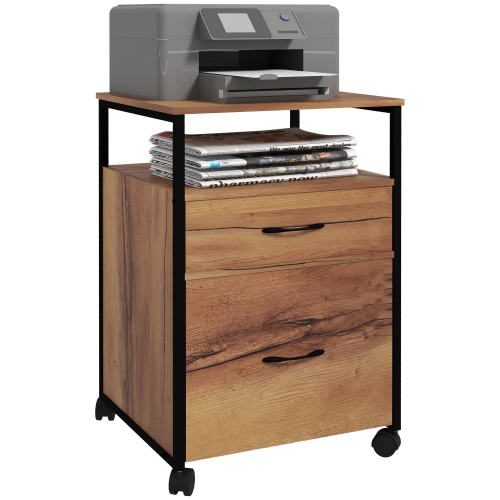
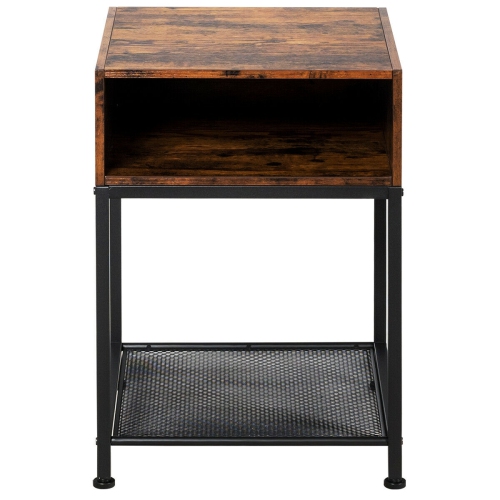
Different loads call for different shelving designs
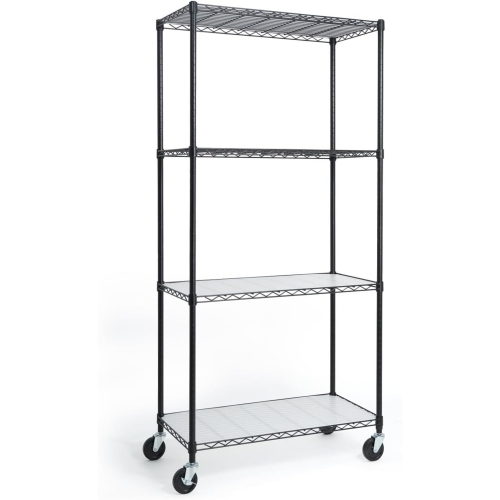
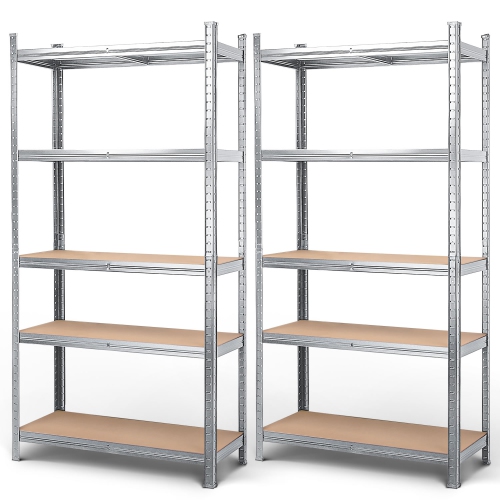
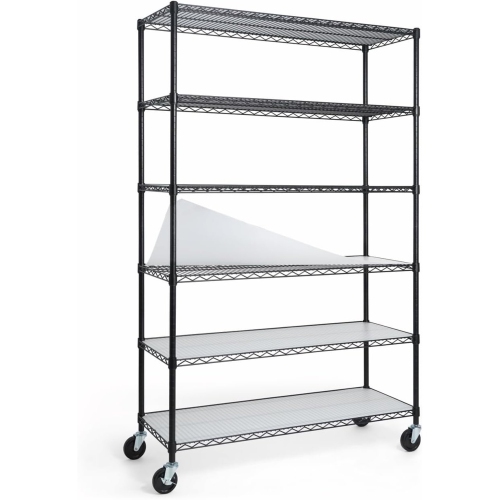
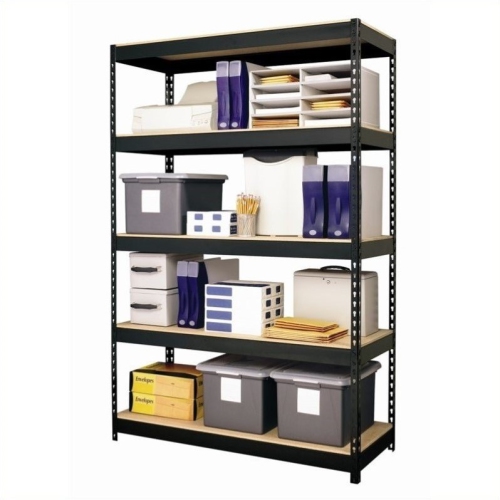
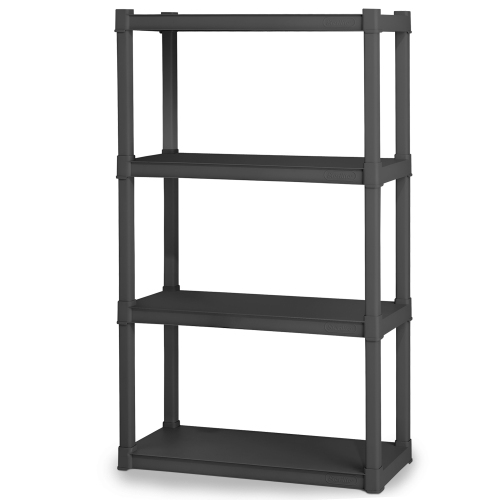
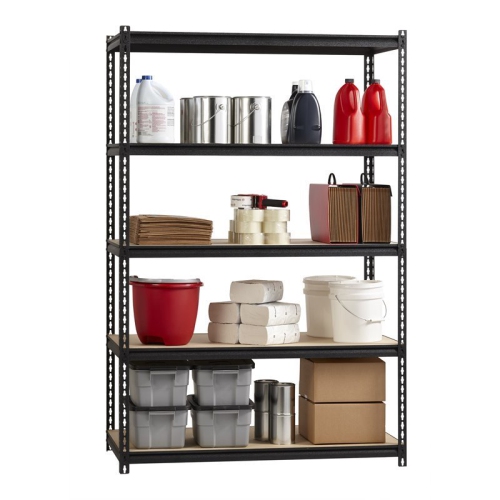
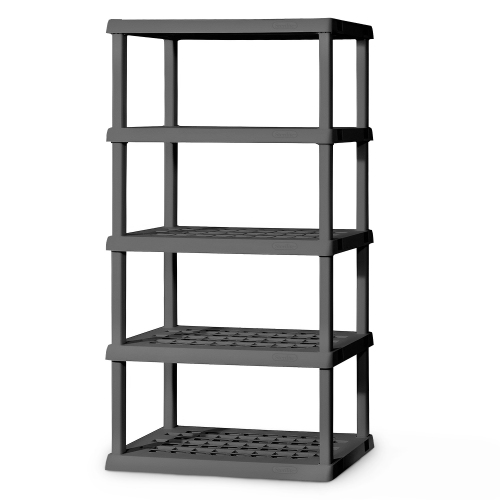
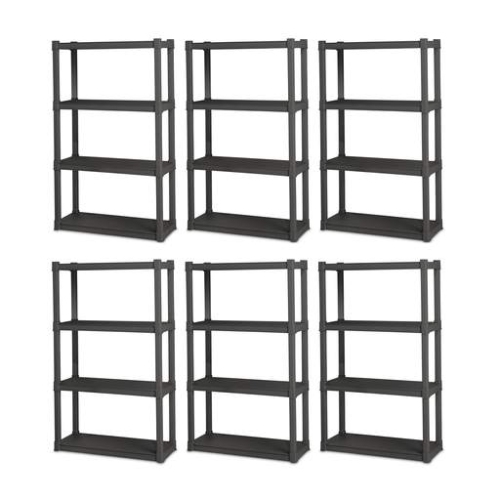
Warehouse shelves are storage systems designed to keep supplies, tools, cartons, and equipment organized, accessible, and supported at a suitable working height. They serve a practical role in distribution facilities, workshops, commercial back rooms, and home garages, where sturdy construction and usable shelf space matter more than decorative details. The main types include general-purpose steel shelving, long-span shelving, wire shelving, pallet racking, and cantilever racking, each suited to a different kind of load and method of access. Steel shelving provides a straightforward layout for hand-loaded storage, with upright frames and horizontal levels that may be adjustable. Long-span shelving offers wider openings for bulky cartons and containers that would be awkward to fit between closely spaced posts. Wire shelving has an open surface that lets light and air pass through, making lower levels easier to see and reducing the broad, flat areas where dust can settle. Pallet racking supports palletized loads on beams and requires a layout designed around the handling equipment used to move them. Cantilever racking uses projecting arms rather than front posts, providing access to long materials such as lumber, tubing, and metal bars. These industrial systems are not interchangeable with ordinary utility shelves; their structure, installation requirements, and intended loads differ considerably. For a repair business, a row of hand-accessible shelves might keep tools and repair materials close to the workbench. A shipping area may need deeper levels for packed cartons, while a shared maintenance space benefits from clearly separated sections for different tasks. In a garage, warehouse-style shelving can bring the same orderly approach to tool cases, storage bins, and bulky equipment. Where the goal is to showcase objects rather than support demanding storage tasks, Display Shelves offer a different approach to presentation. The distinction comes down to purpose: warehouse shelving prioritizes load support, access, and efficient use of space, while display-oriented shelving places greater emphasis on how objects look within a room.
Materials and construction influence how warehouse shelving performs over years of repeated use. Steel frames are common because they provide rigidity, but the strength of a complete unit depends on more than the material alone. Upright design, beam connections, bracing, shelf construction, and correct assembly all contribute to its rated capacity. Powder-coated and painted finishes help protect covered metal surfaces during ordinary use, though scraped or damaged areas still need attention. Galvanized finishes provide another form of surface protection, while stainless steel may suit settings with particular cleaning requirements, provided the complete shelving system meets those needs. Solid steel shelves support small objects without gaps beneath them and can be convenient to wipe down. Wire shelves provide visibility through the levels, but narrow feet or small loose parts may need a compatible liner or container. Particleboard or other engineered wood decks can create a continuous support surface, although they require care around spills and may not suit areas that need frequent wet cleaning. Decks, liners, and replacement panels should match the frame’s requirements rather than simply fit the opening. Load ratings deserve particular attention: a capacity stated for one shelf is different from a rating for the whole unit, and neither should be assumed to cover a heavy object concentrated in one small area. Ratings often depend on evenly distributed weight and the specified shelf configuration. A dense piece of equipment placed at the centre of a level can place different demands on the shelf than several lighter containers spread across it. Shelf spacing may also affect the permitted capacity of some systems, so adjustments should follow the manufacturer’s documentation. Durability includes the ability to maintain safe support, not just resist visible wear. Bent beams, damaged uprights, loose connections, and sagging decks need assessment before the affected section continues carrying a load. Industrial racking requires particular care after an impact from handling equipment, even when the damage initially appears minor.
Fit involves the full working space around warehouse shelves, not only the width of an empty wall. Overall height, depth, and width determine whether a unit fits the intended location, while the clear opening between posts determines what can actually pass onto each level. A container that matches the outside width of a shelving bay may still be too wide for the usable opening. Shelf depth is equally important: shallow levels keep smaller supplies within easy reach, whereas deeper levels suit larger containers but can make objects at the back harder to retrieve. Allowing space to lift a lid, grip a carton from both sides, or slide a bin forward makes everyday use less awkward. Adjustable levels help accommodate a mixture of tall equipment and low containers without leaving large unused gaps, provided the arrangement remains within the system’s specifications. Frequently handled materials are generally easier to manage at comfortable reaching heights, with heavier loads positioned lower where practical and within the relevant ratings. Clear aisles should accommodate people, carts, and any handling equipment without blocking doors, exits, electrical panels, or required access routes. Floor condition and load-bearing suitability also matter, particularly with heavily loaded industrial systems. Tall shelving and racks may require anchoring or other stability measures specified by the manufacturer, and commercial installations may need professional design or review for applicable building and fire requirements. Mobile shelving serves a different purpose from fixed shelving: castors make repositioning possible, but their ratings, locking mechanisms, floor compatibility, and movement restrictions must suit the complete loaded unit. Routine care is usually straightforward when it follows the material and finish requirements. Removing debris, wiping accessible surfaces with an appropriate cleaner, drying spills promptly, and checking connections helps keep storage areas usable. Labels on shelf edges and consistent container placement make shared spaces easier to navigate without changing the shelving itself. For workshop owners, facilities teams, and households managing a busy utility area, a well-matched shelving layout creates dependable places for the equipment and supplies that daily tasks require.
Materials and construction influence how warehouse shelving performs over years of repeated use. Steel frames are common because they provide rigidity, but the strength of a complete unit depends on more than the material alone. Upright design, beam connections, bracing, shelf construction, and correct assembly all contribute to its rated capacity. Powder-coated and painted finishes help protect covered metal surfaces during ordinary use, though scraped or damaged areas still need attention. Galvanized finishes provide another form of surface protection, while stainless steel may suit settings with particular cleaning requirements, provided the complete shelving system meets those needs. Solid steel shelves support small objects without gaps beneath them and can be convenient to wipe down. Wire shelves provide visibility through the levels, but narrow feet or small loose parts may need a compatible liner or container. Particleboard or other engineered wood decks can create a continuous support surface, although they require care around spills and may not suit areas that need frequent wet cleaning. Decks, liners, and replacement panels should match the frame’s requirements rather than simply fit the opening. Load ratings deserve particular attention: a capacity stated for one shelf is different from a rating for the whole unit, and neither should be assumed to cover a heavy object concentrated in one small area. Ratings often depend on evenly distributed weight and the specified shelf configuration. A dense piece of equipment placed at the centre of a level can place different demands on the shelf than several lighter containers spread across it. Shelf spacing may also affect the permitted capacity of some systems, so adjustments should follow the manufacturer’s documentation. Durability includes the ability to maintain safe support, not just resist visible wear. Bent beams, damaged uprights, loose connections, and sagging decks need assessment before the affected section continues carrying a load. Industrial racking requires particular care after an impact from handling equipment, even when the damage initially appears minor.
Fit involves the full working space around warehouse shelves, not only the width of an empty wall. Overall height, depth, and width determine whether a unit fits the intended location, while the clear opening between posts determines what can actually pass onto each level. A container that matches the outside width of a shelving bay may still be too wide for the usable opening. Shelf depth is equally important: shallow levels keep smaller supplies within easy reach, whereas deeper levels suit larger containers but can make objects at the back harder to retrieve. Allowing space to lift a lid, grip a carton from both sides, or slide a bin forward makes everyday use less awkward. Adjustable levels help accommodate a mixture of tall equipment and low containers without leaving large unused gaps, provided the arrangement remains within the system’s specifications. Frequently handled materials are generally easier to manage at comfortable reaching heights, with heavier loads positioned lower where practical and within the relevant ratings. Clear aisles should accommodate people, carts, and any handling equipment without blocking doors, exits, electrical panels, or required access routes. Floor condition and load-bearing suitability also matter, particularly with heavily loaded industrial systems. Tall shelving and racks may require anchoring or other stability measures specified by the manufacturer, and commercial installations may need professional design or review for applicable building and fire requirements. Mobile shelving serves a different purpose from fixed shelving: castors make repositioning possible, but their ratings, locking mechanisms, floor compatibility, and movement restrictions must suit the complete loaded unit. Routine care is usually straightforward when it follows the material and finish requirements. Removing debris, wiping accessible surfaces with an appropriate cleaner, drying spills promptly, and checking connections helps keep storage areas usable. Labels on shelf edges and consistent container placement make shared spaces easier to navigate without changing the shelving itself. For workshop owners, facilities teams, and households managing a busy utility area, a well-matched shelving layout creates dependable places for the equipment and supplies that daily tasks require.
Top selling and popular products
-
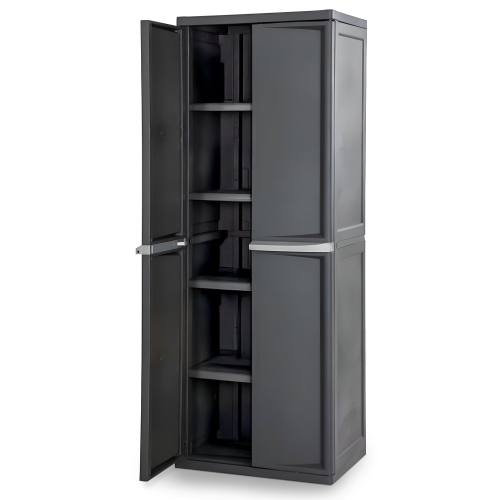 Your price for this item is $772.99
 -
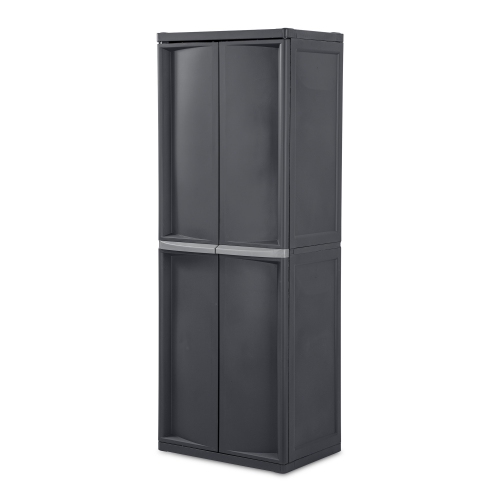 Your price for this item is $1522.99
 -
 Your price for this item is $234.68
 -
 Your price for this item is $365.38
 -
 Your price for this item is $468.99
 -
 Your price for this item is $295.84
 -
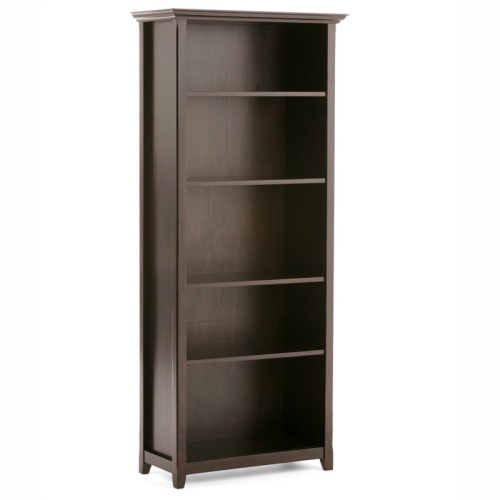 Your price for this item is $999.77
 -
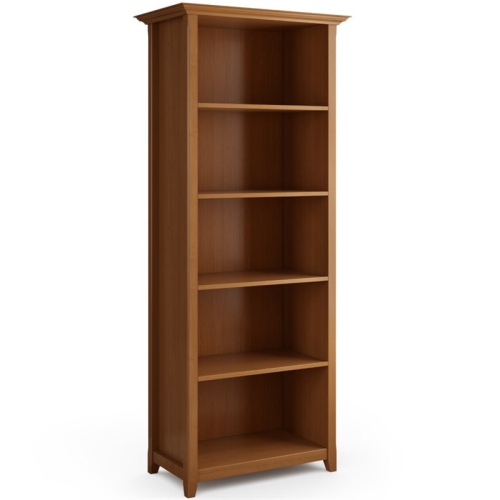 Your price for this item is $998.43
Discover more categories related to Warehouse Shelves
Top Collections:
Pokemon Centers, Kindle Devices, Best Budget Office Chairs, Apple iPhones 16, Best Laptops for Writers, iPhone 15 Apple, Canon G7X Cameras, Refurbished Apple Laptops, Alarm Clock, Motorola Razr Phones
Some products may be subject to Environmental Handling Fees
(EHF) depending on your province.
Learn more about EHFs.