Water Bottles for Students
Staying hydrated throughout the day is essential for students to maintain focus and energy levels during classes and study sessions. Our selection of water bottles for students offers a variety of styles, sizes, and features to suit every individual's needs and preferences. From sleek stainless steel designs to eco-friendly options, these water bottles are not only practical but also stylish accessories for any student on the go. Whether you're heading to lectures, hitting the gym, or studying at the library, having a reliable water bottle by your side is a must-have essential for staying refreshed and motivated throughout your busy day.
Sort
Bottle features for every age and school routine
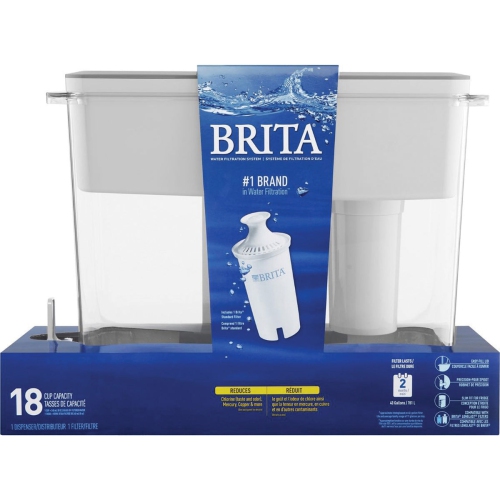
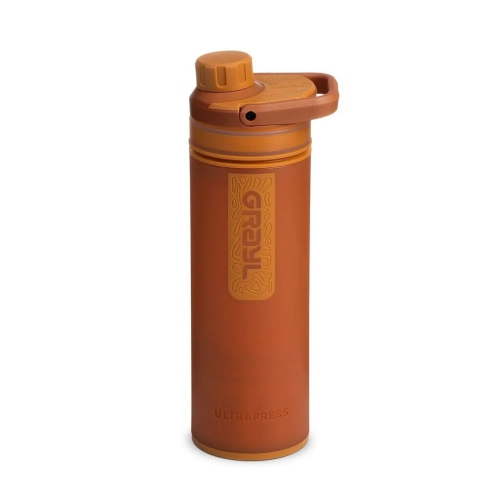
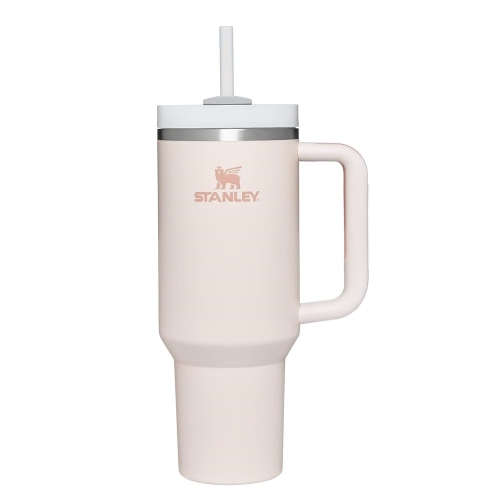
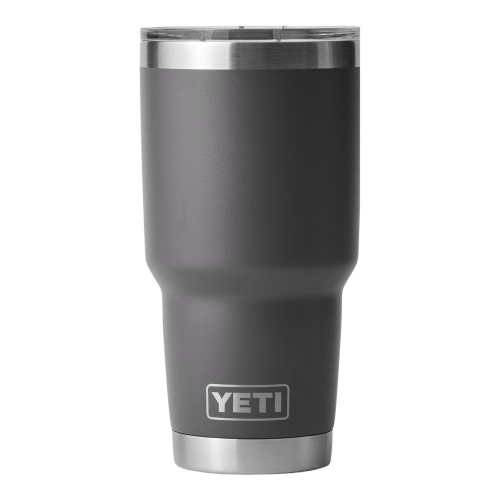
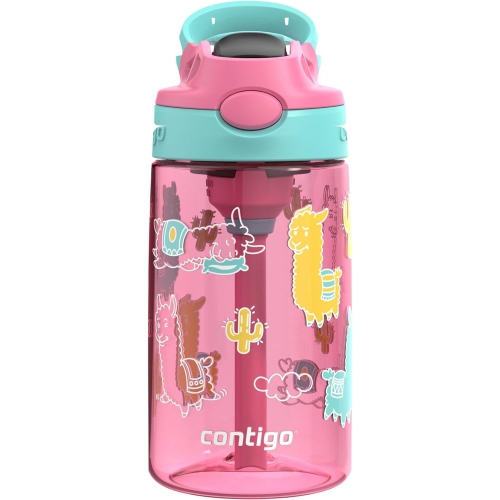
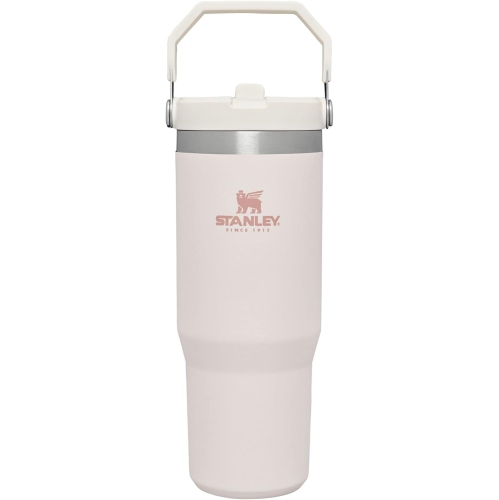
Water bottles for students need to fit naturally into busy school days, from the hurried walk to the bus in the morning to lessons, lunch breaks, gym class and after-school activities. The best choice depends on the student’s age, routine and comfort with carrying a bottle throughout the day. Preschool and kindergarten students often do well with a compact bottle in the 10 to 14 oz range that is light enough for small hands and fits easily into a lunch bag or classroom cubby. A simple opening, a comfortable grip and a secure lid can make it easier for younger children to drink independently without soaking their backpack or desk. Elementary school students may prefer a 16 to 24 oz bottle, offering enough water for several hours without adding too much weight to a school bag. Older students in middle school and high school may appreciate larger 32 to 40 oz bottles, especially when their day includes long commutes, sports practices, music rehearsals or time outdoors. Browse the selection of Reusable Water Bottles for School to find styles suited to different ages, schedules and daily routines. A bottle can also be a thoughtful gift for a student starting a new grade, joining a school team or preparing for a new term, particularly when its size and design reflect how they actually spend their day.
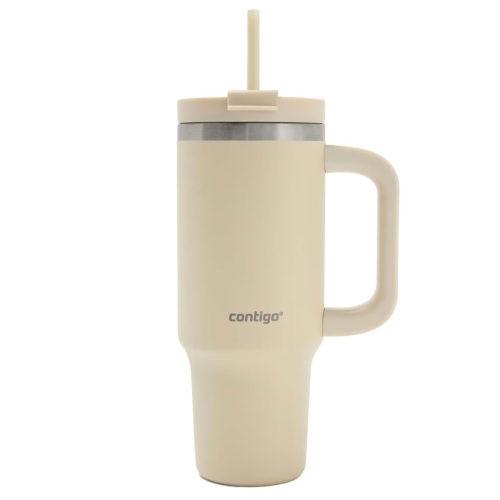
Durability is an important consideration when a bottle will be carried between classrooms and tucked into a backpack several times a day. Food-grade stainless steel is a popular choice for students who want a sturdy bottle that can help keep water cold during a full school day, while Tritan plastic and other durable plastic options are often lightweight and easy to carry. Insulated bottles can be useful during the warmer part of the school year, on field trips and during outdoor practices, while a non-insulated bottle may be a practical option for students who refill often at a water fountain. Capacity should be balanced with the student’s size and the amount of water they can reasonably carry; a bottle that is too large may be left at home, while one that is too small may need constant refilling. Lid design also affects everyday use. Straw and push-button lids can make sipping easy between classes, and wide-mouth openings are convenient for adding ice or cleaning. For a bottle that will travel in a backpack, look for a dependable seal and a locking feature that helps prevent accidental opening when books, lunch containers and sports gear are packed tightly together. Carry handles can be helpful for younger students and for anyone moving between school, transit and activities, while a slim shape may slide more easily into a side pocket or desk compartment. Colour, finish and overall style matter too: students are more likely to bring along a bottle that feels comfortable, looks appealing and suits their personal routine.
Easy care helps a student’s bottle stay fresh through repeated use. Wide openings allow a brush to reach the bottom and corners, while removable straws, gaskets and valves should be simple to take apart and rinse thoroughly. Dishwasher-safe components can make daily cleanup more convenient, but care instructions vary by material and lid design, so each part should be checked before washing. A quick rinse at the end of the school day is useful, particularly after the bottle has held anything besides plain water, and a deeper wash helps remove lingering tastes or odours. Students who carry their bottle in a backpack may benefit from a design with a smooth exterior that wipes clean easily and a lid that does not collect dust around the drinking area. During the cooler months, a reliable bottle remains useful for water at school, in the library, on the rink or during a walk home, while insulated designs can also hold a warm beverage when they are intended and rated for that use. For younger children, choose an easy-to-hold shape and a lid they can operate without help. For older students, think about class schedules, athletic activities, bottle weight and the availability of refill stations. A well-matched water bottle becomes a familiar part of the school routine: tucked beside notebooks, carried to practice and ready for a drink whenever the day gets busy.
Durability is an important consideration when a bottle will be carried between classrooms and tucked into a backpack several times a day. Food-grade stainless steel is a popular choice for students who want a sturdy bottle that can help keep water cold during a full school day, while Tritan plastic and other durable plastic options are often lightweight and easy to carry. Insulated bottles can be useful during the warmer part of the school year, on field trips and during outdoor practices, while a non-insulated bottle may be a practical option for students who refill often at a water fountain. Capacity should be balanced with the student’s size and the amount of water they can reasonably carry; a bottle that is too large may be left at home, while one that is too small may need constant refilling. Lid design also affects everyday use. Straw and push-button lids can make sipping easy between classes, and wide-mouth openings are convenient for adding ice or cleaning. For a bottle that will travel in a backpack, look for a dependable seal and a locking feature that helps prevent accidental opening when books, lunch containers and sports gear are packed tightly together. Carry handles can be helpful for younger students and for anyone moving between school, transit and activities, while a slim shape may slide more easily into a side pocket or desk compartment. Colour, finish and overall style matter too: students are more likely to bring along a bottle that feels comfortable, looks appealing and suits their personal routine.
Easy care helps a student’s bottle stay fresh through repeated use. Wide openings allow a brush to reach the bottom and corners, while removable straws, gaskets and valves should be simple to take apart and rinse thoroughly. Dishwasher-safe components can make daily cleanup more convenient, but care instructions vary by material and lid design, so each part should be checked before washing. A quick rinse at the end of the school day is useful, particularly after the bottle has held anything besides plain water, and a deeper wash helps remove lingering tastes or odours. Students who carry their bottle in a backpack may benefit from a design with a smooth exterior that wipes clean easily and a lid that does not collect dust around the drinking area. During the cooler months, a reliable bottle remains useful for water at school, in the library, on the rink or during a walk home, while insulated designs can also hold a warm beverage when they are intended and rated for that use. For younger children, choose an easy-to-hold shape and a lid they can operate without help. For older students, think about class schedules, athletic activities, bottle weight and the availability of refill stations. A well-matched water bottle becomes a familiar part of the school routine: tucked beside notebooks, carried to practice and ready for a drink whenever the day gets busy.
Top selling and popular products
-
 Your price for this item is $5.99
 -
 Your price for this item is $9.99
 -
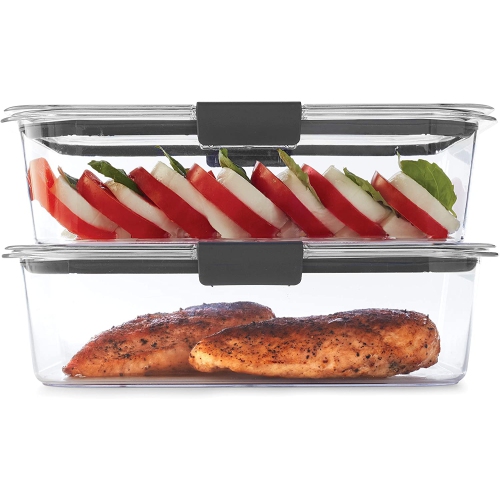 Your price for this item is $108.25
 -
 Your price for this item is $7.99
 -
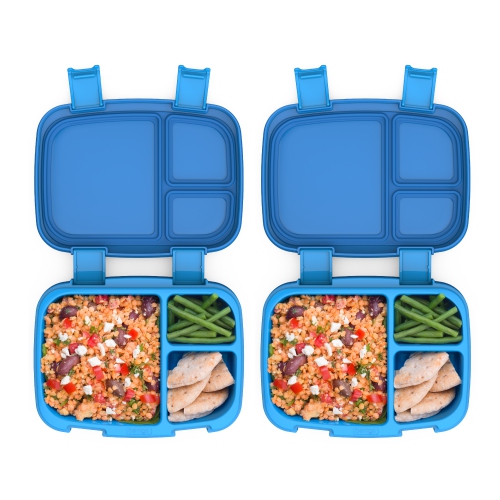 Your price for this item is $44.99
 -
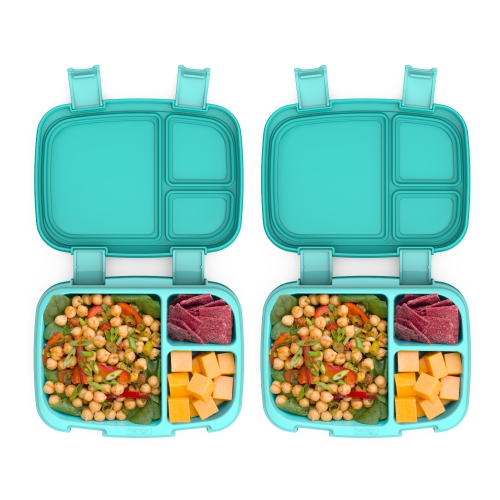 Your price for this item is $44.99
 -
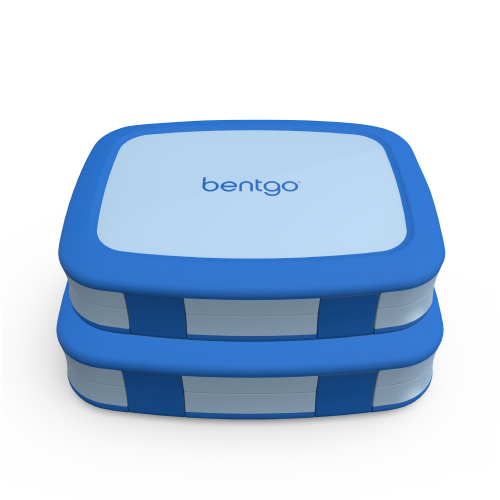 Your price for this item is $59.99
 -
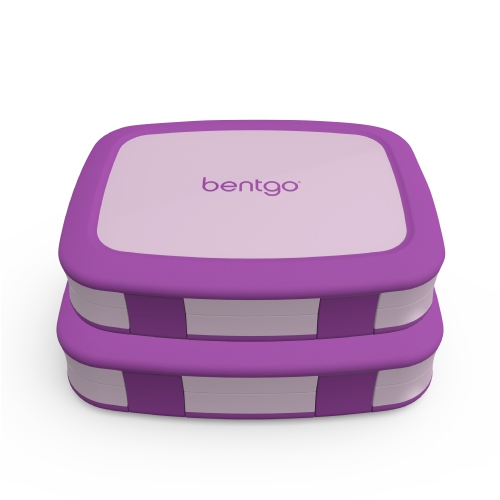 Your price for this item is $59.99
Discover more categories related to Water Bottles for Students
Top Collections:
Pokemon Centers, Kindle Devices, Best Budget Office Chairs, Apple iPhones 16, Canon G7X Cameras, iPhone 15 Apple, Alarm Clock, Refurbished Apple Laptops, Flip Phones, Best Laptops for Writers
Some products may be subject to Environmental Handling Fees
(EHF) depending on your province.
Learn more about EHFs.