Waterproof Curtains
Transform your living spaces with the perfect blend of style and practicality by exploring our selection of waterproof curtains. Ideal for both indoor and outdoor settings, these curtains offer a versatile solution for any room in your home. Whether you're looking to enhance your patio, bathroom, or kitchen, waterproof curtains provide an elegant touch while helping to protect against moisture. Discover designs that suit your taste and lifestyle, ensuring that every space remains as beautiful as it is functional.
Sort
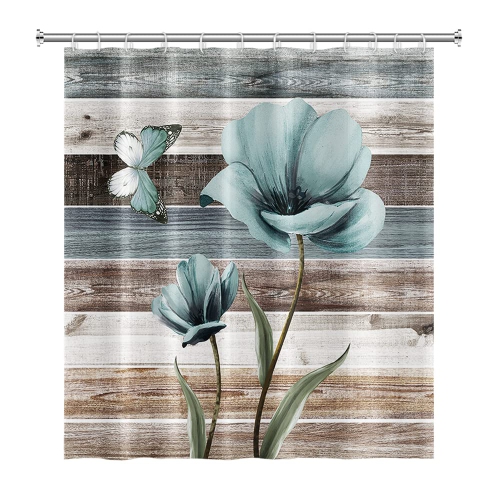
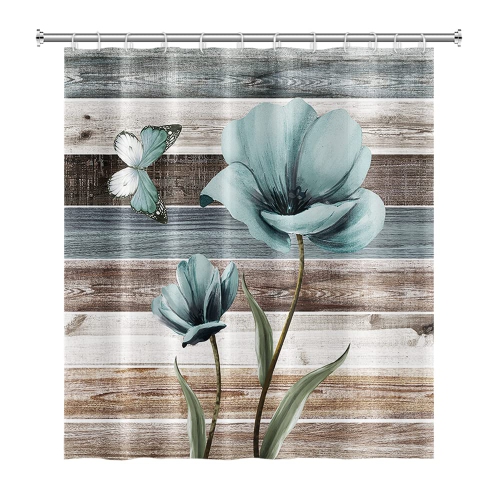
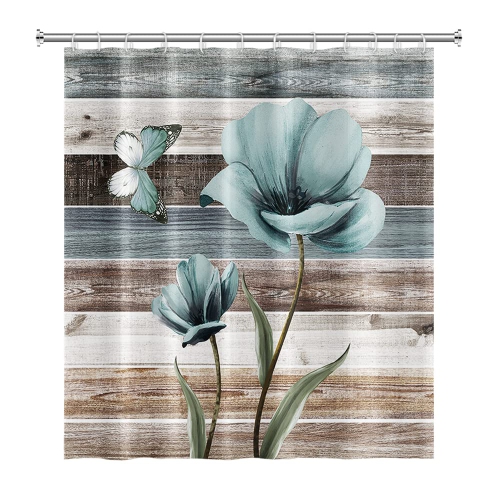
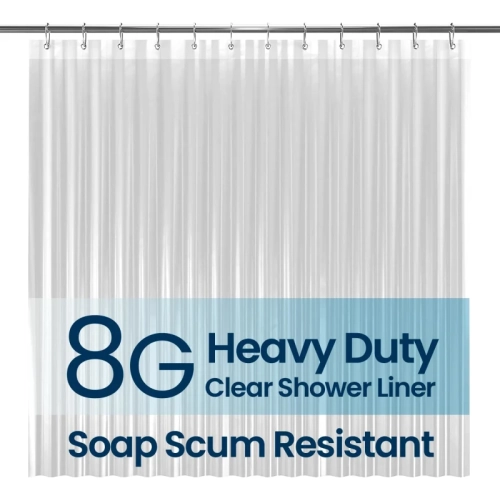
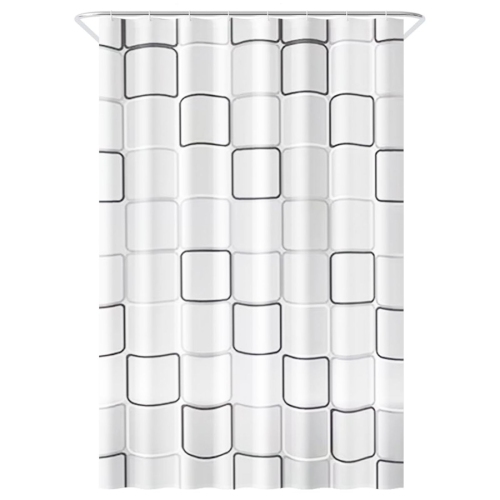
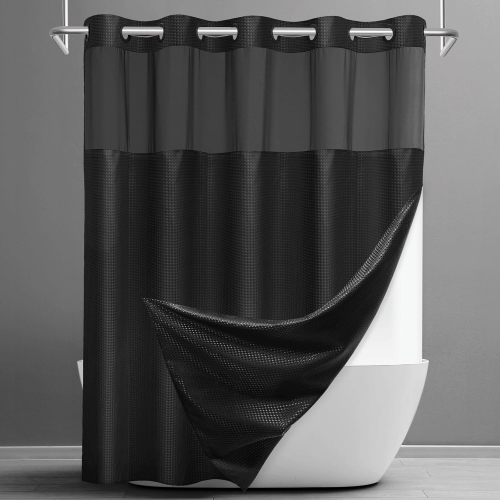
Shelter and privacy without closing off your patio
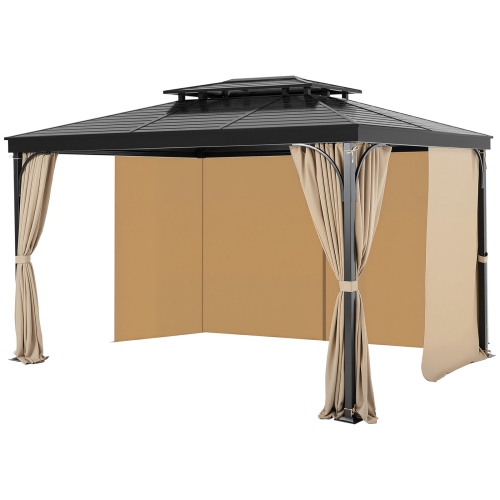
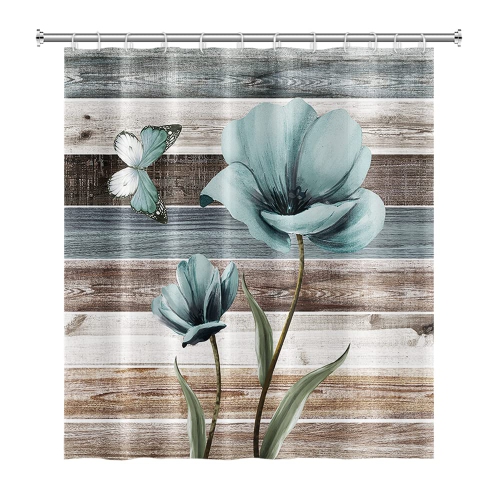
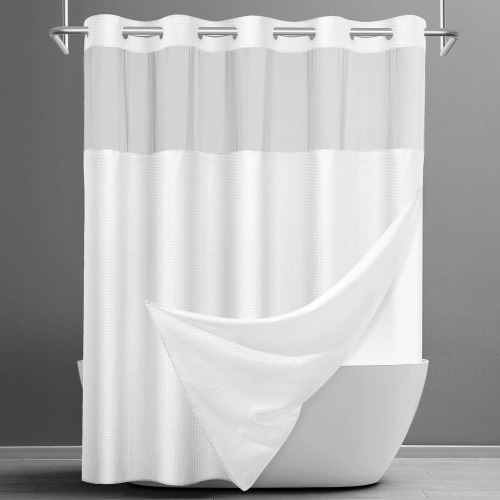
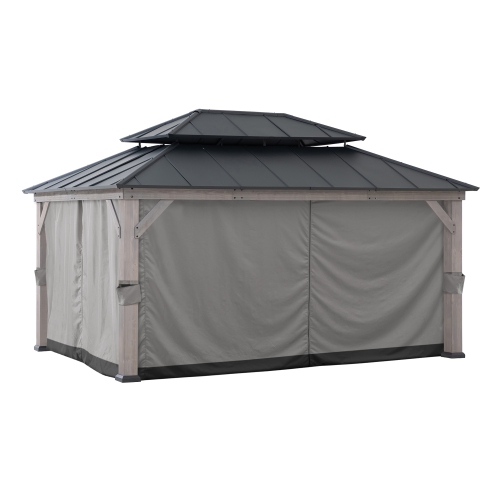
Waterproof curtains add a flexible layer of shelter and privacy to patios, balconies, porches, pergolas, and gazebos. Hung along an open side, they can help limit rain blowing onto a seating area, soften direct sunlight, and screen a dining table from neighbouring windows. Their performance depends on the material, construction, and installation: a waterproof panel is designed to prevent water passing through its surface, while a water-resistant panel may repel light splashes but allow moisture through during prolonged exposure. Neither description means that an open-sided structure becomes a fully sealed room. Rain can still enter around the edges, beneath the hem, or through unprotected seams. For a covered patio with a sofa near the edge, a flexible fabric panel can provide useful coverage without making the space feel closed in. For an opening where visibility matters, clear vinyl offers a different balance, helping block rain while retaining the view. Coated polyester is a common fabric choice because it combines a draped appearance with relatively straightforward care; the coating or backing, rather than the fibre name alone, determines its resistance to water. Heavier coated canvas and PVC vinyl generally have a firmer feel and may need stronger mounting hardware. Waterproofing, shade, and blackout performance are separate features, so a curtain that keeps water out will not necessarily block most light or provide complete privacy after dark. Opaque panels offer more visual screening than transparent materials, while lighter fabrics can preserve a brighter, more open feel. UV resistance is also a separate specification worth checking for curtains exposed to direct sunlight. These differences make waterproof outdoor curtains useful for households seeking a more private balcony, hosts arranging a sheltered dining corner, or anyone dividing a covered outdoor area into distinct places to sit, eat, and relax.
A comfortable fit starts with the opening and the way the curtains will move through it. Measure the usable width of the rod or track, then the drop from the actual hanging point to the intended hem position. Grommet-top curtains sit differently from tab-top or hook-mounted panels, so the advertised panel length needs to be considered alongside the heading style. Check whether dimensions refer to one panel or a pair; that distinction affects how much coverage a set provides. Some extra fabric width creates soft folds and allows panels to meet with an overlap, whereas a curtain stretched flat across an opening leaves less room for adjustment. Too much fullness, however, can create a bulky stack at the side and give gusts more fabric to catch. On a narrow balcony, the space occupied by opened curtains can matter almost as much as their closed width. The hem should generally clear the floor enough to avoid dragging through standing water or collecting grit, while still providing the desired coverage. A larger gap allows more airflow but also leaves more room for rain to enter beneath the panel. Side fastenings, bottom grommets, tiebacks, and compatible retaining systems can help manage movement when they are part of the curtain’s intended design. Weighted hems may reduce flutter, but they do not make a curtain windproof. For exposed installations, the curtain’s stated wind limitations and the strength of its supports deserve particular attention. Outdoor-rated rods, tracks, brackets, and fasteners need to suit both the panel weight and the mounting surface; a long span may require intermediate support. Rust-resistant hardware, such as suitable stainless steel or brass components, helps reduce corrosion and staining, although exposure conditions still affect longevity. Renters and condominium residents may also need approval before attaching hardware to railings, walls, or overhead structures. A well-planned installation leaves doors, walkways, and exits clear and keeps fabric safely away from barbecues, heaters, and other heat sources.
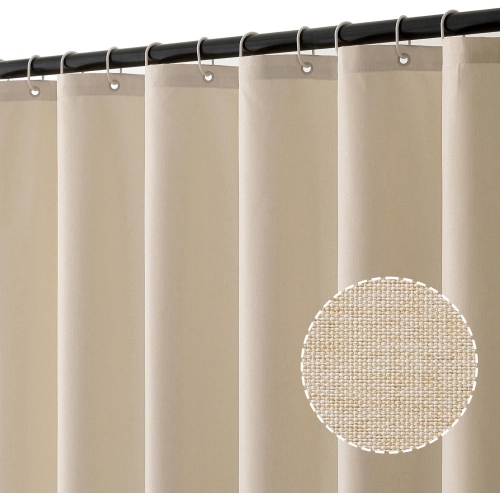
Day-to-day durability comes from matching the curtain to its exposure and caring for the material rather than treating every panel alike. Reinforced headings, securely finished hems, and firmly attached grommets help distribute the strain of repeated opening and closing. Where stitching passes through a waterproof surface, sealed seams can help limit leakage; an unsealed stitched seam may remain a weak point even when the main material resists water. Fabric curtains often suit spaces where a softer appearance and easy gathering are priorities, while vinyl panels can make sense where wipe-clean surfaces and more structured coverage matter. Their care routines are not interchangeable. Some fabric curtains are machine washable, but others require spot cleaning to protect a coating or backing. Vinyl is often cleaned with a soft cloth and a mild solution permitted by the manufacturer, rather than abrasive brushes or strong solvents. Bleach, high dryer heat, and ironing can damage certain finishes, so the care label should determine the method. Let panels dry fully before tying them into a tight bundle or putting them away, and remove leaves or debris that can trap moisture along the bottom edge. Waterproof does not mean mould-proof: folds that stay damp still need attention and airflow. Inspect attachment points periodically, especially after strong winds, and secure or remove curtains when conditions exceed their stated limits. For installations left outside in Canadian winter conditions, check the material’s temperature rating and storage recommendations, since some vinyl can stiffen in the cold. In the finished space, colour, texture, and opacity shape the overall effect. A neutral woven-look curtain can sit quietly beside wood furniture, while a deeper colour can give a dining nook a more enclosed feel. Flooring deserves the same attention to intended use; Waterproof Rugs can complement the seating area when their specifications suit the location, drainage, and surface beneath them. Together, thoughtfully fitted curtains and suitable furnishings can make a covered outdoor space feel more private and easier to enjoy without suggesting protection beyond what the materials and structure can provide.
A comfortable fit starts with the opening and the way the curtains will move through it. Measure the usable width of the rod or track, then the drop from the actual hanging point to the intended hem position. Grommet-top curtains sit differently from tab-top or hook-mounted panels, so the advertised panel length needs to be considered alongside the heading style. Check whether dimensions refer to one panel or a pair; that distinction affects how much coverage a set provides. Some extra fabric width creates soft folds and allows panels to meet with an overlap, whereas a curtain stretched flat across an opening leaves less room for adjustment. Too much fullness, however, can create a bulky stack at the side and give gusts more fabric to catch. On a narrow balcony, the space occupied by opened curtains can matter almost as much as their closed width. The hem should generally clear the floor enough to avoid dragging through standing water or collecting grit, while still providing the desired coverage. A larger gap allows more airflow but also leaves more room for rain to enter beneath the panel. Side fastenings, bottom grommets, tiebacks, and compatible retaining systems can help manage movement when they are part of the curtain’s intended design. Weighted hems may reduce flutter, but they do not make a curtain windproof. For exposed installations, the curtain’s stated wind limitations and the strength of its supports deserve particular attention. Outdoor-rated rods, tracks, brackets, and fasteners need to suit both the panel weight and the mounting surface; a long span may require intermediate support. Rust-resistant hardware, such as suitable stainless steel or brass components, helps reduce corrosion and staining, although exposure conditions still affect longevity. Renters and condominium residents may also need approval before attaching hardware to railings, walls, or overhead structures. A well-planned installation leaves doors, walkways, and exits clear and keeps fabric safely away from barbecues, heaters, and other heat sources.
Day-to-day durability comes from matching the curtain to its exposure and caring for the material rather than treating every panel alike. Reinforced headings, securely finished hems, and firmly attached grommets help distribute the strain of repeated opening and closing. Where stitching passes through a waterproof surface, sealed seams can help limit leakage; an unsealed stitched seam may remain a weak point even when the main material resists water. Fabric curtains often suit spaces where a softer appearance and easy gathering are priorities, while vinyl panels can make sense where wipe-clean surfaces and more structured coverage matter. Their care routines are not interchangeable. Some fabric curtains are machine washable, but others require spot cleaning to protect a coating or backing. Vinyl is often cleaned with a soft cloth and a mild solution permitted by the manufacturer, rather than abrasive brushes or strong solvents. Bleach, high dryer heat, and ironing can damage certain finishes, so the care label should determine the method. Let panels dry fully before tying them into a tight bundle or putting them away, and remove leaves or debris that can trap moisture along the bottom edge. Waterproof does not mean mould-proof: folds that stay damp still need attention and airflow. Inspect attachment points periodically, especially after strong winds, and secure or remove curtains when conditions exceed their stated limits. For installations left outside in Canadian winter conditions, check the material’s temperature rating and storage recommendations, since some vinyl can stiffen in the cold. In the finished space, colour, texture, and opacity shape the overall effect. A neutral woven-look curtain can sit quietly beside wood furniture, while a deeper colour can give a dining nook a more enclosed feel. Flooring deserves the same attention to intended use; Waterproof Rugs can complement the seating area when their specifications suit the location, drainage, and surface beneath them. Together, thoughtfully fitted curtains and suitable furnishings can make a covered outdoor space feel more private and easier to enjoy without suggesting protection beyond what the materials and structure can provide.
Top selling and popular products
-
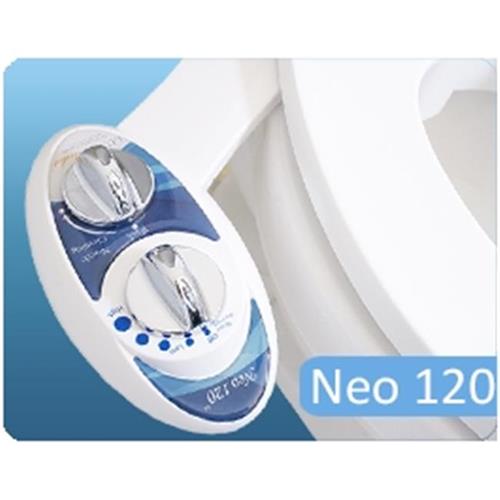 Your price for this item is $109.31
 -
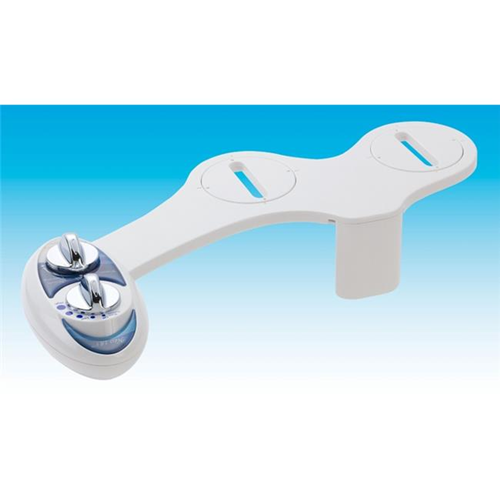 Your price for this item is $200.83
 -
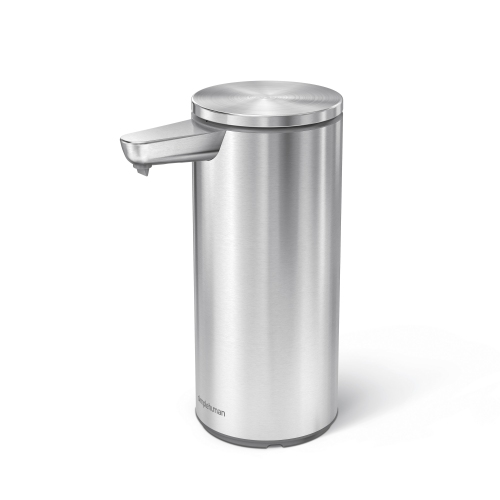 Your price for this item is $90
 -
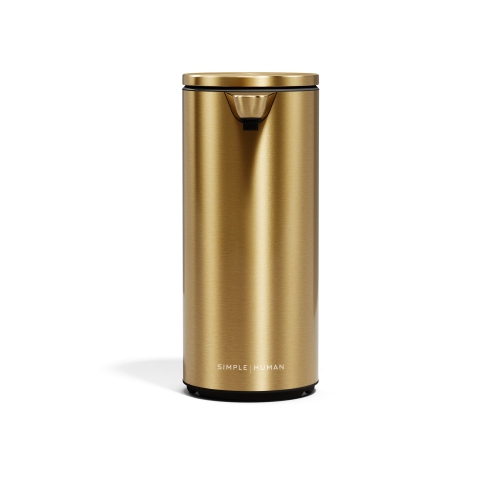 Your price for this item is $100
 -
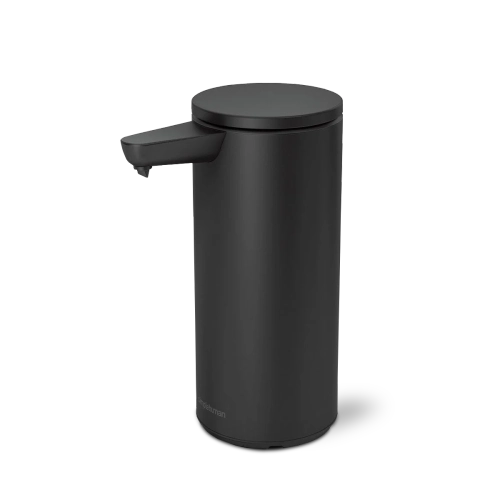 Your price for this item is $100
 -
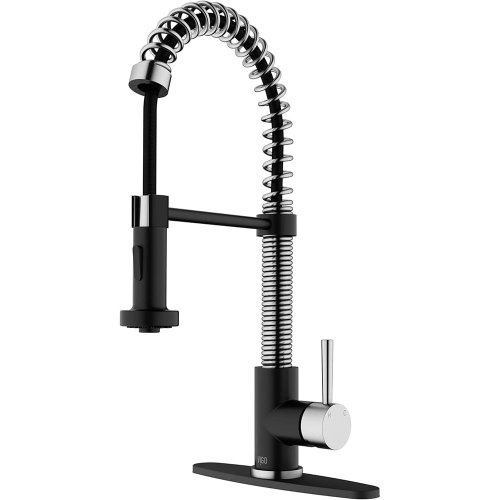 Your price for this item is $426.55
 -
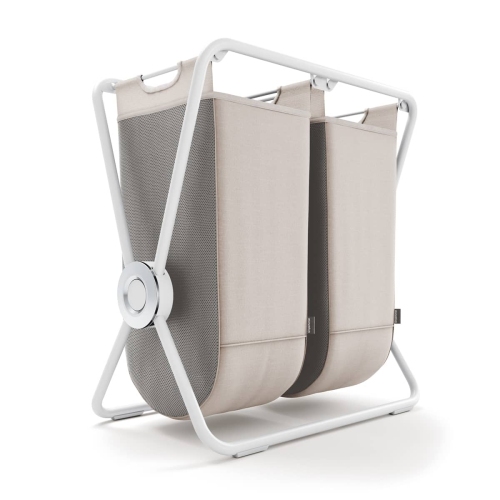 Your price for this item is $300
 -
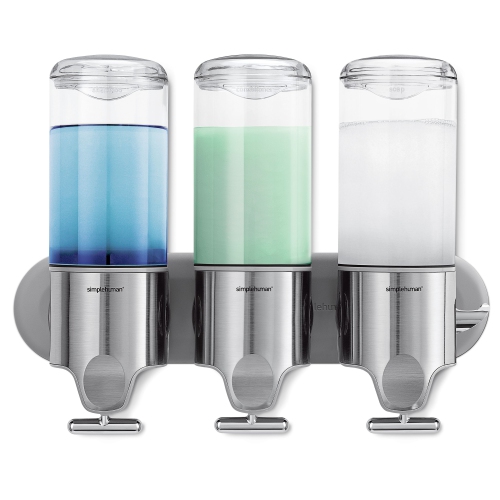 Your price for this item is $120
Discover more categories related to Waterproof Curtains
Top Collections:
Pokemon Centers, Kindle Devices, Best Budget Office Chairs, Apple iPhones 16, Best Laptops for Writers, iPhone 15 Apple, Canon G7X Cameras, Refurbished Apple Laptops, Alarm Clock, Motorola Razr Phones
Some products may be subject to Environmental Handling Fees
(EHF) depending on your province.
Learn more about EHFs.