Wedding Arches
Create a picture-perfect backdrop for your special day with our selection of wedding arches. Whether you're dreaming of a rustic outdoor ceremony or a glamorous indoor affair, we have the perfect arch to suit your style. From classic designs to modern twists, these elegant structures will elevate your wedding decor and provide a stunning focal point for exchanging vows. Explore our range of wedding arches to find the ideal piece to make your big day even more memorable.
Sort

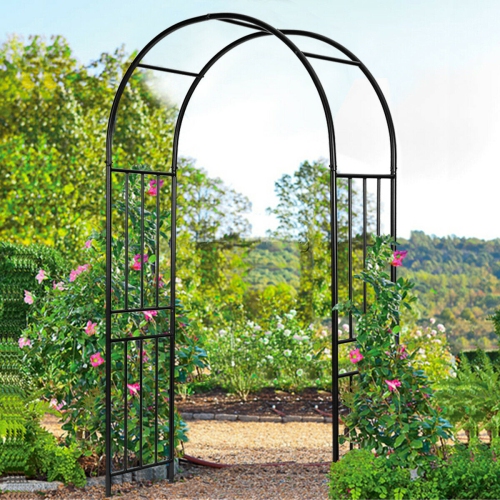
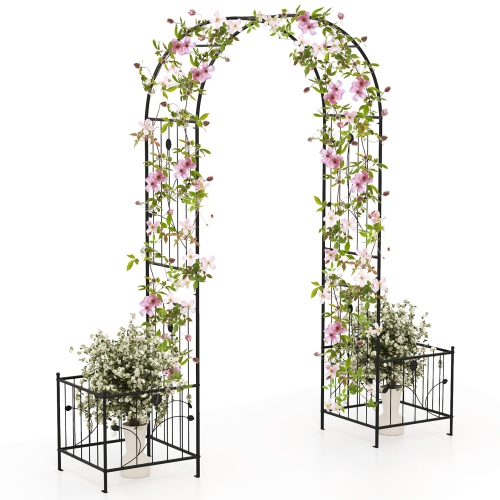
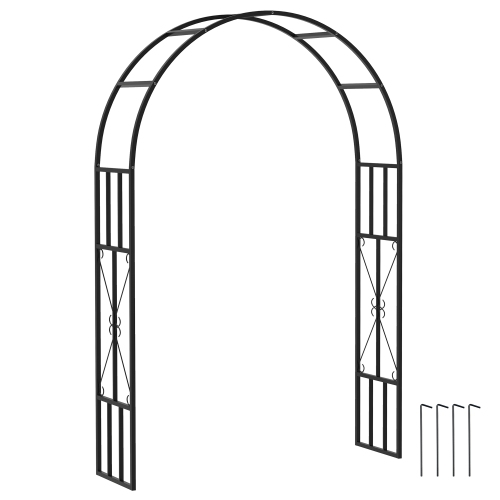
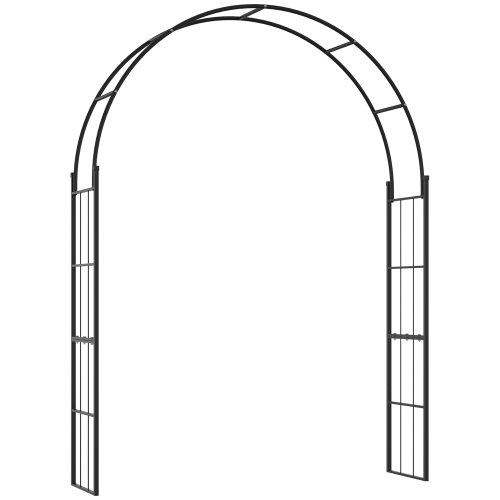
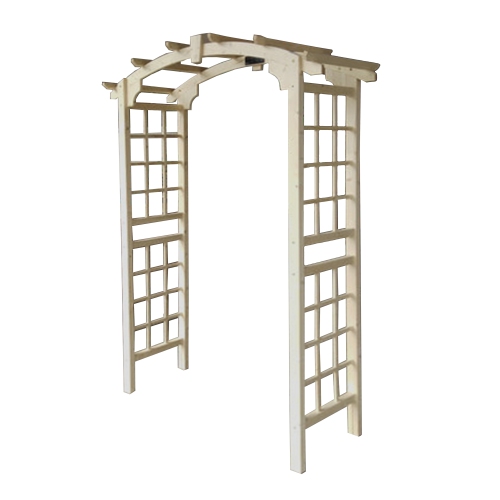
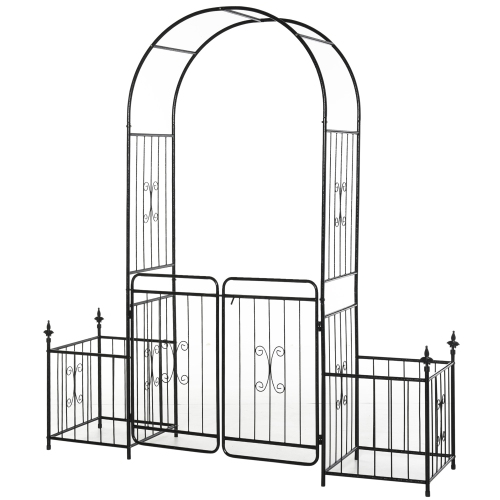
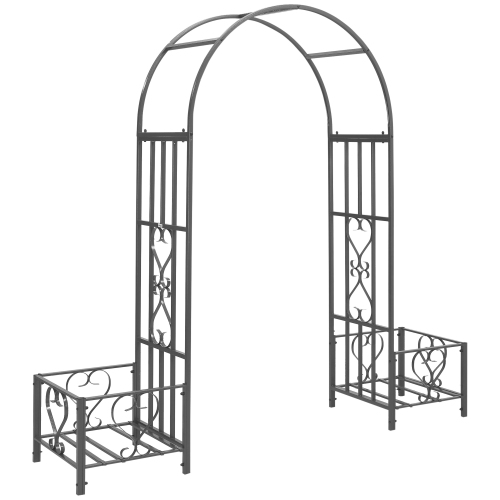
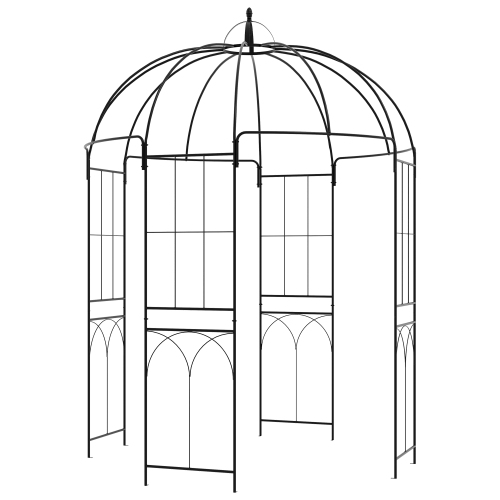
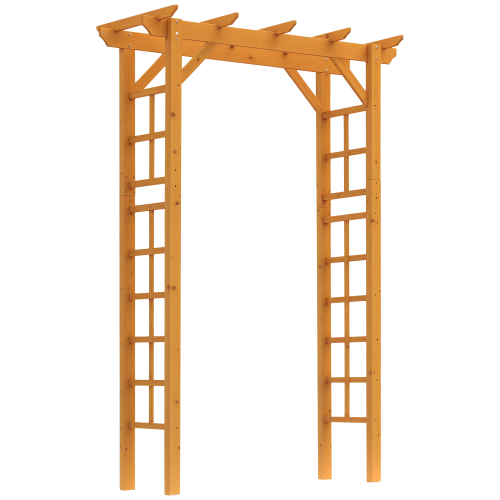
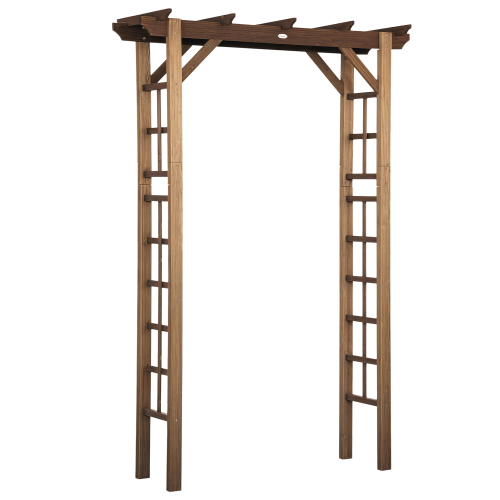
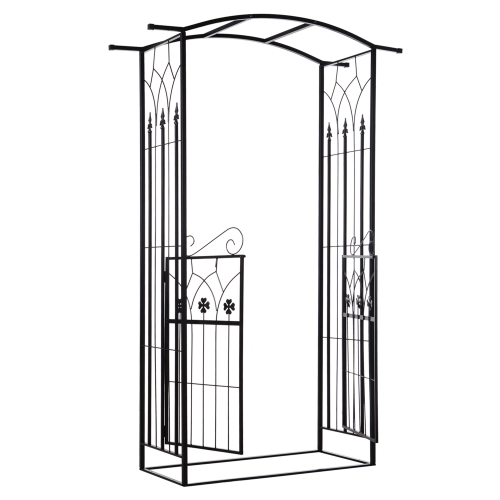
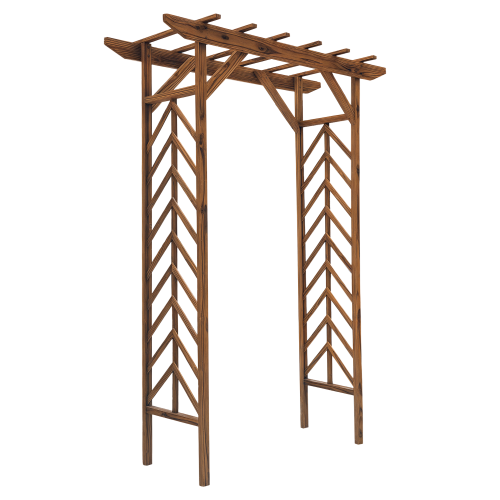
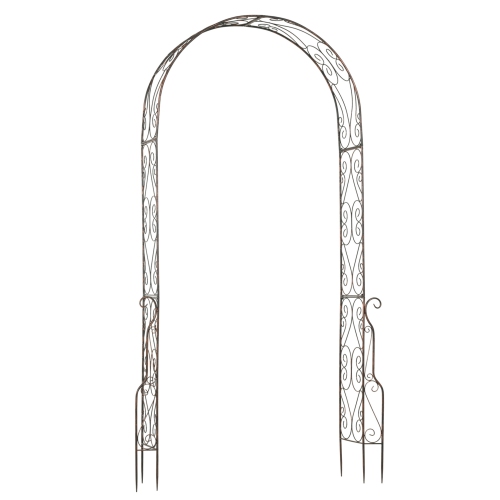
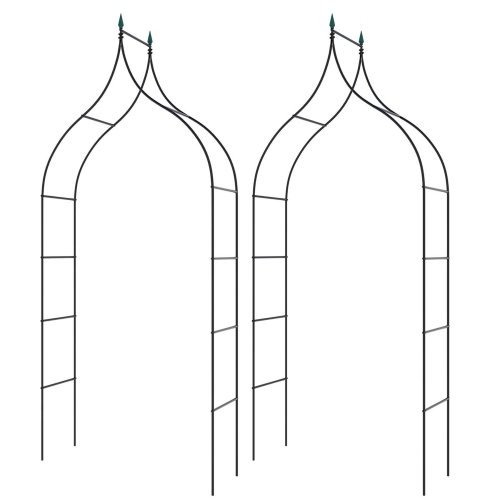
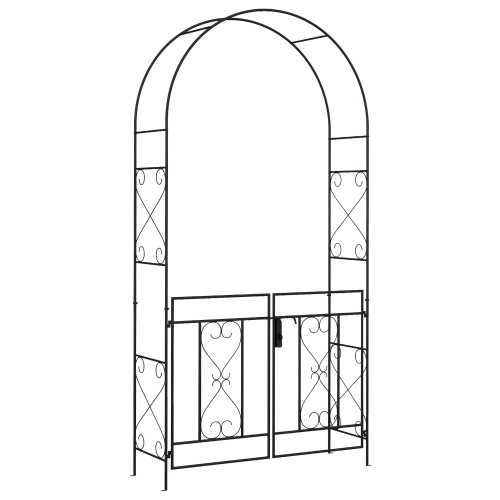
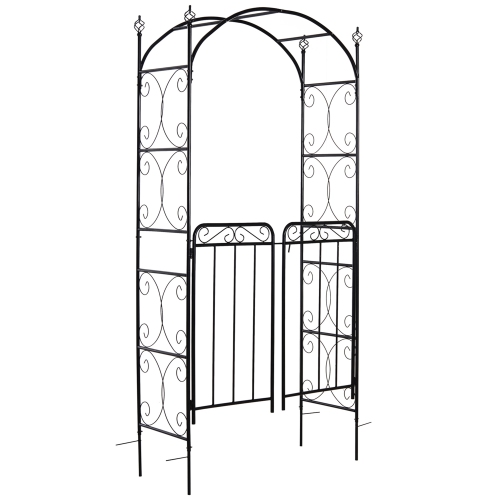
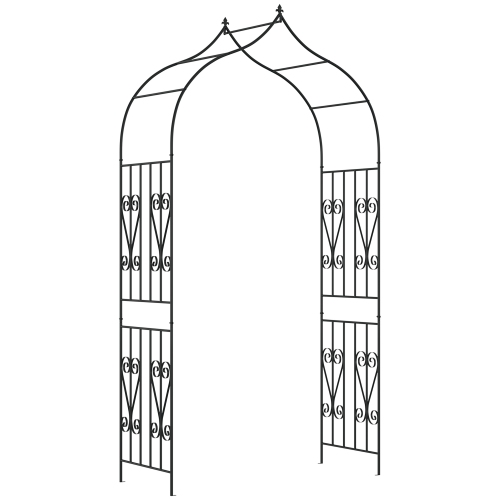
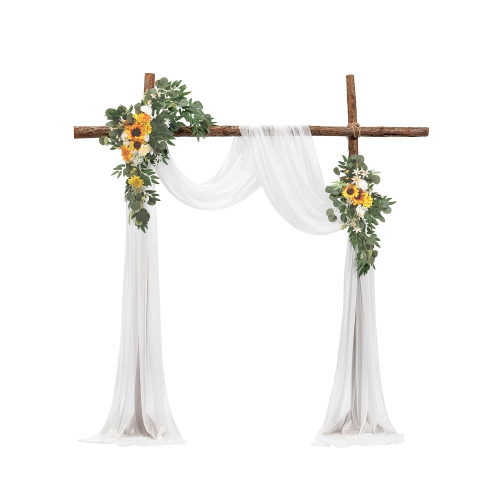
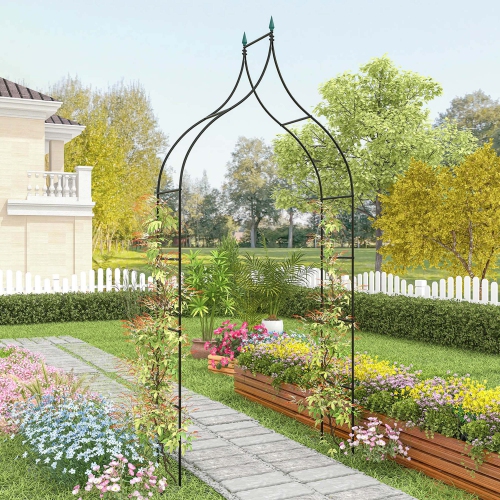
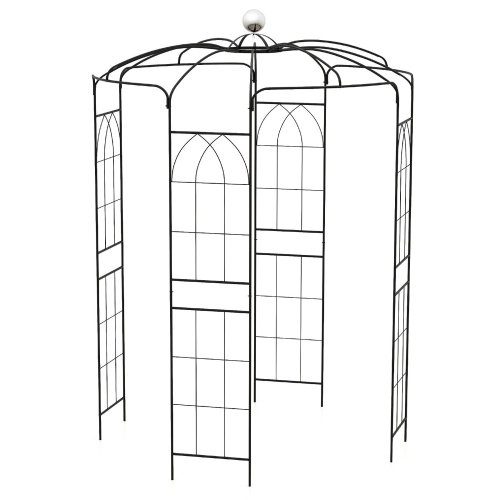
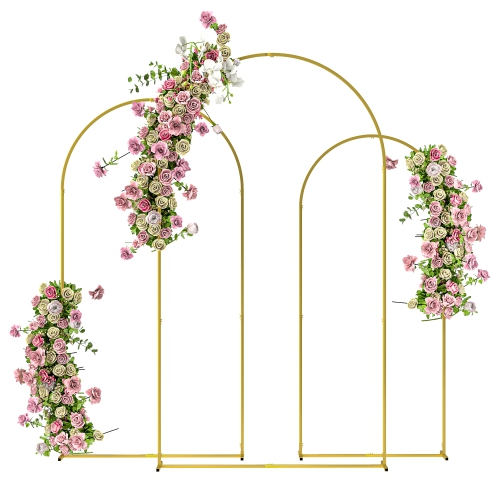
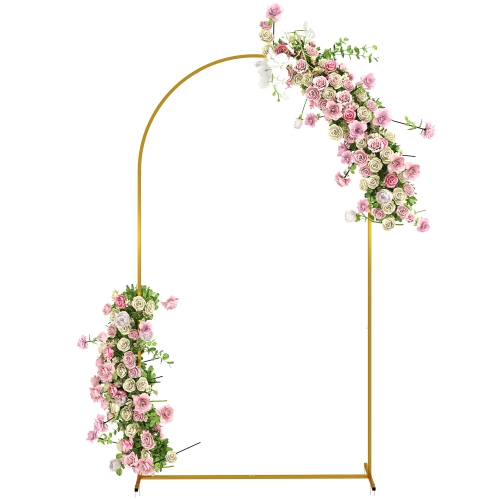
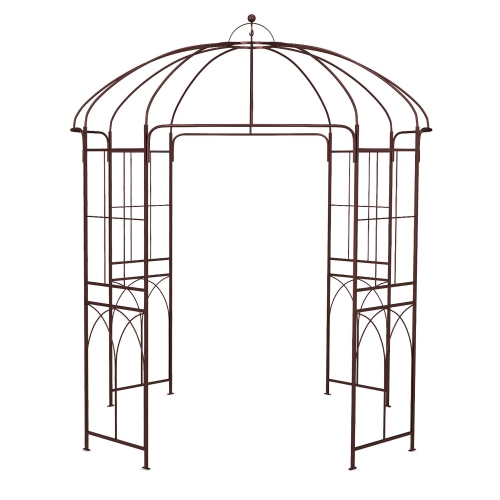
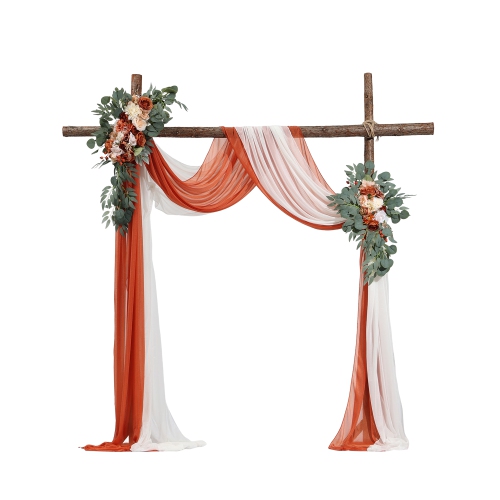
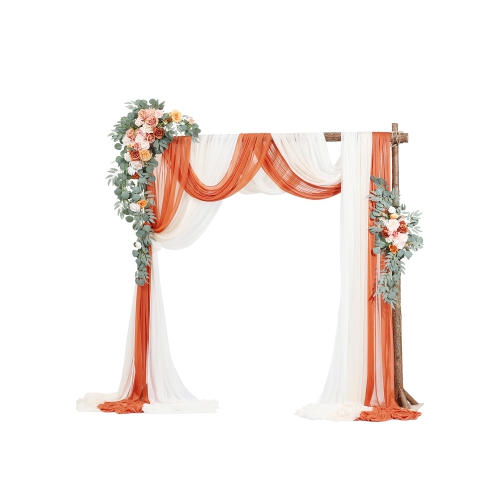
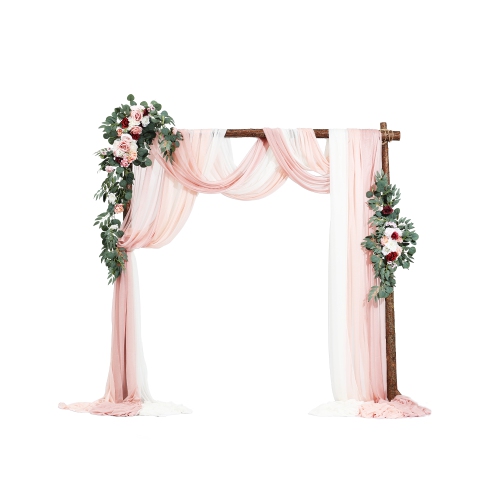
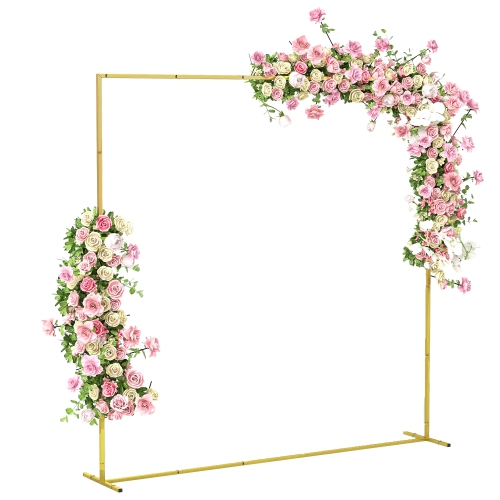
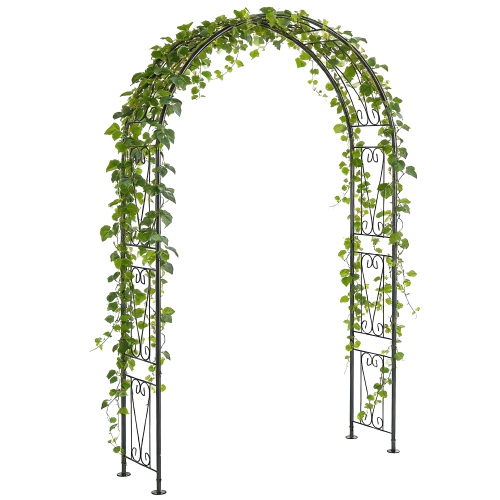
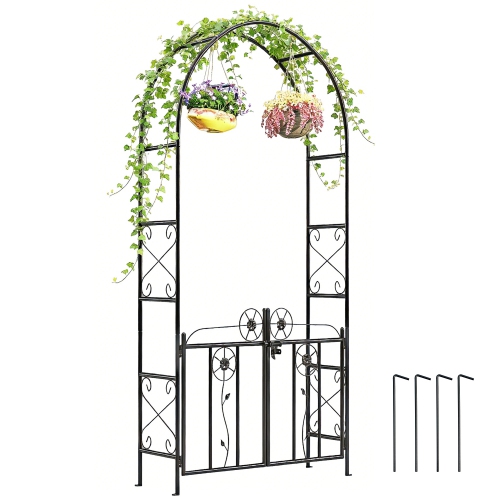
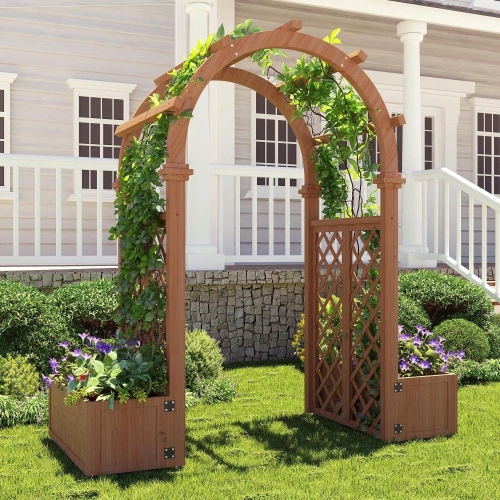
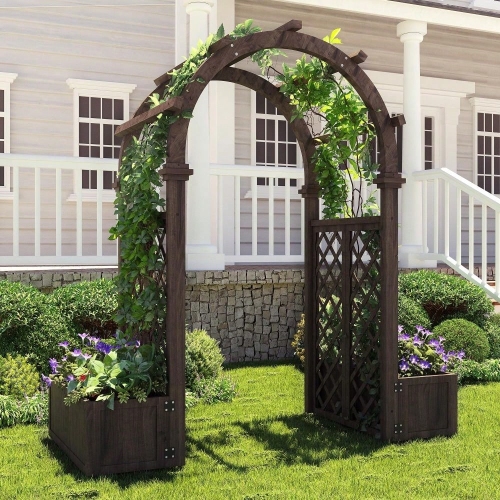
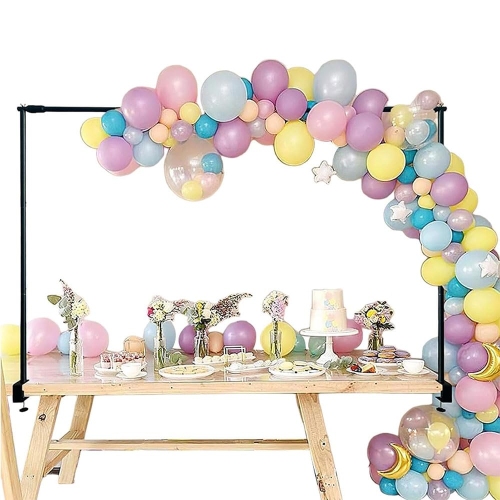

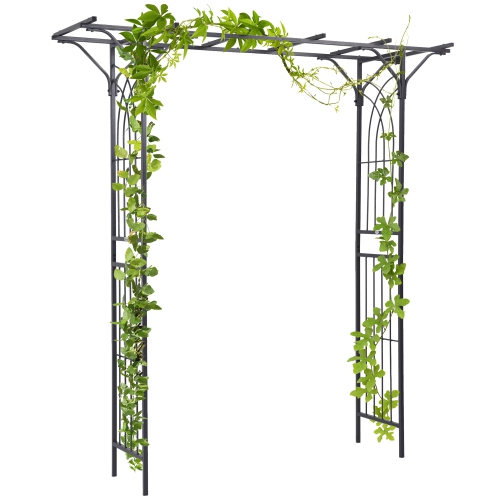
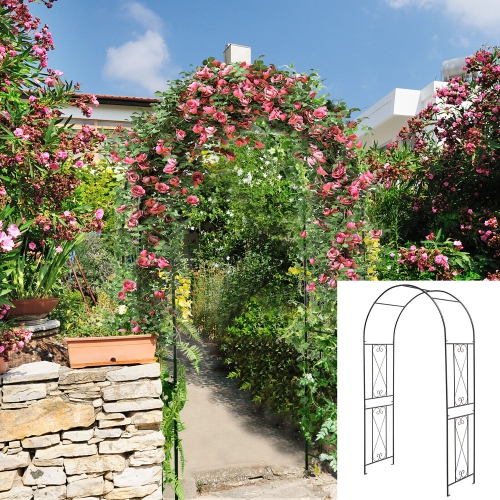
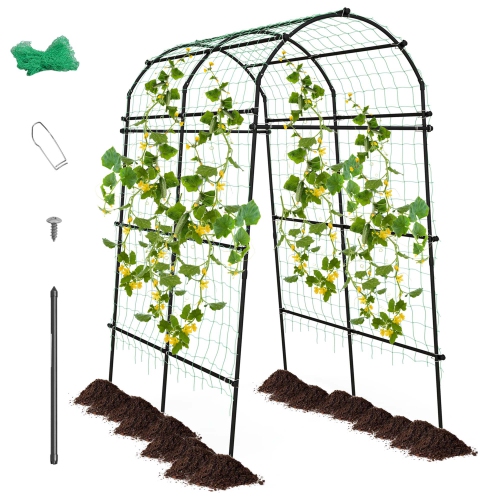
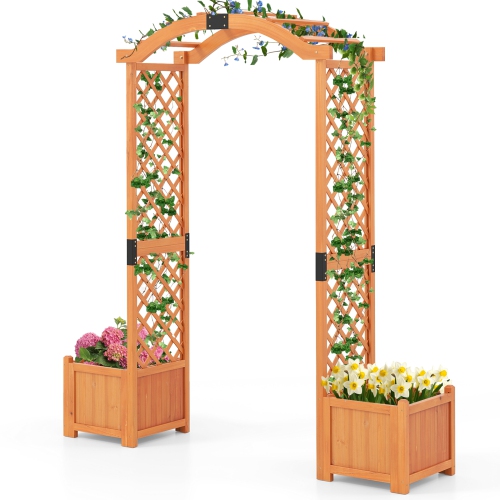
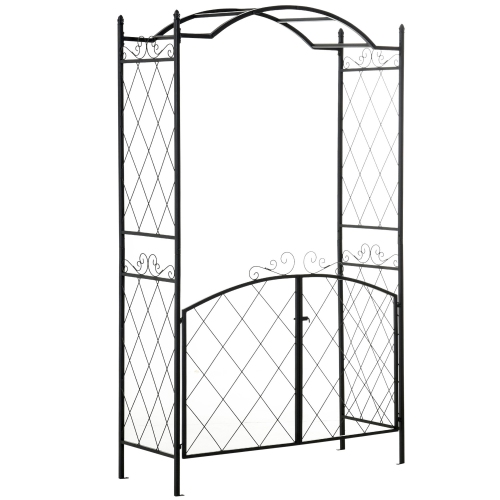
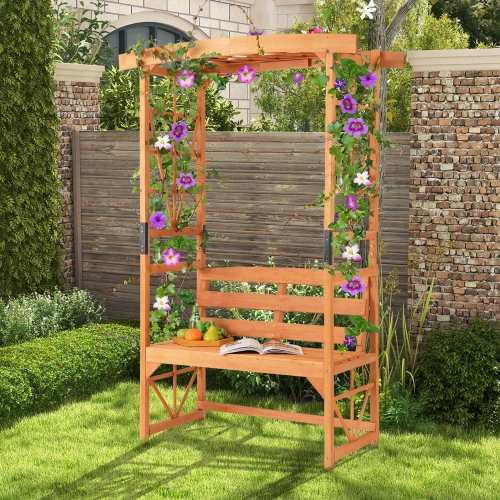
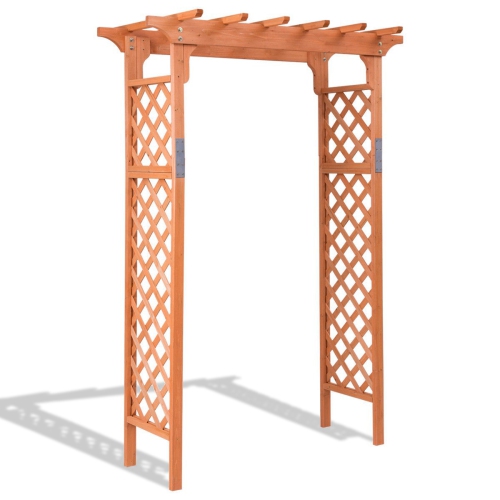
A ceremony backdrop shaped by your venue and style
Wedding arches create a focal point for the ceremony, framing the couple as they exchange vows and giving photographs a backdrop. They can also define an entrance, mark the end of an aisle, or bring a sense of occasion to a reception space without enclosing it. Styles range from rustic wooden structures and traditional curved frames to circular, triangular, and hexagonal metal designs. Each shape changes the feel of the setting: a rounded arch softens a formal room, a timber frame adds warmth to a barn venue, and a slim geometric outline suits a contemporary space with clean architectural lines. Floral wedding arches pair a supporting structure with fresh flowers, artificial blooms, greenery, or a mixture of decorative materials. A full floral treatment creates a lush border, while a smaller arrangement at one upper corner leaves more of the frame visible and keeps the composition light. Fabric brings another layer of texture, from sheer draping that falls in loose folds to fitted covers that give compatible frames a smooth finish. White and ivory are familiar choices, but muted colours, deeper tones, and natural wood finishes can connect the arch to bouquets, table linens, and the venue itself. The most suitable proportions depend on both the ceremony space and the people standing beneath or beside the structure. A generous opening leaves room for the couple and officiant, while the overall height helps establish a focal point that guests can see from farther down the aisle. In photographs, an arch works best when its opening frames faces rather than placing crossbars or dense flowers directly behind them. For couples planning a small gathering, the structure can give a simple ceremony area a finished appearance; for larger celebrations, it can anchor a broader arrangement of aisle flowers, seating, and coordinated reception décor. Wedding planners, florists, venue teams, and couples arranging their own celebration may all use arches as the foundation for a personalised setting.
Materials influence an arch’s appearance, weight, care requirements, and suitability for different locations. Wooden wedding arches offer visible grain and a substantial profile, with finishes that can feel polished or relaxed depending on the design. Smooth surfaces and well-finished edges are useful wherever fabric will touch the frame, since rough patches can catch delicate draping. Metal wedding arches often provide a slimmer outline, making them suitable for open geometric shapes or arrangements where flowers are meant to take visual priority. Steel can provide a sturdy framework but may be relatively heavy to transport; aluminium is generally lighter, although the stability of either material depends on the complete design, connections, and base. A painted or powder-coated finish can help protect metal surfaces, but an outdoor setting still calls for a structure specifically rated for the intended conditions. Decorative appearance alone does not indicate how much weight a frame can support. Fresh floral arrangements, particularly those with water-holding components, can place considerably more demand on a structure than a few fabric panels or lightweight artificial stems. Manufacturer load limits and attachment recommendations matter, especially when decorations are concentrated on one side. Base dimensions are just as important as the arch’s stated width and height: feet, supports, and any required ballast need space without extending into the aisle or creating a trip hazard. On grass, paving stones, or an indoor floor, the appropriate securing method depends on the frame design, surface, and venue rules. Freestanding does not mean suitable for use without anchoring or weights, and outdoor use should follow the manufacturer’s instructions for securing the structure and responding to wind. Draped fabric can catch moving air, so an otherwise light arrangement may still affect stability. For a ceremony that continues into an outdoor celebration, garden arches for backyard receptions offer a related way to define pathways and gathering areas, though garden structures and temporary ceremony frames may have different installation requirements.
Practical details become particularly noticeable when an arch needs to travel from a home or storage space to a venue, pass through a narrow doorway, or be assembled within a short setup window. Sectional frames can be easier to pack and carry, while clearly matched components and secure fasteners help keep assembly straightforward. The length of the largest piece matters for vehicle fit, even when the finished structure comes apart. Some designs need more than one person for safe assembly and positioning, particularly once flowers or fabric have been added. An arch intended to move from the ceremony to a reception backdrop also needs a realistic handling plan; moving a fully dressed structure may not be safe or permitted by its manufacturer. In a compact room, a shallower frame can preserve floor space, while a deeper wooden structure may need more clearance behind the couple and around neighbouring chairs. Ceiling height, overhead fixtures, doorways, and sprinkler clearance all affect placement indoors. During the cooler months, sheltered ceremony spaces and indoor reception rooms often make fabric texture and the frame’s finish more prominent, since guests view the details at close range. Battery-operated decorative lighting can add a gentle glow where permitted, provided the lighting is suitable for the location and its attachments do not interfere with structural connections. Care after the event helps preserve the arch for another celebration. Fabric should be removed and cleaned according to its care label, while floral ties and adhesive residue need attention before storage. Metal components generally benefit from being wiped clean and dried thoroughly; wooden parts should be cared for according to their finish and protected from prolonged dampness. Dry, organised storage helps prevent misplaced hardware, scratched surfaces, and damage to decorative covers. Before another use, checking joints, fasteners, bases, and finishes can reveal wear that needs attention. With suitable dimensions, compatible decorations, and a structure matched to its intended setting, a wedding arch can serve as a ceremony centrepiece and a backdrop for meaningful photographs.
Materials influence an arch’s appearance, weight, care requirements, and suitability for different locations. Wooden wedding arches offer visible grain and a substantial profile, with finishes that can feel polished or relaxed depending on the design. Smooth surfaces and well-finished edges are useful wherever fabric will touch the frame, since rough patches can catch delicate draping. Metal wedding arches often provide a slimmer outline, making them suitable for open geometric shapes or arrangements where flowers are meant to take visual priority. Steel can provide a sturdy framework but may be relatively heavy to transport; aluminium is generally lighter, although the stability of either material depends on the complete design, connections, and base. A painted or powder-coated finish can help protect metal surfaces, but an outdoor setting still calls for a structure specifically rated for the intended conditions. Decorative appearance alone does not indicate how much weight a frame can support. Fresh floral arrangements, particularly those with water-holding components, can place considerably more demand on a structure than a few fabric panels or lightweight artificial stems. Manufacturer load limits and attachment recommendations matter, especially when decorations are concentrated on one side. Base dimensions are just as important as the arch’s stated width and height: feet, supports, and any required ballast need space without extending into the aisle or creating a trip hazard. On grass, paving stones, or an indoor floor, the appropriate securing method depends on the frame design, surface, and venue rules. Freestanding does not mean suitable for use without anchoring or weights, and outdoor use should follow the manufacturer’s instructions for securing the structure and responding to wind. Draped fabric can catch moving air, so an otherwise light arrangement may still affect stability. For a ceremony that continues into an outdoor celebration, garden arches for backyard receptions offer a related way to define pathways and gathering areas, though garden structures and temporary ceremony frames may have different installation requirements.
Practical details become particularly noticeable when an arch needs to travel from a home or storage space to a venue, pass through a narrow doorway, or be assembled within a short setup window. Sectional frames can be easier to pack and carry, while clearly matched components and secure fasteners help keep assembly straightforward. The length of the largest piece matters for vehicle fit, even when the finished structure comes apart. Some designs need more than one person for safe assembly and positioning, particularly once flowers or fabric have been added. An arch intended to move from the ceremony to a reception backdrop also needs a realistic handling plan; moving a fully dressed structure may not be safe or permitted by its manufacturer. In a compact room, a shallower frame can preserve floor space, while a deeper wooden structure may need more clearance behind the couple and around neighbouring chairs. Ceiling height, overhead fixtures, doorways, and sprinkler clearance all affect placement indoors. During the cooler months, sheltered ceremony spaces and indoor reception rooms often make fabric texture and the frame’s finish more prominent, since guests view the details at close range. Battery-operated decorative lighting can add a gentle glow where permitted, provided the lighting is suitable for the location and its attachments do not interfere with structural connections. Care after the event helps preserve the arch for another celebration. Fabric should be removed and cleaned according to its care label, while floral ties and adhesive residue need attention before storage. Metal components generally benefit from being wiped clean and dried thoroughly; wooden parts should be cared for according to their finish and protected from prolonged dampness. Dry, organised storage helps prevent misplaced hardware, scratched surfaces, and damage to decorative covers. Before another use, checking joints, fasteners, bases, and finishes can reveal wear that needs attention. With suitable dimensions, compatible decorations, and a structure matched to its intended setting, a wedding arch can serve as a ceremony centrepiece and a backdrop for meaningful photographs.
Top selling and popular products
-
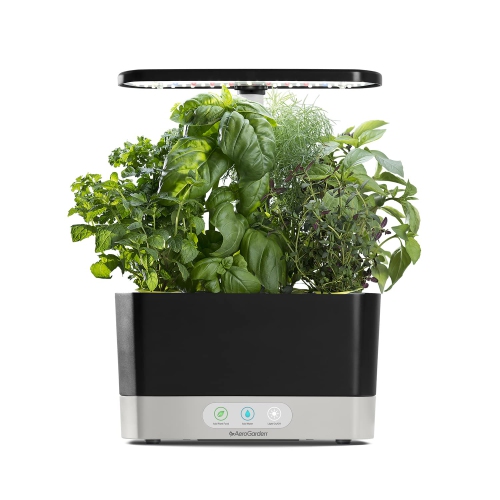 Your price for this item is $199
 -
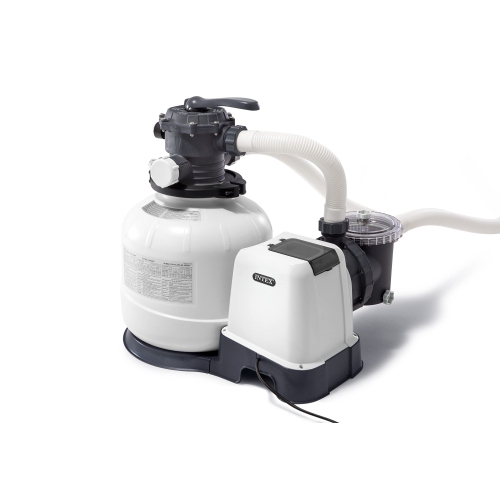 Your price for this item is $418.99
 -
 Your price for this item is $481.99
 -
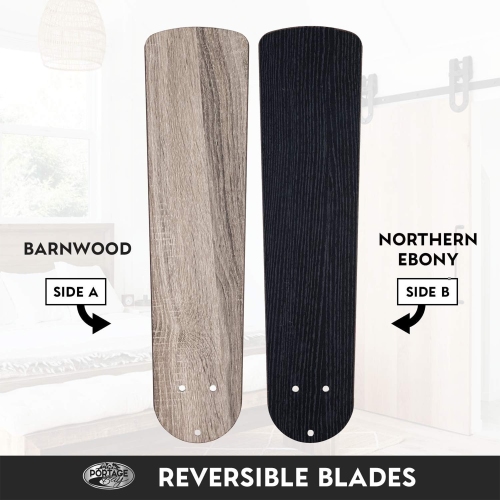 Your price for this item is $224.99
 -
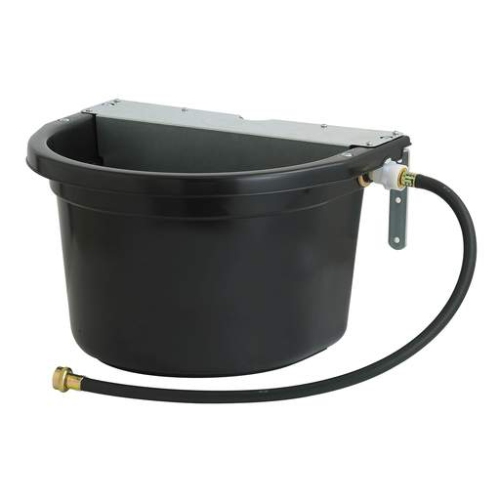 Your price for this item is $132.99
 -
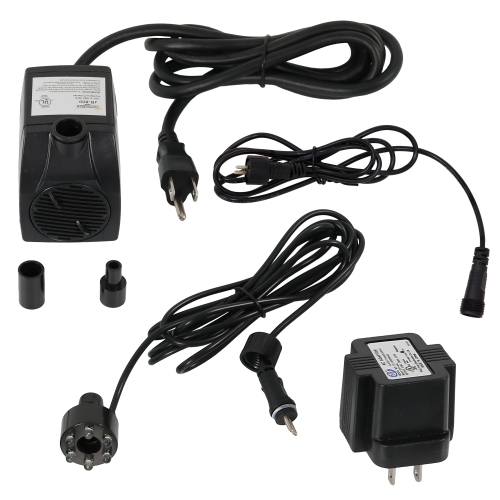 Your price for this item is $69.45
 -
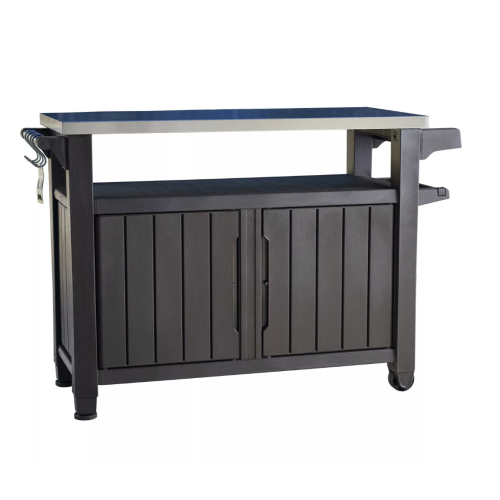 Your price for this item is $562.99
 -
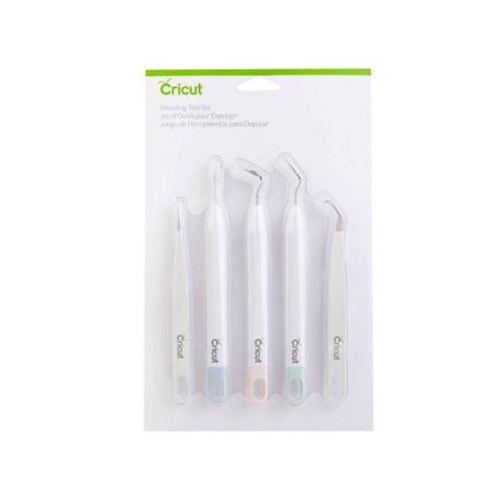 Your price for this item is $26.99
Discover more categories related to Wedding Arches
Top Collections:
Pokemon Centers, Kindle Devices, Best Budget Office Chairs, Apple iPhones 16, Canon G7X Cameras, iPhone 15 Apple, Alarm Clock, Refurbished Apple Laptops, Flip Phones, Best Laptops for Writers
Some products may be subject to Environmental Handling Fees
(EHF) depending on your province.
Learn more about EHFs.