Wedding Decor Greenery
Create a lush and enchanting ambiance for your special day with this exquisite collection of wedding decor greenery. From elegant garlands to delicate foliage accents, these decorations offer a variety of options to add a touch of natural beauty to your wedding venue. Whether you're envisioning a rustic outdoor celebration or a chic indoor affair, this range of greenery is sure to elevate your wedding decor to new heights.
Sort
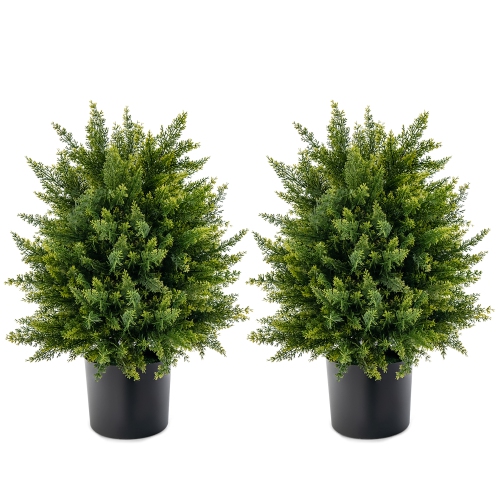
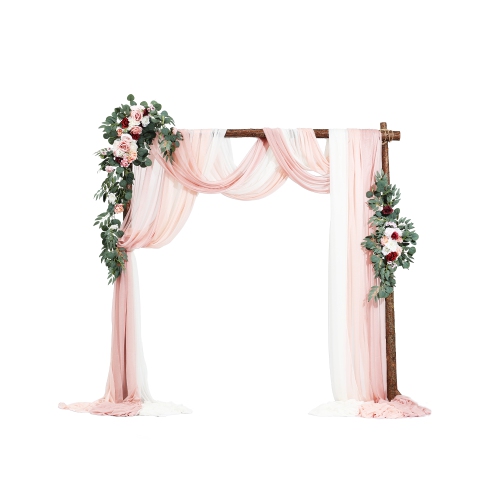
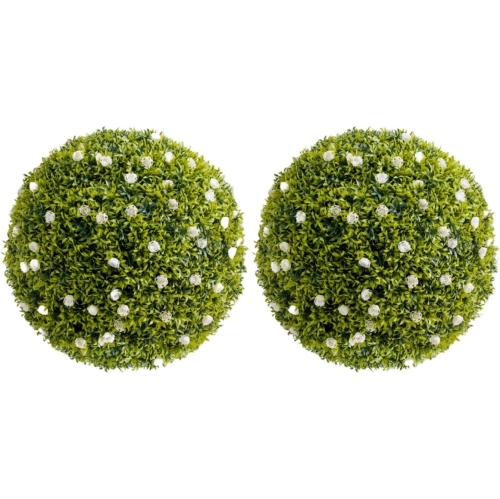
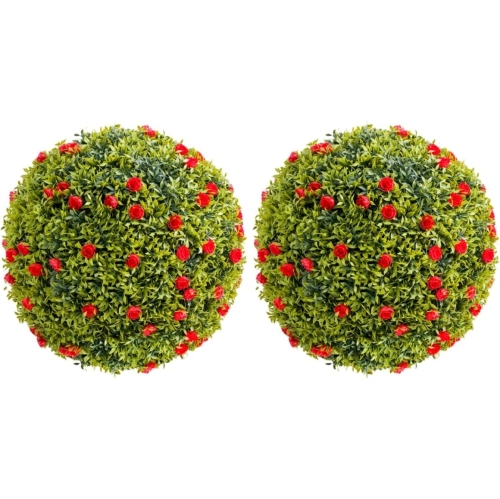
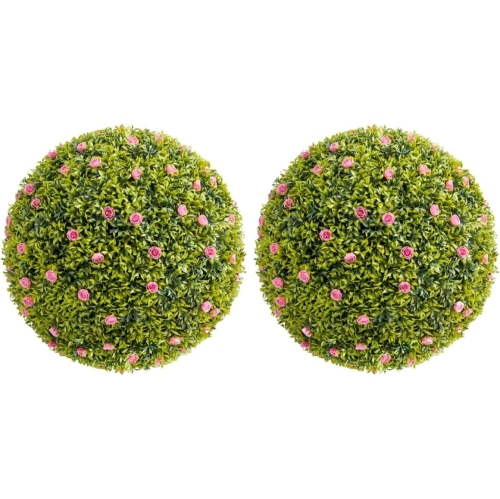
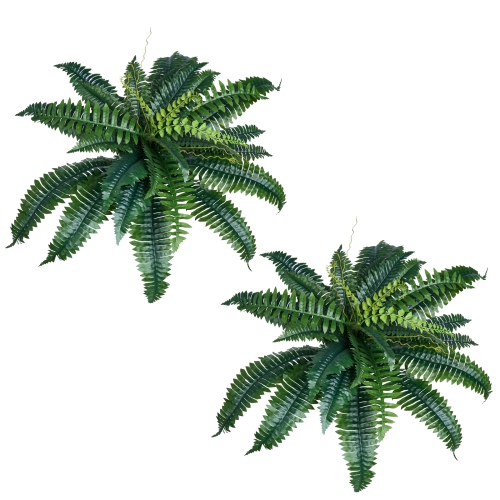
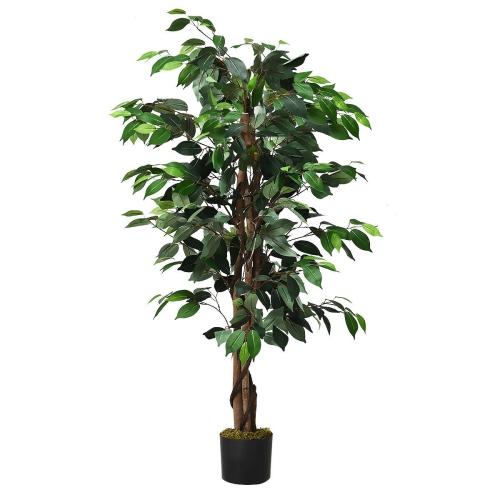
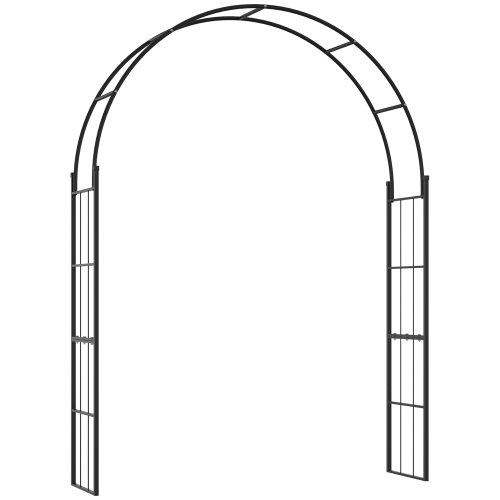

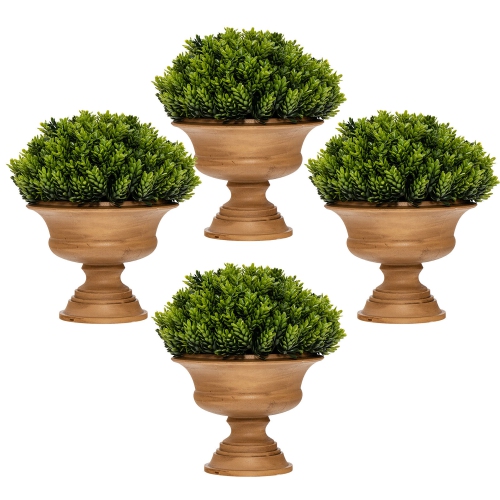
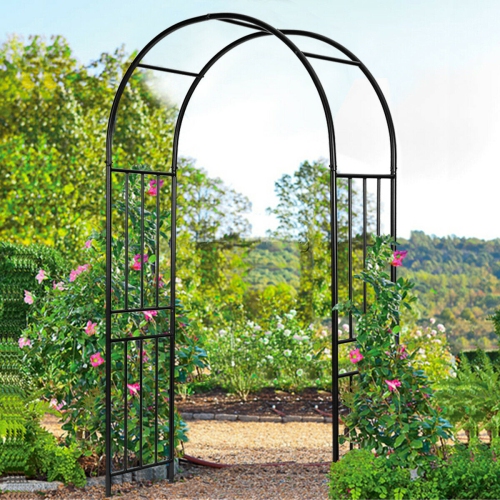
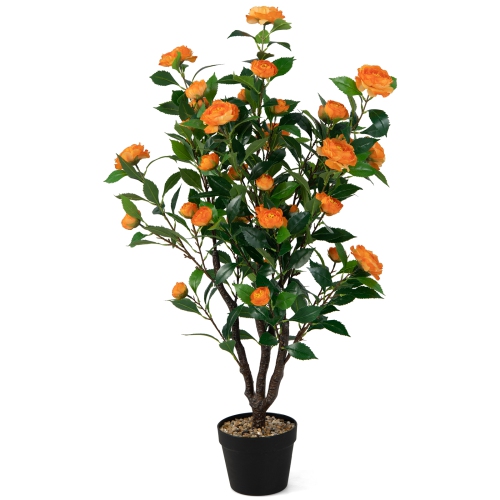
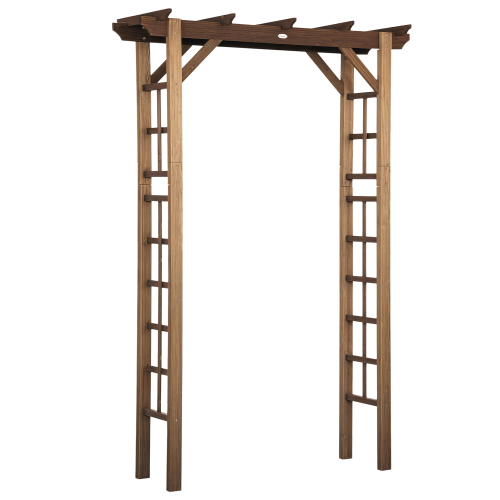
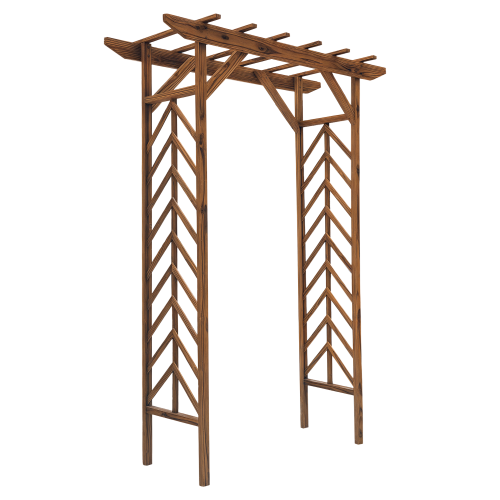
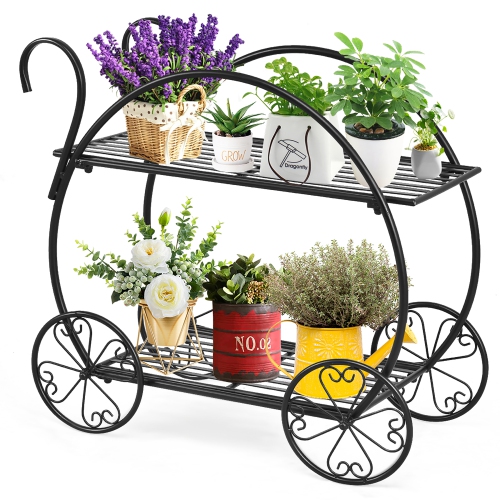
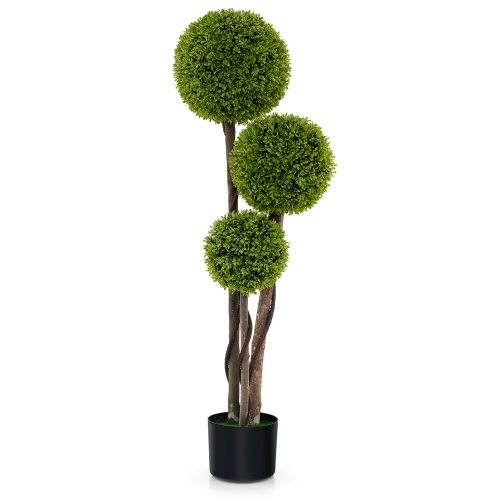
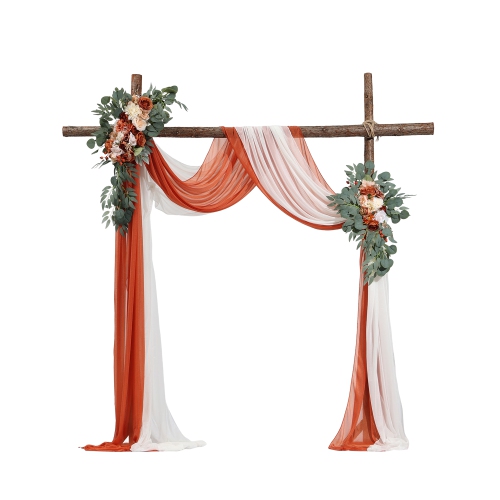
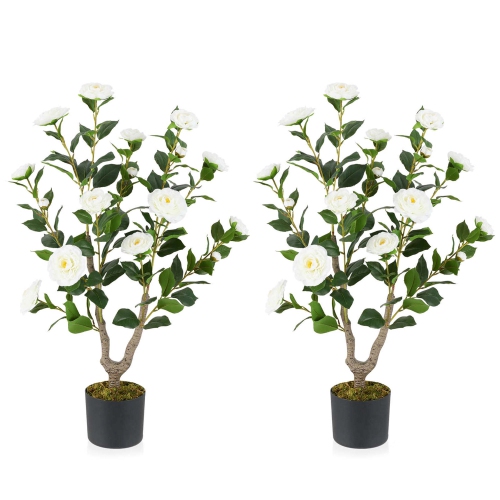
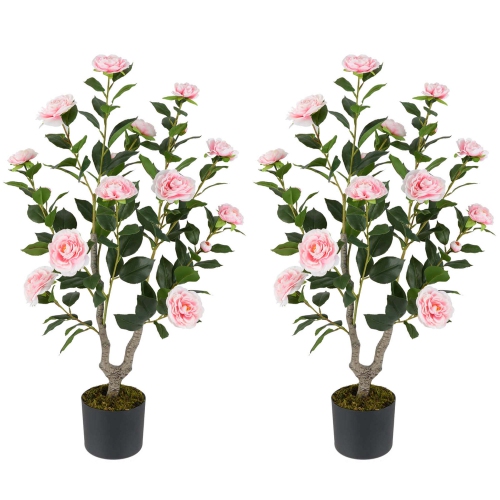
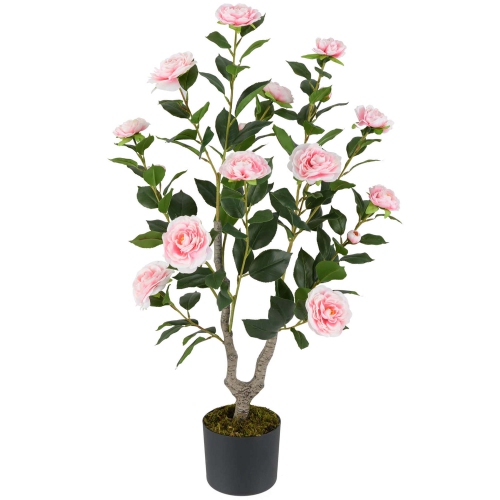
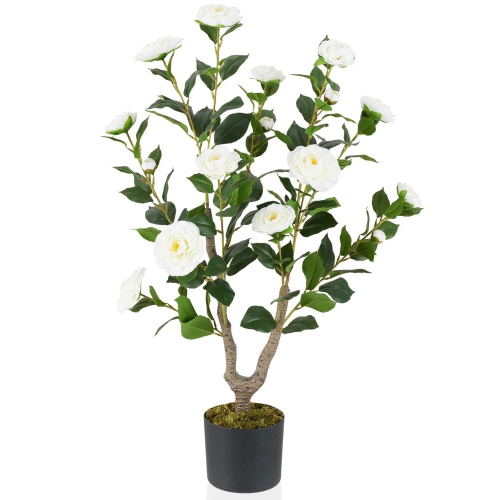
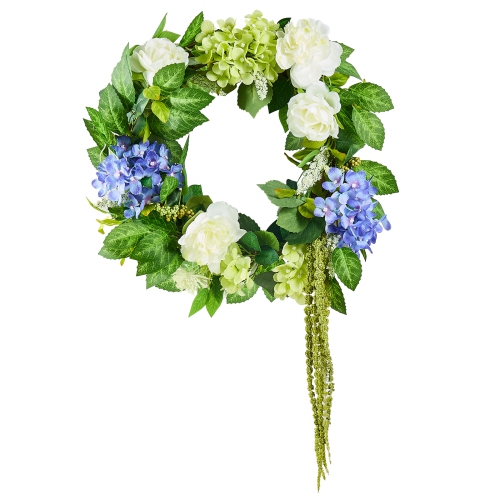

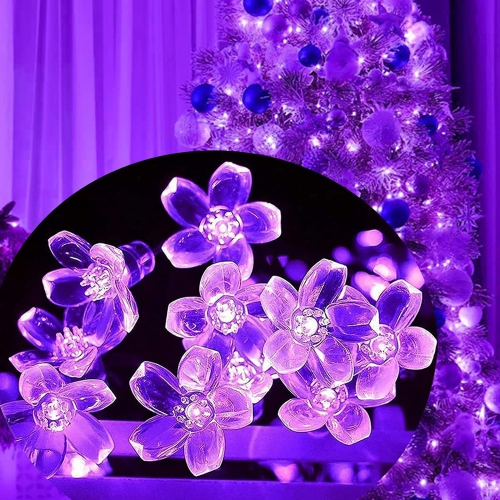
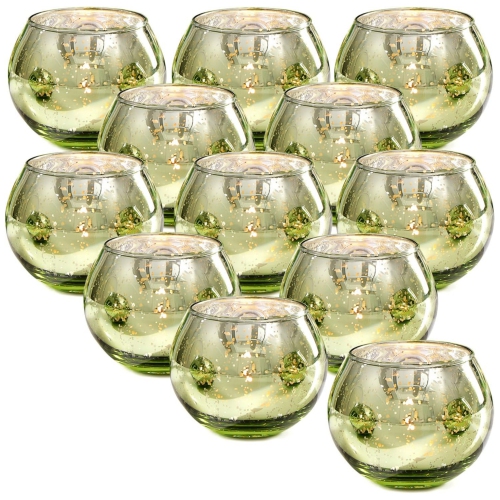
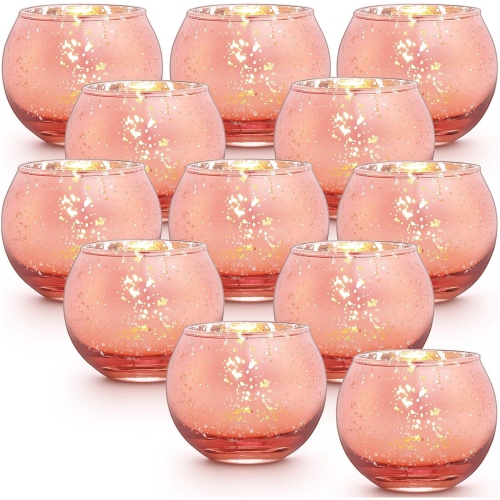
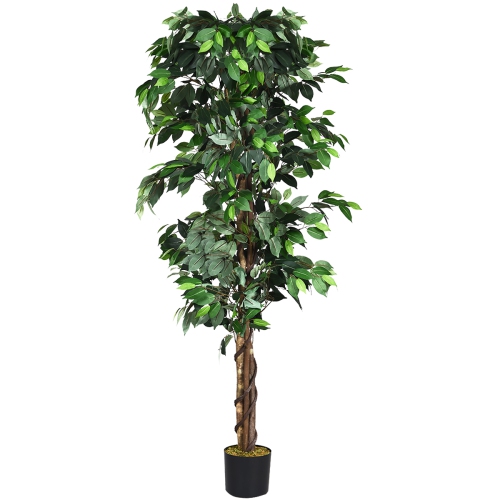
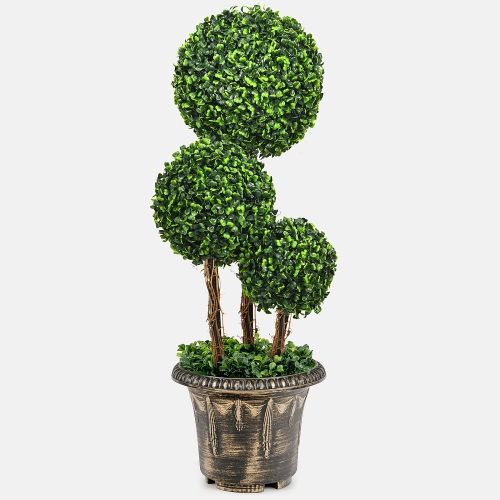
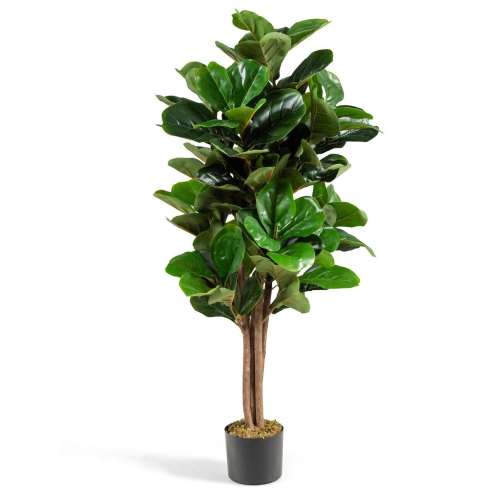
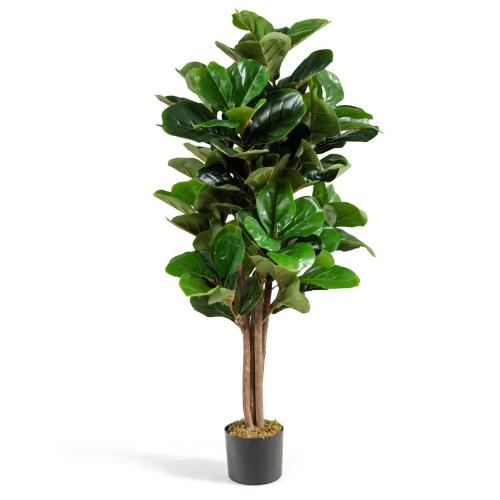
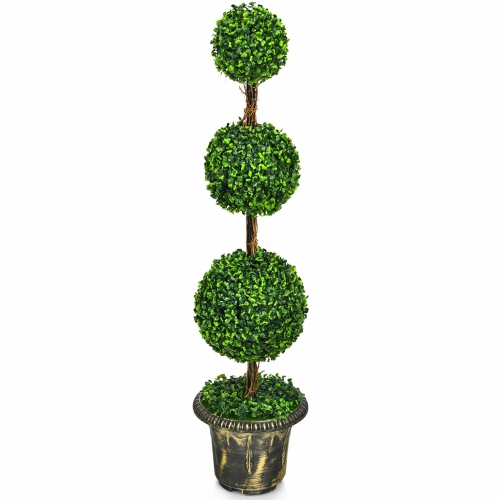
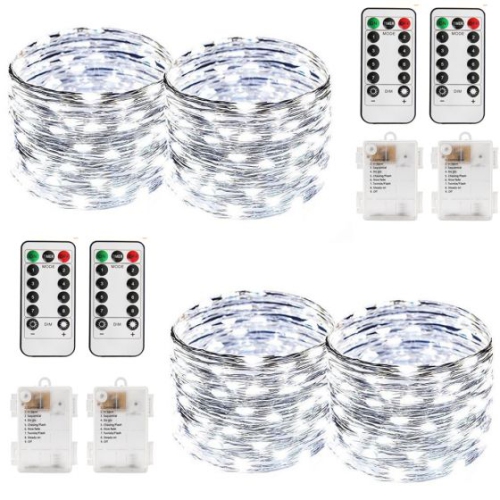
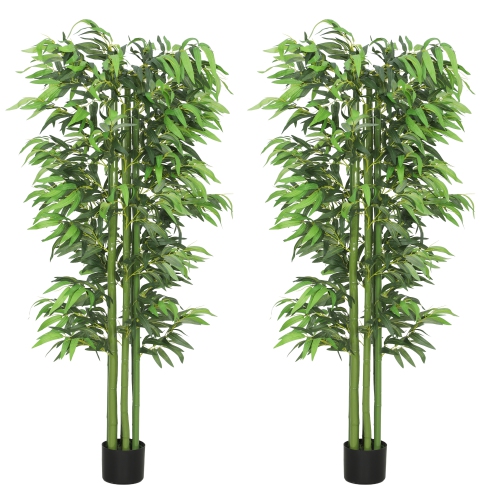
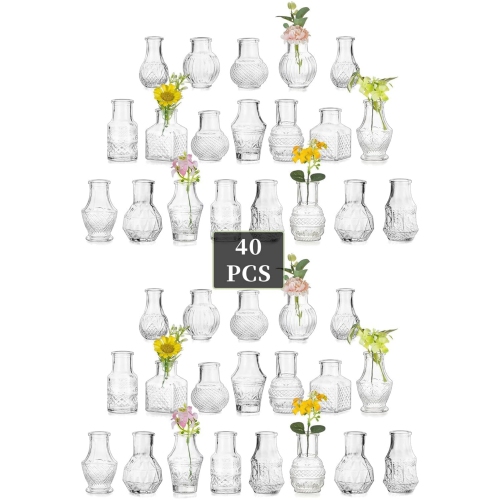
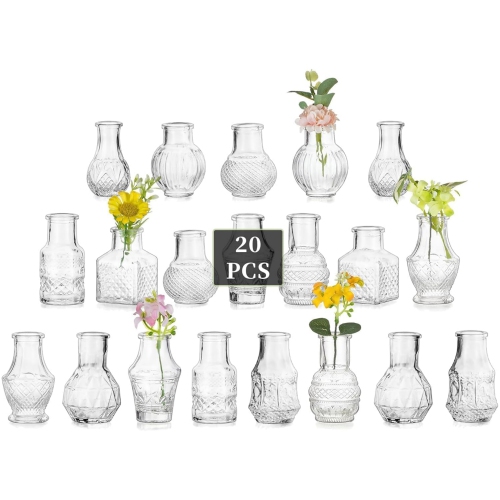
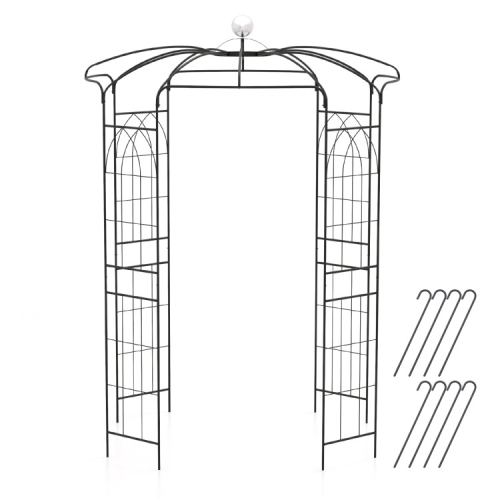
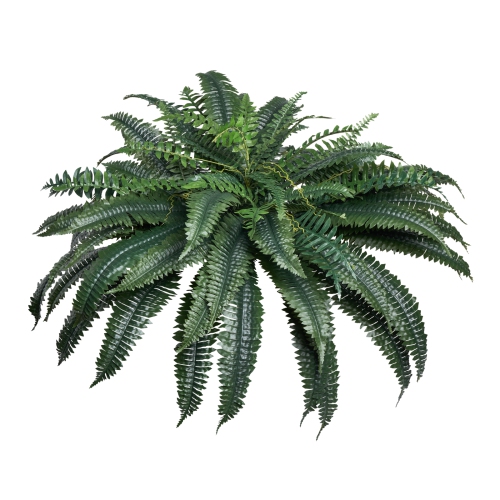
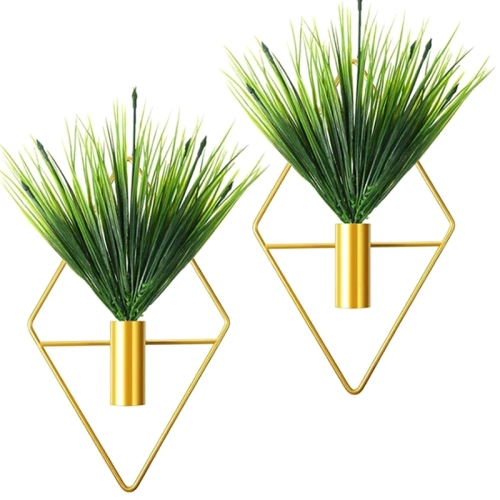

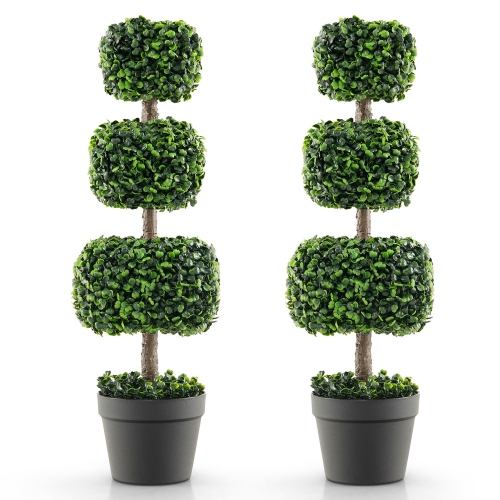
How leaf shape ties your wedding spaces together
Wedding decor greenery brings leafy texture, depth, and a sense of continuity to ceremony and reception spaces. It can soften the straight lines of an arch, frame a welcome sign, or carry a consistent colour palette from the aisle to the dining tables without making every arrangement look identical. The shape and finish of the foliage have a strong influence on the result. Rounded eucalyptus-style leaves create a soft, airy outline, while narrow ruscus-style foliage gives arrangements a more flowing silhouette. Fern shapes add fullness and finely divided texture, and trailing ivy creates longer lines around frames, railings, and table edges. Mixing leaf sizes can make an arrangement feel less uniform, especially when larger leaves provide a base and smaller sprigs fill the spaces between them. Muted grey-green tones pair naturally with ivory linens and pale wood, while deeper greens offer contrast against white flowers, glass, and metallic accents. For couples who prefer greenery as the main decorative feature, variations in leaf shape and density can supply visual interest without relying on a large floral display. Fresh foliage and artificial greenery create different effects and involve different preparation needs. Fresh stems offer natural variation and, depending on the plant, a noticeable scent, but their appearance depends on handling, hydration, and the species selected. Artificial greenery offers a consistent shape and can be arranged ahead of the celebration, making it useful for couples, wedding planners, and venue teams working within a short setup window. Its realism depends on details such as leaf veining, subtle colour changes, branching patterns, and how naturally the stems bend. Matte surfaces tend to look less reflective under direct lighting, while a gentle sheen can suit foliage that naturally has glossy leaves. Viewed together, these details help greenery feel connected to the setting rather than simply placed around it, whether the overall style is understated, romantic, rustic, or formal.
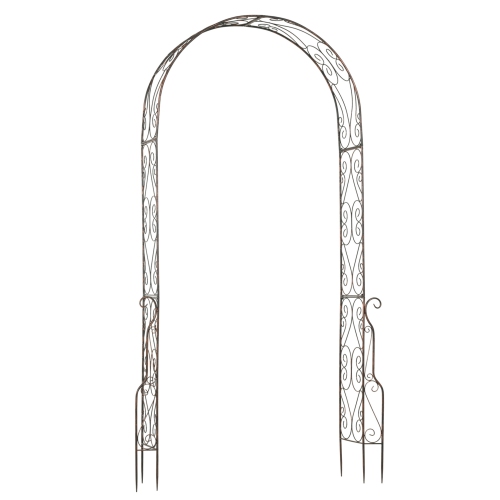
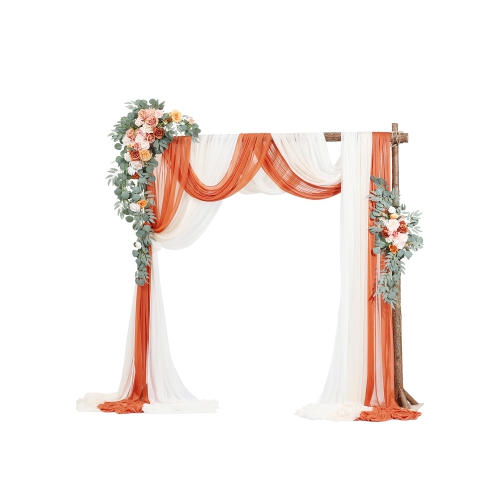
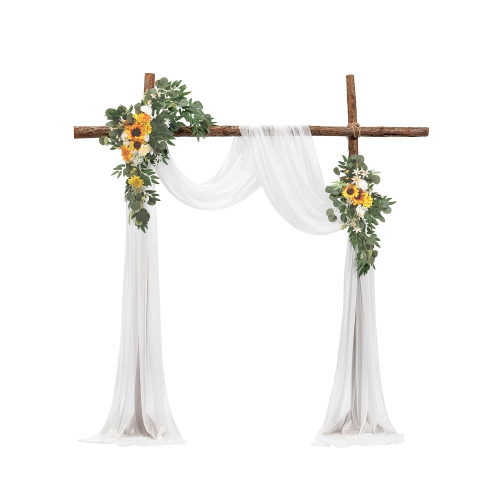
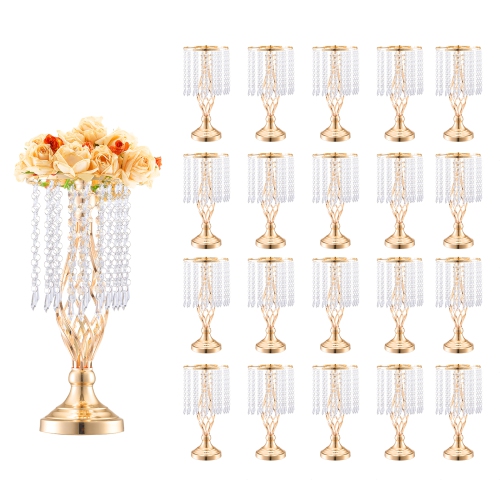
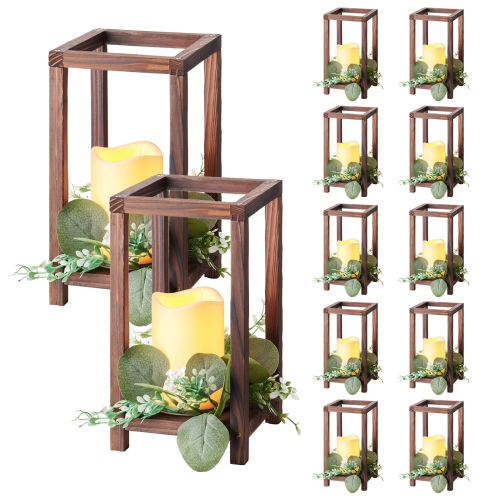
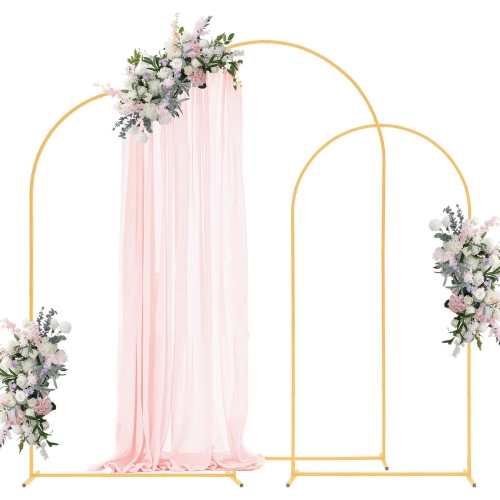
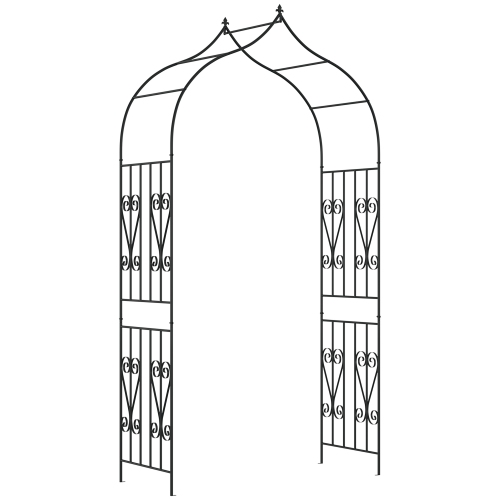
The proportions of wedding greenery matter as much as its colour. A garland that looks full around a small sign may appear sparse across a wide ceremony frame, while dense foliage on a narrow dining table can crowd place settings and serving dishes. Listed length describes the reach of a garland, but width, branching, and leaf density determine how much space it visually fills. Long reception tables often suit a continuous line of foliage, with enough breaks to accommodate table numbers, water glasses, and shared dishes. Round tables generally benefit from a more contained footprint that leaves guests room to settle in comfortably. Low arrangements keep sightlines open across the table; taller designs need enough clearance beneath their foliage for conversation. Trailing ends can create a graceful effect at the front of a sweetheart table, although they should remain clear of chairs and walking routes. Ceremony arches and freestanding backdrops call for a different balance: the frame must support the combined weight of foliage, flowers, and attachment materials, and the finished arrangement should not compromise its stability. A concentrated cluster at one corner can give an arch definition without covering its entire structure. Around signs, smaller leaves can frame the message while keeping names and directions readable. Similar proportions work for seating charts, guest-book tables, and photo backdrops, where greenery should complement the purpose of the display. Couples coordinating a botanical setting can also explore Decor for Garden Weddings for a related decorative direction. Across these settings, secure attachment points and tidy stem ends make a meaningful difference to the finished appearance. Covered ties and discreet fasteners help keep the focus on the leaves, while venue-approved attachments protect furnishings and surfaces. Greenery near candles needs particular care: foliage should remain well clear of flames and heat sources, and flameless lighting can provide a similar glow without an open flame beside the arrangement.
Materials and construction influence how wedding greenery feels, how easily it can be shaped, and how well it holds up during transport and handling. Artificial leaves may be made from polyester fabric, plastic, or a combination of materials, with stems that sometimes contain wire for positioning. Fabric leaves can offer a softer drape, while moulded plastic can capture defined edges and surface texture; neither material alone guarantees a realistic appearance. Finished edges, secure leaf connections, and a well-covered stem are useful details to assess, particularly when arrangements will be carried between the ceremony and reception. Wired stems allow gentle adjustments around a frame or along a table, but repeated sharp bending can weaken them or expose the inner wire. Flexible garlands are easier to curve into loose shapes, whereas firmer branches can provide structure within a fuller display. Care requirements vary, so cleaning and storage should follow the material-specific directions. Light dust on artificial foliage can often be removed with a soft, dry cloth or gentle brush, while soaking may damage adhesives, coatings, or fabric finishes. Fresh greenery needs handling suited to its variety, and cut stems may require a water source until they are arranged. Neither fresh nor artificial foliage should be assumed suitable for direct food contact, making separation important around cakes, dessert displays, and serving surfaces. For transport, loosely packed arrangements with supported stems are less likely to arrive crushed than tightly compressed bundles. Keeping attachment materials organized by display area can also make it easier to recreate an arrangement accurately at the venue. After the celebration, artificial greenery may be used for another event or incorporated into home displays if its condition and intended use allow. Clean, dry storage without heavy objects pressing on the leaves helps preserve its shape. For couples arranging their own wedding, friends helping with setup, or professionals styling multiple spaces, the most useful greenery balances appearance with manageable preparation, dependable construction, and a scale that suits the celebration.
The proportions of wedding greenery matter as much as its colour. A garland that looks full around a small sign may appear sparse across a wide ceremony frame, while dense foliage on a narrow dining table can crowd place settings and serving dishes. Listed length describes the reach of a garland, but width, branching, and leaf density determine how much space it visually fills. Long reception tables often suit a continuous line of foliage, with enough breaks to accommodate table numbers, water glasses, and shared dishes. Round tables generally benefit from a more contained footprint that leaves guests room to settle in comfortably. Low arrangements keep sightlines open across the table; taller designs need enough clearance beneath their foliage for conversation. Trailing ends can create a graceful effect at the front of a sweetheart table, although they should remain clear of chairs and walking routes. Ceremony arches and freestanding backdrops call for a different balance: the frame must support the combined weight of foliage, flowers, and attachment materials, and the finished arrangement should not compromise its stability. A concentrated cluster at one corner can give an arch definition without covering its entire structure. Around signs, smaller leaves can frame the message while keeping names and directions readable. Similar proportions work for seating charts, guest-book tables, and photo backdrops, where greenery should complement the purpose of the display. Couples coordinating a botanical setting can also explore Decor for Garden Weddings for a related decorative direction. Across these settings, secure attachment points and tidy stem ends make a meaningful difference to the finished appearance. Covered ties and discreet fasteners help keep the focus on the leaves, while venue-approved attachments protect furnishings and surfaces. Greenery near candles needs particular care: foliage should remain well clear of flames and heat sources, and flameless lighting can provide a similar glow without an open flame beside the arrangement.
Materials and construction influence how wedding greenery feels, how easily it can be shaped, and how well it holds up during transport and handling. Artificial leaves may be made from polyester fabric, plastic, or a combination of materials, with stems that sometimes contain wire for positioning. Fabric leaves can offer a softer drape, while moulded plastic can capture defined edges and surface texture; neither material alone guarantees a realistic appearance. Finished edges, secure leaf connections, and a well-covered stem are useful details to assess, particularly when arrangements will be carried between the ceremony and reception. Wired stems allow gentle adjustments around a frame or along a table, but repeated sharp bending can weaken them or expose the inner wire. Flexible garlands are easier to curve into loose shapes, whereas firmer branches can provide structure within a fuller display. Care requirements vary, so cleaning and storage should follow the material-specific directions. Light dust on artificial foliage can often be removed with a soft, dry cloth or gentle brush, while soaking may damage adhesives, coatings, or fabric finishes. Fresh greenery needs handling suited to its variety, and cut stems may require a water source until they are arranged. Neither fresh nor artificial foliage should be assumed suitable for direct food contact, making separation important around cakes, dessert displays, and serving surfaces. For transport, loosely packed arrangements with supported stems are less likely to arrive crushed than tightly compressed bundles. Keeping attachment materials organized by display area can also make it easier to recreate an arrangement accurately at the venue. After the celebration, artificial greenery may be used for another event or incorporated into home displays if its condition and intended use allow. Clean, dry storage without heavy objects pressing on the leaves helps preserve its shape. For couples arranging their own wedding, friends helping with setup, or professionals styling multiple spaces, the most useful greenery balances appearance with manageable preparation, dependable construction, and a scale that suits the celebration.
Top selling and popular products
-
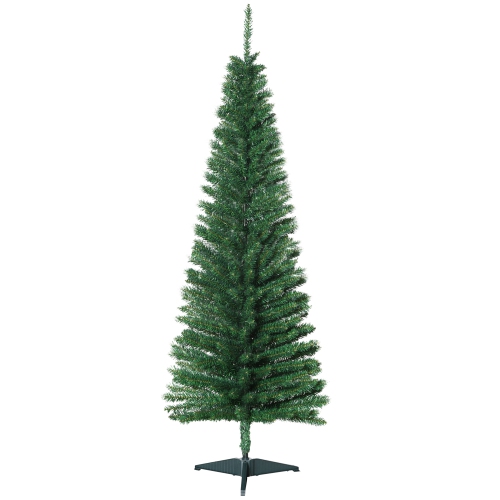 Your price for this item is $49.99
 -
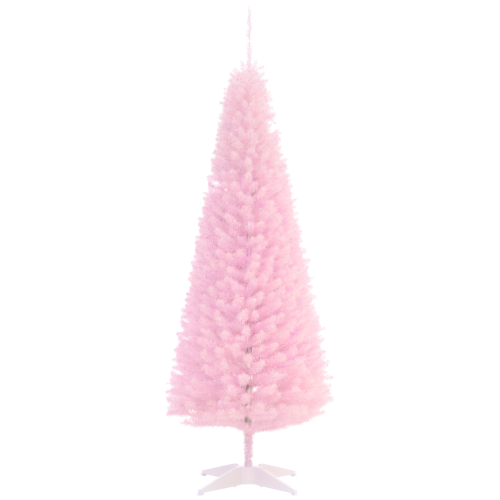 Your price for this item is $44.99
 -
 Your price for this item is $54.99
 -
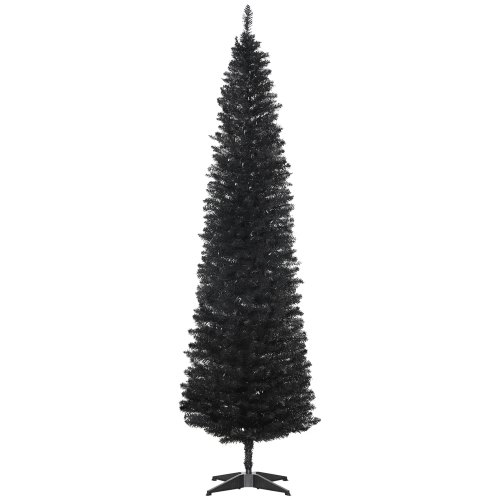 Your price for this item is $79
 -
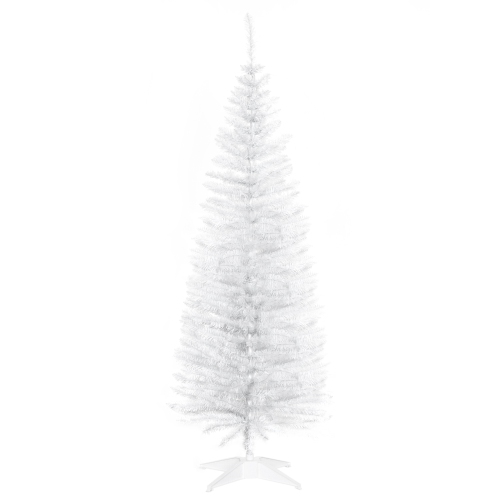 Your price for this item is $49.99
 -
 Your price for this item is $137.99
 -
 Your price for this item is $135.99
 -
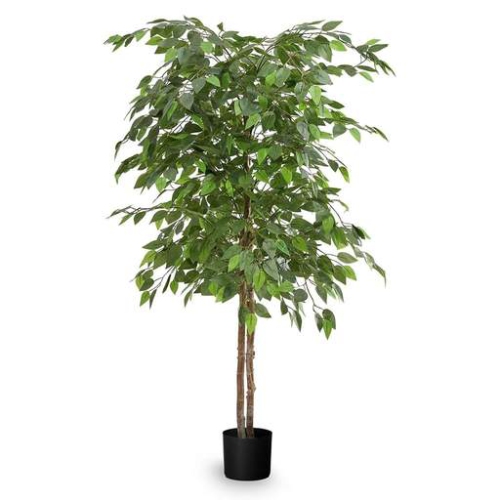 Your price for this item is $114.99
Discover more categories related to Wedding Decor Greenery
Top Collections:
Pokemon Centers, Kindle Devices, Best Budget Office Chairs, Apple iPhones 16, Best Laptops for Writers, iPhone 15 Apple, Canon G7X Cameras, Refurbished Apple Laptops, Alarm Clock, Motorola Razr Phones
Some products may be subject to Environmental Handling Fees
(EHF) depending on your province.
Learn more about EHFs.