Welding Machines
Discover the essential tool for your metalworking projects with our selection of welding machines. Whether you're a seasoned professional or a DIY enthusiast, finding the right welding machine can make all the difference in achieving precise and durable results. Explore a variety of options that cater to different skill levels and project needs, ensuring you have the power and versatility required for any task. From arc welding to MIG and TIG, our range offers innovative solutions designed to enhance your craftsmanship. Equip yourself with a reliable welding machine and bring your creative visions to life with confidence and precision.
Sort

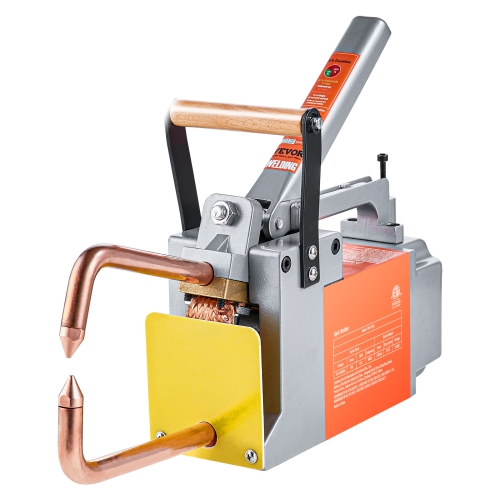
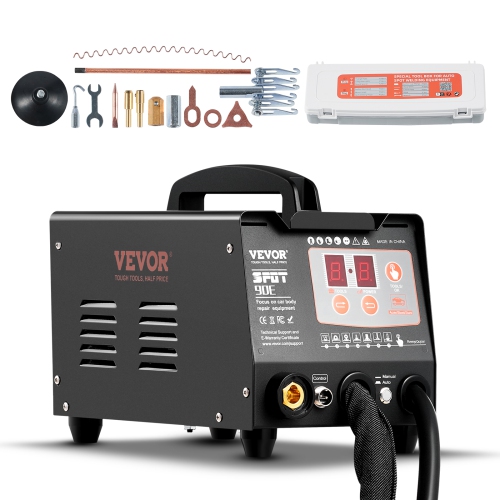
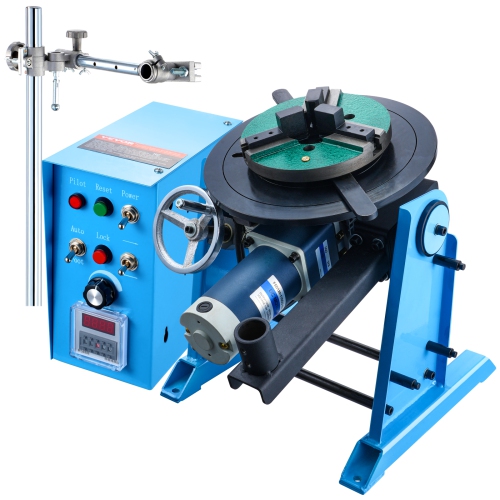
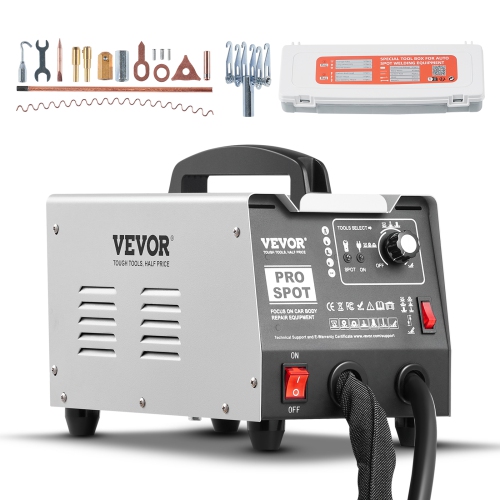
How welding processes and power shape the right choice
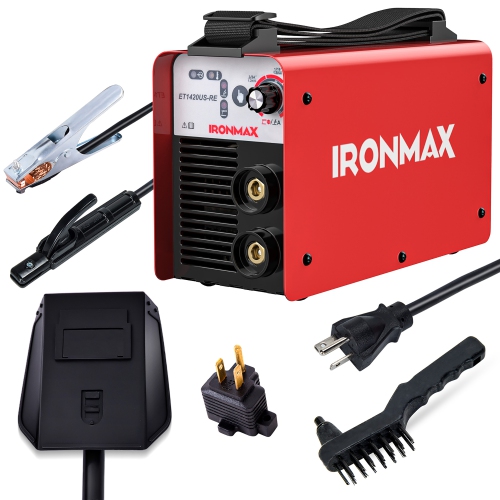
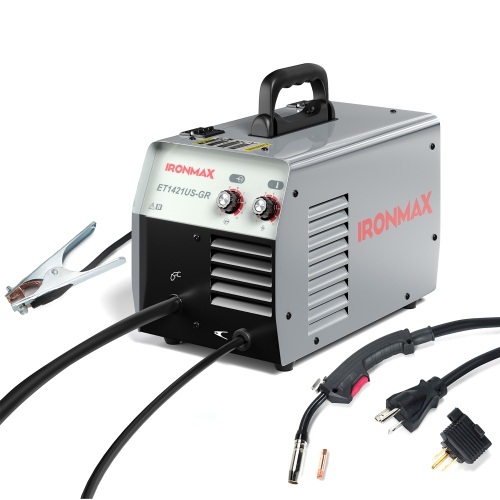
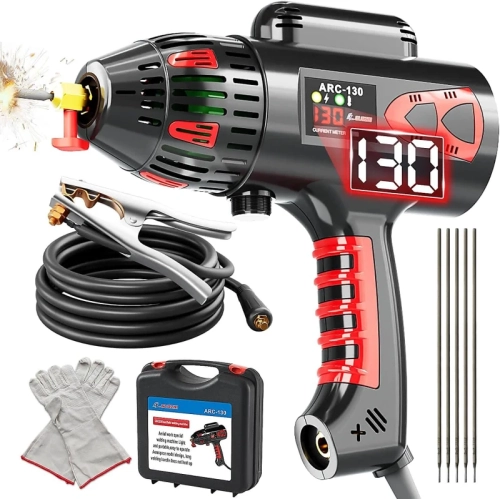
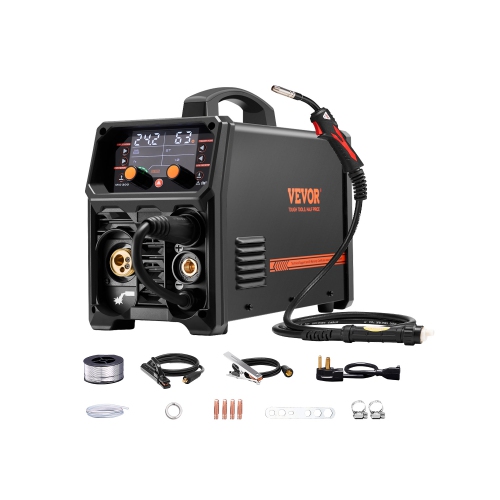
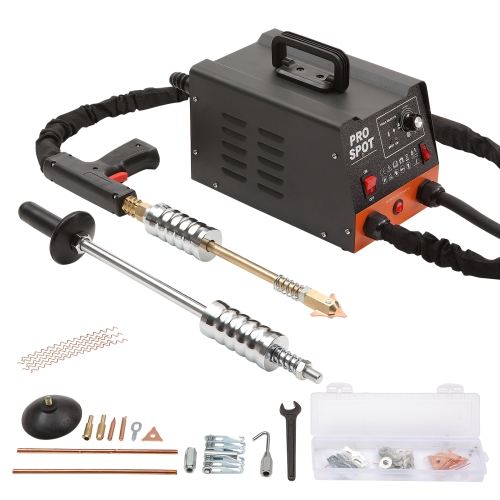
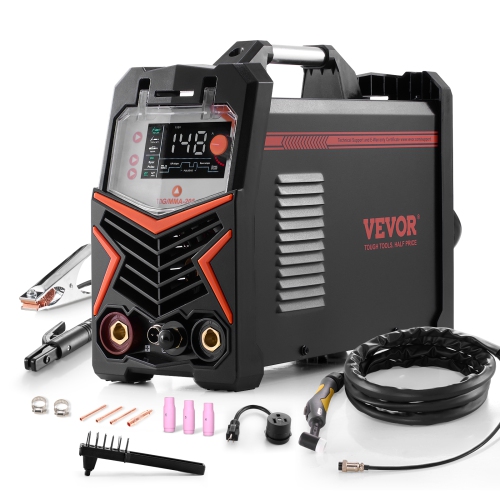
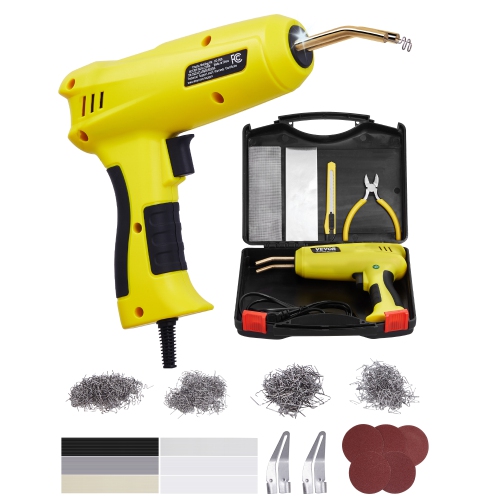
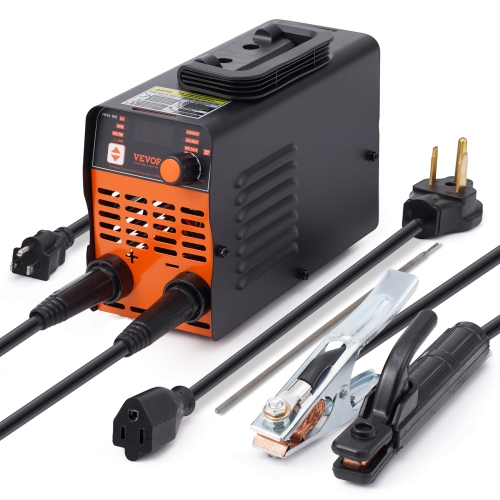
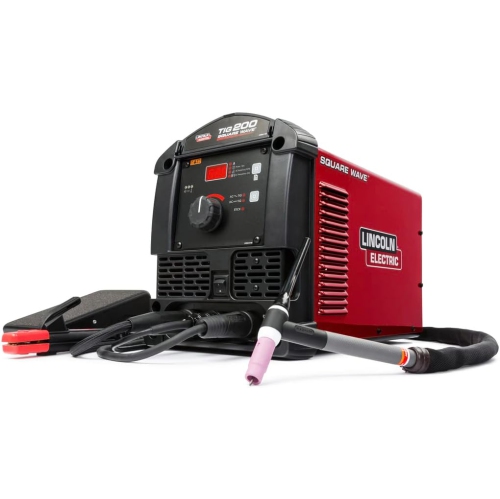
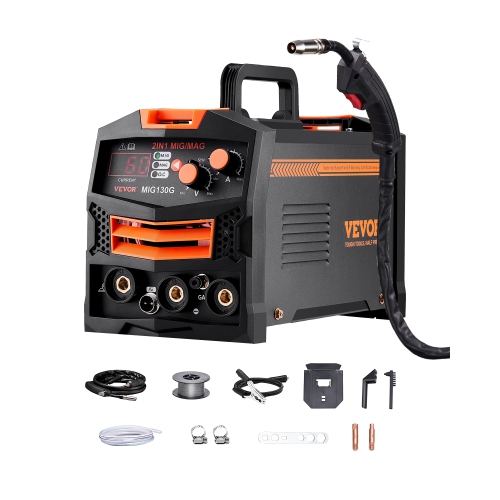
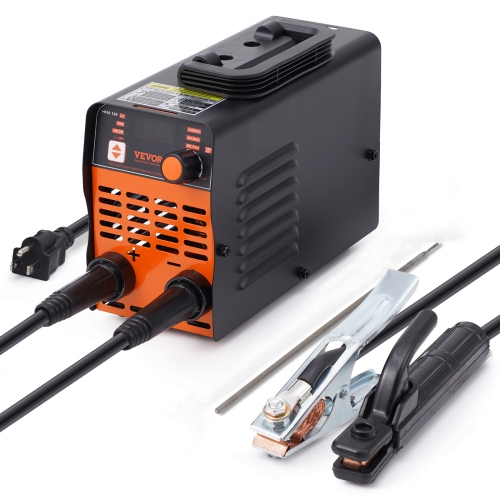
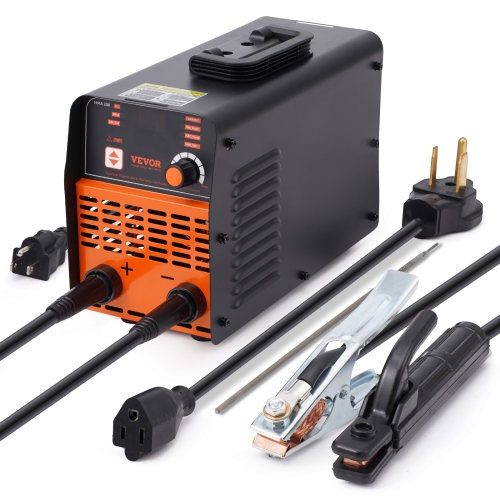
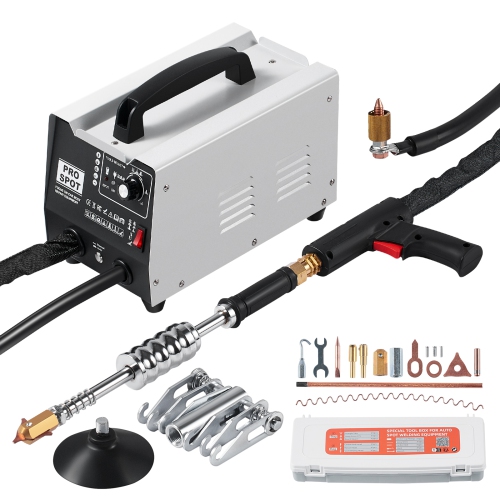
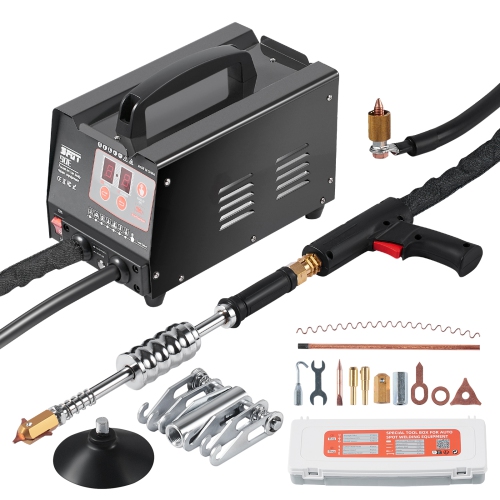
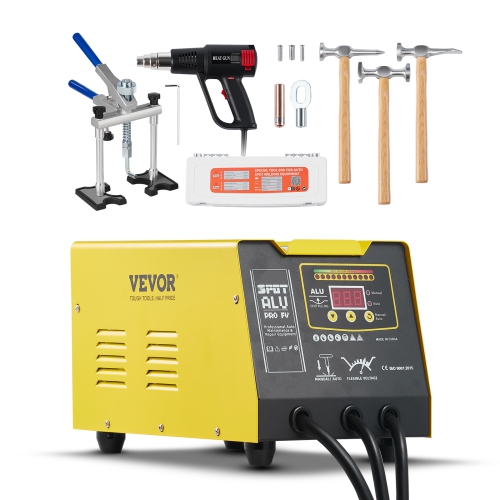
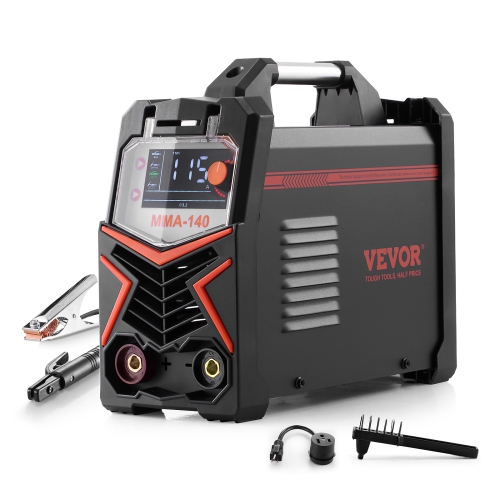
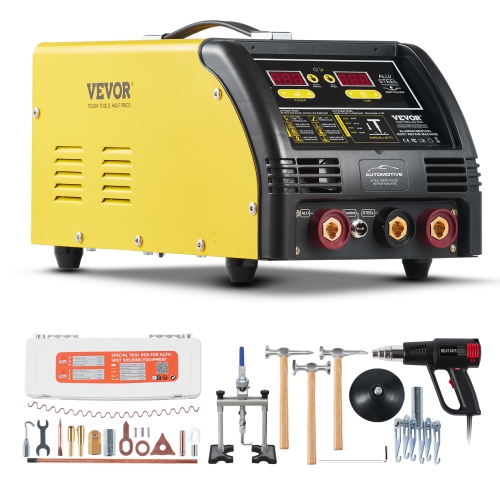
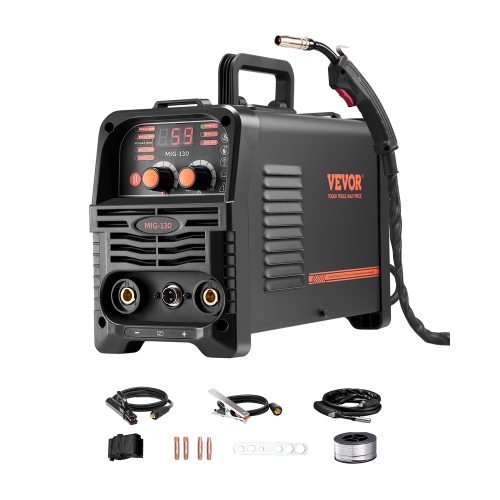
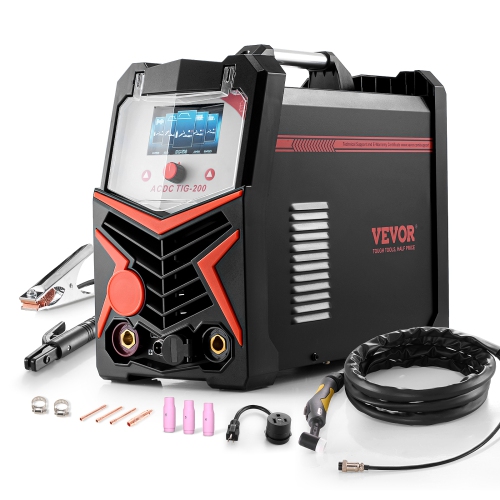
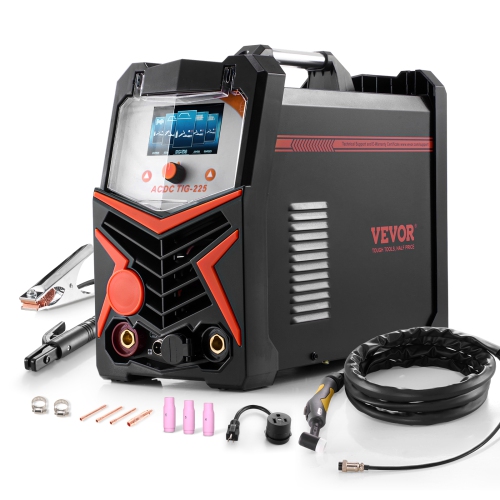
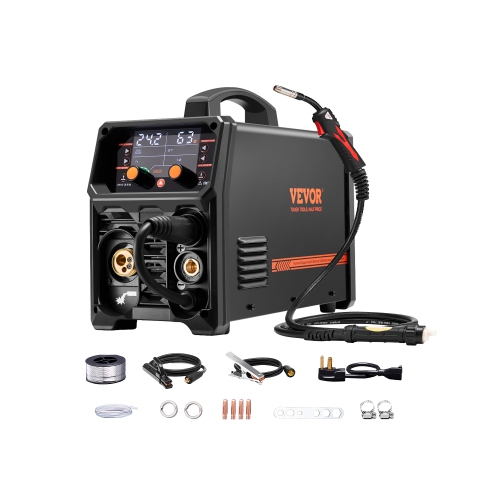
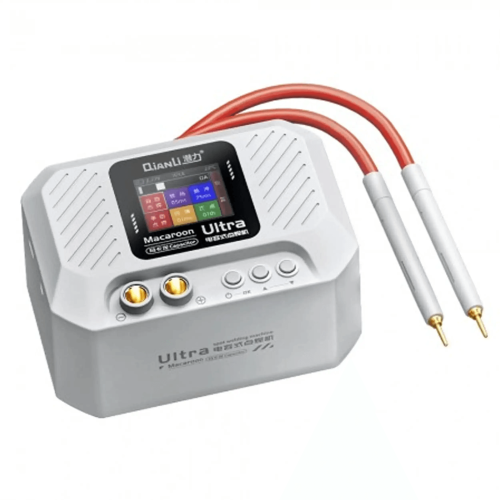
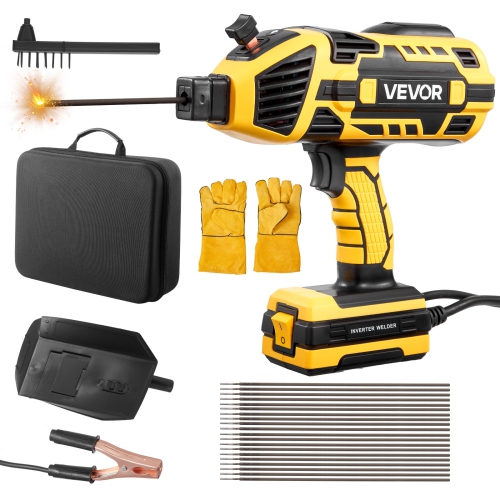
Welding machines use electrical energy to create the heat needed to join metal, making them useful for repairs, fabrication, maintenance and hands-on projects around a workshop, garage or job site. The right machine depends on the metal being joined, the thickness of the material, the desired finish and the environment where the work will take place. MIG welders feed a wire electrode through a welding gun and are often a practical choice for beginners because they offer a steady arc and a relatively straightforward setup. They can be used with shielding gas for clean, controlled welds or with flux-cored wire for added flexibility when working outside. TIG welders use a non-consumable tungsten electrode and provide excellent control over the weld pool, which makes them well suited to thin metals, detailed work and projects where a neat, precise finish matters. TIG welding generally requires more practice and coordination, but it can be rewarding when appearance and accuracy are important. Stick welders use flux-coated rods and are valued for their ability to handle thicker materials, outdoor conditions and metal that is not perfectly clean. Because the rod creates its own shielding as it burns, stick welding can be a dependable option for structural repairs, farm equipment, gates, brackets and other demanding jobs. Multi-process welding machines combine two or more welding methods in a single unit, giving experienced users room to adapt as projects change while helping newer welders explore different techniques without purchasing several separate machines. Some models may also support specialized functions for particular metals or applications, so checking the listed capabilities is an important part of choosing the right fit.
When comparing welding machines, start by considering the kind of work you expect to do most often. A compact machine with a lower output can be convenient for small repairs, light fabrication and occasional home projects, while a higher-output model may be better for thicker steel, longer welds or demanding workshop use. Amperage range is one of the most useful specifications to review because it indicates the amount of heat the machine can produce; a broad range provides more flexibility across different materials and thicknesses. Duty cycle also matters, especially for extended work. It describes how long a machine can operate at a given output before it needs time to cool, so a higher duty cycle can help maintain a steady pace during larger projects. Pay attention to input power and outlet requirements as well, since some machines are designed for standard household power while others may require a different electrical setup. Portability is another practical consideration. A lighter unit can be easier to carry between a garage, shed and outdoor work area, whereas a larger machine may offer additional controls, output and connections for frequent use. Think about the welding process you prefer, too. MIG machines typically need a wire spool and may use shielding gas, while flux-cored operation can reduce the number of components needed for certain jobs. TIG setups can involve a torch, tungsten electrodes, filler rods and gas controls, and stick welding requires the appropriate rod for the metal and position. Reviewing included accessories, torch connections, ground clamps, cable length and replacement consumables can help avoid surprises after purchase. Welding helmets with the correct shade, heat-resistant gloves, protective clothing and proper ventilation are essential parts of a responsible setup. Keep combustible materials away from the work area, follow the machine’s instructions and allow hot metal to cool before handling it. During the cooler months, indoor workshops can be especially appealing, but ventilation remains important whenever welding is performed in an enclosed space.
Welding machines can be useful for homeowners who want to repair metal shelving, garden equipment, trailer components or workshop fixtures, as well as for hobbyists building furniture frames, art pieces, carts and custom storage solutions. They are also practical for tradespeople, maintenance teams, automotive enthusiasts, agricultural users and experienced do-it-yourselfers who regularly work with steel, stainless steel or aluminum. A first-time buyer may appreciate a simple MIG or flux-cored machine with clear controls, while someone developing more advanced skills may prefer a multi-process model that supports MIG, TIG and stick welding. A dedicated TIG machine can be a valuable addition for a fabricator who spends time on detailed stainless steel or aluminum work, and a stick welder can suit someone who frequently works outdoors or on heavier materials. Welding equipment may also make a thoughtful gift for a hands-on relative, maker or apprentice who already has a safe workspace and an interest in metalworking. Before giving one as a gift, consider the recipient’s experience, available power, storage space and access to protective equipment; a machine is most useful when it matches the projects they genuinely want to undertake. It can also be helpful to explore related equipment, including Welding Irons, along with wire, rods, gas accessories, replacement tips and protective gear. Whether the goal is a quick repair or a carefully planned fabrication project, choosing a welding machine with suitable power, process options and controls can make the work more manageable and help create strong, reliable joins.
When comparing welding machines, start by considering the kind of work you expect to do most often. A compact machine with a lower output can be convenient for small repairs, light fabrication and occasional home projects, while a higher-output model may be better for thicker steel, longer welds or demanding workshop use. Amperage range is one of the most useful specifications to review because it indicates the amount of heat the machine can produce; a broad range provides more flexibility across different materials and thicknesses. Duty cycle also matters, especially for extended work. It describes how long a machine can operate at a given output before it needs time to cool, so a higher duty cycle can help maintain a steady pace during larger projects. Pay attention to input power and outlet requirements as well, since some machines are designed for standard household power while others may require a different electrical setup. Portability is another practical consideration. A lighter unit can be easier to carry between a garage, shed and outdoor work area, whereas a larger machine may offer additional controls, output and connections for frequent use. Think about the welding process you prefer, too. MIG machines typically need a wire spool and may use shielding gas, while flux-cored operation can reduce the number of components needed for certain jobs. TIG setups can involve a torch, tungsten electrodes, filler rods and gas controls, and stick welding requires the appropriate rod for the metal and position. Reviewing included accessories, torch connections, ground clamps, cable length and replacement consumables can help avoid surprises after purchase. Welding helmets with the correct shade, heat-resistant gloves, protective clothing and proper ventilation are essential parts of a responsible setup. Keep combustible materials away from the work area, follow the machine’s instructions and allow hot metal to cool before handling it. During the cooler months, indoor workshops can be especially appealing, but ventilation remains important whenever welding is performed in an enclosed space.
Welding machines can be useful for homeowners who want to repair metal shelving, garden equipment, trailer components or workshop fixtures, as well as for hobbyists building furniture frames, art pieces, carts and custom storage solutions. They are also practical for tradespeople, maintenance teams, automotive enthusiasts, agricultural users and experienced do-it-yourselfers who regularly work with steel, stainless steel or aluminum. A first-time buyer may appreciate a simple MIG or flux-cored machine with clear controls, while someone developing more advanced skills may prefer a multi-process model that supports MIG, TIG and stick welding. A dedicated TIG machine can be a valuable addition for a fabricator who spends time on detailed stainless steel or aluminum work, and a stick welder can suit someone who frequently works outdoors or on heavier materials. Welding equipment may also make a thoughtful gift for a hands-on relative, maker or apprentice who already has a safe workspace and an interest in metalworking. Before giving one as a gift, consider the recipient’s experience, available power, storage space and access to protective equipment; a machine is most useful when it matches the projects they genuinely want to undertake. It can also be helpful to explore related equipment, including Welding Irons, along with wire, rods, gas accessories, replacement tips and protective gear. Whether the goal is a quick repair or a carefully planned fabrication project, choosing a welding machine with suitable power, process options and controls can make the work more manageable and help create strong, reliable joins.
Top selling and popular products
-
 Your price for this item is $3000
 -
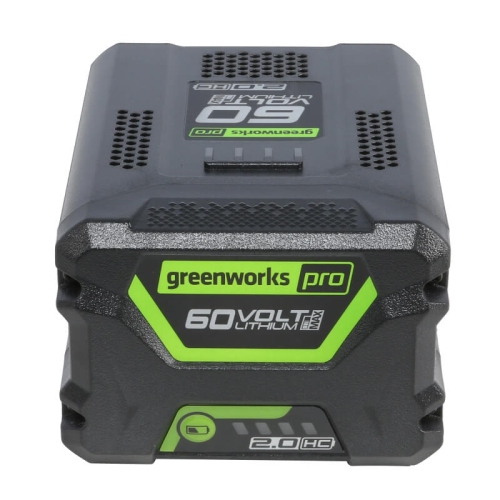 Your price for this item is $124.45
 -
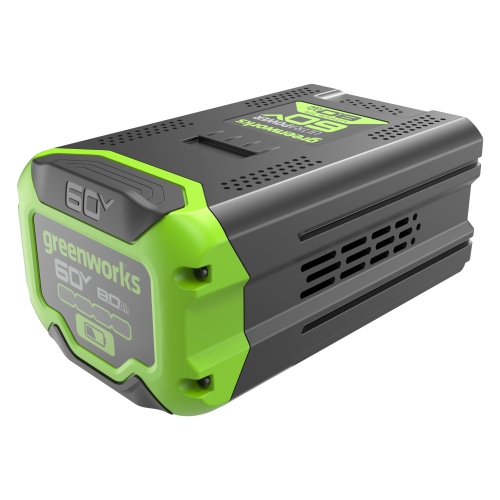 Your price for this item is $329.99
 -
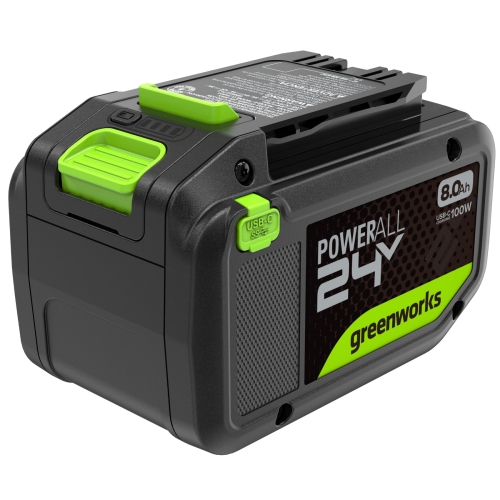 Your price for this item is $139.99
 -
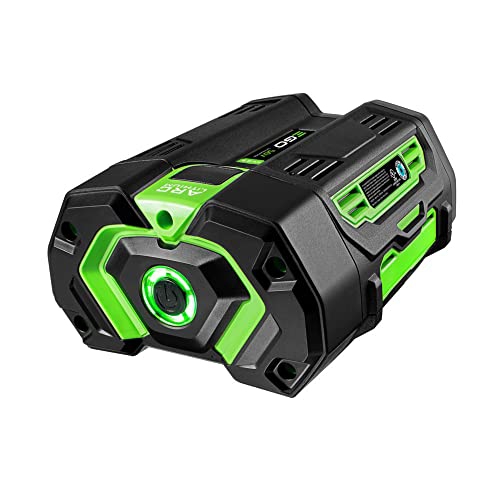 Your price for this item is $264
 -
 Your price for this item is $217.55
 -
 Your price for this item is $739.99
 -
 Your price for this item is $599.99
Discover more categories related to Welding Machines
Top Collections:
Pokemon Centers, Kindle Devices, Best Budget Office Chairs, Apple iPhones 16, Best Laptops for Writers, iPhone 15 Apple, Canon G7X Cameras, Refurbished Apple Laptops, Alarm Clock, Motorola Razr Phones
Some products may be subject to Environmental Handling Fees
(EHF) depending on your province.
Learn more about EHFs.