White Bed Covers
Create a serene and stylish bedroom oasis with our collection of white bed covers. Whether you're looking to refresh your bedding or create a minimalist aesthetic, our white bed covers offer the perfect solution. With a neutral and versatile color palette, our white bed covers effortlessly complement almost any decor style, making them a timeless addition to your bedroom.
Sort





How texture gives an all-white bed its character
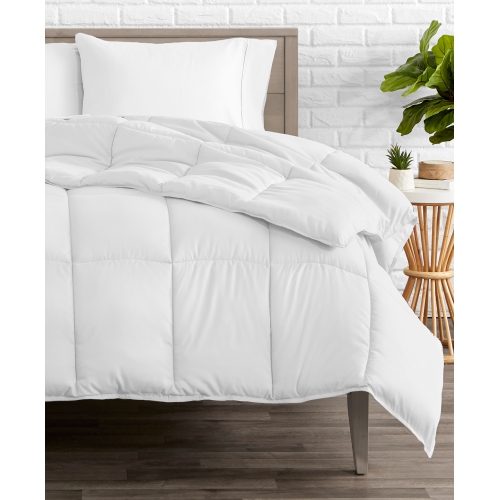
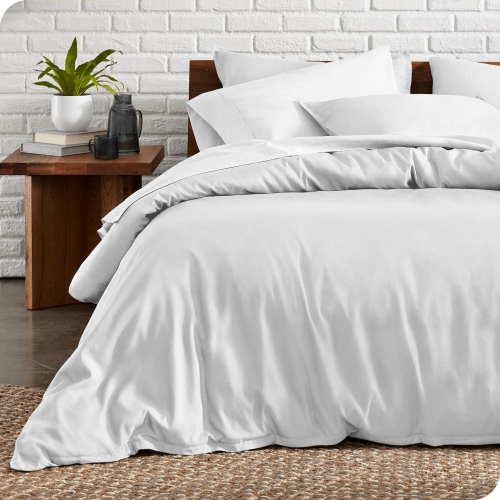
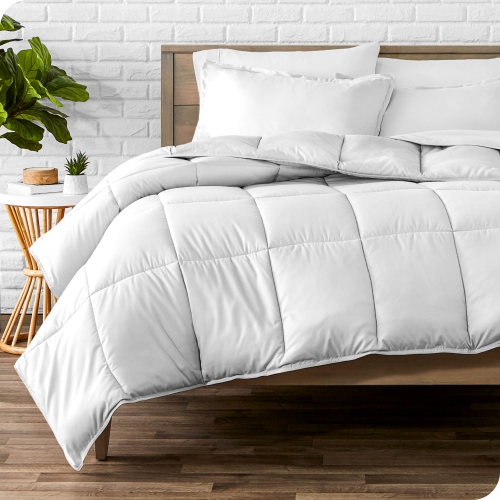
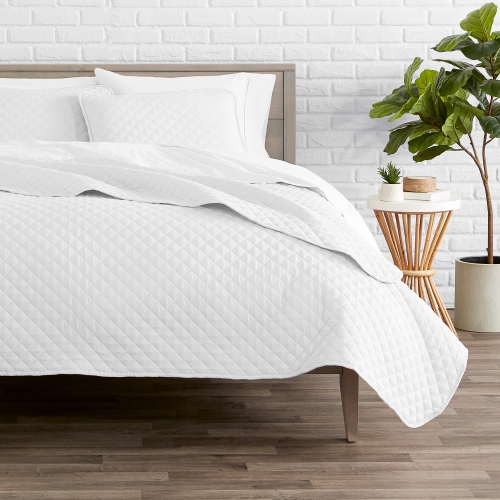
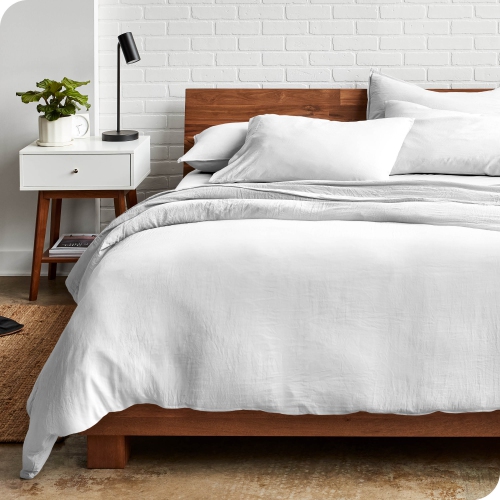
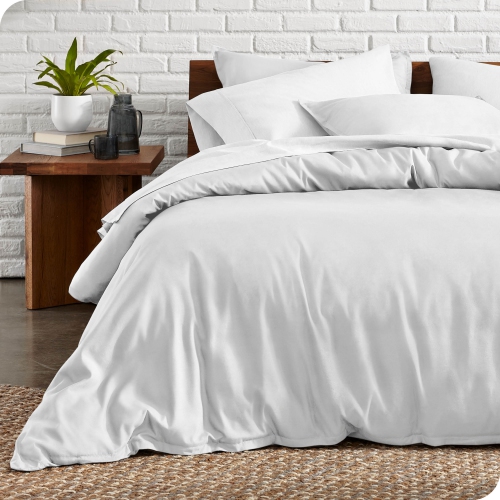
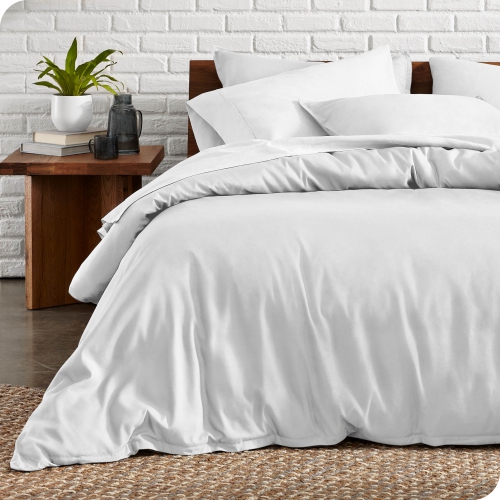
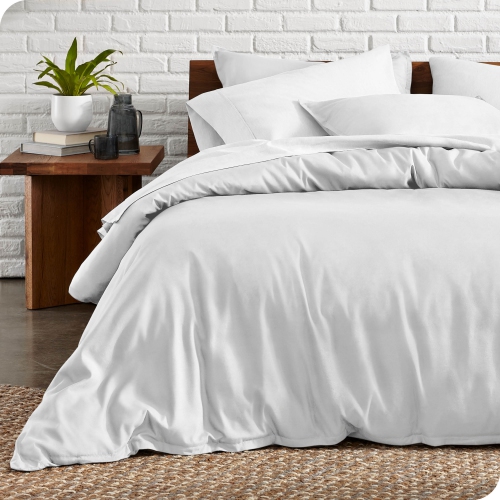
White bed covers give a bedroom a fresh, uncluttered look while leaving plenty of room for individual style. Against a dark wood bed frame, white creates a clear contrast; alongside pale upholstery or painted furniture, it can make the whole bed feel softer and more understated. The category spans several bedding styles, from duvet covers that enclose a separate insert to lightweight coverlets, stitched quilts, and bedspreads with a longer drape. Each brings a different balance of coverage, texture, and warmth, so the finished look depends as much on construction as on colour. A smooth white duvet cover can form the foundation of a neatly layered bed, while a waffle weave or raised woven pattern adds depth without introducing another shade. Quilted stitching creates subtle lines and shadows, giving an all-white arrangement definition even when the palette stays simple. White also works comfortably with striped pillows, patterned curtains, colourful throws, and the changing details of a lived-in bedroom. Coordinating a cover with white bed sheets creates a unified base, although whites do not always match exactly: bright white, soft ivory, and warmer off-white tones can look noticeably different beside one another. Those slight variations can feel intentional when texture separates the layers, such as a crisp sheet folded over a softly crinkled cover. For a main bedroom, the appeal may be a calm setting at the end of a busy day. In a guest room, a white cover offers a neutral starting point that suits different visitors and pairs easily with extra blankets. It can also be a practical gift for a housewarming or wedding when the recipient’s bed size, preferred fabric, and care needs are known. The simplicity of white does not mean every cover feels formal; a relaxed drape and a few textured cushions can make the bed look inviting rather than overly arranged.
Materials shape how a white bed cover feels against the skin, how it falls over the mattress, and how much attention it needs between washes. Cotton is a familiar choice for its softness and ability to absorb moisture, but the weave makes a noticeable difference. Cotton percale typically has a crisp, matte feel, while cotton sateen tends to feel smoother and show a gentle sheen. Linen has a more pronounced texture and a naturally rumpled appearance that suits a casually made bed; it often softens with repeated laundering when cared for as directed. Polyester and microfibre covers can offer a smooth hand and resist wrinkling, though their warmth and moisture handling vary with the fabric and construction. Blended fabrics bring together different characteristics, so fibre content alone does not tell the whole story. Fabric weight, weave density, surface finish, and any filling all affect comfort. A lightweight coverlet may be enough for someone who sleeps warm or wants a finishing layer over a blanket, whereas a filled quilt contributes warmth of its own. A duvet cover is primarily an outer casing: its insert supplies most of the insulation, making the pairing important during the cooler months. In a bedroom that stays warm overnight, a heavier-looking arrangement need not mean several thick layers; texture can provide visual fullness without the same added weight. For someone who likes to pull the covers up around their shoulders, a supple fabric may matter more than a sharply tailored appearance. Households with pets may find tightly woven, smooth surfaces easier to brush free of loose hair than deeply textured fabrics, although no fabric is entirely resistant to snagging. Durability also depends on the details. Even stitching, securely finished seams, and well-attached fastenings help a cover stand up to regular handling, while delicate raised patterns or fringed edges may call for gentler use and washing.
Fit determines whether a white bed cover looks tidy and stays comfortable through the night. Twin, double, queen, and king labels are useful starting points, but actual dimensions can differ between covers bearing the same size name. Mattress depth, a pillow-top surface, and the height of the bed frame all influence how much fabric hangs over the sides. On a deep mattress, a cover with a shorter drop may leave part of the mattress or bedding layers visible; a broader bedspread can provide more coverage but may hang too close to the floor on a low platform bed. For two people sharing a bed, enough width for both sleepers can be more important than achieving a particular folded arrangement. Duvet covers also need to work with the dimensions of the insert. Too much spare fabric can leave loose corners, while a cover that is too small may cause the filling to bunch. Internal ties, where included, help hold a compatible insert in place, and button or zip closures affect how easily the cover comes off on laundry day. Care requirements deserve the same attention as appearance, especially for bedding used every night. Machine-washable does not necessarily mean suitable for every wash temperature, dryer setting, or household machine capacity. Bulky quilts and bedspreads need enough room to move during washing and to dry thoroughly afterwards. White fabric can show marks from skin oils, cosmetics, or a morning drink, making prompt treatment according to the care label useful for keeping stains from settling in. Bleach is not suitable for every white fabric, filling, or trim, and excessive heat can damage fibres or affect the fit. Washing with compatible light-coloured fabrics and following detergent directions helps maintain the finish without unnecessary residue. A spare cover makes laundry days easier, particularly in a frequently used guest room. With a suitable fit and a manageable care routine, white bed covers can remain a comfortable, versatile part of everyday bedroom life.
Materials shape how a white bed cover feels against the skin, how it falls over the mattress, and how much attention it needs between washes. Cotton is a familiar choice for its softness and ability to absorb moisture, but the weave makes a noticeable difference. Cotton percale typically has a crisp, matte feel, while cotton sateen tends to feel smoother and show a gentle sheen. Linen has a more pronounced texture and a naturally rumpled appearance that suits a casually made bed; it often softens with repeated laundering when cared for as directed. Polyester and microfibre covers can offer a smooth hand and resist wrinkling, though their warmth and moisture handling vary with the fabric and construction. Blended fabrics bring together different characteristics, so fibre content alone does not tell the whole story. Fabric weight, weave density, surface finish, and any filling all affect comfort. A lightweight coverlet may be enough for someone who sleeps warm or wants a finishing layer over a blanket, whereas a filled quilt contributes warmth of its own. A duvet cover is primarily an outer casing: its insert supplies most of the insulation, making the pairing important during the cooler months. In a bedroom that stays warm overnight, a heavier-looking arrangement need not mean several thick layers; texture can provide visual fullness without the same added weight. For someone who likes to pull the covers up around their shoulders, a supple fabric may matter more than a sharply tailored appearance. Households with pets may find tightly woven, smooth surfaces easier to brush free of loose hair than deeply textured fabrics, although no fabric is entirely resistant to snagging. Durability also depends on the details. Even stitching, securely finished seams, and well-attached fastenings help a cover stand up to regular handling, while delicate raised patterns or fringed edges may call for gentler use and washing.
Fit determines whether a white bed cover looks tidy and stays comfortable through the night. Twin, double, queen, and king labels are useful starting points, but actual dimensions can differ between covers bearing the same size name. Mattress depth, a pillow-top surface, and the height of the bed frame all influence how much fabric hangs over the sides. On a deep mattress, a cover with a shorter drop may leave part of the mattress or bedding layers visible; a broader bedspread can provide more coverage but may hang too close to the floor on a low platform bed. For two people sharing a bed, enough width for both sleepers can be more important than achieving a particular folded arrangement. Duvet covers also need to work with the dimensions of the insert. Too much spare fabric can leave loose corners, while a cover that is too small may cause the filling to bunch. Internal ties, where included, help hold a compatible insert in place, and button or zip closures affect how easily the cover comes off on laundry day. Care requirements deserve the same attention as appearance, especially for bedding used every night. Machine-washable does not necessarily mean suitable for every wash temperature, dryer setting, or household machine capacity. Bulky quilts and bedspreads need enough room to move during washing and to dry thoroughly afterwards. White fabric can show marks from skin oils, cosmetics, or a morning drink, making prompt treatment according to the care label useful for keeping stains from settling in. Bleach is not suitable for every white fabric, filling, or trim, and excessive heat can damage fibres or affect the fit. Washing with compatible light-coloured fabrics and following detergent directions helps maintain the finish without unnecessary residue. A spare cover makes laundry days easier, particularly in a frequently used guest room. With a suitable fit and a manageable care routine, white bed covers can remain a comfortable, versatile part of everyday bedroom life.
Top selling and popular products
-
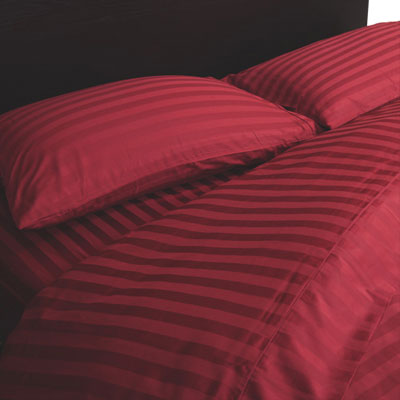 Your price for this item is $134.99
 -
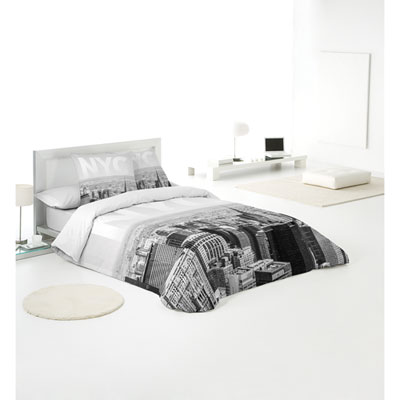 Your price for this item is $181.99
 -
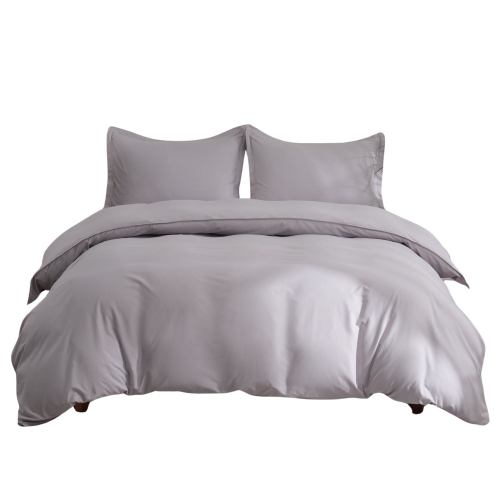 Your price for this item is $270
 -
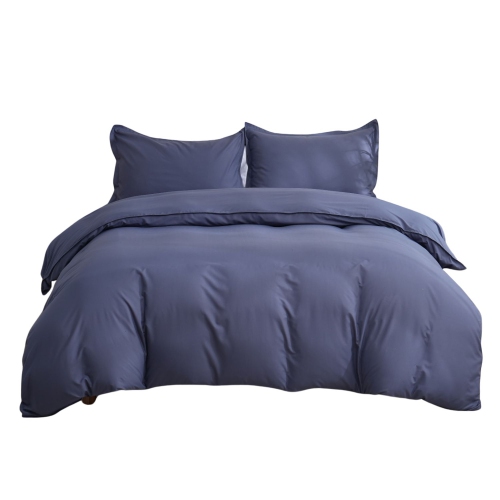 Your price for this item is $240
 -
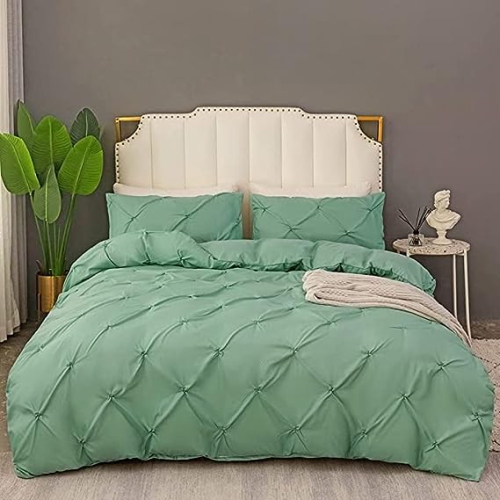 Your price for this item is $39.99
 -
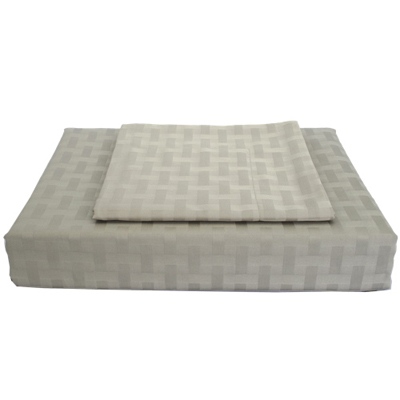 Your price for this item is $189.99
 -
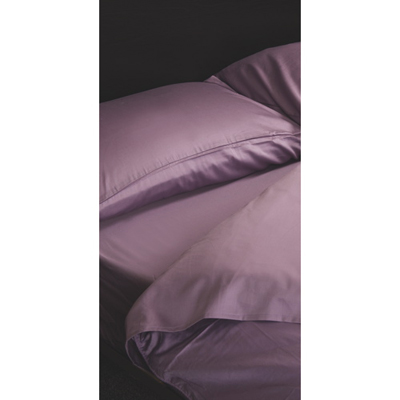 Your price for this item is $126.98
 -
 Your price for this item is $139.99
Discover more categories related to White Bed Covers
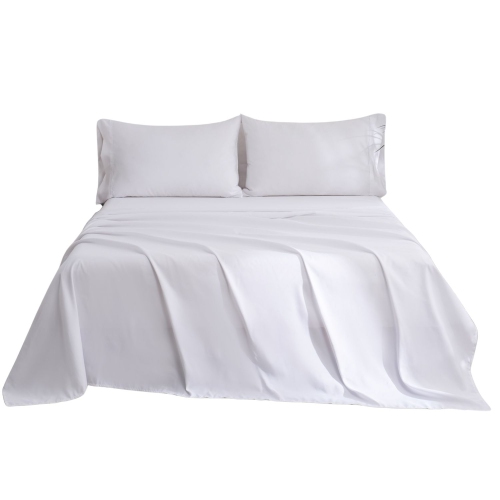
Top Collections:
Pokemon Centers, Kindle Devices, Best Budget Office Chairs, Apple iPhones 16, Canon G7X Cameras, iPhone 15 Apple, Alarm Clock, Refurbished Apple Laptops, Flip Phones, Best Laptops for Writers
Some products may be subject to Environmental Handling Fees
(EHF) depending on your province.
Learn more about EHFs.