White Christmas Lights
Create a winter wonderland in your home with our selection of white Christmas lights. Whether you're looking to adorn your tree, line your roof, or add a festive touch to your indoor décor, these timeless and elegant lights will bring a cozy glow to any space. With various lengths and styles available, you can easily transform your home into a magical holiday retreat. Brighten up your holidays with the classic charm of white Christmas lights that will surely dazzle family and friends alike.
Sort
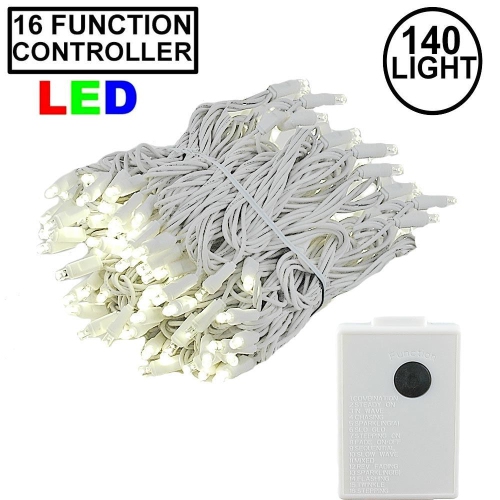
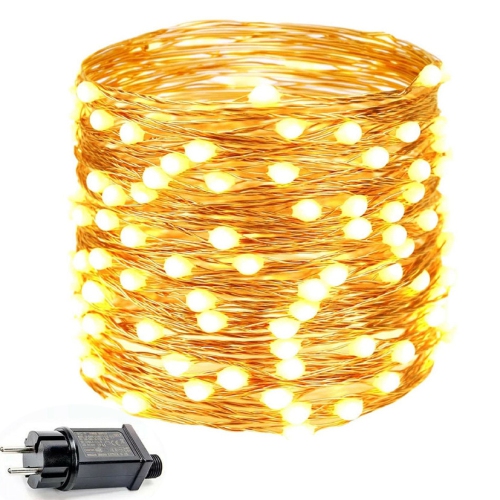
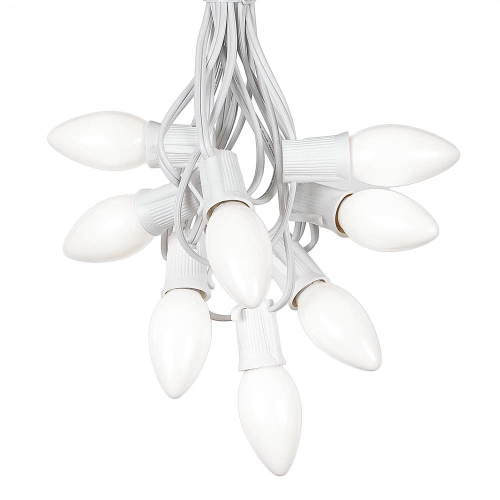
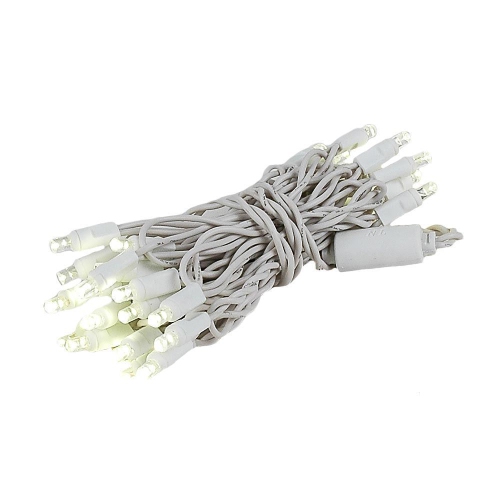
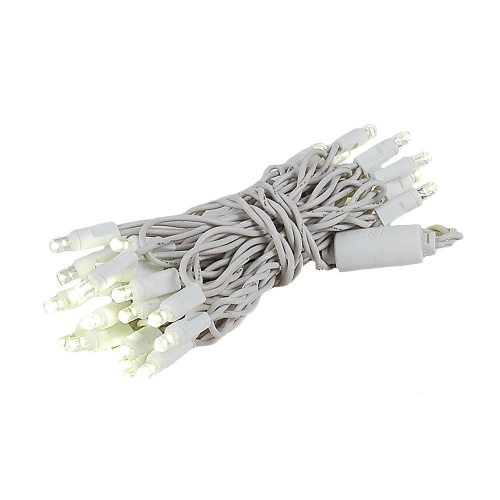
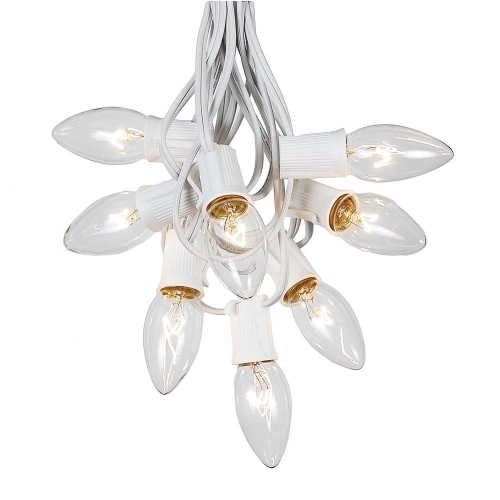
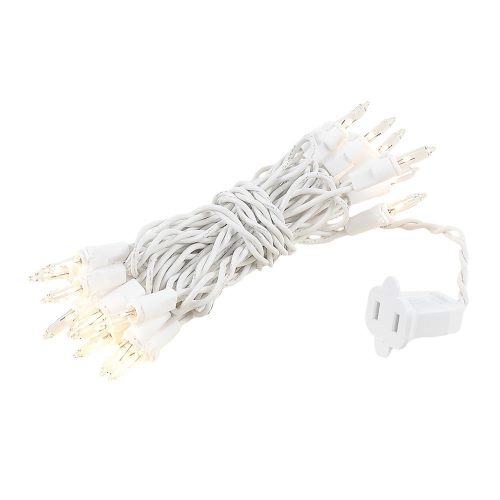
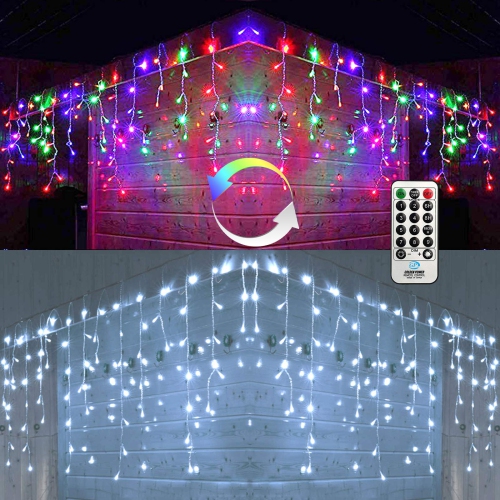
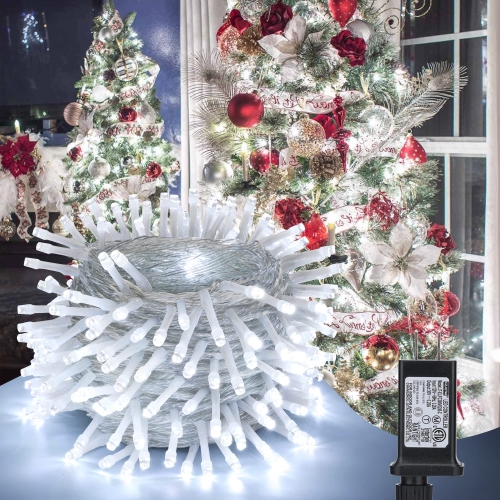
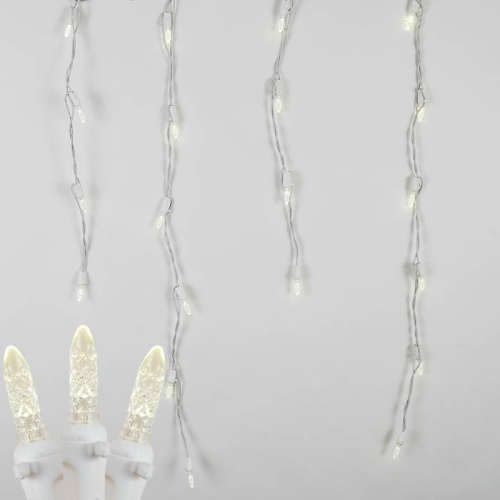
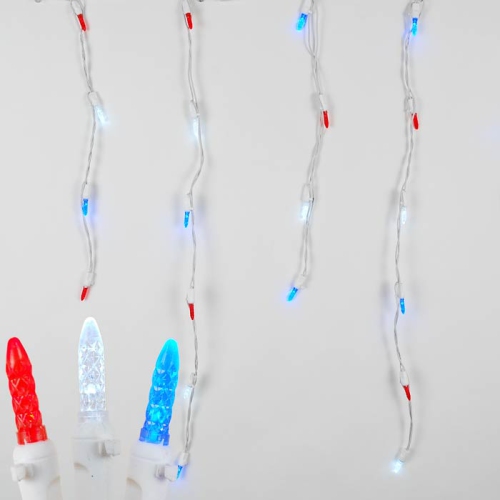

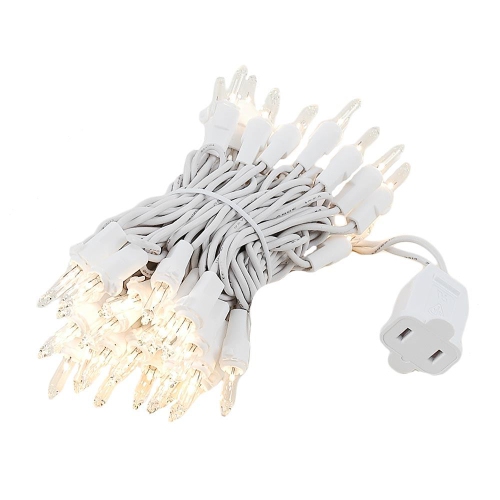
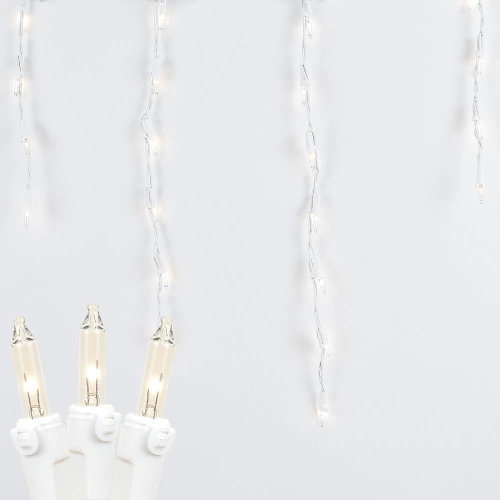
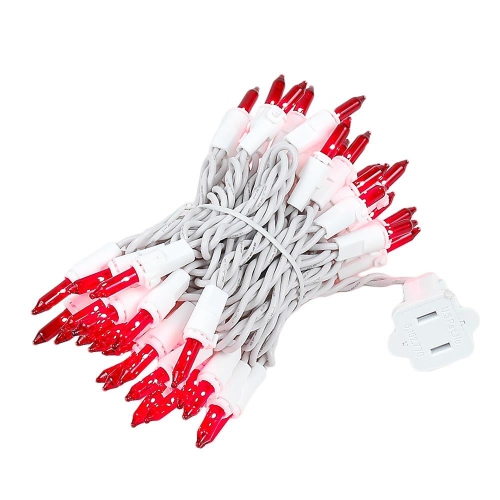
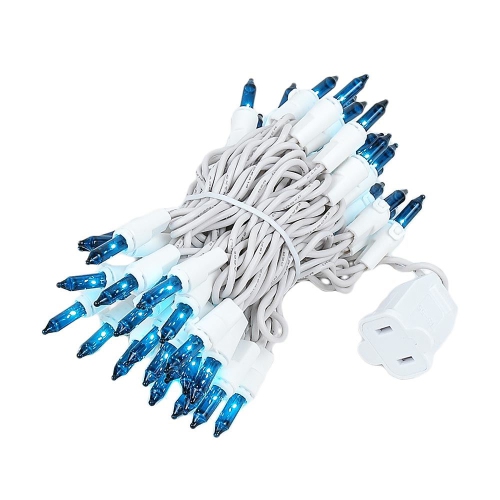
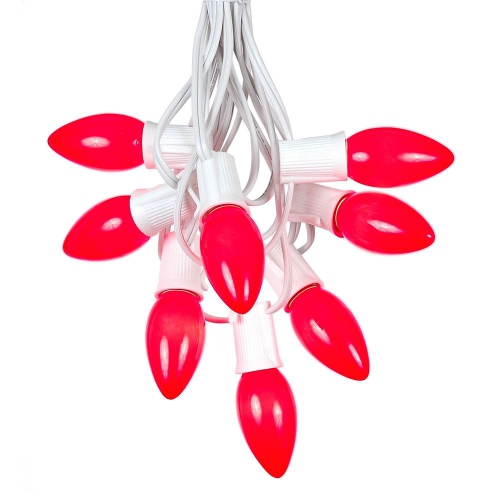
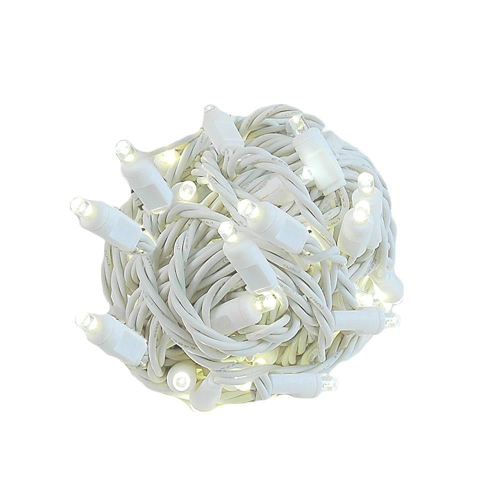
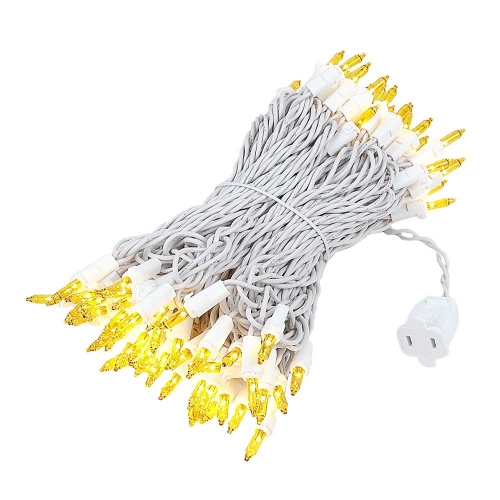
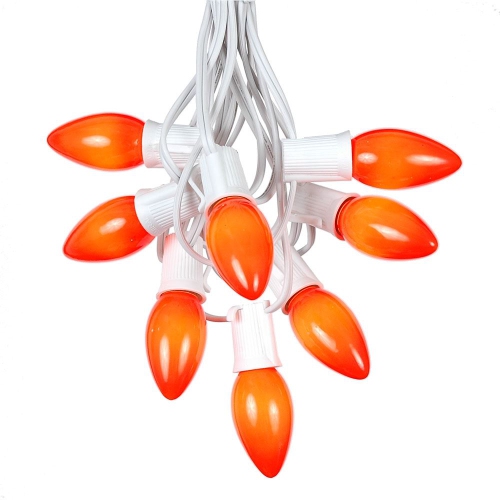
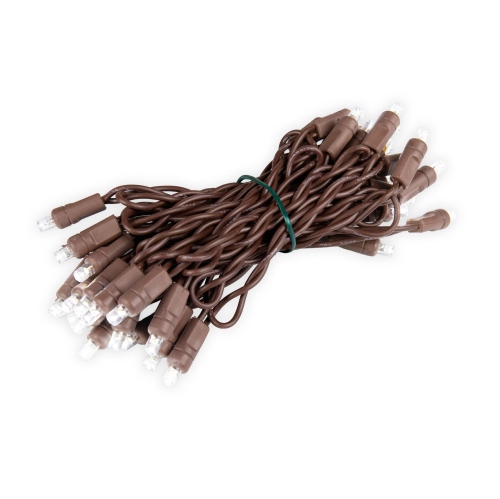
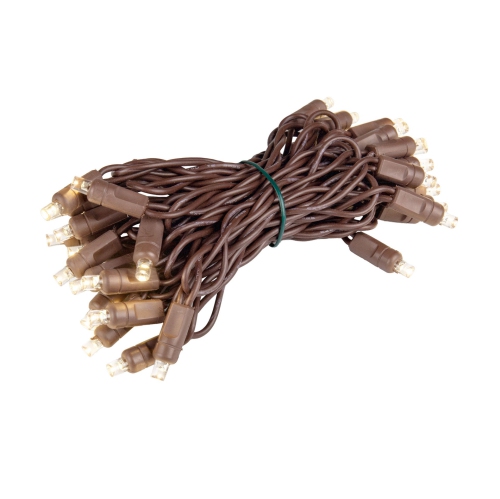
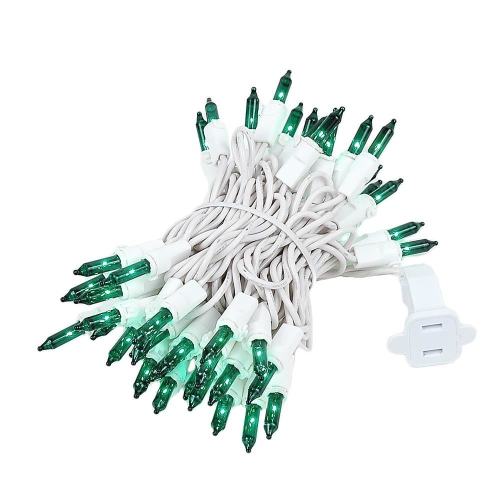
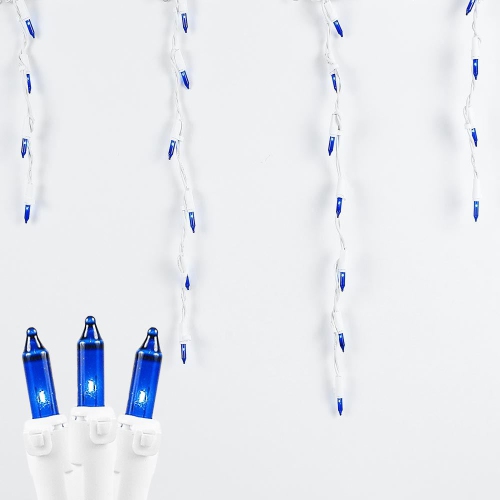
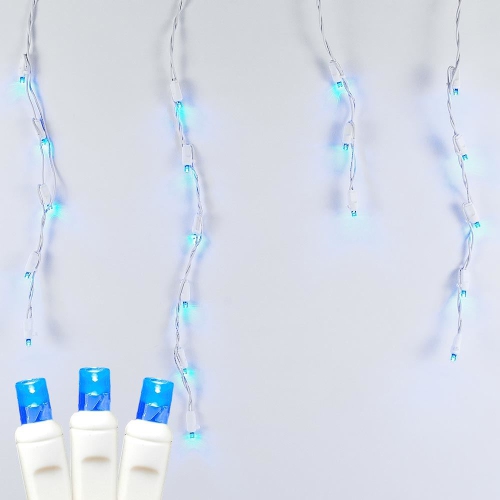
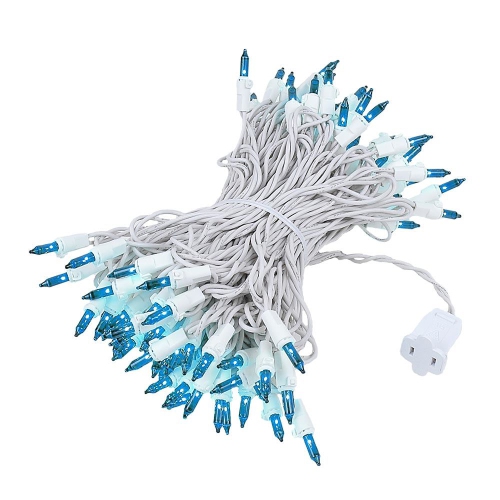
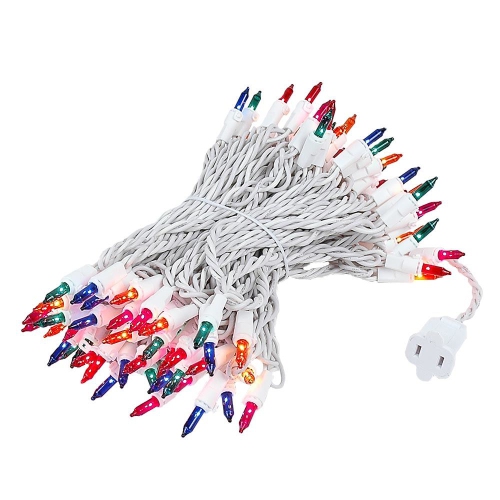
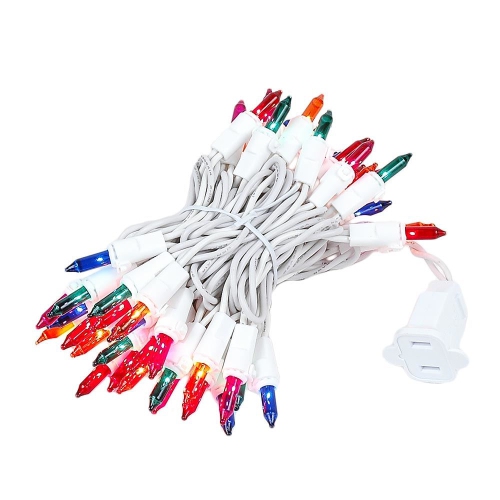
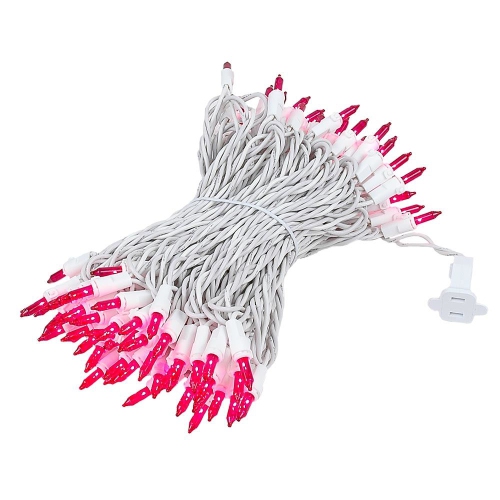
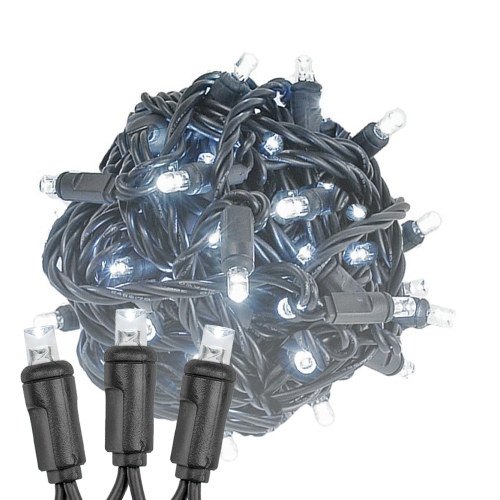
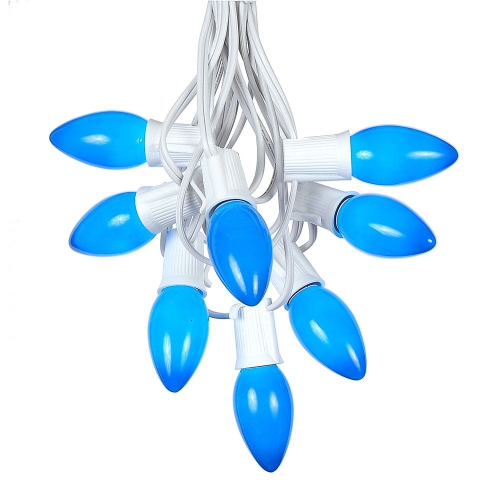
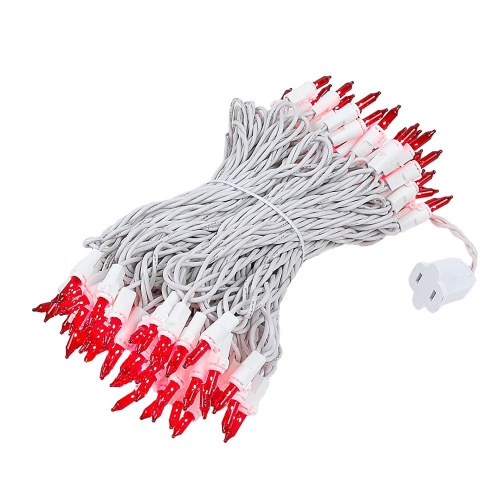
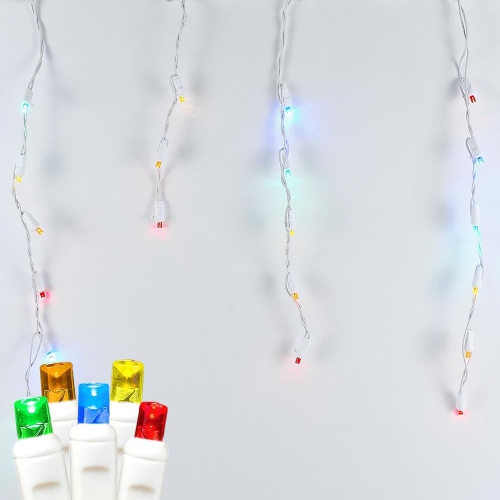
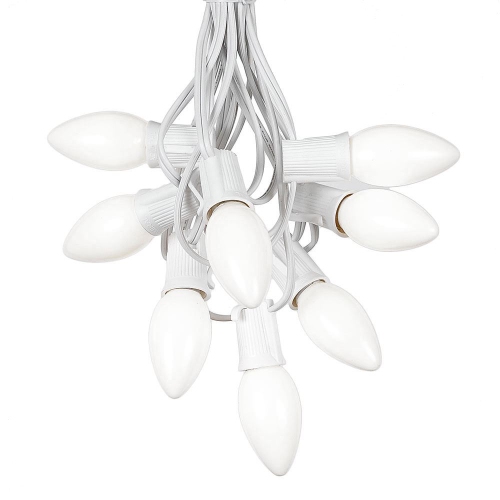
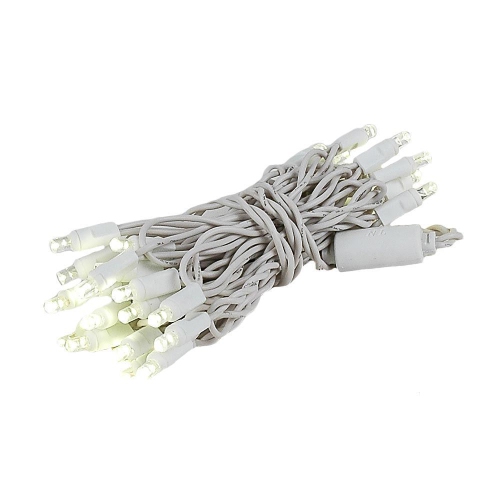
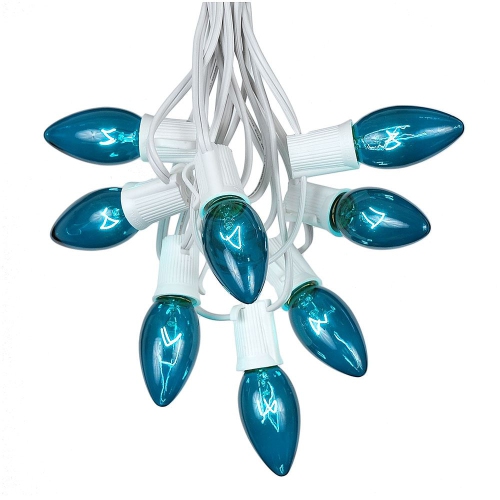
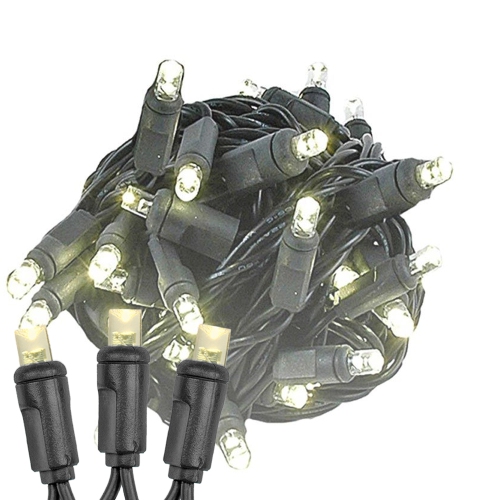
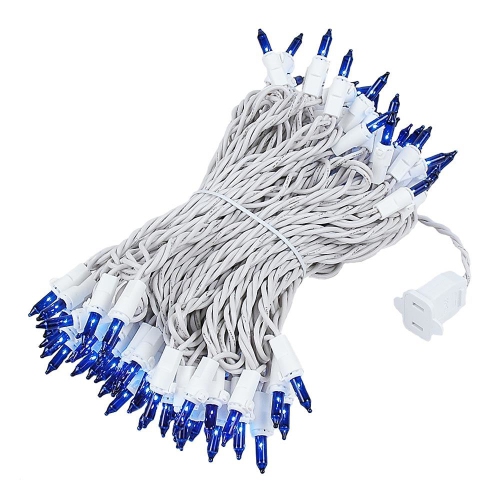
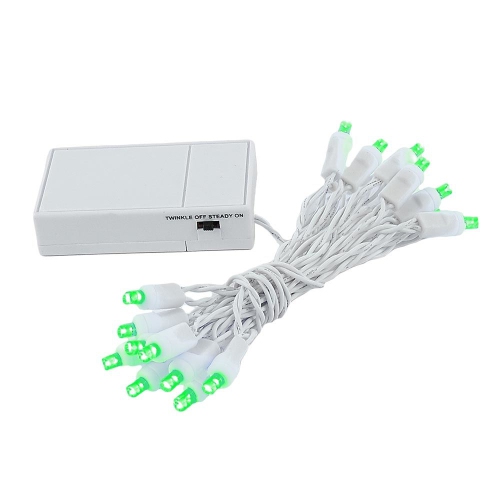

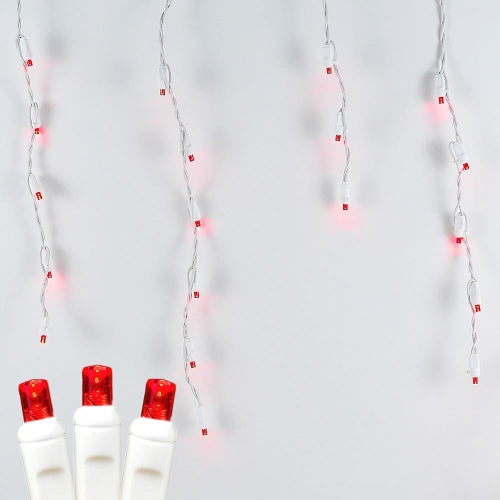

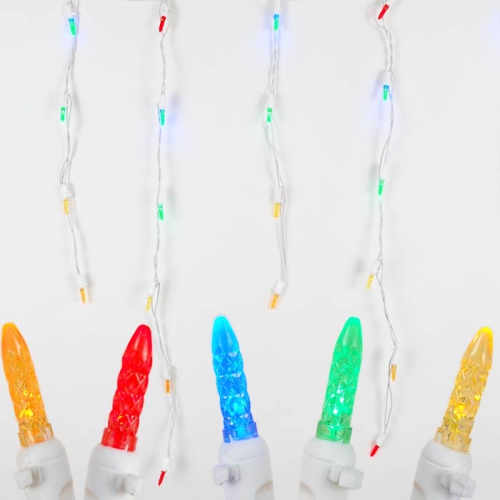
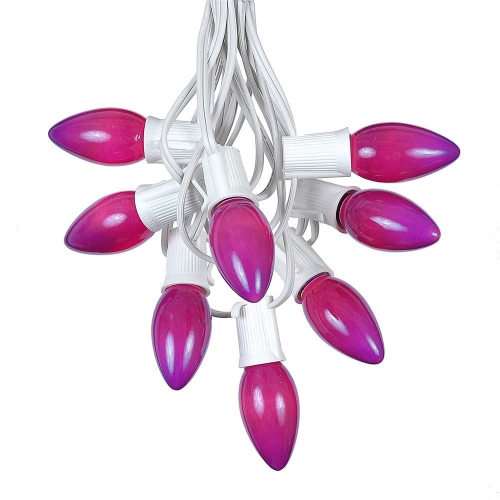
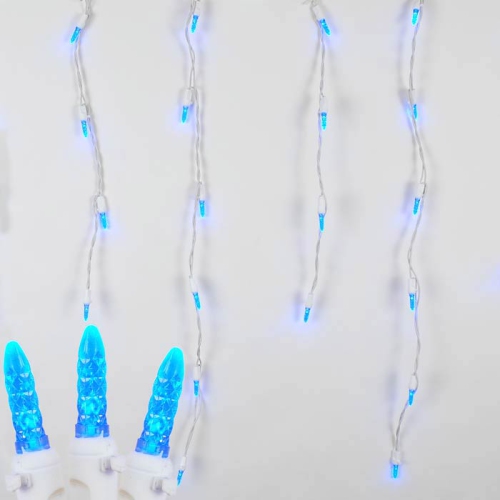
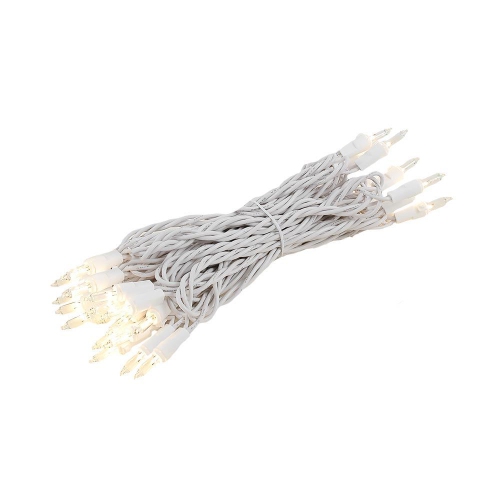
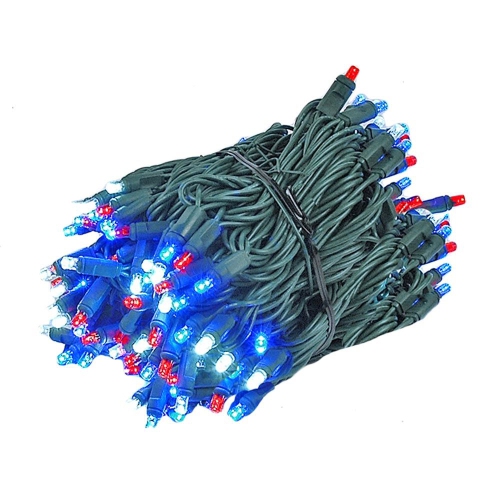
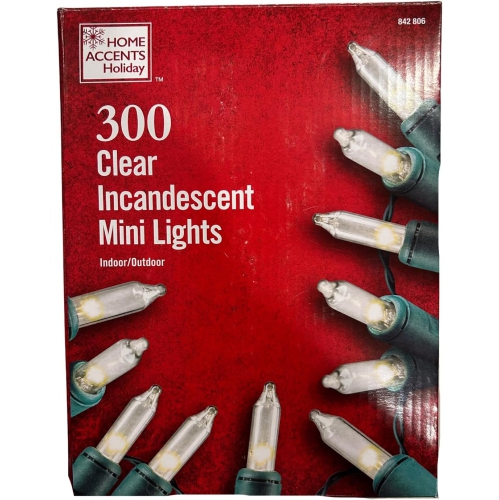
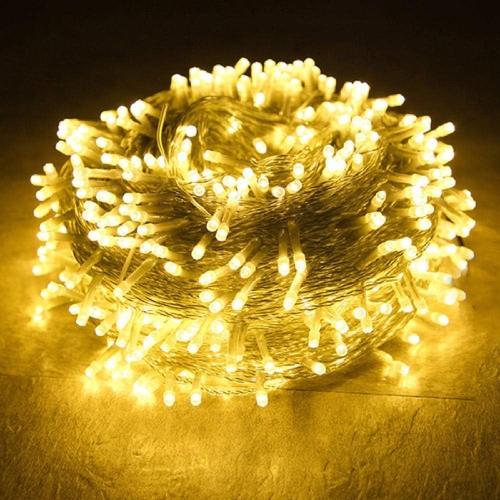
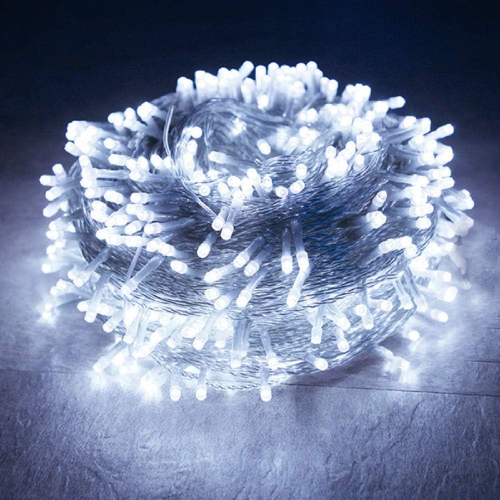
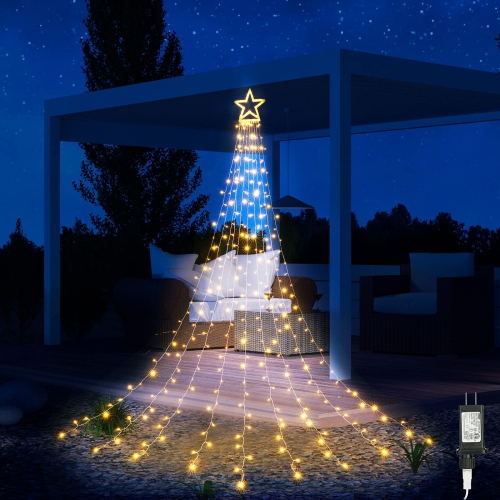
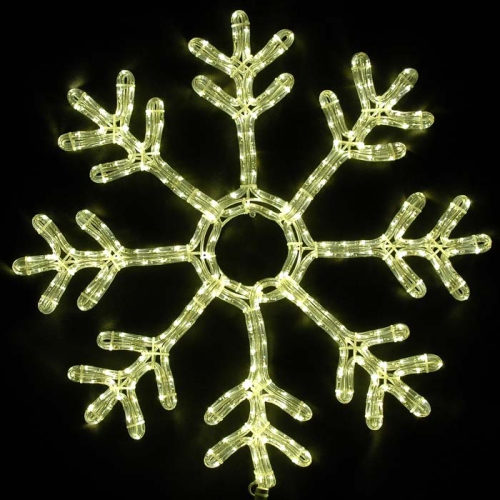
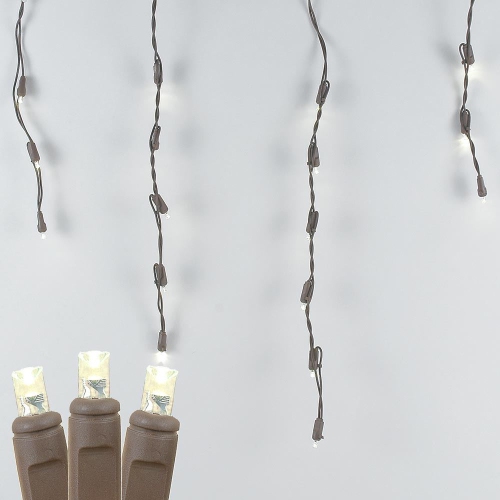
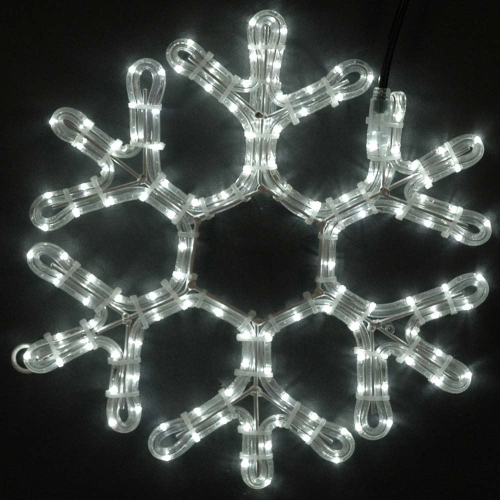
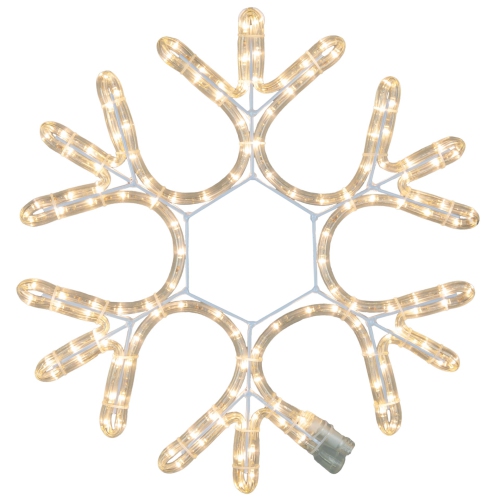
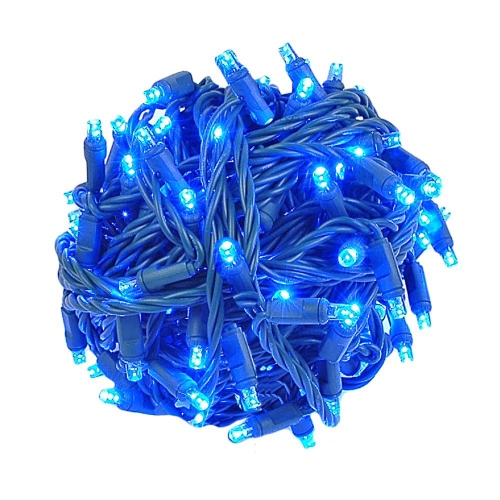
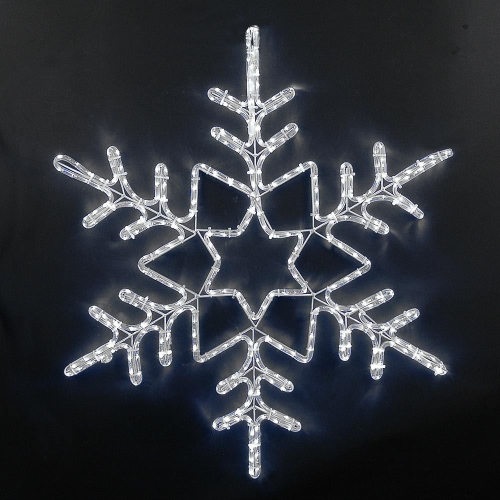
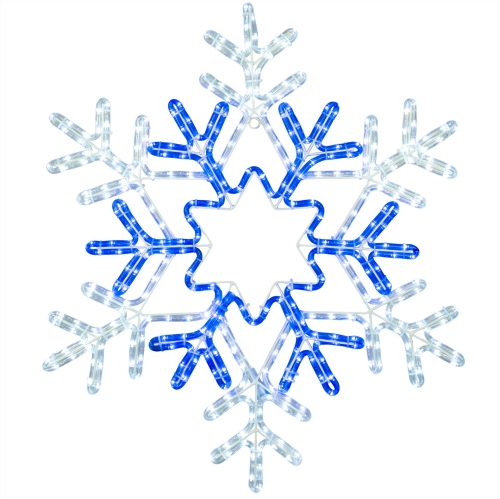

How warm and cool white shape your holiday display
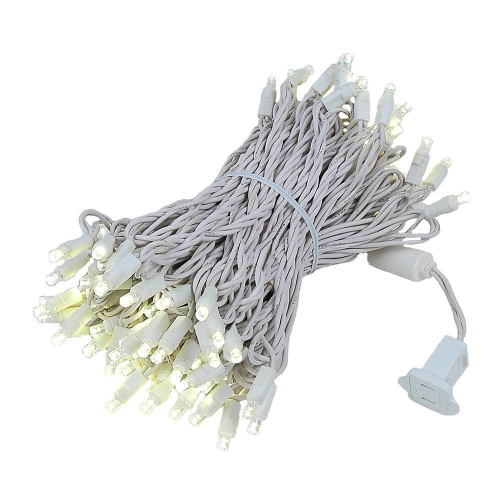
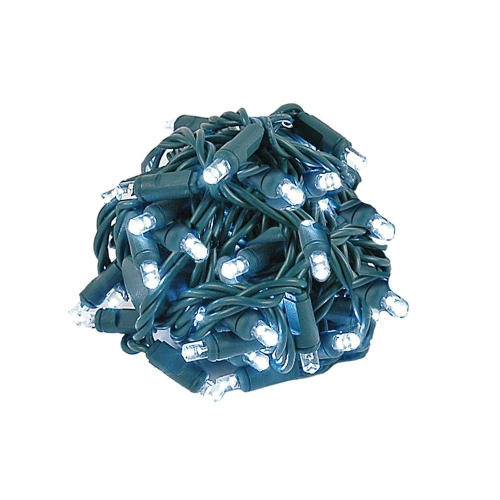
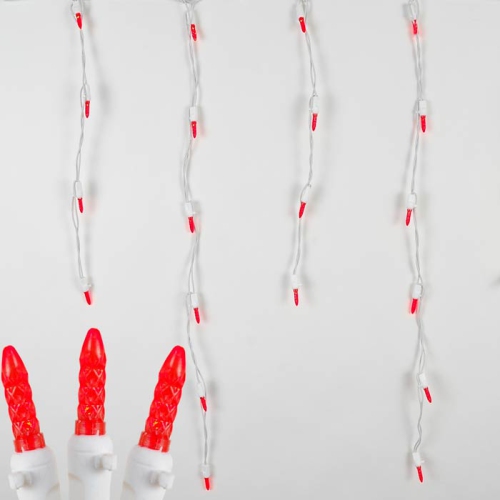
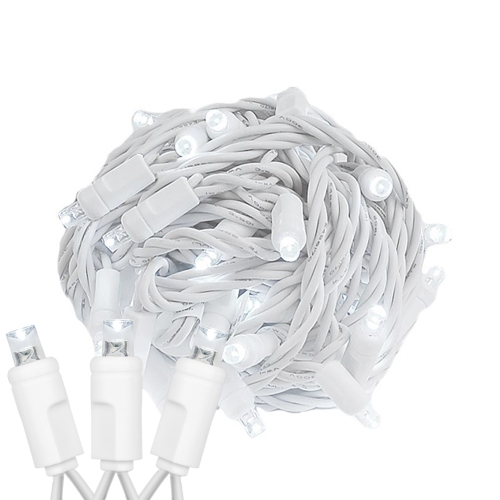
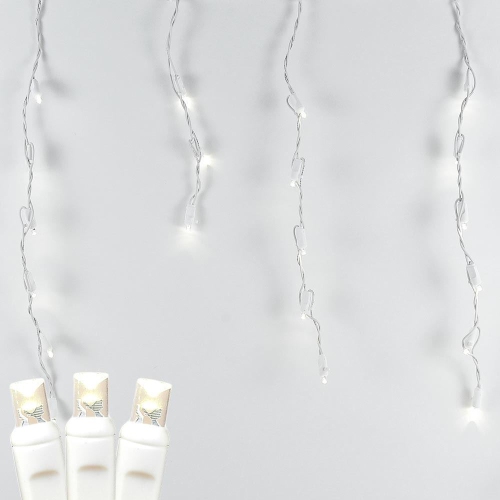
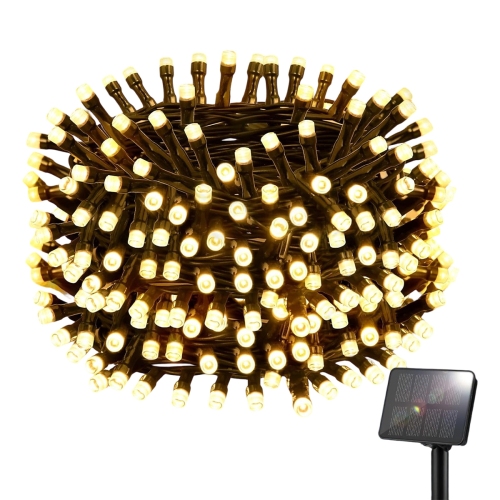
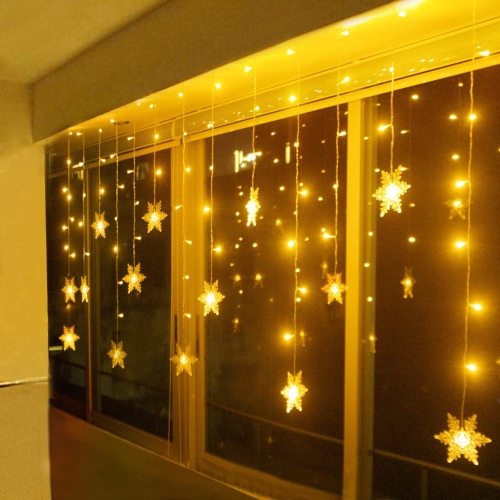
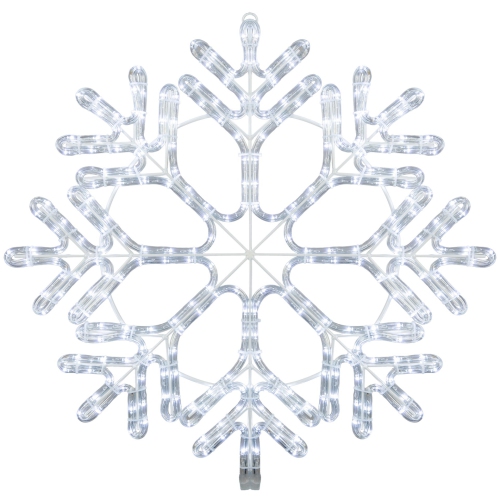
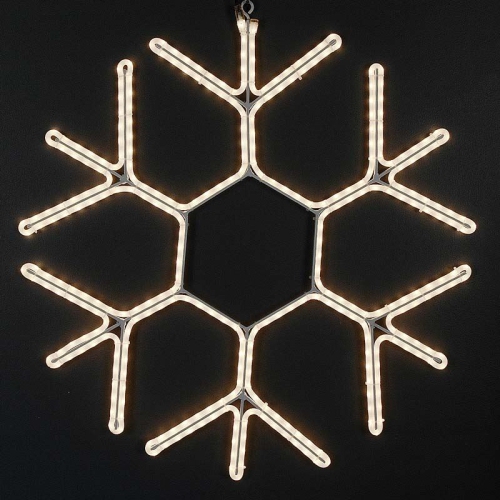
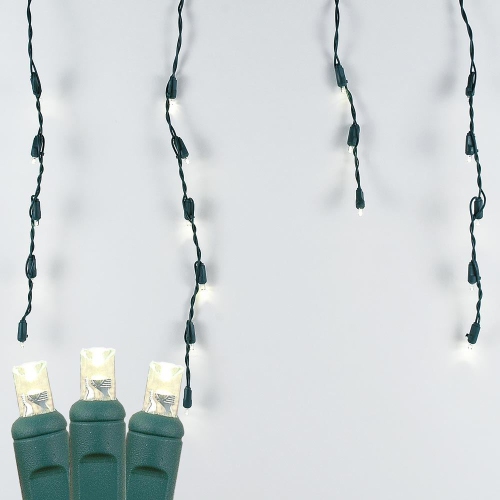
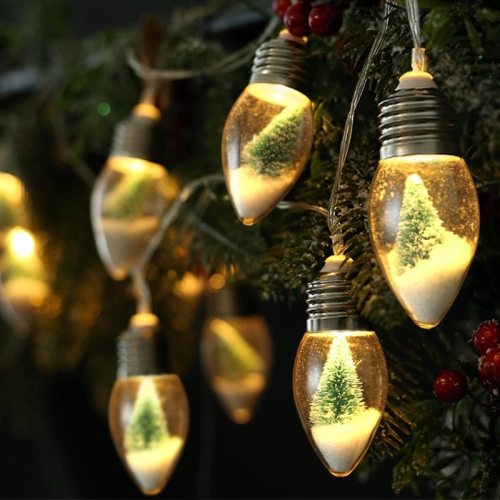
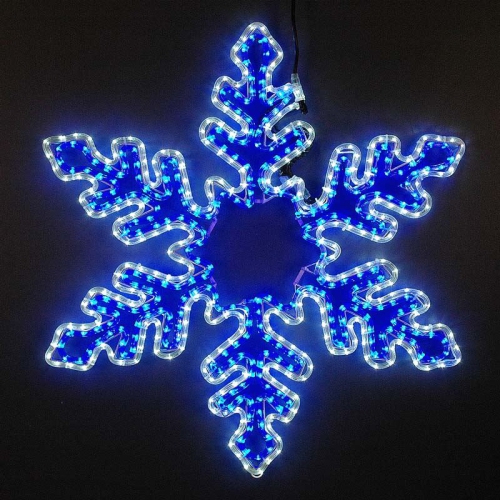
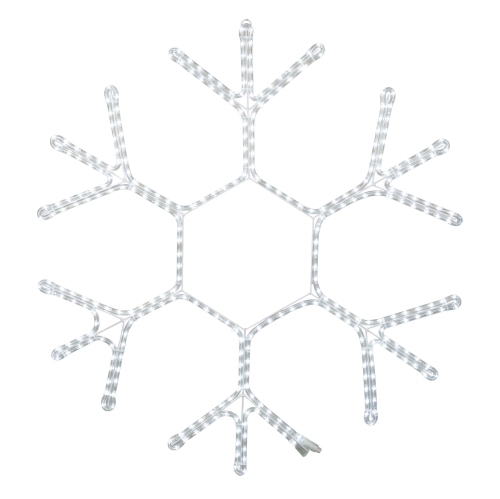
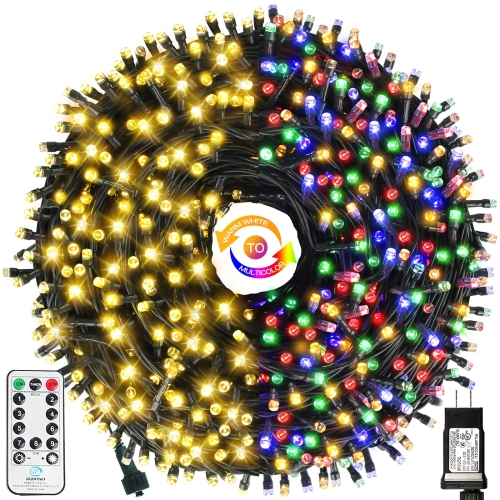
White Christmas lights bring a consistent glow to holiday displays, whether they trace a roofline, wind through a Christmas tree, or frame a living room window. Their appeal lies in their versatility: a single light colour can complement red ribbon and evergreen branches, soften a display of metallic ornaments, or stand on its own against dark foliage. The main distinction is between warm white and cool white. Warm white Christmas lights have a soft, golden tone reminiscent of traditional incandescent lighting, often with a colour temperature around 2,700 to 3,000 kelvins. Cool white Christmas lights look crisper and may have a slightly blue cast, commonly around 5,000 to 6,500 kelvins. These descriptions vary by manufacturer, so matching the stated colour temperature is more reliable than relying on the word “white” alone. Neutral or pure white lighting can sit between those looks, although those labels are not standardized. For a Christmas tree dressed in burgundy, gold, or natural wood ornaments, warm white often creates a comfortable, familiar backdrop. Cool white works particularly well with silver accents, glass ornaments, and snowy outdoor scenes. Keeping the same shade across adjacent strings helps a display feel unified, especially where two lengths meet along a mantel or porch railing. White bulbs and white wire are also separate features: the bulbs determine the light colour, while the wire affects how visible the string is when unlit. White wire can blend into pale window frames or a flocked tree, while green wire is less noticeable among evergreen branches. Black or dark wire may suit railings and darker architectural details. For households decorating shared spaces, white lighting offers a flexible foundation that can suit different tastes without competing with treasured ornaments. It also makes a thoughtful holiday gift for someone establishing their own Christmas traditions, provided the light tone, power source, and intended placement match their space.
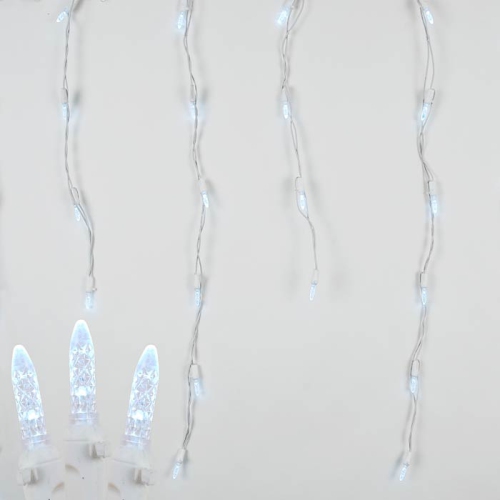
Bulb shape, spacing, and string construction all influence how white Christmas lights look once arranged. Mini lights create small points of brightness that tuck neatly into tree branches, wreaths, and garlands. Larger C7 and C9 styles make a more defined outline along eaves, fences, and windows, with C9 bulbs generally larger than C7 bulbs. Those size names describe the bulb format, not its brightness or power consumption, so the light output can still differ between designs. Smooth lenses offer a clean appearance, while faceted lenses scatter light across textured surfaces for a more sparkling effect. Clear glass and moulded plastic lenses have different handling needs; plastic can be less vulnerable to breakage, but durability depends on the complete construction rather than the lens material alone. LED Christmas lights generally use less electricity and produce less heat than comparable incandescent strings. Incandescent lights offer a familiar glow, though their higher heat output makes clearance and placement especially important. Neither type should be covered or placed against materials contrary to the manufacturer's directions. For a full Christmas tree, closely spaced bulbs can create a dense glow, while wider spacing leaves more visible greenery between each point of light. Lit length matters more than total cord length when estimating coverage, because the lead wire between the plug and the first bulb does not illuminate the display. A generous lead can be useful when an outlet sits behind a sofa or below a window, but extra unlit cable may need discreet routing. Net lights provide an even pattern over shrubs, icicle lights add hanging detail beneath eaves, and curtain lights can fill a broad window with vertical strands. Steady illumination suits a quiet backdrop, while twinkling or adjustable modes add movement. Timers, dimming, and remote controls can make everyday operation easier, but these functions are not universal. Dimming requires compatible lights and controls, and some strings return to a default setting after power is disconnected.
Intended use is especially important when choosing between indoor and outdoor Christmas lights. Indoor-only strings belong in dry interior spaces; placing them beneath a porch roof does not make them suitable for outdoor exposure. Outdoor-rated lights are designed for the conditions described on their labels, but plugs, controllers, battery compartments, and extension cords also need suitable ratings and placement. For rooflines, front steps, balcony railings, and garden displays, white outdoor Christmas lights offer a focused starting point for lighting that belongs outside. Check the manufacturer's operating temperature range for use in Canadian winter conditions, and follow the directions for keeping electrical connections away from standing water and accumulated snow. Outdoor electrical displays should use an outlet protected by a ground fault circuit interrupter, with cords routed clear of walkways and doors. Purpose-made light clips help secure strings without piercing the insulation; nails, staples, and tight bends can damage wiring. The maximum number of connectable strings varies, so the limit printed on the lights takes precedence over assumptions based on cord length or bulb count. Indoors, battery-powered strings can suit table arrangements or shelves without a nearby outlet, while plug-in styles are useful for displays that run regularly. Keep battery compartments secure and small batteries out of reach of children and pets. Before each use, inspect cords, sockets, and plugs for cracking, fraying, looseness, or other damage, and stop using damaged strings. Replace bulbs only where the design allows it, using the specified replacements. Many LED strings have sealed bulbs that are not individually replaceable. Unplug lights before arranging, cleaning, or storing them, and follow any supplied cleaning instructions rather than immersing electrical components. After outdoor use, let the lights dry fully before packing them away. Loosely winding strings around a reel or flat storage holder reduces tangles and strain, while a labelled container keeps matching shades and lengths together. With suitable placement and careful handling, white Christmas lighting can remain a familiar part of holiday gatherings, welcoming entrances, and evenings around the tree.
Bulb shape, spacing, and string construction all influence how white Christmas lights look once arranged. Mini lights create small points of brightness that tuck neatly into tree branches, wreaths, and garlands. Larger C7 and C9 styles make a more defined outline along eaves, fences, and windows, with C9 bulbs generally larger than C7 bulbs. Those size names describe the bulb format, not its brightness or power consumption, so the light output can still differ between designs. Smooth lenses offer a clean appearance, while faceted lenses scatter light across textured surfaces for a more sparkling effect. Clear glass and moulded plastic lenses have different handling needs; plastic can be less vulnerable to breakage, but durability depends on the complete construction rather than the lens material alone. LED Christmas lights generally use less electricity and produce less heat than comparable incandescent strings. Incandescent lights offer a familiar glow, though their higher heat output makes clearance and placement especially important. Neither type should be covered or placed against materials contrary to the manufacturer's directions. For a full Christmas tree, closely spaced bulbs can create a dense glow, while wider spacing leaves more visible greenery between each point of light. Lit length matters more than total cord length when estimating coverage, because the lead wire between the plug and the first bulb does not illuminate the display. A generous lead can be useful when an outlet sits behind a sofa or below a window, but extra unlit cable may need discreet routing. Net lights provide an even pattern over shrubs, icicle lights add hanging detail beneath eaves, and curtain lights can fill a broad window with vertical strands. Steady illumination suits a quiet backdrop, while twinkling or adjustable modes add movement. Timers, dimming, and remote controls can make everyday operation easier, but these functions are not universal. Dimming requires compatible lights and controls, and some strings return to a default setting after power is disconnected.
Intended use is especially important when choosing between indoor and outdoor Christmas lights. Indoor-only strings belong in dry interior spaces; placing them beneath a porch roof does not make them suitable for outdoor exposure. Outdoor-rated lights are designed for the conditions described on their labels, but plugs, controllers, battery compartments, and extension cords also need suitable ratings and placement. For rooflines, front steps, balcony railings, and garden displays, white outdoor Christmas lights offer a focused starting point for lighting that belongs outside. Check the manufacturer's operating temperature range for use in Canadian winter conditions, and follow the directions for keeping electrical connections away from standing water and accumulated snow. Outdoor electrical displays should use an outlet protected by a ground fault circuit interrupter, with cords routed clear of walkways and doors. Purpose-made light clips help secure strings without piercing the insulation; nails, staples, and tight bends can damage wiring. The maximum number of connectable strings varies, so the limit printed on the lights takes precedence over assumptions based on cord length or bulb count. Indoors, battery-powered strings can suit table arrangements or shelves without a nearby outlet, while plug-in styles are useful for displays that run regularly. Keep battery compartments secure and small batteries out of reach of children and pets. Before each use, inspect cords, sockets, and plugs for cracking, fraying, looseness, or other damage, and stop using damaged strings. Replace bulbs only where the design allows it, using the specified replacements. Many LED strings have sealed bulbs that are not individually replaceable. Unplug lights before arranging, cleaning, or storing them, and follow any supplied cleaning instructions rather than immersing electrical components. After outdoor use, let the lights dry fully before packing them away. Loosely winding strings around a reel or flat storage holder reduces tangles and strain, while a labelled container keeps matching shades and lengths together. With suitable placement and careful handling, white Christmas lighting can remain a familiar part of holiday gatherings, welcoming entrances, and evenings around the tree.
Top selling and popular products
-
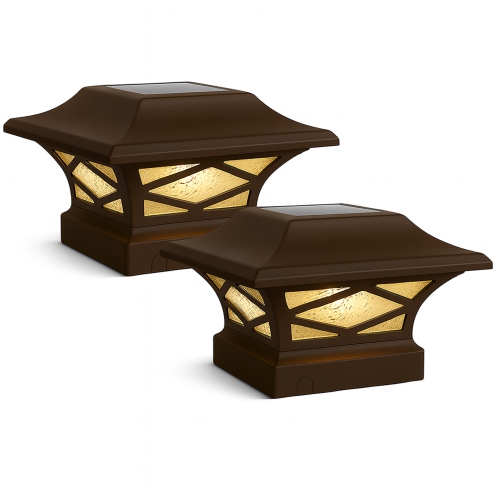 Your price for this item is $99.99
 -
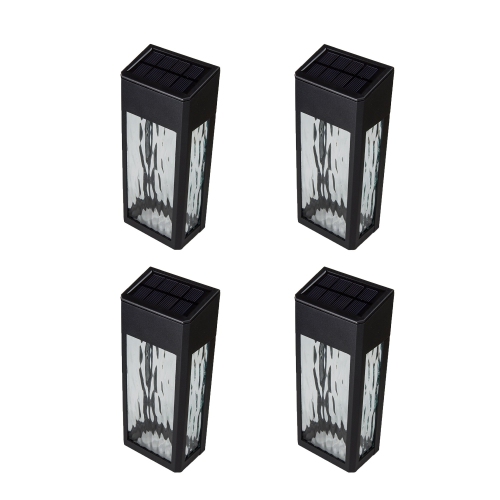 Your price for this item is $73.99
 -
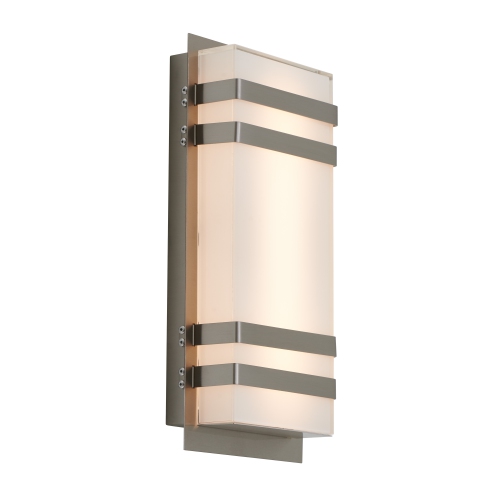 Your price for this item is $69.99
 -
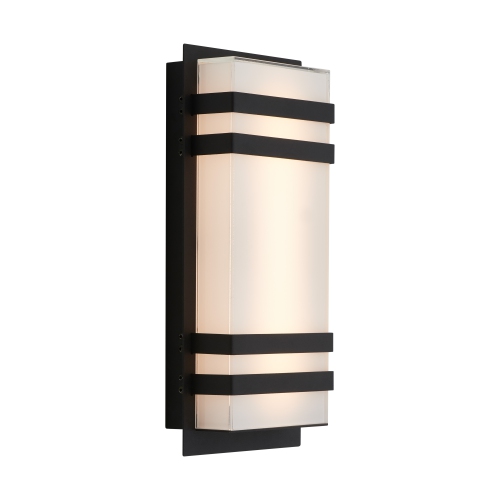 Your price for this item is $59.99
 -
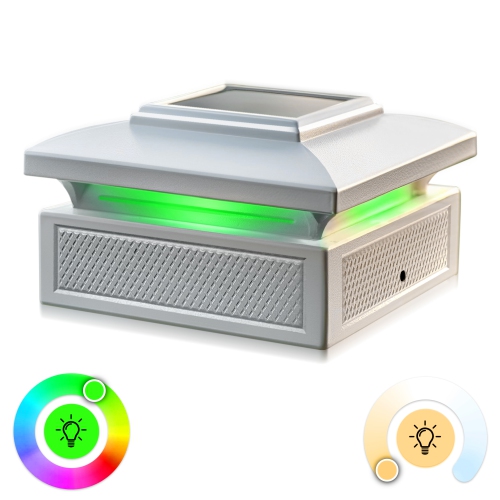 Your price for this item is $99.99
 -
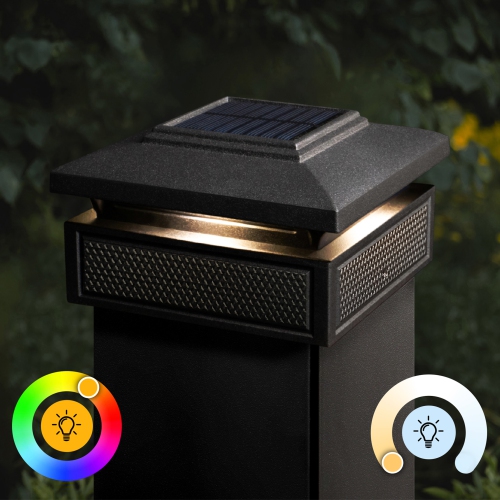 Your price for this item is $99.99
 -
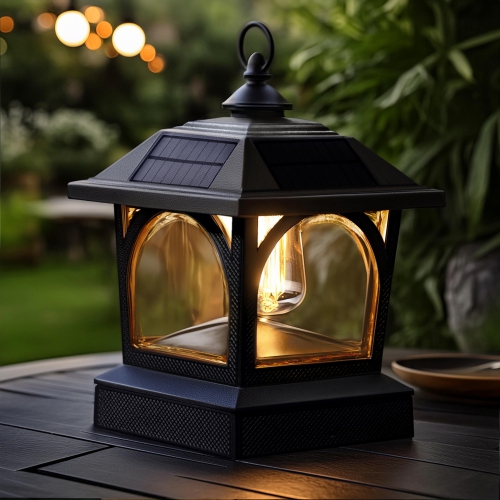 Your price for this item is $99.99
 -
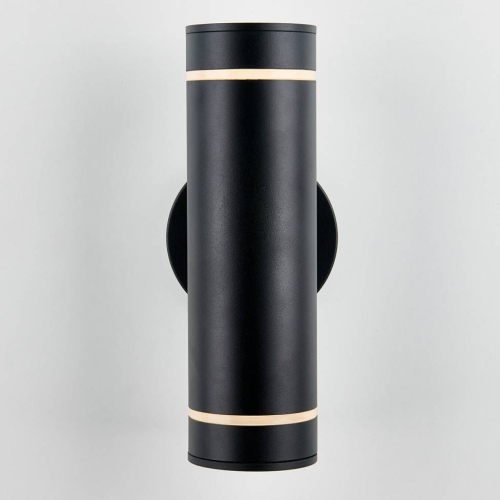 Your price for this item is $99
Discover more categories related to White Christmas Lights
Top Collections:
Pokemon Centers, Kindle Devices, Best Budget Office Chairs, Apple iPhones 16, Best Laptops for Writers, iPhone 15 Apple, Canon G7X Cameras, Refurbished Apple Laptops, Alarm Clock, Motorola Razr Phones
Some products may be subject to Environmental Handling Fees
(EHF) depending on your province.
Learn more about EHFs.