White Cushions
Transform your living space into a haven of comfort and style with our exquisite selection of white cushions. Whether you're looking to refresh your home decor or add a touch of elegance to your outdoor patio, these versatile accents are perfect for any setting. With their timeless appeal, white cushions effortlessly complement any color scheme, making them an ideal choice for both modern and classic interiors. Explore our diverse range to find the perfect fit that will enhance your space with a chic and cozy vibe.
Sort

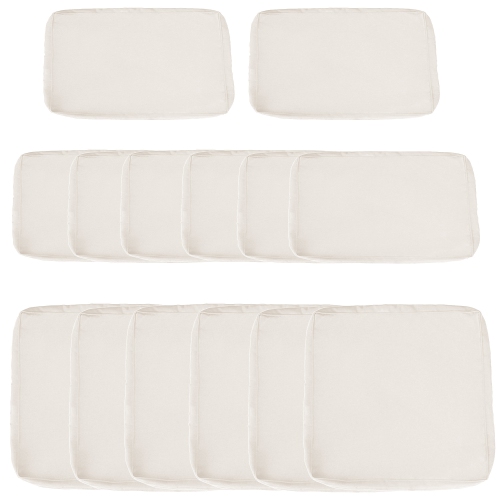
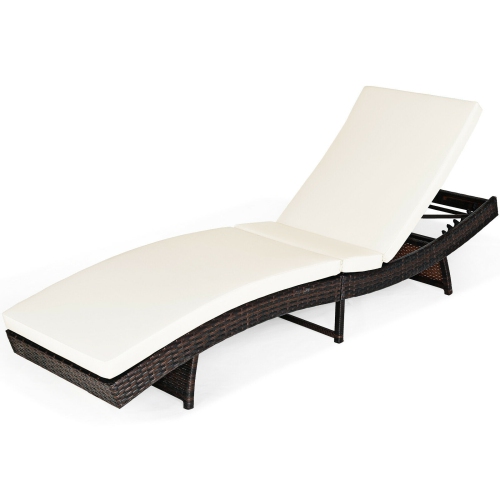
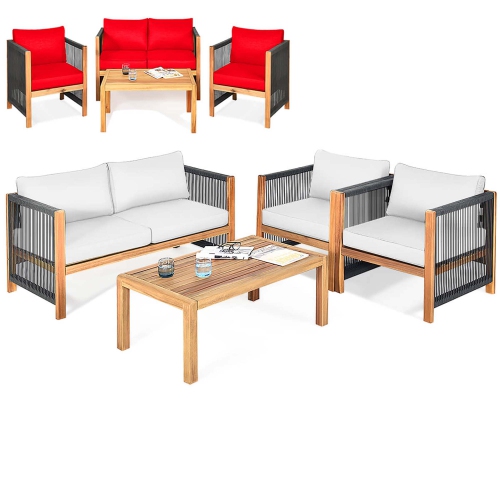
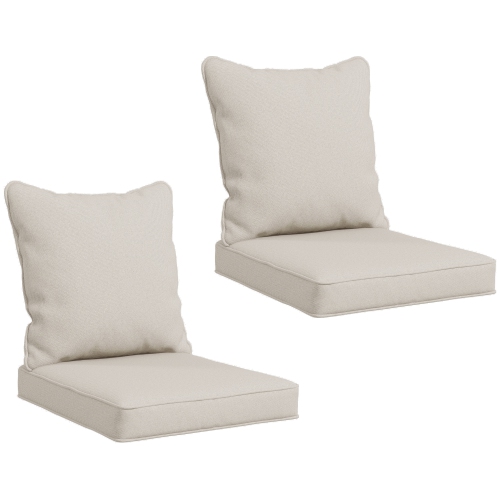
How texture and tone give neutral cushions character
White cushions bring a light, neutral accent to sofas, beds, armchairs, and dining seating, with options ranging from decorative throw pillows to fitted chair pads and removable cushion covers. Their appeal lies in how easily they sit alongside other colours and materials: white can soften the look of a dark leather sofa, pick up the pale grain of a wood bench, or add definition to a bed dressed in deeper shades. The effect depends as much on texture as on colour. A smooth cotton cover has a simple, understated finish, while a nubby woven surface, raised embroidery, or soft tufting adds detail without introducing another strong colour. White also covers a range of tones, from crisp, bright shades to warmer ivory and creamy off-white. Against grey upholstery, a bright white cushion creates a clear contrast; beside beige fabric or natural wood, a warmer shade may feel more closely matched. Room lighting can affect how these tones appear, so the colour of nearby upholstery, curtains, and bedding is worth considering. For an all-white arrangement, mixing textures helps individual cushions stand out rather than blend into one flat surface. A linen-look square paired with a ribbed rectangular cushion, for example, creates contrast through weave and shape. White also works well as a break between patterned cushions, giving stripes, florals, and geometric prints room to stand out. Pairing white with blue cushions introduces a distinct colour contrast that can feel restrained or bold depending on the depth of the blue. Shape and placement influence the overall impression, too. A pair of square cushions gives a sofa a balanced look, while a single rectangular cushion can finish an armchair without crowding its seat. On a bed, larger squares can sit behind smaller decorative shapes, creating depth while keeping the arrangement easy to move when the bed is in use.
Materials and construction help determine whether white cushions are best suited to everyday lounging, occasional decoration, or cushioning a firm seat. Cotton covers often have a soft, familiar feel, though their washing requirements depend on the weave, finish, and any added details. Linen has a more visibly textured surface and a relaxed appearance, with natural creasing that suits less formal spaces. Velvet brings a smoother, plush finish whose appearance changes as the pile catches the light, while faux fur and shaggy fabrics add a fuller texture. These longer-pile surfaces can also hold crumbs and pet hair, making the care requirements especially relevant in busy households. Polyester and blended fabrics vary widely: some feel smooth and tightly woven, while others resemble linen or have a brushed finish. Fibre content alone does not establish durability, so stitching, fabric density, and the strength of the closure matter as well. Secure seams and neatly finished edges are useful features for cushions that will be leaned against, moved around, or regularly removed from their covers. Inside, polyester fibre filling generally offers a lightweight, springy feel, while feather or down blends tend to compress more readily and may need frequent plumping. Foam is more common in seat pads where a consistent shape and firmer cushioning are useful. The right choice depends on whether the cushion is intended to look full, feel yielding behind the back, or soften a hard chair. Size deserves equal attention. A deep sofa can accommodate larger cushions, but the same dimensions may take up too much sitting space on a compact accent chair. Rectangular cushions can provide a comfortable layer behind the lower back without extending far up the backrest, although decorative cushions are not a substitute for purpose-designed support. For chair pads, measure the usable seat width and depth and check whether the shape suits square, rounded, or tapered edges. Ties or non-slip backing can help limit shifting, depending on the chair surface and construction. Cushion covers sold separately also need a compatible insert; checking both measurements and what is included helps avoid mistaking an empty cover for a complete cushion.
Caring for white cushions starts with choosing a finish and cover design that suit where they will be used. A decorative cushion on a bedroom chair may see little more than occasional handling, while one on the main sofa can come into contact with snacks, pet paws, and dark clothing every day. Removable covers can make routine cleaning easier, but a zip closure does not necessarily mean the fabric is machine washable. The care label should guide washing, spot cleaning, drying, and any professional cleaning requirements. Some decorative trims, textured weaves, and delicate fillings need different treatment from plain woven covers. For washable covers, following the recommended cycle and drying method helps protect the fit, since shrinkage can make reinserting the cushion difficult or place strain on the seams. Avoid assuming that bleach is suitable simply because the fabric is white; it can damage certain fibres, finishes, or stitching. Blotting spills promptly with a clean cloth, rather than rubbing them deeper into the surface, is a useful first step before following the specified cleaning method. Any cleaner should be tested on an inconspicuous area when the care instructions allow it. Gentle vacuuming with a suitable upholstery attachment can help remove surface dust, while regular plumping and rotation help distribute use across loose-filled cushions. White fabric can also show dye transfer from dark denim or strongly coloured throws, so contact with those materials deserves attention. For shared living spaces, practical details such as an accessible zip, securely attached trim, and a texture that is easy to brush clean may matter more than an elaborate finish. A neatly fitted chair pad can make a dining nook more inviting, while a soft throw cushion gives a reading chair a comfortable finishing touch. White cushions can also make thoughtful housewarming gifts when the recipient’s seating dimensions, preferred textures, and care preferences are known. Their neutral colour leaves plenty of room for personal taste, whether the home features simple lines, richly patterned fabrics, or a mix of familiar pieces.
Materials and construction help determine whether white cushions are best suited to everyday lounging, occasional decoration, or cushioning a firm seat. Cotton covers often have a soft, familiar feel, though their washing requirements depend on the weave, finish, and any added details. Linen has a more visibly textured surface and a relaxed appearance, with natural creasing that suits less formal spaces. Velvet brings a smoother, plush finish whose appearance changes as the pile catches the light, while faux fur and shaggy fabrics add a fuller texture. These longer-pile surfaces can also hold crumbs and pet hair, making the care requirements especially relevant in busy households. Polyester and blended fabrics vary widely: some feel smooth and tightly woven, while others resemble linen or have a brushed finish. Fibre content alone does not establish durability, so stitching, fabric density, and the strength of the closure matter as well. Secure seams and neatly finished edges are useful features for cushions that will be leaned against, moved around, or regularly removed from their covers. Inside, polyester fibre filling generally offers a lightweight, springy feel, while feather or down blends tend to compress more readily and may need frequent plumping. Foam is more common in seat pads where a consistent shape and firmer cushioning are useful. The right choice depends on whether the cushion is intended to look full, feel yielding behind the back, or soften a hard chair. Size deserves equal attention. A deep sofa can accommodate larger cushions, but the same dimensions may take up too much sitting space on a compact accent chair. Rectangular cushions can provide a comfortable layer behind the lower back without extending far up the backrest, although decorative cushions are not a substitute for purpose-designed support. For chair pads, measure the usable seat width and depth and check whether the shape suits square, rounded, or tapered edges. Ties or non-slip backing can help limit shifting, depending on the chair surface and construction. Cushion covers sold separately also need a compatible insert; checking both measurements and what is included helps avoid mistaking an empty cover for a complete cushion.
Caring for white cushions starts with choosing a finish and cover design that suit where they will be used. A decorative cushion on a bedroom chair may see little more than occasional handling, while one on the main sofa can come into contact with snacks, pet paws, and dark clothing every day. Removable covers can make routine cleaning easier, but a zip closure does not necessarily mean the fabric is machine washable. The care label should guide washing, spot cleaning, drying, and any professional cleaning requirements. Some decorative trims, textured weaves, and delicate fillings need different treatment from plain woven covers. For washable covers, following the recommended cycle and drying method helps protect the fit, since shrinkage can make reinserting the cushion difficult or place strain on the seams. Avoid assuming that bleach is suitable simply because the fabric is white; it can damage certain fibres, finishes, or stitching. Blotting spills promptly with a clean cloth, rather than rubbing them deeper into the surface, is a useful first step before following the specified cleaning method. Any cleaner should be tested on an inconspicuous area when the care instructions allow it. Gentle vacuuming with a suitable upholstery attachment can help remove surface dust, while regular plumping and rotation help distribute use across loose-filled cushions. White fabric can also show dye transfer from dark denim or strongly coloured throws, so contact with those materials deserves attention. For shared living spaces, practical details such as an accessible zip, securely attached trim, and a texture that is easy to brush clean may matter more than an elaborate finish. A neatly fitted chair pad can make a dining nook more inviting, while a soft throw cushion gives a reading chair a comfortable finishing touch. White cushions can also make thoughtful housewarming gifts when the recipient’s seating dimensions, preferred textures, and care preferences are known. Their neutral colour leaves plenty of room for personal taste, whether the home features simple lines, richly patterned fabrics, or a mix of familiar pieces.
Top selling and popular products
-
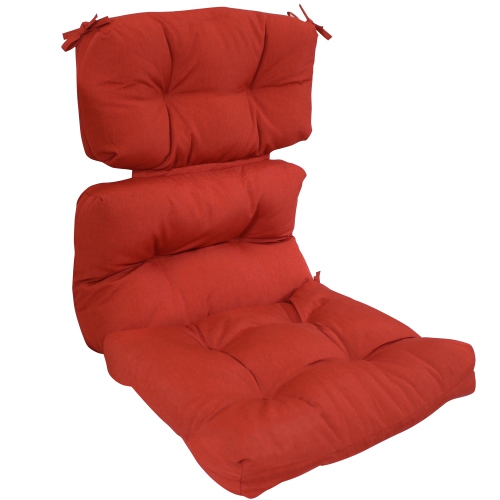 Your price for this item is $88.85
 -
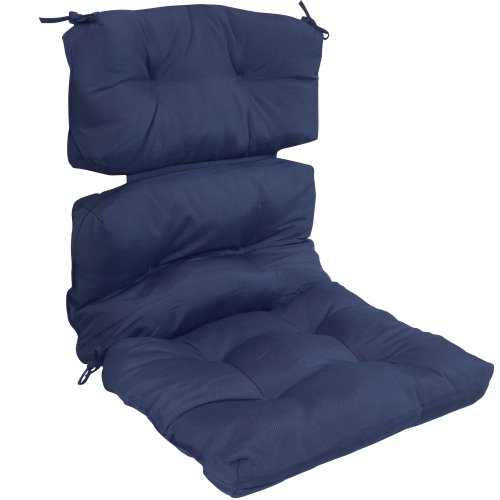 Your price for this item is $88.85
 -
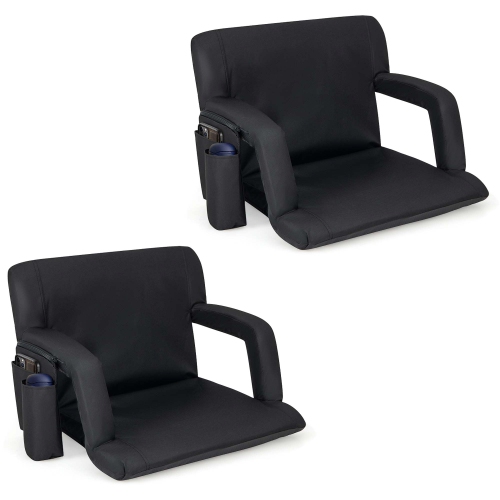 Your price for this item is $167.99
 -
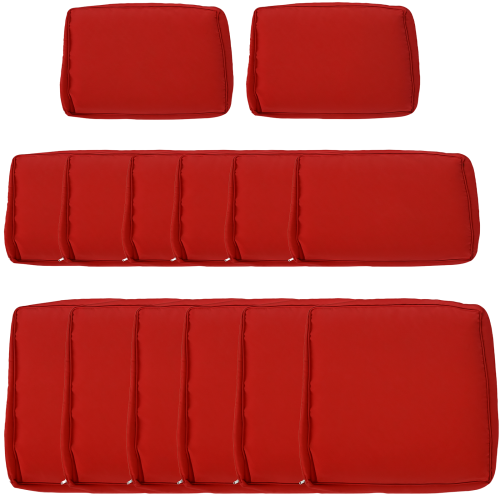 Your price for this item is $94.99
 -
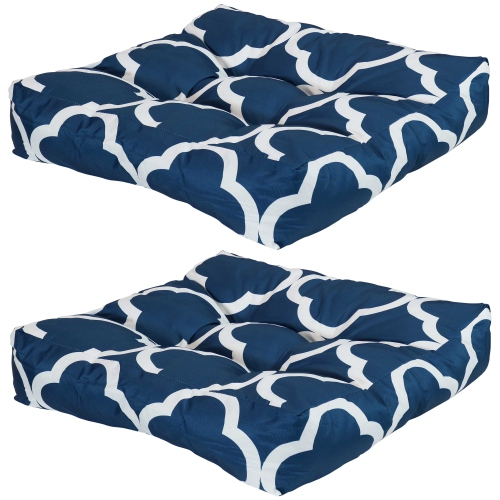 Your price for this item is $64.15
 -
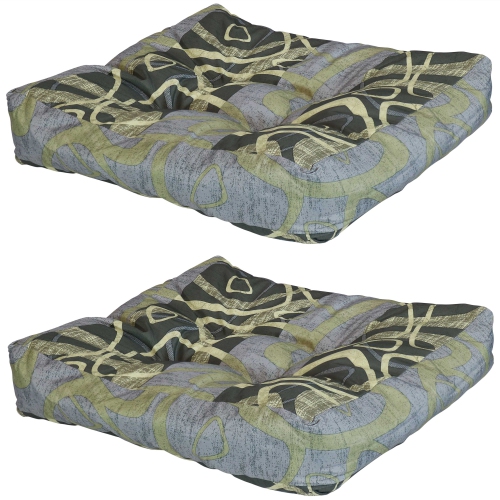 Your price for this item is $77.35
 -
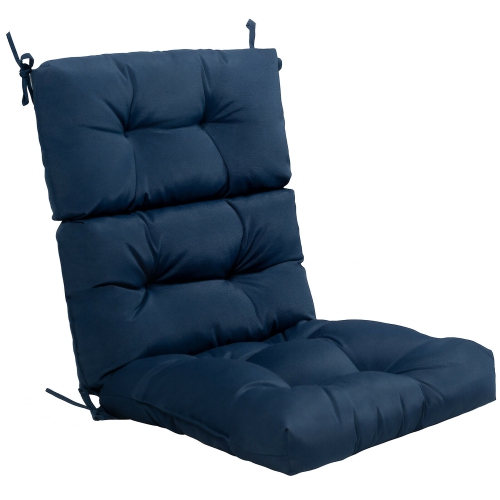 Your price for this item is $59.99
 -
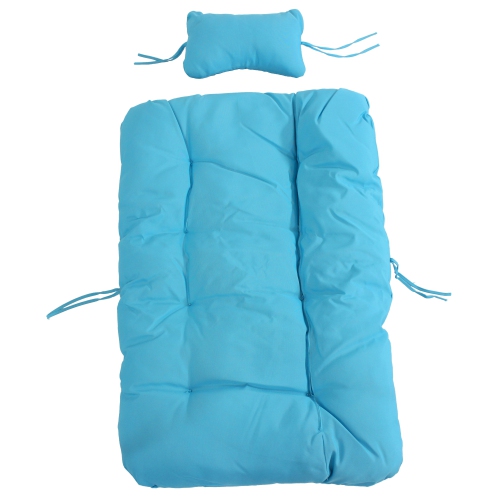 Your price for this item is $154.35
Discover more categories related to White Cushions

Top Collections:
Pokemon Centers, Kindle Devices, Best Budget Office Chairs, Apple iPhones 16, Best Laptops for Writers, iPhone 15 Apple, Canon G7X Cameras, Refurbished Apple Laptops, Alarm Clock, Motorola Razr Phones
Some products may be subject to Environmental Handling Fees
(EHF) depending on your province.
Learn more about EHFs.