White Living Room Chairs
Looking to add a touch of elegance and sophistication to your living room? White living room chairs are the perfect choice for creating a clean and stylish aesthetic in almost any space. Whether you prefer a modern or traditional design, these versatile chairs effortlessly blend with almost any decor style, making them a timeless addition to your home. Here are some great options available.
Sort

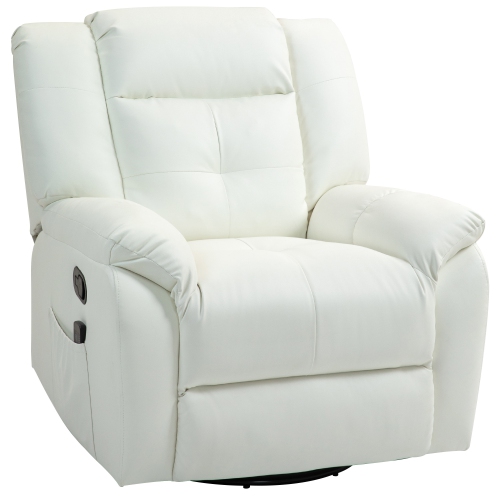
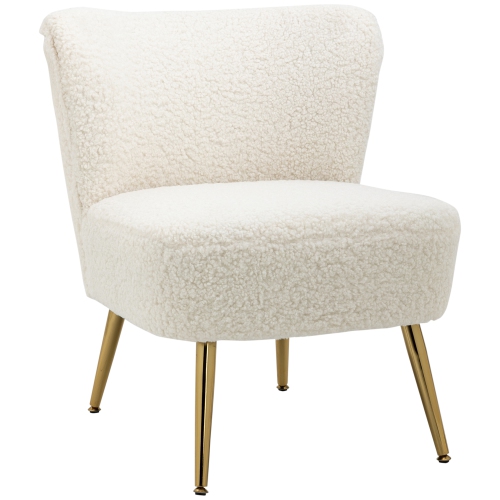
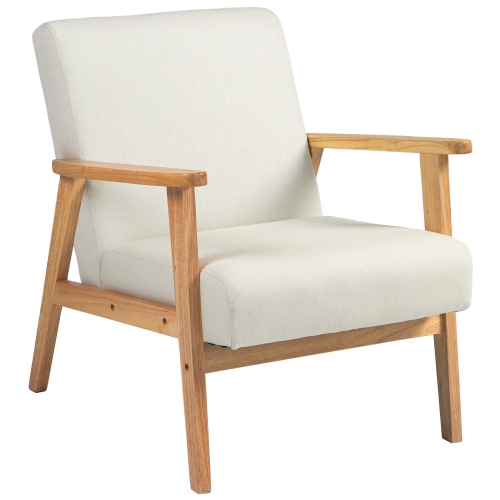
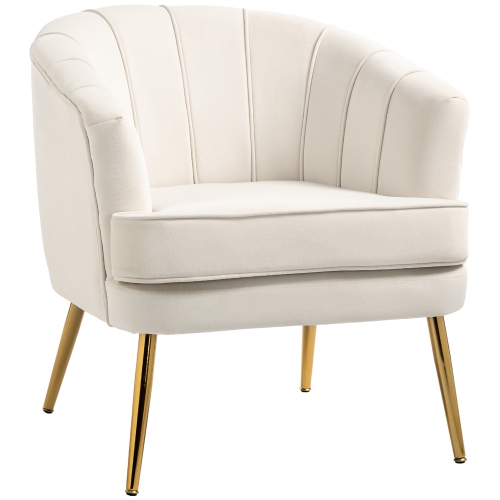
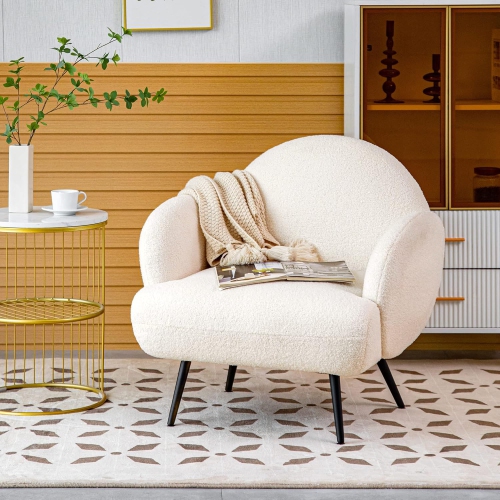
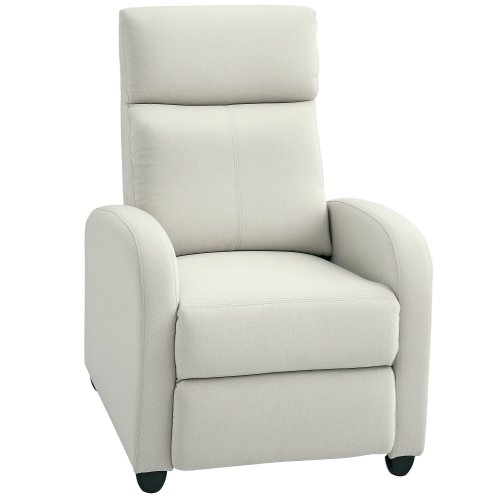
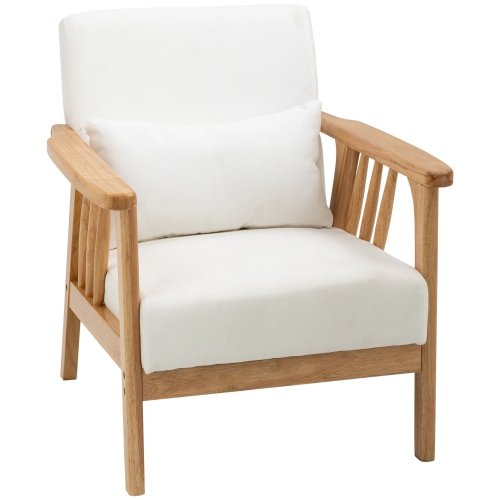
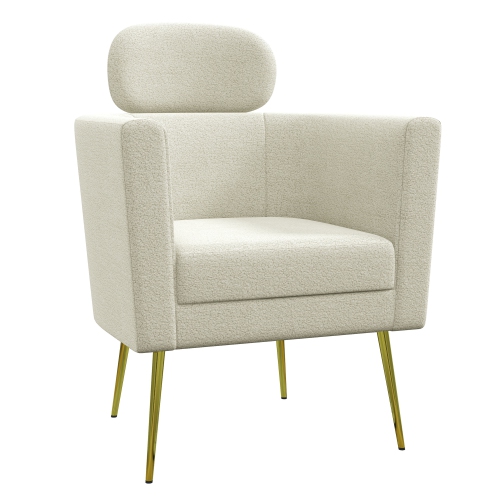
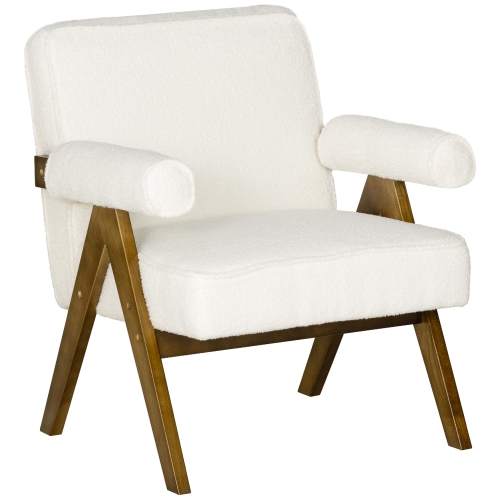
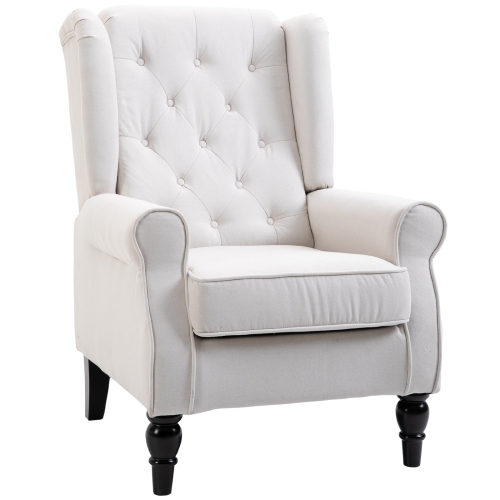
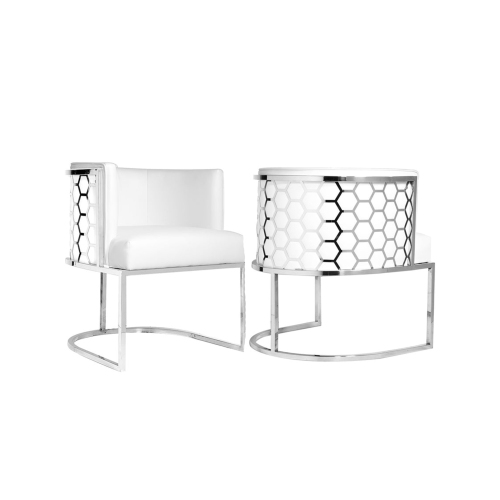
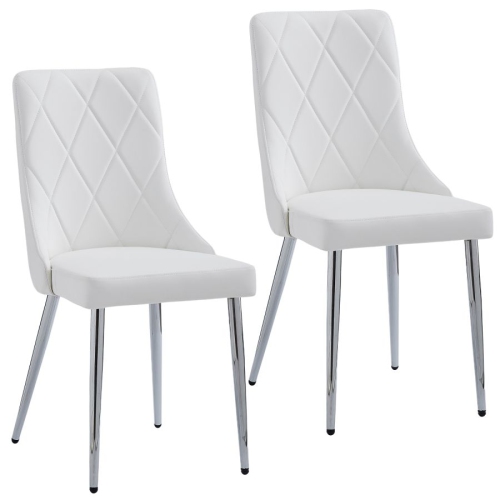
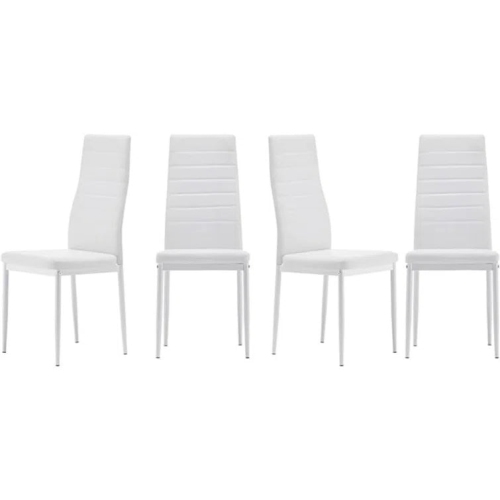
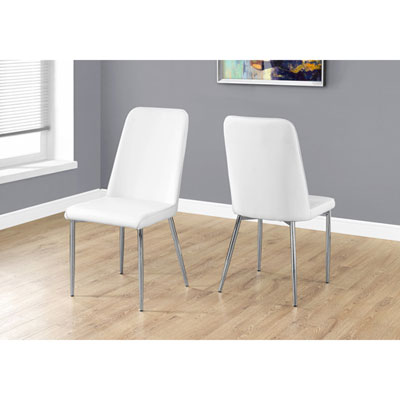
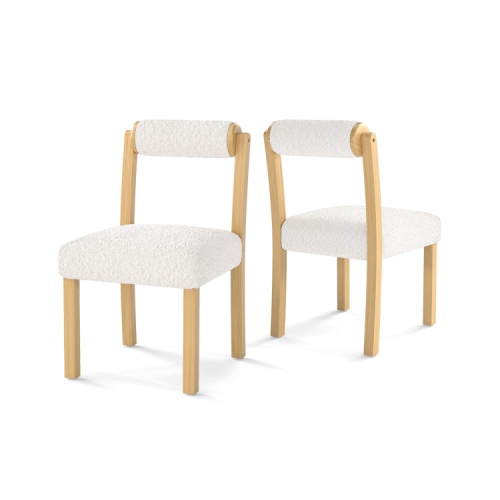
How shape and shade define a chair’s presence
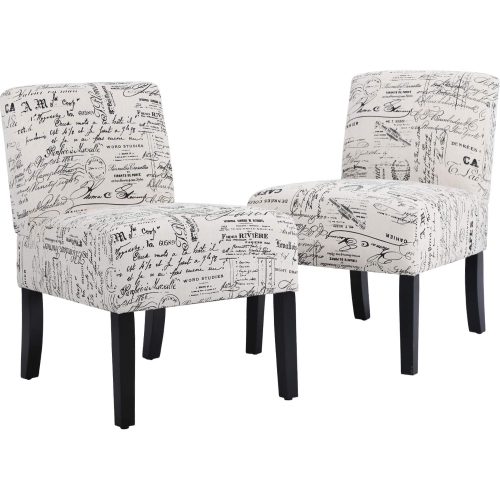
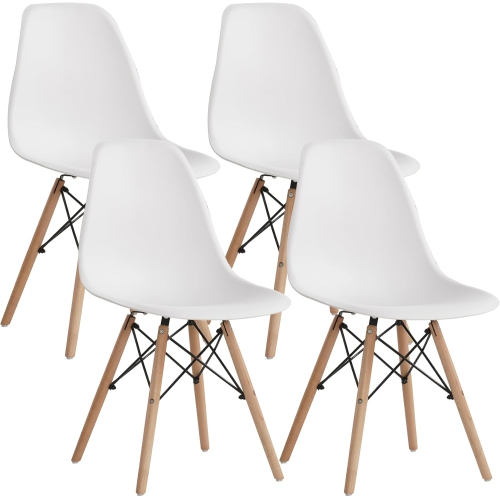
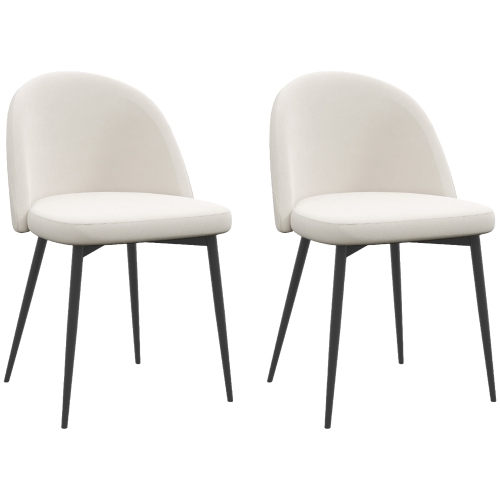
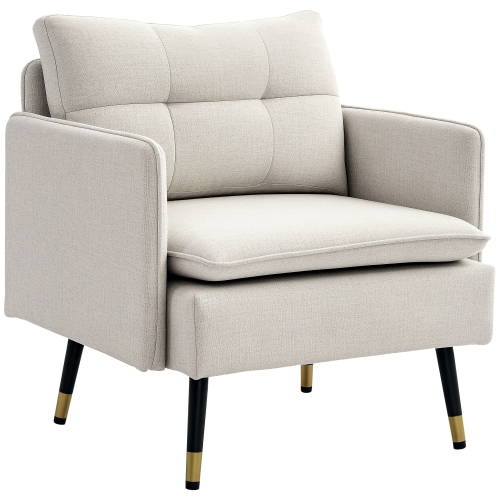
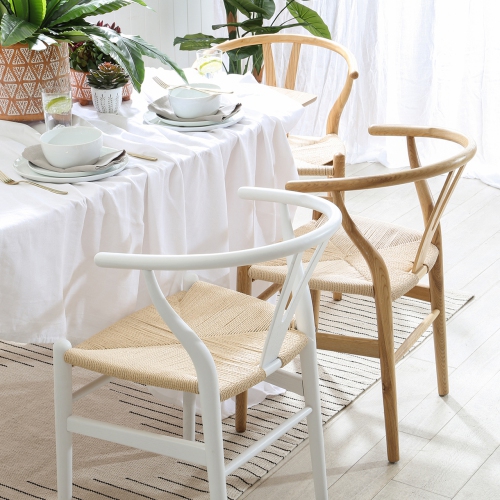
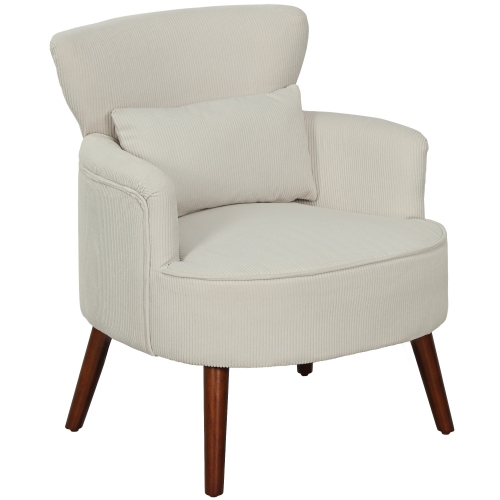
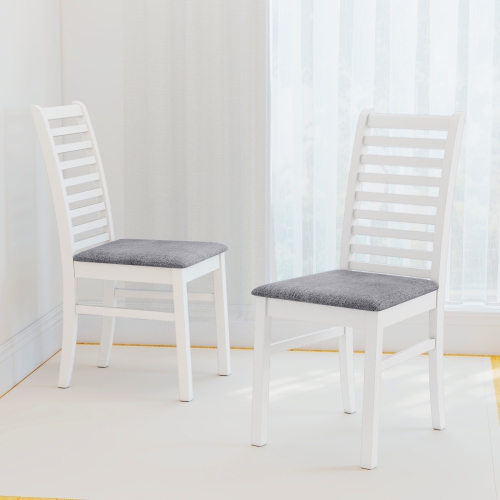
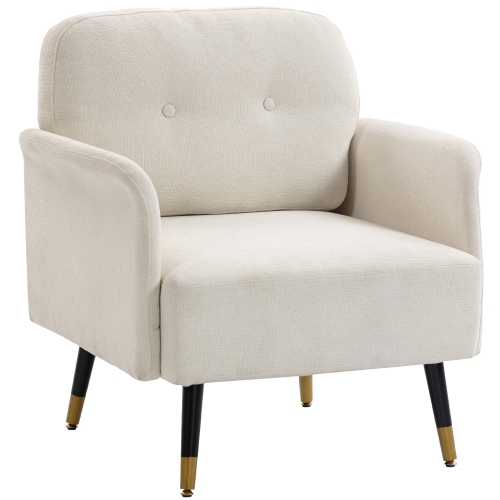
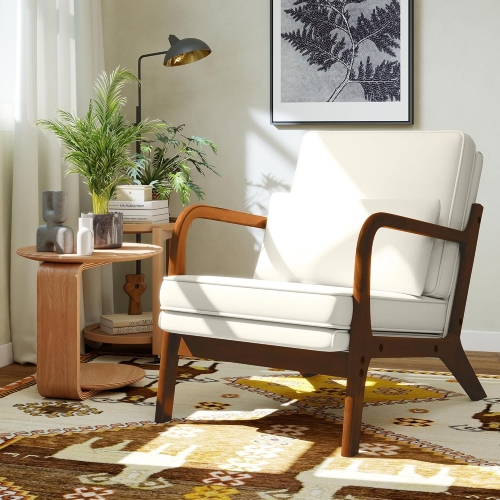
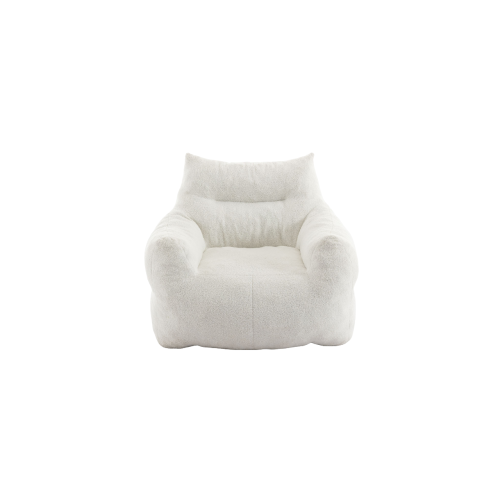
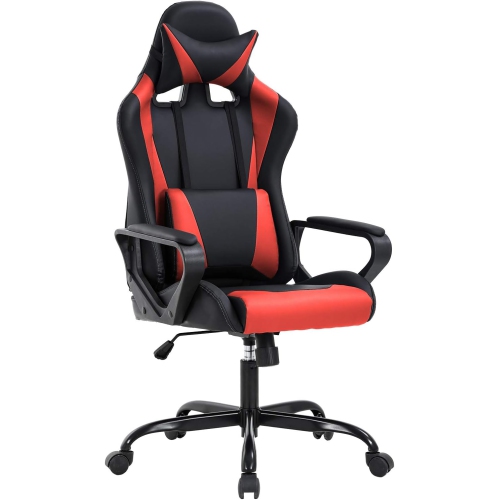
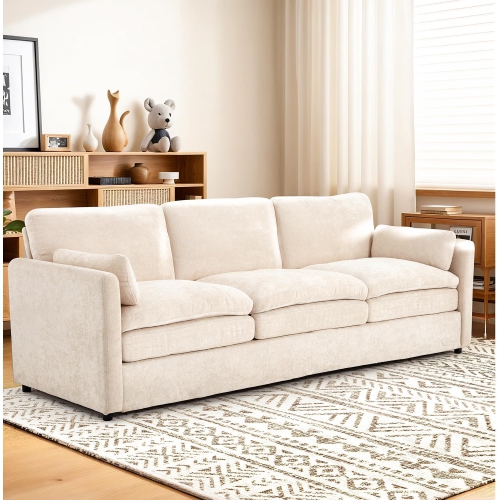
White living room chairs bring a light, defined presence to a seating area without requiring the rest of the room to follow a single colour scheme. Against a charcoal sofa, a white accent chair creates contrast; beside pale wood furniture and a textured rug, it contributes to a softer, more tonal arrangement. The shape of the chair often has as much influence as its colour. Rounded barrel backs can make a conversation corner feel inviting, while straight arms and exposed legs give a room a more tailored appearance. A wingback silhouette adds height beside a low sofa, and an armless chair can leave sightlines open in a compact apartment. White also covers a broad range of shades, from crisp white to ivory and warm cream. Undertones become especially noticeable when several pale furnishings sit together, so upholstery samples, when provided, can help reveal how a fabric looks beside existing paint, flooring, and curtains. A warm white may sit comfortably with oak and beige, while a brighter white can create a sharper contrast with black metal or dark walnut finishes. Texture adds another layer: a nubby weave catches light differently from smooth leather, even when both are described as white. For a coordinated seating area, white living room sofas can share a similar palette without needing to match every curve or fabric detail. Varying the silhouettes keeps the arrangement from feeling flat, while repeating a wood tone or metal finish gives the pieces a visual connection. A single chair beside a reading lamp can turn an unused corner into a comfortable spot for a book, while a pair angled towards a sofa helps establish a place for conversation. In an open-plan home, the backs of the chairs may be visible from the dining area or entryway, making their rear profile and upholstery finish part of the overall room design.
Comfort depends on how a chair fits both the person sitting in it and the space around it. A deep seat can suit someone who likes to curl up with their feet tucked underneath them, but it may leave a shorter person needing a cushion behind their back. A shallower seat and a supportive, upright back are often better suited to conversation or sitting with both feet on the floor. Seat height matters, too: a low lounge chair creates a relaxed posture, whereas a higher seat with firm cushions and sturdy arms may make sitting down and standing up more manageable. Cushion firmness should be considered alongside the chair’s purpose. Soft padding can feel welcoming at first, but a chair used for extended reading also needs enough support to remain comfortable over time. Foam, fibre, and combinations of filling materials produce different sitting experiences, and loose cushions may need regular reshaping. For room fit, the full outside dimensions matter more than the seat width alone. Broad arms and a curved back can take up considerable floor space without adding much usable seating. Measuring the intended position, nearby walkways, and the route through doorways helps avoid a chair that looks right in the room but is awkward to bring inside. Reclining designs need space for their moving parts, and swivel chairs need clearance so their arms do not strike a side table or wall. Construction details contribute to durability: secure joints, a stable base, supportive seat suspension, and neatly finished seams are useful features to assess. Exposed legs should sit evenly, with floor protectors suited to the flooring beneath them. For a frequently used family room, a supportive chair with a practical upholstery finish may be more suitable than a delicate occasional chair intended mainly for visiting guests. A chair used beside a television may also benefit from a higher back, provided its position allows a comfortable view without twisting the neck.
Upholstery is particularly important with white living room chairs because texture, wear, and small marks can be more noticeable on a pale surface. Tightly woven fabrics can offer a relatively smooth finish, while bouclé and other looped textures bring depth but may catch on pet claws or sharp accessories. Velvet has a soft pile that can show shading and pressure marks as its fibres change direction; this variation is part of its appearance rather than necessarily a stain. Leather can be practical for wiping up some everyday spills promptly, although its finish determines the care it needs, and it can still scratch or absorb colour from clothing. Faux leather has its own cleaning requirements and should not be treated with products intended for genuine leather unless the manufacturer permits them. Fabric described as stain-resistant is not stain-proof, and performance claims are most useful when supported by clear care instructions. Removable covers can make upkeep easier, but a zipper does not automatically mean a cover is machine washable. Checking the cleaning label before using water, detergent, or upholstery cleaner helps protect the colour and texture. For day-to-day care, gentle vacuuming with an appropriate upholstery attachment removes crumbs and grit that can work into seams. Spills are generally best blotted promptly rather than rubbed, with any cleaning method tested on a hidden area first and used according to the manufacturer’s directions. Dark denim, strongly coloured throws, and some printed fabrics can transfer dye onto pale upholstery, particularly through repeated contact. A washable throw placed where a pet likes to settle can add a useful protective layer, though its own colourfastness matters. Rotating reversible cushions, when the design allows, can help distribute wear across the seating surface. Direct sunlight may affect upholstery over time, so placement near a bright window deserves consideration. With materials and proportions suited to daily routines, a white chair can serve as an everyday reading seat, a welcoming place for guests, or a quiet corner for a shared story.
Comfort depends on how a chair fits both the person sitting in it and the space around it. A deep seat can suit someone who likes to curl up with their feet tucked underneath them, but it may leave a shorter person needing a cushion behind their back. A shallower seat and a supportive, upright back are often better suited to conversation or sitting with both feet on the floor. Seat height matters, too: a low lounge chair creates a relaxed posture, whereas a higher seat with firm cushions and sturdy arms may make sitting down and standing up more manageable. Cushion firmness should be considered alongside the chair’s purpose. Soft padding can feel welcoming at first, but a chair used for extended reading also needs enough support to remain comfortable over time. Foam, fibre, and combinations of filling materials produce different sitting experiences, and loose cushions may need regular reshaping. For room fit, the full outside dimensions matter more than the seat width alone. Broad arms and a curved back can take up considerable floor space without adding much usable seating. Measuring the intended position, nearby walkways, and the route through doorways helps avoid a chair that looks right in the room but is awkward to bring inside. Reclining designs need space for their moving parts, and swivel chairs need clearance so their arms do not strike a side table or wall. Construction details contribute to durability: secure joints, a stable base, supportive seat suspension, and neatly finished seams are useful features to assess. Exposed legs should sit evenly, with floor protectors suited to the flooring beneath them. For a frequently used family room, a supportive chair with a practical upholstery finish may be more suitable than a delicate occasional chair intended mainly for visiting guests. A chair used beside a television may also benefit from a higher back, provided its position allows a comfortable view without twisting the neck.
Upholstery is particularly important with white living room chairs because texture, wear, and small marks can be more noticeable on a pale surface. Tightly woven fabrics can offer a relatively smooth finish, while bouclé and other looped textures bring depth but may catch on pet claws or sharp accessories. Velvet has a soft pile that can show shading and pressure marks as its fibres change direction; this variation is part of its appearance rather than necessarily a stain. Leather can be practical for wiping up some everyday spills promptly, although its finish determines the care it needs, and it can still scratch or absorb colour from clothing. Faux leather has its own cleaning requirements and should not be treated with products intended for genuine leather unless the manufacturer permits them. Fabric described as stain-resistant is not stain-proof, and performance claims are most useful when supported by clear care instructions. Removable covers can make upkeep easier, but a zipper does not automatically mean a cover is machine washable. Checking the cleaning label before using water, detergent, or upholstery cleaner helps protect the colour and texture. For day-to-day care, gentle vacuuming with an appropriate upholstery attachment removes crumbs and grit that can work into seams. Spills are generally best blotted promptly rather than rubbed, with any cleaning method tested on a hidden area first and used according to the manufacturer’s directions. Dark denim, strongly coloured throws, and some printed fabrics can transfer dye onto pale upholstery, particularly through repeated contact. A washable throw placed where a pet likes to settle can add a useful protective layer, though its own colourfastness matters. Rotating reversible cushions, when the design allows, can help distribute wear across the seating surface. Direct sunlight may affect upholstery over time, so placement near a bright window deserves consideration. With materials and proportions suited to daily routines, a white chair can serve as an everyday reading seat, a welcoming place for guests, or a quiet corner for a shared story.
Top selling and popular products
-
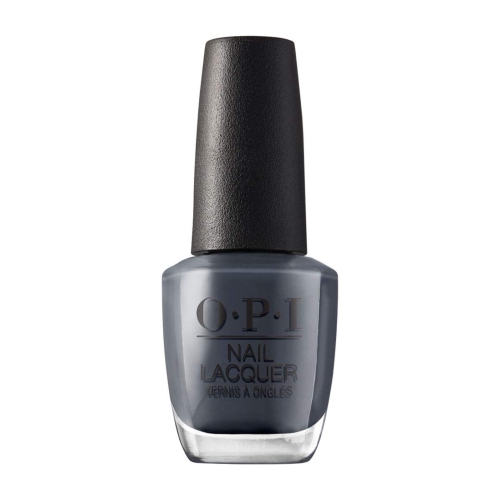 Your price for this item is $13.3
 -
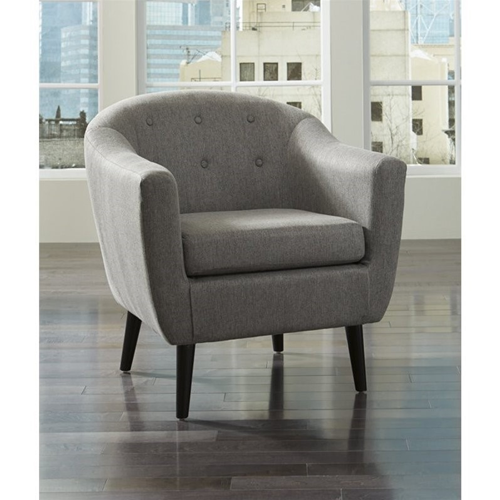 Your price for this item is $544.85
 -
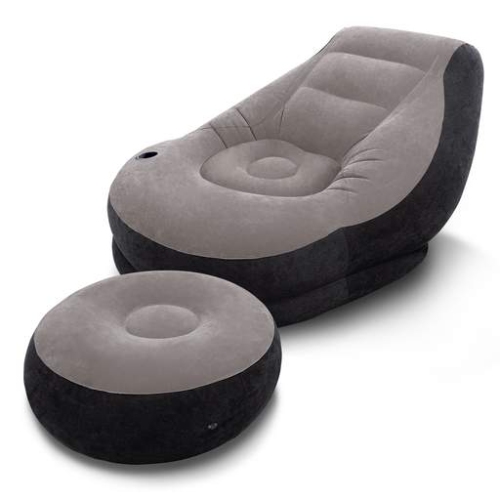 Your price for this item is $276.99
 -
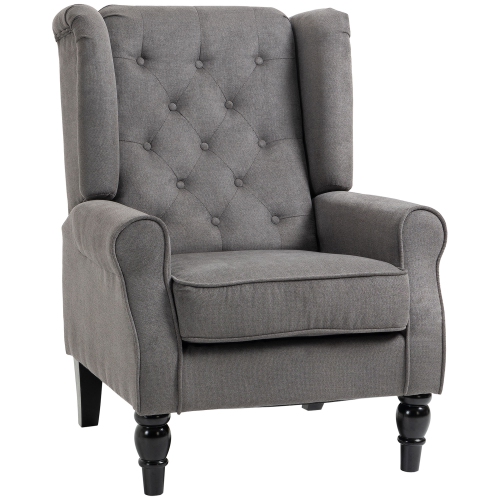 Your price for this item is $259.99
 -
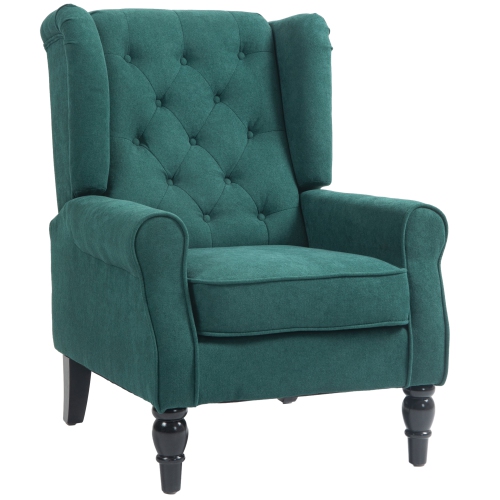 Your price for this item is $219.99
 -
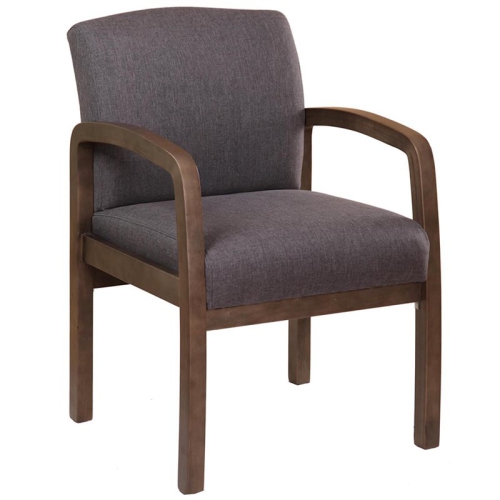 Your price for this item is $626.53
 -
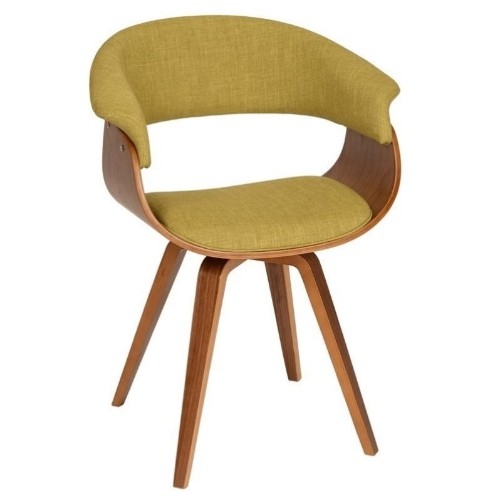 Your price for this item is $486.21
 -
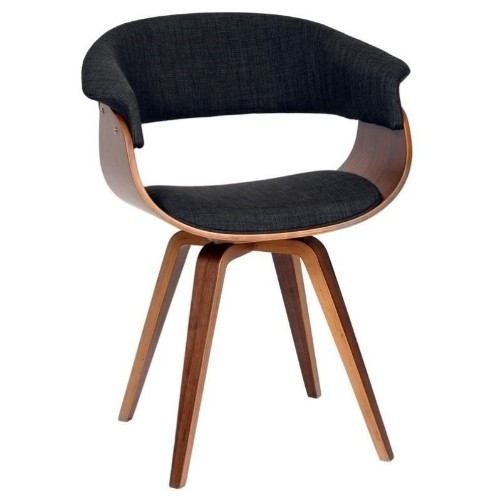 Your price for this item is $516.72
Discover more categories related to White Living Room Chairs
Top Collections:
Pokemon Centers, Kindle Devices, Best Budget Office Chairs, Apple iPhones 16, Canon G7X Cameras, iPhone 15 Apple, Alarm Clock, Refurbished Apple Laptops, Flip Phones, Best Laptops for Writers
Some products may be subject to Environmental Handling Fees
(EHF) depending on your province.
Learn more about EHFs.